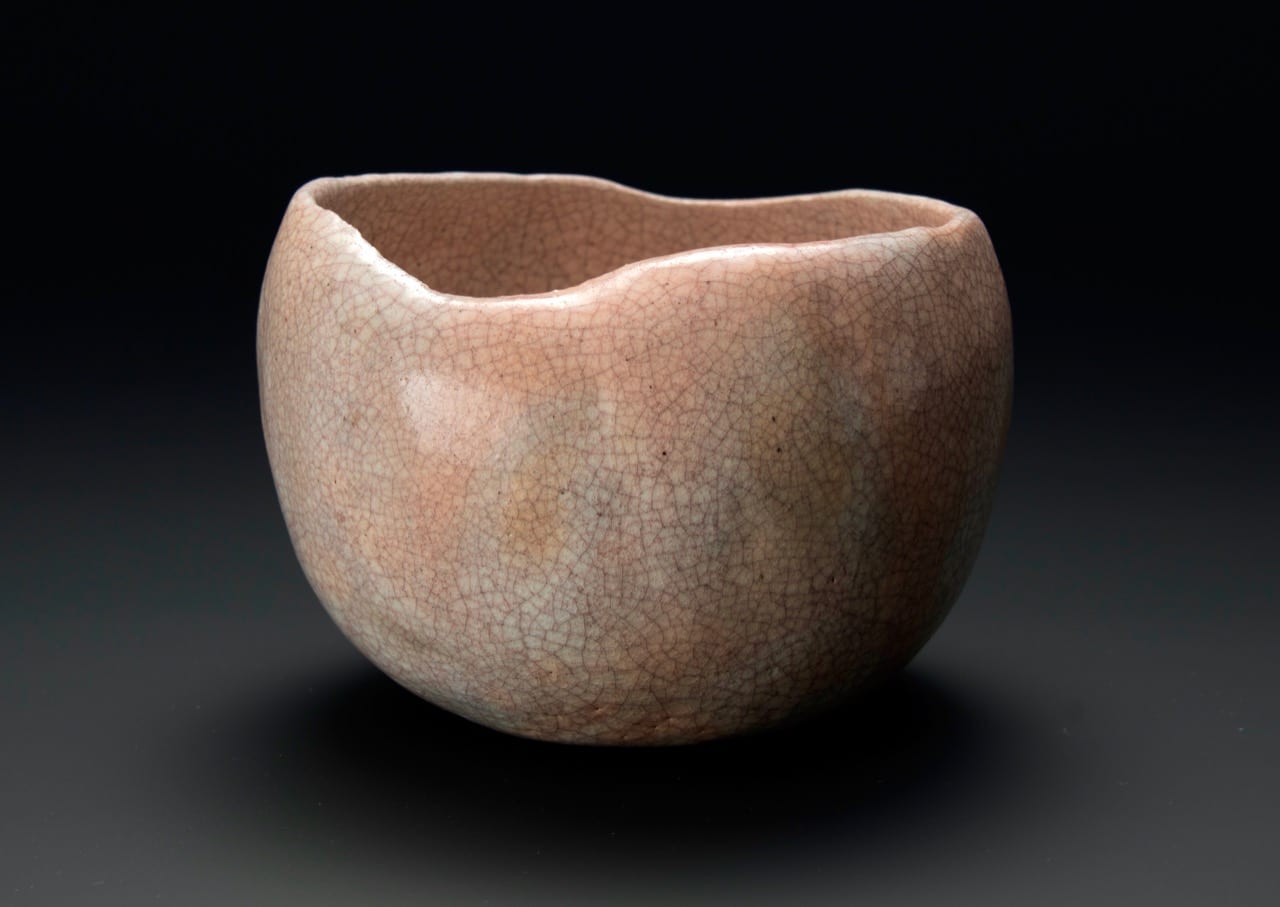
Raku XV “Reki-yu” Tea Bowl
Raku tea bowls and other tea-ware implements are shaped by hand, using clay that was prepared often several generations before by a previous Kichizaemon (master
Selected by shared artwork type, categories, artist and era. Available works appear first.
Back to the artwork · Browse the full collection
Raku tea bowls and other tea-ware implements are shaped by hand, using clay that was prepared often several generations before by a previous Kichizaemon (master
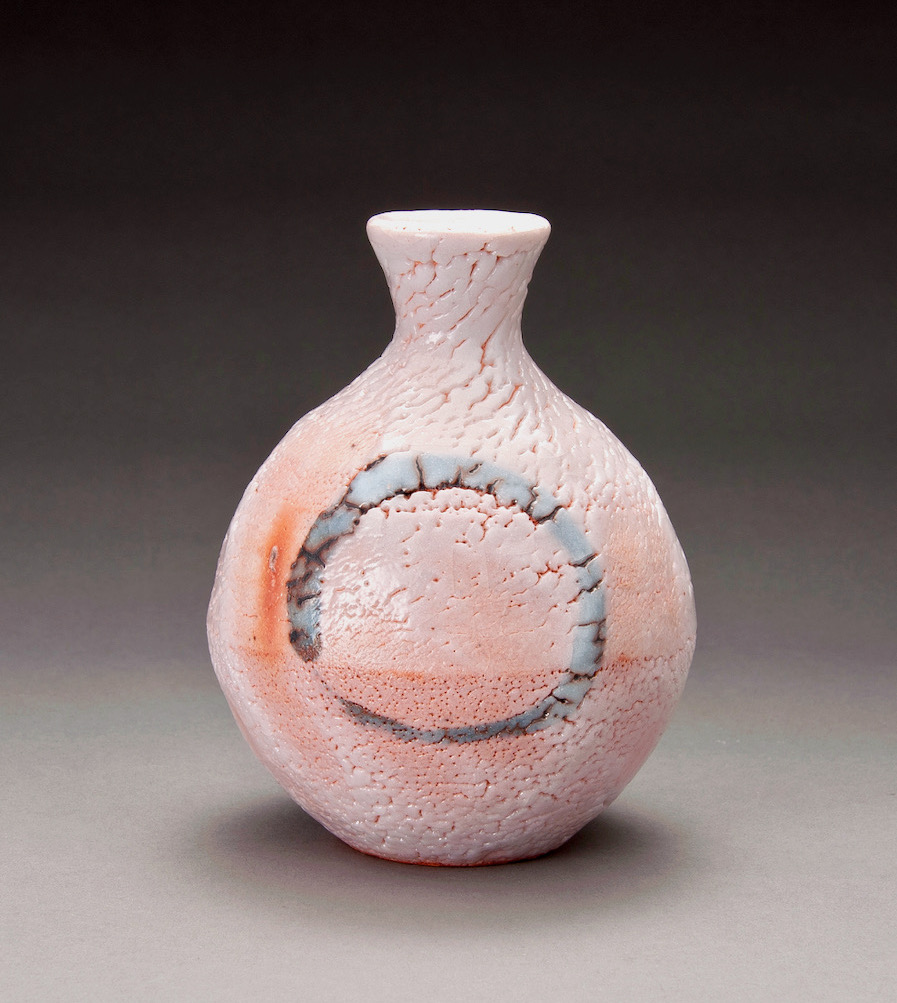
This depiction of the eternal “ensō” on a backdrop of pearly white feldspar over red clay signifies enlightenment, the eternal, the nothingness, and the freedom
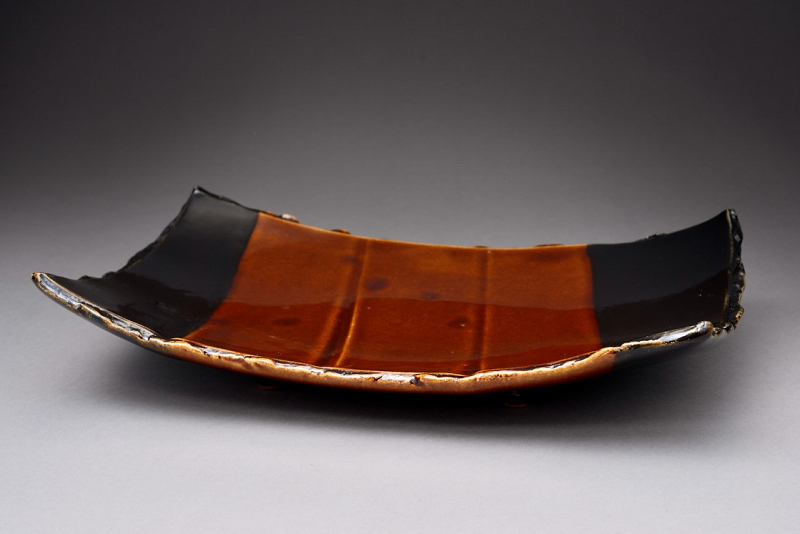
This large serving tray by Ōhi Chōzaemon XI (Toshio) brings together the rich glaze tradition of Ōhi ware and a distinctly contemporary sculptural form. Its bro

A stunning example of blue/ green Oribe-ware by one of the veterans of Mino ceramics, this platter displays astounding variation in color and texture with deep
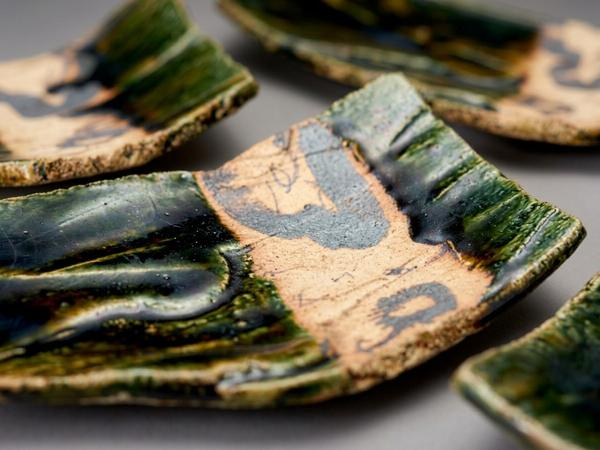
Few contemporary potters have explored Oribe with the originality and energy of Takauchi Shugo. His pieces tend to embody an unmistakable sense of movement and
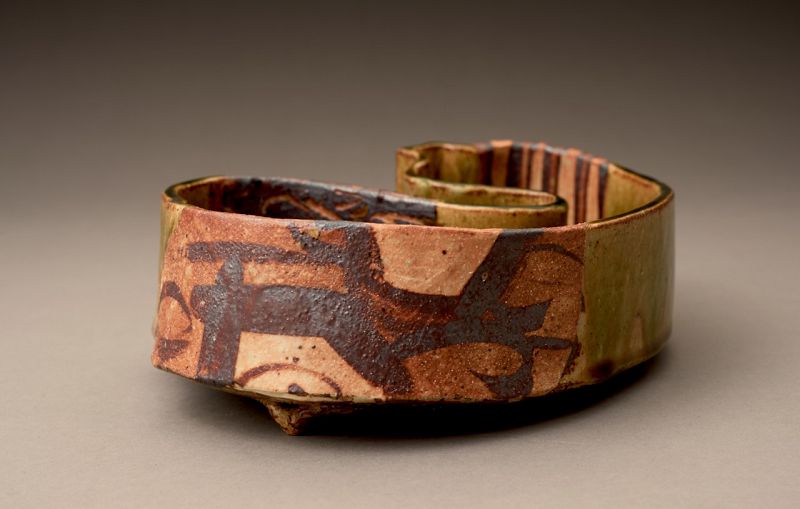
A harmonious blend of traditional craftsmanship and contemporary artistic expression, this extraordinary serving dish encapsulates the essence of Oribe pottery
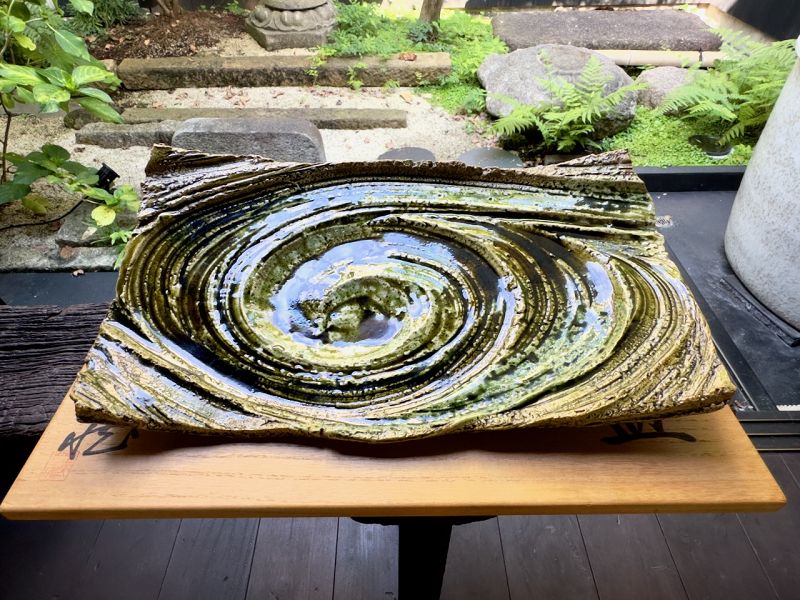
Displaying a bold Oribe glaze and sweeping comb pattern culminating in a dynamic vortex, this wonderful platter is the result of years of trial and error by one

Exquisitely painted willow branches (yanagi) on a background of jet-black traditional lacquer; this exquisite functional art object appeals not only to practiti
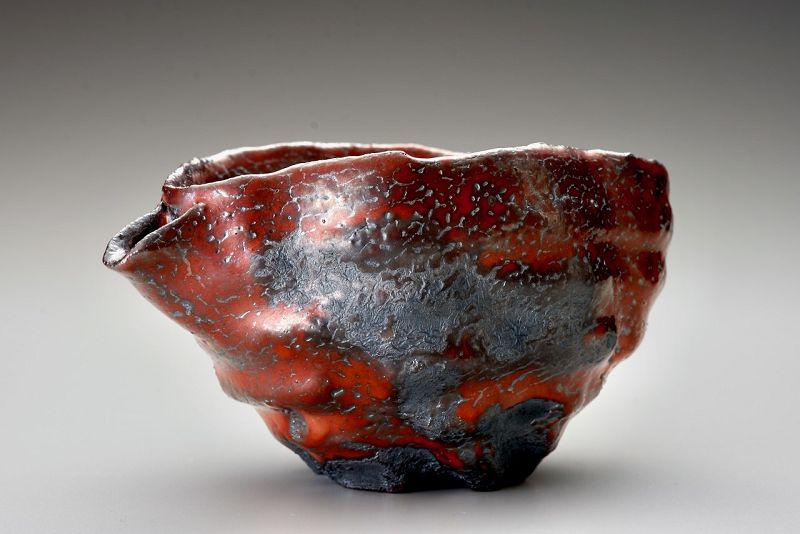
A decidedly modern and innovative take on the classic Shino trope, this “kataguchi” or one-sided pouring vessel lends an air of depth, contemplation, and brilli
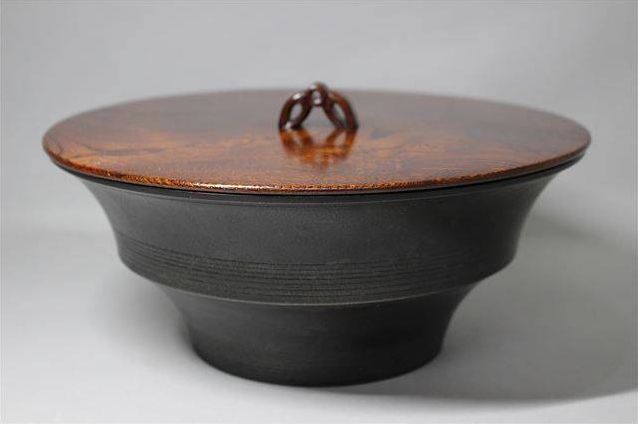
First presented at the Ishikawa Traditional Crafts Exhibition, this fine mizusashi crafted with extraordinary precision is a testament to the generational knowl
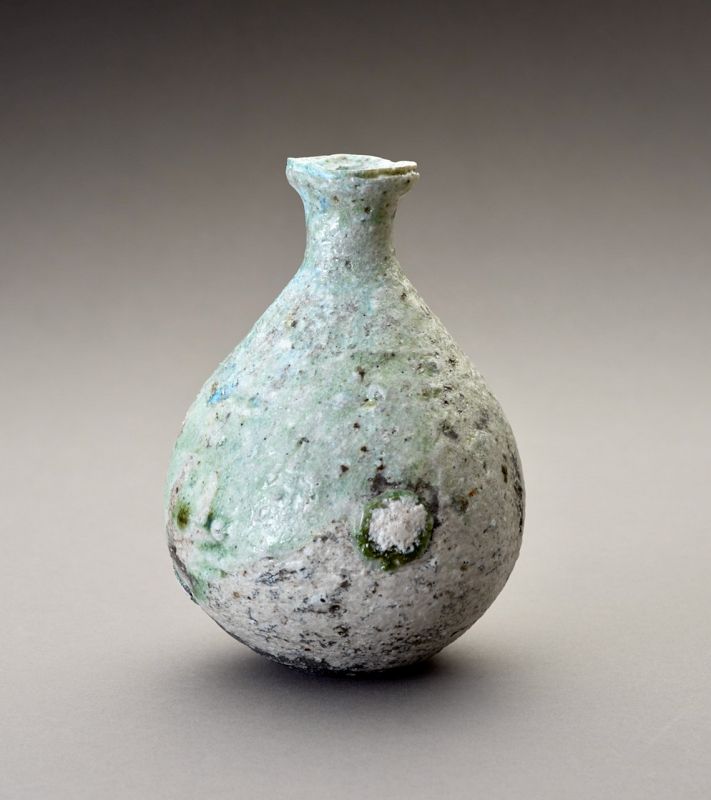
With an uncanny ability to emulate features of the natural environment, the creator of this sake vessel,Tsujimura Yui, is one of Japan’s most skilled potters wo
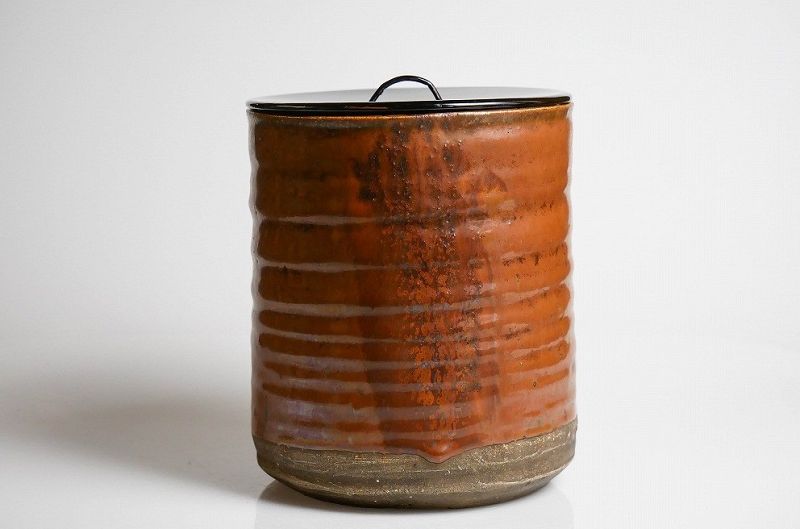
Seto is a pottery tradition established in the 12th century with the aim of reproducing fine Chinese porcelain and tenmoku-style tea bowls—which were hard to co
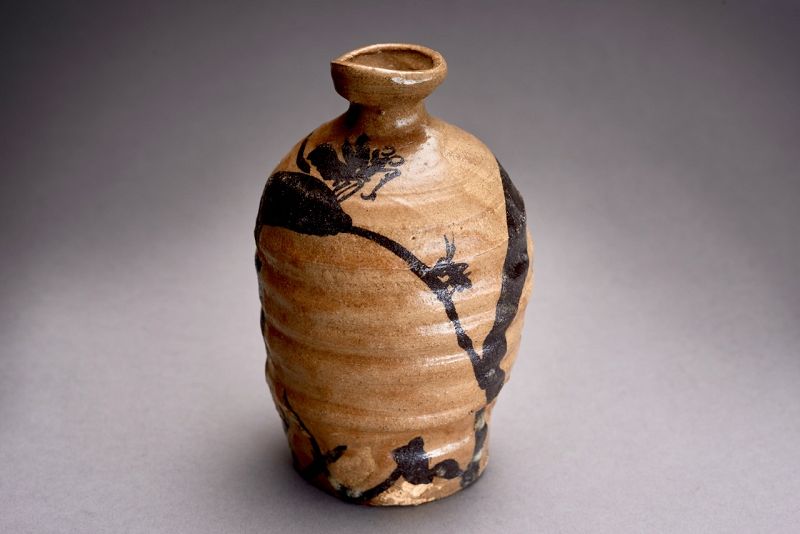
Known for his non-conformist and bold style, Suzuki Goro has outdone himself with this stylized Oribe sake flask (tokkuri). Oribe is a visual style named after
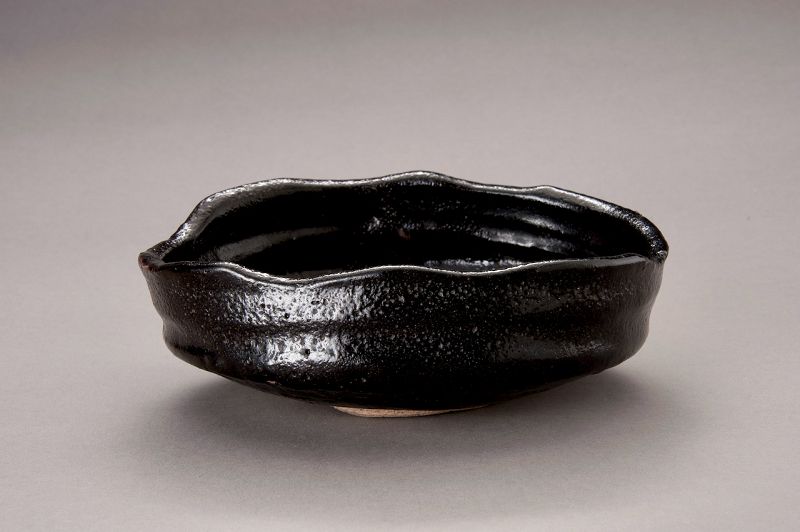
Living in Kyoto it is not uncommon to come across beautiful antique tea bowls, however, finding pieces that are in good condition, aesthetically compelling, and
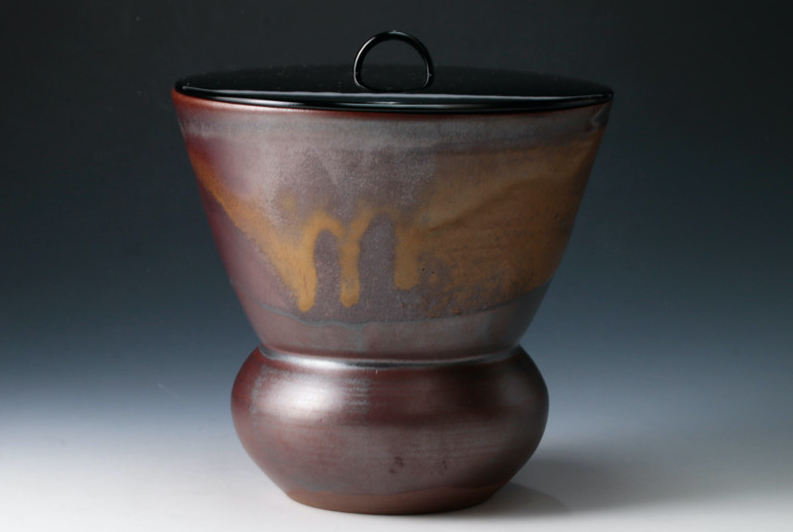
Over 400 years ago the first Takatori potter known as “Hachizan” was brought to Japan by the powerful Kuroda clan and was tasked with establishing a kiln in the
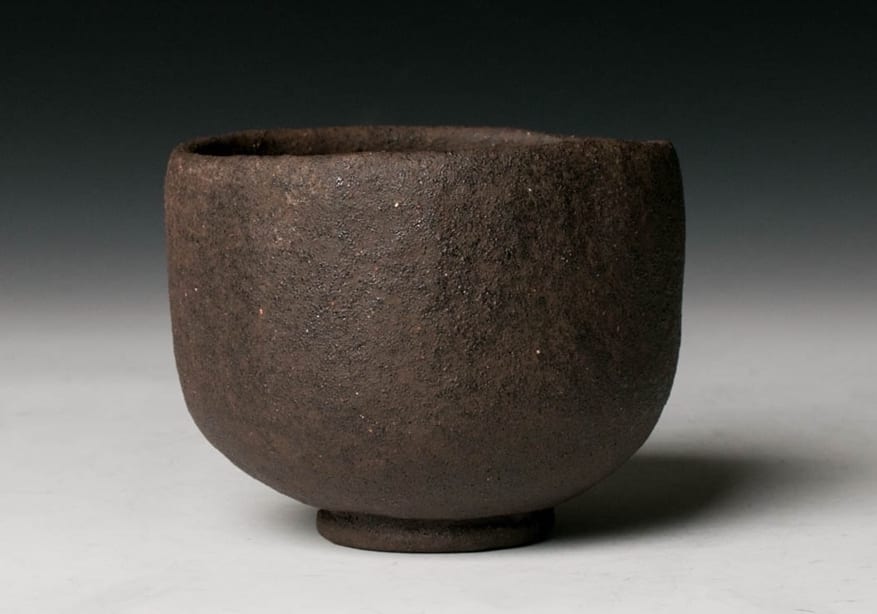
In the world of Japanese ceramics, Tamamizu-ware has an almost mythical standing. A branch of the main Raku line, at one time the two kilns held equal prominenc
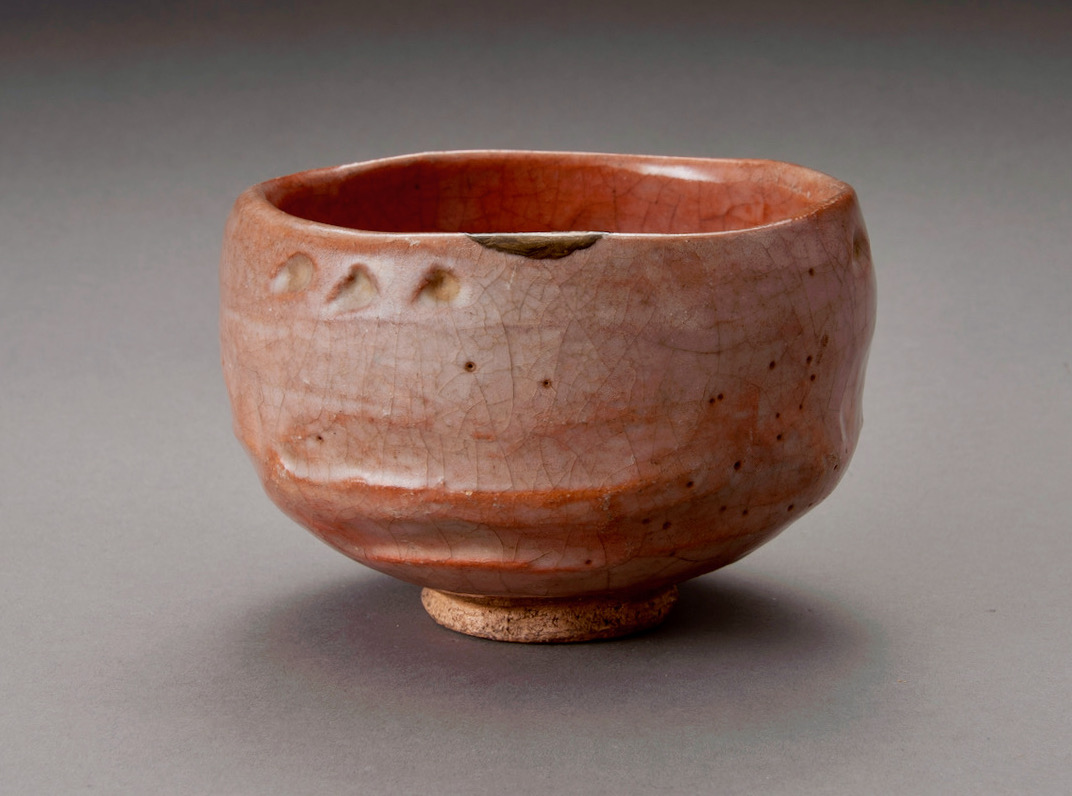
Over the years we have taken a special interest in Raku-ware and especially in works produced by the Tamamizu kiln, such as the 300+ year old ceremonial tea bow
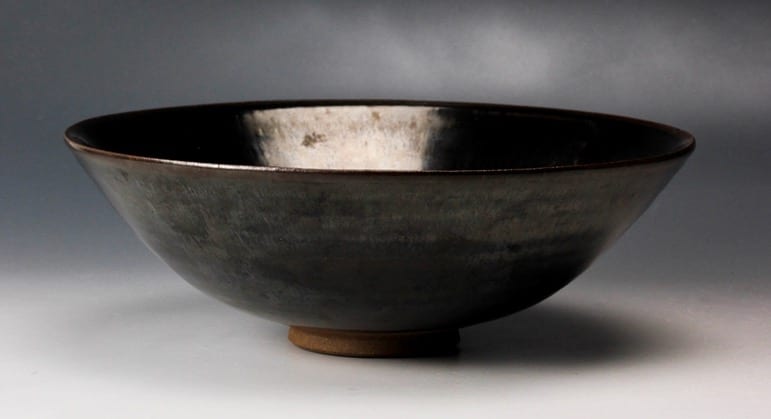
Yuzo Kondo is one of the more recognized names in the world of modern Japanese pottery of the 20th century. Though known mainly for his sometsuke creations (blu
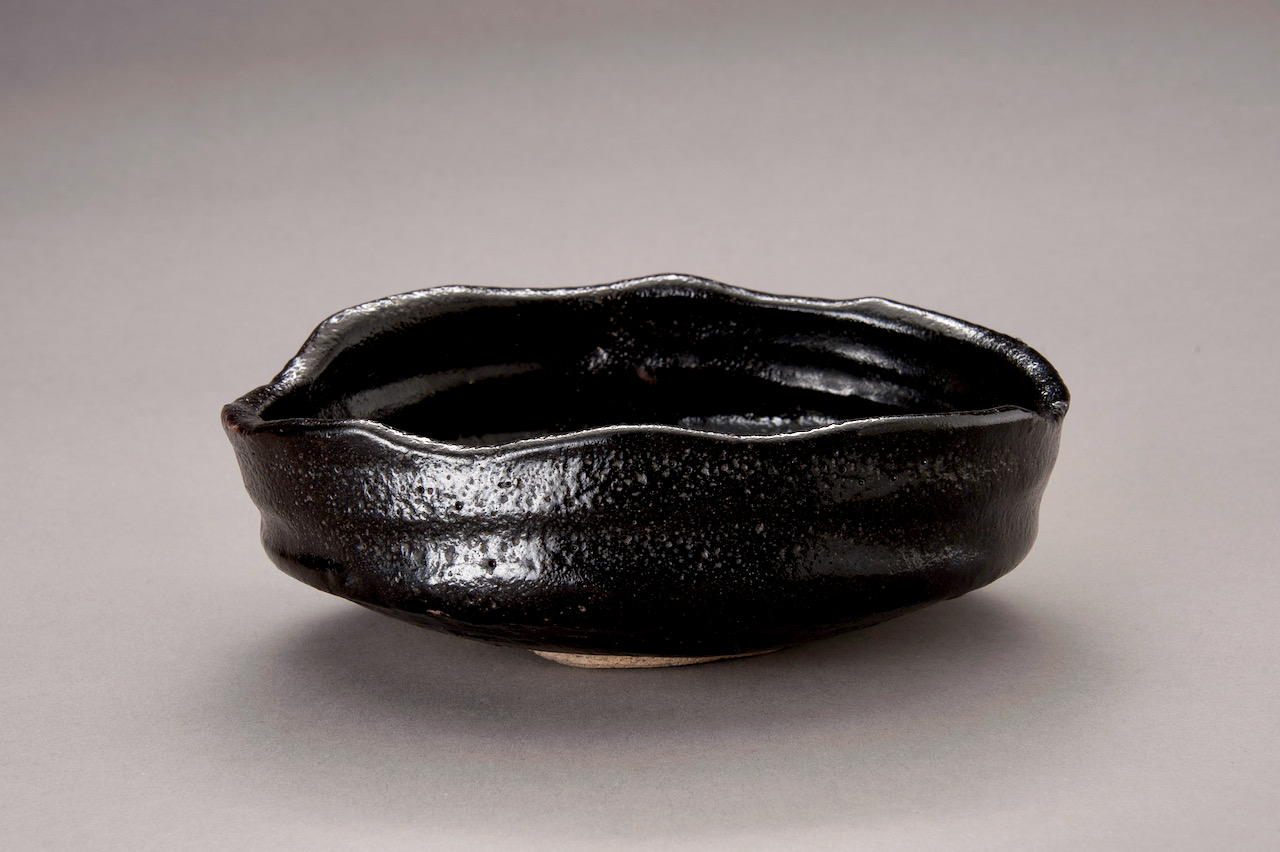
Living in Kyoto it is not uncommon to come across beautiful antique tea bowls, however, finding pieces that are in good condition, aesthetically compelling, and
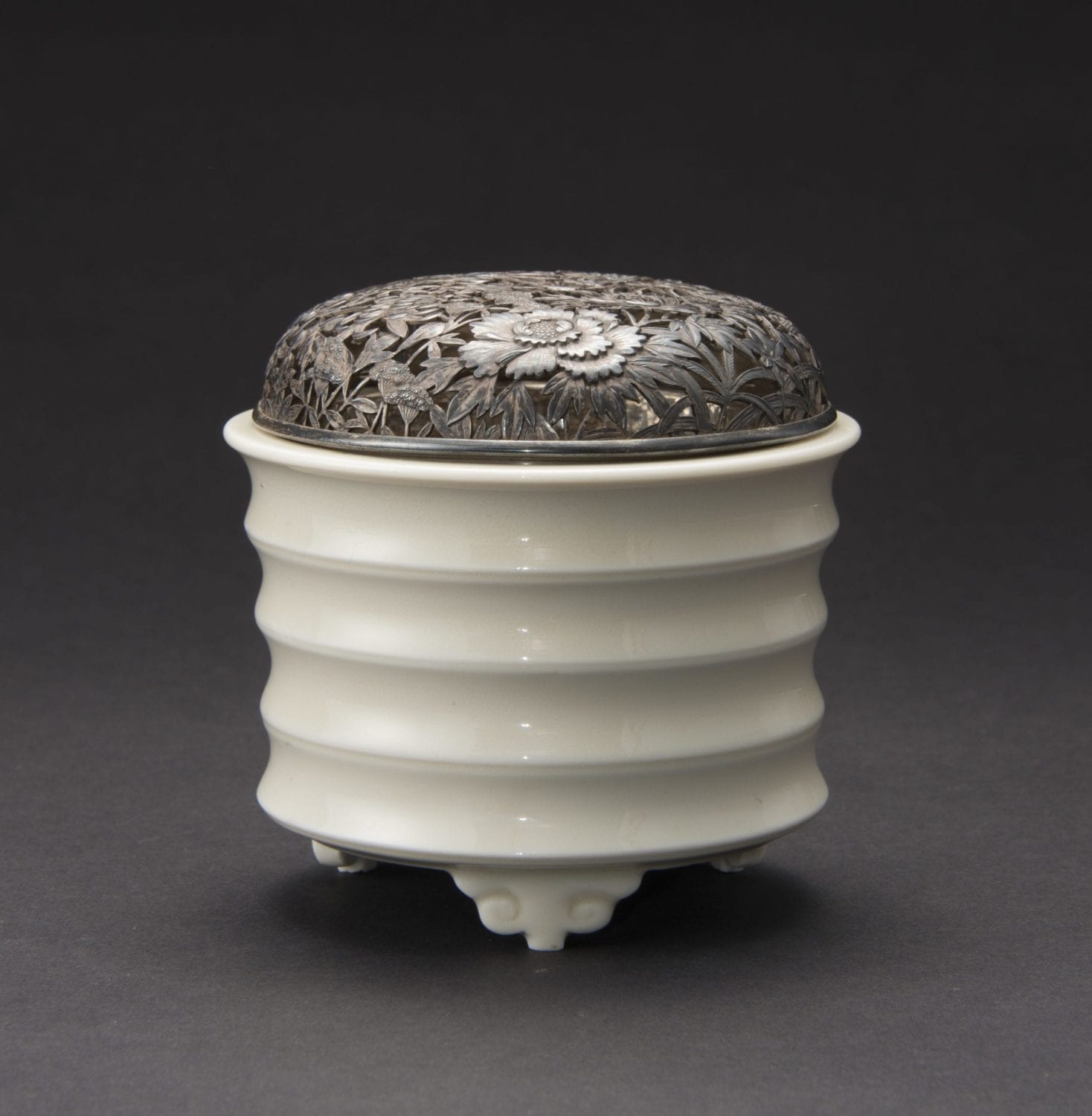
This Meiji period incense burner is made of fine white porcelain with a silver globe decorated with autumn foliage. As with much of Japanese pottery from this e
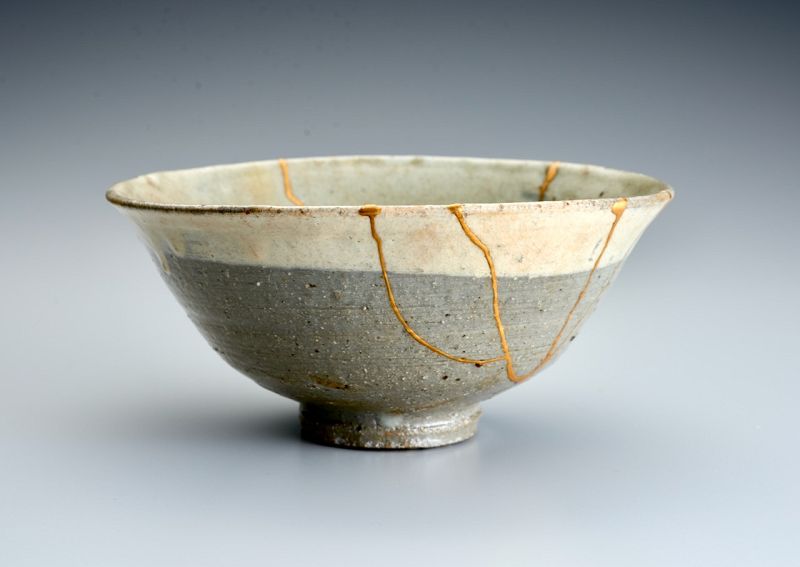
Here we see a beautiful example of Korean blue-grey pottery from centuries past. At some point it was brought to Japan, so we can safely assume that it was expr
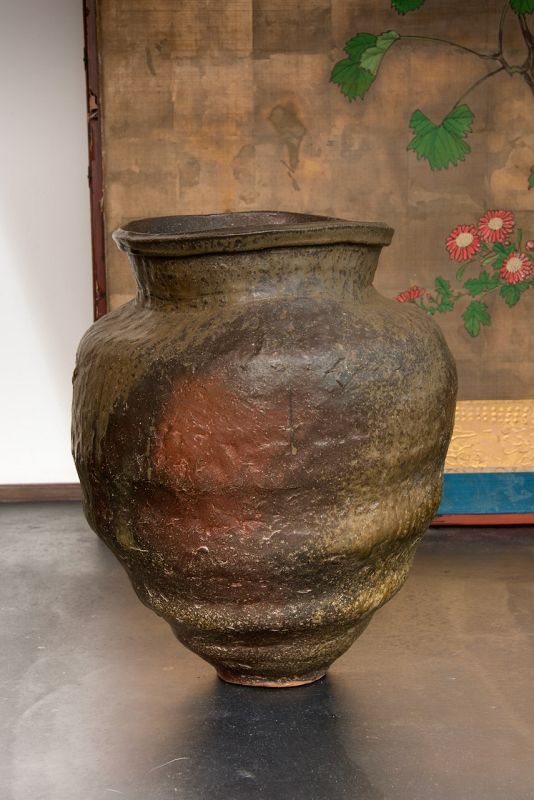
Price on Request Estimated to be 500-600 years old, this extraordinary work of Bizen pottery would have been fashioned in an “ana-gama” or a rudimentary dugout
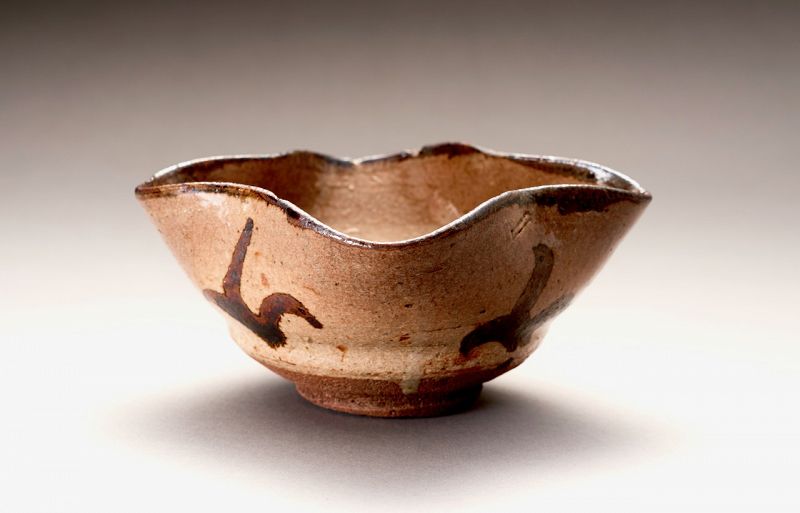
A stylized grass motif painted in ferrous pigment across each side and on the inside of this mukozuke serving dish marks it as being more likely produced in Kar
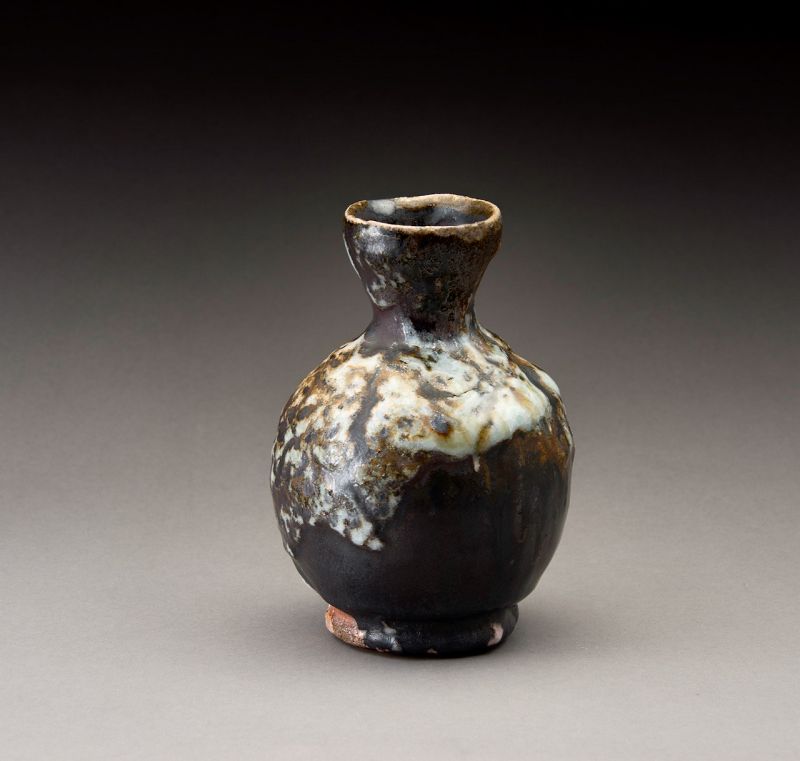
This small vessel, similar in a shape to a tokkuri, is a fine example of Oni Shino (carbon trap and natural ash glazing) that Tsukigata is so well-known for. Co
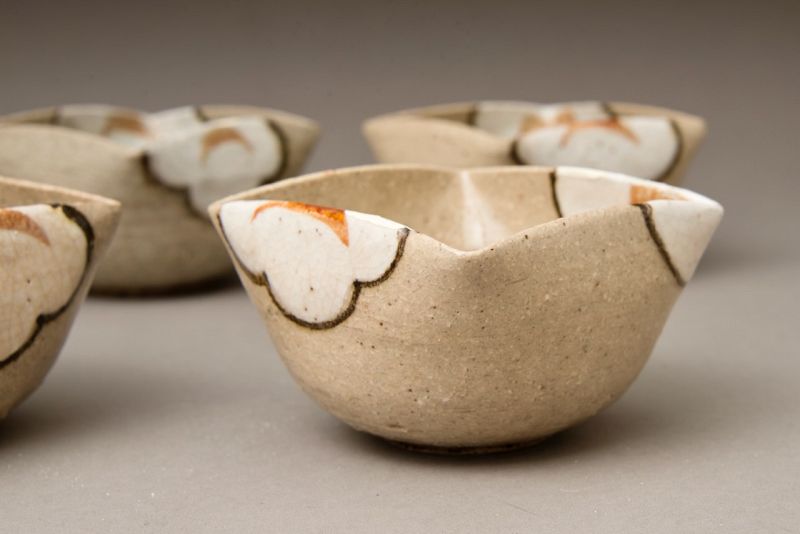
One family of artists that has left a lasting mark on not just Kyoto but on the world at large has been the Ōgata family. Prominent among this line - Ōgata Kenz
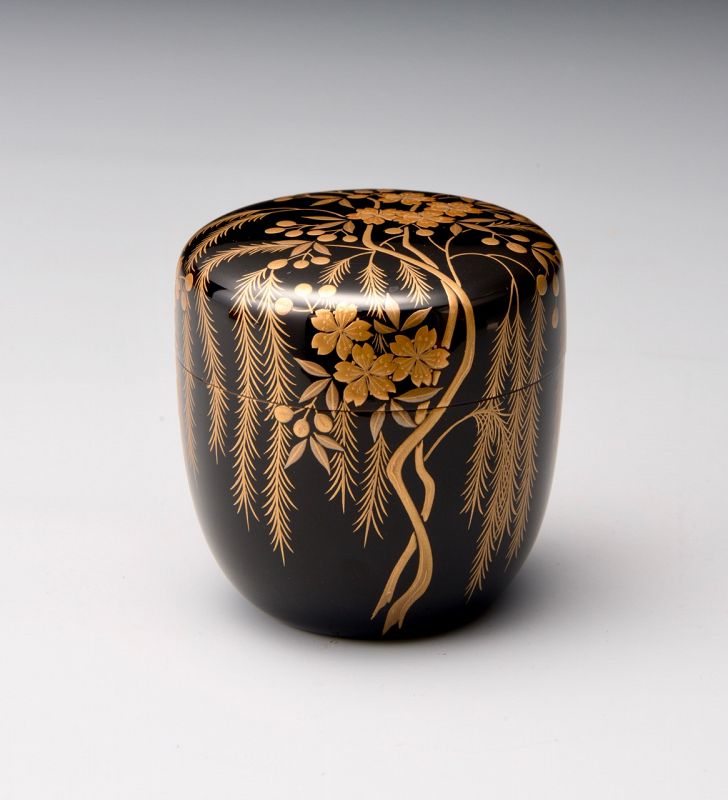
Exquisitely painted cherry blossoms (sakura) and willow branches (yanagi) on a background of jet-black traditional lacquer. The craftsman, Wakashima Takao (b. 1
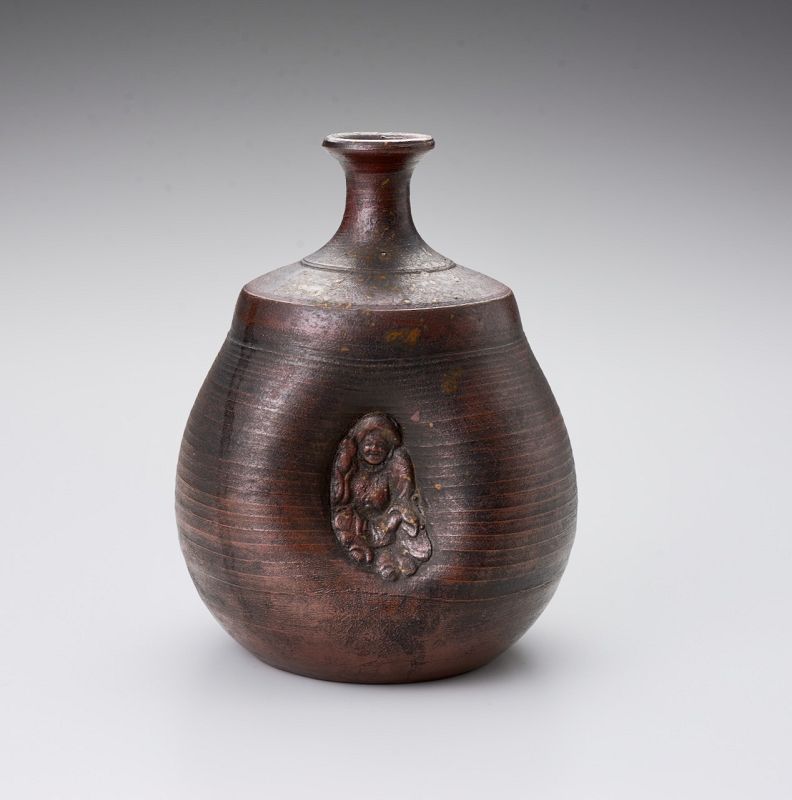
Crafted from locally sourced Bizen clay, this Edo period vase features an engraving of the jolly gift-giver, Hotei. Said to be based on a historical Chinese Zen
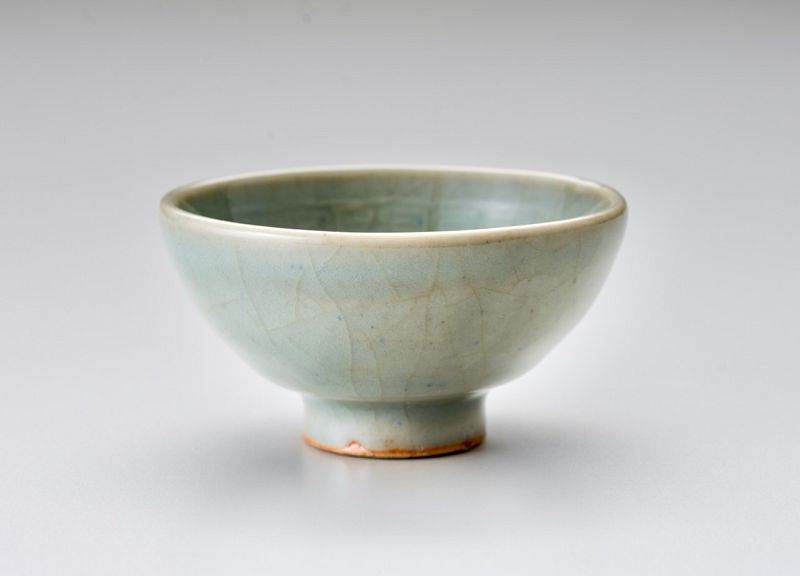
A rare and unusual offering, here we have an exquisite celadon shuhai with Chinese styled patterning lining the inside of the cup. First generation Sozan gained
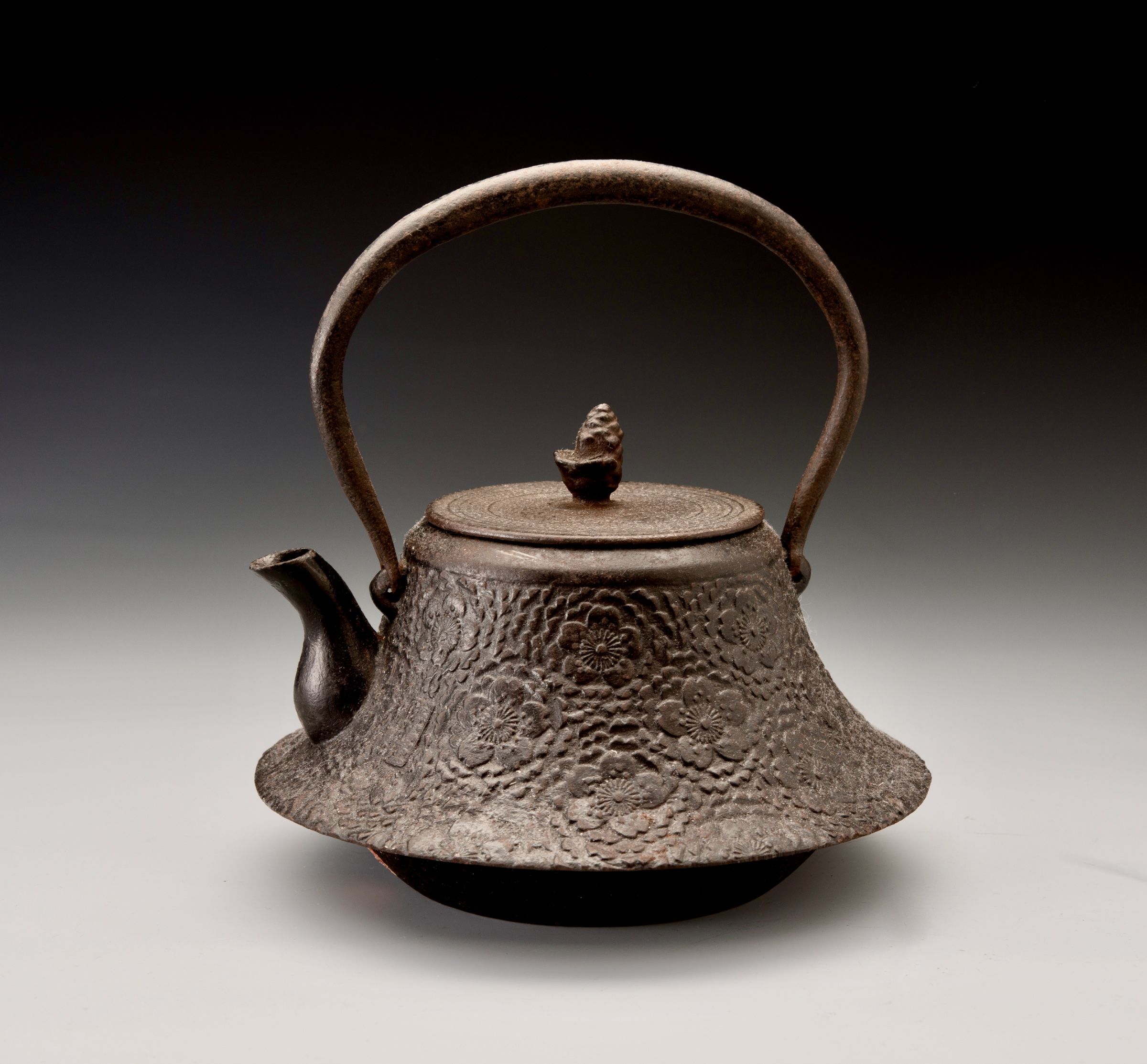
During the Meiji period in Japan, the humble iron kettle, known as a "tetsubin," emerged as an iconic symbol of traditional craftsmanship and functional artistr
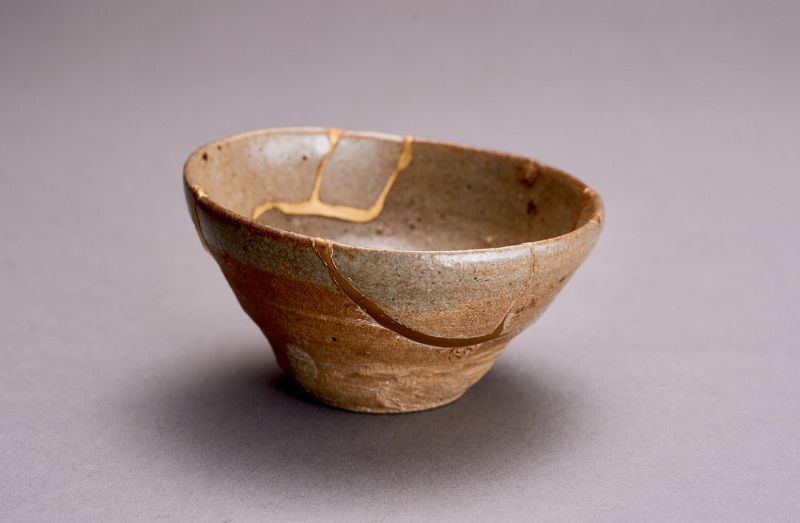
The perfect vessel for enjoying fine Japanese sake or whatever spirit fits the mood. Over 425 years old, this excavated and wonderfully restored sake cup is one
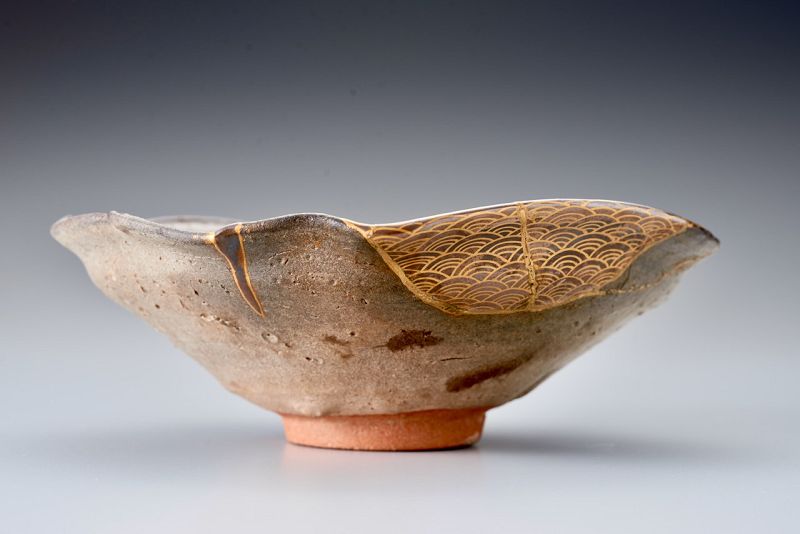
Like many pottery traditions in Japan, Karatsu takes its name from the city where it originated. As early as the 15th century, Korean potters heavily influenced
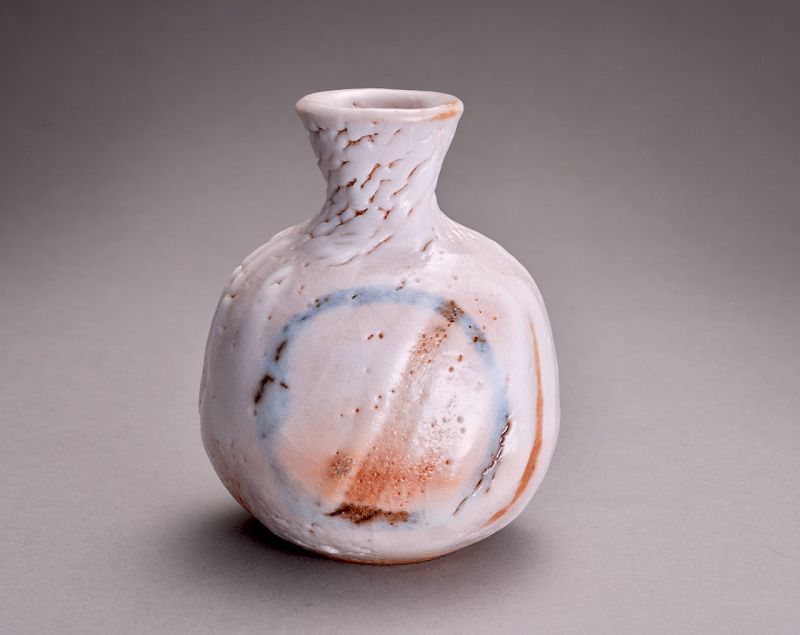
This depiction of the eternal “ensō” on a backdrop of pearly white feldspar over red clay signifies enlightenment, the eternal, the nothingness, and the freedom
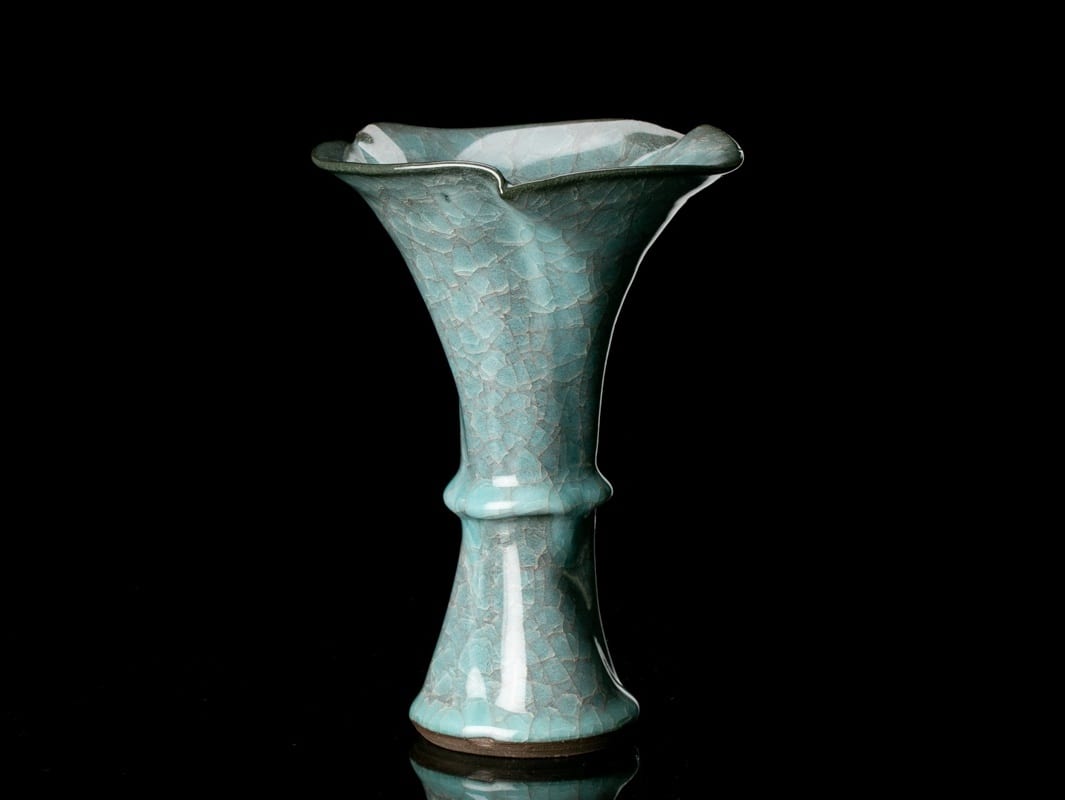
Wakao Kei continues to surprise and captivate with this turquoise blue porcelain vase from his recent offerings. Using deep, rich colors not often seen in this
SOLD
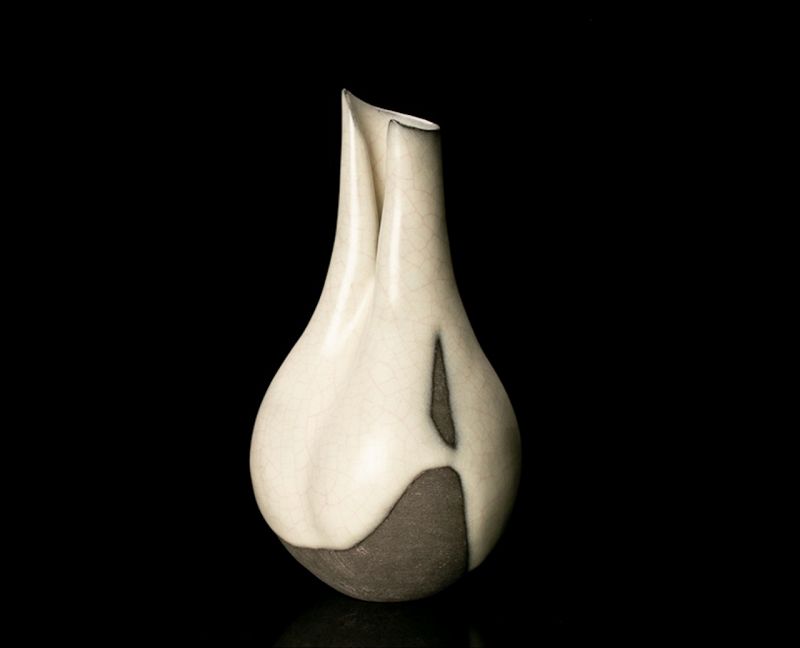
According to Kei Wakao, the artist who crafted this extraordinary work, it took him years of trial-and-error to perfect the unique rice-porcelain glaze covering
SOLD
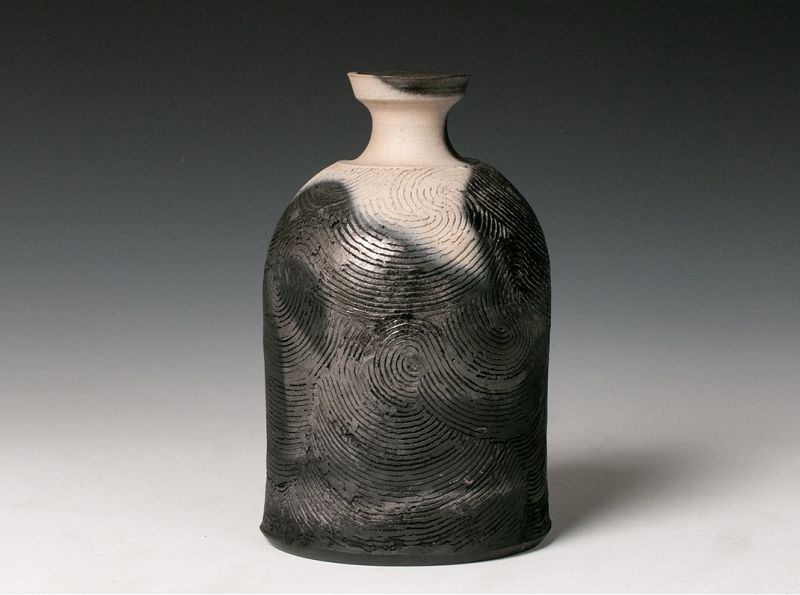
A very versatile and innovative artist, Sakata Jinnai produces pieces such as the vase seen here in his easily recognizable trademark style. Many of his pieces
SOLD
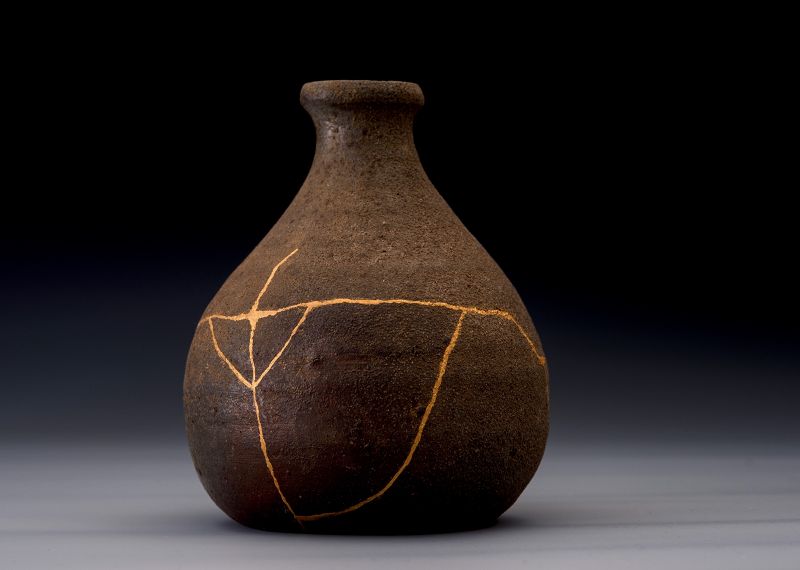
Takashi Nakazato is a celebrated Japanese ceramic artist whose family's mastery of pottery now spans 14 generations. Born in Karatsu, Saga Prefecture in 1937, N
SOLD
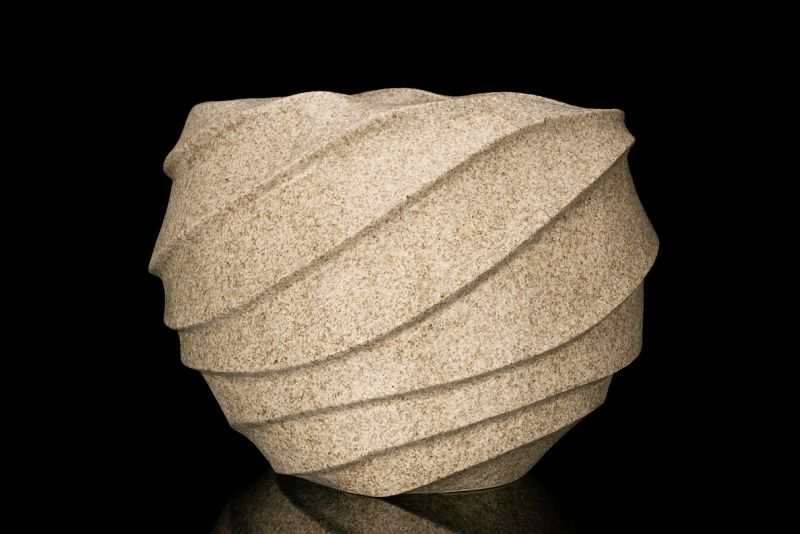
From a well-known series entitled “Chōtō” (Listening to the Waves) this large contoured vase features a sandy glaze that the sculptor claims is an expression of
SOLD
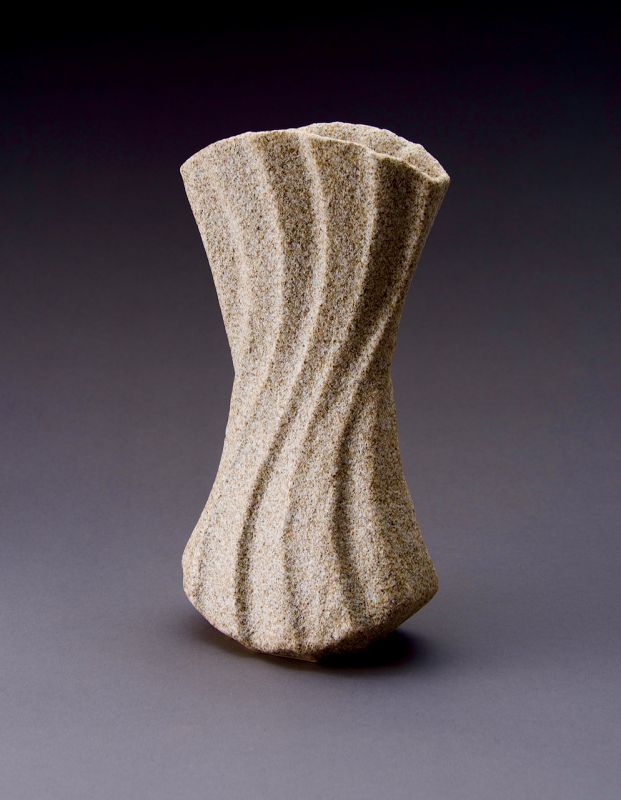
From a well-known series entitled “Chōtō” (Listening to the Waves) this contoured vase features a sandy glaze that the sculptor claims is an expression of the f
SOLD
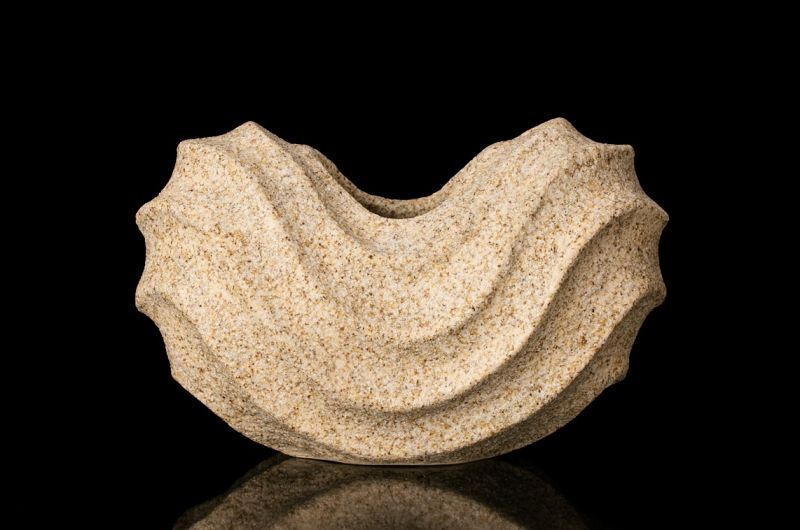
From a well-known series entitled “Chōtō” (Listening to the Waves) this contoured vase features a sandy glaze that the sculptor claims is an expression of the f
SOLD
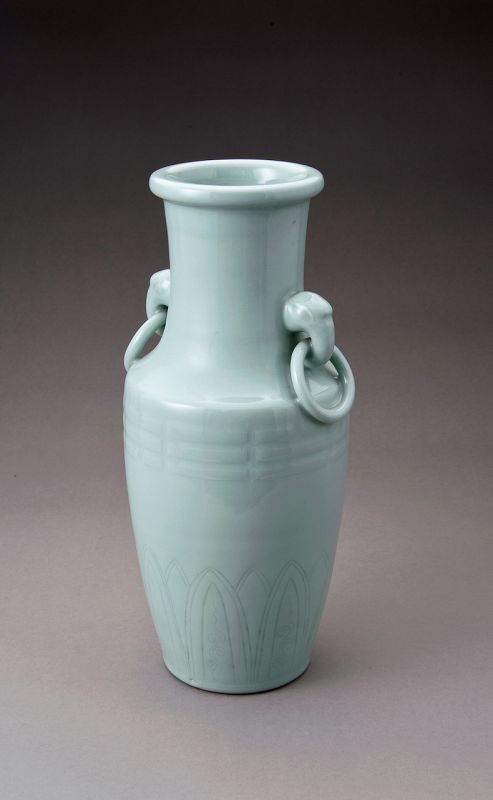
A Chinese style celadon vase by one of the 5 Imperial Court Artists of Meiji. Sozan spent his life perfecting techniques for celadon production first used in th
SOLD
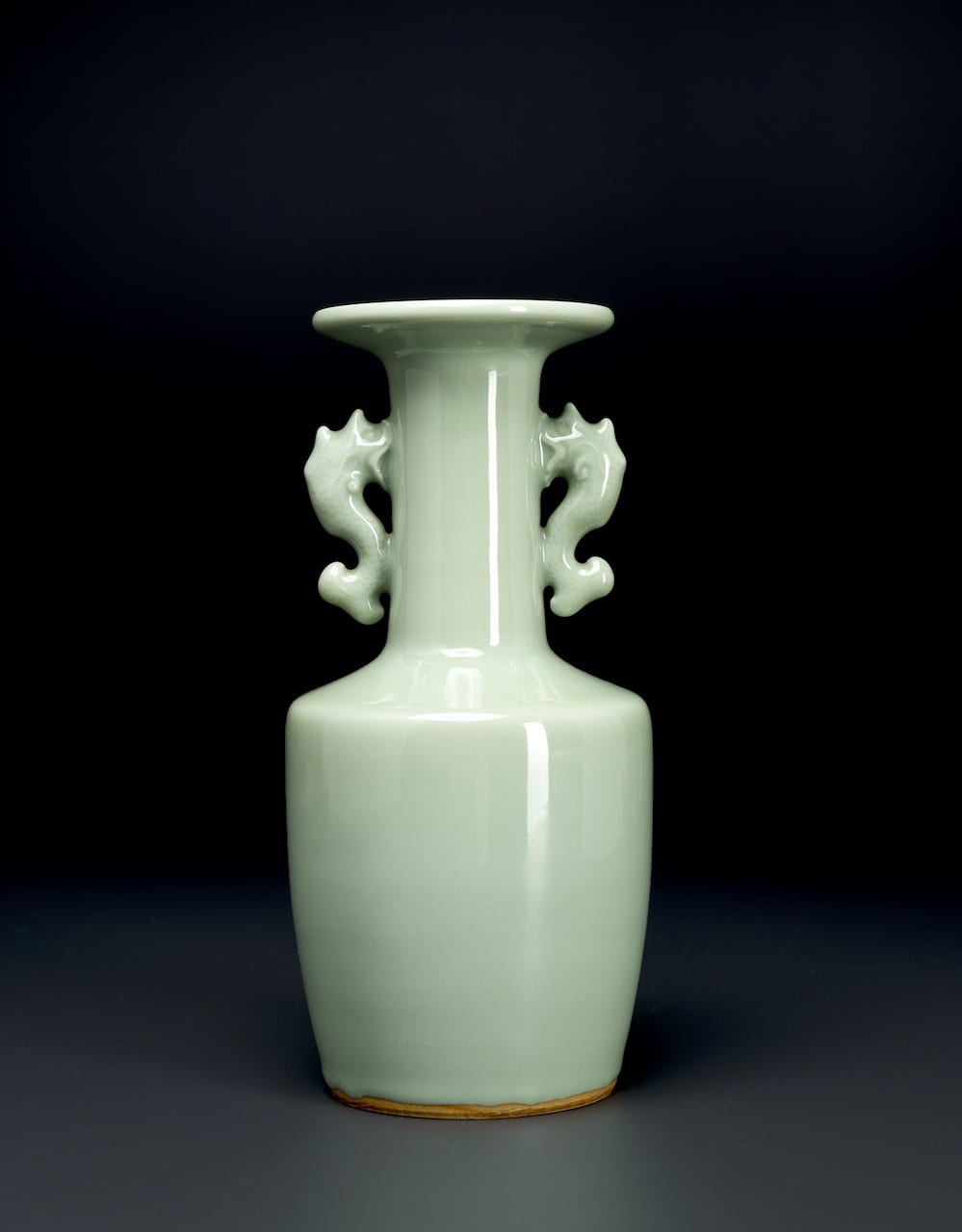
This extraordinary vase is a truly Japanese expression of a classical Chinese form. Fashioned after cylindrical Song Dynasty pieces that are thought to have bee
SOLD
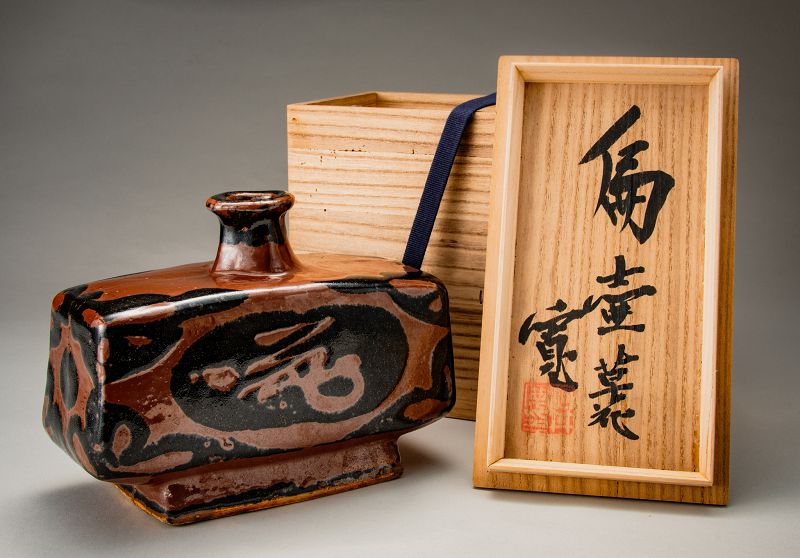
Conceived by 20th century master ceramicist Kawai Kanjiro—here an abstract depiction of flowers is used to adorn an exquisite “henko” shaped vase. The glaze use
SOLD
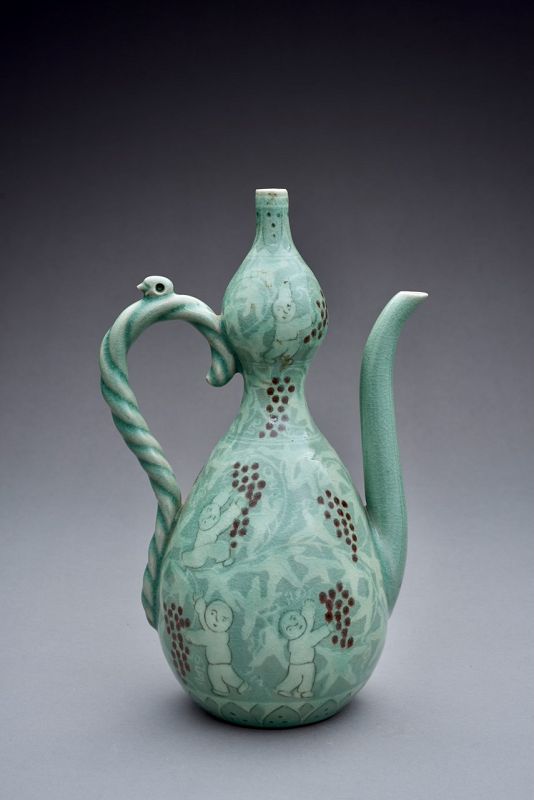
This unique and captivating celadon vase is the work of an early 20th century Korean artist who spent a number of years in Japan honing his craft. Gourd-shaped,
SOLD
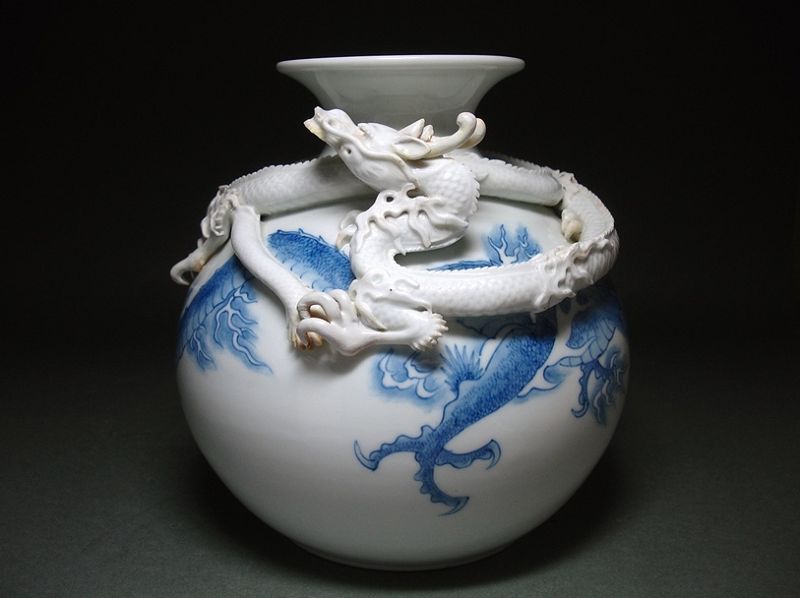
From a large collection of Edo period Nabeshima and Hirado-ware, this intricately crafted vase features two serpentine dragons intertwined across the face of th
SOLD
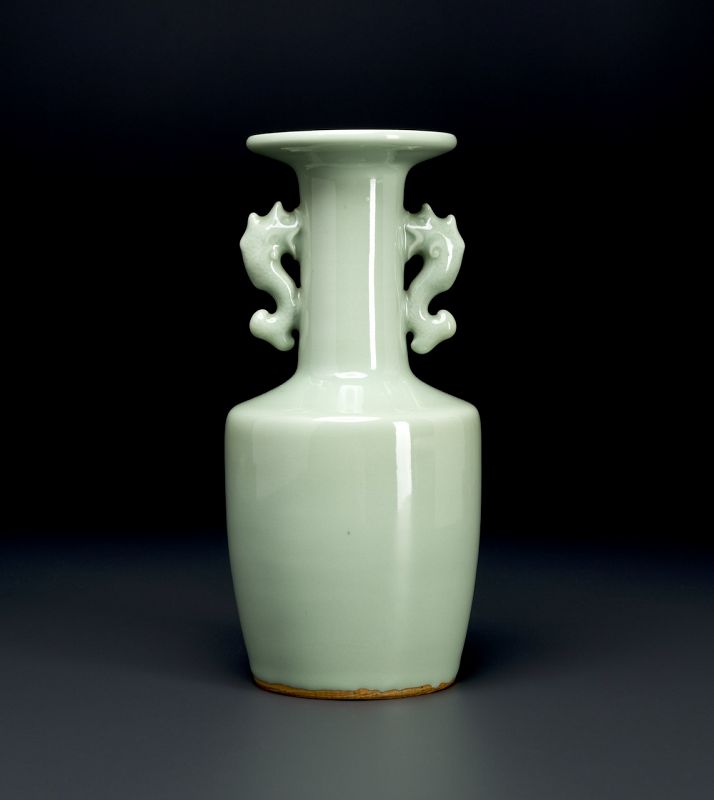
This extraordinary vase is a truly Japanese expression of a classical Chinese form. Fashioned after cylindrical Song Dynasty pieces that are thought to have bee
SOLD
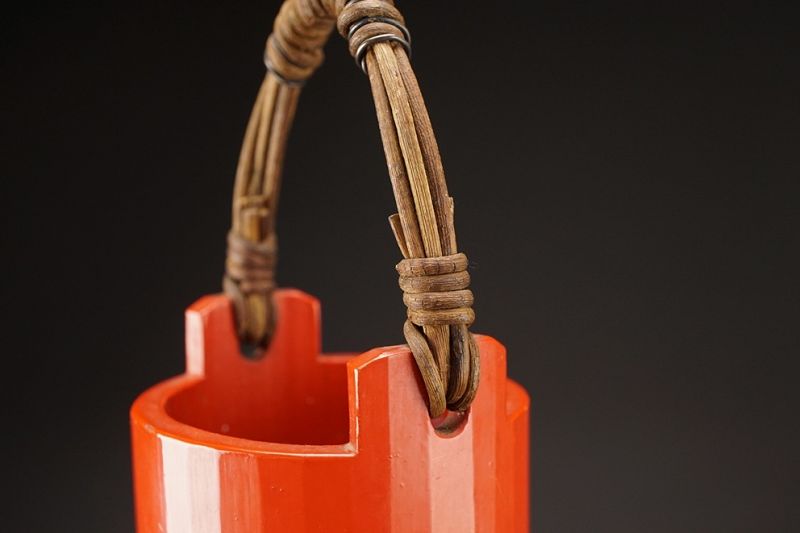
Done in a style reminiscent of Japanese Mingei art, this striking yet functional folk-craft piece is the creation of Chikuunsai Tanabe III. Made entirely of tra
SOLD
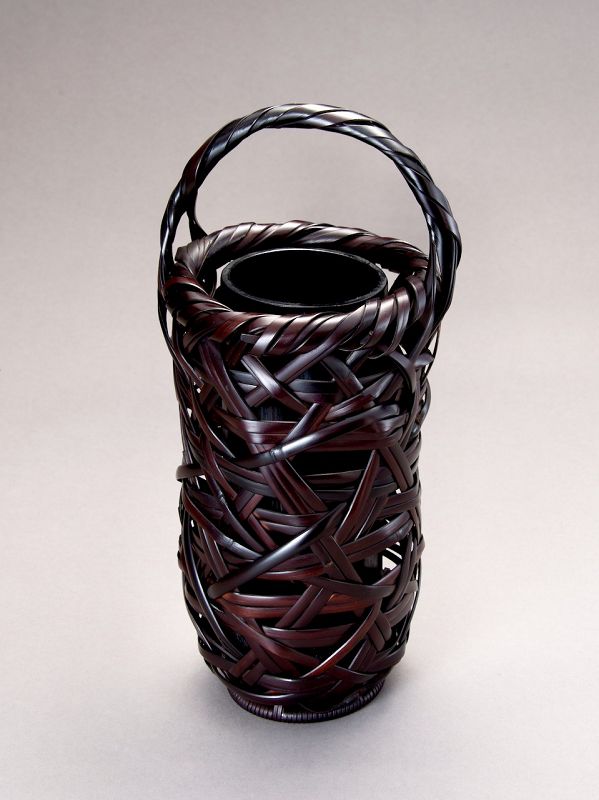
A second generation basket weaver from Beppu, Hakuun-sai (1918 - 2012) was known for producing high-quality bamboo and rattan pieces such as the one seen here.
SOLD
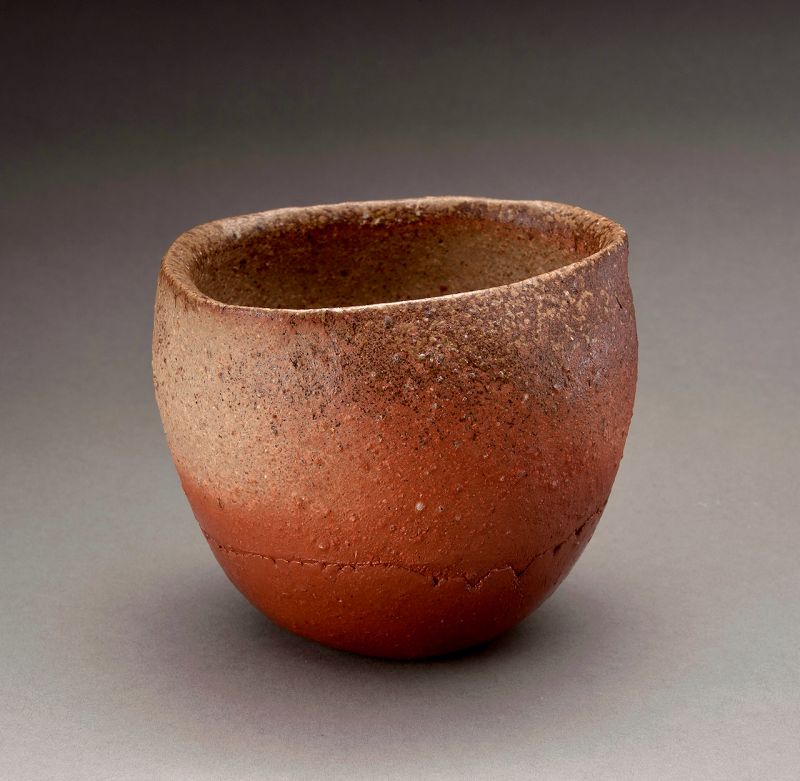
First born son to Living National Treasure Isezaki Jun, Koichiro (b. 1974) has quickly made a name for himself as an independent artist. Not content to rely sol
SOLD
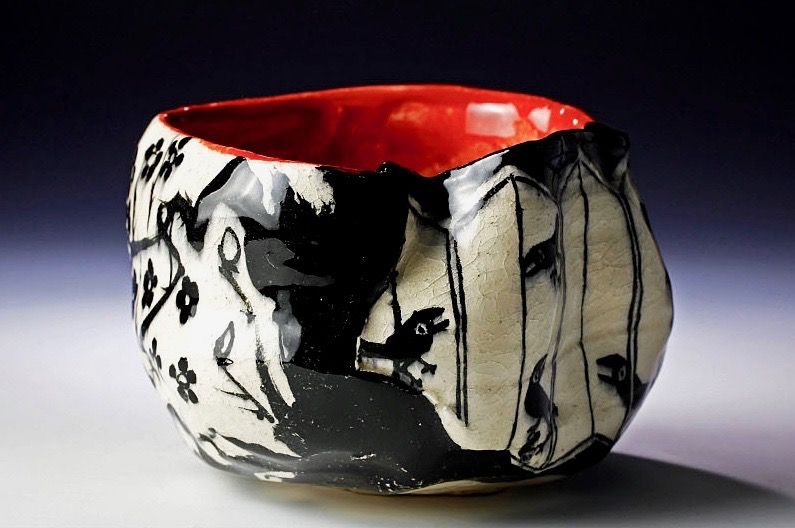
One of the finest, most daring, and well-crafted works I have seen by this legendary artist who is known for his non-conformist and bold style. Suzuki Goro has
SOLD
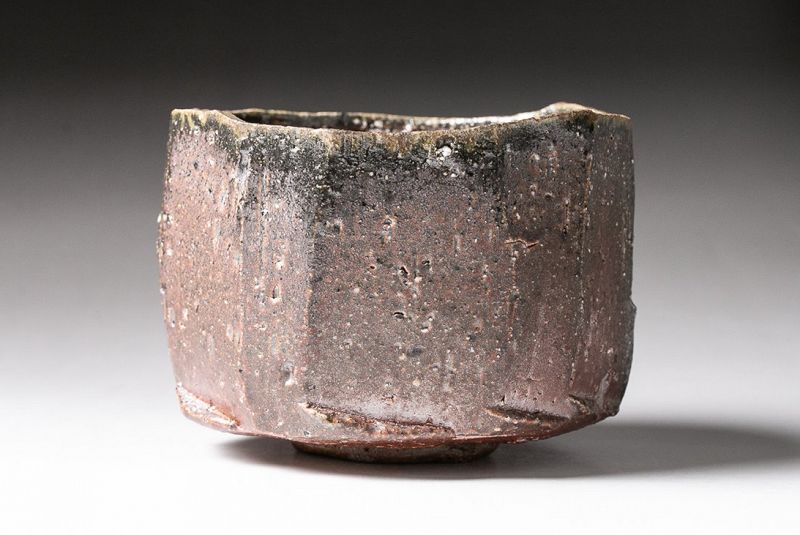
The distinctive and easily recognizable style of Bizen pieces, such as the one featured here, originated in Okayama (south-western Japan) and has a long history
SOLD