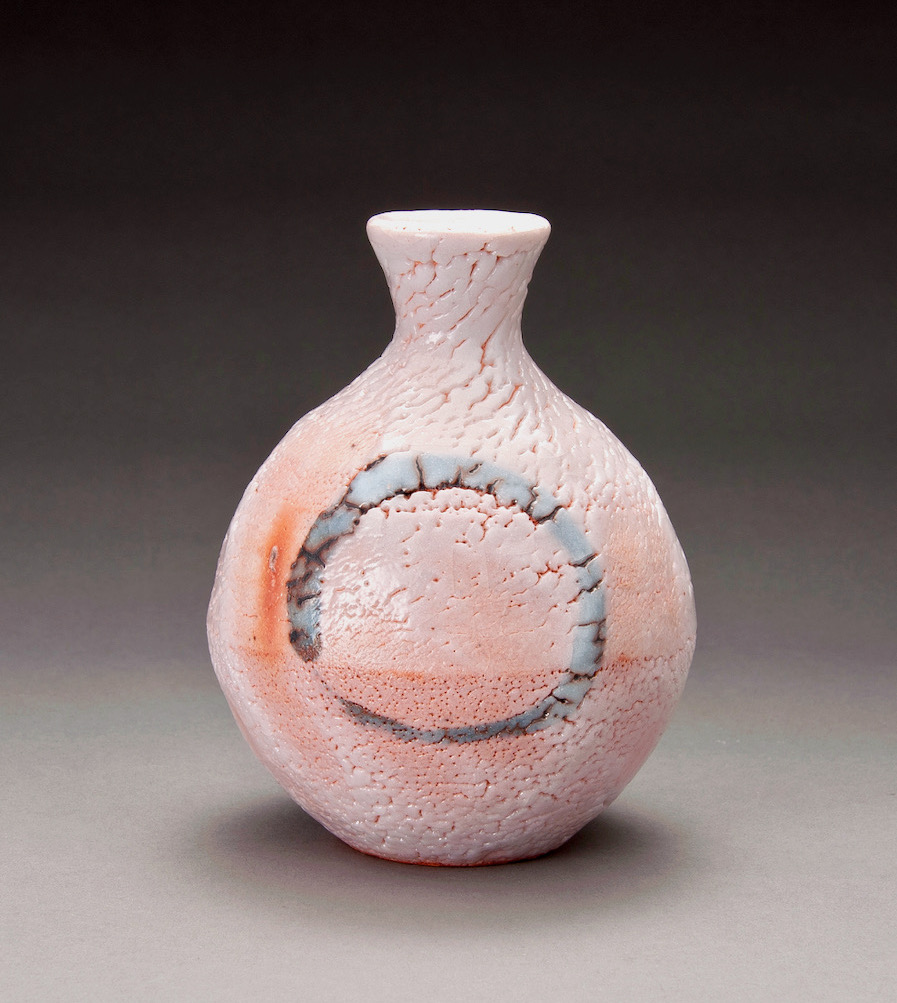
Tokkuri with Enso by Living National Treasure Kato Kozo (b. 1935)
This depiction of the eternal “ensō” on a backdrop of pearly white feldspar over red clay signifies enlightenment, the eternal, the nothingness, and the freedom
Selected by shared artwork type, categories, artist and era. Available works appear first.
Back to the artwork · Browse the full collection
This depiction of the eternal “ensō” on a backdrop of pearly white feldspar over red clay signifies enlightenment, the eternal, the nothingness, and the freedom
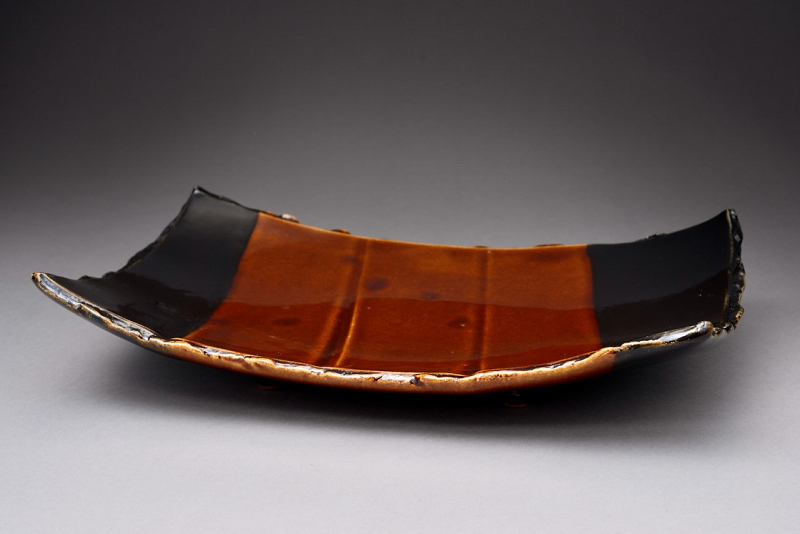
This large serving tray by Ōhi Chōzaemon XI (Toshio) brings together the rich glaze tradition of Ōhi ware and a distinctly contemporary sculptural form. Its bro
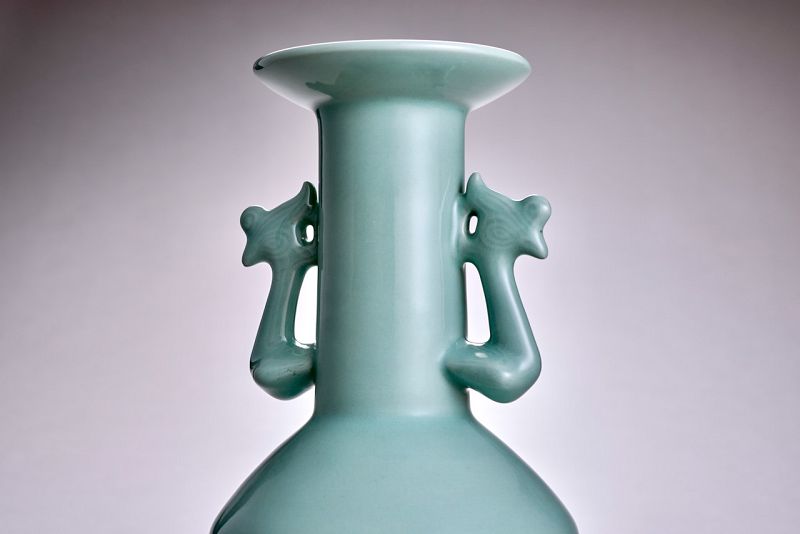
A rare and interesting offering, here we have an exquisite celadon phoenix vase with Chinese form and patterning. First generation Sozan gained wide acclaim in

A stunning example of blue/ green Oribe-ware by one of the veterans of Mino ceramics, this platter displays astounding variation in color and texture with deep

In Japan, famous for its generational potting families, only a handful have made it all the way through to the 14th generation—the Nakazato line being one of th
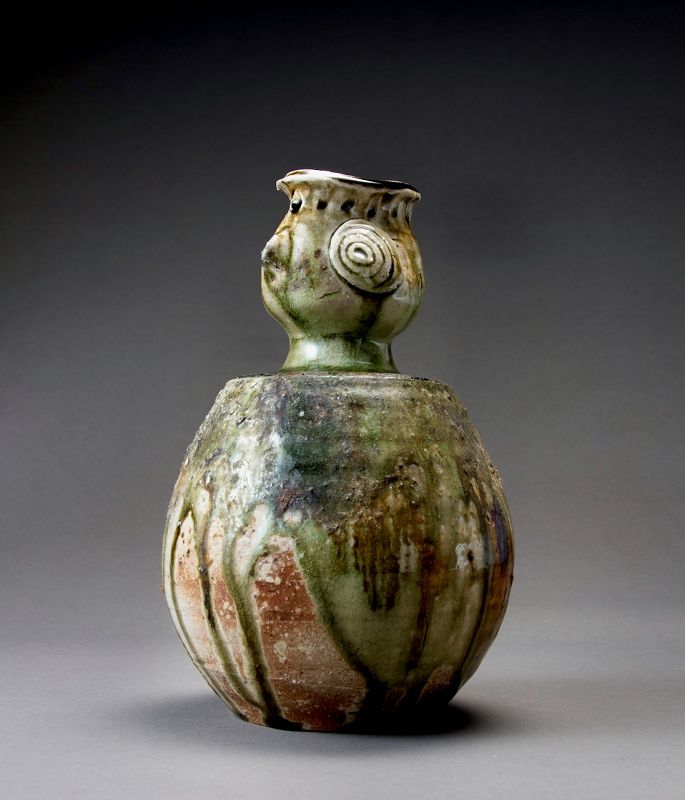
In excellent condition, this bird-shaped, or “torigata” vase is a beautiful example of Iga pottery from last century. A master of form, material, and technique,
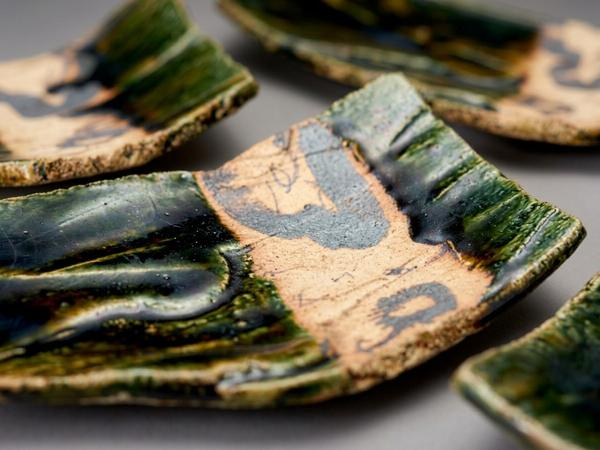
Few contemporary potters have explored Oribe with the originality and energy of Takauchi Shugo. His pieces tend to embody an unmistakable sense of movement and
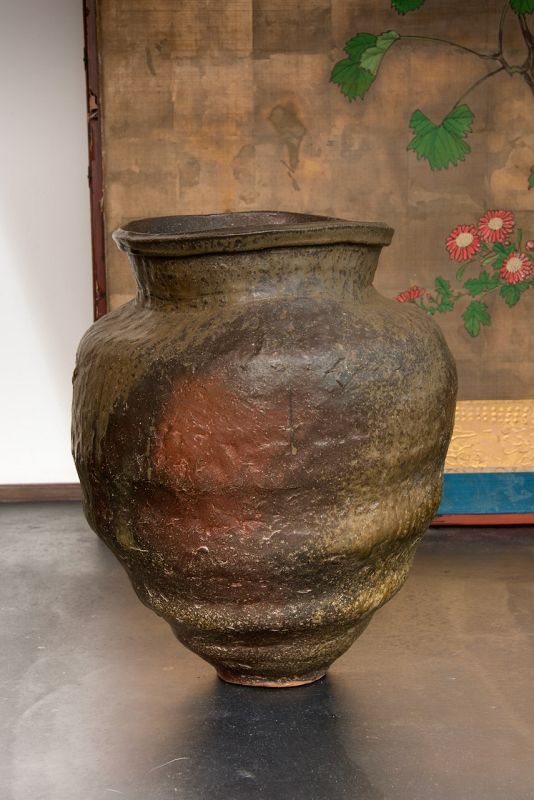
Price on Request Estimated to be 500-600 years old, this extraordinary work of Bizen pottery would have been fashioned in an “ana-gama” or a rudimentary dugout
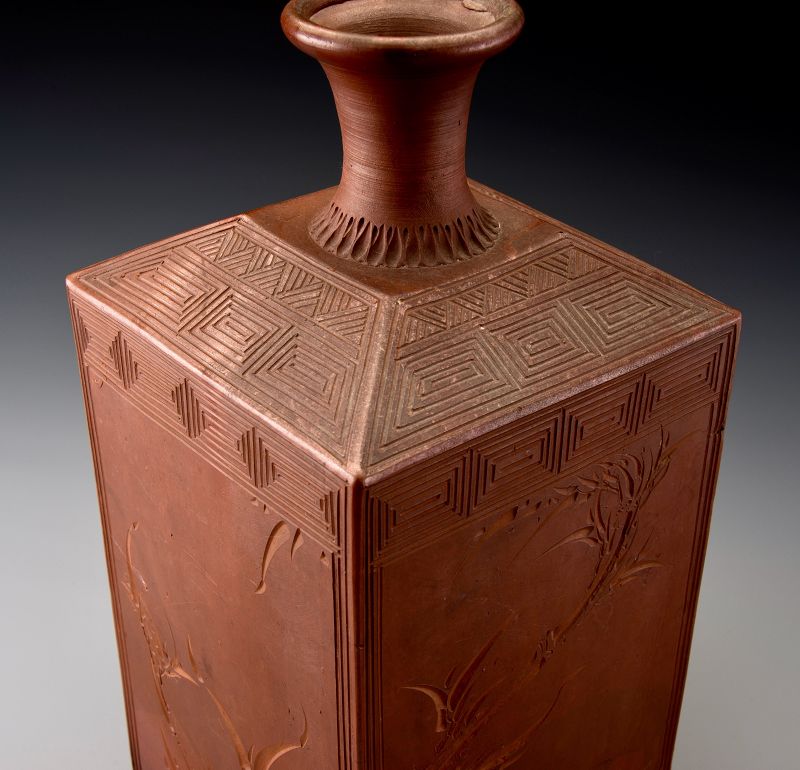
Crafted from locally sourced Bizen clay, this mid-Edo period vase embodies simplicity, beauty, and understated elegance. Originally crafted as a tokkuri, or sak
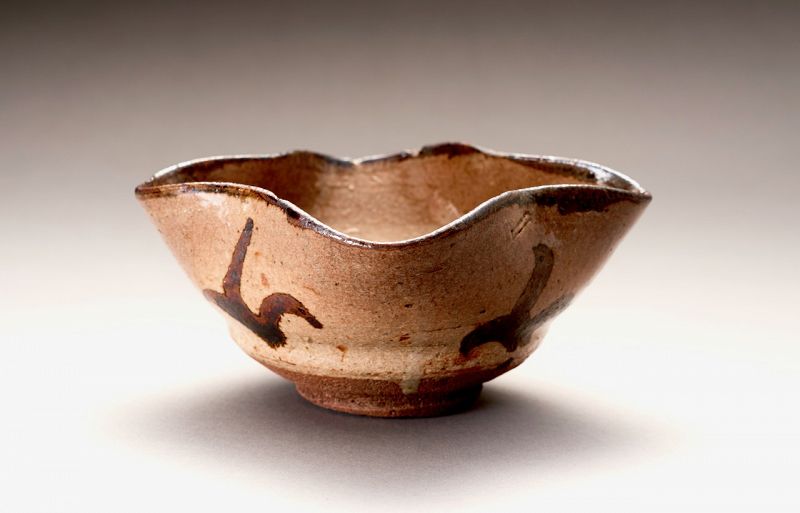
A stylized grass motif painted in ferrous pigment across each side and on the inside of this mukozuke serving dish marks it as being more likely produced in Kar
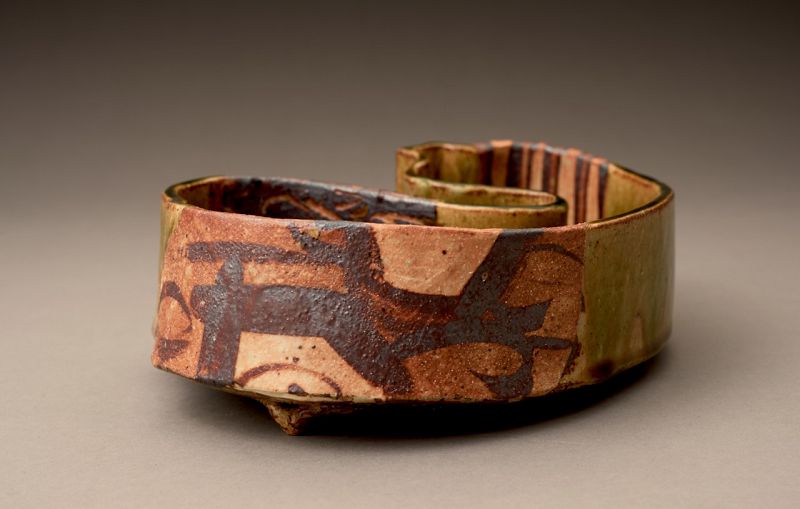
A harmonious blend of traditional craftsmanship and contemporary artistic expression, this extraordinary serving dish encapsulates the essence of Oribe pottery
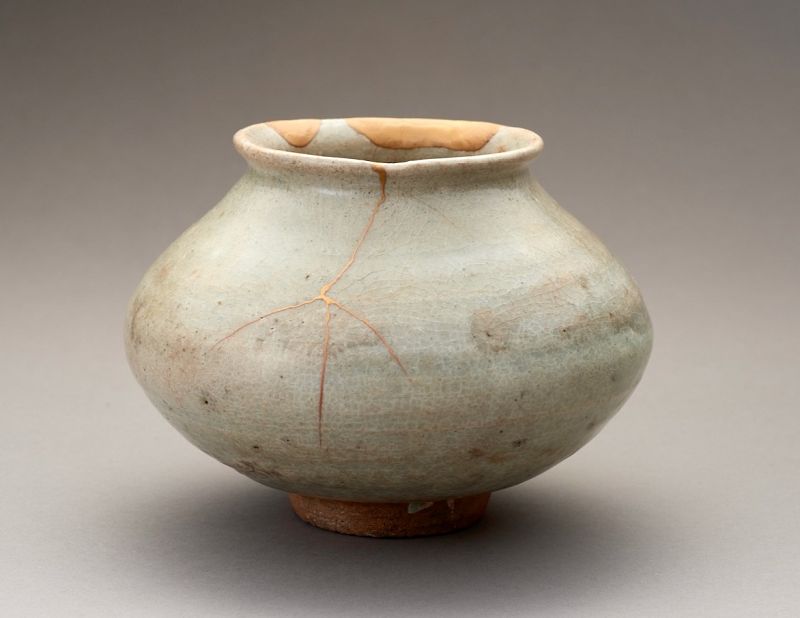
Several years ago we were invited by our very talented kintsugi craftsman to what is known as a “kura-ake” or storehouse opening. Many reading this may be famil
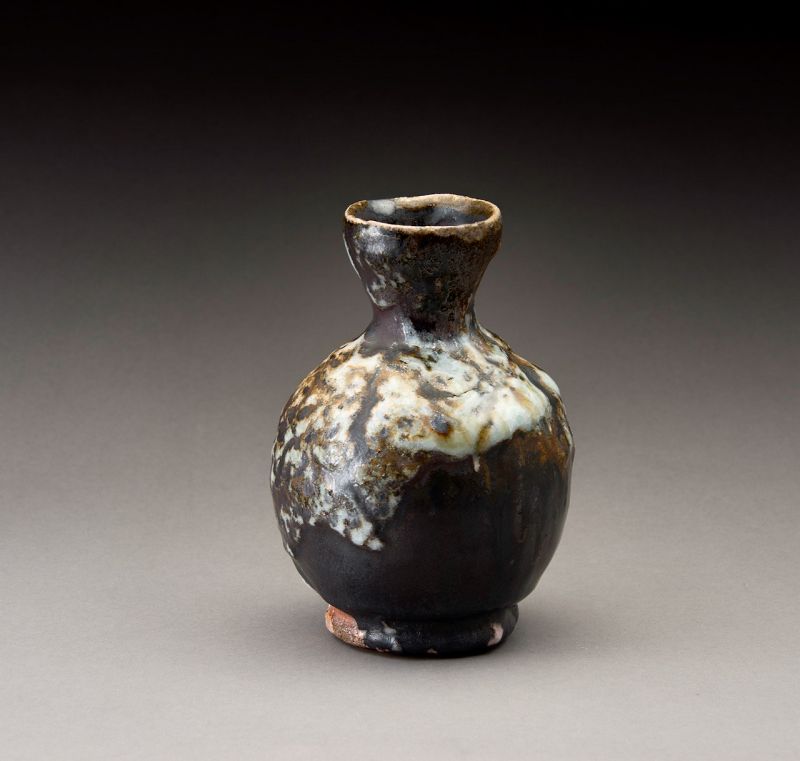
This small vessel, similar in a shape to a tokkuri, is a fine example of Oni Shino (carbon trap and natural ash glazing) that Tsukigata is so well-known for. Co
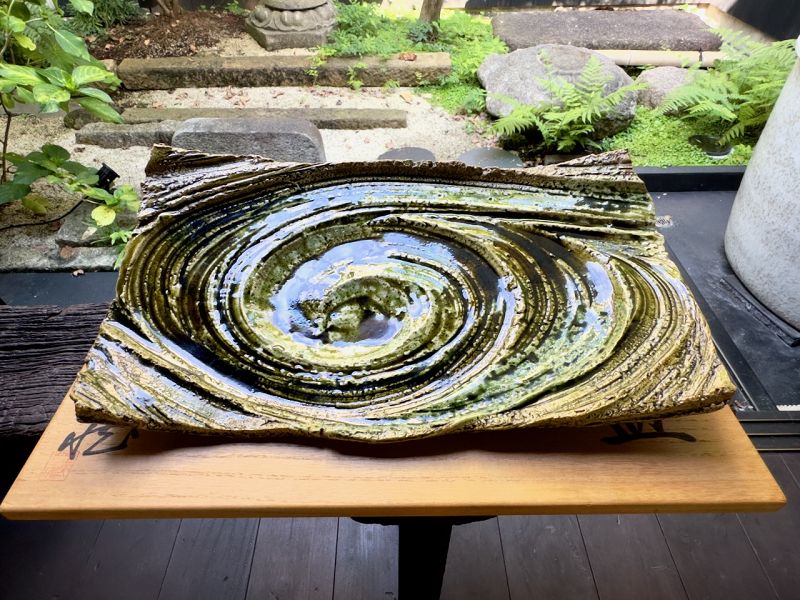
Displaying a bold Oribe glaze and sweeping comb pattern culminating in a dynamic vortex, this wonderful platter is the result of years of trial and error by one
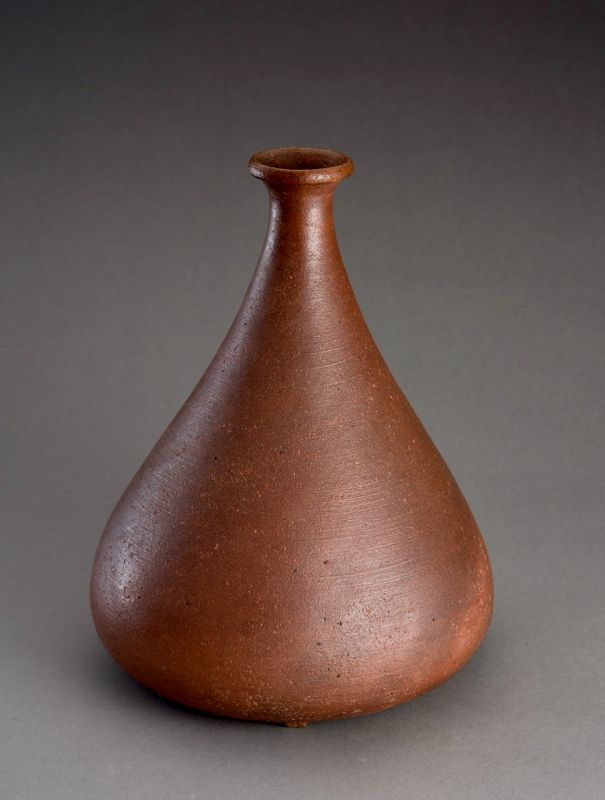
During Japan's Momoyama period, spanning from the late 16th to the early 17th century, Bizen pottery flourished, producing exquisite pieces such as this symmetr
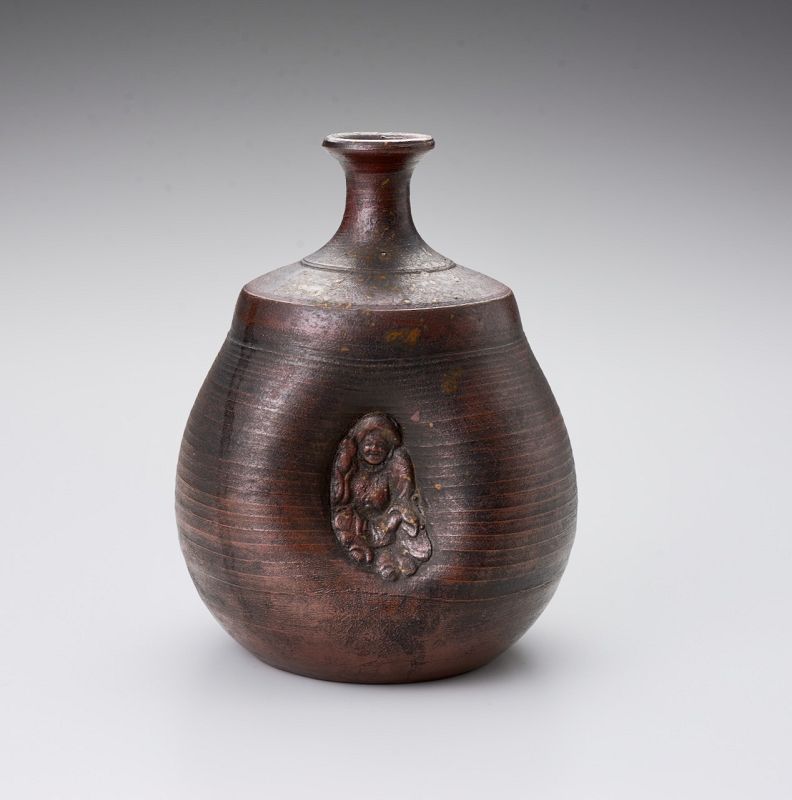
Crafted from locally sourced Bizen clay, this Edo period vase features an engraving of the jolly gift-giver, Hotei. Said to be based on a historical Chinese Zen
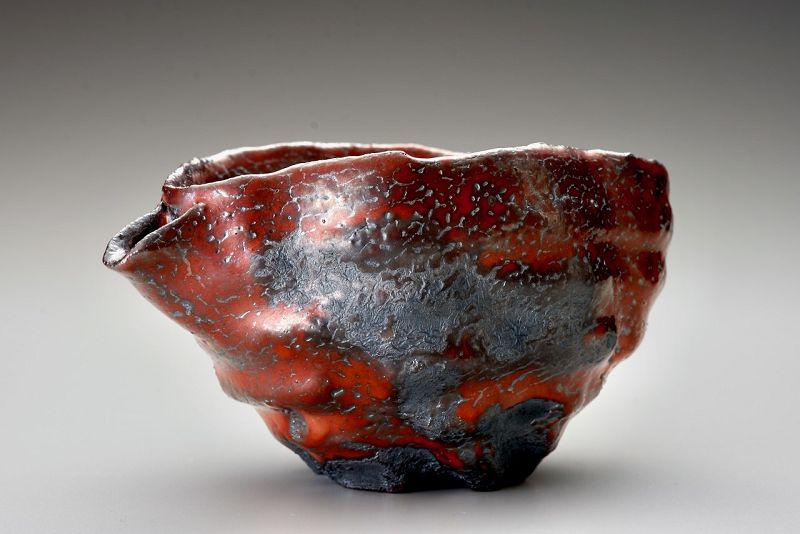
A decidedly modern and innovative take on the classic Shino trope, this “kataguchi” or one-sided pouring vessel lends an air of depth, contemplation, and brilli
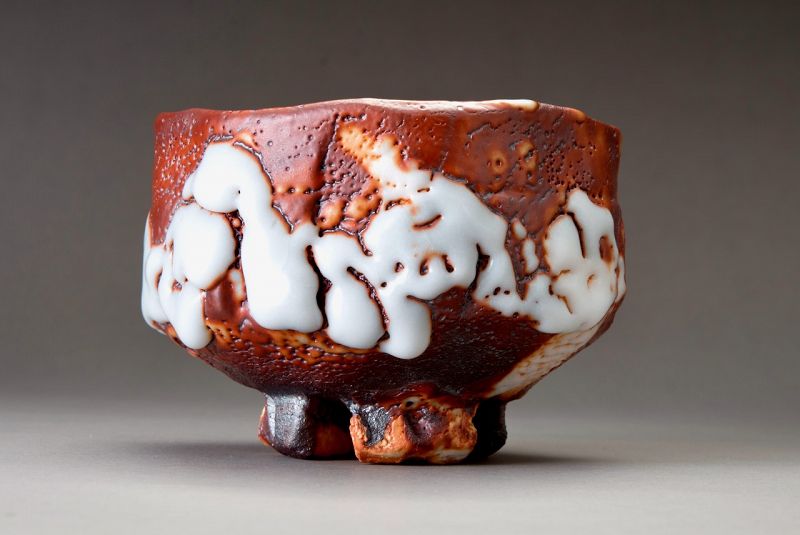
Price on Request A stunning work of Shino-ware by veteran potter Hayashi Shotaro—winner of numerous awards for his bold and innovative style and widely recogniz
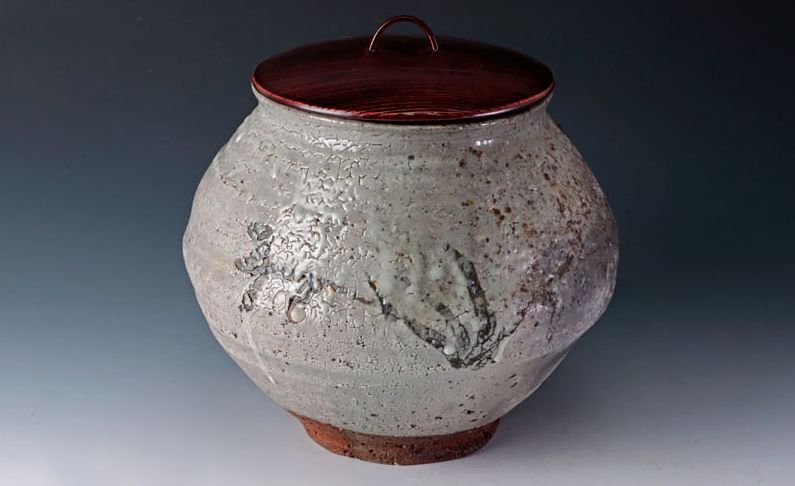
Like many pottery traditions in Japan, Karatsu takes its name from the city where it originated. As early as the 15th century, Korean potters heavily influenced
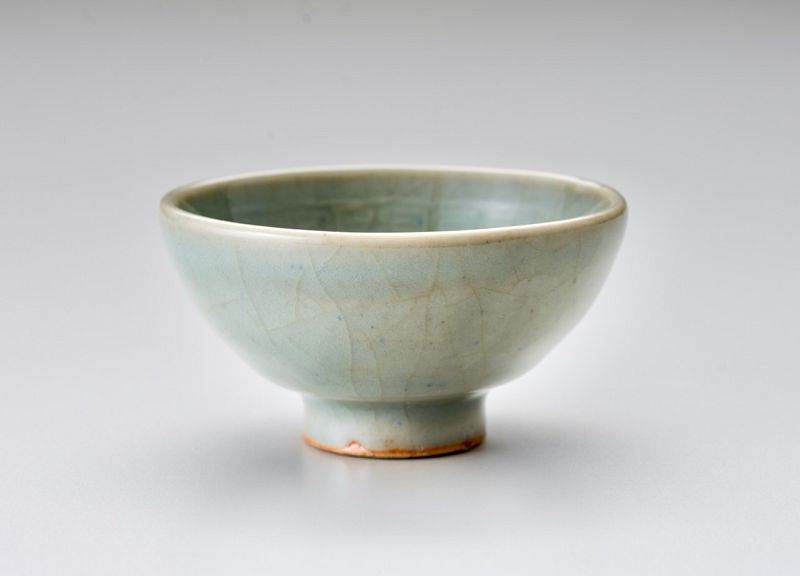
A rare and unusual offering, here we have an exquisite celadon shuhai with Chinese styled patterning lining the inside of the cup. First generation Sozan gained
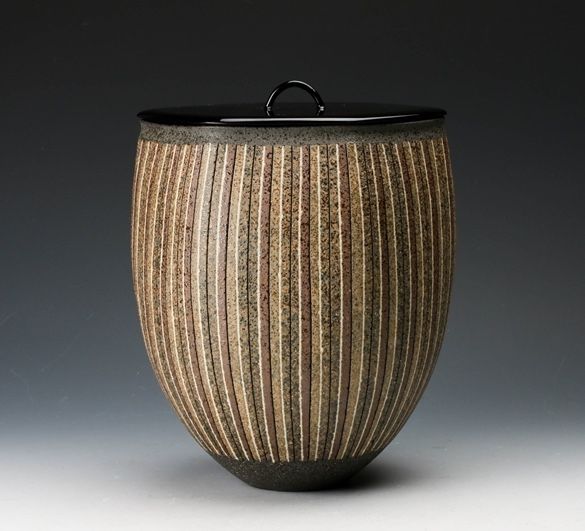
Japanese inlay ceramics (zōgan) are created by making incisions on the surface of a clay body which are then filled with various colored clays, creating a patte
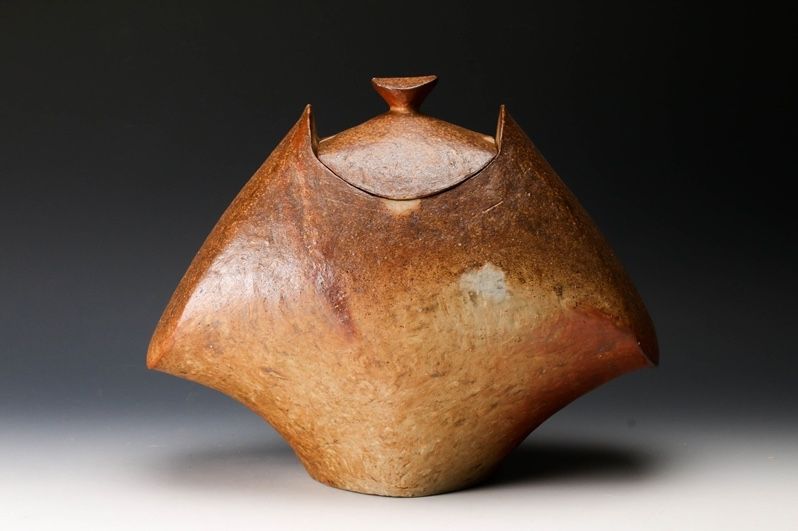
Traditional Japanese art tends to be timeless and inspiring in form, however, occasionally lacking in diversity and innovation. That is why artists who can inco
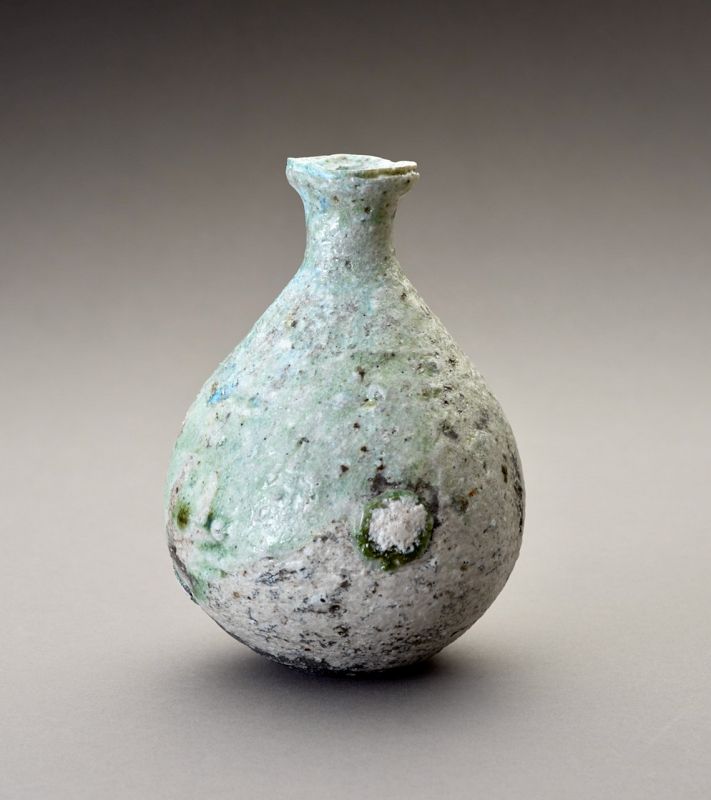
With an uncanny ability to emulate features of the natural environment, the creator of this sake vessel,Tsujimura Yui, is one of Japan’s most skilled potters wo
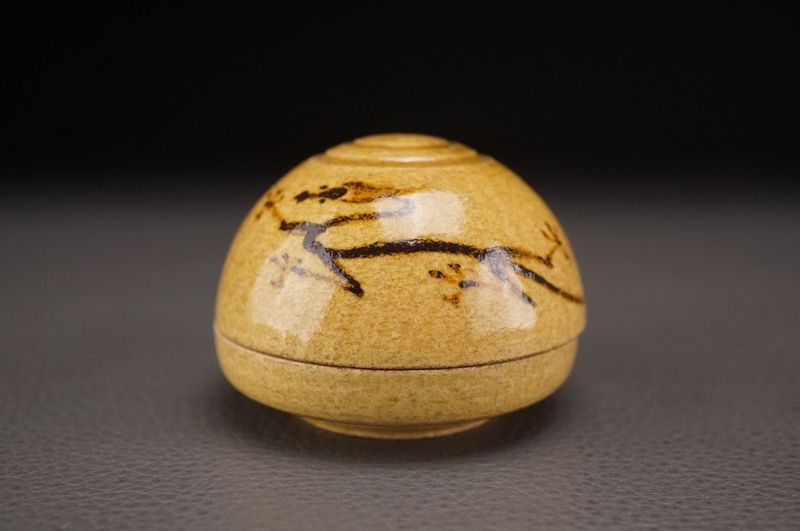
An often overlooked implement in tea ceremony, here we have the humble kogo (incense box) with an image of a sleek and flowing dragon. Commonly thought to repre
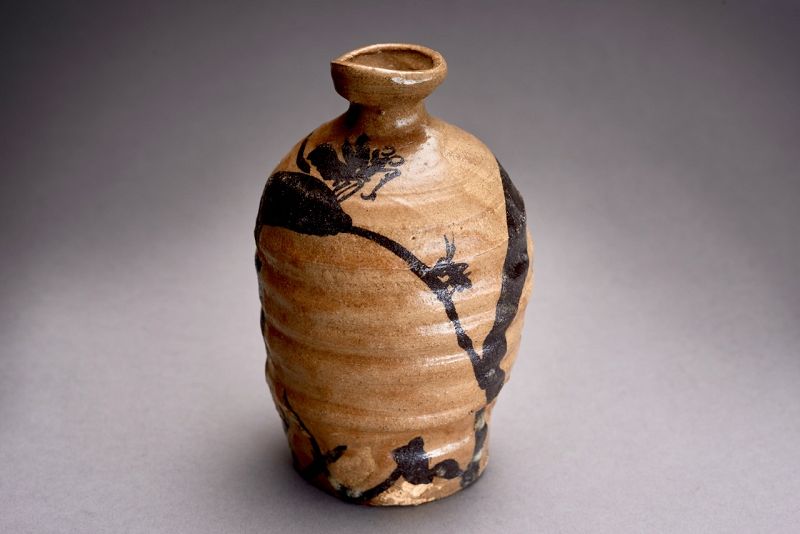
Known for his non-conformist and bold style, Suzuki Goro has outdone himself with this stylized Oribe sake flask (tokkuri). Oribe is a visual style named after
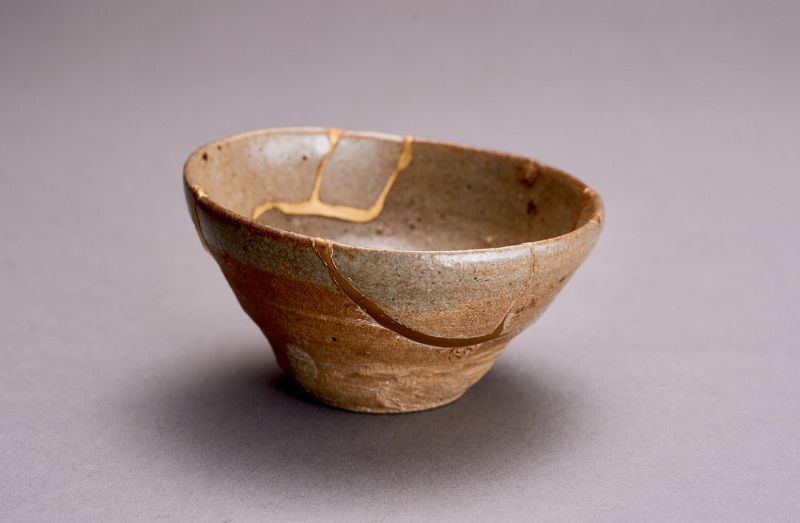
The perfect vessel for enjoying fine Japanese sake or whatever spirit fits the mood. Over 425 years old, this excavated and wonderfully restored sake cup is one
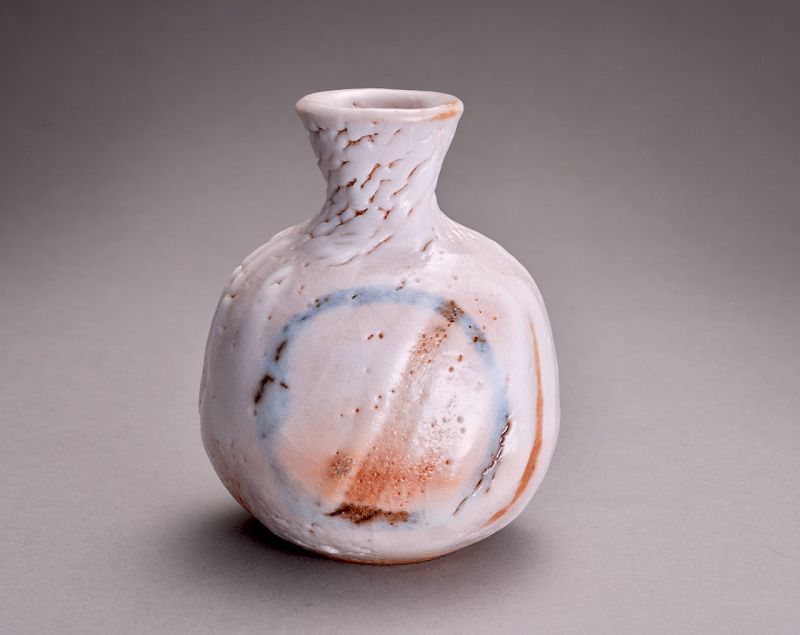
This depiction of the eternal “ensō” on a backdrop of pearly white feldspar over red clay signifies enlightenment, the eternal, the nothingness, and the freedom
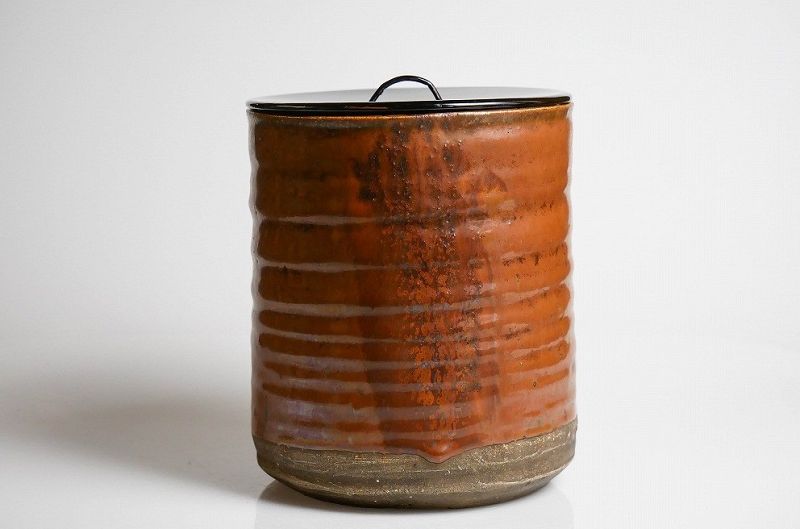
Seto is a pottery tradition established in the 12th century with the aim of reproducing fine Chinese porcelain and tenmoku-style tea bowls—which were hard to co
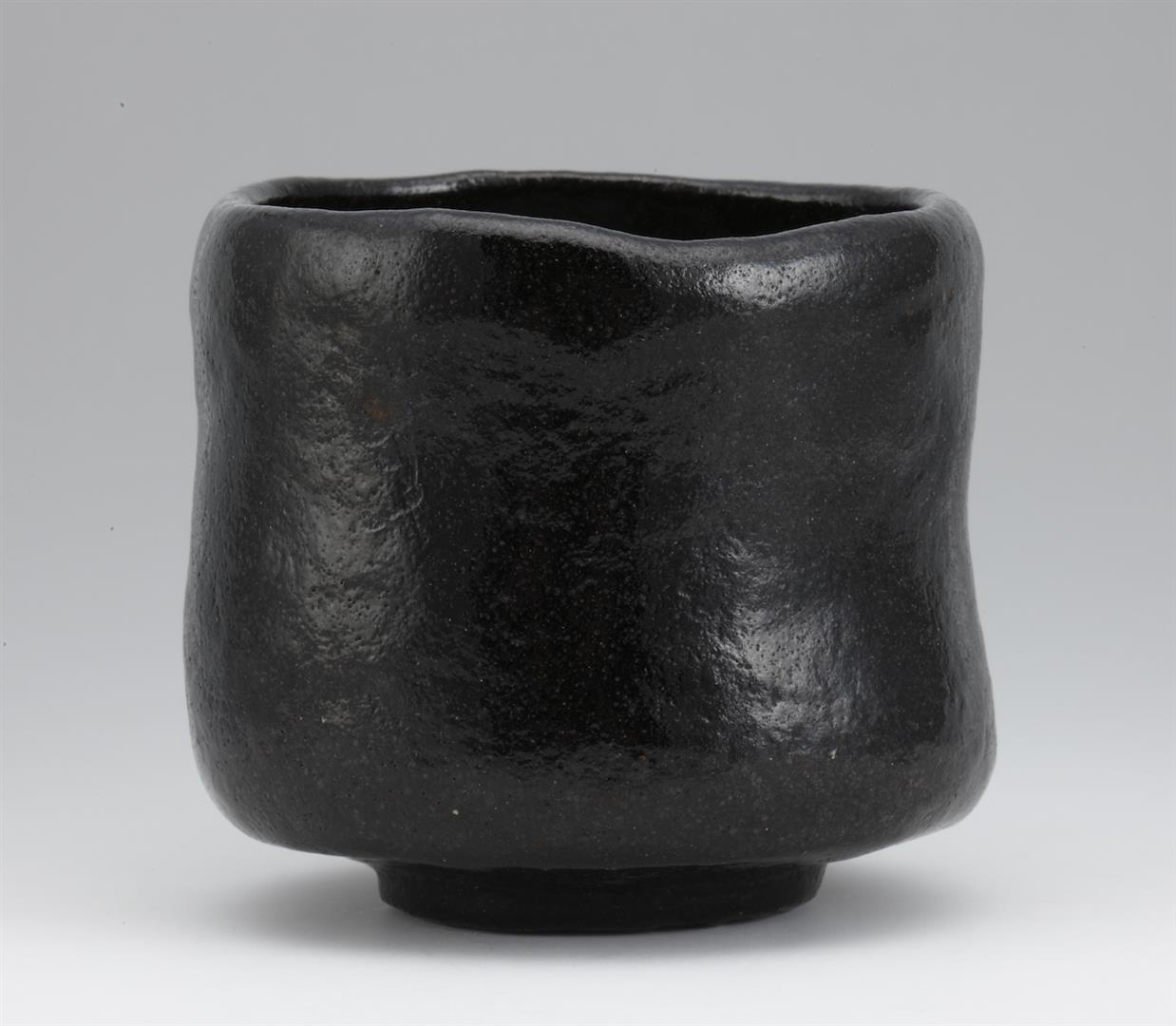
Raku glazed ceramic. This well-shaped and firmly grounded tea bowl is the work of Sanyū—Kichizaemon VI of the Raku line of potters. Highly regarded in the tea w
SOLD
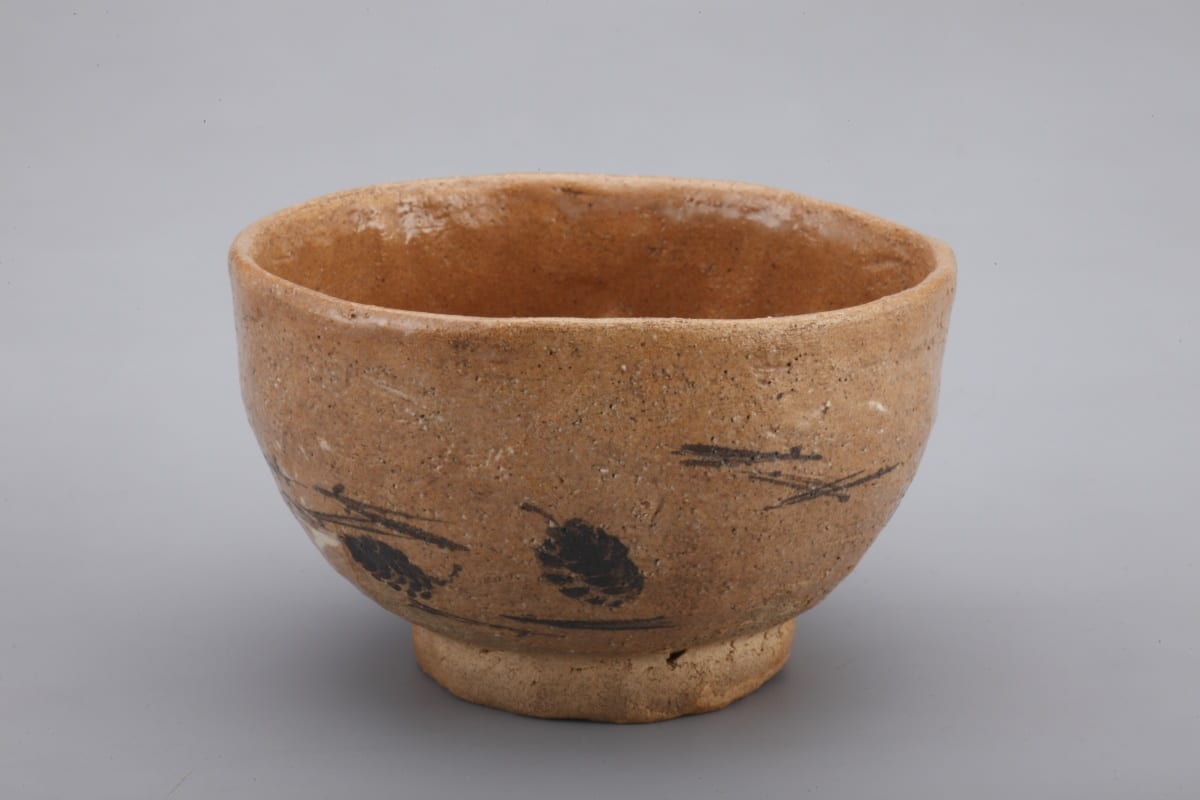
Sumi painting and calligraphy on ceramic. This chawan is light in the hand and contrasts beautifully with a dark rich bowl of matcha. While the poems of many of
SOLD
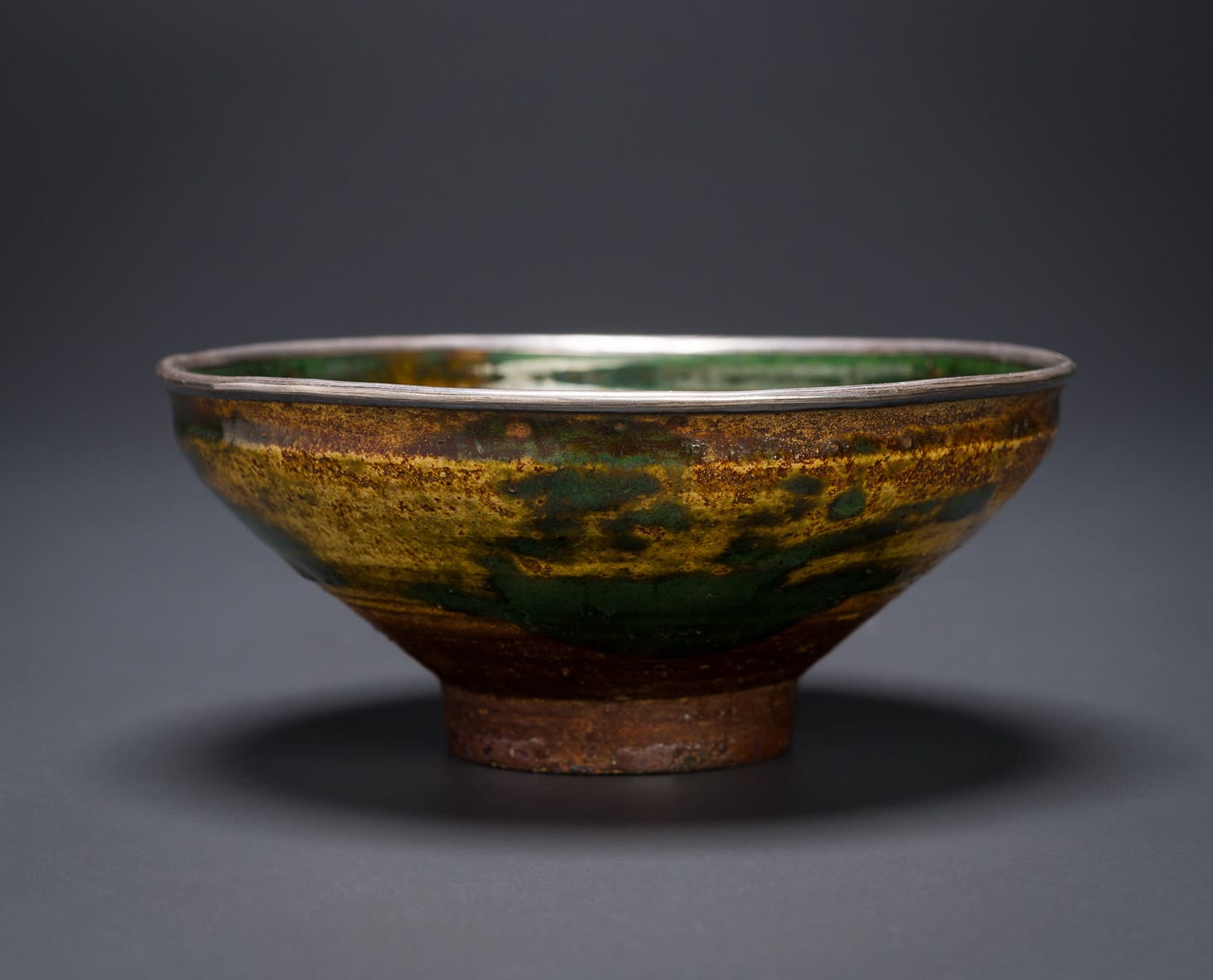
Before styles such as Raku, Hagi, Karatsu, etc came into fashion for use in the tearoom in early Edo, it was commonplace in cultured society to use tea-ware imp
SOLD
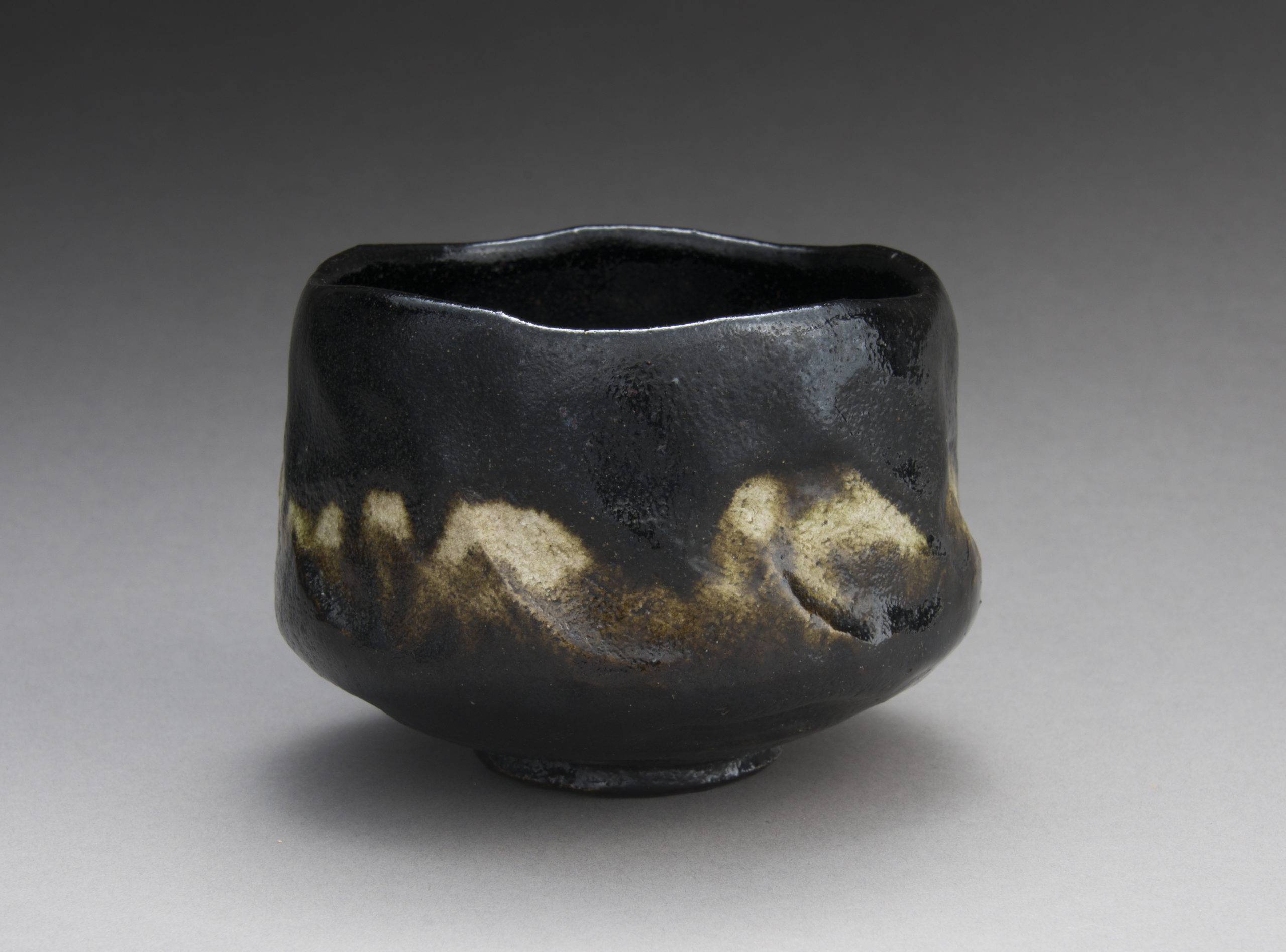
A black Raku ceremonial tea bowl displaying an excellent patina bestowed by time. The light colored clay peeks through in areas giving this piece a unique feel.
SOLD
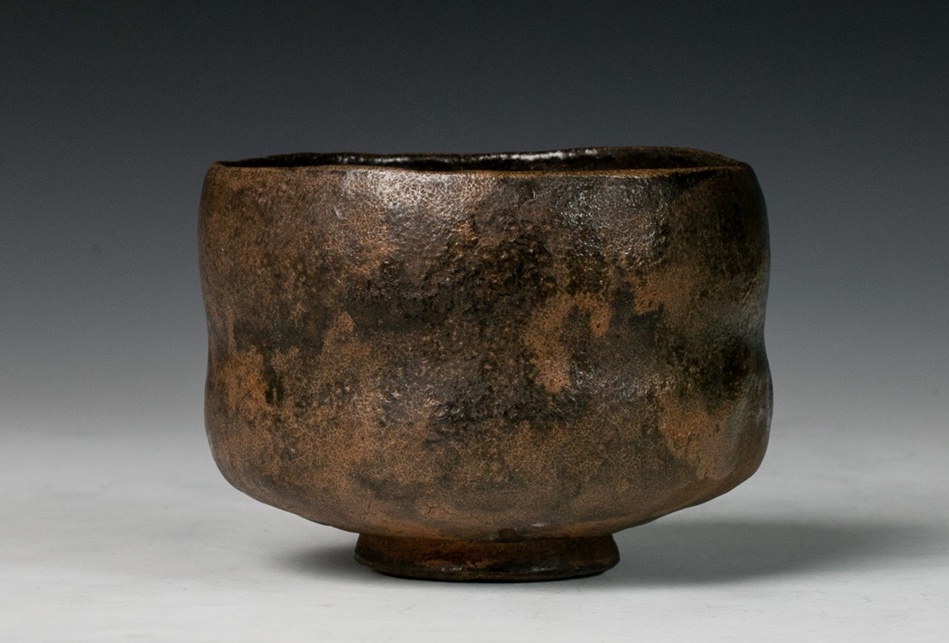
A master work by one of the top artisans of the late 20th century—the result of techniques perfected over centuries by dedicated craftsmen residing in districts
SOLD
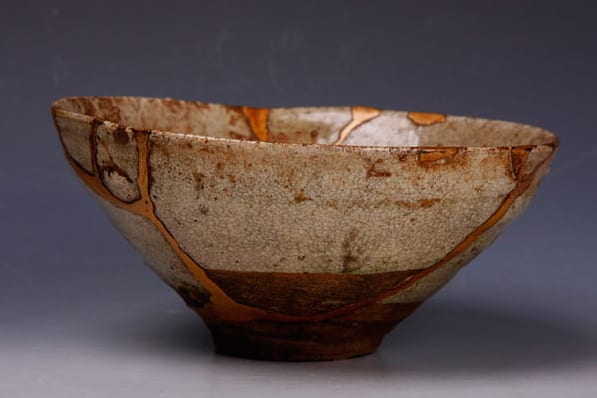
This lovely Ido-gata shaped chawan has very nice asymmetrical balance highlighted by extensive and skillfully applied kintsugi gold repairs. The inside bottom o
SOLD
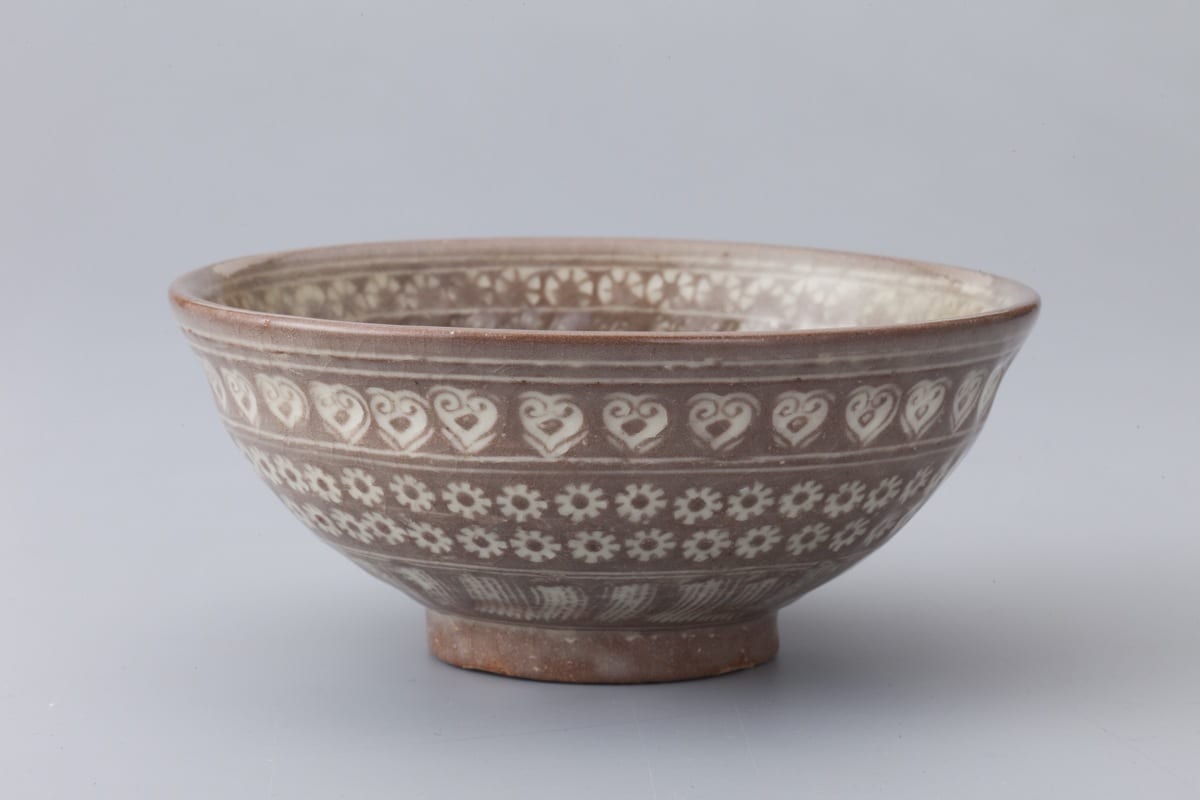
Glazed stoneware. This tea bowl features intricate design work rarely seen in the bulk of Kanjirō’s pieces—likely indicating his early period. The medallion-lik
SOLD
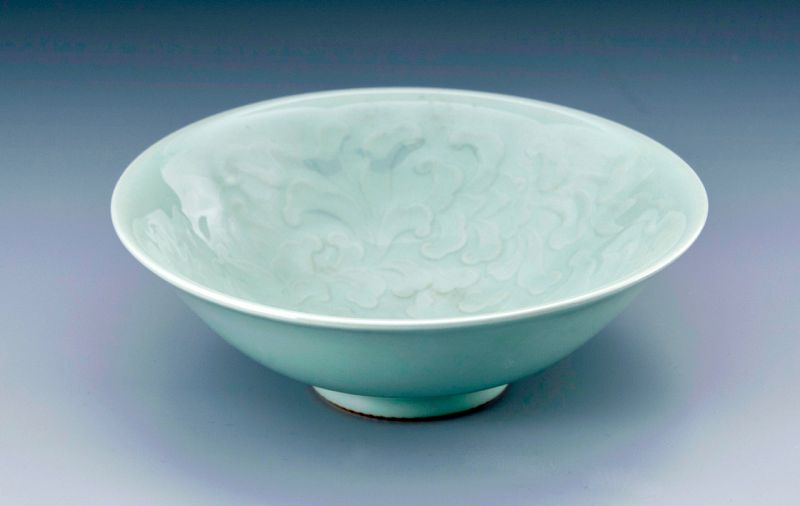
A wonderful translucent blue celadon dish decorated with a low-relief floral motif. This piece was made by one of the few great female Japanese potters of the 2
SOLD
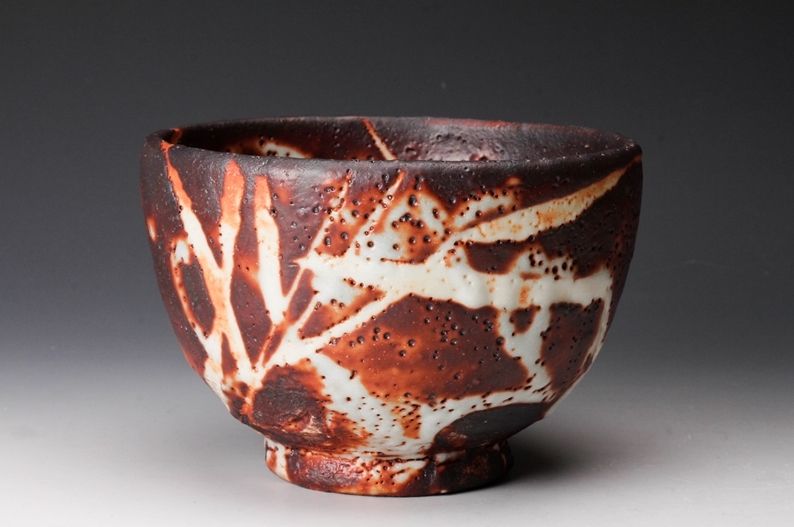
A powerful work of Shino pottery by one of the veterans of Mino ceramics. Vibrant lines of white feldspar contrast sharply with the iron rich clay and glaze to
SOLD
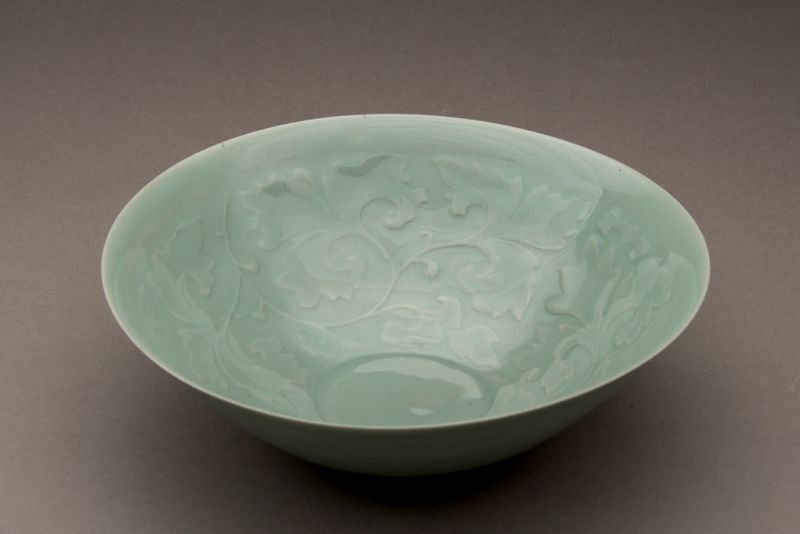
Here we see a Chinese style celadon floral bowl by one of the 5 Imperial Court Artists of Meiji. The potter, Sozan, spent his life perfecting techniques for cel
SOLD
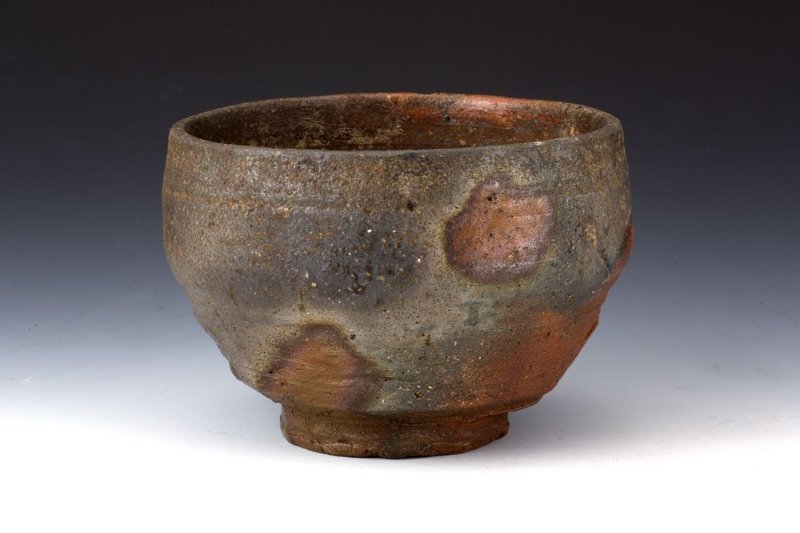
Signed by the 13th Iemoto (tea master) of Omotesenke, Sokuchusai (1901-1979) this exceptional tea bowl bears the poetic name Asahi or “Morning Sun.” Brilliant o
SOLD
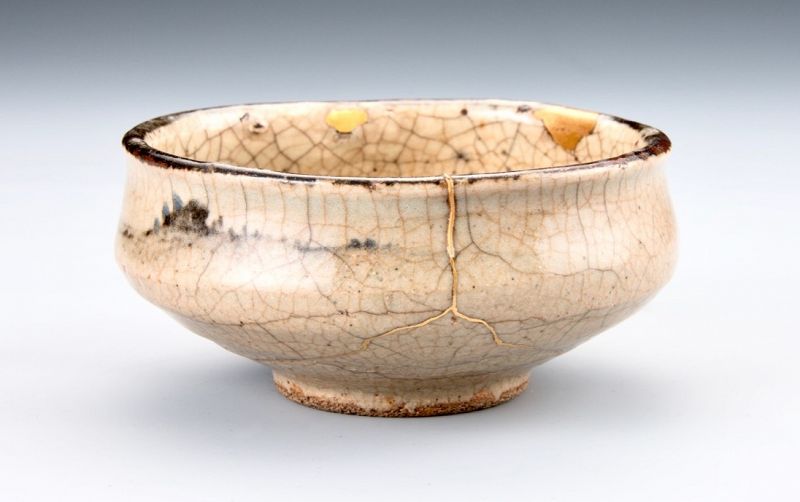
Like many pottery traditions in Japan, Karatsu takes its name from the city where it originated. As early as the 15th century, Korean potters heavily influenced
SOLD
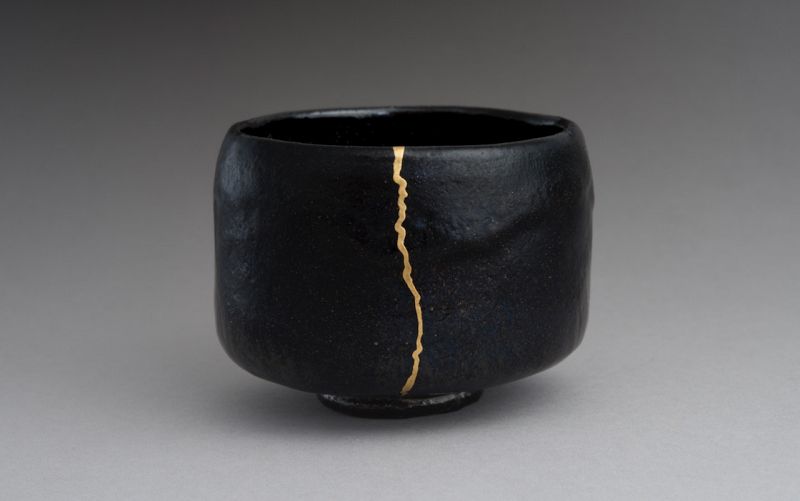
We have a particular interest in beautiful old Raku tea bowls and spend quite a bit of time searching for exceptional examples to include in our gallery. Here w
SOLD
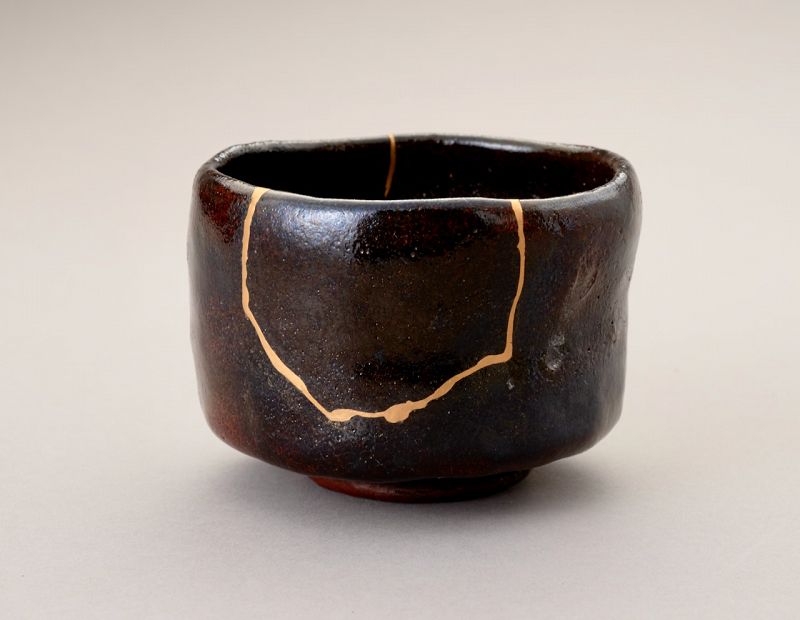
Based on telltale signs, this extraordinary Raku tea bowl likely dates to the late Edo period (200+ years old). Crafted with meticulous care, its smooth, ebony
SOLD
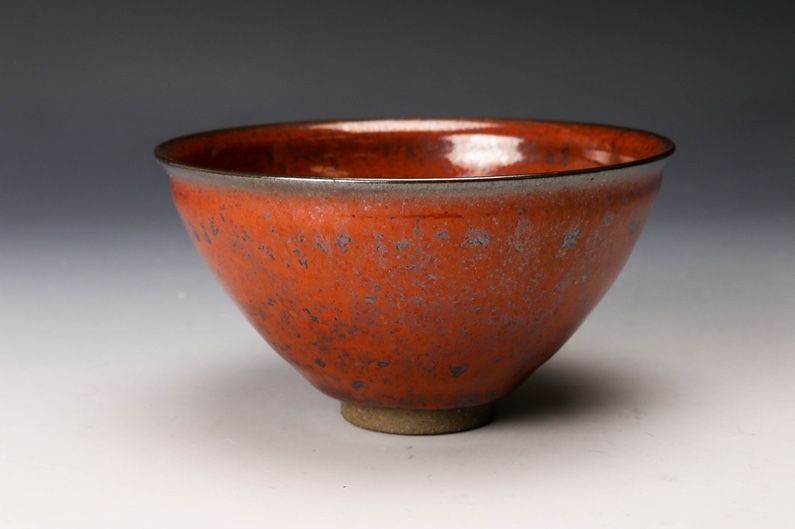
A mesmerizing piece of ceramic art, this exquisite tenmoku tea bowl embodies the rich traditions of Japanese craftsmanship that are inspired by over a millennia
SOLD
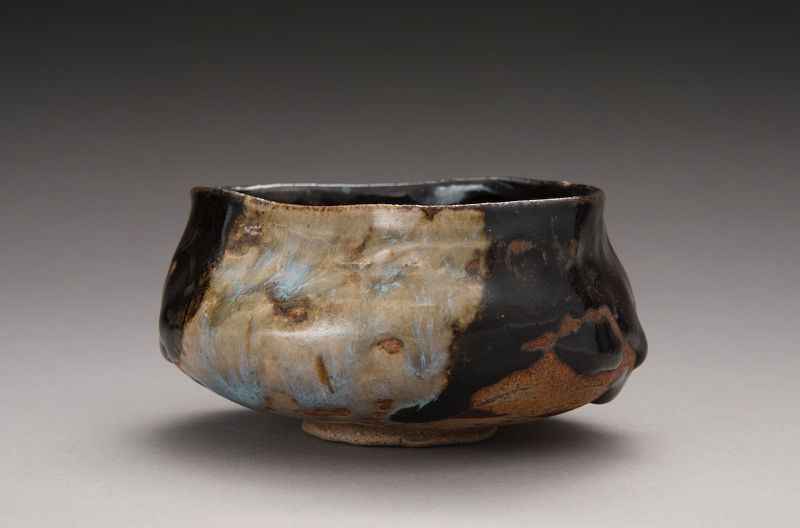
Oribe is a visual style named after the late-16th-century tea master Furuta Oribe (1544-1615). Kuro Oribe pieces are the most common with their jet-black glazes
SOLD
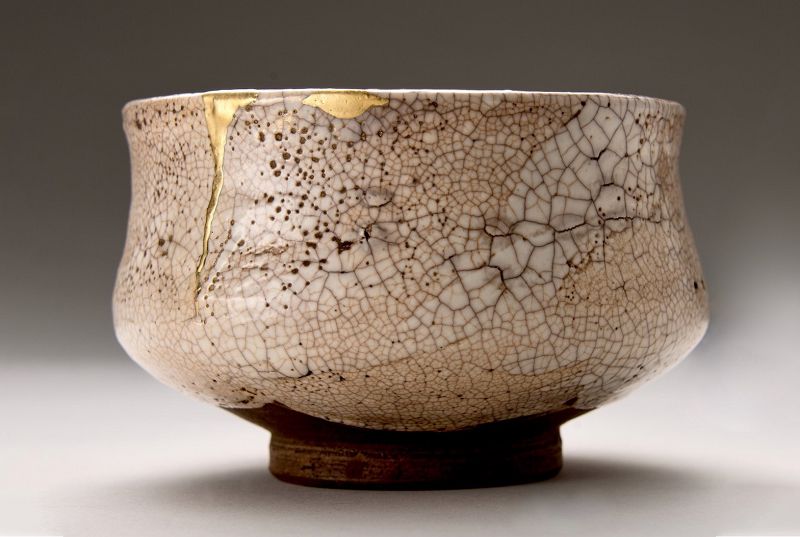
This lovely Shino tea bowl from the Edo period is fashioned from coarse Mino clay and is covered in feldspar glazing. As with many pieces of this period and sty
SOLD
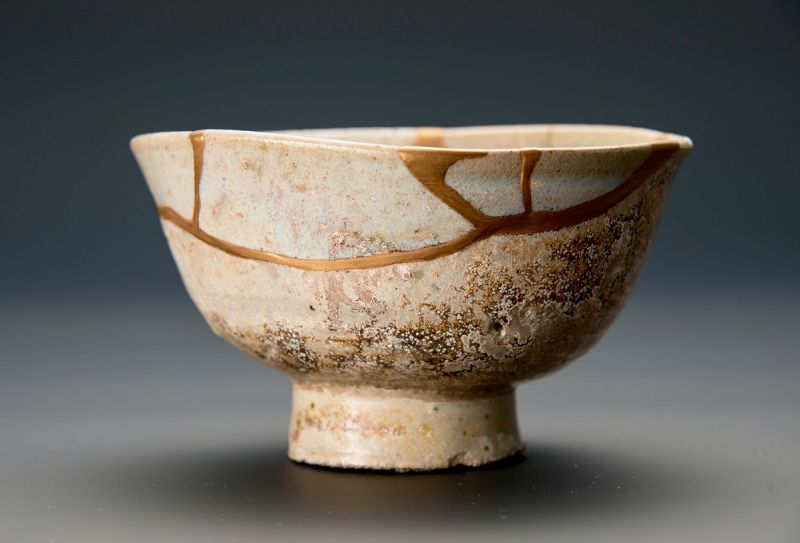
Stemming from the philosophy of wabi-sabi—often described as the beauty found in the imperfection and transience of the world—cracks and repairs in a work of po
SOLD
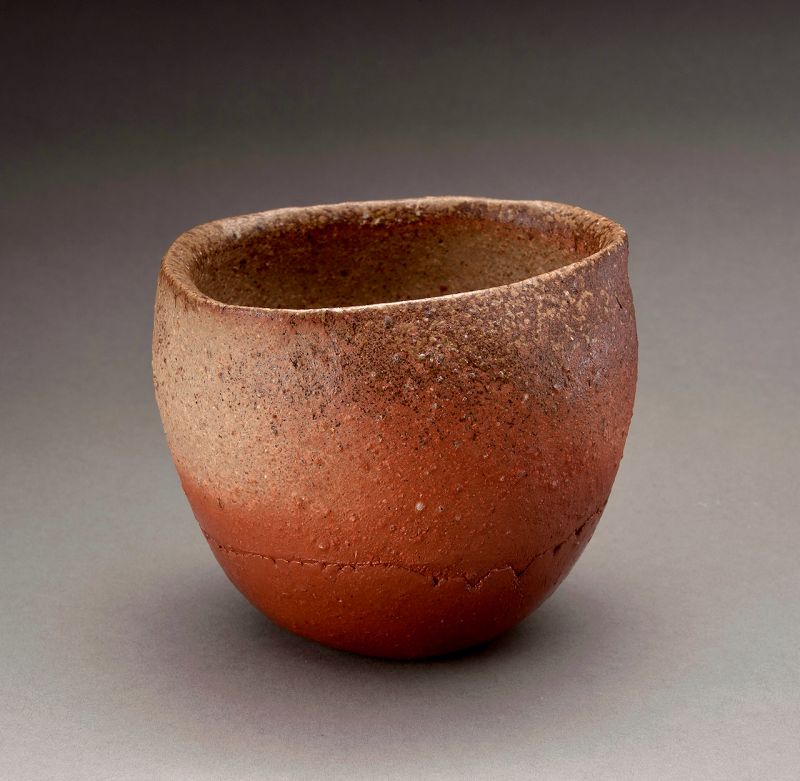
First born son to Living National Treasure Isezaki Jun, Koichiro (b. 1974) has quickly made a name for himself as an independent artist. Not content to rely sol
SOLD
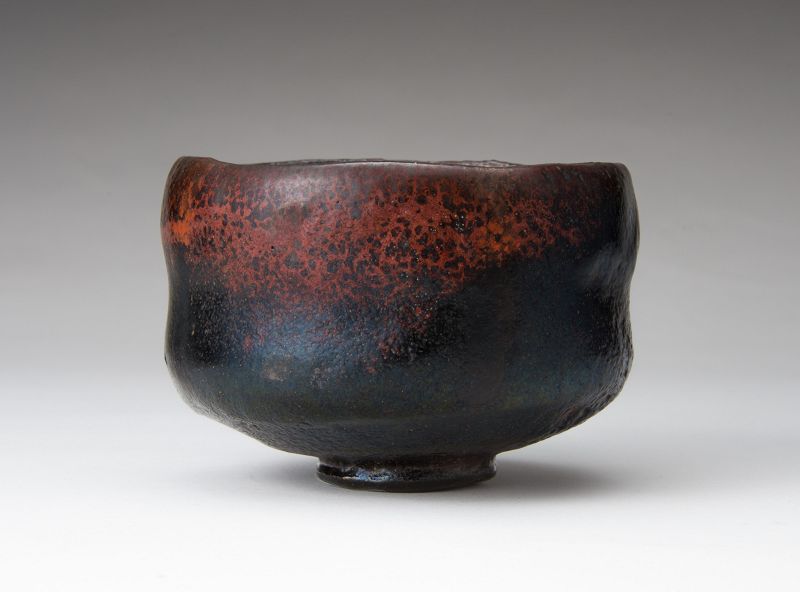
In the world of Japanese ceramics, Tamamizu-ware has an almost mythical standing. A branch of the main Raku line, at one time the two kilns held equal prominenc
SOLD
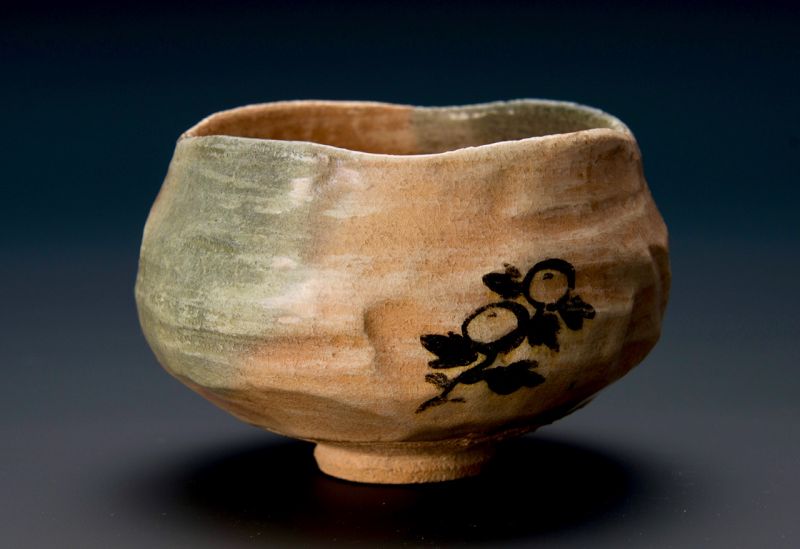
This iconic tea bowl was crafted by one of the great masters of Japanese pottery and given the poetic name "Dewdrop" by a famous tea master of the Omote-senke s
SOLD
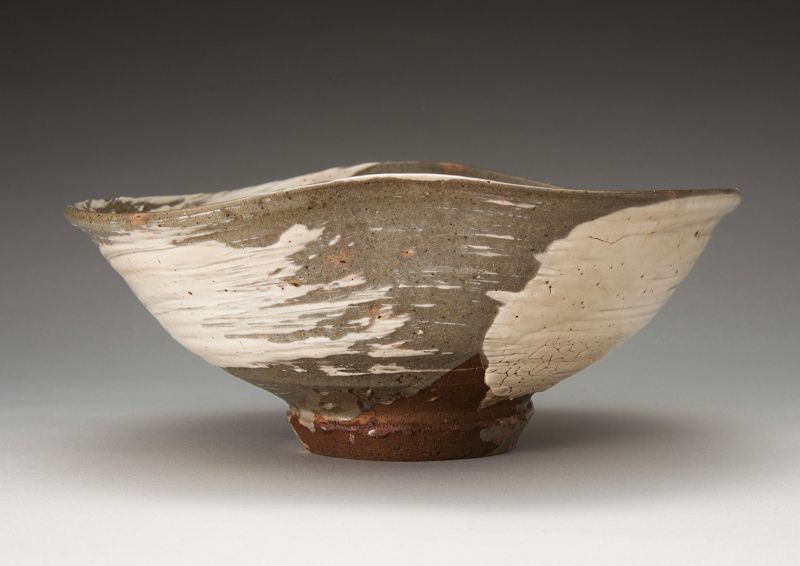
A beautiful example of a Hakeme style bowl, this one quite rare as it was made around 200 years ago by the son of the founder of the Dohachi line of potters. Tr
SOLD