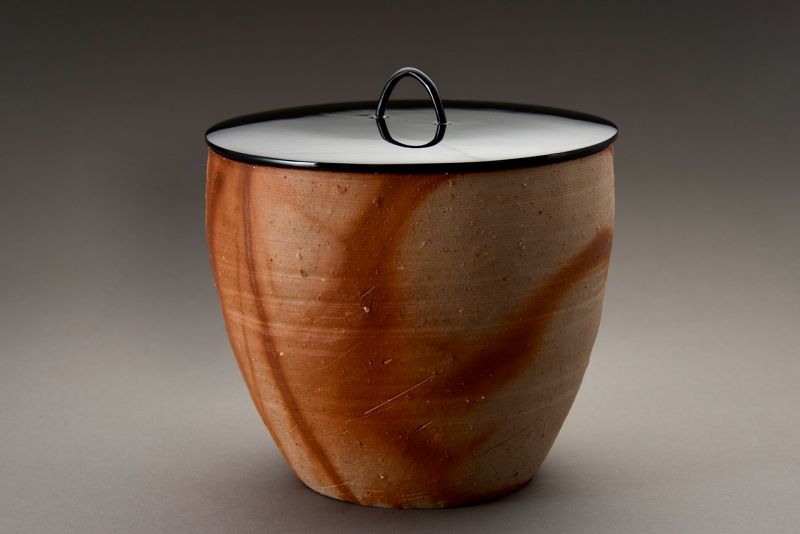
A Bizen Mizusashi for Tea Ceremony by Veteran Potter Mori Tōgaku
A veteran of Bizen pottery, Mori Tōgaku has been perfecting his style for close to seven decades now with most of his important work having been done in the las
SOLD
Selected by shared artwork type, categories, artist and era. Available works appear first.
Back to the artwork · Browse the full collection
A veteran of Bizen pottery, Mori Tōgaku has been perfecting his style for close to seven decades now with most of his important work having been done in the las
SOLD
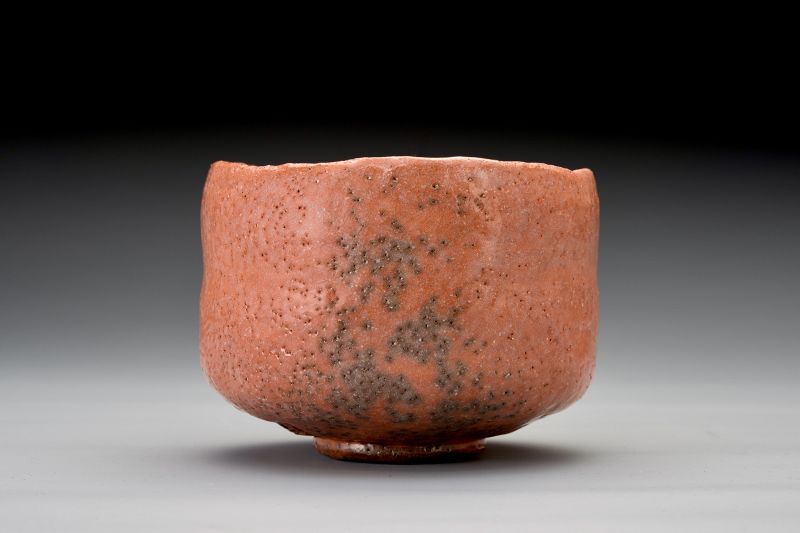
Crafted with meticulous attention to detail and showcasing a soft and gracefully executed red glaze, this Raku tea bowl exudes a sense of ease, tenderness, and
SOLD
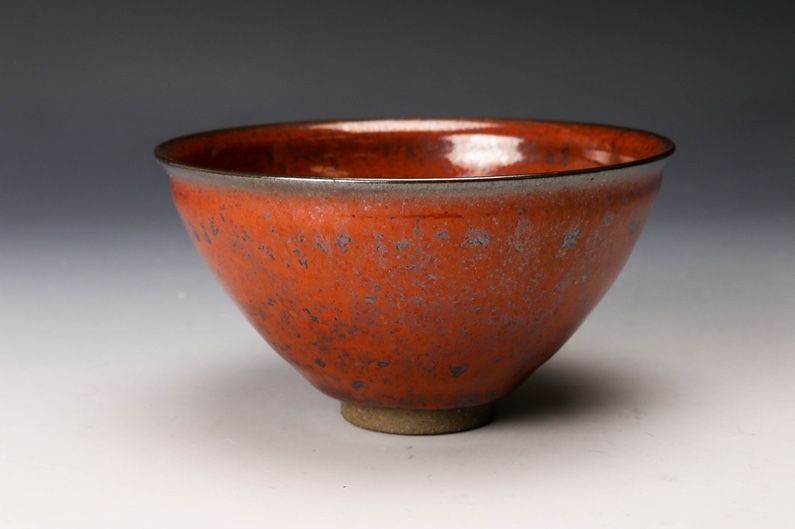
A mesmerizing piece of ceramic art, this exquisite tenmoku tea bowl embodies the rich traditions of Japanese craftsmanship that are inspired by over a millennia
SOLD
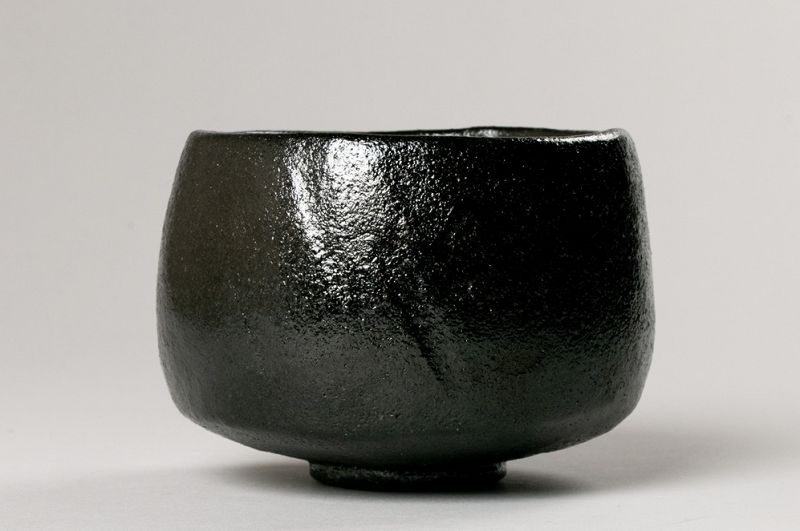
When the founder of the Urasenke style of tea ceremony, Sen-So Soshitsu (1622 -1697) was invited to Kanazawa as the master of tea ceremony for the powerful Kaga
SOLD
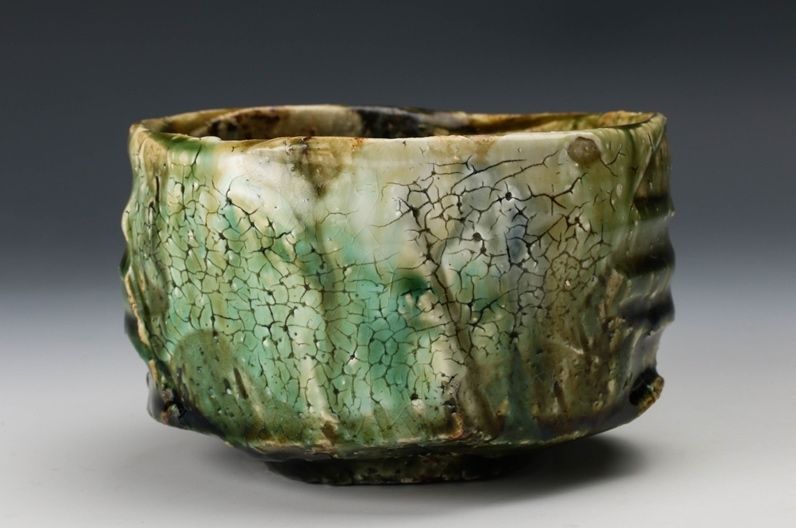
Intricately carved clay adorned with a complex and multi-layer Oribe glaze, this piece is one of the best I have encountered by this talented and multifaceted a
SOLD
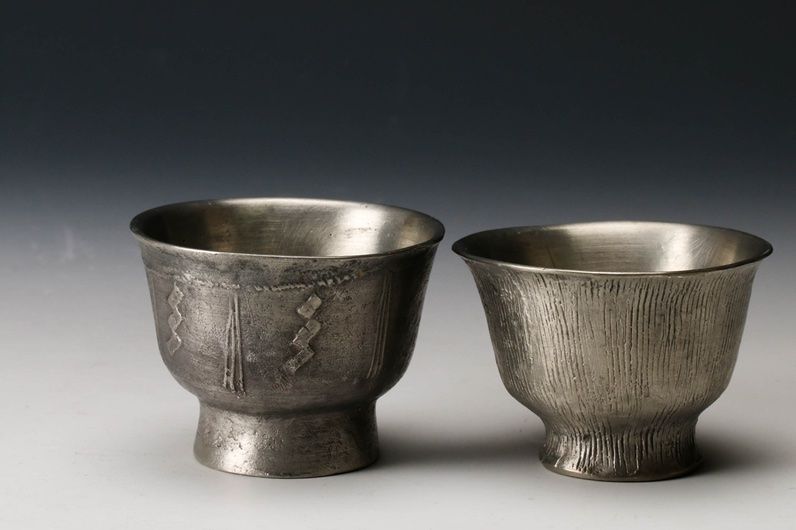
Crafted with meticulous attention to detail, each pewter cup showcases a unique luster that this metal alloy is revered for; highlighting its historical signifi
SOLD
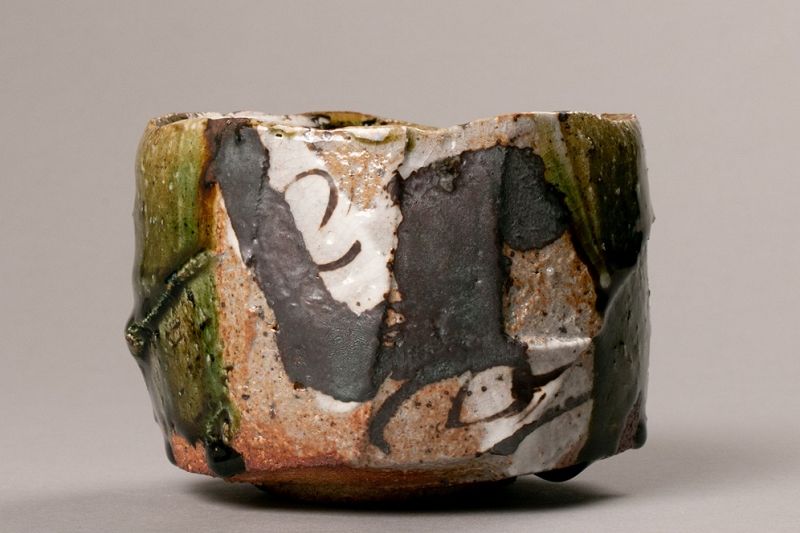
A harmonious blend of traditional craftsmanship and contemporary artistic expression, this extraordinary tea bowl encapsulates the essence of Oribe pottery whil
SOLD
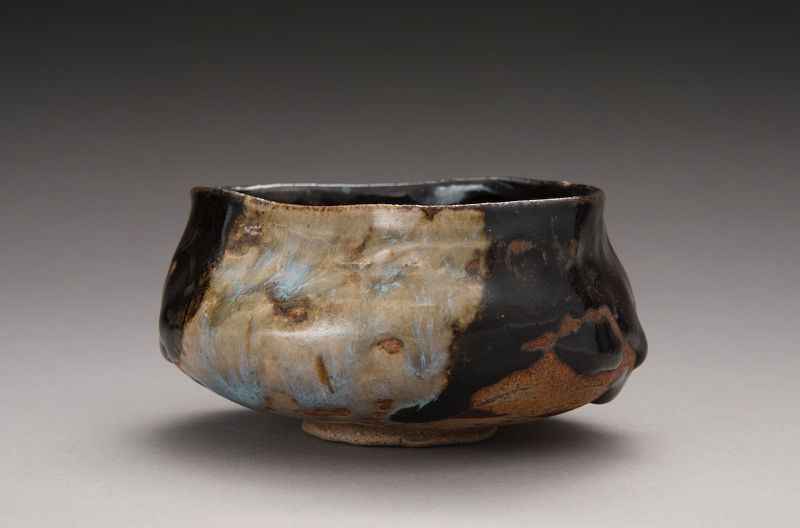
Oribe is a visual style named after the late-16th-century tea master Furuta Oribe (1544-1615). Kuro Oribe pieces are the most common with their jet-black glazes
SOLD
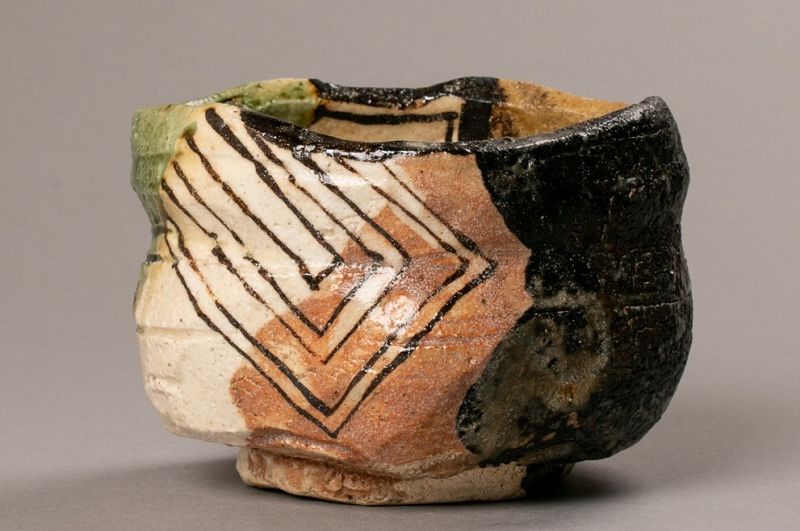
A captivating blend of traditional aesthetics and contemporary flair; with exquisite attention to detail, Goro masterfully combines the vibrant green Oribe glaz
SOLD
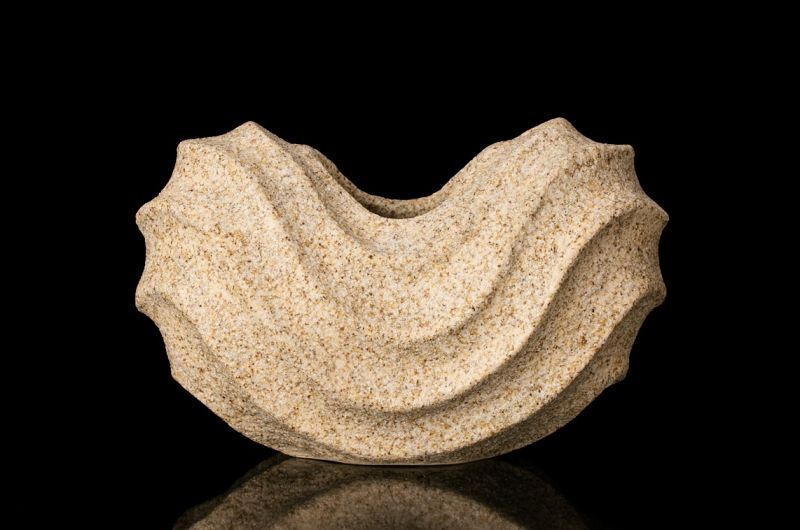
From a well-known series entitled “Chōtō” (Listening to the Waves) this contoured vase features a sandy glaze that the sculptor claims is an expression of the f
SOLD
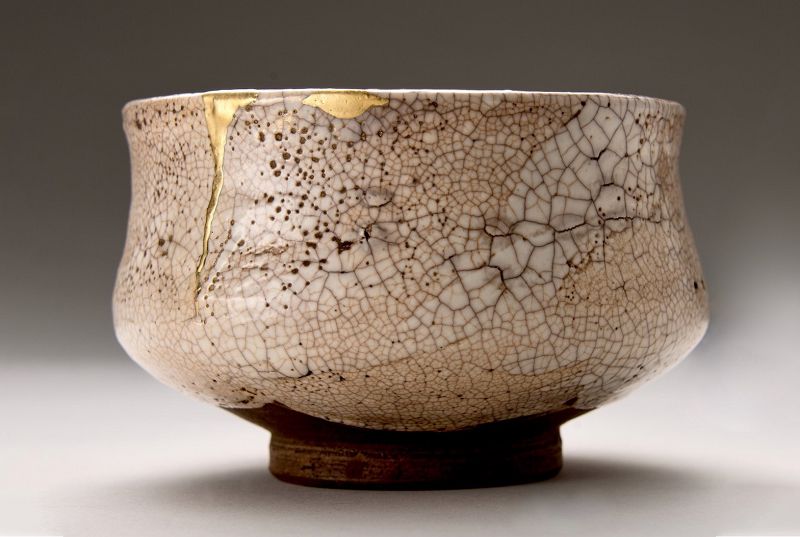
This lovely Shino tea bowl from the Edo period is fashioned from coarse Mino clay and is covered in feldspar glazing. As with many pieces of this period and sty
SOLD
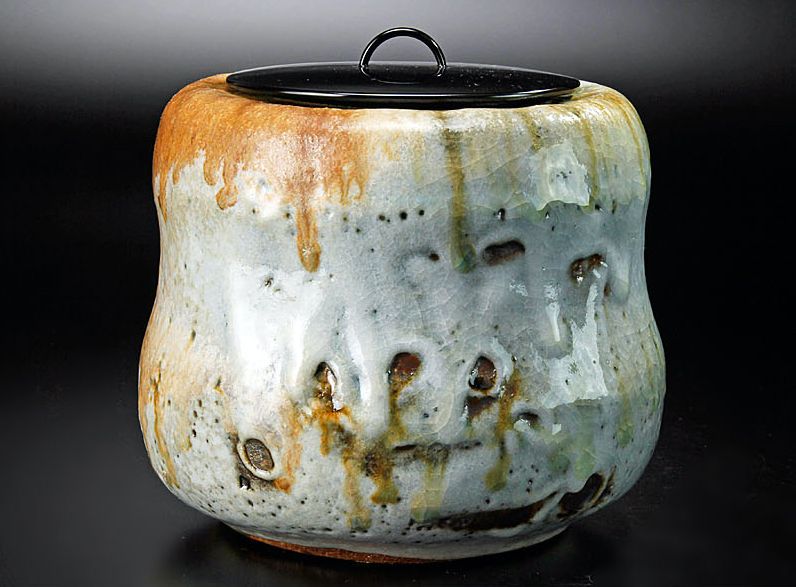
This extraordinary mizusashi is a fine example of Oni Shino (carbon trap and natural ash glazing) that Tsukigata is so well-known for. Coining the term in the m
SOLD
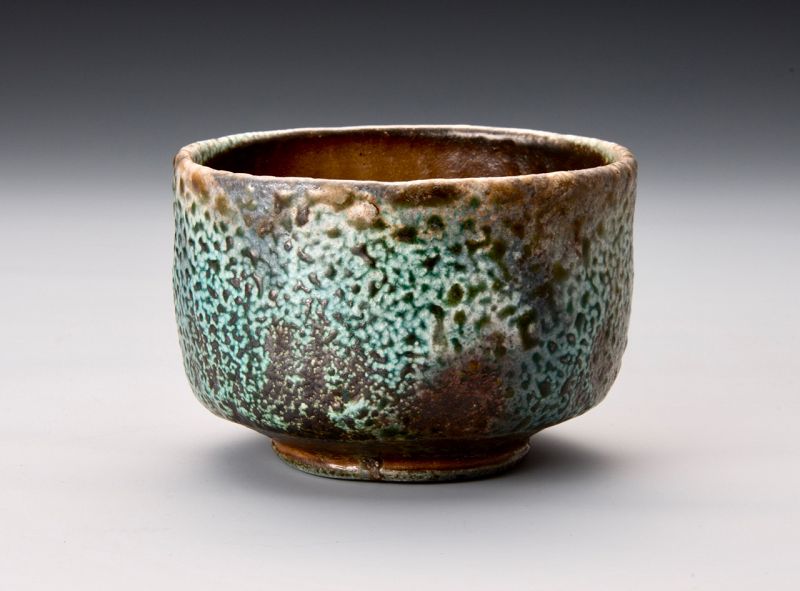
The colors seen in this ceramic piece are not often encountered in the world of Japanese tea-ware pottery—a field dominated mainly by styles such as Raku, Hagi,
SOLD
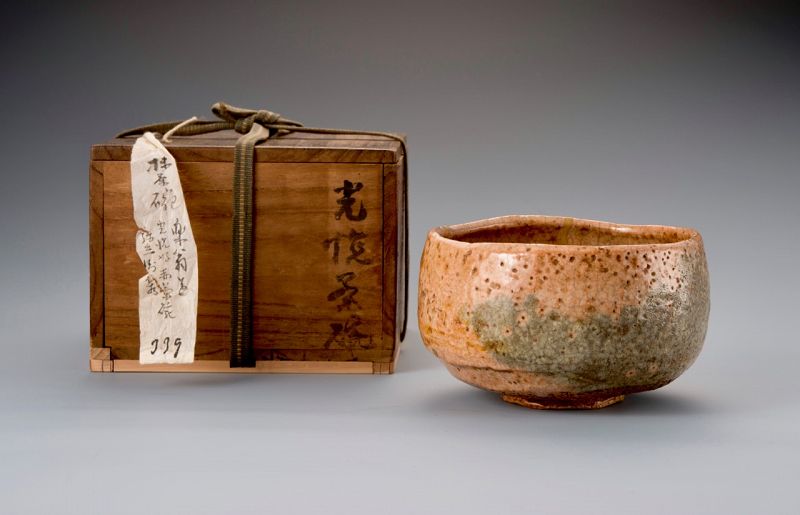
In the world of Japanese ceramics, Tamamizu-ware has almost a mythical standing. A branch of the main Raku line, at one time the two kilns held equal prominence
SOLD
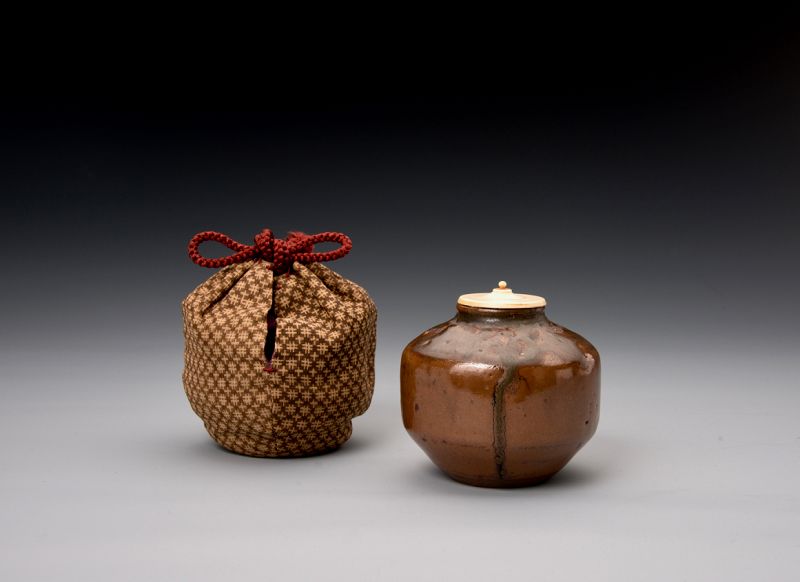
This extraordinary cha-ire (powdered tea container) displays an excellent glaze that appears to have only grown more intricate and rich with time. Contrasting a
SOLD
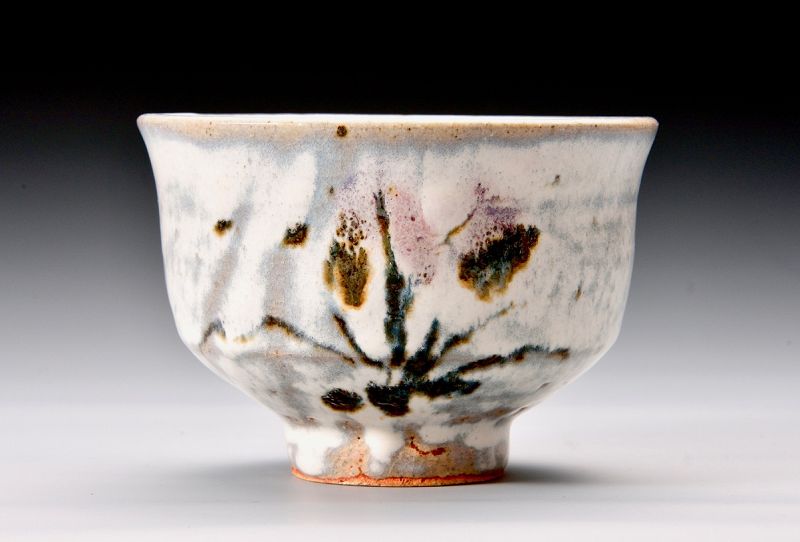
According to the potter who crafted this fine piece, “The clay from our area in the north is alive. We listen to it in order to divine the most suitable objects
SOLD
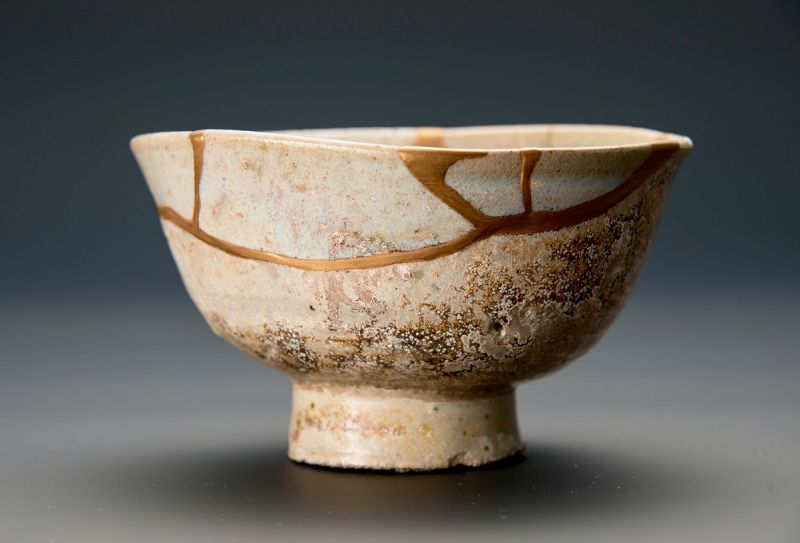
Stemming from the philosophy of wabi-sabi—often described as the beauty found in the imperfection and transience of the world—cracks and repairs in a work of po
SOLD
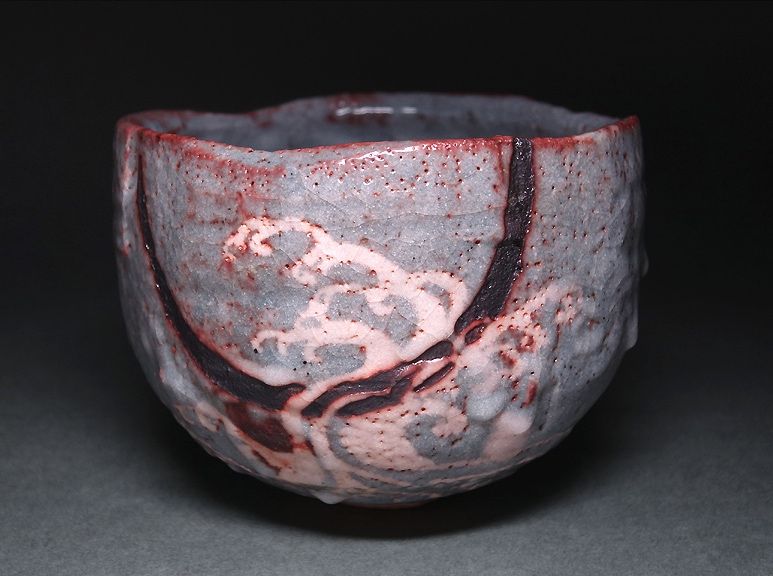
The lower half of a blackened enso dips from the rim on a backdrop of gray crackled glazing interspersed with auburn highlights. Rising up from below into the e
SOLD
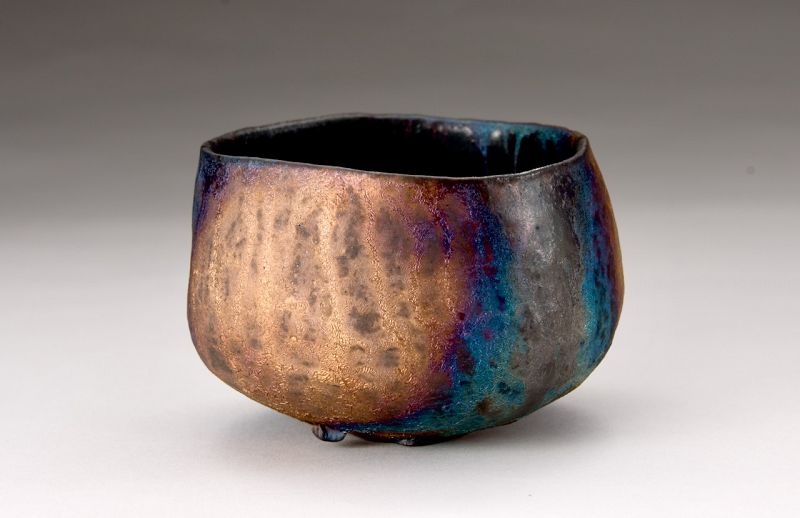
Not so often in the world of Japanese tea-ware do you come across something so exquisitely novel that it resists categorization in terms traditional styles. Thi
SOLD
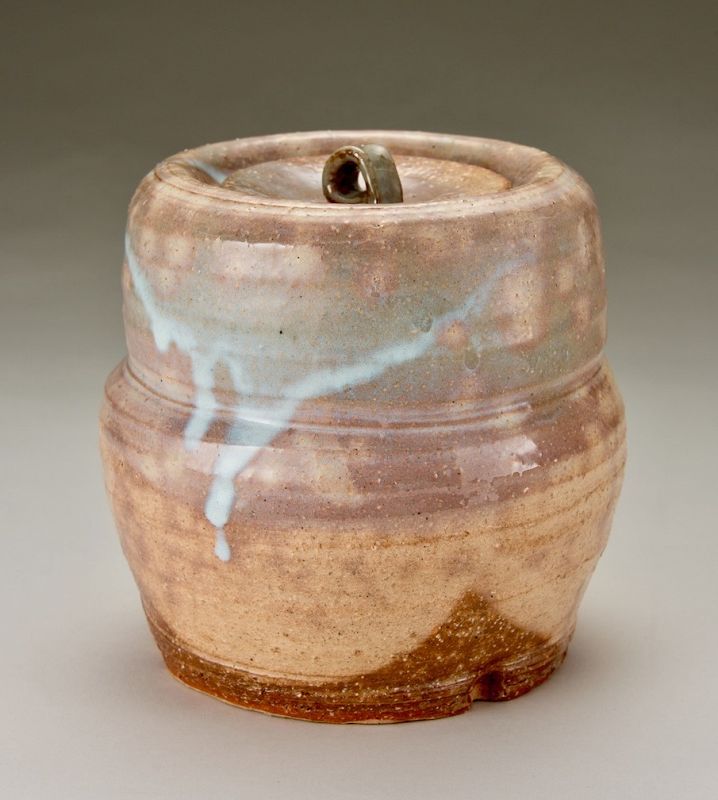
Heavily influenced by Koryo potting styles and techniques, the Tobei lineage has been crafting exceptional tea-ware implements for 13 generations. The piece sho
SOLD
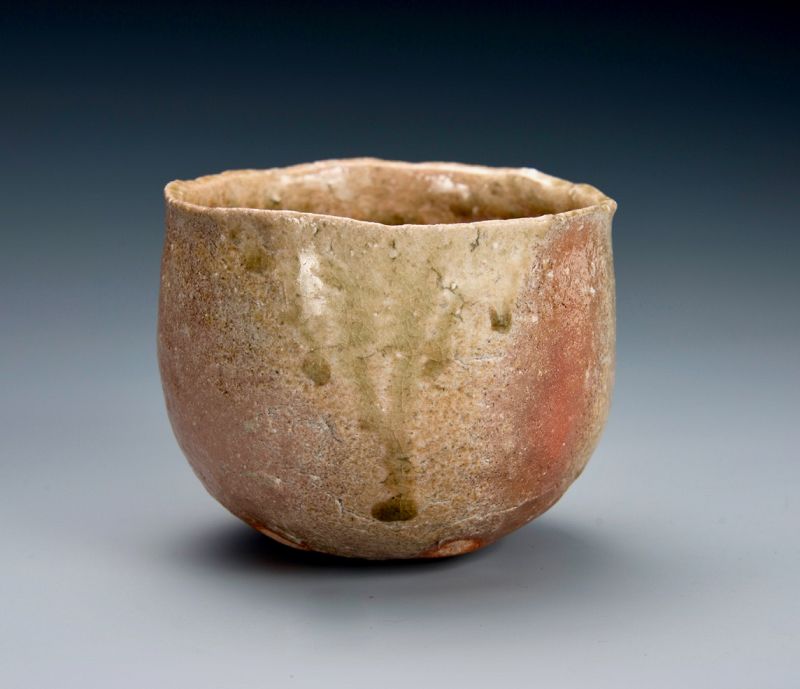
Sugimoto Sadamitsu (b. 1935) is one of the most important Shigaraki potters alive today and continues to create master works into his old age. Originally a resi
SOLD
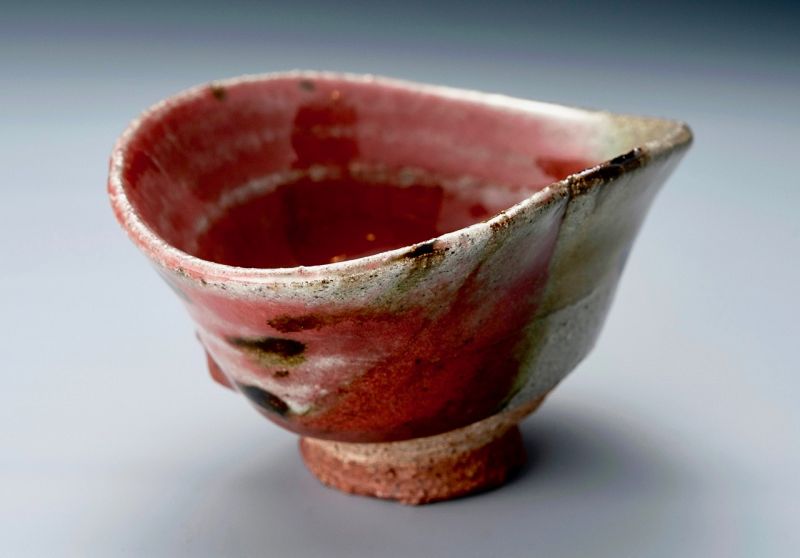
One of the more innovative and international minded ceramicists on the Japanese pottery scene, Ryoji Koie’s interests and expertise cannot be confined to one na
SOLD
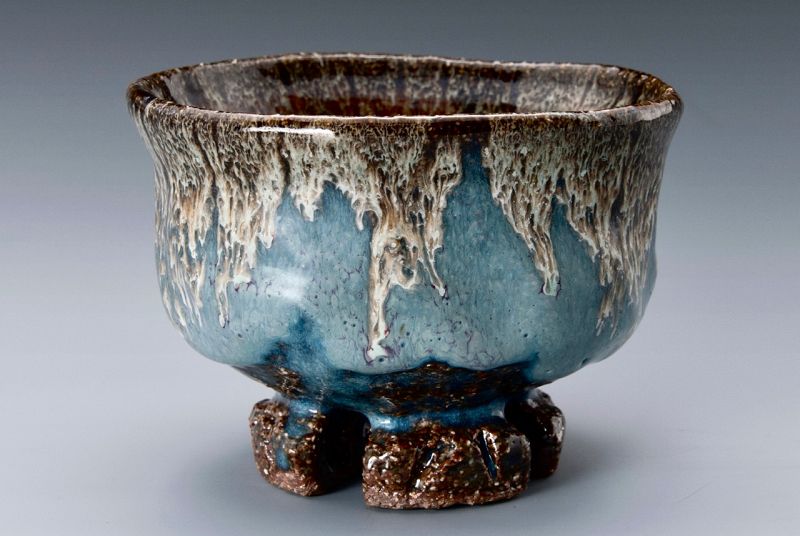
Ripples of light and dark pigmentation flowing on a background of sky-blue glaze—the description on the box reads 萩孔雀 (Hagi kujyaku) translating as “peacock Hag
SOLD
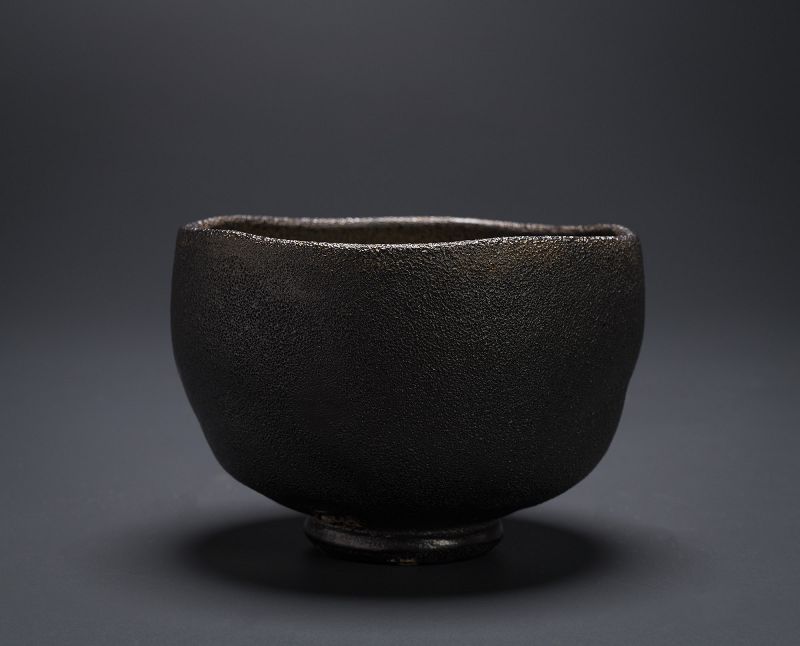
Comfortable in the hand and with a unique textured black Raku glaze, this tea bowl by 20th century potter Samukawa Seiho would make a fine addition for collecto
SOLD
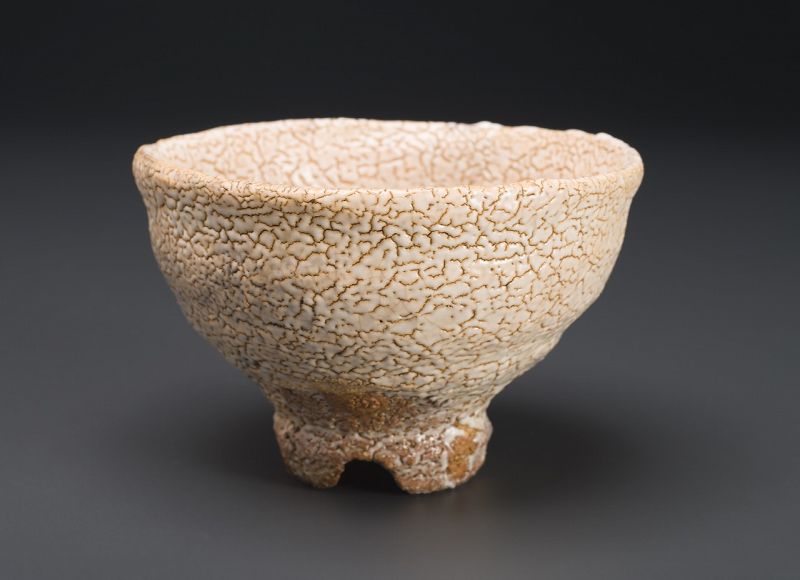
This remarkable tea bowl is from the kilns of Yoshida Shuen (1940-1987)—an apprentice of Miwa Kyusetsu (1910-2012) who was awarded the status of Living National
SOLD
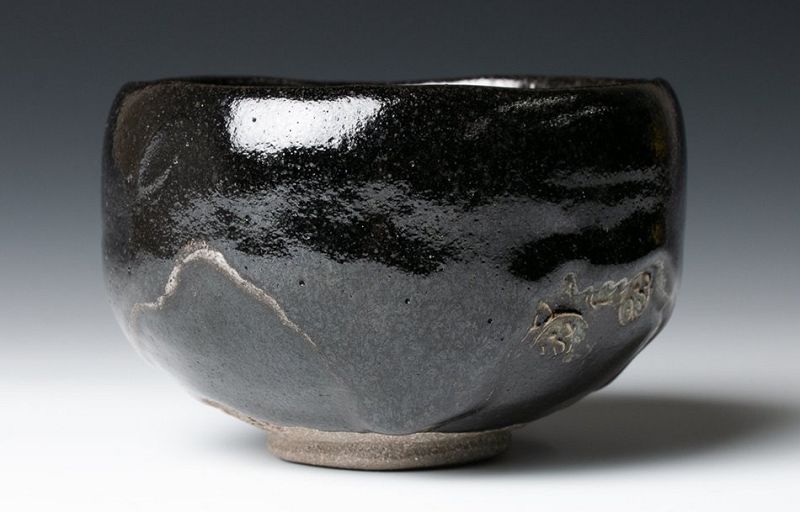
Imagine the vista of iconic Mount Fuji as you enjoy a cup of matcha from this very special tea bowl. Endorsed by the tea master of Urasenke as a master work, it
SOLD
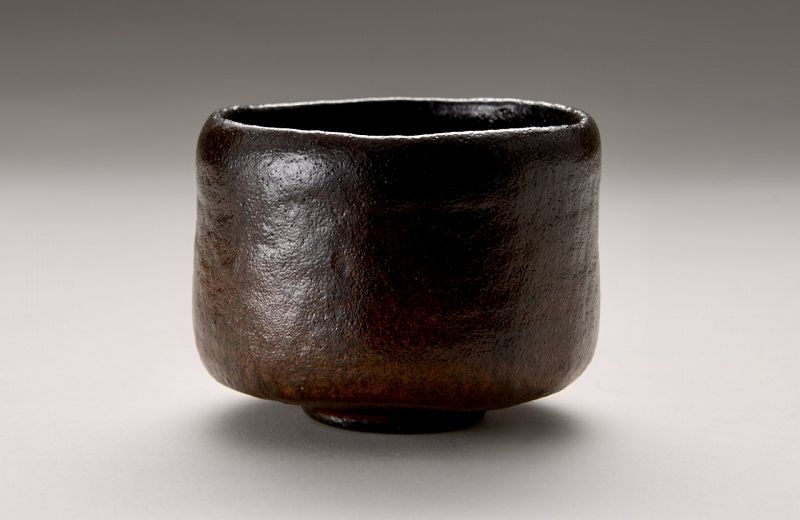
Closely resembling a historically important tea bowl made by one of the forebears of the art of tea and Raku pottery, Chojiro, this piece gives one a sense of t
SOLD
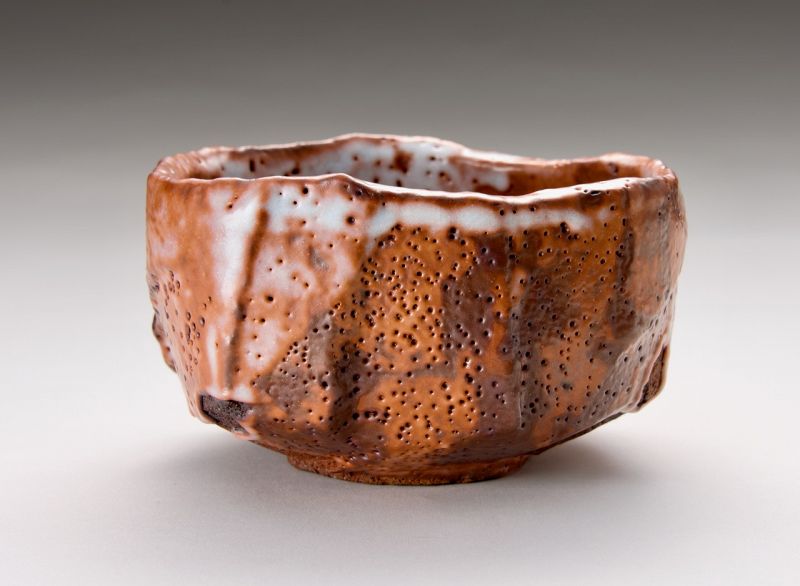
Decidedly masculine in character with straight sculpted edges, a rich palette of color, and a calm steadiness in the hand; this tea bowl was crafted by one of J
SOLD
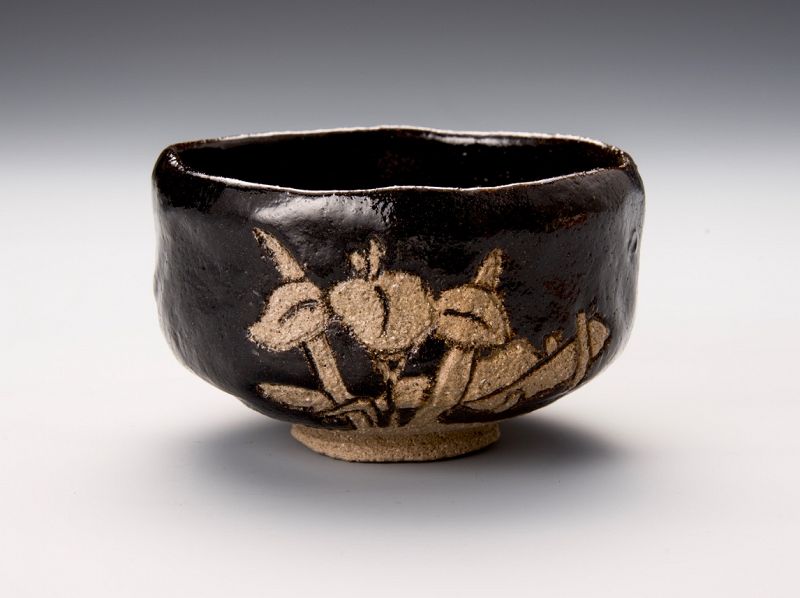
In Japan every season and every phase of the year is marked by the presence of a flower, the most noted of course being the cherry blossoms signifying the long-
SOLD
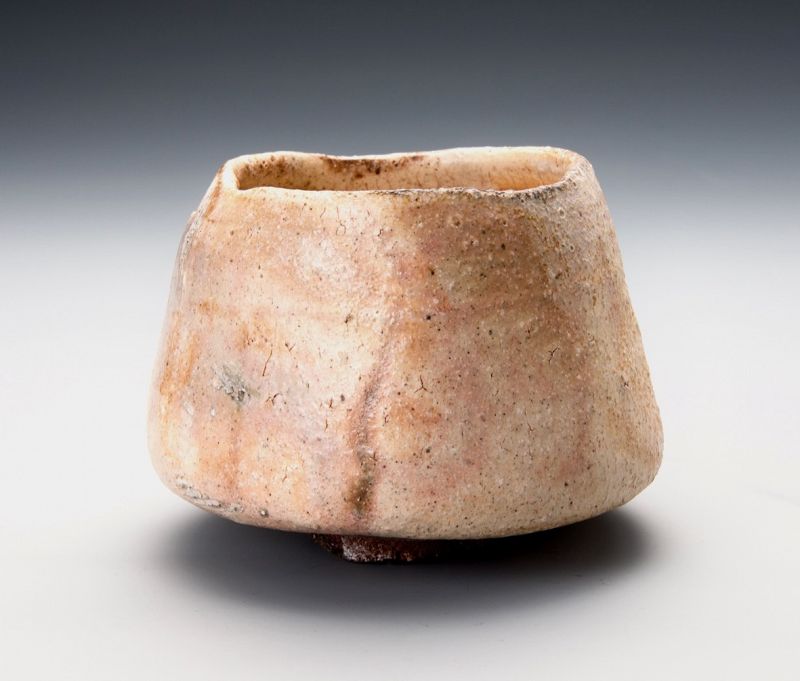
The artist who produced this piece, Wataru Motomura, prides himself in living a traditional life in the eastern hills of Kyoto—long known for its rich clay and
SOLD
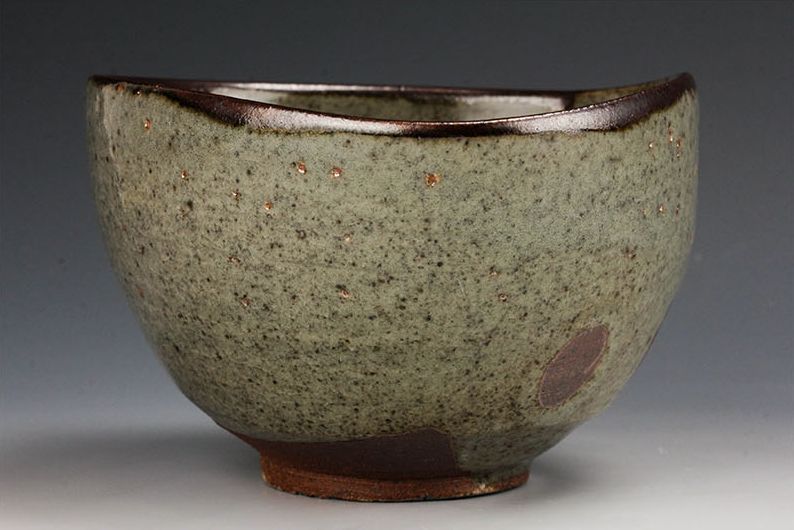
This elegant work of Karatsu pottery has an unglazed foot, showing the rich ferrous clay, and displays a beautiful ashen glaze with hues of blue, grey, green, a
SOLD
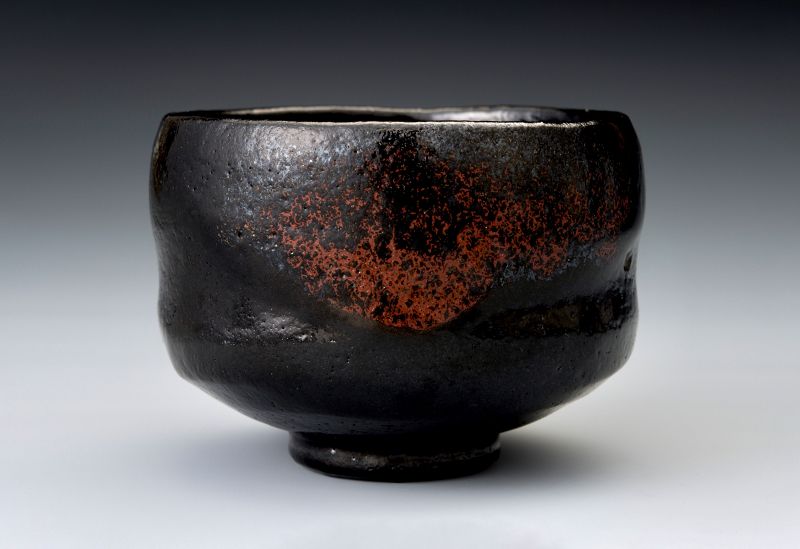
This piece was fired in the kilns of one of Kyoto’s most prolific Raku-yaki workshops by an artist known as Heian Shoraku. In 1905, the first generation Shoraku
SOLD
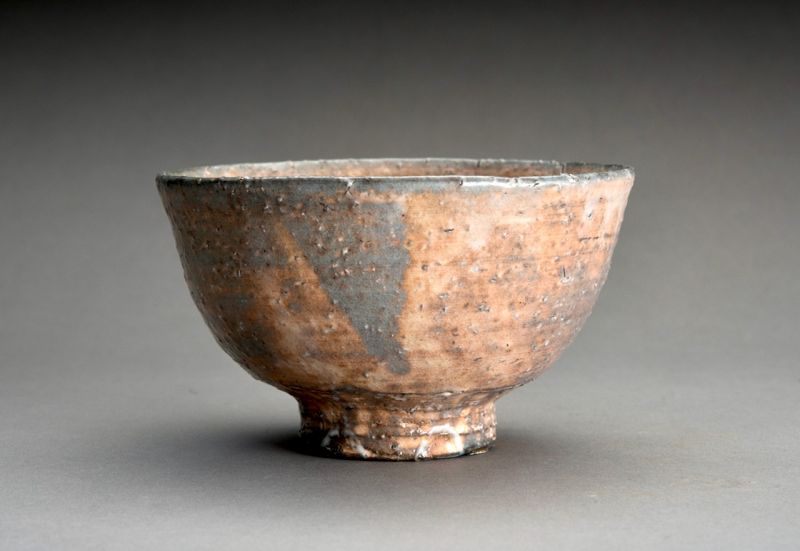
A delightful Hagi tea bowl from the Jōzan Kiln in Yamaguchi Prefecture. Very representative of the genre with its milky glaze and ido-shape. This piece is a ste
SOLD
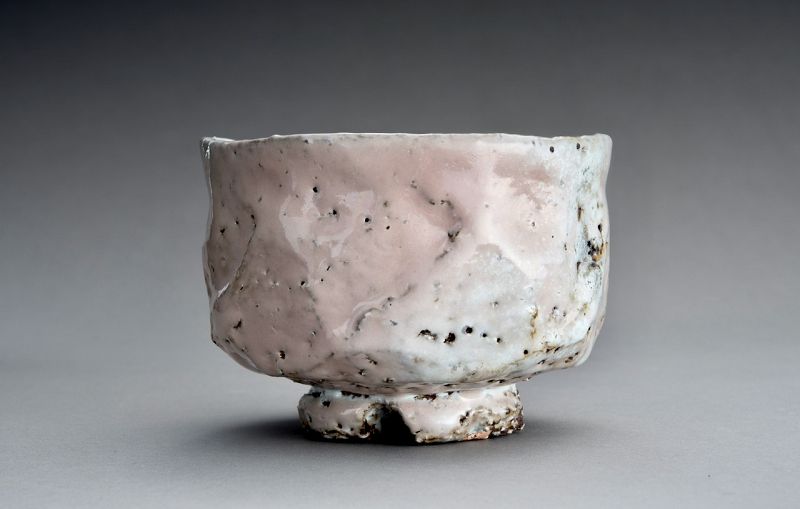
Found in a small antique shop in central Kyoto, this piece immediately caught my eye and I knew I had to buy it. With no original box and a potting mark that co
SOLD
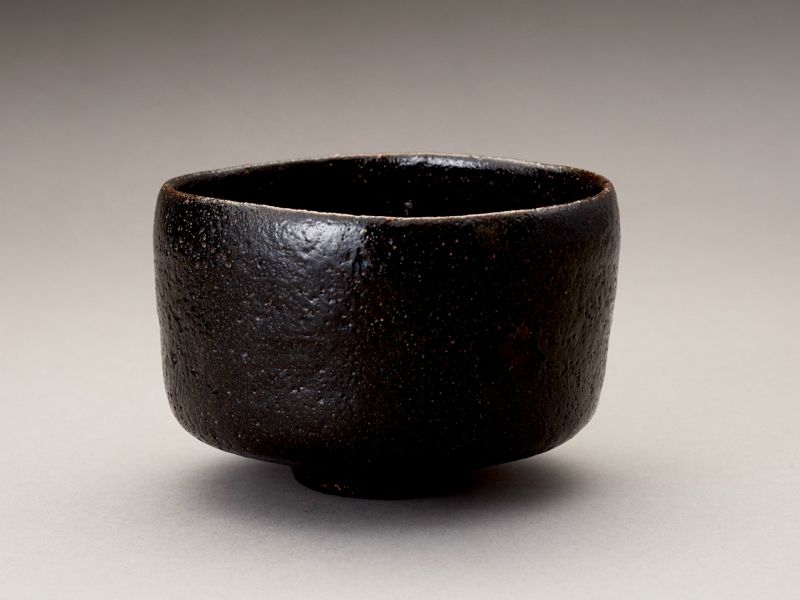
We have a particular interest in beautiful old Raku tea bowls and spend quite a bit of time searching for exceptional examples to include in our gallery. Here w
SOLD
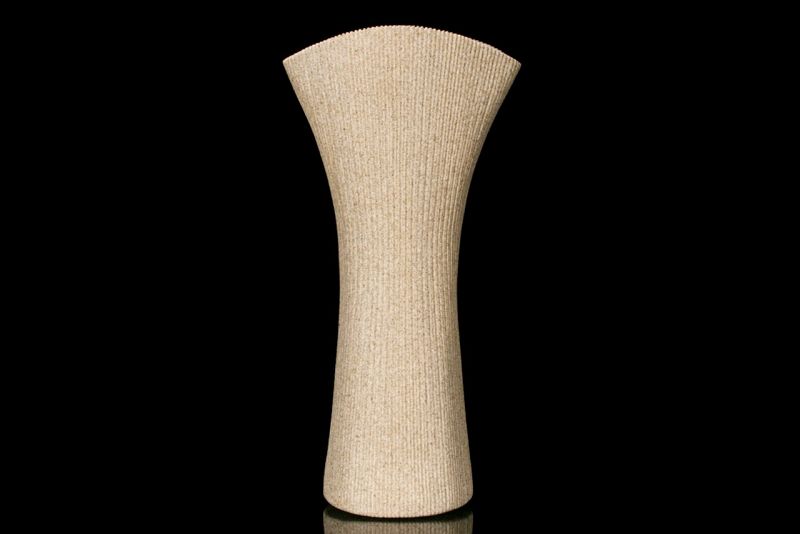
From a well-known series entitled “Chōtō” (Listening to the Waves) this large contoured vase features a sandy glaze that the sculptor claims is an expression of
SOLD
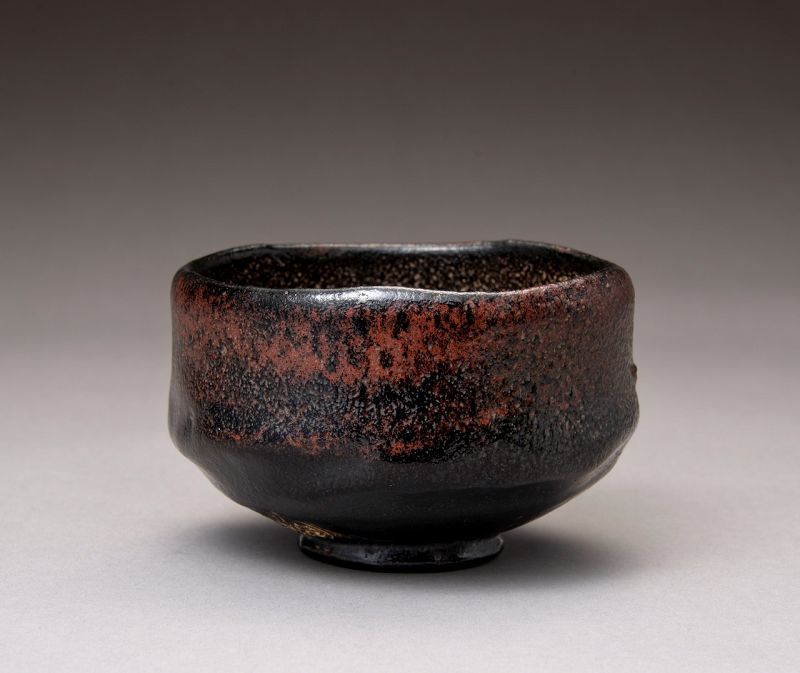
Born the second son of Ryônyû, the 10th Raku Kichizaemon Tannyû took over the family kiln in 1811 at the age of 16 and served until his retirement and subsequen
SOLD
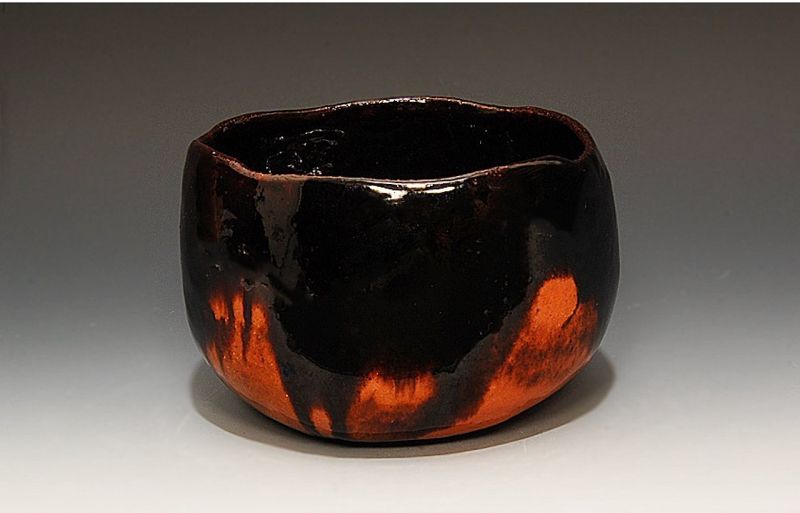
The craftsman who fashioned this piece, the 9th Ohi Chozaimon (1901-1986), is the most widely recognized and most accomplished of the now 11 generations of Ohi
SOLD
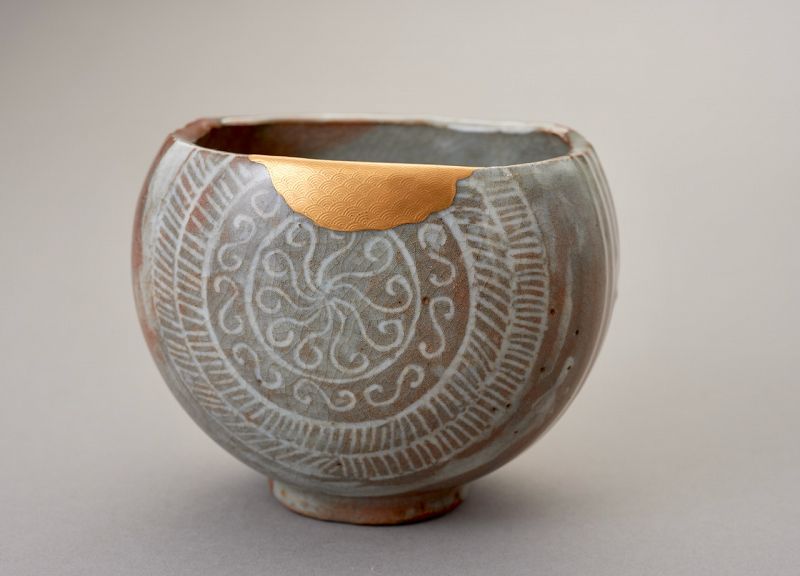
From a 2006 excavation site in Tokyo known to be occupied by the Owari Tokugawa clan—the most senior contingent of the Tokugawa clan that united Japan under one
SOLD