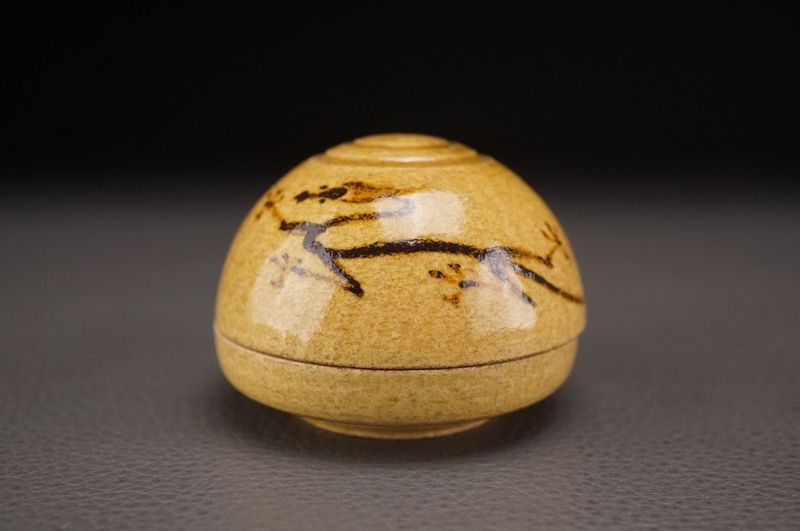
A Dragon Kogo (Incense Caddy) by Suwa Sozan II
An often overlooked implement in tea ceremony, here we have the humble kogo (incense box) with an image of a sleek and flowing dragon. Commonly thought to repre
Selected by shared artwork type, categories, artist and era. Available works appear first.
Back to the artwork · Browse the full collection
An often overlooked implement in tea ceremony, here we have the humble kogo (incense box) with an image of a sleek and flowing dragon. Commonly thought to repre

Exquisitely painted willow branches (yanagi) on a background of jet-black traditional lacquer; this exquisite functional art object appeals not only to practiti
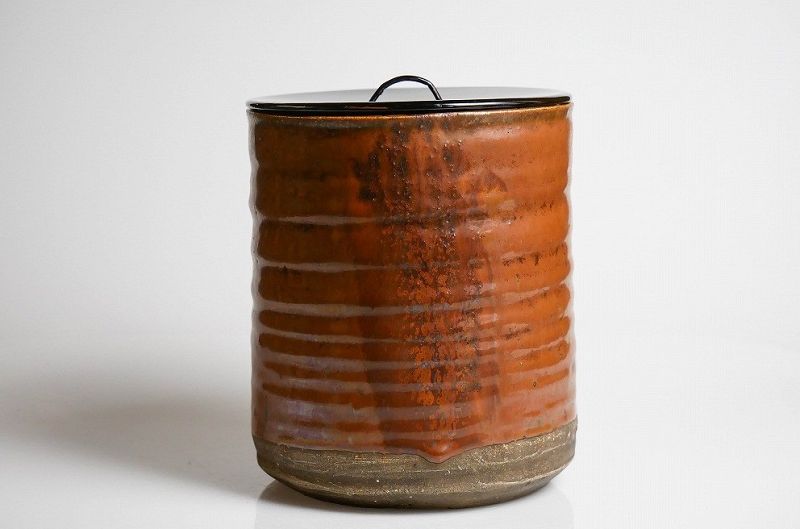
Seto is a pottery tradition established in the 12th century with the aim of reproducing fine Chinese porcelain and tenmoku-style tea bowls—which were hard to co
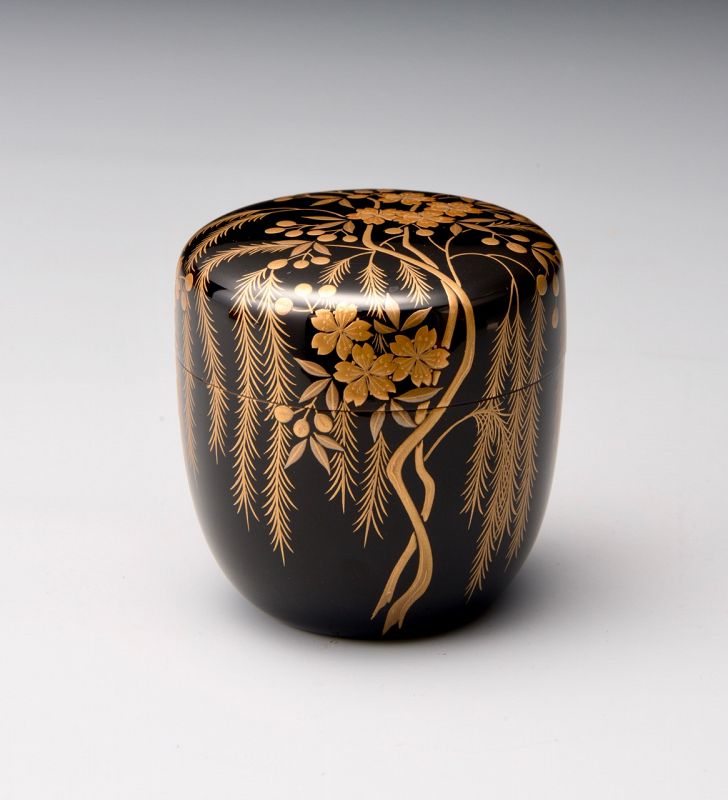
Exquisitely painted cherry blossoms (sakura) and willow branches (yanagi) on a background of jet-black traditional lacquer. The craftsman, Wakashima Takao (b. 1
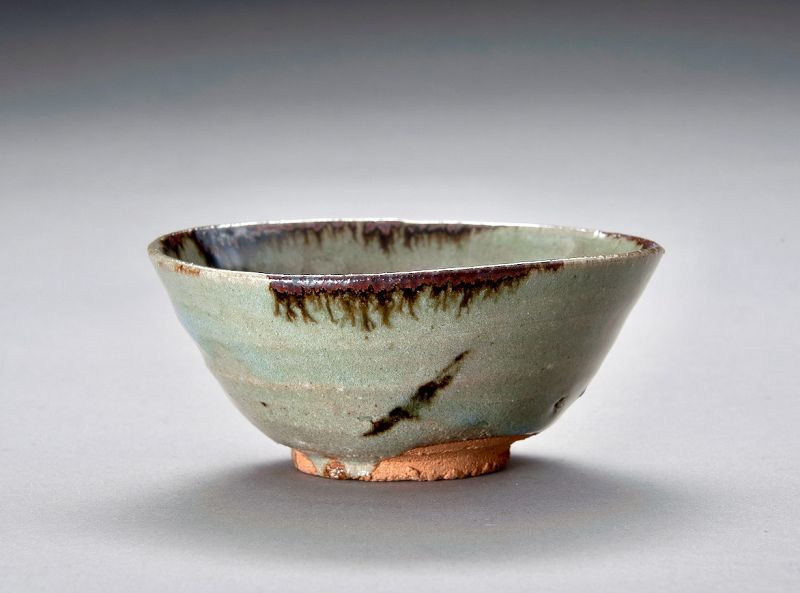
Accents formed using iron pigment stand out across a backdrop of blue-green glaze. The base and a portion of the inside of this ceremonial tea bowl are unglazed
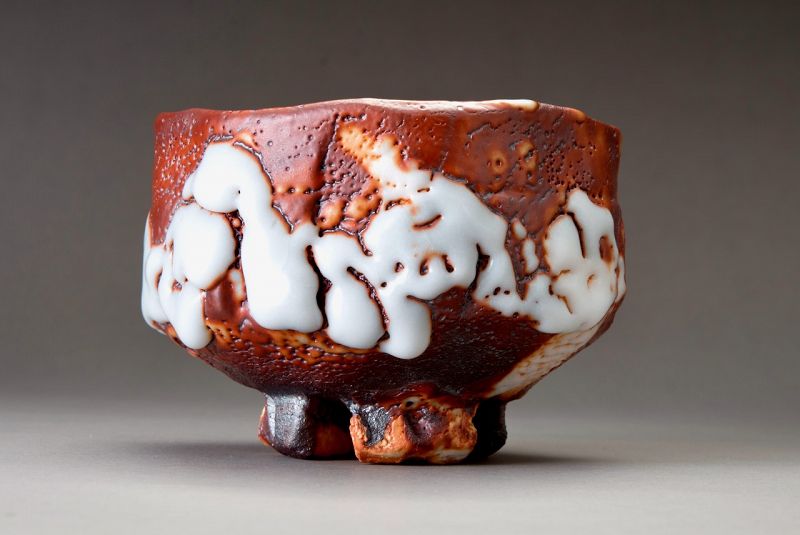
Price on Request A stunning work of Shino-ware by veteran potter Hayashi Shotaro—winner of numerous awards for his bold and innovative style and widely recogniz
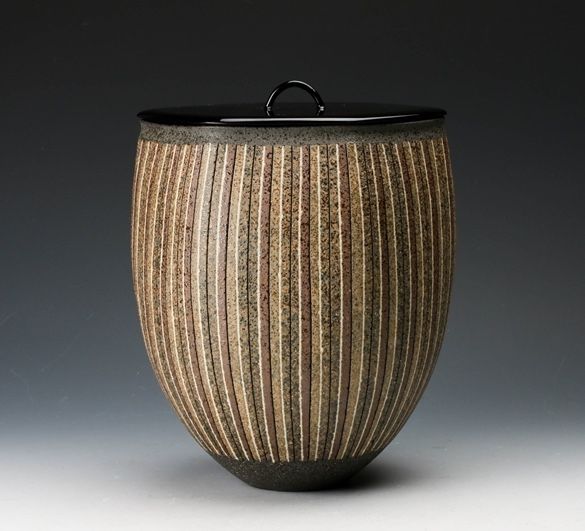
Japanese inlay ceramics (zōgan) are created by making incisions on the surface of a clay body which are then filled with various colored clays, creating a patte
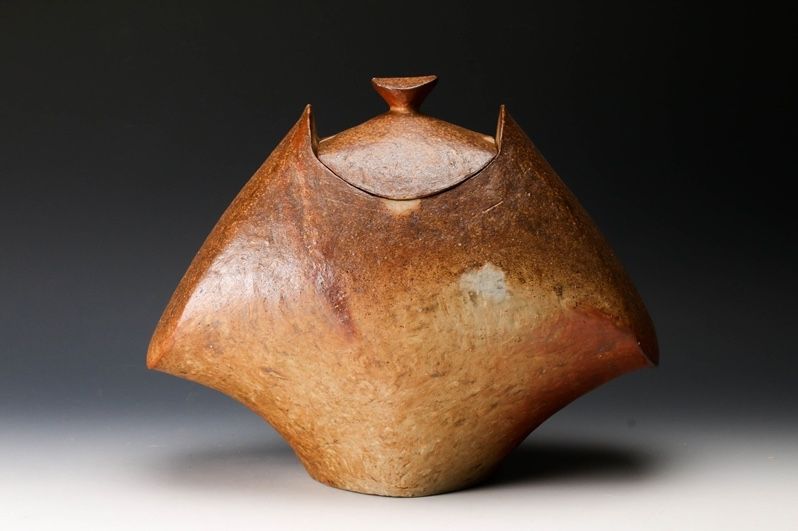
Traditional Japanese art tends to be timeless and inspiring in form, however, occasionally lacking in diversity and innovation. That is why artists who can inco
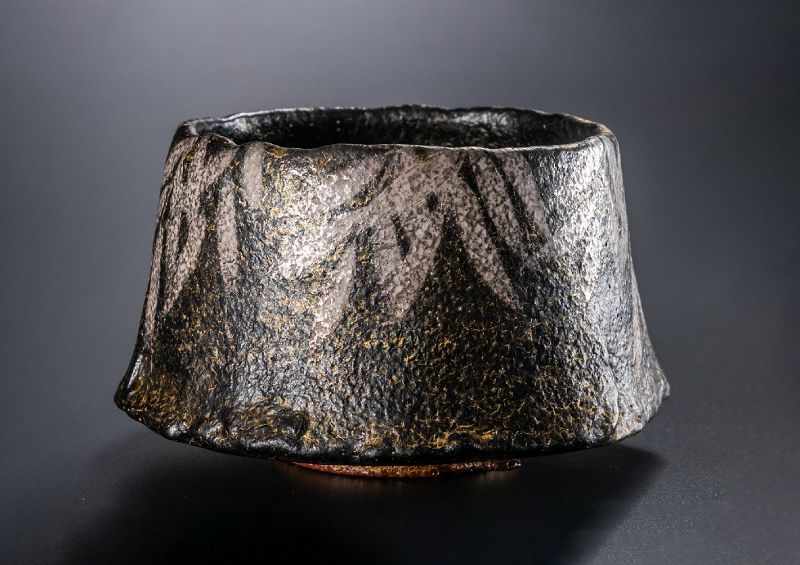
Splashed across a beautifully textured backdrop of shimmering black, the willow leaves painted in silver bring with them a sense of calm and contemplation. Gene
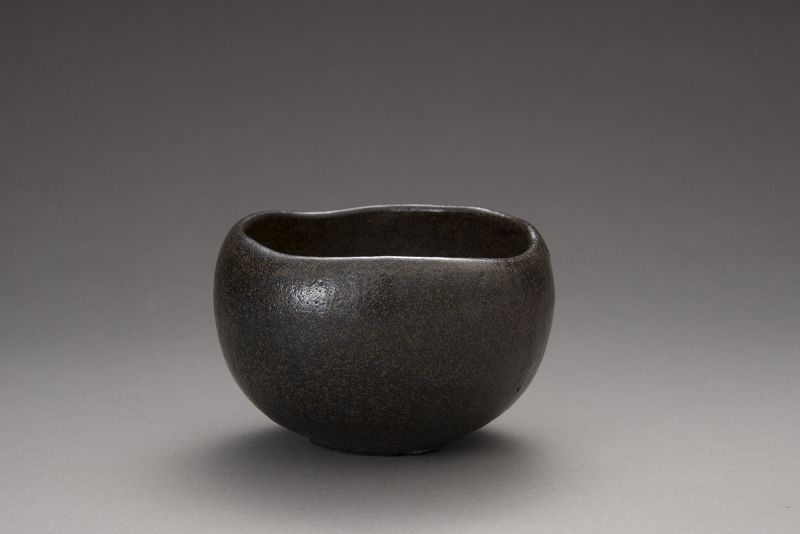
An excellent offering from Higaki Ryota of Katsura Kiln, this piece displays a classic and iconic shape coupled with a beautiful Kase-guro glaze said to be used
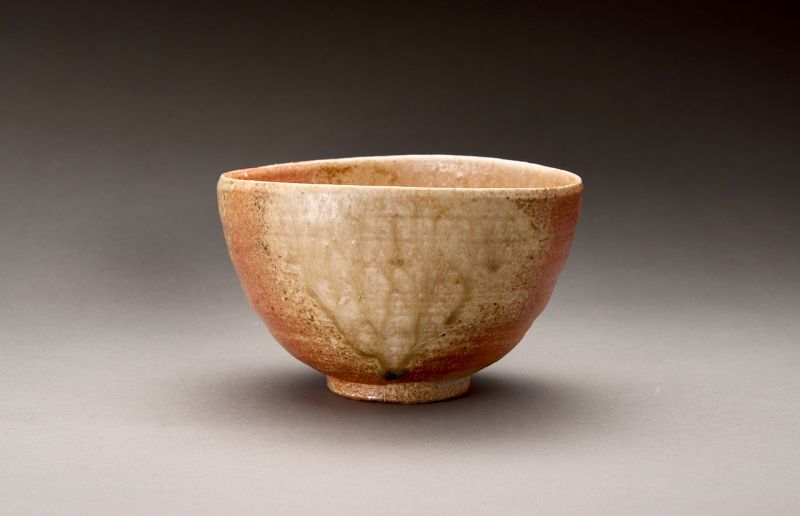
Sugimoto Sadamitsu (b. 1935) is one of the most important Shigaraki potters alive today and continues to create master works into his old age. Originally a resi
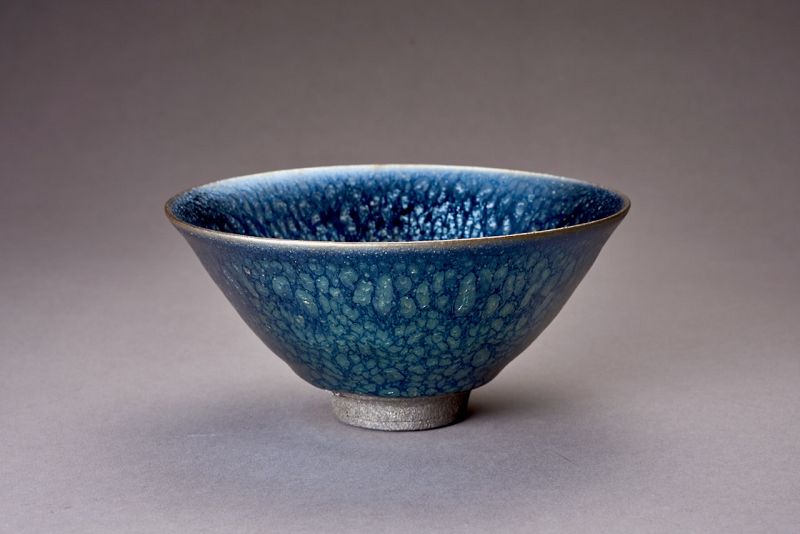
With origins stretching back over 1,000 years, Tenmoku pottery is thought to have first found its way to the shores of Japan in the 12th century by monks who br
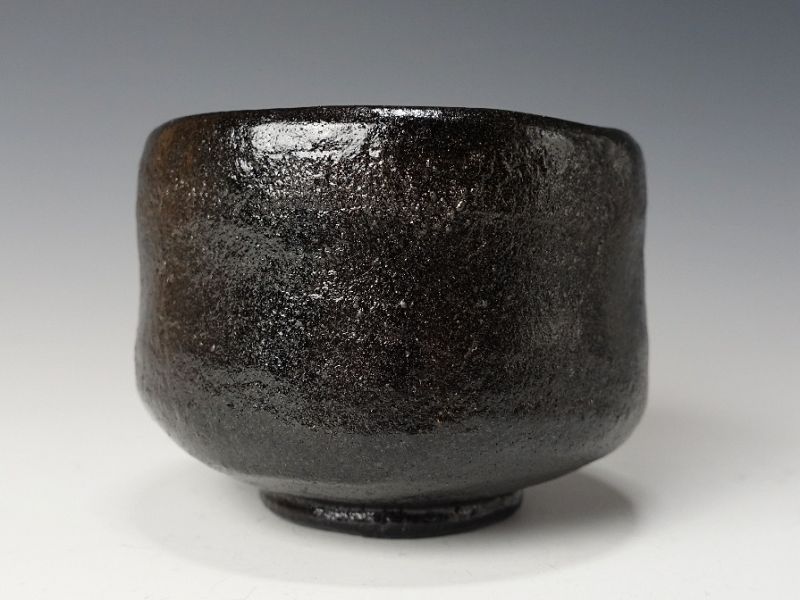
With a masterfully applied black Raku glaze and a noticeable aesthetic of austerity and stillness, this piece is what is refereed to in Japanese as an “utsushi”
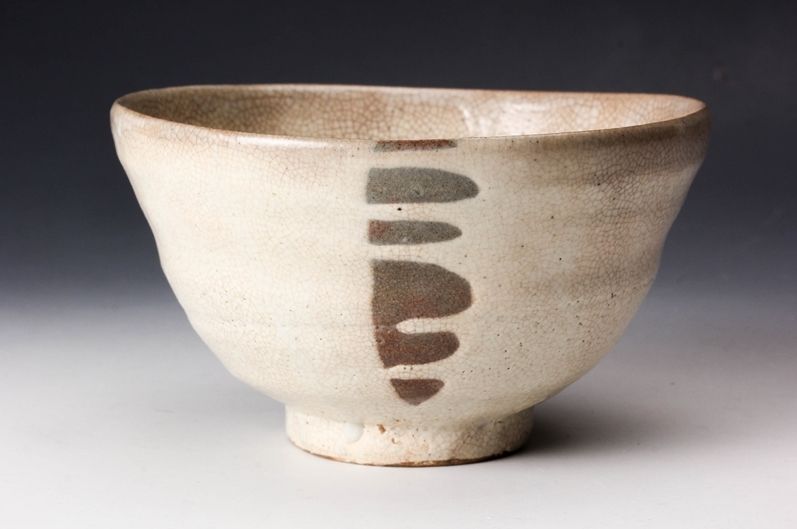
Kohiki is a traditional Japanese pottery style known for its simple and rustic aesthetic. It involves applying a white slip onto the vessel's surface, followed
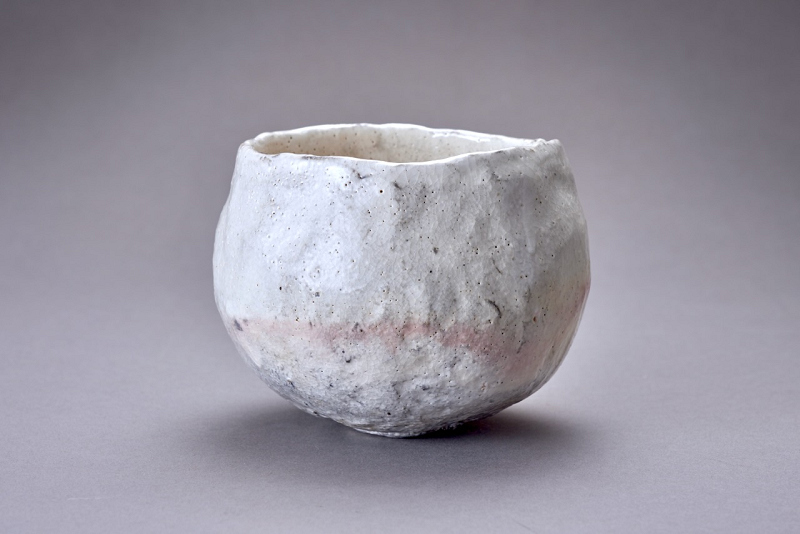
Though rare, occasionally I come white Raku piece by one of our favorite potters, Sugimoto Sadamitsu. Adorned with subtle crackling patterns and variations in t
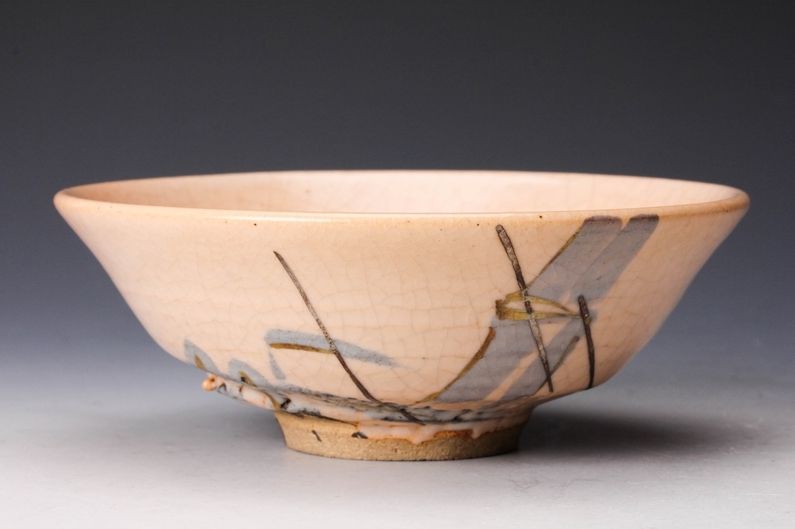
Currently in its 5th generation, the Miura Chikusen line of potters has continued to produce high-quality Kiyomizu-yaki and Kyo-yaki porcelains used in sencha f
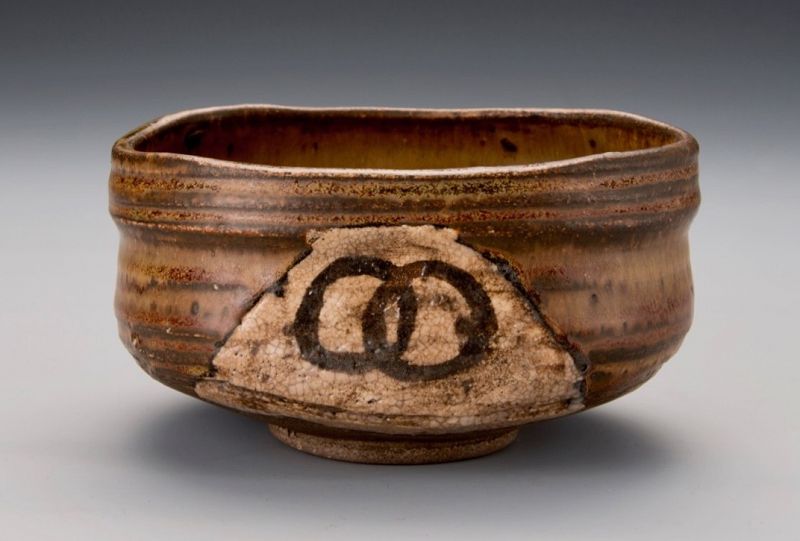
Oribe is a visual style named after the late-16th-century tea master Furuta Oribe (1544-1615). Typically, black or green glazes are applied to the bodies of the
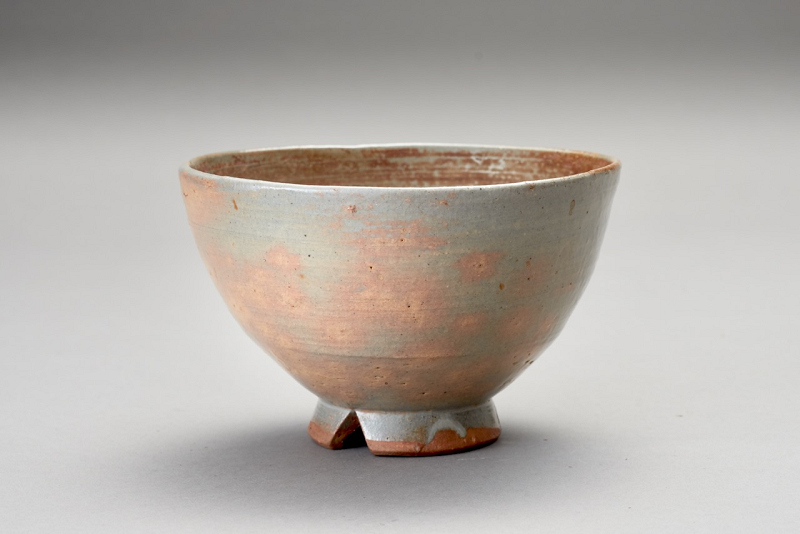
Here we see a quietly beautiful Korean tea bowl with a rounded, gently tapering form and a tall, dramatically notched foot. A translucent blue-grey glaze covers
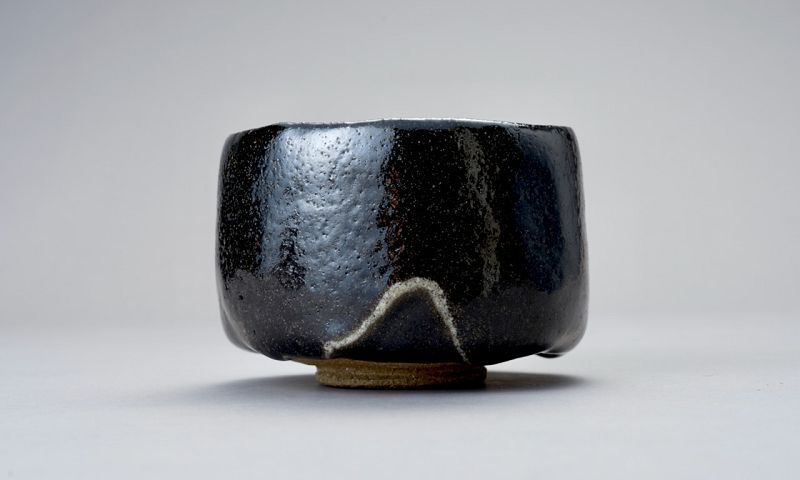
An austere masterpiece of functional art — the perfect accompaniment on the journey inward to stillness and contemplation. Crafted by the 9th Ōhi Chōzaimon (190
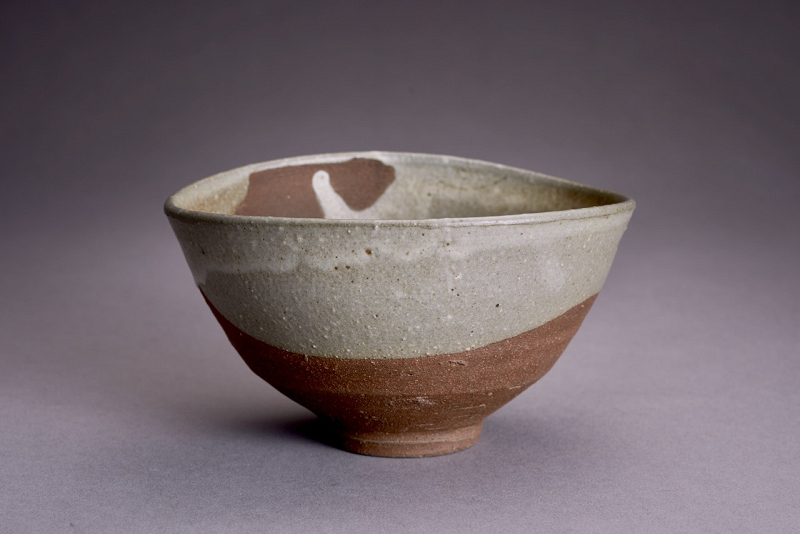
Minimalistic, elegant, and exceptionally light in the hand, this antique Karatsu tea bowl displays an impressive milky ash glaze that descends towards the foot,
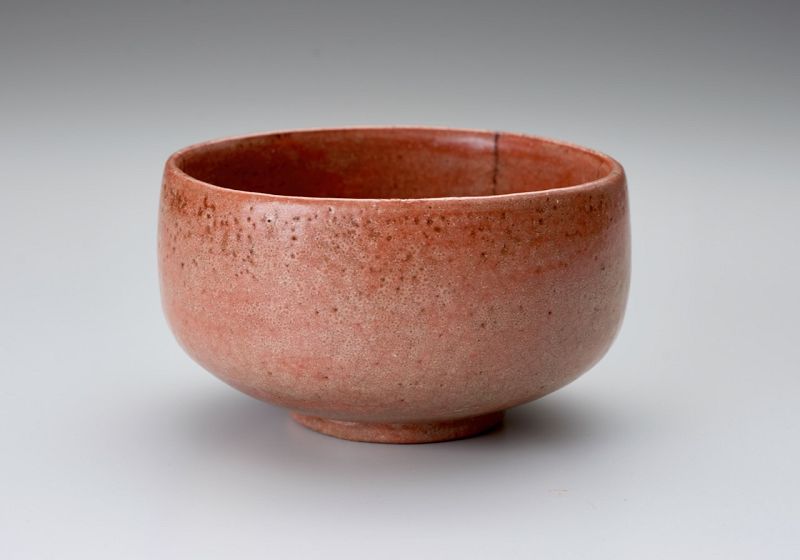
Price on Request Over the years we have taken a special interest in Raku-ware and especially in works produced by the Tamamizu kiln, such as the 275+ year old c
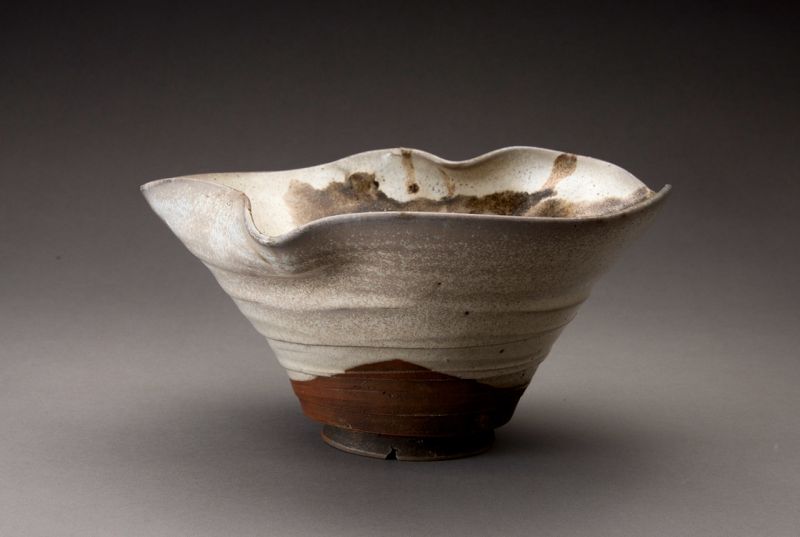
Sometime around the year 1600 the first Takatori kiln was constructed at the foot of Mt Takatori in Fukuoka. This tradition was based on styles created by Korea
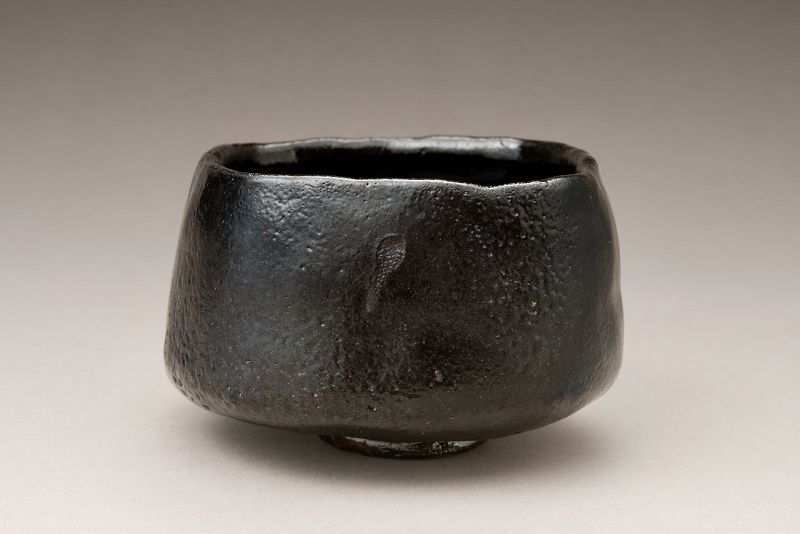
We have a particular interest in beautiful old Raku tea bowls and spend quite a bit of time searching for exceptional examples to include in our gallery. Here w
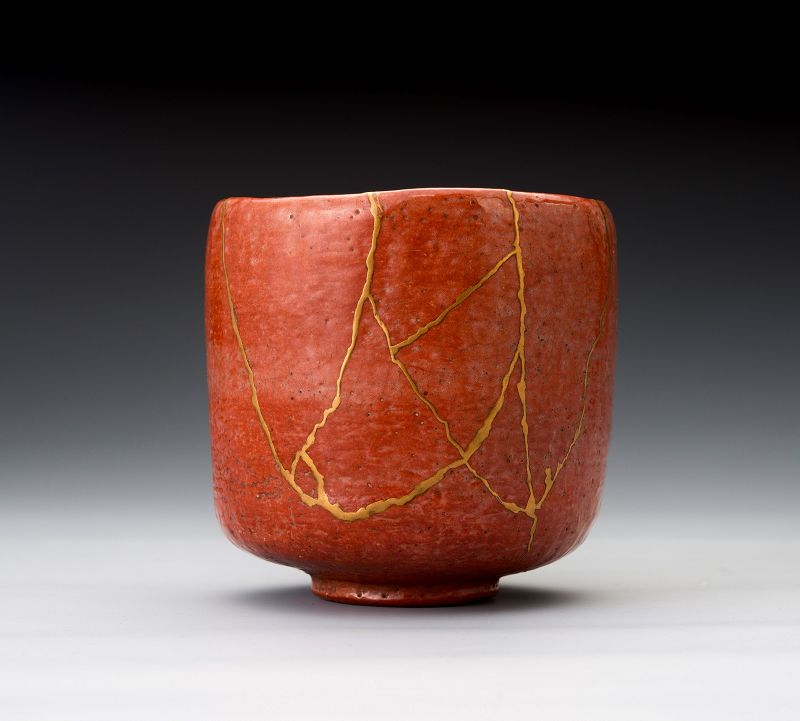
Price on Request Over the years we have taken a special interest in Raku pottery, especially in pieces made by the original Raku family (16 generations) and by
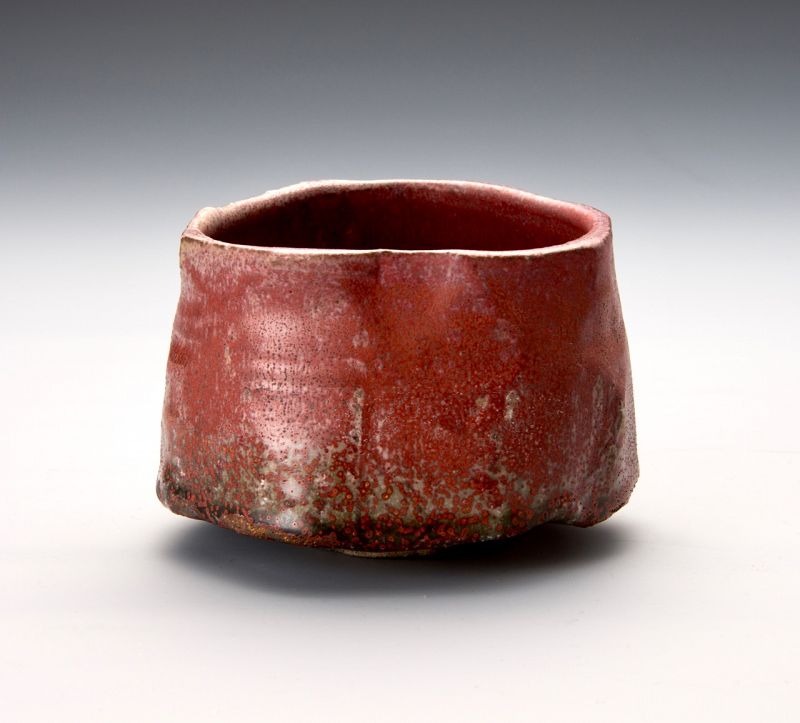
With pottery shards from excavated kilns dating back to the 5th Century, Mino-ware is one of the oldest and most revered pottery traditions in all of Japan. Tho
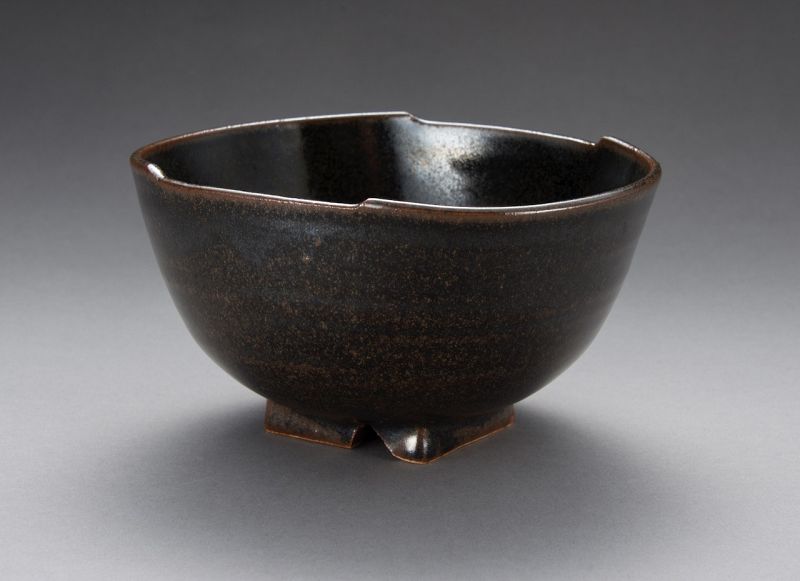
Although reports vary, it is generally thought that Zeze-yaki had its heyday in the late Momoyama to early Edo period under the influence and patronage of legen
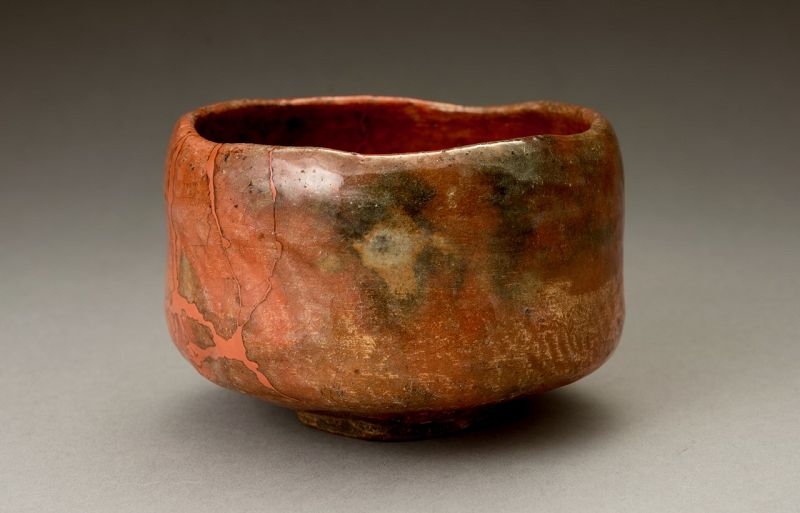
Price on Request Raku-ware carries with it a very naturalistic aura; with its implements made of raw clay, its use of fire/ water/ and air to shape and harden t
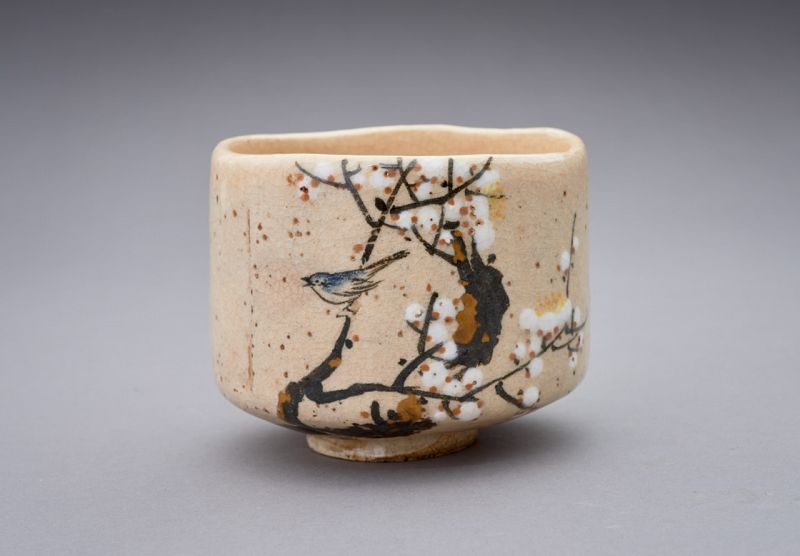
One of the most prominent potters of the Meiji period and one of only five to ever be appointed as Imperial Court Artist, the name Tozan is synonymous with fine
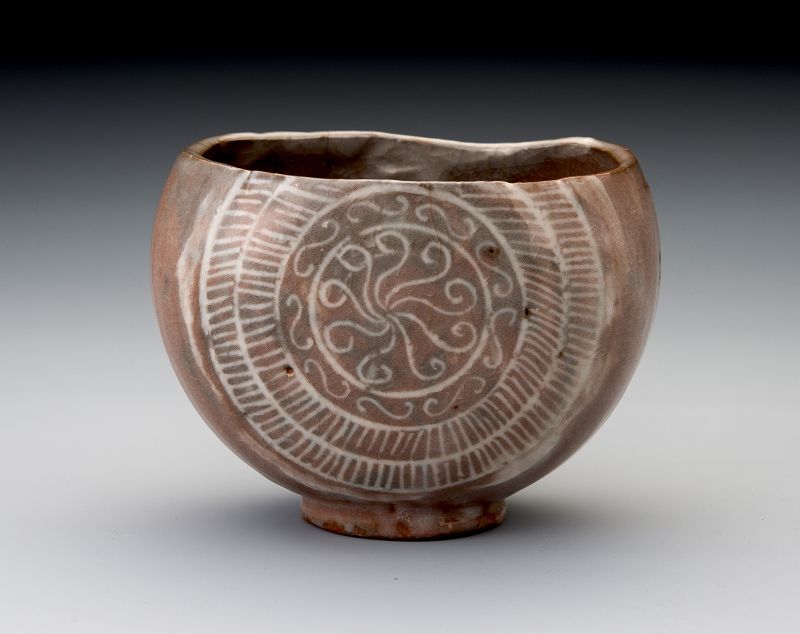
Appearing to be from a 2006 excavation site in Tokyo known to be a former residence of the Owari Tokugawa clan—the most senior contingent of the Tokugawa clan t
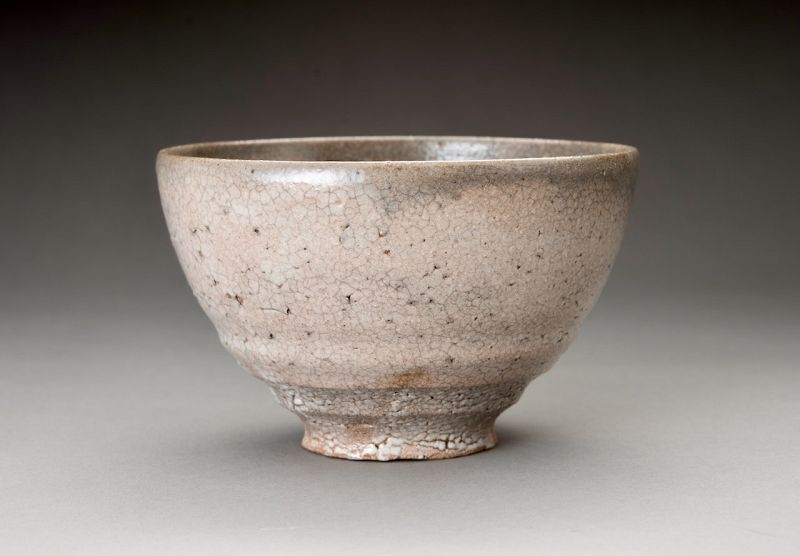
A very interesting chawan (tea bowl) dating from the Korean Joseon period (Richō in Japanese; 1392-1897). This particular piece appears to be from the 17th or 1
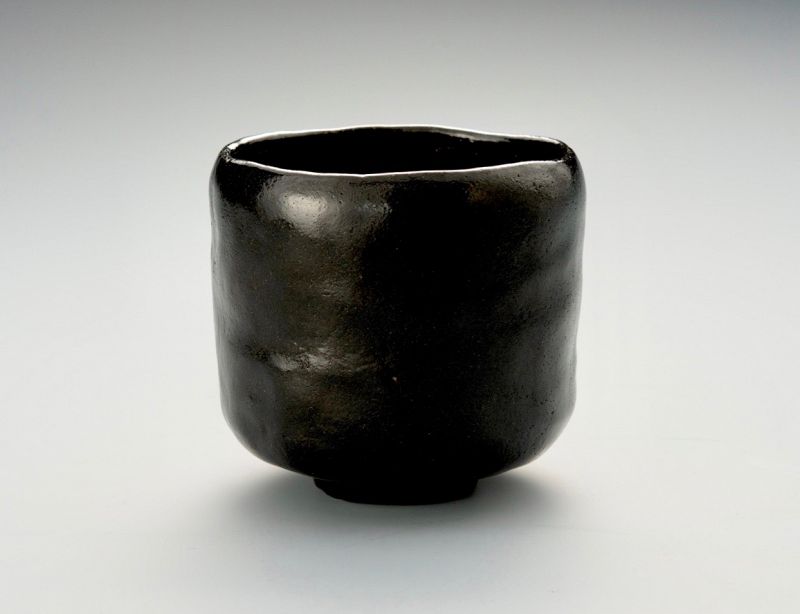
Crafted by one of the most well-known potting families from the Meiji period (Ito Tozan), this black Raku tea bowl displays a glossy sheen and gentle swells rip
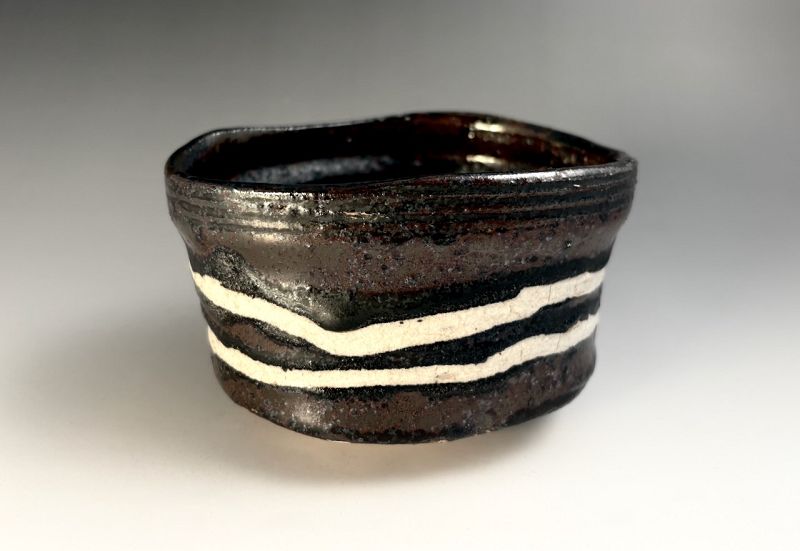
Oribe is a visual style named after the late-16th-century tea master Furuta Oribe (1544-1615). Typically, black or green glazes are applied to the bodies of the
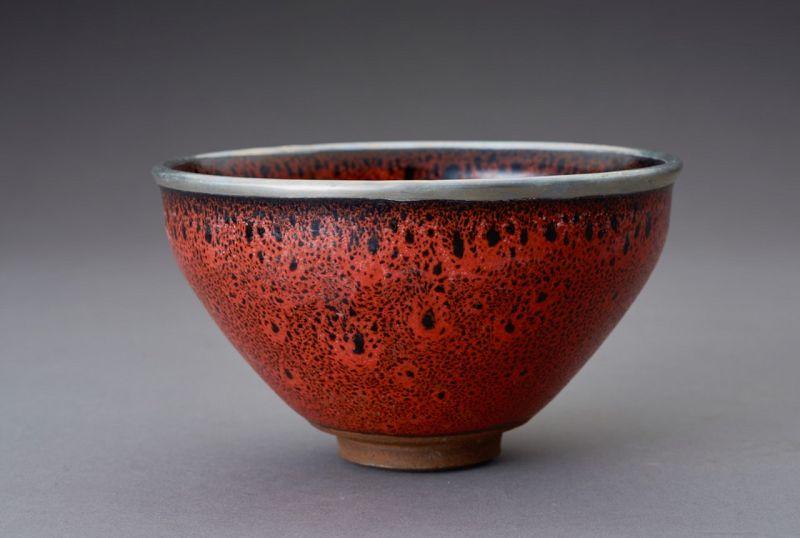
On the base of this tea bowl are the characters “供御” pronounced “Ku-go” in Japanese but “Gong-yu” in the original Chinese—translating in English to something li
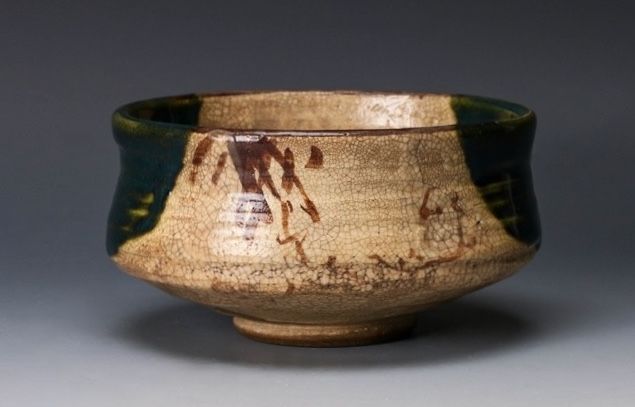
Oribe is a visual style named after the late-16th-century tea master Furuta Oribe (1544-1615). Typically, black or green glazes are applied to the bodies of the
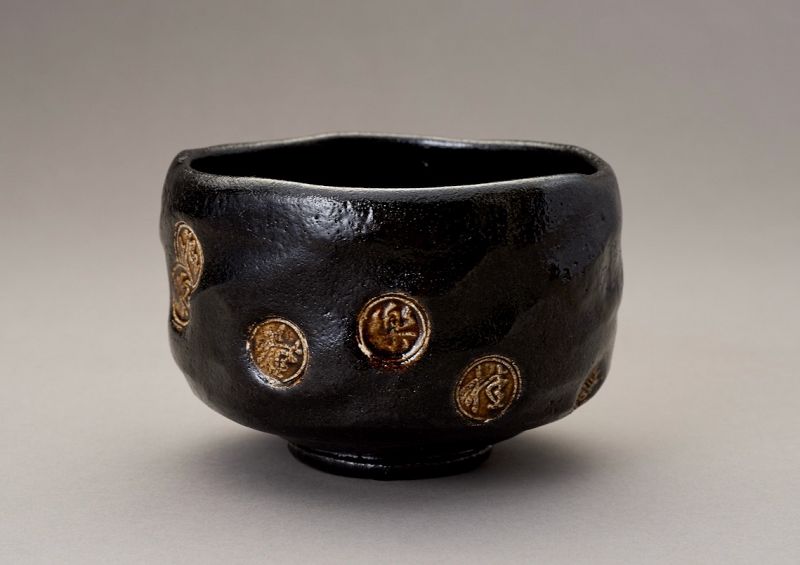
The term “Raku” was once reserved for a style of pottery produced by a specific household in Kyoto that began over 450 years ago. Over the years, as it gained p
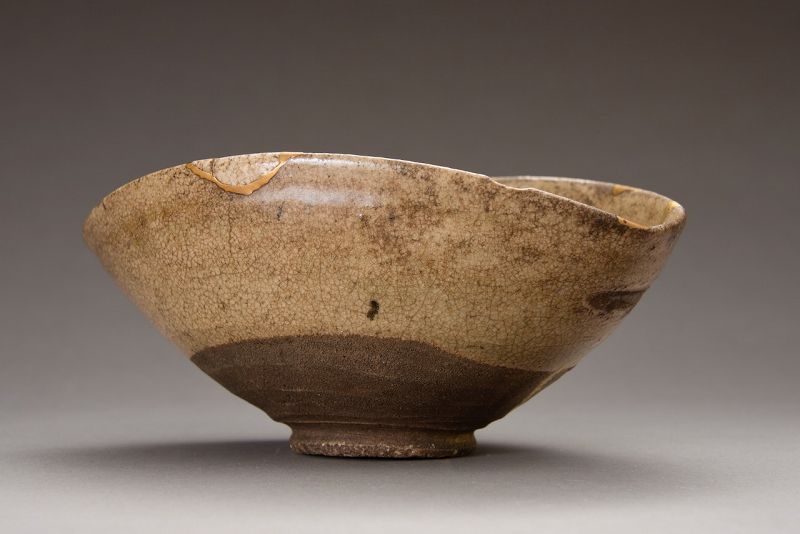
At various times over the long history of tea practice in Japan, Korean-ware has come into high fashion and ships full of the finest ceramics from the neighbori
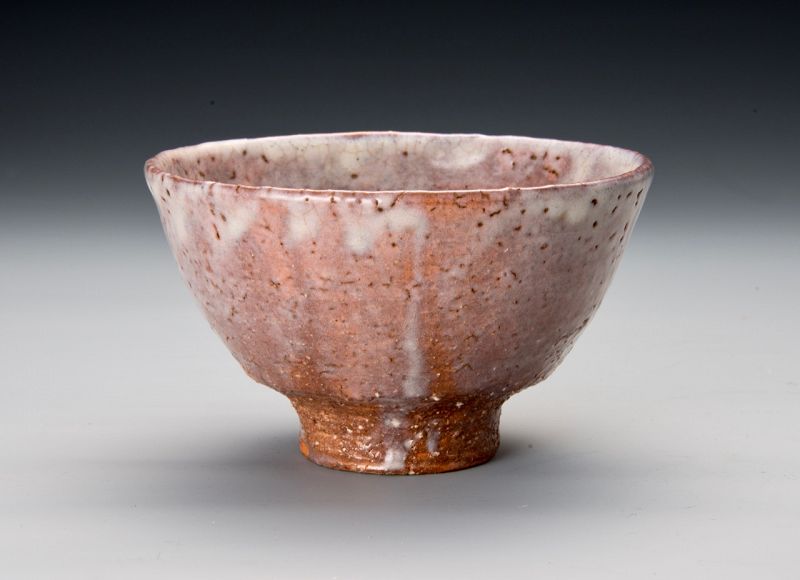
Simple yet classic styling—this tea bowl is perfect for anyone looking for the quintessential Ido-shaped chawan crafted by one of Japan’s master Hagi potters. B
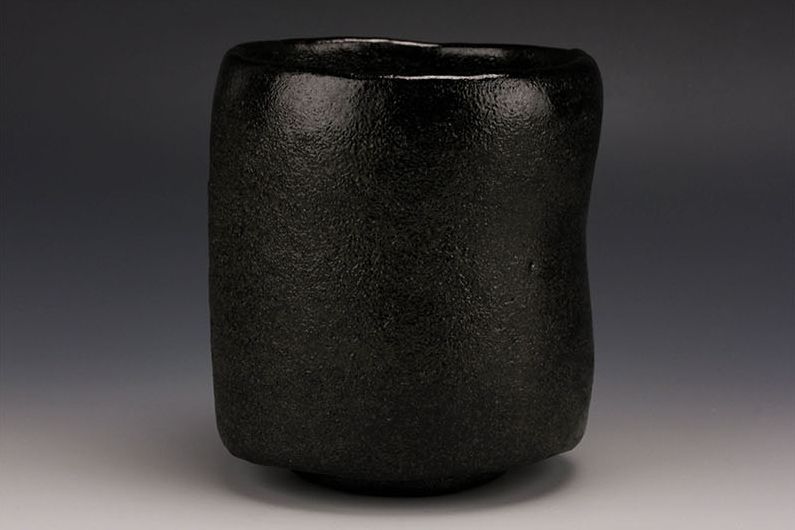
Tsutsu-shaped chawan have a unique and especially attractive shape. They are used mainly in the depths of winter to keep in the heat, and prevent the tea from c
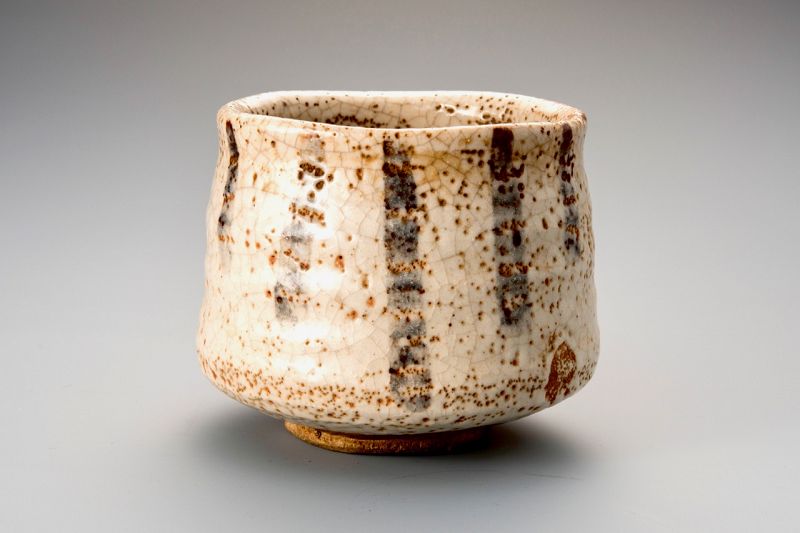
This lovely Shino tea bowl fashioned from coarse Mino clay is covered in feldspar glazing, has a classic ferrous abstract painting across the front, and shows n
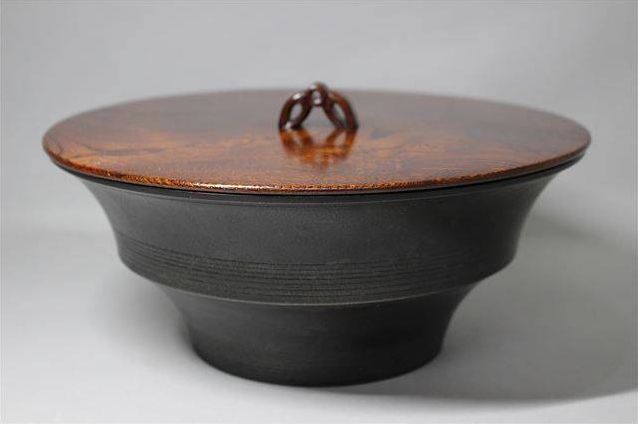
First presented at the Ishikawa Traditional Crafts Exhibition, this fine mizusashi crafted with extraordinary precision is a testament to the generational knowl
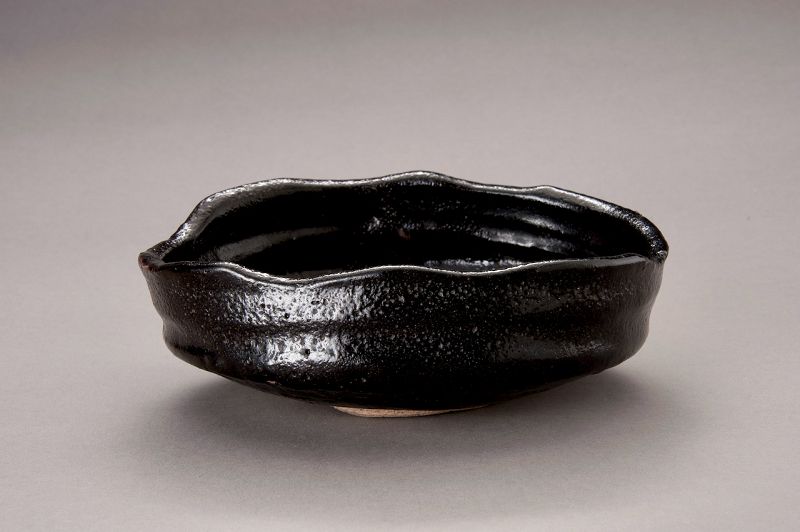
Living in Kyoto it is not uncommon to come across beautiful antique tea bowls, however, finding pieces that are in good condition, aesthetically compelling, and
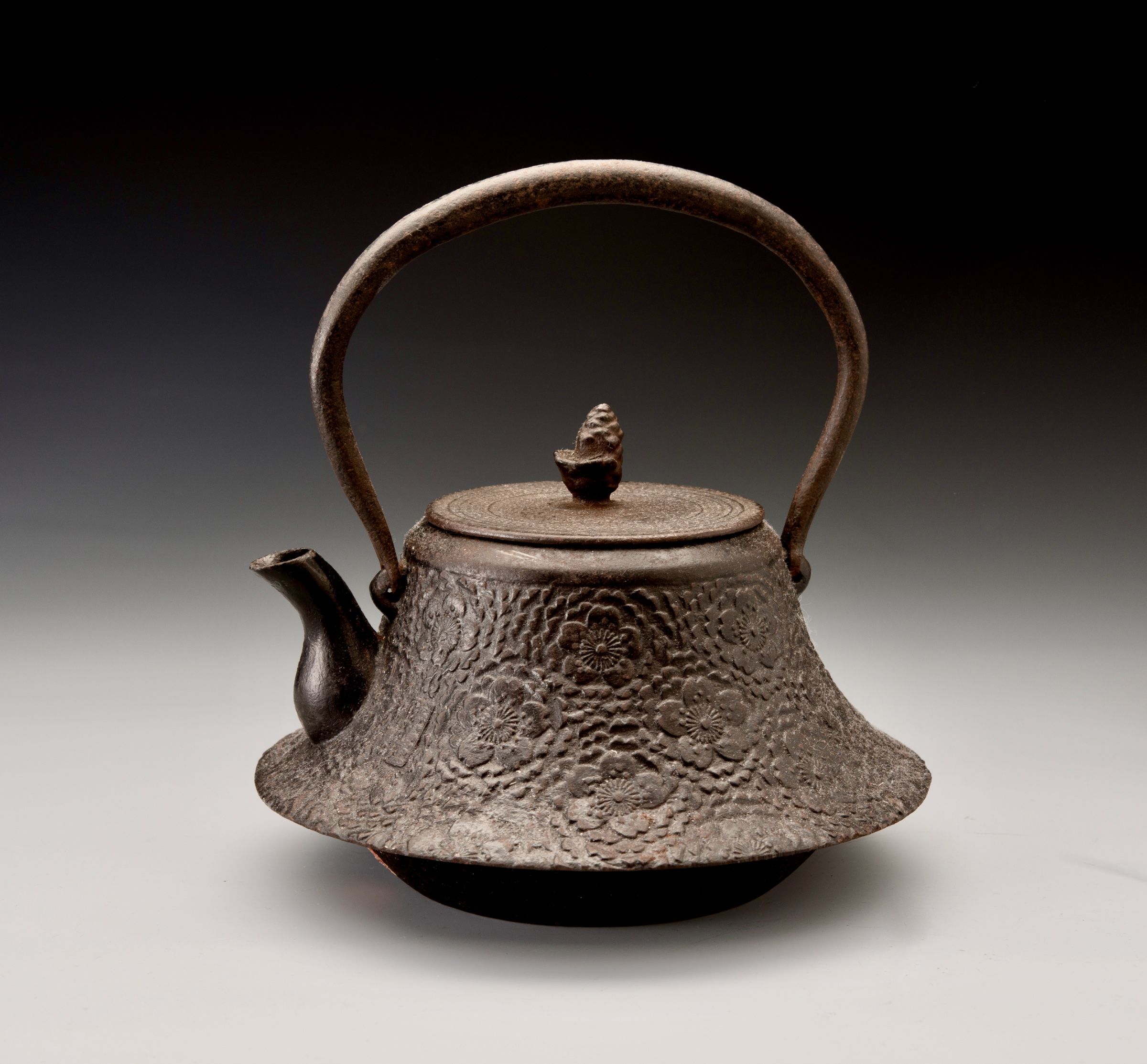
During the Meiji period in Japan, the humble iron kettle, known as a "tetsubin," emerged as an iconic symbol of traditional craftsmanship and functional artistr
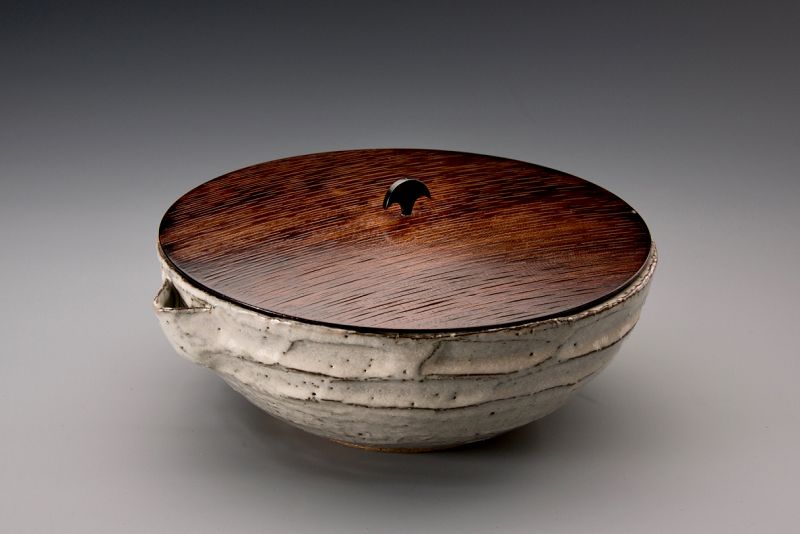
An excellent example of Japanese minimalist aesthetic that transcends its humble origins, this mizusashi, or fresh water pot used in tea ceremony, displays a cl
SOLD
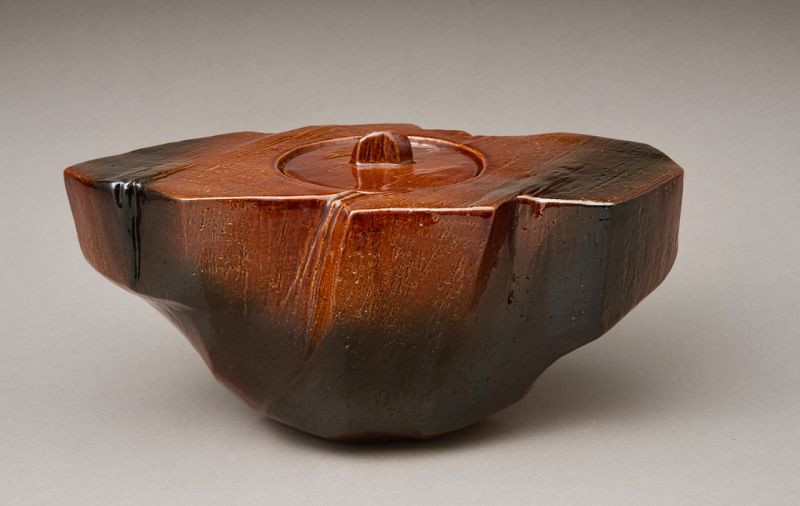
When the founder of the Urasenke style of tea ceremony, Sen-So Soshitsu (1622 -1697) was invited to Kanazawa as the master of tea ceremony for the powerful Kaga
SOLD
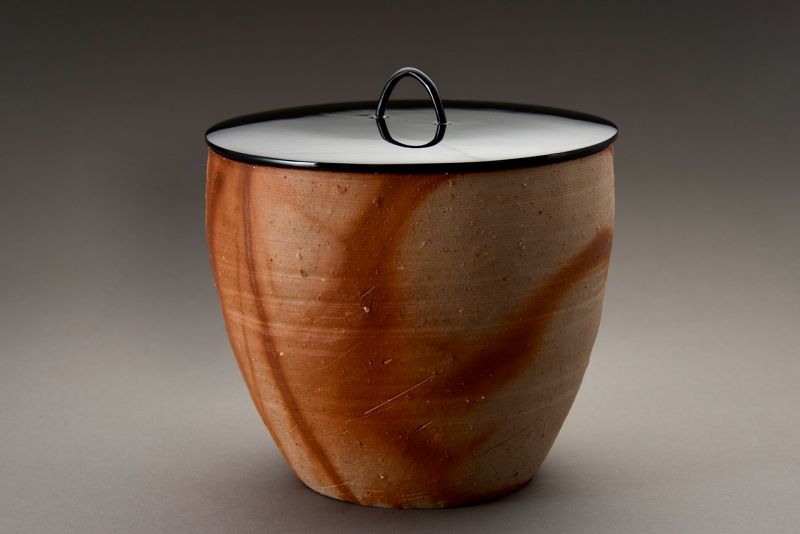
A veteran of Bizen pottery, Mori Tōgaku has been perfecting his style for close to seven decades now with most of his important work having been done in the las
SOLD
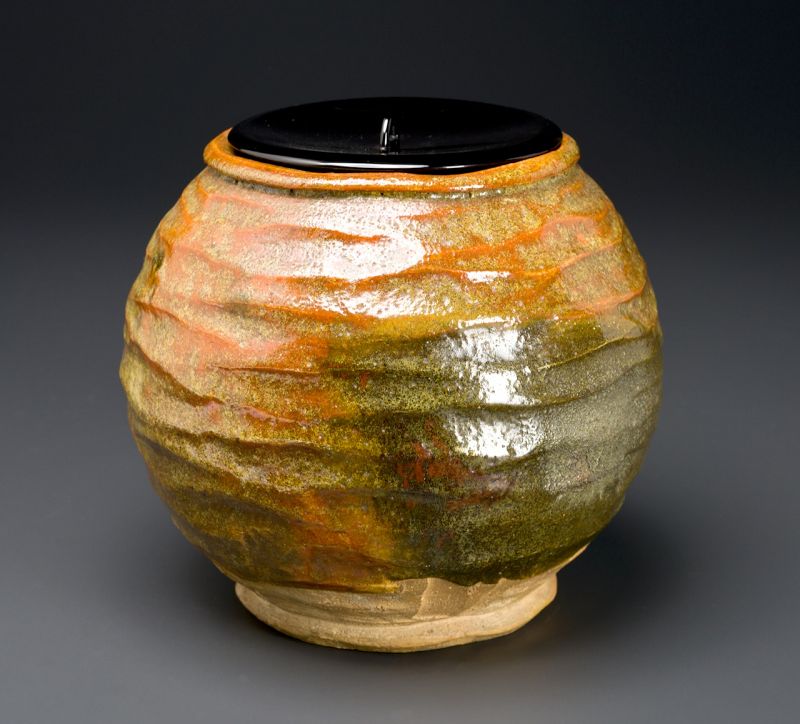
Raku-ware carries with it a very naturalistic aura; with its implements made of raw clay, its use of fire water and air to shape and harden these implements, an
SOLD
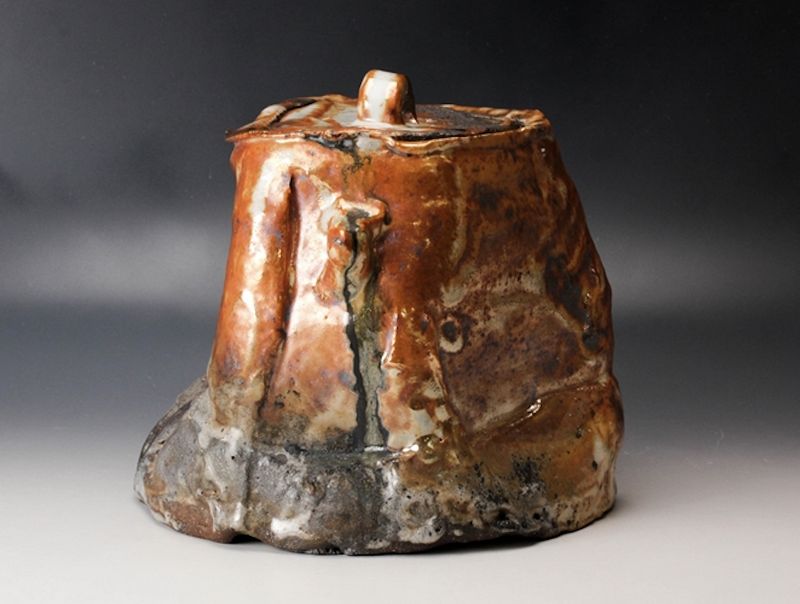
A truly unique work of Shino pottery developed among the company of some of Japan’s most respected and influential potters of the last century. Defying conventi
SOLD
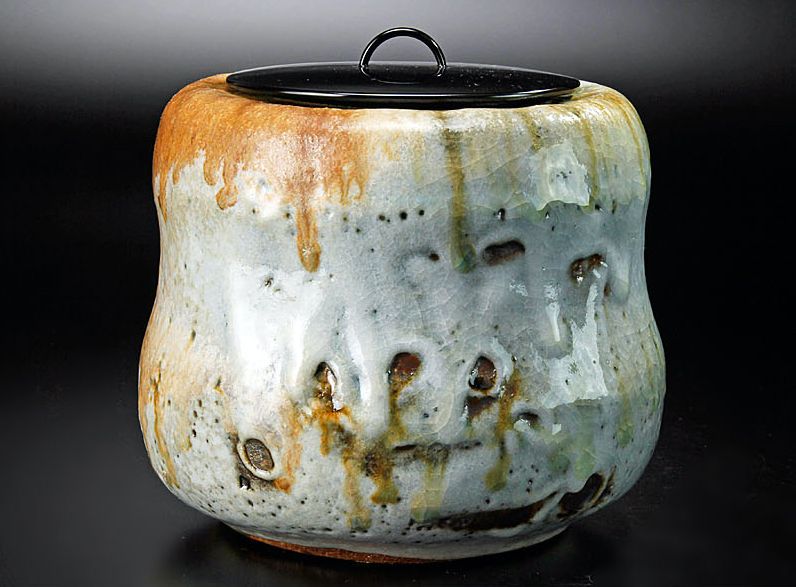
This extraordinary mizusashi is a fine example of Oni Shino (carbon trap and natural ash glazing) that Tsukigata is so well-known for. Coining the term in the m
SOLD
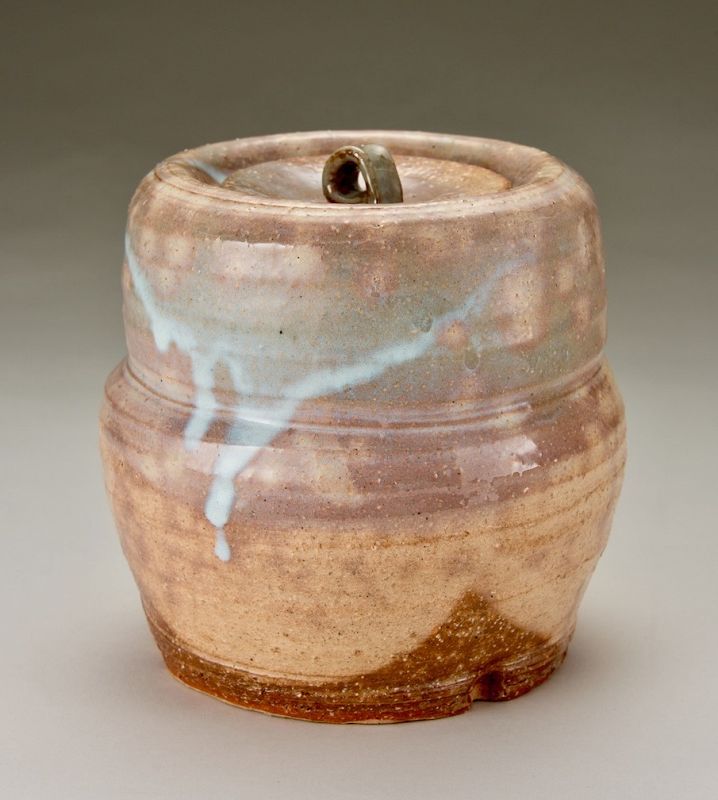
Heavily influenced by Koryo potting styles and techniques, the Tobei lineage has been crafting exceptional tea-ware implements for 13 generations. The piece sho
SOLD
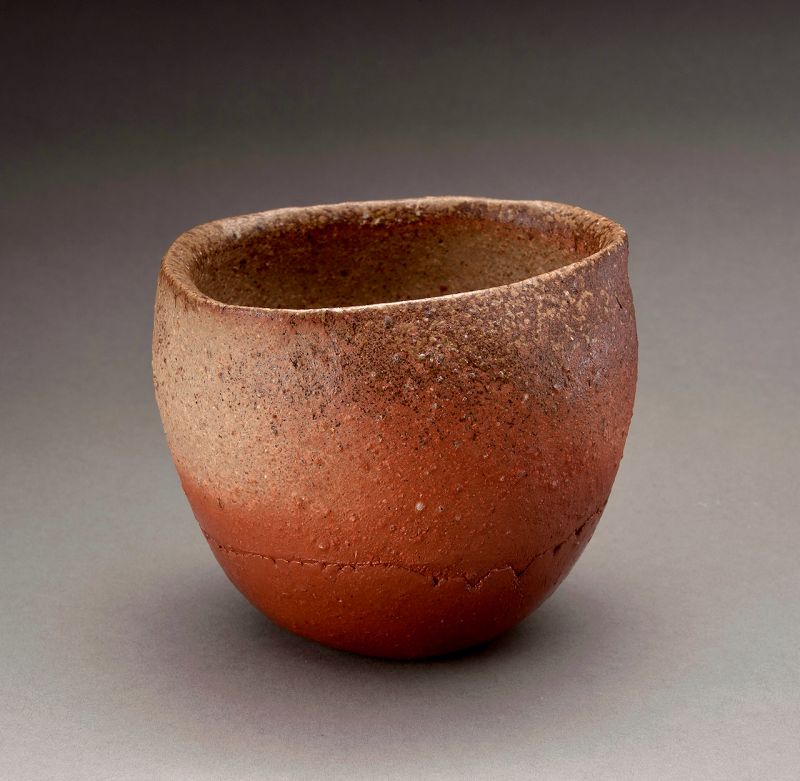
First born son to Living National Treasure Isezaki Jun, Koichiro (b. 1974) has quickly made a name for himself as an independent artist. Not content to rely sol
SOLD