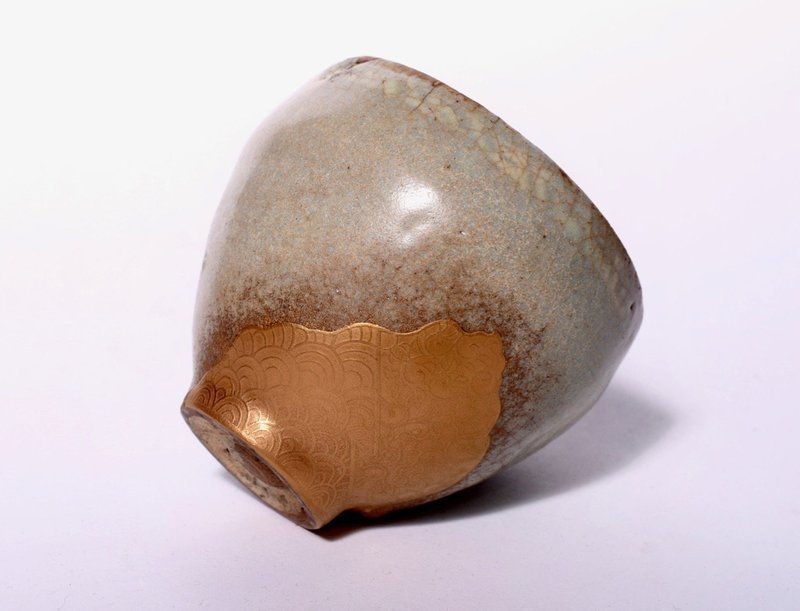
A Beautiful Antique Koryo Vessel with Inlay and Kintsugi
The gray-blue celadon displays finely crackled glazing with areas slightly darkened by time. A faint pattern made of white inlay can be seen along the upper rim
SOLD
Selected by shared artwork type, categories, artist and era. Available works appear first.
Back to the artwork · Browse the full collection
The gray-blue celadon displays finely crackled glazing with areas slightly darkened by time. A faint pattern made of white inlay can be seen along the upper rim
SOLD
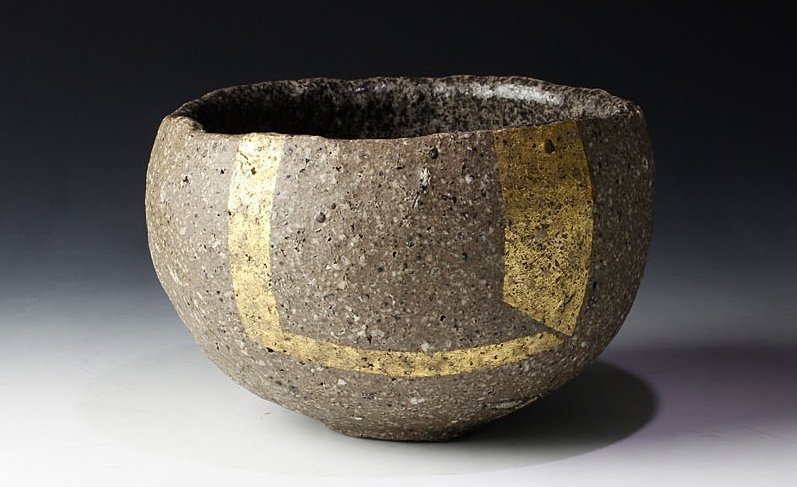
An ancient technique known as “haito” in Japanese was used to give this piece its distinctive look. Thought to have originated in neolithic times and commonly u
SOLD
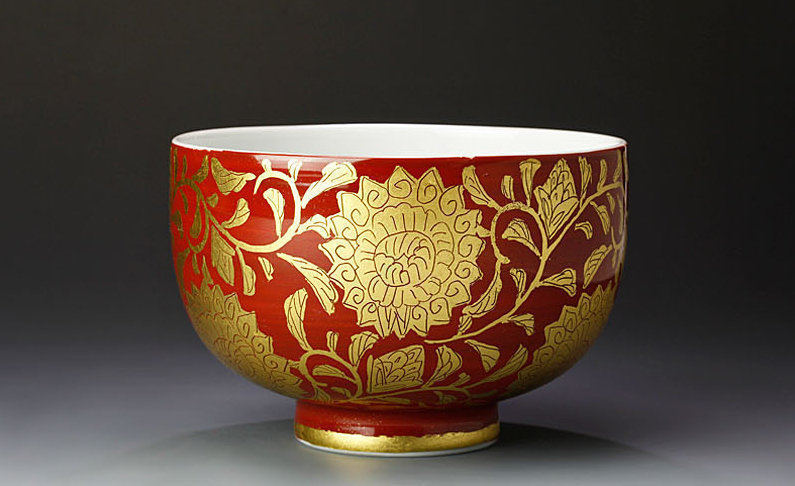
This eye-catching porcelain composition covered in red-glaze and highlighted with sensational gold-leaf inlay is an iconic design often employed by Ono Hakuko.
SOLD
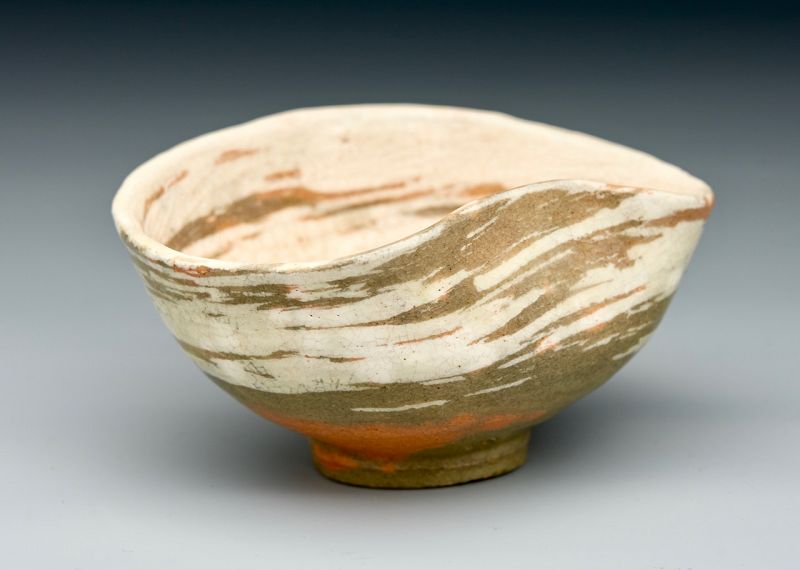
This exceptional tea bowl was crafted by one of the great masters of Japanese pottery and given the poetic name “Nami” (wave) by a famous tea master of the Ura-
SOLD
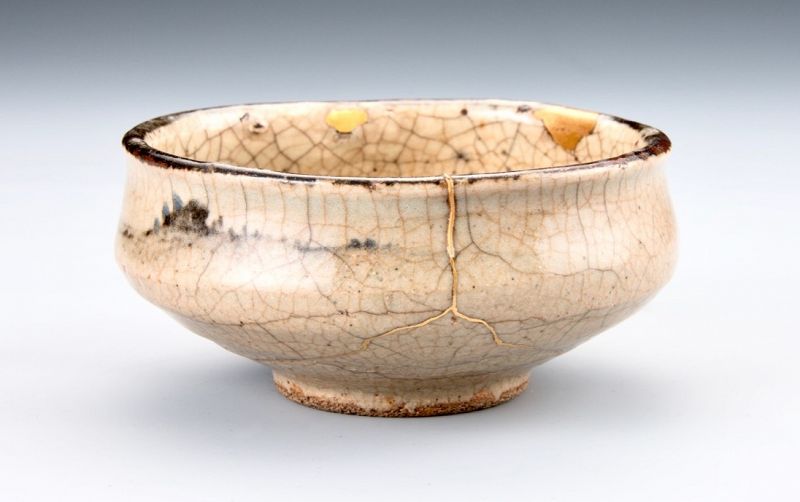
Like many pottery traditions in Japan, Karatsu takes its name from the city where it originated. As early as the 15th century, Korean potters heavily influenced
SOLD
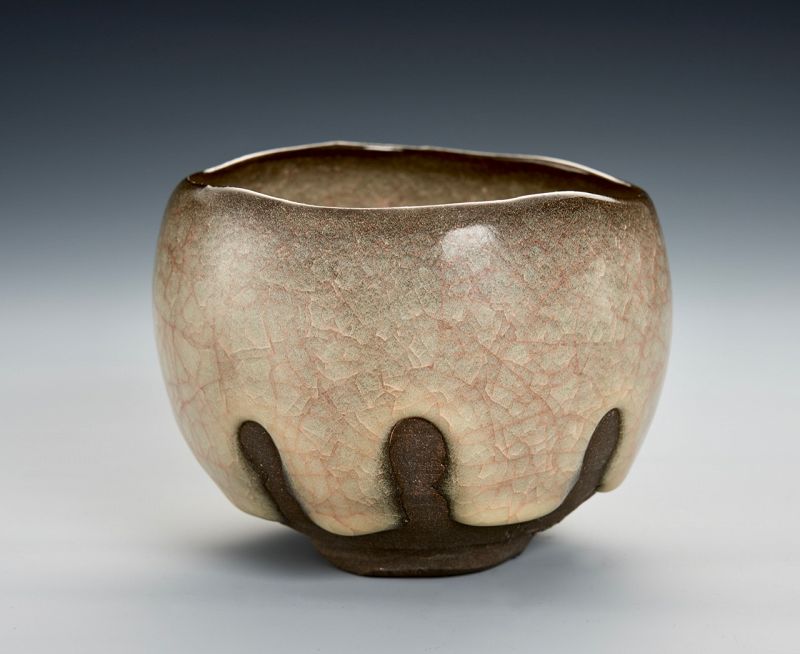
According to Kei Wakao, the artist who crafted this extraordinary work, it took him years of trial-and-error to perfect the unique rice-porcelain glaze covering
SOLD
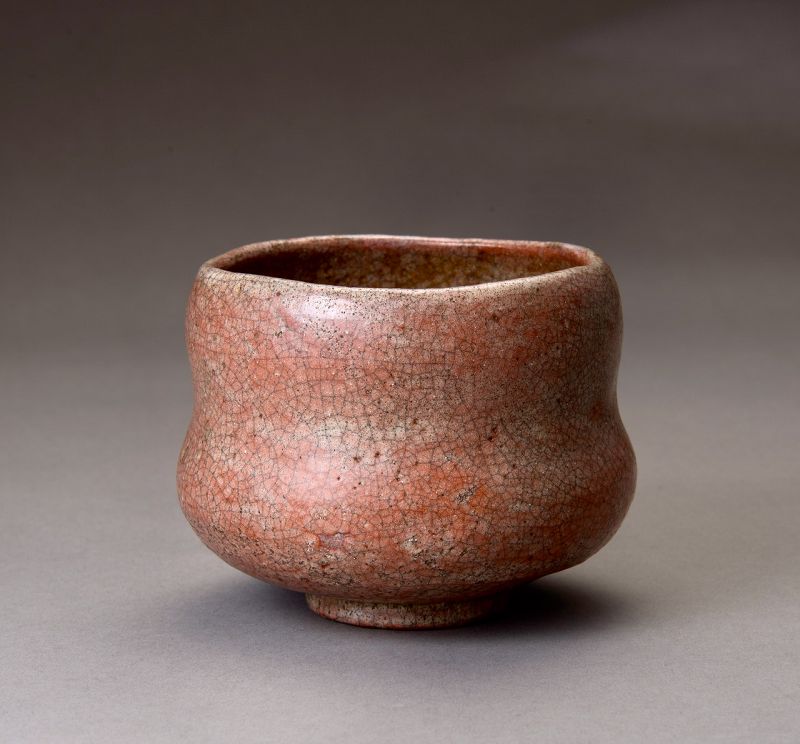
Over the years we have taken a special interest in Raku-ware and especially in works produced by the Tamamizu kiln, such as the 300+ year old ceremonial tea bow
SOLD
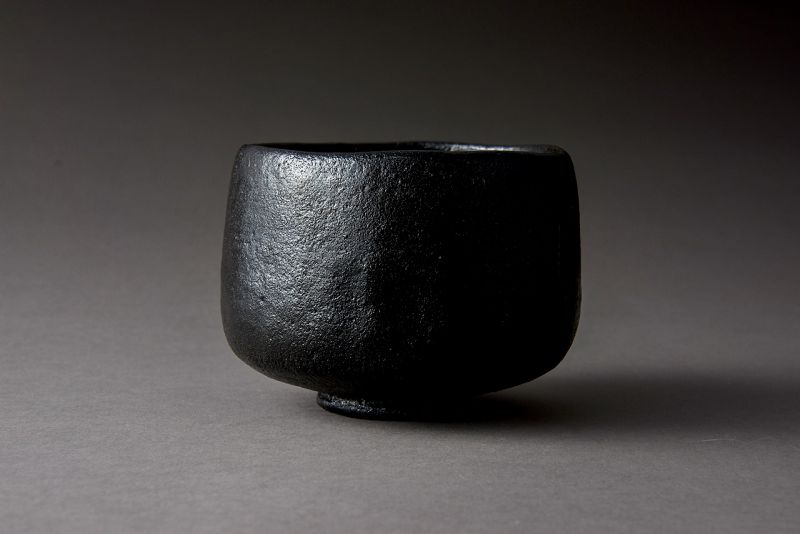
Endorsed by the recent Head Tea Master of Urasenke as an exceptional work, this black Raku tea bowl was granted the poetic name “Kokon” Ko, meaning “the distant
SOLD
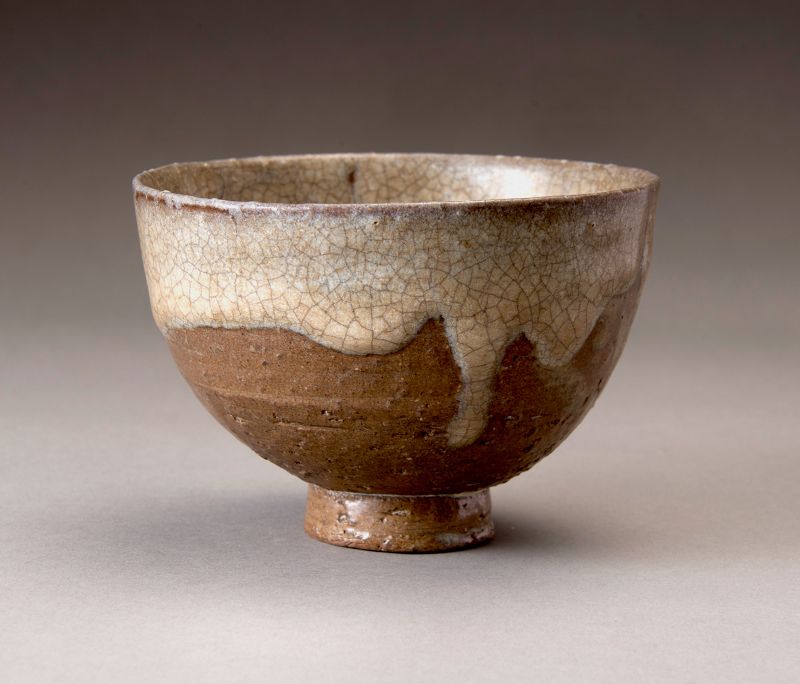
Currently awaiting an uncertain succession to the 14th generation, this preeminent line of craftsmen has been a cornerstone of Hagi pottery for over 400 years.
SOLD
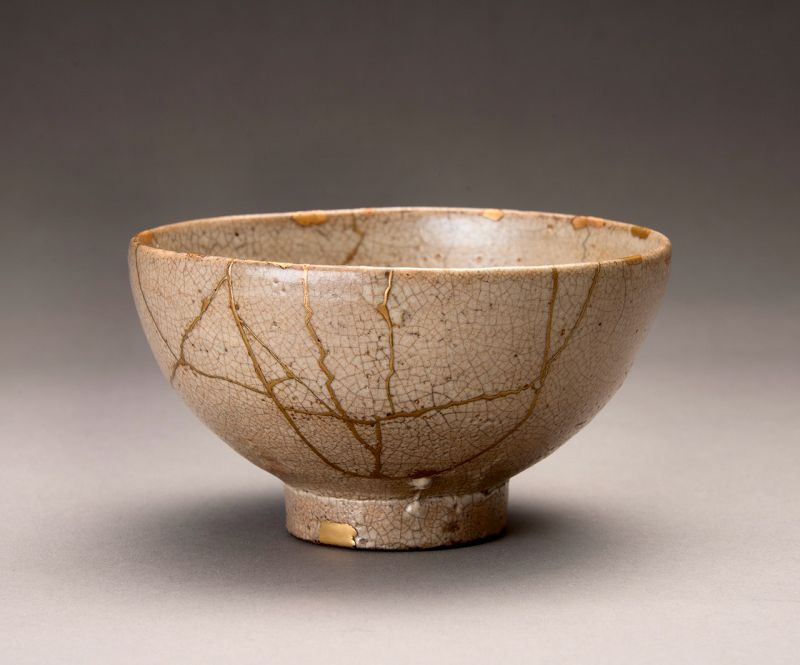
At various times over the long history of tea practice in Japan, Korean-ware has come into high fashion and ships full of the finest ceramics from the neighbori
SOLD
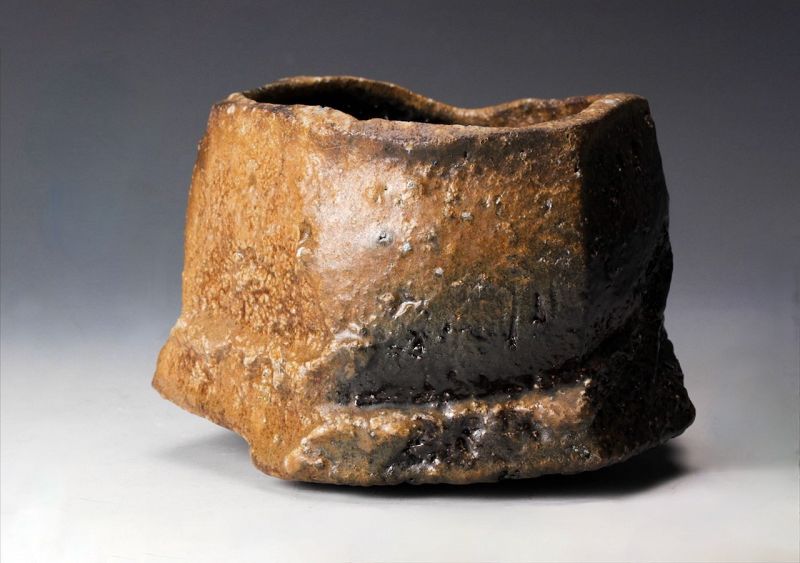
An awe-inspiring masterpiece, this tea bowl by Kakurezaki showcases his unparalleled skill and artistic vision. Crafted with meticulous precision, the bowl seam
SOLD
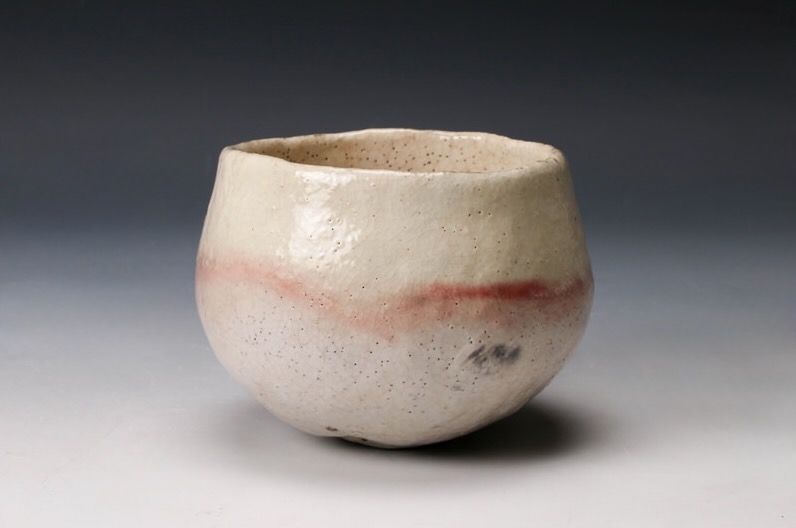
A rather rare motif by a master potter, delicate yet grounded, this white Raku tea bowl is truly one-of-a-kind. Crafted with meticulous attention to detail and
SOLD
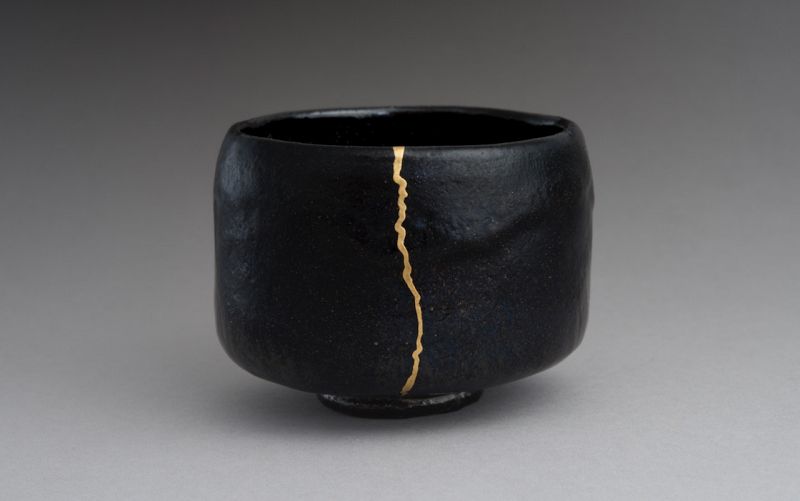
We have a particular interest in beautiful old Raku tea bowls and spend quite a bit of time searching for exceptional examples to include in our gallery. Here w
SOLD
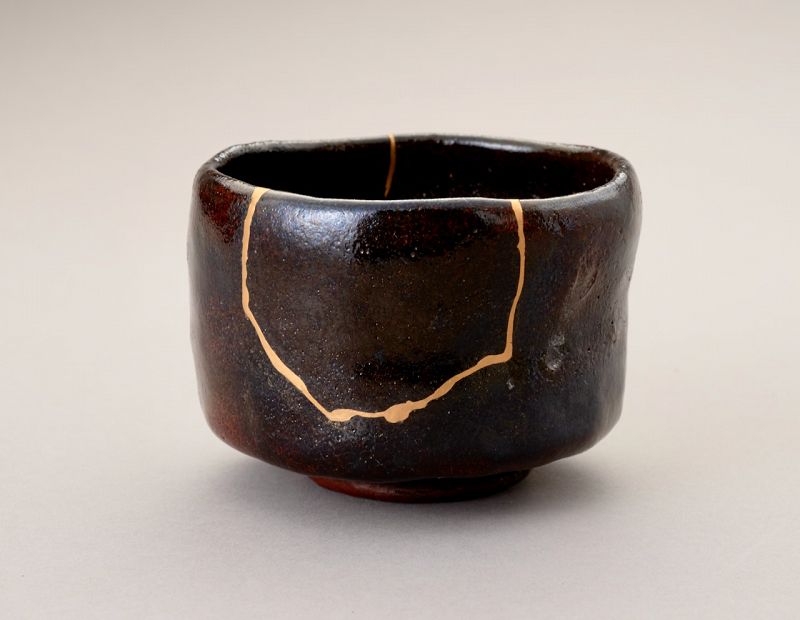
Based on telltale signs, this extraordinary Raku tea bowl likely dates to the late Edo period (200+ years old). Crafted with meticulous care, its smooth, ebony
SOLD
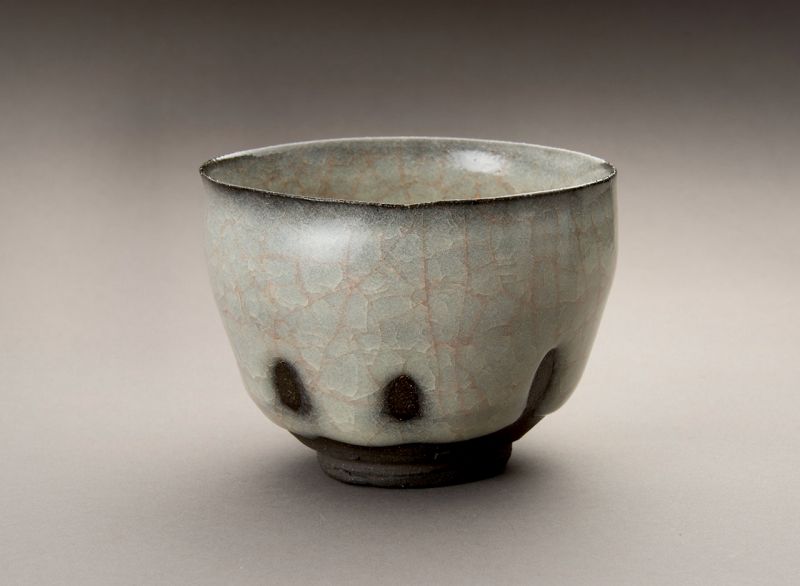
An example of some of the finest porcelain modern Japan has to offer. According to Wakao Kei, the artist who crafted this piece, it took him years of trial and
SOLD
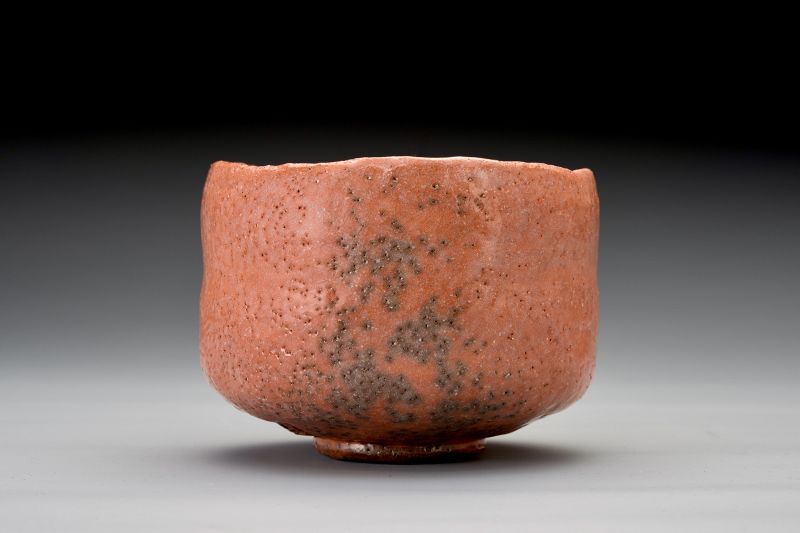
Crafted with meticulous attention to detail and showcasing a soft and gracefully executed red glaze, this Raku tea bowl exudes a sense of ease, tenderness, and
SOLD
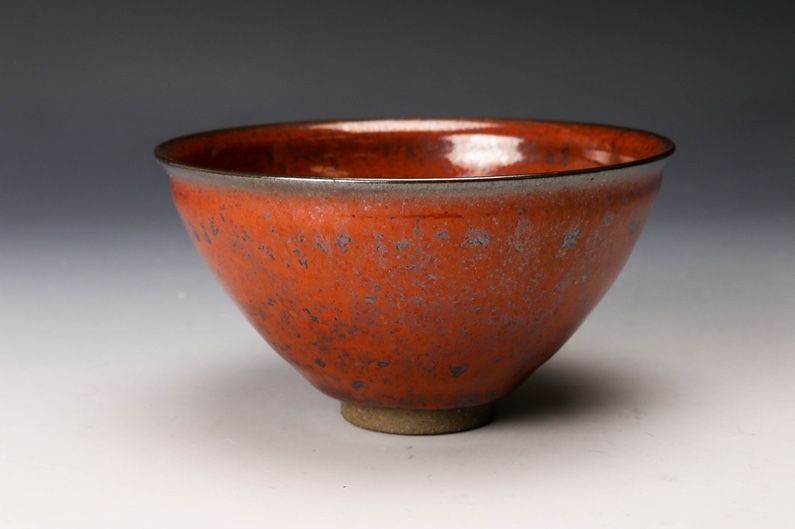
A mesmerizing piece of ceramic art, this exquisite tenmoku tea bowl embodies the rich traditions of Japanese craftsmanship that are inspired by over a millennia
SOLD
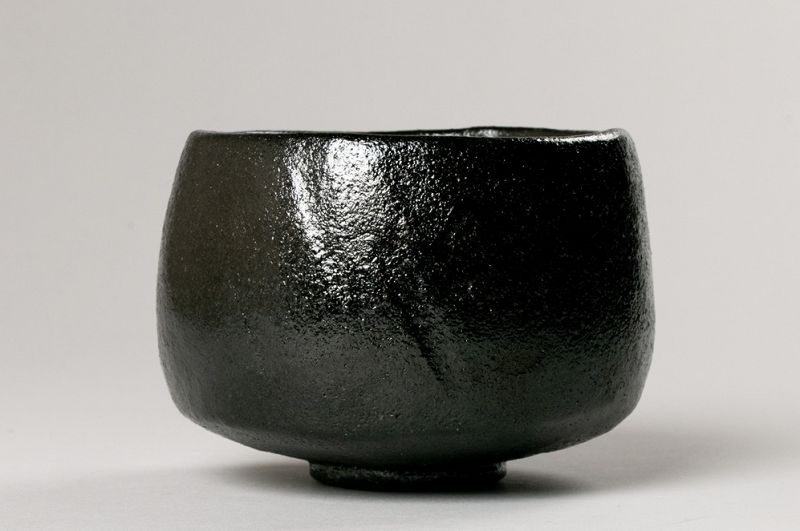
When the founder of the Urasenke style of tea ceremony, Sen-So Soshitsu (1622 -1697) was invited to Kanazawa as the master of tea ceremony for the powerful Kaga
SOLD
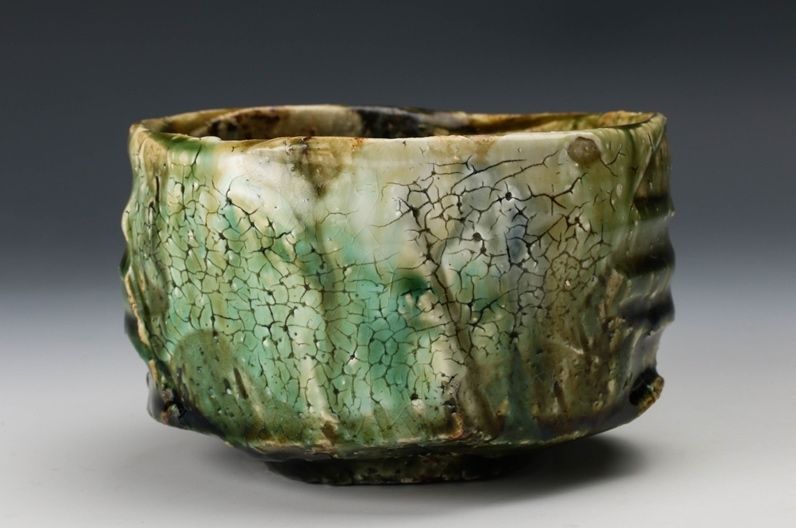
Intricately carved clay adorned with a complex and multi-layer Oribe glaze, this piece is one of the best I have encountered by this talented and multifaceted a
SOLD
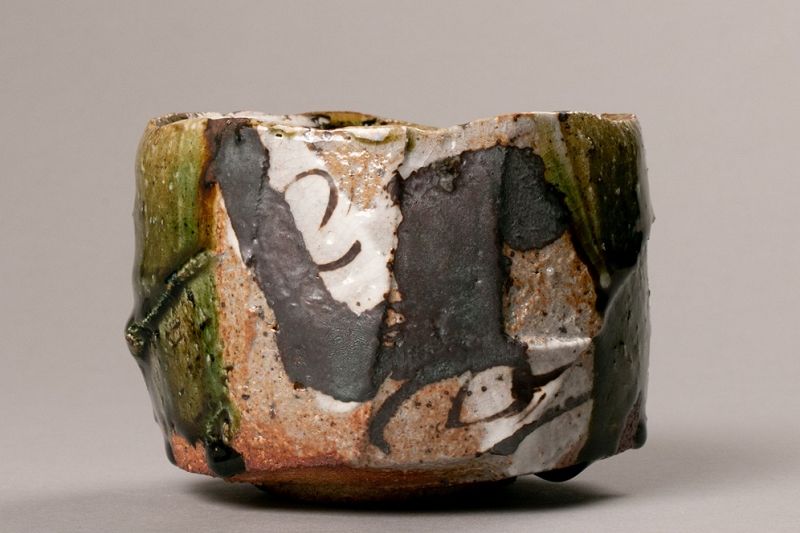
A harmonious blend of traditional craftsmanship and contemporary artistic expression, this extraordinary tea bowl encapsulates the essence of Oribe pottery whil
SOLD
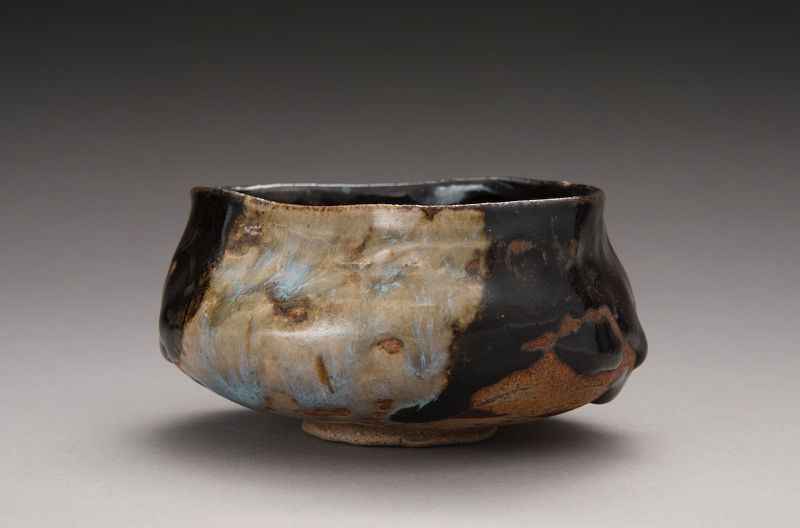
Oribe is a visual style named after the late-16th-century tea master Furuta Oribe (1544-1615). Kuro Oribe pieces are the most common with their jet-black glazes
SOLD
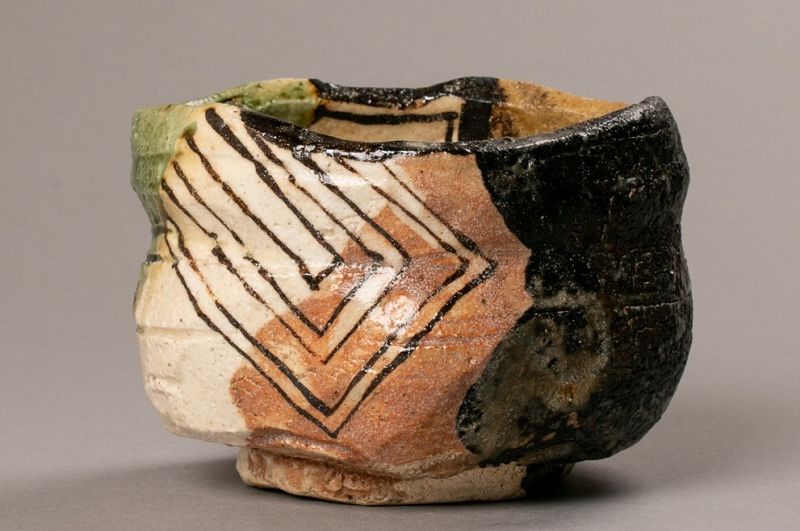
A captivating blend of traditional aesthetics and contemporary flair; with exquisite attention to detail, Goro masterfully combines the vibrant green Oribe glaz
SOLD
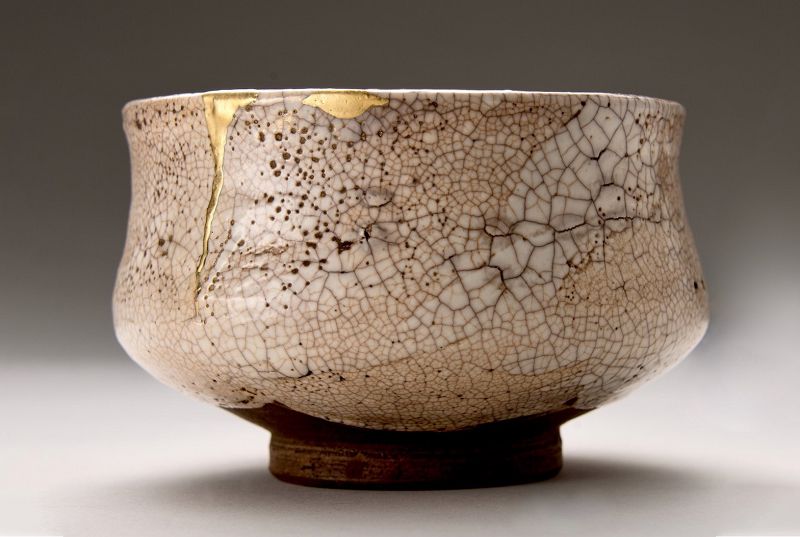
This lovely Shino tea bowl from the Edo period is fashioned from coarse Mino clay and is covered in feldspar glazing. As with many pieces of this period and sty
SOLD
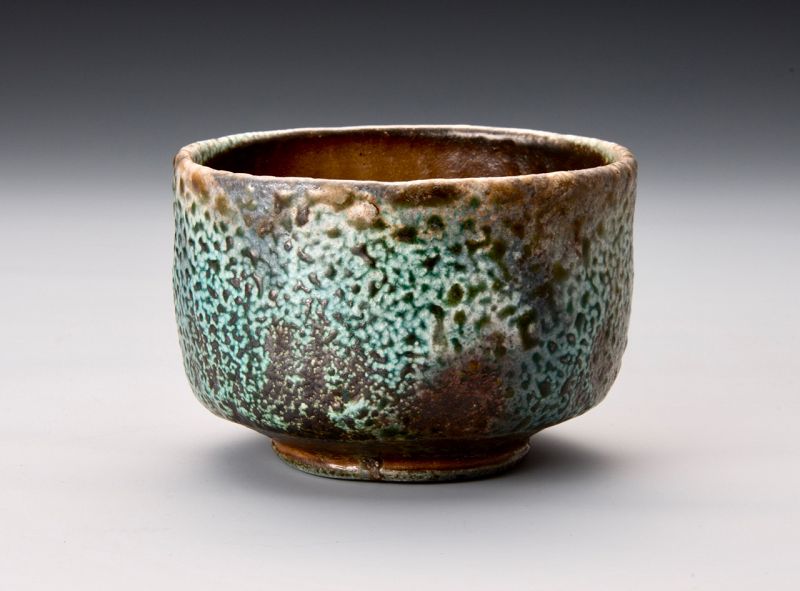
The colors seen in this ceramic piece are not often encountered in the world of Japanese tea-ware pottery—a field dominated mainly by styles such as Raku, Hagi,
SOLD
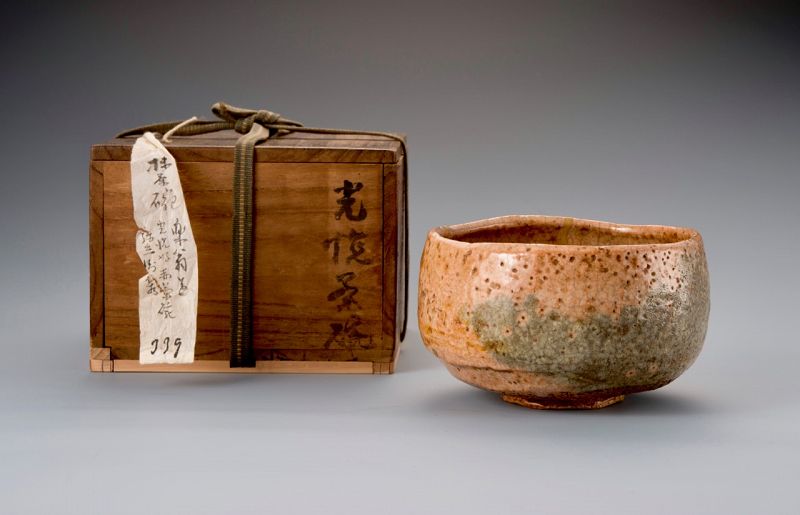
In the world of Japanese ceramics, Tamamizu-ware has almost a mythical standing. A branch of the main Raku line, at one time the two kilns held equal prominence
SOLD
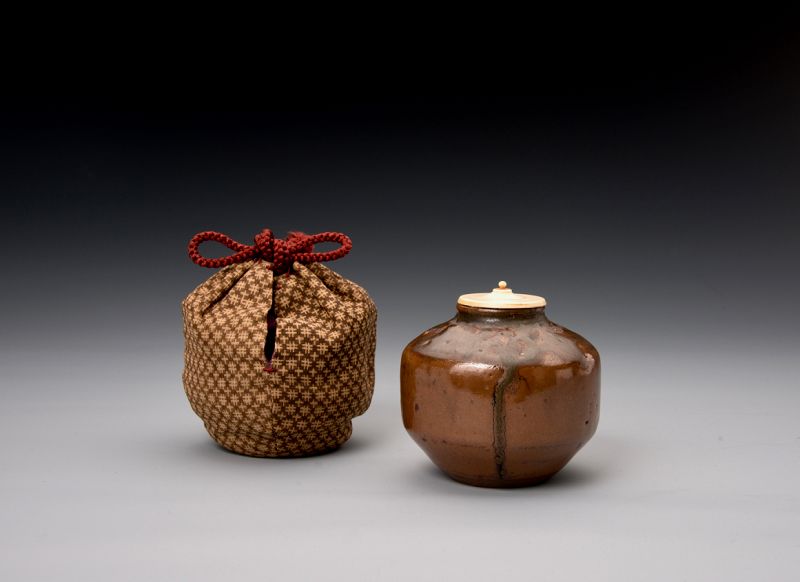
This extraordinary cha-ire (powdered tea container) displays an excellent glaze that appears to have only grown more intricate and rich with time. Contrasting a
SOLD
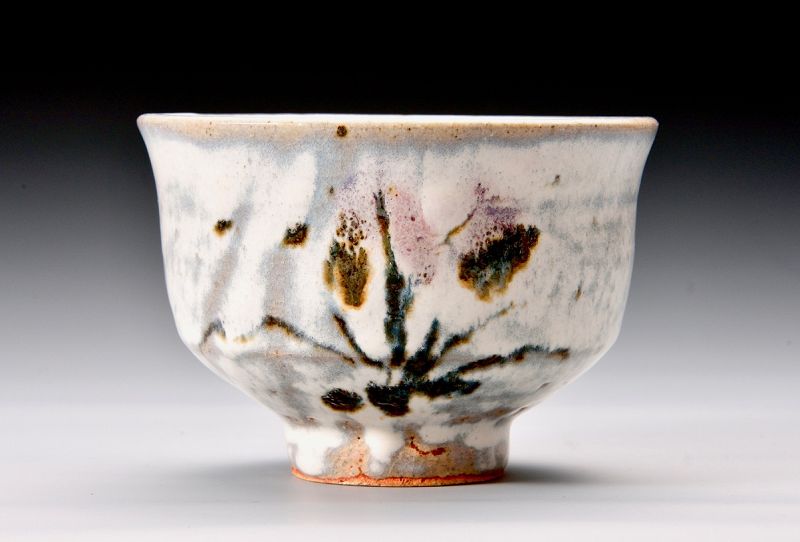
According to the potter who crafted this fine piece, “The clay from our area in the north is alive. We listen to it in order to divine the most suitable objects
SOLD
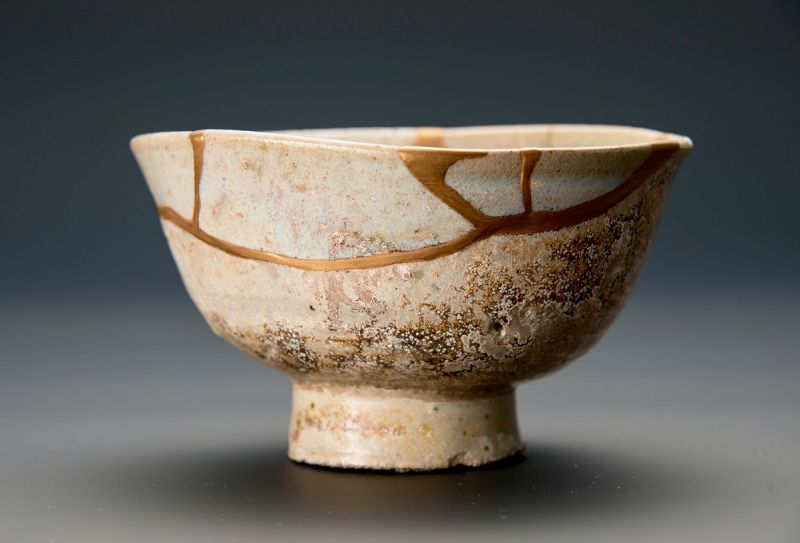
Stemming from the philosophy of wabi-sabi—often described as the beauty found in the imperfection and transience of the world—cracks and repairs in a work of po
SOLD
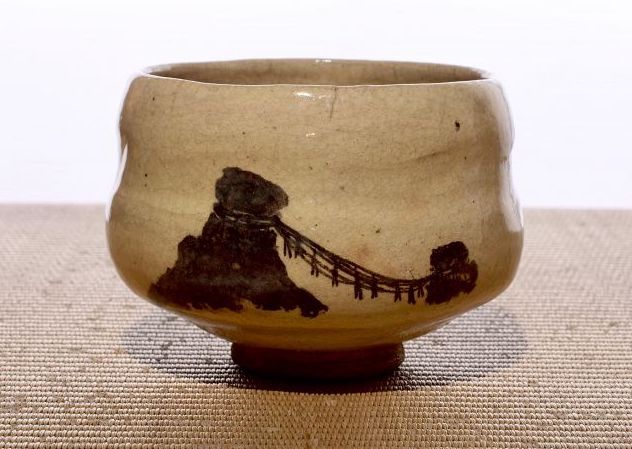
This tea bowl crafted by one of the great masters of Japanese pottery depicts Meota Iwa—a famous Japanese landmark in Mie. Symbolizing the union between two div
SOLD
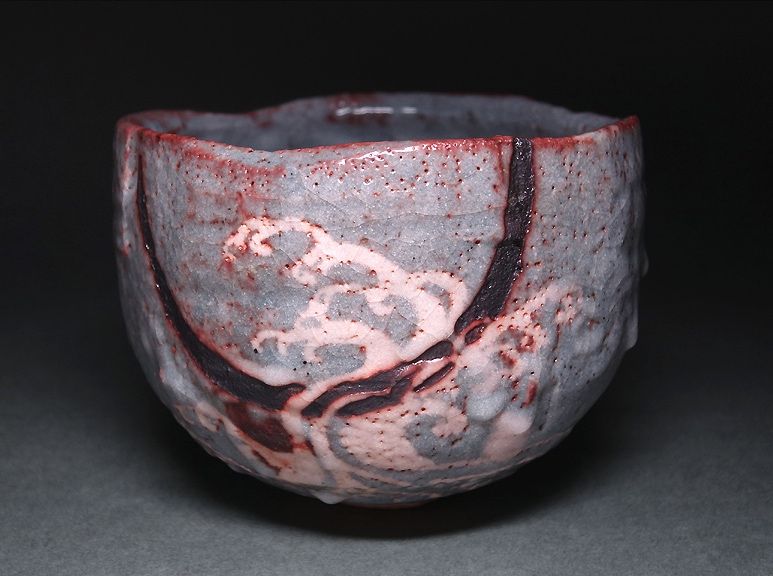
The lower half of a blackened enso dips from the rim on a backdrop of gray crackled glazing interspersed with auburn highlights. Rising up from below into the e
SOLD
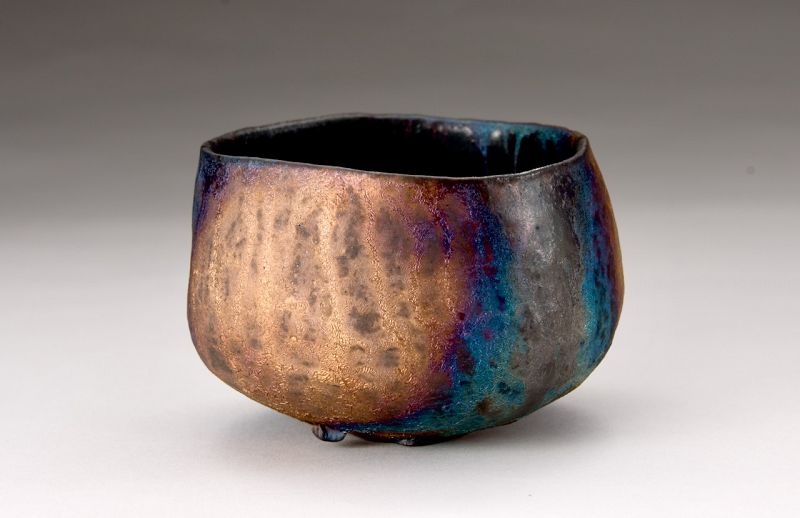
Not so often in the world of Japanese tea-ware do you come across something so exquisitely novel that it resists categorization in terms traditional styles. Thi
SOLD
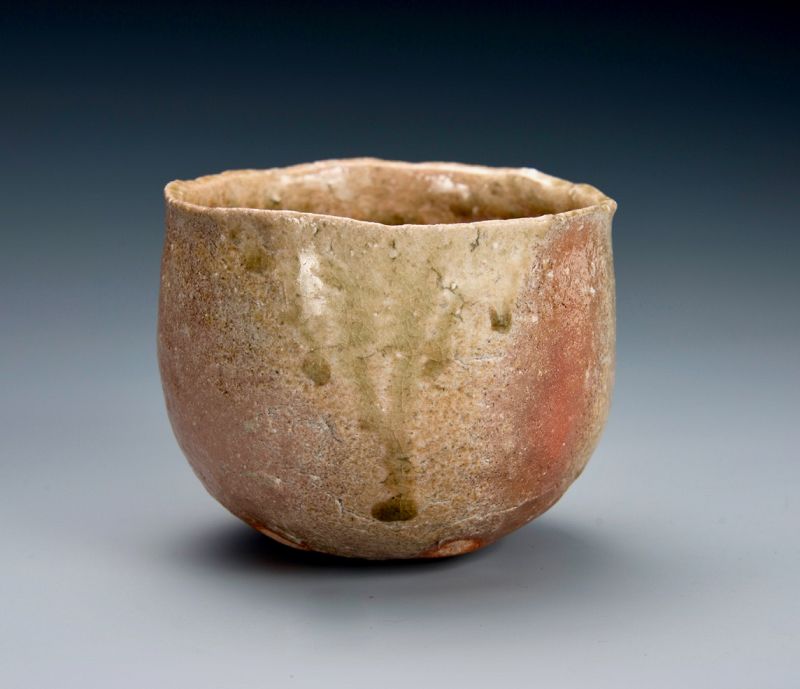
Sugimoto Sadamitsu (b. 1935) is one of the most important Shigaraki potters alive today and continues to create master works into his old age. Originally a resi
SOLD
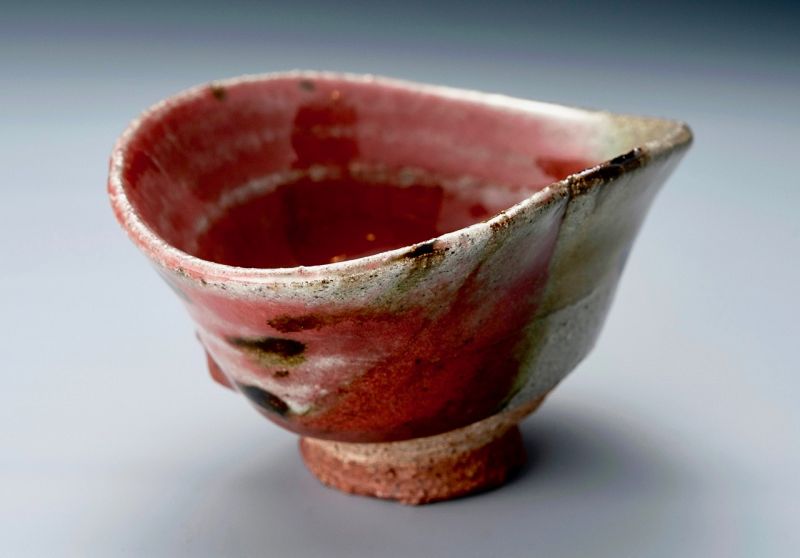
One of the more innovative and international minded ceramicists on the Japanese pottery scene, Ryoji Koie’s interests and expertise cannot be confined to one na
SOLD
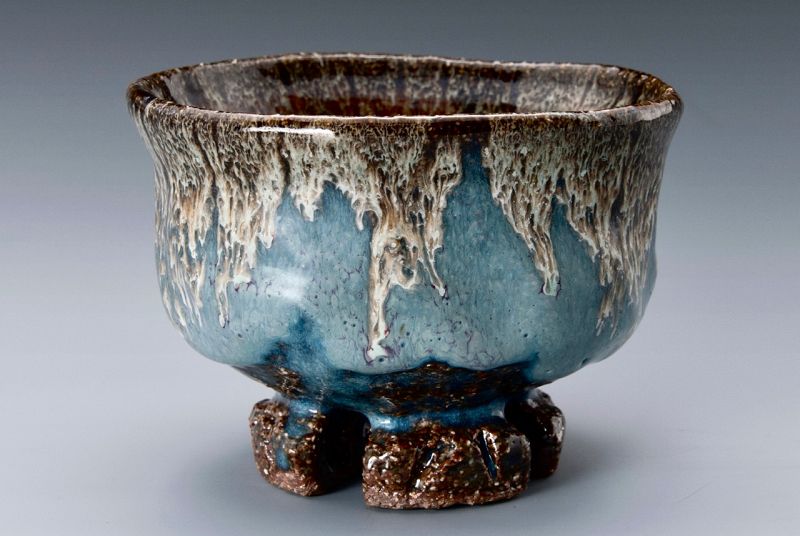
Ripples of light and dark pigmentation flowing on a background of sky-blue glaze—the description on the box reads 萩孔雀 (Hagi kujyaku) translating as “peacock Hag
SOLD
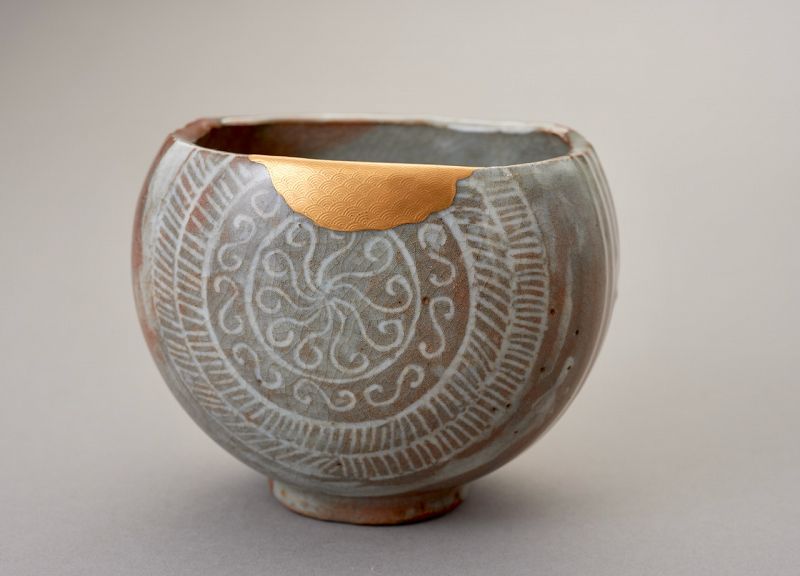
From a 2006 excavation site in Tokyo known to be occupied by the Owari Tokugawa clan—the most senior contingent of the Tokugawa clan that united Japan under one
SOLD
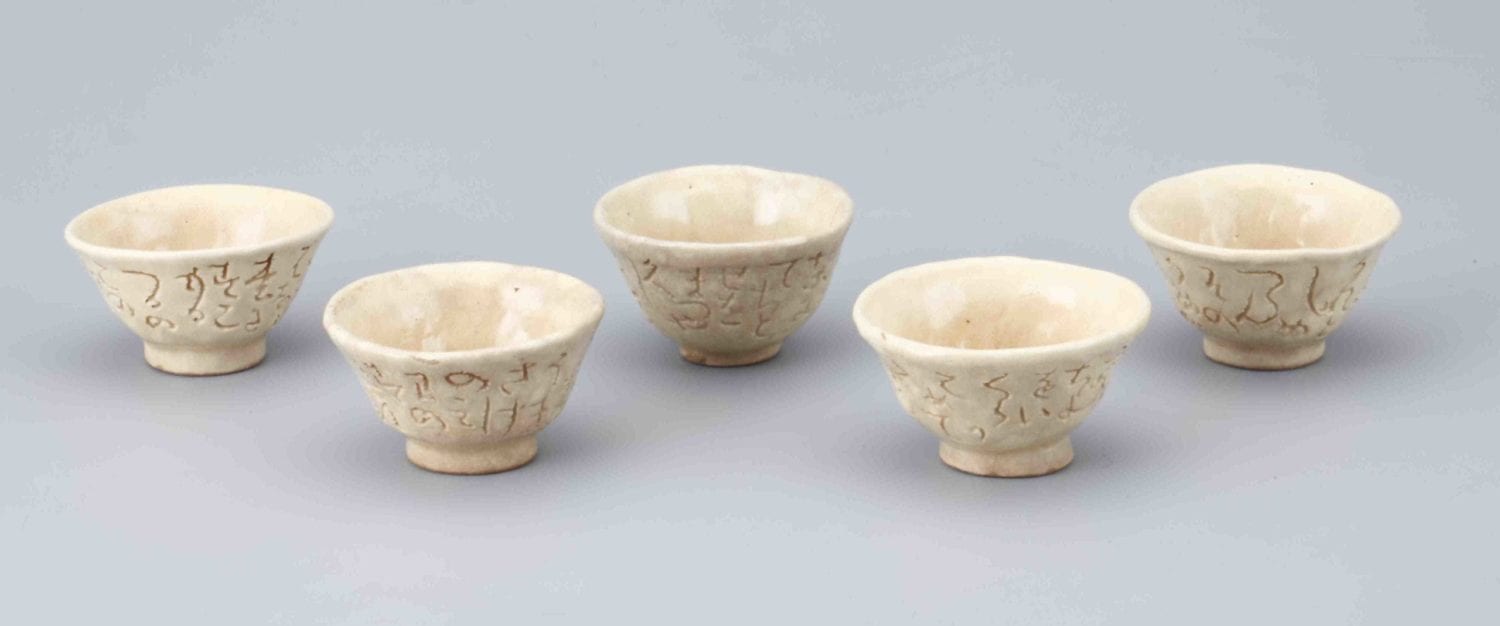
Rengetsu is a unique and celebrated figure from Japanese 19th century history. Despite her reported great beauty and talent for the arts, she faced many persona
SOLD
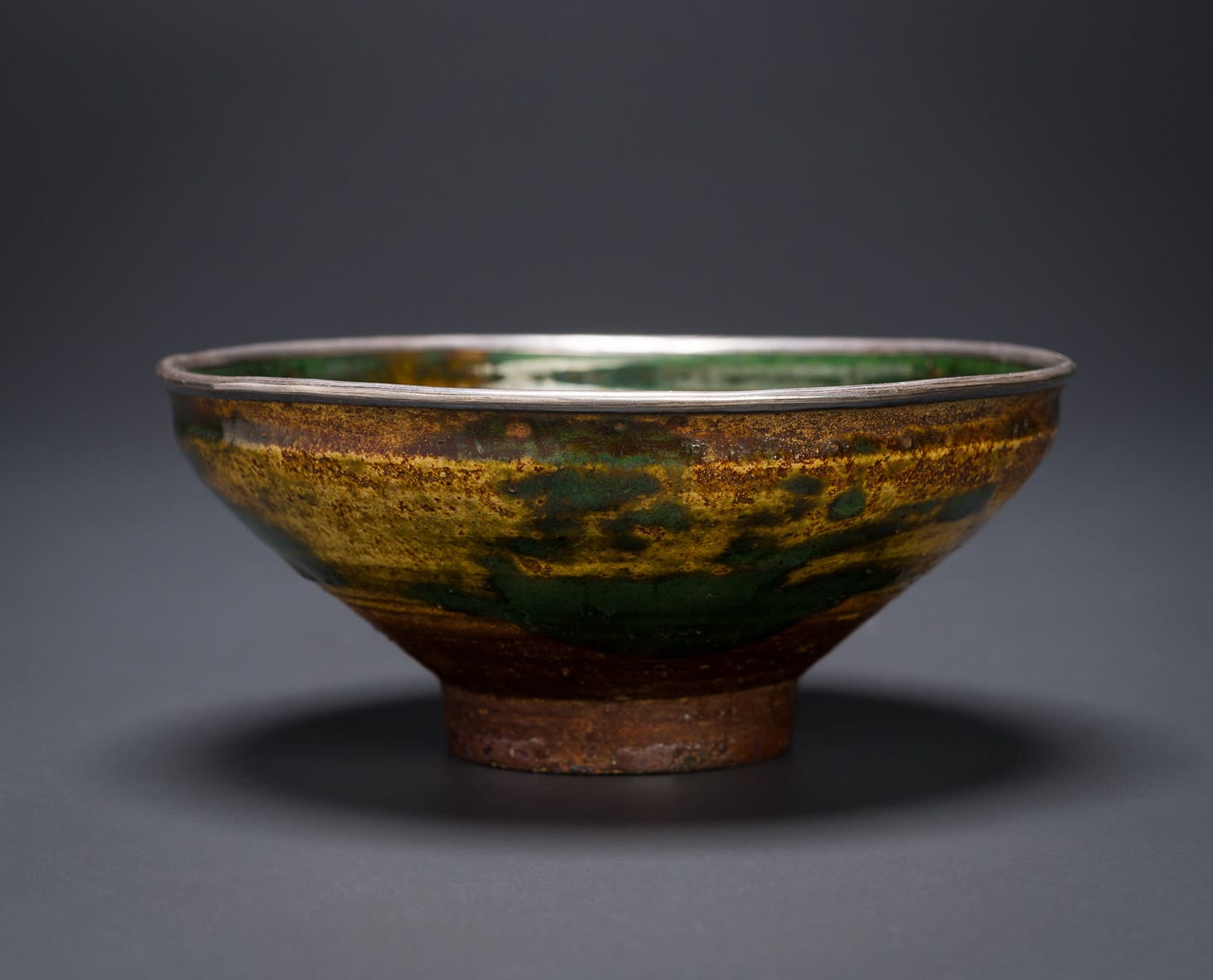
Before styles such as Raku, Hagi, Karatsu, etc came into fashion for use in the tearoom in early Edo, it was commonplace in cultured society to use tea-ware imp
SOLD
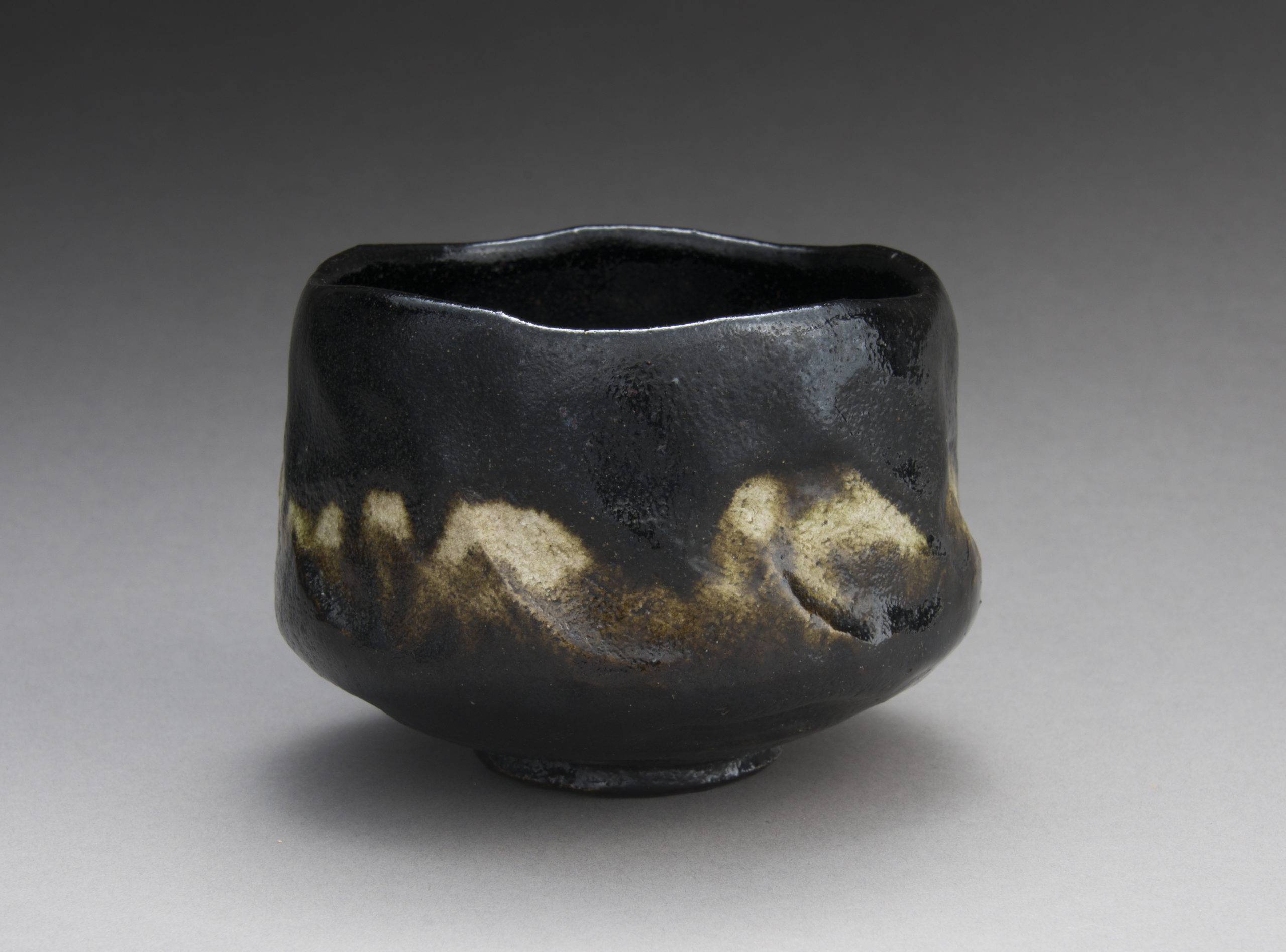
A black Raku ceremonial tea bowl displaying an excellent patina bestowed by time. The light colored clay peeks through in areas giving this piece a unique feel.
SOLD
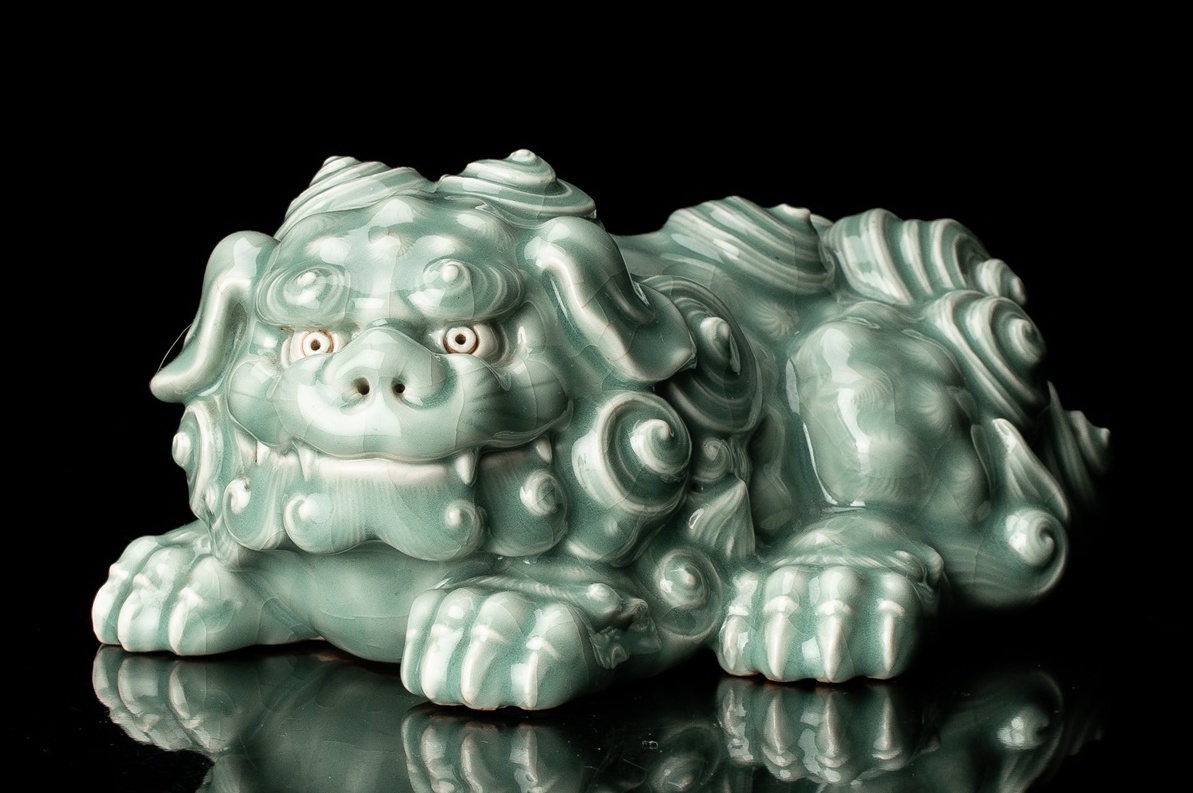
One of only five Imperial Court Artists of Meiji, ceramic pieces by Kōzan are highly prized by collectors and are ever more difficult to find on the market thes
SOLD
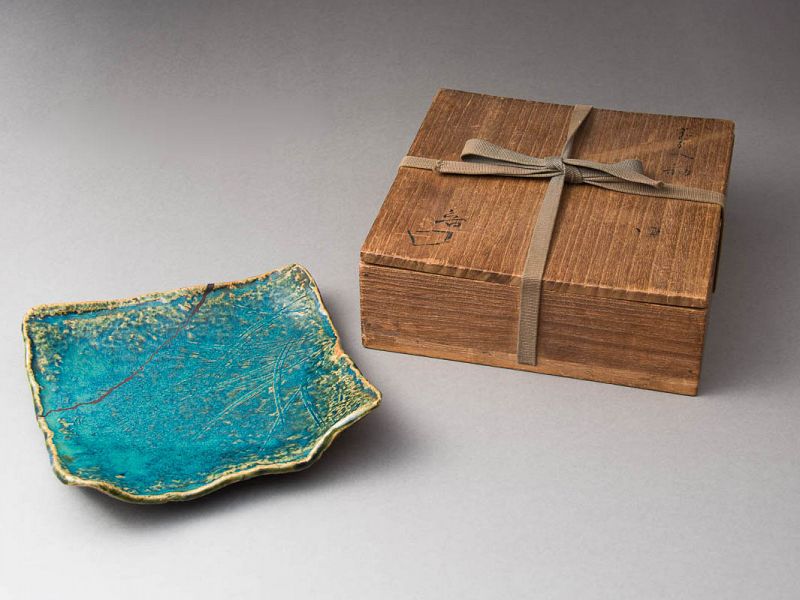
One of the most important Japanese potters of the 20th century, skilled in an impressive number of styles, today his pieces can be found in museum collections a
SOLD
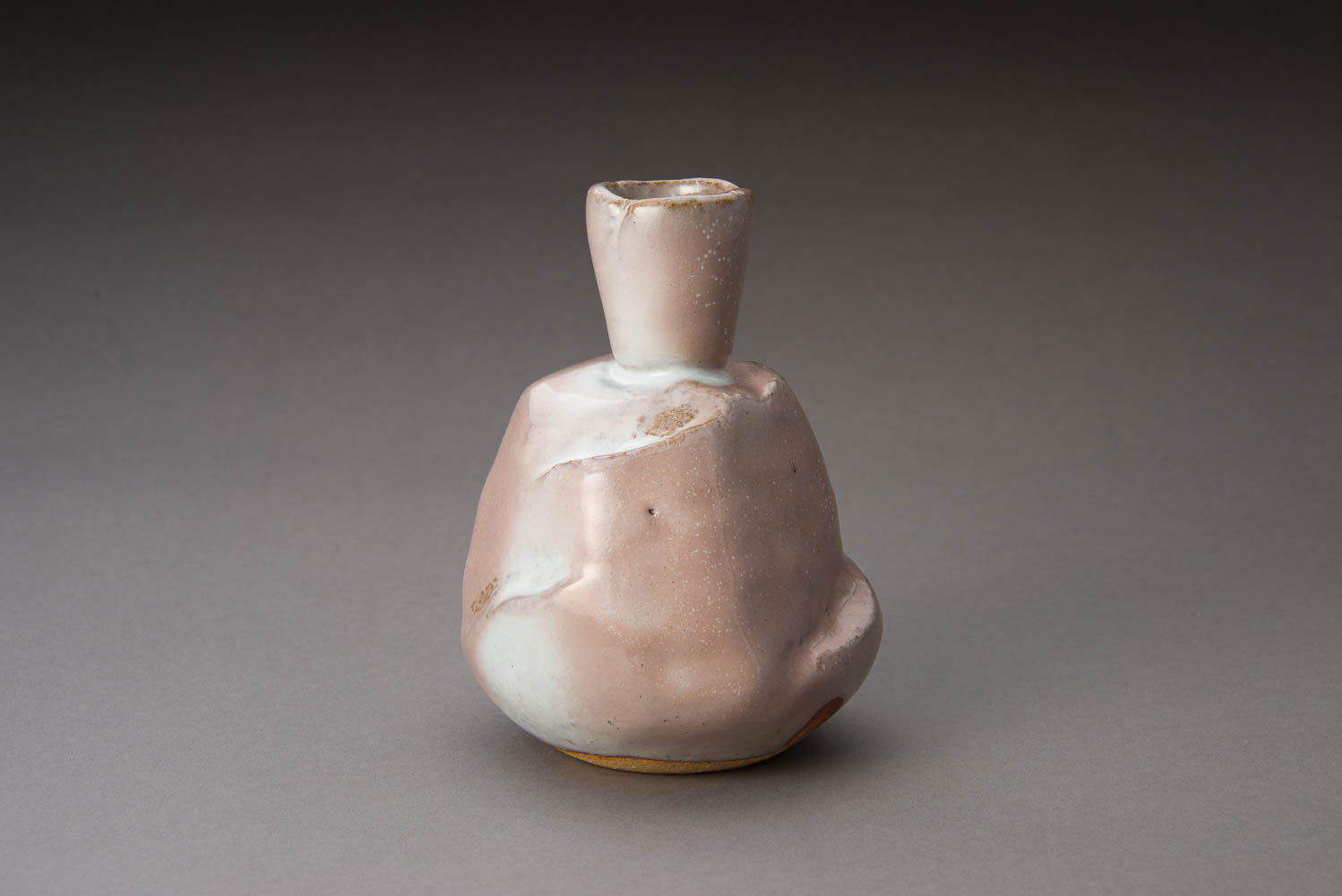
The trademark glaze on this delightful sake flask (tokkuri) is by none other than 8th generation Hagi potter Masanao Kaneta. Close inspection reveals flecks of
SOLD
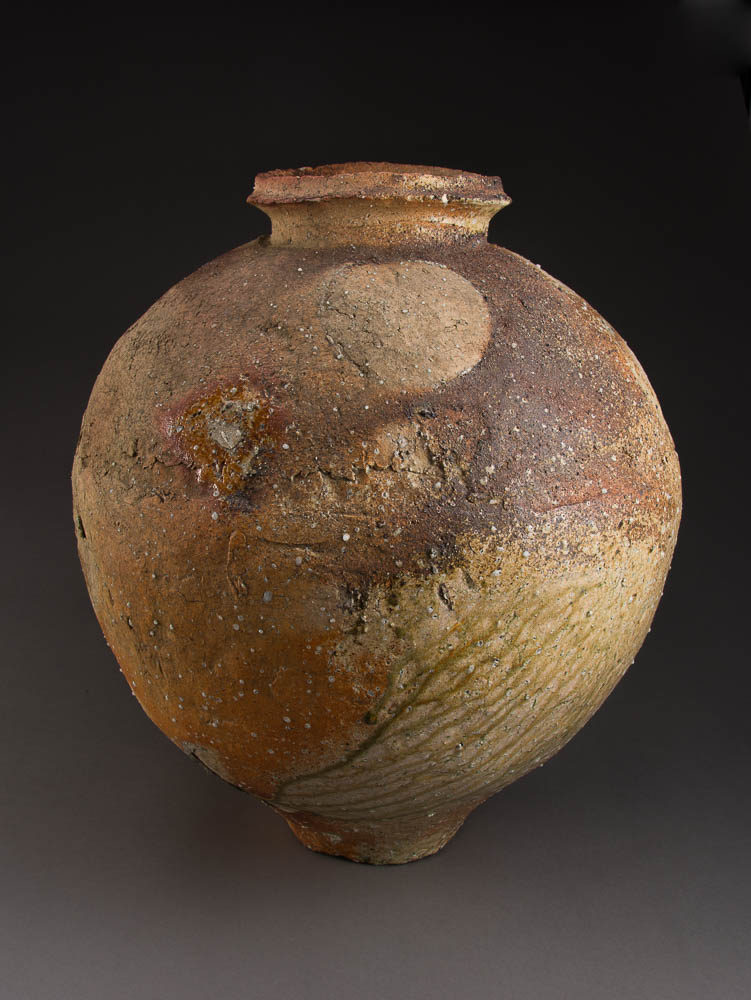
An exceptionally large work by one of the most important contemporary ceramic artists in Japan. Collected widely both here and abroad, a favorite of Daitoku tem
SOLD
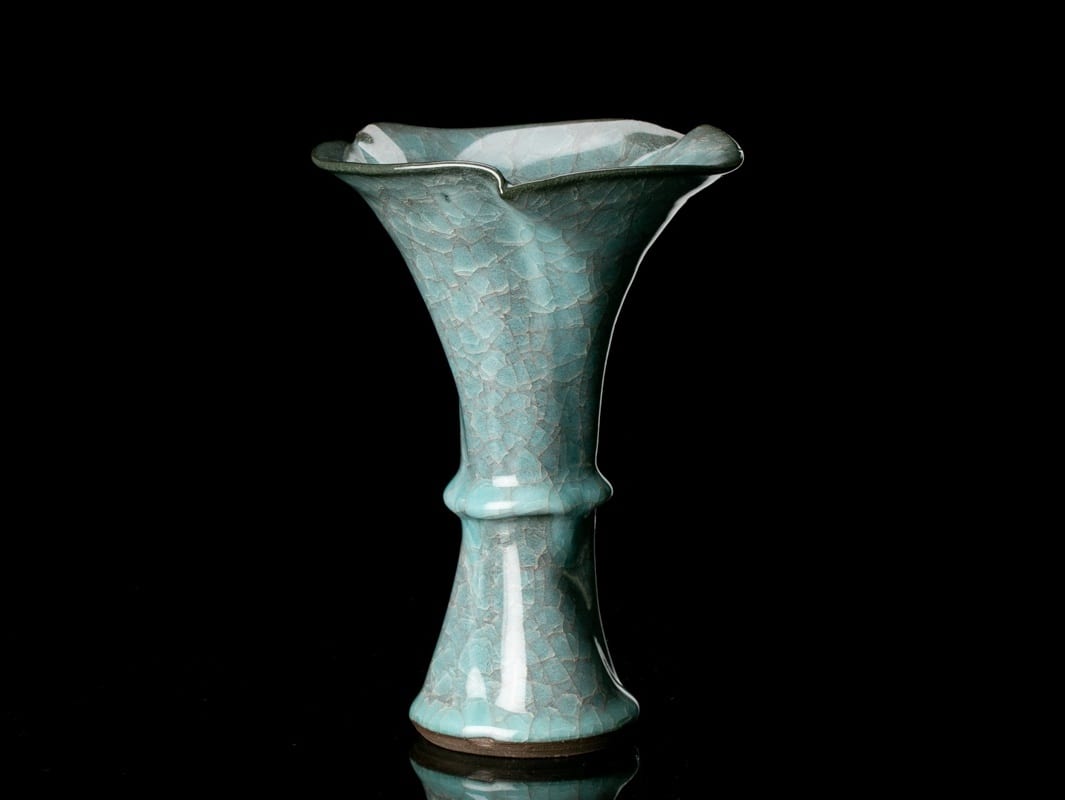
Wakao Kei continues to surprise and captivate with this turquoise blue porcelain vase from his recent offerings. Using deep, rich colors not often seen in this
SOLD
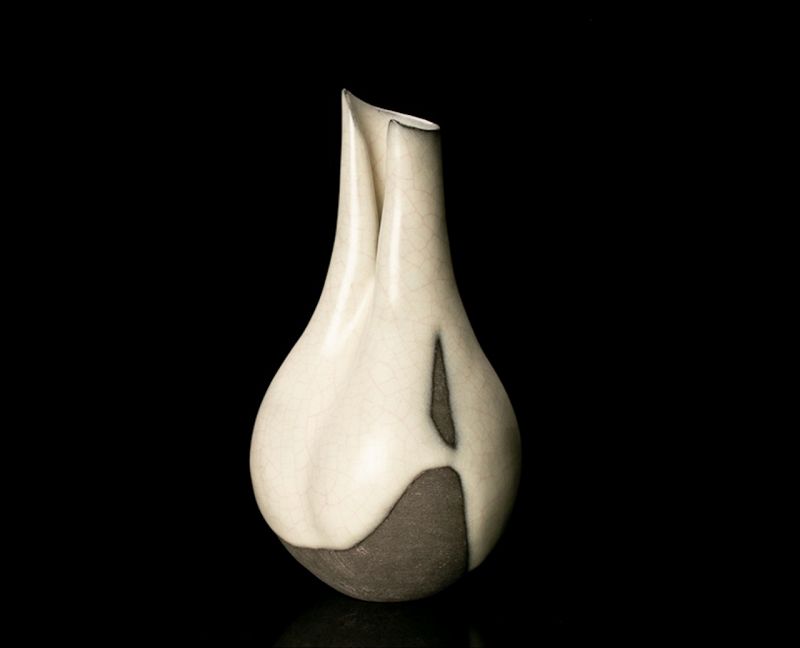
According to Kei Wakao, the artist who crafted this extraordinary work, it took him years of trial-and-error to perfect the unique rice-porcelain glaze covering
SOLD
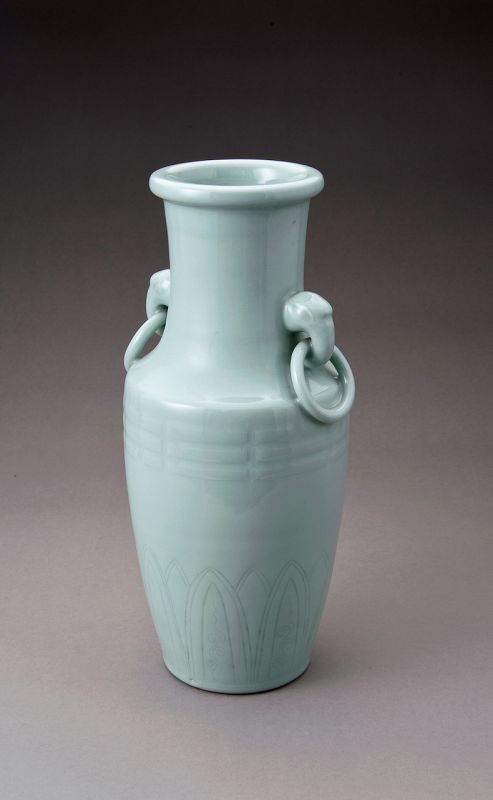
A Chinese style celadon vase by one of the 5 Imperial Court Artists of Meiji. Sozan spent his life perfecting techniques for celadon production first used in th
SOLD
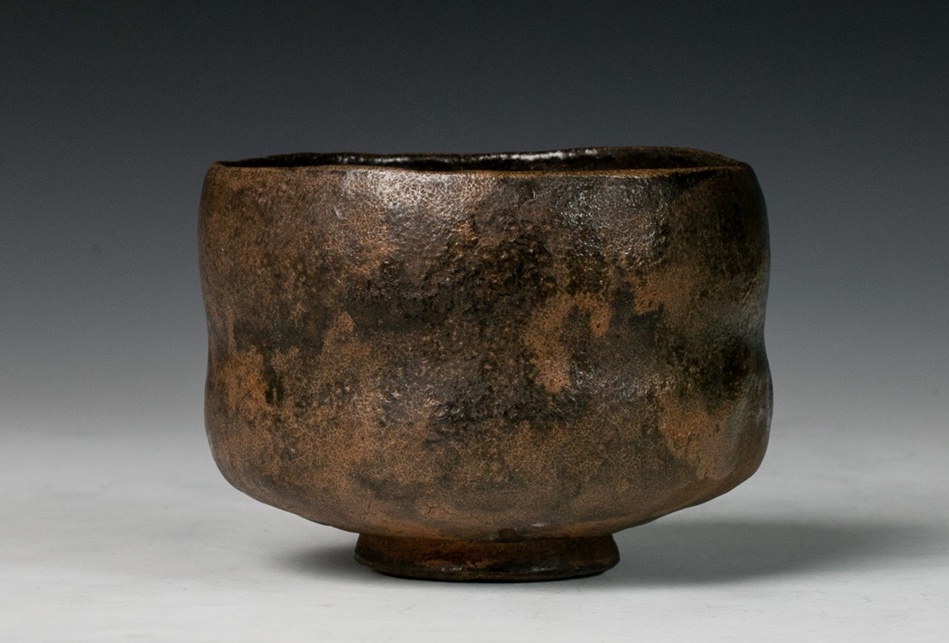
A master work by one of the top artisans of the late 20th century—the result of techniques perfected over centuries by dedicated craftsmen residing in districts
SOLD
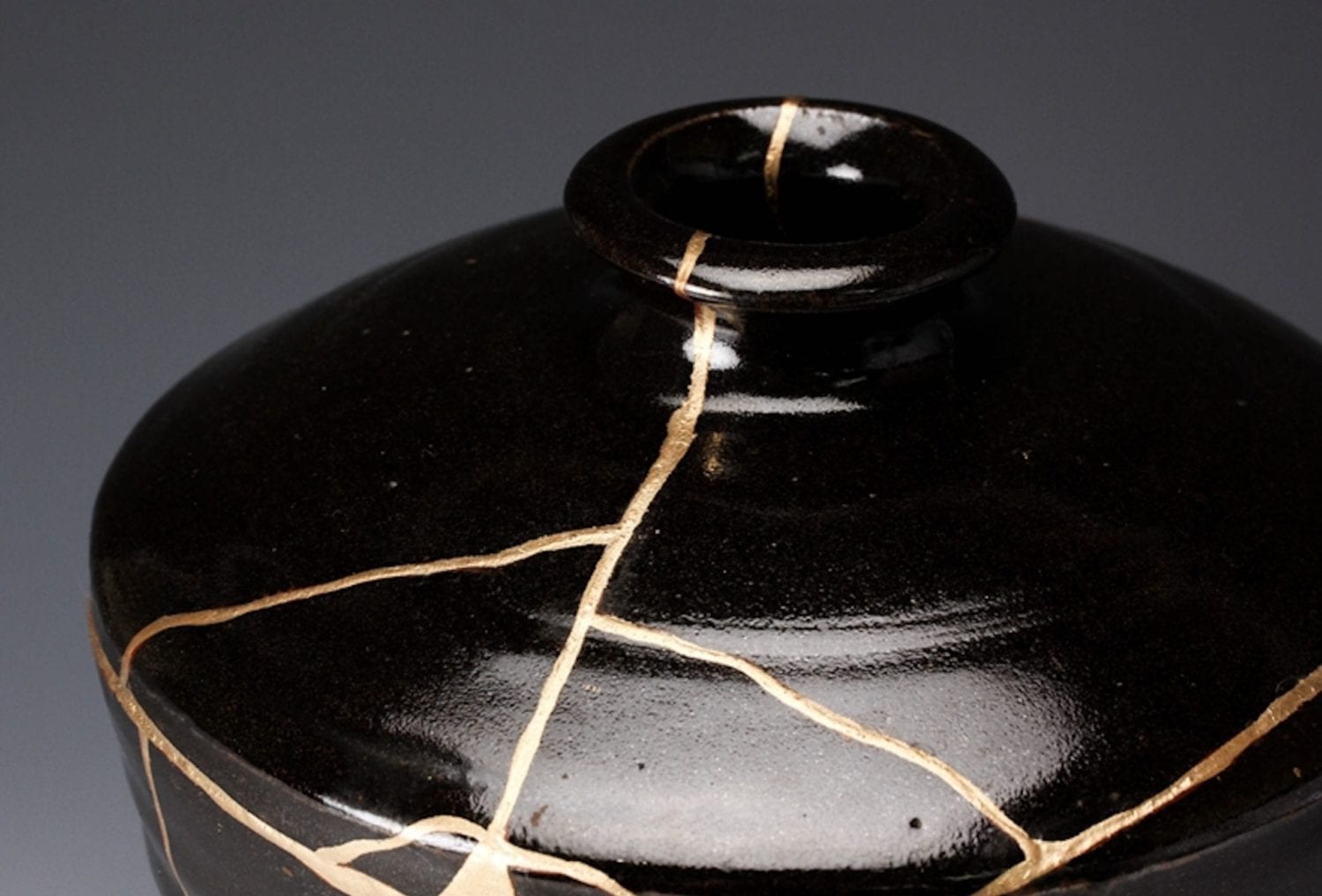
Yuzo Kondo is one of the more recognized names in the world of modern Japanese pottery of the 20th century. Though known mainly for his sometsuke creations (blu
SOLD
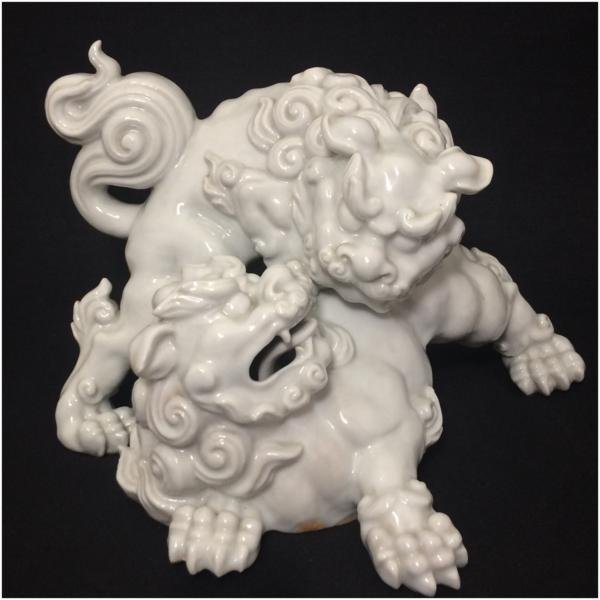
Guardian lions (alternately known as Shishi, Foo-dogs, or Koma-inu) were introduced to Japan in the 8th century and are often seen outside shrine gates or adorn
SOLD
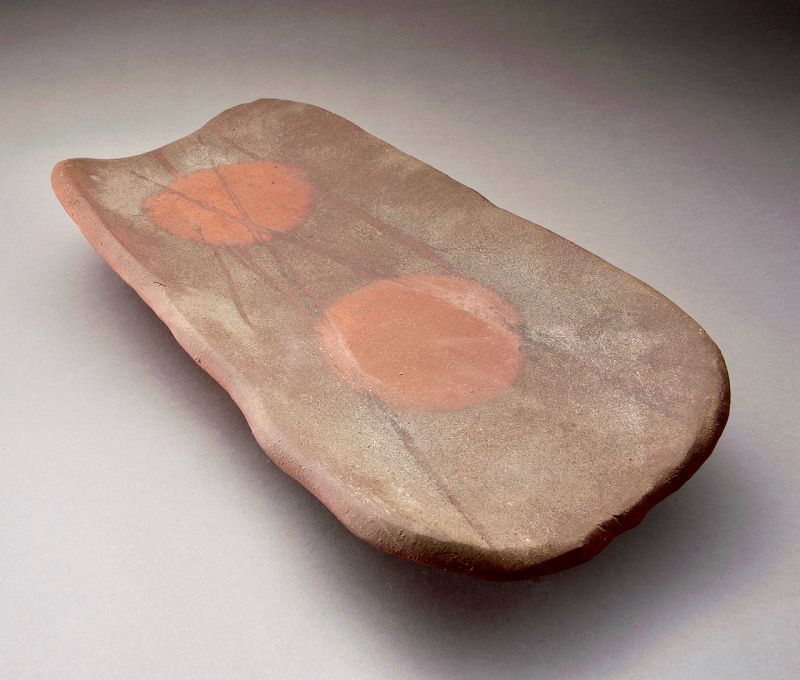
Created by Living National Treasure Isezaki Jun, Bizen pieces like the one seen here originated in Okayama (south-western Japan) and have a long history that is
SOLD
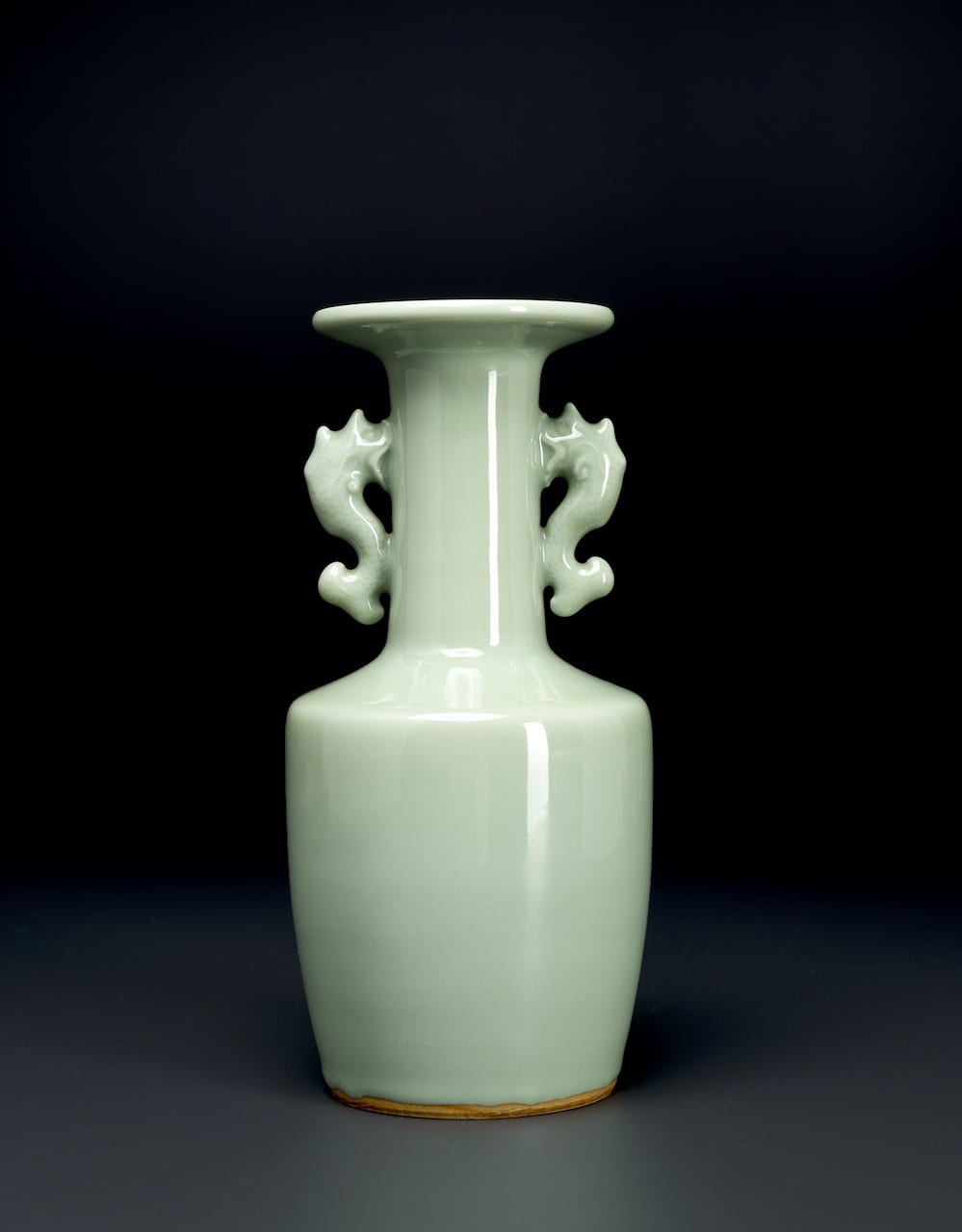
This extraordinary vase is a truly Japanese expression of a classical Chinese form. Fashioned after cylindrical Song Dynasty pieces that are thought to have bee
SOLD