
Lacquer and Gold Painted Natsume Tea Caddy by Kawase Hyokan
Exquisitely painted willow branches (yanagi) on a background of jet-black traditional lacquer; this exquisite functional art object appeals not only to practiti
Selected by shared artwork type, categories, artist and era. Available works appear first.
Back to the artwork · Browse the full collection
Exquisitely painted willow branches (yanagi) on a background of jet-black traditional lacquer; this exquisite functional art object appeals not only to practiti
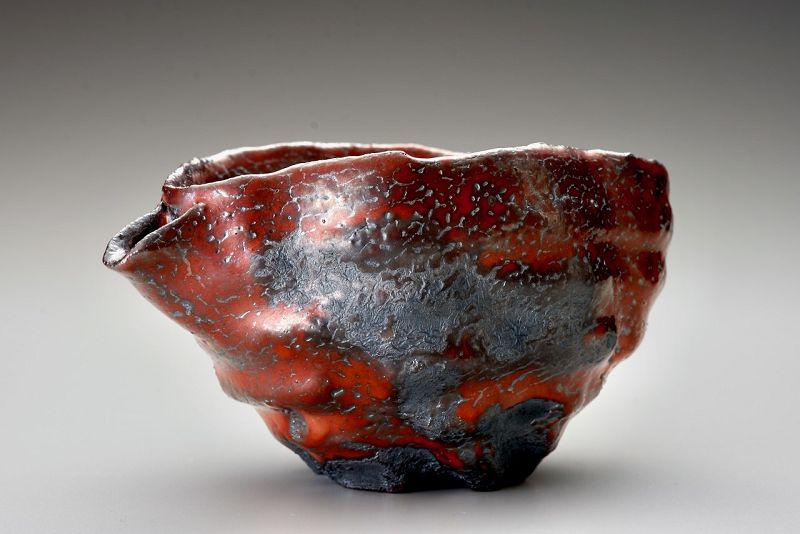
A decidedly modern and innovative take on the classic Shino trope, this “kataguchi” or one-sided pouring vessel lends an air of depth, contemplation, and brilli
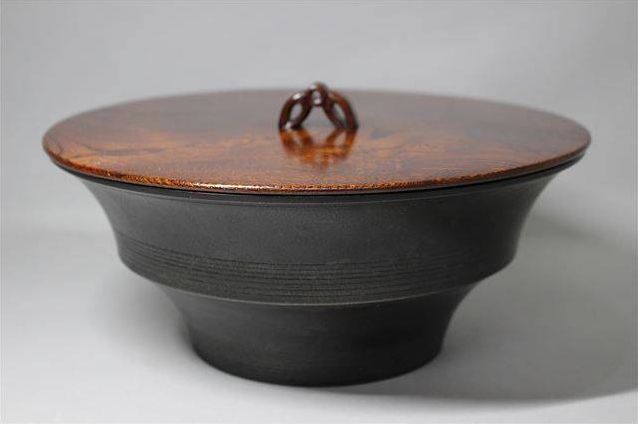
First presented at the Ishikawa Traditional Crafts Exhibition, this fine mizusashi crafted with extraordinary precision is a testament to the generational knowl
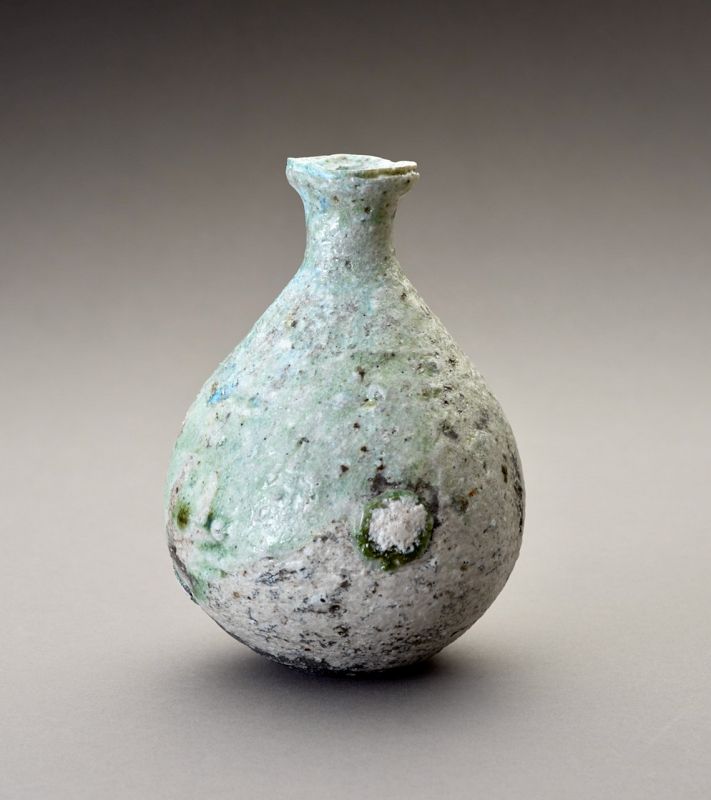
With an uncanny ability to emulate features of the natural environment, the creator of this sake vessel,Tsujimura Yui, is one of Japan’s most skilled potters wo
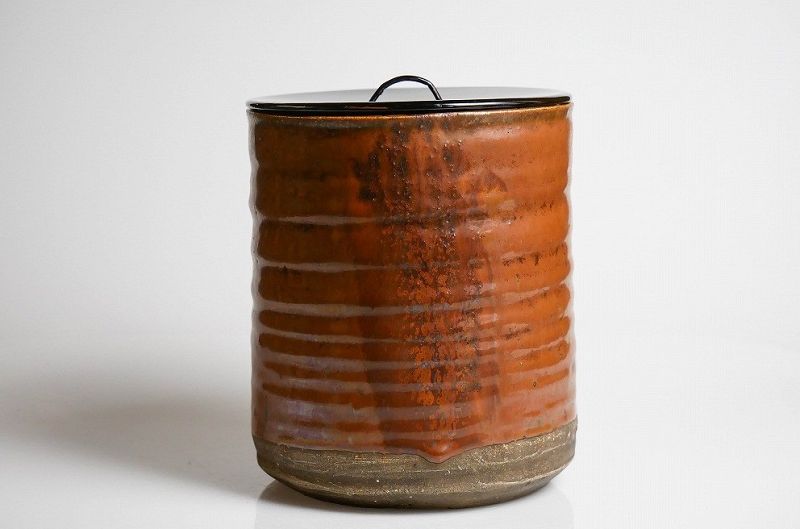
Seto is a pottery tradition established in the 12th century with the aim of reproducing fine Chinese porcelain and tenmoku-style tea bowls—which were hard to co
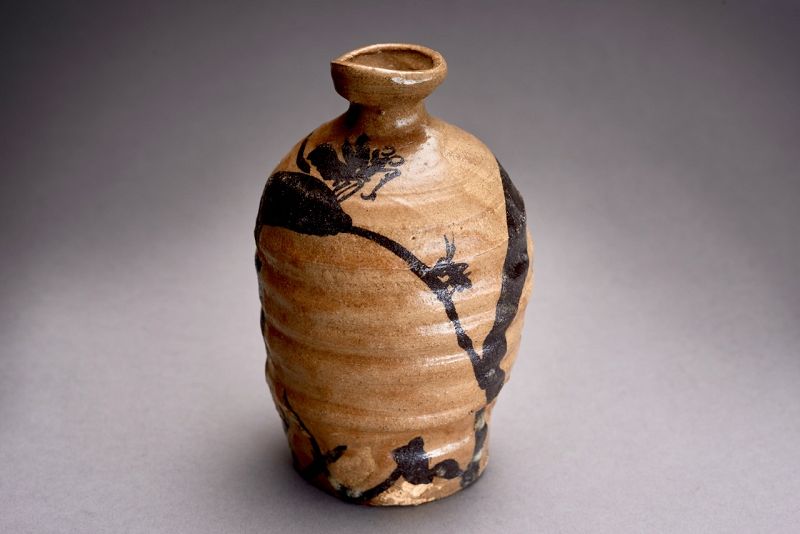
Known for his non-conformist and bold style, Suzuki Goro has outdone himself with this stylized Oribe sake flask (tokkuri). Oribe is a visual style named after
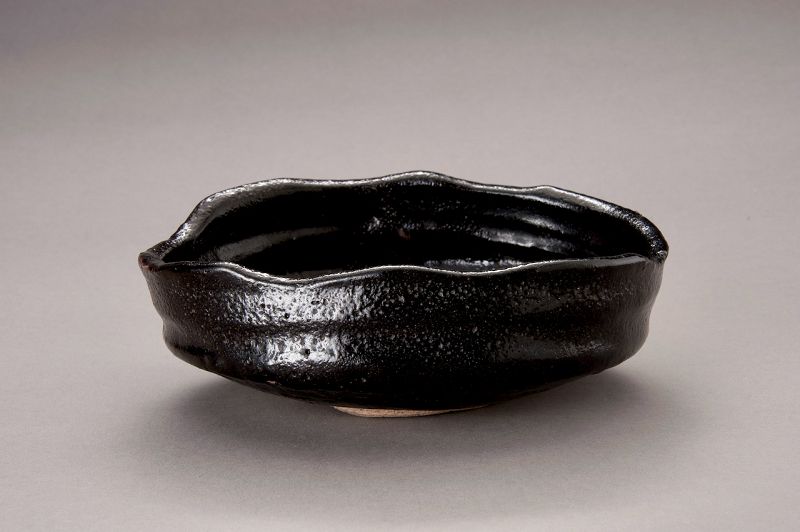
Living in Kyoto it is not uncommon to come across beautiful antique tea bowls, however, finding pieces that are in good condition, aesthetically compelling, and
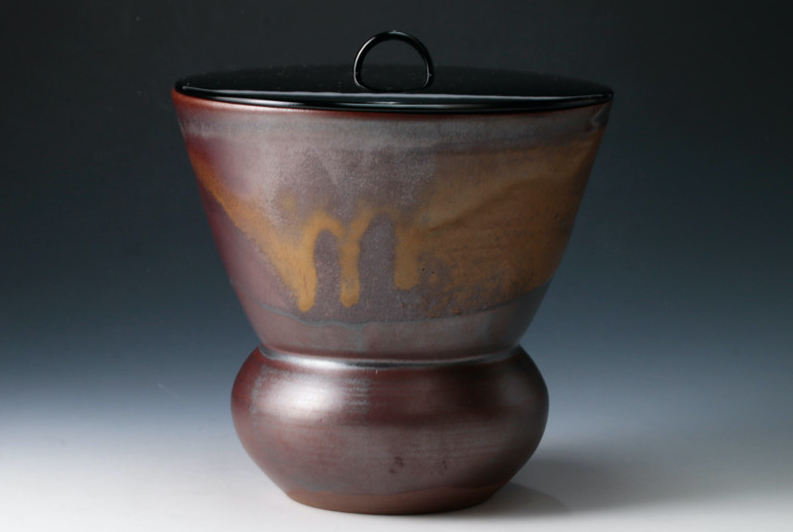
Over 400 years ago the first Takatori potter known as “Hachizan” was brought to Japan by the powerful Kuroda clan and was tasked with establishing a kiln in the
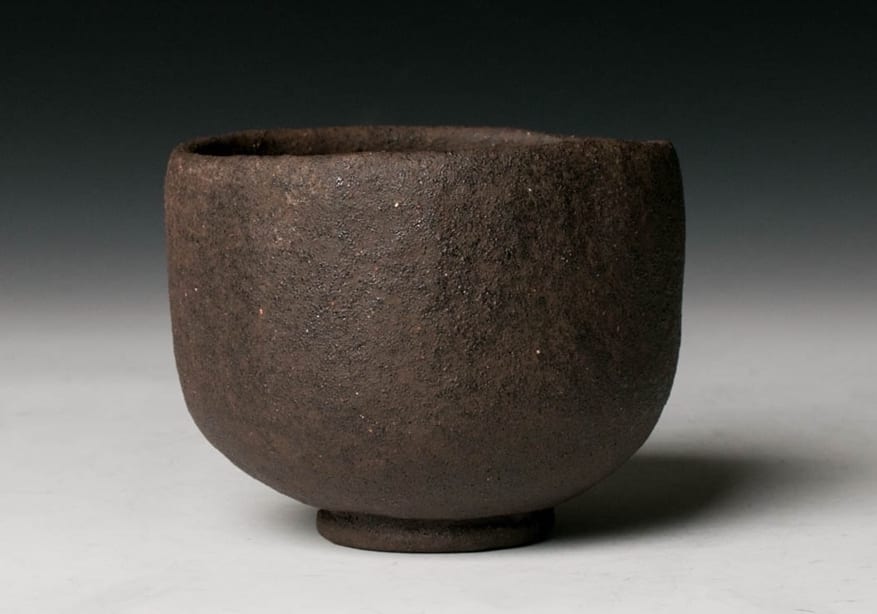
In the world of Japanese ceramics, Tamamizu-ware has an almost mythical standing. A branch of the main Raku line, at one time the two kilns held equal prominenc
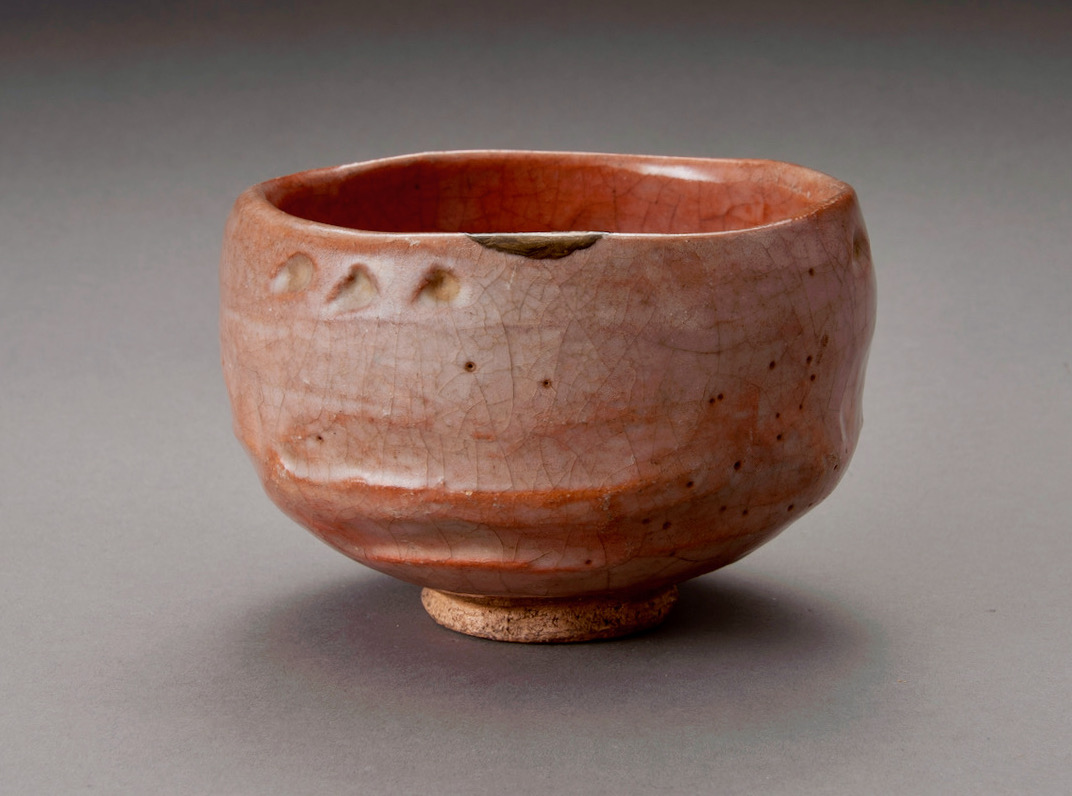
Over the years we have taken a special interest in Raku-ware and especially in works produced by the Tamamizu kiln, such as the 300+ year old ceremonial tea bow
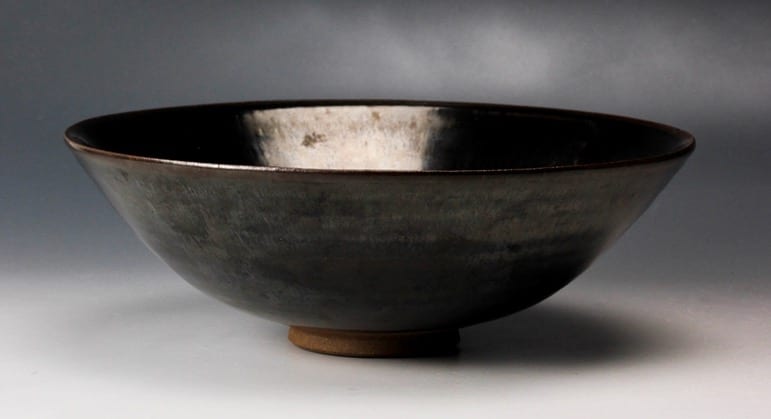
Yuzo Kondo is one of the more recognized names in the world of modern Japanese pottery of the 20th century. Though known mainly for his sometsuke creations (blu
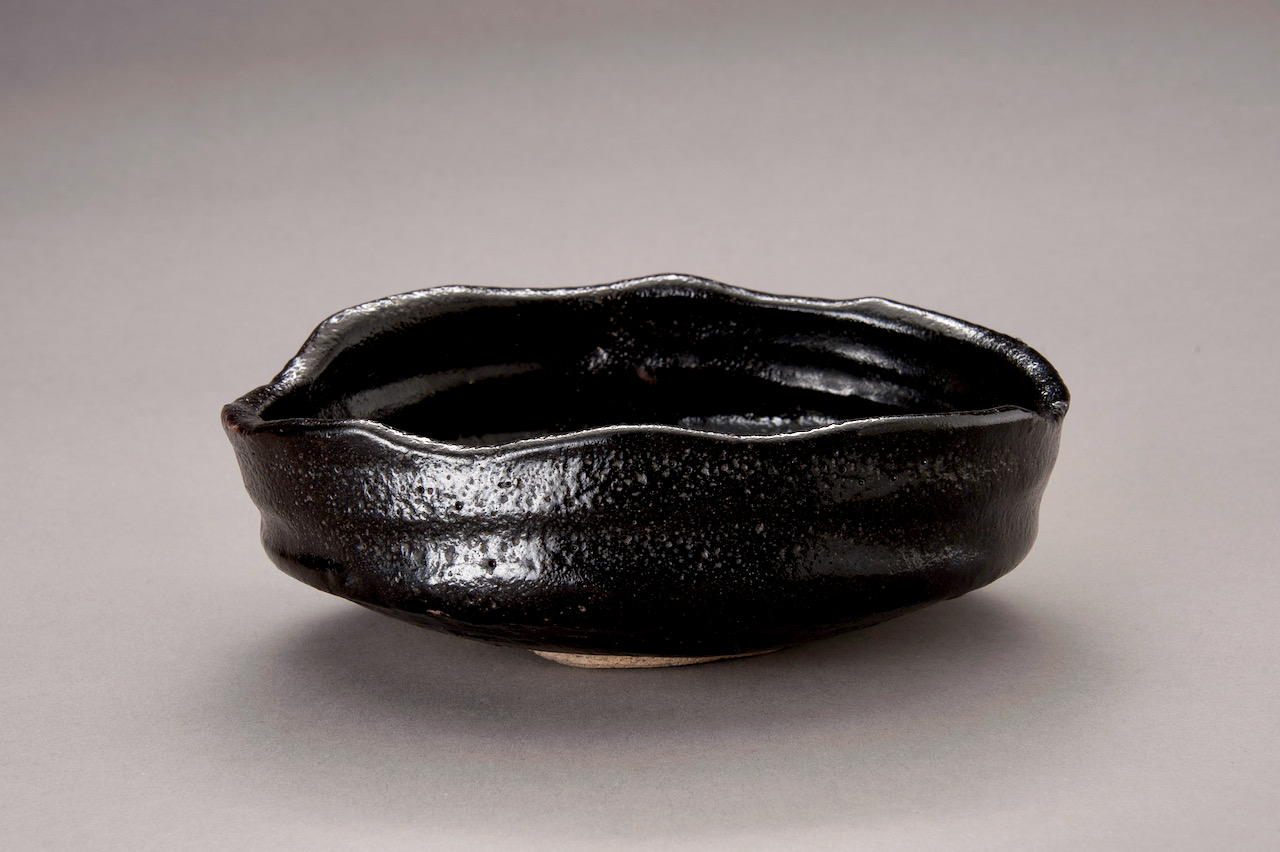
Living in Kyoto it is not uncommon to come across beautiful antique tea bowls, however, finding pieces that are in good condition, aesthetically compelling, and
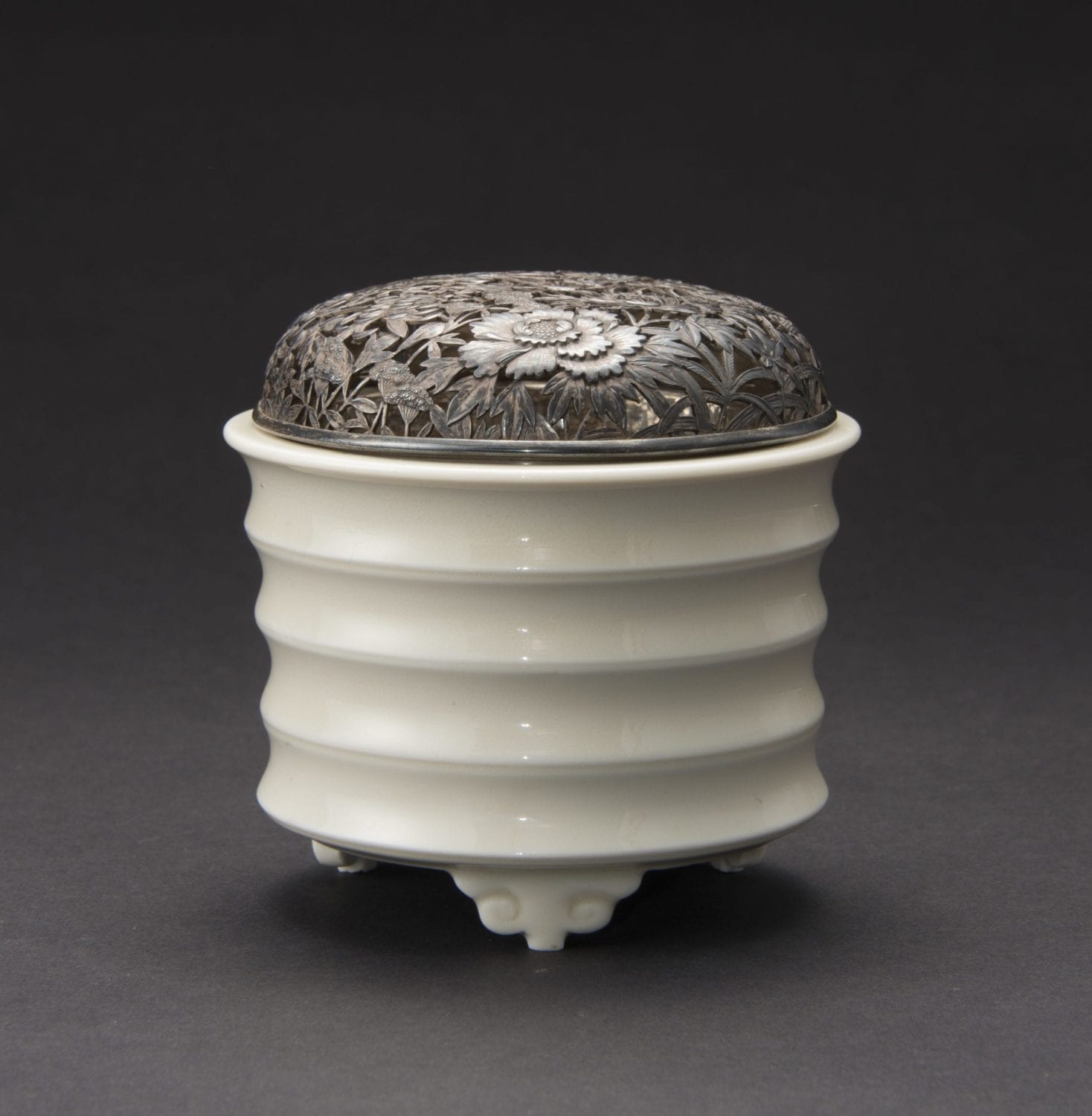
This Meiji period incense burner is made of fine white porcelain with a silver globe decorated with autumn foliage. As with much of Japanese pottery from this e
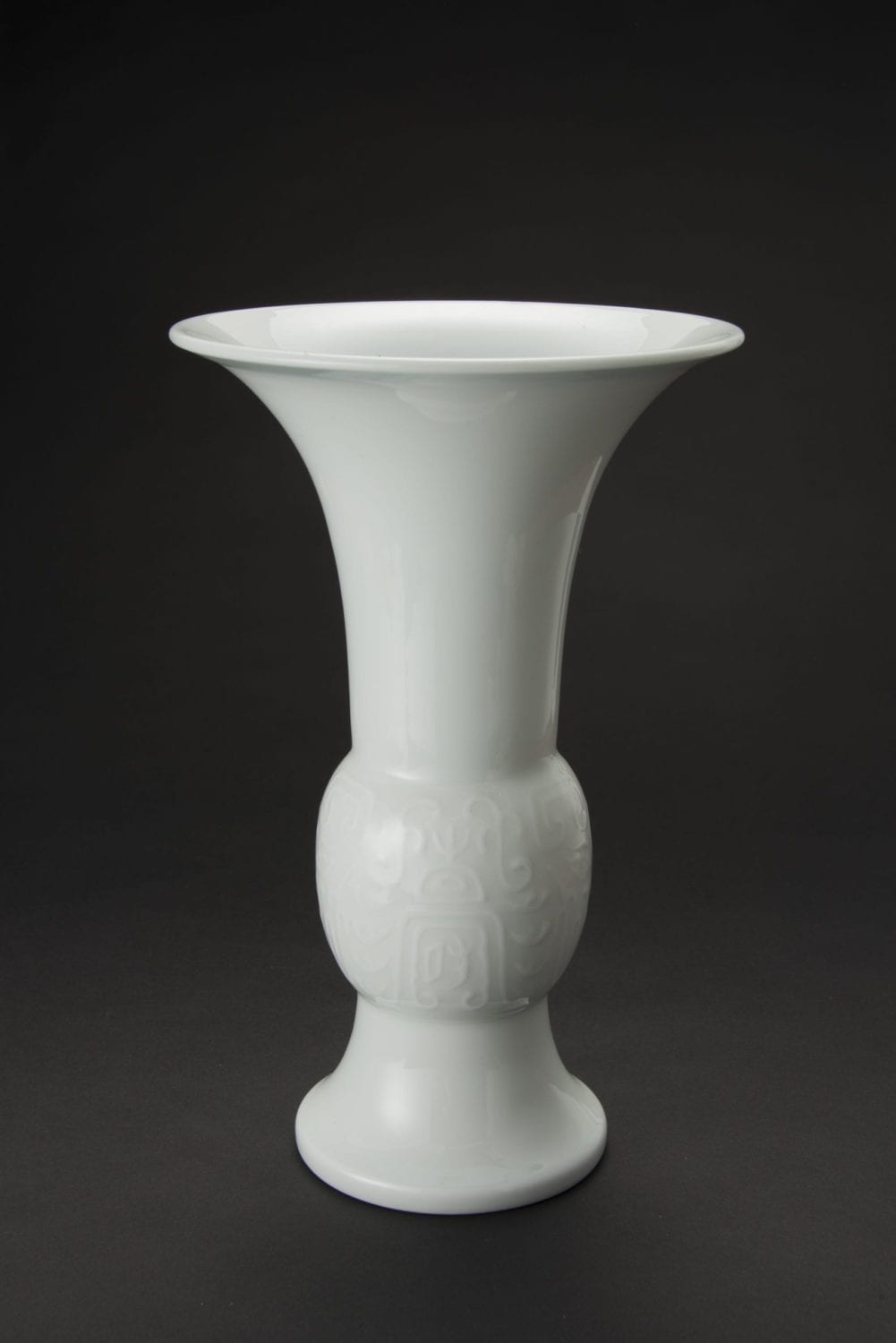
This Meiji period vase is made of fine white porcelain fashioned after classic Chinese pieces from the Song Dynasty. The potter, first generation Miura Chikusen
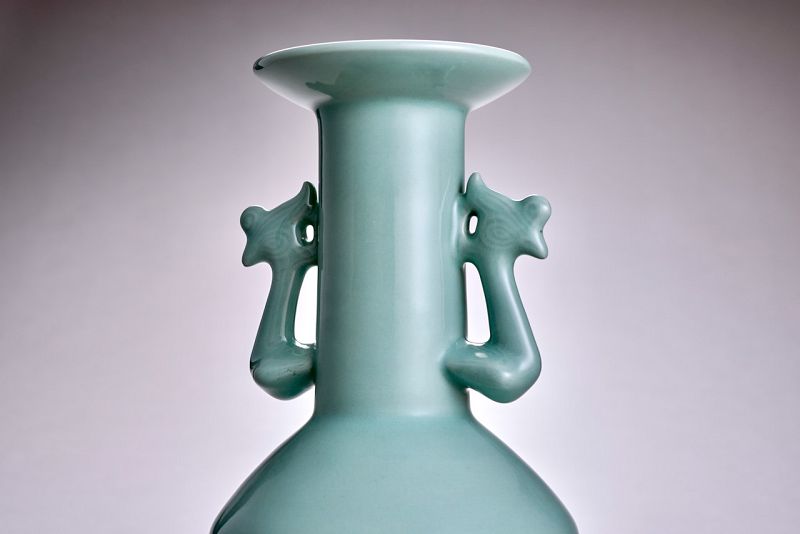
A rare and interesting offering, here we have an exquisite celadon phoenix vase with Chinese form and patterning. First generation Sozan gained wide acclaim in
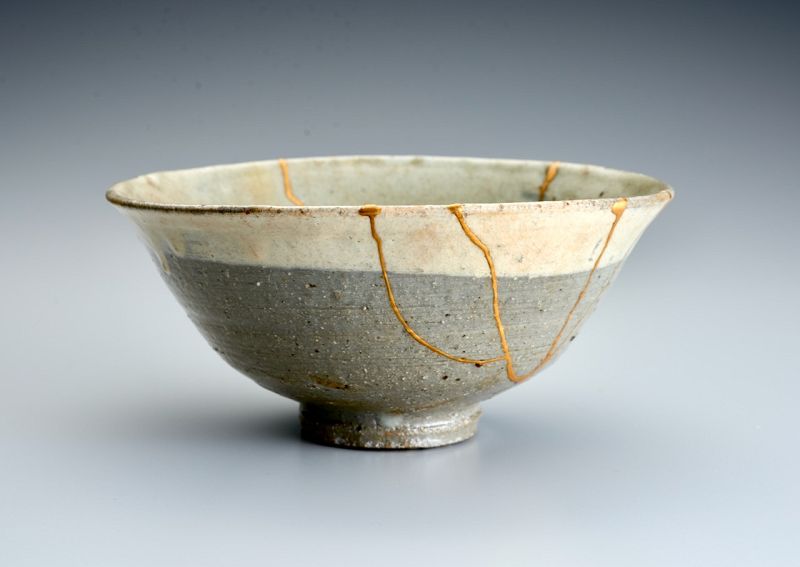
Here we see a beautiful example of Korean blue-grey pottery from centuries past. At some point it was brought to Japan, so we can safely assume that it was expr
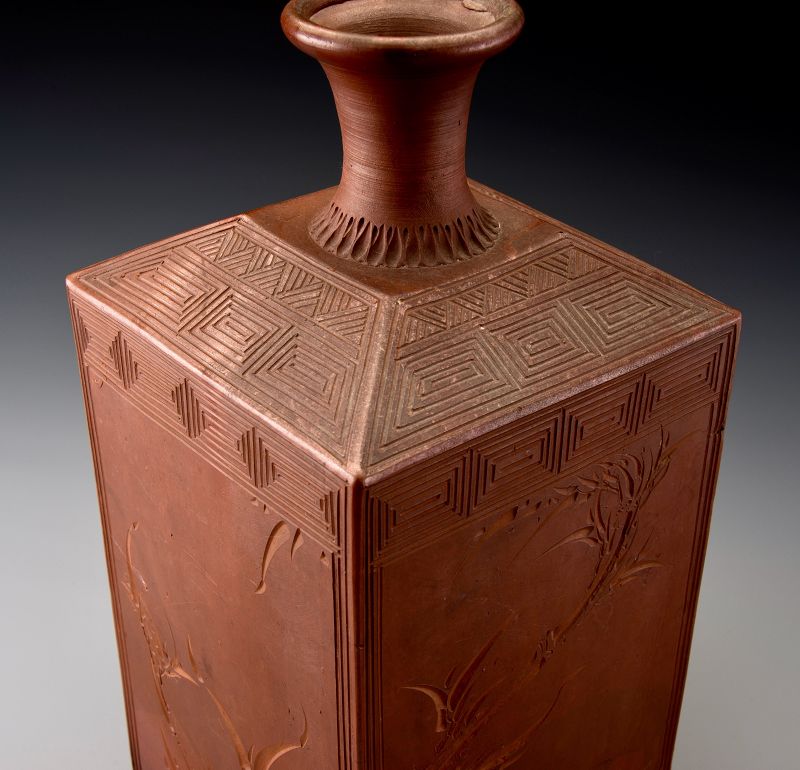
Crafted from locally sourced Bizen clay, this mid-Edo period vase embodies simplicity, beauty, and understated elegance. Originally crafted as a tokkuri, or sak
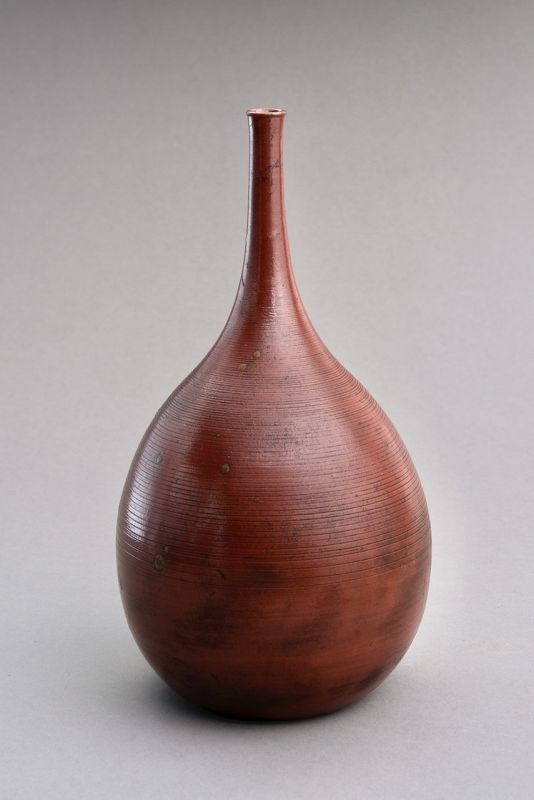
Crafted from locally sourced Bizen clay, this mid-Edo period vase embodies simplicity, beauty, and understated elegance. Its unassuming form showcases the natur
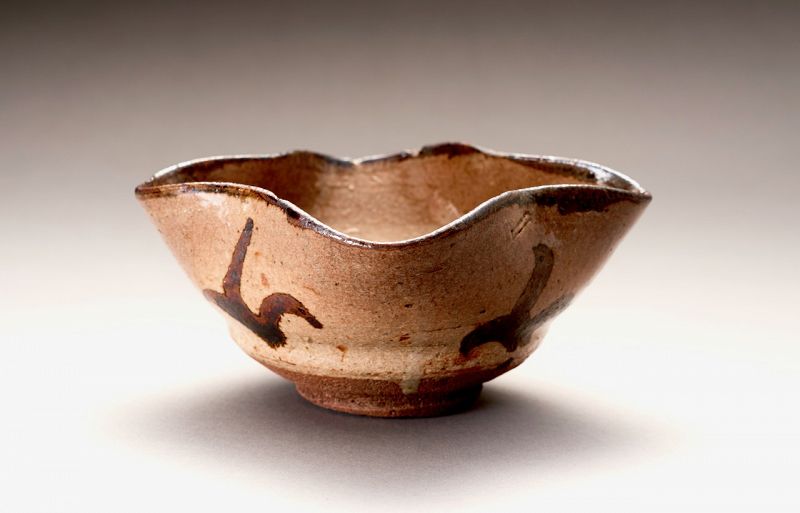
A stylized grass motif painted in ferrous pigment across each side and on the inside of this mukozuke serving dish marks it as being more likely produced in Kar
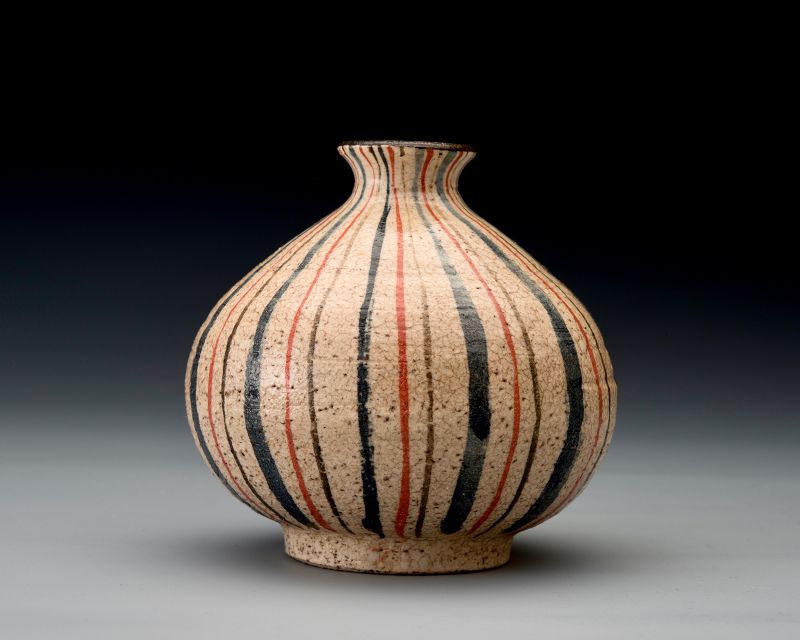
Japanese Mugiwara pottery emerged in the Mino region of Japan during the Momoyama period in the late 16th century. It is renowned for its distinctive straw-rope
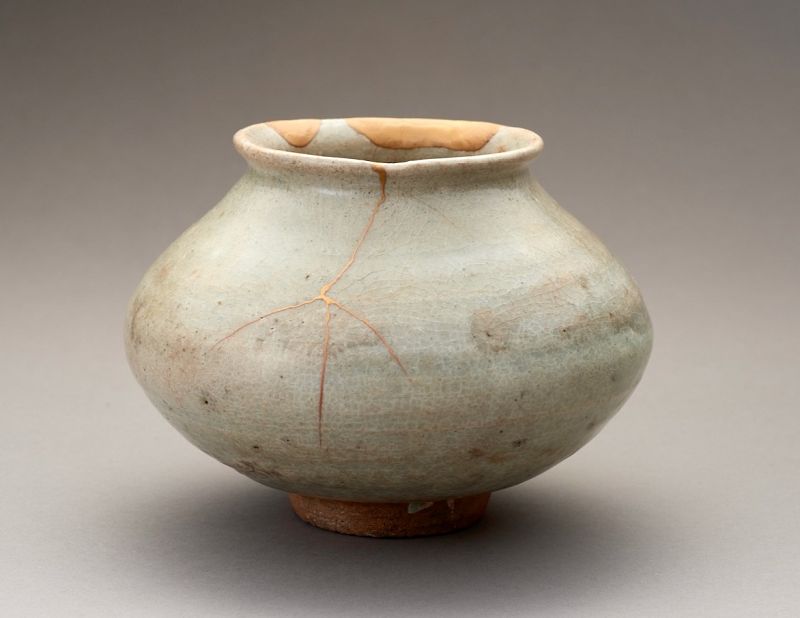
Several years ago we were invited by our very talented kintsugi craftsman to what is known as a “kura-ake” or storehouse opening. Many reading this may be famil
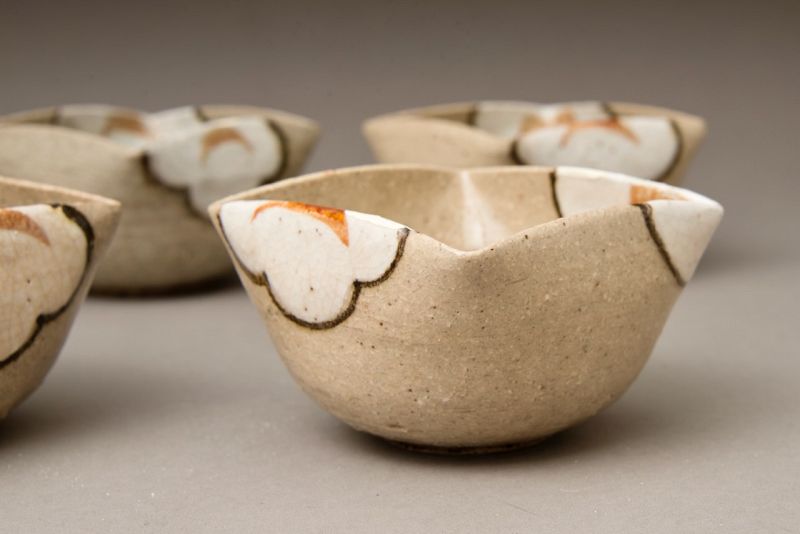
One family of artists that has left a lasting mark on not just Kyoto but on the world at large has been the Ōgata family. Prominent among this line - Ōgata Kenz
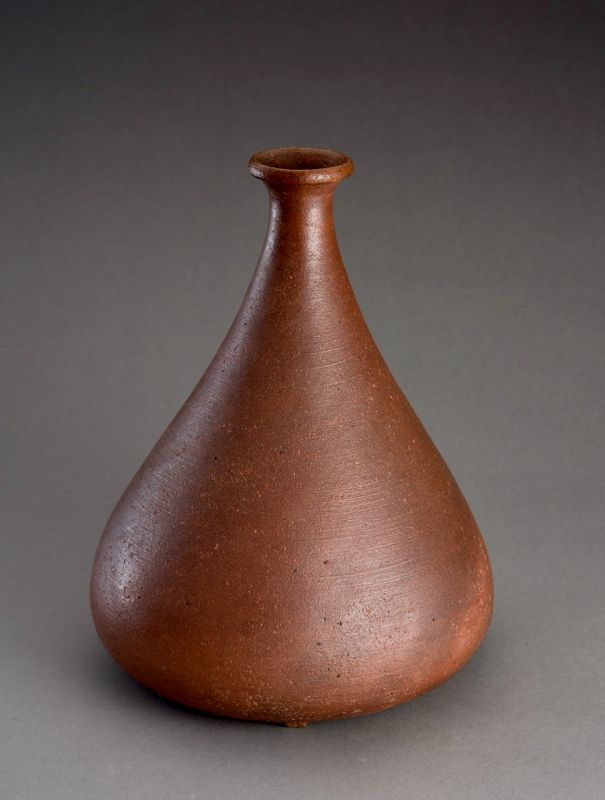
During Japan's Momoyama period, spanning from the late 16th to the early 17th century, Bizen pottery flourished, producing exquisite pieces such as this symmetr
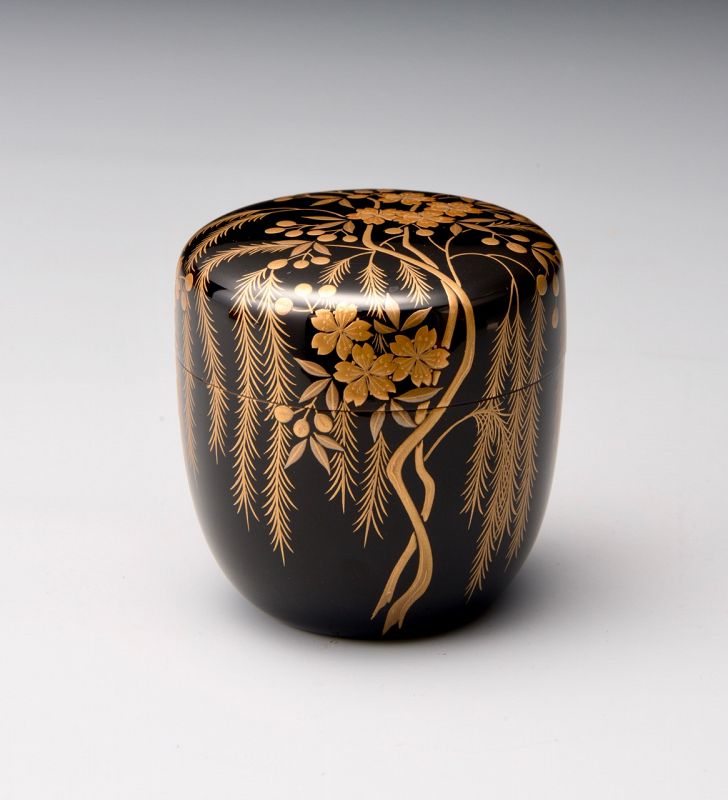
Exquisitely painted cherry blossoms (sakura) and willow branches (yanagi) on a background of jet-black traditional lacquer. The craftsman, Wakashima Takao (b. 1
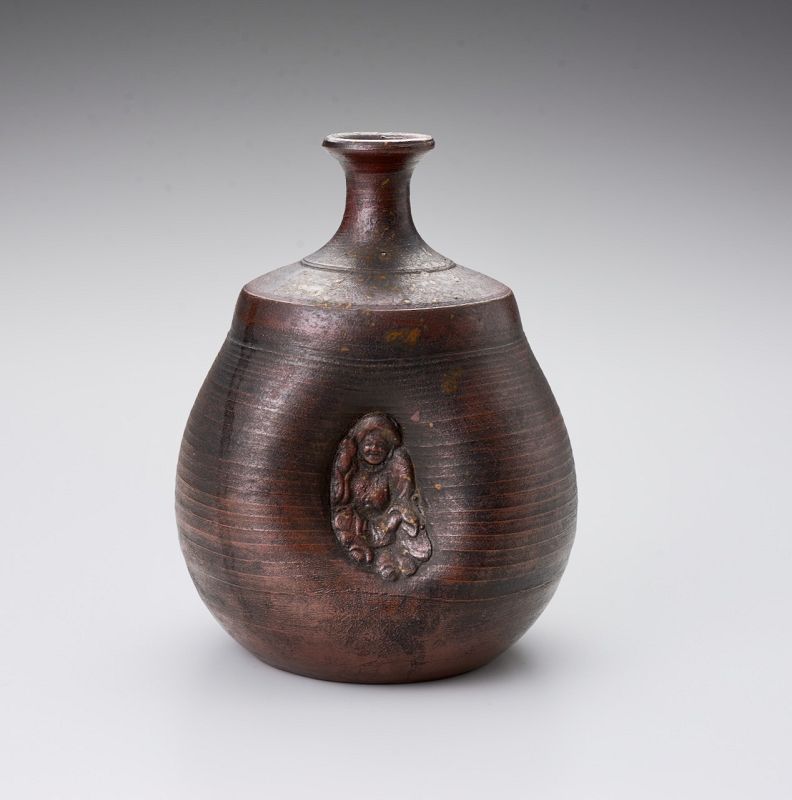
Crafted from locally sourced Bizen clay, this Edo period vase features an engraving of the jolly gift-giver, Hotei. Said to be based on a historical Chinese Zen
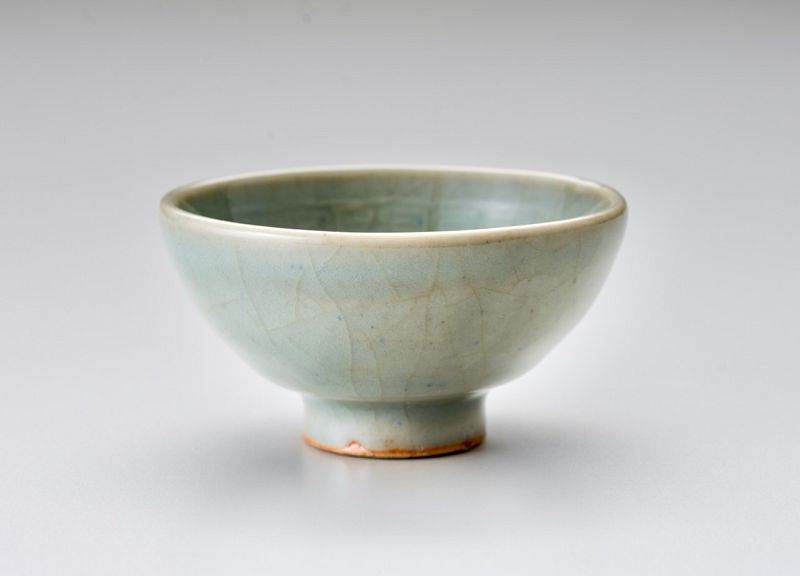
A rare and unusual offering, here we have an exquisite celadon shuhai with Chinese styled patterning lining the inside of the cup. First generation Sozan gained
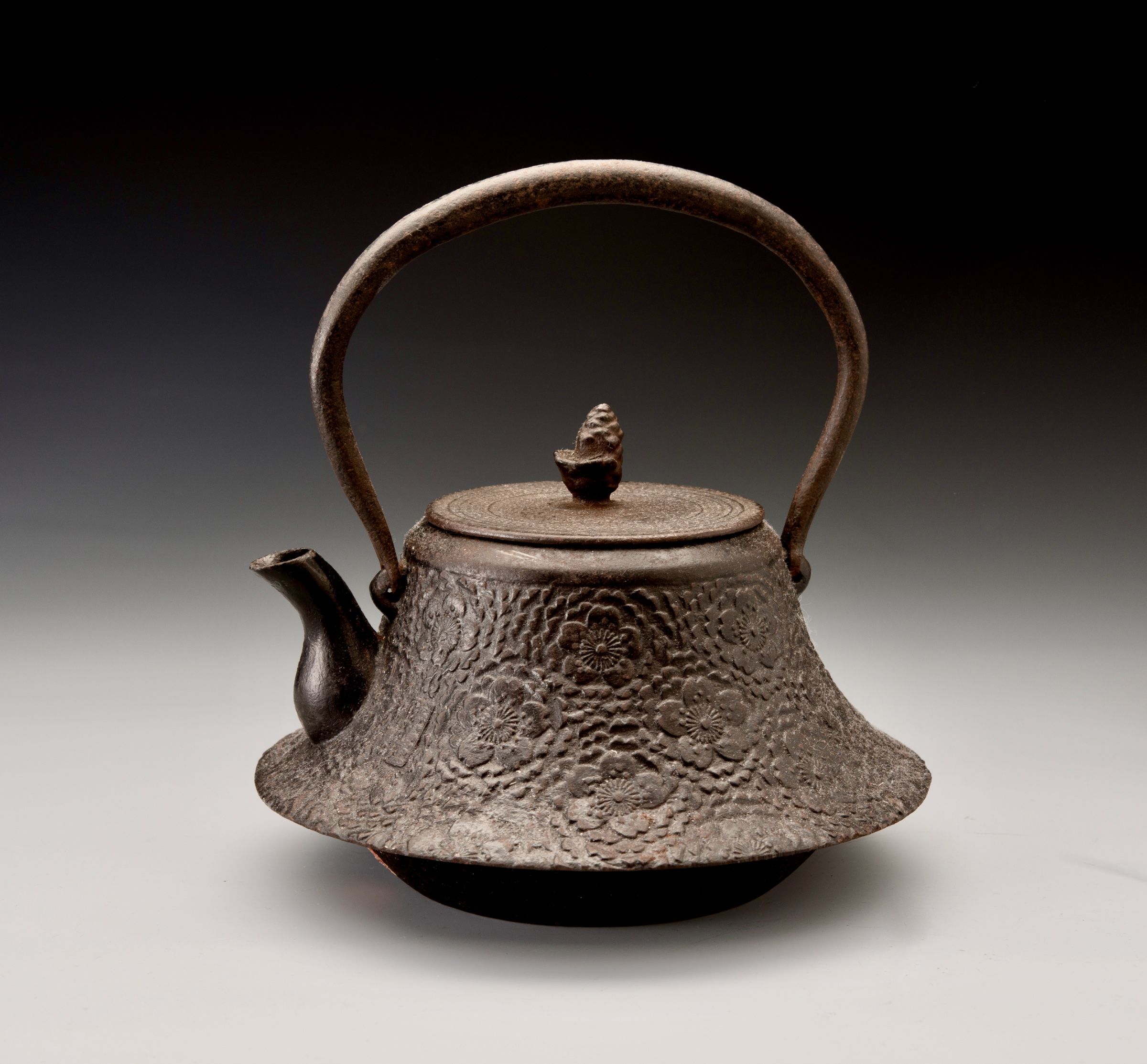
During the Meiji period in Japan, the humble iron kettle, known as a "tetsubin," emerged as an iconic symbol of traditional craftsmanship and functional artistr
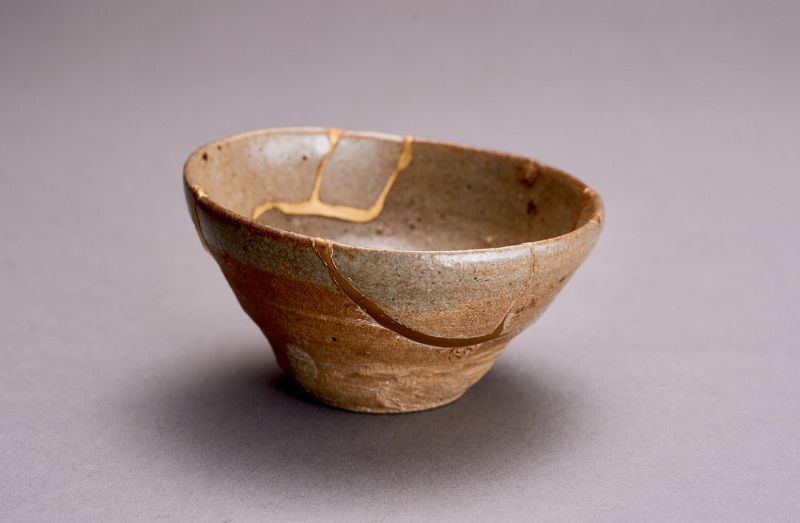
The perfect vessel for enjoying fine Japanese sake or whatever spirit fits the mood. Over 425 years old, this excavated and wonderfully restored sake cup is one
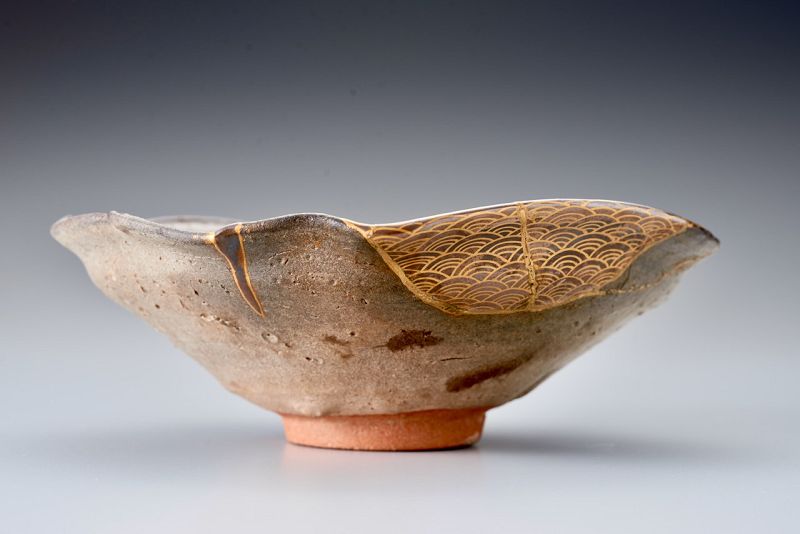
Like many pottery traditions in Japan, Karatsu takes its name from the city where it originated. As early as the 15th century, Korean potters heavily influenced
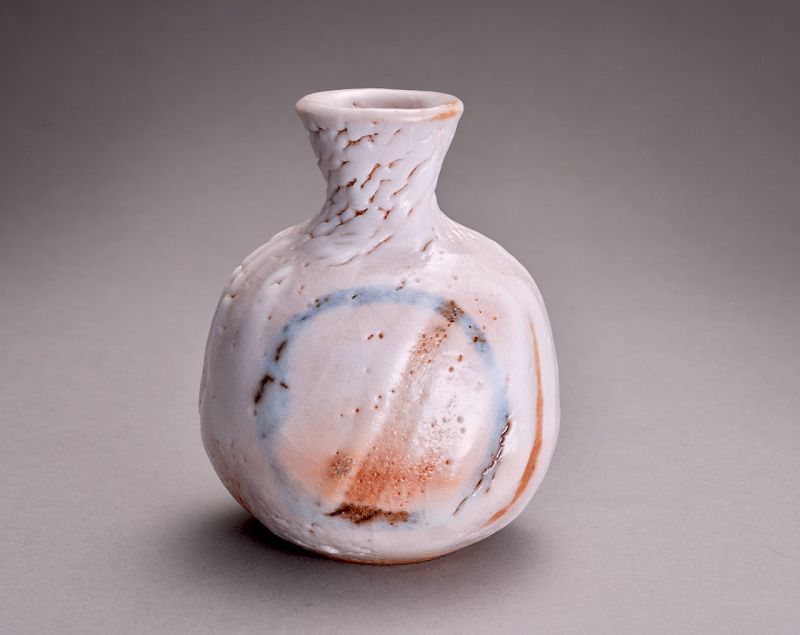
This depiction of the eternal “ensō” on a backdrop of pearly white feldspar over red clay signifies enlightenment, the eternal, the nothingness, and the freedom
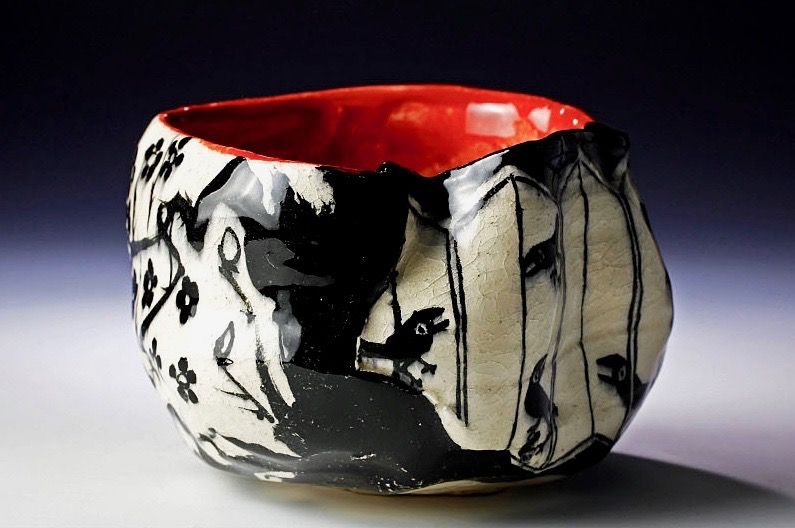
One of the finest, most daring, and well-crafted works I have seen by this legendary artist who is known for his non-conformist and bold style. Suzuki Goro has
SOLD
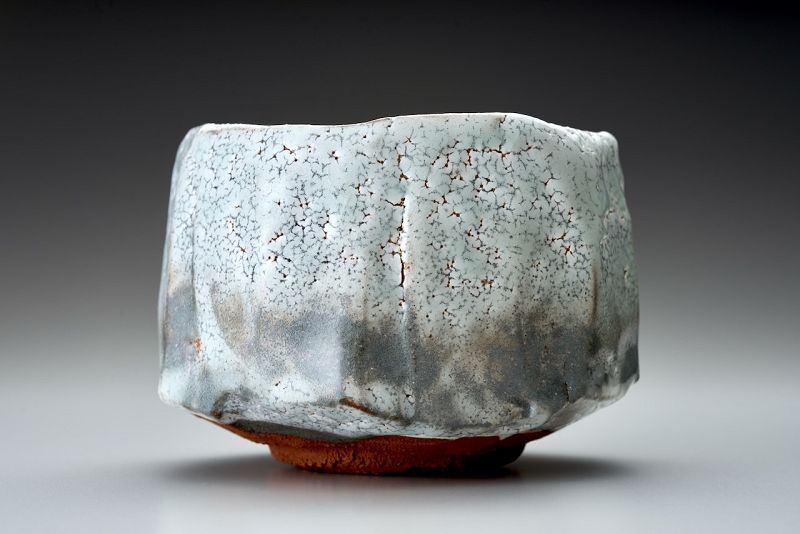
A stunning work of Shino-ware by veteran potter Hayashi Shotaro—winner of numerous awards for his bold and innovative style and widely recognized as one of the
SOLD
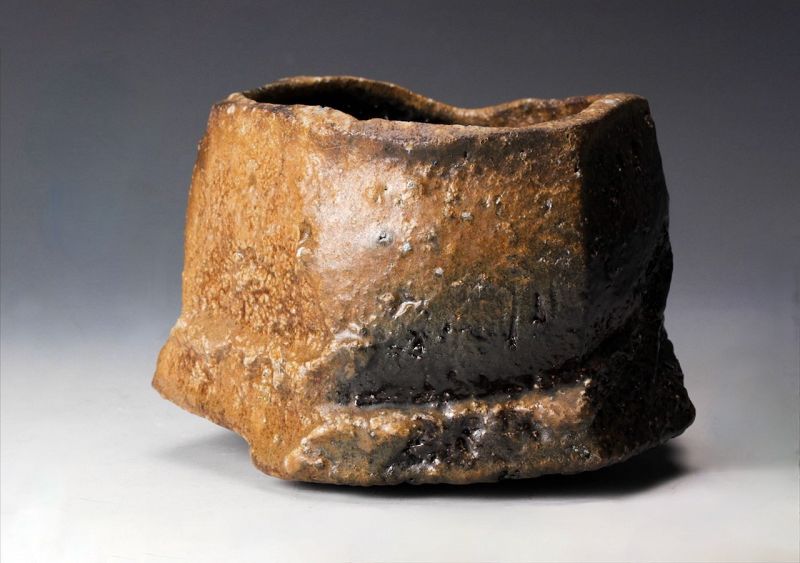
An awe-inspiring masterpiece, this tea bowl by Kakurezaki showcases his unparalleled skill and artistic vision. Crafted with meticulous precision, the bowl seam
SOLD
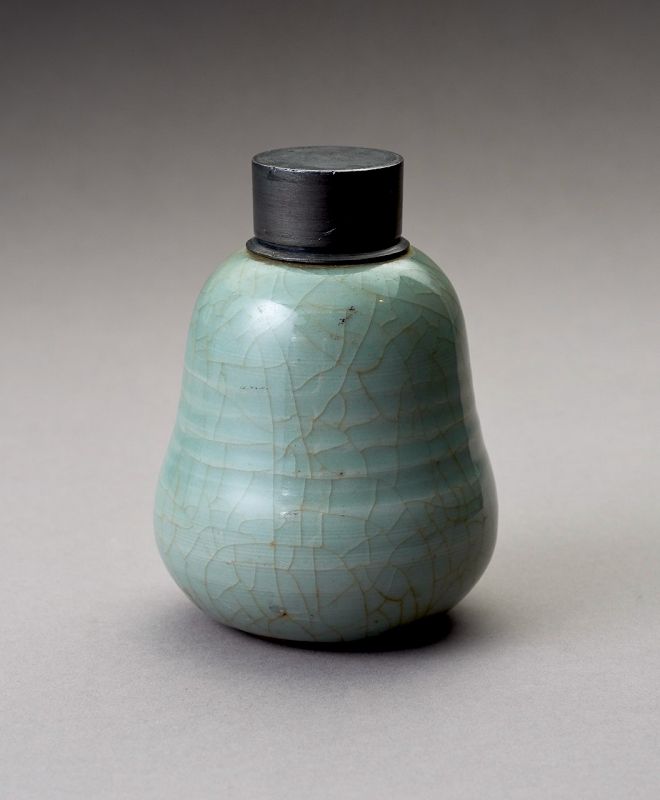
Most likely Chinese in origin, this antique celadon tea caddy is a mesmerizing piece of art that exudes elegance and sophistication. Crafted during a time when
SOLD
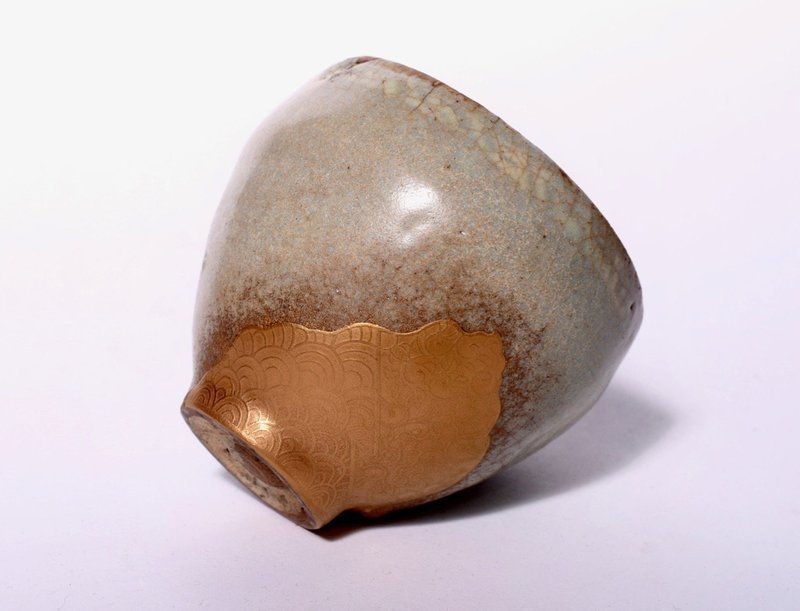
The gray-blue celadon displays finely crackled glazing with areas slightly darkened by time. A faint pattern made of white inlay can be seen along the upper rim
SOLD
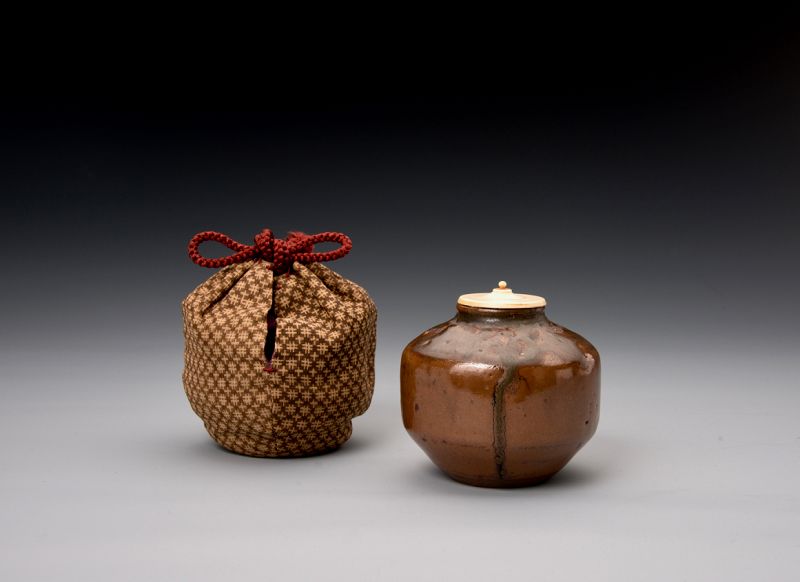
This extraordinary cha-ire (powdered tea container) displays an excellent glaze that appears to have only grown more intricate and rich with time. Contrasting a
SOLD
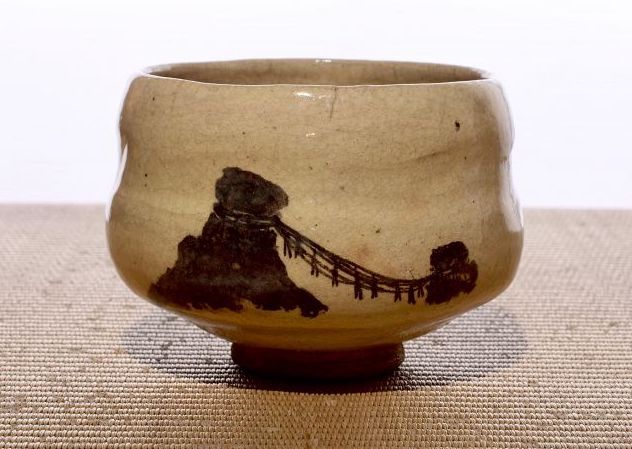
This tea bowl crafted by one of the great masters of Japanese pottery depicts Meota Iwa—a famous Japanese landmark in Mie. Symbolizing the union between two div
SOLD
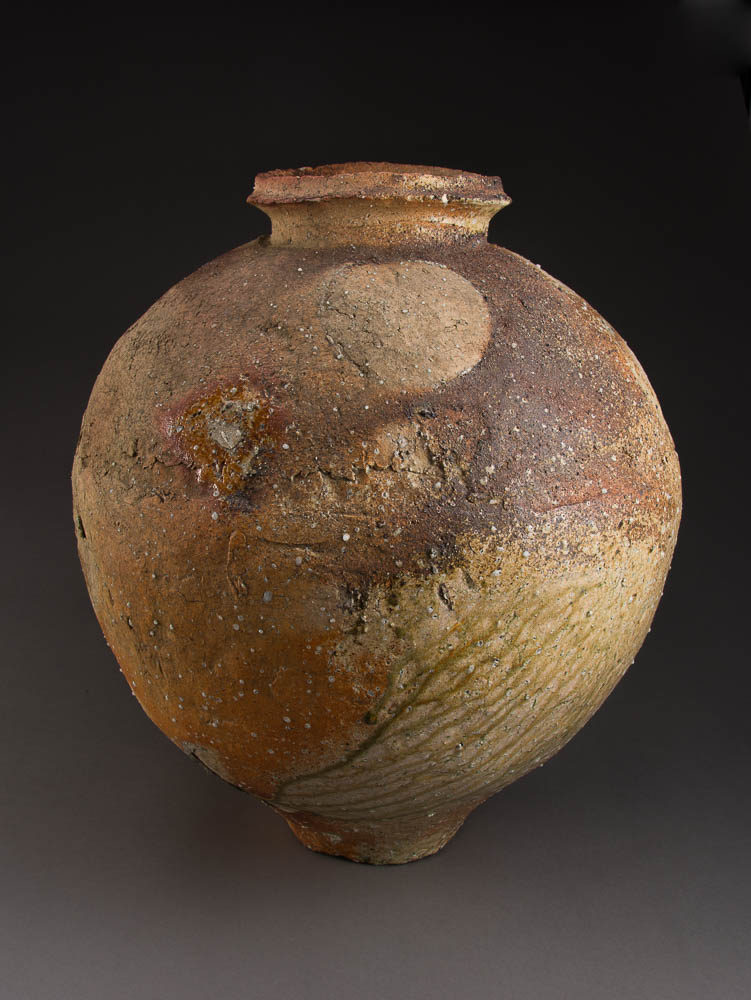
An exceptionally large work by one of the most important contemporary ceramic artists in Japan. Collected widely both here and abroad, a favorite of Daitoku tem
SOLD
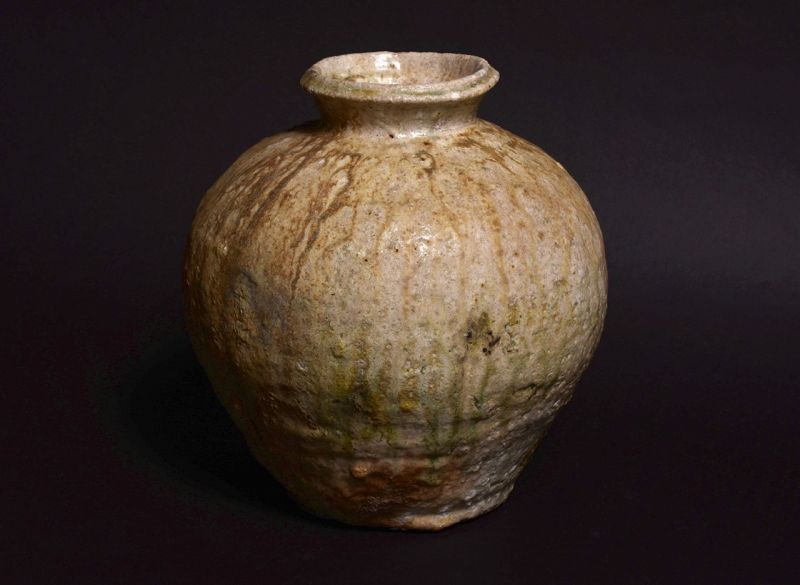
Fired for days at over 1,400C degrees, this primordial-looking wonder of ancient potting technology displays a number of beautiful natural effects from the inte
SOLD
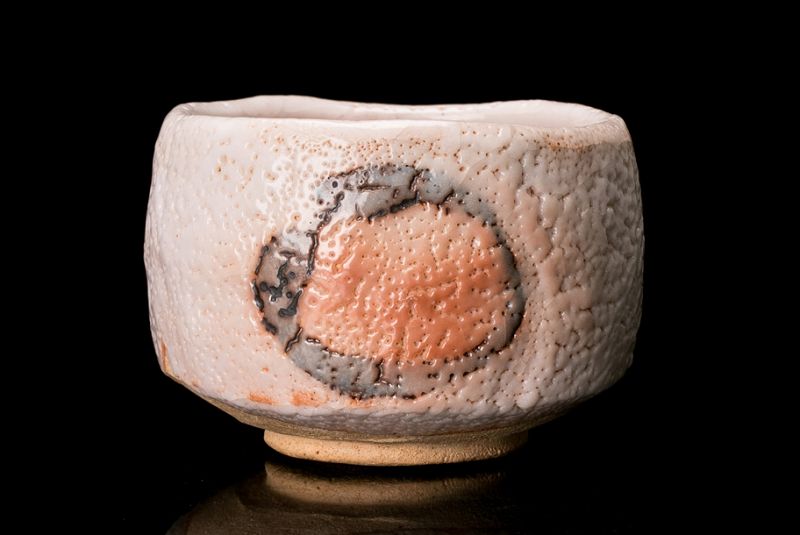
This depiction of the eternal “ensō” on a backdrop of pearly white feldspar signifies enlightenment, the eternal, the nothingness, and the freedom of the mind t
SOLD
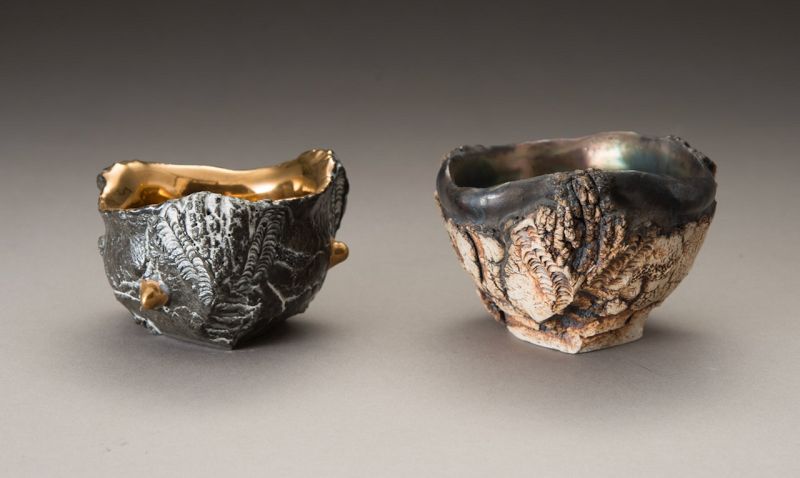
If you are familiar with the work of Hiramatsu Ryoma you know that he creates very unconventional ceramics inspired by forms found in nature. Here we have a set
SOLD
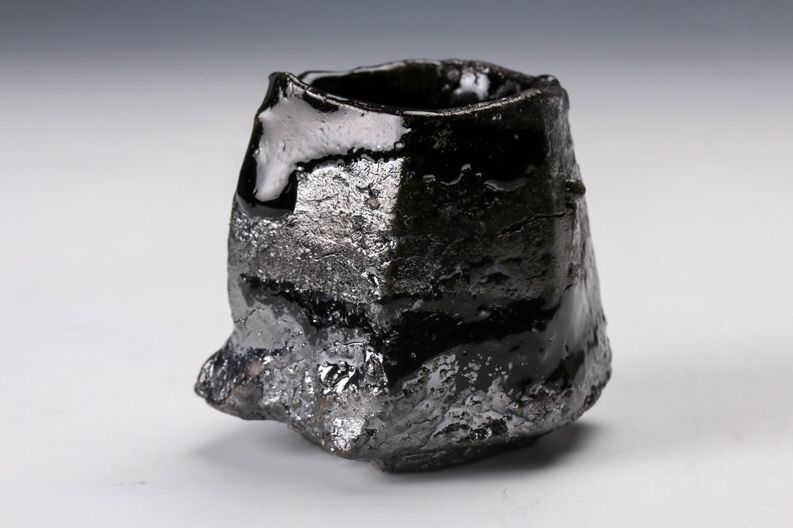
Scrawled across one face of the hand-crafted wood box housing this exquisite sake cup is the word “Prism,” perfectly encapsulating the inspiration for this angu
SOLD
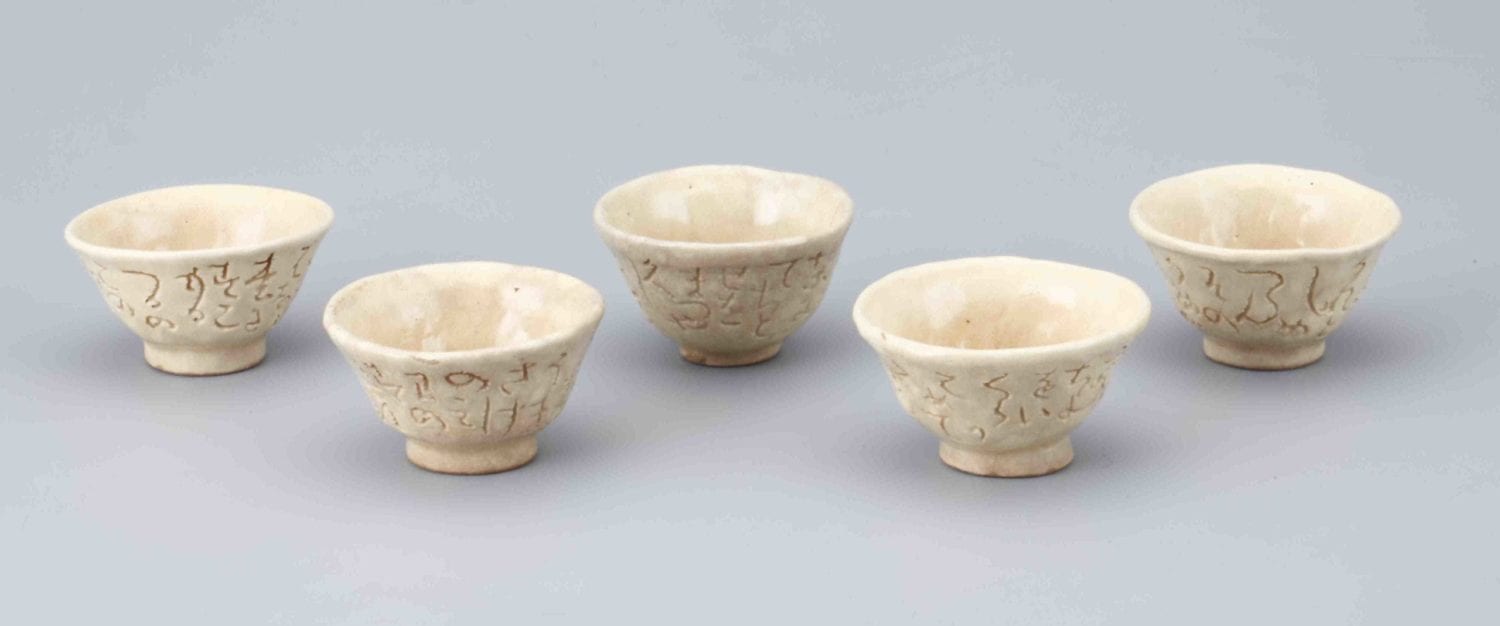
Rengetsu is a unique and celebrated figure from Japanese 19th century history. Despite her reported great beauty and talent for the arts, she faced many persona
SOLD
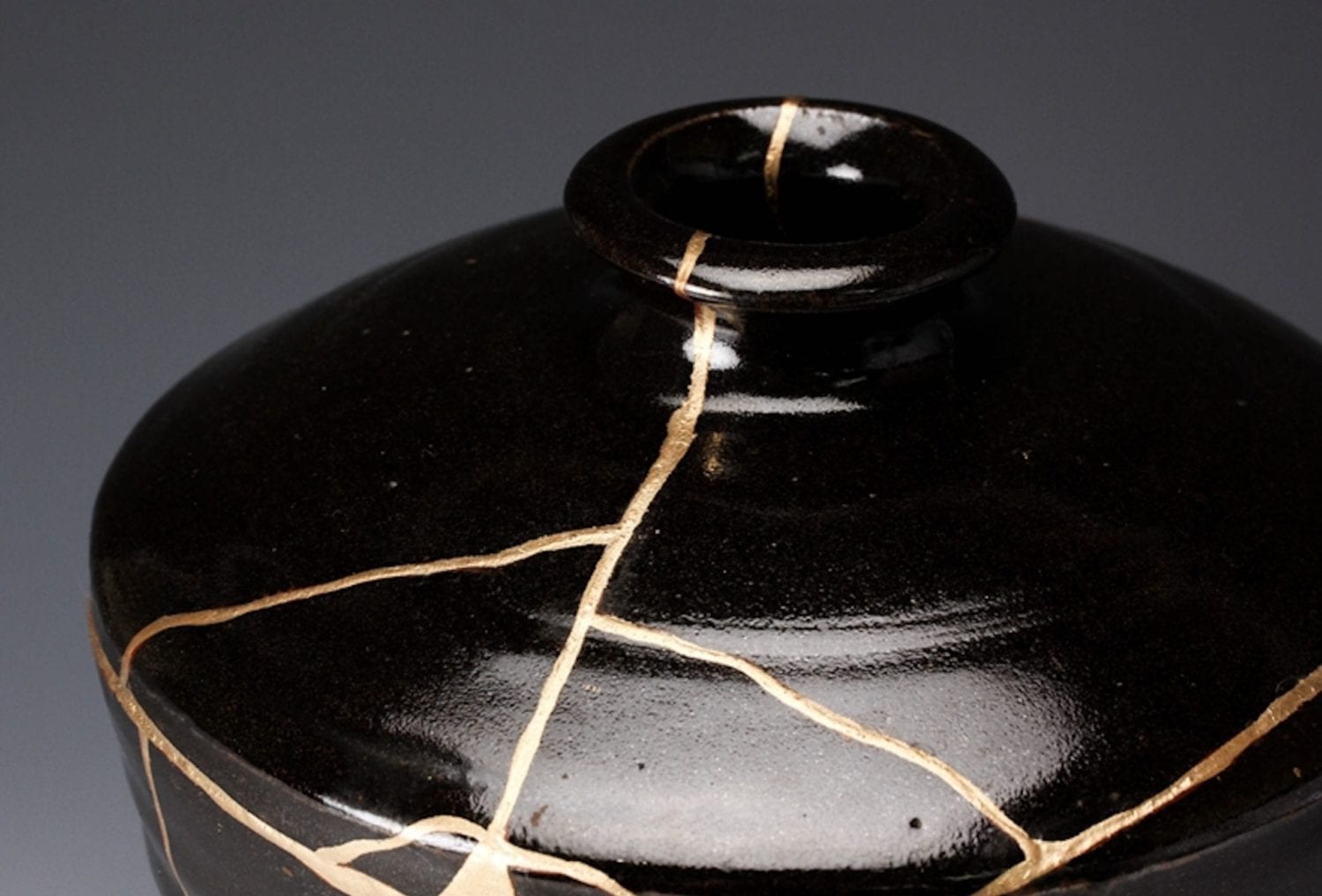
Yuzo Kondo is one of the more recognized names in the world of modern Japanese pottery of the 20th century. Though known mainly for his sometsuke creations (blu
SOLD
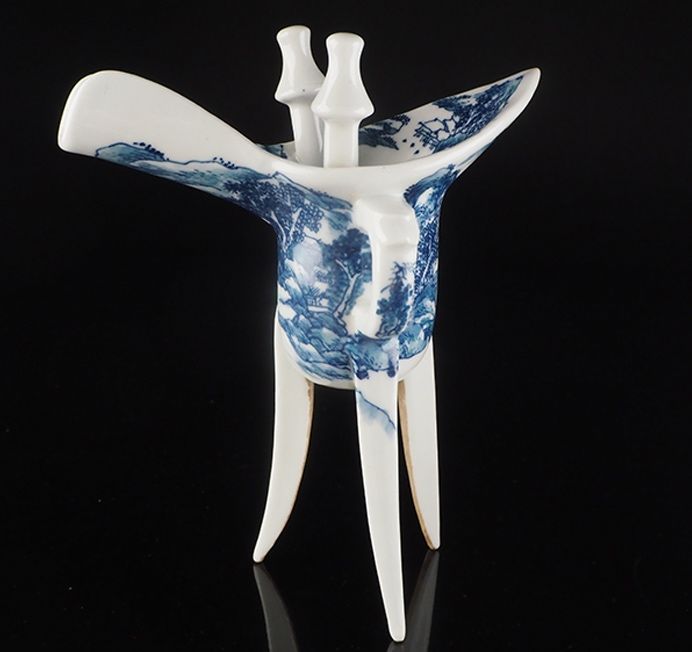
Used for ceremonial purposes by the Xia, Shang, and Zhou dynasties. Traditionally, the jue vessel was made of bronze with a pouring spout on either end and a pa
SOLD
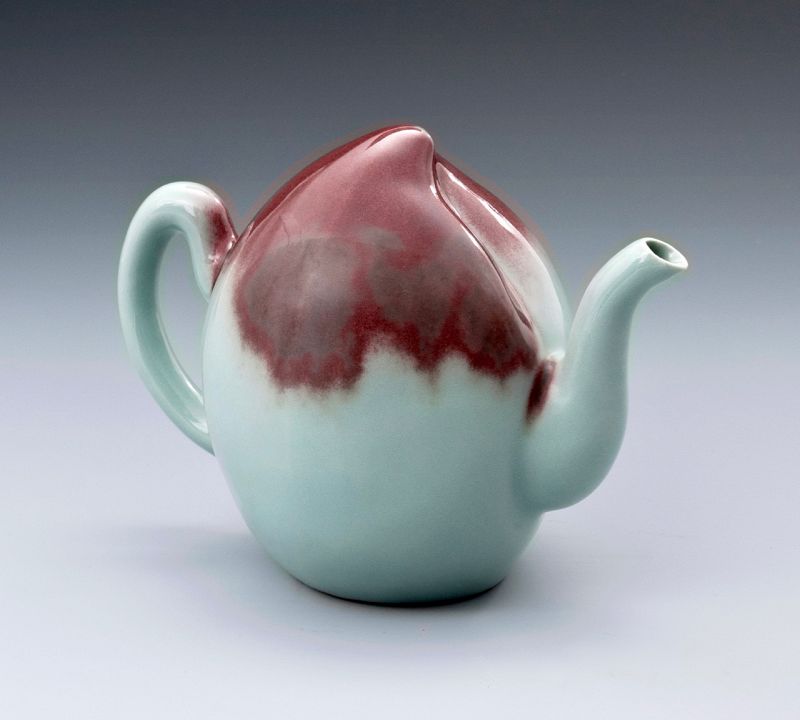
This peach-shaped suiteki (water dropper for calligraphy) is made of fine kinuta celadon from one of the great masters of the Meiji era—Suwa Sozan. A classic de
SOLD
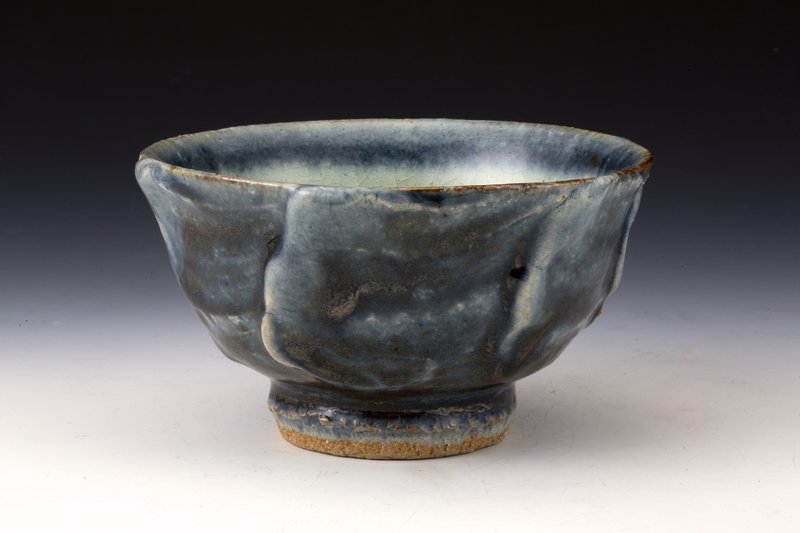
Raised, undulating ridges on a field of cobalt blue highlighted with white slip and bronze flecks around the rim, this piece conjures images of the deep and sto
SOLD
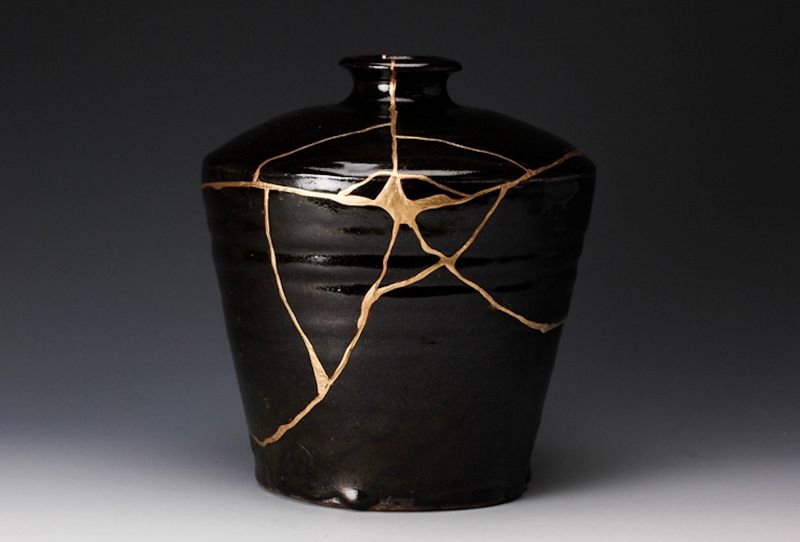
Yuzo Kondo is one of the more recognized names in the world of modern Japanese pottery of the 20th century. Though known mainly for his sometsuke creations (blu
SOLD
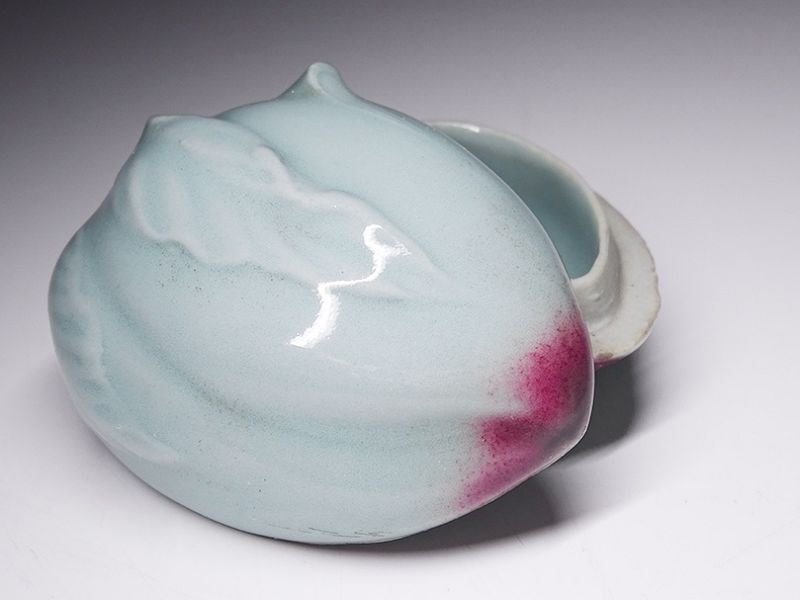
This peach-shaped kogo (incense box) is made of fine kinuta celadon from one of the great masters of the Meiji era—Suwa Sozan. A classic design, the peach is sa
SOLD
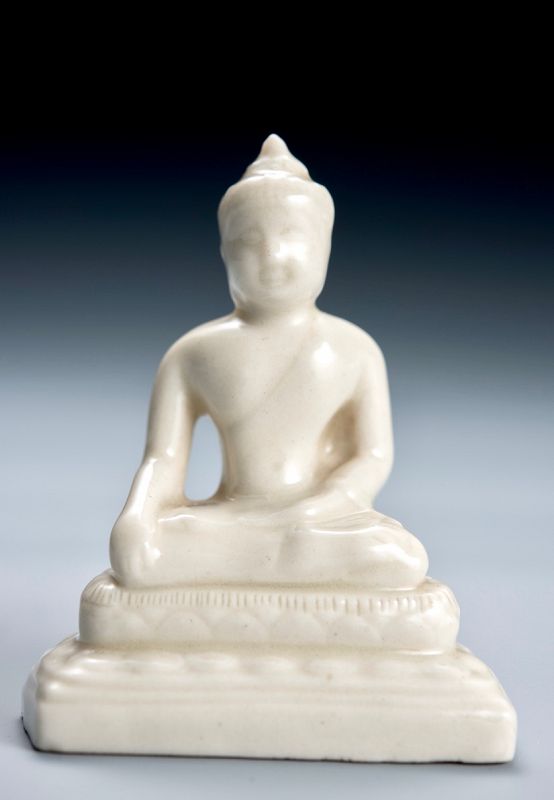
This white porcelain statue depicts a small seated Bodhisattva deep in meditation. Bodhisattva, otherwise known as bosatsu in Japan, are enlightened beings who
SOLD