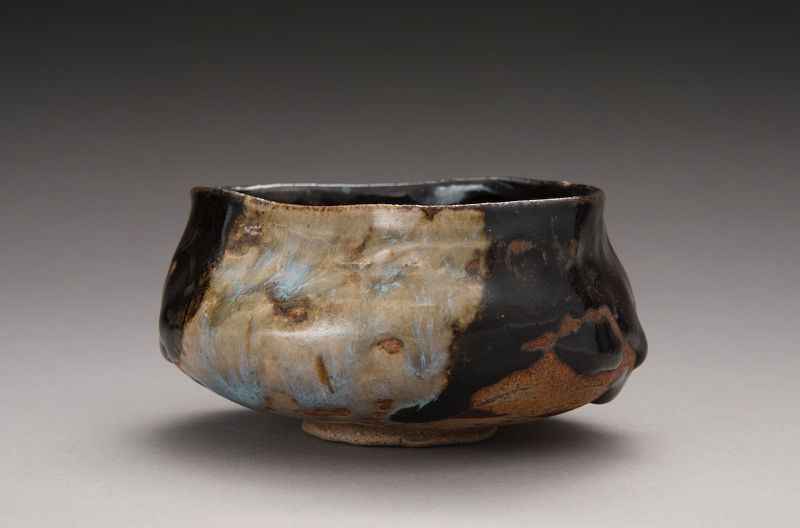
An Antique Oribe Style Tea Bowl
Oribe is a visual style named after the late-16th-century tea master Furuta Oribe (1544-1615). Kuro Oribe pieces are the most common with their jet-black glazes
SOLD
Selected by shared artwork type, categories, artist and era. Available works appear first.
Back to the artwork · Browse the full collection
Oribe is a visual style named after the late-16th-century tea master Furuta Oribe (1544-1615). Kuro Oribe pieces are the most common with their jet-black glazes
SOLD
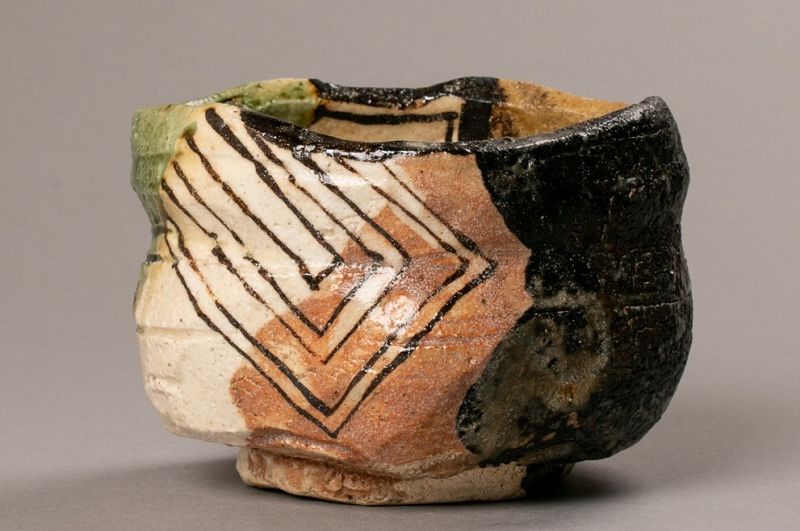
A captivating blend of traditional aesthetics and contemporary flair; with exquisite attention to detail, Goro masterfully combines the vibrant green Oribe glaz
SOLD
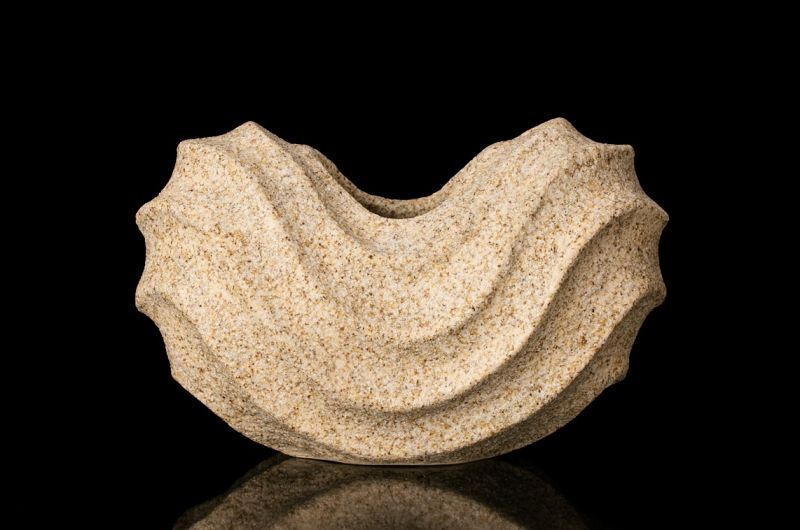
From a well-known series entitled “Chōtō” (Listening to the Waves) this contoured vase features a sandy glaze that the sculptor claims is an expression of the f
SOLD
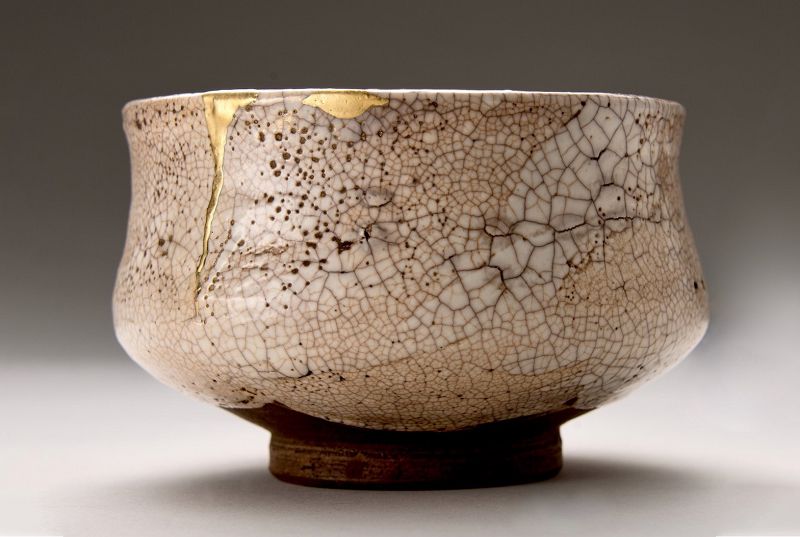
This lovely Shino tea bowl from the Edo period is fashioned from coarse Mino clay and is covered in feldspar glazing. As with many pieces of this period and sty
SOLD
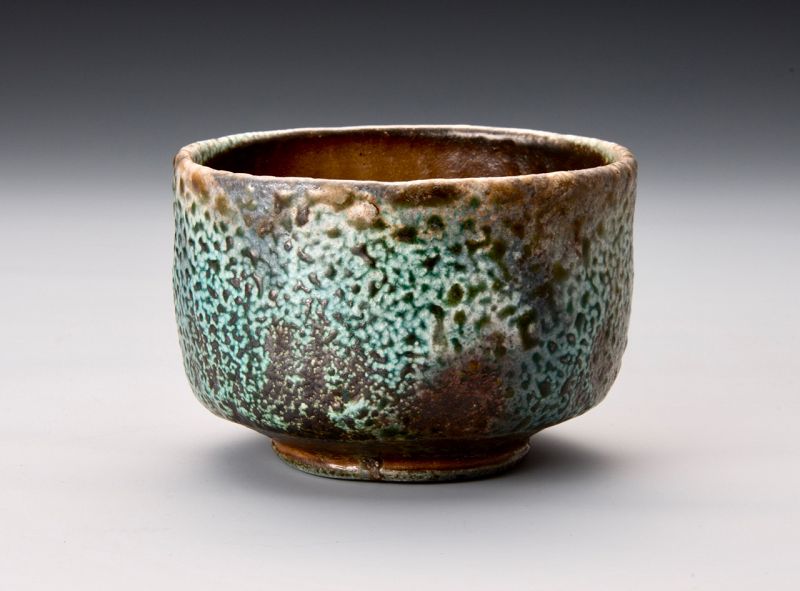
The colors seen in this ceramic piece are not often encountered in the world of Japanese tea-ware pottery—a field dominated mainly by styles such as Raku, Hagi,
SOLD
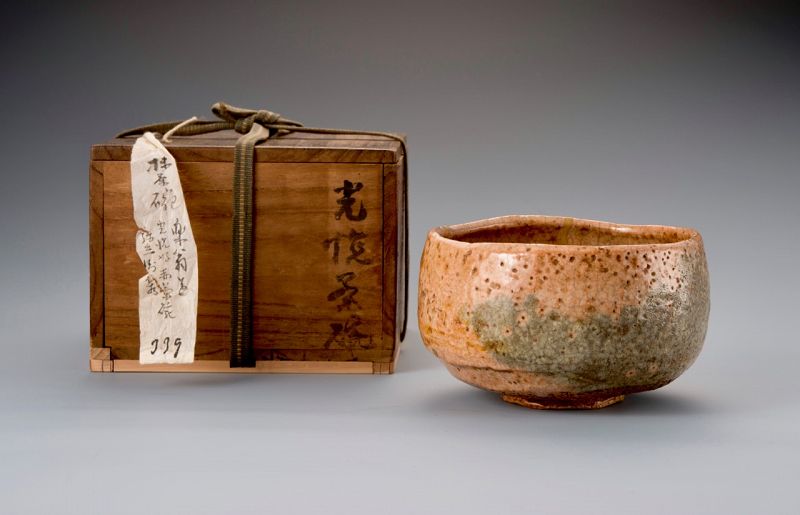
In the world of Japanese ceramics, Tamamizu-ware has almost a mythical standing. A branch of the main Raku line, at one time the two kilns held equal prominence
SOLD
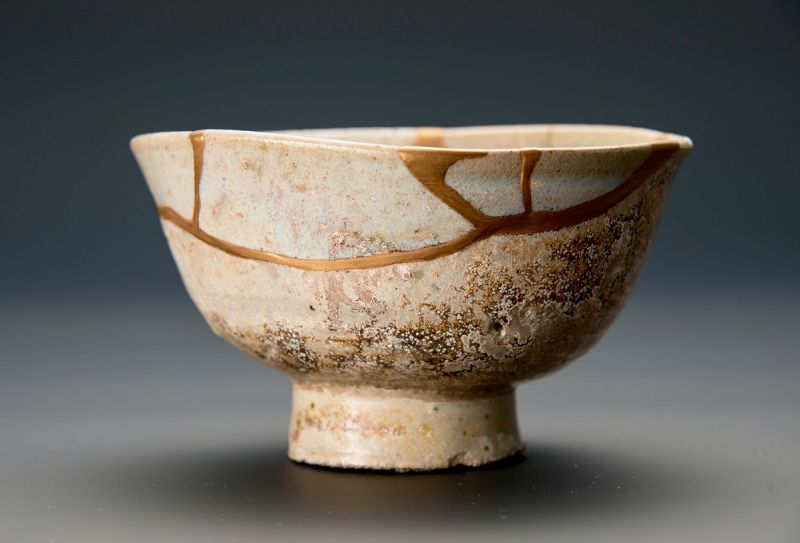
Stemming from the philosophy of wabi-sabi—often described as the beauty found in the imperfection and transience of the world—cracks and repairs in a work of po
SOLD
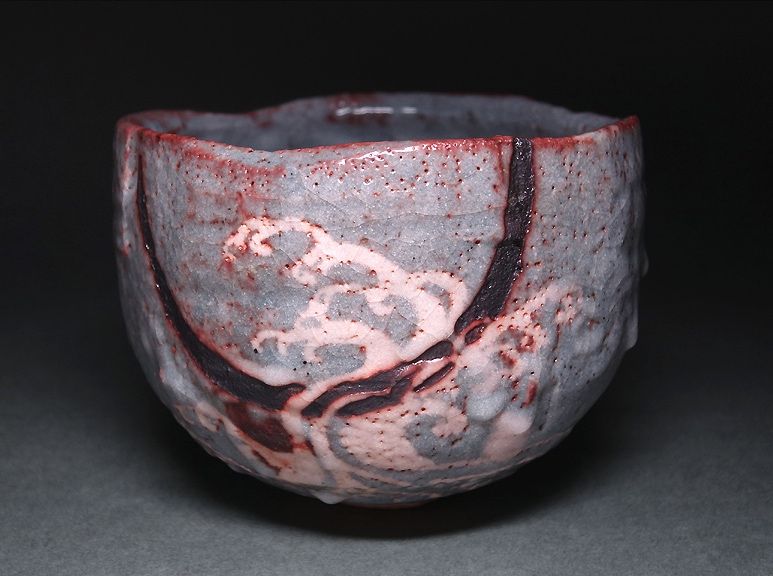
The lower half of a blackened enso dips from the rim on a backdrop of gray crackled glazing interspersed with auburn highlights. Rising up from below into the e
SOLD
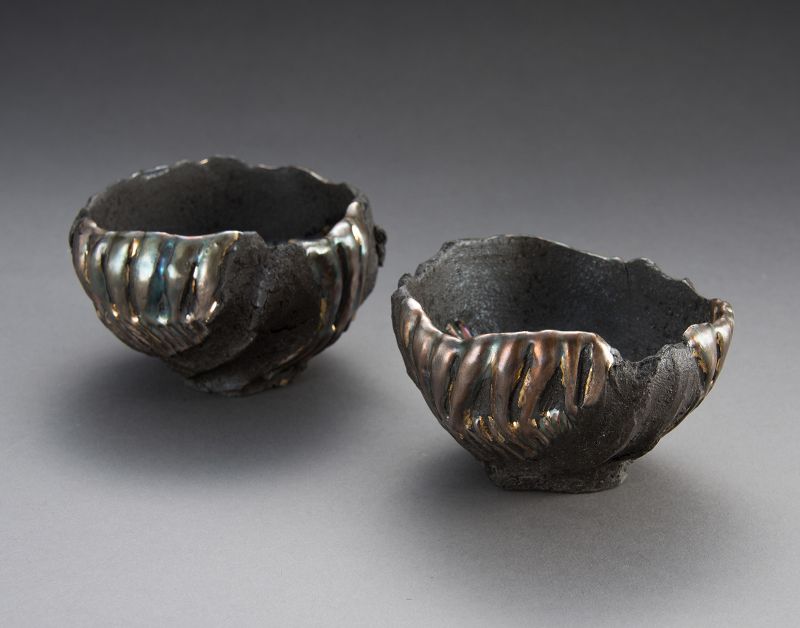
If you are familiar with the work of Hiramatsu Ryoma you know that he creates very unconventional ceramics inspired by forms found in nature. Here we have a set
SOLD
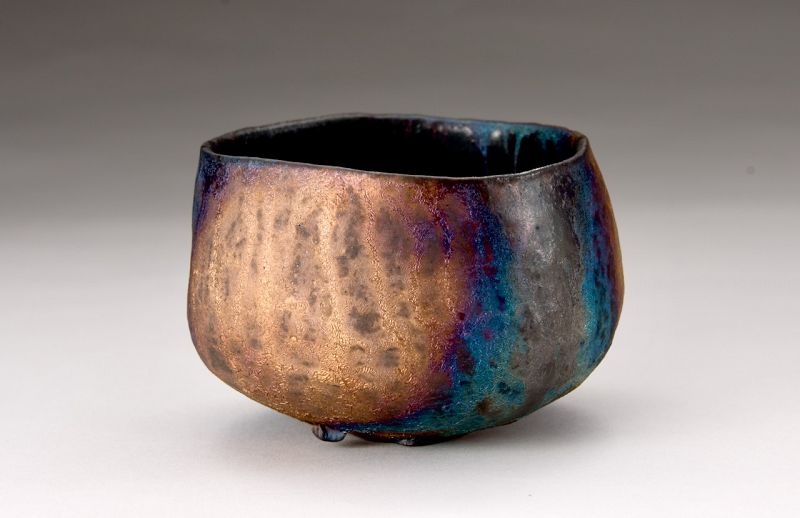
Not so often in the world of Japanese tea-ware do you come across something so exquisitely novel that it resists categorization in terms traditional styles. Thi
SOLD
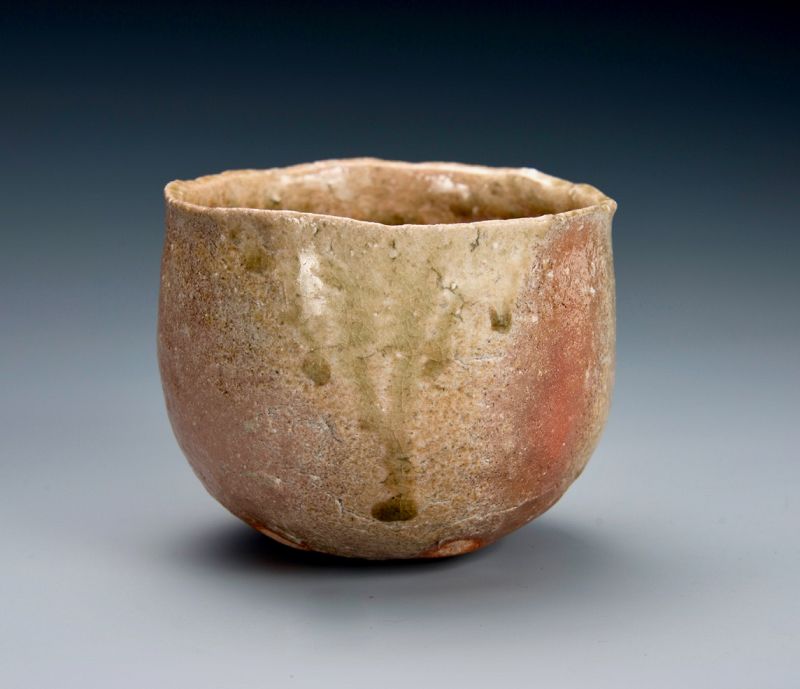
Sugimoto Sadamitsu (b. 1935) is one of the most important Shigaraki potters alive today and continues to create master works into his old age. Originally a resi
SOLD
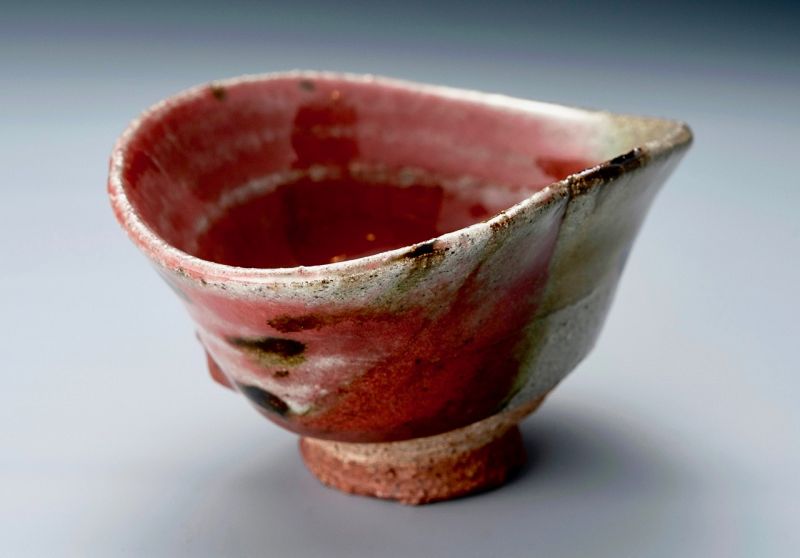
One of the more innovative and international minded ceramicists on the Japanese pottery scene, Ryoji Koie’s interests and expertise cannot be confined to one na
SOLD
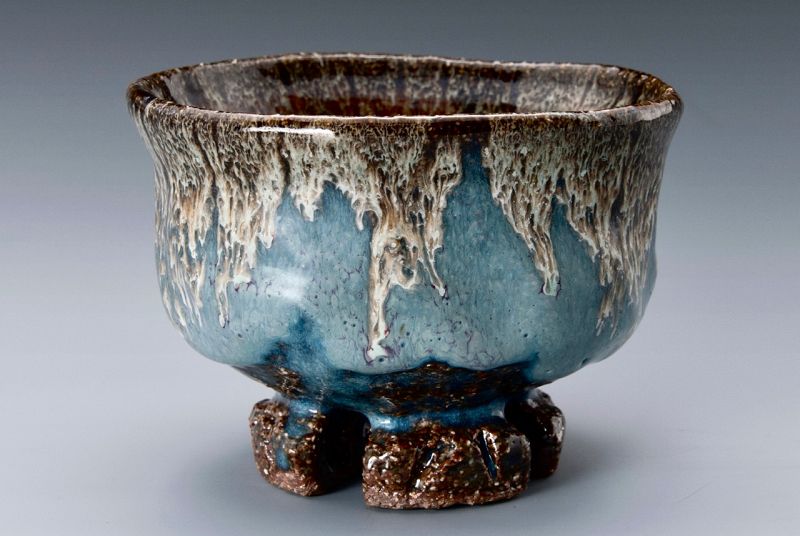
Ripples of light and dark pigmentation flowing on a background of sky-blue glaze—the description on the box reads 萩孔雀 (Hagi kujyaku) translating as “peacock Hag
SOLD
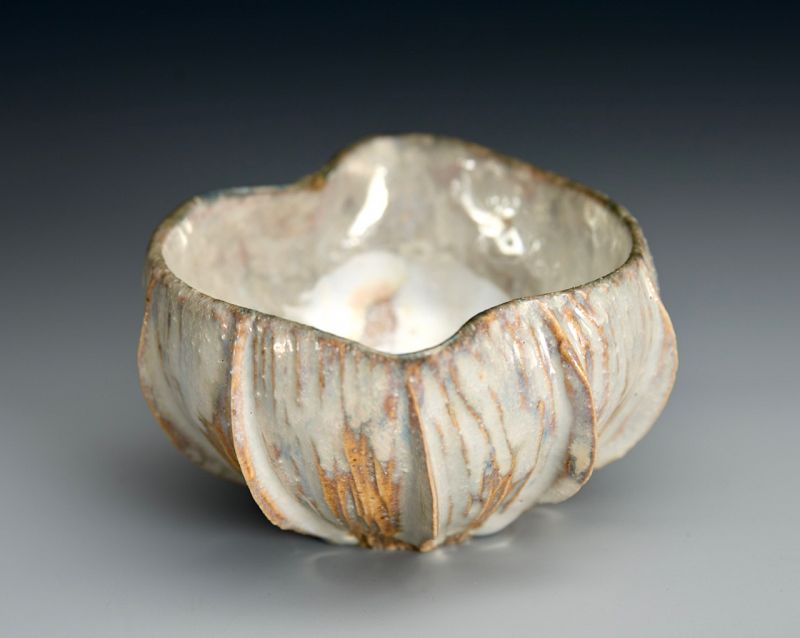
Reminiscent of a perfectly formed oyster shell or the shell of a hermit crab, this recent creation by young artist Hiramatsu Ryoma demonstrates his creative ima
SOLD
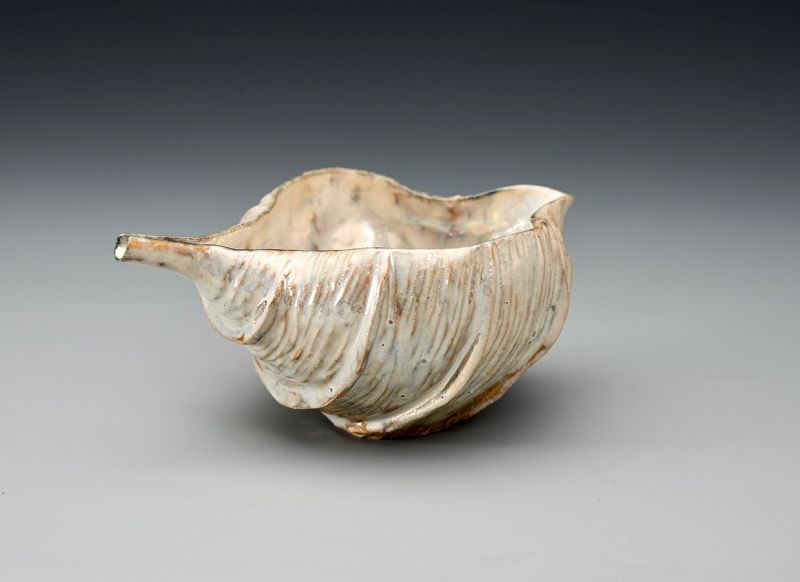
Reminiscent of a perfectly formed oyster shell or the shell of a hermit crab, this recent creation by young artist Hiramatsu Ryoma demonstrates his creative ima
SOLD
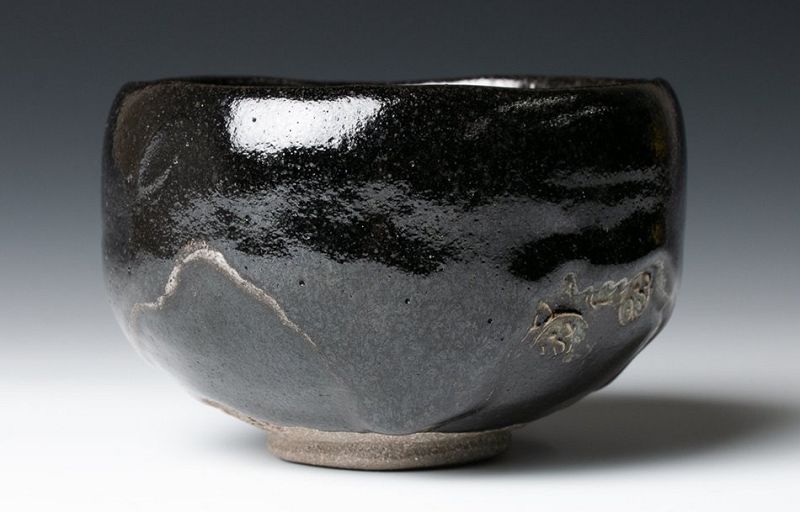
Imagine the vista of iconic Mount Fuji as you enjoy a cup of matcha from this very special tea bowl. Endorsed by the tea master of Urasenke as a master work, it
SOLD
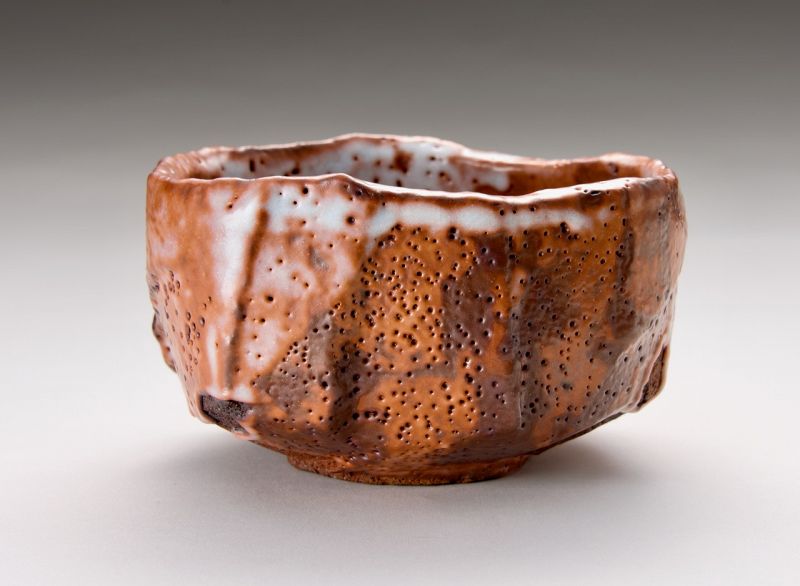
Decidedly masculine in character with straight sculpted edges, a rich palette of color, and a calm steadiness in the hand; this tea bowl was crafted by one of J
SOLD
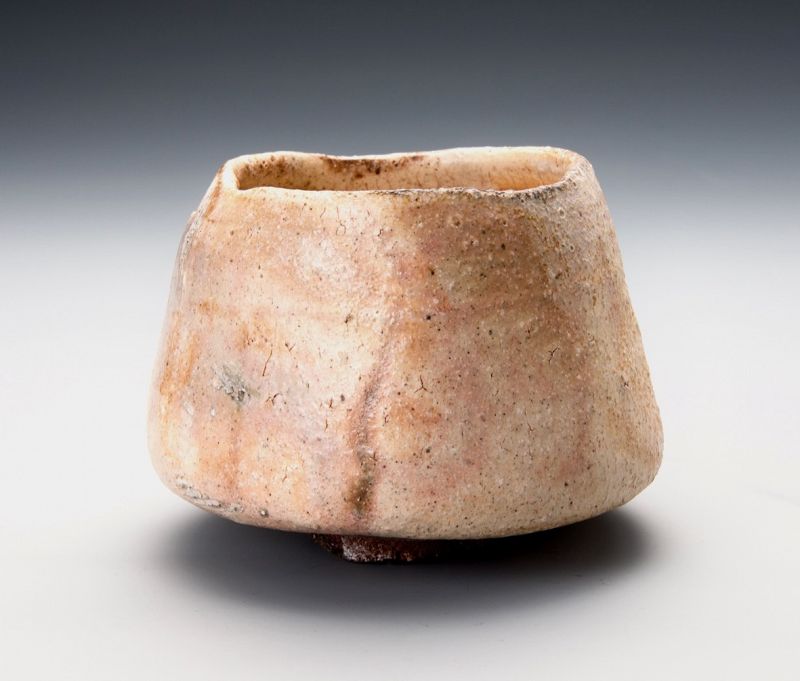
The artist who produced this piece, Wataru Motomura, prides himself in living a traditional life in the eastern hills of Kyoto—long known for its rich clay and
SOLD
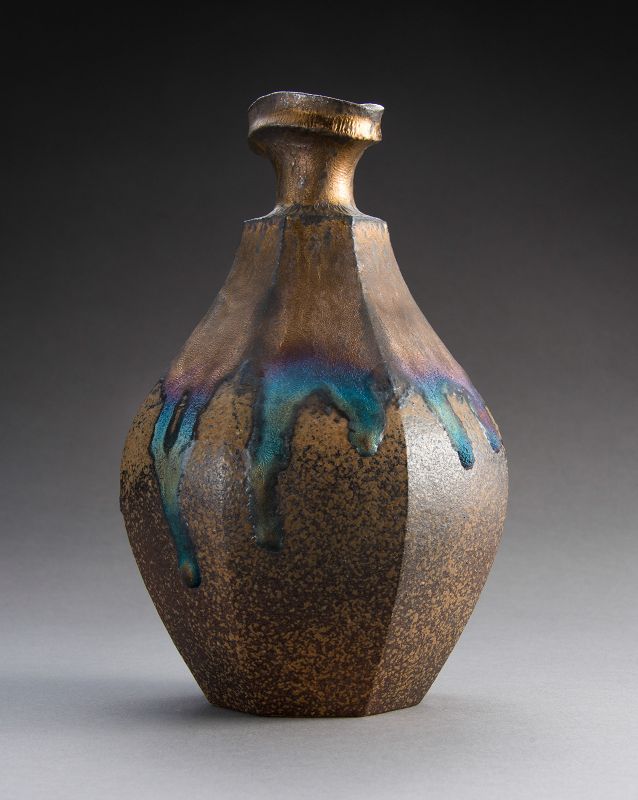
Described on the wood box as a tokkuri (sake flask) with kin-kousai (metallic Iris) glaze, the size and form would allow this piece to function just as well as
SOLD
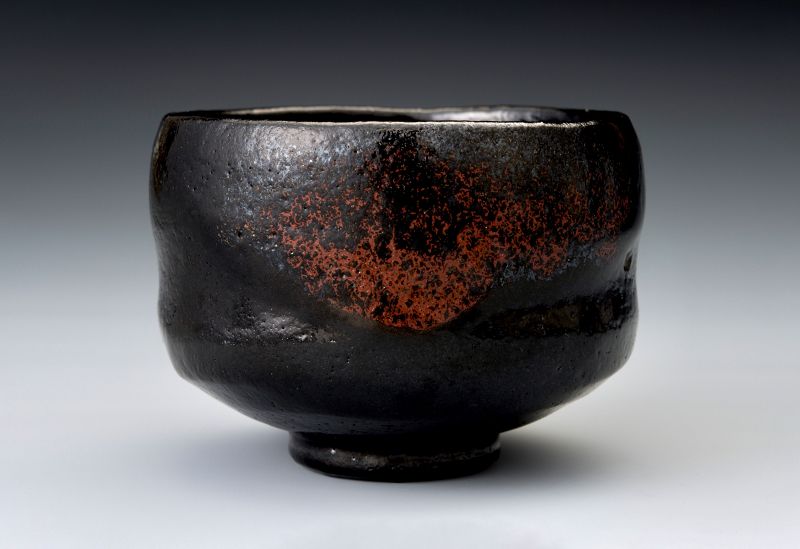
This piece was fired in the kilns of one of Kyoto’s most prolific Raku-yaki workshops by an artist known as Heian Shoraku. In 1905, the first generation Shoraku
SOLD
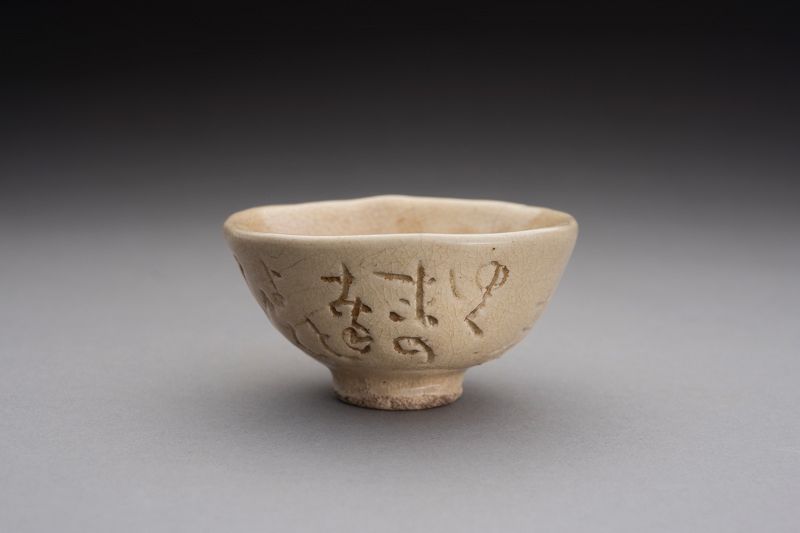
The poem etched on the side of this exceptional piece reads: In the future — happiness — and long life — two sprouting leaves —to grow a thousand years. Indeed
SOLD
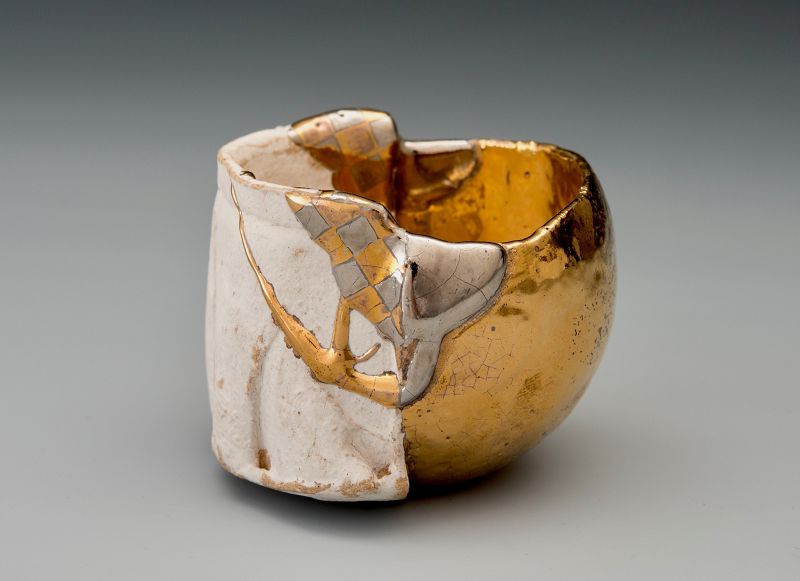
Not to be confused with the Olympic medalist, this Tomita Hiroyuki (b. 1977) is a talented potter pushing the bounds of an otherwise conservative field where ma
SOLD
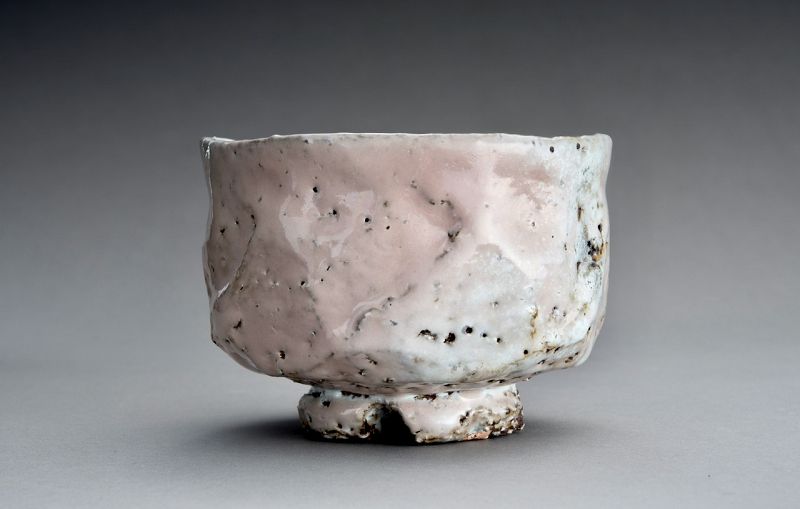
Found in a small antique shop in central Kyoto, this piece immediately caught my eye and I knew I had to buy it. With no original box and a potting mark that co
SOLD
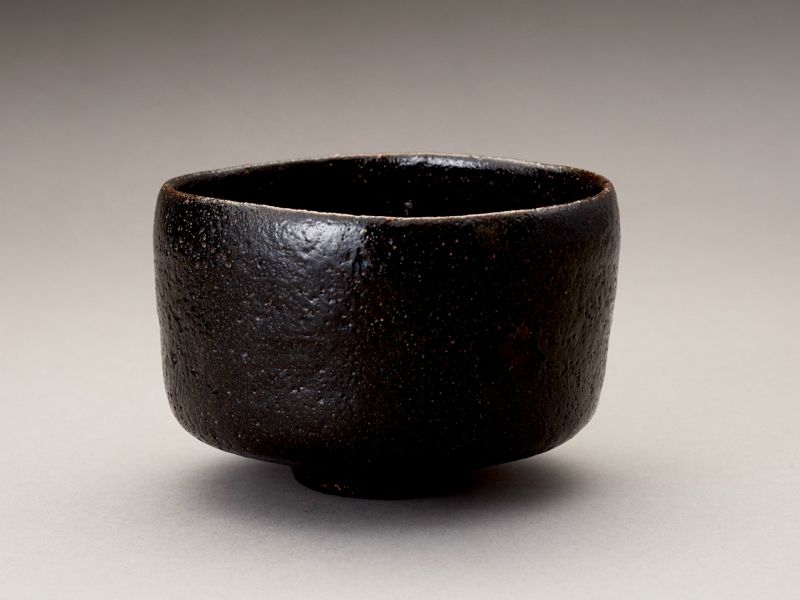
We have a particular interest in beautiful old Raku tea bowls and spend quite a bit of time searching for exceptional examples to include in our gallery. Here w
SOLD
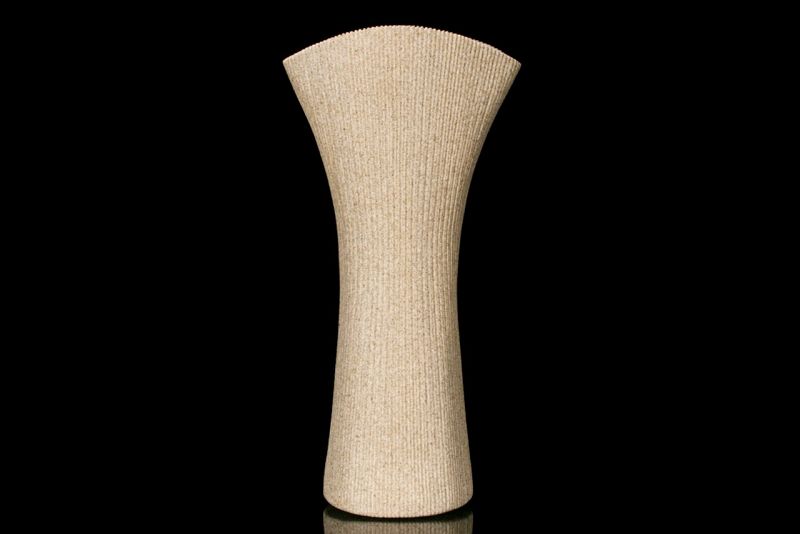
From a well-known series entitled “Chōtō” (Listening to the Waves) this large contoured vase features a sandy glaze that the sculptor claims is an expression of
SOLD
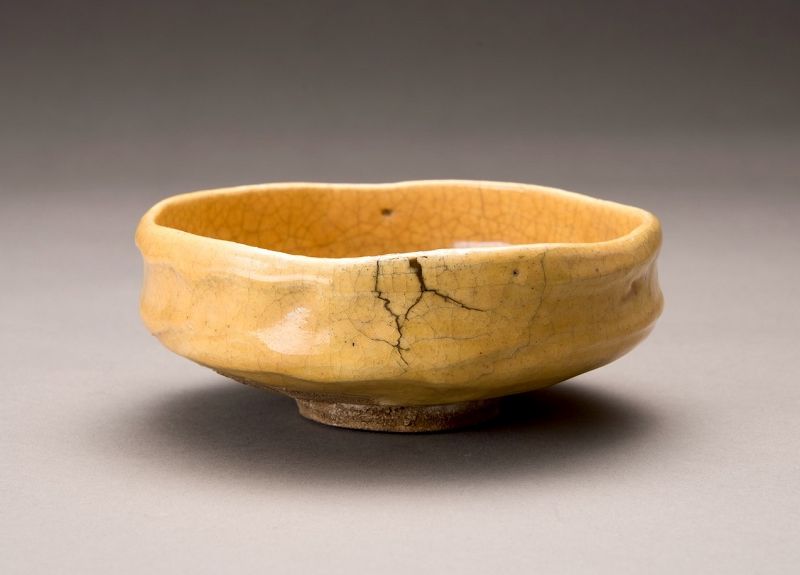
A rare and exquisite piece by the 12th Kichizaemon (1857-1932) of the Raku lineage, now in its 16th generation. Not only with excellent documentation including
SOLD
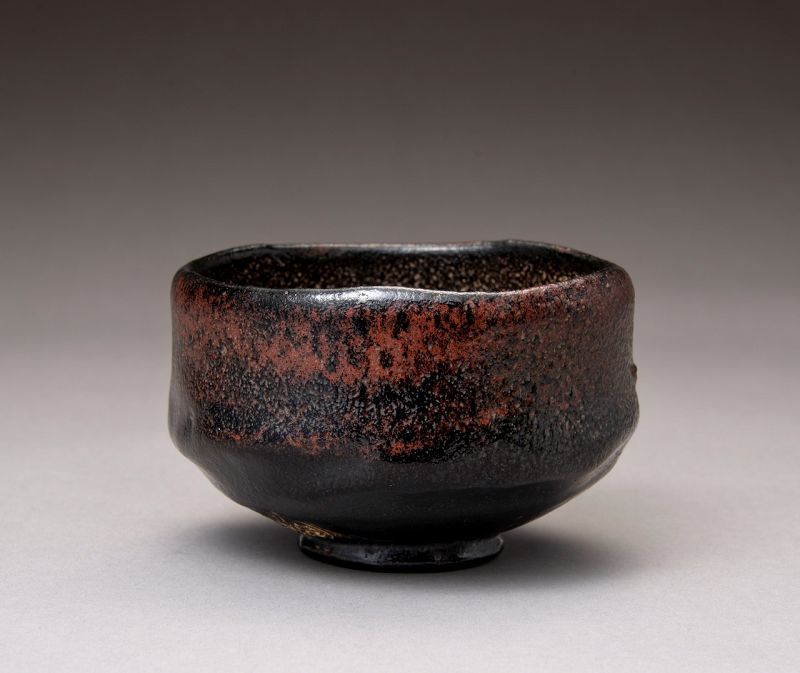
Born the second son of Ryônyû, the 10th Raku Kichizaemon Tannyû took over the family kiln in 1811 at the age of 16 and served until his retirement and subsequen
SOLD
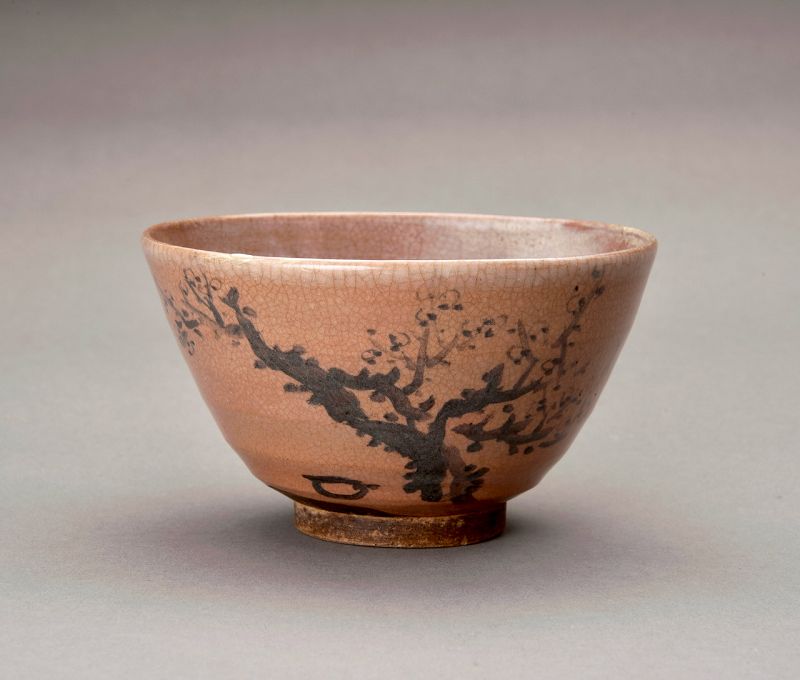
A very interesting ceremonial tea bowl produced by one of the oldest generational potting families in Kyoto. In excellent condition with one fine gold repair al
SOLD
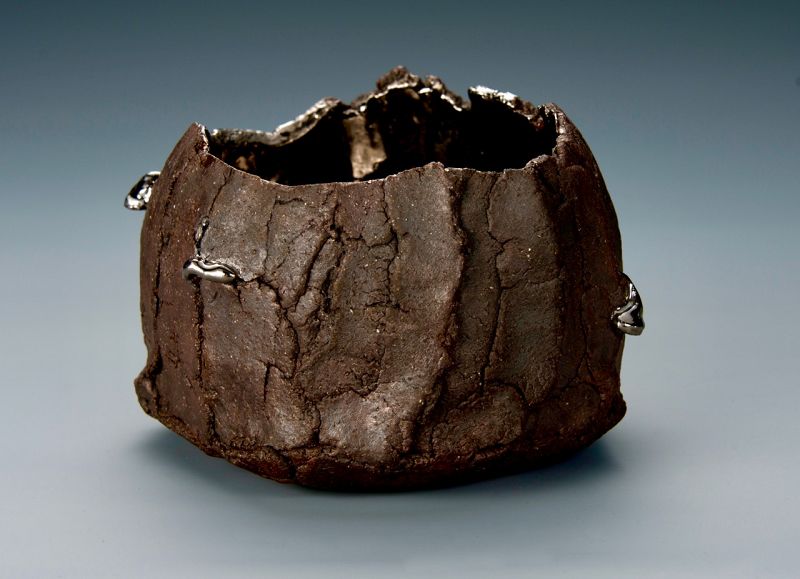
This experimental work by young artist Hiramatsu Ryoma demonstrates his creative imagination and challenges the traditional boundaries of what defines a tea bow
SOLD
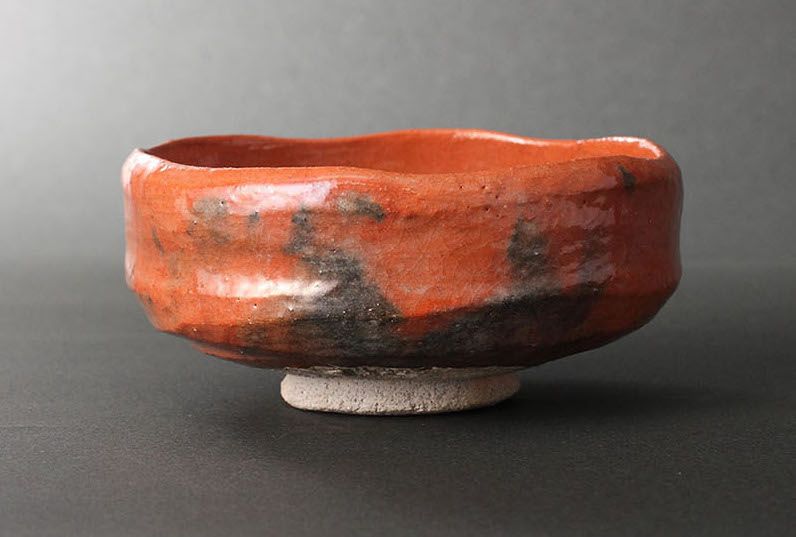
This beautiful Red Raku tea bowl is the work of Raku XI Keinyu (1817-1902), the 11th Raku potter in an unbroken line of artisans stretching back over 450 years.
SOLD
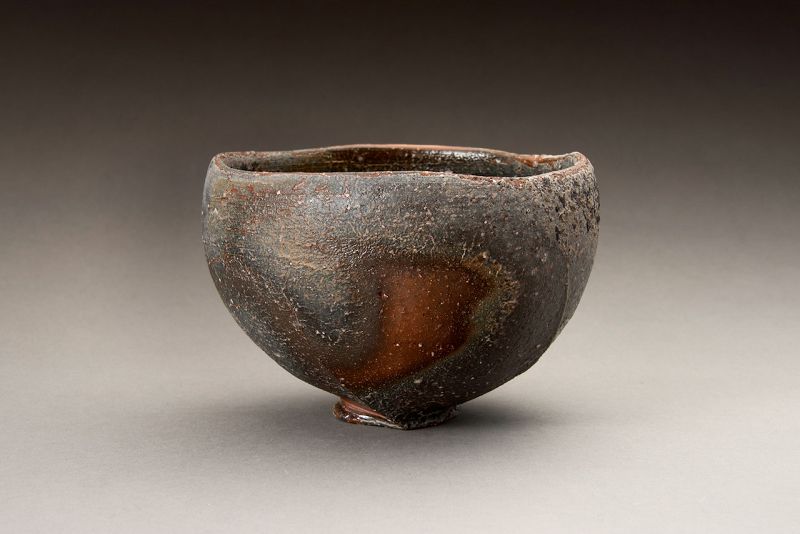
Elegantly balanced on a slenderly proportioned foot, this piece by Bizen native Kondo Masahiko displays a surprising level of skill for a potter still in the pr
SOLD
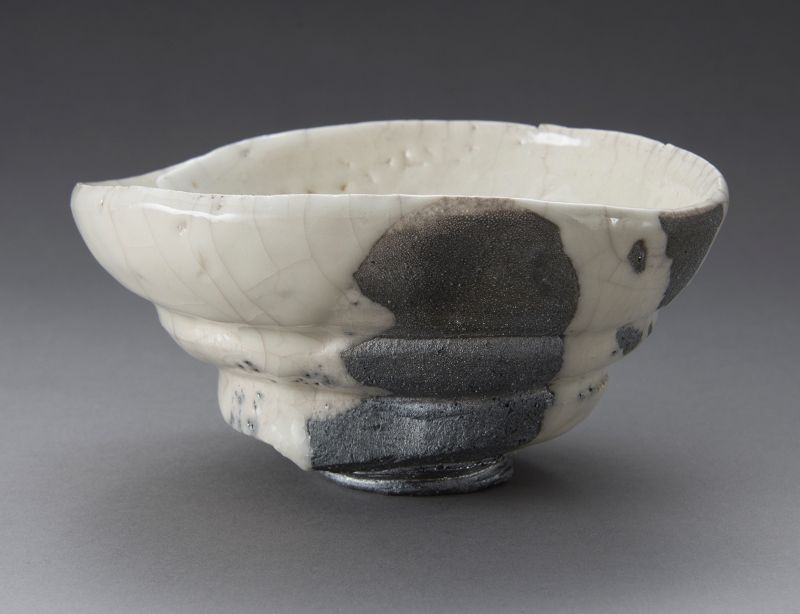
A beautiful example of modern Bizen-ware—with a thick feldspar glaze partially covering the clay body allowing the natural ash glaze underneath to show through
SOLD
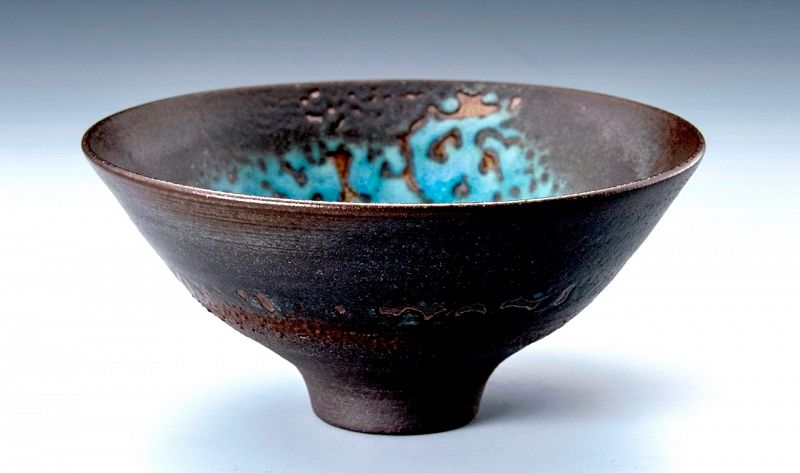
Appearing to capture an ocean inside a tea bowl, this particular work has been given the very fitting poetic name “Nami” or wave. Masterfully crafted by veteran
SOLD
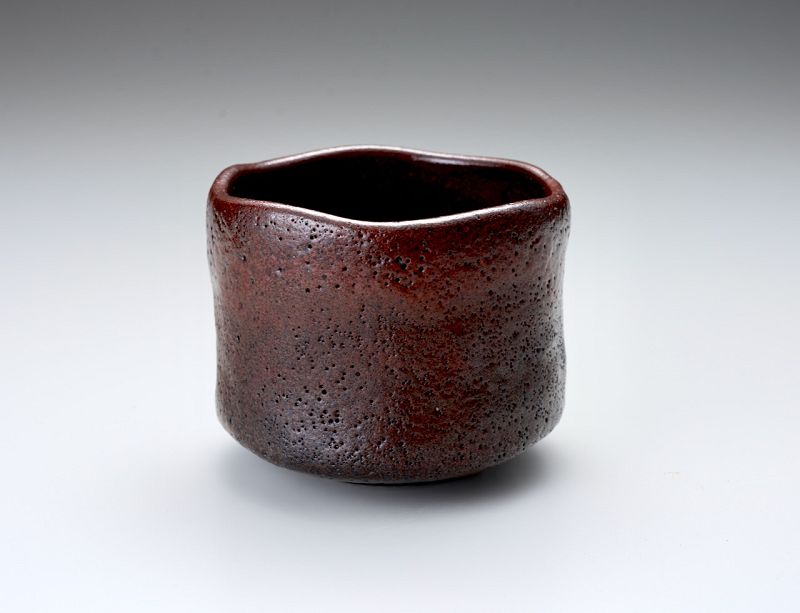
We have a particular interest in beautiful Raku tea bowls and spend quite a bit of time searching for exceptional examples to include in our gallery. Here we se
SOLD
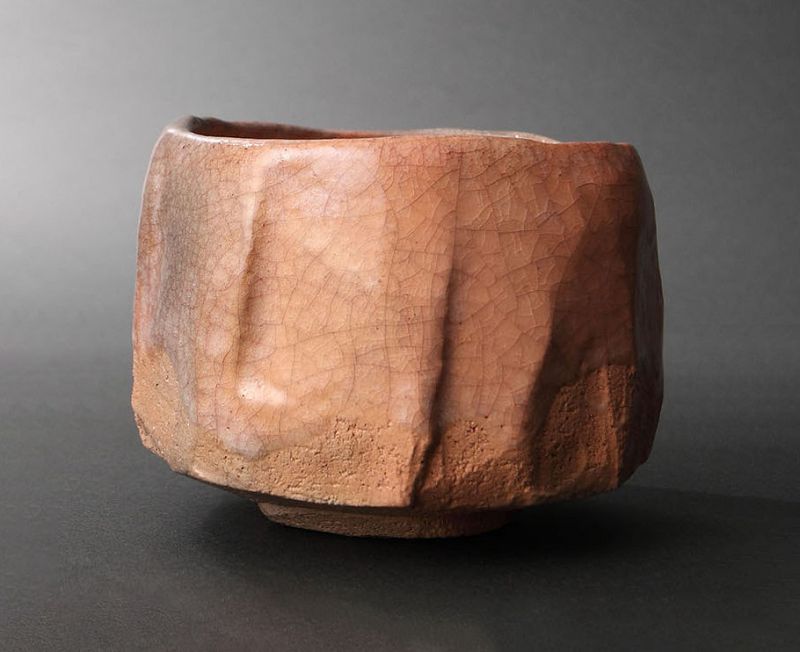
Here we have an exceptional Raku tea bowl given the poetic name "Setsu-gekka" (snow, moon, flower) — a phrase often used in Japanese art and literature to evoke
SOLD
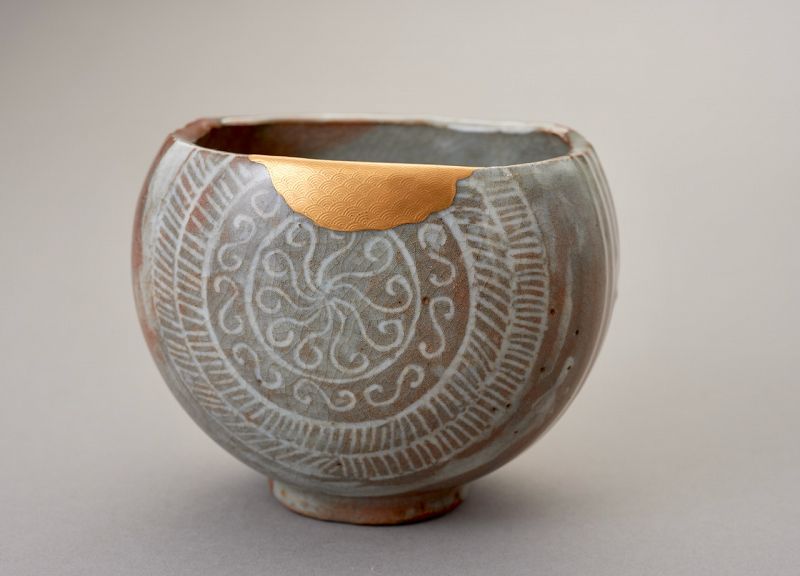
From a 2006 excavation site in Tokyo known to be occupied by the Owari Tokugawa clan—the most senior contingent of the Tokugawa clan that united Japan under one
SOLD