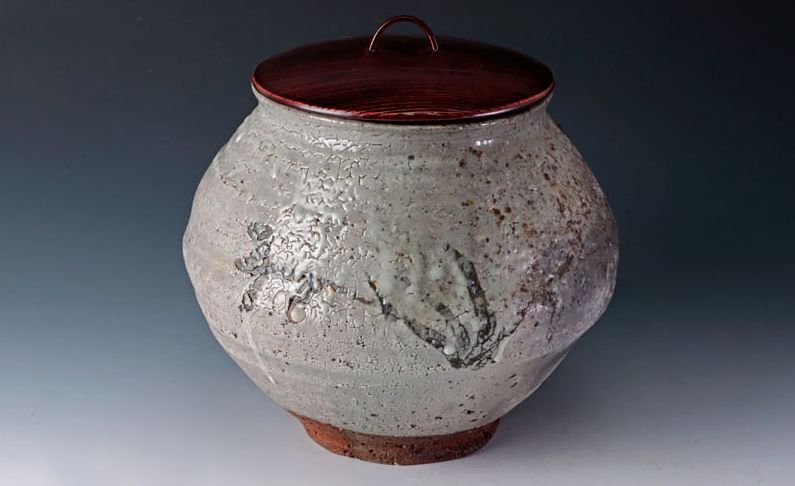
An e-Karatsu Mizusashi by Nakagawa Jinenbo
Like many pottery traditions in Japan, Karatsu takes its name from the city where it originated. As early as the 15th century, Korean potters heavily influenced
Selected by shared artwork type, categories, artist and era. Available works appear first.
Back to the artwork · Browse the full collection
Like many pottery traditions in Japan, Karatsu takes its name from the city where it originated. As early as the 15th century, Korean potters heavily influenced
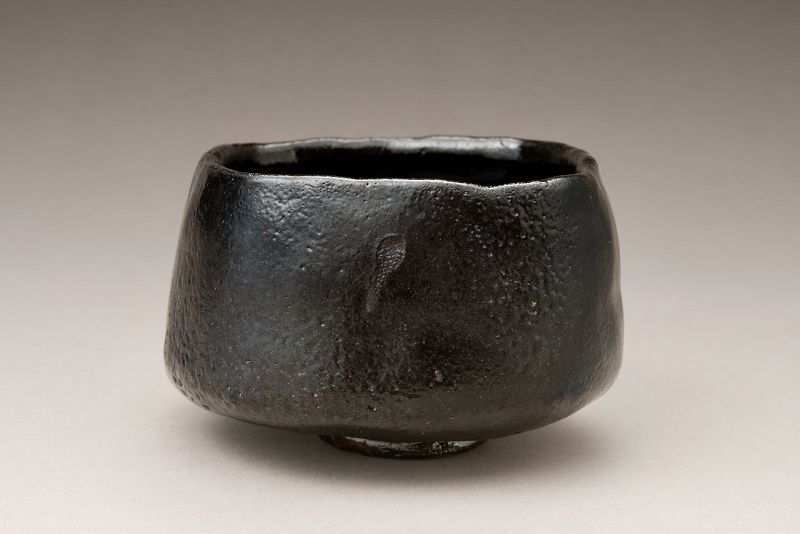
We have a particular interest in beautiful old Raku tea bowls and spend quite a bit of time searching for exceptional examples to include in our gallery. Here w
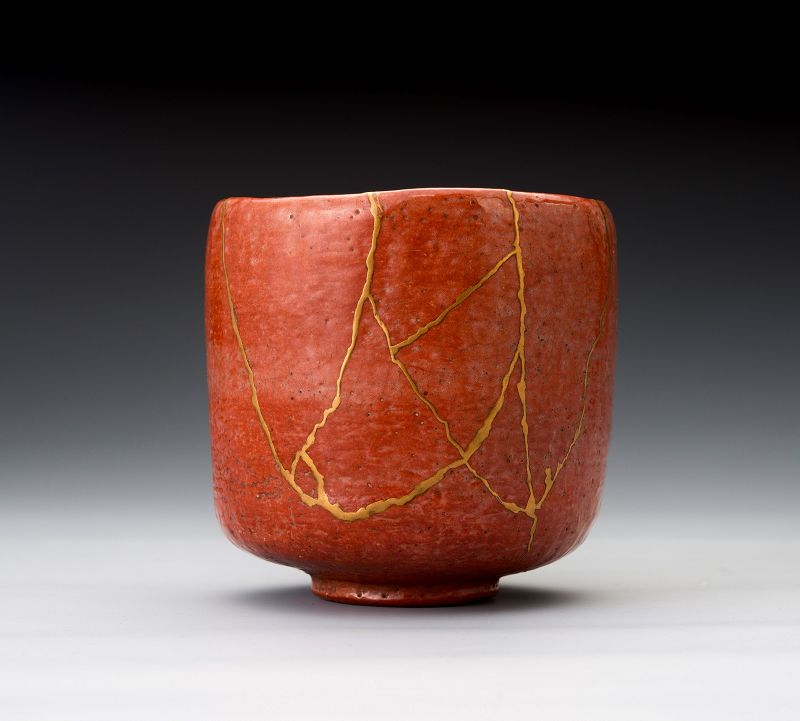
Price on Request Over the years we have taken a special interest in Raku pottery, especially in pieces made by the original Raku family (16 generations) and by
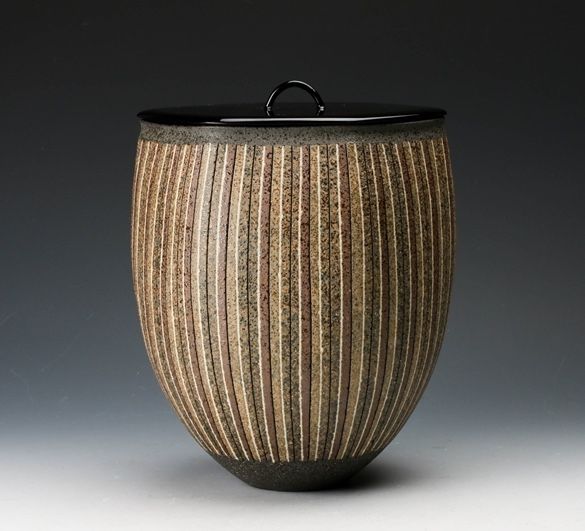
Japanese inlay ceramics (zōgan) are created by making incisions on the surface of a clay body which are then filled with various colored clays, creating a patte
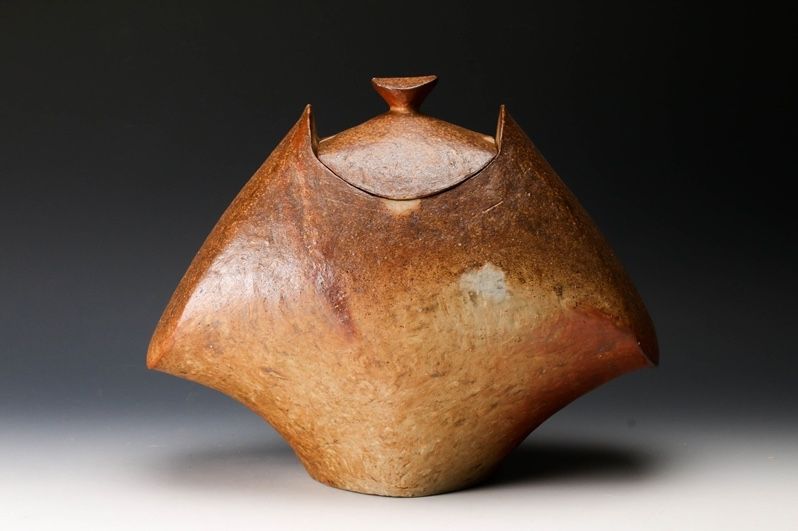
Traditional Japanese art tends to be timeless and inspiring in form, however, occasionally lacking in diversity and innovation. That is why artists who can inco
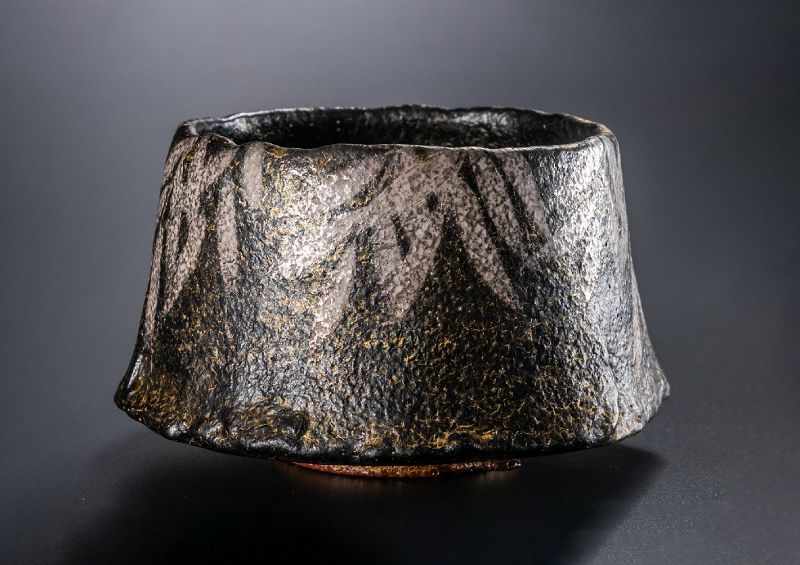
Splashed across a beautifully textured backdrop of shimmering black, the willow leaves painted in silver bring with them a sense of calm and contemplation. Gene
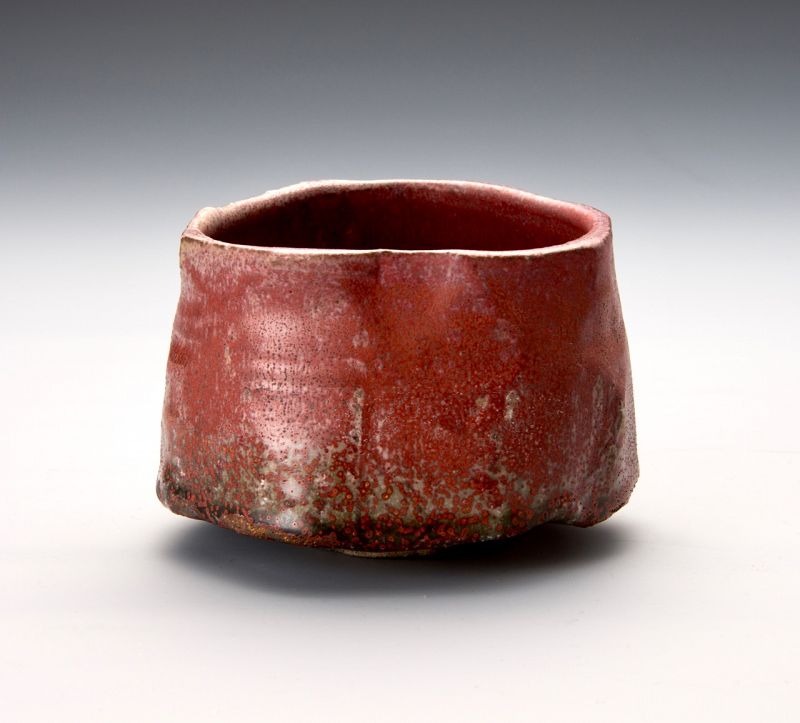
With pottery shards from excavated kilns dating back to the 5th Century, Mino-ware is one of the oldest and most revered pottery traditions in all of Japan. Tho
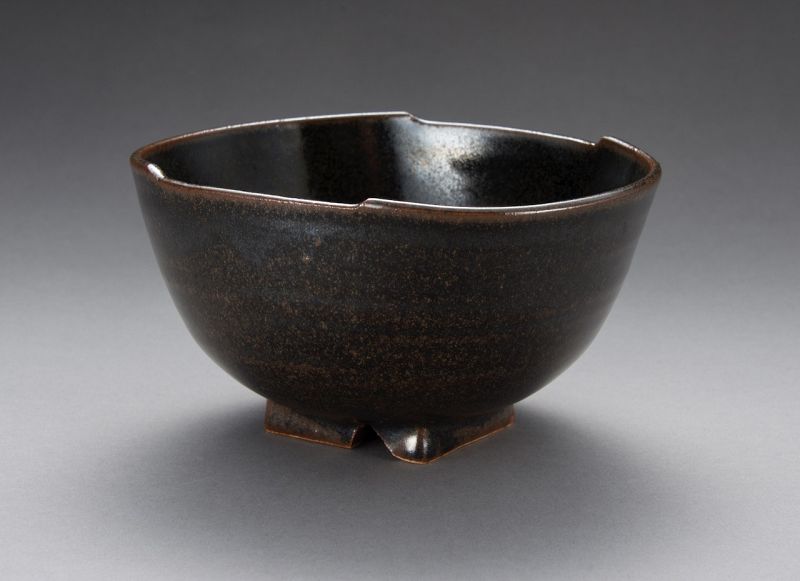
Although reports vary, it is generally thought that Zeze-yaki had its heyday in the late Momoyama to early Edo period under the influence and patronage of legen
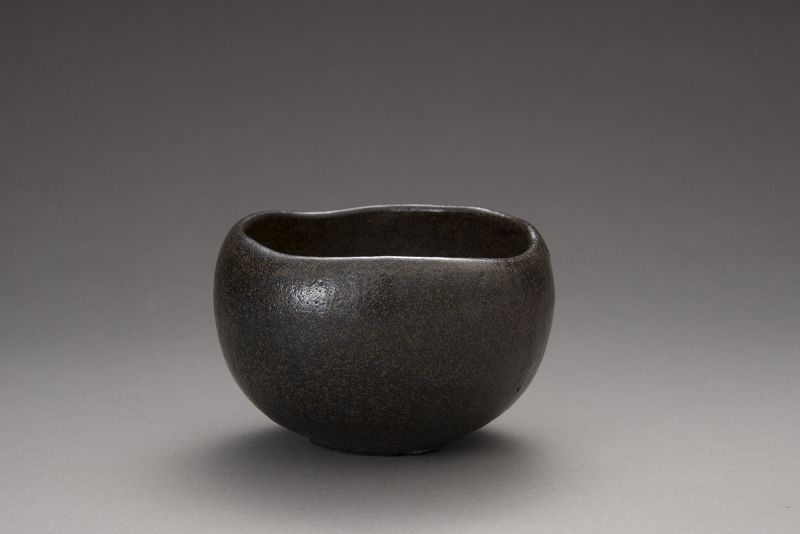
An excellent offering from Higaki Ryota of Katsura Kiln, this piece displays a classic and iconic shape coupled with a beautiful Kase-guro glaze said to be used
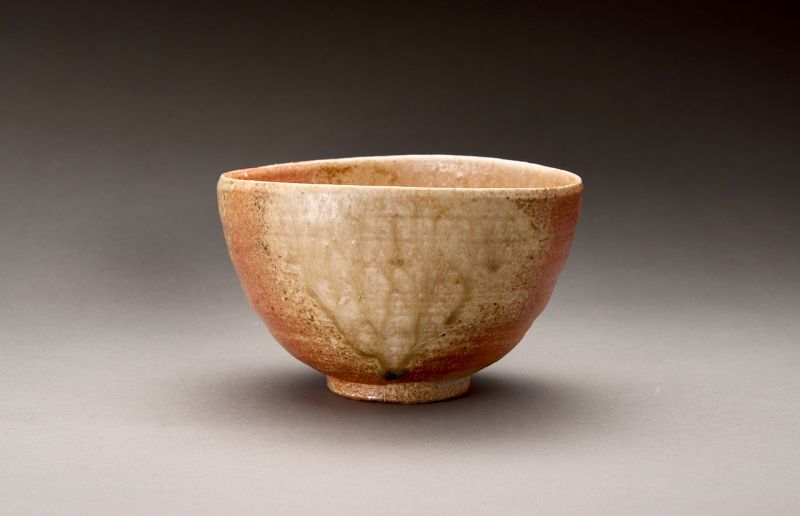
Sugimoto Sadamitsu (b. 1935) is one of the most important Shigaraki potters alive today and continues to create master works into his old age. Originally a resi
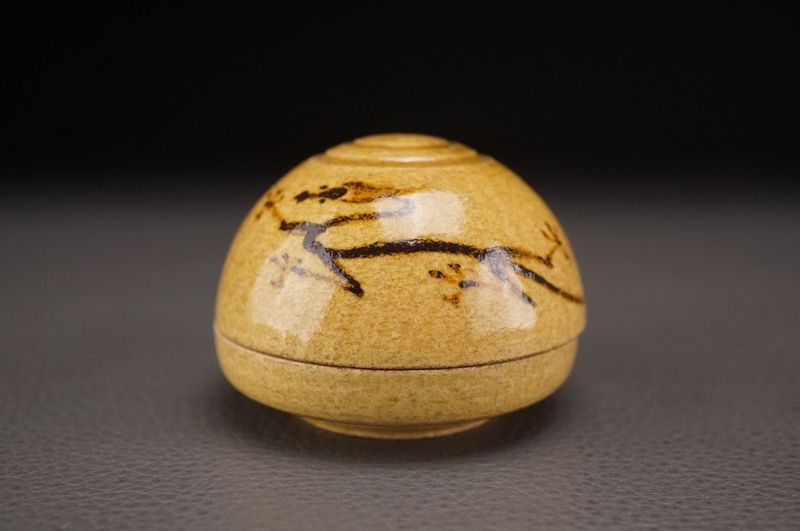
An often overlooked implement in tea ceremony, here we have the humble kogo (incense box) with an image of a sleek and flowing dragon. Commonly thought to repre
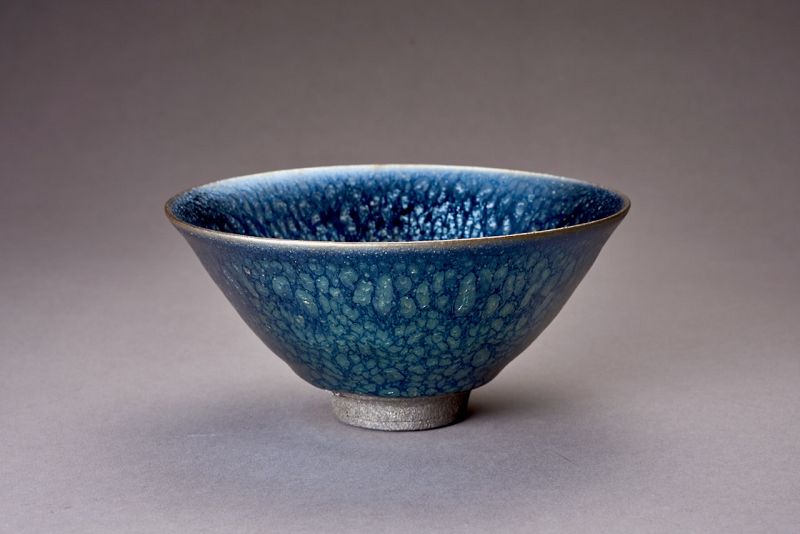
With origins stretching back over 1,000 years, Tenmoku pottery is thought to have first found its way to the shores of Japan in the 12th century by monks who br
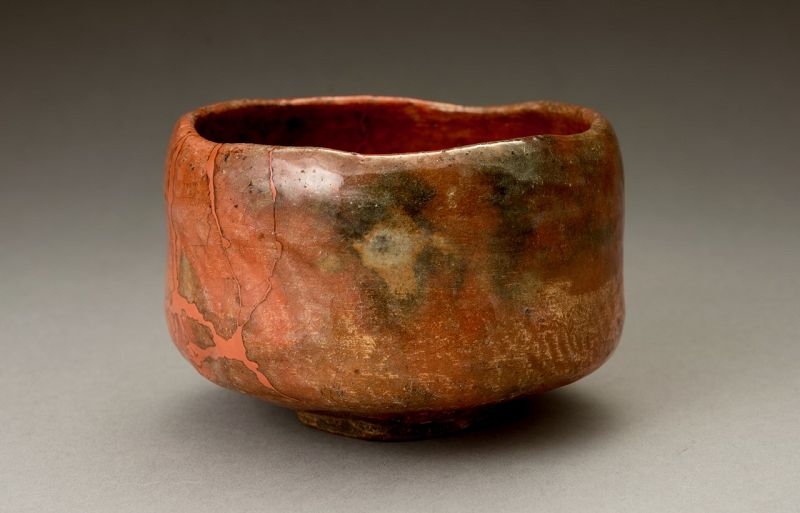
Price on Request Raku-ware carries with it a very naturalistic aura; with its implements made of raw clay, its use of fire/ water/ and air to shape and harden t
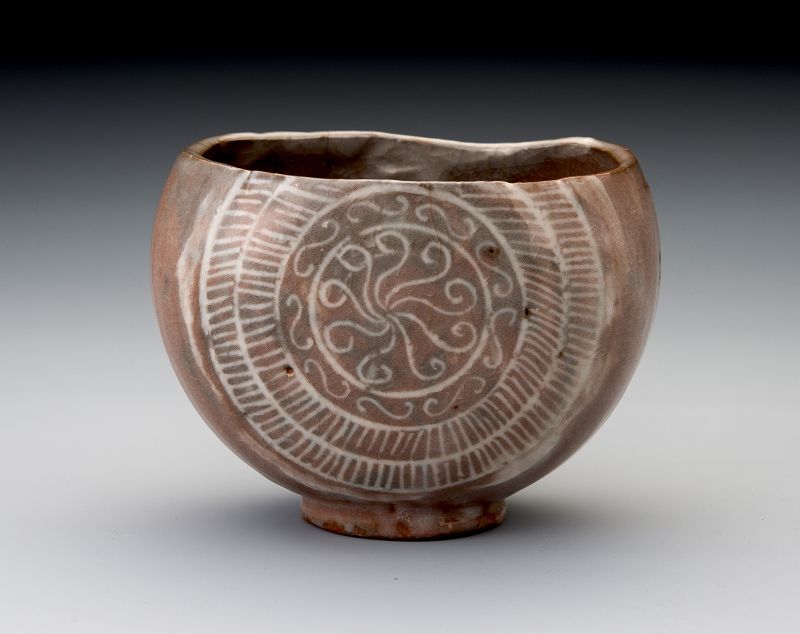
Appearing to be from a 2006 excavation site in Tokyo known to be a former residence of the Owari Tokugawa clan—the most senior contingent of the Tokugawa clan t
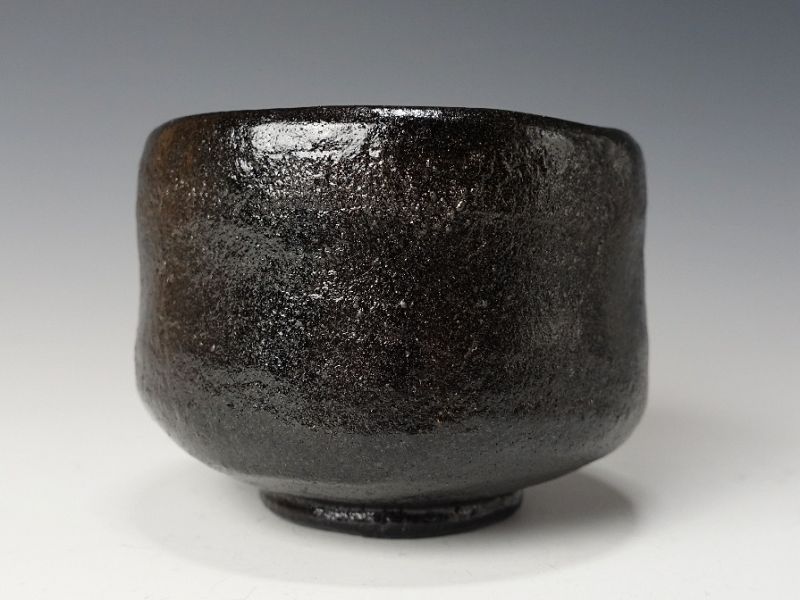
With a masterfully applied black Raku glaze and a noticeable aesthetic of austerity and stillness, this piece is what is refereed to in Japanese as an “utsushi”
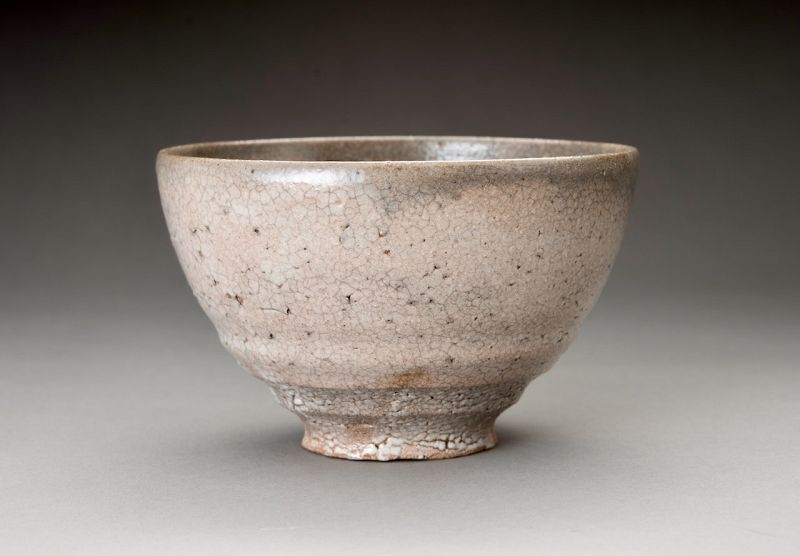
A very interesting chawan (tea bowl) dating from the Korean Joseon period (Richō in Japanese; 1392-1897). This particular piece appears to be from the 17th or 1
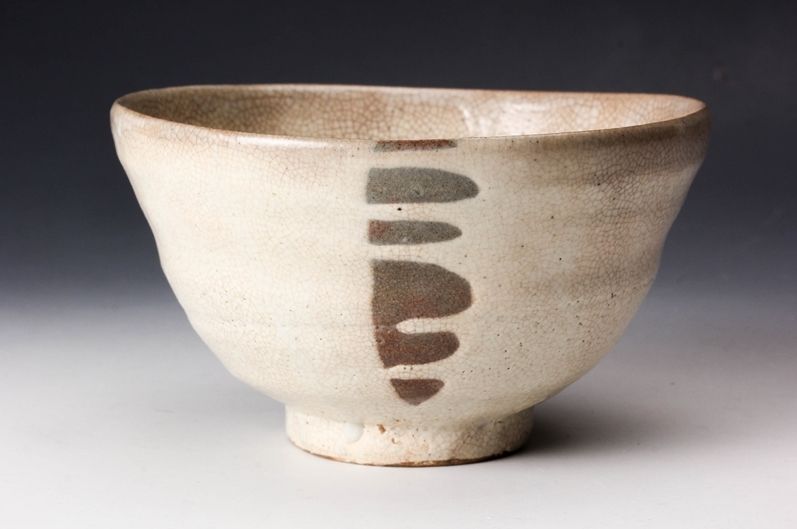
Kohiki is a traditional Japanese pottery style known for its simple and rustic aesthetic. It involves applying a white slip onto the vessel's surface, followed
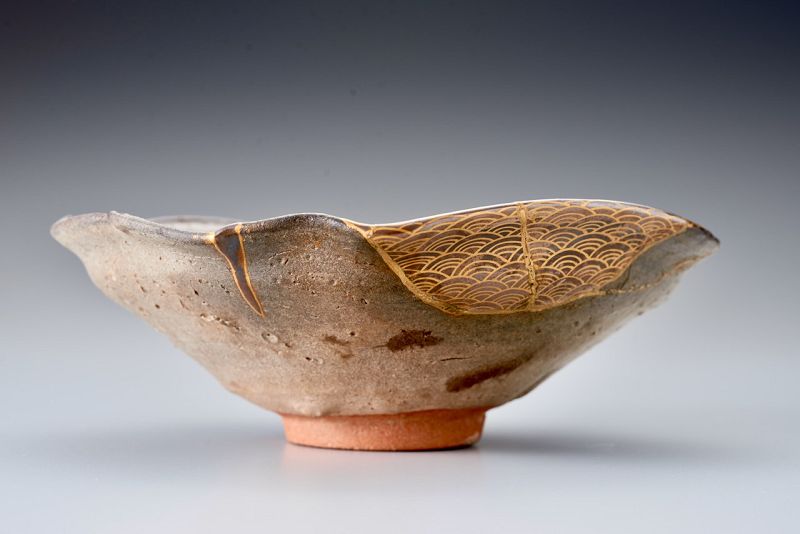
Like many pottery traditions in Japan, Karatsu takes its name from the city where it originated. As early as the 15th century, Korean potters heavily influenced
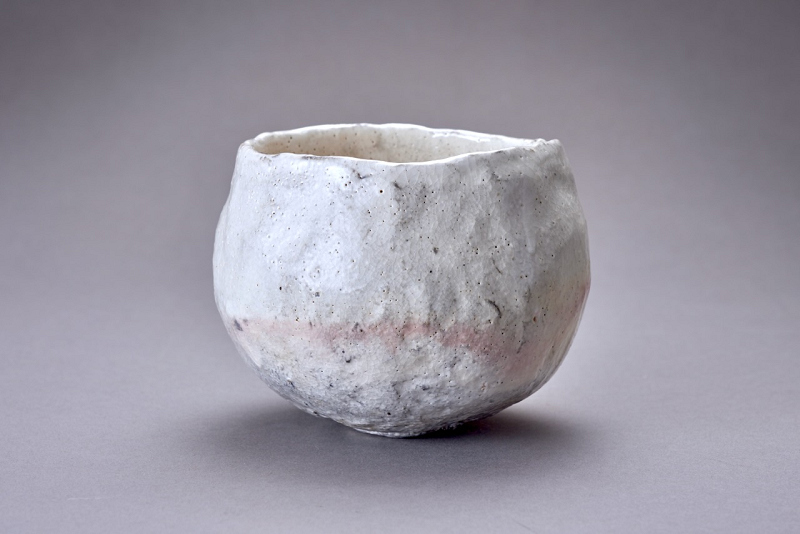
Though rare, occasionally I come white Raku piece by one of our favorite potters, Sugimoto Sadamitsu. Adorned with subtle crackling patterns and variations in t
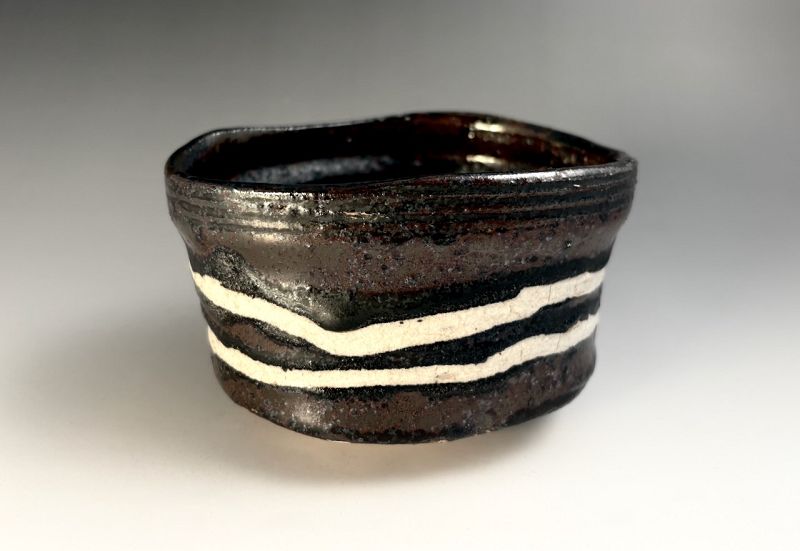
Oribe is a visual style named after the late-16th-century tea master Furuta Oribe (1544-1615). Typically, black or green glazes are applied to the bodies of the
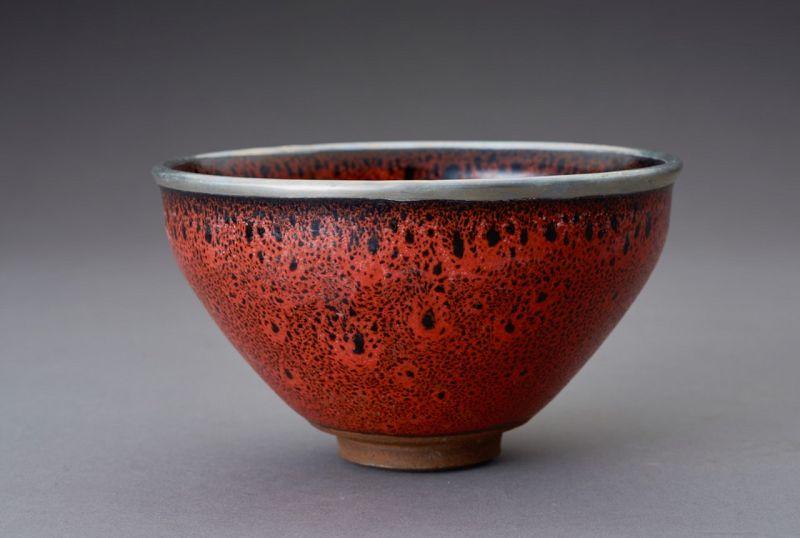
On the base of this tea bowl are the characters “供御” pronounced “Ku-go” in Japanese but “Gong-yu” in the original Chinese—translating in English to something li
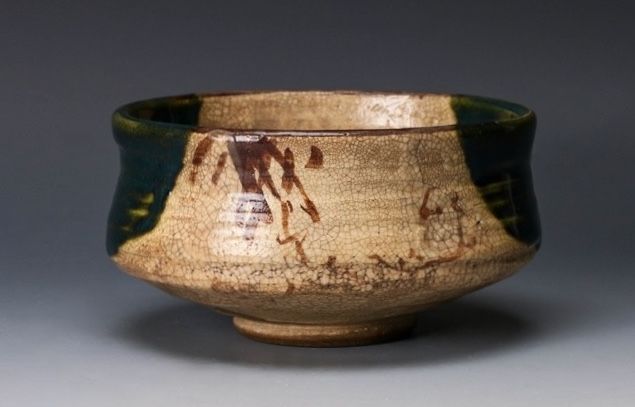
Oribe is a visual style named after the late-16th-century tea master Furuta Oribe (1544-1615). Typically, black or green glazes are applied to the bodies of the
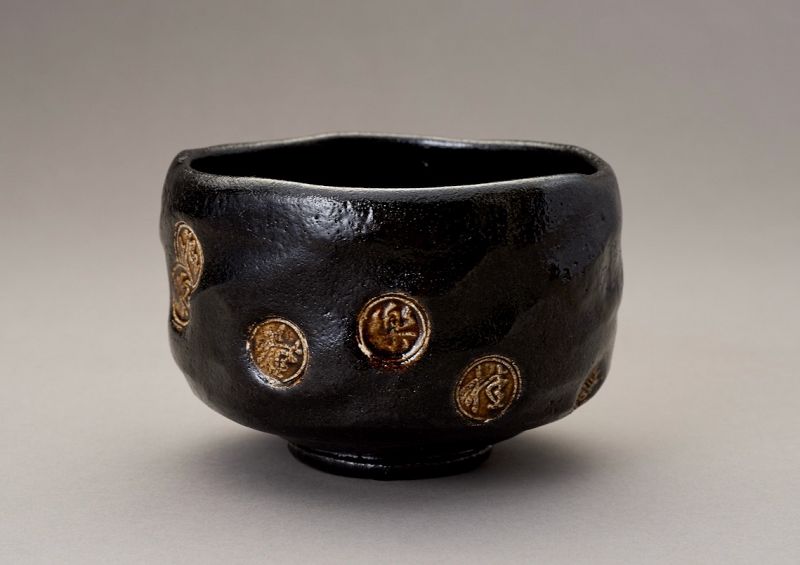
The term “Raku” was once reserved for a style of pottery produced by a specific household in Kyoto that began over 450 years ago. Over the years, as it gained p
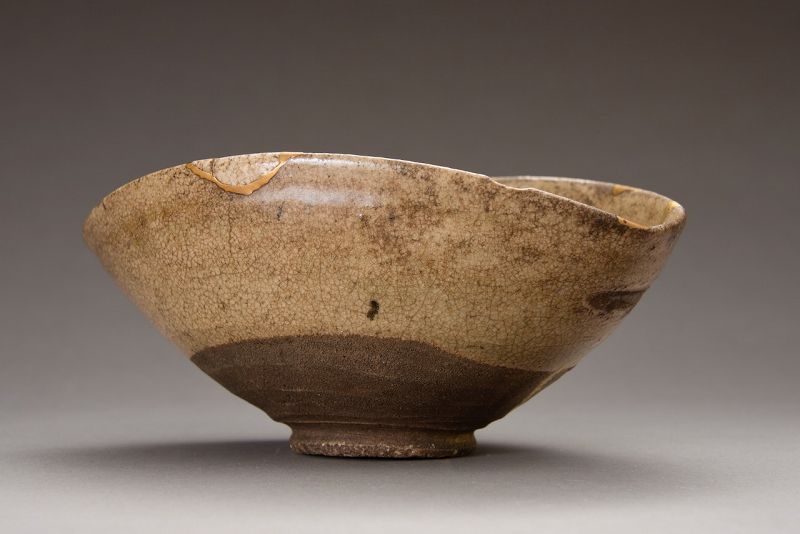
At various times over the long history of tea practice in Japan, Korean-ware has come into high fashion and ships full of the finest ceramics from the neighbori
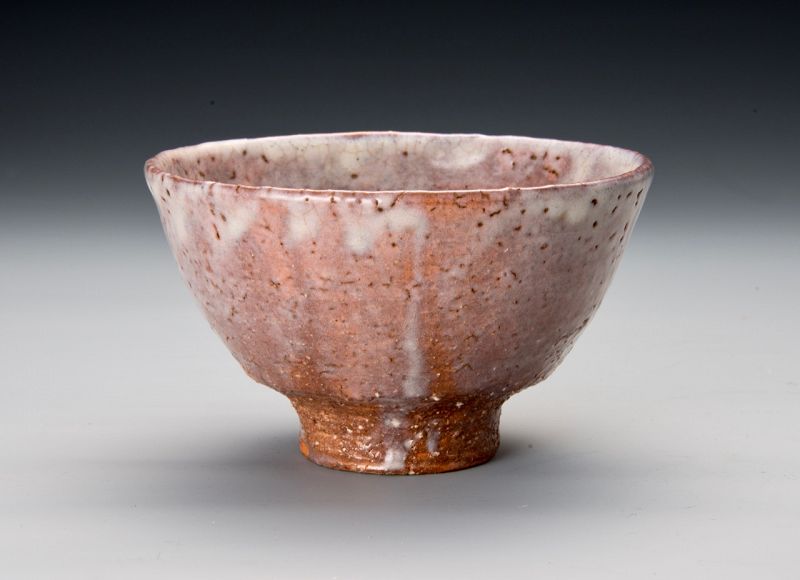
Simple yet classic styling—this tea bowl is perfect for anyone looking for the quintessential Ido-shaped chawan crafted by one of Japan’s master Hagi potters. B
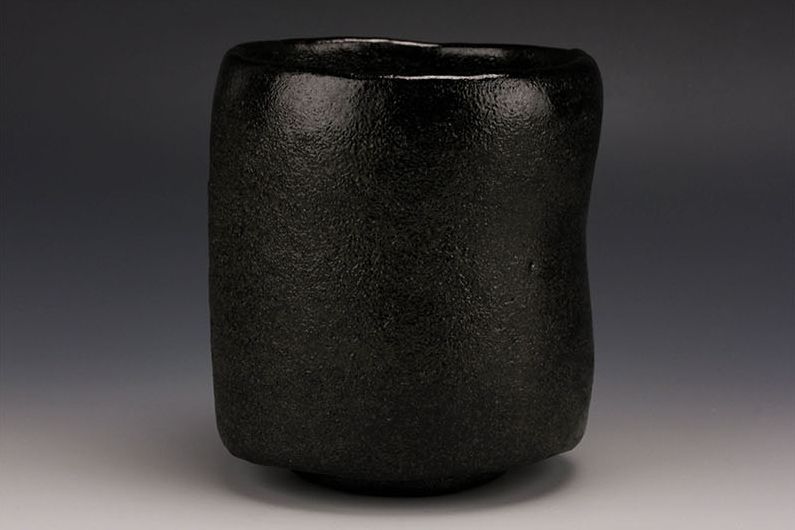
Tsutsu-shaped chawan have a unique and especially attractive shape. They are used mainly in the depths of winter to keep in the heat, and prevent the tea from c
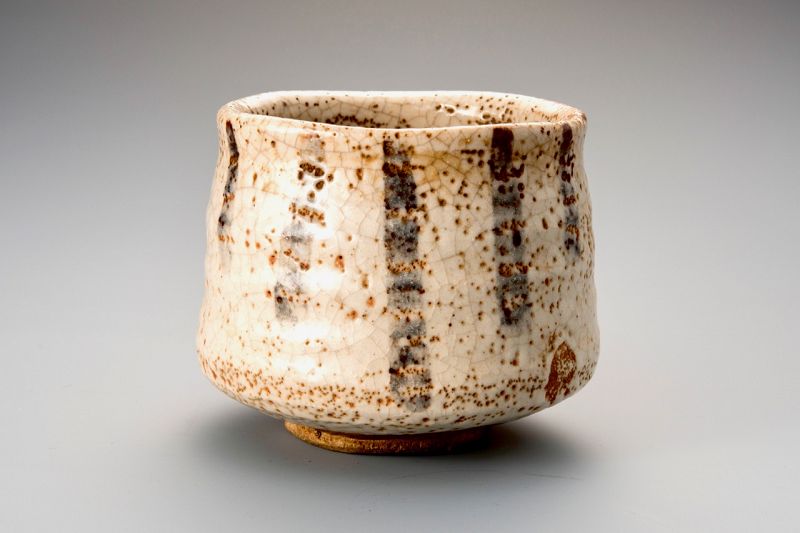
This lovely Shino tea bowl fashioned from coarse Mino clay is covered in feldspar glazing, has a classic ferrous abstract painting across the front, and shows n
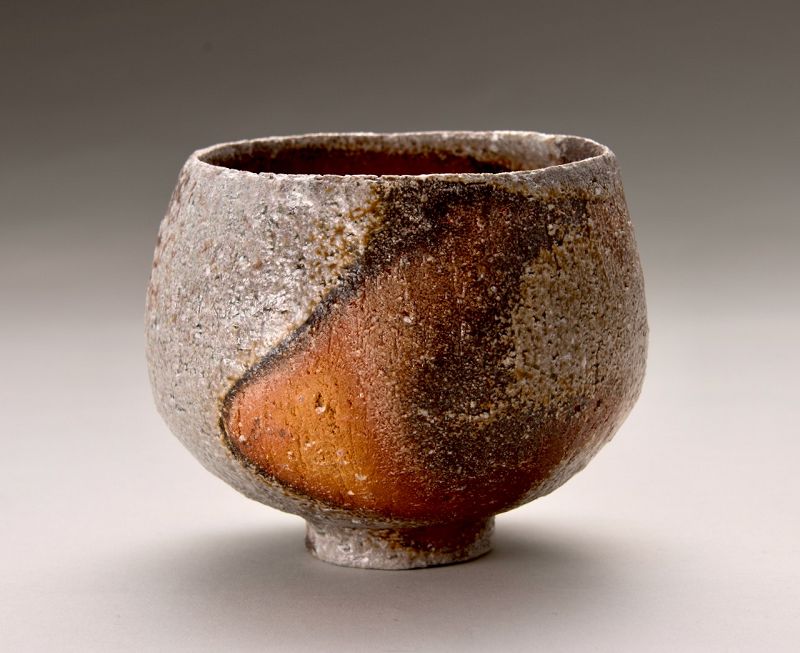
The artist who produced this piece, Wataru Motomura, prides himself in living a traditional life in the eastern hills of Kyoto—long known for its rich clay and
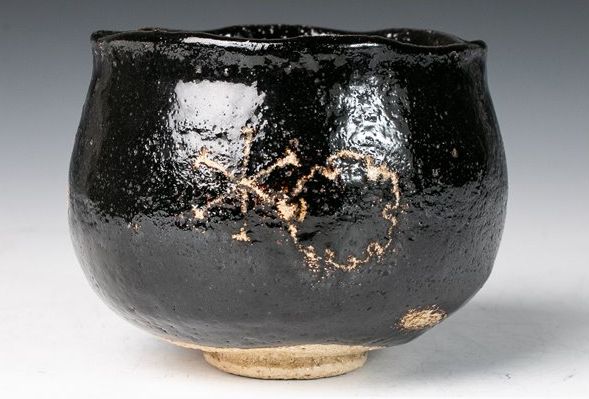
When the founder of the Urasenke style of tea ceremony, Senso Soshitsu (1622 -1697) was invited to Kanazawa as the lord of the tea ceremony for the powerful Kag
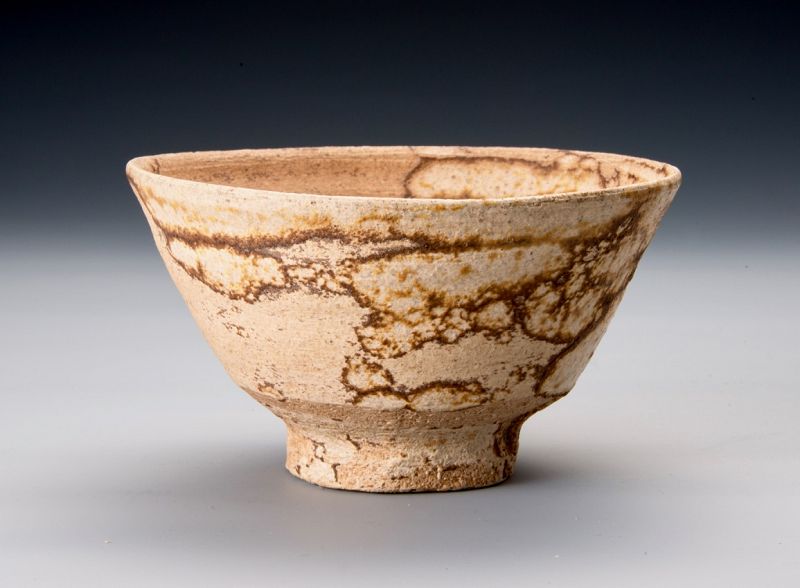
The distinctive and easily recognizable style of Bizen pieces, such as the one featured here, originated in Okayama (south-western Japan) and has a long history
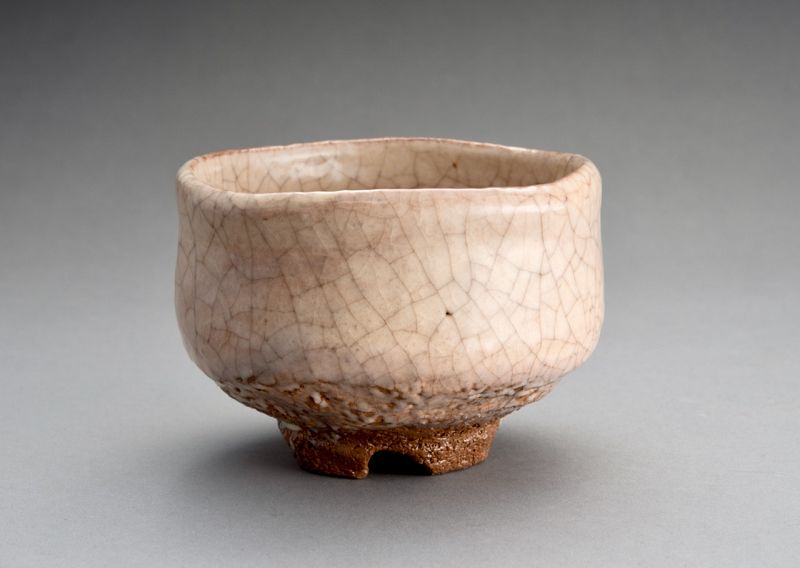
Father to internationally known Hagi potter Kaneta Masanao (the 8th generation Sanzaemon potter), though he never achieved the same level of notoriety as his so
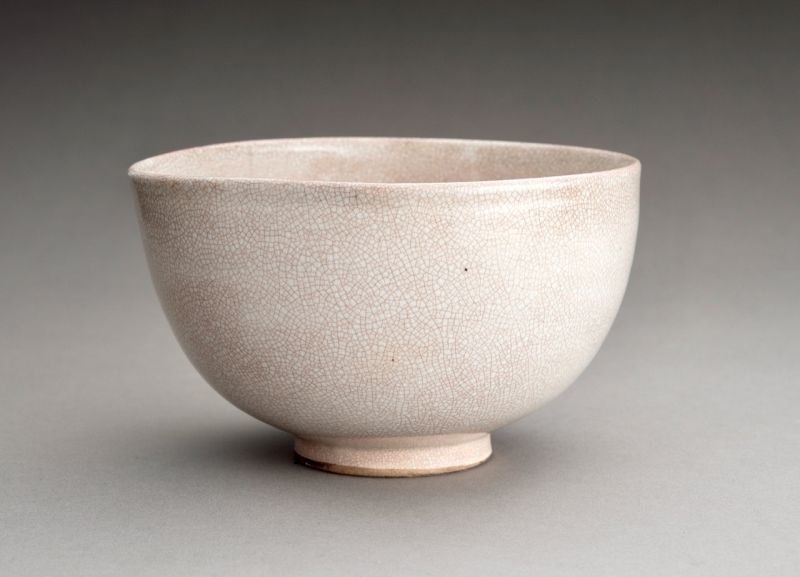
A beautiful old Kyo-ware tea bowl slightly elongated on one end producing an interesting and unique effect. The collector who furnished the box labeled it as be
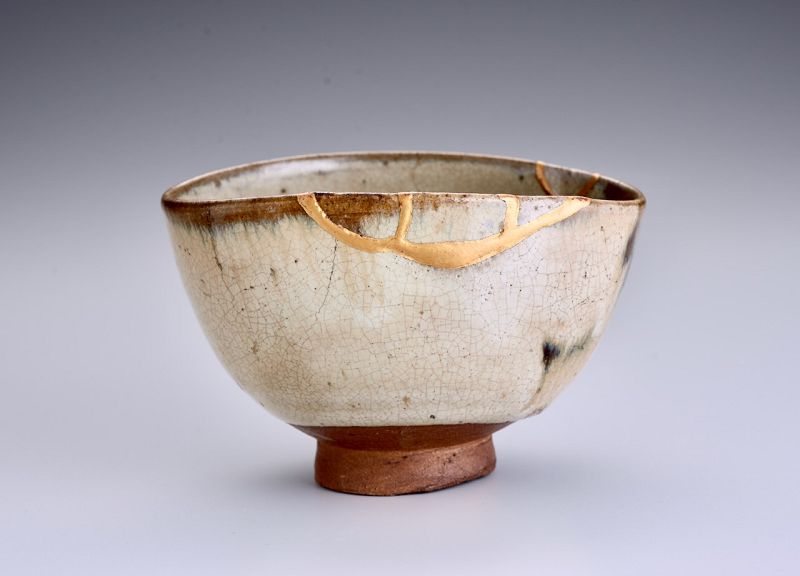
This kutsu-shaped (shoe-shaped) Karatsu tea bow, having stood quietly through the passage of ages is a superb example embodying both the serene beauty and power
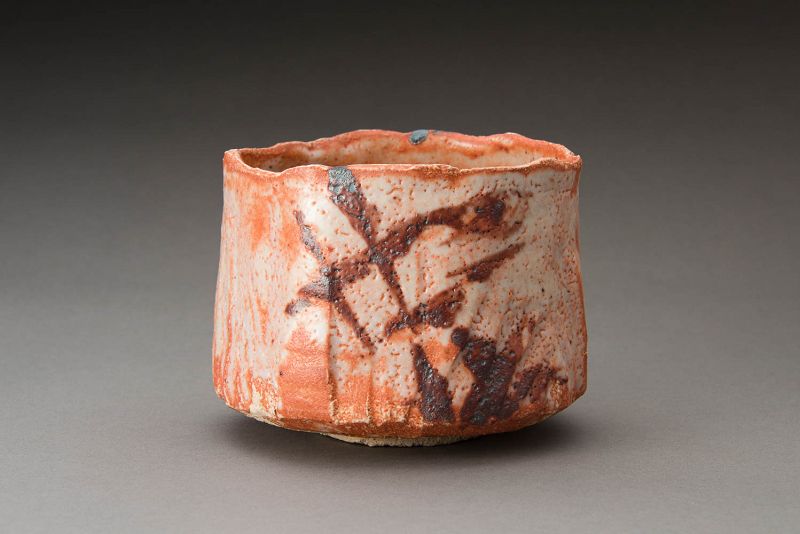
Occasionally while browsing through the temple markets of Kyoto or perusing backstreets tea-ware shops, an attractive piece will catch my eye for no particular
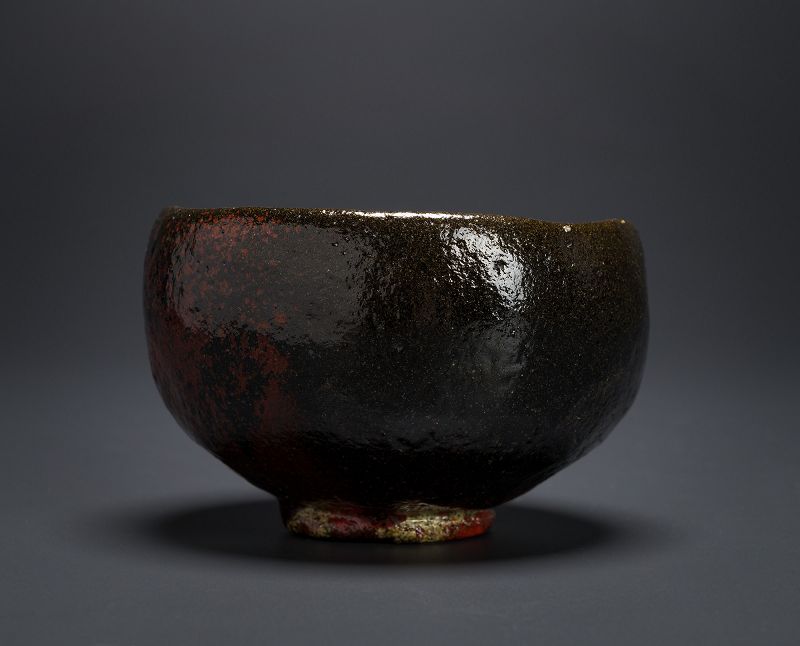
A beautiful example of Ohi inspired Raku-ware; the body of this stylish tea vessel is a mix of a dark black gradating to charcoal grey with undertones of reddis
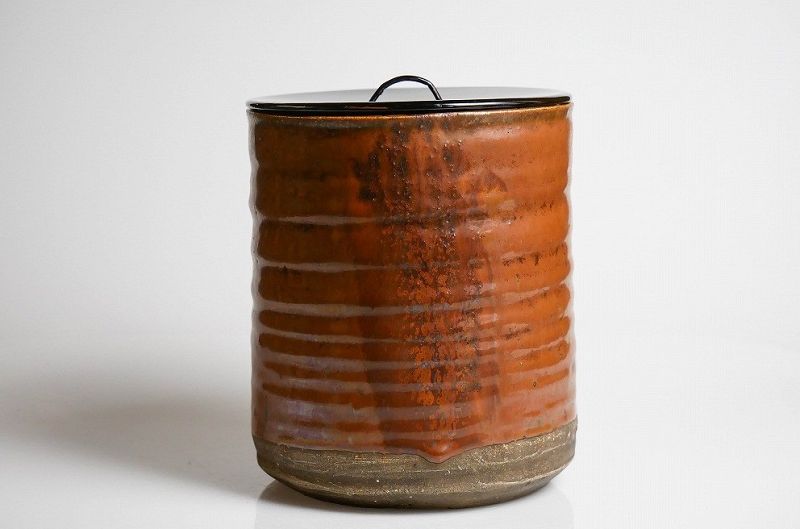
Seto is a pottery tradition established in the 12th century with the aim of reproducing fine Chinese porcelain and tenmoku-style tea bowls—which were hard to co
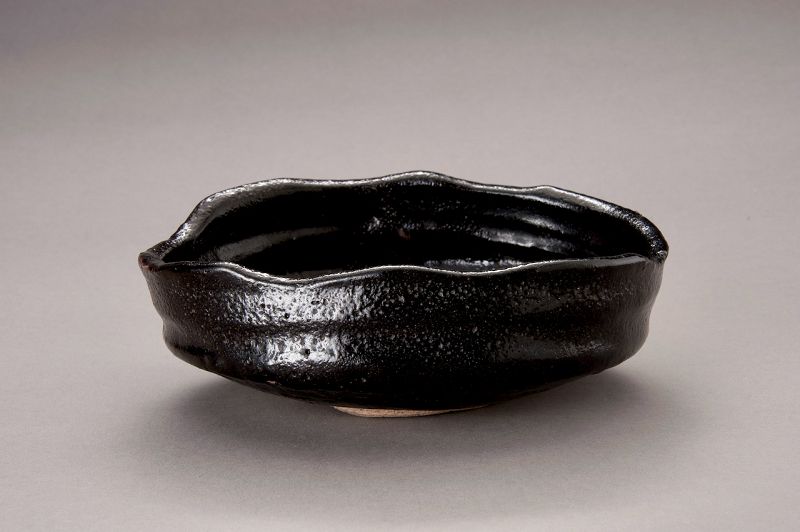
Living in Kyoto it is not uncommon to come across beautiful antique tea bowls, however, finding pieces that are in good condition, aesthetically compelling, and
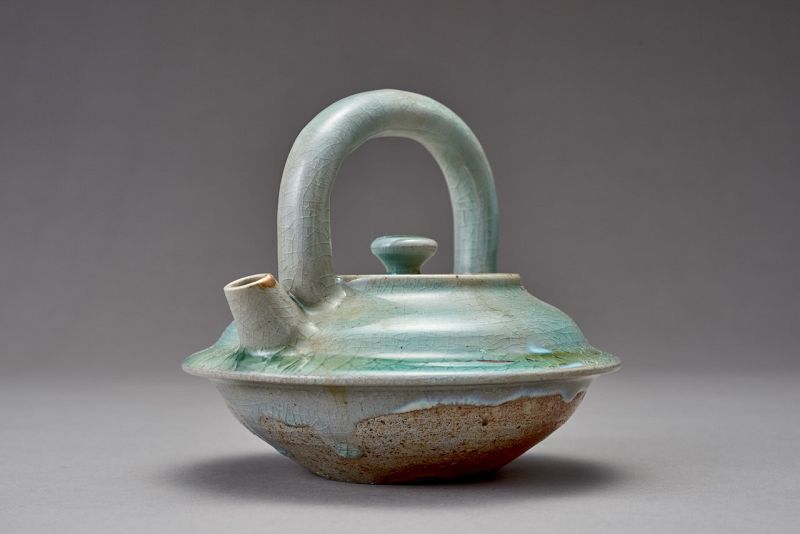
Chōshi are traditional Japanese sake pourers used in formal and ceremonial contexts, particularly in Shinto rituals and wedding ceremonies. They take the form o
SOLD
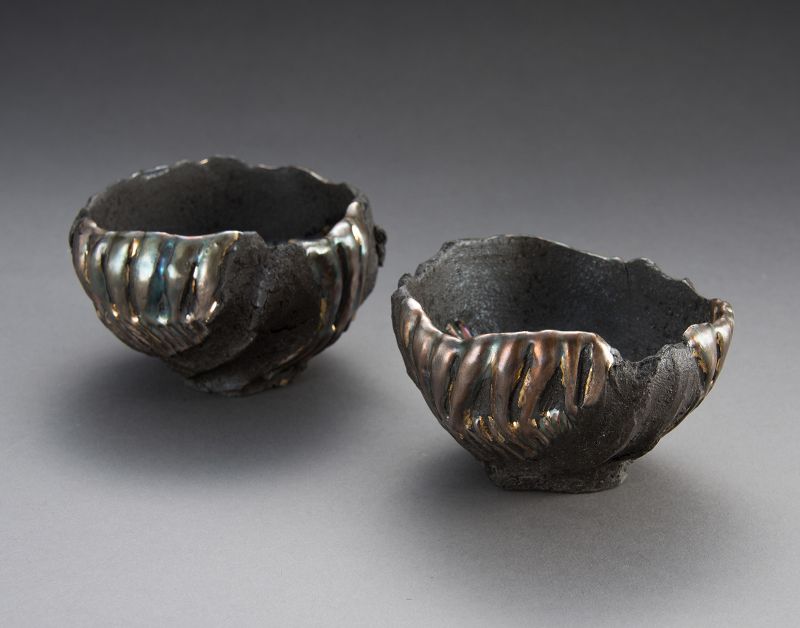
If you are familiar with the work of Hiramatsu Ryoma you know that he creates very unconventional ceramics inspired by forms found in nature. Here we have a set
SOLD
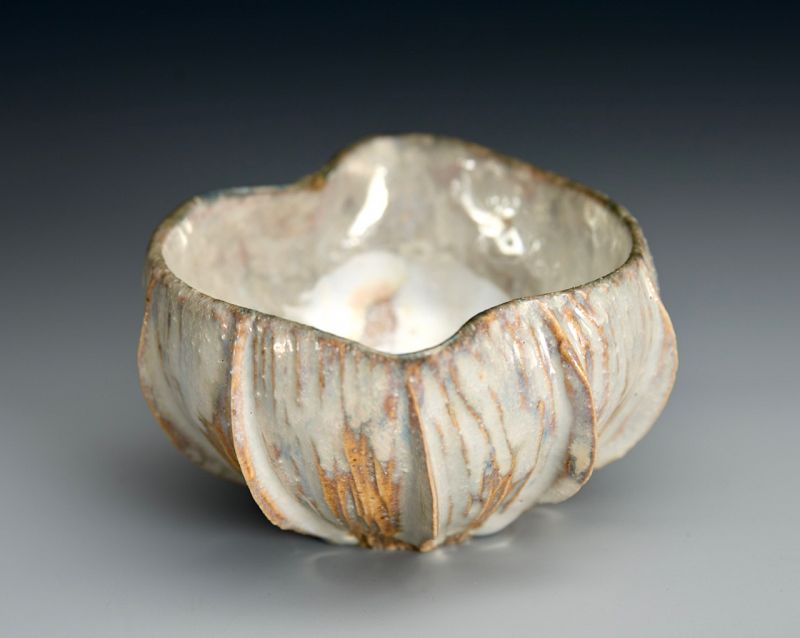
Reminiscent of a perfectly formed oyster shell or the shell of a hermit crab, this recent creation by young artist Hiramatsu Ryoma demonstrates his creative ima
SOLD
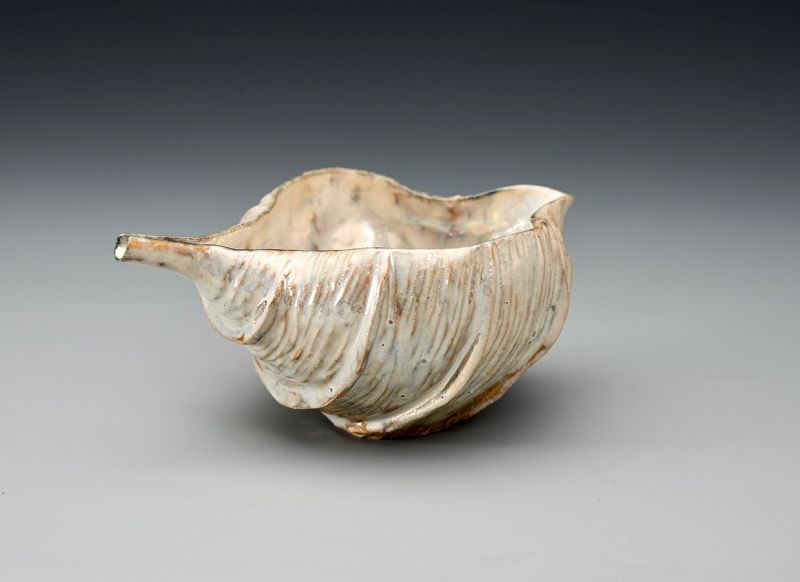
Reminiscent of a perfectly formed oyster shell or the shell of a hermit crab, this recent creation by young artist Hiramatsu Ryoma demonstrates his creative ima
SOLD
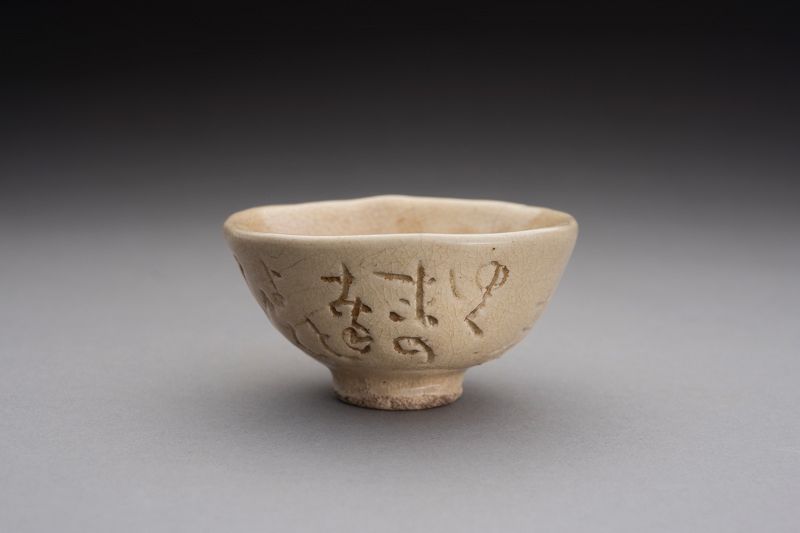
The poem etched on the side of this exceptional piece reads: In the future — happiness — and long life — two sprouting leaves —to grow a thousand years. Indeed
SOLD
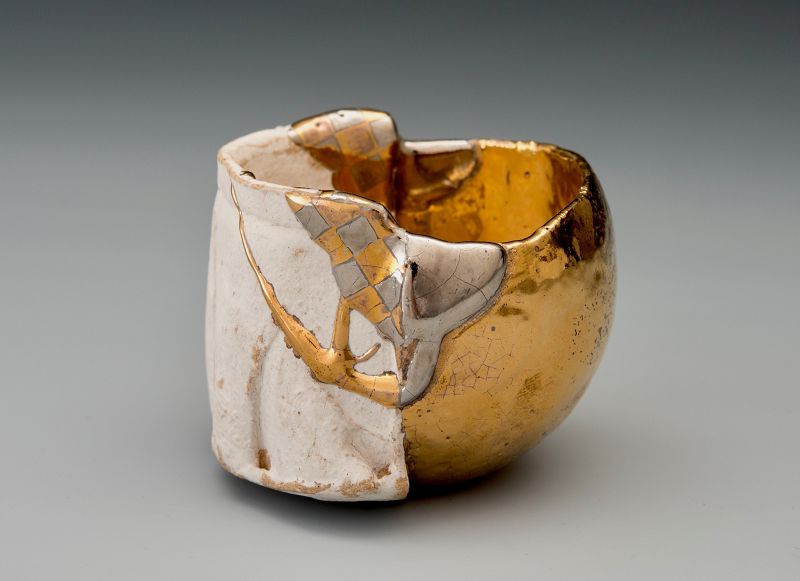
Not to be confused with the Olympic medalist, this Tomita Hiroyuki (b. 1977) is a talented potter pushing the bounds of an otherwise conservative field where ma
SOLD
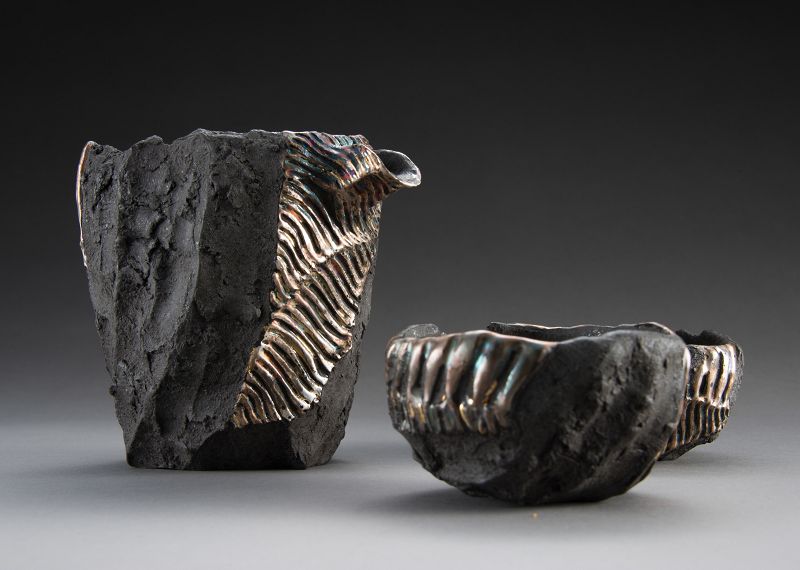
If you are familiar with the work of Hiramatsu Ryoma you know that he creates very unconventional ceramics inspired by forms found in nature. Here we have a sak
SOLD
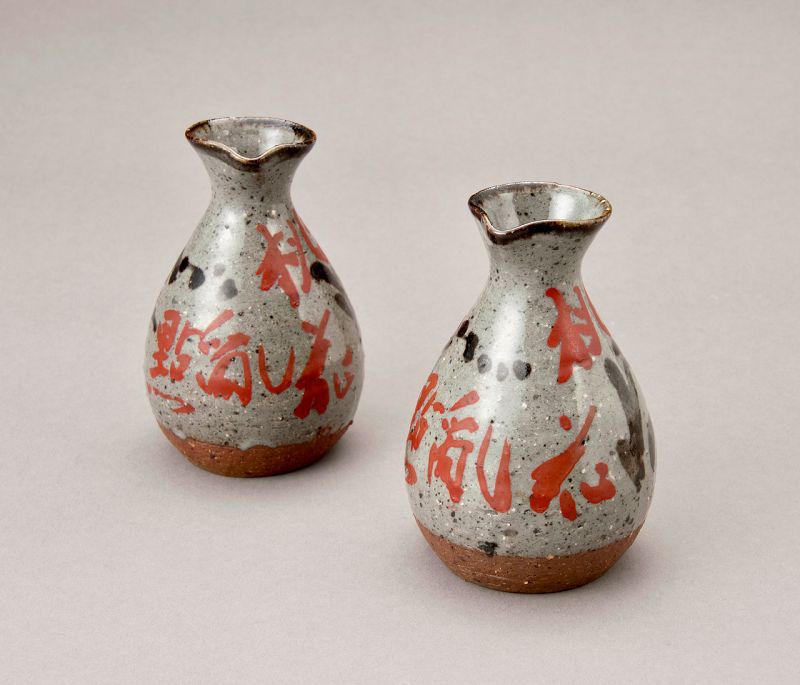
Yuzo Kondo is one of the more recognized names in the world of modern Japanese pottery of the 20th century. Though known mainly for his sometsuke creations (blu
SOLD
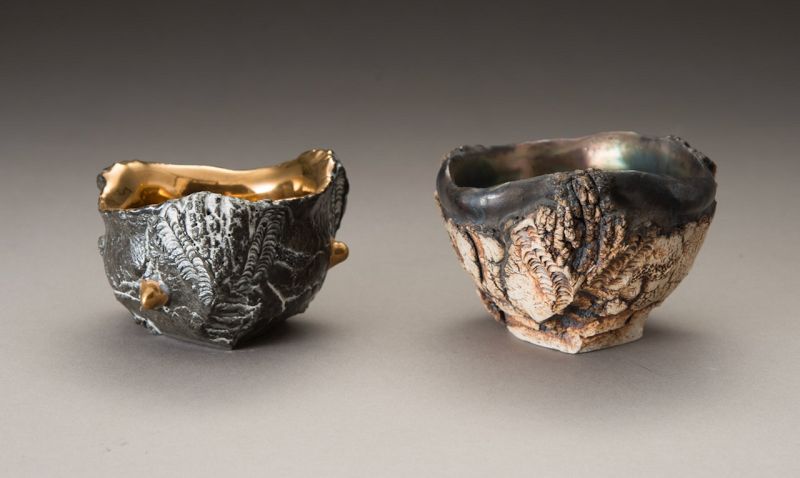
If you are familiar with the work of Hiramatsu Ryoma you know that he creates very unconventional ceramics inspired by forms found in nature. Here we have a set
SOLD
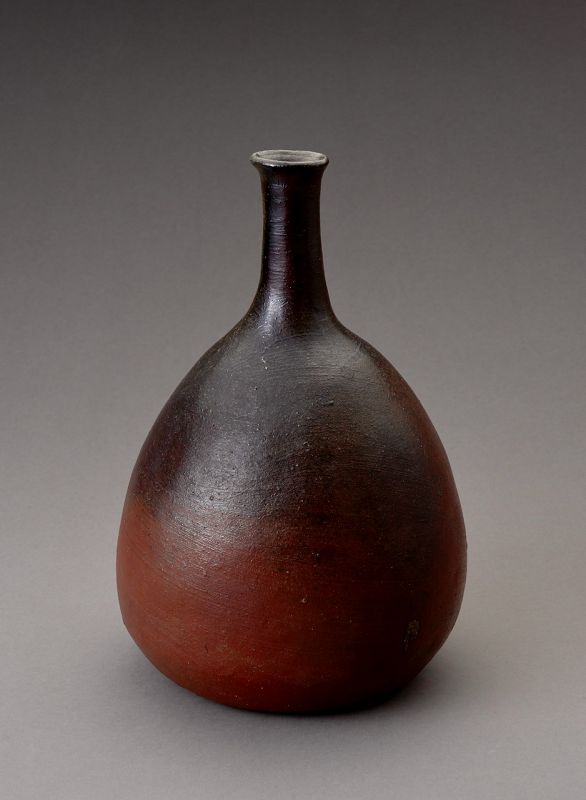
During Japan's Momoyama period, spanning from the late 16th to the early 17th century, Bizen pottery flourished, producing exquisite pieces such as this “shimok
SOLD
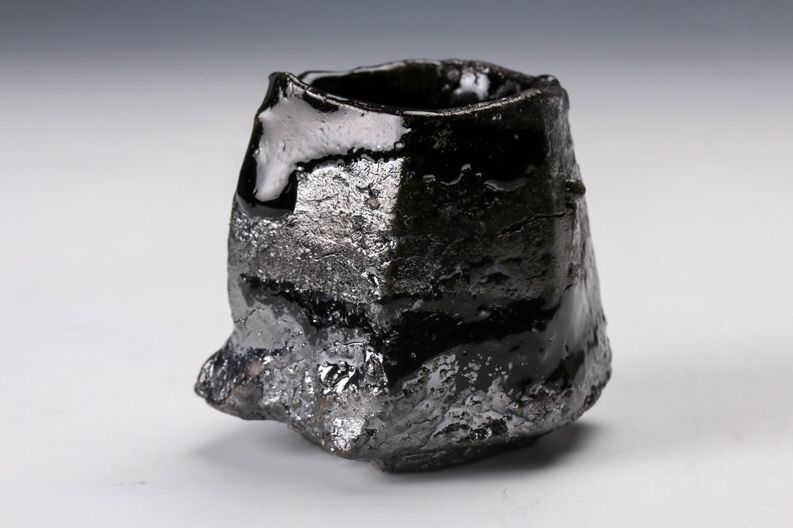
Scrawled across one face of the hand-crafted wood box housing this exquisite sake cup is the word “Prism,” perfectly encapsulating the inspiration for this angu
SOLD
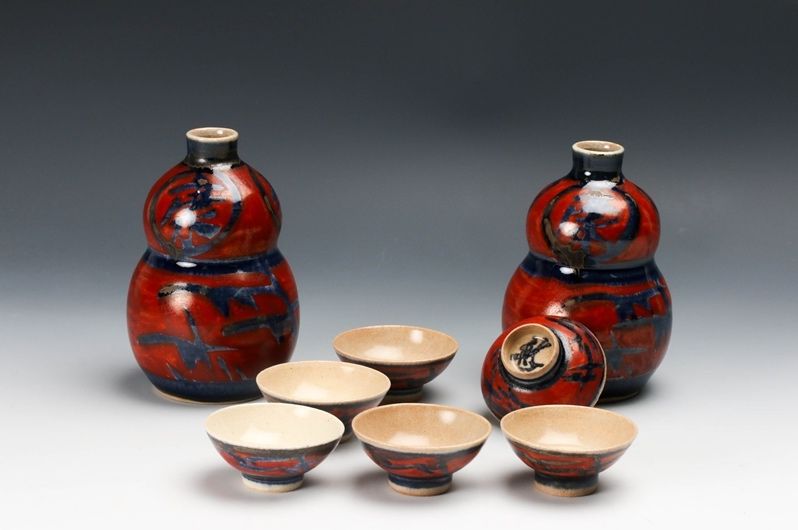
Kondō Yuzō is one of the more recognized names in the world of modern Japanese pottery of the 20th century. Though known mainly for his sometsuke creations (blu
SOLD
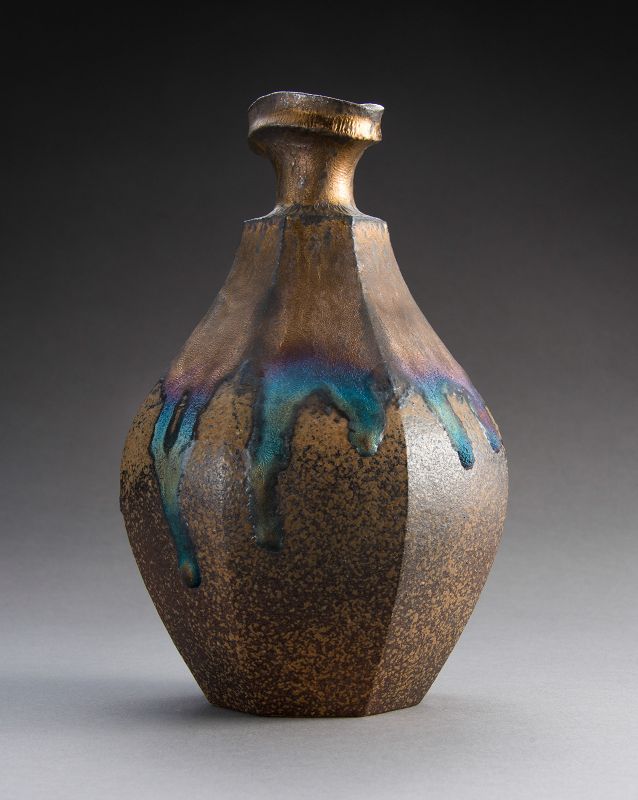
Described on the wood box as a tokkuri (sake flask) with kin-kousai (metallic Iris) glaze, the size and form would allow this piece to function just as well as
SOLD