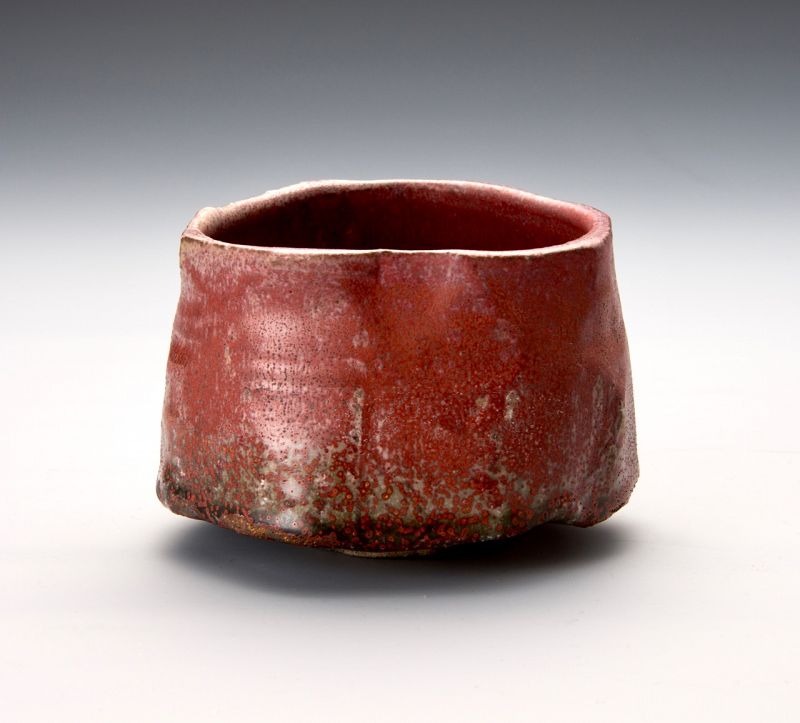
An Excellent Mino Tea Bowl with Cinnabar Glaze
With pottery shards from excavated kilns dating back to the 5th Century, Mino-ware is one of the oldest and most revered pottery traditions in all of Japan. Tho
Selected by shared artwork type, categories, artist and era. Available works appear first.
Back to the artwork · Browse the full collection
With pottery shards from excavated kilns dating back to the 5th Century, Mino-ware is one of the oldest and most revered pottery traditions in all of Japan. Tho
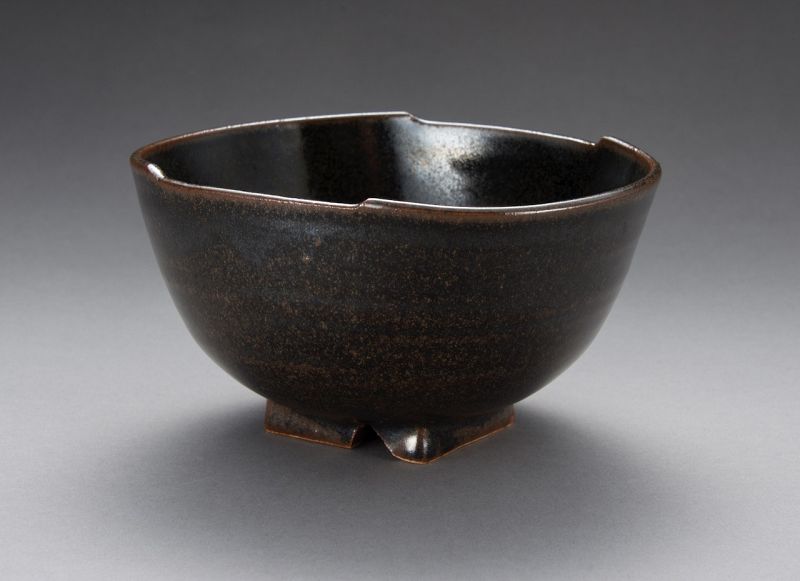
Although reports vary, it is generally thought that Zeze-yaki had its heyday in the late Momoyama to early Edo period under the influence and patronage of legen
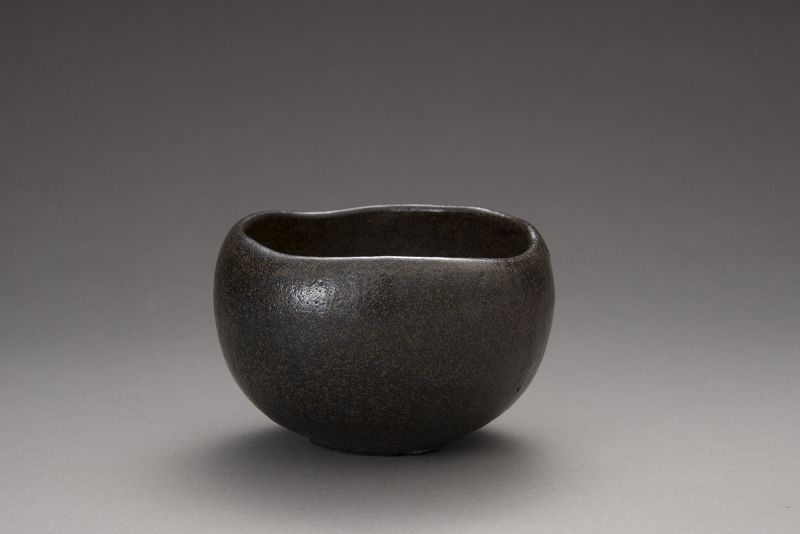
An excellent offering from Higaki Ryota of Katsura Kiln, this piece displays a classic and iconic shape coupled with a beautiful Kase-guro glaze said to be used
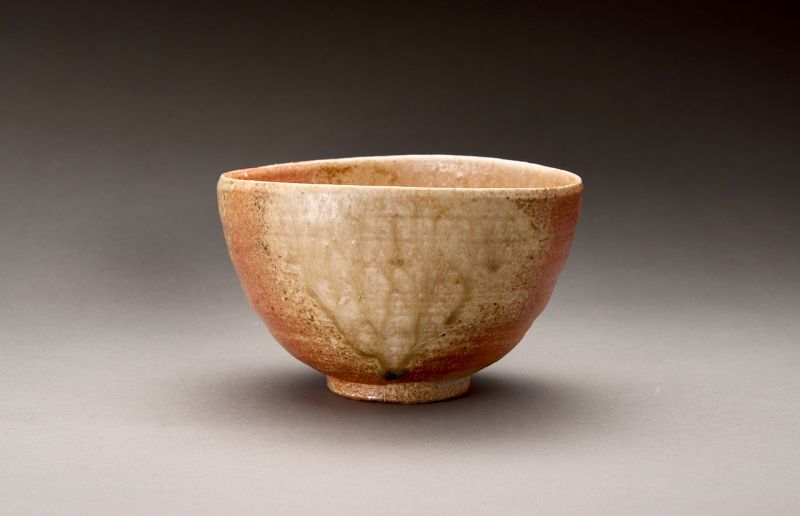
Sugimoto Sadamitsu (b. 1935) is one of the most important Shigaraki potters alive today and continues to create master works into his old age. Originally a resi
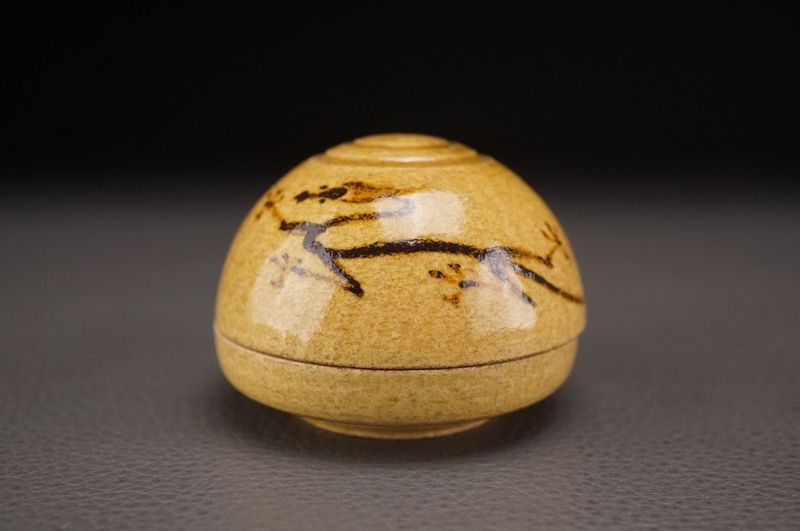
An often overlooked implement in tea ceremony, here we have the humble kogo (incense box) with an image of a sleek and flowing dragon. Commonly thought to repre
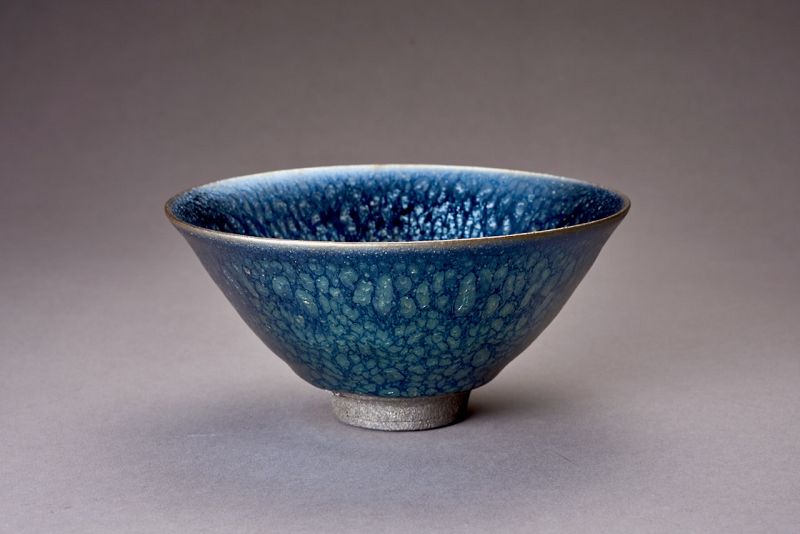
With origins stretching back over 1,000 years, Tenmoku pottery is thought to have first found its way to the shores of Japan in the 12th century by monks who br
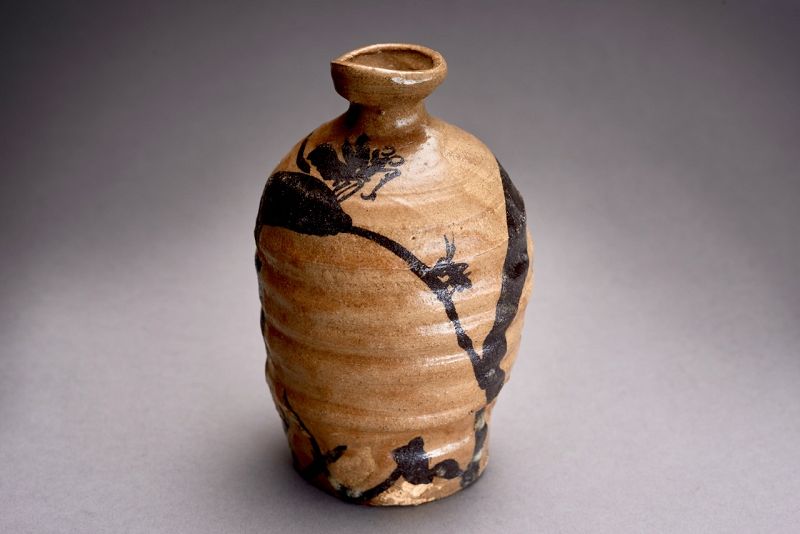
Known for his non-conformist and bold style, Suzuki Goro has outdone himself with this stylized Oribe sake flask (tokkuri). Oribe is a visual style named after
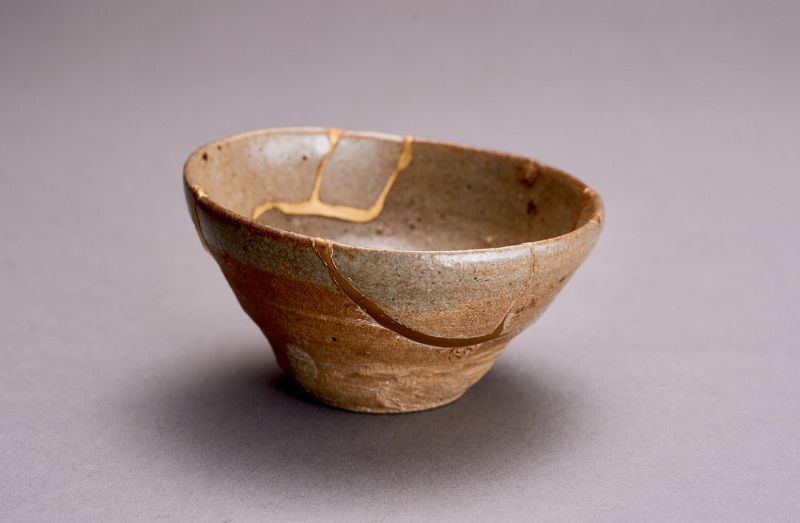
The perfect vessel for enjoying fine Japanese sake or whatever spirit fits the mood. Over 425 years old, this excavated and wonderfully restored sake cup is one
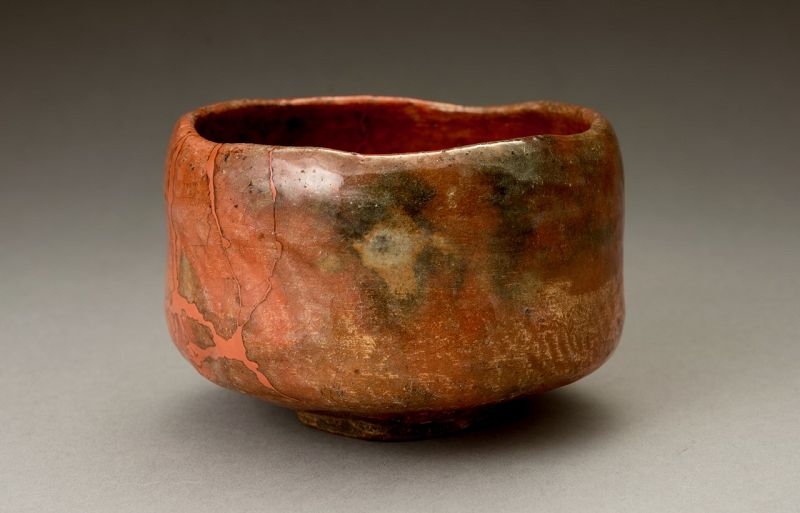
Price on Request Raku-ware carries with it a very naturalistic aura; with its implements made of raw clay, its use of fire/ water/ and air to shape and harden t
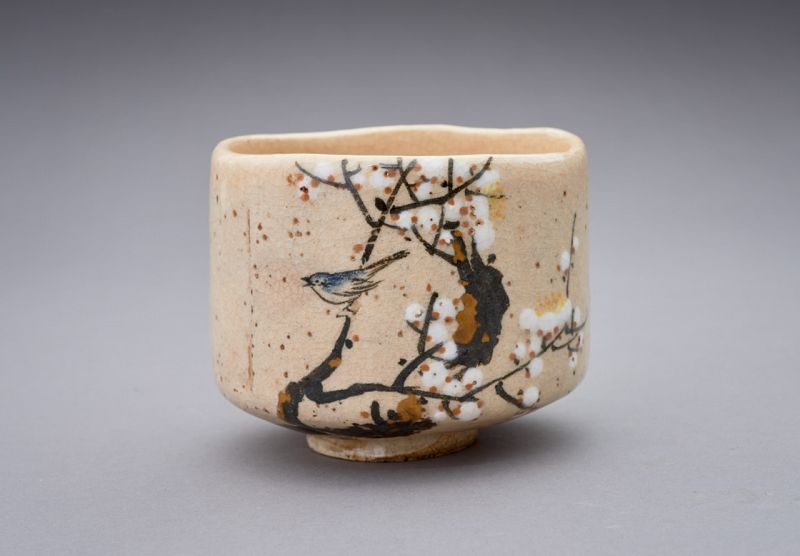
One of the most prominent potters of the Meiji period and one of only five to ever be appointed as Imperial Court Artist, the name Tozan is synonymous with fine
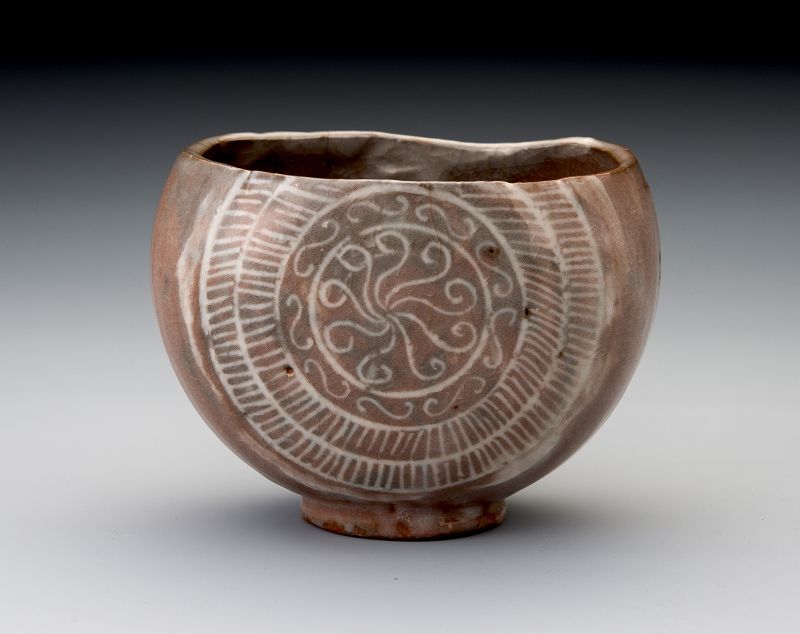
Appearing to be from a 2006 excavation site in Tokyo known to be a former residence of the Owari Tokugawa clan—the most senior contingent of the Tokugawa clan t
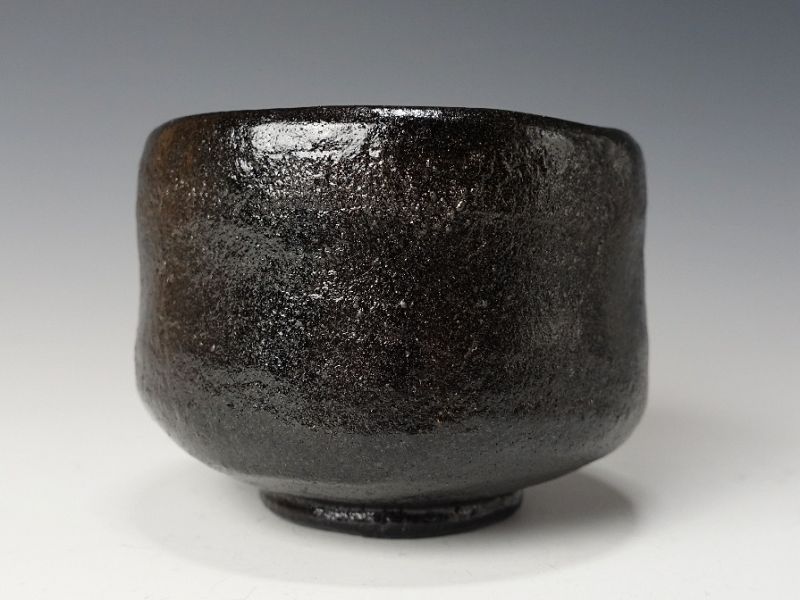
With a masterfully applied black Raku glaze and a noticeable aesthetic of austerity and stillness, this piece is what is refereed to in Japanese as an “utsushi”
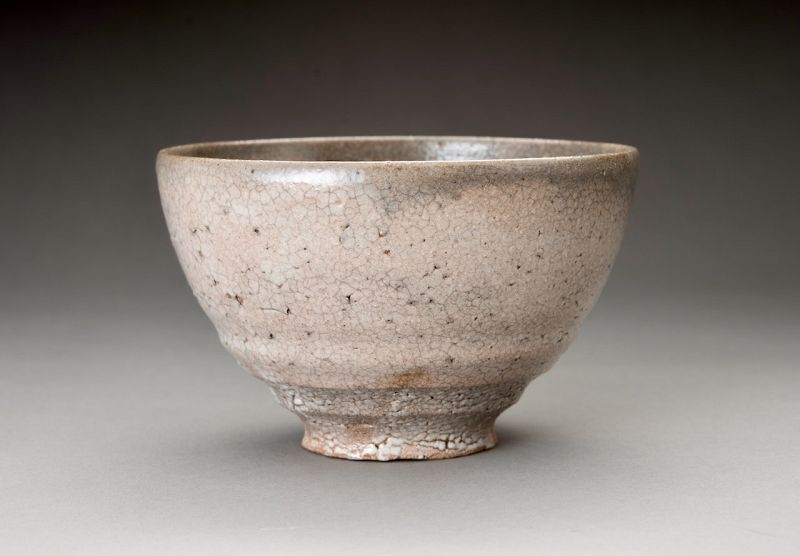
A very interesting chawan (tea bowl) dating from the Korean Joseon period (Richō in Japanese; 1392-1897). This particular piece appears to be from the 17th or 1
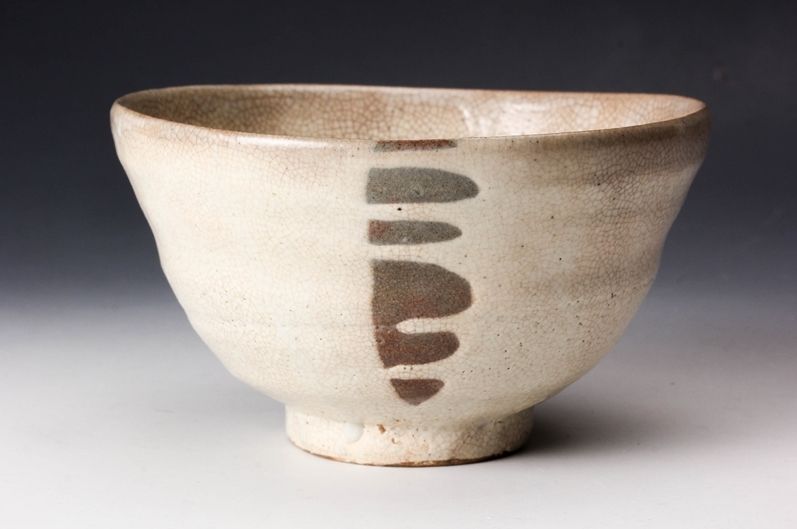
Kohiki is a traditional Japanese pottery style known for its simple and rustic aesthetic. It involves applying a white slip onto the vessel's surface, followed
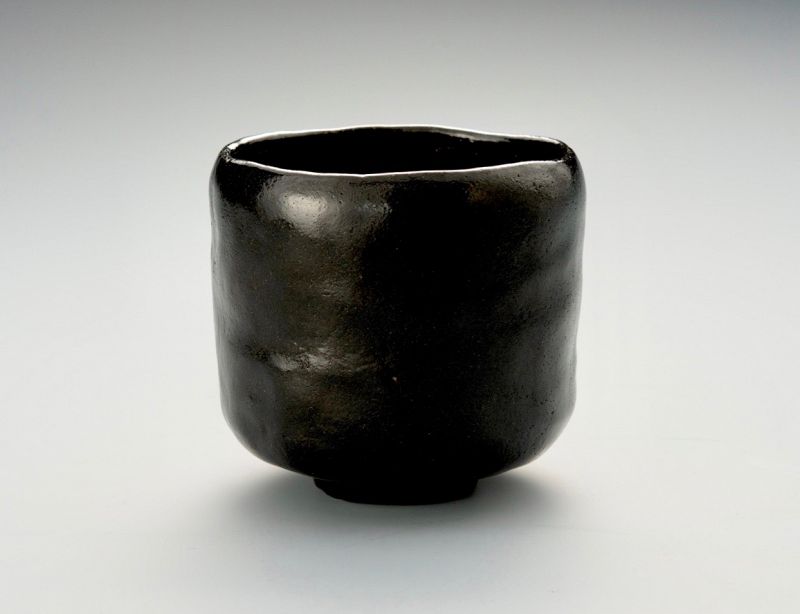
Crafted by one of the most well-known potting families from the Meiji period (Ito Tozan), this black Raku tea bowl displays a glossy sheen and gentle swells rip
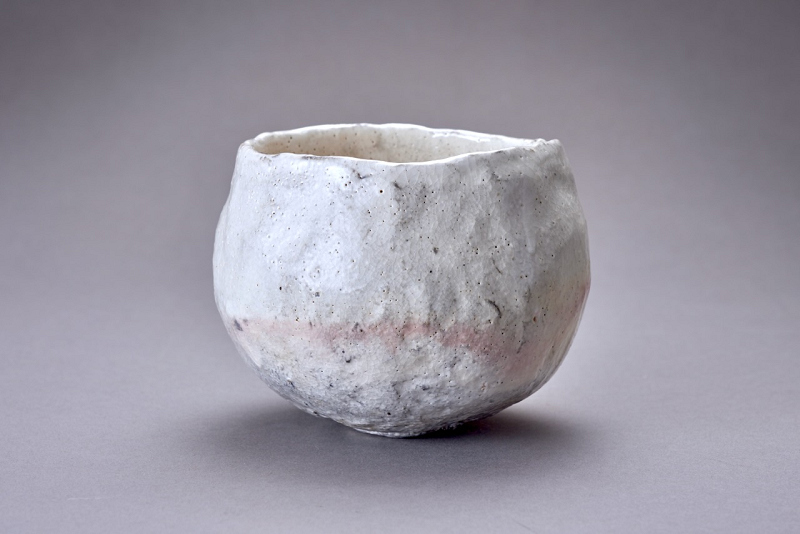
Though rare, occasionally I come white Raku piece by one of our favorite potters, Sugimoto Sadamitsu. Adorned with subtle crackling patterns and variations in t
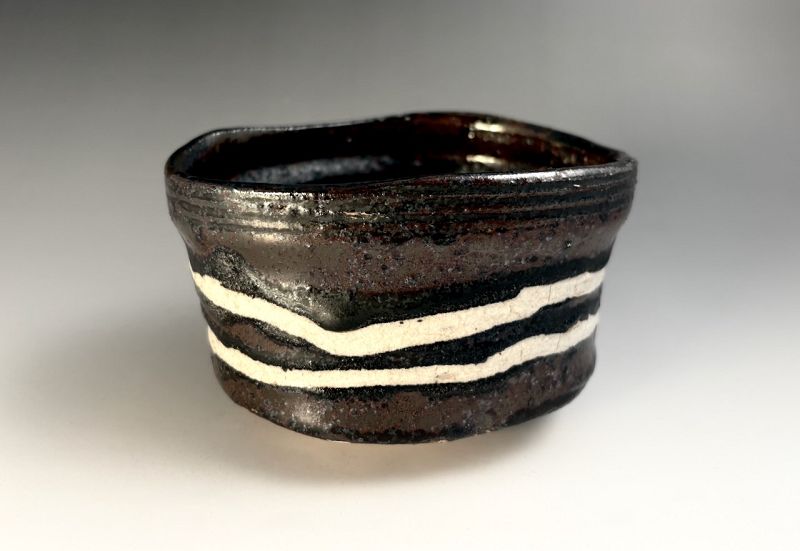
Oribe is a visual style named after the late-16th-century tea master Furuta Oribe (1544-1615). Typically, black or green glazes are applied to the bodies of the
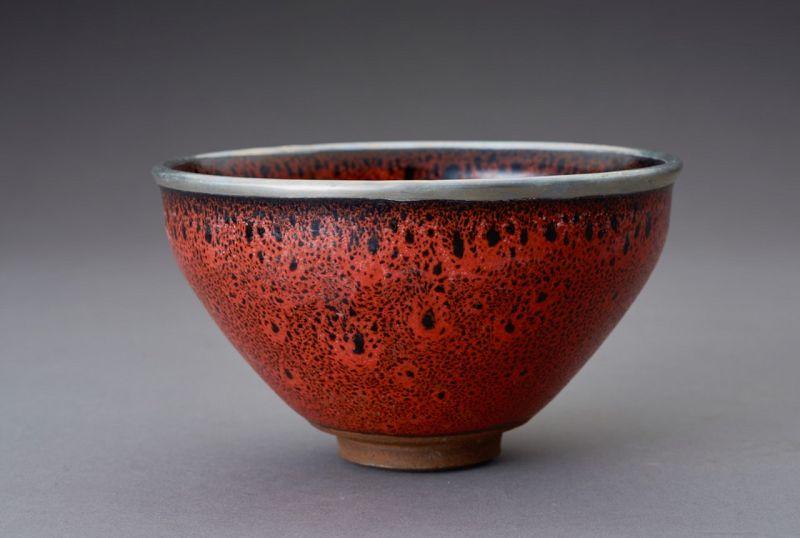
On the base of this tea bowl are the characters “供御” pronounced “Ku-go” in Japanese but “Gong-yu” in the original Chinese—translating in English to something li
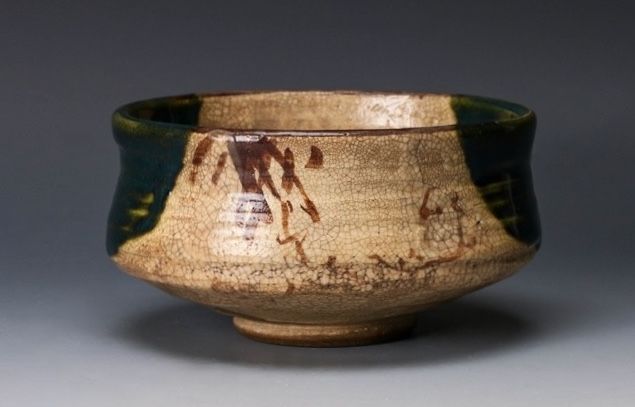
Oribe is a visual style named after the late-16th-century tea master Furuta Oribe (1544-1615). Typically, black or green glazes are applied to the bodies of the
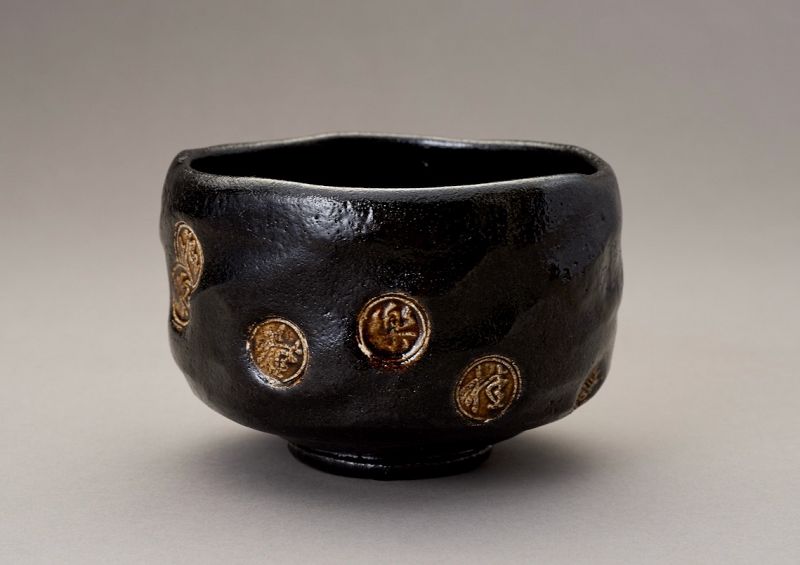
The term “Raku” was once reserved for a style of pottery produced by a specific household in Kyoto that began over 450 years ago. Over the years, as it gained p
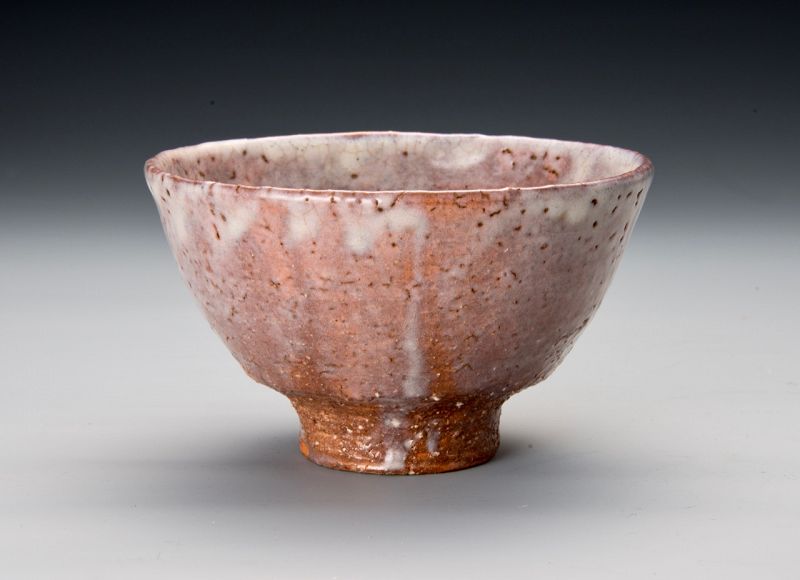
Simple yet classic styling—this tea bowl is perfect for anyone looking for the quintessential Ido-shaped chawan crafted by one of Japan’s master Hagi potters. B
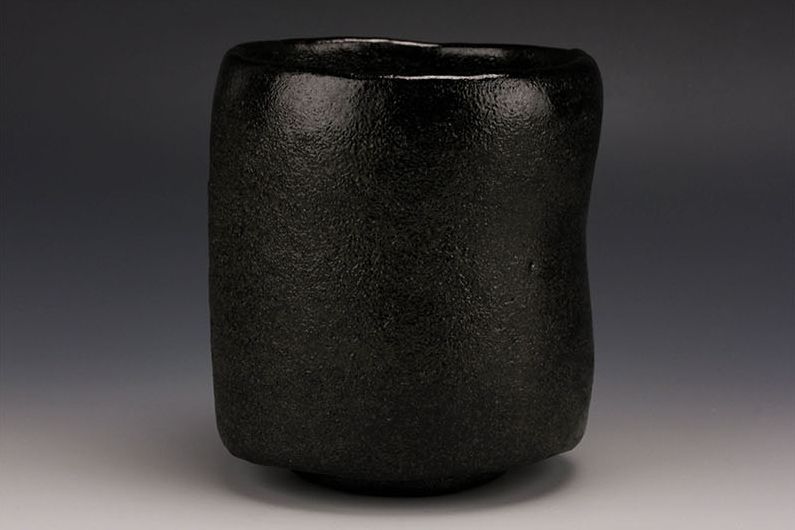
Tsutsu-shaped chawan have a unique and especially attractive shape. They are used mainly in the depths of winter to keep in the heat, and prevent the tea from c
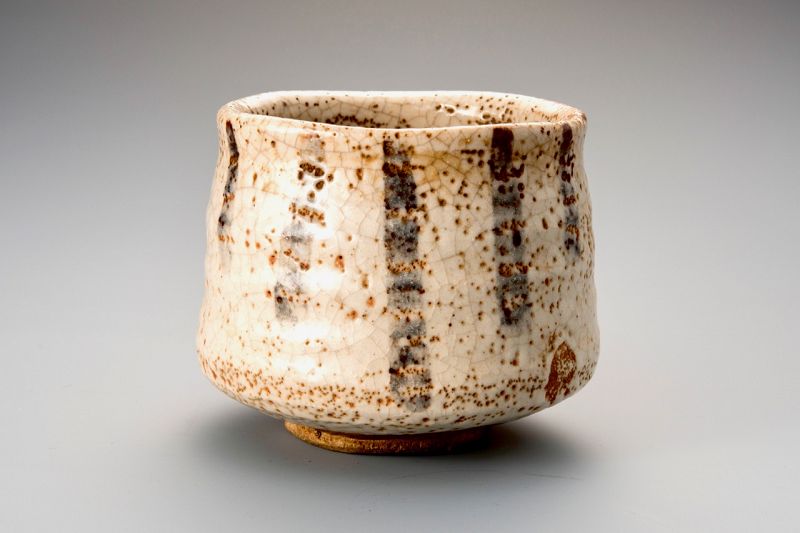
This lovely Shino tea bowl fashioned from coarse Mino clay is covered in feldspar glazing, has a classic ferrous abstract painting across the front, and shows n
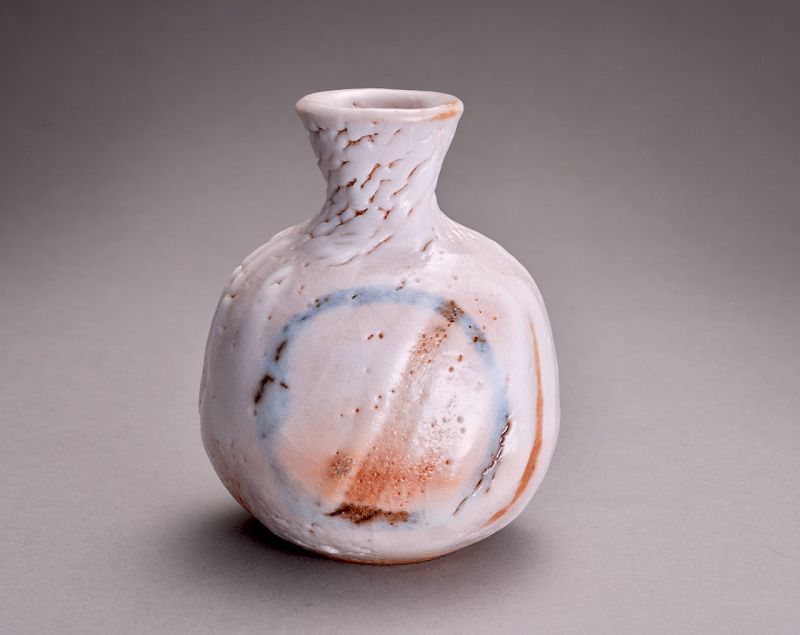
This depiction of the eternal “ensō” on a backdrop of pearly white feldspar over red clay signifies enlightenment, the eternal, the nothingness, and the freedom
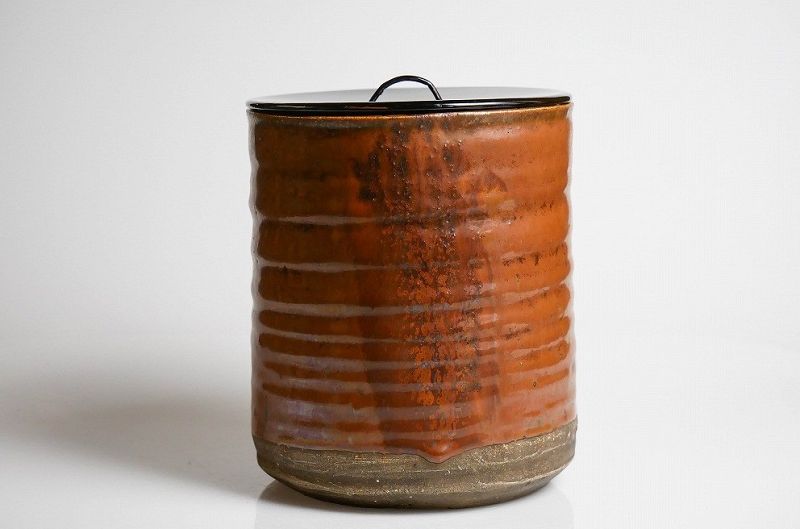
Seto is a pottery tradition established in the 12th century with the aim of reproducing fine Chinese porcelain and tenmoku-style tea bowls—which were hard to co
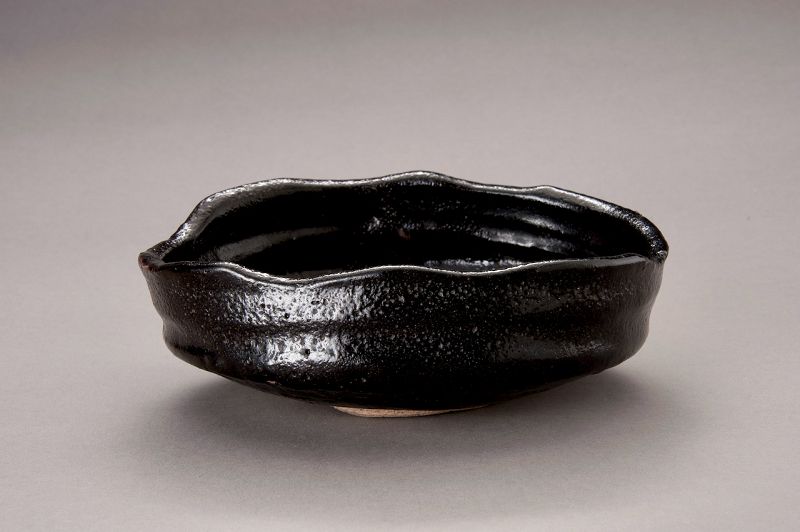
Living in Kyoto it is not uncommon to come across beautiful antique tea bowls, however, finding pieces that are in good condition, aesthetically compelling, and
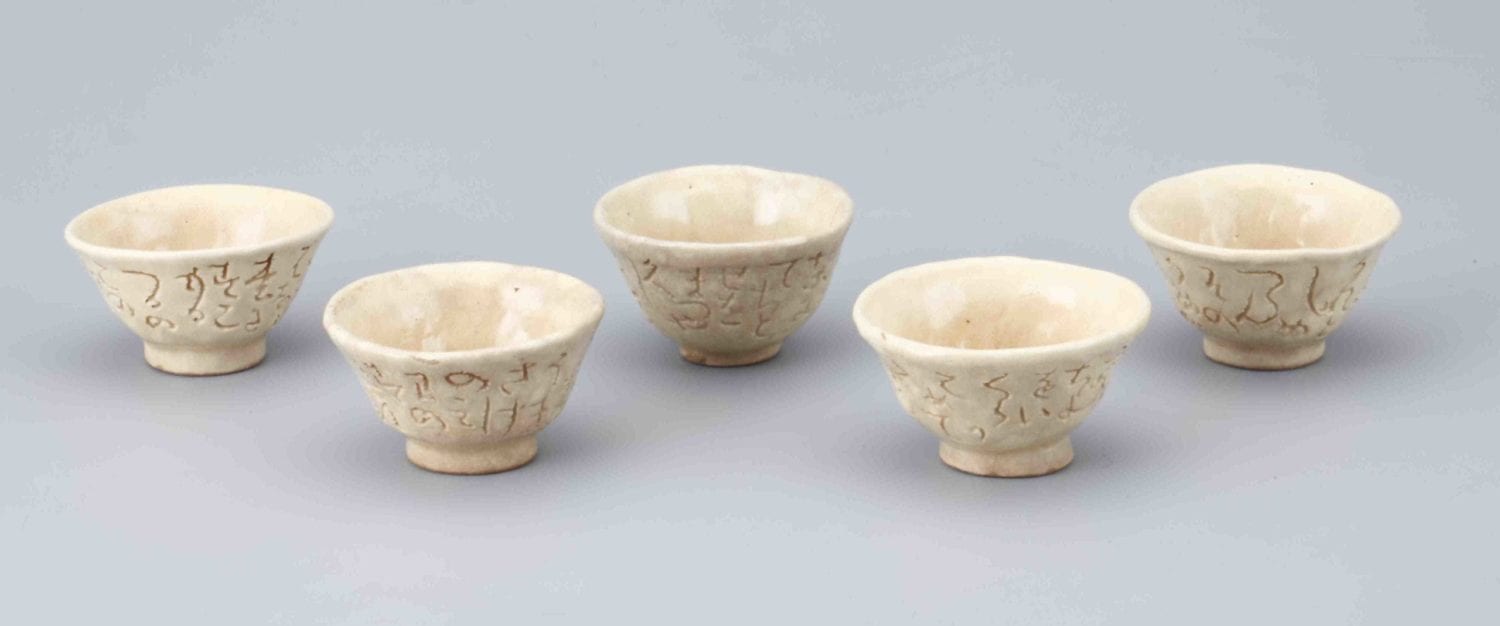
Rengetsu is a unique and celebrated figure from Japanese 19th century history. Despite her reported great beauty and talent for the arts, she faced many persona
SOLD
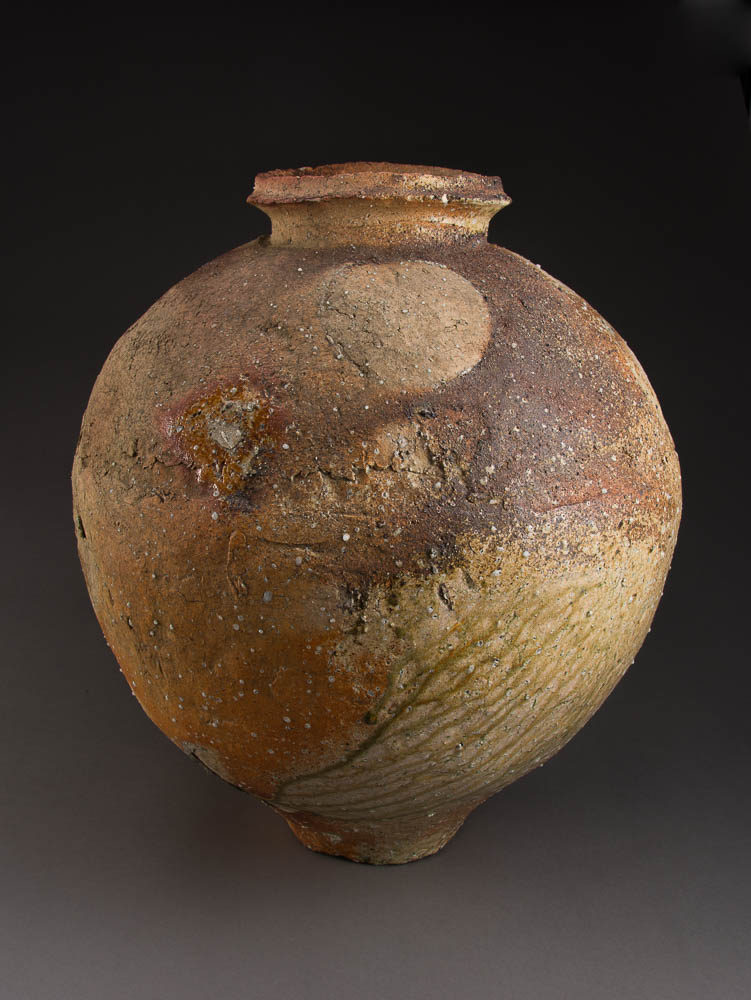
An exceptionally large work by one of the most important contemporary ceramic artists in Japan. Collected widely both here and abroad, a favorite of Daitoku tem
SOLD
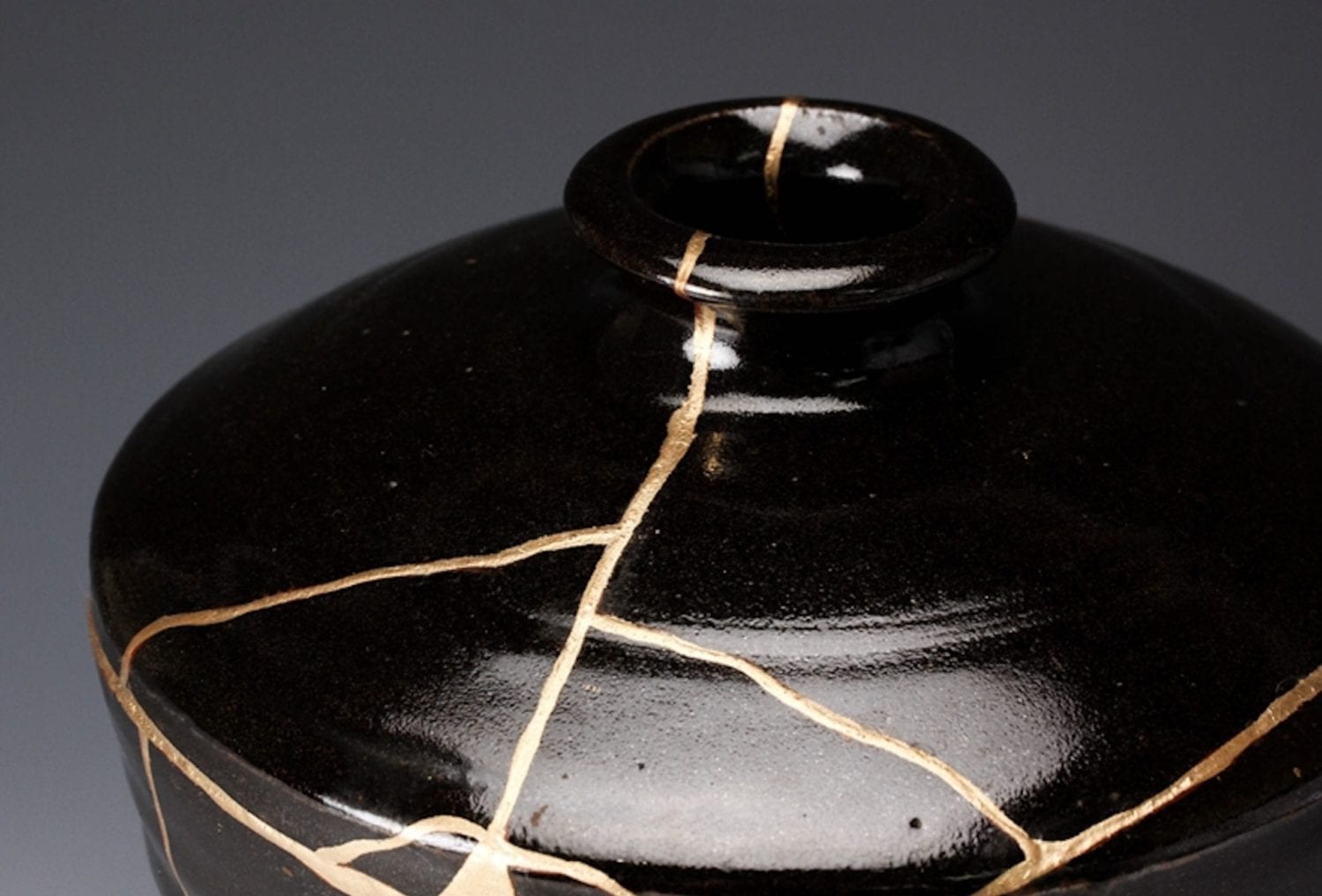
Yuzo Kondo is one of the more recognized names in the world of modern Japanese pottery of the 20th century. Though known mainly for his sometsuke creations (blu
SOLD
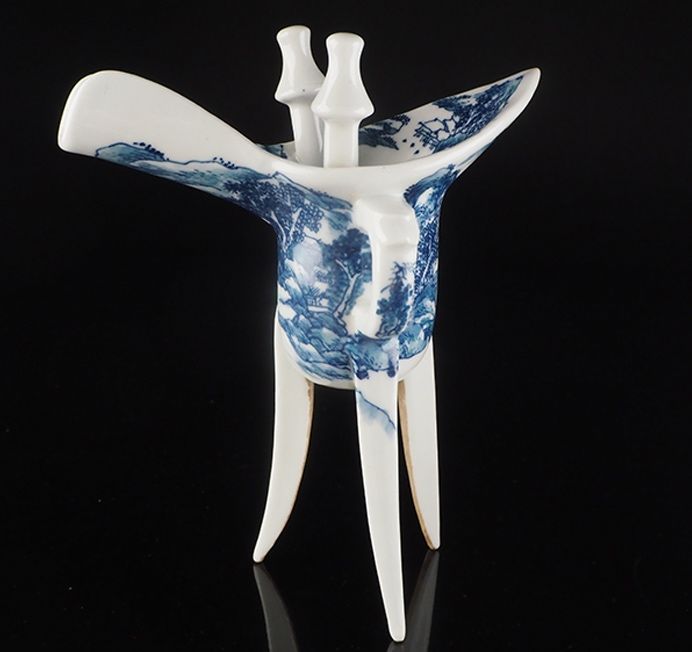
Used for ceremonial purposes by the Xia, Shang, and Zhou dynasties. Traditionally, the jue vessel was made of bronze with a pouring spout on either end and a pa
SOLD
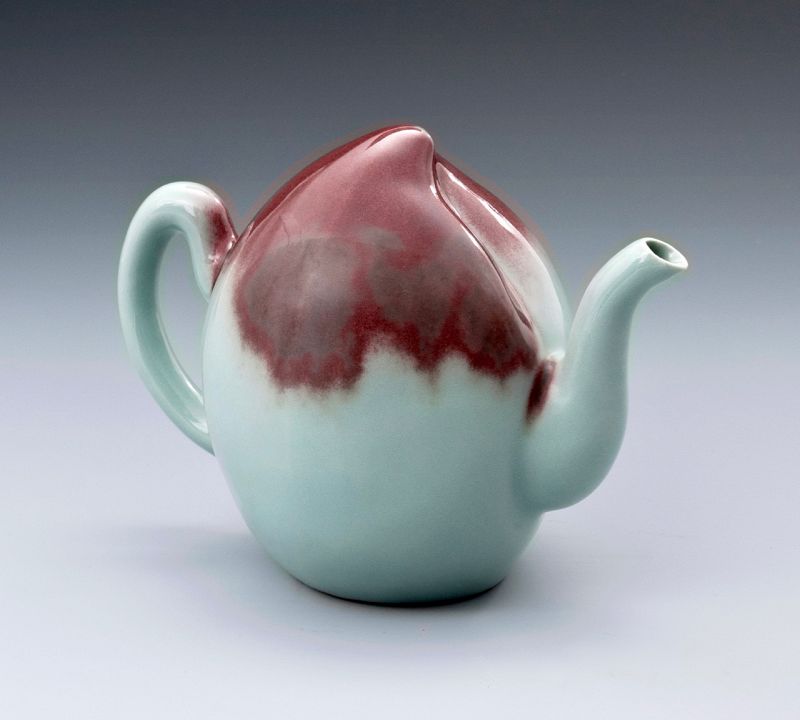
This peach-shaped suiteki (water dropper for calligraphy) is made of fine kinuta celadon from one of the great masters of the Meiji era—Suwa Sozan. A classic de
SOLD
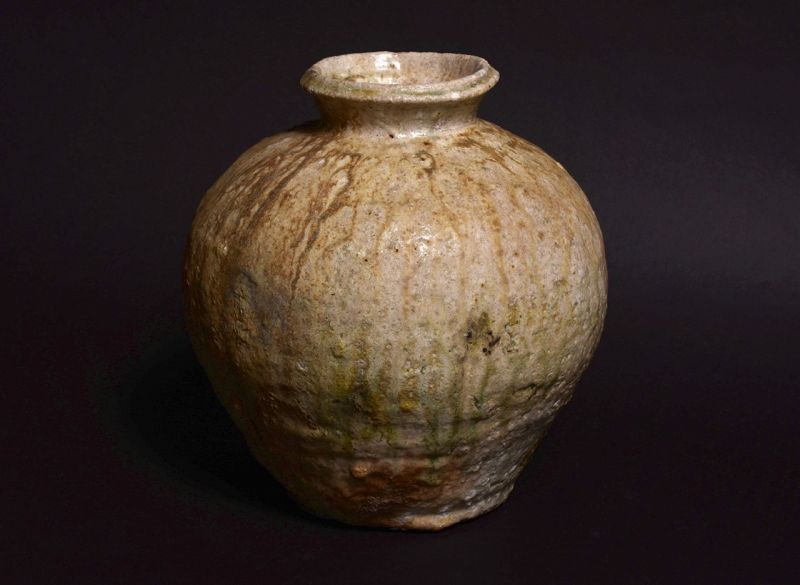
Fired for days at over 1,400C degrees, this primordial-looking wonder of ancient potting technology displays a number of beautiful natural effects from the inte
SOLD
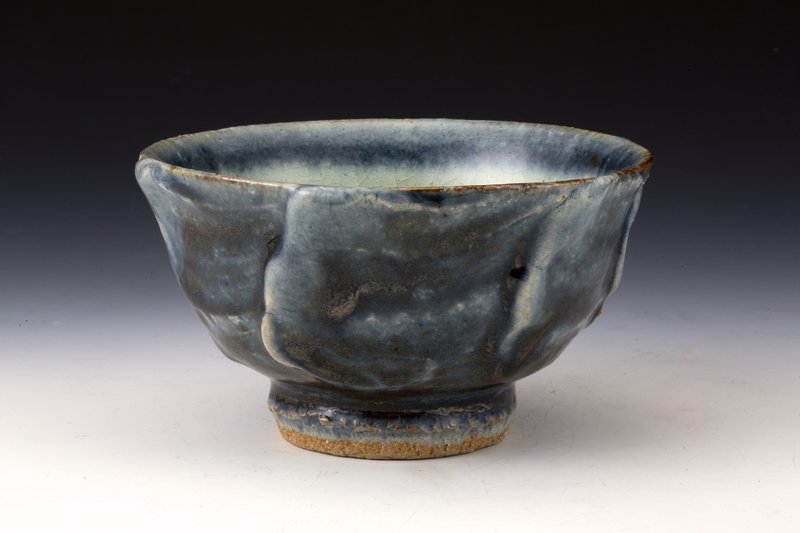
Raised, undulating ridges on a field of cobalt blue highlighted with white slip and bronze flecks around the rim, this piece conjures images of the deep and sto
SOLD
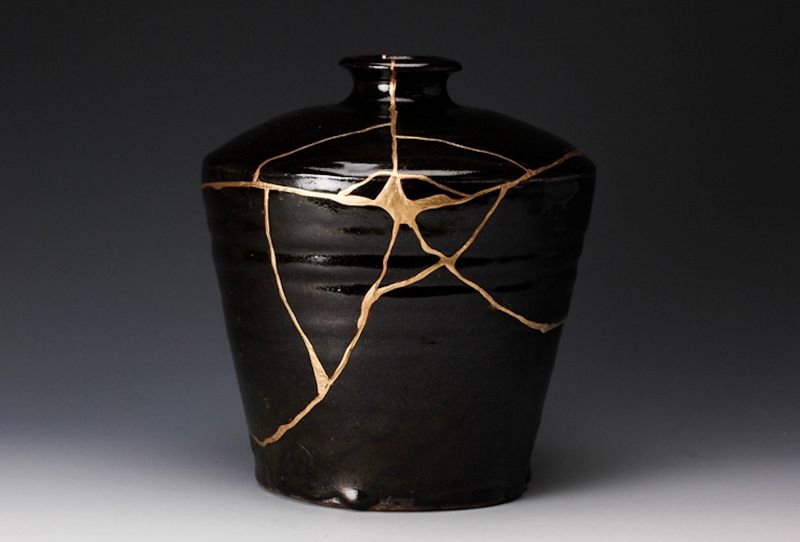
Yuzo Kondo is one of the more recognized names in the world of modern Japanese pottery of the 20th century. Though known mainly for his sometsuke creations (blu
SOLD
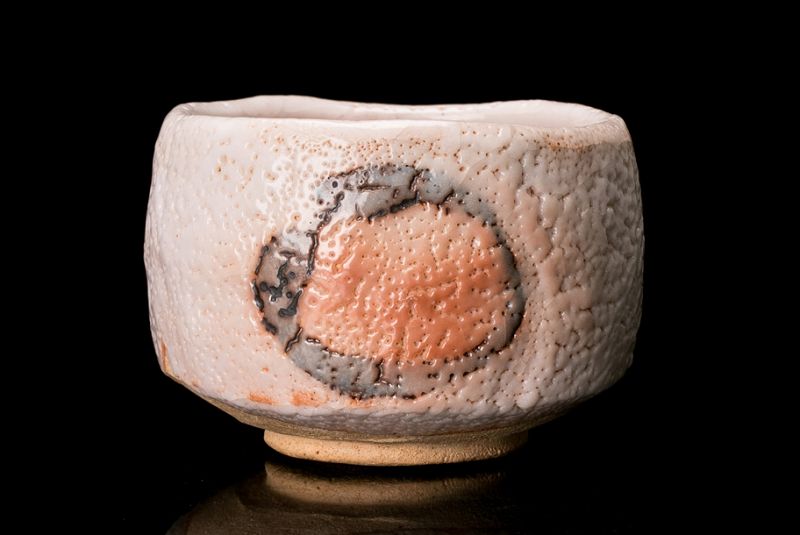
This depiction of the eternal “ensō” on a backdrop of pearly white feldspar signifies enlightenment, the eternal, the nothingness, and the freedom of the mind t
SOLD
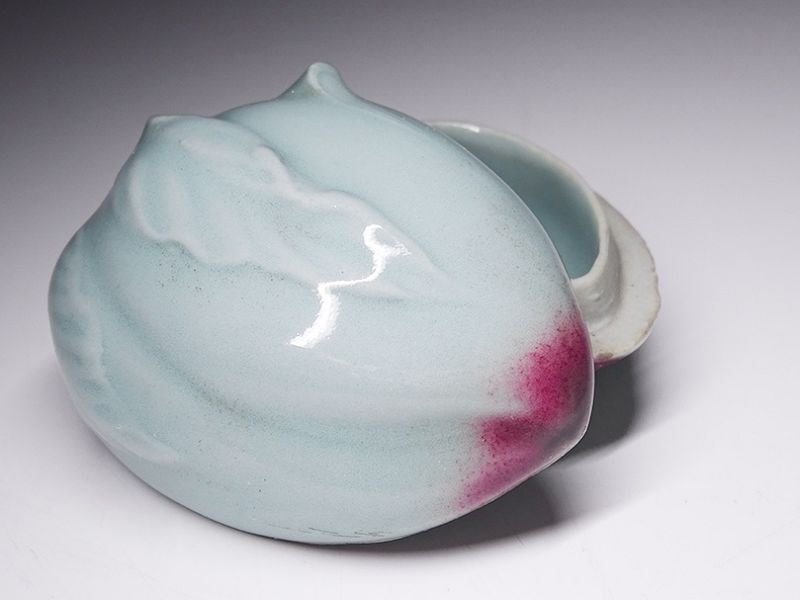
This peach-shaped kogo (incense box) is made of fine kinuta celadon from one of the great masters of the Meiji era—Suwa Sozan. A classic design, the peach is sa
SOLD
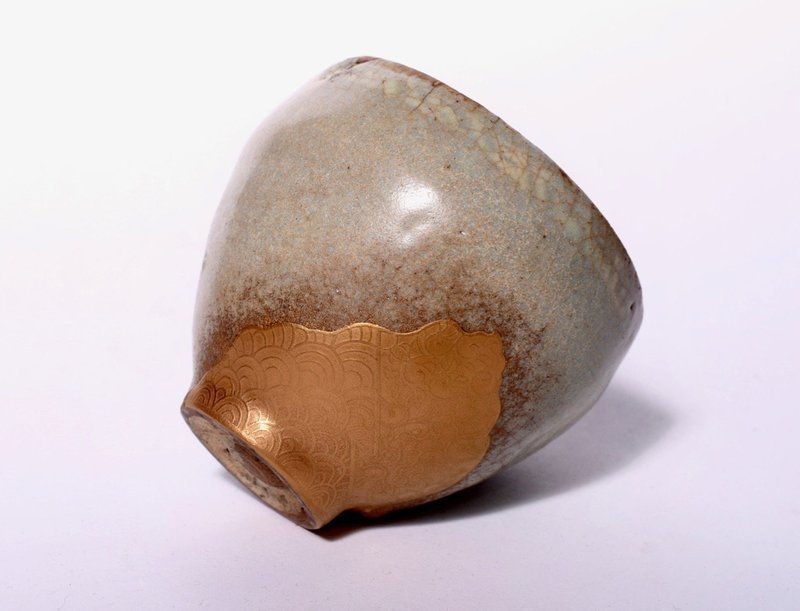
The gray-blue celadon displays finely crackled glazing with areas slightly darkened by time. A faint pattern made of white inlay can be seen along the upper rim
SOLD
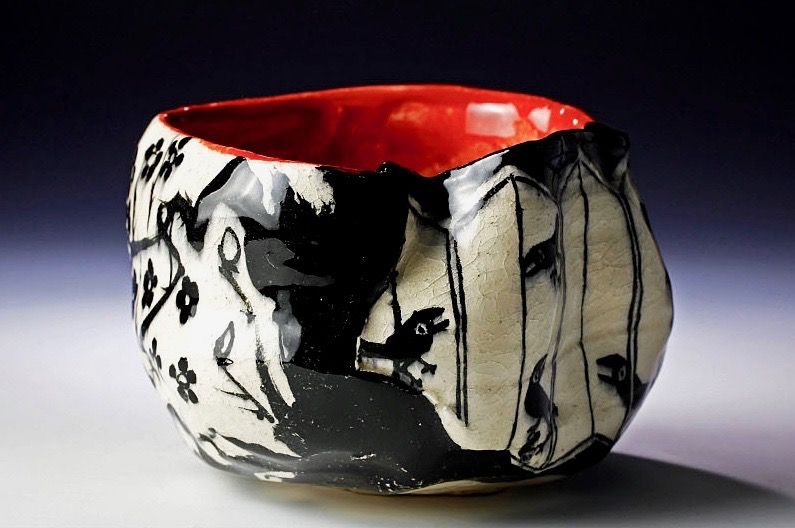
One of the finest, most daring, and well-crafted works I have seen by this legendary artist who is known for his non-conformist and bold style. Suzuki Goro has
SOLD
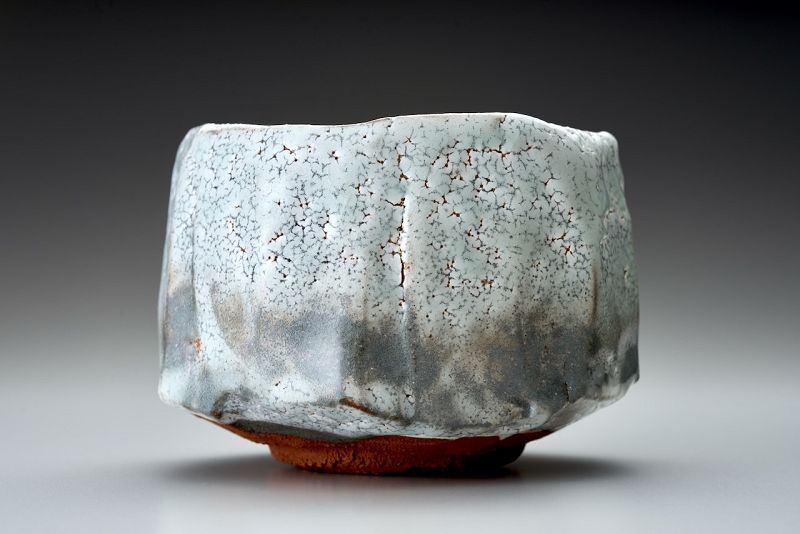
A stunning work of Shino-ware by veteran potter Hayashi Shotaro—winner of numerous awards for his bold and innovative style and widely recognized as one of the
SOLD
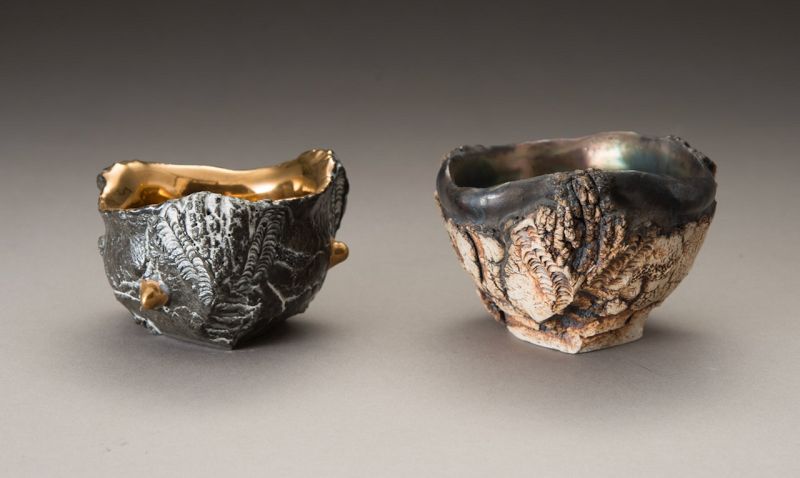
If you are familiar with the work of Hiramatsu Ryoma you know that he creates very unconventional ceramics inspired by forms found in nature. Here we have a set
SOLD
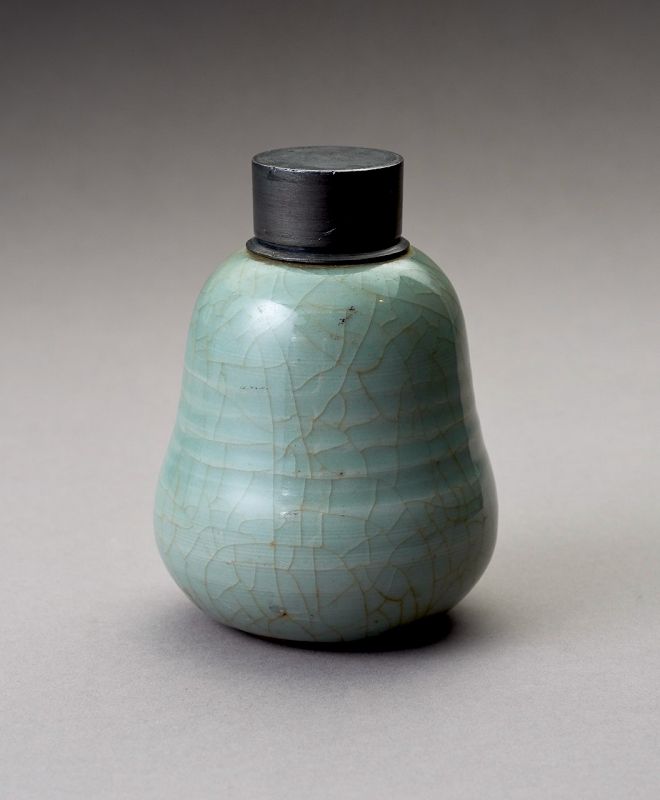
Most likely Chinese in origin, this antique celadon tea caddy is a mesmerizing piece of art that exudes elegance and sophistication. Crafted during a time when
SOLD
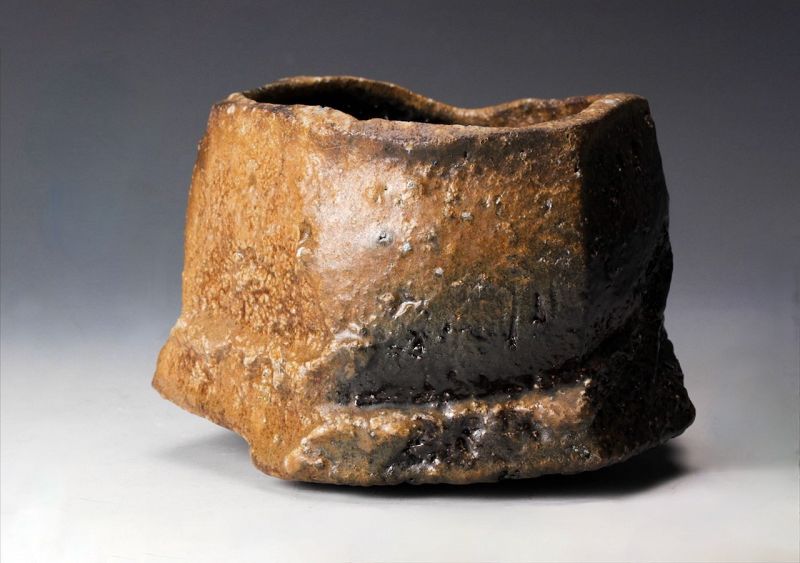
An awe-inspiring masterpiece, this tea bowl by Kakurezaki showcases his unparalleled skill and artistic vision. Crafted with meticulous precision, the bowl seam
SOLD
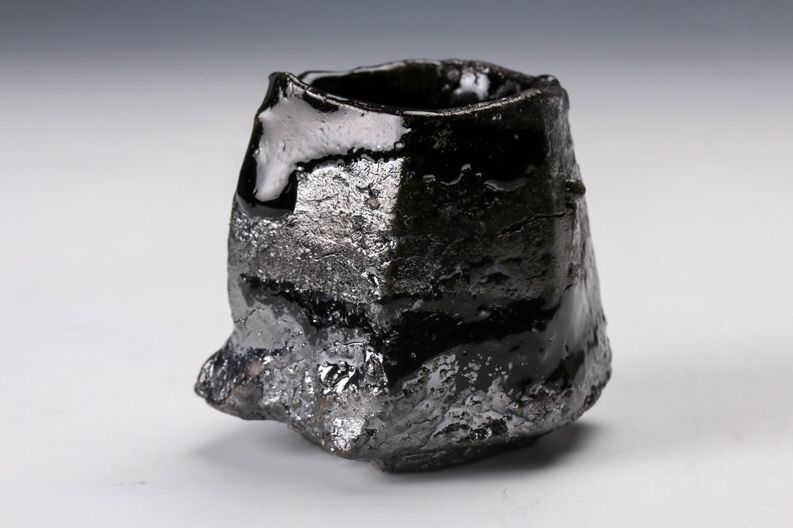
Scrawled across one face of the hand-crafted wood box housing this exquisite sake cup is the word “Prism,” perfectly encapsulating the inspiration for this angu
SOLD
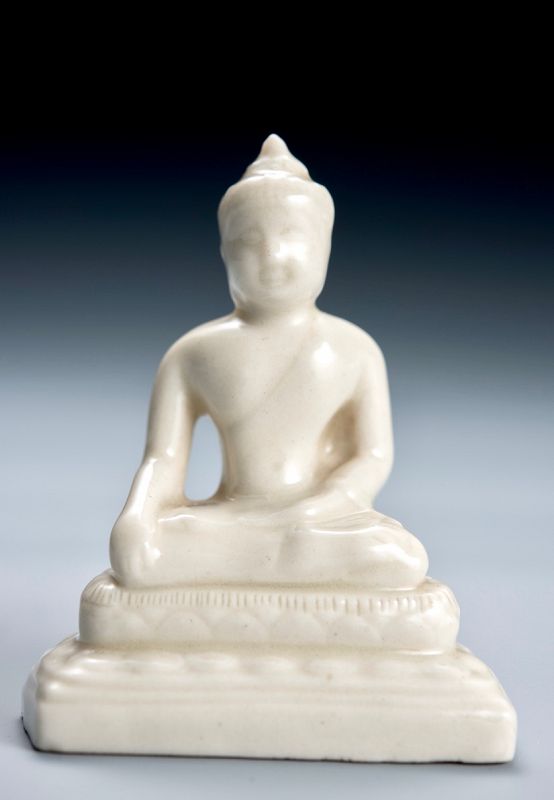
This white porcelain statue depicts a small seated Bodhisattva deep in meditation. Bodhisattva, otherwise known as bosatsu in Japan, are enlightened beings who
SOLD
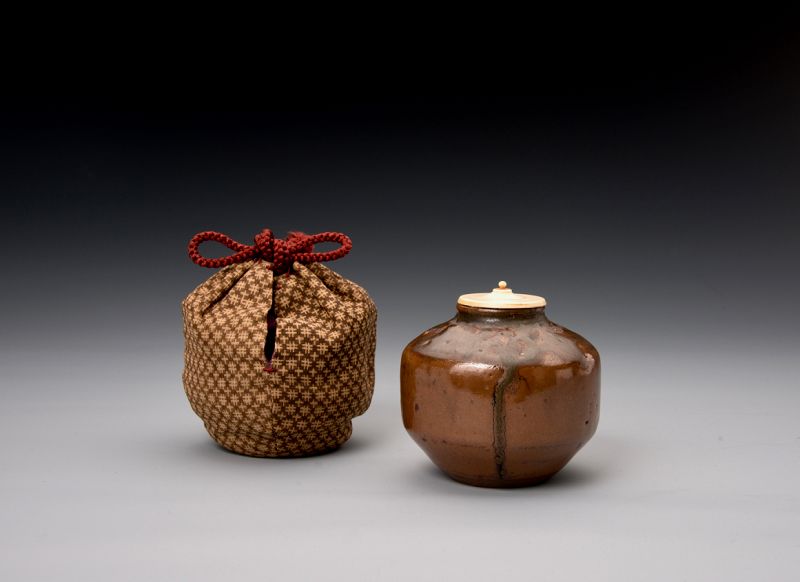
This extraordinary cha-ire (powdered tea container) displays an excellent glaze that appears to have only grown more intricate and rich with time. Contrasting a
SOLD
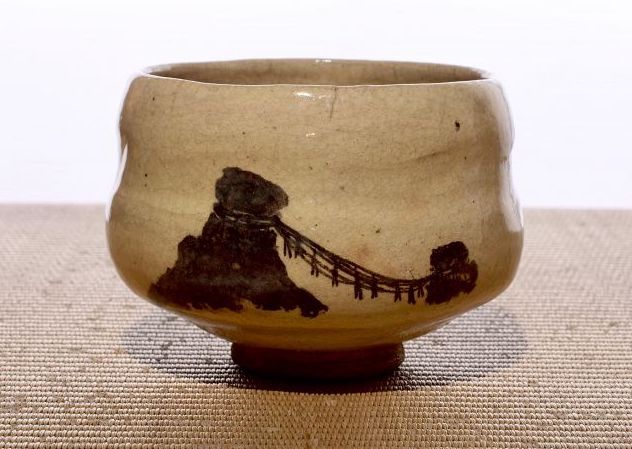
This tea bowl crafted by one of the great masters of Japanese pottery depicts Meota Iwa—a famous Japanese landmark in Mie. Symbolizing the union between two div
SOLD
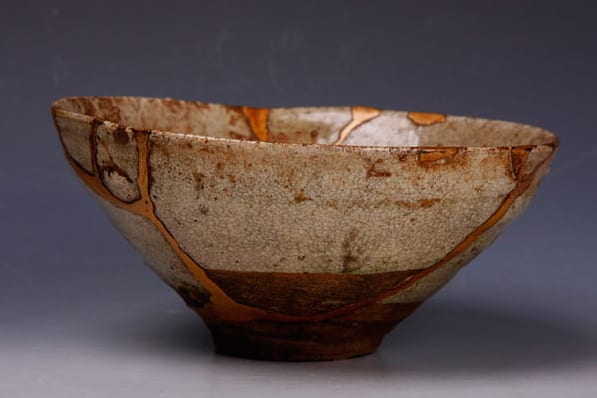
This lovely Ido-gata shaped chawan has very nice asymmetrical balance highlighted by extensive and skillfully applied kintsugi gold repairs. The inside bottom o
SOLD
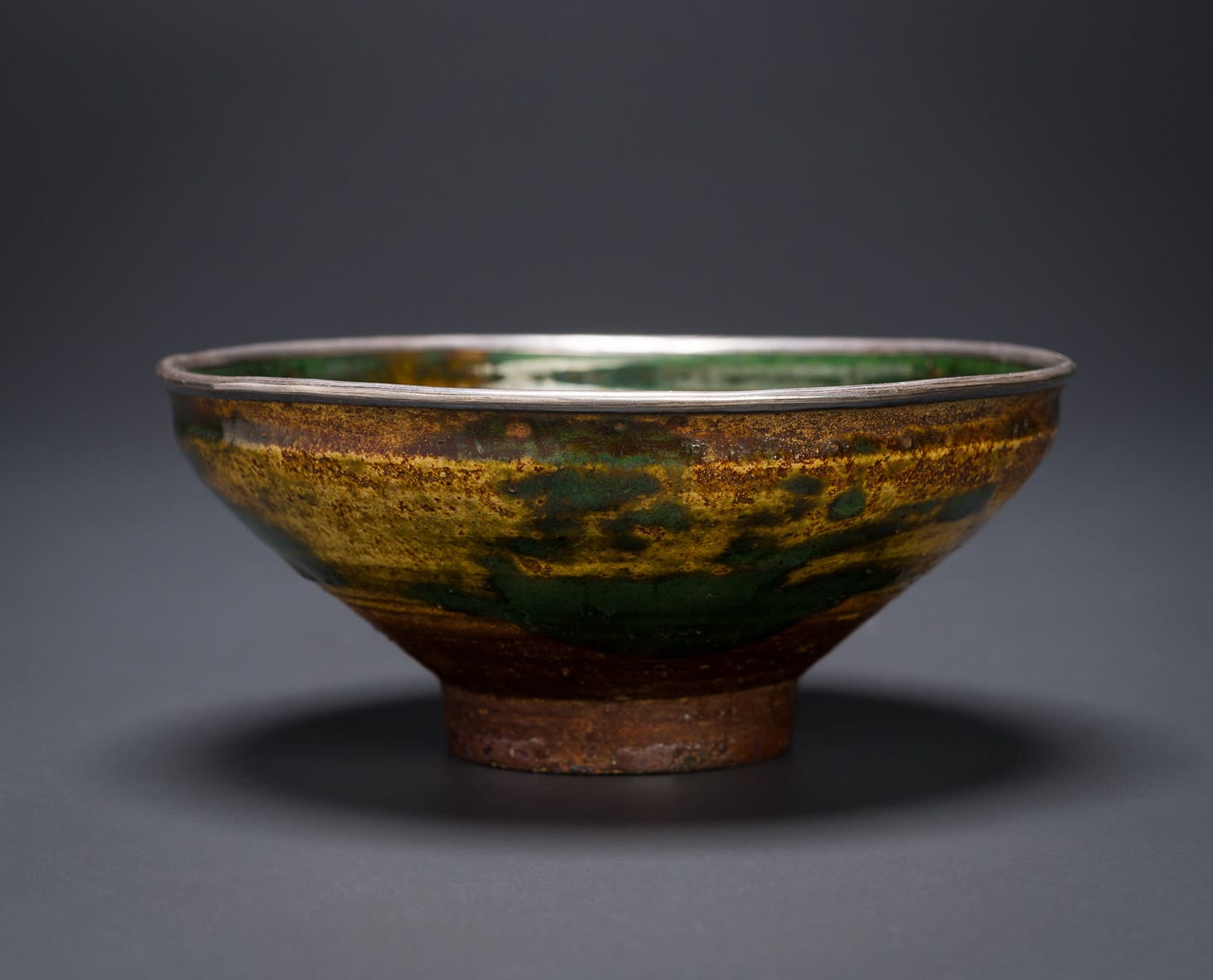
Before styles such as Raku, Hagi, Karatsu, etc came into fashion for use in the tearoom in early Edo, it was commonplace in cultured society to use tea-ware imp
SOLD
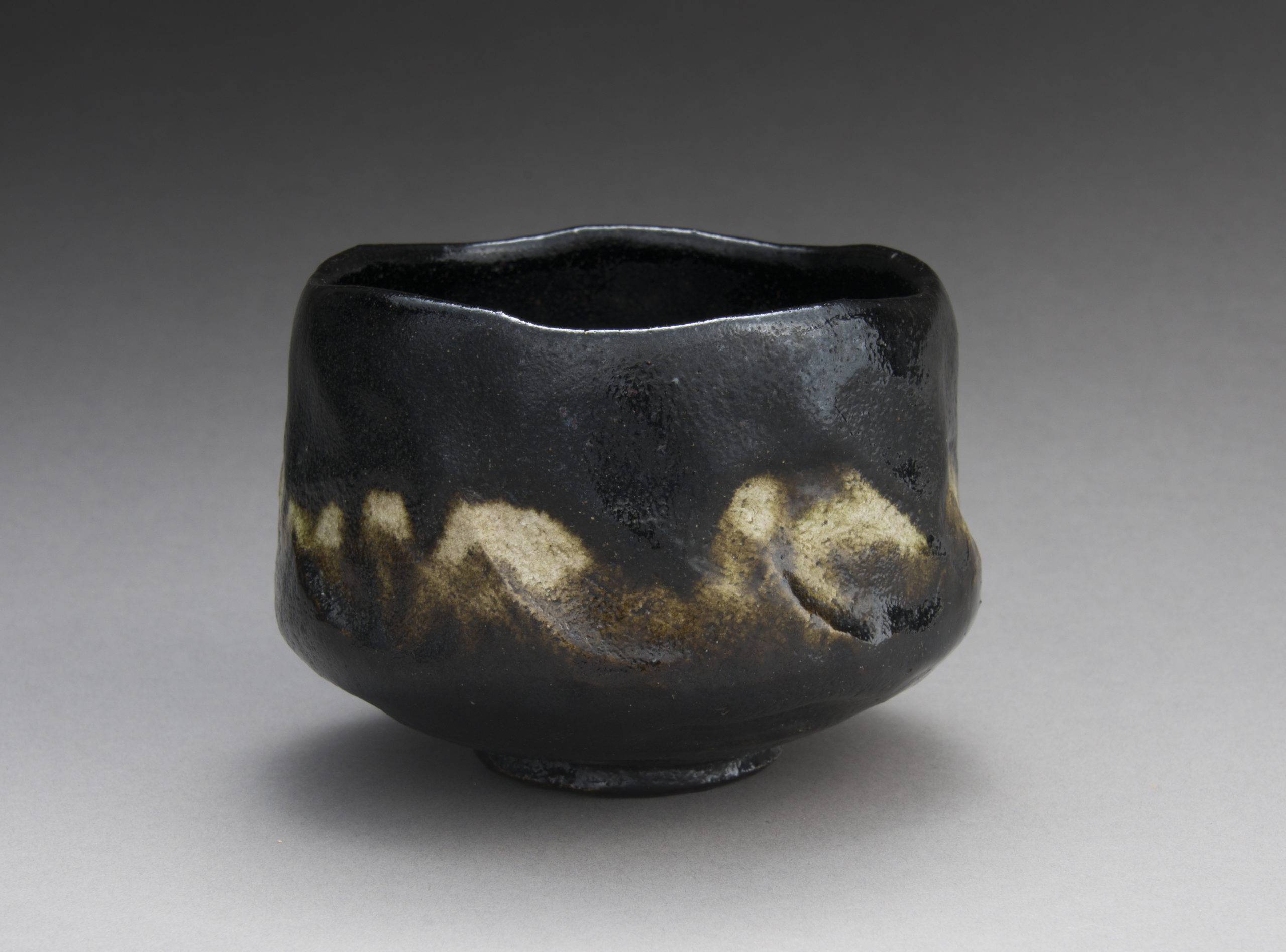
A black Raku ceremonial tea bowl displaying an excellent patina bestowed by time. The light colored clay peeks through in areas giving this piece a unique feel.
SOLD
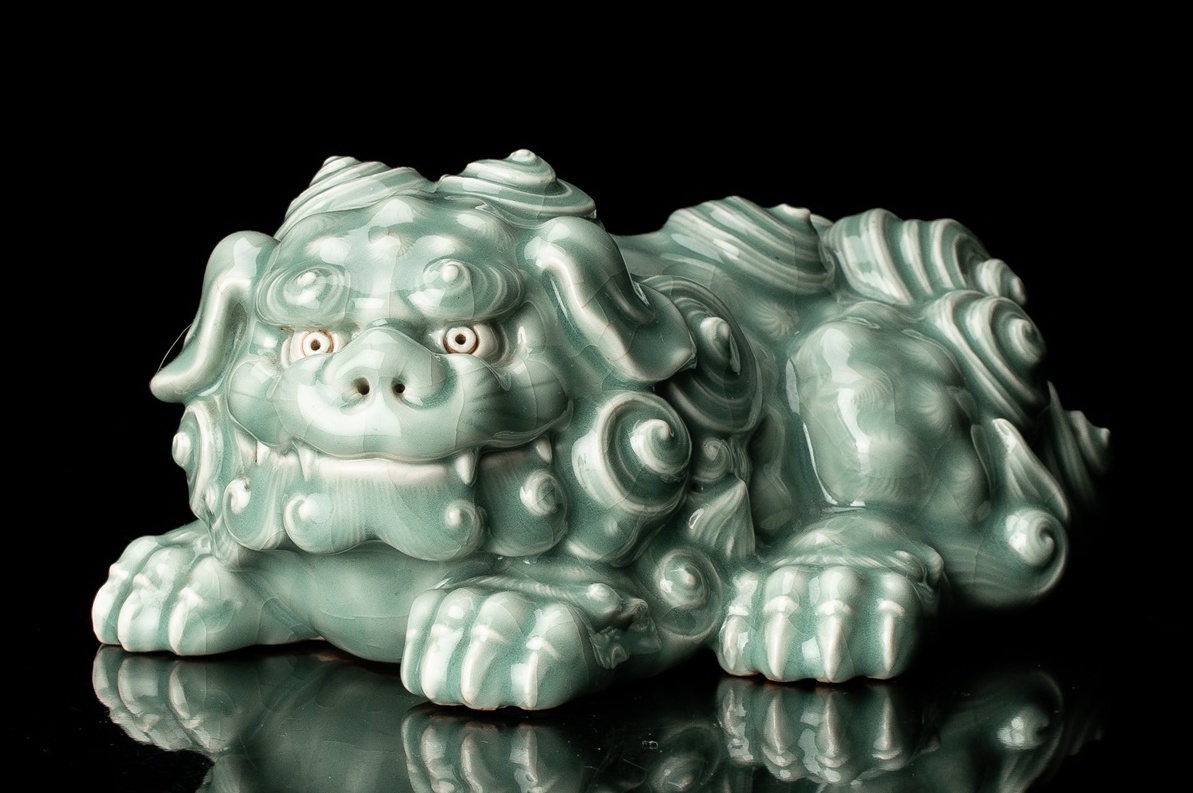
One of only five Imperial Court Artists of Meiji, ceramic pieces by Kōzan are highly prized by collectors and are ever more difficult to find on the market thes
SOLD