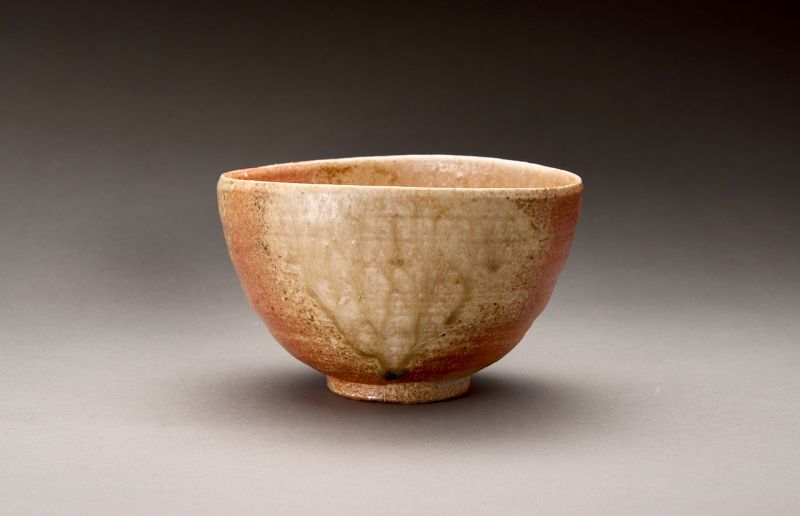
A Shigaraki Tea Bowl by Sugimoto Sadamitsu
Sugimoto Sadamitsu (b. 1935) is one of the most important Shigaraki potters alive today and continues to create master works into his old age. Originally a resi
Selected by shared artwork type, categories, artist and era. Available works appear first.
Back to the artwork · Browse the full collection
Sugimoto Sadamitsu (b. 1935) is one of the most important Shigaraki potters alive today and continues to create master works into his old age. Originally a resi
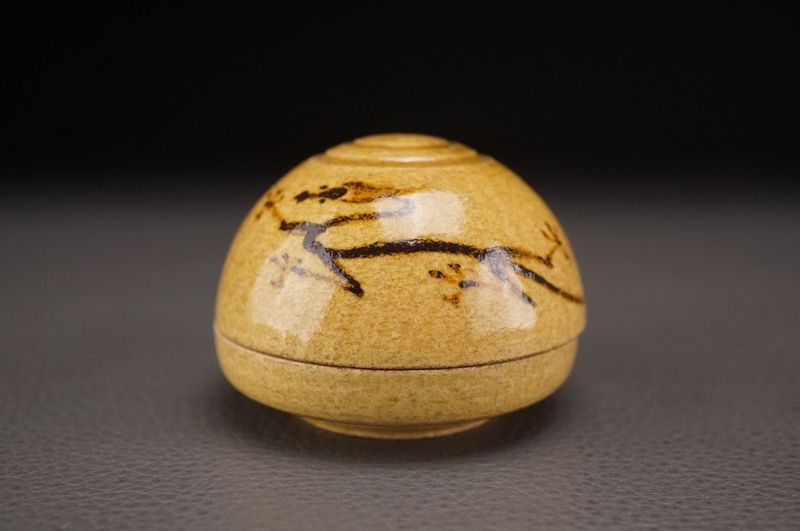
An often overlooked implement in tea ceremony, here we have the humble kogo (incense box) with an image of a sleek and flowing dragon. Commonly thought to repre
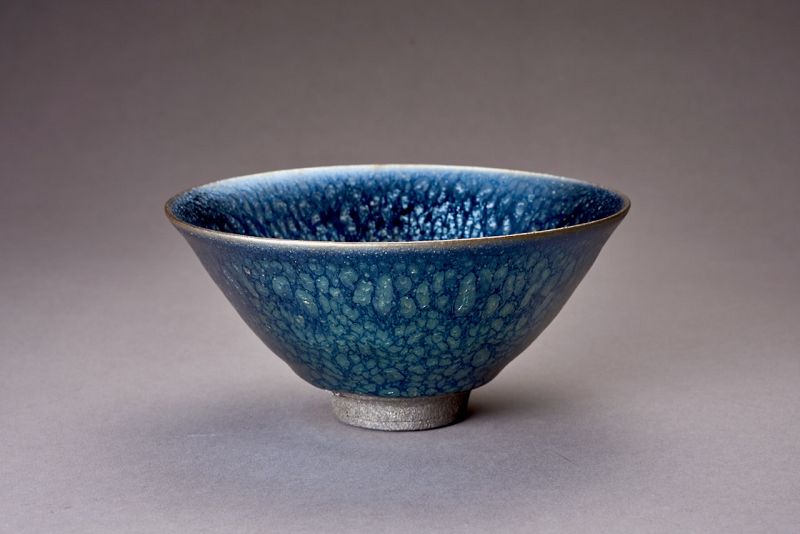
With origins stretching back over 1,000 years, Tenmoku pottery is thought to have first found its way to the shores of Japan in the 12th century by monks who br
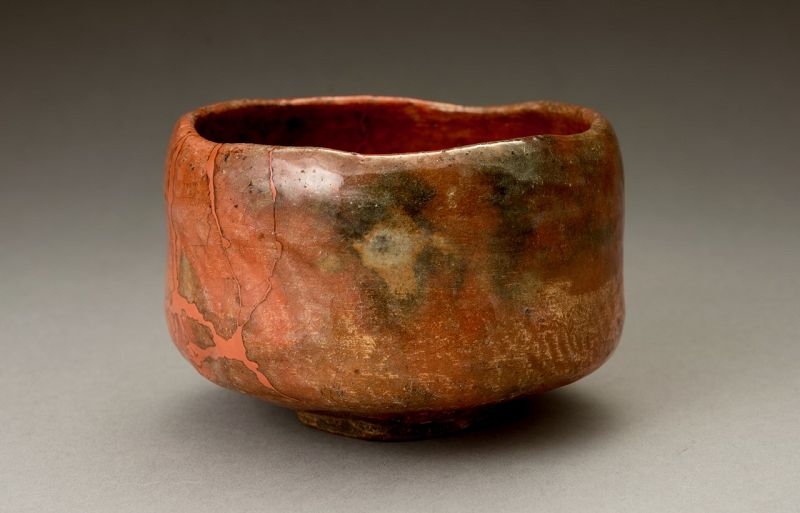
Price on Request Raku-ware carries with it a very naturalistic aura; with its implements made of raw clay, its use of fire/ water/ and air to shape and harden t
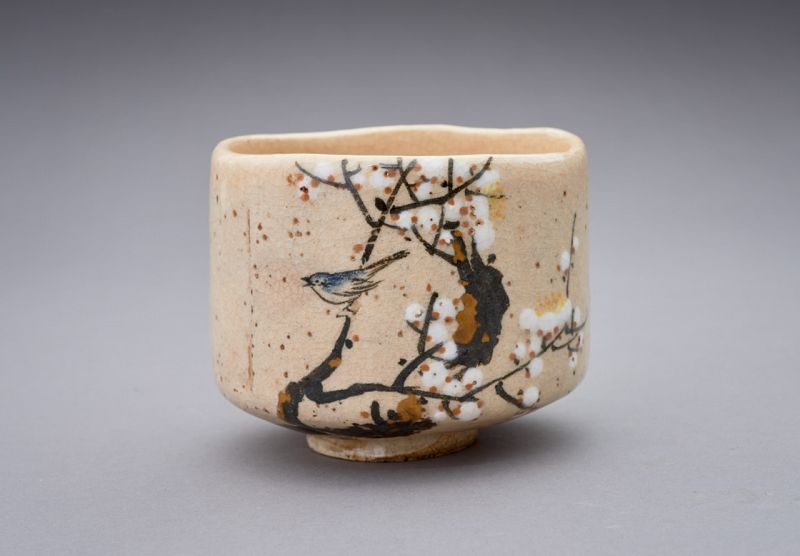
One of the most prominent potters of the Meiji period and one of only five to ever be appointed as Imperial Court Artist, the name Tozan is synonymous with fine
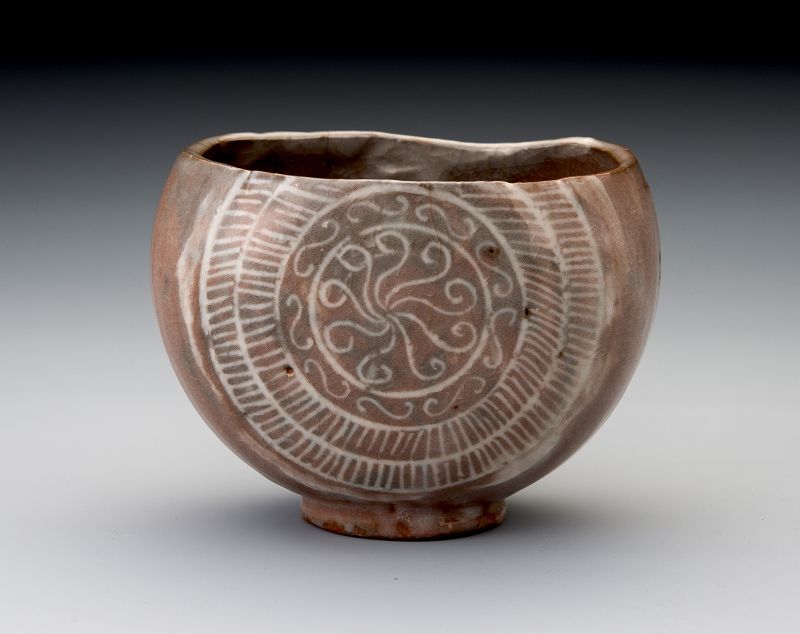
Appearing to be from a 2006 excavation site in Tokyo known to be a former residence of the Owari Tokugawa clan—the most senior contingent of the Tokugawa clan t
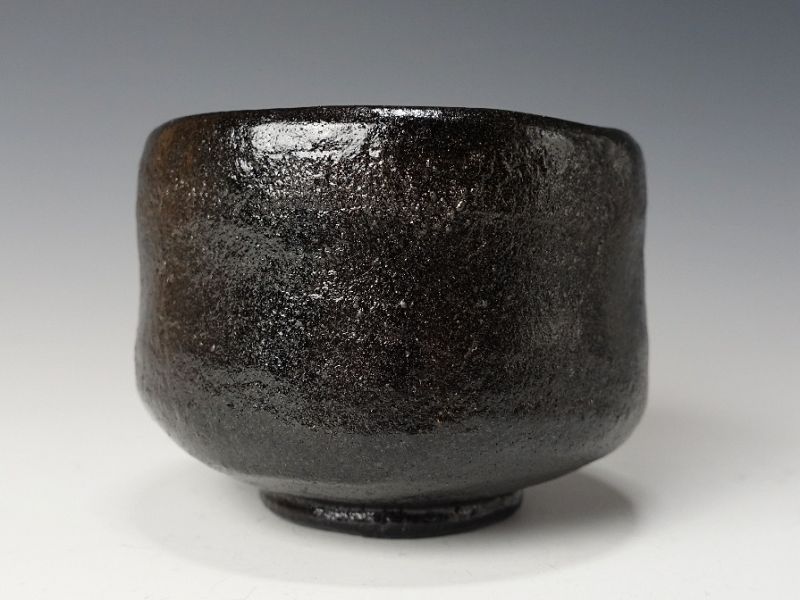
With a masterfully applied black Raku glaze and a noticeable aesthetic of austerity and stillness, this piece is what is refereed to in Japanese as an “utsushi”
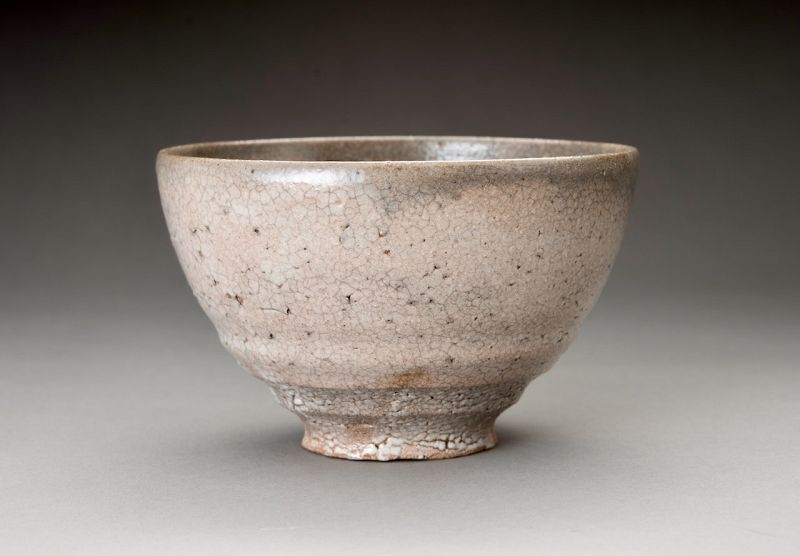
A very interesting chawan (tea bowl) dating from the Korean Joseon period (Richō in Japanese; 1392-1897). This particular piece appears to be from the 17th or 1
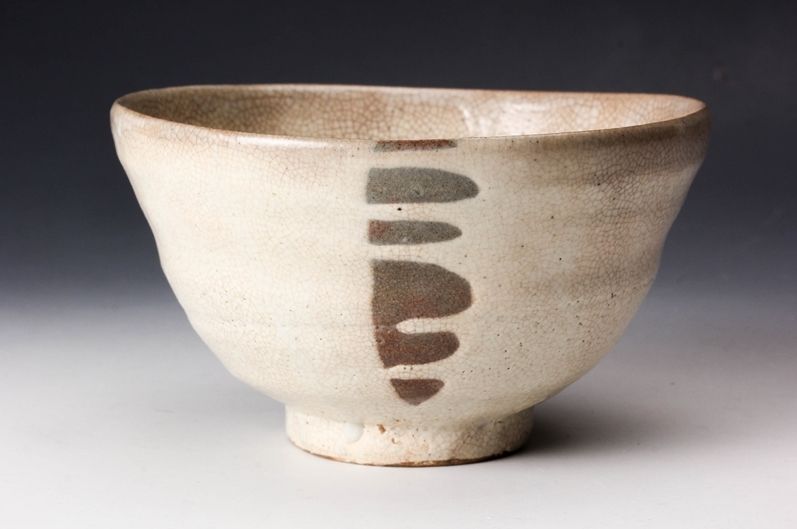
Kohiki is a traditional Japanese pottery style known for its simple and rustic aesthetic. It involves applying a white slip onto the vessel's surface, followed
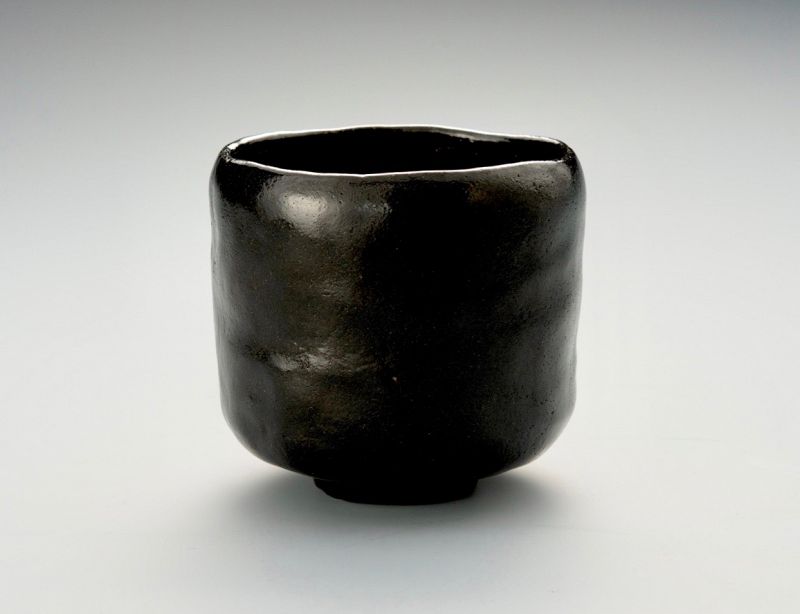
Crafted by one of the most well-known potting families from the Meiji period (Ito Tozan), this black Raku tea bowl displays a glossy sheen and gentle swells rip
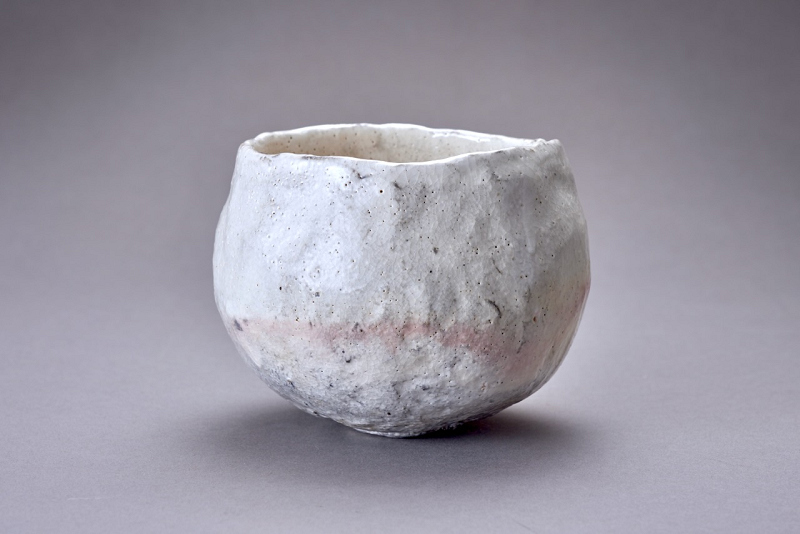
Though rare, occasionally I come white Raku piece by one of our favorite potters, Sugimoto Sadamitsu. Adorned with subtle crackling patterns and variations in t
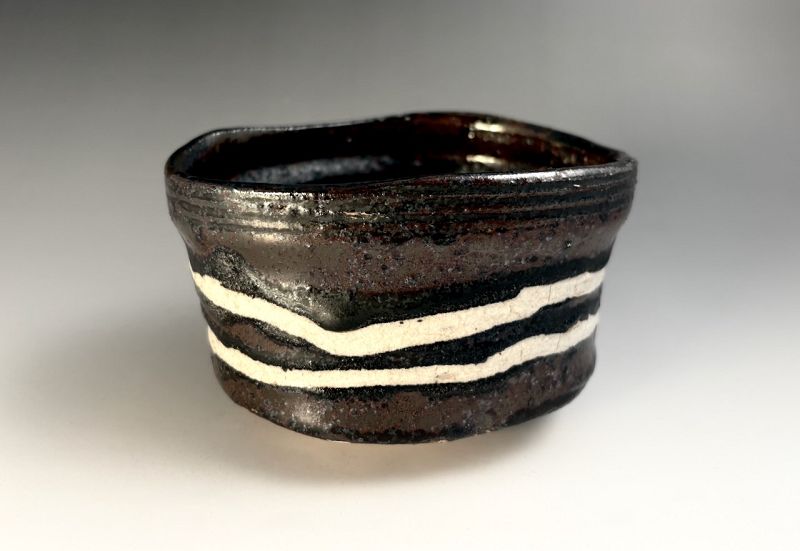
Oribe is a visual style named after the late-16th-century tea master Furuta Oribe (1544-1615). Typically, black or green glazes are applied to the bodies of the
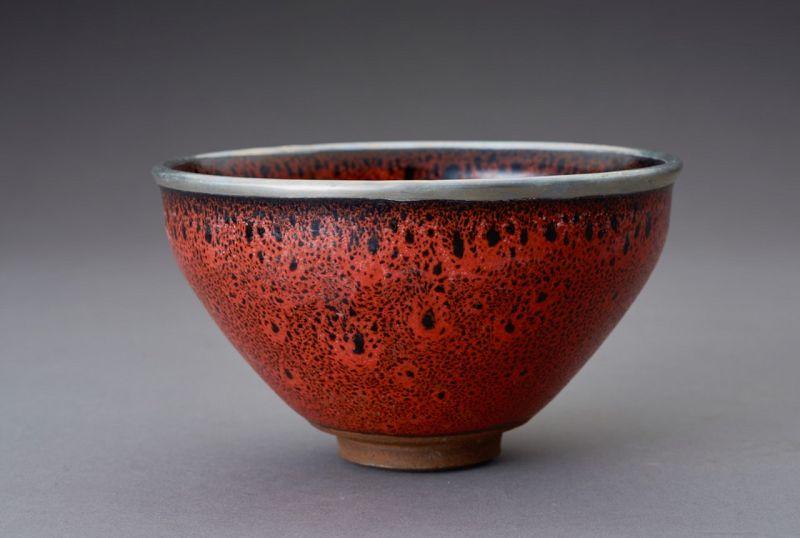
On the base of this tea bowl are the characters “供御” pronounced “Ku-go” in Japanese but “Gong-yu” in the original Chinese—translating in English to something li
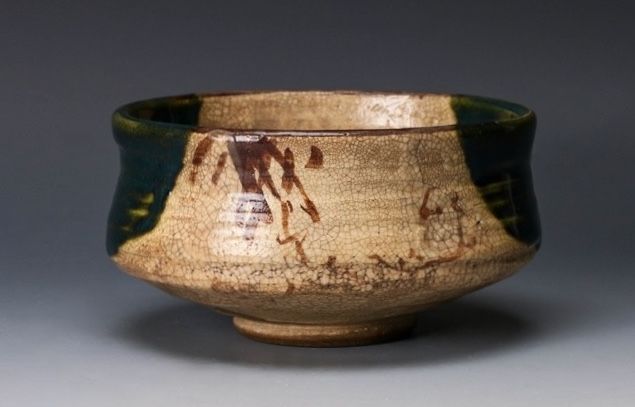
Oribe is a visual style named after the late-16th-century tea master Furuta Oribe (1544-1615). Typically, black or green glazes are applied to the bodies of the
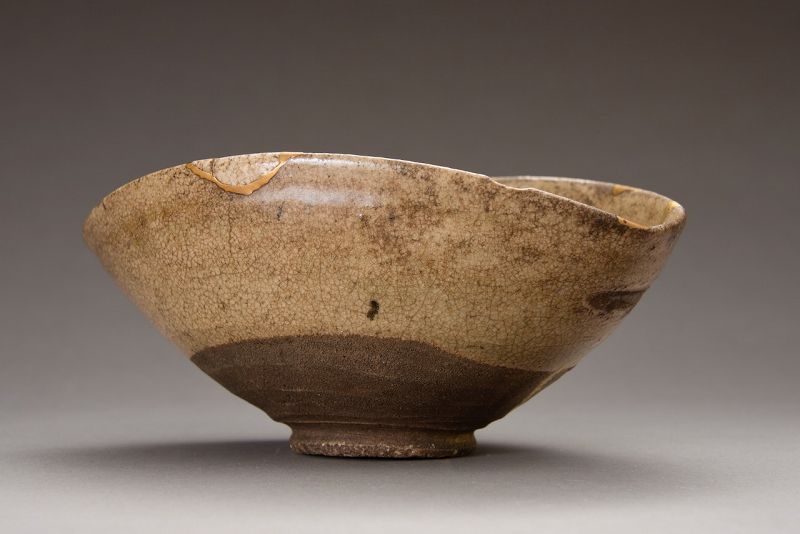
At various times over the long history of tea practice in Japan, Korean-ware has come into high fashion and ships full of the finest ceramics from the neighbori
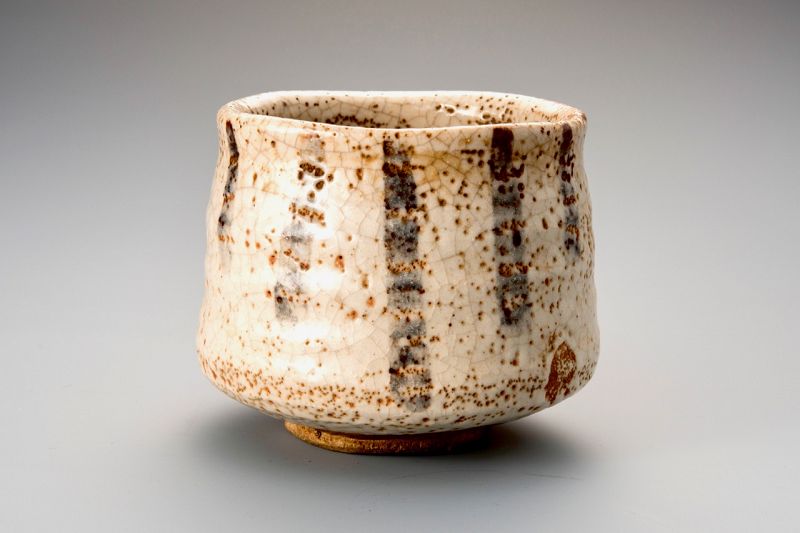
This lovely Shino tea bowl fashioned from coarse Mino clay is covered in feldspar glazing, has a classic ferrous abstract painting across the front, and shows n
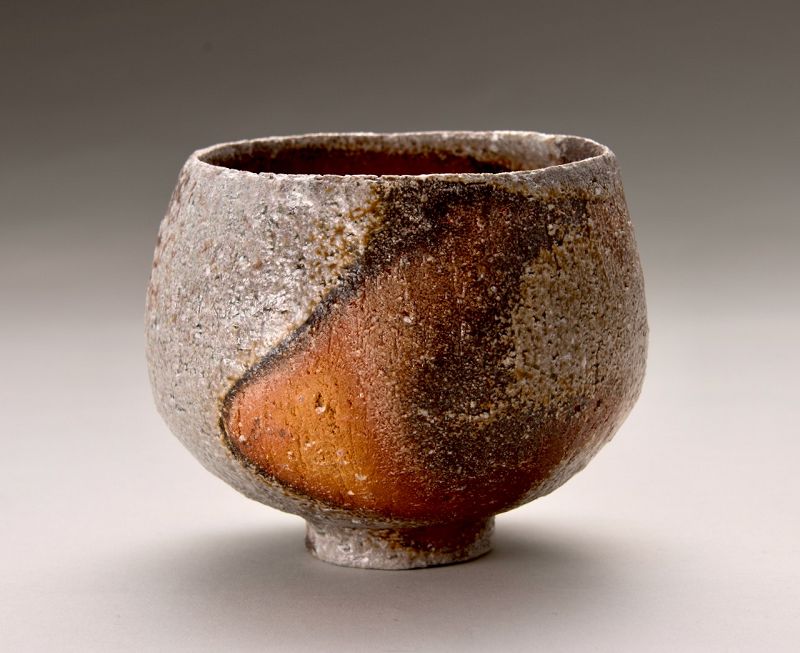
The artist who produced this piece, Wataru Motomura, prides himself in living a traditional life in the eastern hills of Kyoto—long known for its rich clay and
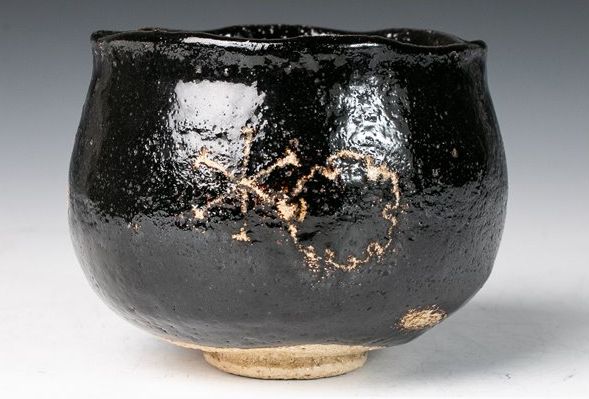
When the founder of the Urasenke style of tea ceremony, Senso Soshitsu (1622 -1697) was invited to Kanazawa as the lord of the tea ceremony for the powerful Kag
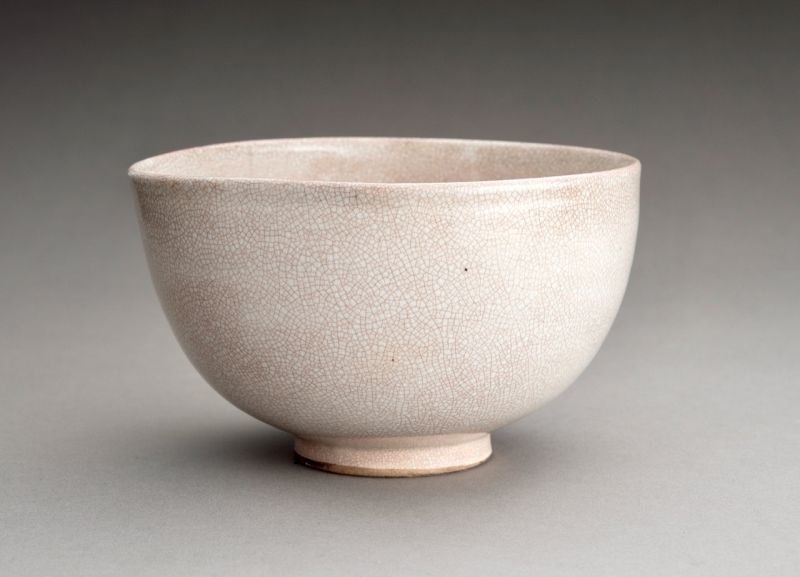
A beautiful old Kyo-ware tea bowl slightly elongated on one end producing an interesting and unique effect. The collector who furnished the box labeled it as be
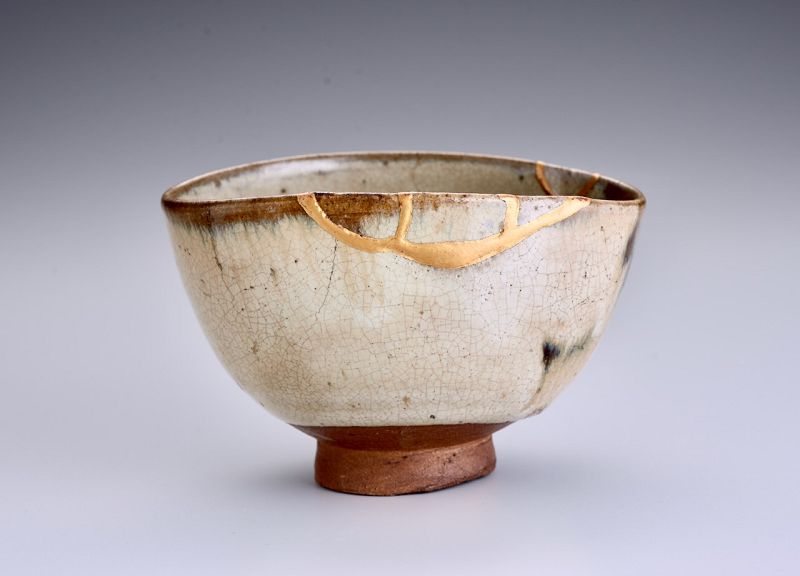
This kutsu-shaped (shoe-shaped) Karatsu tea bow, having stood quietly through the passage of ages is a superb example embodying both the serene beauty and power
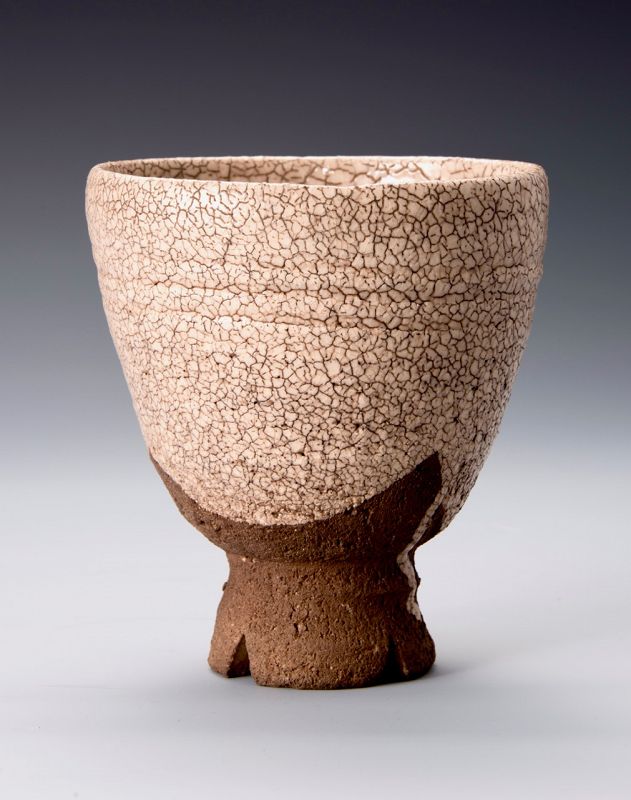
This tall and lovely Hagi chawan rests firmly on a wari kodai or “split foot” pedestal that is unglazed—displaying the coarse rich clay. The crackled milky glaz
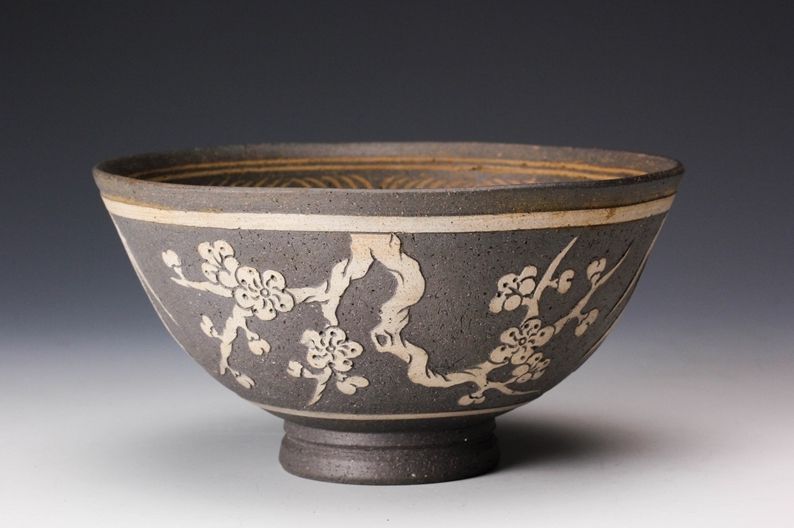
Being based in Kyoto we occasionally come across fine Chinese and Korean tea-ware to mix in with our Japanese offerings. Here we have an example of a ceremonial
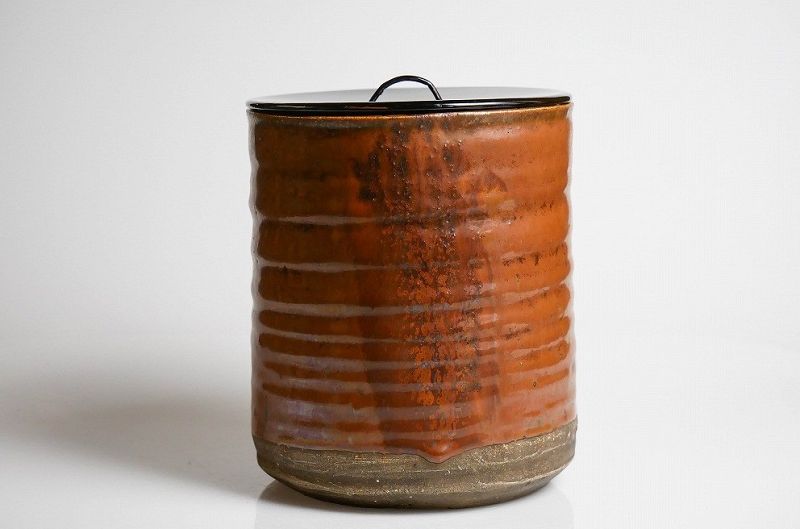
Seto is a pottery tradition established in the 12th century with the aim of reproducing fine Chinese porcelain and tenmoku-style tea bowls—which were hard to co
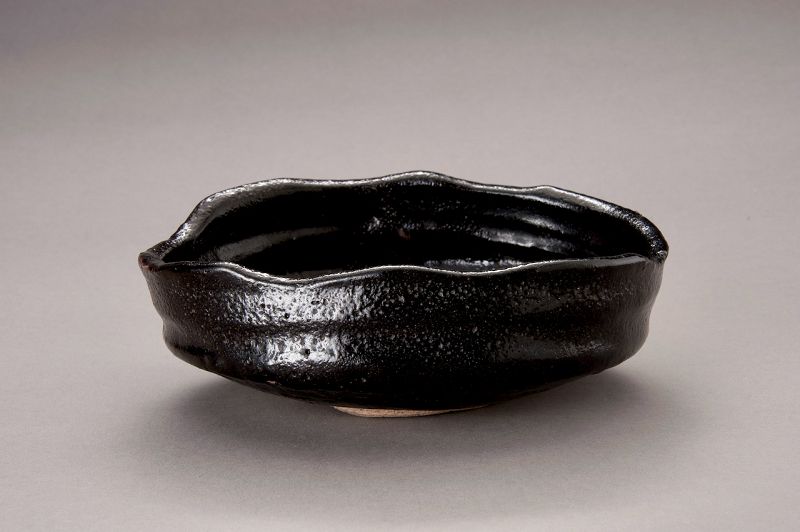
Living in Kyoto it is not uncommon to come across beautiful antique tea bowls, however, finding pieces that are in good condition, aesthetically compelling, and
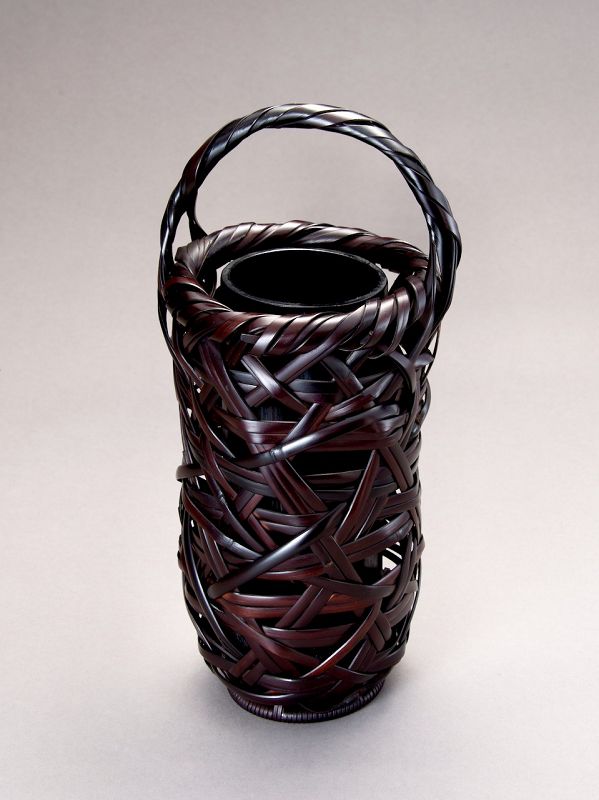
A second generation basket weaver from Beppu, Hakuun-sai (1918 - 2012) was known for producing high-quality bamboo and rattan pieces such as the one seen here.
SOLD
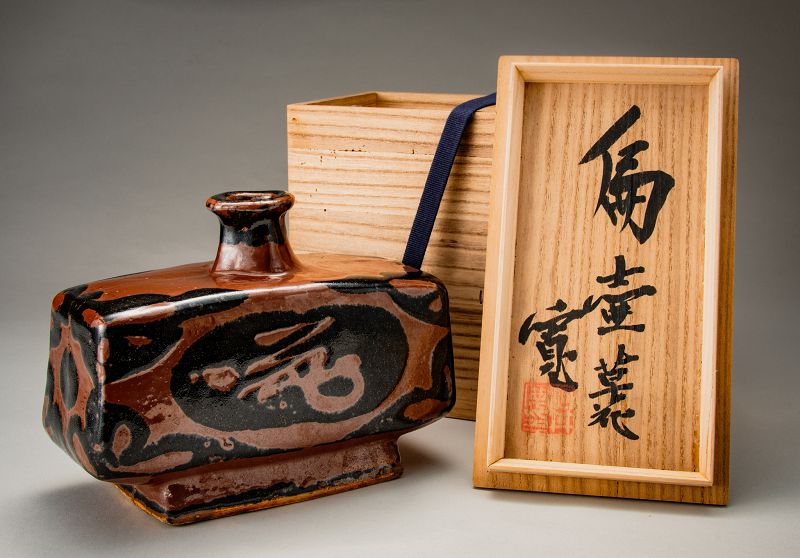
Conceived by 20th century master ceramicist Kawai Kanjiro—here an abstract depiction of flowers is used to adorn an exquisite “henko” shaped vase. The glaze use
SOLD
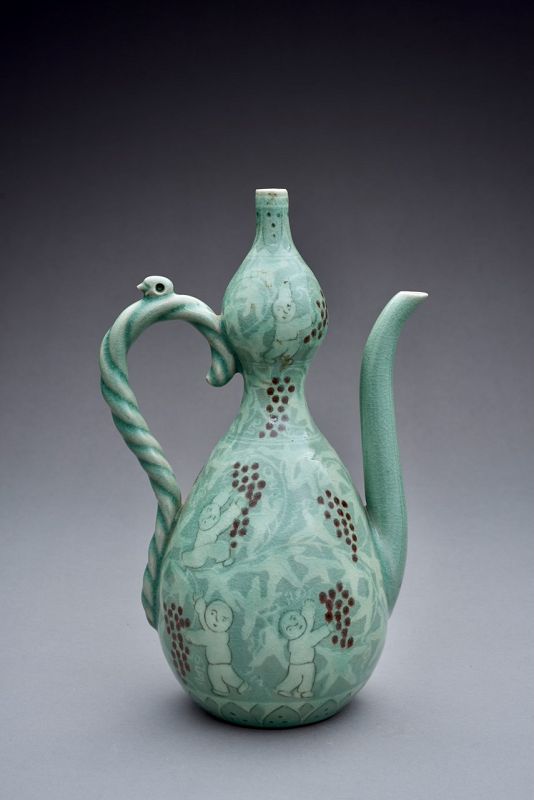
This unique and captivating celadon vase is the work of an early 20th century Korean artist who spent a number of years in Japan honing his craft. Gourd-shaped,
SOLD
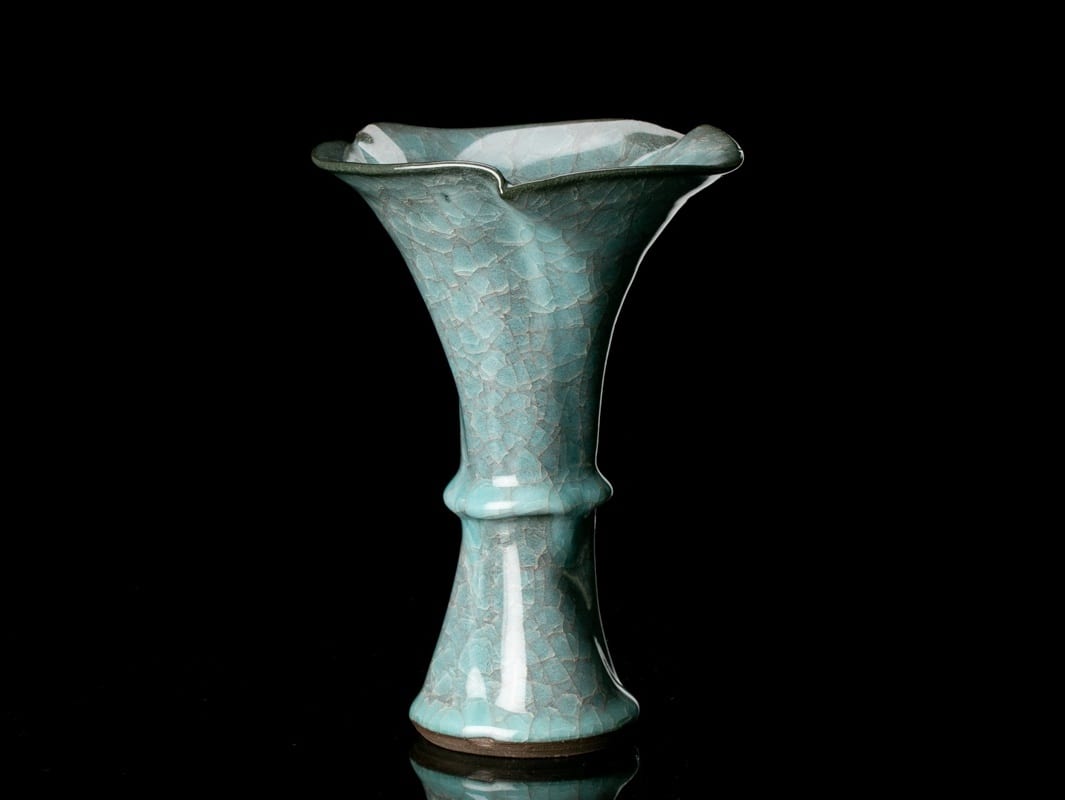
Wakao Kei continues to surprise and captivate with this turquoise blue porcelain vase from his recent offerings. Using deep, rich colors not often seen in this
SOLD
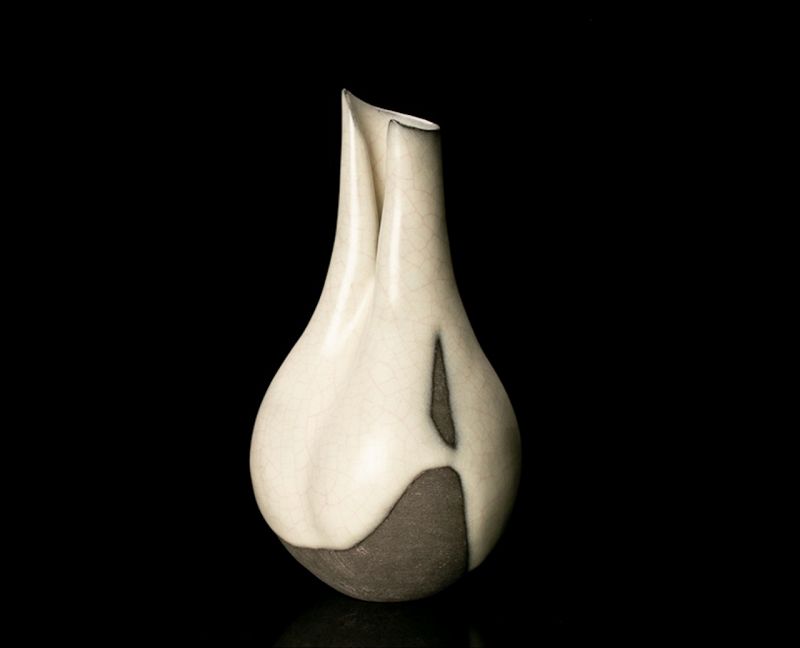
According to Kei Wakao, the artist who crafted this extraordinary work, it took him years of trial-and-error to perfect the unique rice-porcelain glaze covering
SOLD
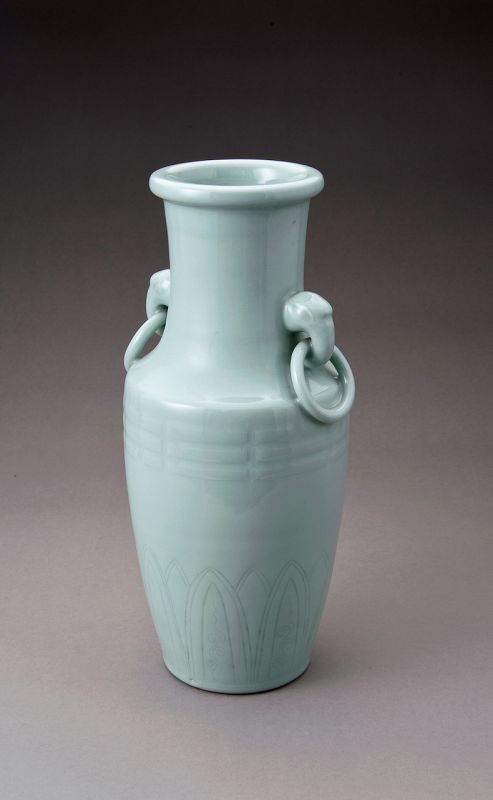
A Chinese style celadon vase by one of the 5 Imperial Court Artists of Meiji. Sozan spent his life perfecting techniques for celadon production first used in th
SOLD
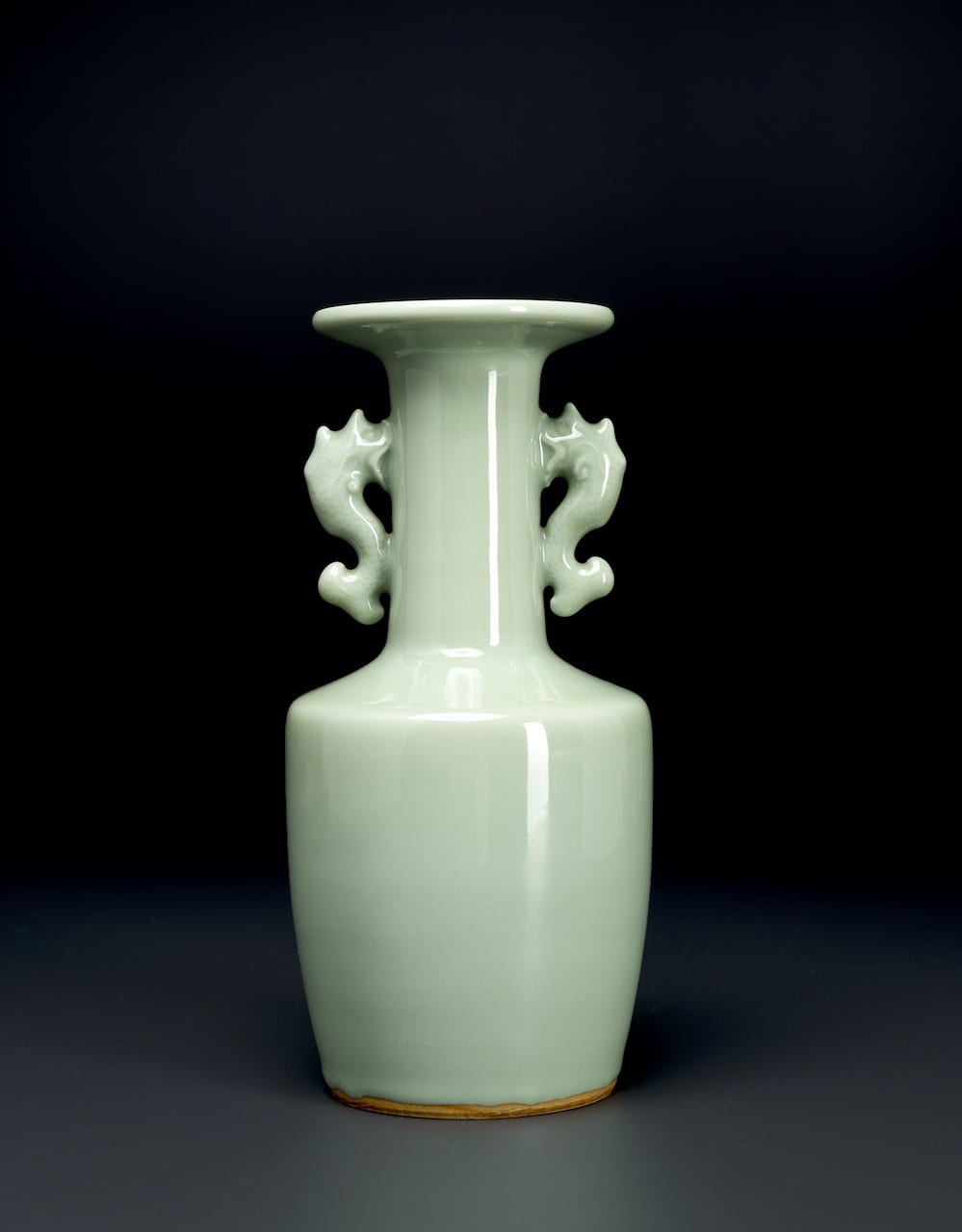
This extraordinary vase is a truly Japanese expression of a classical Chinese form. Fashioned after cylindrical Song Dynasty pieces that are thought to have bee
SOLD
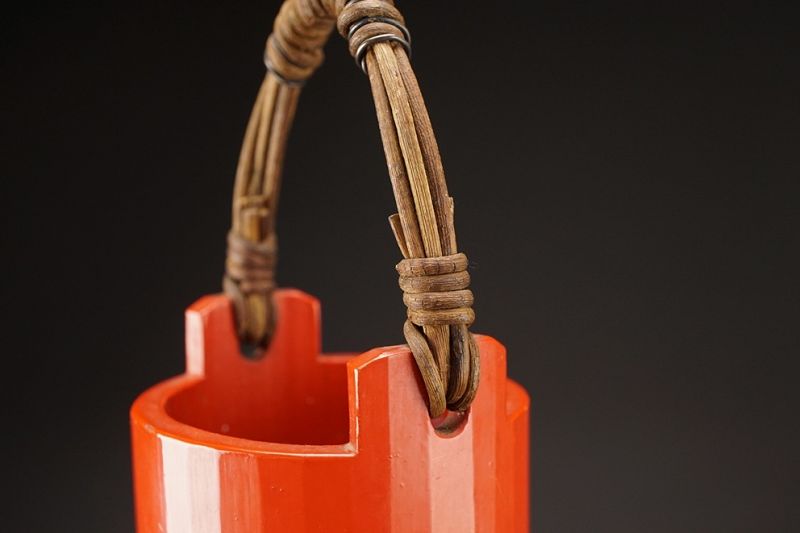
Done in a style reminiscent of Japanese Mingei art, this striking yet functional folk-craft piece is the creation of Chikuunsai Tanabe III. Made entirely of tra
SOLD
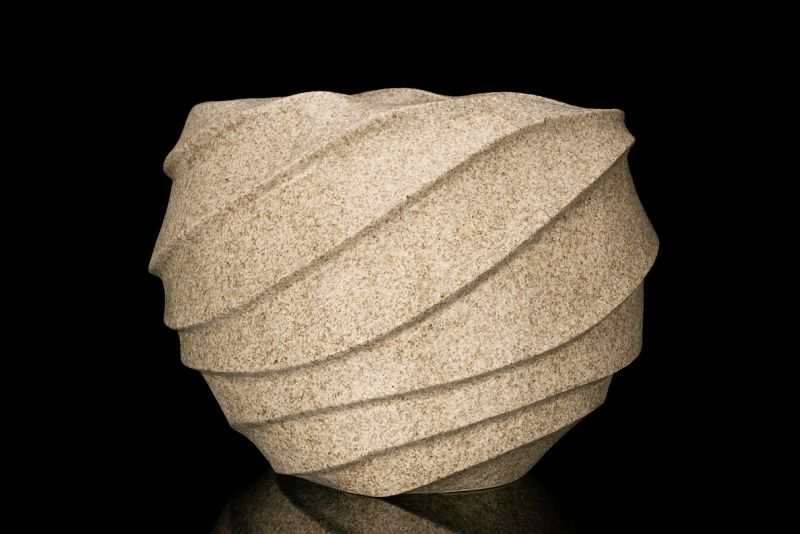
From a well-known series entitled “Chōtō” (Listening to the Waves) this large contoured vase features a sandy glaze that the sculptor claims is an expression of
SOLD
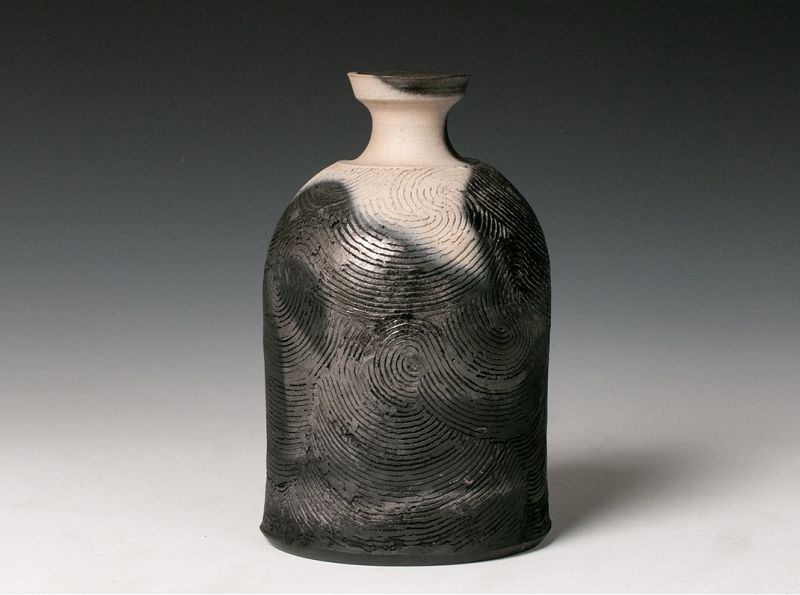
A very versatile and innovative artist, Sakata Jinnai produces pieces such as the vase seen here in his easily recognizable trademark style. Many of his pieces
SOLD
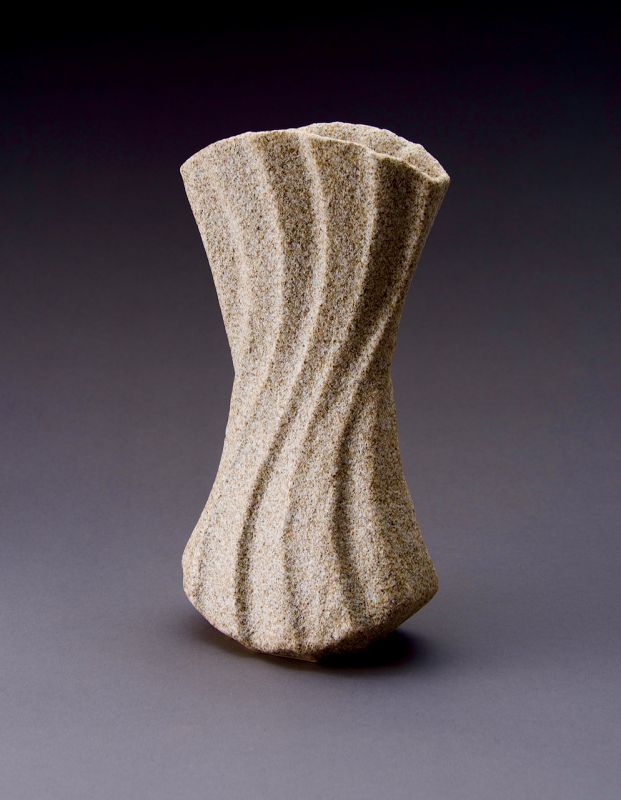
From a well-known series entitled “Chōtō” (Listening to the Waves) this contoured vase features a sandy glaze that the sculptor claims is an expression of the f
SOLD
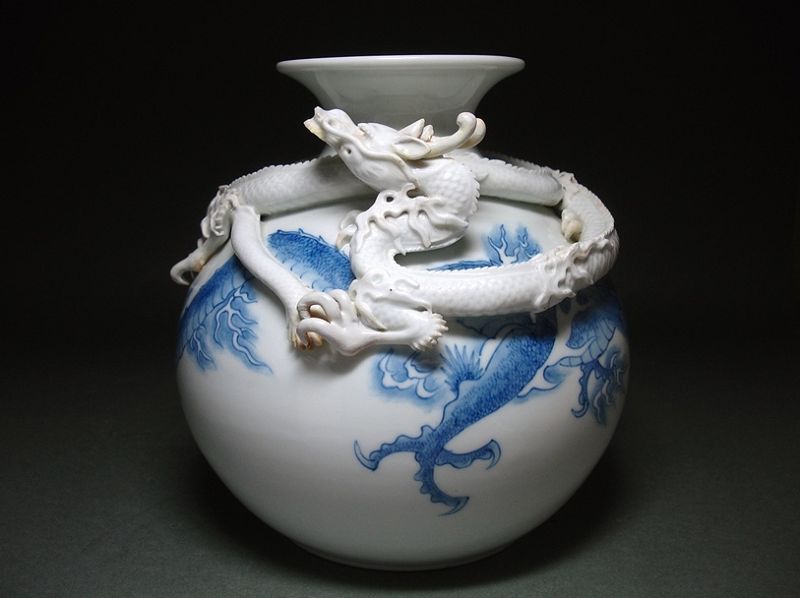
From a large collection of Edo period Nabeshima and Hirado-ware, this intricately crafted vase features two serpentine dragons intertwined across the face of th
SOLD
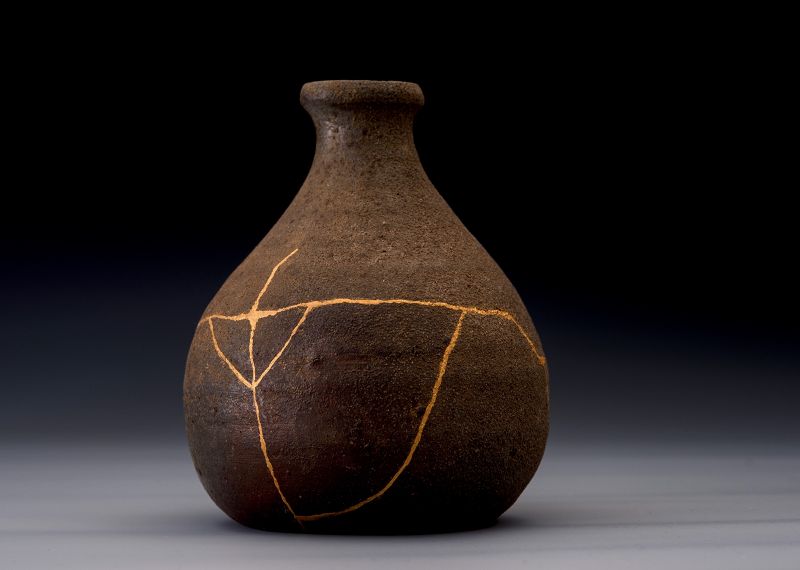
Takashi Nakazato is a celebrated Japanese ceramic artist whose family's mastery of pottery now spans 14 generations. Born in Karatsu, Saga Prefecture in 1937, N
SOLD
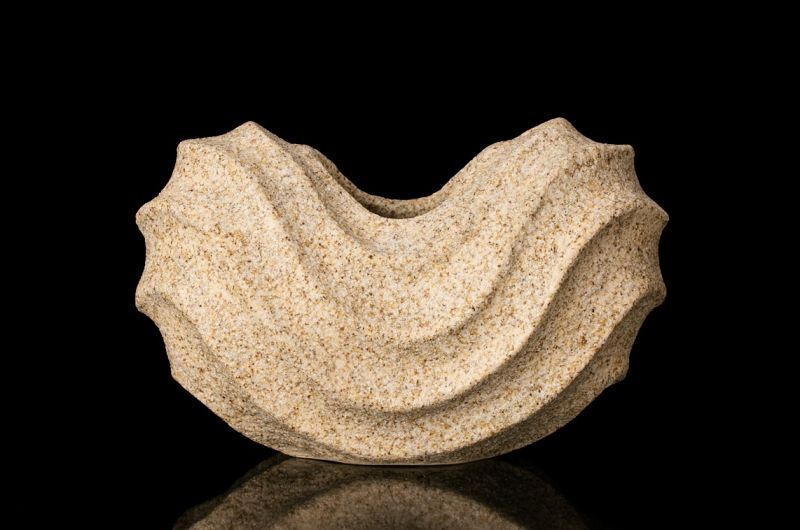
From a well-known series entitled “Chōtō” (Listening to the Waves) this contoured vase features a sandy glaze that the sculptor claims is an expression of the f
SOLD
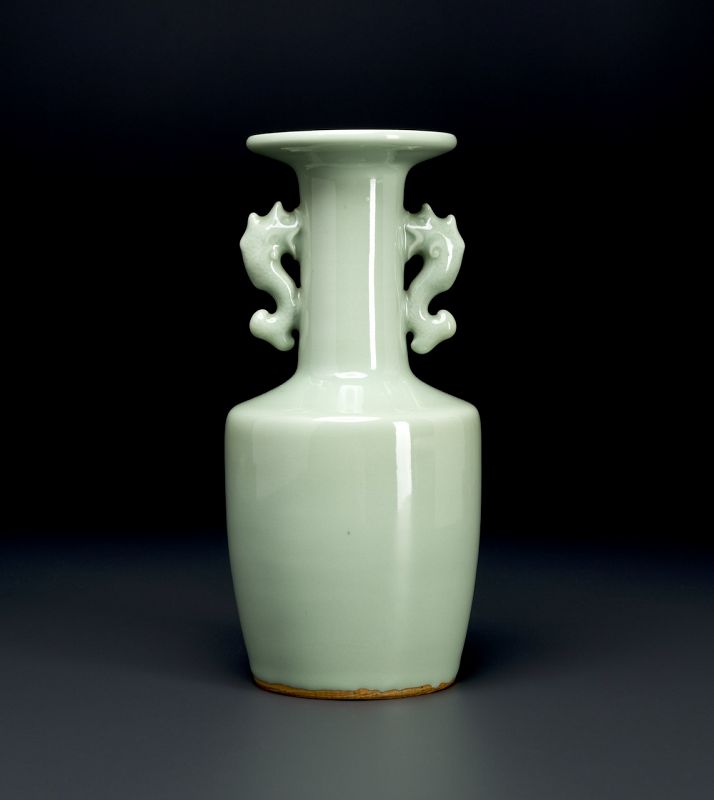
This extraordinary vase is a truly Japanese expression of a classical Chinese form. Fashioned after cylindrical Song Dynasty pieces that are thought to have bee
SOLD
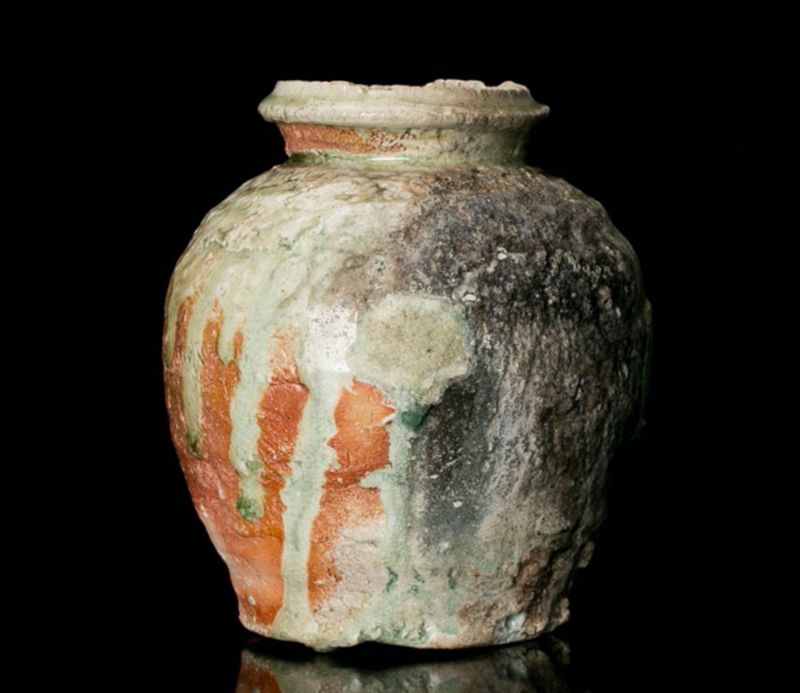
A beautiful example of Shigaraki pottery—the result of techniques perfected over centuries by dedicated artisans residing in the provinces east of Kyoto. This p
SOLD
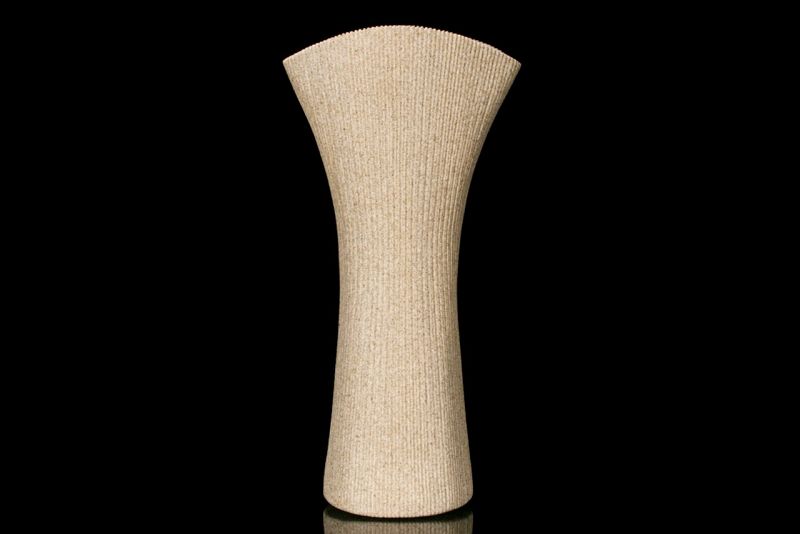
From a well-known series entitled “Chōtō” (Listening to the Waves) this large contoured vase features a sandy glaze that the sculptor claims is an expression of
SOLD
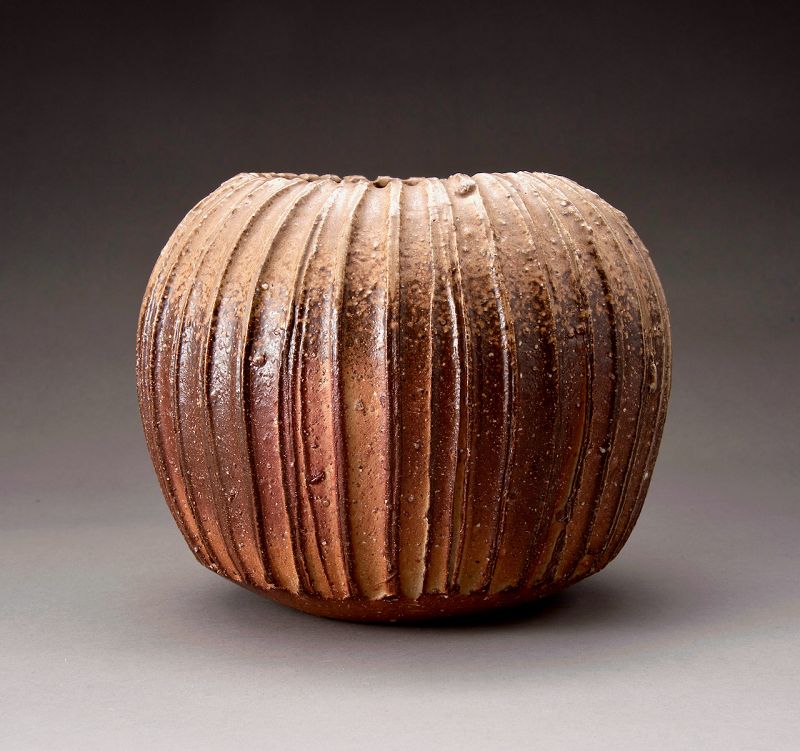
First born son to Living National Treasure Isezaki Jun, Koichiro (b. 1974) has quickly made a name for himself as an independent artist. Not content to rely sol
SOLD
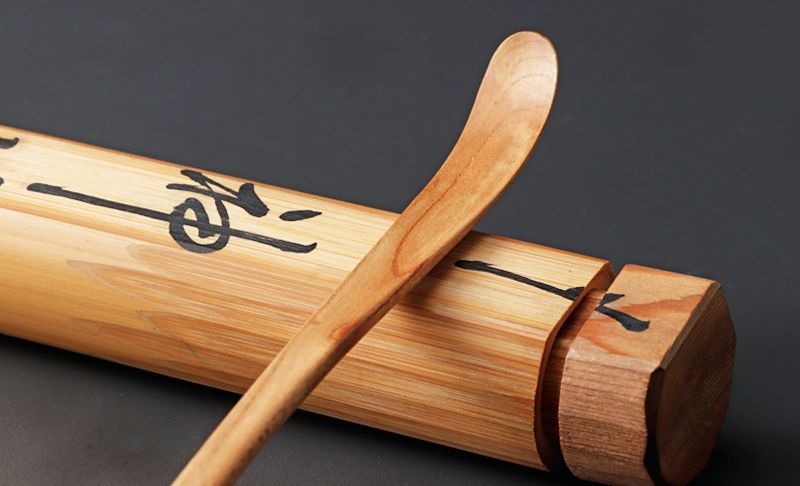
Here we have a very unique ceremonial tea implement made by one of the most important figures from Japanese tea culture in the past century. While most tea scoo
SOLD
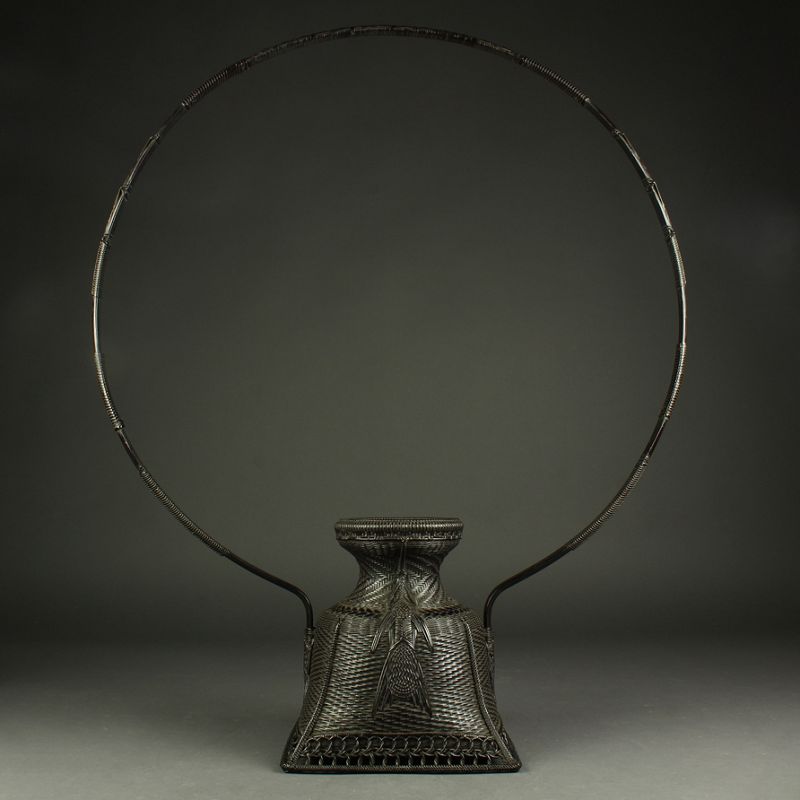
In Japan, woven baskets such as this are often referred to as “karamono” (Chinese style) to denote their stylistic origins tending towards symmetrical proportio
SOLD
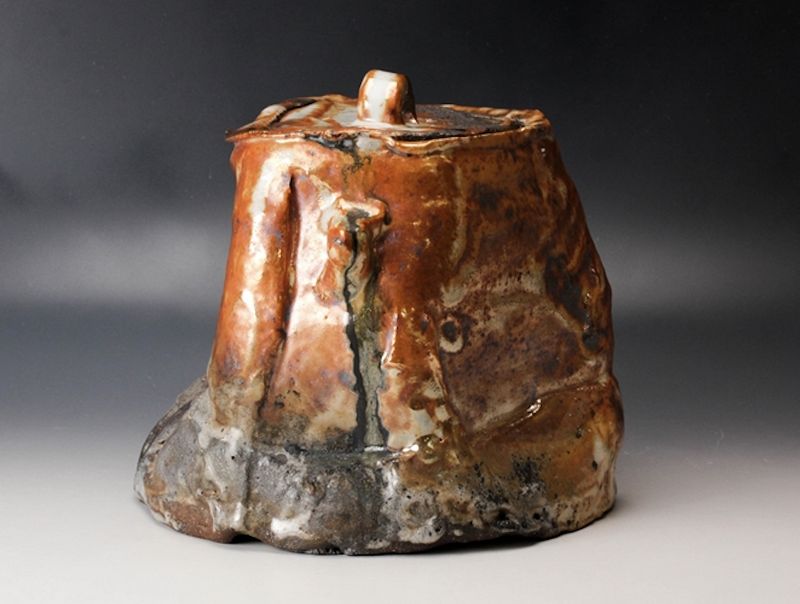
A truly unique work of Shino pottery developed among the company of some of Japan’s most respected and influential potters of the last century. Defying conventi
SOLD
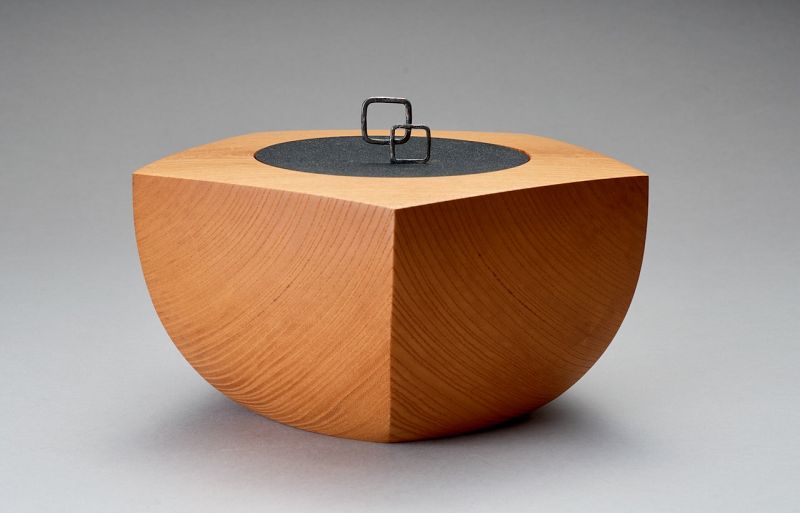
Carved from the trunk of a 400 year old zelcova tree, this lovely mizusashi for tea ceremony perfectly encapsulates the traditional craftsmanship surrounding Ja
SOLD
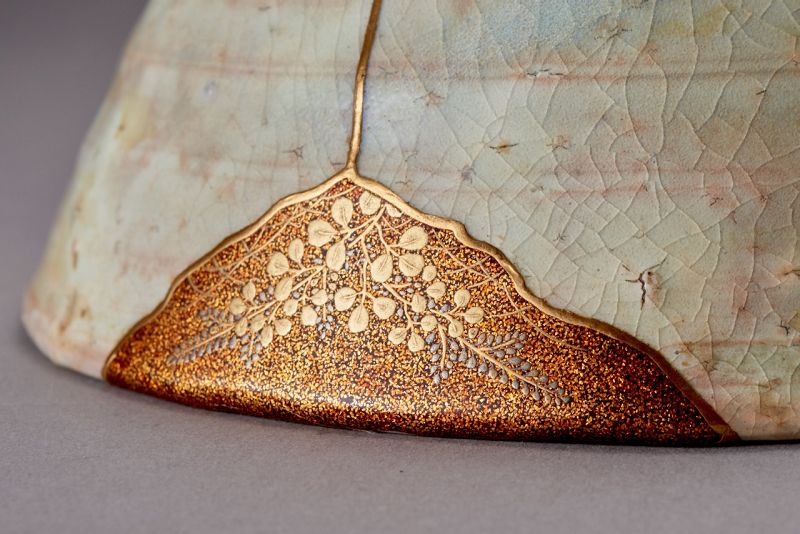
One of the most extraordinary gold repairs I have seen on a tea bowl in my nearly 30 years in Japan. If you search far and wide occasionally you can find maki-e
SOLD
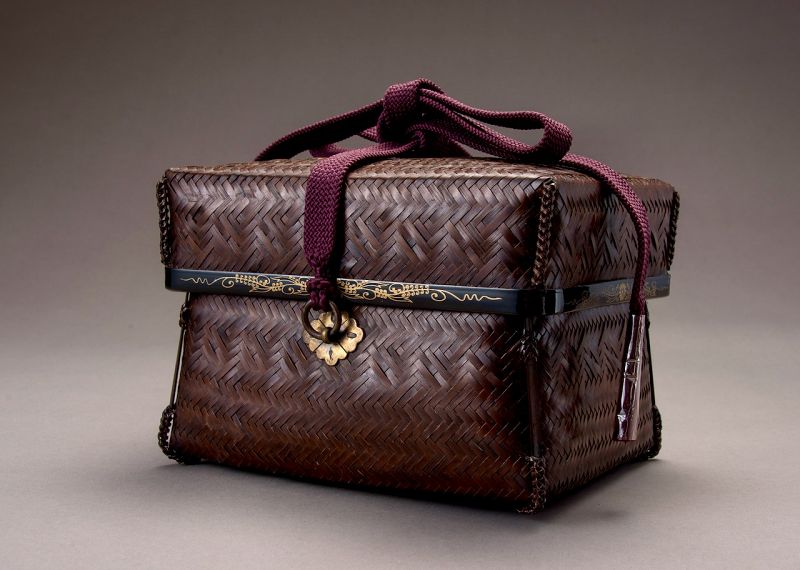
Meticulously crafted from carefully woven strips of bamboo, this traditional “chabako” would typically contain all of the basic utensils for conducting tea cere
SOLD
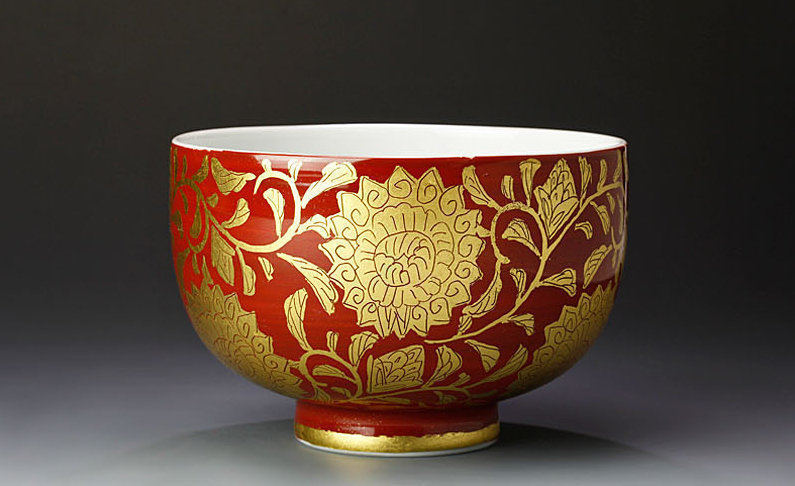
This eye-catching porcelain composition covered in red-glaze and highlighted with sensational gold-leaf inlay is an iconic design often employed by Ono Hakuko.
SOLD
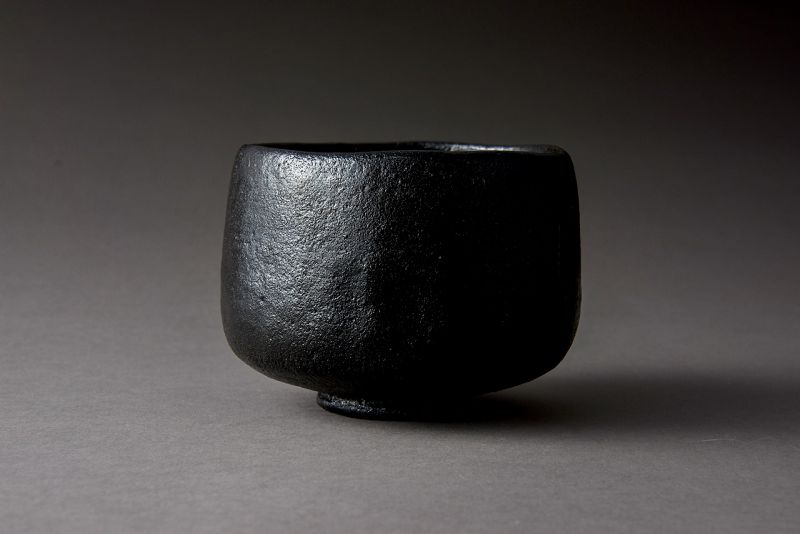
Endorsed by the recent Head Tea Master of Urasenke as an exceptional work, this black Raku tea bowl was granted the poetic name “Kokon” Ko, meaning “the distant
SOLD