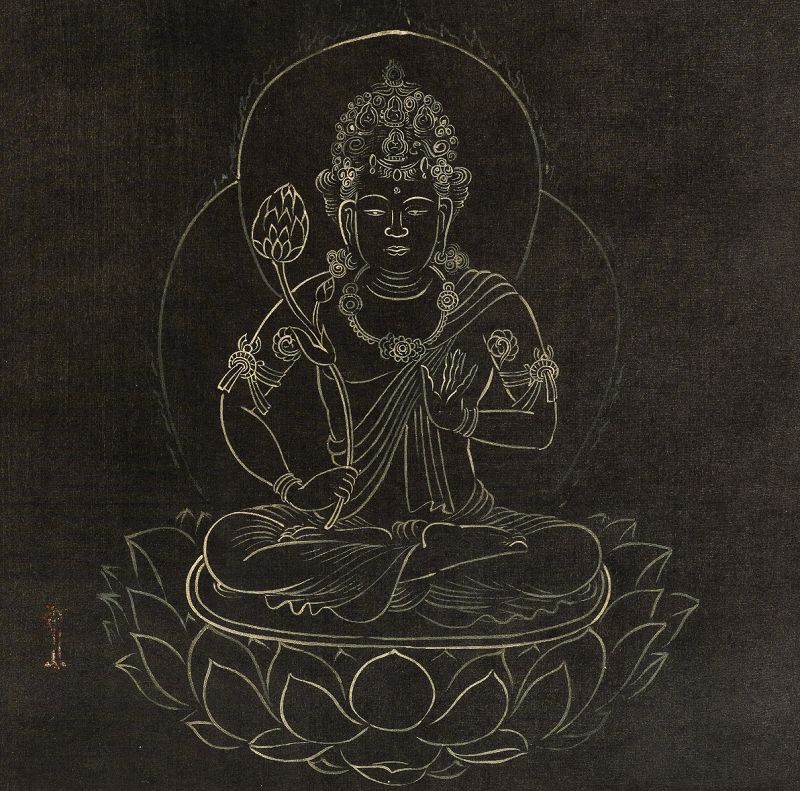
[Bodhisattva] - Kimura Buzan (1876-1942)
Seated in meditation with open and compassionate heart, this bodhisattva is on a spiritual journey, postponing his own salvation in order to remain on earth to
Seated in meditation with open and compassionate heart, this bodhisattva is on a spiritual journey, postponing his own salvation in order to remain on earth to

Exquisitely painted willow branches (yanagi) on a background of jet-black traditional lacquer; this exquisite functional art object appeals not only to practiti
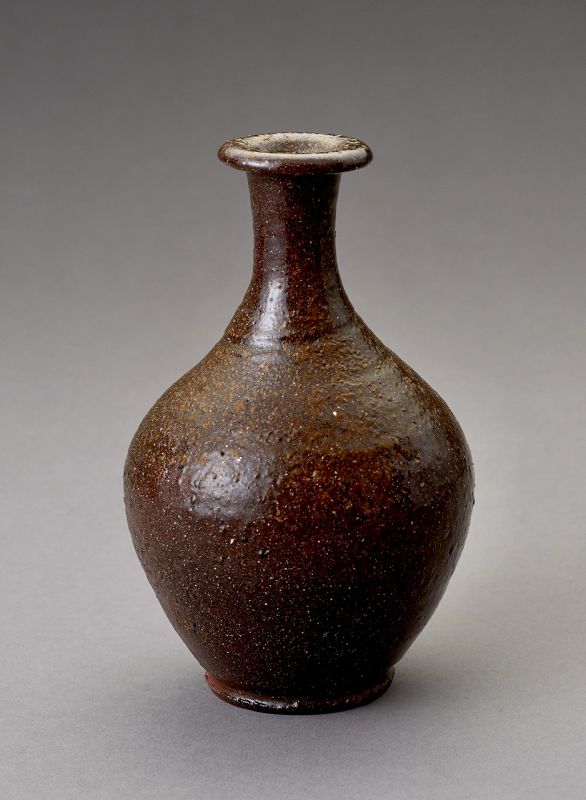
Tokoname pottery has a rich history that dates back over a thousand years. Originating in the town of Tokoname in Aichi Prefecture, Japan, this pottery traditio
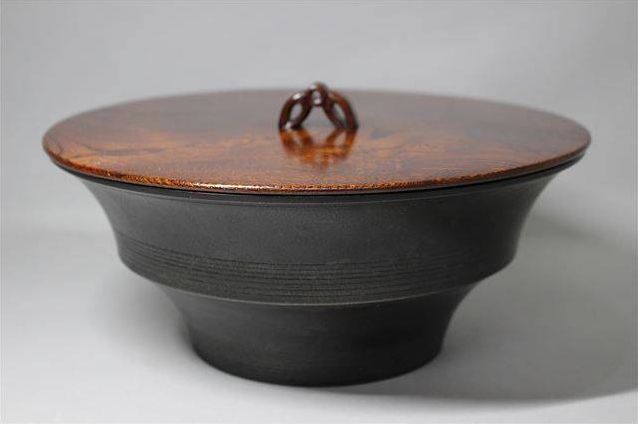
First presented at the Ishikawa Traditional Crafts Exhibition, this fine mizusashi crafted with extraordinary precision is a testament to the generational knowl
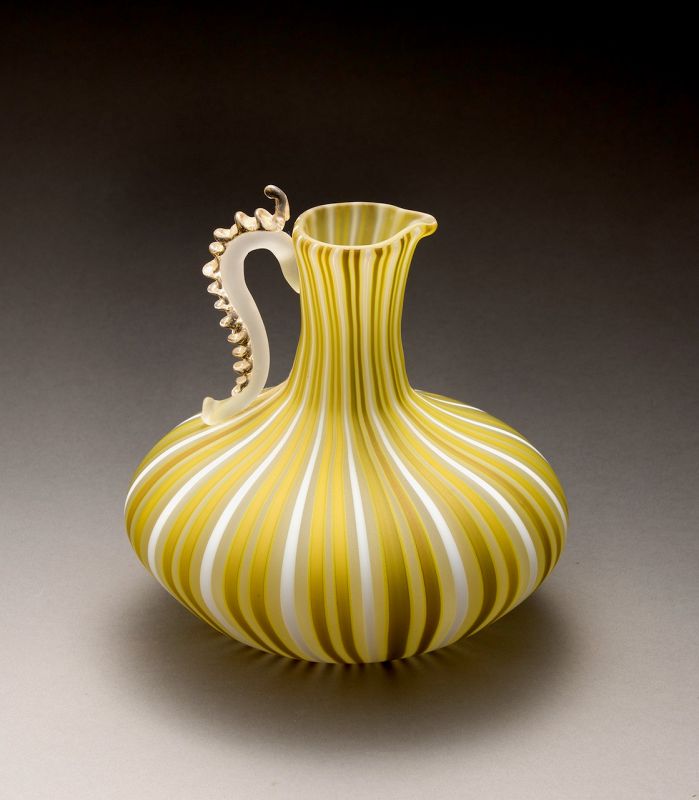
A key figure in the Japanese folk craft movement of the 20th century, Fujita Kyohei is credited with helping to develop a thriving glass-working community withi
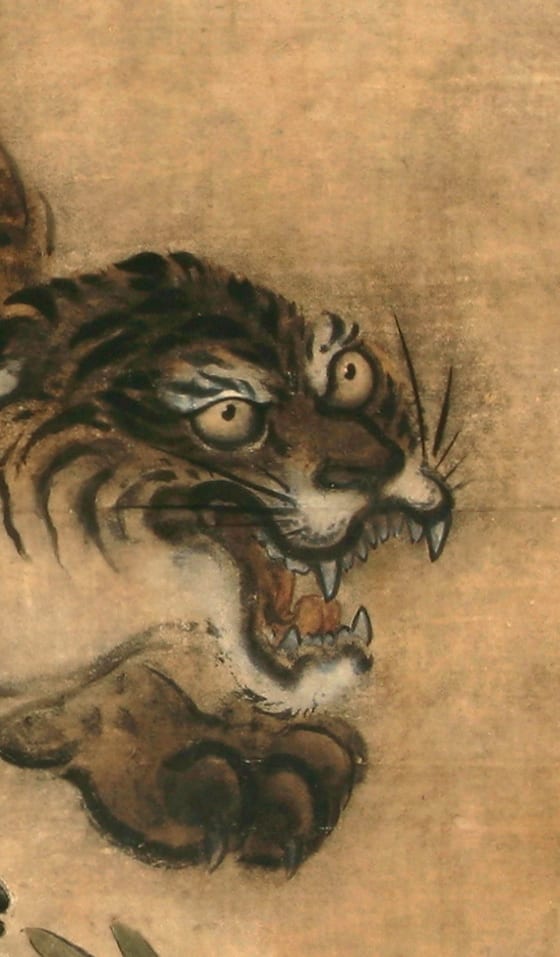
An absolutely stunning rendition of a powerful tiger—muscles rippling—prowling through a dark bamboo grove. One of the best tiger compositions I have personally
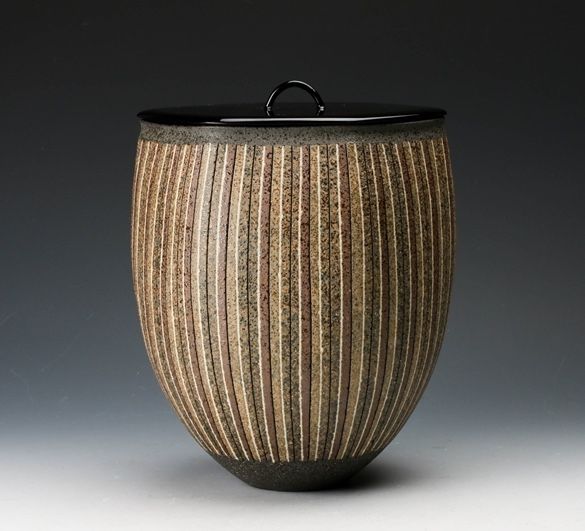
Japanese inlay ceramics (zōgan) are created by making incisions on the surface of a clay body which are then filled with various colored clays, creating a patte
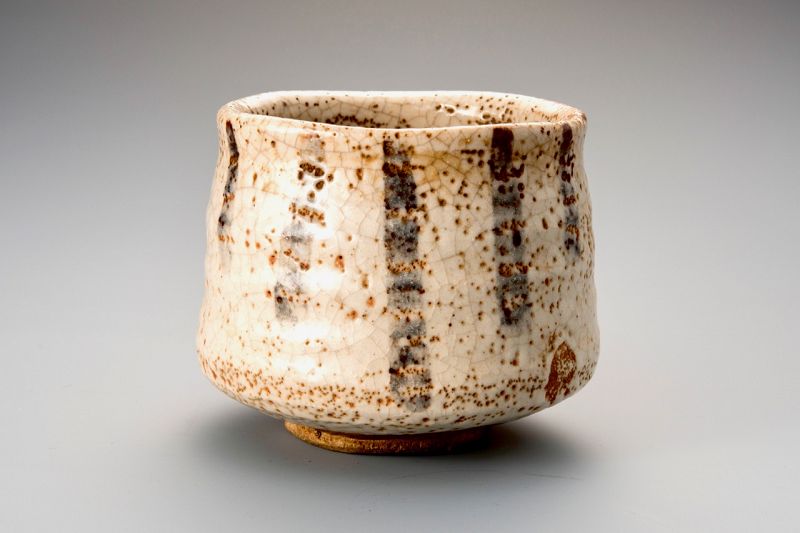
This lovely Shino tea bowl fashioned from coarse Mino clay is covered in feldspar glazing, has a classic ferrous abstract painting across the front, and shows n
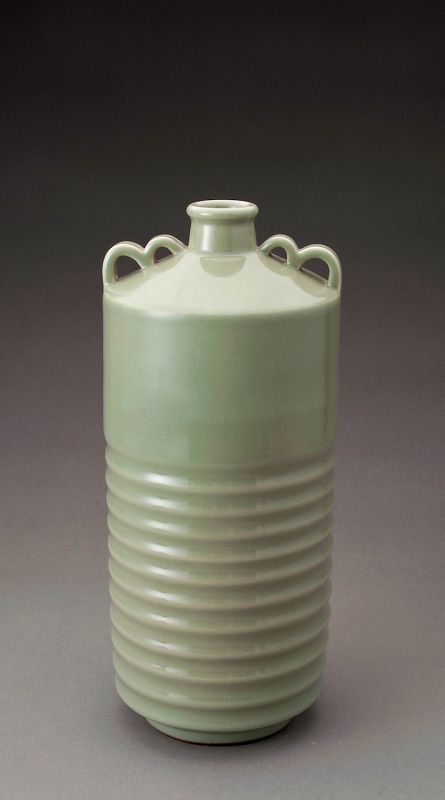
A student of Itaya Hazan, one of the most sought after potters in the world of Japanese art, the ceramicist who crafted this fine vase displays here a high degr
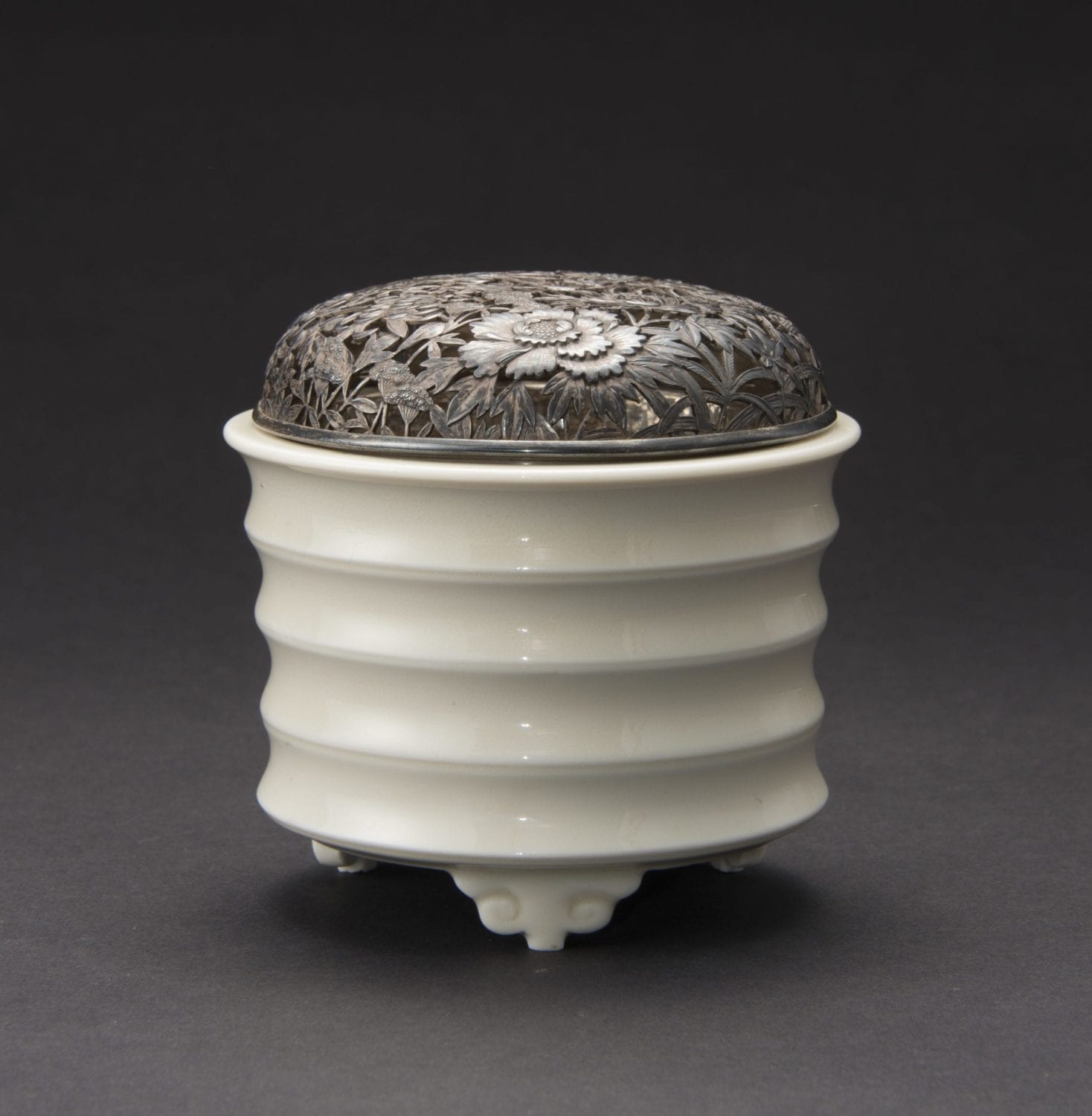
This Meiji period incense burner is made of fine white porcelain with a silver globe decorated with autumn foliage. As with much of Japanese pottery from this e
SOLD
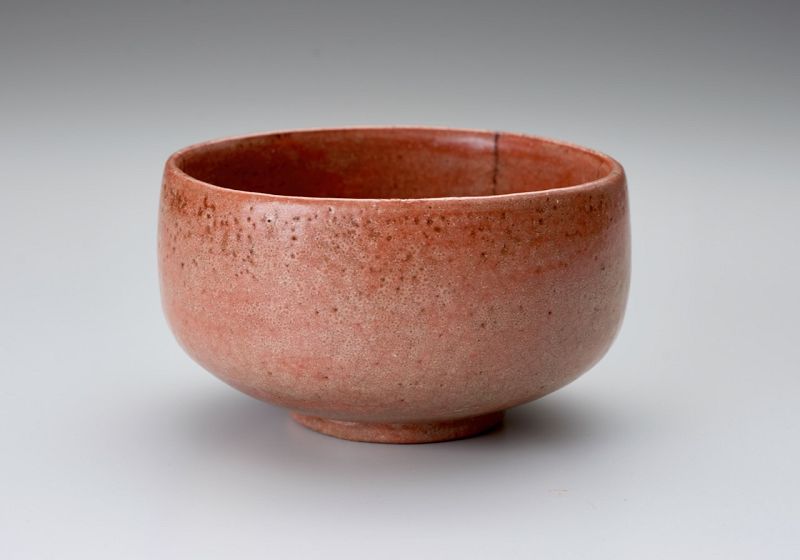
Over the years we have taken a special interest in Raku-ware and especially in works produced by the Tamamizu kiln, such as the 275+ year old ceremonial tea bow

A stunning example of blue/ green Oribe-ware by one of the veterans of Mino ceramics, this platter displays astounding variation in color and texture with deep
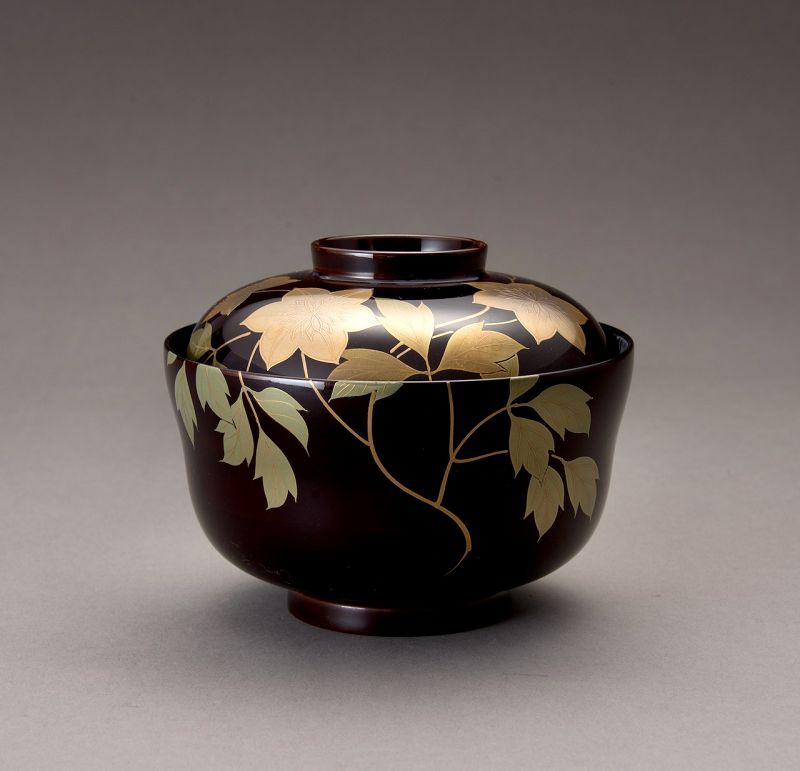
Painted lacquerware in Asia is thought to have more than 3,000 years of history; originating in China and then later spreading to South East Asia, Korea, and Ja
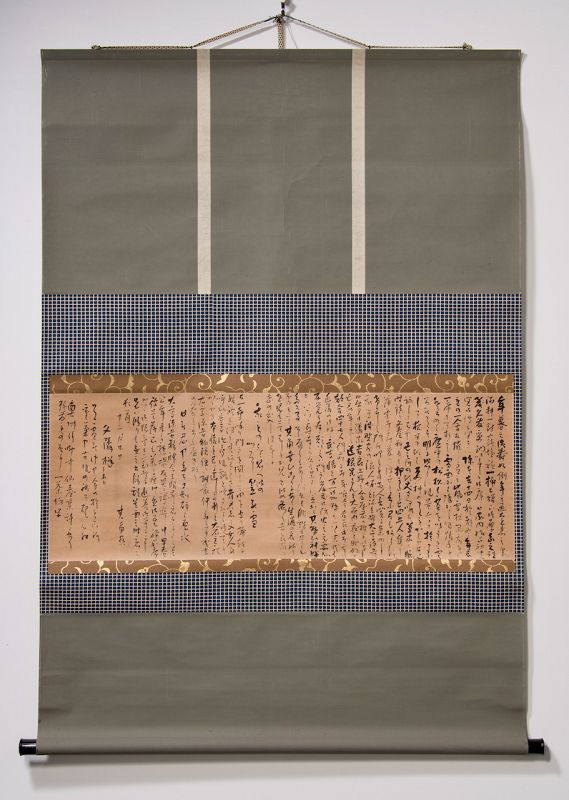
Here we have a scroll-mounted letter in a copy signed by the famed Japanese poet Kobayashi Issa (1763-1828), who is counted with Bashō and Buson among the three
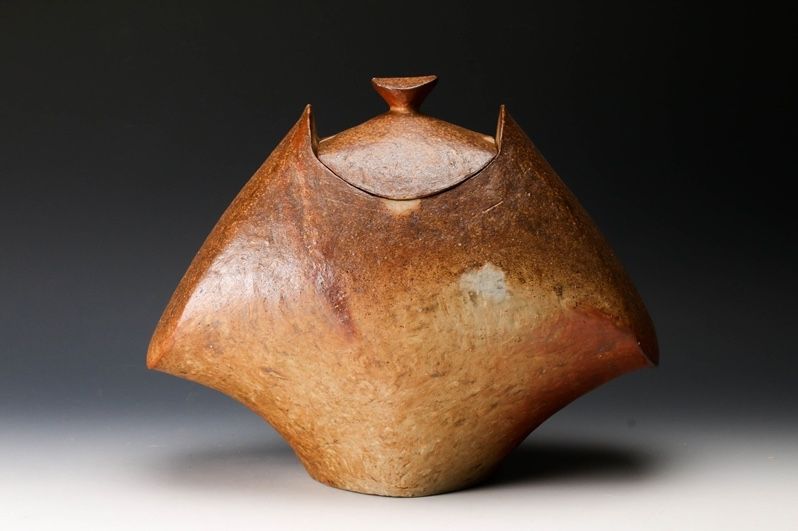
Traditional Japanese art tends to be timeless and inspiring in form, however, occasionally lacking in diversity and innovation. That is why artists who can inco
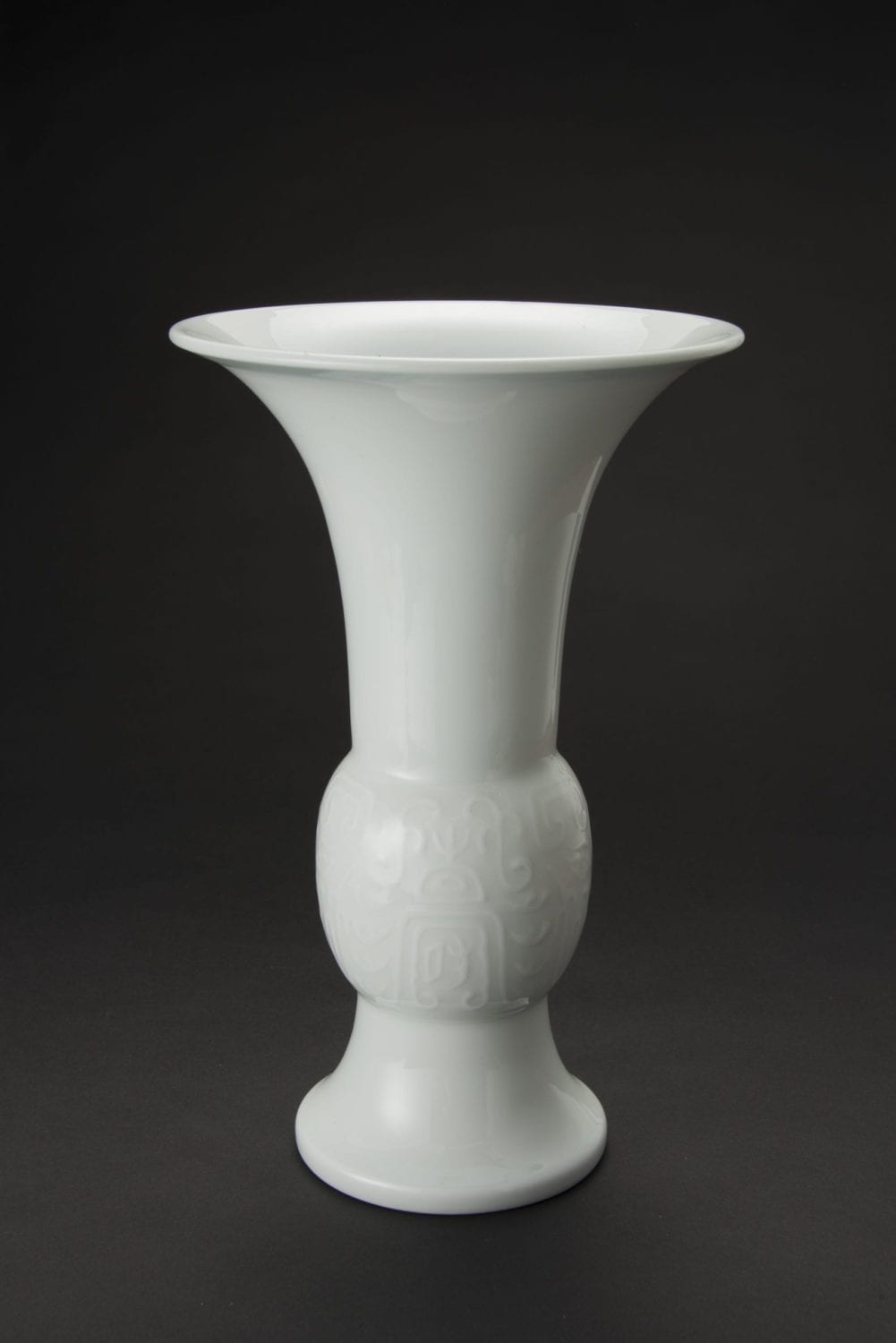
This Meiji period vase is made of fine white porcelain fashioned after classic Chinese pieces from the Song Dynasty. The potter, first generation Miura Chikusen
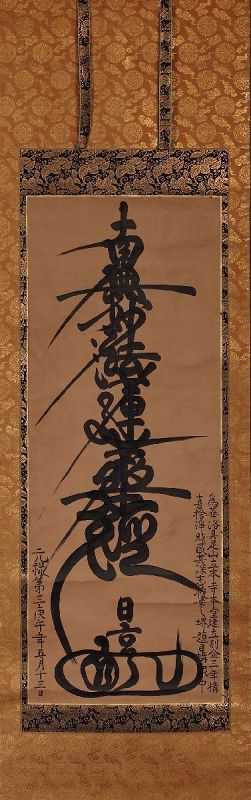
The large characters in the center of this scroll "南無妙法蓮華経" are pronounced as "Namu Myōho Renge Kyō” in English — a phrase associated with Nichiren Buddhism tha
SOLD
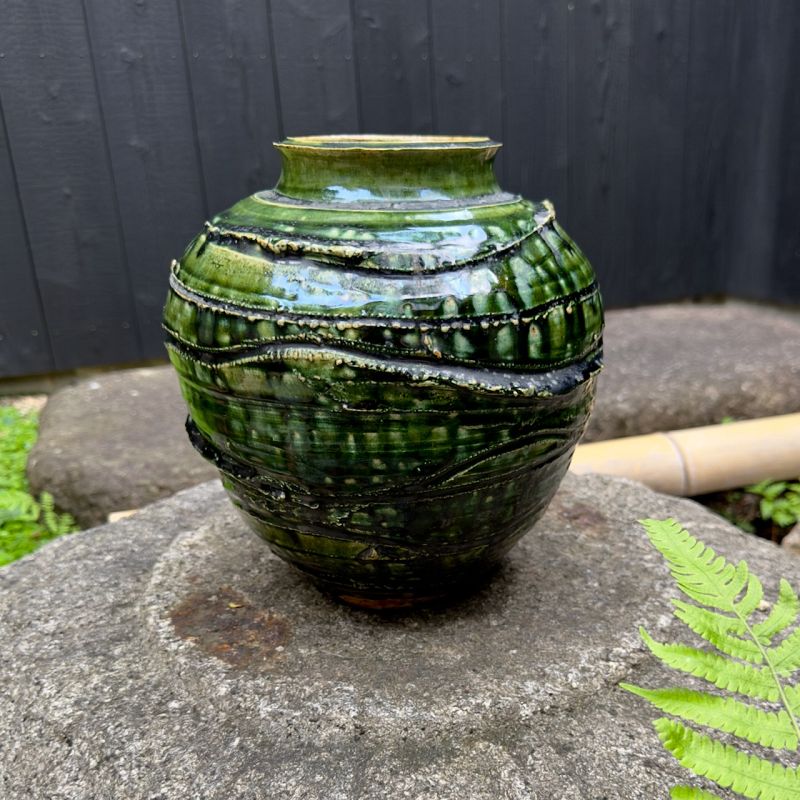
As can be seen from the attached images, especially beautiful in natural light; this charming vase features contoured ridges encircling the exterior while rivul
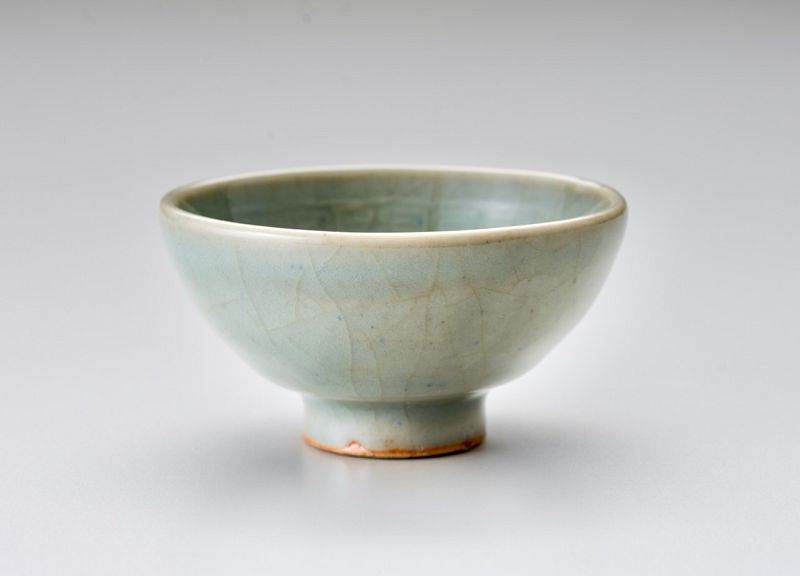
A rare and unusual offering, here we have an exquisite celadon shuhai with Chinese styled patterning lining the inside of the cup. First generation Sozan gained
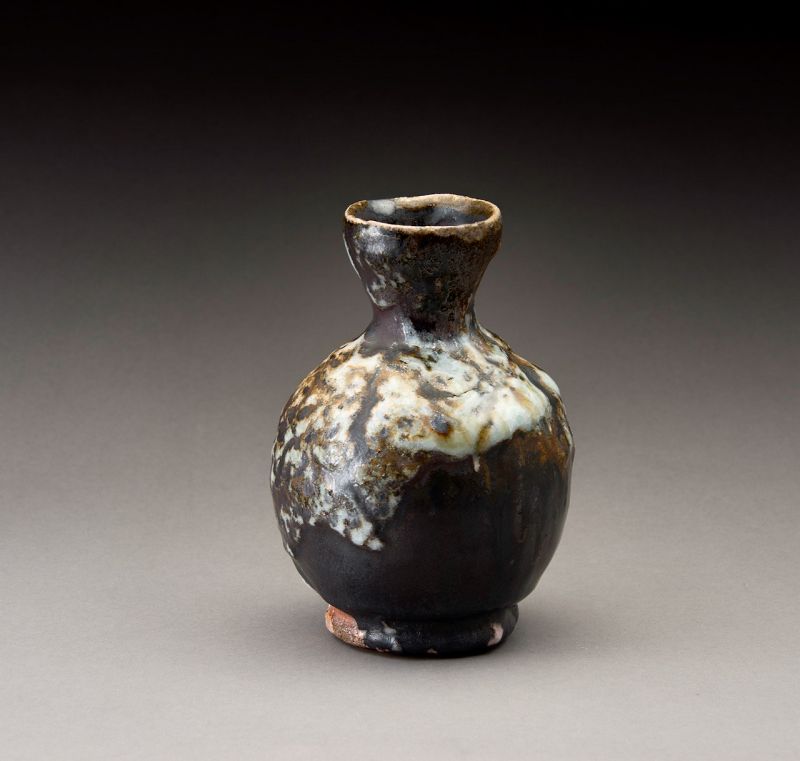
This small vessel, similar in a shape to a tokkuri, is a fine example of Oni Shino (carbon trap and natural ash glazing) that Tsukigata is so well-known for. Co
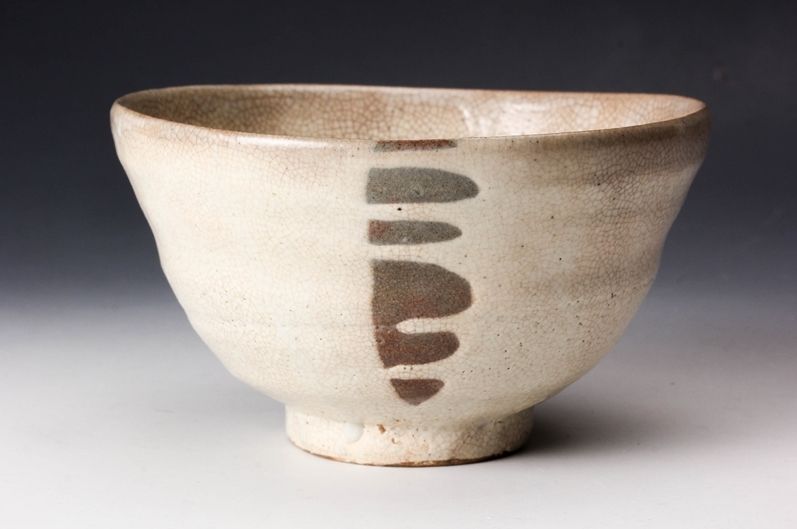
Kohiki is a traditional Japanese pottery style known for its simple and rustic aesthetic. It involves applying a white slip onto the vessel's surface, followed
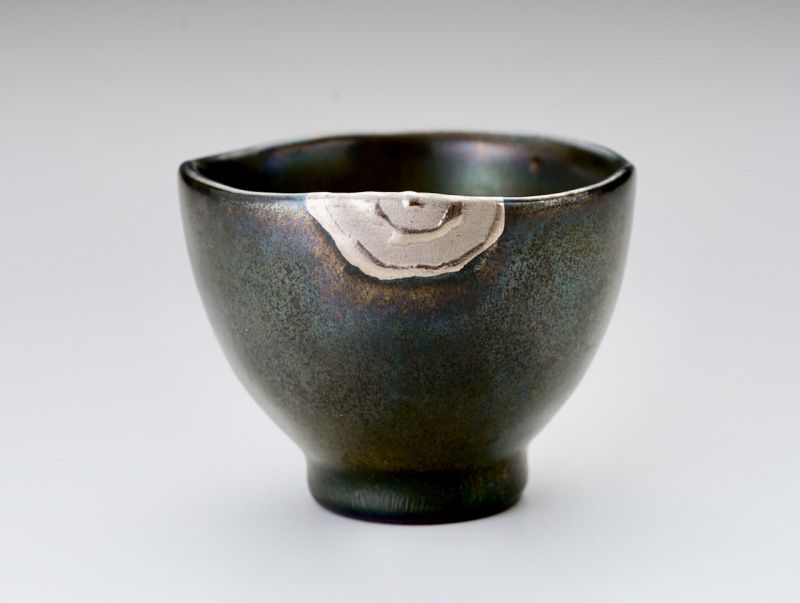
With awards too numerous to mention, Yanagihara (b. 1934) is still producing masterpieces into his 9th decade. The piece seen here is from a series he did in th
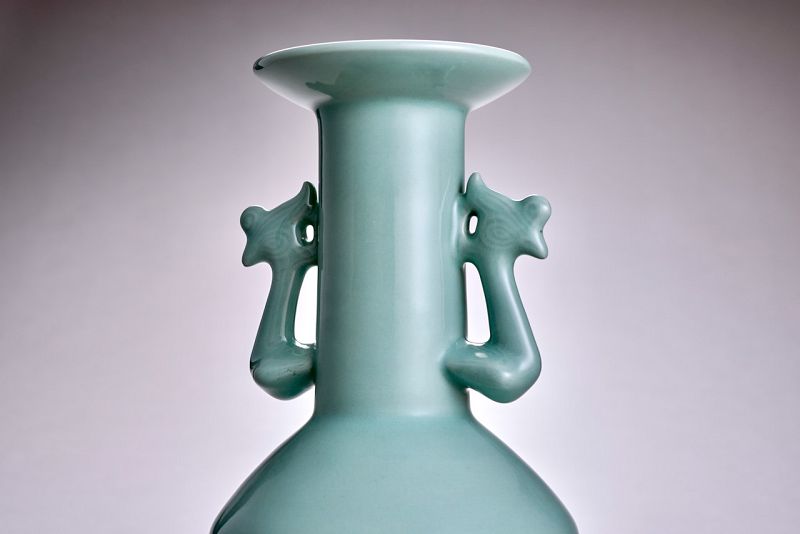
A rare and interesting offering, here we have an exquisite celadon phoenix vase with Chinese form and patterning. First generation Sozan gained wide acclaim in
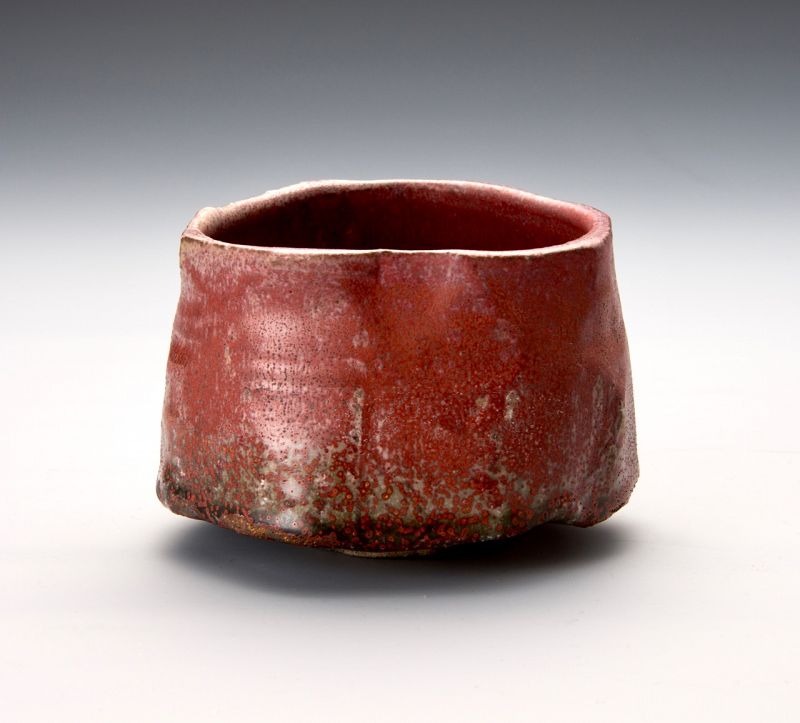
With pottery shards from excavated kilns dating back to the 5th Century, Mino-ware is one of the oldest and most revered pottery traditions in all of Japan. Tho
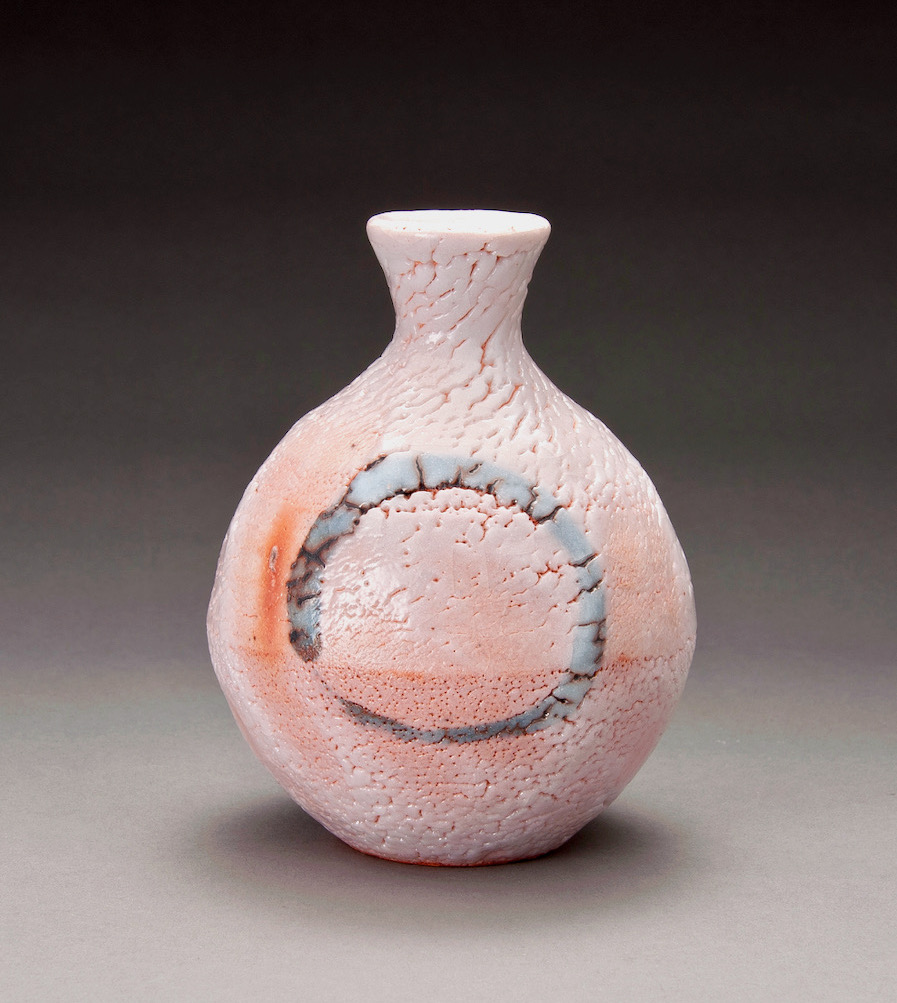
This depiction of the eternal “ensō” on a backdrop of pearly white feldspar over red clay signifies enlightenment, the eternal, the nothingness, and the freedom
SOLD
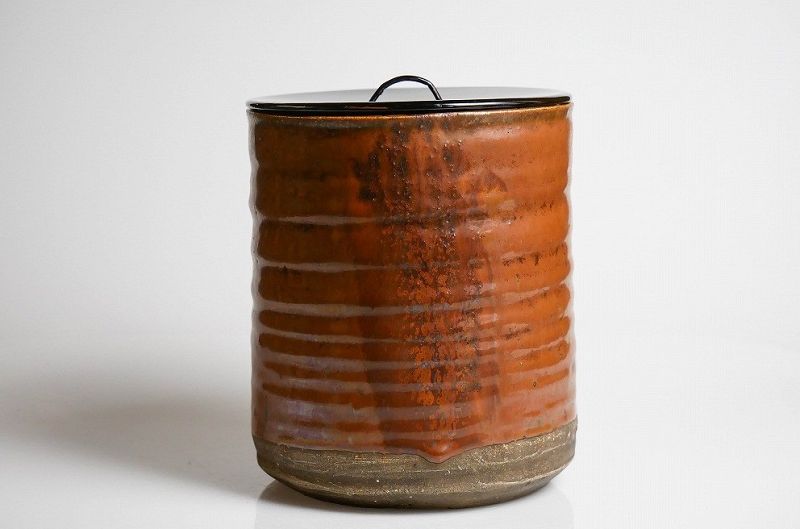
Seto is a pottery tradition established in the 12th century with the aim of reproducing fine Chinese porcelain and tenmoku-style tea bowls—which were hard to co
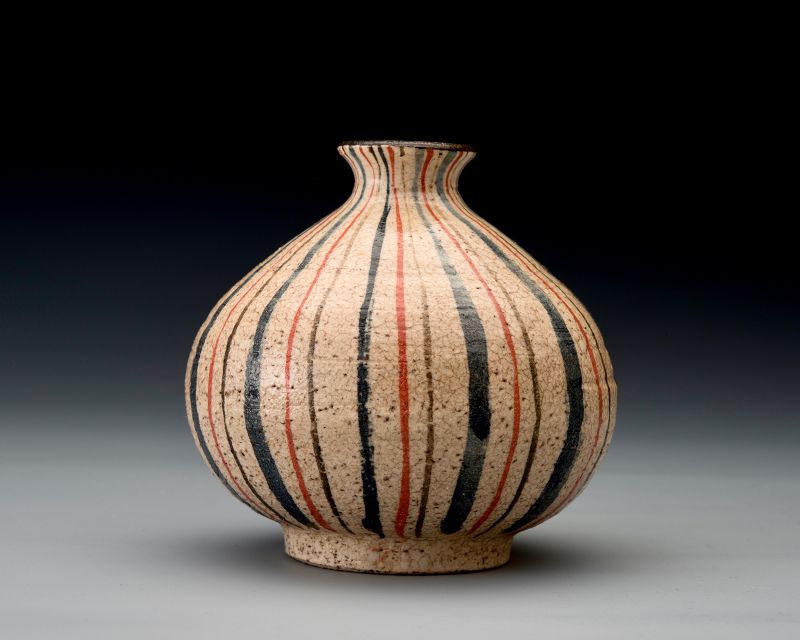
Japanese Mugiwara pottery emerged in the Mino region of Japan during the Momoyama period in the late 16th century. It is renowned for its distinctive straw-rope
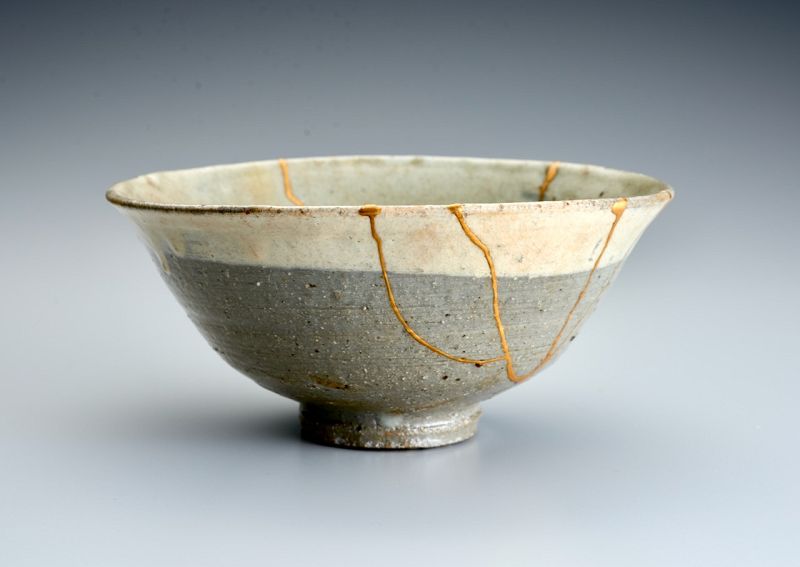
Here we see a beautiful example of Korean blue-grey pottery from centuries past. At some point it was brought to Japan, so we can safely assume that it was expr
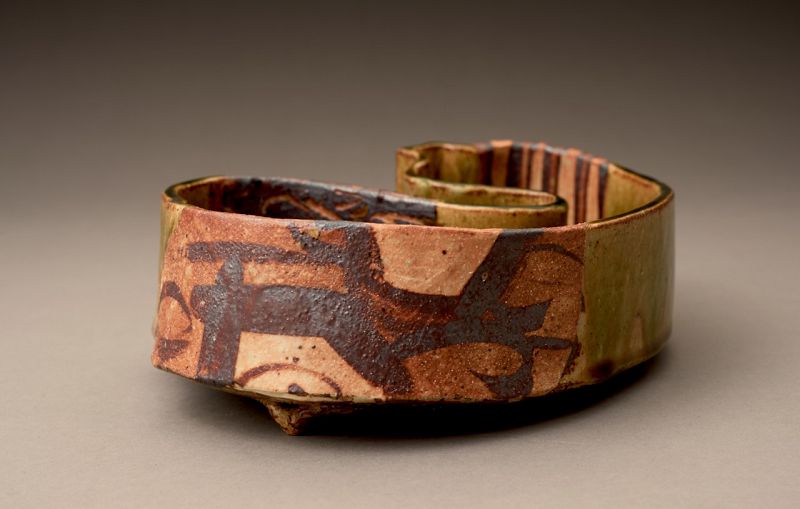
A harmonious blend of traditional craftsmanship and contemporary artistic expression, this extraordinary serving dish encapsulates the essence of Oribe pottery
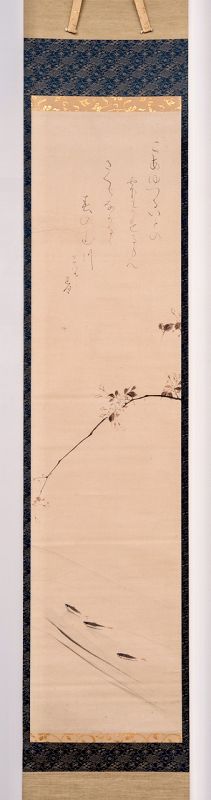
The poem accompanying the artwork on this antique scroll reads: Fishing little trout—Precious drops of dew glisten—Flowing with the blossoms—The mountains and r
SOLD
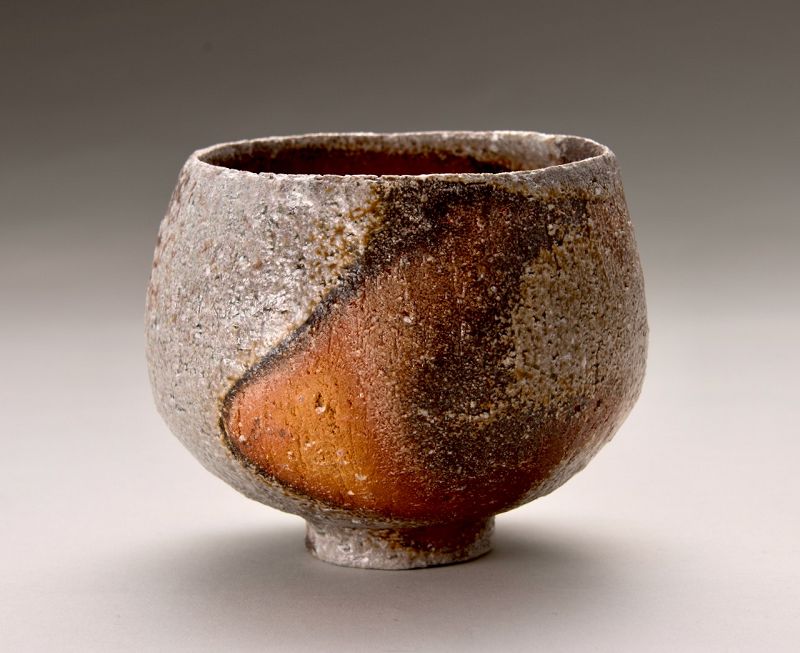
The artist who produced this piece, Wataru Motomura, prides himself in living a traditional life in the eastern hills of Kyoto—long known for its rich clay and
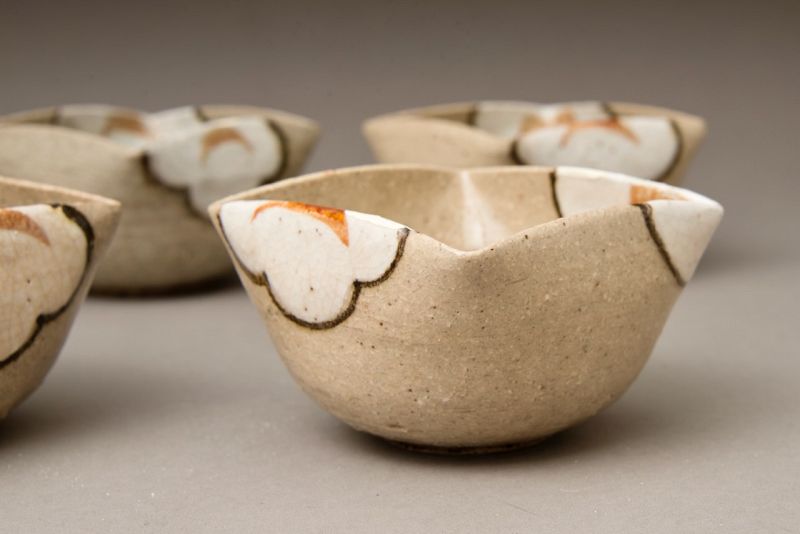
One family of artists that has left a lasting mark on not just Kyoto but on the world at large has been the Ōgata family. Prominent among this line - Ōgata Kenz
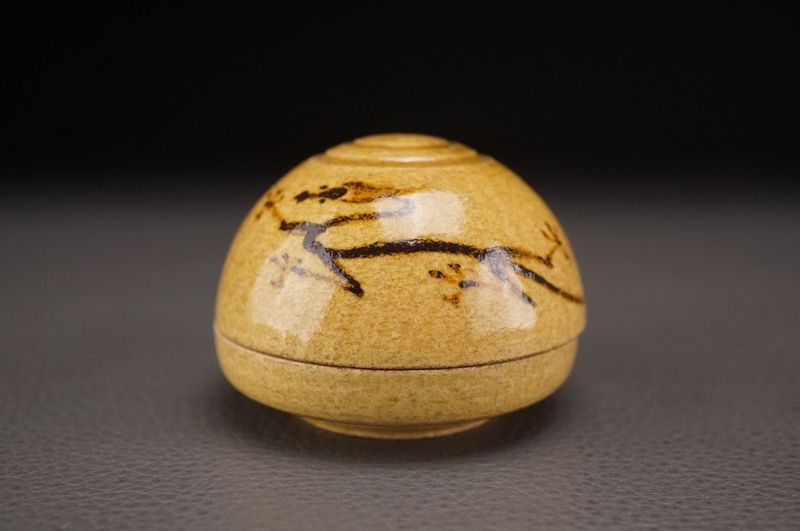
An often overlooked implement in tea ceremony, here we have the humble kogo (incense box) with an image of a sleek and flowing dragon. Commonly thought to repre
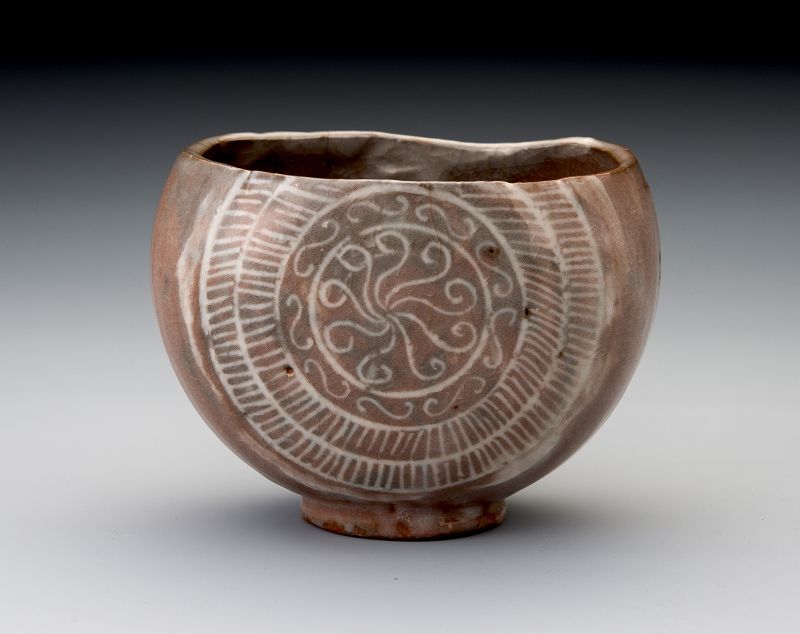
Appearing to be from a 2006 excavation site in Tokyo known to be a former residence of the Owari Tokugawa clan—the most senior contingent of the Tokugawa clan t
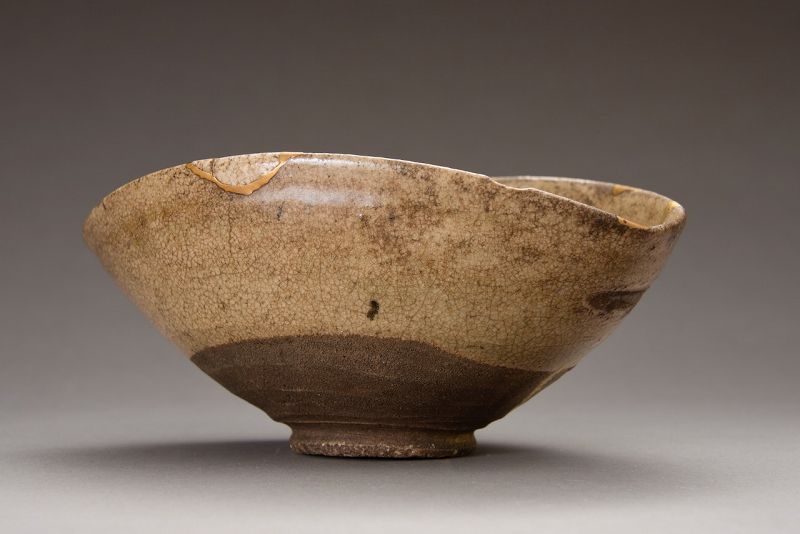
At various times over the long history of tea practice in Japan, Korean-ware has come into high fashion and ships full of the finest ceramics from the neighbori
SOLD
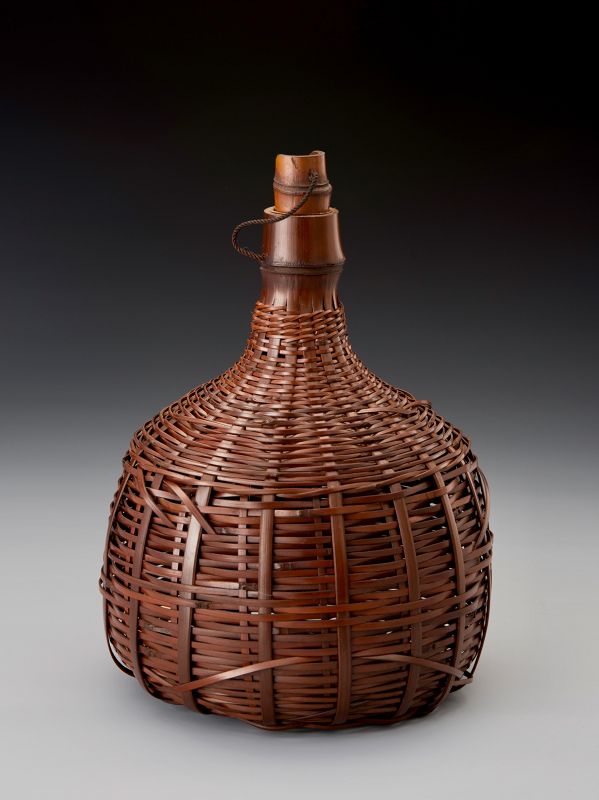
Japanese bamboo crafting, known as "Takezaiku," is a traditional art form that involves the skilled manipulation of bamboo to create various functional and deco
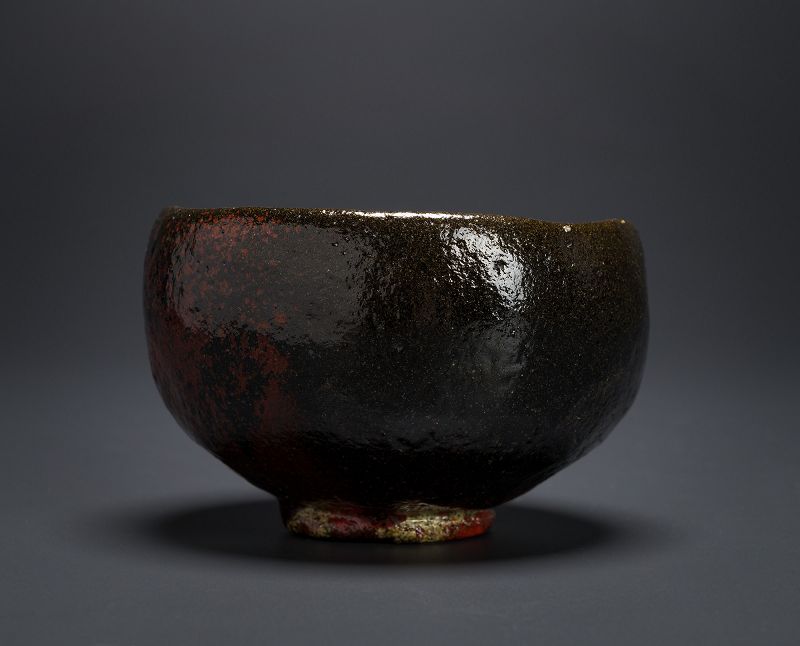
A beautiful example of Ohi inspired Raku-ware; the body of this stylish tea vessel is a mix of a dark black gradating to charcoal grey with undertones of reddis
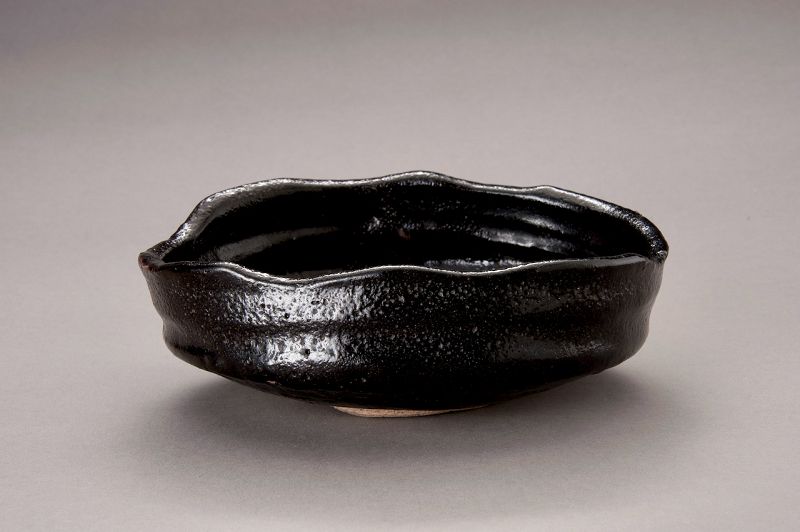
Living in Kyoto it is not uncommon to come across beautiful antique tea bowls, however, finding pieces that are in good condition, aesthetically compelling, and
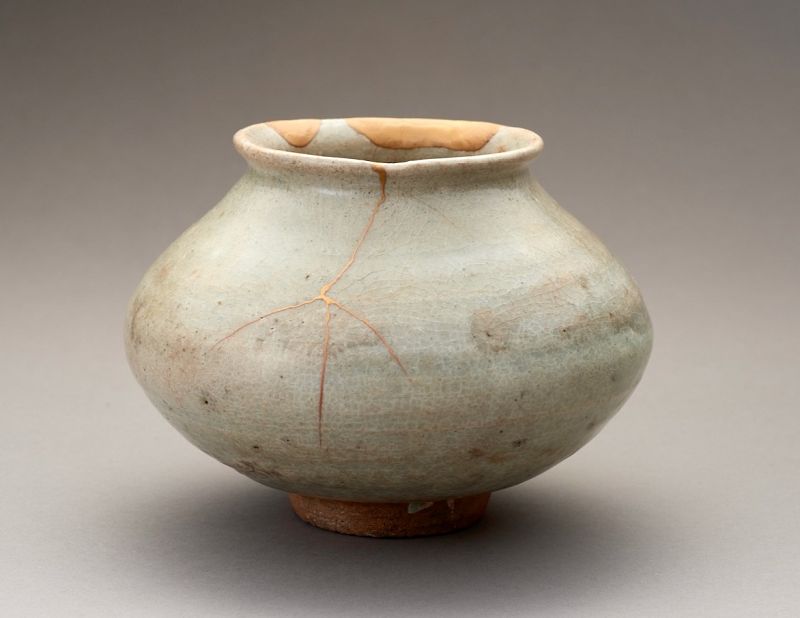
Several years ago we were invited by our very talented kintsugi craftsman to what is known as a “kura-ake” or storehouse opening. Many reading this may be famil
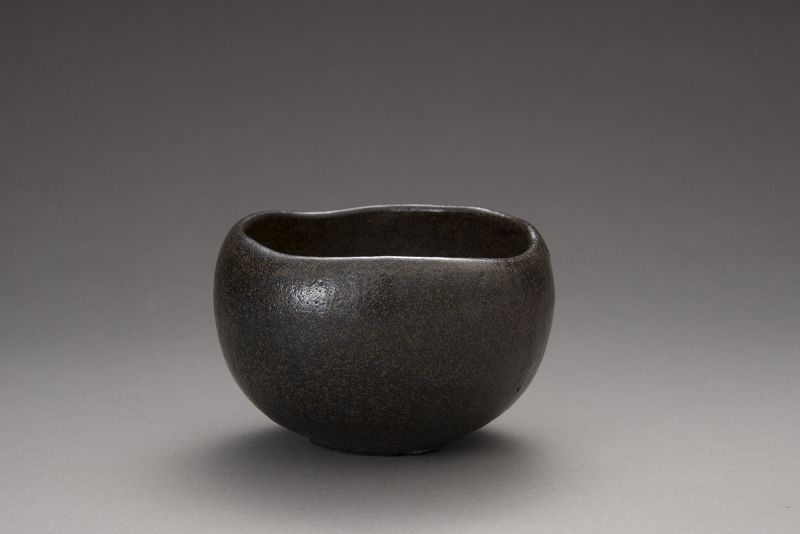
An excellent offering from Higaki Ryota of Katsura Kiln, this piece displays a classic and iconic shape coupled with a beautiful Kase-guro glaze said to be used
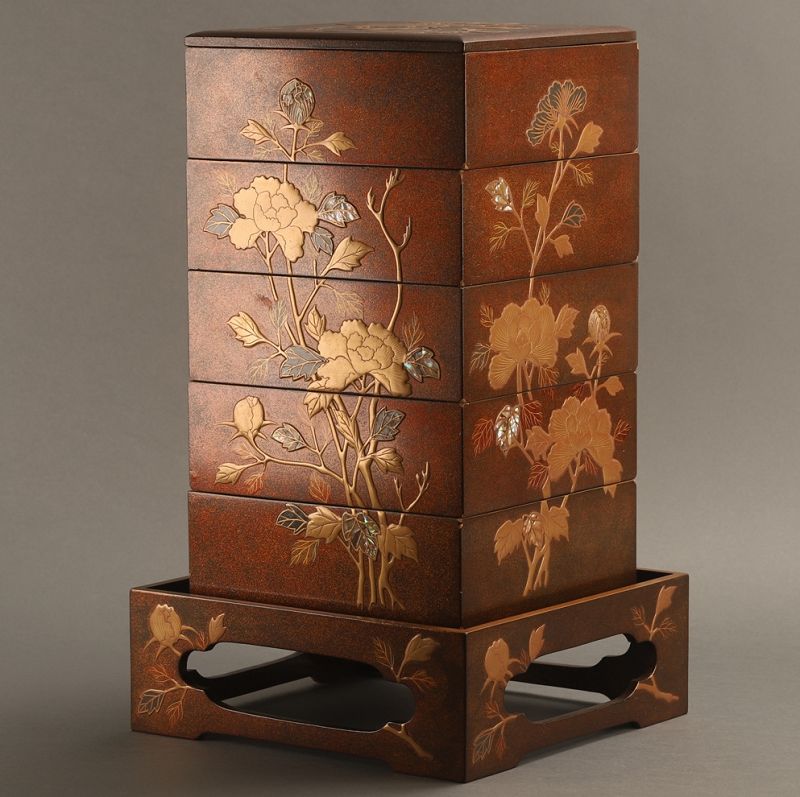
Japanese Jubako—traditional stacked lacquerware food boxes—represent not only a high level of culinary refinement, but also demonstrate the importance the Japan
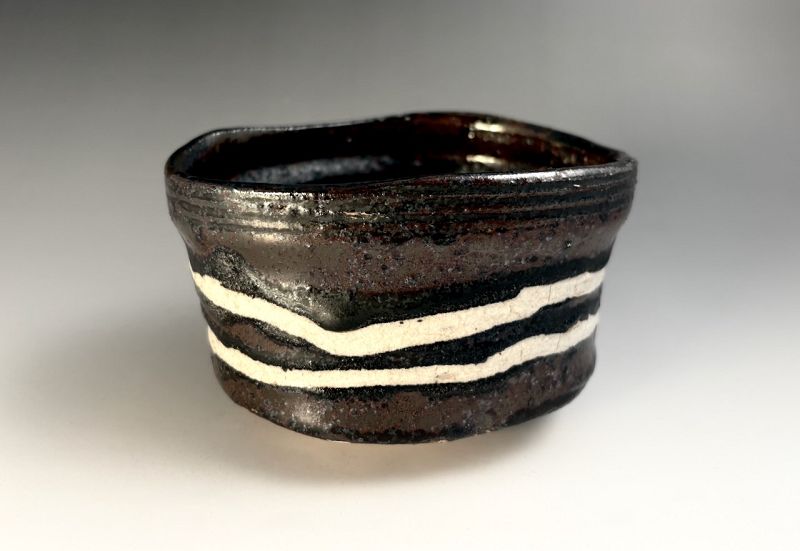
Oribe is a visual style named after the late-16th-century tea master Furuta Oribe (1544-1615). Typically, black or green glazes are applied to the bodies of the
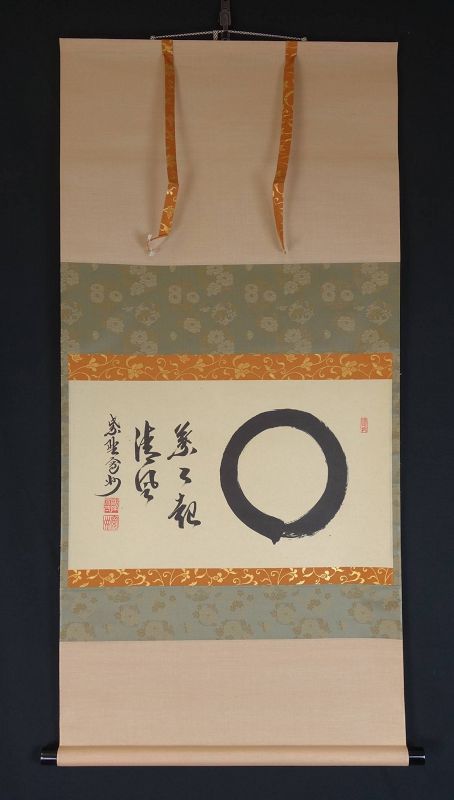
Deceptively simple and notoriously difficult to apply with the calligrapher’s brush in one fluid, arching stroke; the symbol of the ensō has long been associate
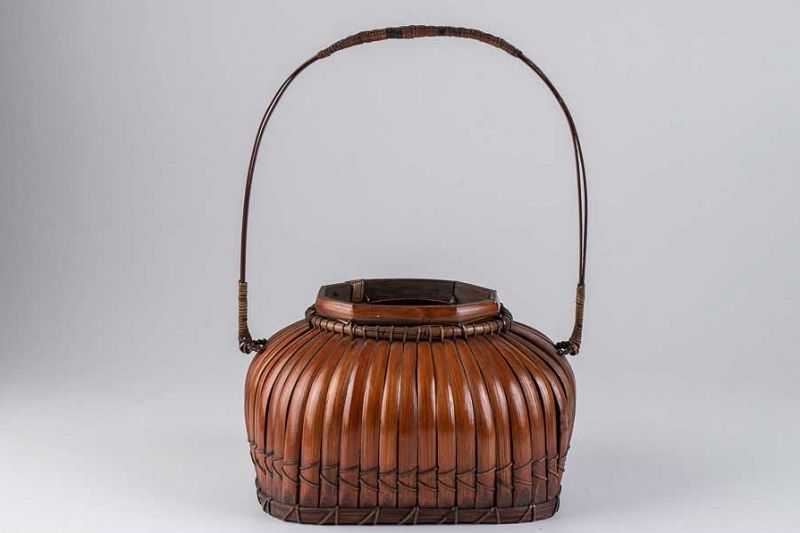
Handwoven with delicate precision, this Japanese bamboo ikebana basket showcases the beauty of traditional bamboo weaving and the elegance of classic Chinese de
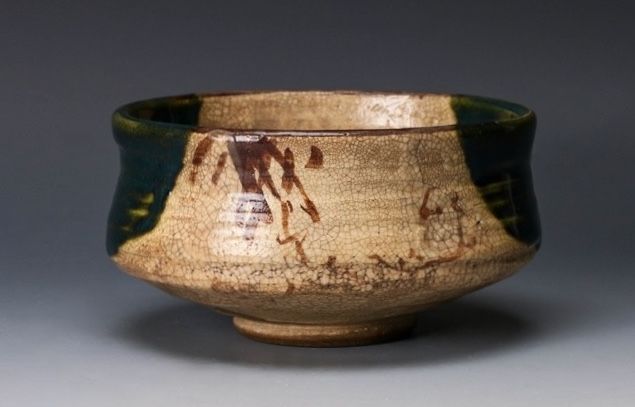
Oribe is a visual style named after the late-16th-century tea master Furuta Oribe (1544-1615). Typically, black or green glazes are applied to the bodies of the
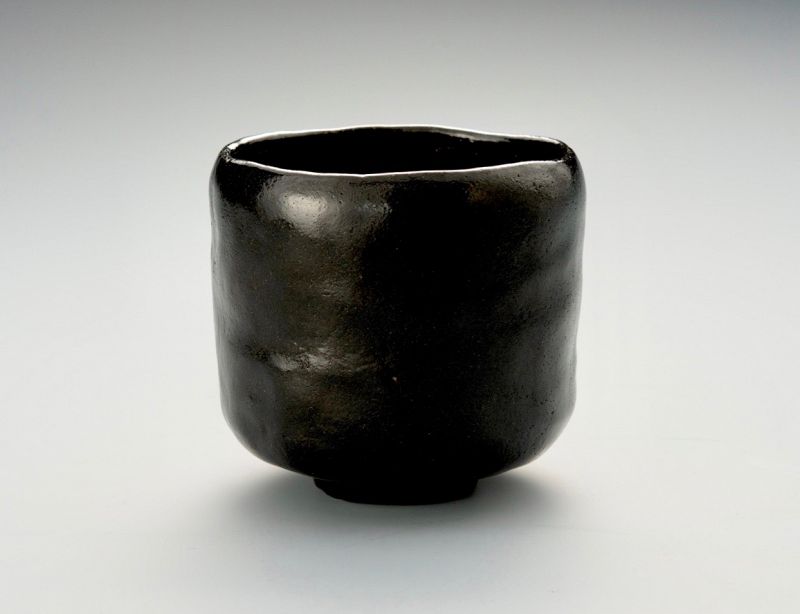
Crafted by one of the most well-known potting families from the Meiji period (Ito Tozan), this black Raku tea bowl displays a glossy sheen and gentle swells rip
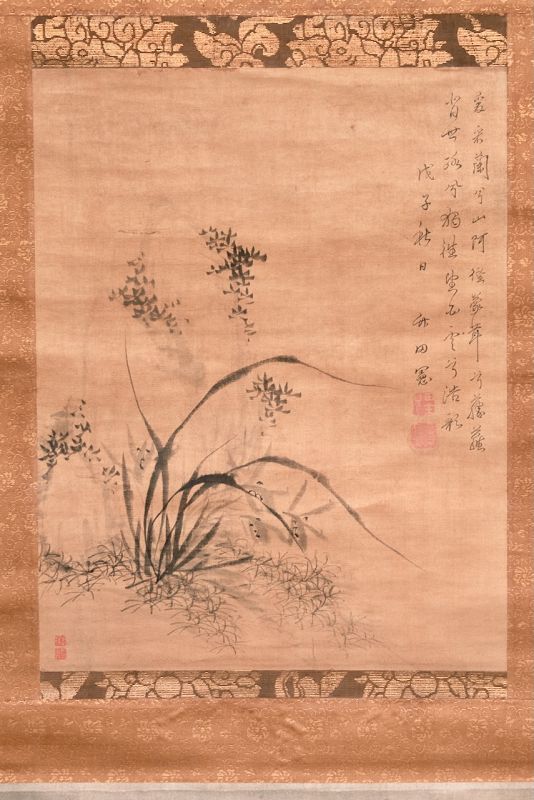
A beautiful composition from over 200 years ago, the poem on this lovely hanging scroll can be translated to: Loving the fragrance of orchids deep in the mounta
SOLD
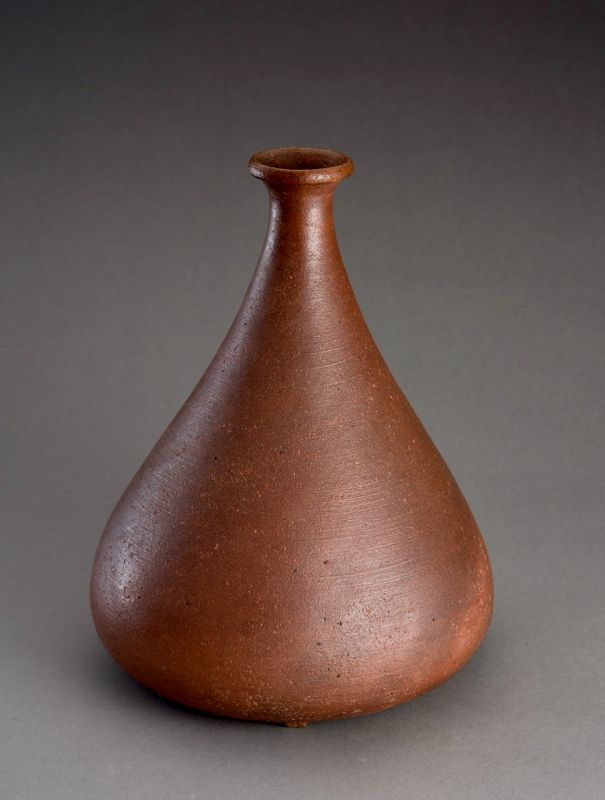
During Japan's Momoyama period, spanning from the late 16th to the early 17th century, Bizen pottery flourished, producing exquisite pieces such as this symmetr
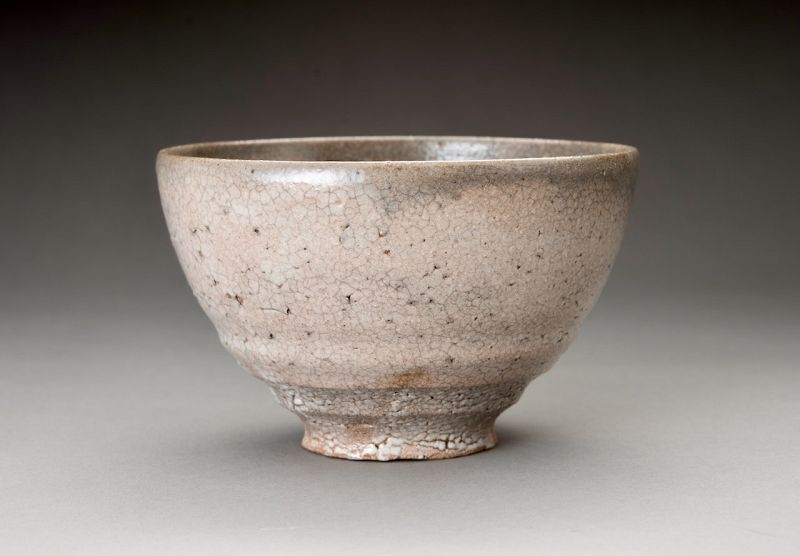
A very interesting chawan (tea bowl) dating from the Korean Joseon period (Richō in Japanese; 1392-1897). This particular piece appears to be from the 17th or 1
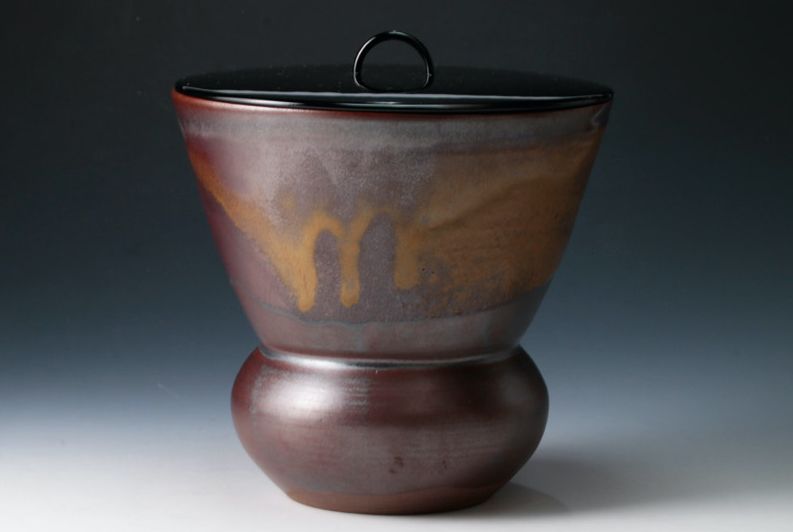
Over 400 years ago the first Takatori potter, the Korean craftsman known as “Hachizan,” was brought to Japan by the powerful Kuroda clan and was tasked with est