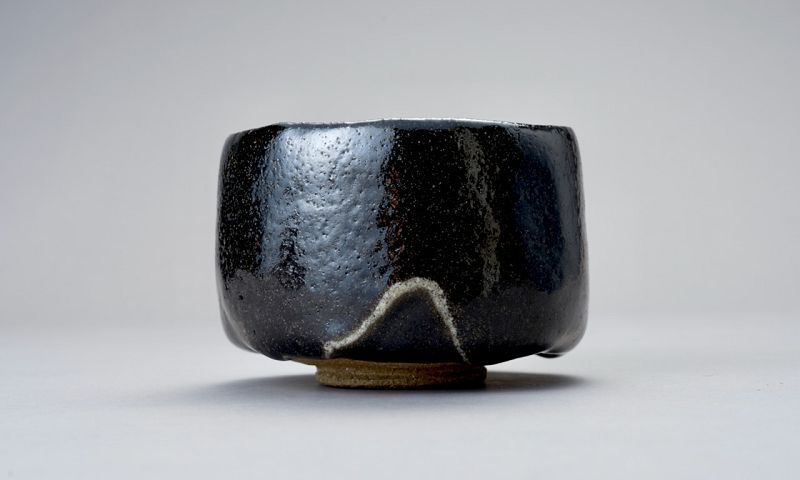
A Classic Black Raku Tea Bowl - Ōhi Chōzaemon IX (1901-1986)
An austere masterpiece of functional art — the perfect accompaniment on the journey inward to stillness and contemplation. Crafted by the 9th Ōhi Chōzaimon (190
An austere masterpiece of functional art — the perfect accompaniment on the journey inward to stillness and contemplation. Crafted by the 9th Ōhi Chōzaimon (190
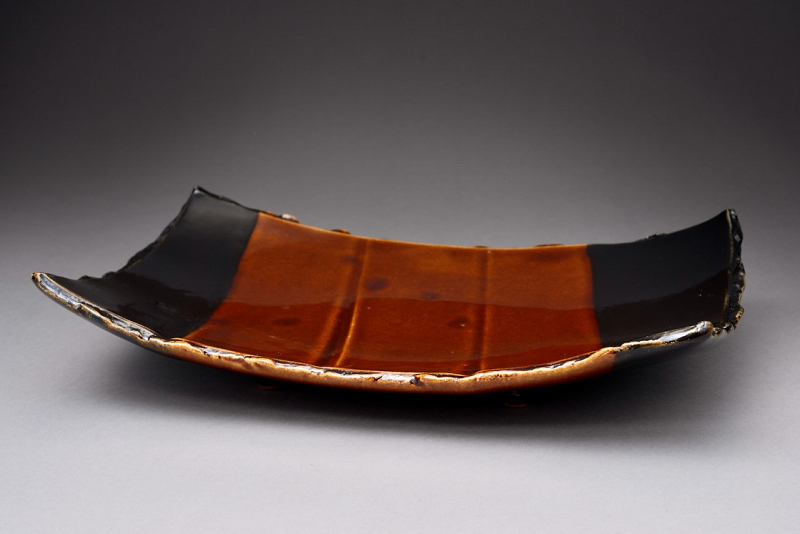
This large serving tray by Ōhi Chōzaemon XI (Toshio) brings together the rich glaze tradition of Ōhi ware and a distinctly contemporary sculptural form. Its bro
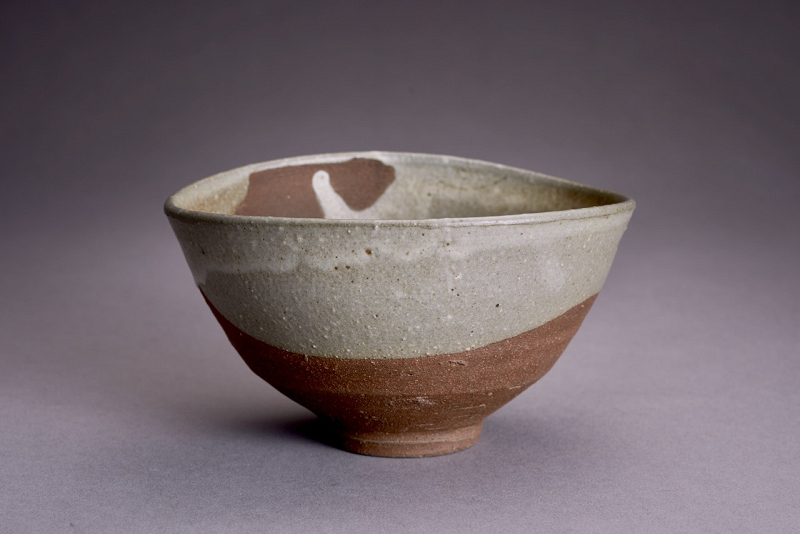
Minimalistic, elegant, and exceptionally light in the hand, this antique Karatsu tea bowl displays an impressive milky ash glaze that descends towards the foot,

In Japan, famous for its generational potting families, only a handful have made it all the way through to the 14th generation—the Nakazato line being one of th
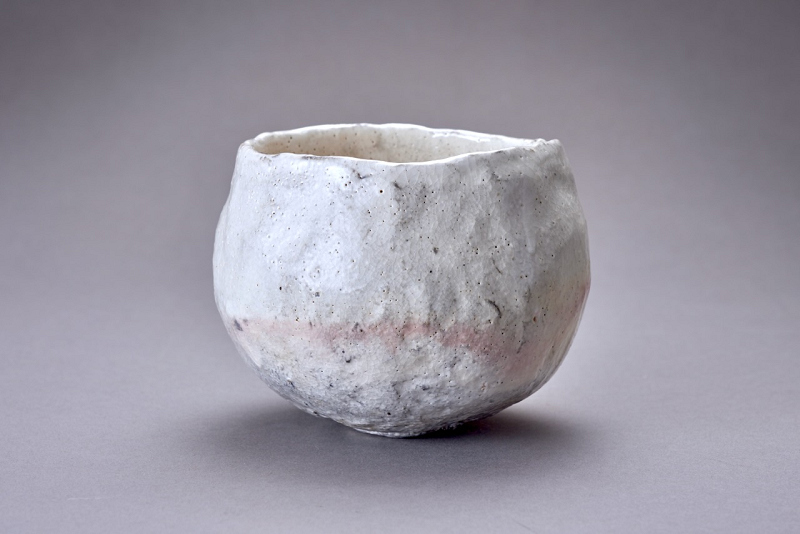
Though rare, occasionally I come white Raku piece by one of our favorite potters, Sugimoto Sadamitsu. Adorned with subtle crackling patterns and variations in t
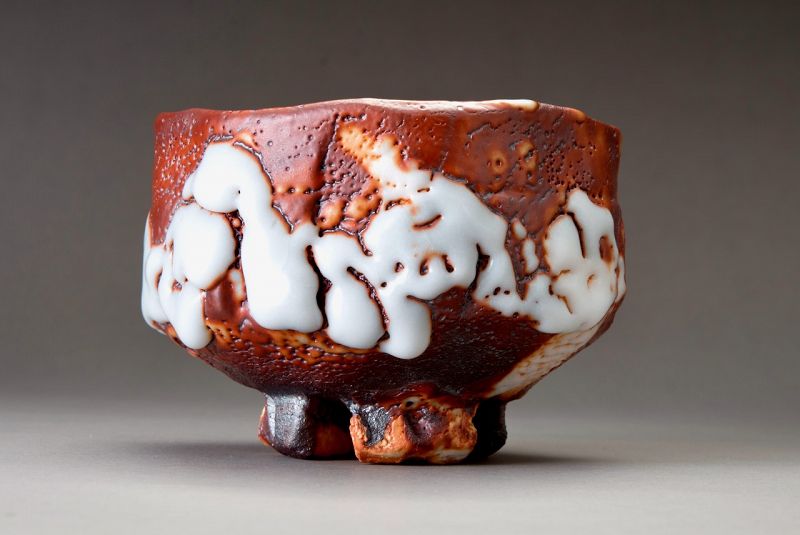
A stunning work of Shino-ware by veteran potter Hayashi Shotaro—winner of numerous awards for his bold and innovative style and widely recognized as one of the
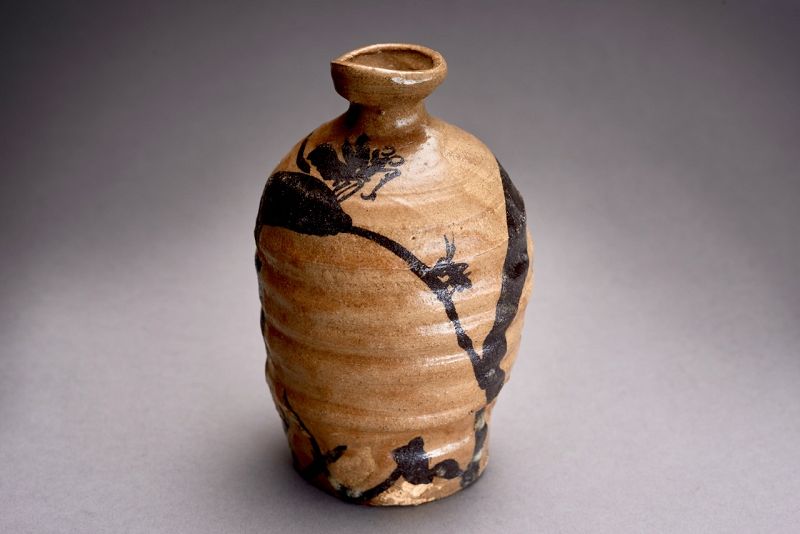
Known for his non-conformist and bold style, Suzuki Goro has outdone himself with this stylized Oribe sake flask (tokkuri). Oribe is a visual style named after
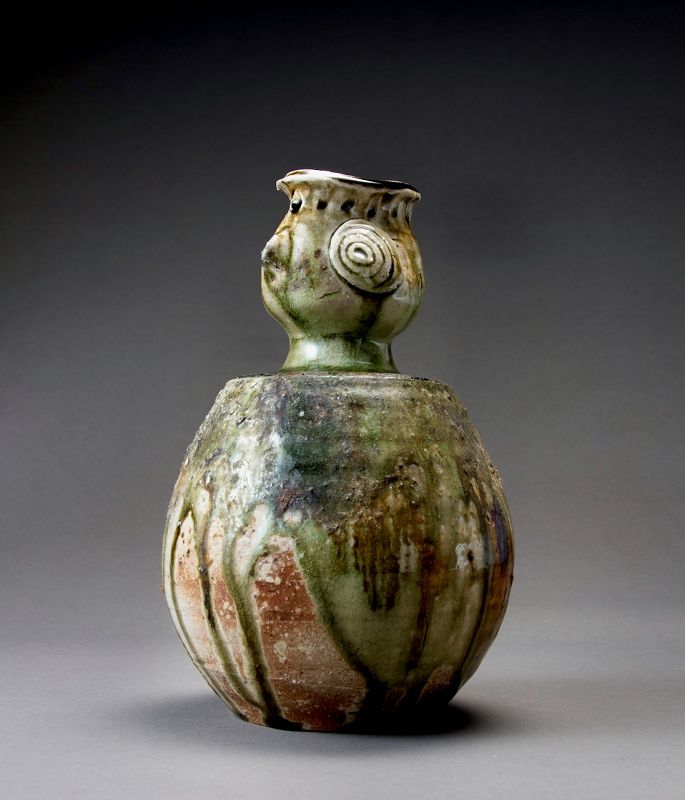
In excellent condition, this bird-shaped, or “torigata” vase is a beautiful example of Iga pottery from last century. A master of form, material, and technique,
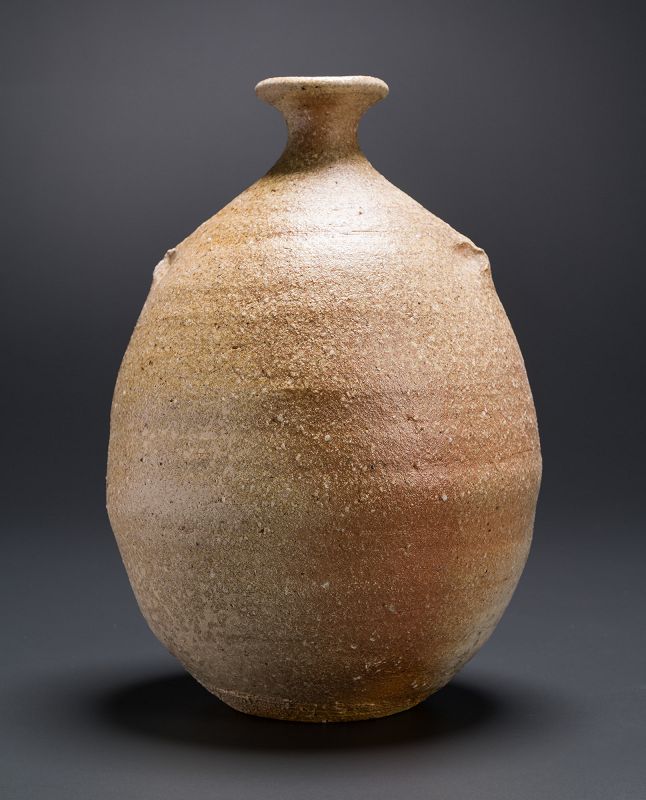
A beautifully crafted vase from a studio potter in the hills of Iga, a few hours drive east of Kyoto. Iga-ware has quite a long history—by some accounts dating
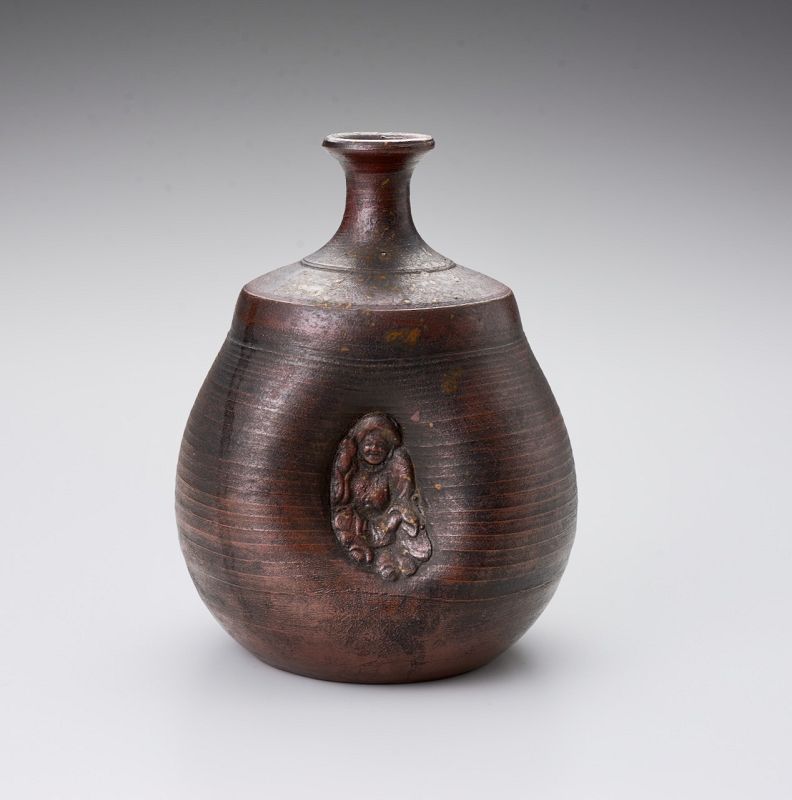
Crafted from locally sourced Bizen clay, this Edo period vase features an engraving of the jolly gift-giver, Hotei. Said to be based on a historical Chinese Zen
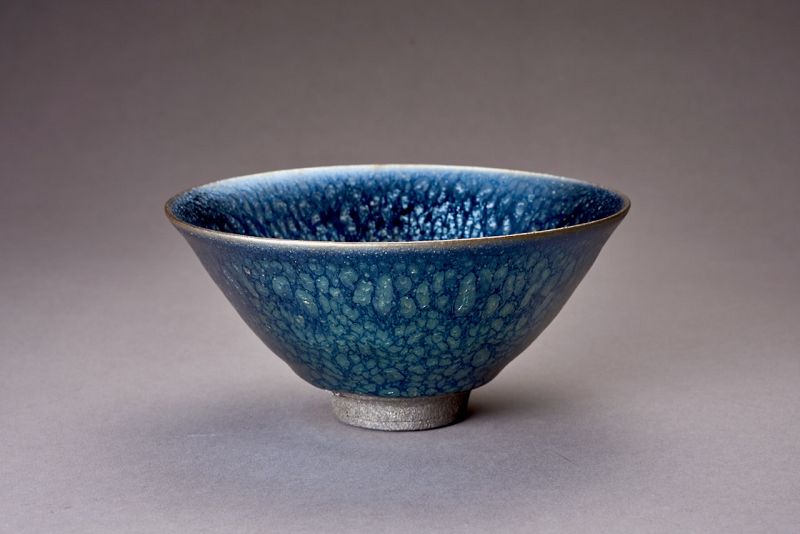
With origins stretching back over 1,000 years, Tenmoku pottery is thought to have first found its way to the shores of Japan in the 12th century by monks who br
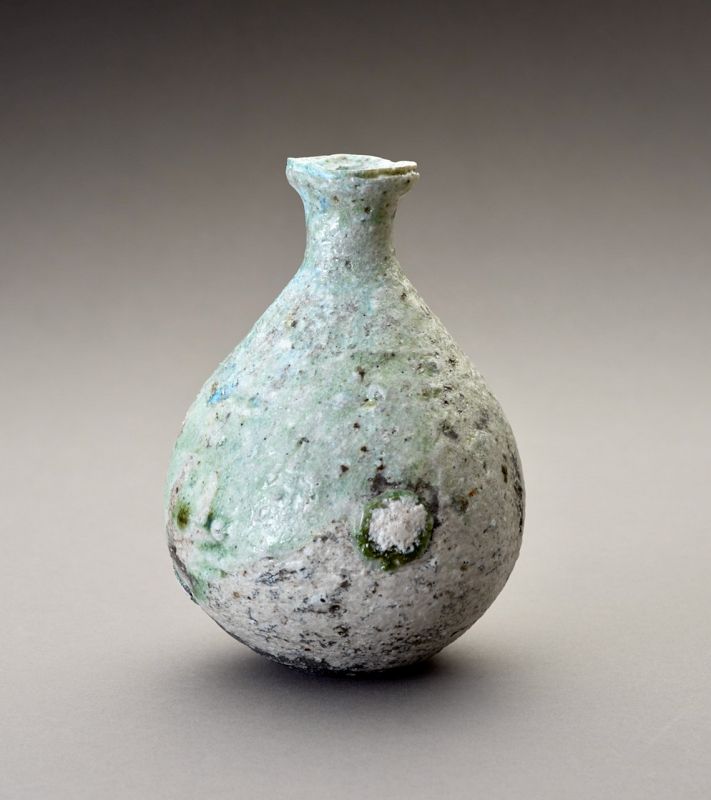
With an uncanny ability to emulate features of the natural environment, the creator of this sake vessel,Tsujimura Yui, is one of Japan’s most skilled potters wo
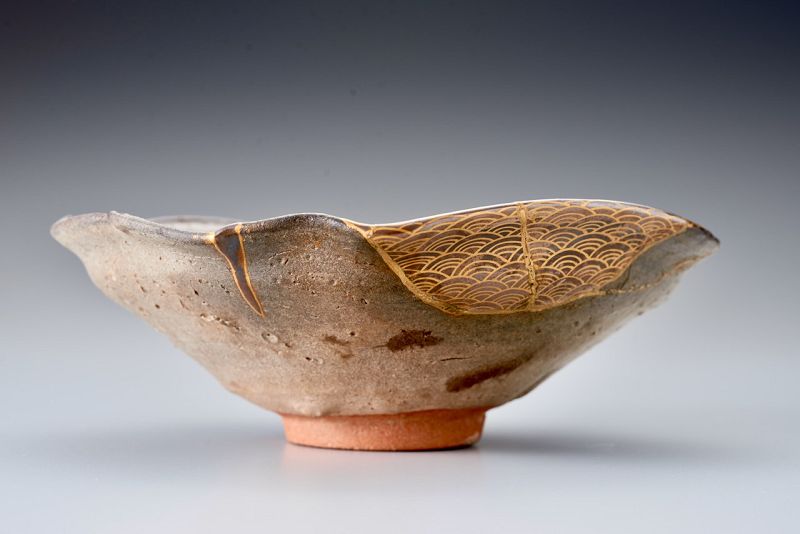
Like many pottery traditions in Japan, Karatsu takes its name from the city where it originated. As early as the 15th century, Korean potters heavily influenced
SOLD
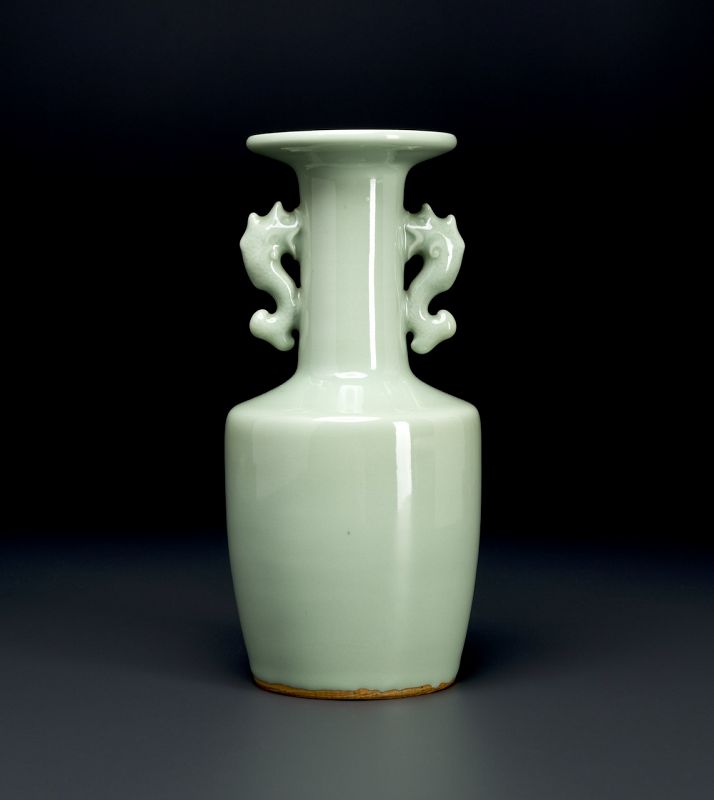
This extraordinary vase is a truly Japanese expression of a classical Chinese form. Fashioned after cylindrical Song Dynasty pieces that are thought to have bee
SOLD
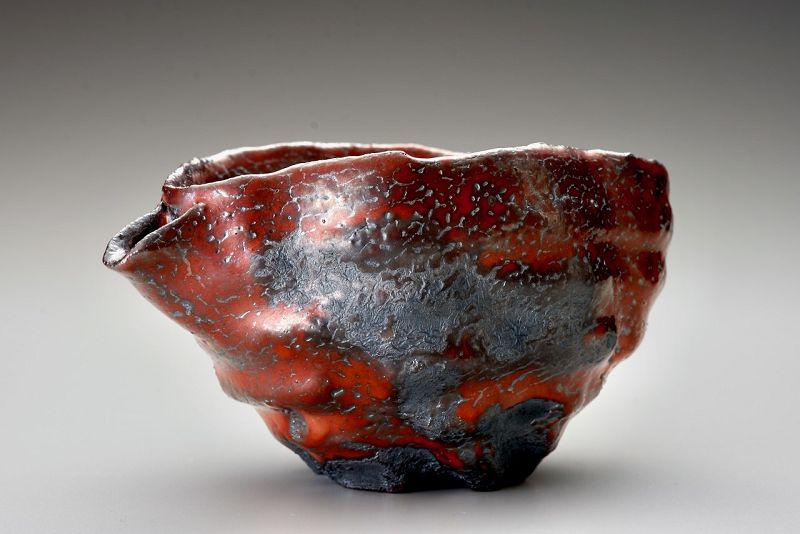
A decidedly modern and innovative take on the classic Shino trope, this “kataguchi” or one-sided pouring vessel lends an air of depth, contemplation, and brilli
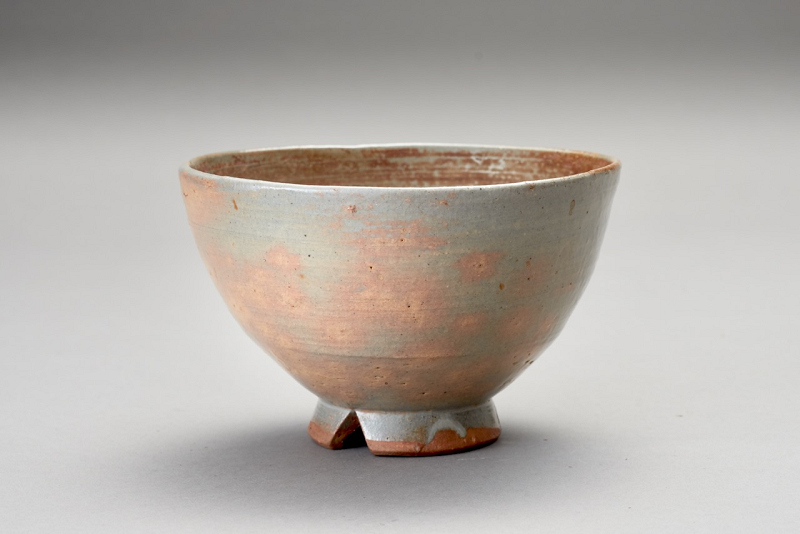
Here we see a quietly beautiful Korean tea bowl with a rounded, gently tapering form and a tall, dramatically notched foot. A translucent blue-grey glaze covers
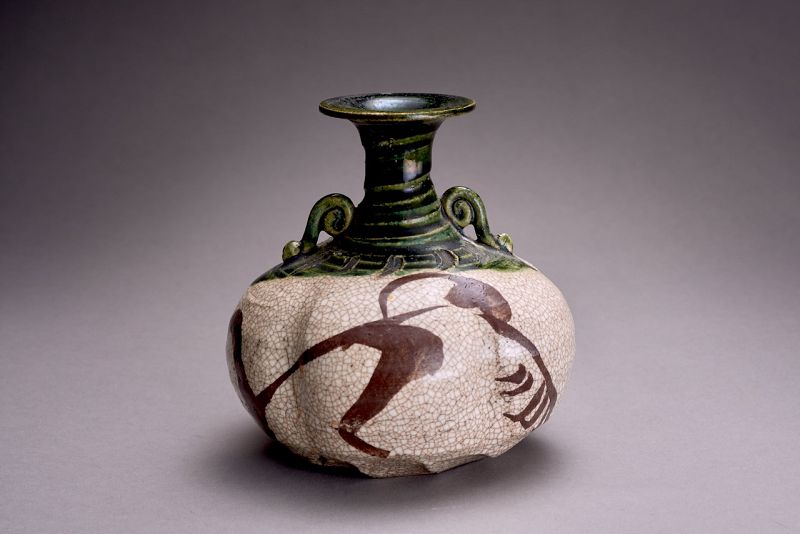
Oribe is a visual style named after the late-16th-century tea master Furuta Oribe (1544-1615). Typically, black or green glazes are applied to the bodies of the
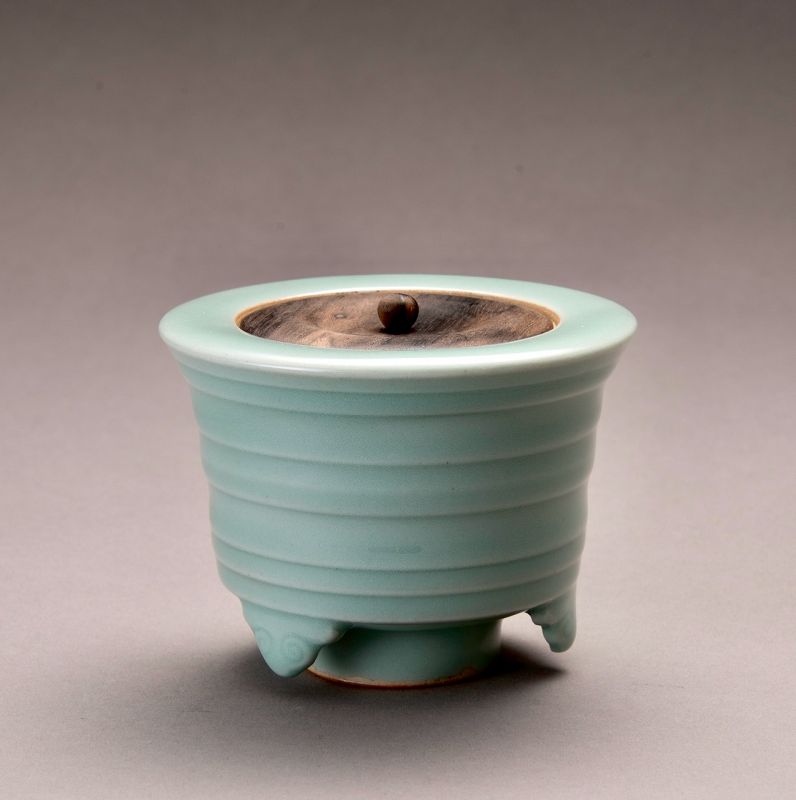
A Chinese style celadon incense burner by one of the 5 Imperial Court Artists of Meiji. Sozan spent his life perfecting techniques for celadon production first
SOLD
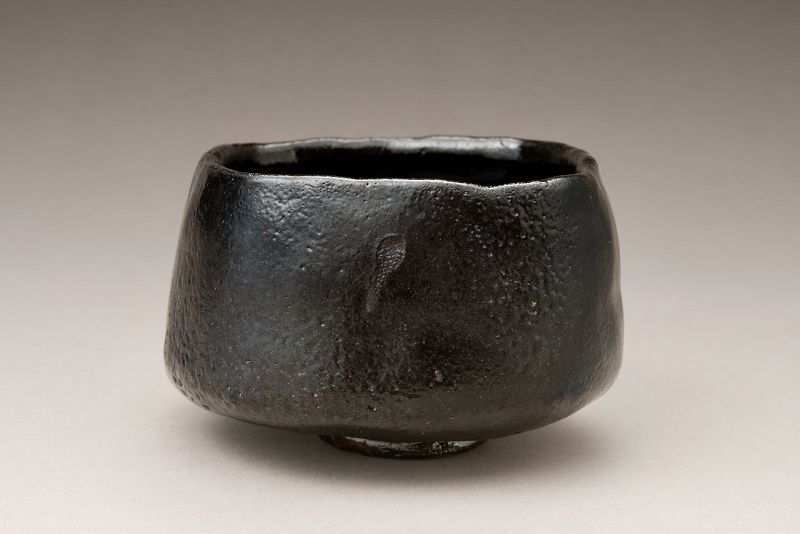
We have a particular interest in beautiful old Raku tea bowls and spend quite a bit of time searching for exceptional examples to include in our gallery. Here w
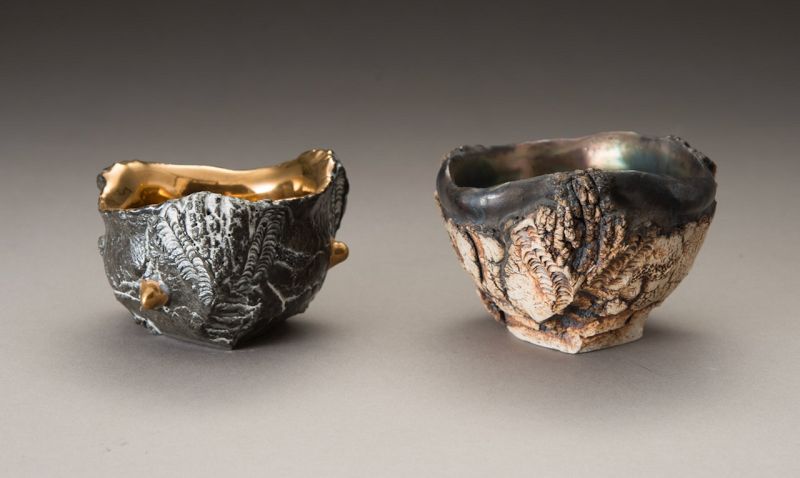
If you are familiar with the work of Hiramatsu Ryoma you know that he creates very unconventional ceramics inspired by forms found in nature. Here we have a set
SOLD
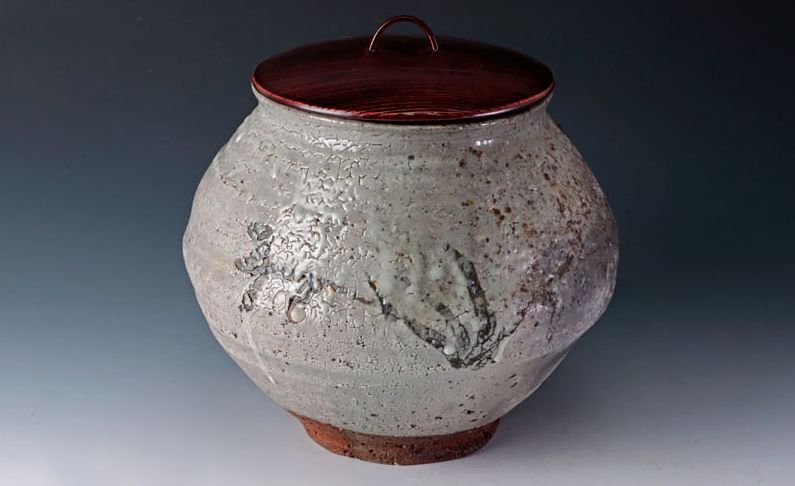
Like many pottery traditions in Japan, Karatsu takes its name from the city where it originated. As early as the 15th century, Korean potters heavily influenced
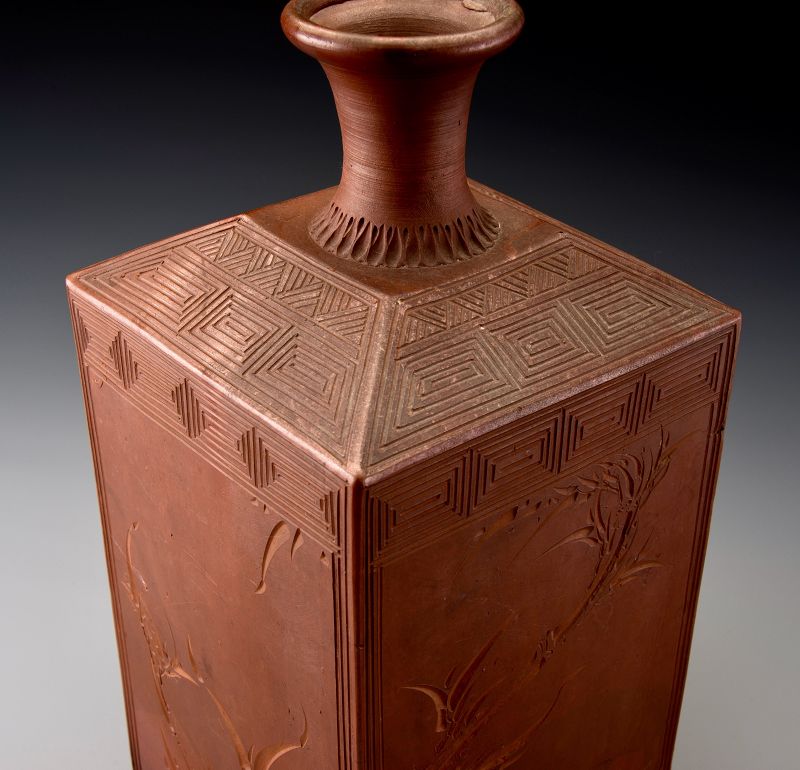
Crafted from locally sourced Bizen clay, this mid-Edo period vase embodies simplicity, beauty, and understated elegance. Originally crafted as a tokkuri, or sak
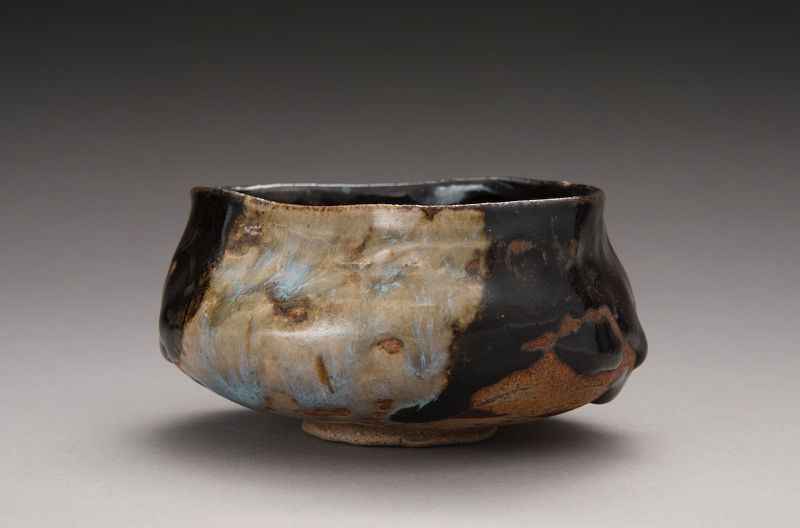
Oribe is a visual style named after the late-16th-century tea master Furuta Oribe (1544-1615). Kuro Oribe pieces are the most common with their jet-black glazes
SOLD
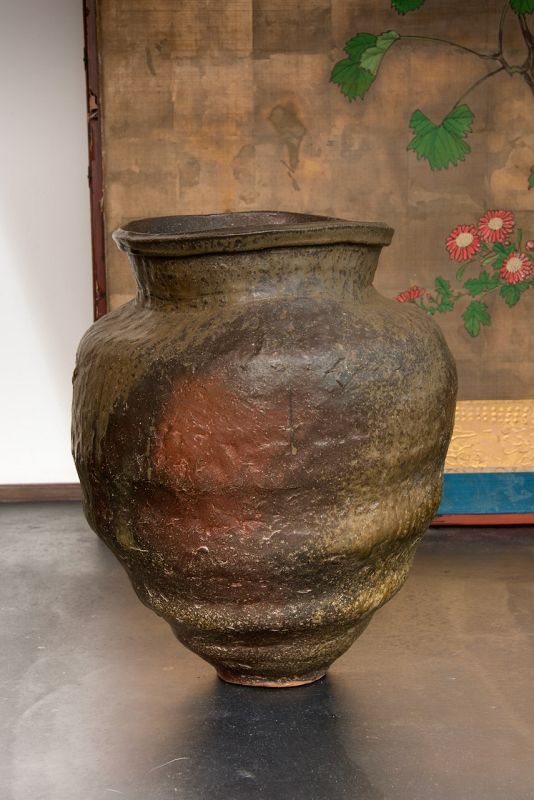
Estimated to be 500-600 years old, this extraordinary work of Bizen pottery would have been fashioned in an “ana-gama” or a rudimentary dugout kiln often placed
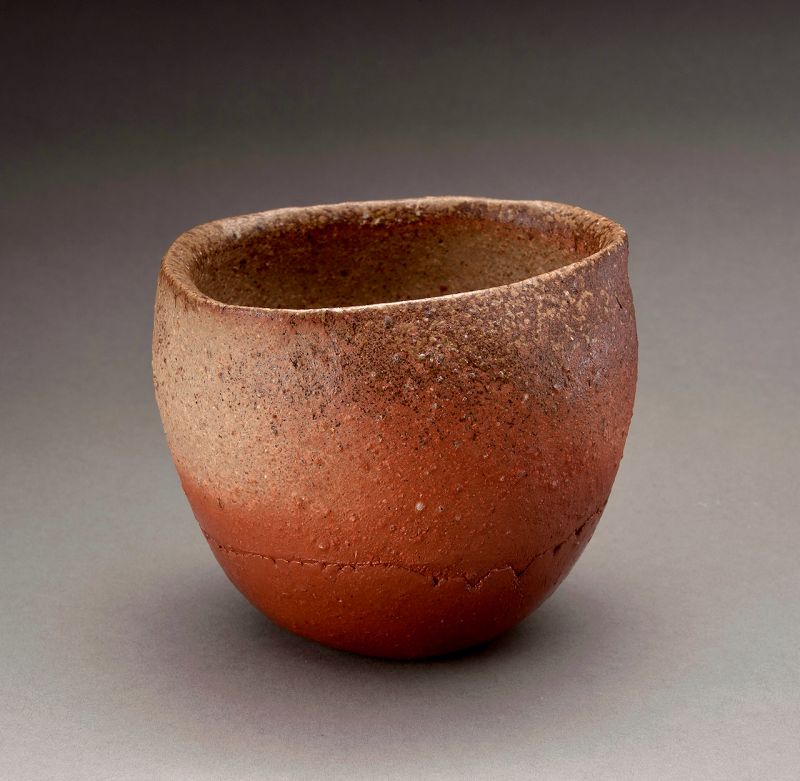
First born son to Living National Treasure Isezaki Jun, Koichiro (b. 1974) has quickly made a name for himself as an independent artist. Not content to rely sol
SOLD
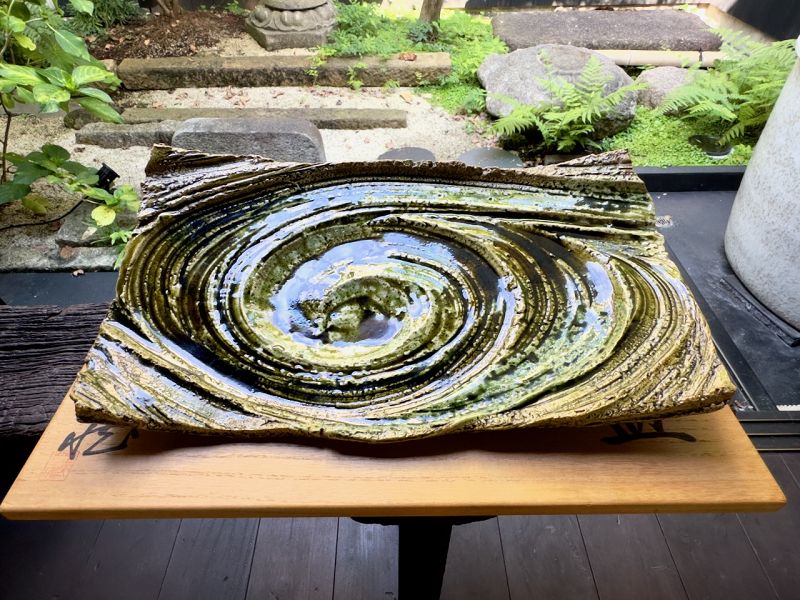
Displaying a bold Oribe glaze and sweeping comb pattern culminating in a dynamic vortex, this wonderful platter is the result of years of trial and error by one
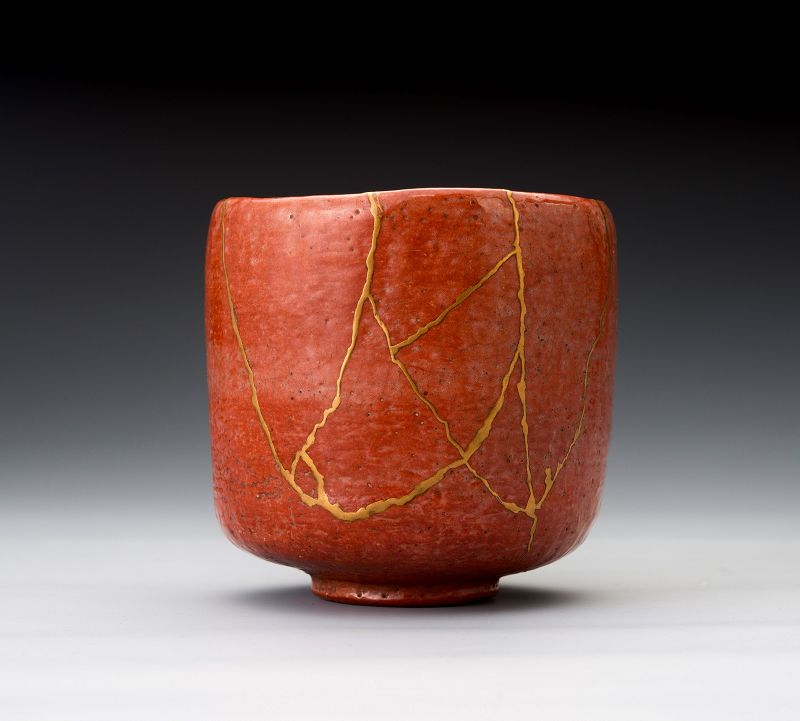
Over the years we have taken a special interest in Raku pottery, especially in pieces made by the original Raku family (16 generations) and by a branch kiln kno
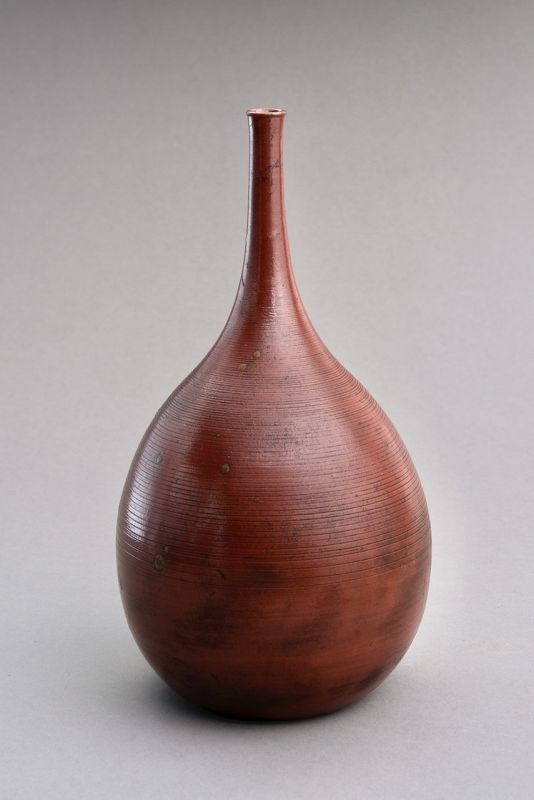
Crafted from locally sourced Bizen clay, this mid-Edo period vase embodies simplicity, beauty, and understated elegance. Its unassuming form showcases the natur
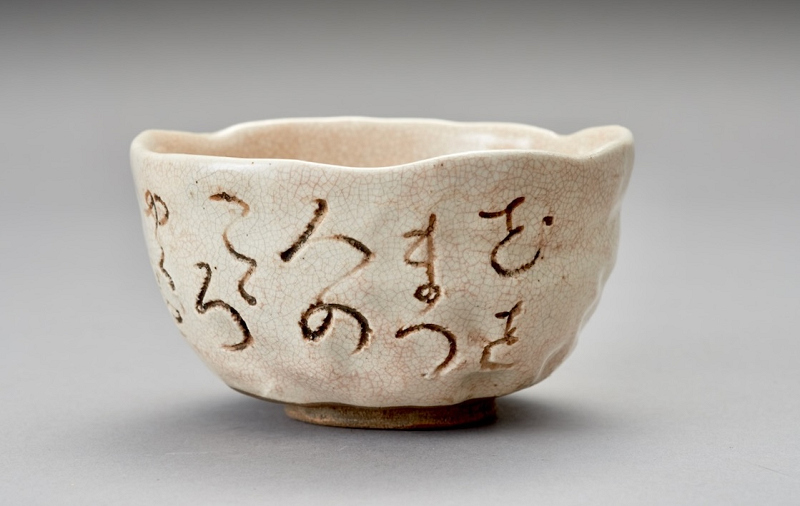
The poem etched on the side of this exceptional piece reads: 花を待つ人の心や雲となりて山の端ごとに立ちまよふらん The hearts of those waiting for flowers to blossom — have they turned in
SOLD
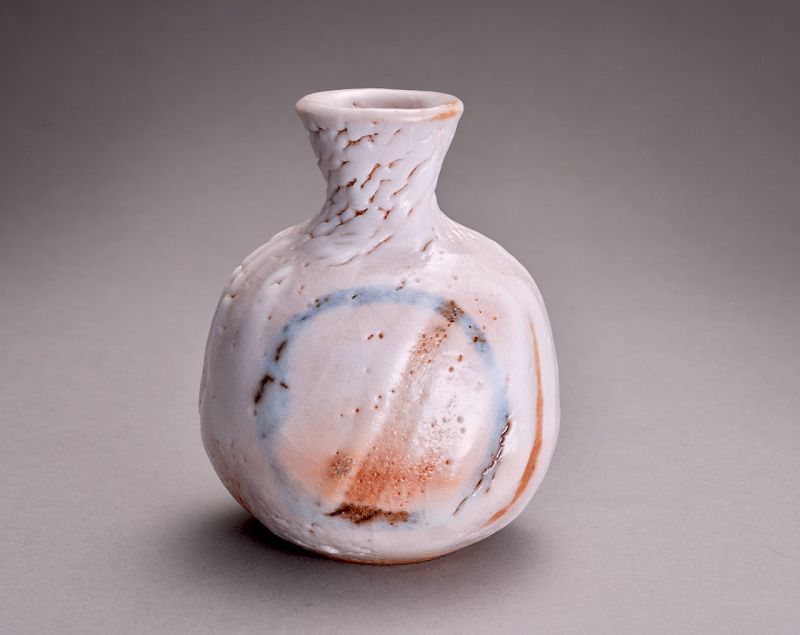
This depiction of the eternal “ensō” on a backdrop of pearly white feldspar over red clay signifies enlightenment, the eternal, the nothingness, and the freedom
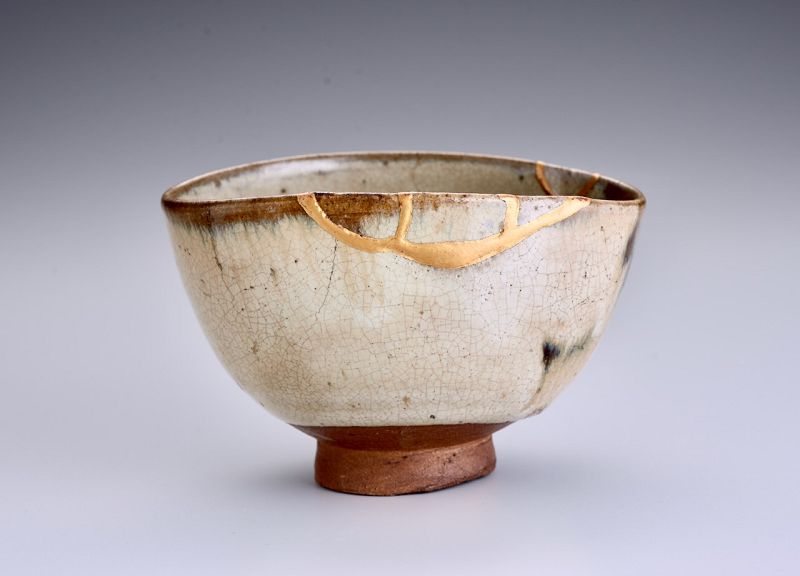
This kutsu-shaped (shoe-shaped) Karatsu tea bow, having stood quietly through the passage of ages is a superb example embodying both the serene beauty and power
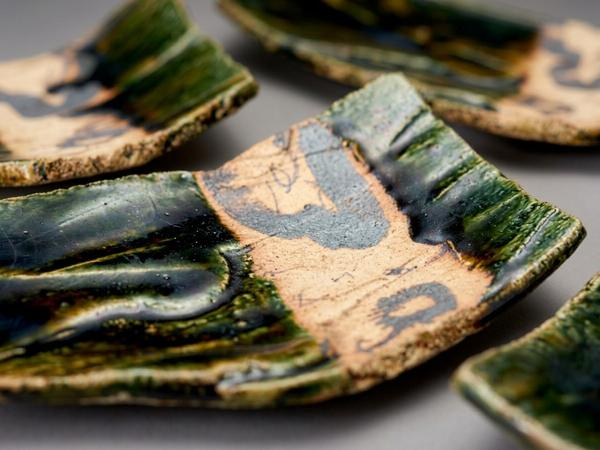
Few contemporary potters have explored Oribe with the originality and energy of Takauchi Shugo. His pieces tend to embody an unmistakable sense of movement and
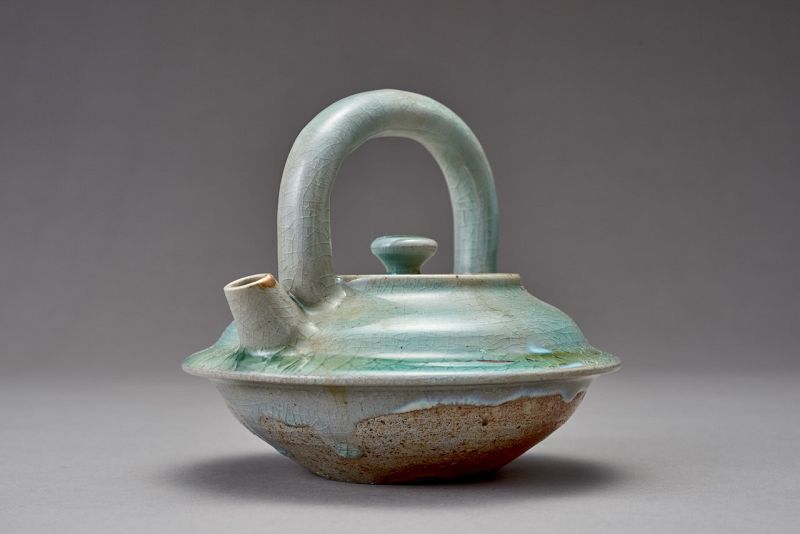
Chōshi are traditional Japanese sake pourers used in formal and ceremonial contexts, particularly in Shinto rituals and wedding ceremonies. They take the form o
SOLD
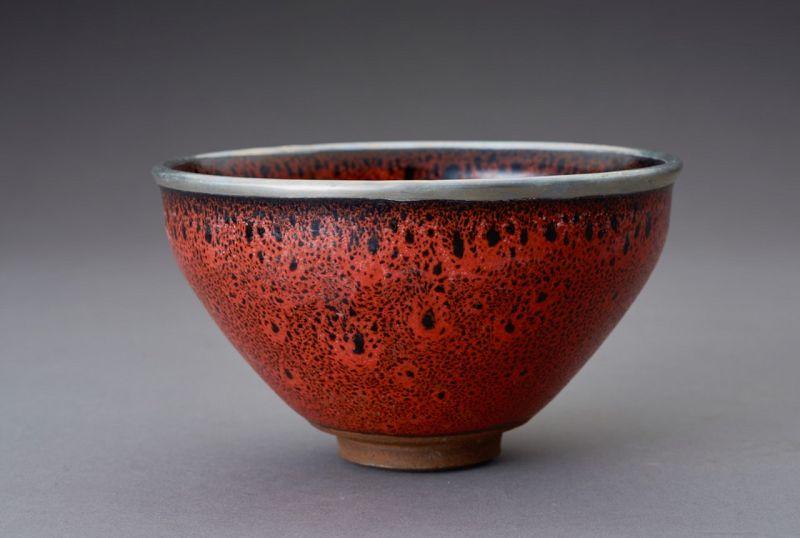
On the base of this tea bowl are the characters “供御” pronounced “Ku-go” in Japanese but “Gong-yu” in the original Chinese—translating in English to something li
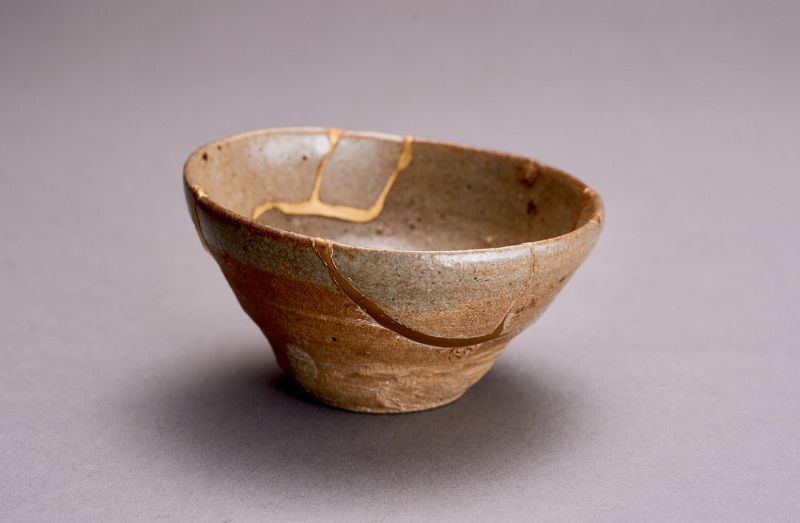
The perfect vessel for enjoying fine Japanese sake or whatever spirit fits the mood. Over 425 years old, this excavated and wonderfully restored sake cup is one
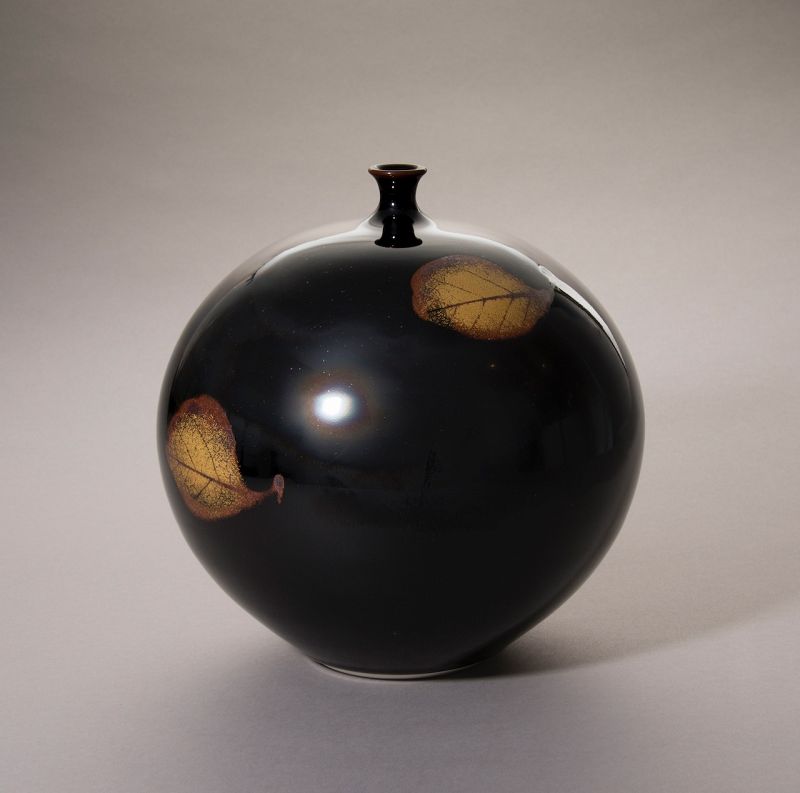
A technique most commonly seen in Tenmoku tea bowls, “konoha” is accomplished by applying a coating to an actual leaf and then attaching the leaf to the surface
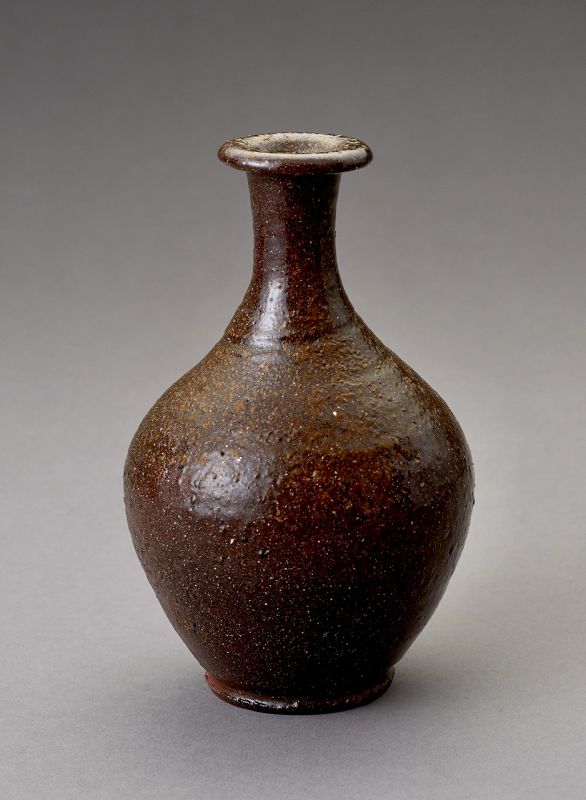
Tokoname pottery has a rich history that dates back over a thousand years. Originating in the town of Tokoname in Aichi Prefecture, Japan, this pottery traditio
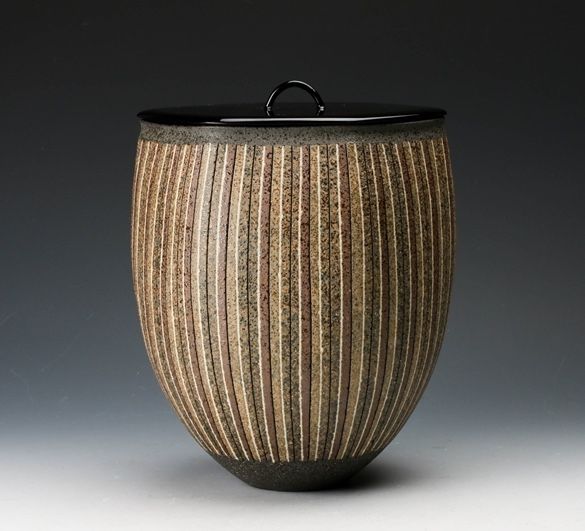
Japanese inlay ceramics (zōgan) are created by making incisions on the surface of a clay body which are then filled with various colored clays, creating a patte
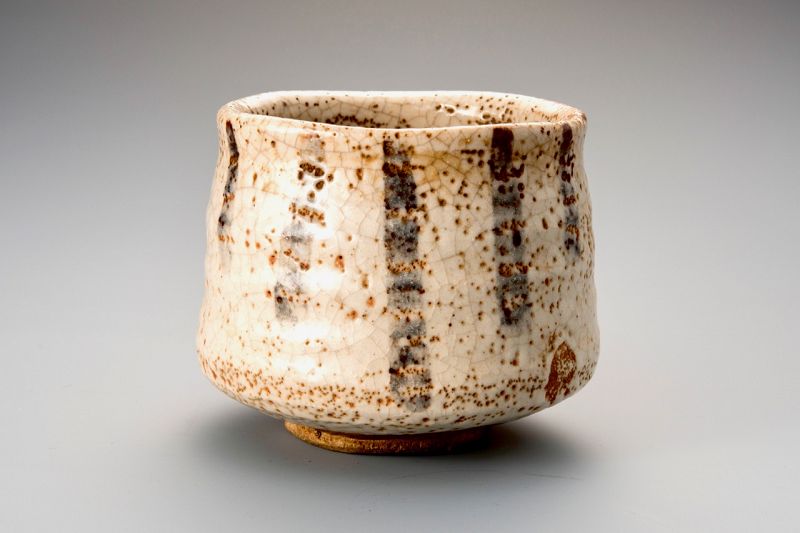
This lovely Shino tea bowl fashioned from coarse Mino clay is covered in feldspar glazing, has a classic ferrous abstract painting across the front, and shows n
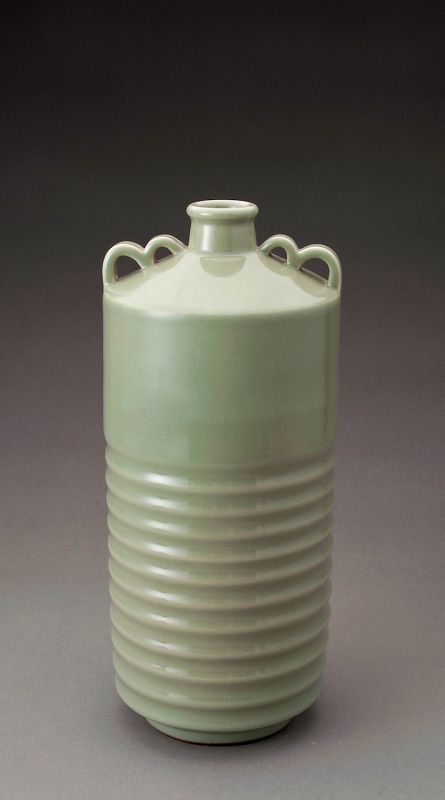
A student of Itaya Hazan, one of the most sought after potters in the world of Japanese art, the ceramicist who crafted this fine vase displays here a high degr
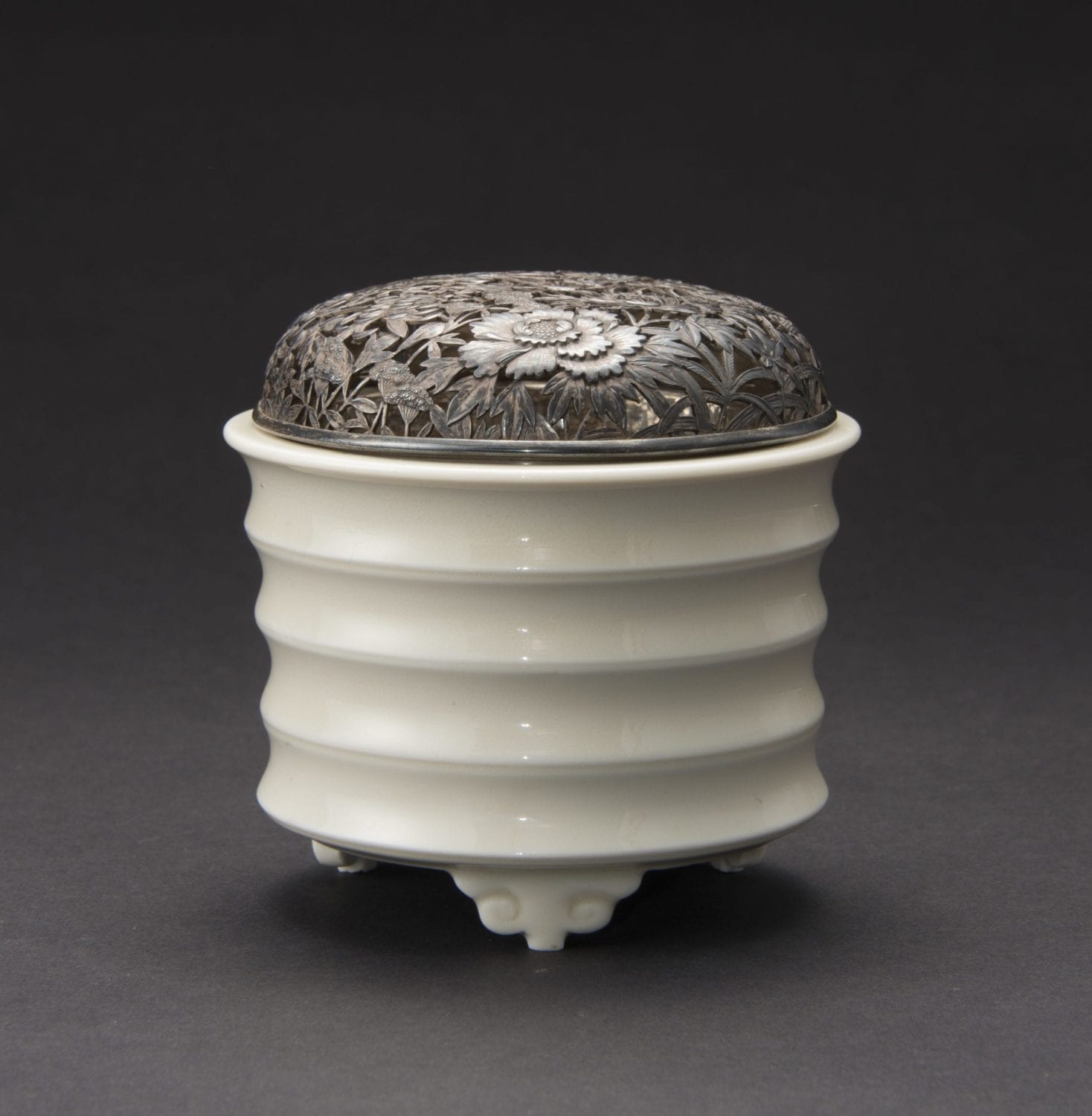
This Meiji period incense burner is made of fine white porcelain with a silver globe decorated with autumn foliage. As with much of Japanese pottery from this e
SOLD
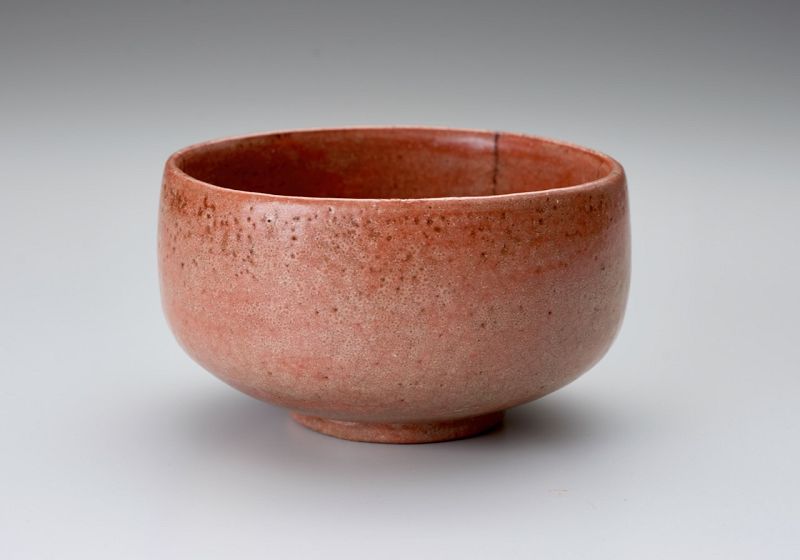
Over the years we have taken a special interest in Raku-ware and especially in works produced by the Tamamizu kiln, such as the 275+ year old ceremonial tea bow

A stunning example of blue/ green Oribe-ware by one of the veterans of Mino ceramics, this platter displays astounding variation in color and texture with deep
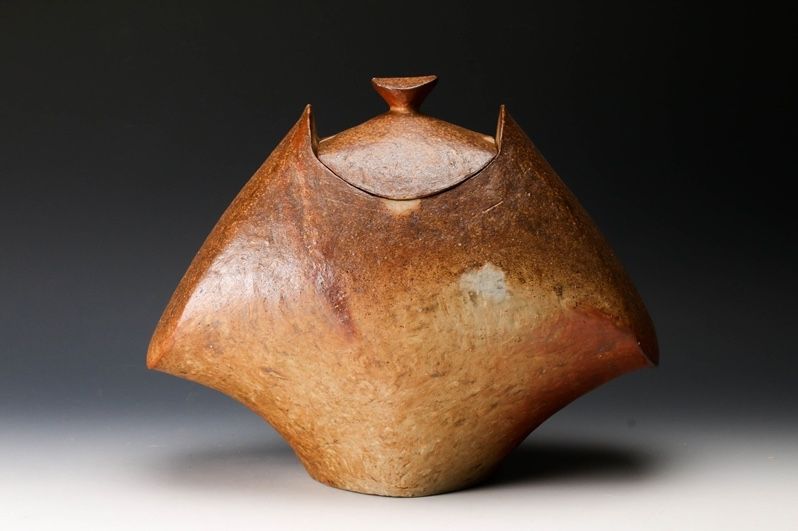
Traditional Japanese art tends to be timeless and inspiring in form, however, occasionally lacking in diversity and innovation. That is why artists who can inco
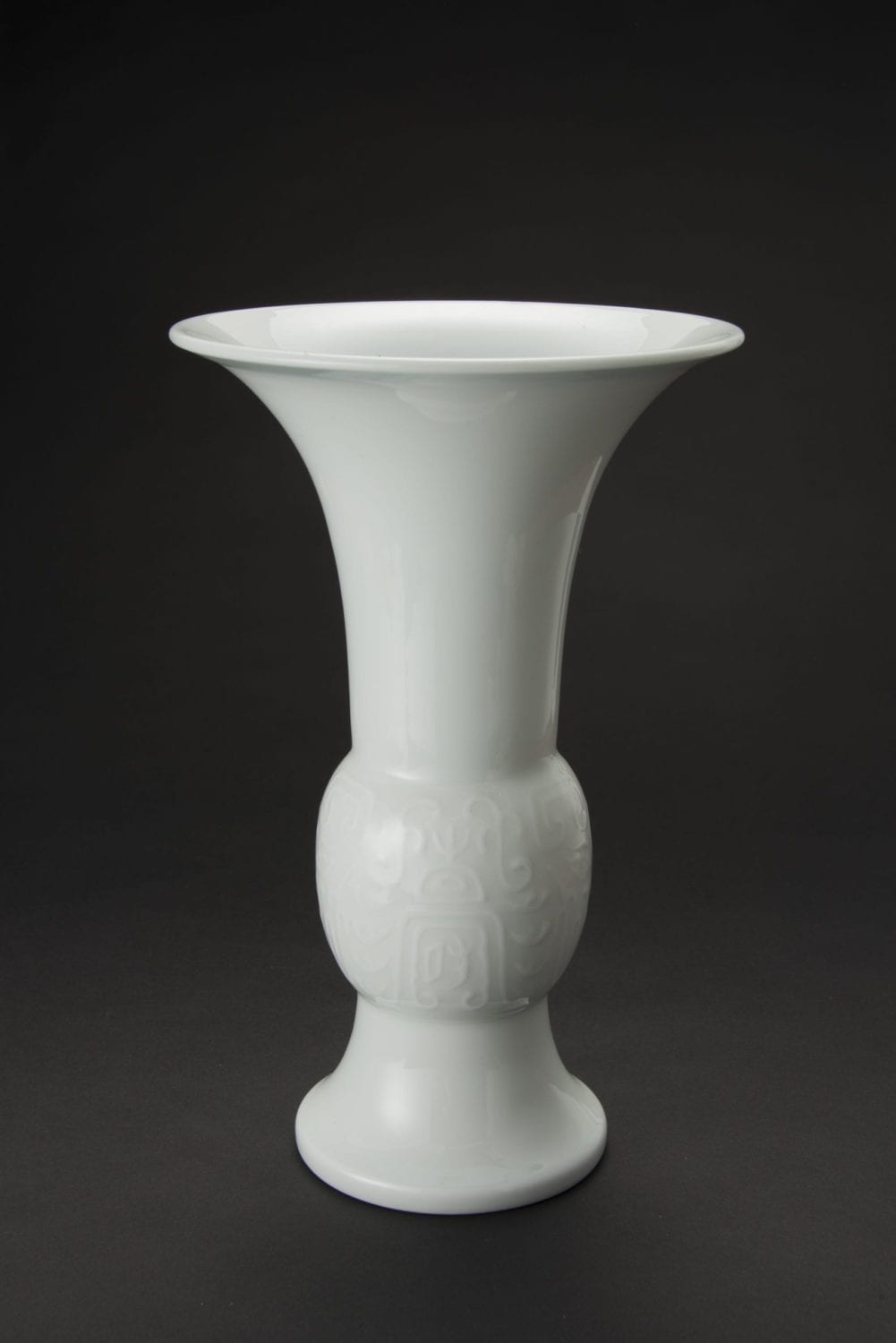
This Meiji period vase is made of fine white porcelain fashioned after classic Chinese pieces from the Song Dynasty. The potter, first generation Miura Chikusen
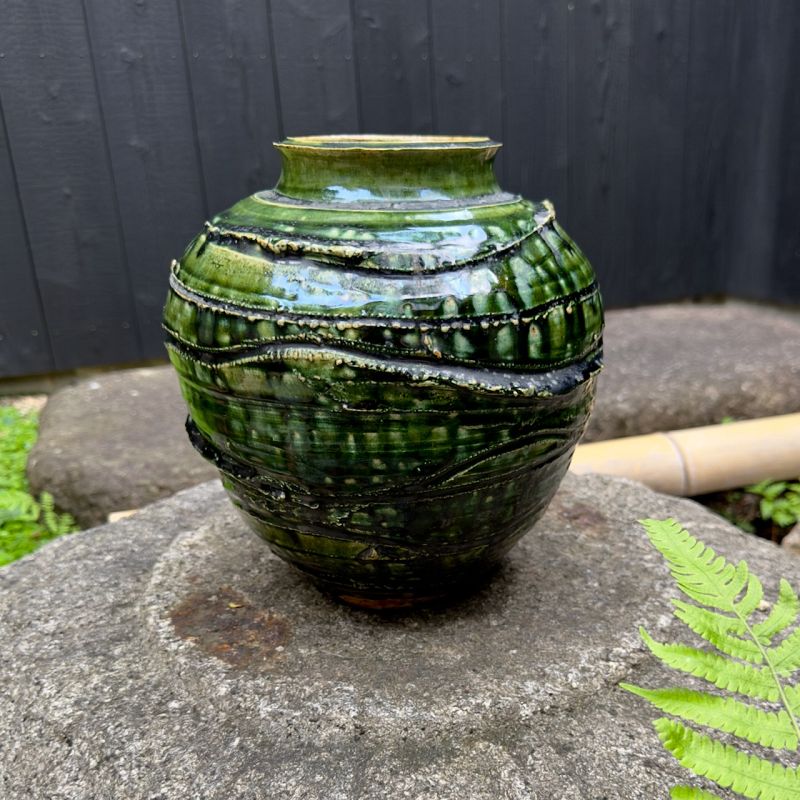
As can be seen from the attached images, especially beautiful in natural light; this charming vase features contoured ridges encircling the exterior while rivul
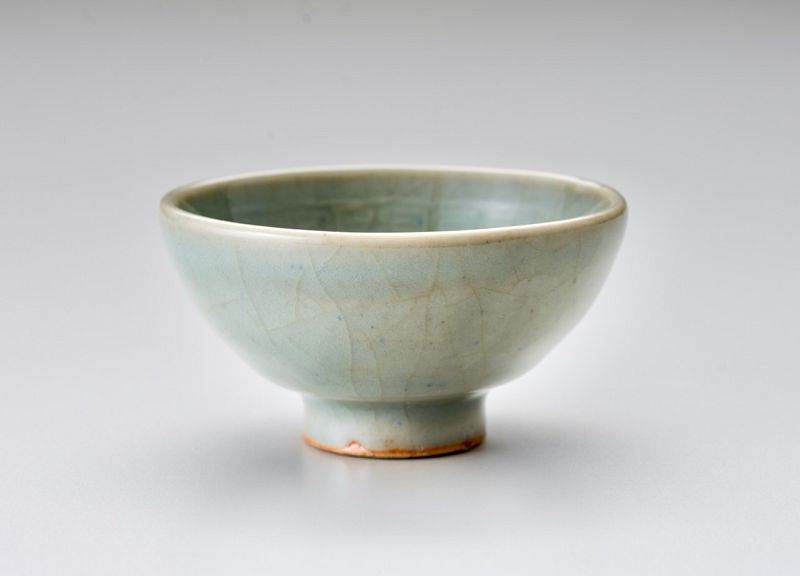
A rare and unusual offering, here we have an exquisite celadon shuhai with Chinese styled patterning lining the inside of the cup. First generation Sozan gained
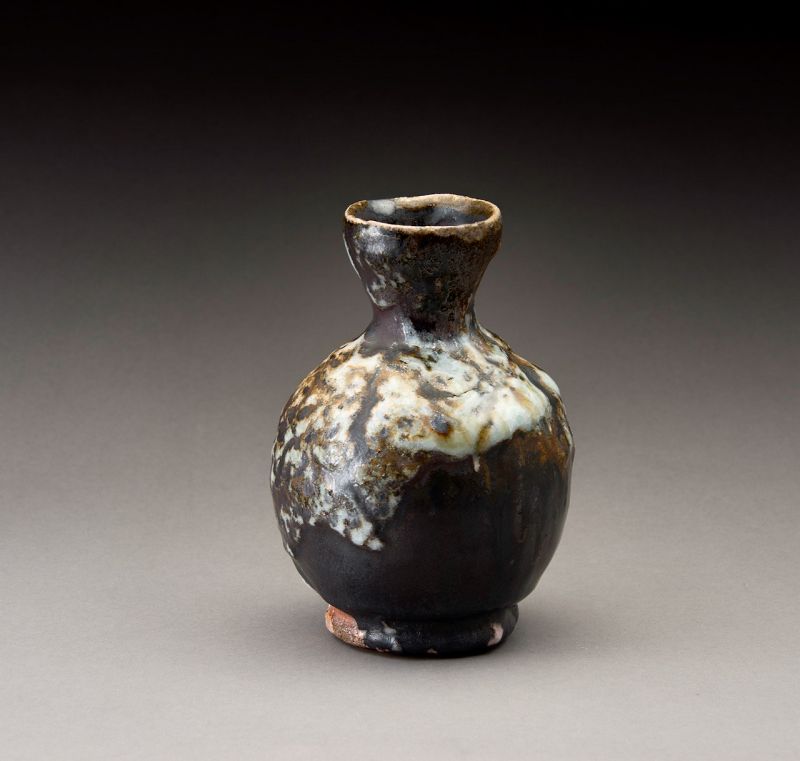
This small vessel, similar in a shape to a tokkuri, is a fine example of Oni Shino (carbon trap and natural ash glazing) that Tsukigata is so well-known for. Co
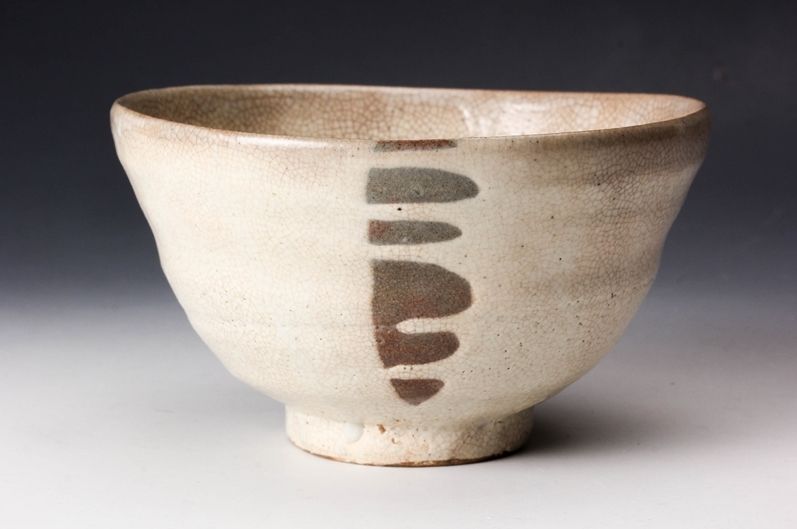
Kohiki is a traditional Japanese pottery style known for its simple and rustic aesthetic. It involves applying a white slip onto the vessel's surface, followed
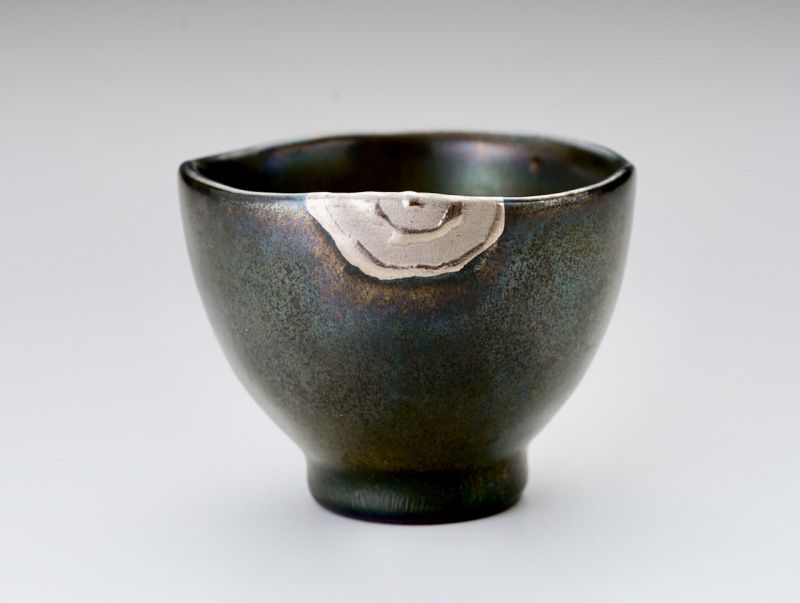
With awards too numerous to mention, Yanagihara (b. 1934) is still producing masterpieces into his 9th decade. The piece seen here is from a series he did in th