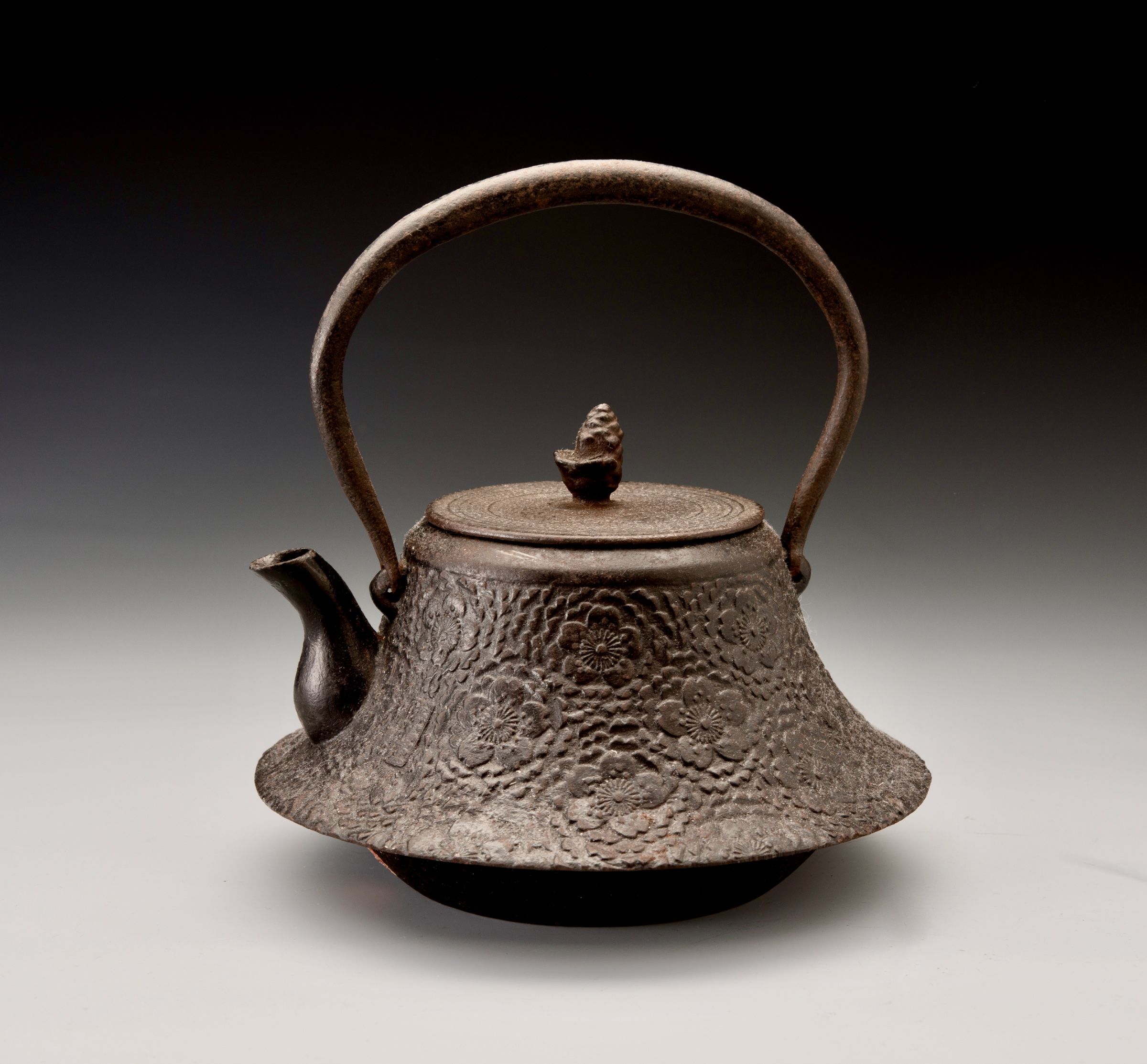
A Meiji Period “Tetsubin” Cast Iron Kettle with Cherry Blossom Motif
During the Meiji period in Japan, the humble iron kettle, known as a "tetsubin," emerged as an iconic symbol of traditional craftsmanship and functional artistr
During the Meiji period in Japan, the humble iron kettle, known as a "tetsubin," emerged as an iconic symbol of traditional craftsmanship and functional artistr
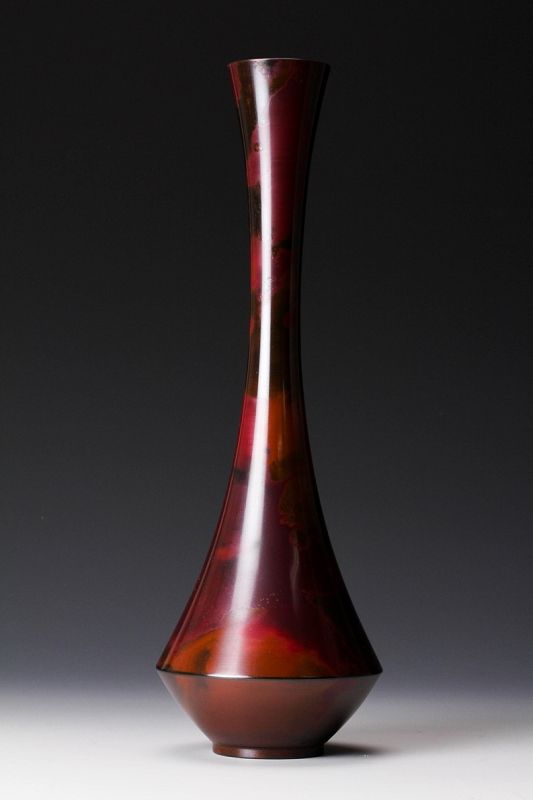
The style of this vase, known in Japanese as karakane (“kara” meaning Chinese and “kane” meaning copper), has been carried on by Japanese craftsmen since its th
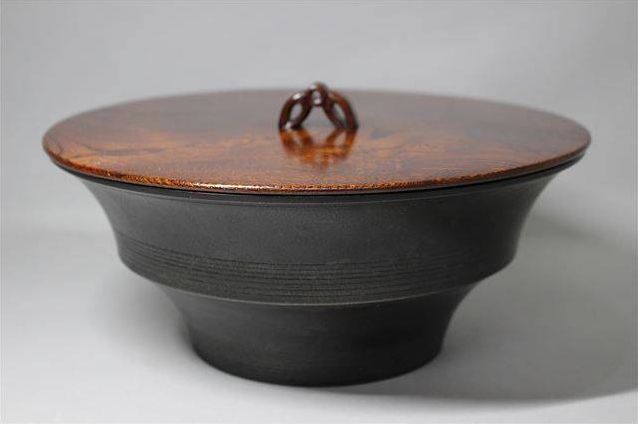
First presented at the Ishikawa Traditional Crafts Exhibition, this fine mizusashi crafted with extraordinary precision is a testament to the generational knowl
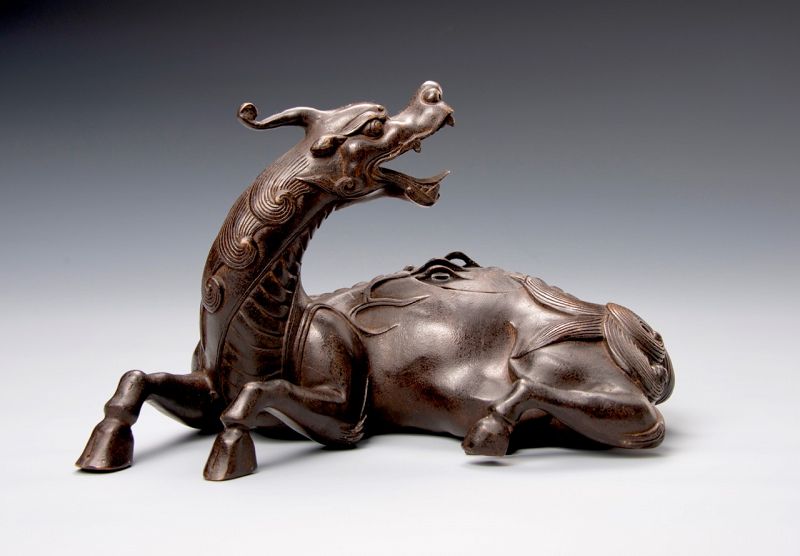
The Kirin is a hooved mythical chimera-type deity venerated throughout central and east Asia. Most resembling a giraffe, though often depicted with dragon-like
SOLD
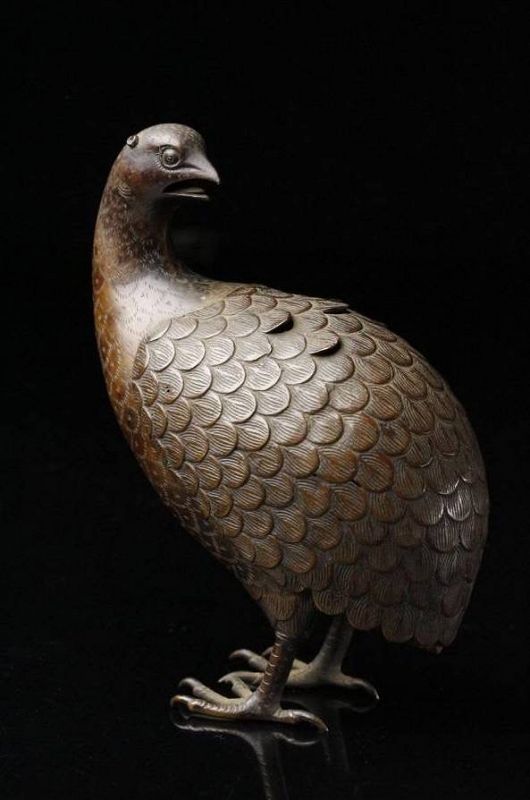
This Edo-period bronze quail incense burner is a stunning piece of Japanese craftsmanship. The lifelike form of the quail, intricately detailed and gracefully c
SOLD
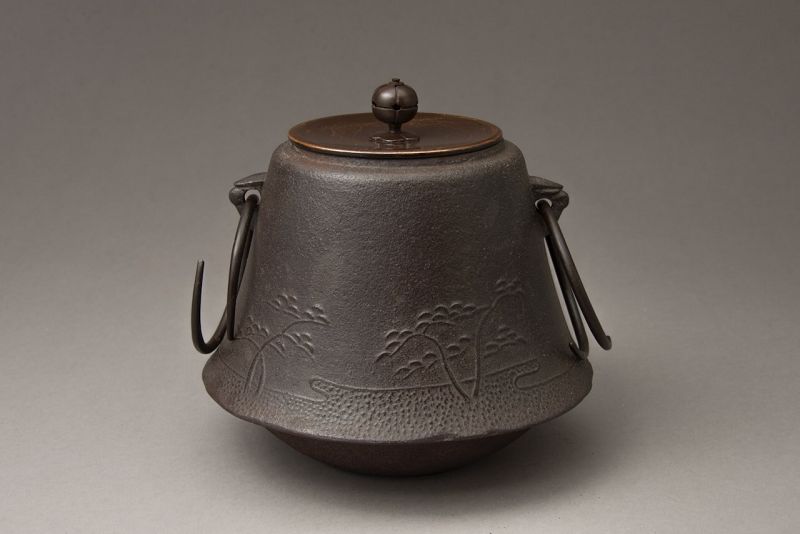
Chagama are traditional Japanese iron kettles used in tea ceremony (chanoyu) for boiling water. Their design tends to reflect the aesthetic principles of wabi-s
SOLD
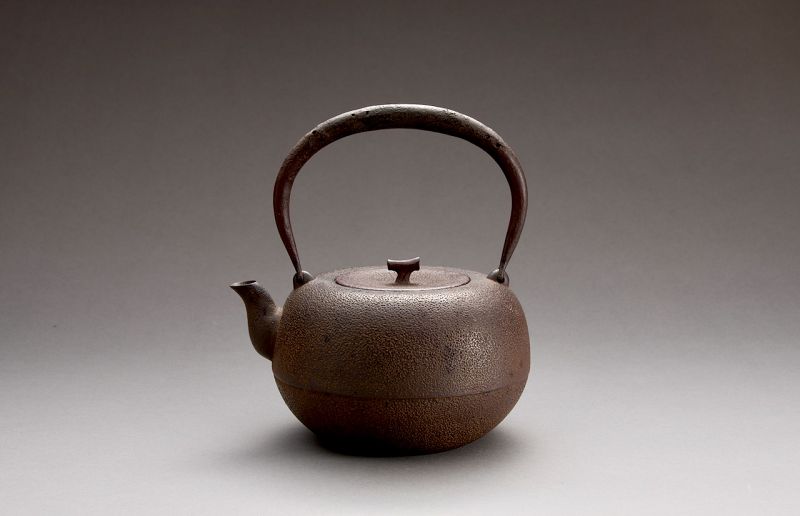
Beautifully encapsulating the Japanese aesthetic of wabi sabi, this cast iron tea kettle has an elegance that far outshines more ornate versions of this ceremon
SOLD
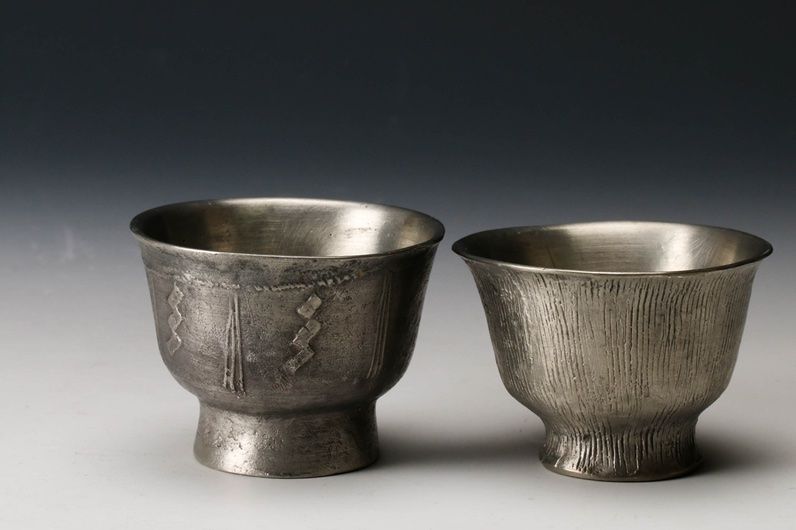
Crafted with meticulous attention to detail, each pewter cup showcases a unique luster that this metal alloy is revered for; highlighting its historical signifi
SOLD
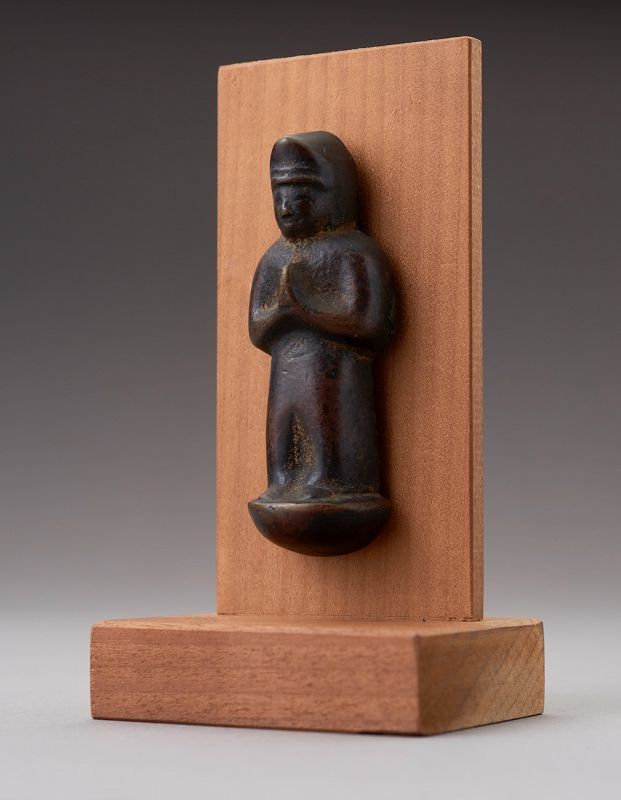
During the Kamakura period in Japan (1185-1333), a remarkable form of Buddhist sculpture known as the votive Buddha emerged. Commonly referred to as kakebotoke
SOLD