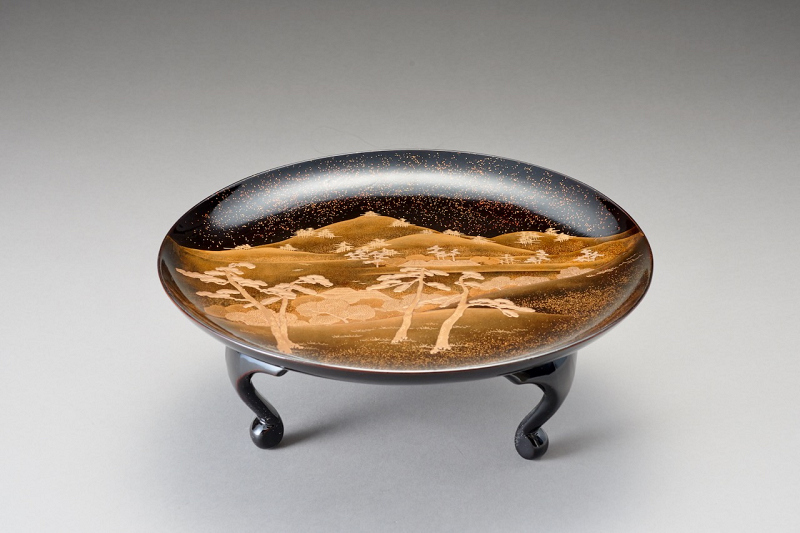
A Fine Late Edo Black-Lacquer Takatsuki with Gold and Silver Maki-e
An especially elegant late Edo-period lacquer takatsuki, or raised serving stand, supported upon three dramatically curved feet. Against the deep, highly polish
An especially elegant late Edo-period lacquer takatsuki, or raised serving stand, supported upon three dramatically curved feet. Against the deep, highly polish
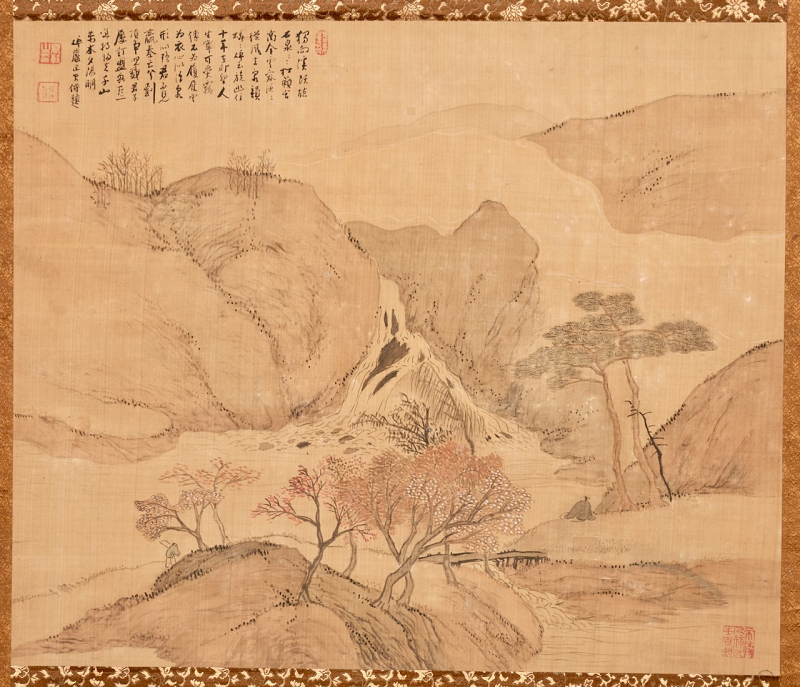
This atmospheric autumn landscape by Takamori Saigan (1847–1917), unfolds through delicate ink work and restrained colour. Russet trees occupy the foreground, w
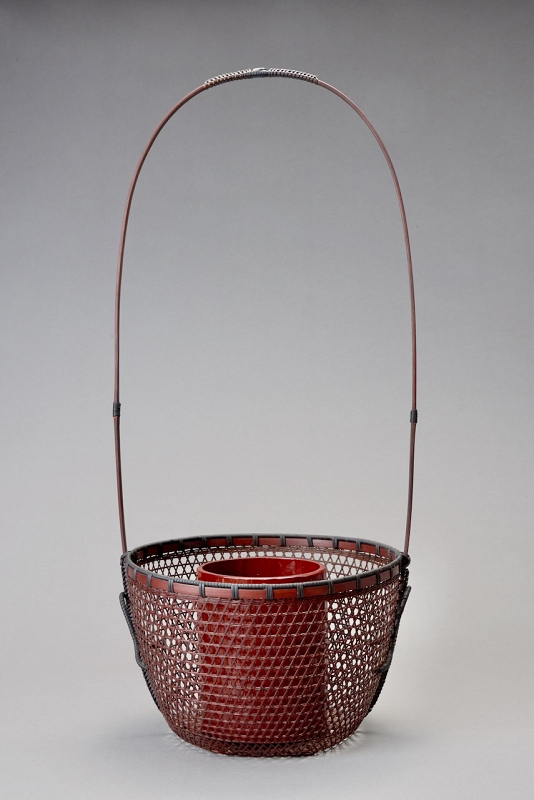
Here we see an elegant Japanese flower basket woven from richly patinated susudake, or soot-darkened bamboo. Its softly rounded body combines areas of delicate
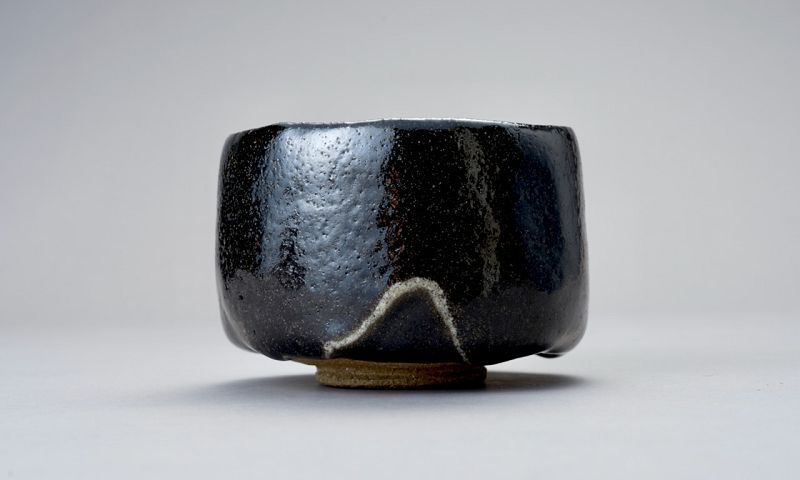
An austere masterpiece of functional art — the perfect accompaniment on the journey inward to stillness and contemplation. Crafted by the 9th Ōhi Chōzaimon (190
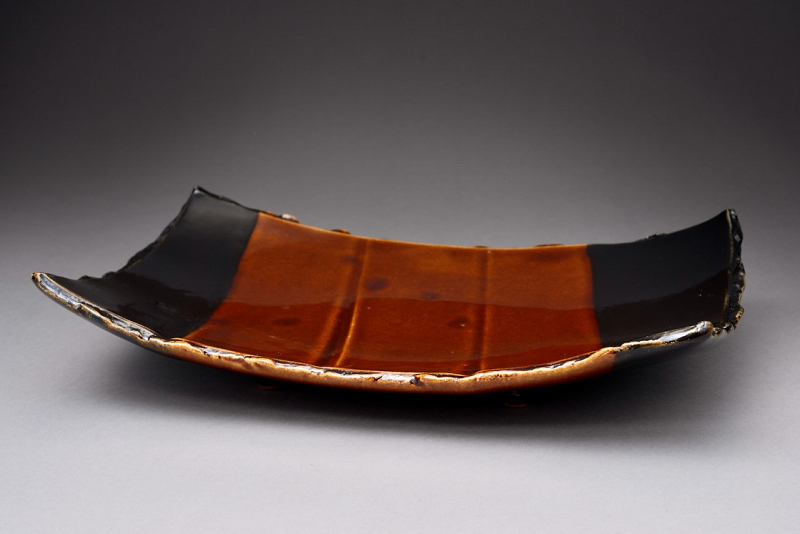
This large serving tray by Ōhi Chōzaemon XI (Toshio) brings together the rich glaze tradition of Ōhi ware and a distinctly contemporary sculptural form. Its bro
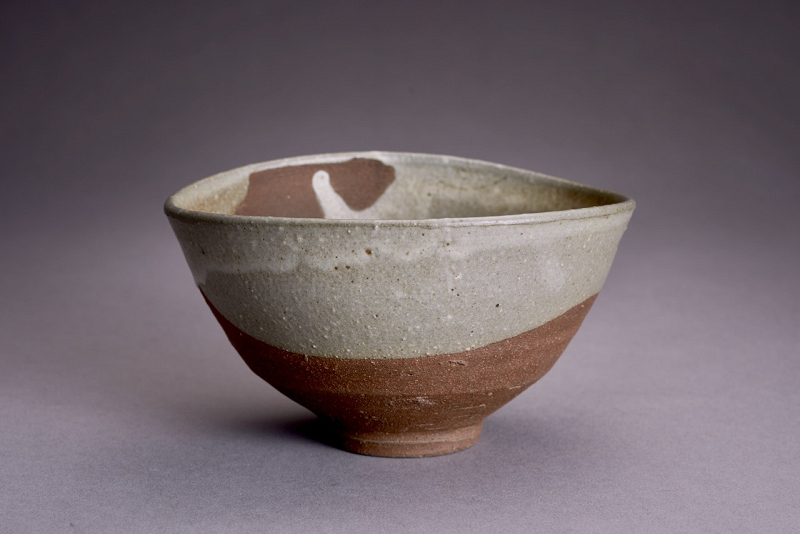
Minimalistic, elegant, and exceptionally light in the hand, this antique Karatsu tea bowl displays an impressive milky ash glaze that descends towards the foot,

In Japan, famous for its generational potting families, only a handful have made it all the way through to the 14th generation—the Nakazato line being one of th
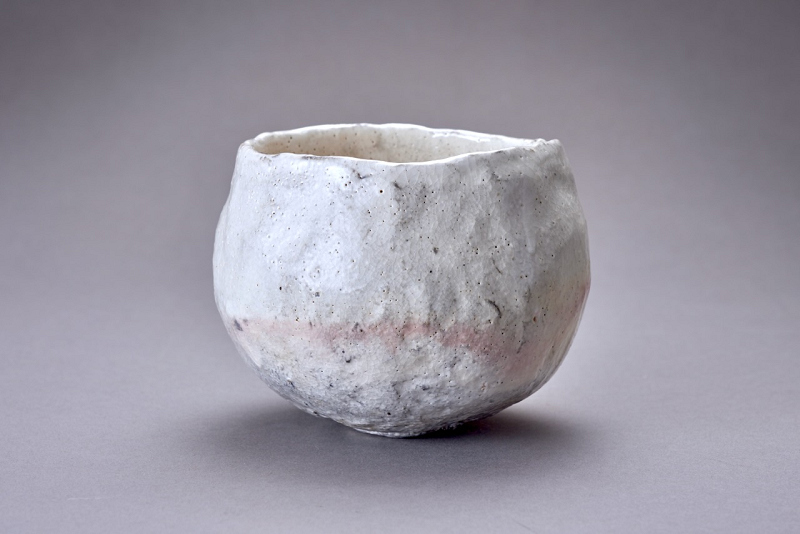
Though rare, occasionally I come white Raku piece by one of our favorite potters, Sugimoto Sadamitsu. Adorned with subtle crackling patterns and variations in t
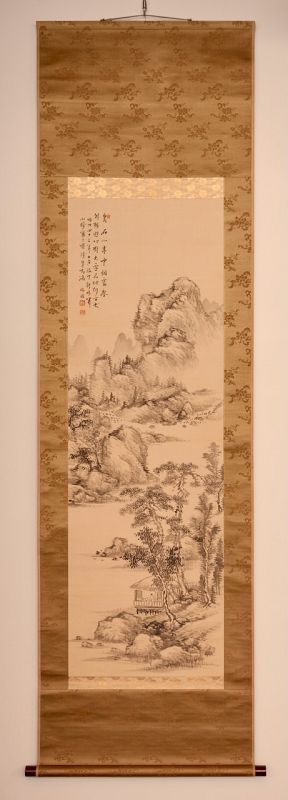
An elegant antique Japanese hanging scroll from Meiji depicting a serene landscape in ink on silk, composed in the literati manner with softly layered mountain
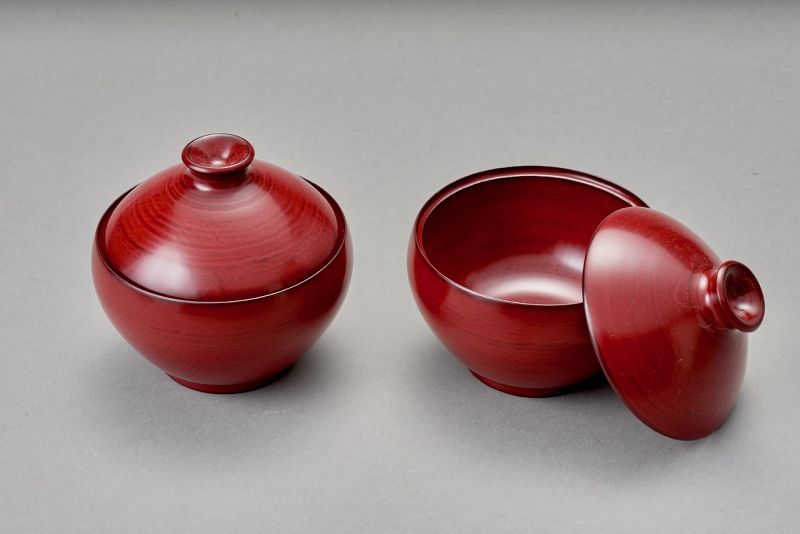
A stunning pair of Wajima-nuri lacquer lidded bowls; each formed with a compact rounded body and fitted cover and with a surface finished in a deep, contemplati
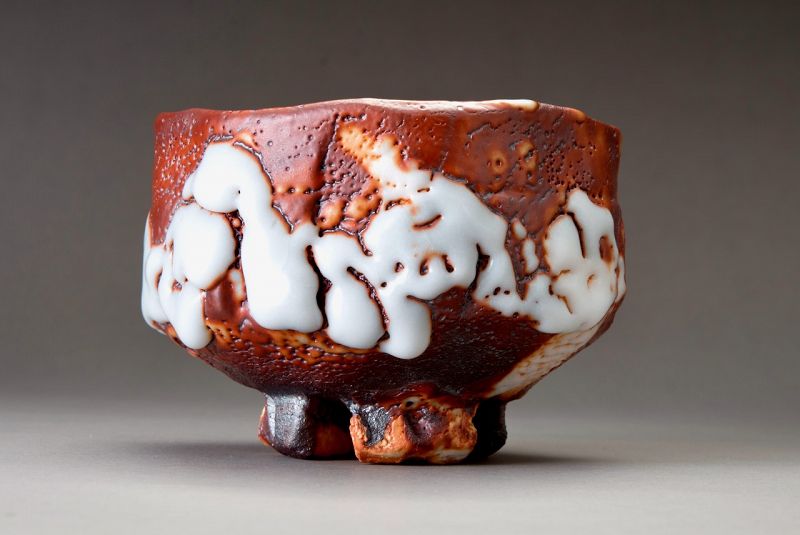
A stunning work of Shino-ware by veteran potter Hayashi Shotaro—winner of numerous awards for his bold and innovative style and widely recognized as one of the
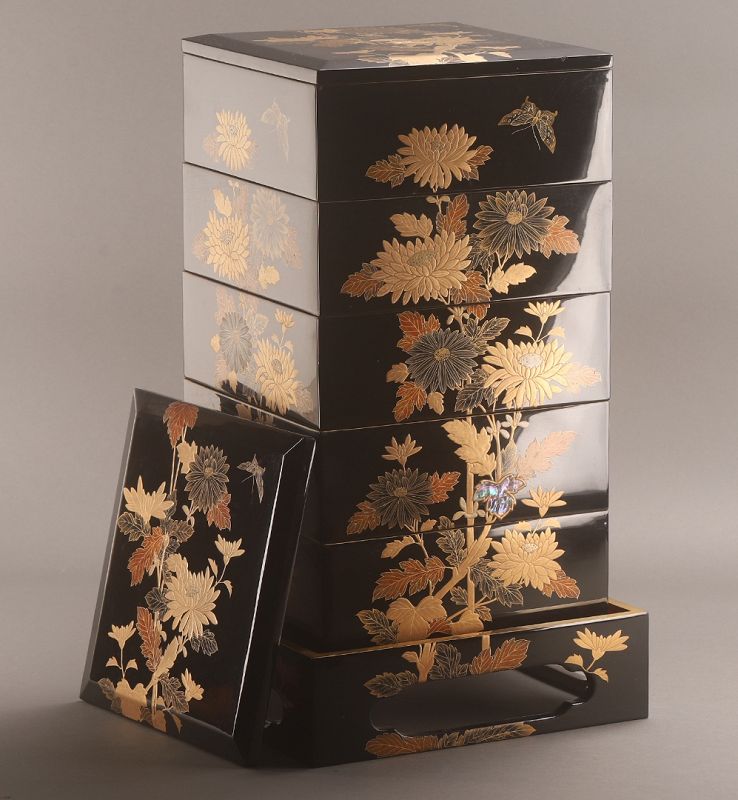
Japanese Jubako—traditional stacked lacquerware food boxes—represent not only a high level of culinary refinement, but also demonstrate the importance the Japan
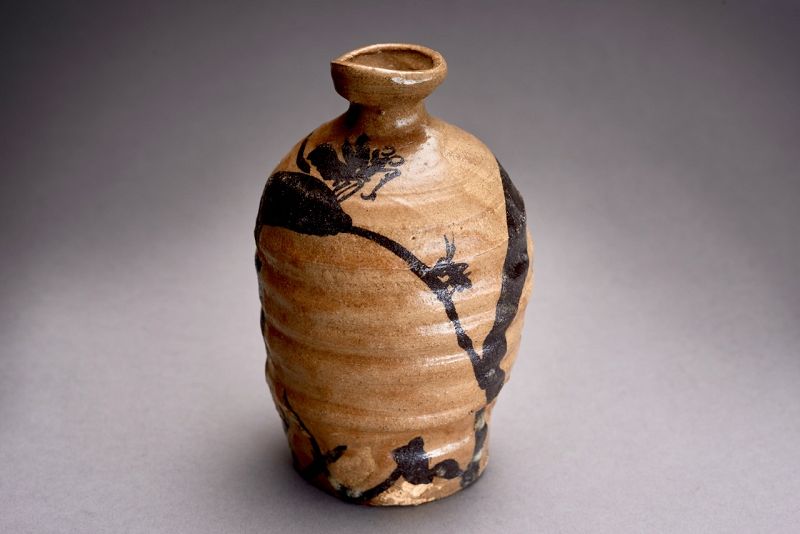
Known for his non-conformist and bold style, Suzuki Goro has outdone himself with this stylized Oribe sake flask (tokkuri). Oribe is a visual style named after
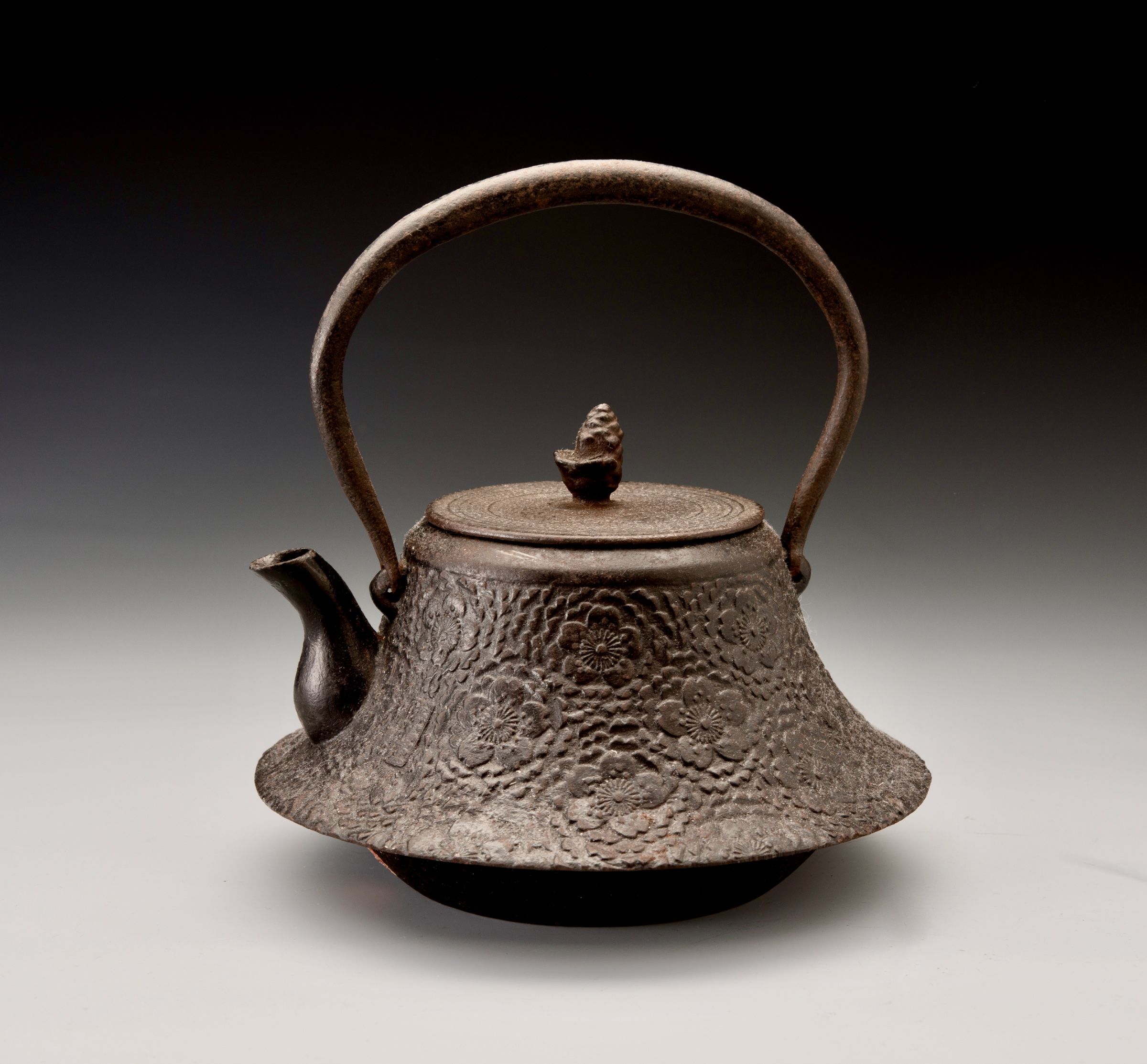
During the Meiji period in Japan, the humble iron kettle, known as a "tetsubin," emerged as an iconic symbol of traditional craftsmanship and functional artistr
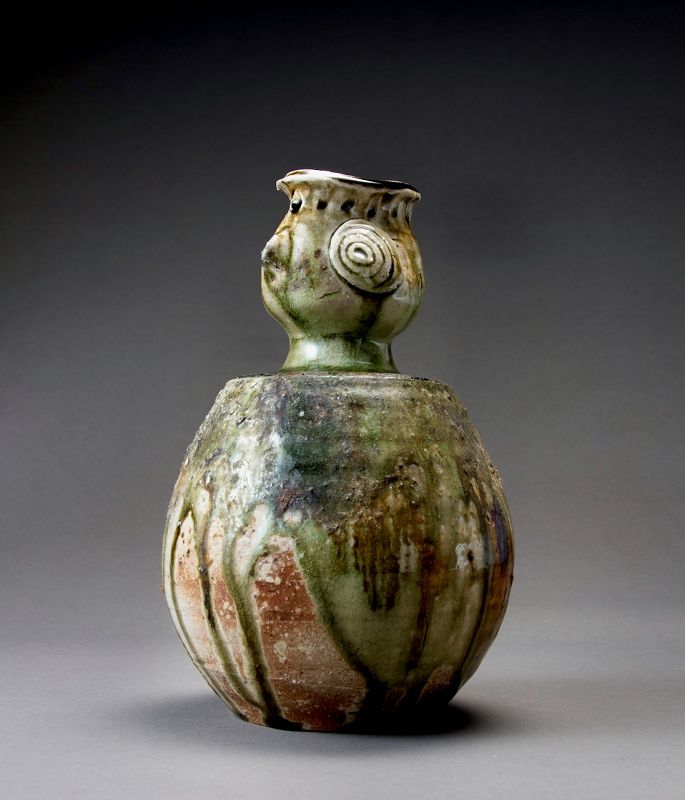
In excellent condition, this bird-shaped, or “torigata” vase is a beautiful example of Iga pottery from last century. A master of form, material, and technique,
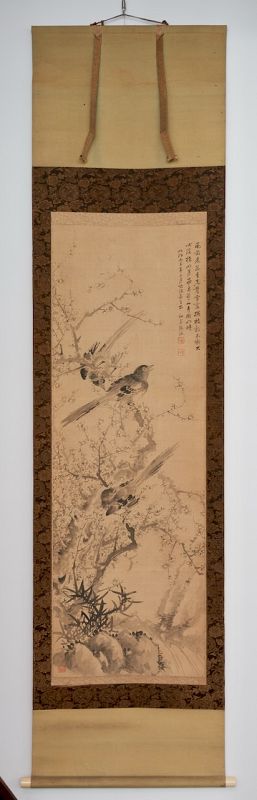
This Meiji-period hanging scroll has that lovely quiet confidence you see in literati-style kachōga (seasonal nature motifs) of the era: elegant, unforced, and
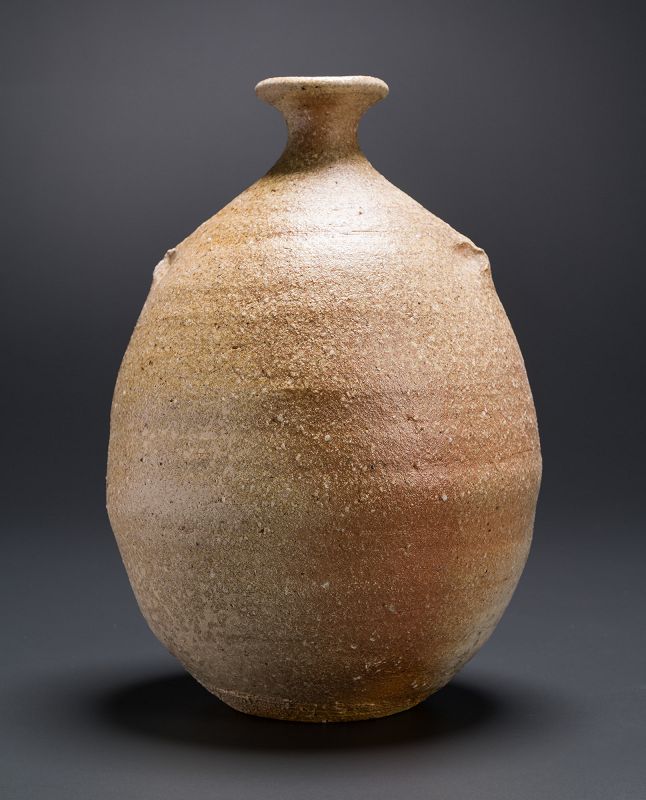
A beautifully crafted vase from a studio potter in the hills of Iga, a few hours drive east of Kyoto. Iga-ware has quite a long history—by some accounts dating
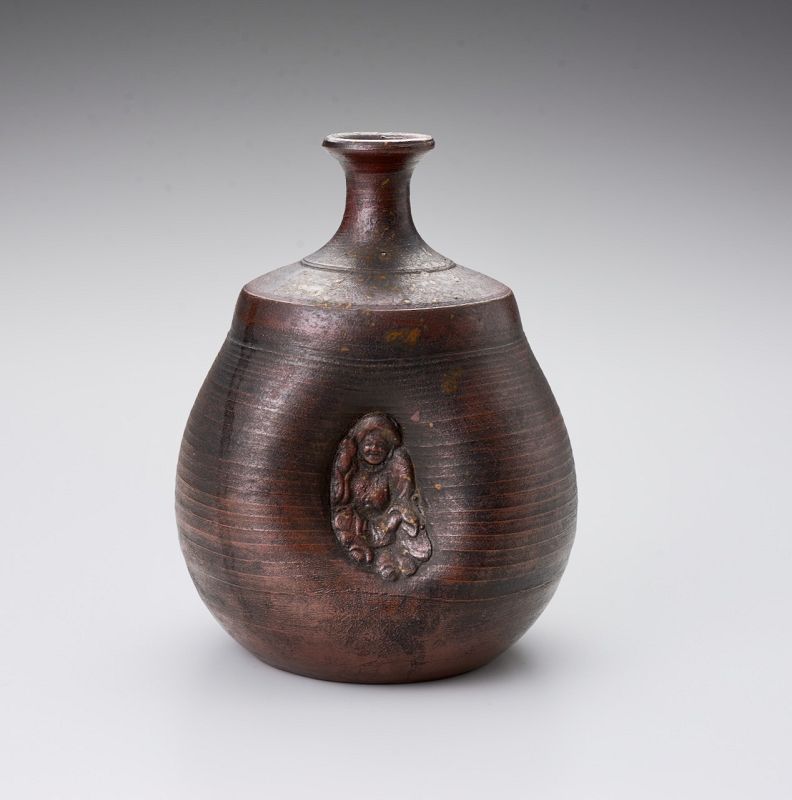
Crafted from locally sourced Bizen clay, this Edo period vase features an engraving of the jolly gift-giver, Hotei. Said to be based on a historical Chinese Zen
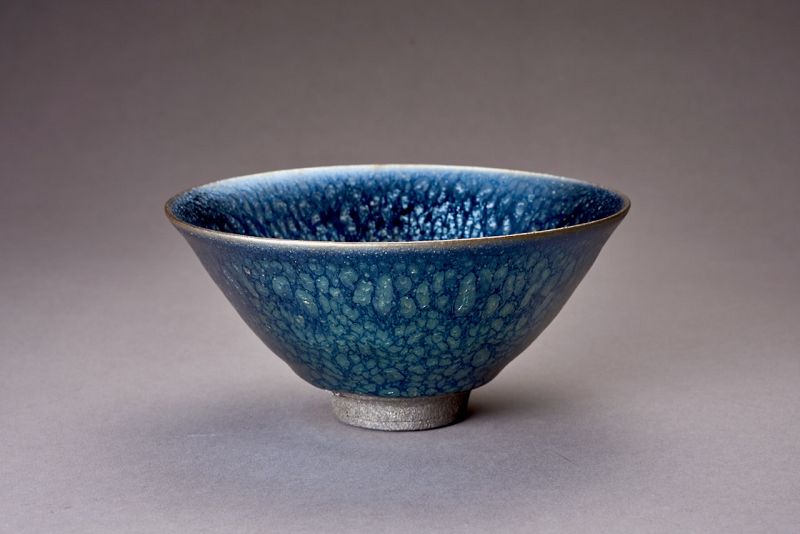
With origins stretching back over 1,000 years, Tenmoku pottery is thought to have first found its way to the shores of Japan in the 12th century by monks who br
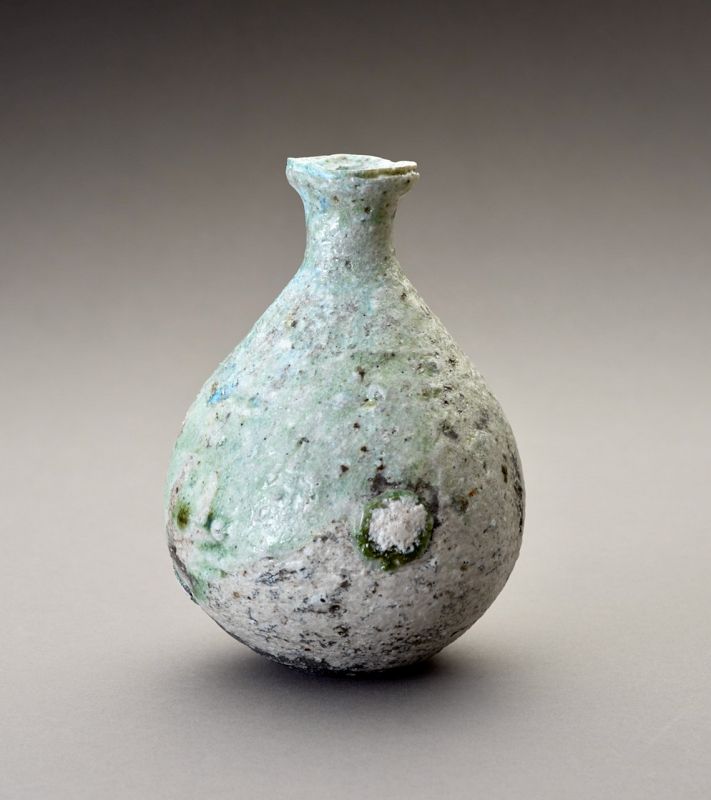
With an uncanny ability to emulate features of the natural environment, the creator of this sake vessel,Tsujimura Yui, is one of Japan’s most skilled potters wo
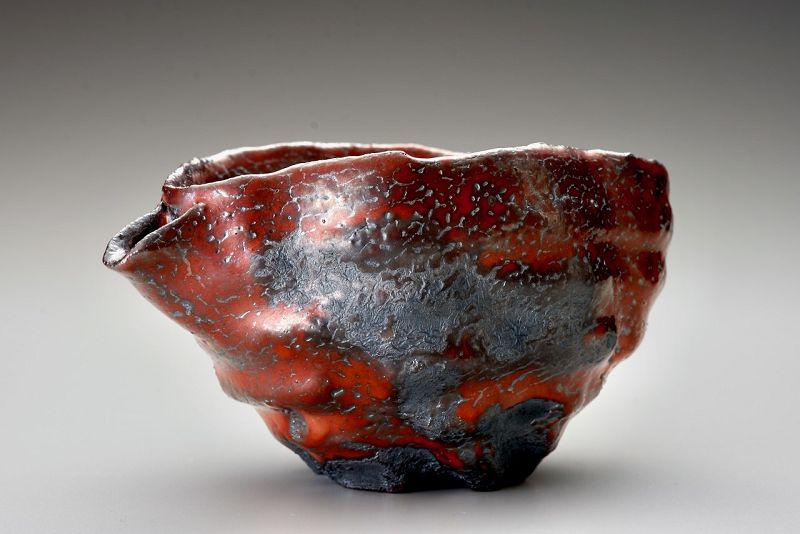
A decidedly modern and innovative take on the classic Shino trope, this “kataguchi” or one-sided pouring vessel lends an air of depth, contemplation, and brilli
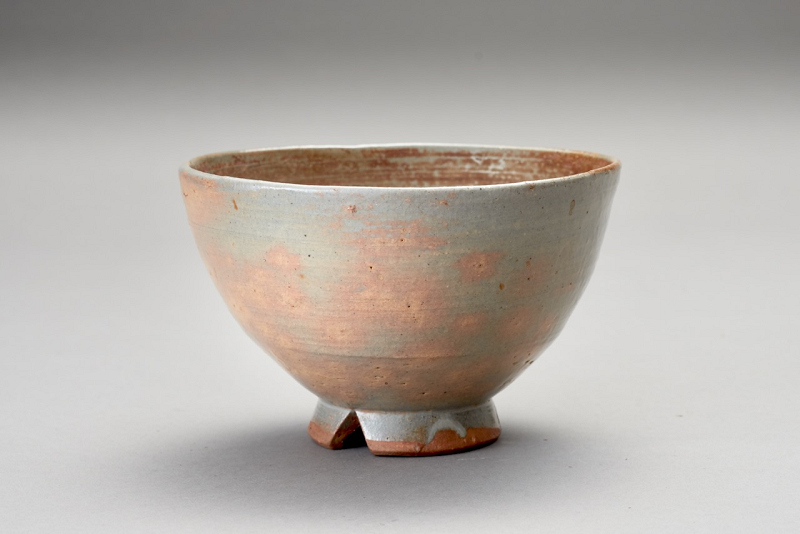
Here we see a quietly beautiful Korean tea bowl with a rounded, gently tapering form and a tall, dramatically notched foot. A translucent blue-grey glaze covers
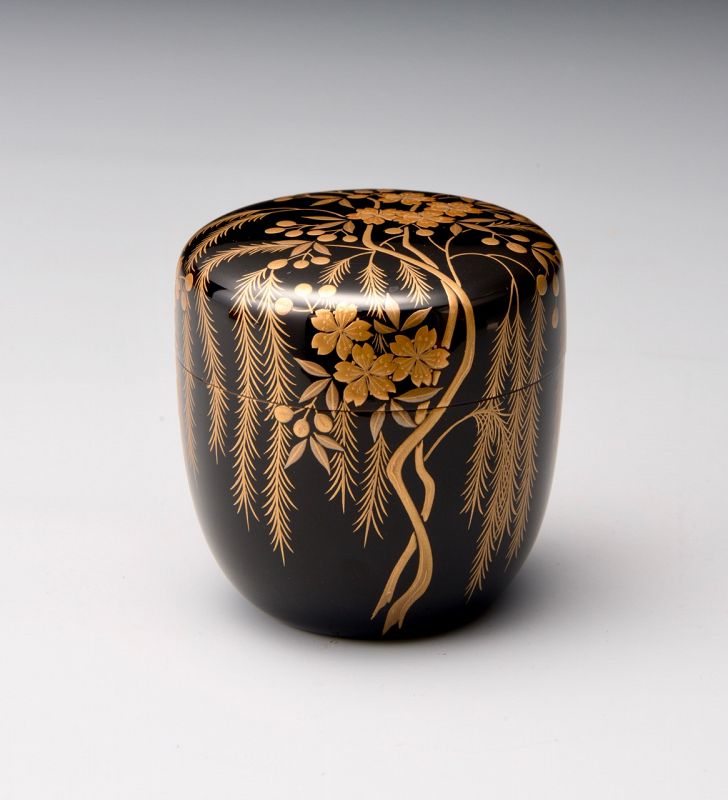
Exquisitely painted cherry blossoms (sakura) and willow branches (yanagi) on a background of jet-black traditional lacquer. The craftsman, Wakashima Takao (b. 1
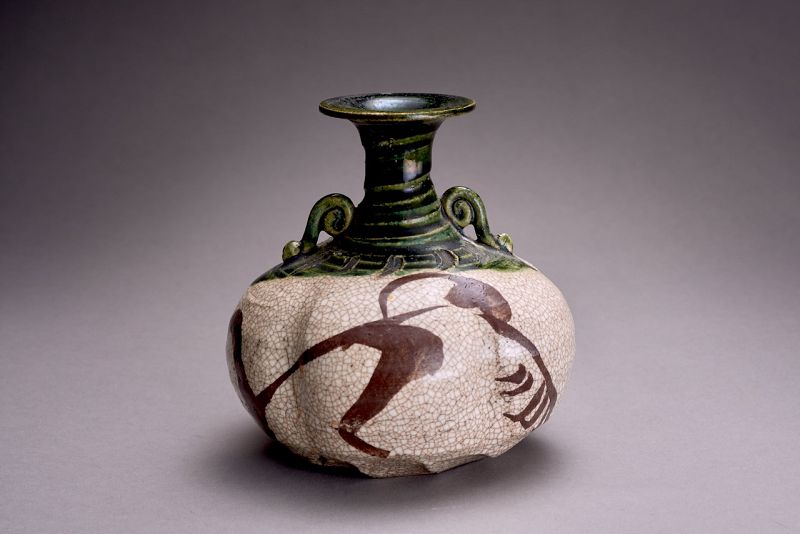
Oribe is a visual style named after the late-16th-century tea master Furuta Oribe (1544-1615). Typically, black or green glazes are applied to the bodies of the
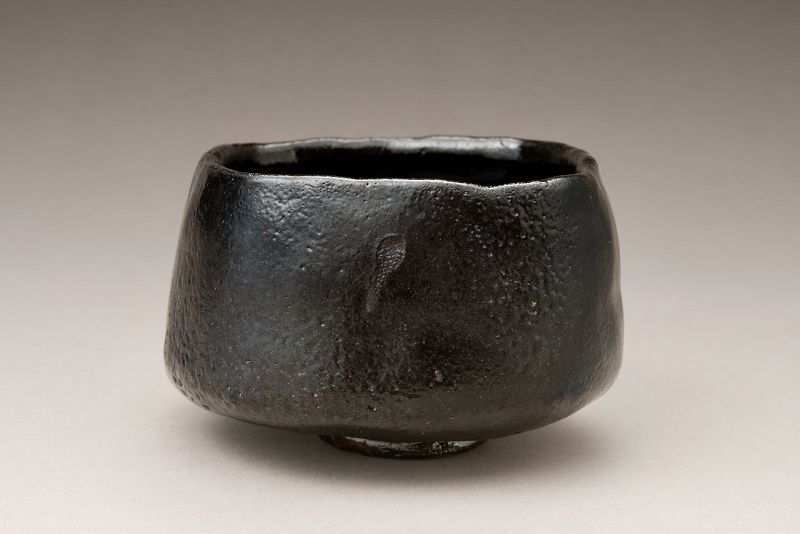
We have a particular interest in beautiful old Raku tea bowls and spend quite a bit of time searching for exceptional examples to include in our gallery. Here w
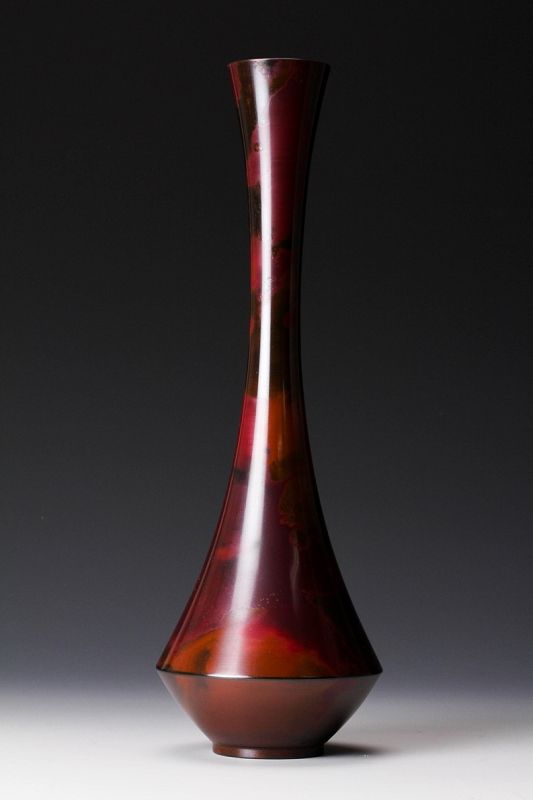
The style of this vase, known in Japanese as karakane (“kara” meaning Chinese and “kane” meaning copper), has been carried on by Japanese craftsmen since its th
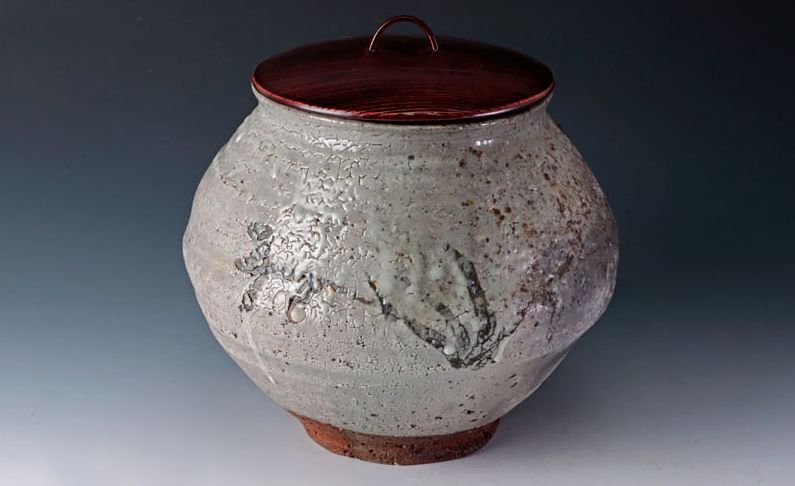
Like many pottery traditions in Japan, Karatsu takes its name from the city where it originated. As early as the 15th century, Korean potters heavily influenced
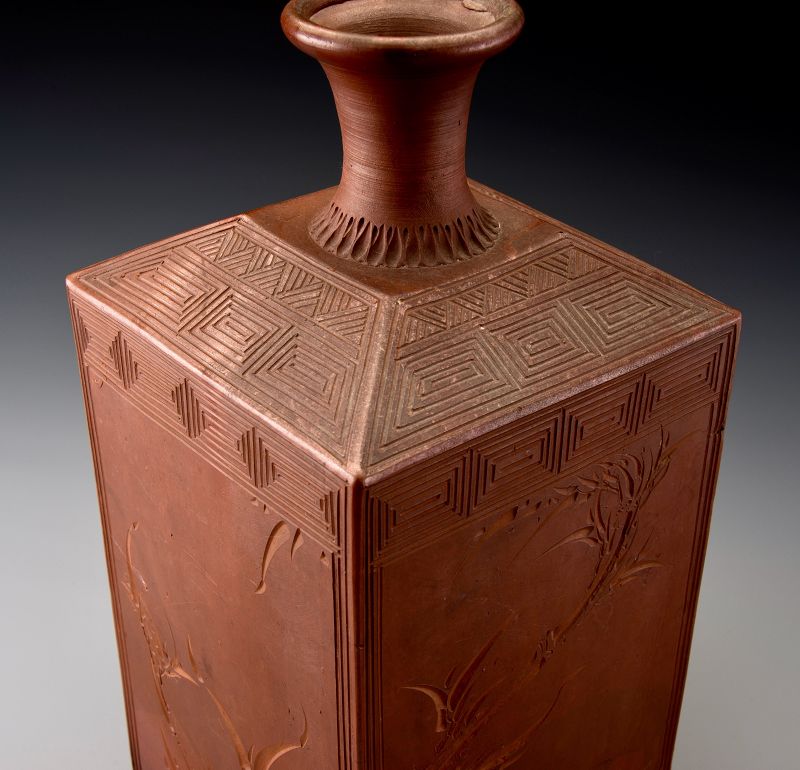
Crafted from locally sourced Bizen clay, this mid-Edo period vase embodies simplicity, beauty, and understated elegance. Originally crafted as a tokkuri, or sak
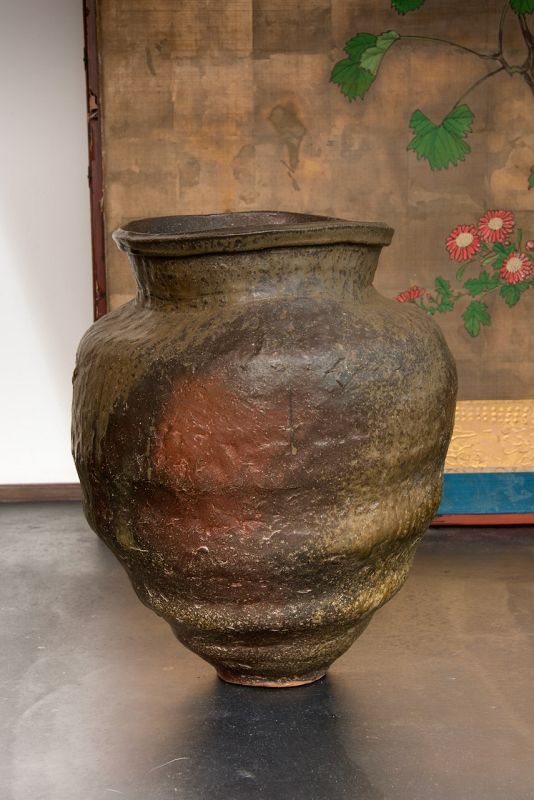
Estimated to be 500-600 years old, this extraordinary work of Bizen pottery would have been fashioned in an “ana-gama” or a rudimentary dugout kiln often placed

This scroll contains a sutra written as [寿至蓬莱不老僊], pronounced in Japanese as “Jyu-Ita-Hōrai-Furō-Sen.” Originating from Chinese, the characters “蓬莱” refer to th
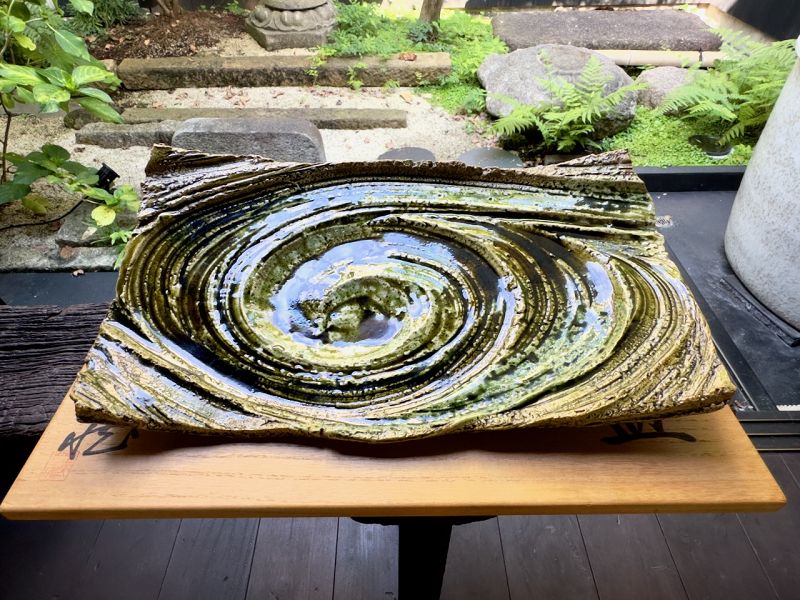
Displaying a bold Oribe glaze and sweeping comb pattern culminating in a dynamic vortex, this wonderful platter is the result of years of trial and error by one
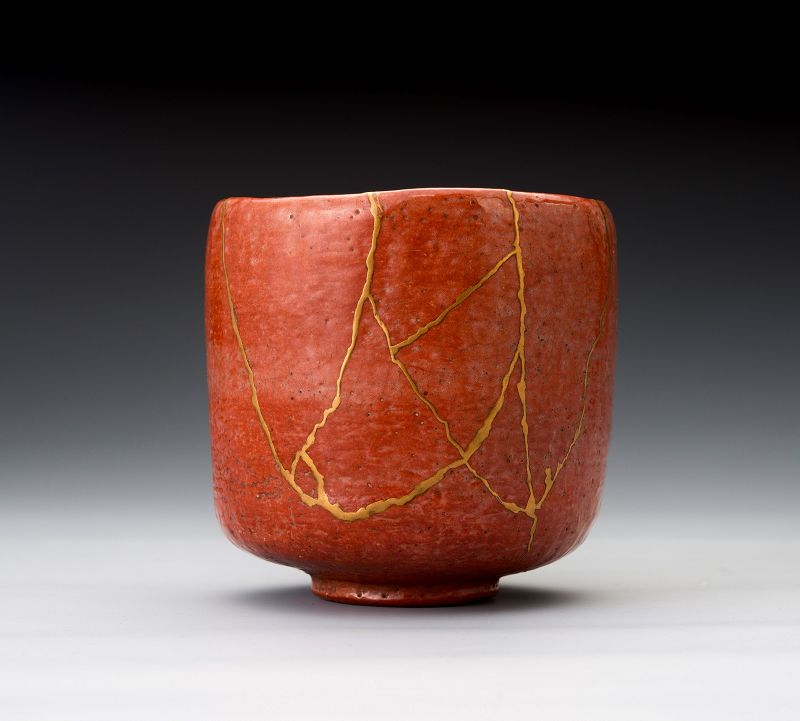
Over the years we have taken a special interest in Raku pottery, especially in pieces made by the original Raku family (16 generations) and by a branch kiln kno
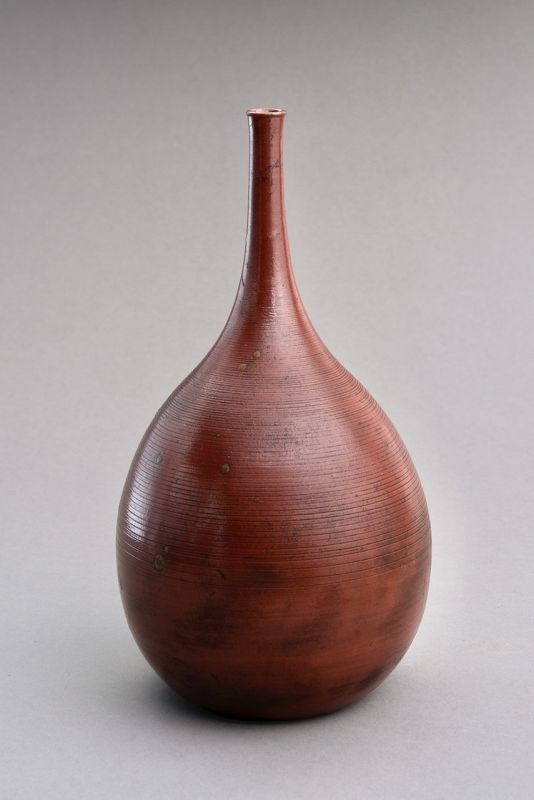
Crafted from locally sourced Bizen clay, this mid-Edo period vase embodies simplicity, beauty, and understated elegance. Its unassuming form showcases the natur
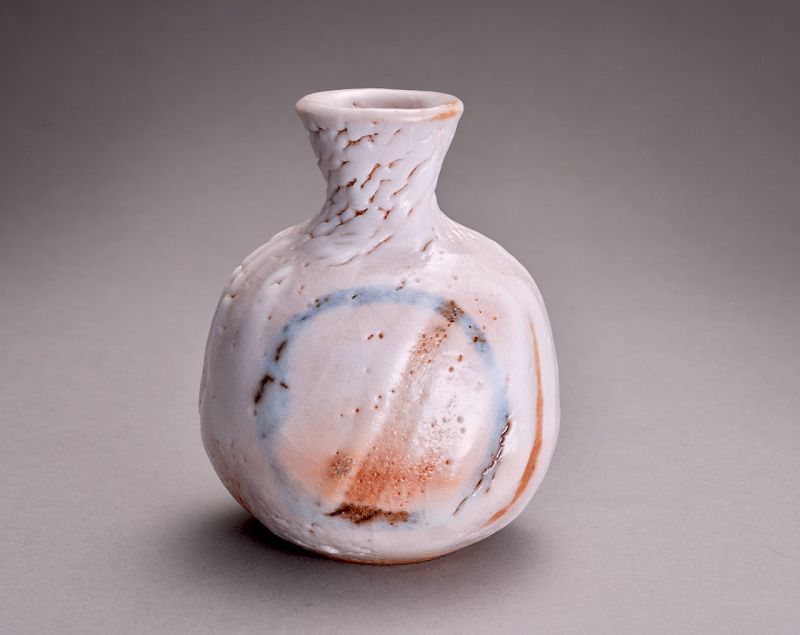
This depiction of the eternal “ensō” on a backdrop of pearly white feldspar over red clay signifies enlightenment, the eternal, the nothingness, and the freedom
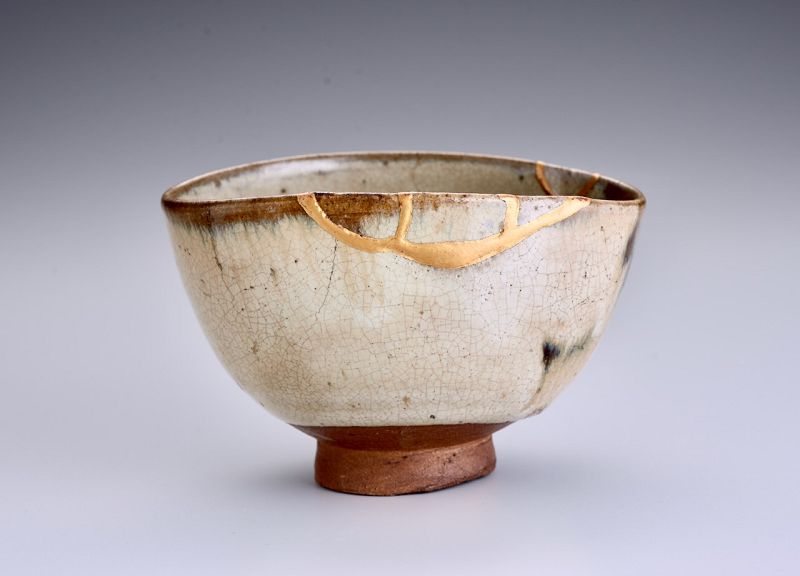
This kutsu-shaped (shoe-shaped) Karatsu tea bow, having stood quietly through the passage of ages is a superb example embodying both the serene beauty and power
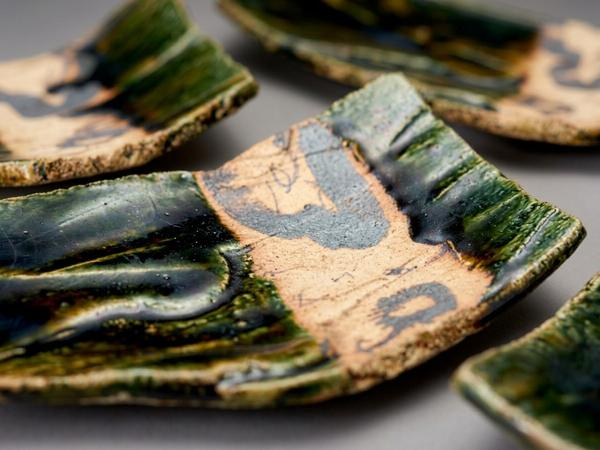
Few contemporary potters have explored Oribe with the originality and energy of Takauchi Shugo. His pieces tend to embody an unmistakable sense of movement and
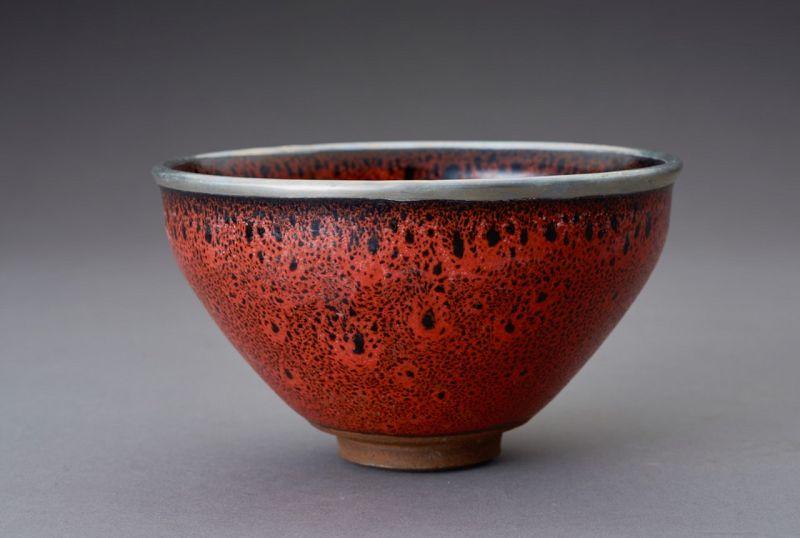
On the base of this tea bowl are the characters “供御” pronounced “Ku-go” in Japanese but “Gong-yu” in the original Chinese—translating in English to something li
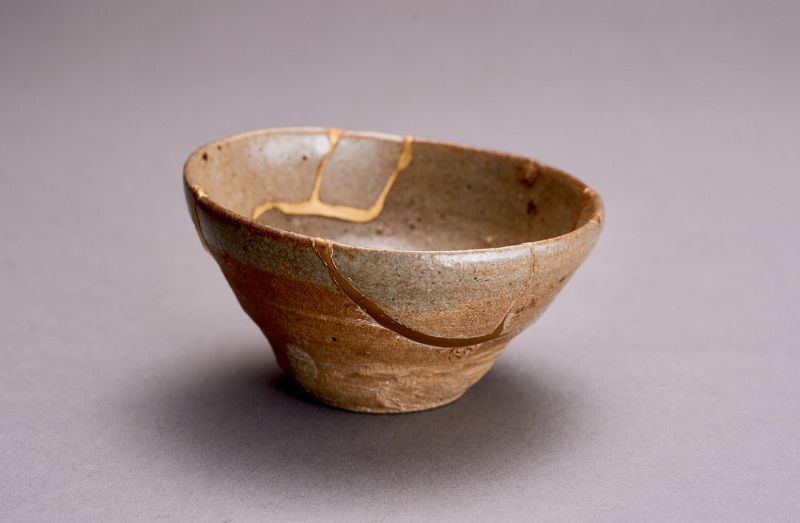
The perfect vessel for enjoying fine Japanese sake or whatever spirit fits the mood. Over 425 years old, this excavated and wonderfully restored sake cup is one
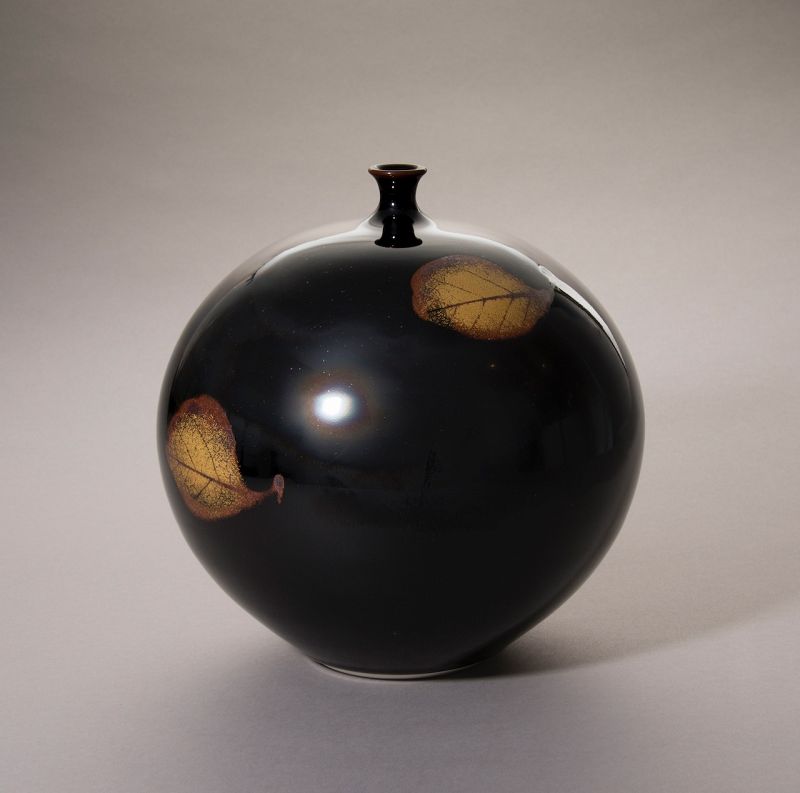
A technique most commonly seen in Tenmoku tea bowls, “konoha” is accomplished by applying a coating to an actual leaf and then attaching the leaf to the surface
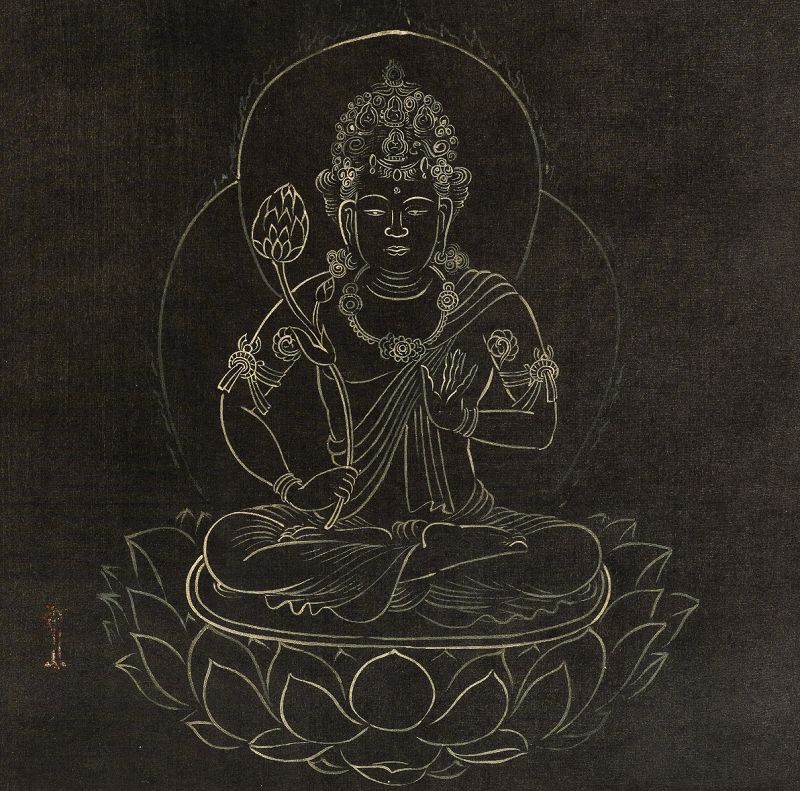
Seated in meditation with open and compassionate heart, this bodhisattva is on a spiritual journey, postponing his own salvation in order to remain on earth to

Exquisitely painted willow branches (yanagi) on a background of jet-black traditional lacquer; this exquisite functional art object appeals not only to practiti
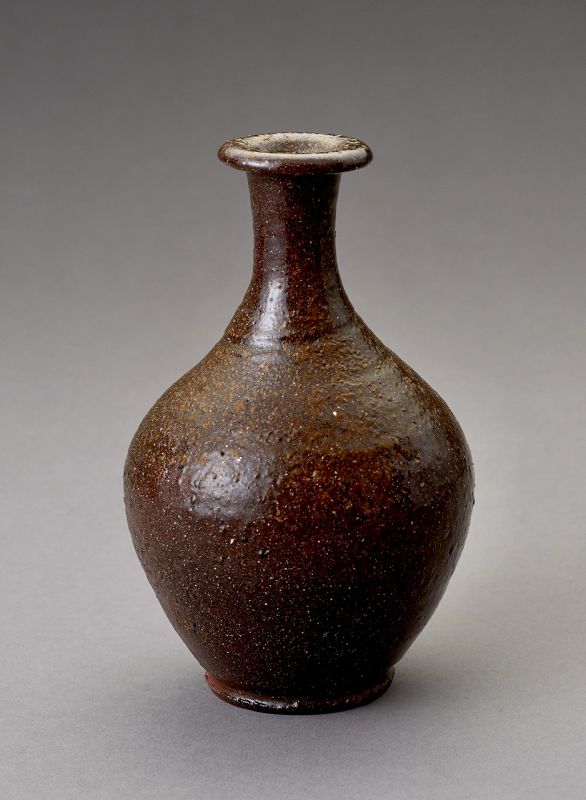
Tokoname pottery has a rich history that dates back over a thousand years. Originating in the town of Tokoname in Aichi Prefecture, Japan, this pottery traditio
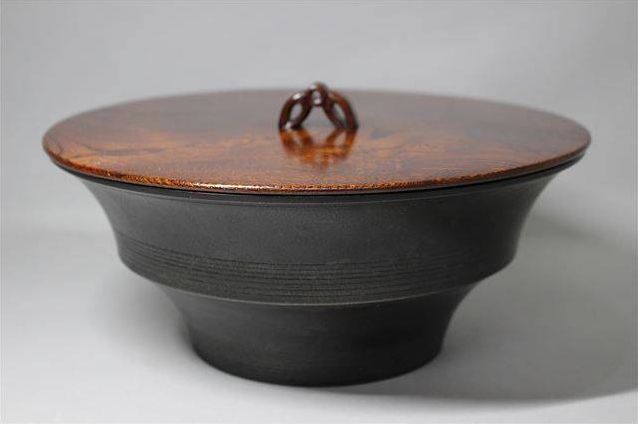
First presented at the Ishikawa Traditional Crafts Exhibition, this fine mizusashi crafted with extraordinary precision is a testament to the generational knowl
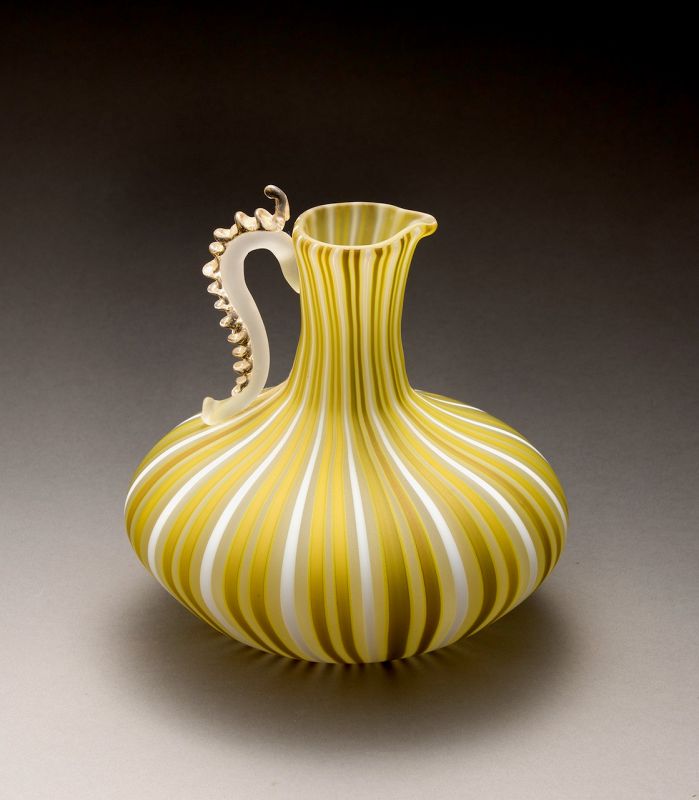
A key figure in the Japanese folk craft movement of the 20th century, Fujita Kyohei is credited with helping to develop a thriving glass-working community withi
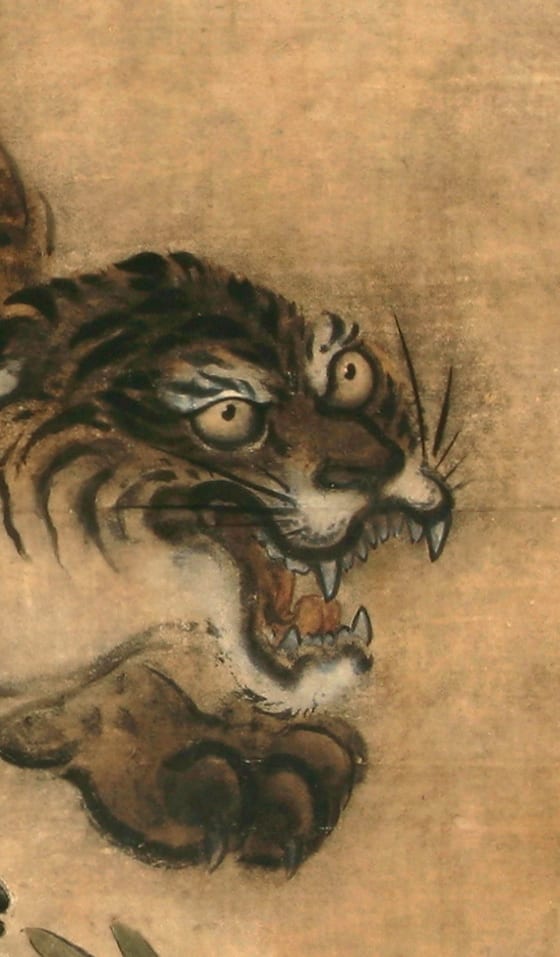
An absolutely stunning rendition of a powerful tiger—muscles rippling—prowling through a dark bamboo grove. One of the best tiger compositions I have personally
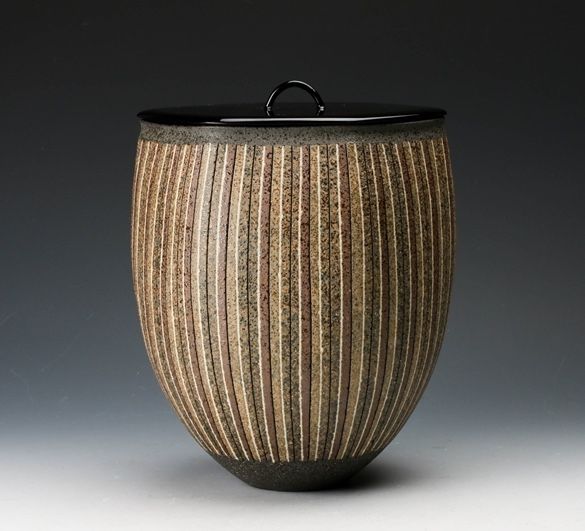
Japanese inlay ceramics (zōgan) are created by making incisions on the surface of a clay body which are then filled with various colored clays, creating a patte
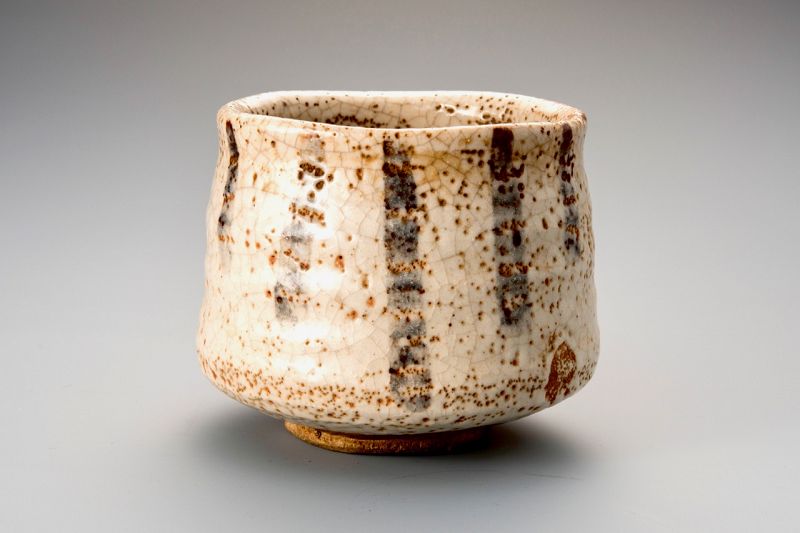
This lovely Shino tea bowl fashioned from coarse Mino clay is covered in feldspar glazing, has a classic ferrous abstract painting across the front, and shows n
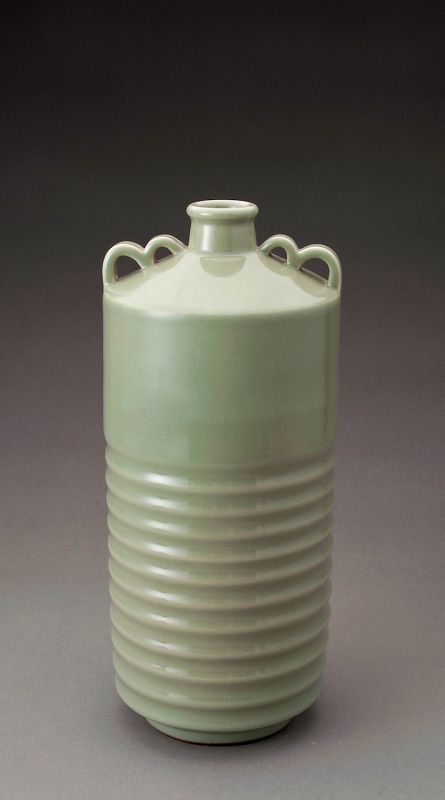
A student of Itaya Hazan, one of the most sought after potters in the world of Japanese art, the ceramicist who crafted this fine vase displays here a high degr
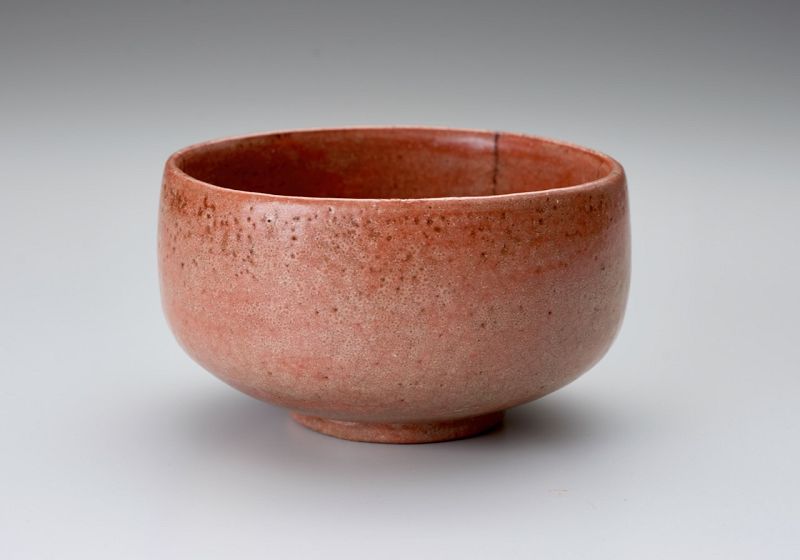
Over the years we have taken a special interest in Raku-ware and especially in works produced by the Tamamizu kiln, such as the 275+ year old ceremonial tea bow

A stunning example of blue/ green Oribe-ware by one of the veterans of Mino ceramics, this platter displays astounding variation in color and texture with deep