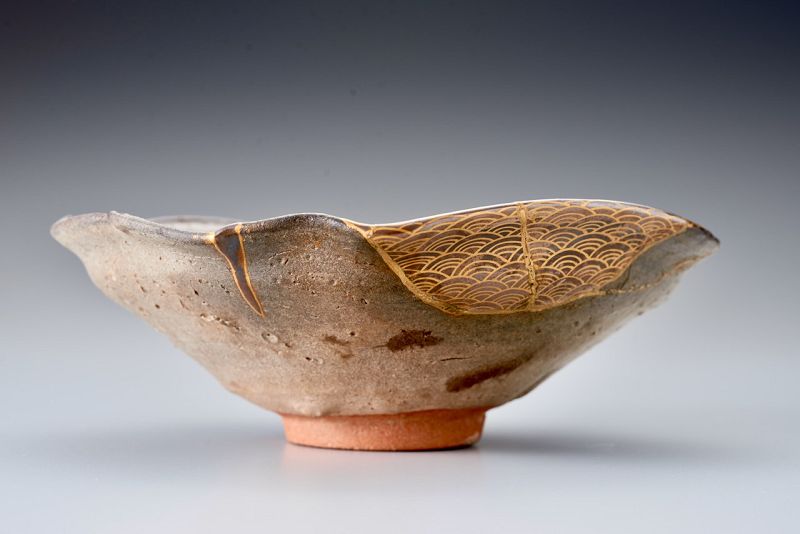
An Antique Karatsu Bowl with Exceptional Makie Kintsugi Repairs
Like many pottery traditions in Japan, Karatsu takes its name from the city where it originated. As early as the 15th century, Korean potters heavily influenced
SOLD
Like many pottery traditions in Japan, Karatsu takes its name from the city where it originated. As early as the 15th century, Korean potters heavily influenced
SOLD
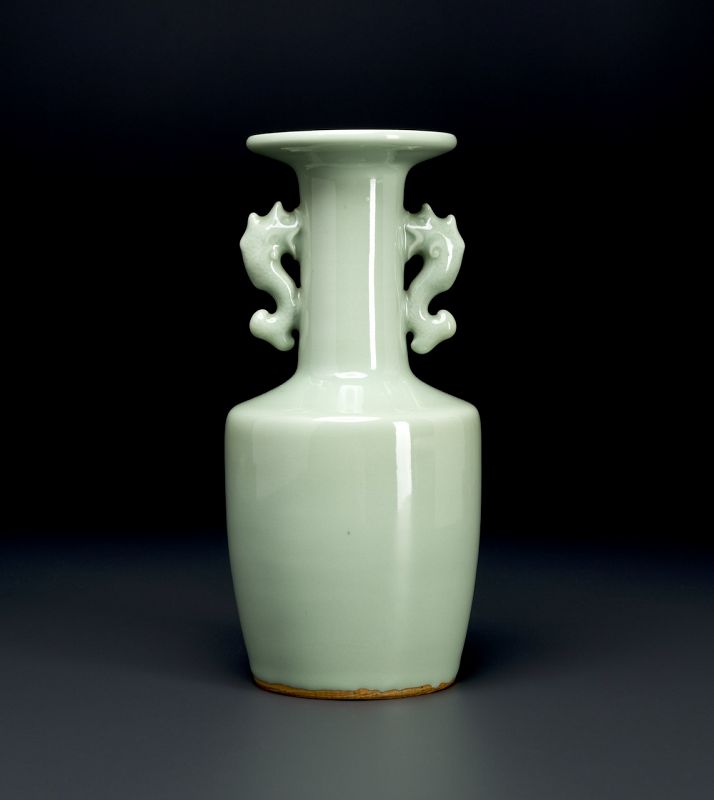
This extraordinary vase is a truly Japanese expression of a classical Chinese form. Fashioned after cylindrical Song Dynasty pieces that are thought to have bee
SOLD
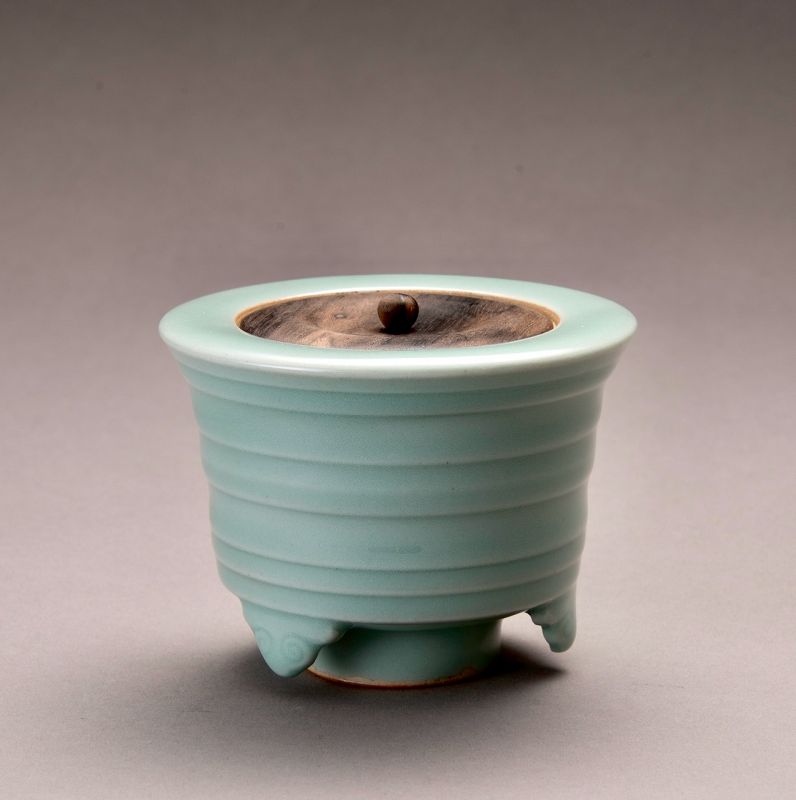
A Chinese style celadon incense burner by one of the 5 Imperial Court Artists of Meiji. Sozan spent his life perfecting techniques for celadon production first
SOLD
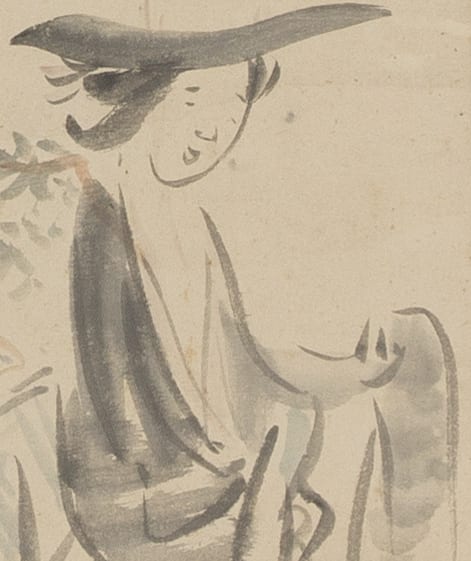
Rengetsu is widely regarded as one of the greatest waka poets of the 19th century. A skilled Shijo School painter, she was also an accomplished calligrapher and
SOLD
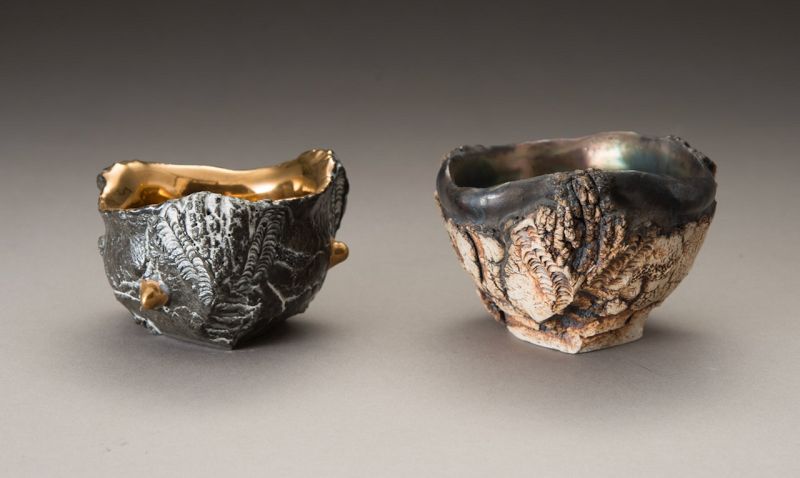
If you are familiar with the work of Hiramatsu Ryoma you know that he creates very unconventional ceramics inspired by forms found in nature. Here we have a set
SOLD
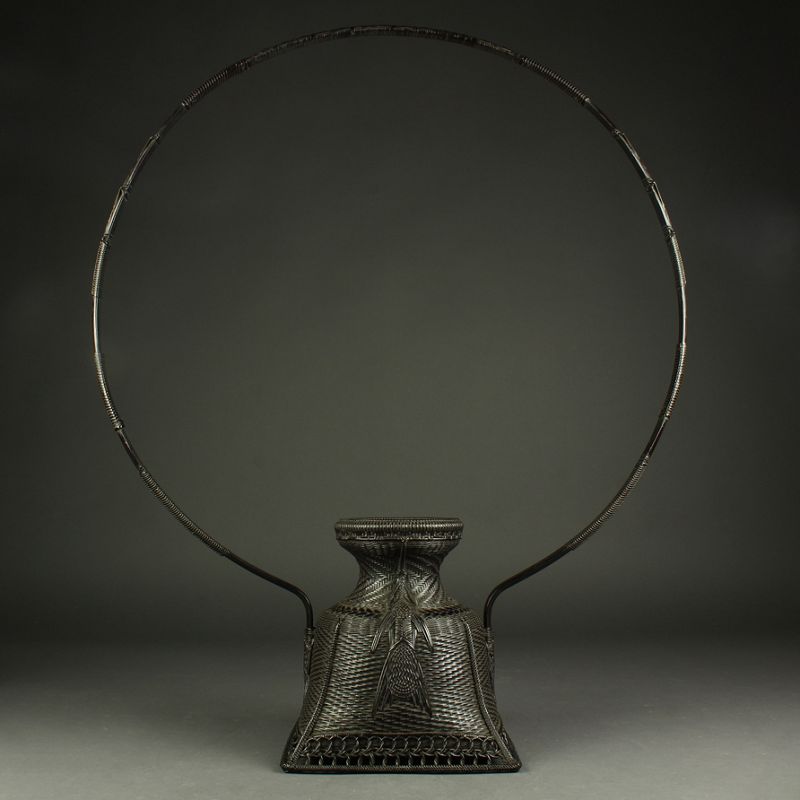
In Japan, woven baskets such as this are often referred to as “karamono” (Chinese style) to denote their stylistic origins tending towards symmetrical proportio
SOLD
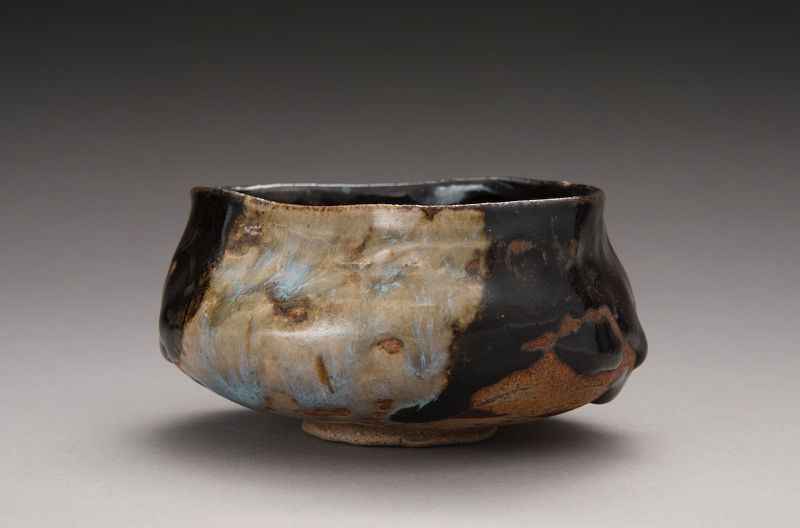
Oribe is a visual style named after the late-16th-century tea master Furuta Oribe (1544-1615). Kuro Oribe pieces are the most common with their jet-black glazes
SOLD
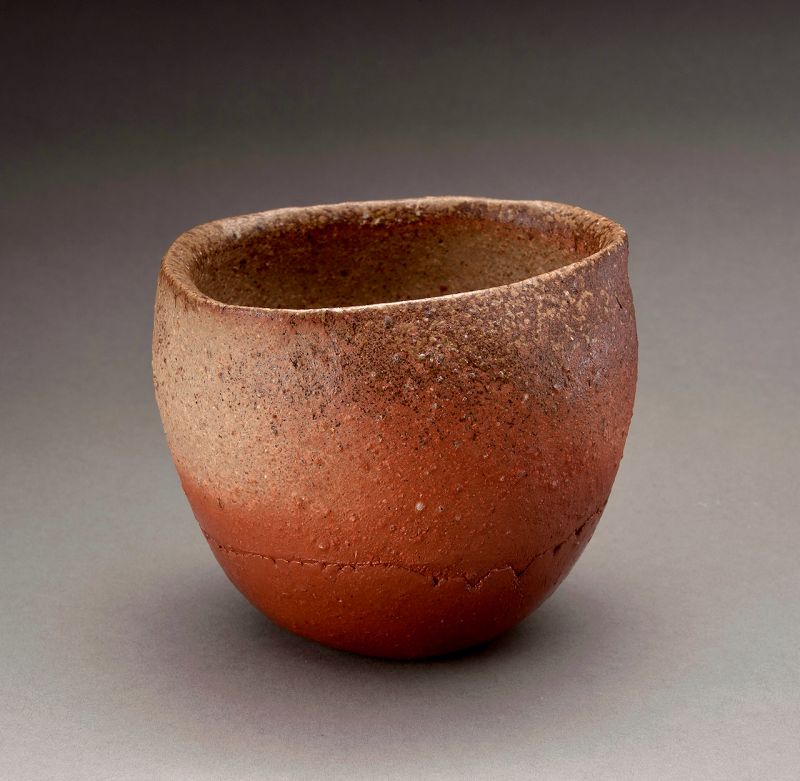
First born son to Living National Treasure Isezaki Jun, Koichiro (b. 1974) has quickly made a name for himself as an independent artist. Not content to rely sol
SOLD
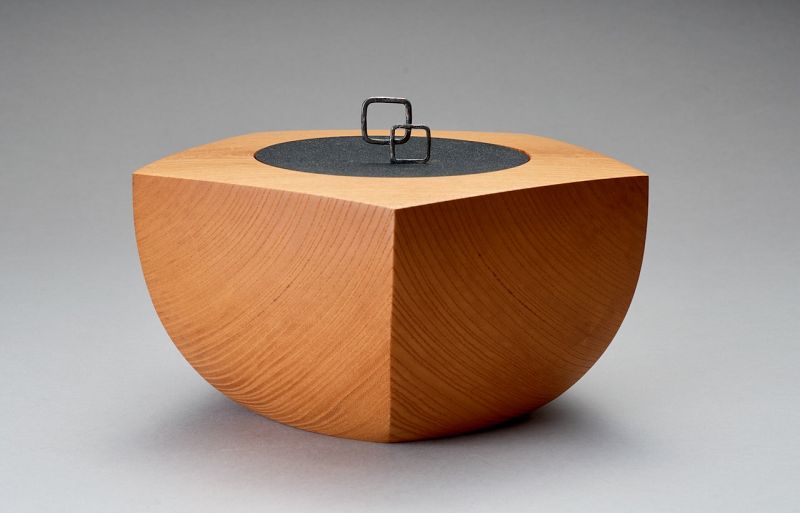
Carved from the trunk of a 400 year old zelcova tree, this lovely mizusashi for tea ceremony perfectly encapsulates the traditional craftsmanship surrounding Ja
SOLD
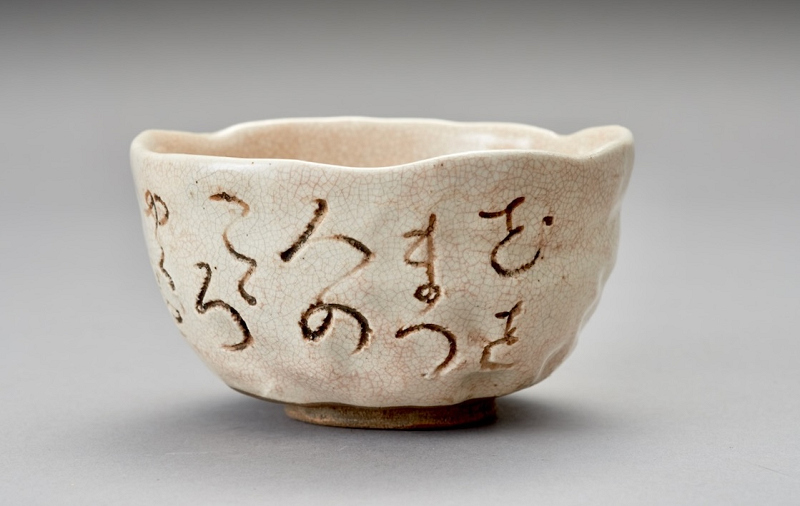
The poem etched on the side of this exceptional piece reads: 花を待つ人の心や雲となりて山の端ごとに立ちまよふらん The hearts of those waiting for flowers to blossom — have they turned in
SOLD
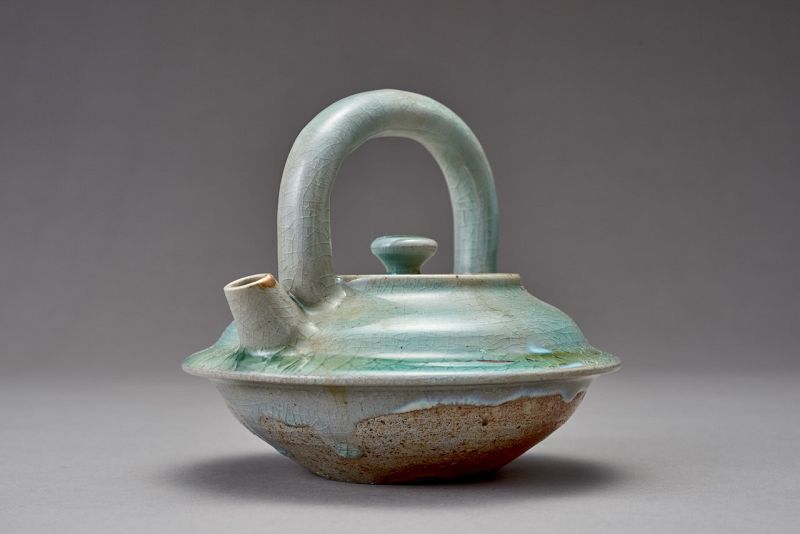
Chōshi are traditional Japanese sake pourers used in formal and ceremonial contexts, particularly in Shinto rituals and wedding ceremonies. They take the form o
SOLD
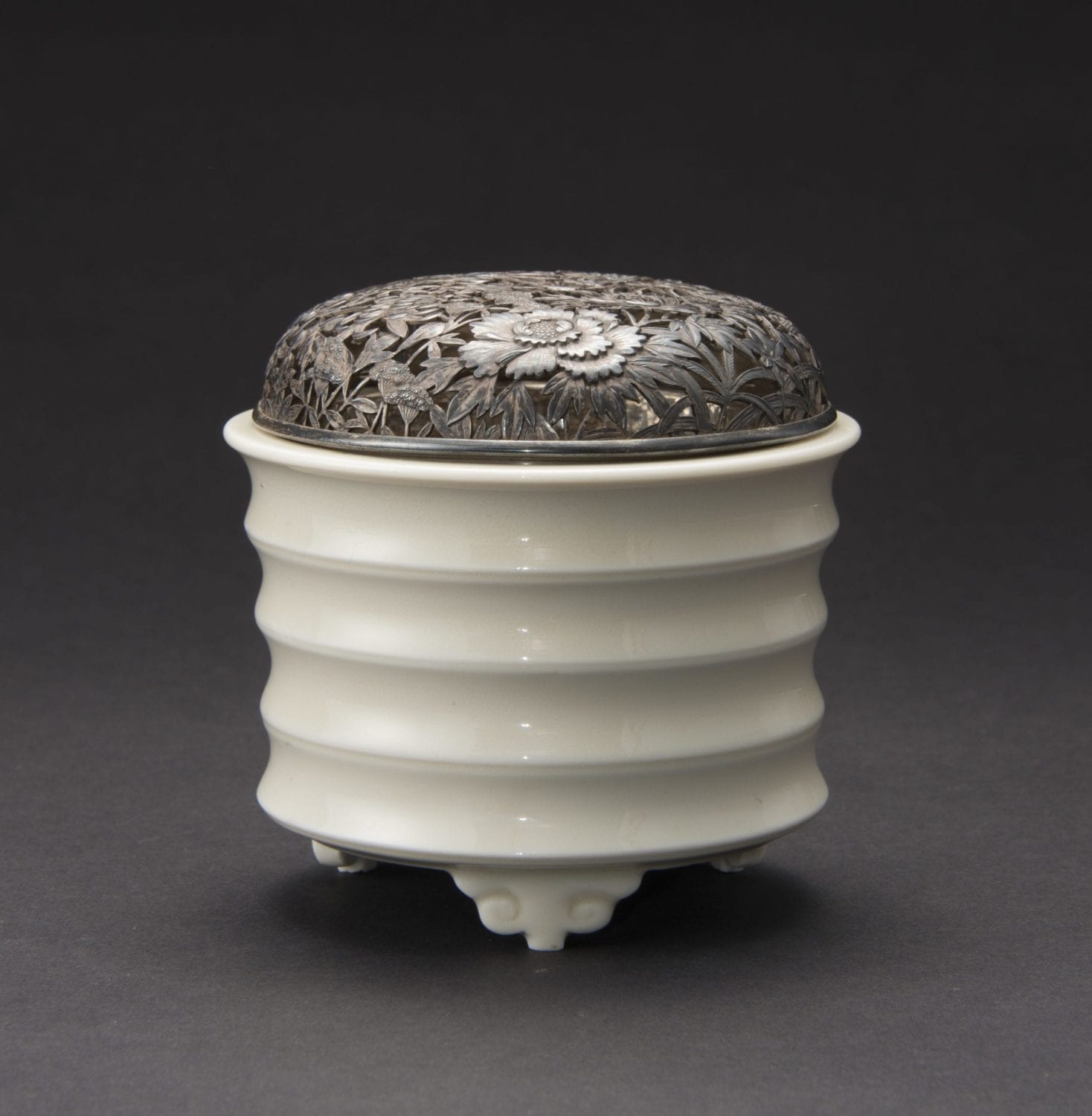
This Meiji period incense burner is made of fine white porcelain with a silver globe decorated with autumn foliage. As with much of Japanese pottery from this e
SOLD
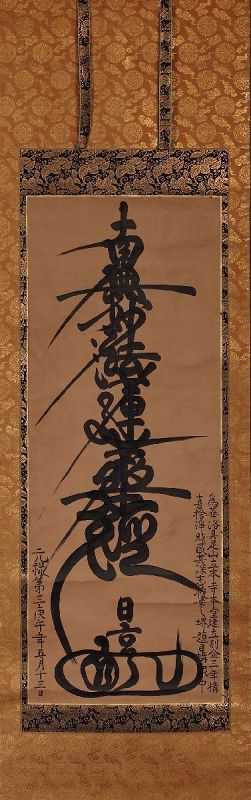
The large characters in the center of this scroll "南無妙法蓮華経" are pronounced as "Namu Myōho Renge Kyō” in English — a phrase associated with Nichiren Buddhism tha
SOLD
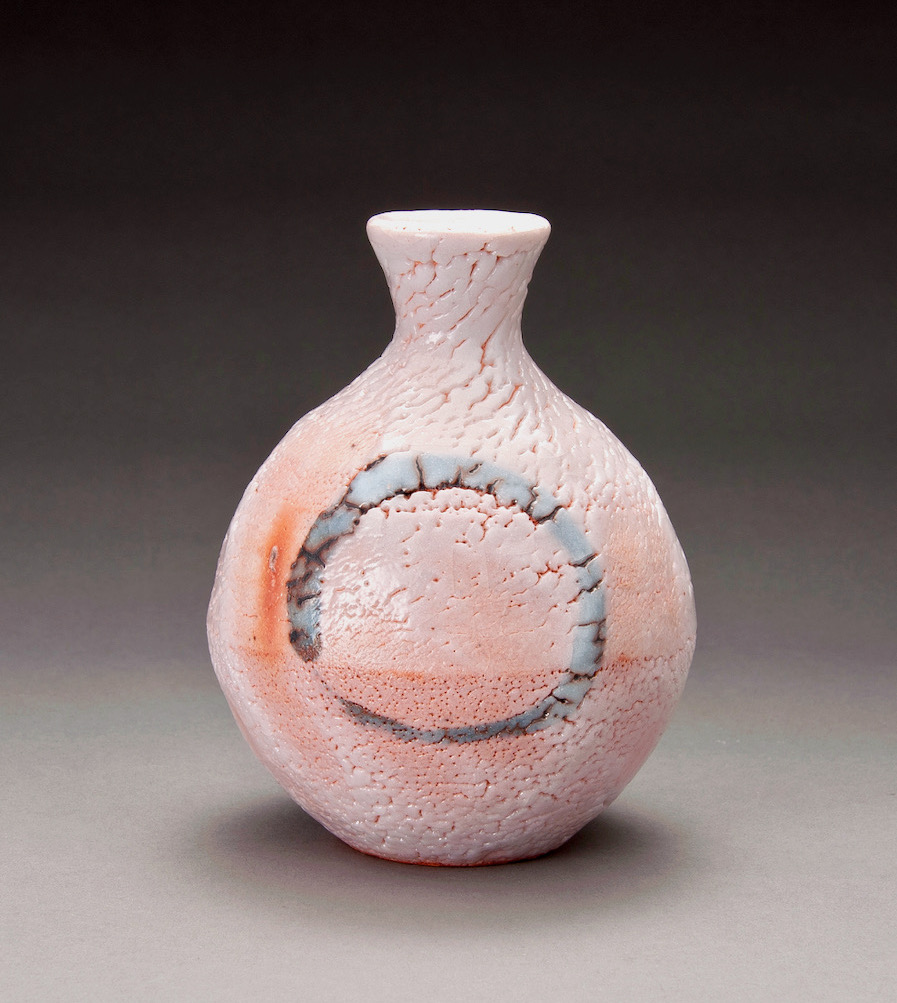
This depiction of the eternal “ensō” on a backdrop of pearly white feldspar over red clay signifies enlightenment, the eternal, the nothingness, and the freedom
SOLD
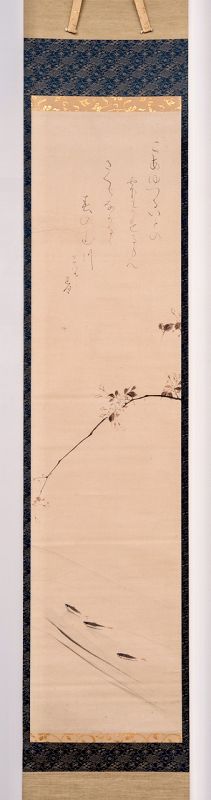
The poem accompanying the artwork on this antique scroll reads: Fishing little trout—Precious drops of dew glisten—Flowing with the blossoms—The mountains and r
SOLD
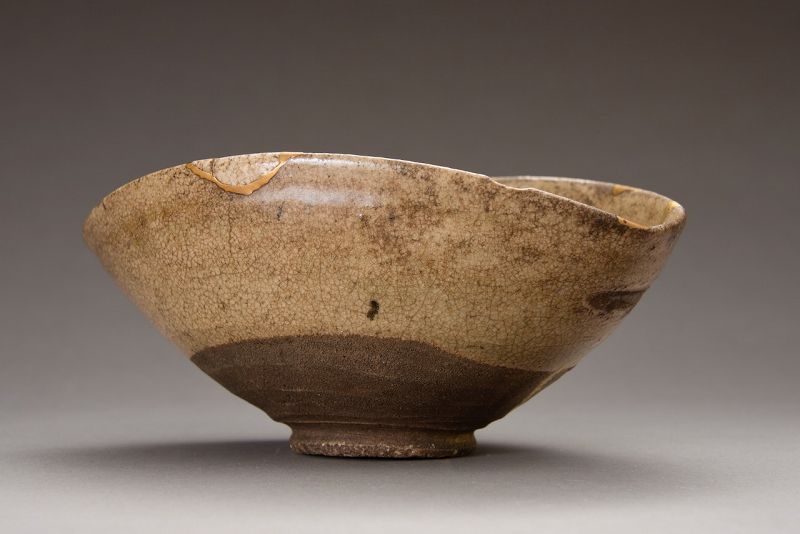
At various times over the long history of tea practice in Japan, Korean-ware has come into high fashion and ships full of the finest ceramics from the neighbori
SOLD
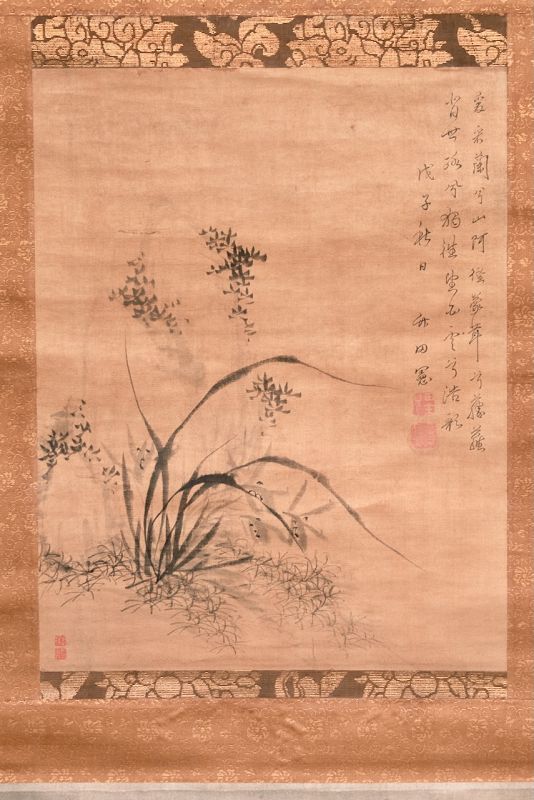
A beautiful composition from over 200 years ago, the poem on this lovely hanging scroll can be translated to: Loving the fragrance of orchids deep in the mounta
SOLD
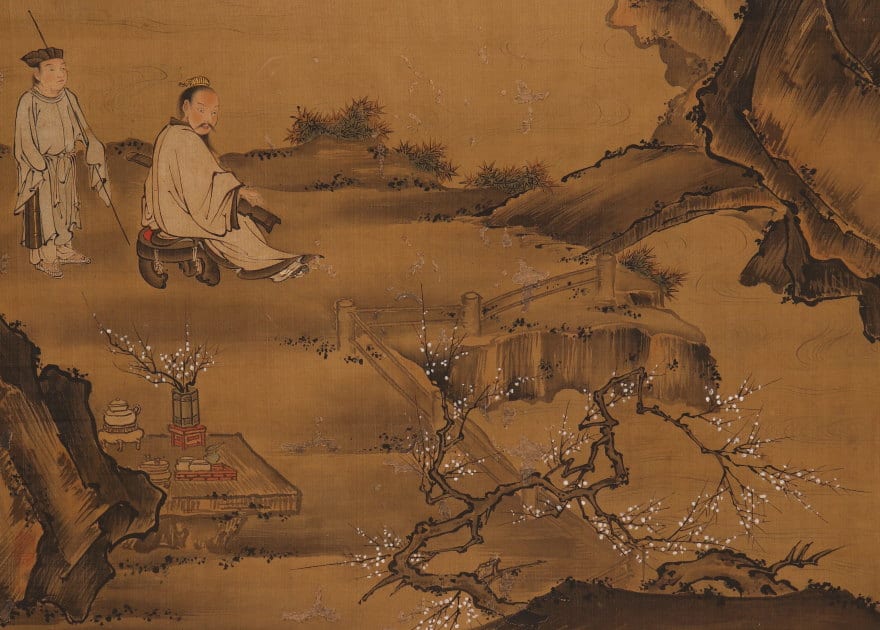
A masterpiece by one of the premier Literati painters from the Edo period. Born into a wealthy samurai family, At a young age, Bunchō was given a stipend that e
SOLD
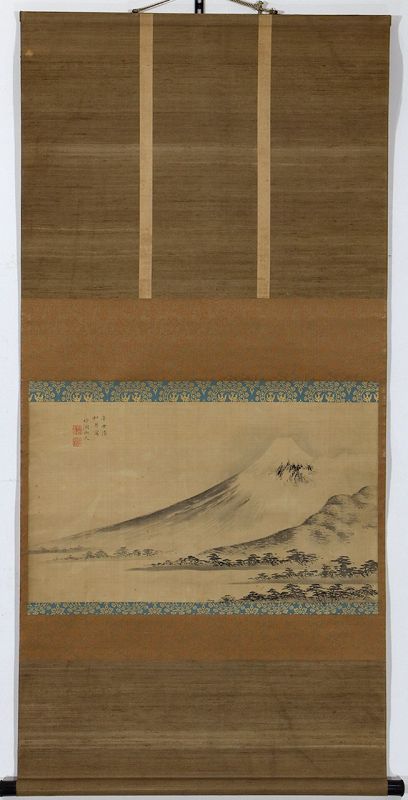
This beautiful painting from late Edo portrays Mount Fuji as a sublime centerpiece, overlooking a serene landscape below. A lush pine forest embraces the foot o
SOLD
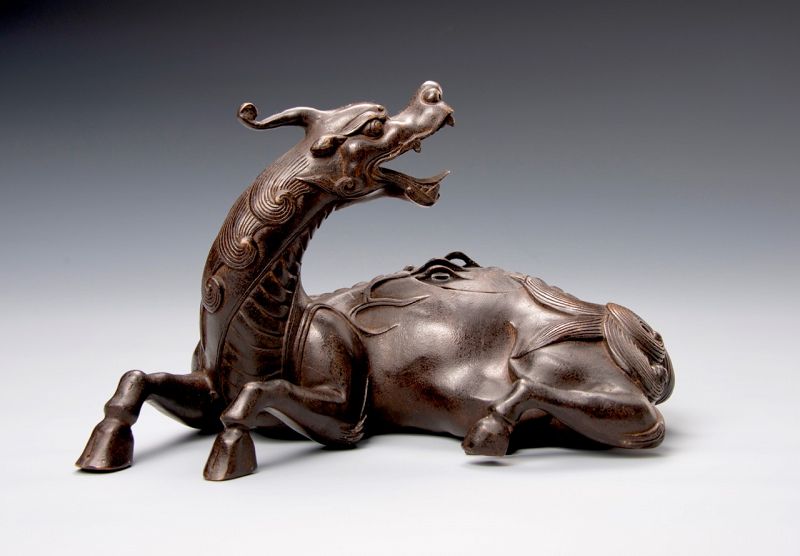
The Kirin is a hooved mythical chimera-type deity venerated throughout central and east Asia. Most resembling a giraffe, though often depicted with dragon-like
SOLD
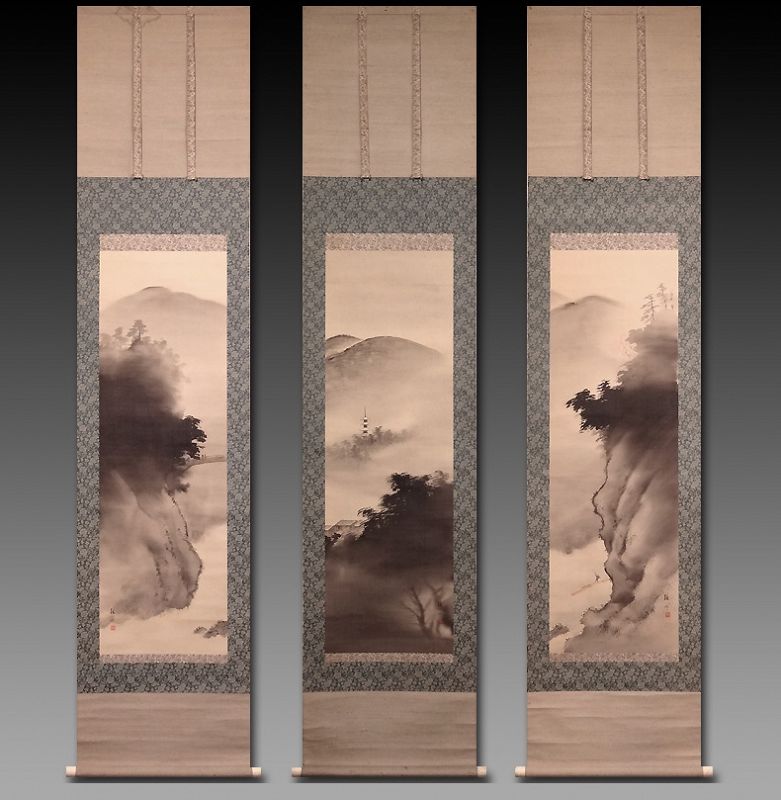
This masterful rendition of an idilic landscape done in the Nanga style of Chinese painting is spread across three canvases titled 1) “Arashiyama” (A district n
SOLD
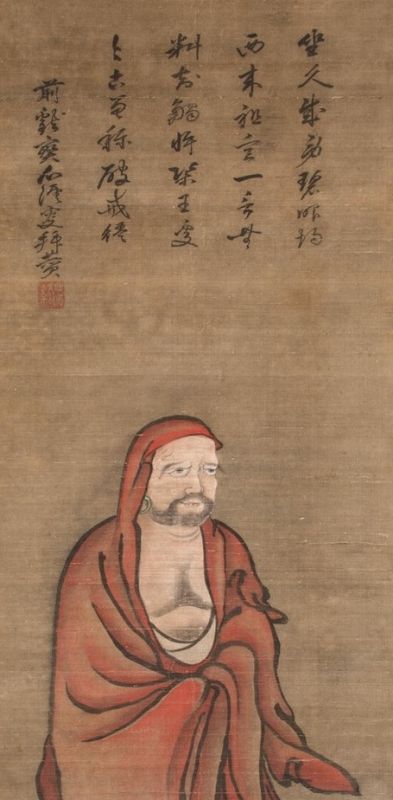
A classic renditions of the Bodhidharma (more commonly known as the Daruma in Japan), this scroll from the Muromachi period (1336-1573) depicts the legendary mo
SOLD
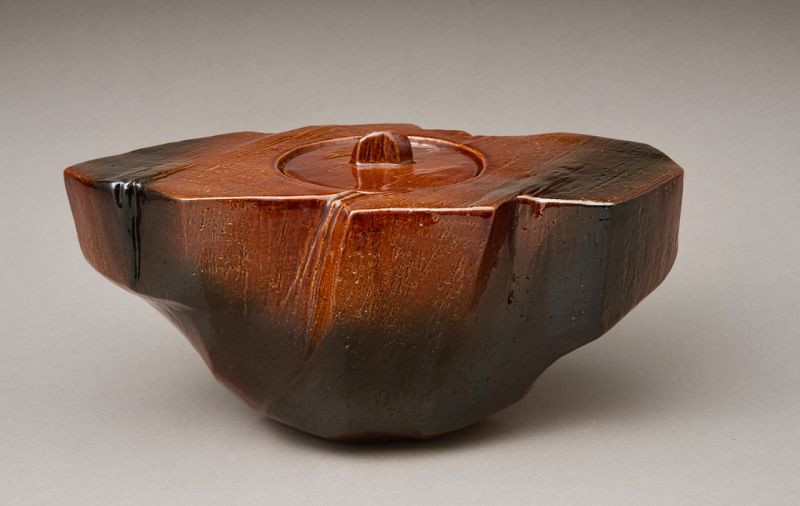
When the founder of the Urasenke style of tea ceremony, Sen-So Soshitsu (1622 -1697) was invited to Kanazawa as the master of tea ceremony for the powerful Kaga
SOLD
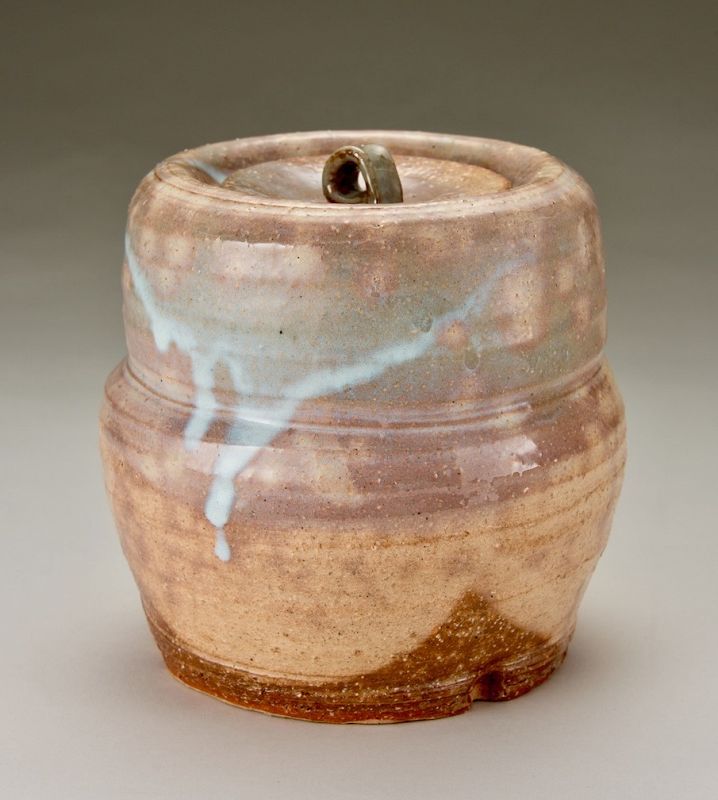
Heavily influenced by Koryo potting styles and techniques, the Tobei lineage has been crafting exceptional tea-ware implements for 13 generations. The piece sho
SOLD
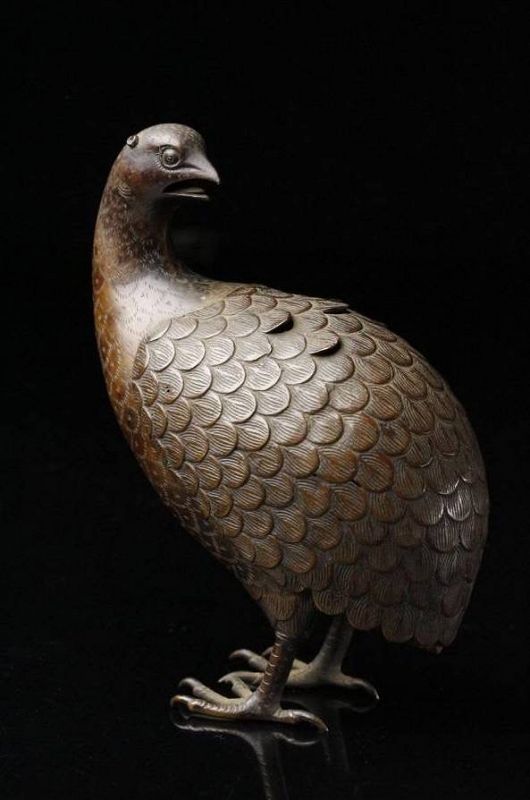
This Edo-period bronze quail incense burner is a stunning piece of Japanese craftsmanship. The lifelike form of the quail, intricately detailed and gracefully c
SOLD
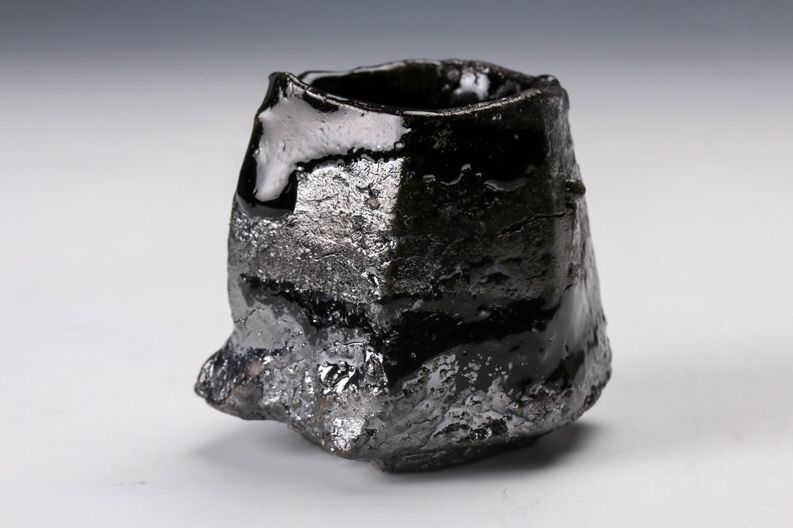
Scrawled across one face of the hand-crafted wood box housing this exquisite sake cup is the word “Prism,” perfectly encapsulating the inspiration for this angu
SOLD
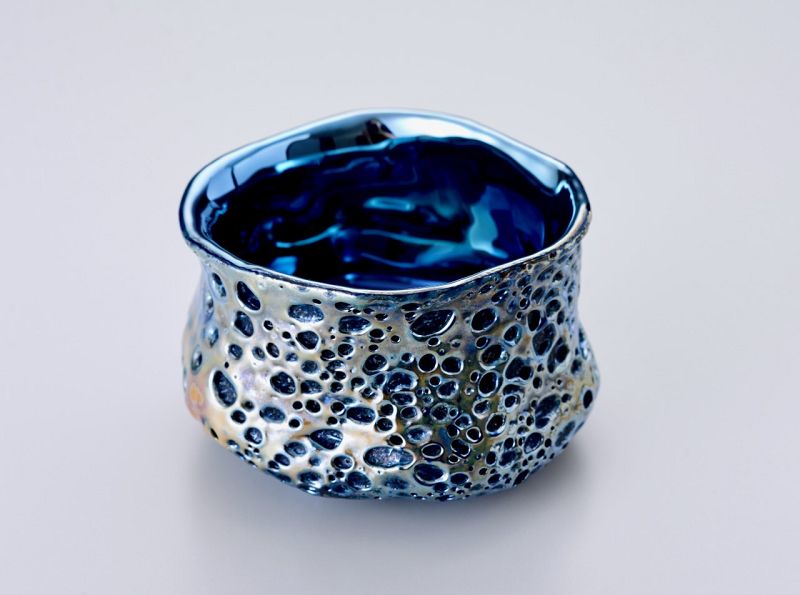
Described as a “Tsuki-no-Umi” (Ocean of the Moon) sake cup we can see immediately the inspiration for this recent work from Kurokawa Daisuke. Fashioned from gla
SOLD
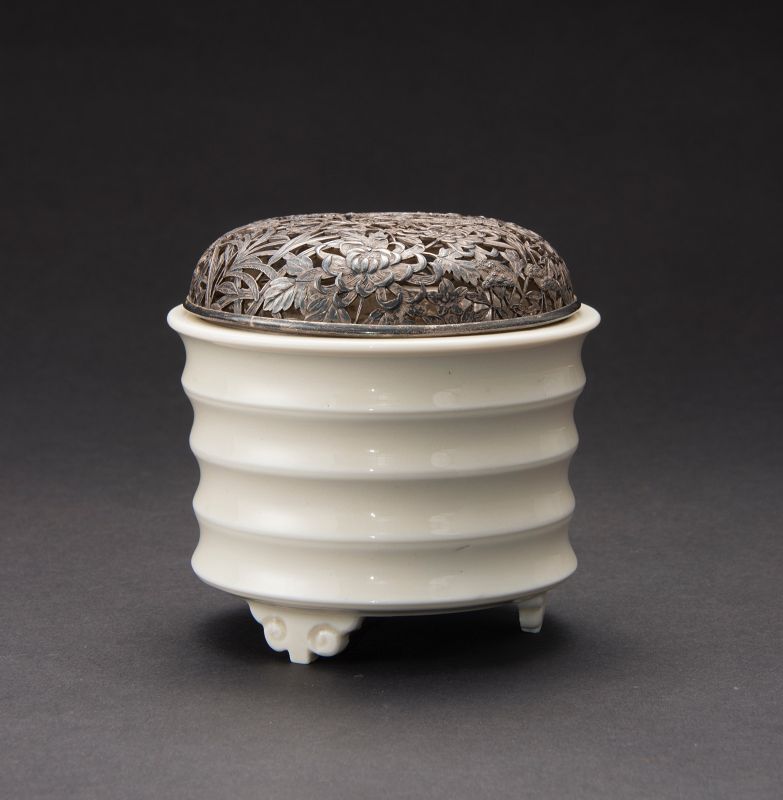
This Meiji period incense burner is made of fine white porcelain with a silver globe decorated with autumn foliage. As with much of Japanese pottery from this e
SOLD
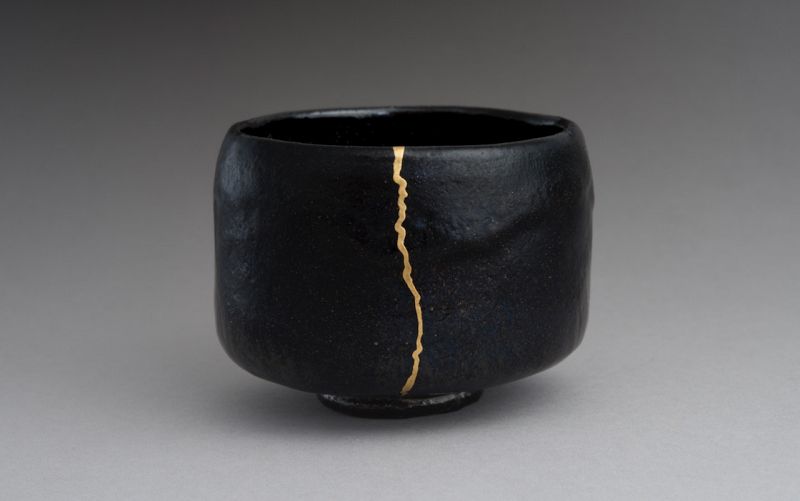
We have a particular interest in beautiful old Raku tea bowls and spend quite a bit of time searching for exceptional examples to include in our gallery. Here w
SOLD
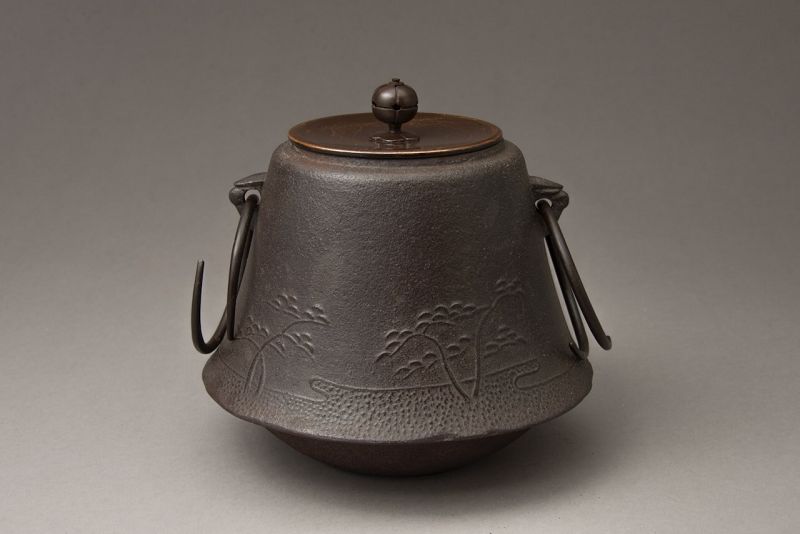
Chagama are traditional Japanese iron kettles used in tea ceremony (chanoyu) for boiling water. Their design tends to reflect the aesthetic principles of wabi-s
SOLD
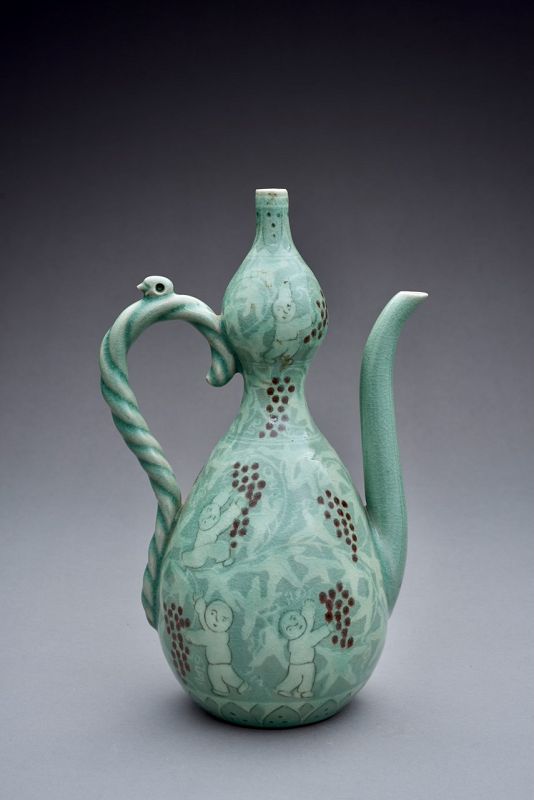
This unique and captivating celadon vase is the work of an early 20th century Korean artist who spent a number of years in Japan honing his craft. Gourd-shaped,
SOLD
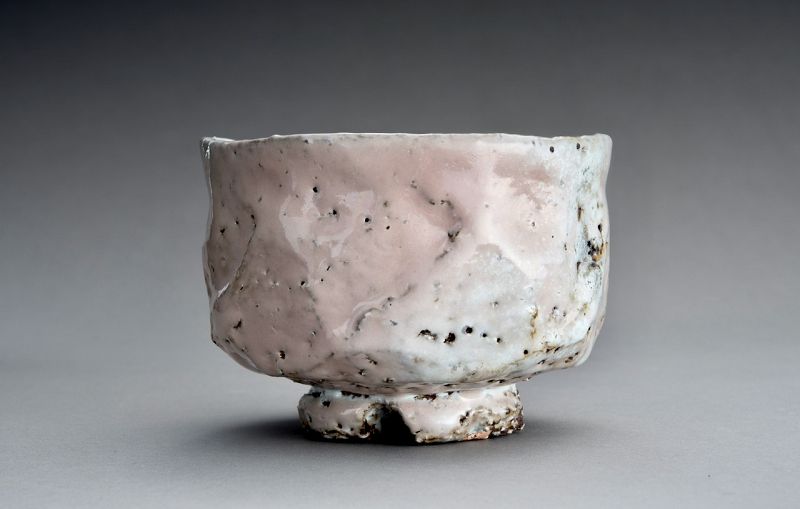
Found in a small antique shop in central Kyoto, this piece immediately caught my eye and I knew I had to buy it. With no original box and a potting mark that co
SOLD
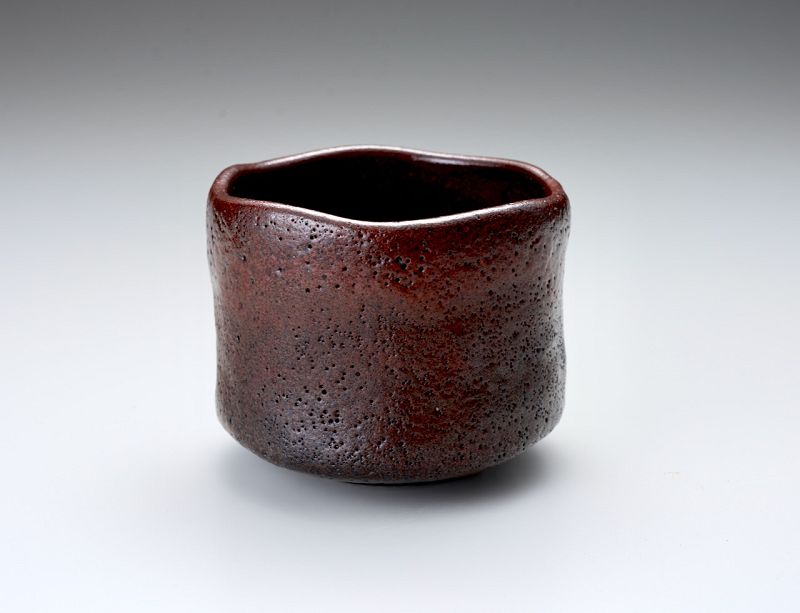
We have a particular interest in beautiful Raku tea bowls and spend quite a bit of time searching for exceptional examples to include in our gallery. Here we se
SOLD
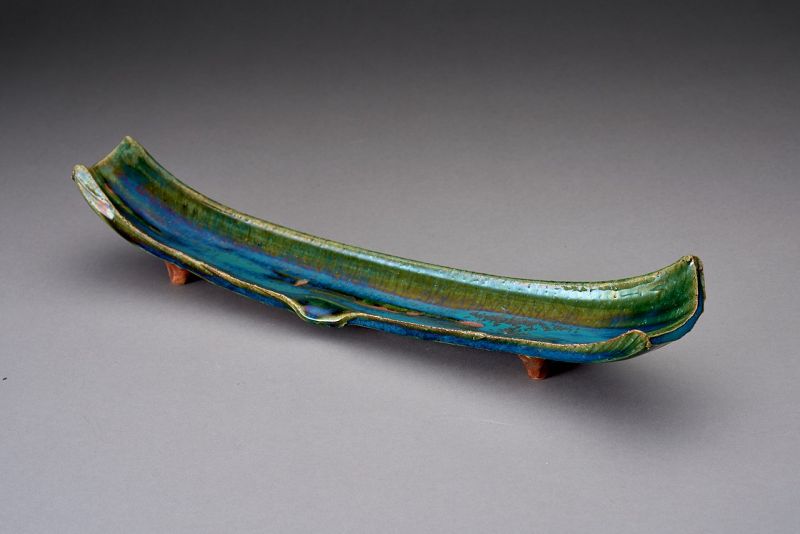
Oribe is a visual style named after the late-16th-century tea master Furuta Oribe (1544-1615). While most Oribe pieces are adorned with abstract, minimalistic,
SOLD
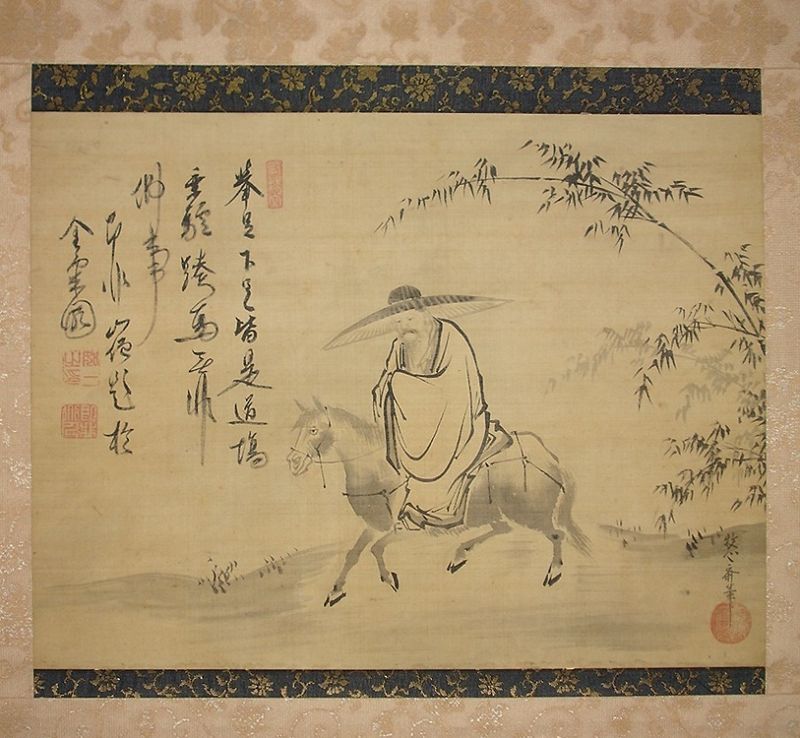
Third son of the director of the Kano School of painting, Yasunobu was appointed head of the Kyoto branch at a young age after his father’s death. Meanwhile, hi
SOLD
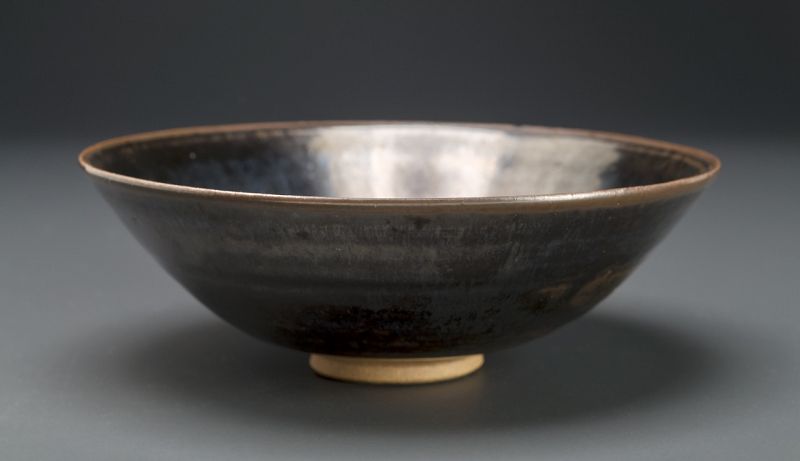
Yuzo Kondo is one of the more recognized names in the world of modern Japanese pottery of the 20th century. Though known mainly for his sometsuke creations (blu
SOLD
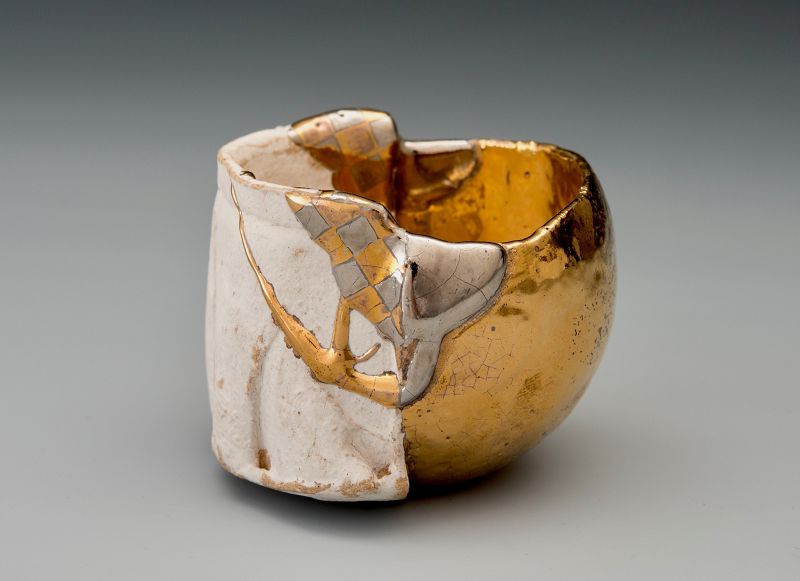
Not to be confused with the Olympic medalist, this Tomita Hiroyuki (b. 1977) is a talented potter pushing the bounds of an otherwise conservative field where ma
SOLD
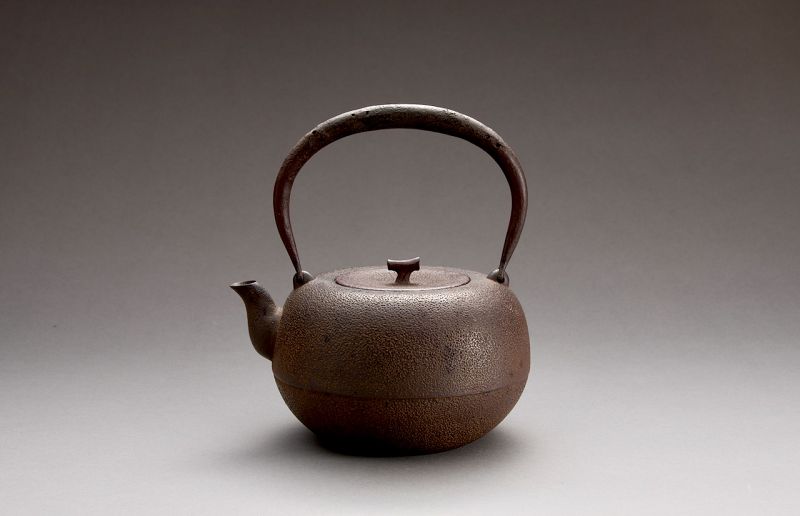
Beautifully encapsulating the Japanese aesthetic of wabi sabi, this cast iron tea kettle has an elegance that far outshines more ornate versions of this ceremon
SOLD
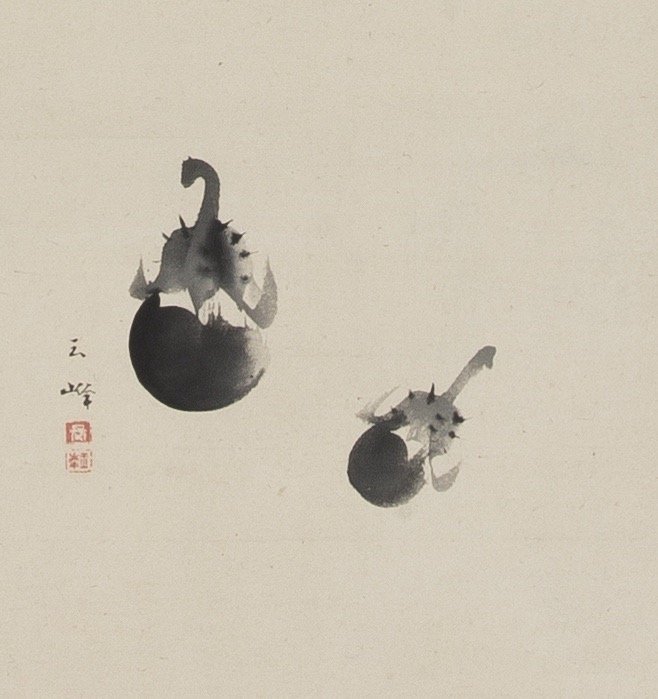
A symbol of health and prosperity, these ripe eggplants were painted by Hasegawa Gyokuhou (1822 - 1879), a disciple of one of Kyoto’s leading Shijo school artis
SOLD
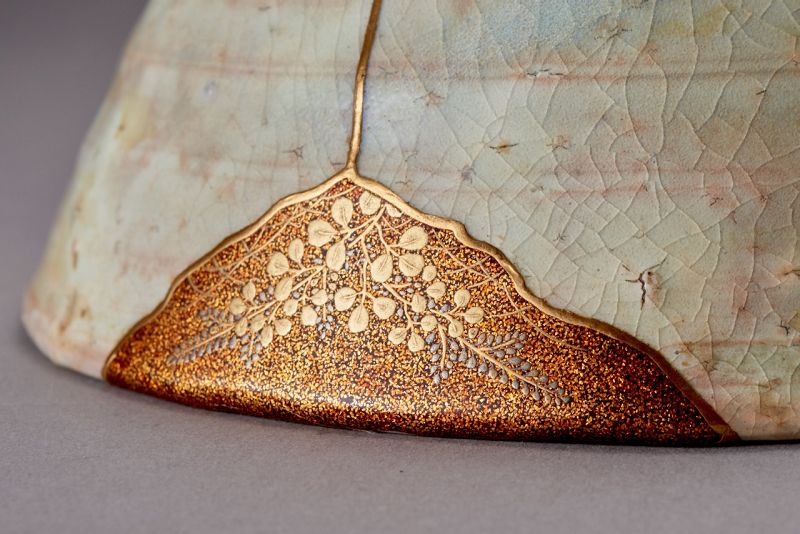
One of the most extraordinary gold repairs I have seen on a tea bowl in my nearly 30 years in Japan. If you search far and wide occasionally you can find maki-e
SOLD
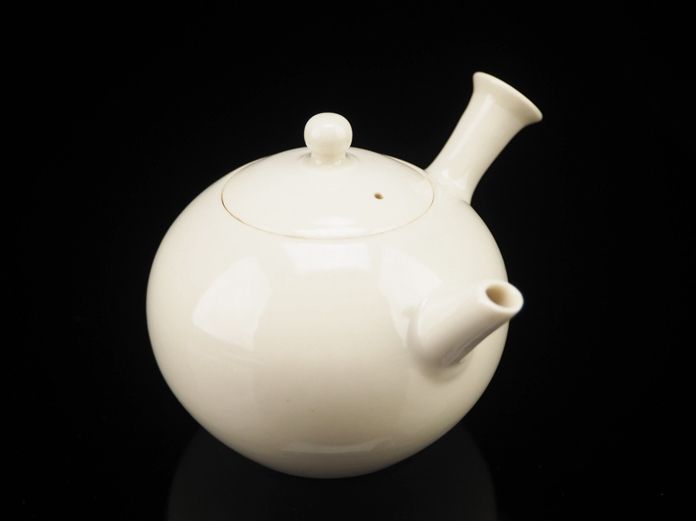
Simple, elegant, and functional, this Meiji period kyūsu (teapot) was crafted with precision and care by one of the periods most accomplished ceramicists. Showc
SOLD
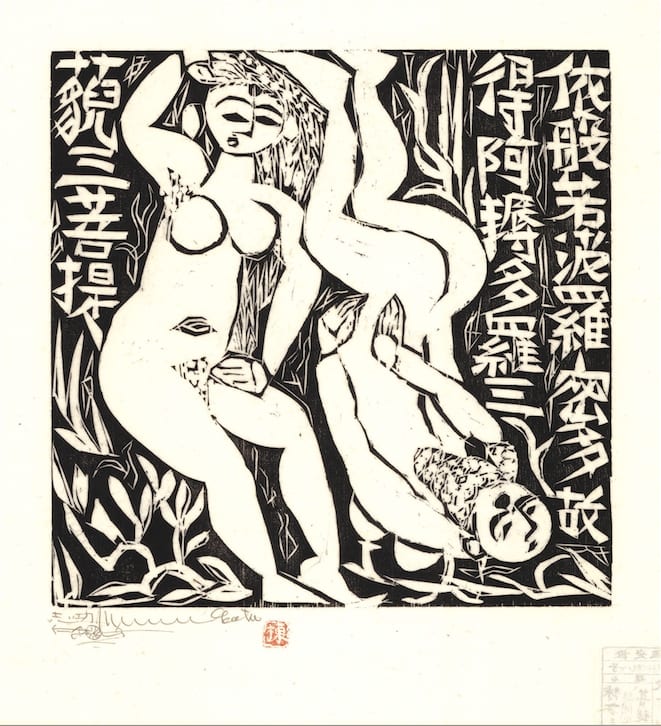
Woodcut on Japanese paper. This piece depicting “Goddesses” encapsulates the vitality and raw energy often seen in Munakata’s unique style of print-making. For
SOLD
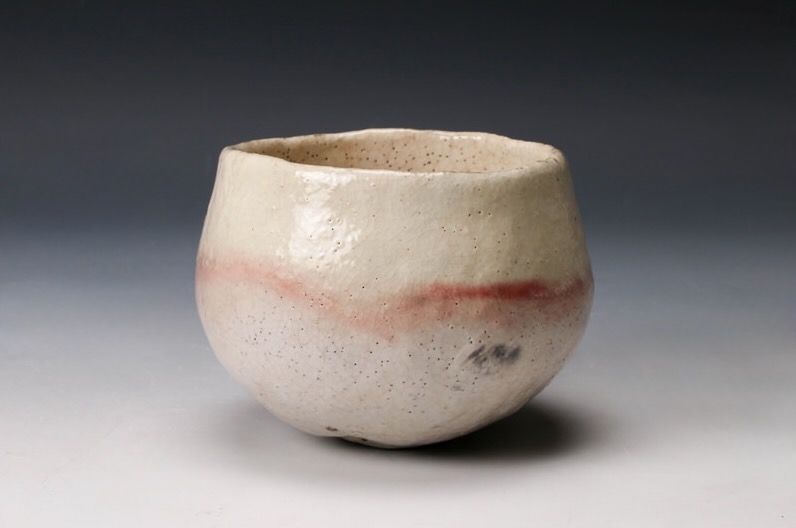
A rather rare motif by a master potter, delicate yet grounded, this white Raku tea bowl is truly one-of-a-kind. Crafted with meticulous attention to detail and
SOLD
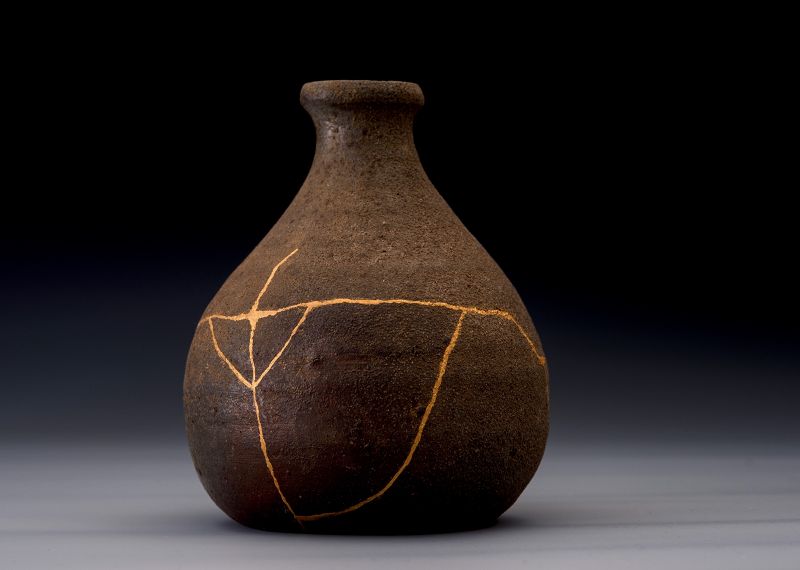
Takashi Nakazato is a celebrated Japanese ceramic artist whose family's mastery of pottery now spans 14 generations. Born in Karatsu, Saga Prefecture in 1937, N
SOLD
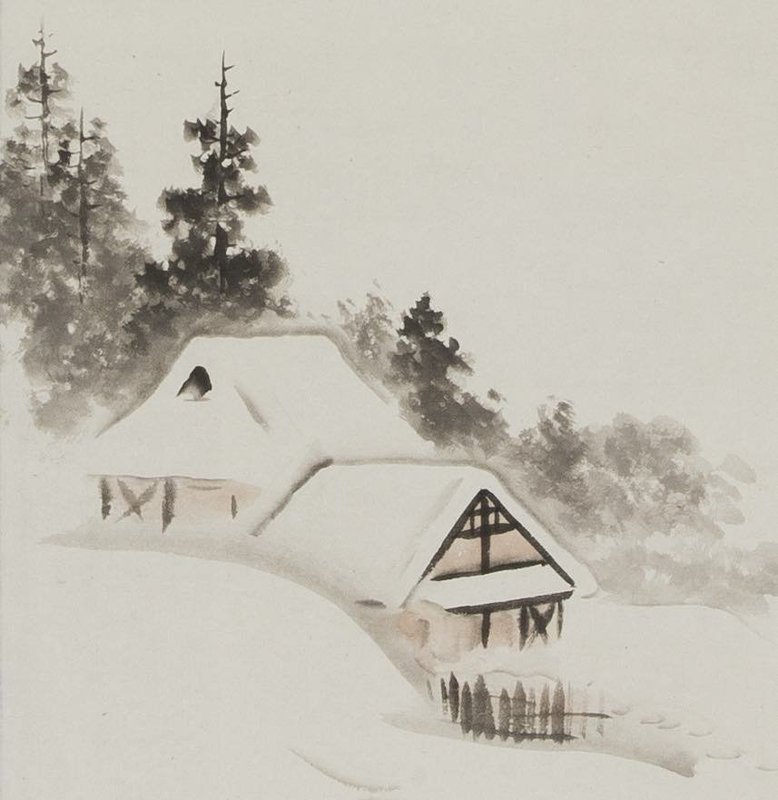
This soulful image of a Japanese hamlet in the depths of winter was done by one of the most renowned and loved waka poets of the 19th century, Ōtagaki Rengetsu
SOLD
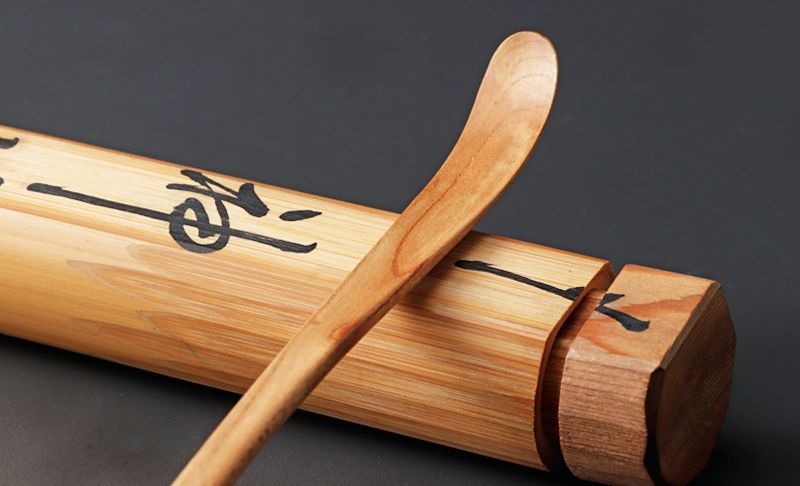
Here we have a very unique ceremonial tea implement made by one of the most important figures from Japanese tea culture in the past century. While most tea scoo
SOLD
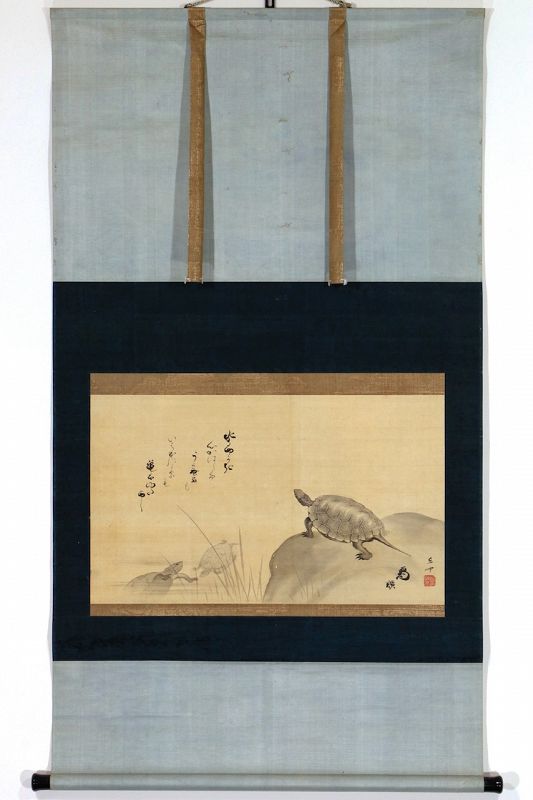
In the tranquil pond, a solitary turtle finds repose upon a weathered rock. With its ancient shell glistening under the gentle sunlight, it sits in serene conte
SOLD
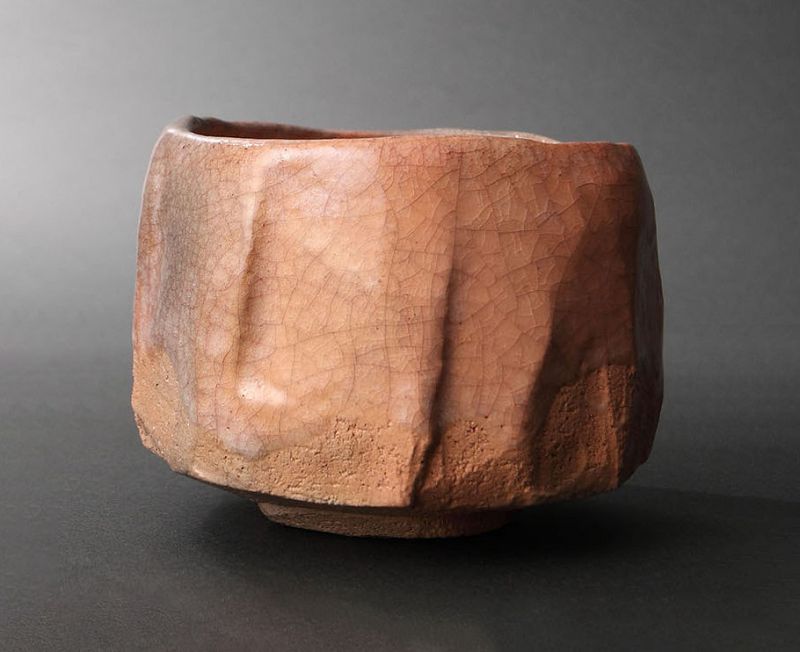
Here we have an exceptional Raku tea bowl given the poetic name "Setsu-gekka" (snow, moon, flower) — a phrase often used in Japanese art and literature to evoke
SOLD
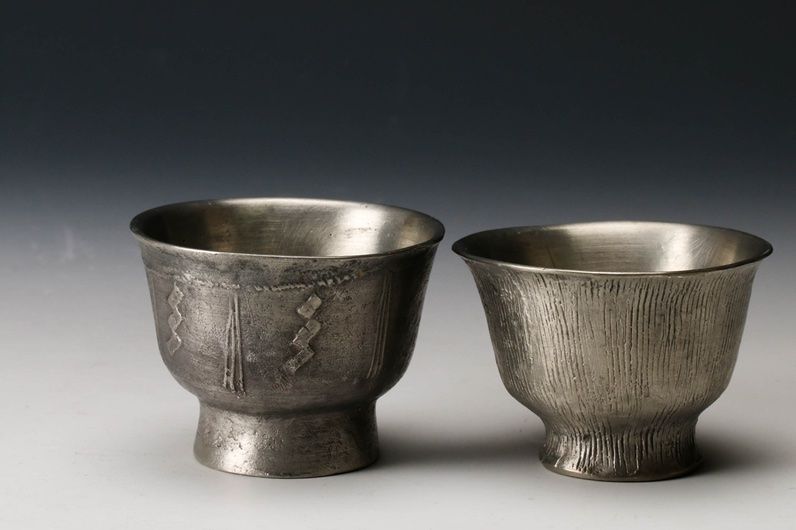
Crafted with meticulous attention to detail, each pewter cup showcases a unique luster that this metal alloy is revered for; highlighting its historical signifi
SOLD
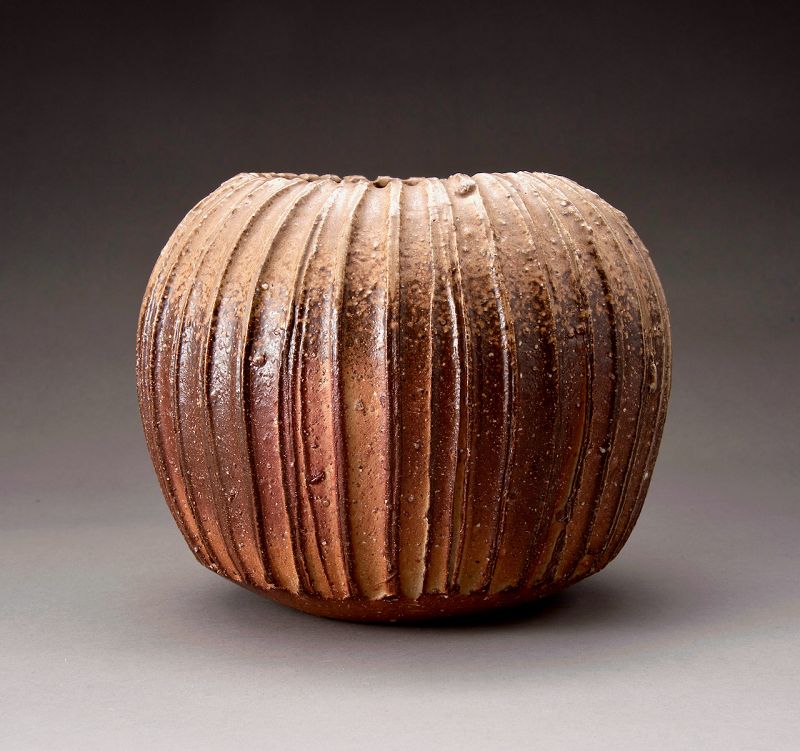
First born son to Living National Treasure Isezaki Jun, Koichiro (b. 1974) has quickly made a name for himself as an independent artist. Not content to rely sol
SOLD