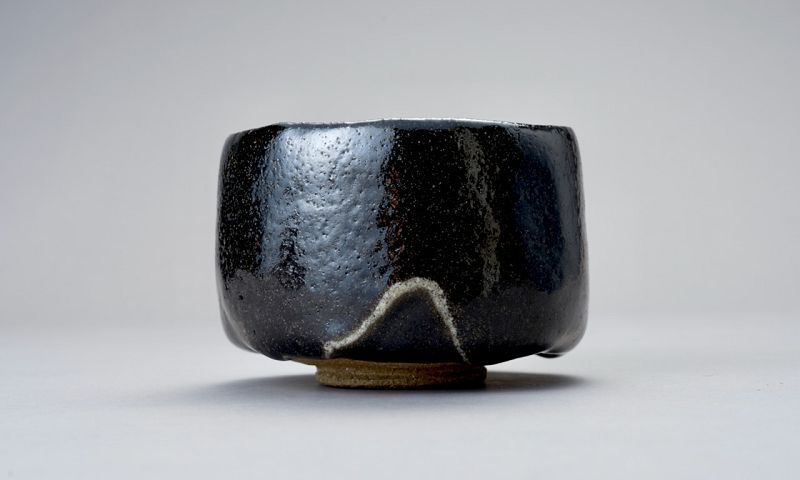
A Classic Black Raku Tea Bowl - Ōhi Chōzaemon IX (1901-1986)
An austere masterpiece of functional art — the perfect accompaniment on the journey inward to stillness and contemplation. Crafted by the 9th Ōhi Chōzaimon (190
An austere masterpiece of functional art — the perfect accompaniment on the journey inward to stillness and contemplation. Crafted by the 9th Ōhi Chōzaimon (190
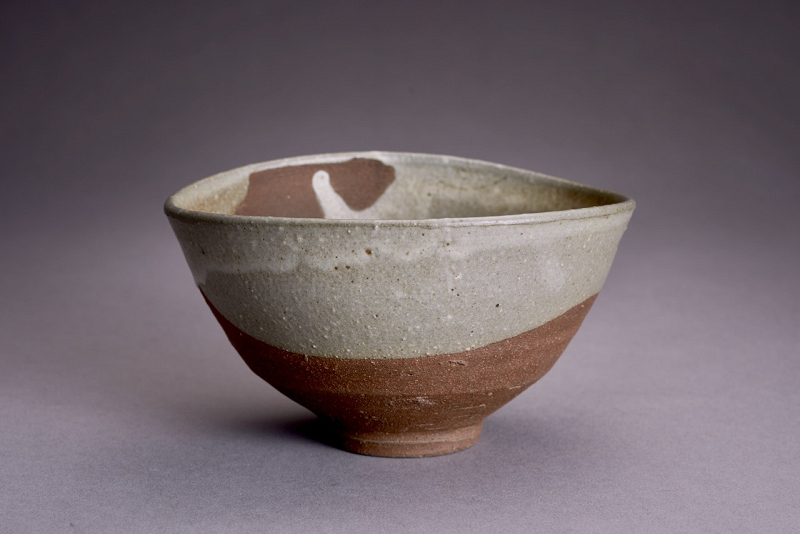
Minimalistic, elegant, and exceptionally light in the hand, this antique Karatsu tea bowl displays an impressive milky ash glaze that descends towards the foot,
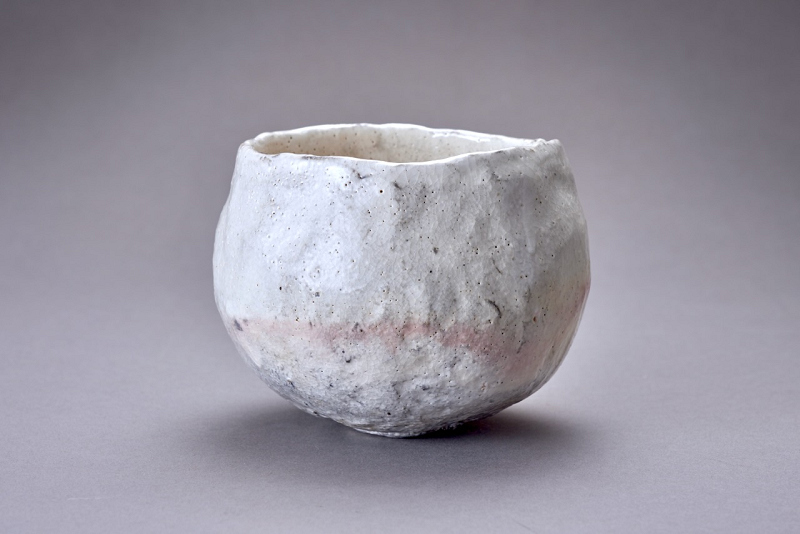
Though rare, occasionally I come white Raku piece by one of our favorite potters, Sugimoto Sadamitsu. Adorned with subtle crackling patterns and variations in t
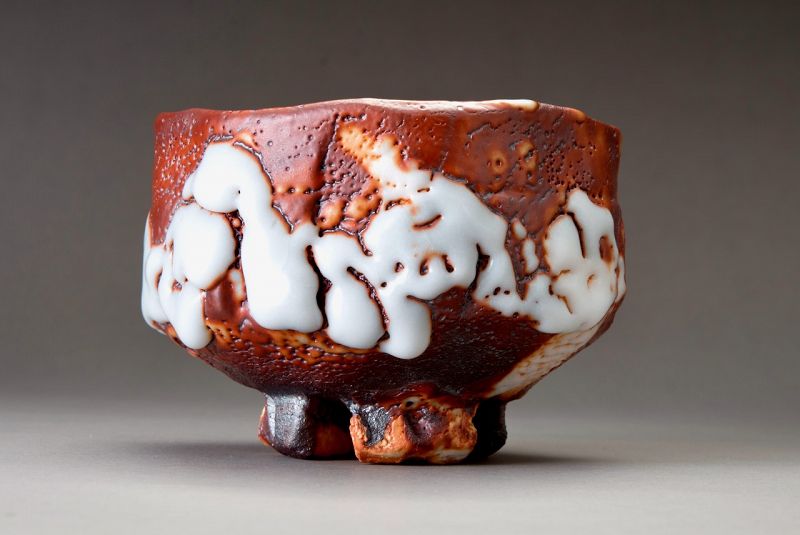
A stunning work of Shino-ware by veteran potter Hayashi Shotaro—winner of numerous awards for his bold and innovative style and widely recognized as one of the
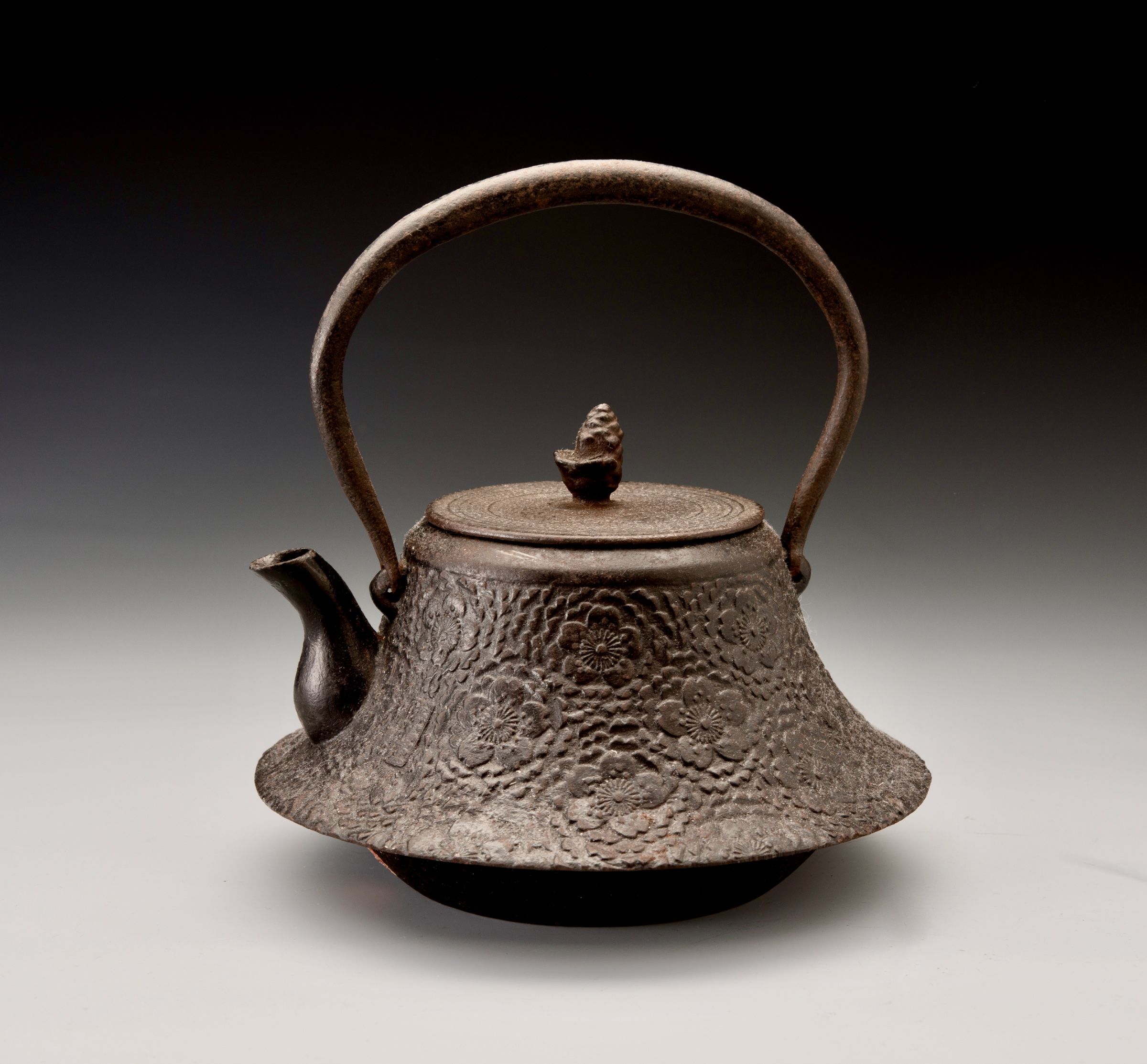
During the Meiji period in Japan, the humble iron kettle, known as a "tetsubin," emerged as an iconic symbol of traditional craftsmanship and functional artistr
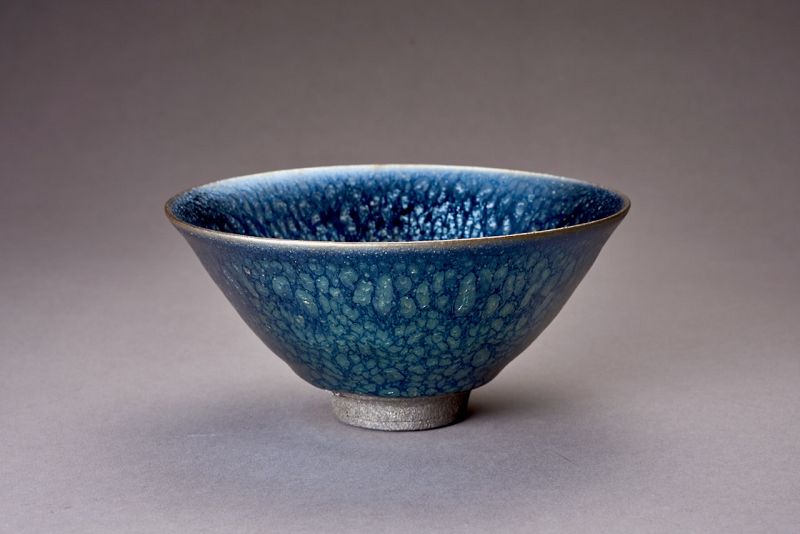
With origins stretching back over 1,000 years, Tenmoku pottery is thought to have first found its way to the shores of Japan in the 12th century by monks who br
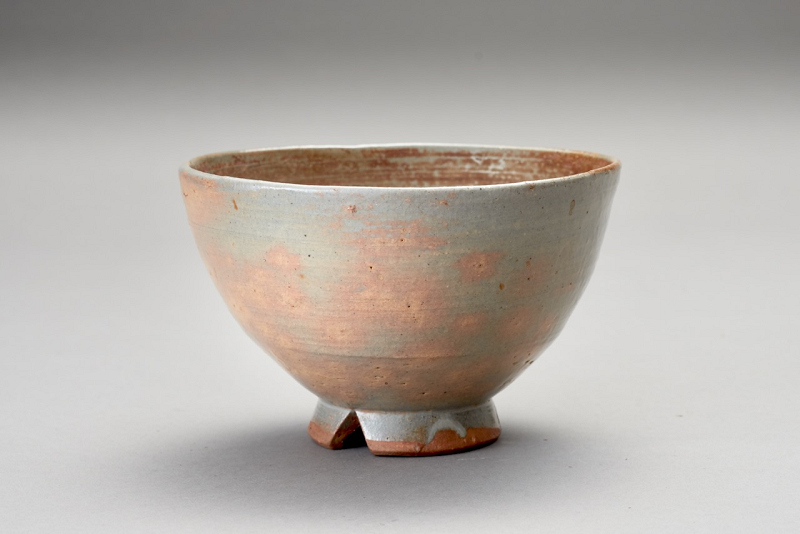
Here we see a quietly beautiful Korean tea bowl with a rounded, gently tapering form and a tall, dramatically notched foot. A translucent blue-grey glaze covers
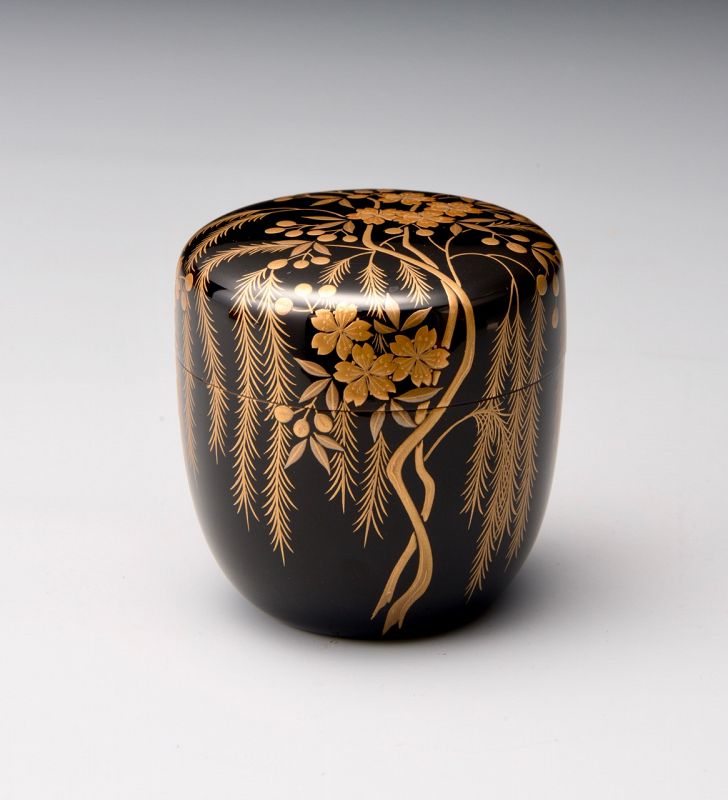
Exquisitely painted cherry blossoms (sakura) and willow branches (yanagi) on a background of jet-black traditional lacquer. The craftsman, Wakashima Takao (b. 1
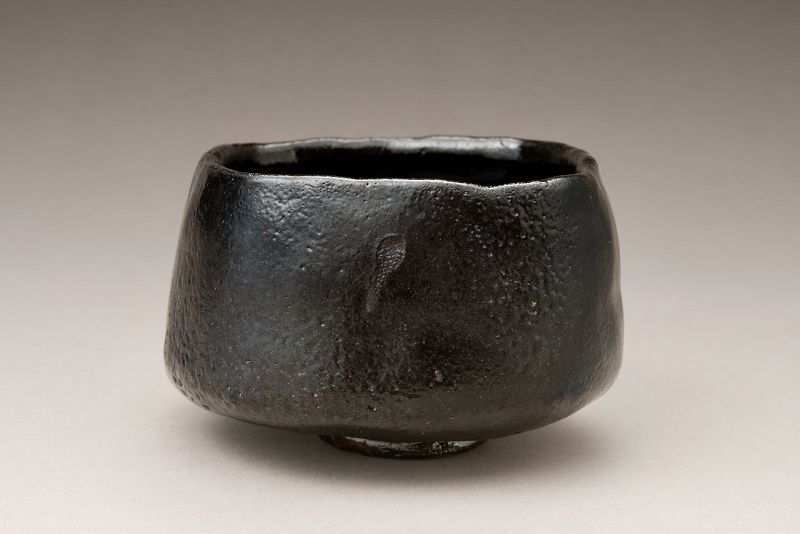
We have a particular interest in beautiful old Raku tea bowls and spend quite a bit of time searching for exceptional examples to include in our gallery. Here w
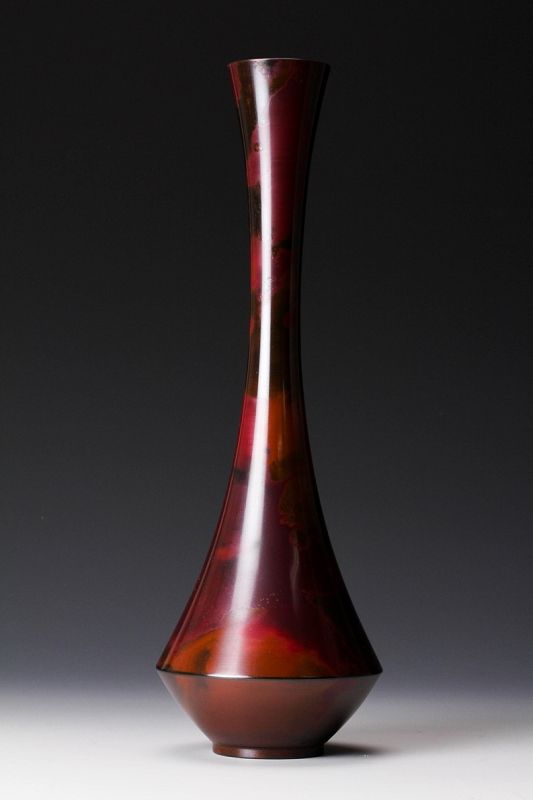
The style of this vase, known in Japanese as karakane (“kara” meaning Chinese and “kane” meaning copper), has been carried on by Japanese craftsmen since its th
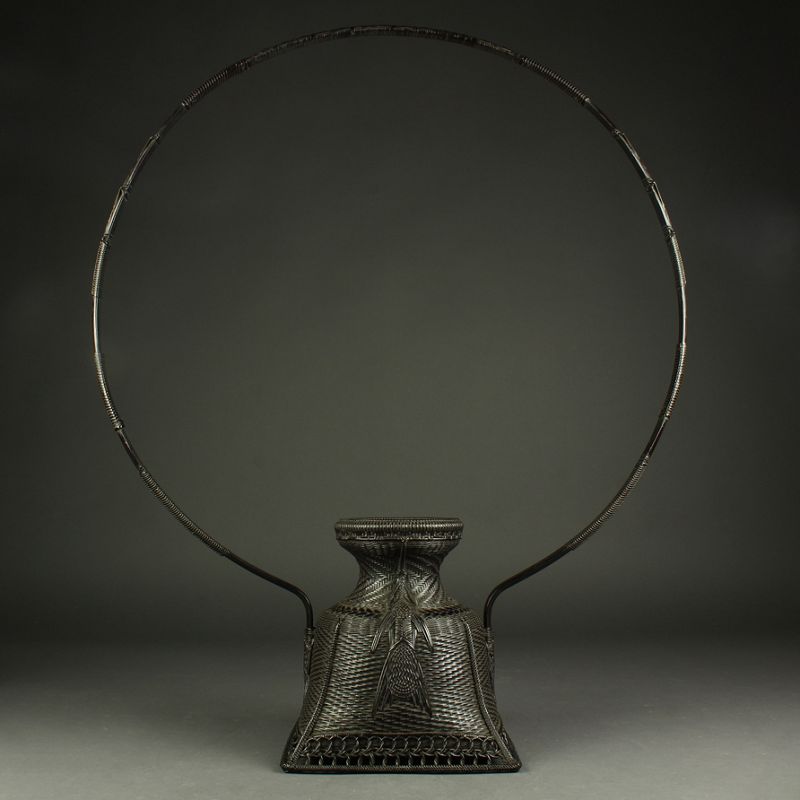
In Japan, woven baskets such as this are often referred to as “karamono” (Chinese style) to denote their stylistic origins tending towards symmetrical proportio
SOLD
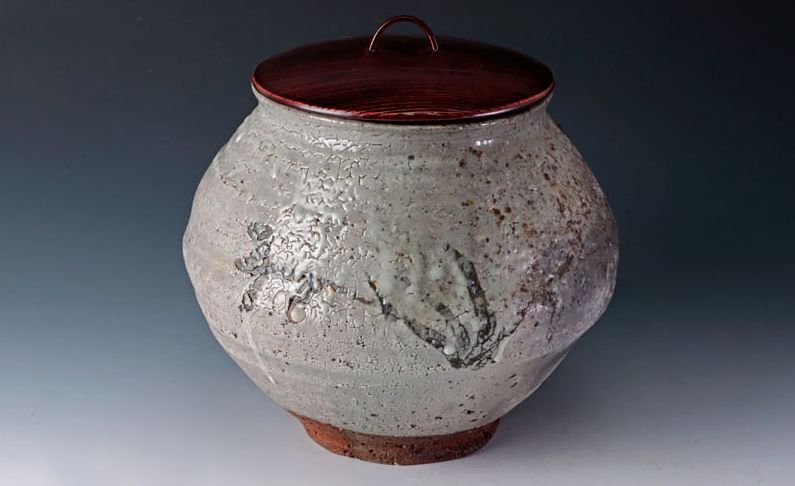
Like many pottery traditions in Japan, Karatsu takes its name from the city where it originated. As early as the 15th century, Korean potters heavily influenced
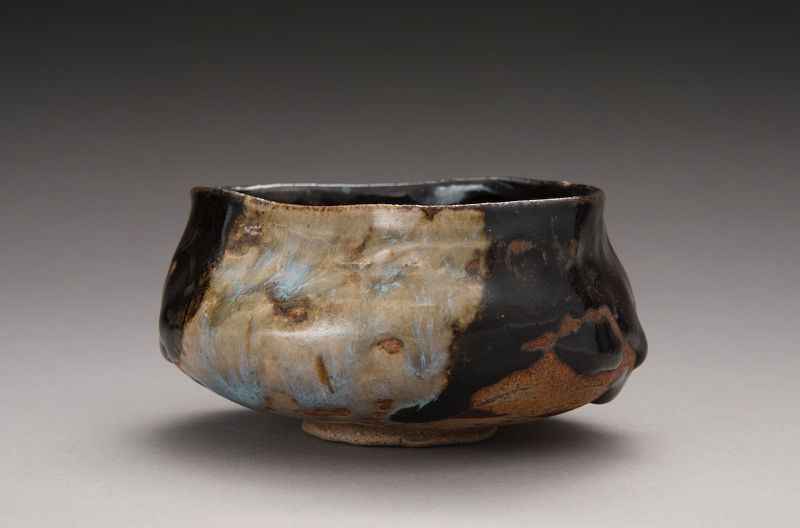
Oribe is a visual style named after the late-16th-century tea master Furuta Oribe (1544-1615). Kuro Oribe pieces are the most common with their jet-black glazes
SOLD
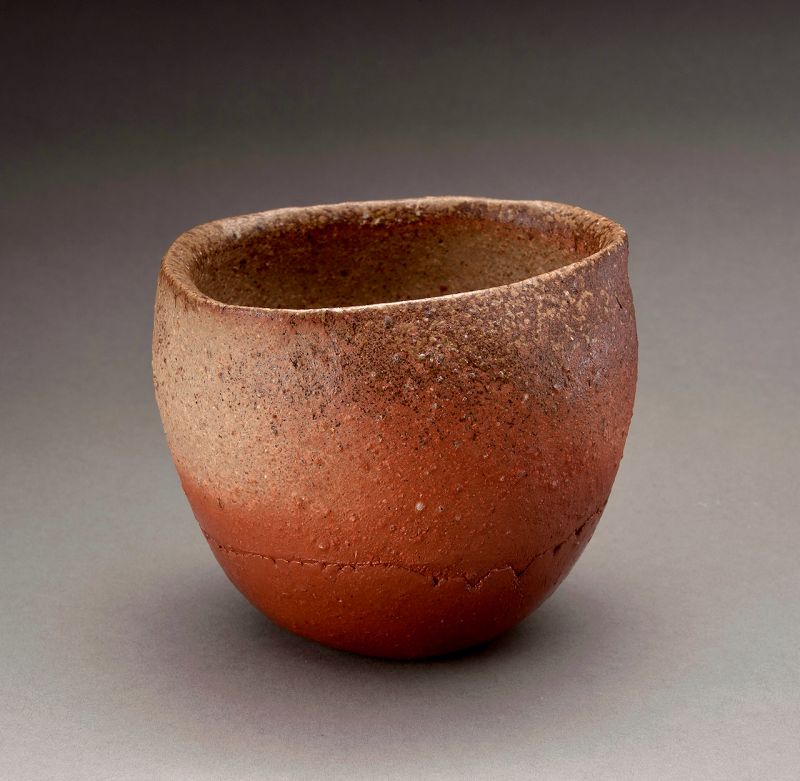
First born son to Living National Treasure Isezaki Jun, Koichiro (b. 1974) has quickly made a name for himself as an independent artist. Not content to rely sol
SOLD
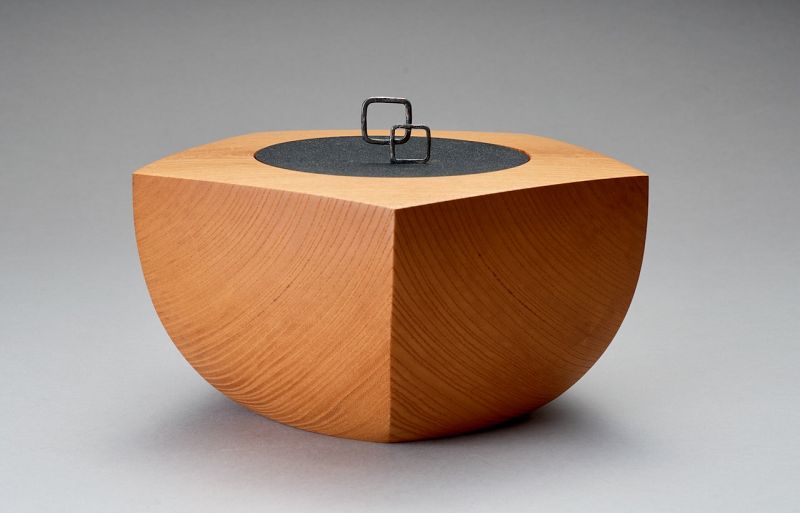
Carved from the trunk of a 400 year old zelcova tree, this lovely mizusashi for tea ceremony perfectly encapsulates the traditional craftsmanship surrounding Ja
SOLD
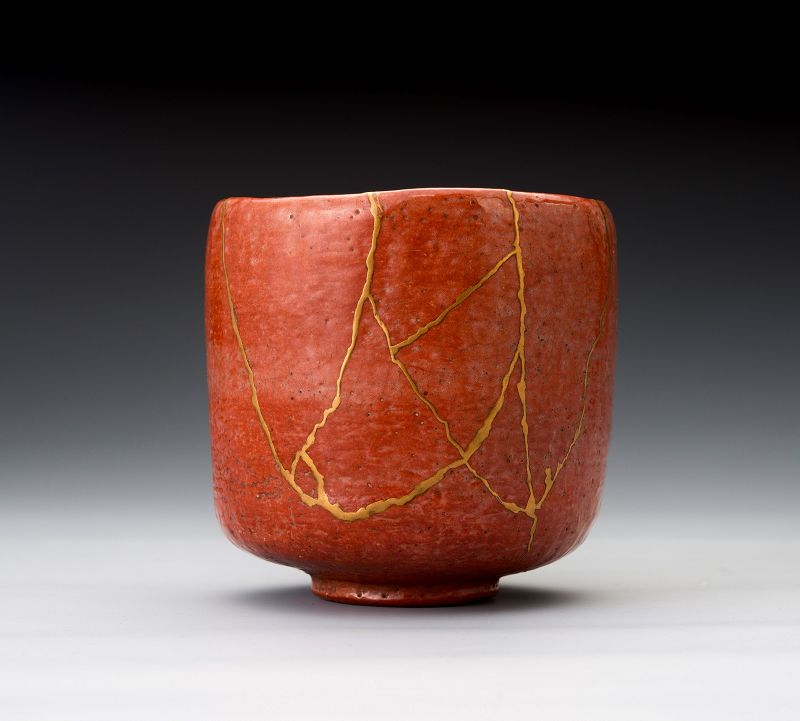
Over the years we have taken a special interest in Raku pottery, especially in pieces made by the original Raku family (16 generations) and by a branch kiln kno
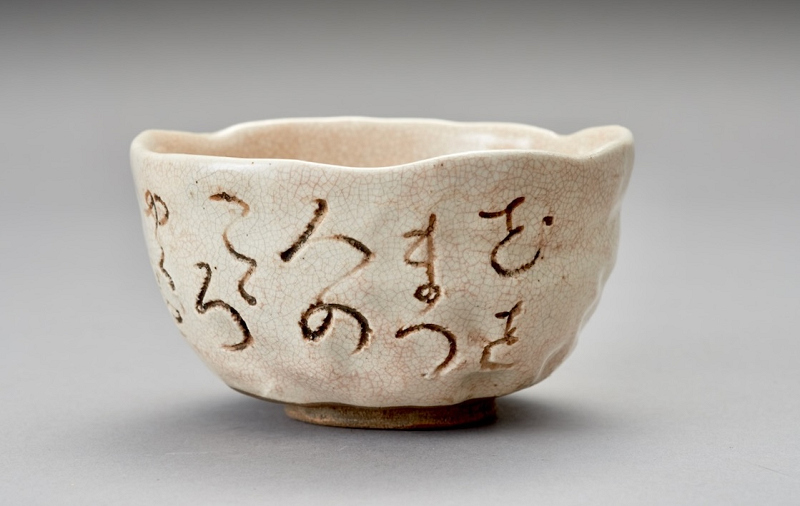
The poem etched on the side of this exceptional piece reads: 花を待つ人の心や雲となりて山の端ごとに立ちまよふらん The hearts of those waiting for flowers to blossom — have they turned in
SOLD
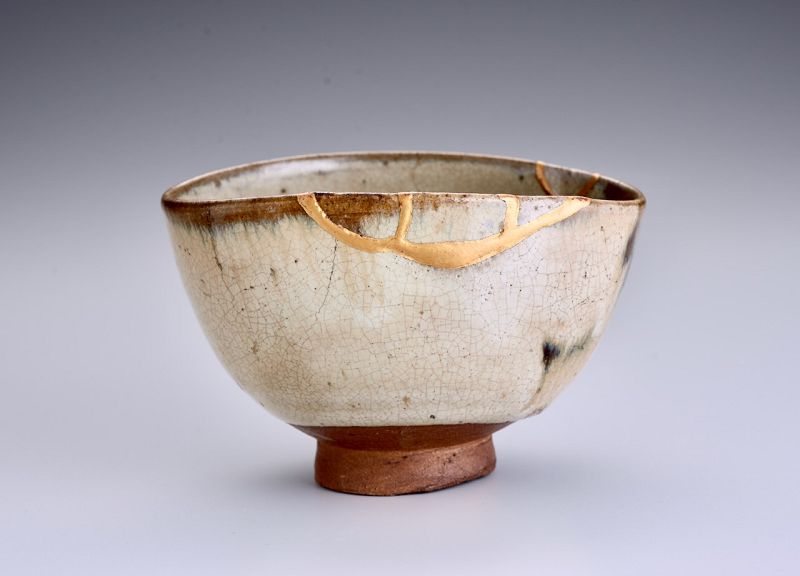
This kutsu-shaped (shoe-shaped) Karatsu tea bow, having stood quietly through the passage of ages is a superb example embodying both the serene beauty and power
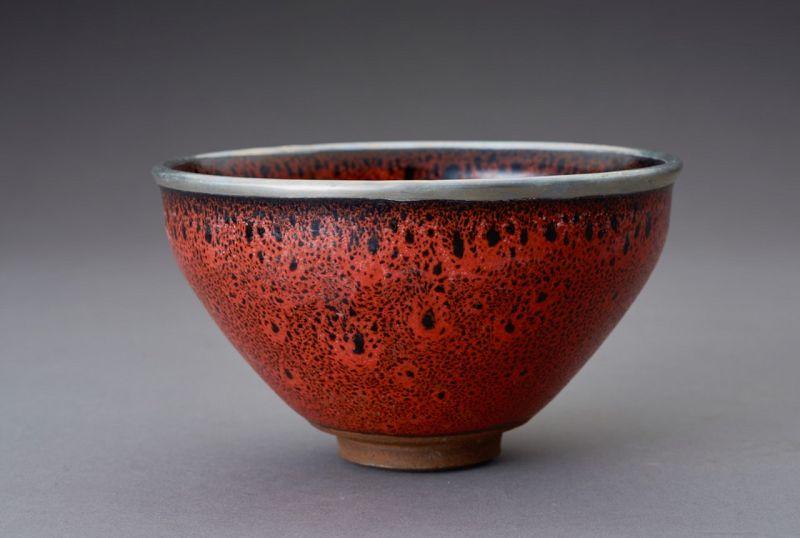
On the base of this tea bowl are the characters “供御” pronounced “Ku-go” in Japanese but “Gong-yu” in the original Chinese—translating in English to something li

Exquisitely painted willow branches (yanagi) on a background of jet-black traditional lacquer; this exquisite functional art object appeals not only to practiti
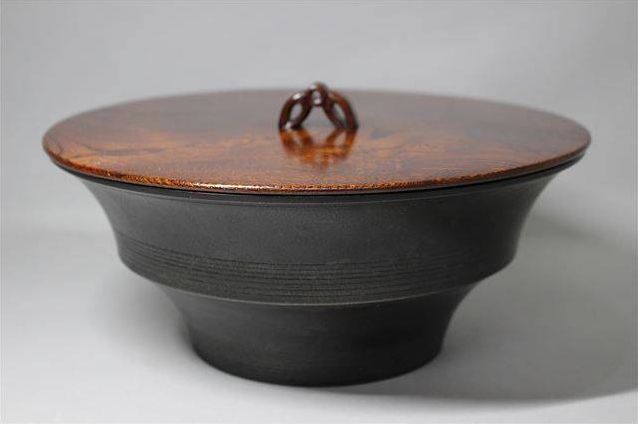
First presented at the Ishikawa Traditional Crafts Exhibition, this fine mizusashi crafted with extraordinary precision is a testament to the generational knowl
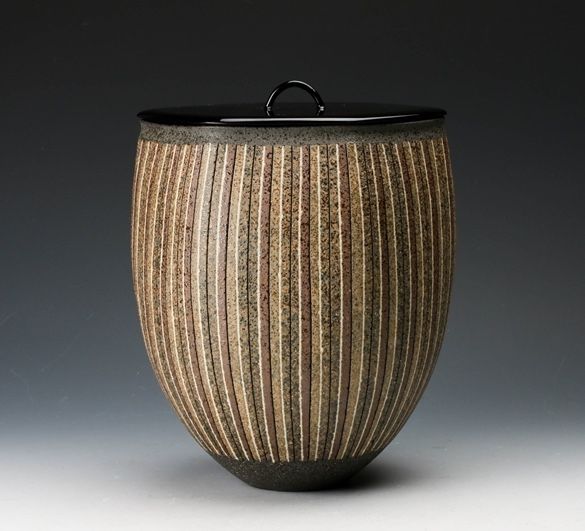
Japanese inlay ceramics (zōgan) are created by making incisions on the surface of a clay body which are then filled with various colored clays, creating a patte
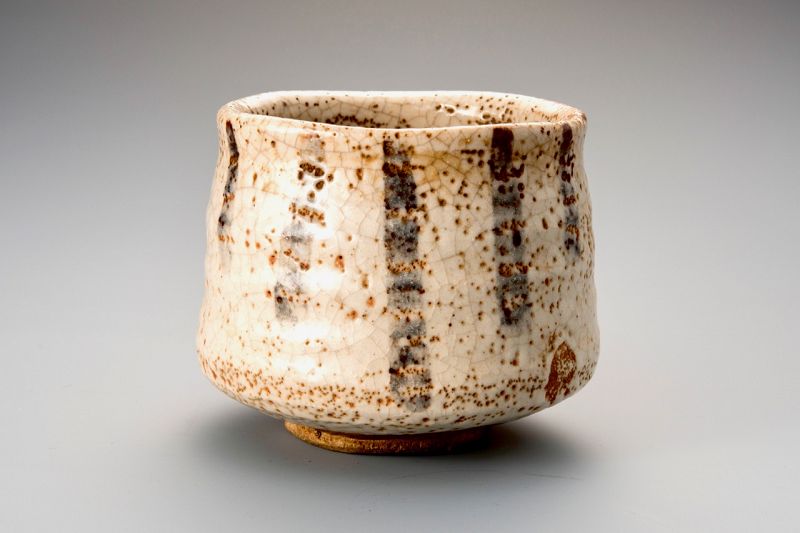
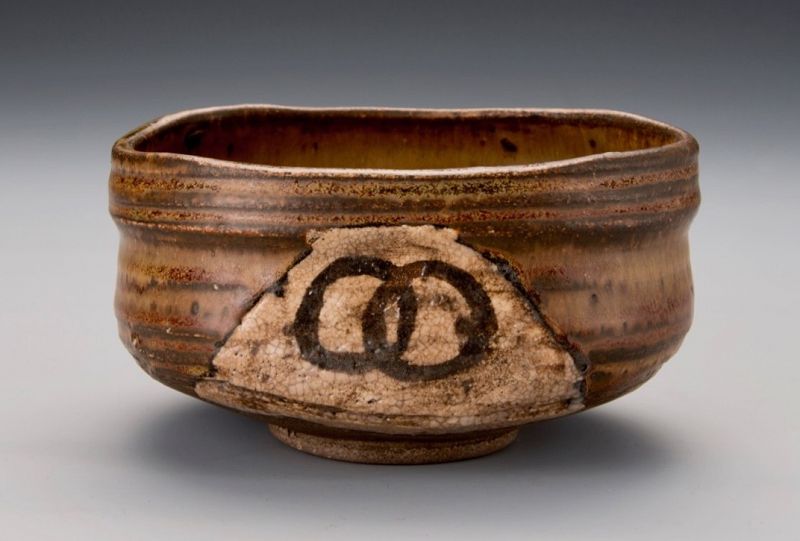
This lovely Shino tea bowl fashioned from coarse Mino clay is covered in feldspar glazing, has a classic ferrous abstract painting across the front, and shows n
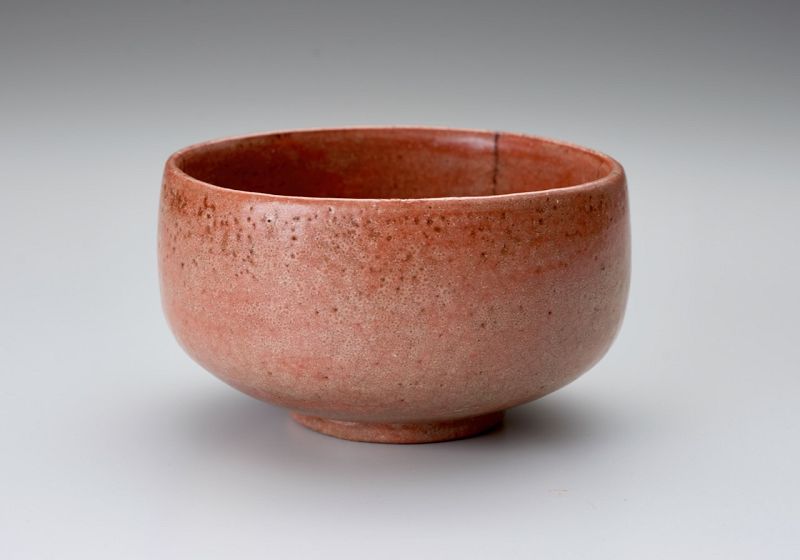
Over the years we have taken a special interest in Raku-ware and especially in works produced by the Tamamizu kiln, such as the 275+ year old ceremonial tea bow
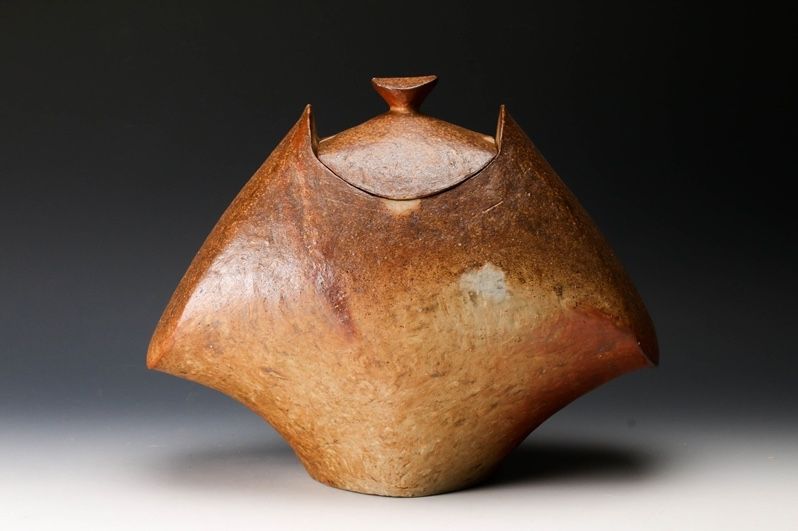
Traditional Japanese art tends to be timeless and inspiring in form, however, occasionally lacking in diversity and innovation. That is why artists who can inco
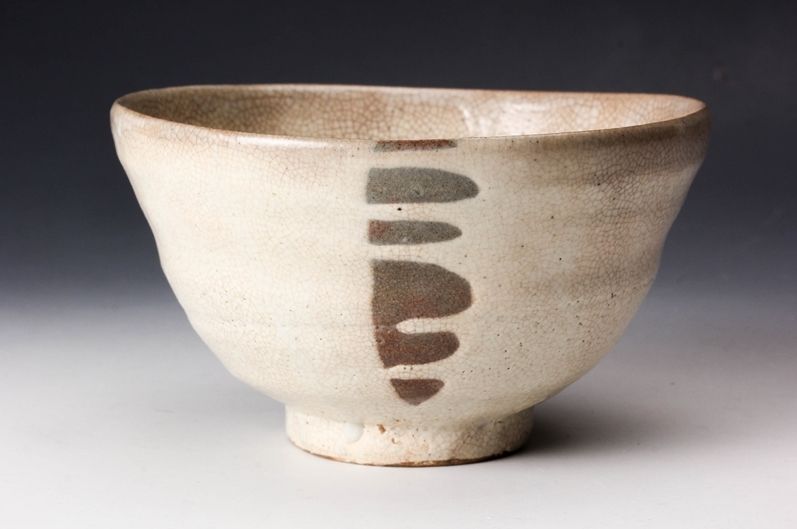
Kohiki is a traditional Japanese pottery style known for its simple and rustic aesthetic. It involves applying a white slip onto the vessel's surface, followed
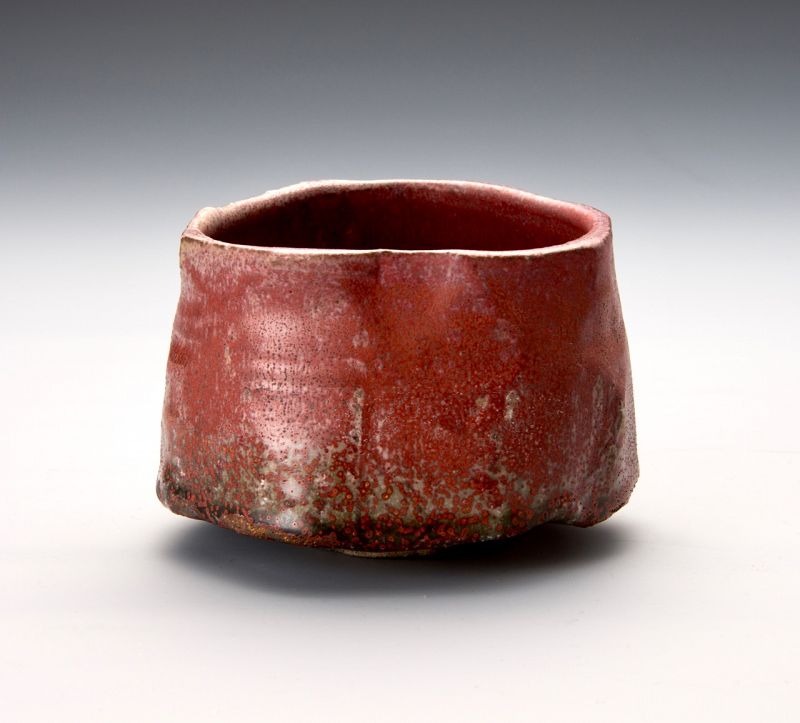
With pottery shards from excavated kilns dating back to the 5th Century, Mino-ware is one of the oldest and most revered pottery traditions in all of Japan. Tho
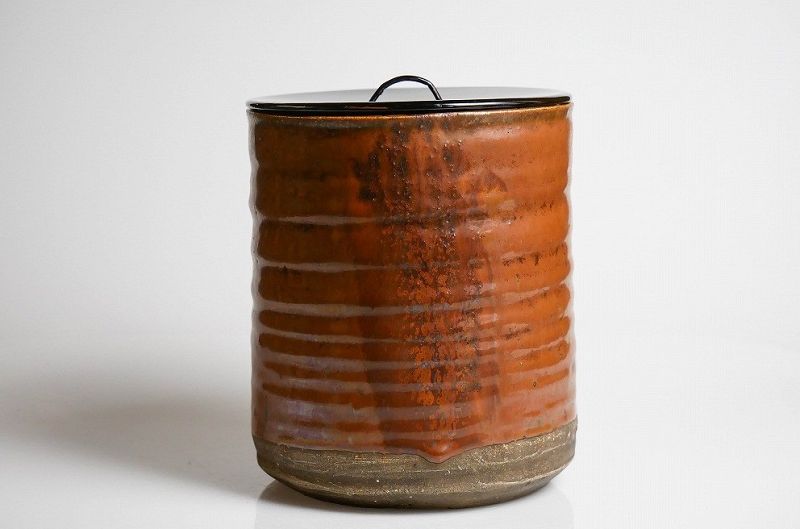
Seto is a pottery tradition established in the 12th century with the aim of reproducing fine Chinese porcelain and tenmoku-style tea bowls—which were hard to co
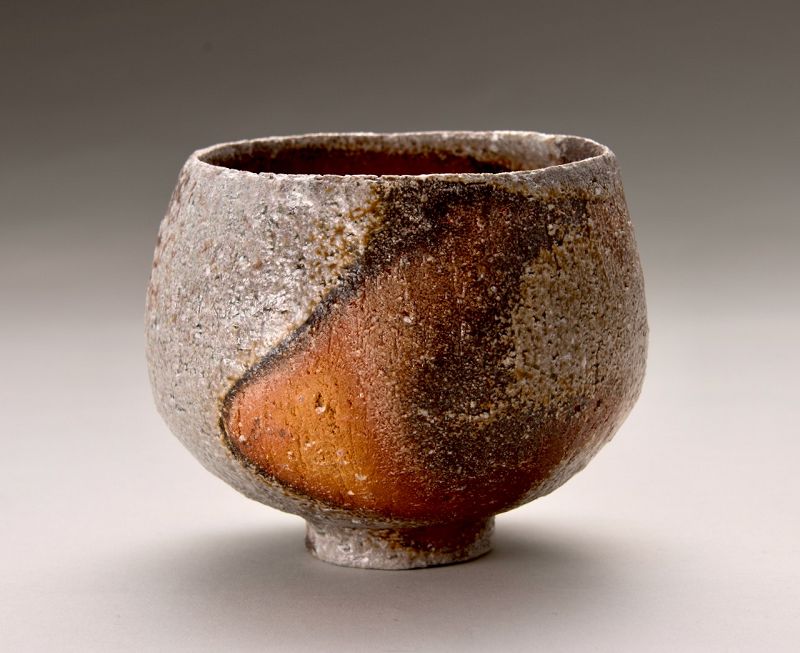
The artist who produced this piece, Wataru Motomura, prides himself in living a traditional life in the eastern hills of Kyoto—long known for its rich clay and
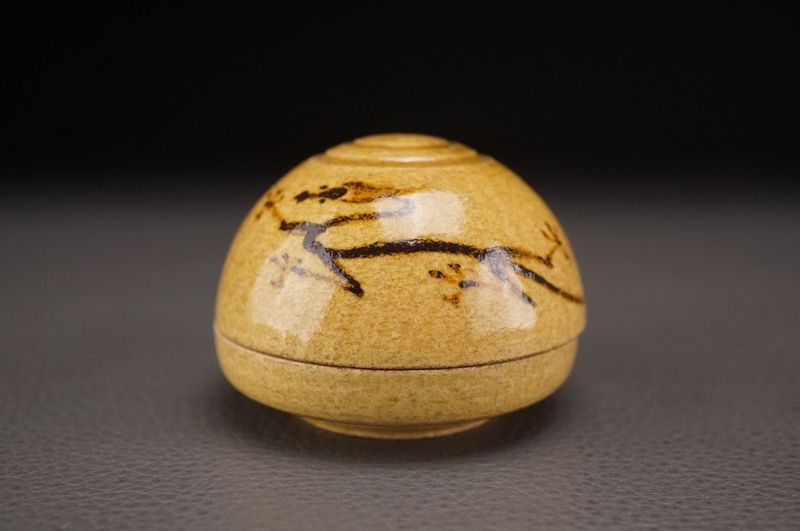
An often overlooked implement in tea ceremony, here we have the humble kogo (incense box) with an image of a sleek and flowing dragon. Commonly thought to repre
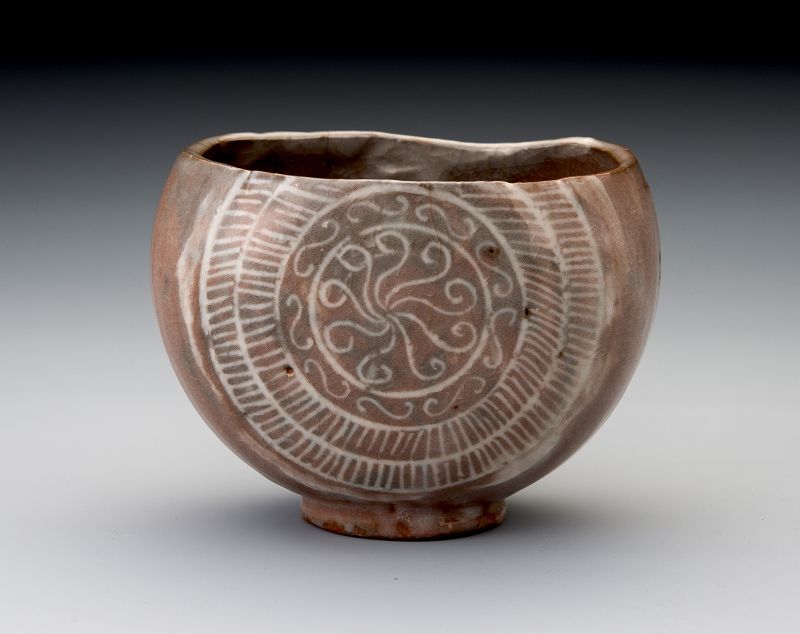
Appearing to be from a 2006 excavation site in Tokyo known to be a former residence of the Owari Tokugawa clan—the most senior contingent of the Tokugawa clan t
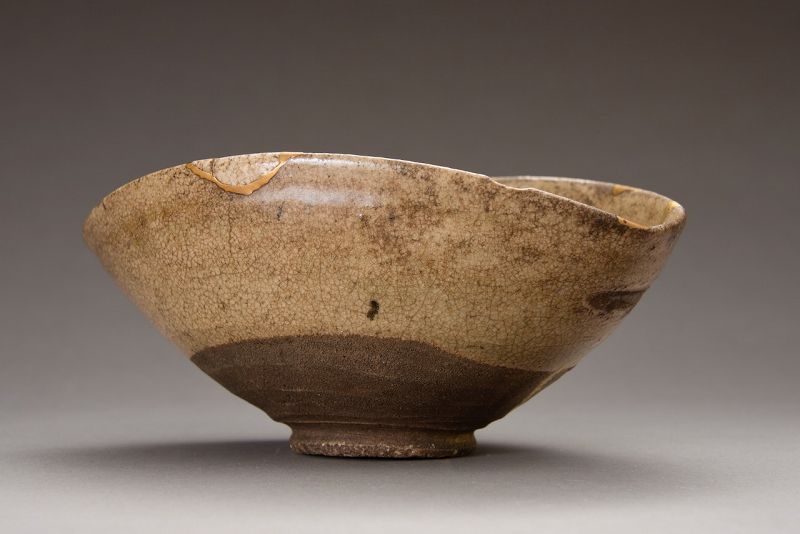
At various times over the long history of tea practice in Japan, Korean-ware has come into high fashion and ships full of the finest ceramics from the neighbori
SOLD
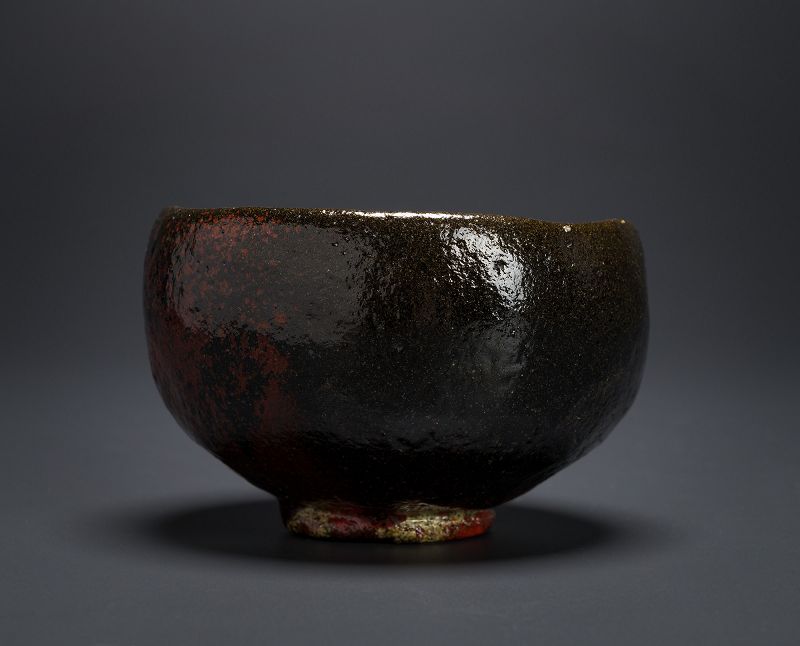
A beautiful example of Ohi inspired Raku-ware; the body of this stylish tea vessel is a mix of a dark black gradating to charcoal grey with undertones of reddis
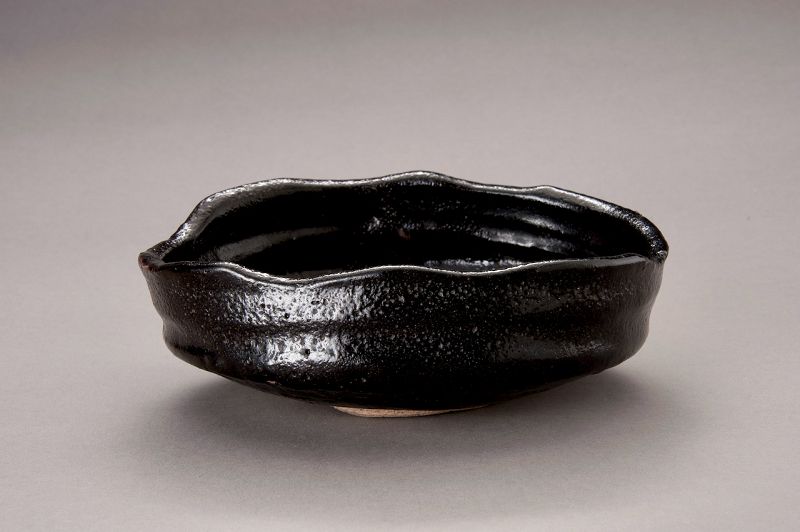
Living in Kyoto it is not uncommon to come across beautiful antique tea bowls, however, finding pieces that are in good condition, aesthetically compelling, and
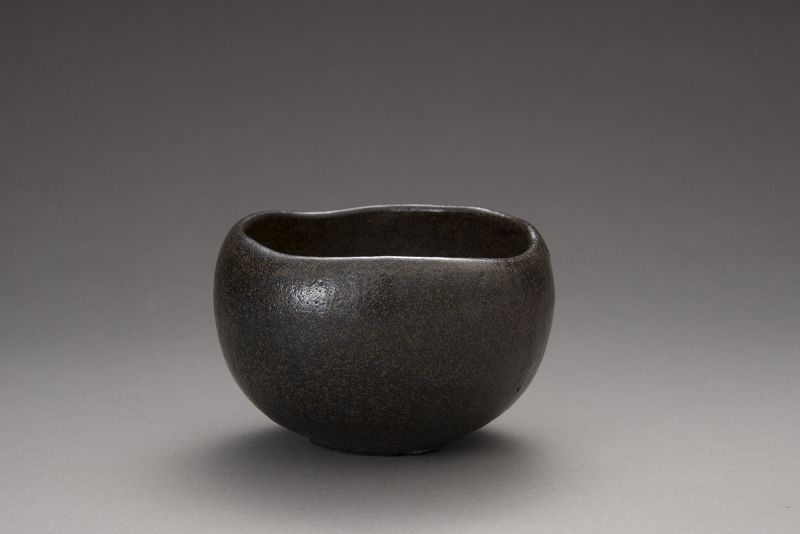
An excellent offering from Higaki Ryota of Katsura Kiln, this piece displays a classic and iconic shape coupled with a beautiful Kase-guro glaze said to be used
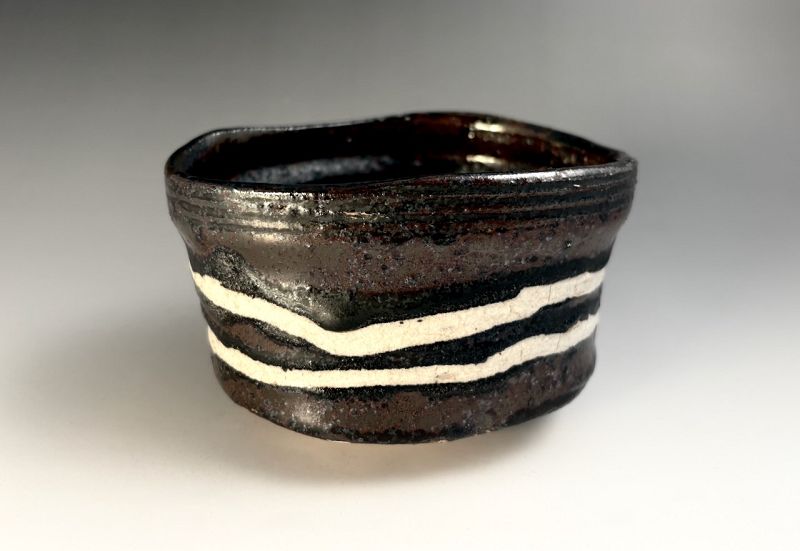
Oribe is a visual style named after the late-16th-century tea master Furuta Oribe (1544-1615). Typically, black or green glazes are applied to the bodies of the
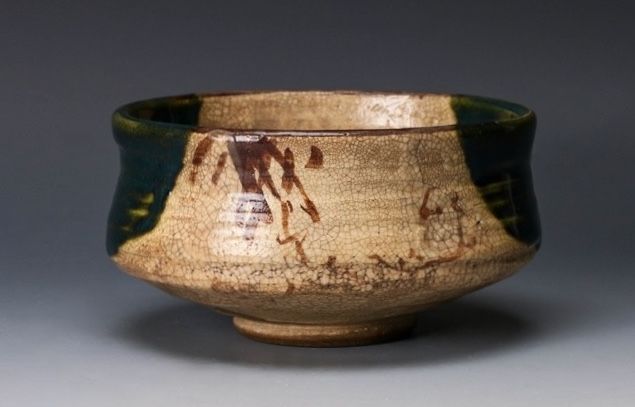
Oribe is a visual style named after the late-16th-century tea master Furuta Oribe (1544-1615). Typically, black or green glazes are applied to the bodies of the
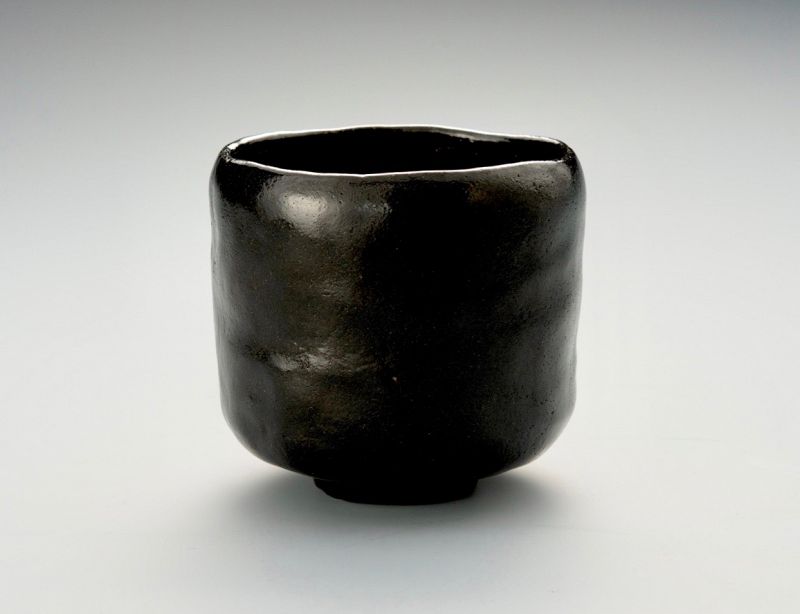
Crafted by one of the most well-known potting families from the Meiji period (Ito Tozan), this black Raku tea bowl displays a glossy sheen and gentle swells rip
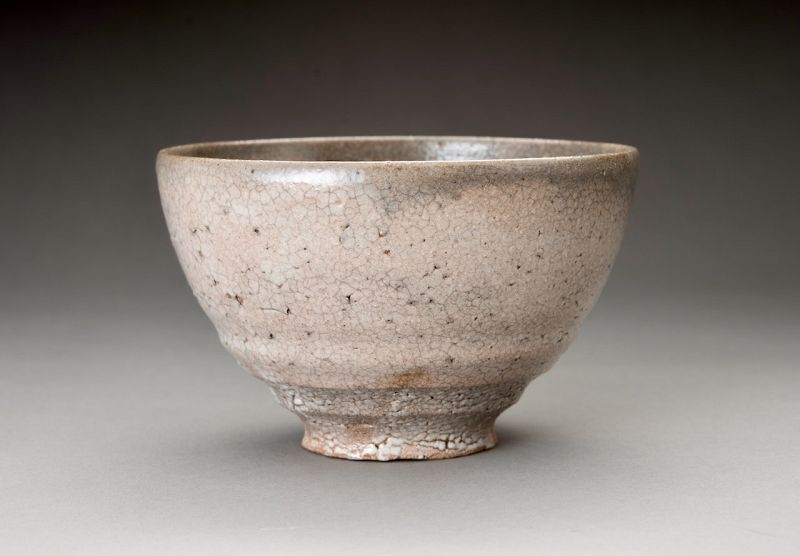
A very interesting chawan (tea bowl) dating from the Korean Joseon period (Richō in Japanese; 1392-1897). This particular piece appears to be from the 17th or 1
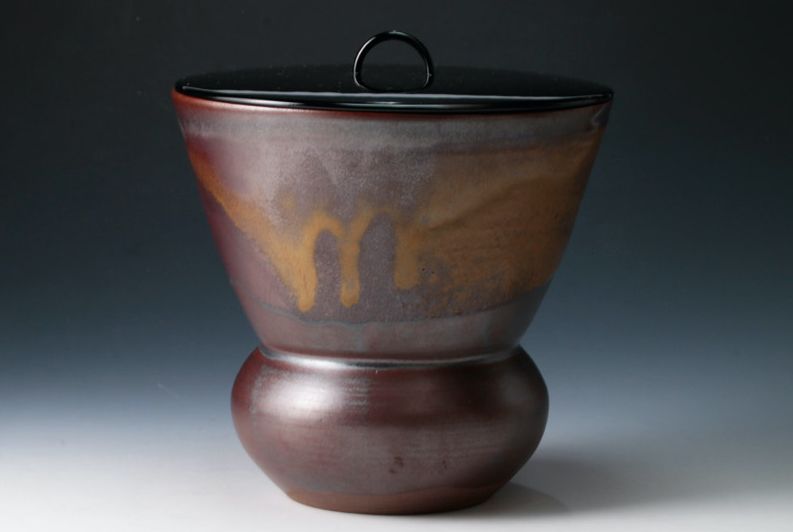
Over 400 years ago the first Takatori potter, the Korean craftsman known as “Hachizan,” was brought to Japan by the powerful Kuroda clan and was tasked with est
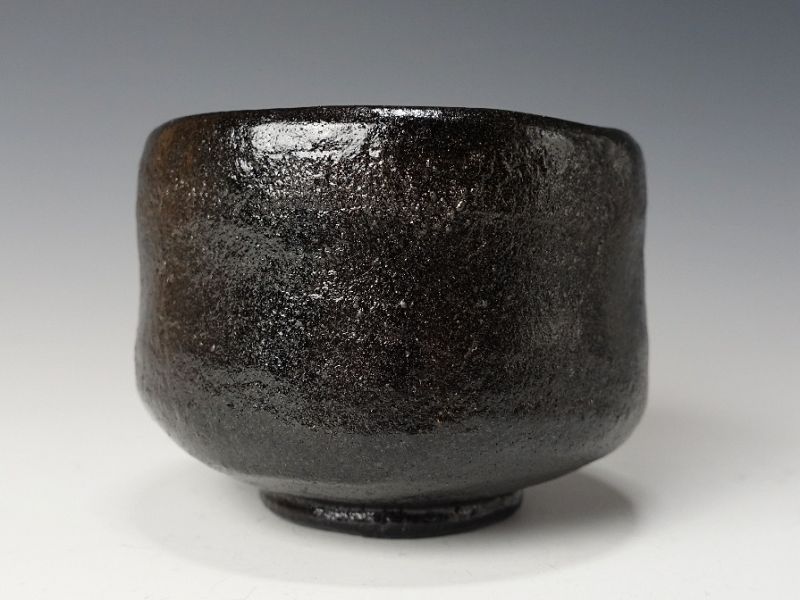
With a masterfully applied black Raku glaze and a noticeable aesthetic of austerity and stillness, this piece is what is refereed to in Japanese as an “utsushi”
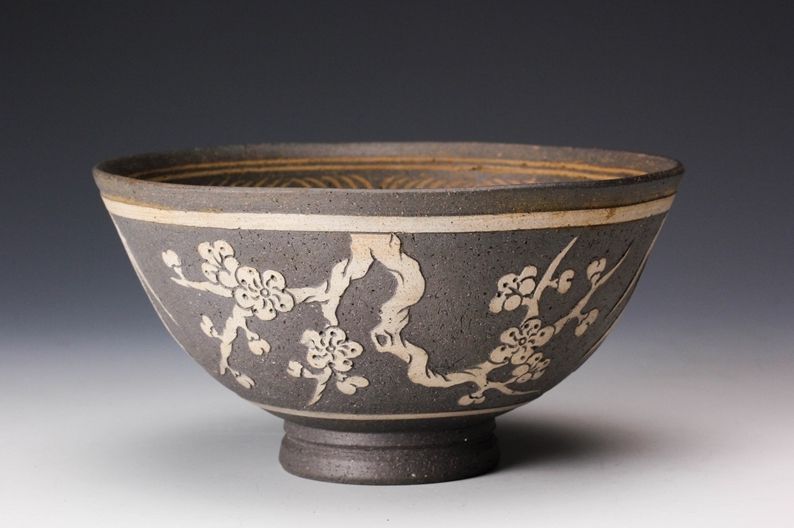
Being based in Kyoto we occasionally come across fine Chinese and Korean tea-ware to mix in with our Japanese offerings. Here we have an example of a ceremonial
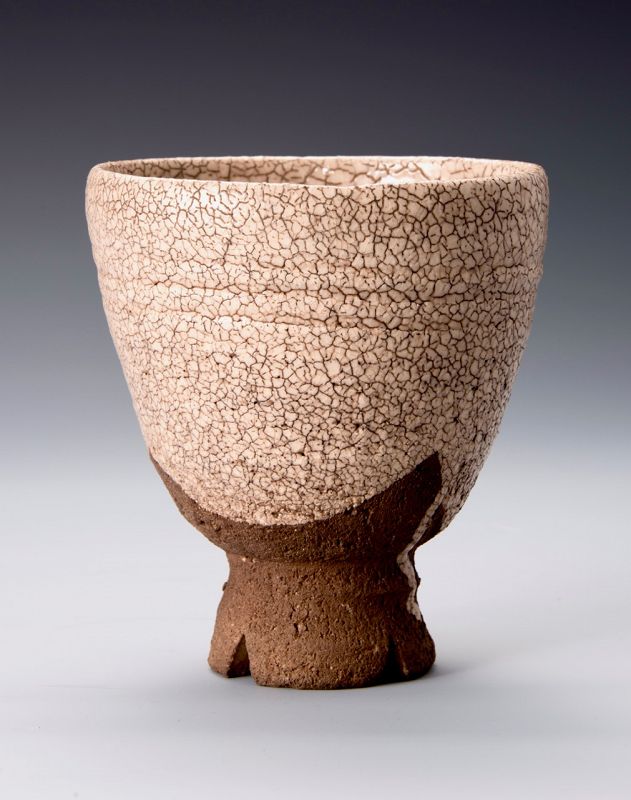
This tall and lovely Hagi chawan rests firmly on a wari kodai or “split foot” pedestal that is unglazed—displaying the coarse rich clay. The crackled milky glaz
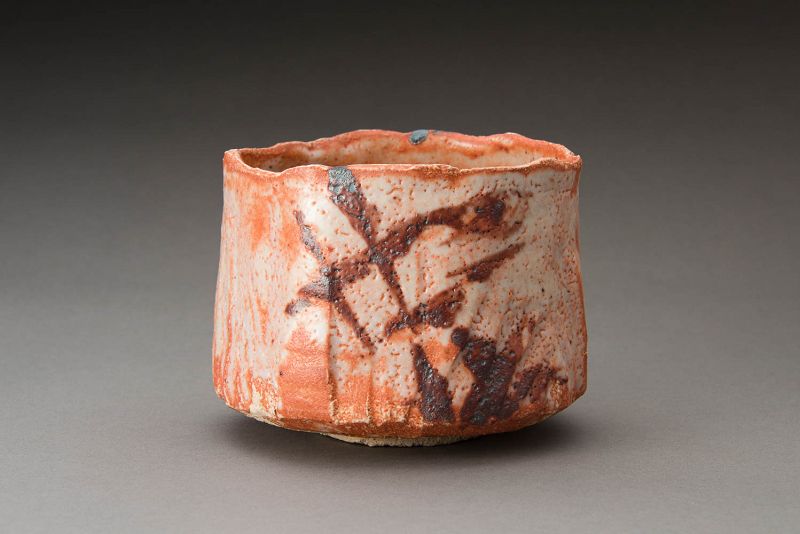
Occasionally while browsing through the temple markets of Kyoto or perusing backstreets tea-ware shops, an attractive piece will catch my eye for no particular
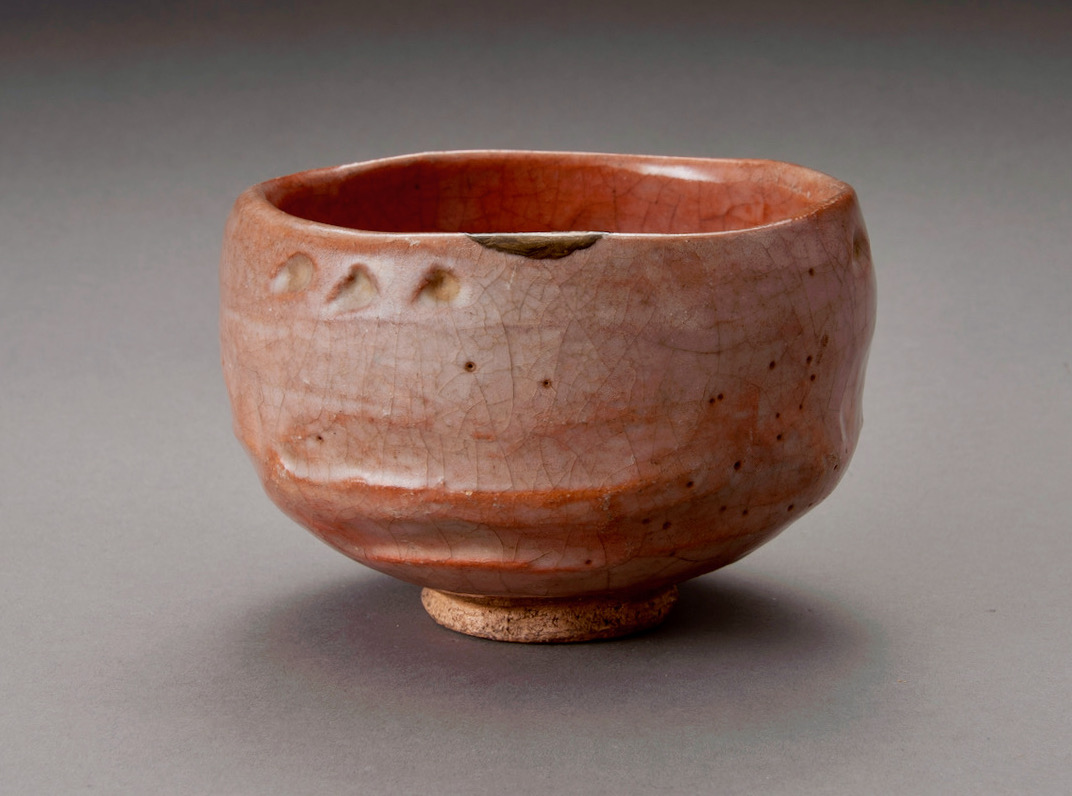
Over the years we have taken a special interest in Raku-ware and especially in works produced by the Tamamizu kiln, such as the 300+ year old ceremonial tea bow
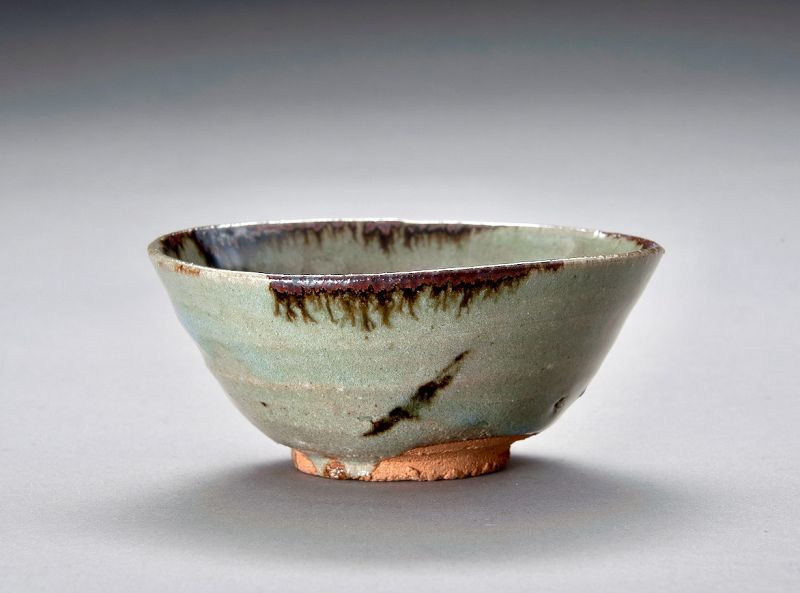
Accents formed using iron pigment stand out across a backdrop of blue-green glaze. The base and a portion of the inside of this ceremonial tea bowl are unglazed
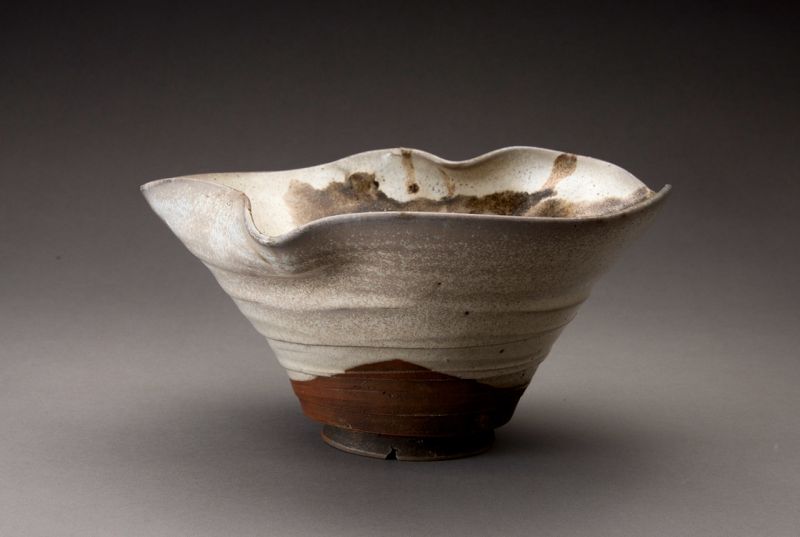
Sometime around the year 1600 the first Takatori kiln was constructed at the foot of Mt Takatori in Fukuoka. This tradition was based on styles created by Korea
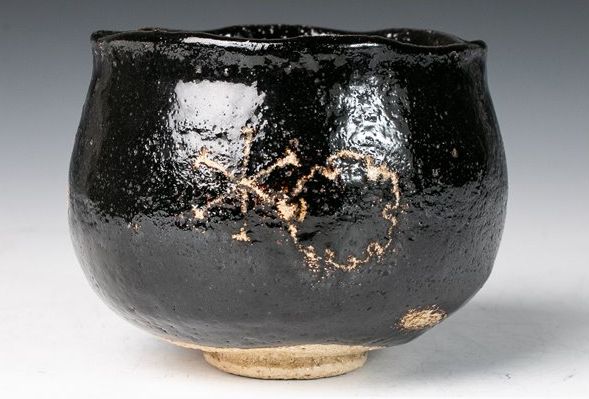
When the founder of the Urasenke style of tea ceremony, Senso Soshitsu (1622 -1697) was invited to Kanazawa as the lord of the tea ceremony for the powerful Kag
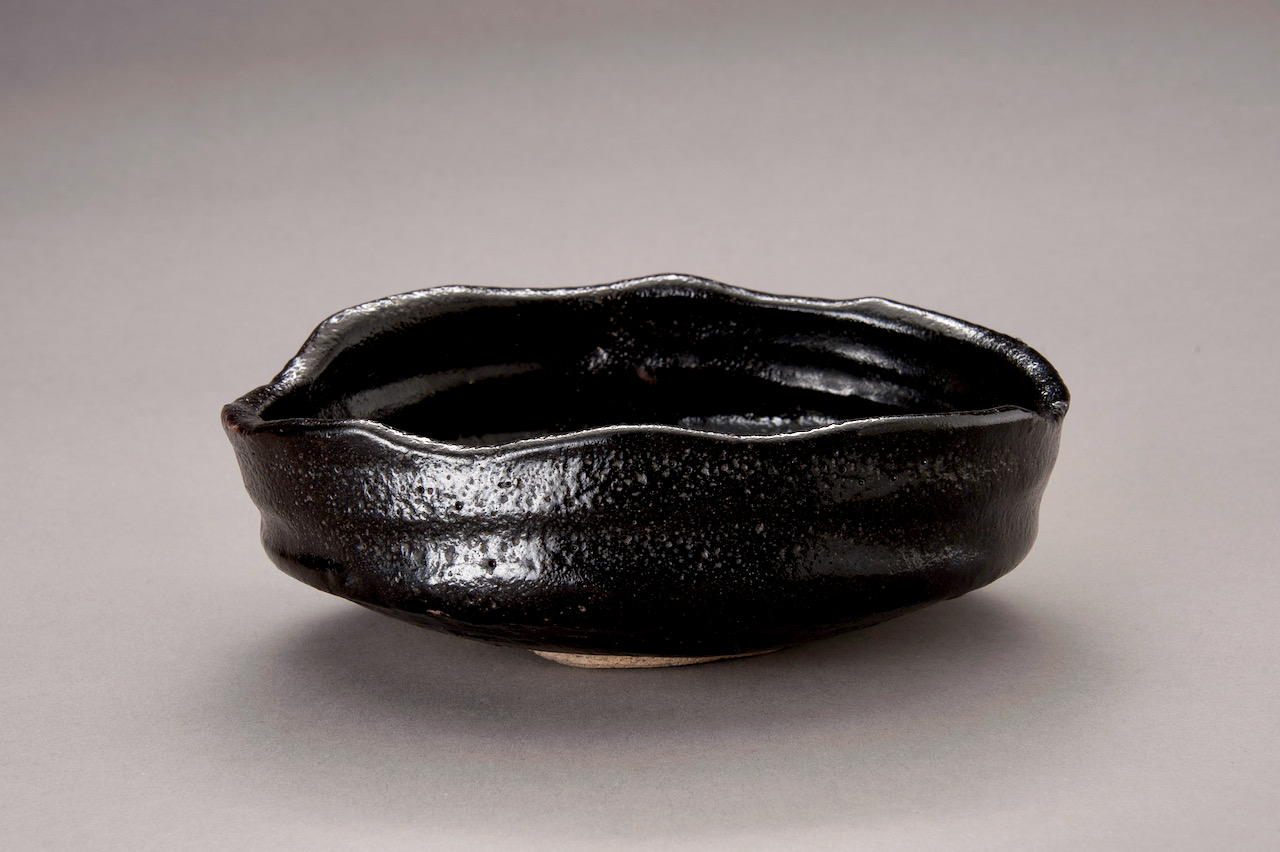
Living in Kyoto it is not uncommon to come across beautiful antique tea bowls, however, finding pieces that are in good condition, aesthetically compelling, and
Oribe is a visual style named after the late-16th-century tea master Furuta Oribe (1544-1615). Typically, black or green glazes are applied to the bodies of the