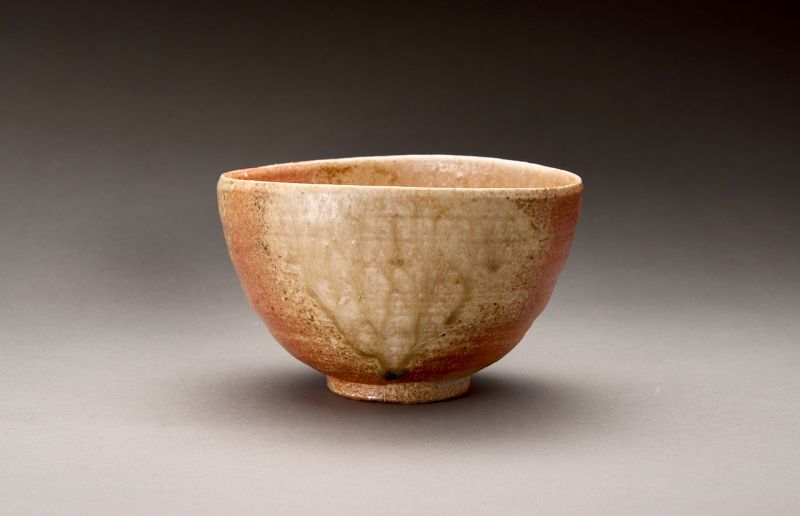
A Shigaraki Tea Bowl by Sugimoto Sadamitsu
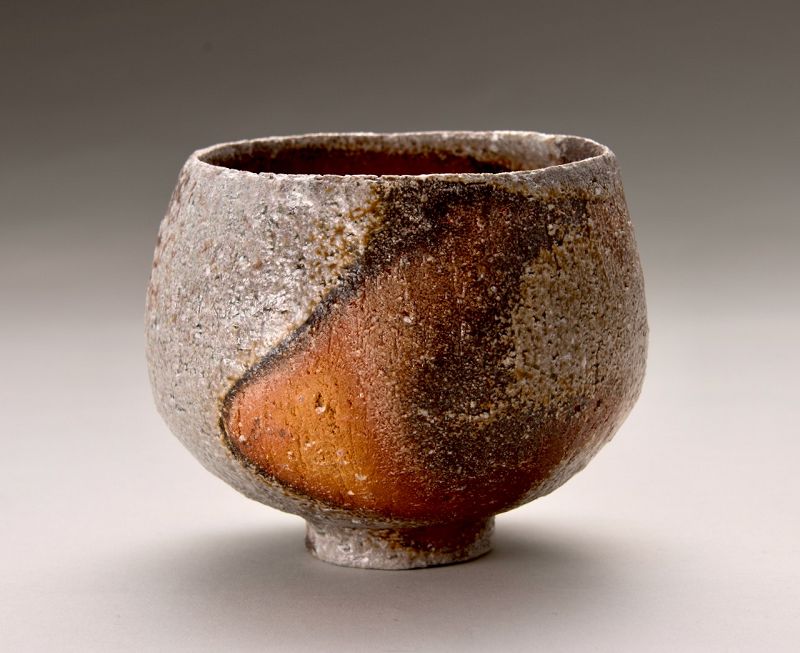
Sugimoto Sadamitsu (b. 1935) is one of the most important Shigaraki potters alive today and continues to create master works into his old age. Originally a resi
Selected by shared artwork type, categories, artist and era. Available works appear first.
Back to the artwork · Browse the full collection
Sugimoto Sadamitsu (b. 1935) is one of the most important Shigaraki potters alive today and continues to create master works into his old age. Originally a resi
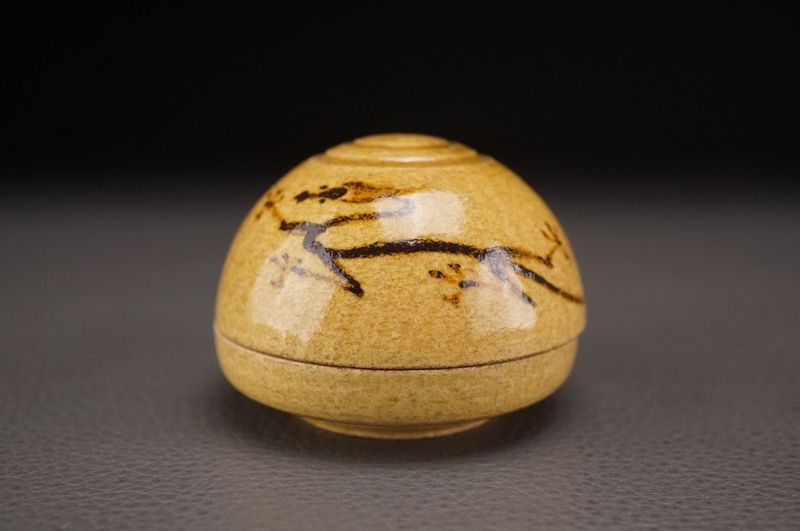
An often overlooked implement in tea ceremony, here we have the humble kogo (incense box) with an image of a sleek and flowing dragon. Commonly thought to repre
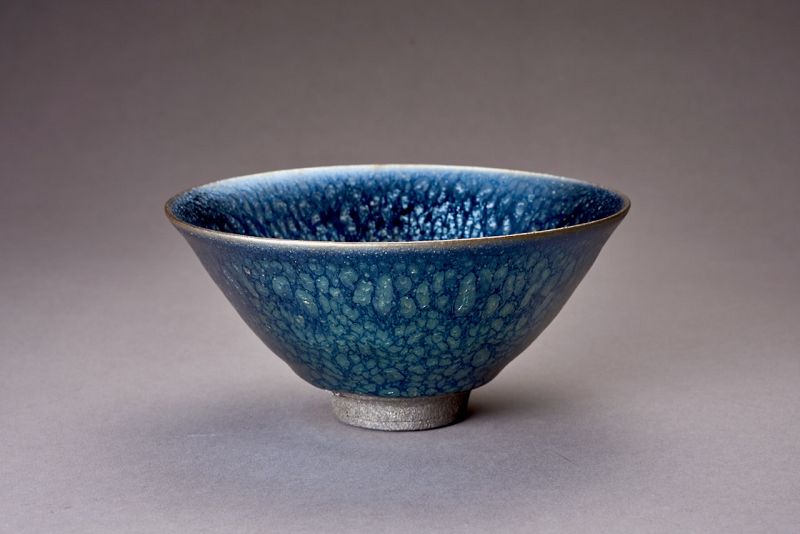
With origins stretching back over 1,000 years, Tenmoku pottery is thought to have first found its way to the shores of Japan in the 12th century by monks who br
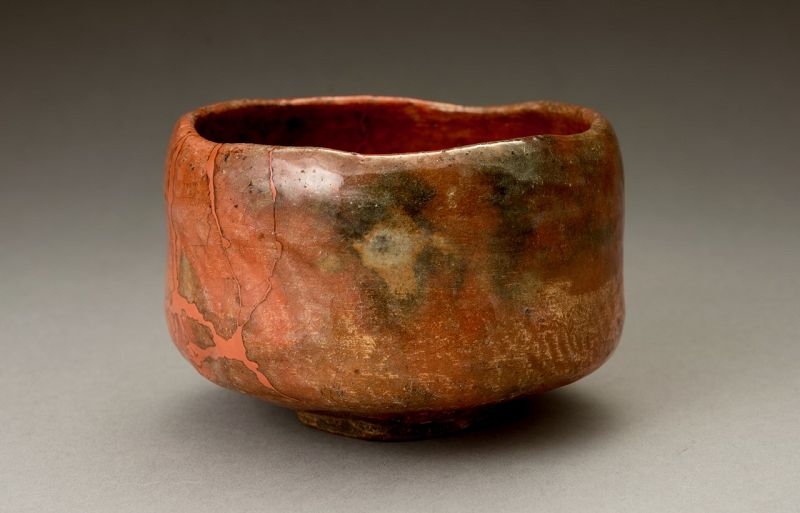
Price on Request Raku-ware carries with it a very naturalistic aura; with its implements made of raw clay, its use of fire/ water/ and air to shape and harden t
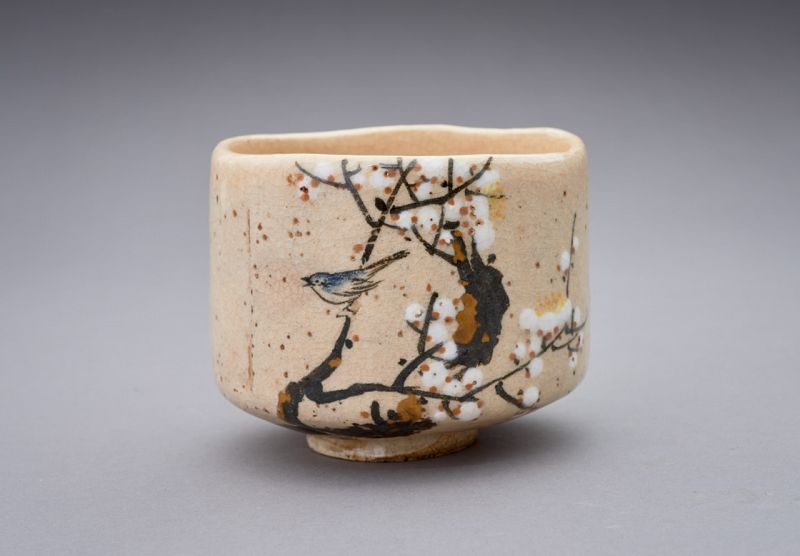
One of the most prominent potters of the Meiji period and one of only five to ever be appointed as Imperial Court Artist, the name Tozan is synonymous with fine
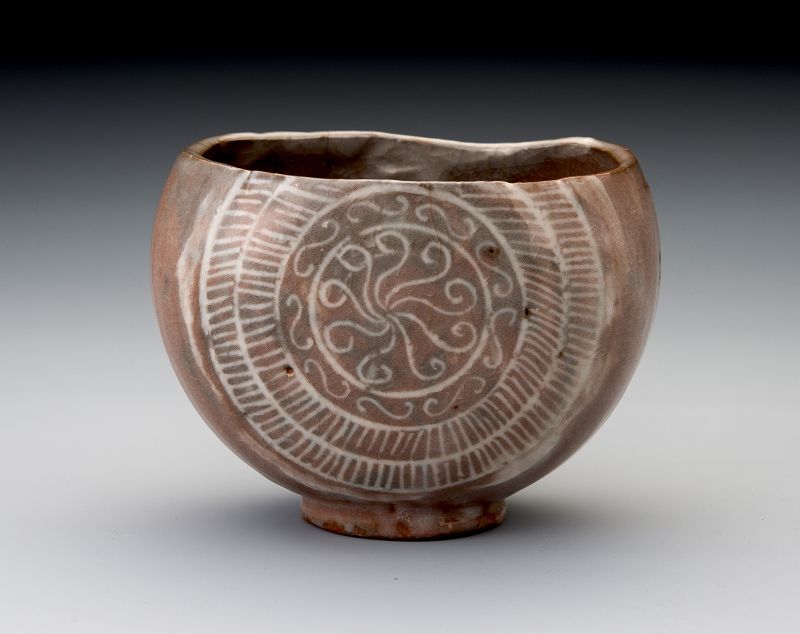
Appearing to be from a 2006 excavation site in Tokyo known to be a former residence of the Owari Tokugawa clan—the most senior contingent of the Tokugawa clan t
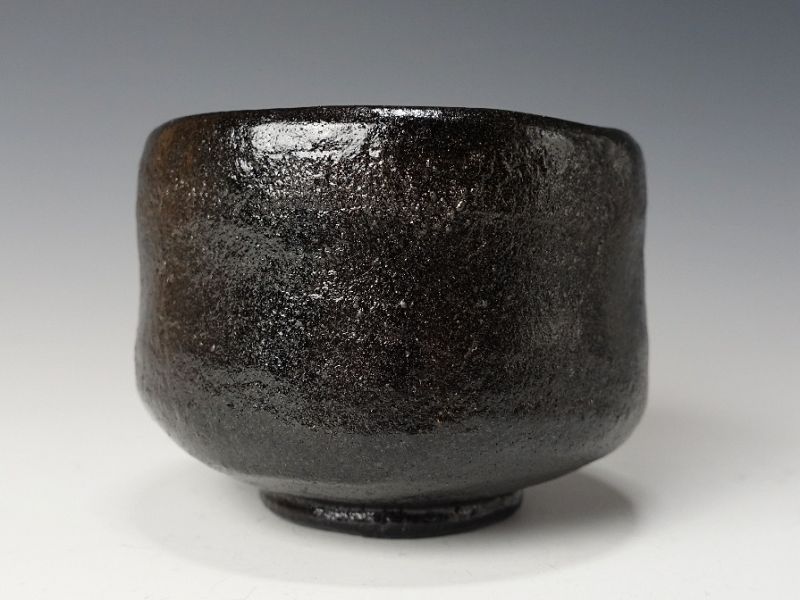
With a masterfully applied black Raku glaze and a noticeable aesthetic of austerity and stillness, this piece is what is refereed to in Japanese as an “utsushi”
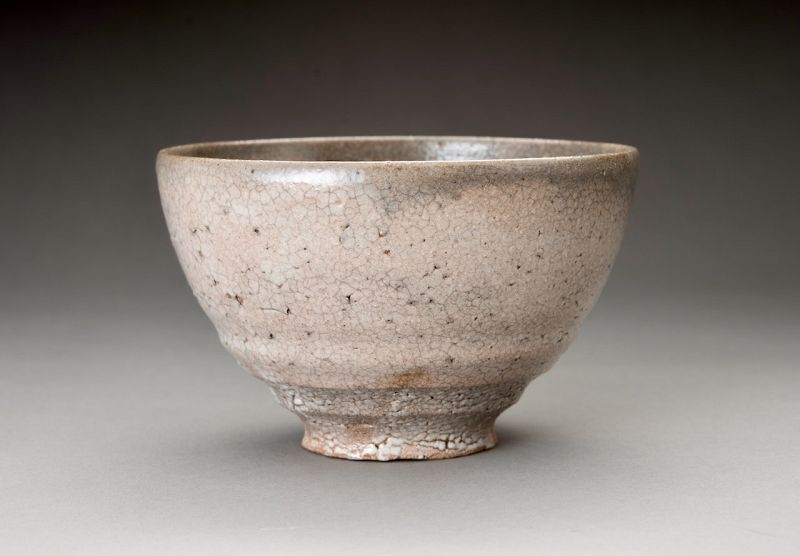
A very interesting chawan (tea bowl) dating from the Korean Joseon period (Richō in Japanese; 1392-1897). This particular piece appears to be from the 17th or 1
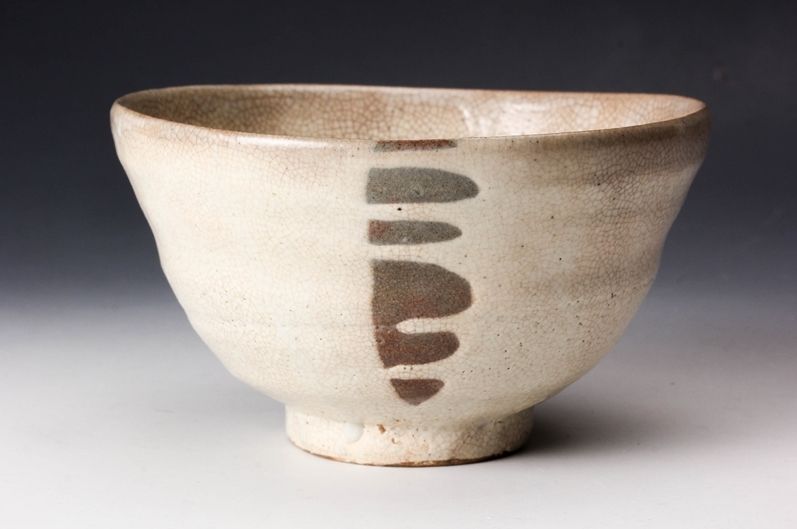
Kohiki is a traditional Japanese pottery style known for its simple and rustic aesthetic. It involves applying a white slip onto the vessel's surface, followed
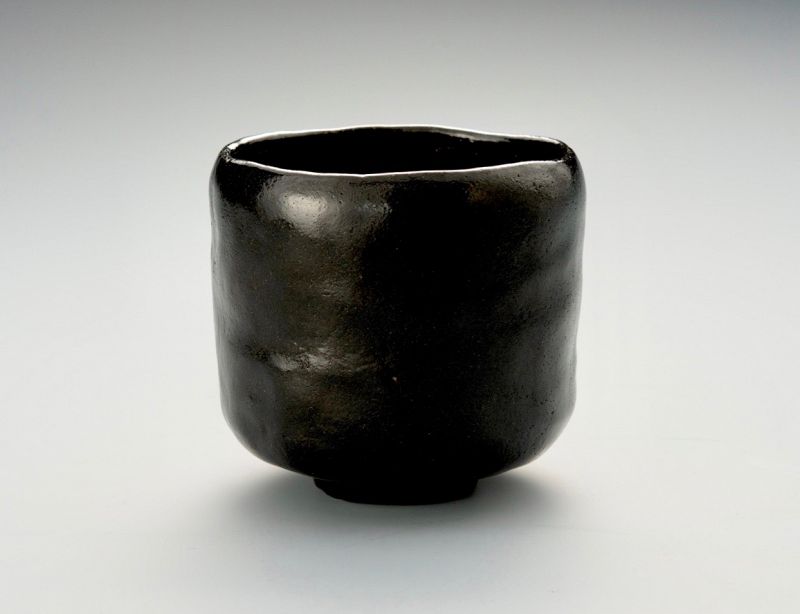
Crafted by one of the most well-known potting families from the Meiji period (Ito Tozan), this black Raku tea bowl displays a glossy sheen and gentle swells rip
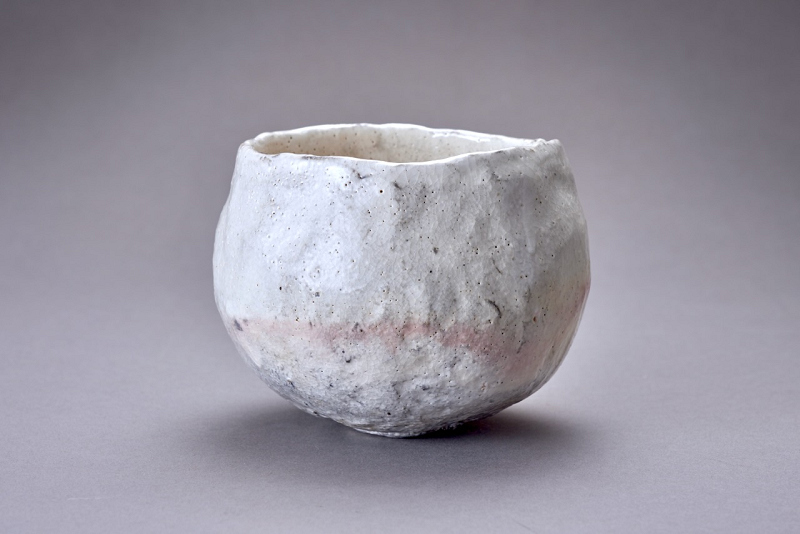
Though rare, occasionally I come white Raku piece by one of our favorite potters, Sugimoto Sadamitsu. Adorned with subtle crackling patterns and variations in t
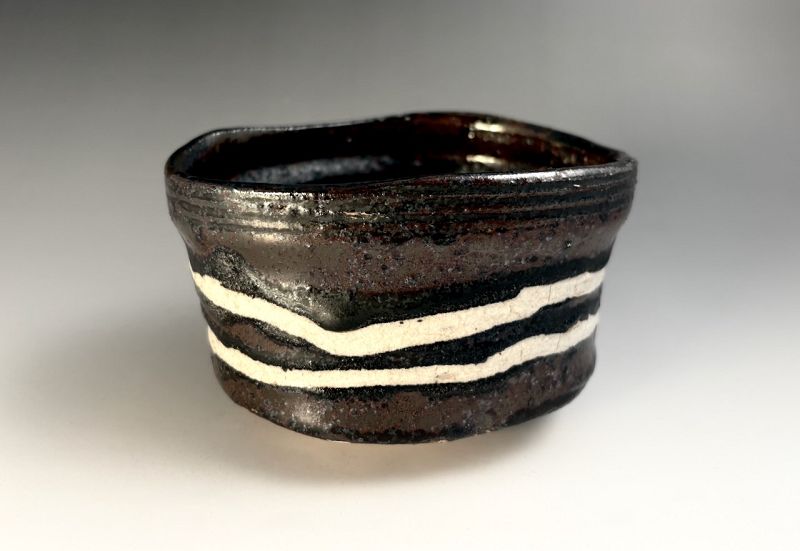
Oribe is a visual style named after the late-16th-century tea master Furuta Oribe (1544-1615). Typically, black or green glazes are applied to the bodies of the
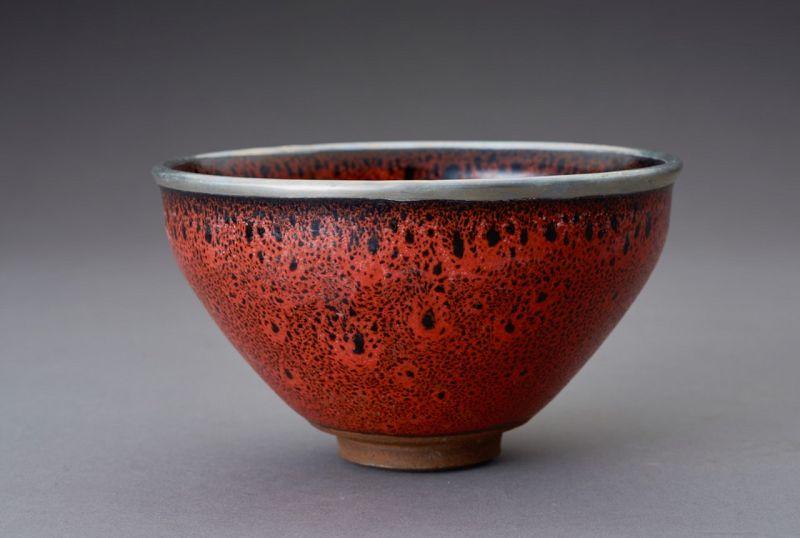
On the base of this tea bowl are the characters “供御” pronounced “Ku-go” in Japanese but “Gong-yu” in the original Chinese—translating in English to something li
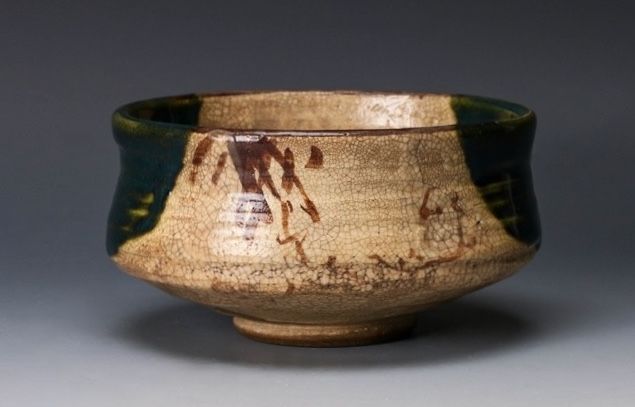
Oribe is a visual style named after the late-16th-century tea master Furuta Oribe (1544-1615). Typically, black or green glazes are applied to the bodies of the
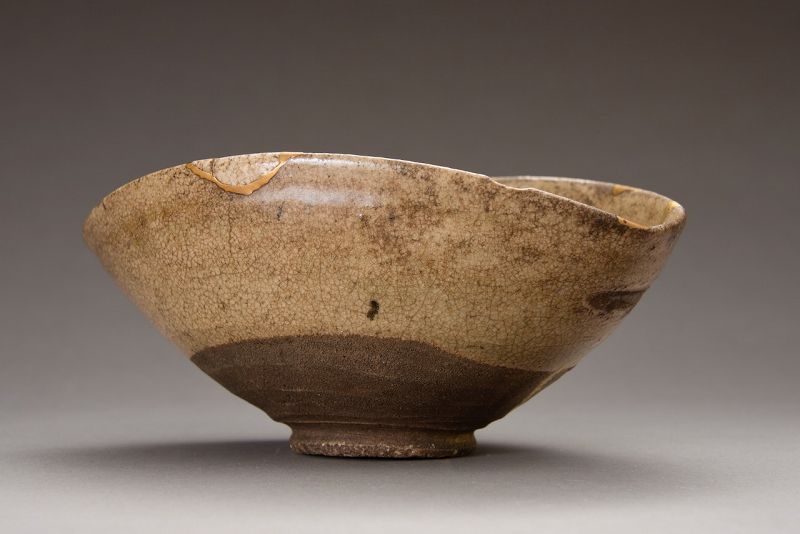
At various times over the long history of tea practice in Japan, Korean-ware has come into high fashion and ships full of the finest ceramics from the neighbori
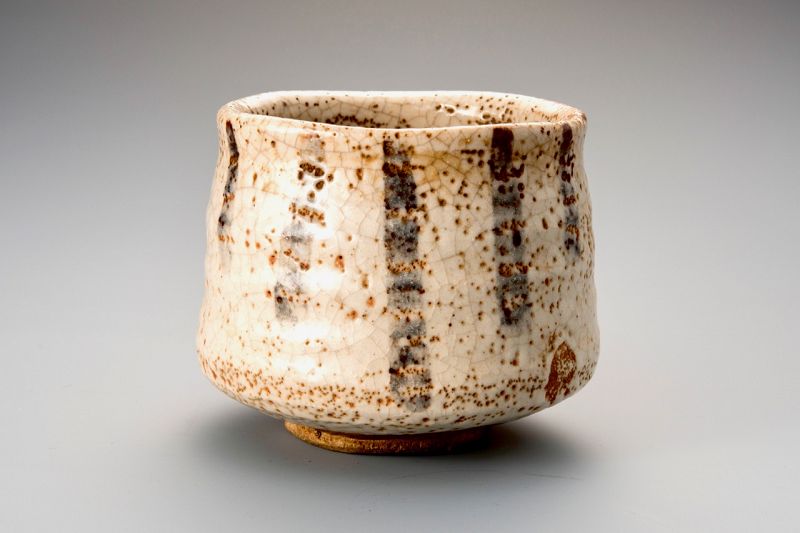
This lovely Shino tea bowl fashioned from coarse Mino clay is covered in feldspar glazing, has a classic ferrous abstract painting across the front, and shows n
The artist who produced this piece, Wataru Motomura, prides himself in living a traditional life in the eastern hills of Kyoto—long known for its rich clay and
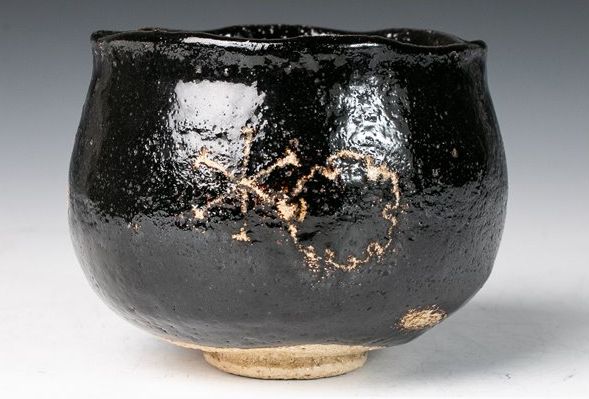
When the founder of the Urasenke style of tea ceremony, Senso Soshitsu (1622 -1697) was invited to Kanazawa as the lord of the tea ceremony for the powerful Kag
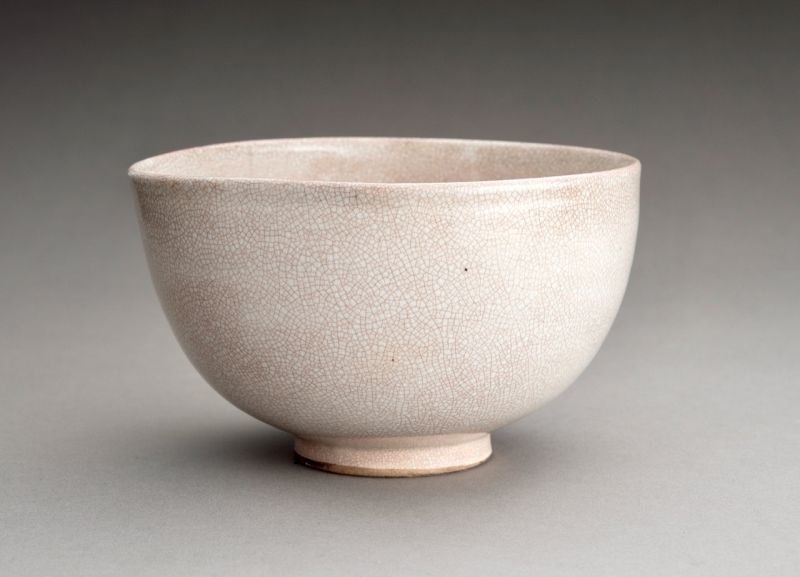
A beautiful old Kyo-ware tea bowl slightly elongated on one end producing an interesting and unique effect. The collector who furnished the box labeled it as be
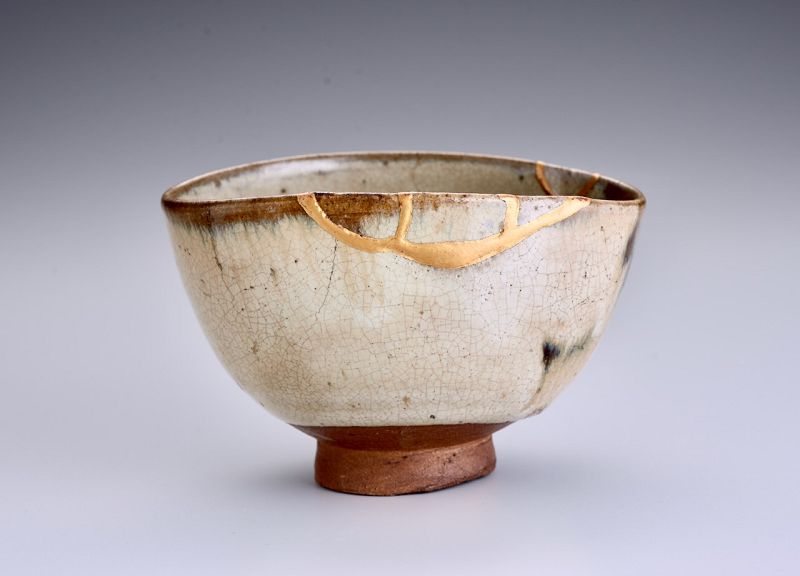
This kutsu-shaped (shoe-shaped) Karatsu tea bow, having stood quietly through the passage of ages is a superb example embodying both the serene beauty and power
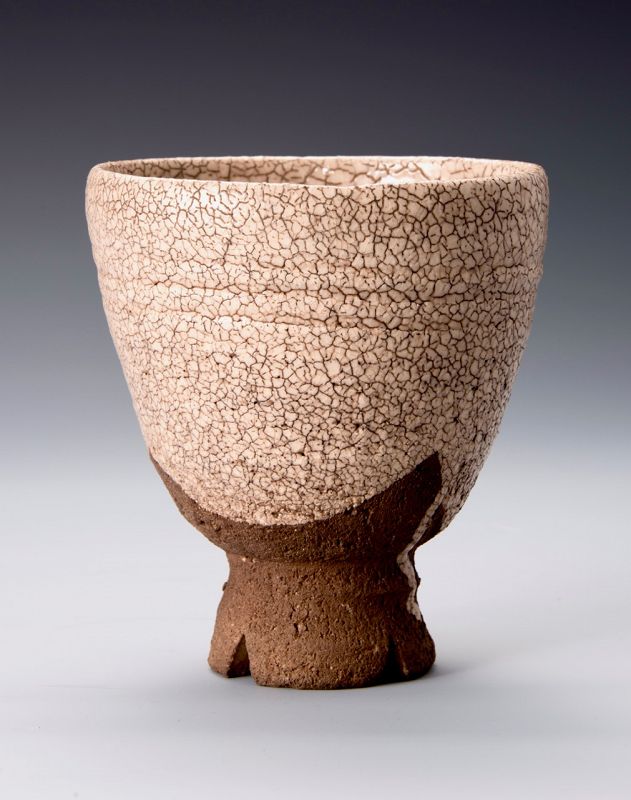
This tall and lovely Hagi chawan rests firmly on a wari kodai or “split foot” pedestal that is unglazed—displaying the coarse rich clay. The crackled milky glaz
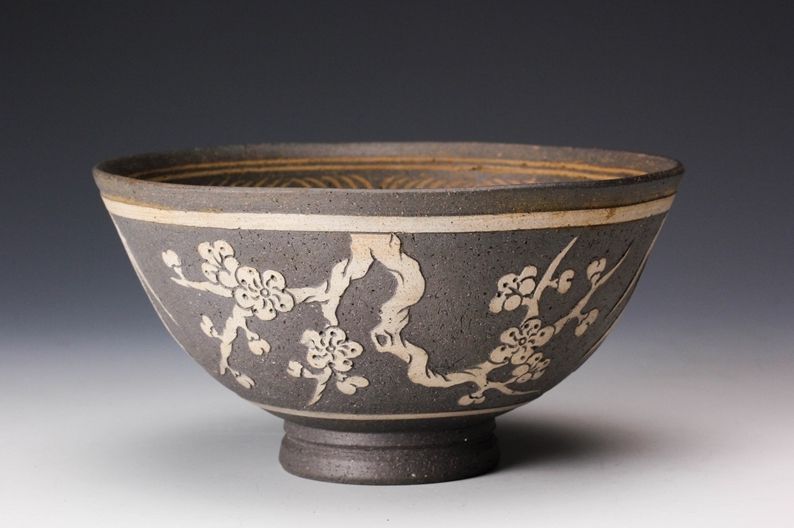
Being based in Kyoto we occasionally come across fine Chinese and Korean tea-ware to mix in with our Japanese offerings. Here we have an example of a ceremonial
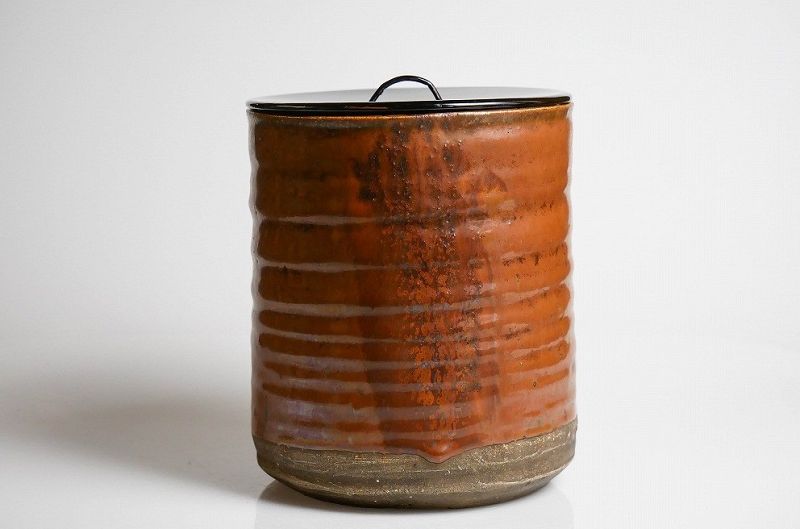
Seto is a pottery tradition established in the 12th century with the aim of reproducing fine Chinese porcelain and tenmoku-style tea bowls—which were hard to co
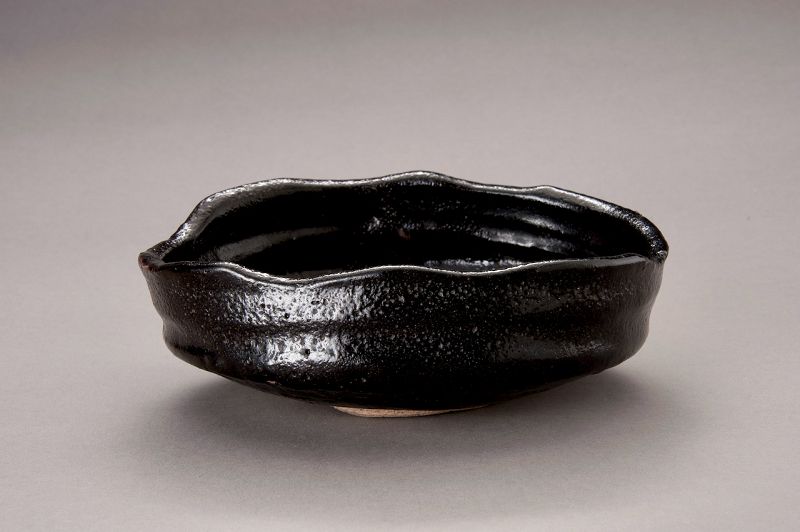
Living in Kyoto it is not uncommon to come across beautiful antique tea bowls, however, finding pieces that are in good condition, aesthetically compelling, and