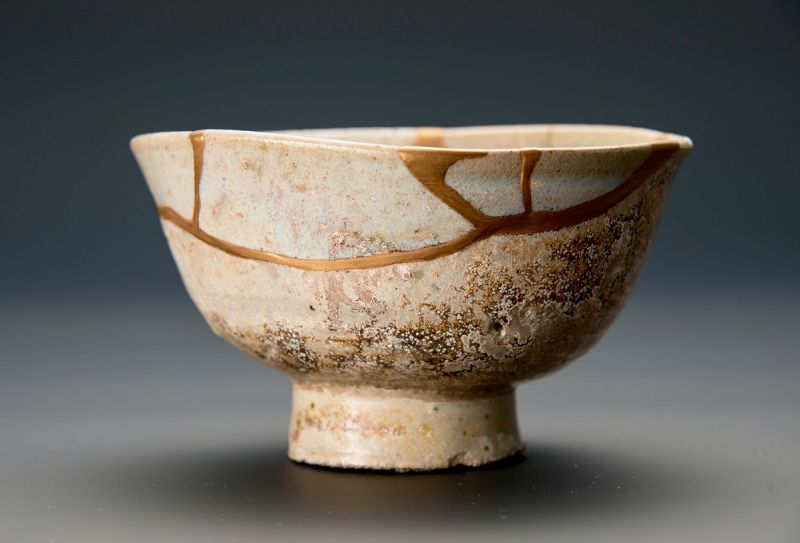
A Beautifully Repaired Edo Period Karatsu Kintsugi Chawan
Stemming from the philosophy of wabi-sabi—often described as the beauty found in the imperfection and transience of the world—cracks and repairs in a work of po
SOLD
Selected by shared artwork type, categories, artist and era. Available works appear first.
Back to the artwork · Browse the full collection
Stemming from the philosophy of wabi-sabi—often described as the beauty found in the imperfection and transience of the world—cracks and repairs in a work of po
SOLD
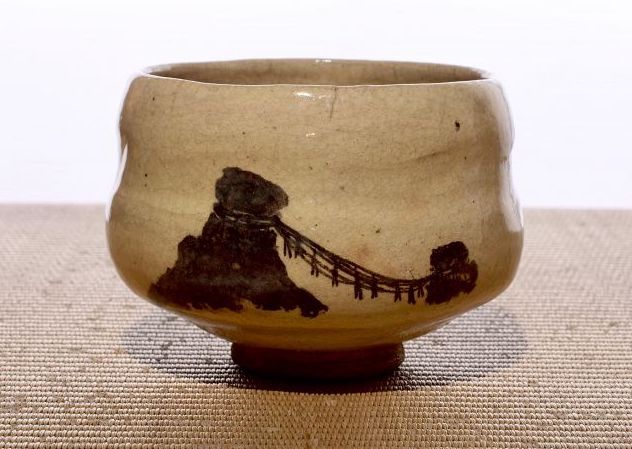
This tea bowl crafted by one of the great masters of Japanese pottery depicts Meota Iwa—a famous Japanese landmark in Mie. Symbolizing the union between two div
SOLD
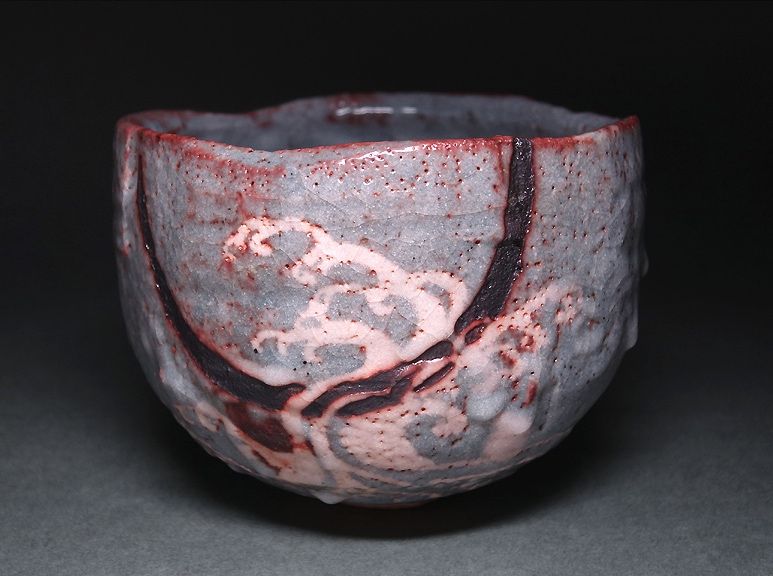
The lower half of a blackened enso dips from the rim on a backdrop of gray crackled glazing interspersed with auburn highlights. Rising up from below into the e
SOLD
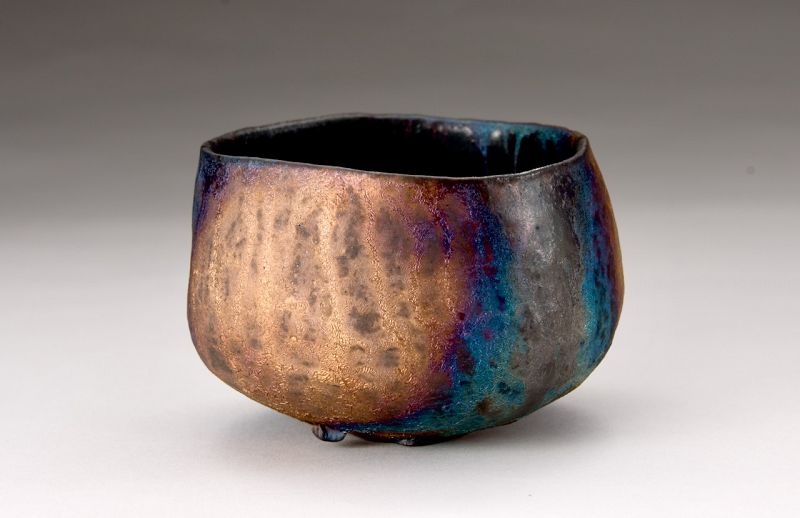
Not so often in the world of Japanese tea-ware do you come across something so exquisitely novel that it resists categorization in terms traditional styles. Thi
SOLD
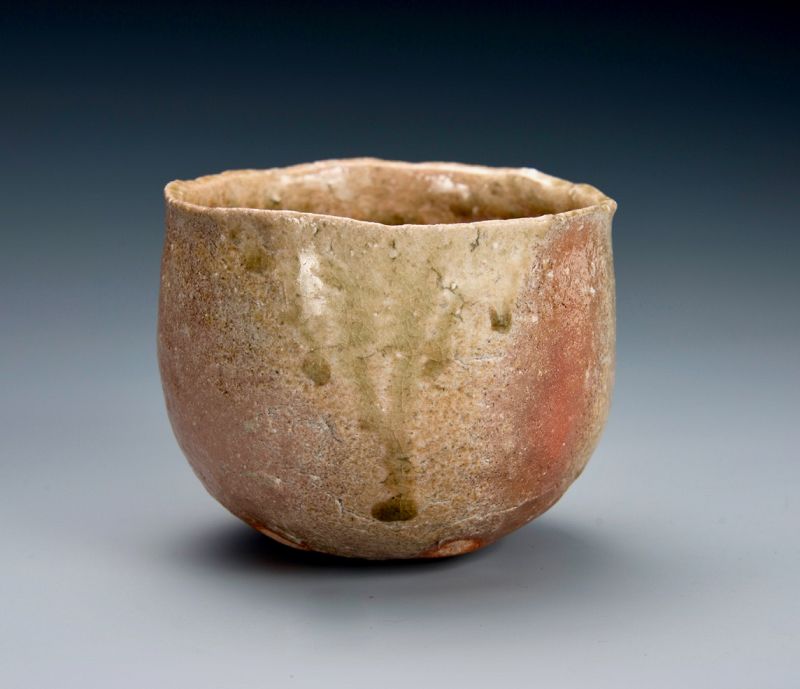
Sugimoto Sadamitsu (b. 1935) is one of the most important Shigaraki potters alive today and continues to create master works into his old age. Originally a resi
SOLD
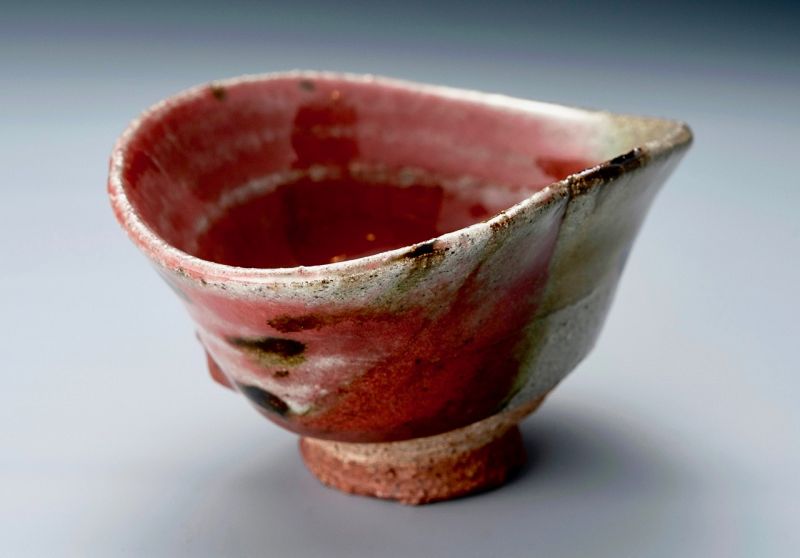
One of the more innovative and international minded ceramicists on the Japanese pottery scene, Ryoji Koie’s interests and expertise cannot be confined to one na
SOLD
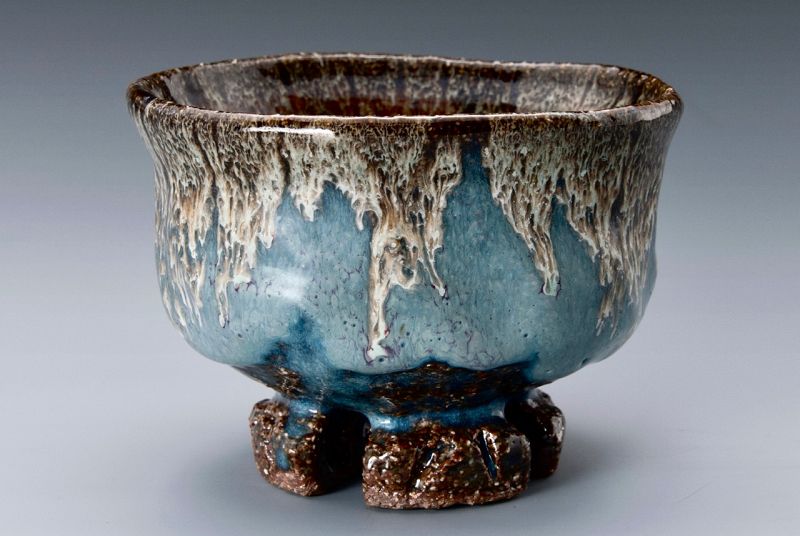
Ripples of light and dark pigmentation flowing on a background of sky-blue glaze—the description on the box reads 萩孔雀 (Hagi kujyaku) translating as “peacock Hag
SOLD
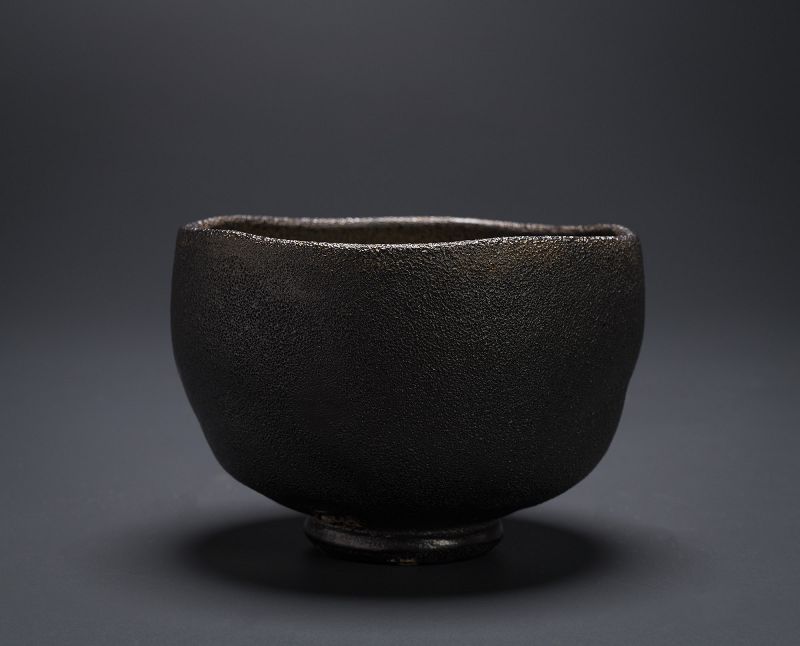
Comfortable in the hand and with a unique textured black Raku glaze, this tea bowl by 20th century potter Samukawa Seiho would make a fine addition for collecto
SOLD
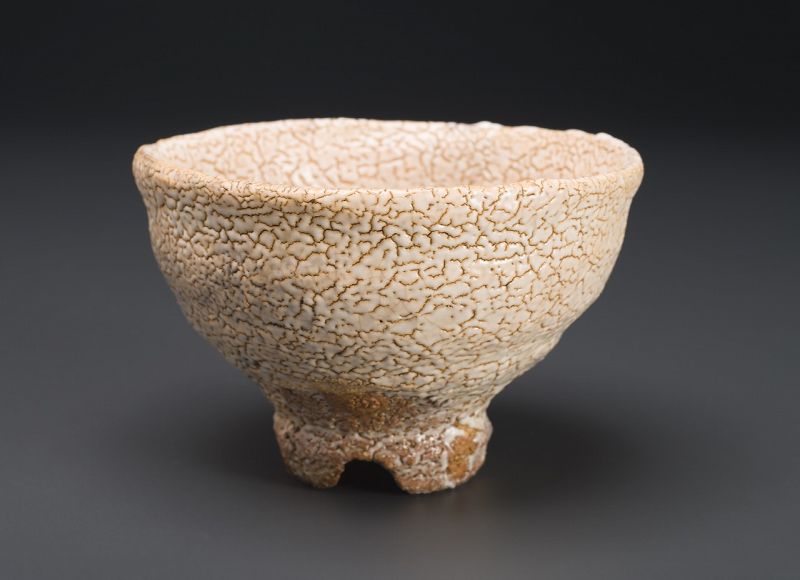
This remarkable tea bowl is from the kilns of Yoshida Shuen (1940-1987)—an apprentice of Miwa Kyusetsu (1910-2012) who was awarded the status of Living National
SOLD
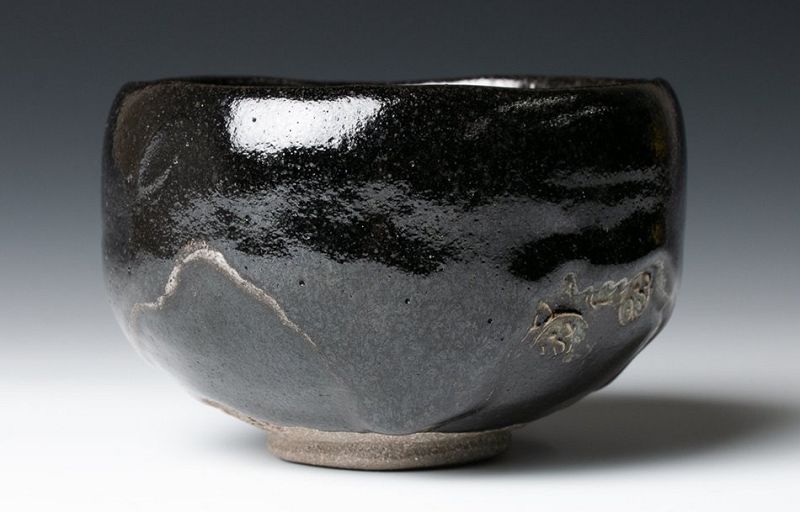
Imagine the vista of iconic Mount Fuji as you enjoy a cup of matcha from this very special tea bowl. Endorsed by the tea master of Urasenke as a master work, it
SOLD
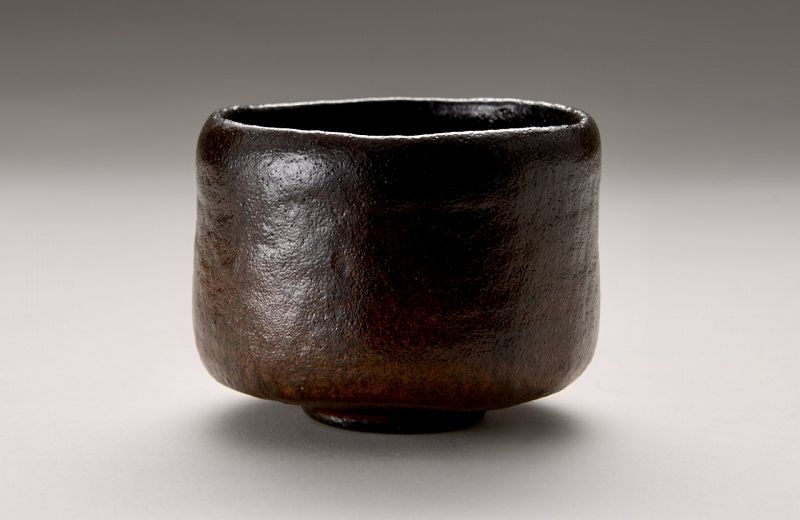
Closely resembling a historically important tea bowl made by one of the forebears of the art of tea and Raku pottery, Chojiro, this piece gives one a sense of t
SOLD
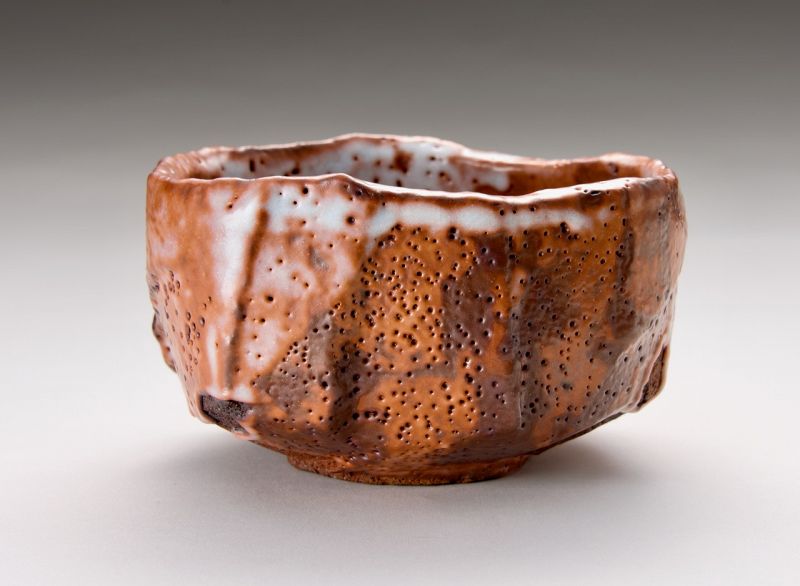
Decidedly masculine in character with straight sculpted edges, a rich palette of color, and a calm steadiness in the hand; this tea bowl was crafted by one of J
SOLD
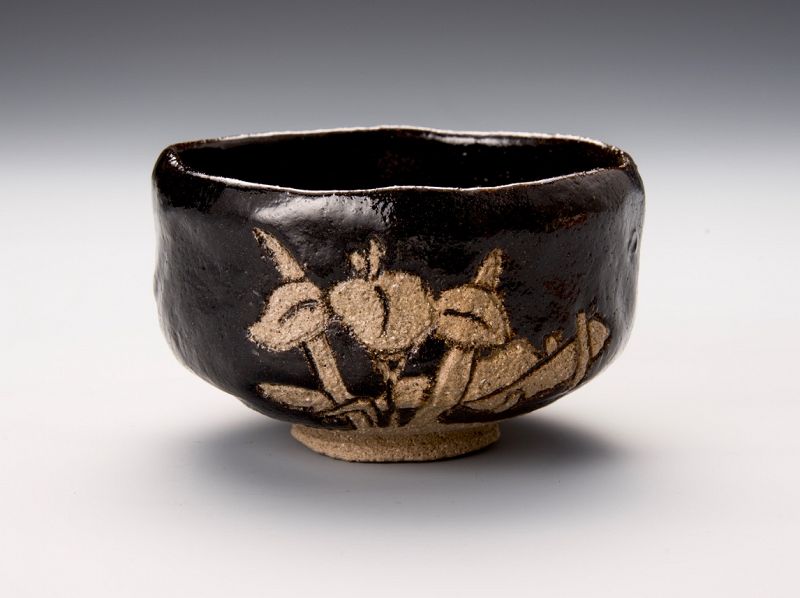
In Japan every season and every phase of the year is marked by the presence of a flower, the most noted of course being the cherry blossoms signifying the long-
SOLD
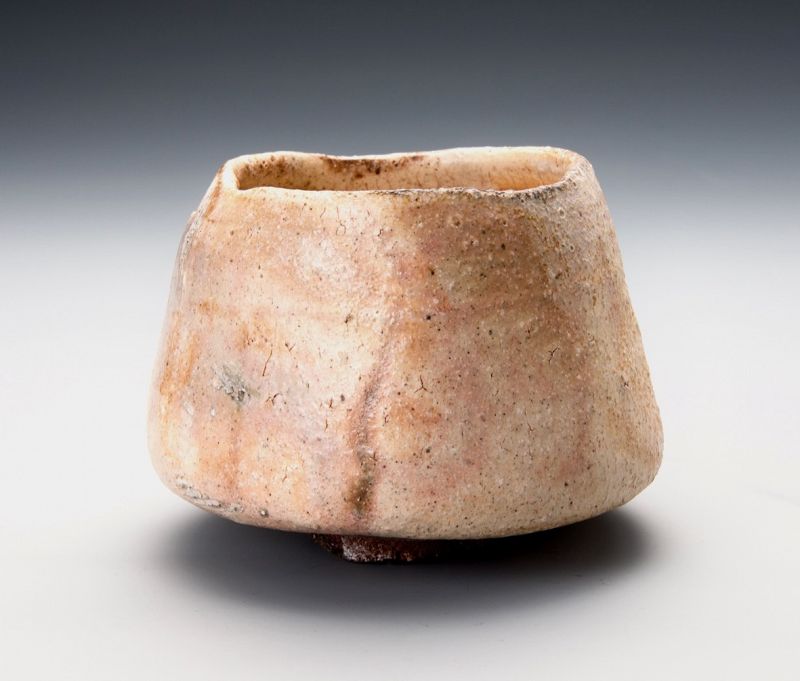
The artist who produced this piece, Wataru Motomura, prides himself in living a traditional life in the eastern hills of Kyoto—long known for its rich clay and
SOLD
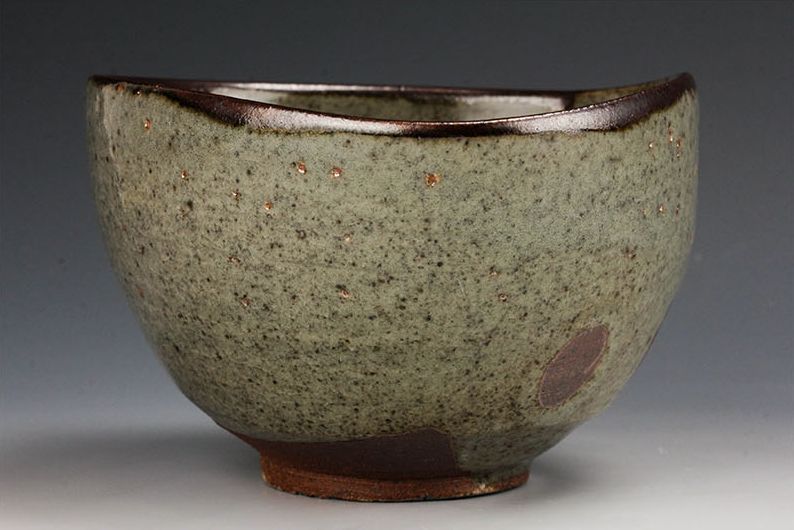
This elegant work of Karatsu pottery has an unglazed foot, showing the rich ferrous clay, and displays a beautiful ashen glaze with hues of blue, grey, green, a
SOLD
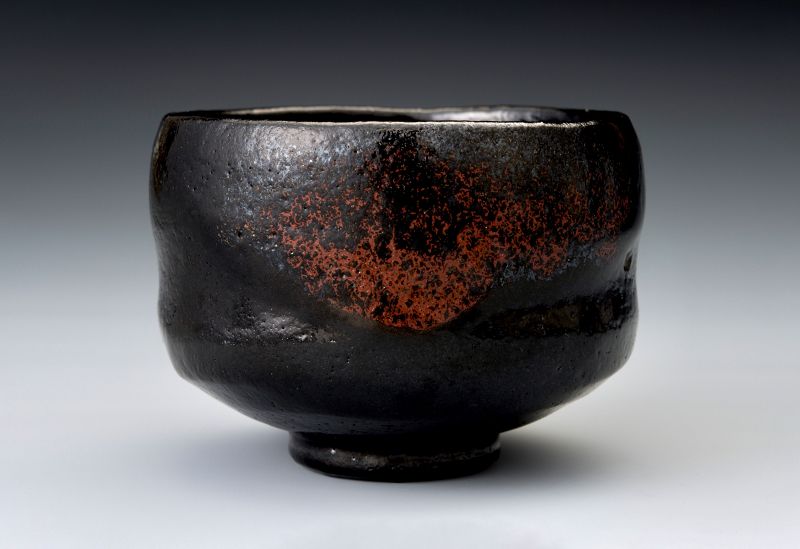
This piece was fired in the kilns of one of Kyoto’s most prolific Raku-yaki workshops by an artist known as Heian Shoraku. In 1905, the first generation Shoraku
SOLD
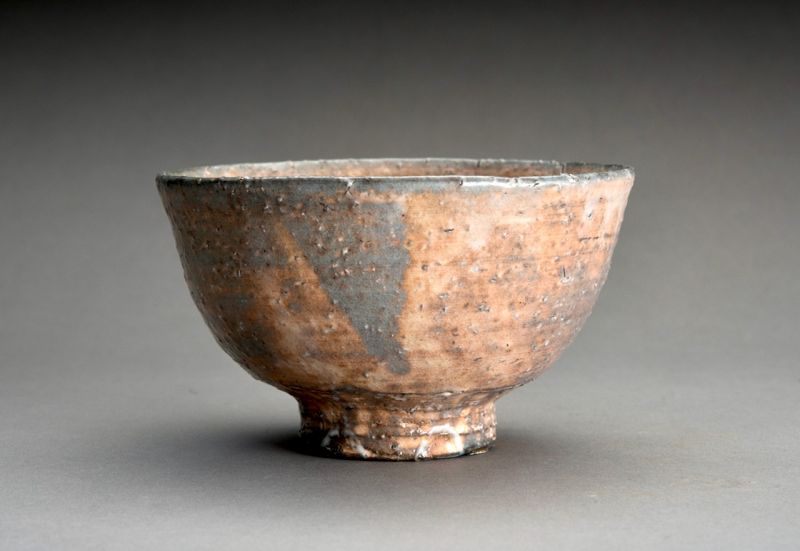
A delightful Hagi tea bowl from the Jōzan Kiln in Yamaguchi Prefecture. Very representative of the genre with its milky glaze and ido-shape. This piece is a ste
SOLD
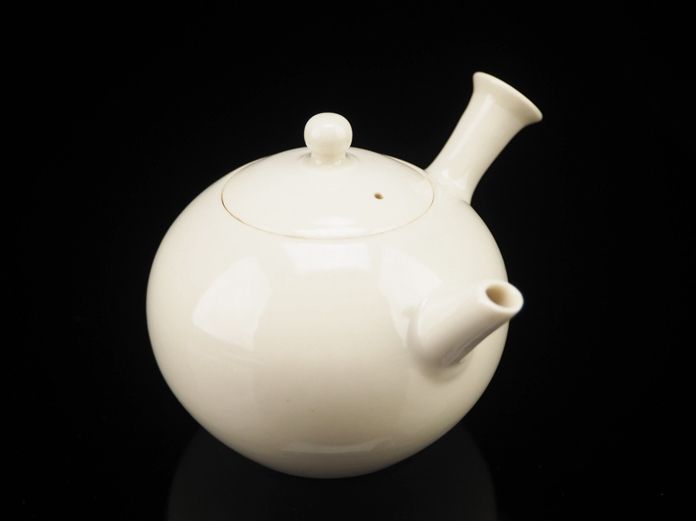
Simple, elegant, and functional, this Meiji period kyūsu (teapot) was crafted with precision and care by one of the periods most accomplished ceramicists. Showc
SOLD
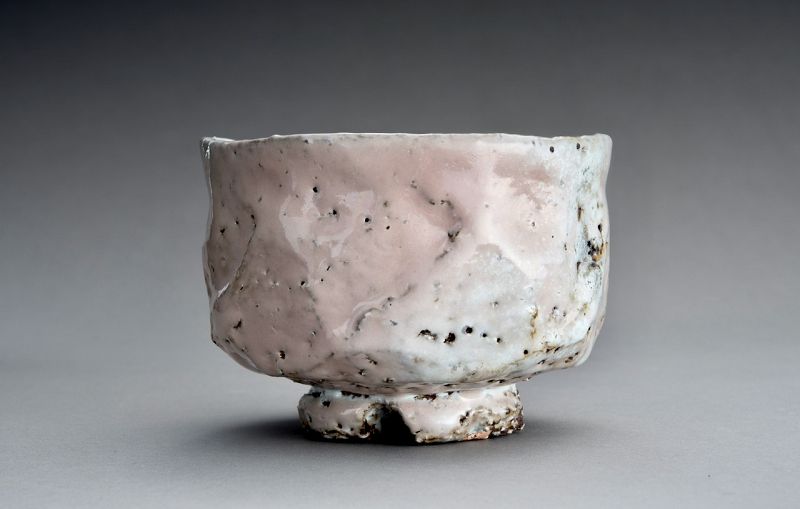
Found in a small antique shop in central Kyoto, this piece immediately caught my eye and I knew I had to buy it. With no original box and a potting mark that co
SOLD
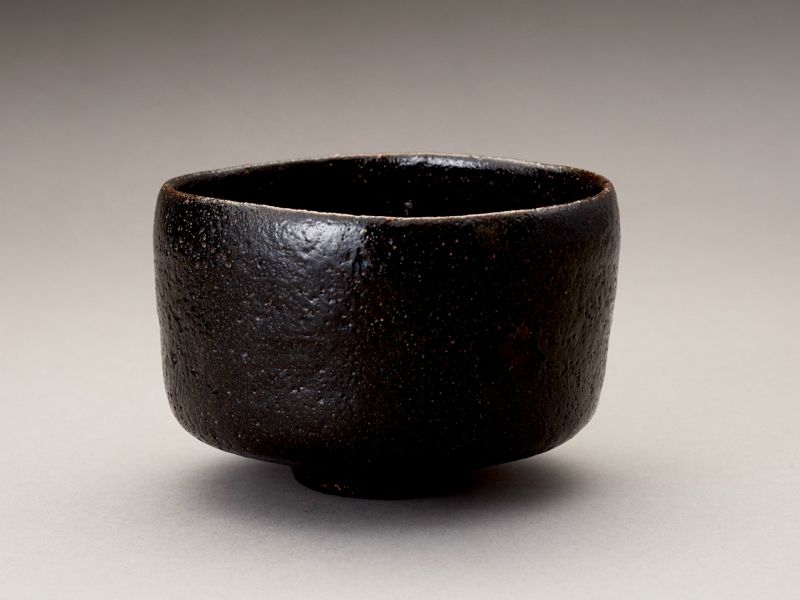
We have a particular interest in beautiful old Raku tea bowls and spend quite a bit of time searching for exceptional examples to include in our gallery. Here w
SOLD
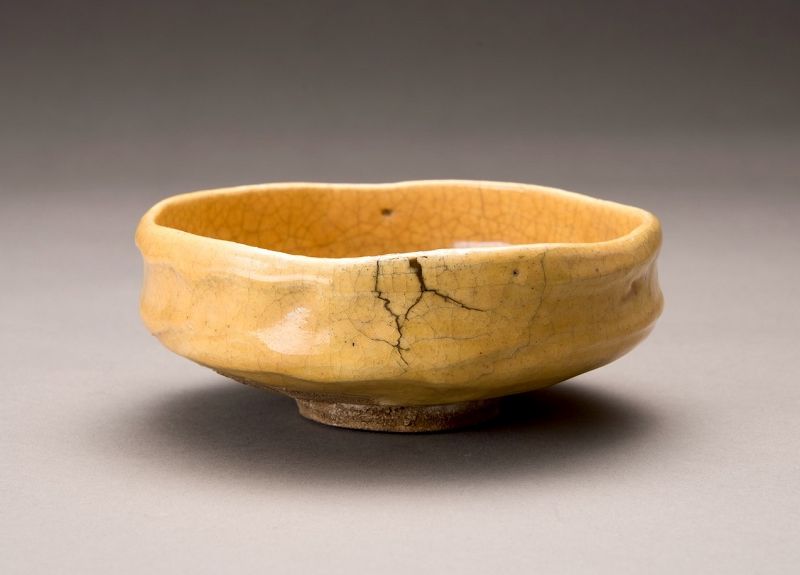
A rare and exquisite piece by the 12th Kichizaemon (1857-1932) of the Raku lineage, now in its 16th generation. Not only with excellent documentation including
SOLD
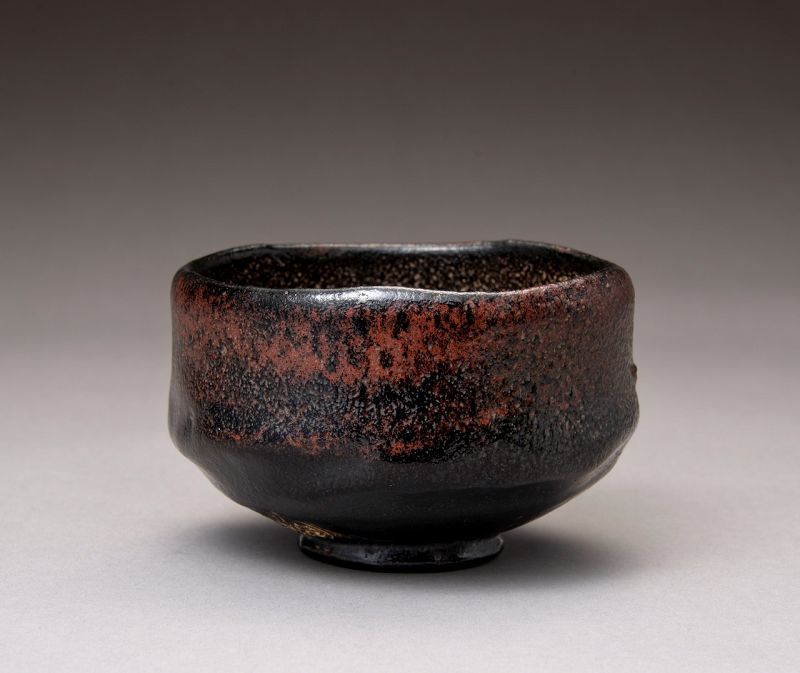
Born the second son of Ryônyû, the 10th Raku Kichizaemon Tannyû took over the family kiln in 1811 at the age of 16 and served until his retirement and subsequen
SOLD
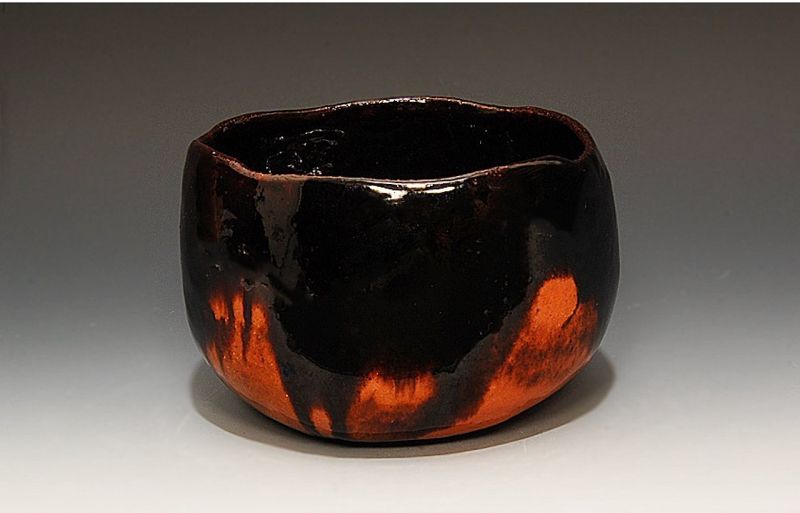
The craftsman who fashioned this piece, the 9th Ohi Chozaimon (1901-1986), is the most widely recognized and most accomplished of the now 11 generations of Ohi
SOLD
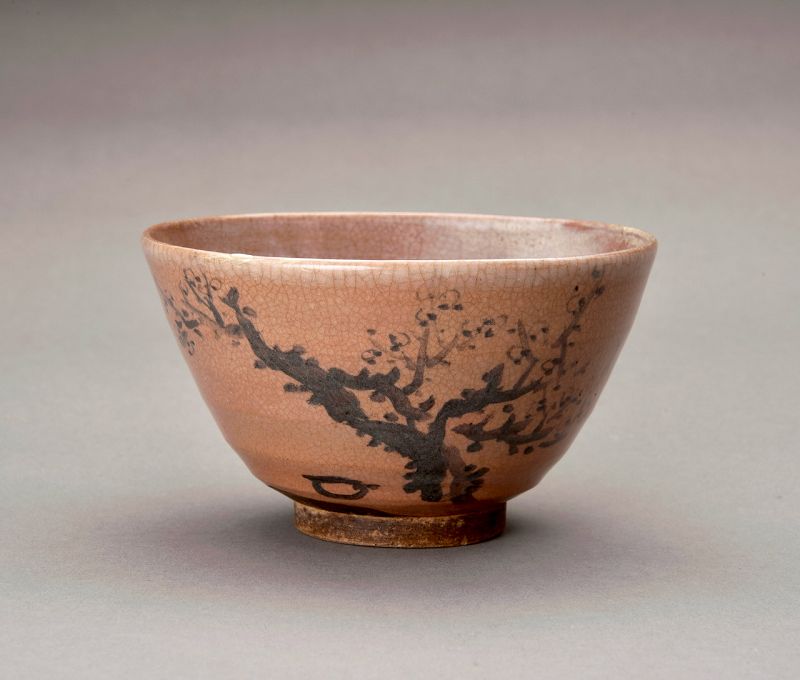
A very interesting ceremonial tea bowl produced by one of the oldest generational potting families in Kyoto. In excellent condition with one fine gold repair al
SOLD
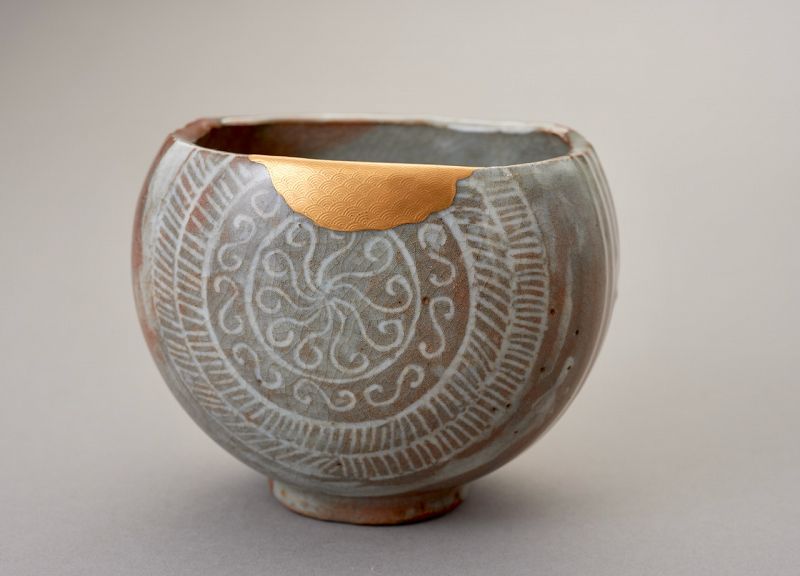
From a 2006 excavation site in Tokyo known to be occupied by the Owari Tokugawa clan—the most senior contingent of the Tokugawa clan that united Japan under one
SOLD
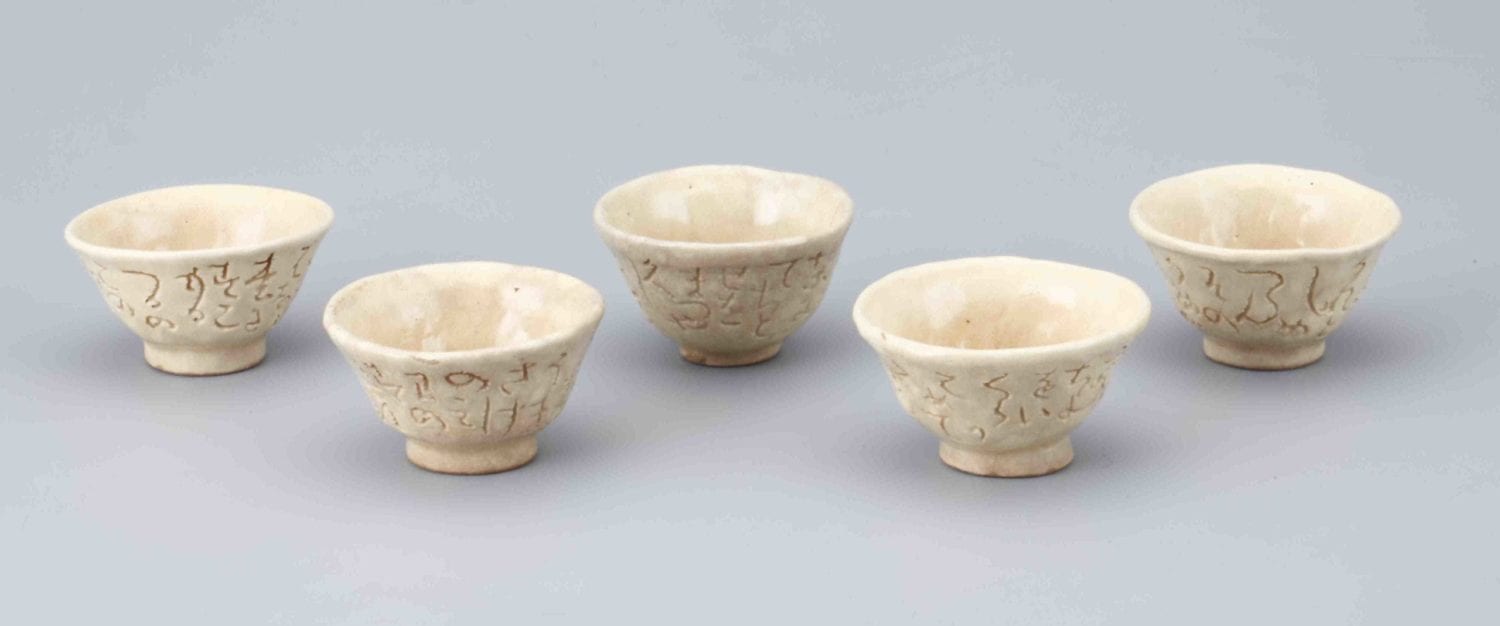
Rengetsu is a unique and celebrated figure from Japanese 19th century history. Despite her reported great beauty and talent for the arts, she faced many persona
SOLD
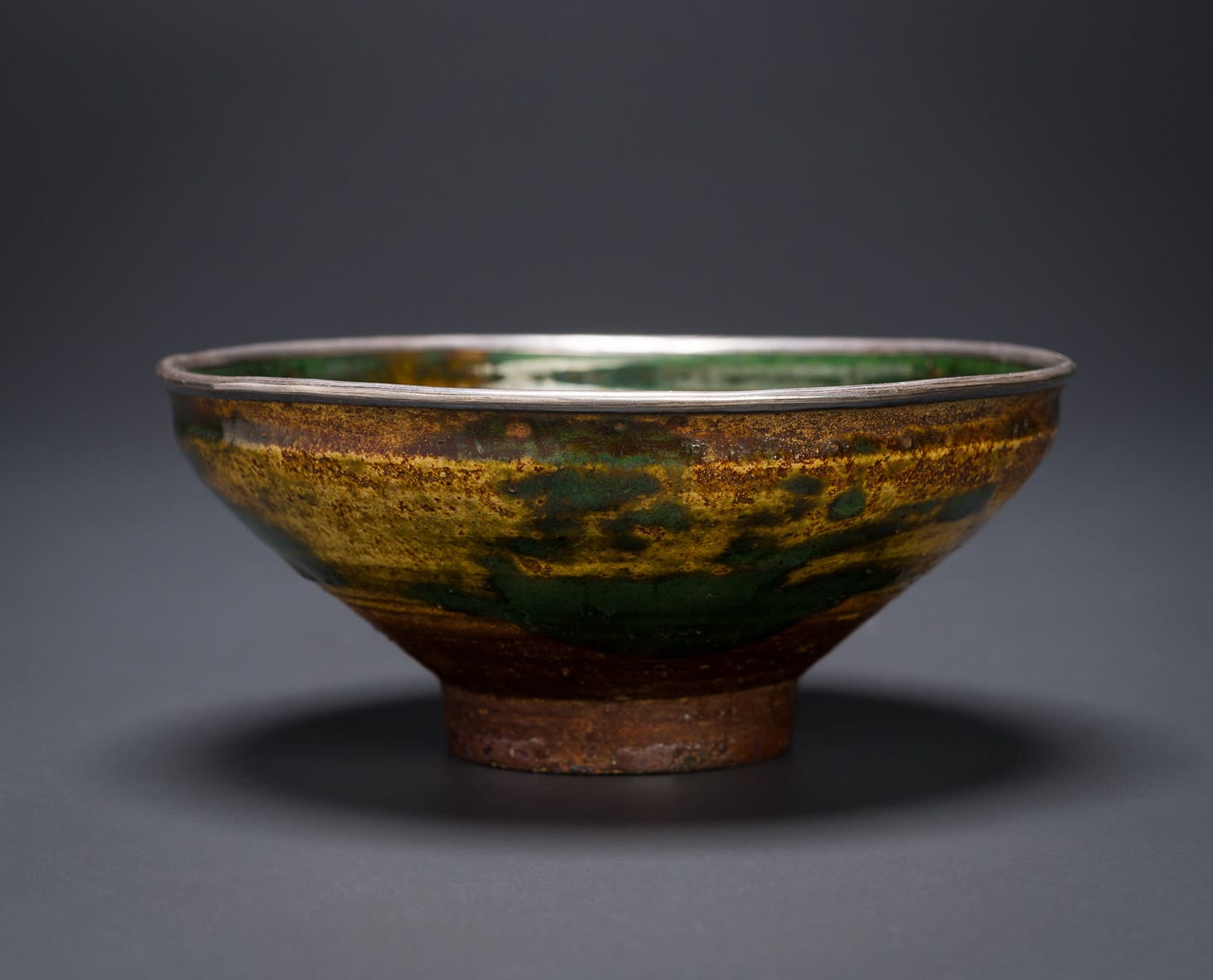
Before styles such as Raku, Hagi, Karatsu, etc came into fashion for use in the tearoom in early Edo, it was commonplace in cultured society to use tea-ware imp
SOLD
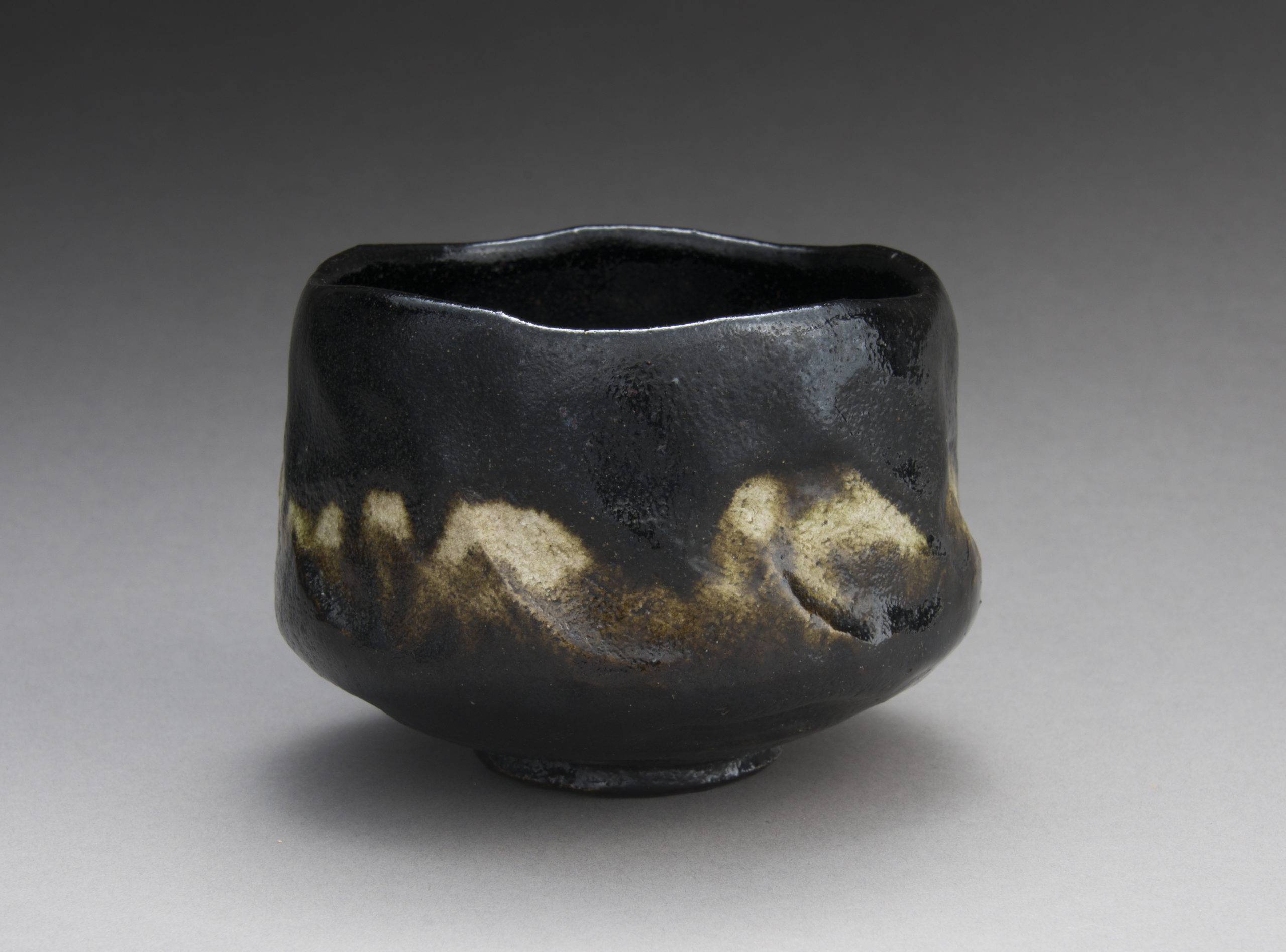
A black Raku ceremonial tea bowl displaying an excellent patina bestowed by time. The light colored clay peeks through in areas giving this piece a unique feel.
SOLD
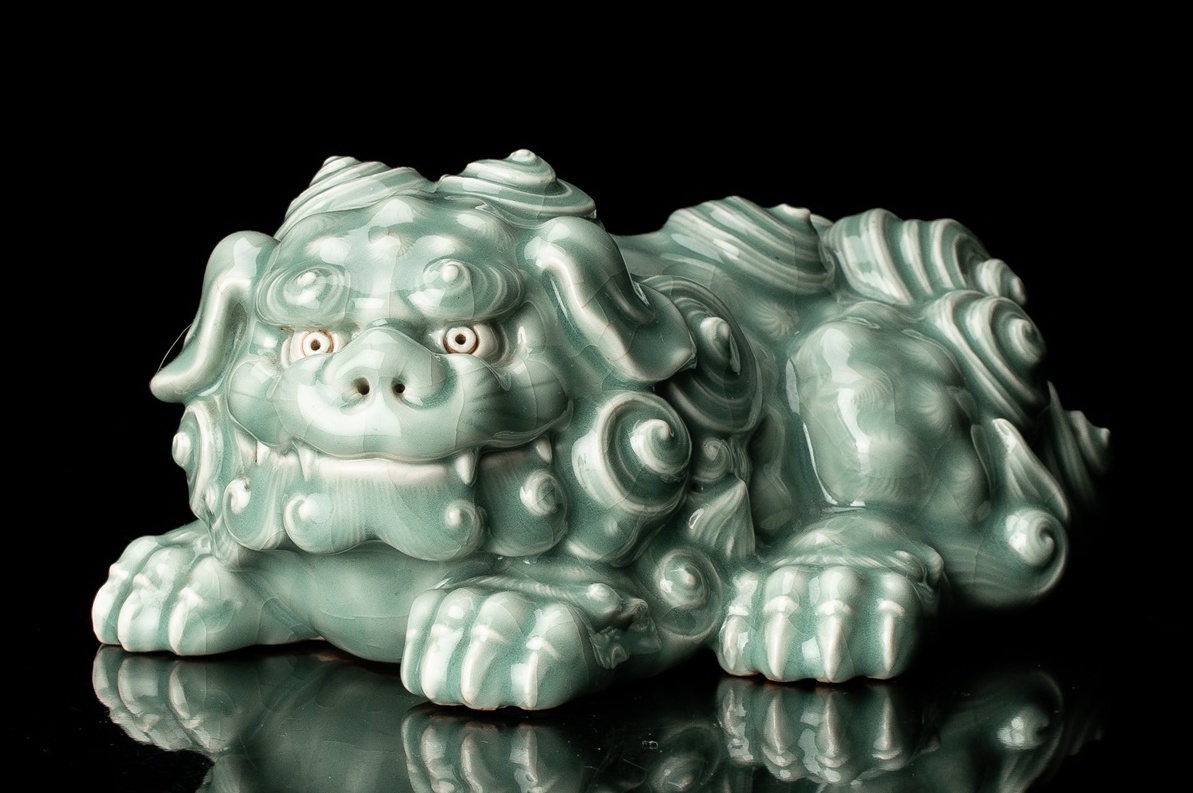
One of only five Imperial Court Artists of Meiji, ceramic pieces by Kōzan are highly prized by collectors and are ever more difficult to find on the market thes
SOLD
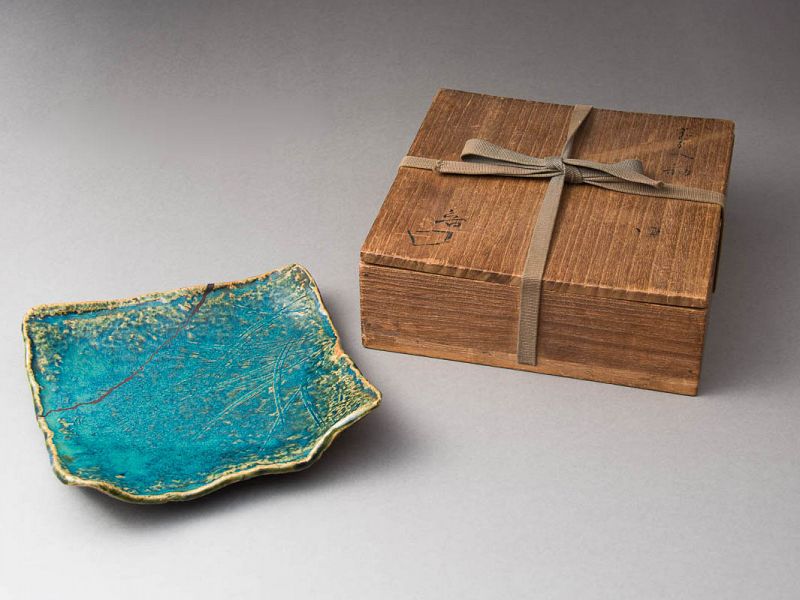
One of the most important Japanese potters of the 20th century, skilled in an impressive number of styles, today his pieces can be found in museum collections a
SOLD
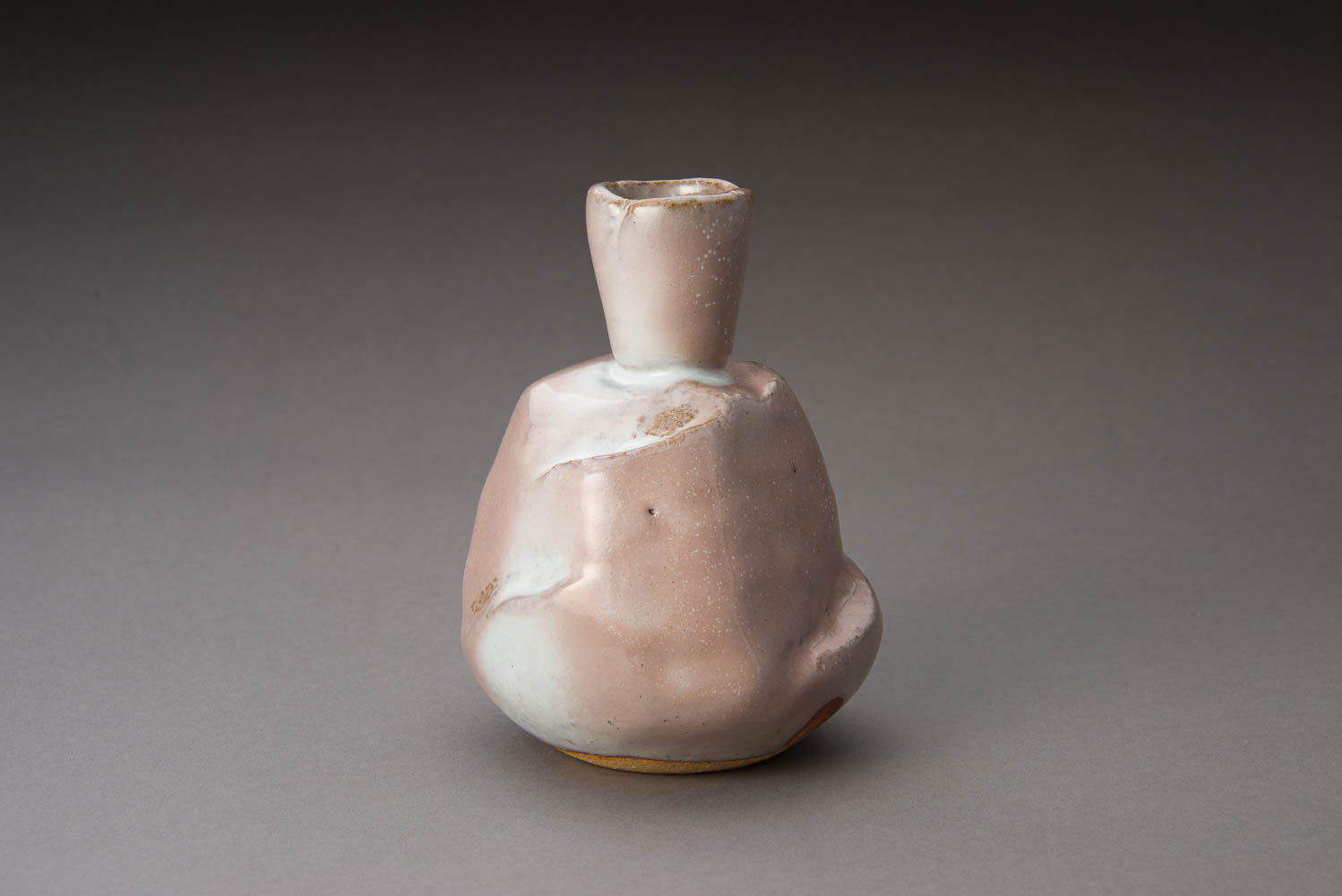
The trademark glaze on this delightful sake flask (tokkuri) is by none other than 8th generation Hagi potter Masanao Kaneta. Close inspection reveals flecks of
SOLD
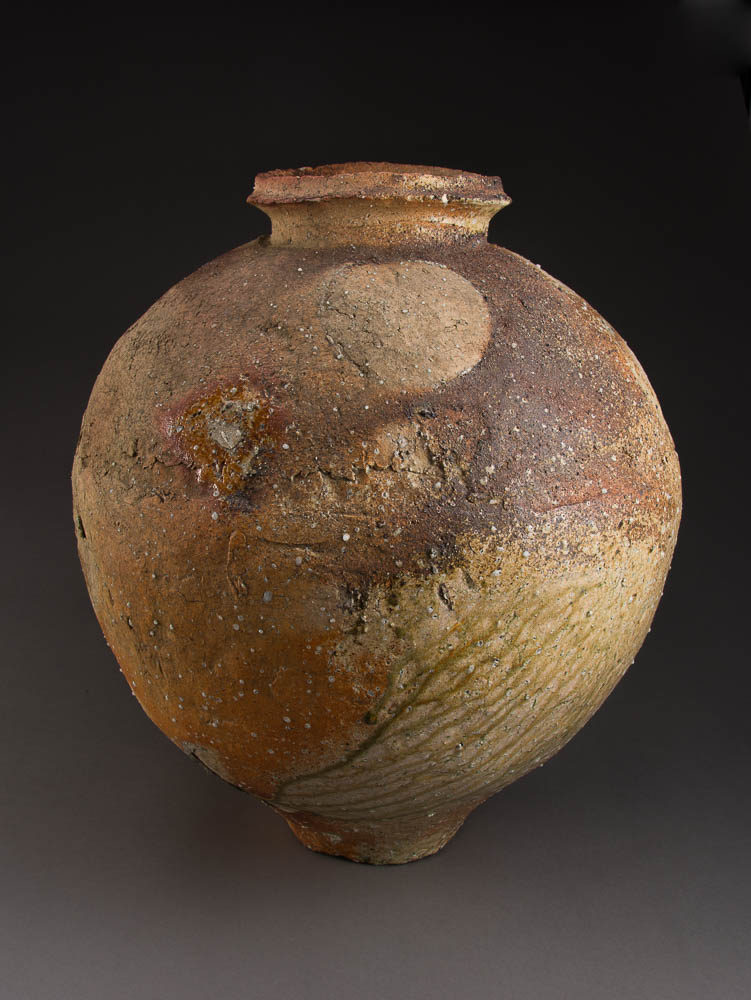
An exceptionally large work by one of the most important contemporary ceramic artists in Japan. Collected widely both here and abroad, a favorite of Daitoku tem
SOLD
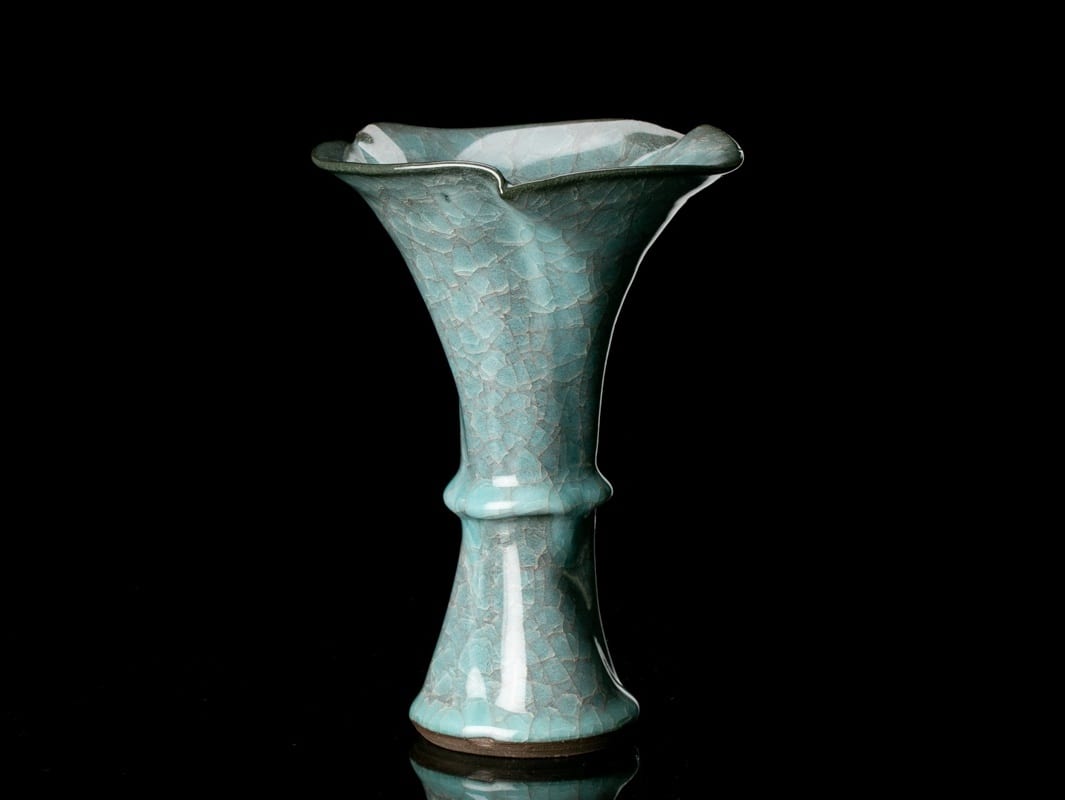
Wakao Kei continues to surprise and captivate with this turquoise blue porcelain vase from his recent offerings. Using deep, rich colors not often seen in this
SOLD
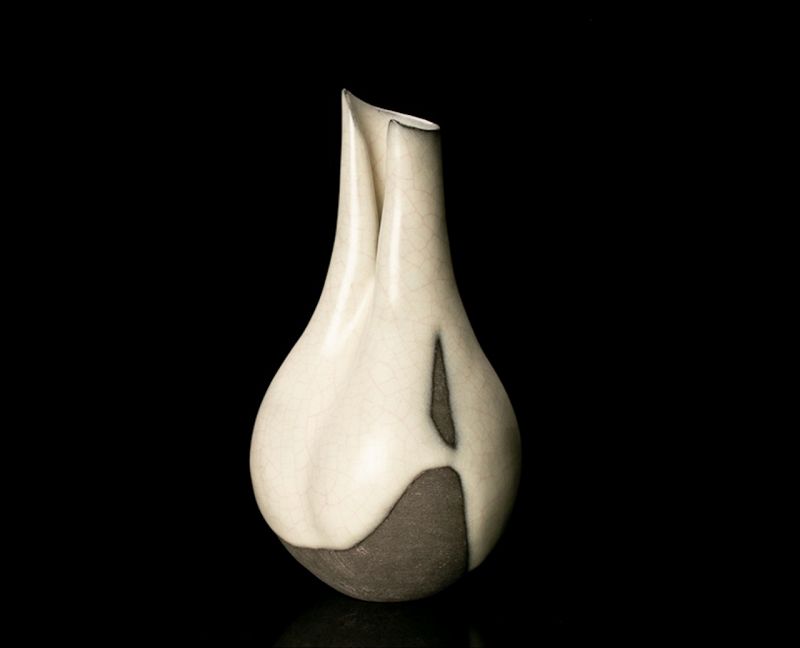
According to Kei Wakao, the artist who crafted this extraordinary work, it took him years of trial-and-error to perfect the unique rice-porcelain glaze covering
SOLD
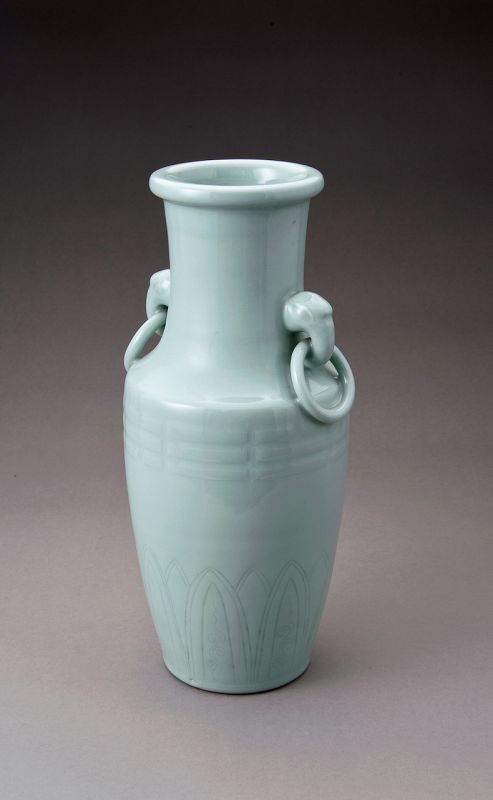
A Chinese style celadon vase by one of the 5 Imperial Court Artists of Meiji. Sozan spent his life perfecting techniques for celadon production first used in th
SOLD
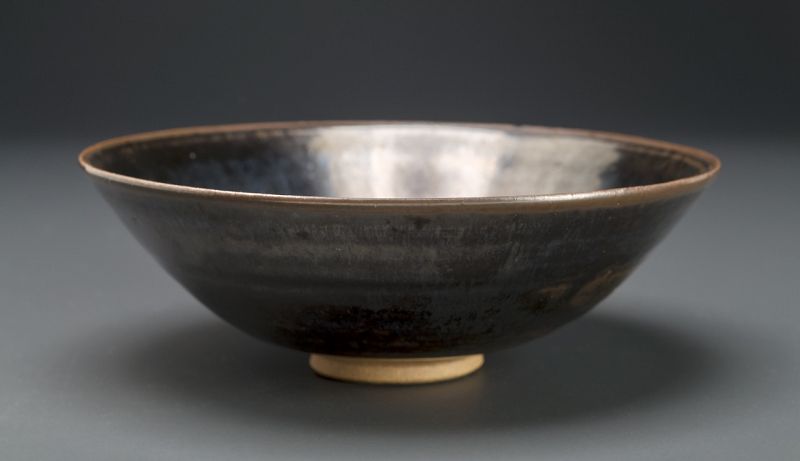
Yuzo Kondo is one of the more recognized names in the world of modern Japanese pottery of the 20th century. Though known mainly for his sometsuke creations (blu
SOLD
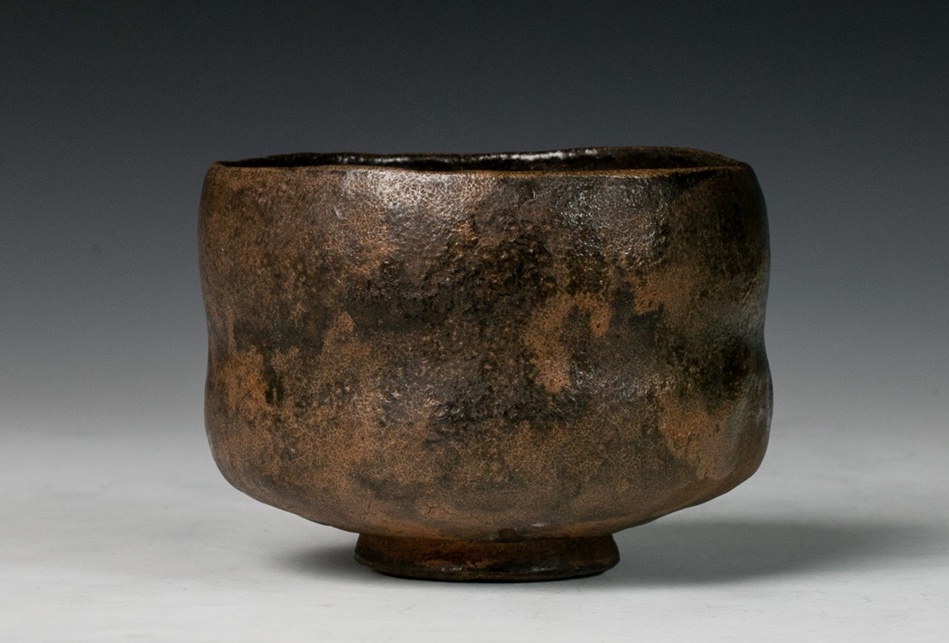
A master work by one of the top artisans of the late 20th century—the result of techniques perfected over centuries by dedicated craftsmen residing in districts
SOLD
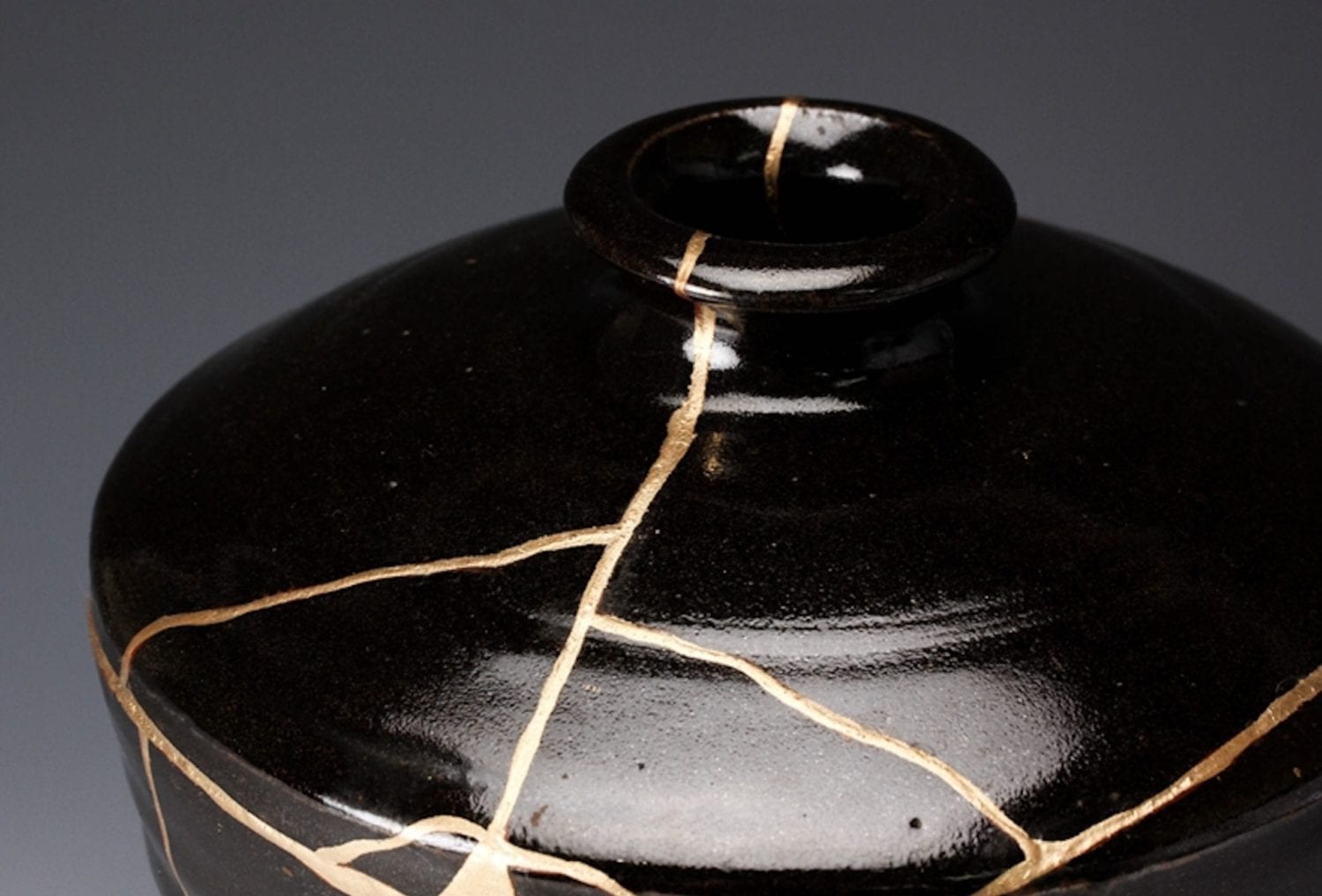
Yuzo Kondo is one of the more recognized names in the world of modern Japanese pottery of the 20th century. Though known mainly for his sometsuke creations (blu
SOLD
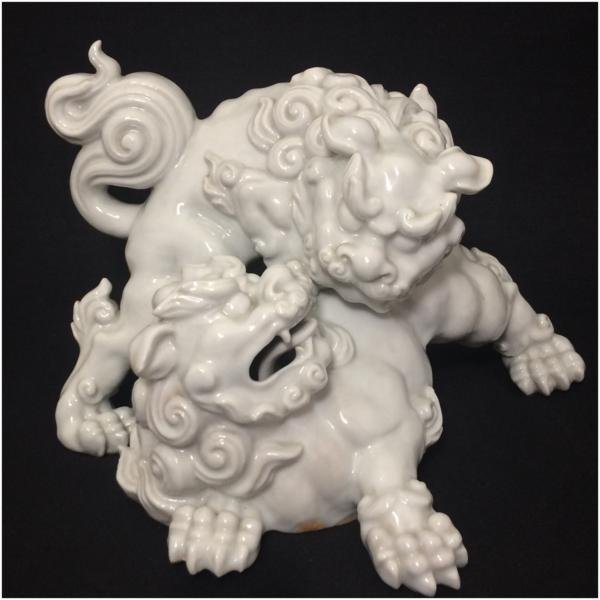
Guardian lions (alternately known as Shishi, Foo-dogs, or Koma-inu) were introduced to Japan in the 8th century and are often seen outside shrine gates or adorn
SOLD
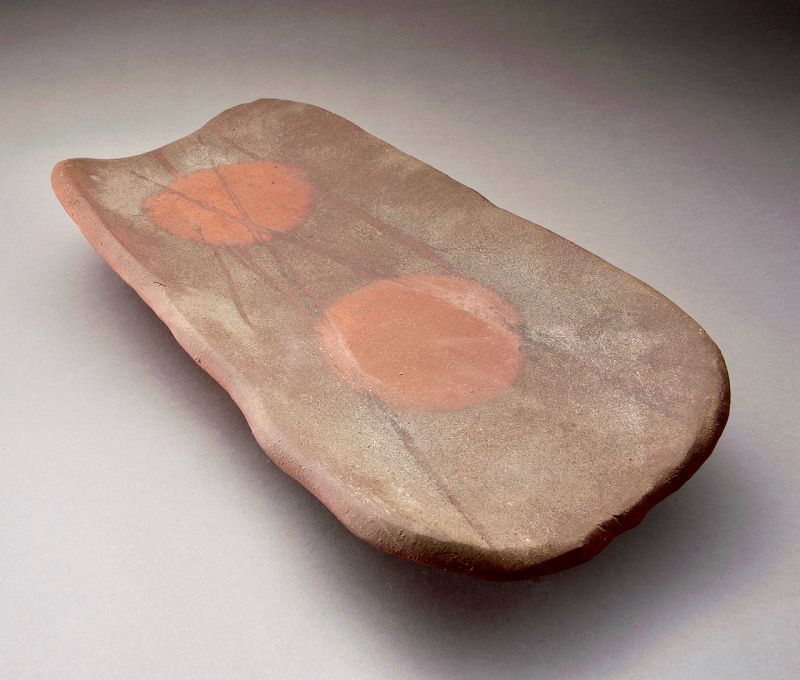
Created by Living National Treasure Isezaki Jun, Bizen pieces like the one seen here originated in Okayama (south-western Japan) and have a long history that is
SOLD
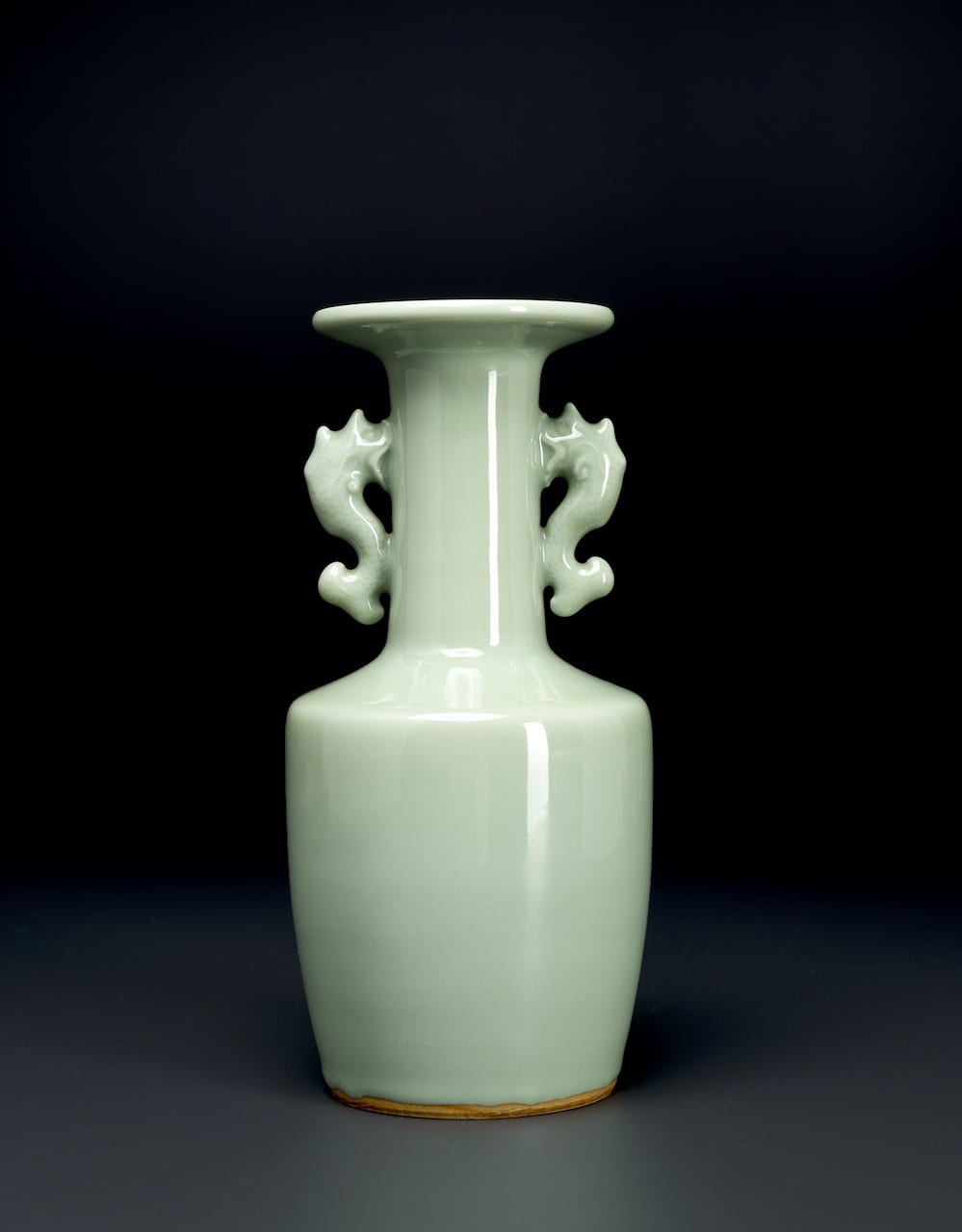
This extraordinary vase is a truly Japanese expression of a classical Chinese form. Fashioned after cylindrical Song Dynasty pieces that are thought to have bee
SOLD
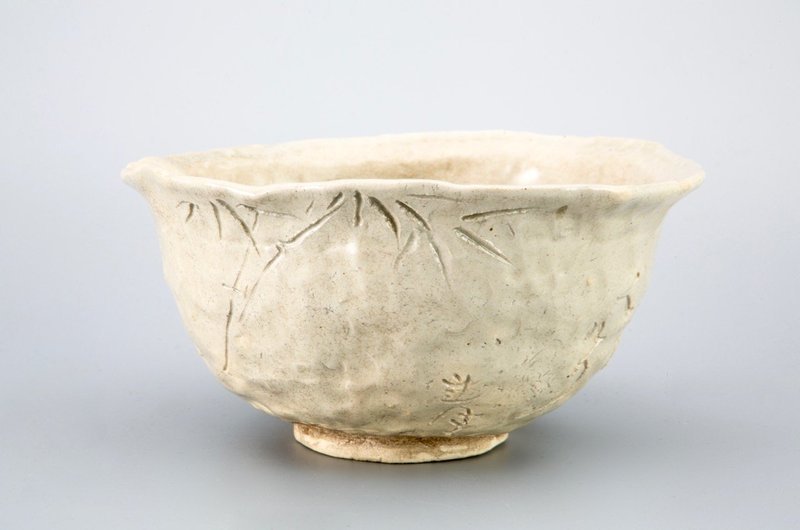
This rare and interesting ceramic work was done by one of the most renowned and loved waka poets of the 19th century, Ōtagaki Rengetsu (1791-1875). In fact, if
SOLD
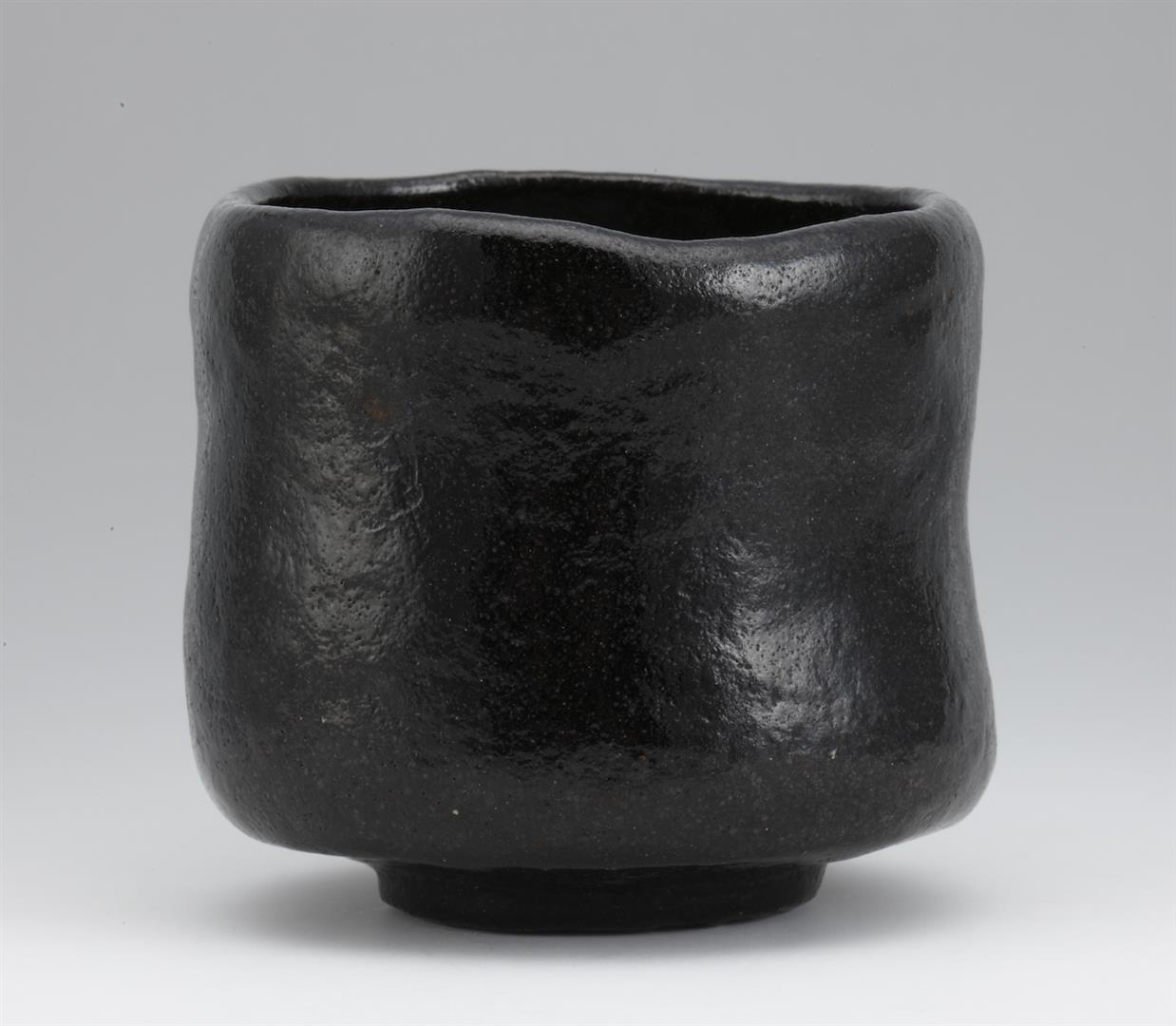
Raku glazed ceramic. This well-shaped and firmly grounded tea bowl is the work of Sanyū—Kichizaemon VI of the Raku line of potters. Highly regarded in the tea w
SOLD
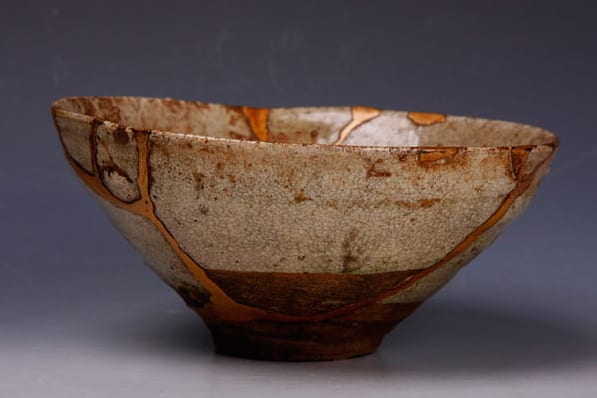
This lovely Ido-gata shaped chawan has very nice asymmetrical balance highlighted by extensive and skillfully applied kintsugi gold repairs. The inside bottom o
SOLD
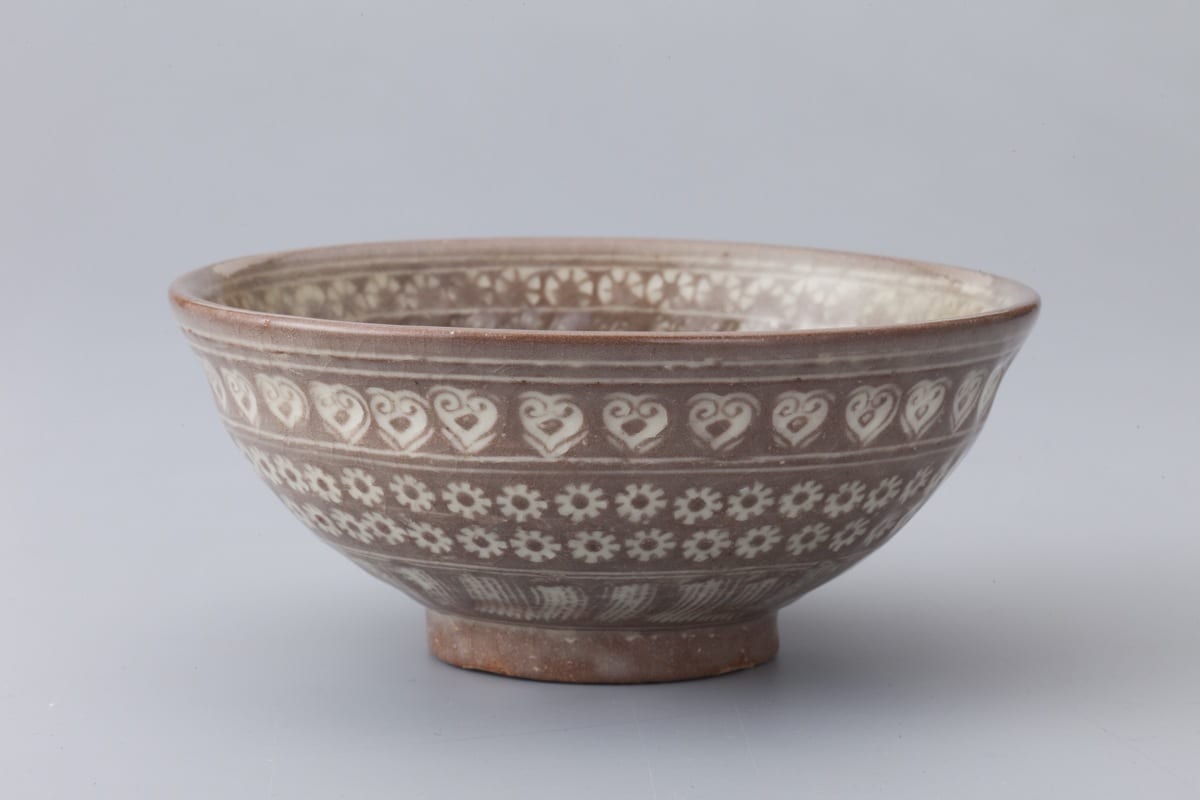
Glazed stoneware. This tea bowl features intricate design work rarely seen in the bulk of Kanjirō’s pieces—likely indicating his early period. The medallion-lik
SOLD
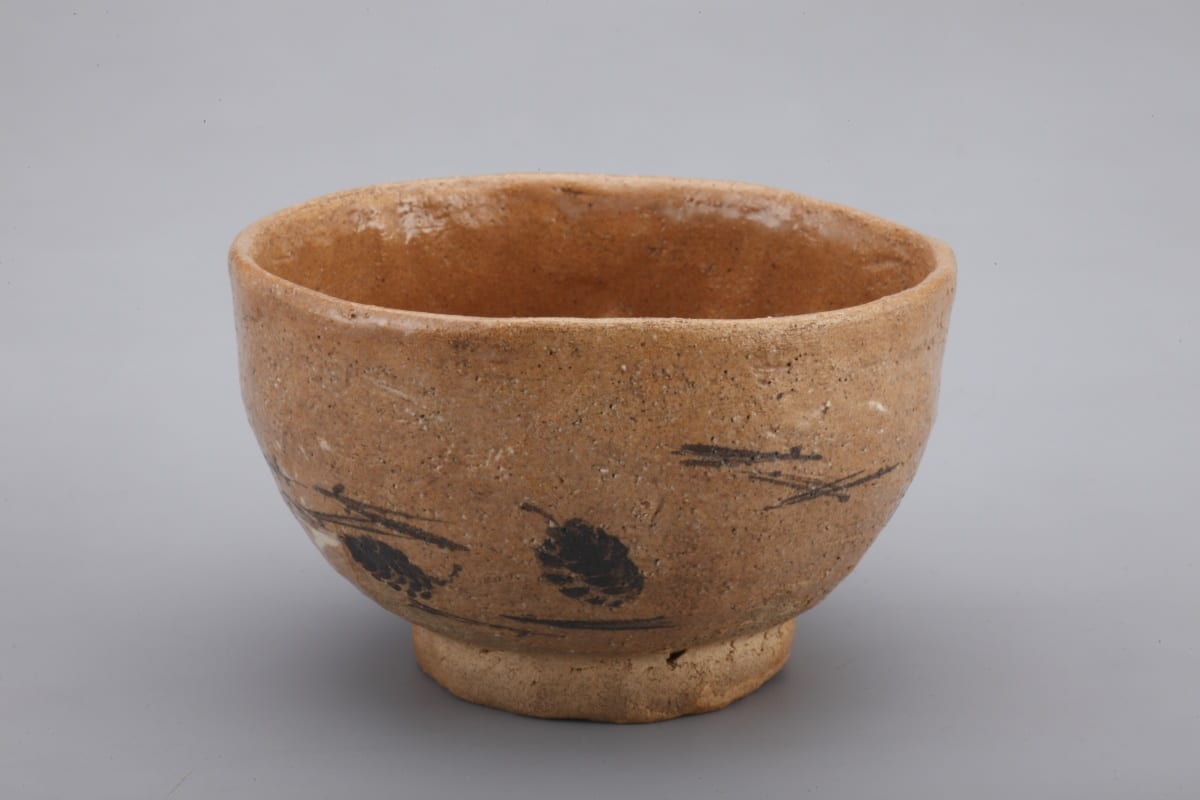
Sumi painting and calligraphy on ceramic. This chawan is light in the hand and contrasts beautifully with a dark rich bowl of matcha. While the poems of many of
SOLD
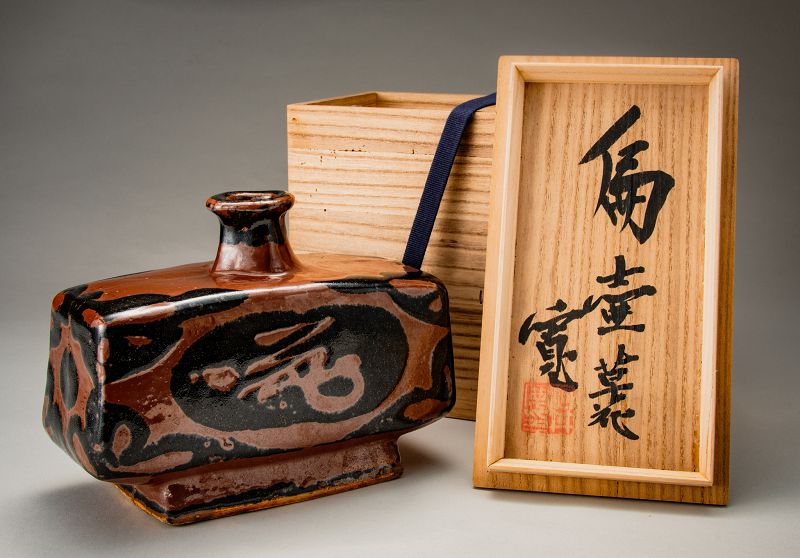
Conceived by 20th century master ceramicist Kawai Kanjiro—here an abstract depiction of flowers is used to adorn an exquisite “henko” shaped vase. The glaze use
SOLD
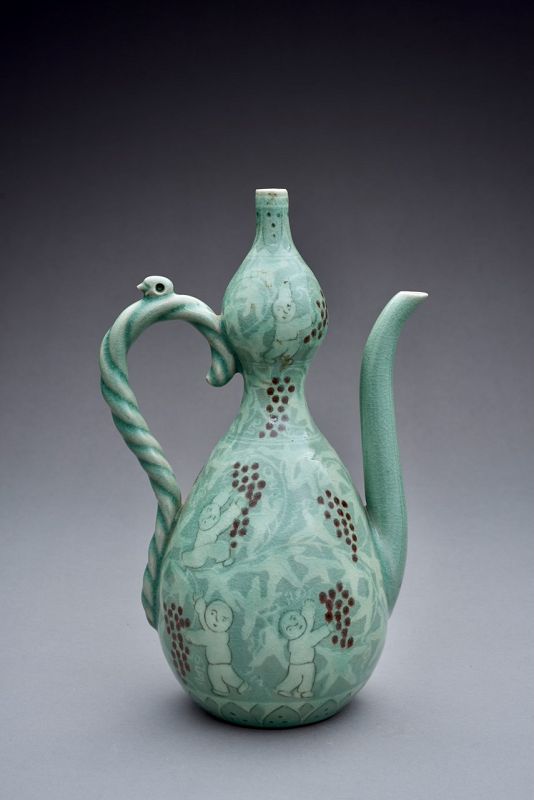
This unique and captivating celadon vase is the work of an early 20th century Korean artist who spent a number of years in Japan honing his craft. Gourd-shaped,
SOLD
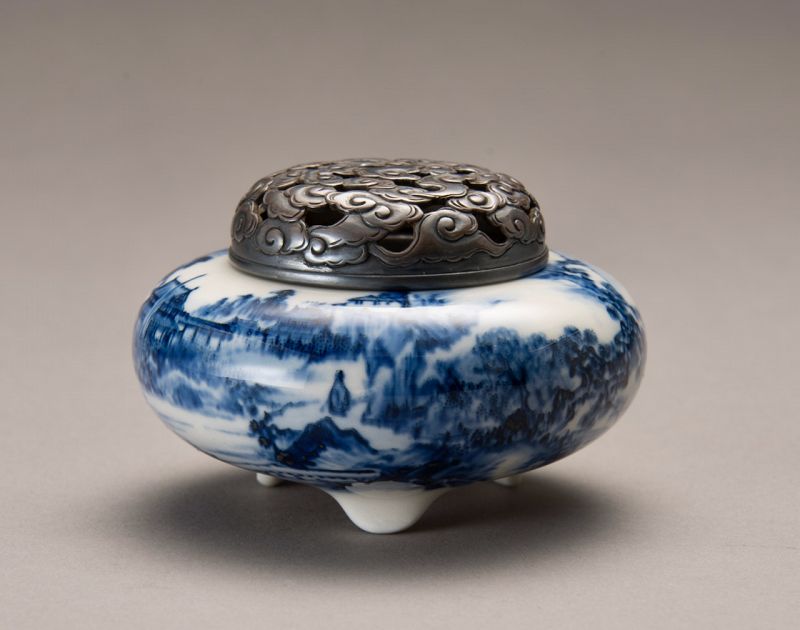
One of the most prominent potters of the Meiji period and one of only five to ever be appointed as Imperial Court Artist, the name Tozan is synonymous with fine
SOLD
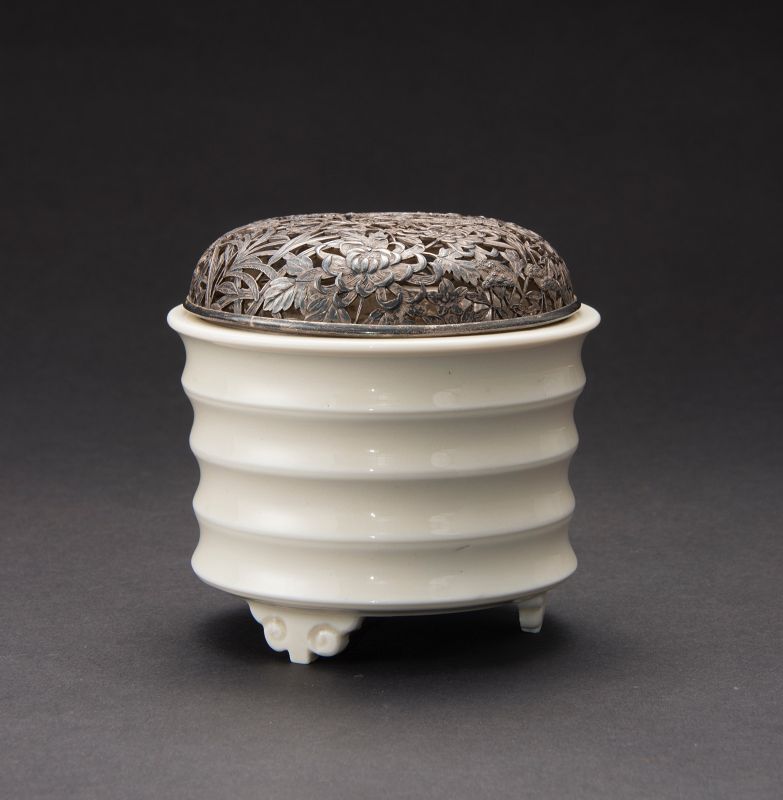
This Meiji period incense burner is made of fine white porcelain with a silver globe decorated with autumn foliage. As with much of Japanese pottery from this e
SOLD