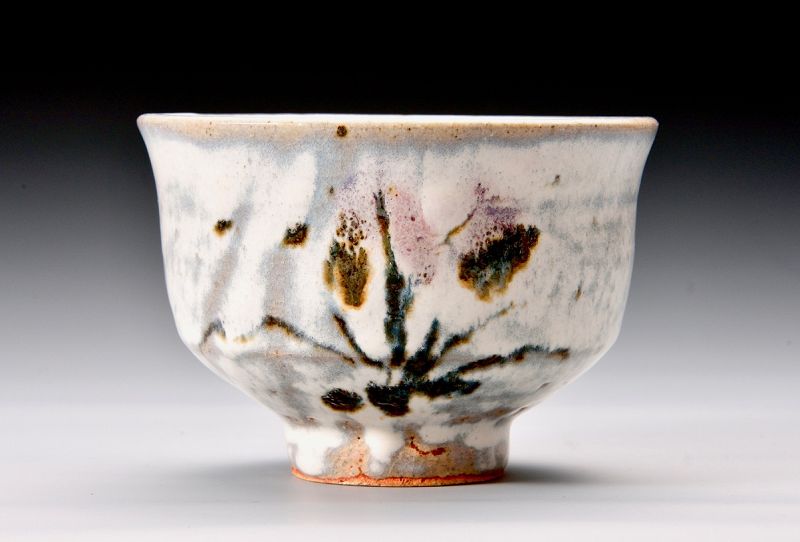
An Iris Tea Bowl by Murakami Yoichi
According to the potter who crafted this fine piece, “The clay from our area in the north is alive. We listen to it in order to divine the most suitable objects
SOLD
Selected by shared artwork type, categories, artist and era. Available works appear first.
Back to the artwork · Browse the full collection
According to the potter who crafted this fine piece, “The clay from our area in the north is alive. We listen to it in order to divine the most suitable objects
SOLD
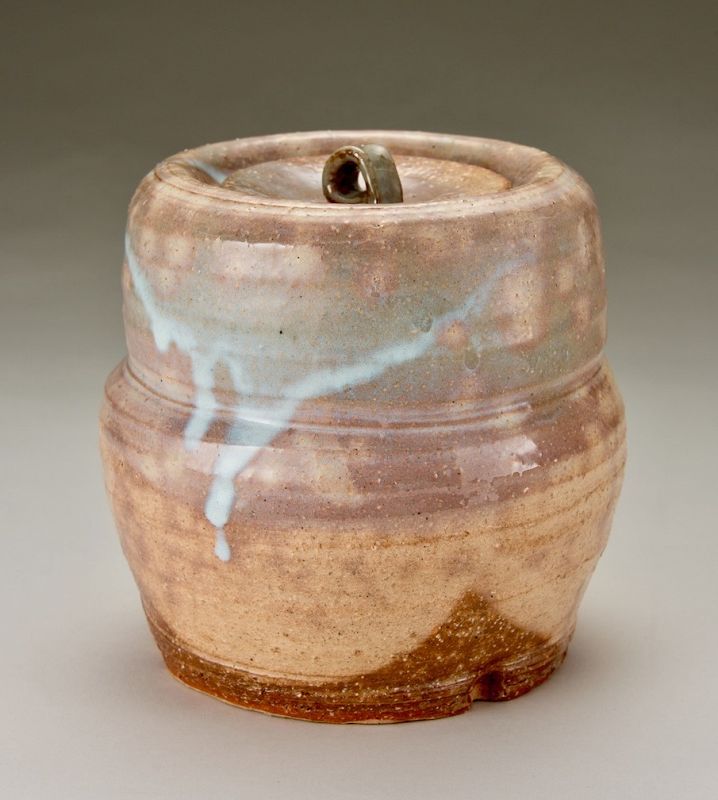
Heavily influenced by Koryo potting styles and techniques, the Tobei lineage has been crafting exceptional tea-ware implements for 13 generations. The piece sho
SOLD
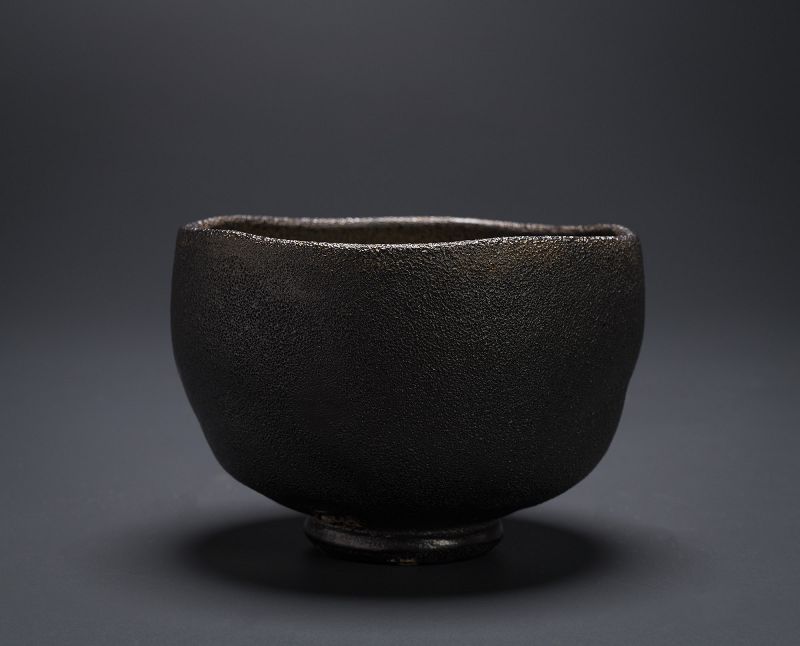
Comfortable in the hand and with a unique textured black Raku glaze, this tea bowl by 20th century potter Samukawa Seiho would make a fine addition for collecto
SOLD
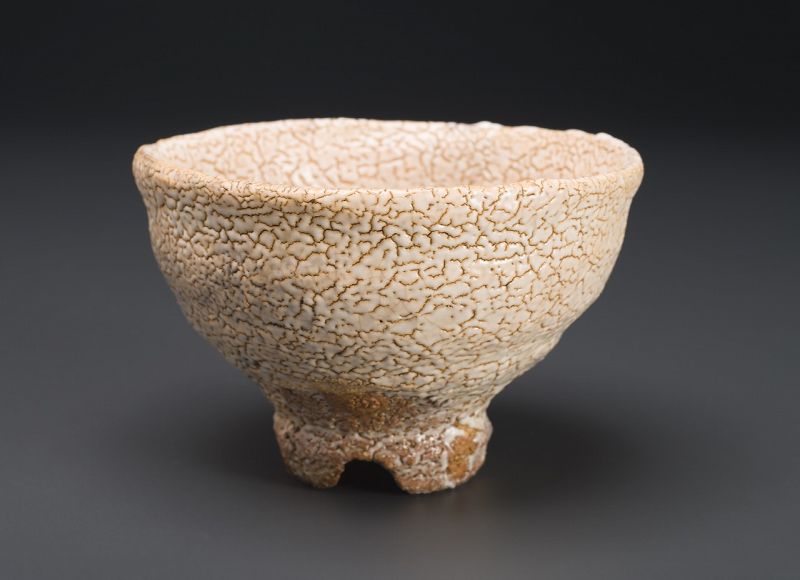
This remarkable tea bowl is from the kilns of Yoshida Shuen (1940-1987)—an apprentice of Miwa Kyusetsu (1910-2012) who was awarded the status of Living National
SOLD
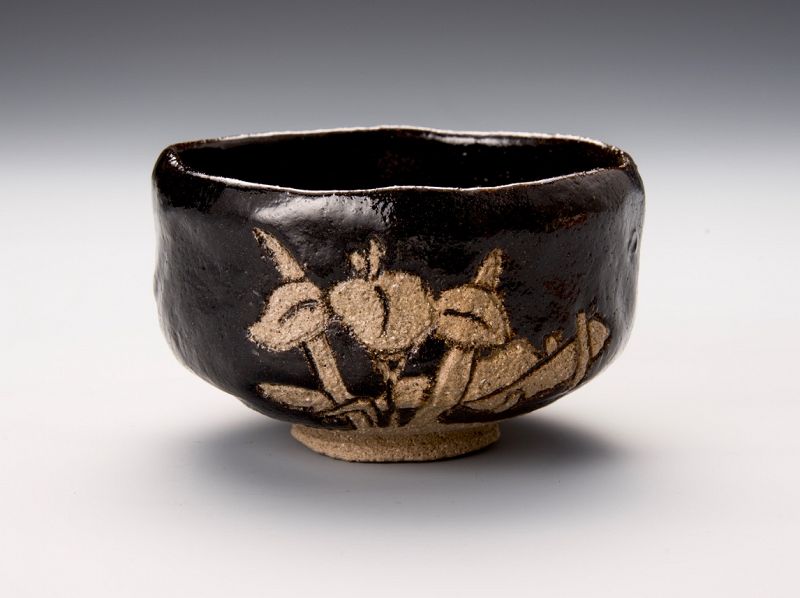
In Japan every season and every phase of the year is marked by the presence of a flower, the most noted of course being the cherry blossoms signifying the long-
SOLD
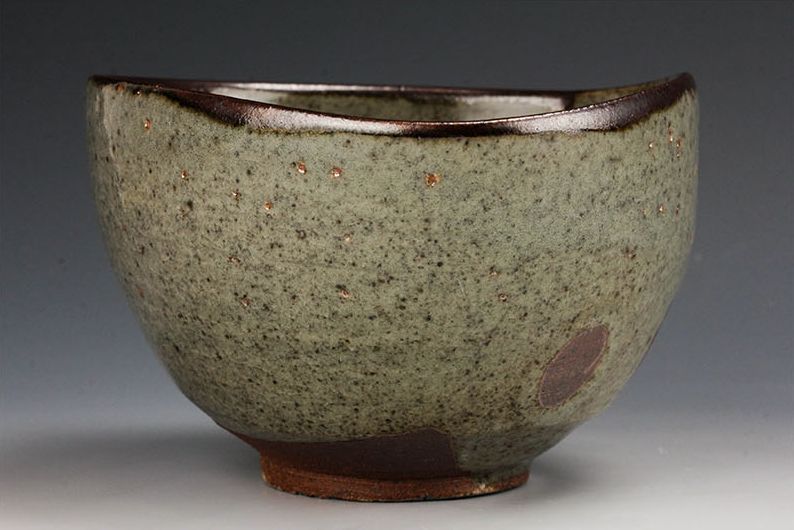
This elegant work of Karatsu pottery has an unglazed foot, showing the rich ferrous clay, and displays a beautiful ashen glaze with hues of blue, grey, green, a
SOLD
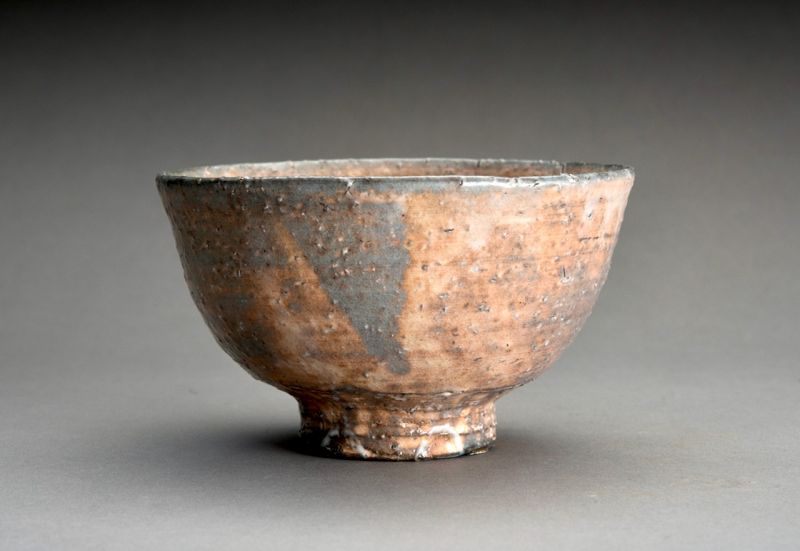
A delightful Hagi tea bowl from the Jōzan Kiln in Yamaguchi Prefecture. Very representative of the genre with its milky glaze and ido-shape. This piece is a ste
SOLD
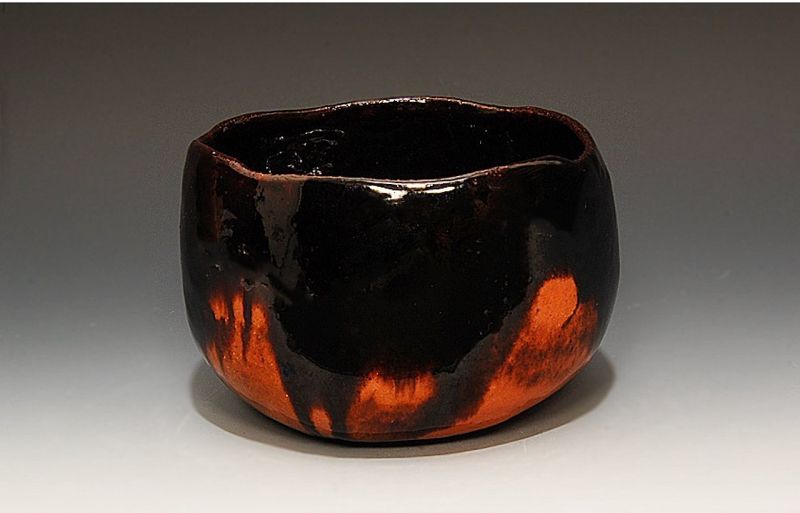
The craftsman who fashioned this piece, the 9th Ohi Chozaimon (1901-1986), is the most widely recognized and most accomplished of the now 11 generations of Ohi
SOLD
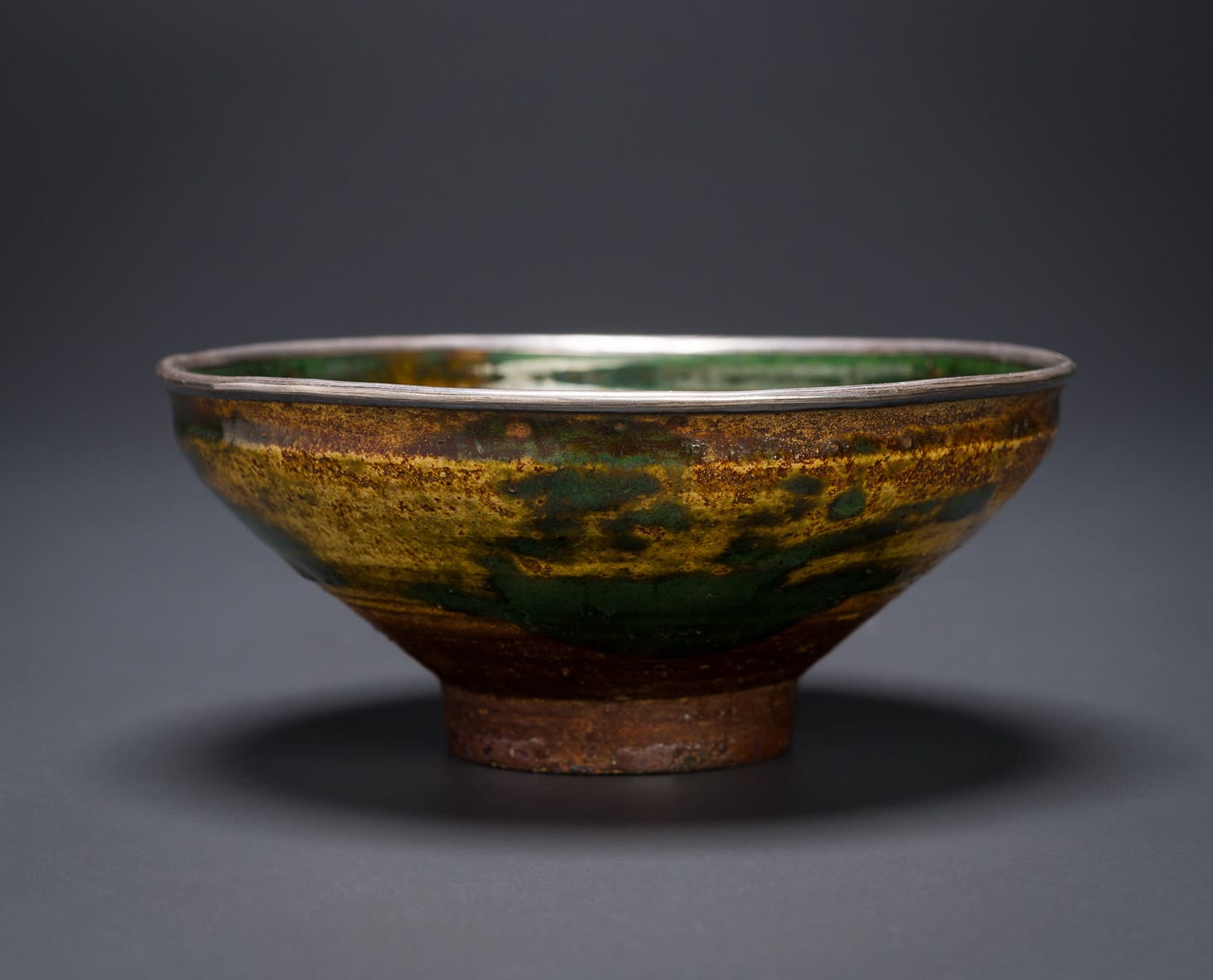
Before styles such as Raku, Hagi, Karatsu, etc came into fashion for use in the tearoom in early Edo, it was commonplace in cultured society to use tea-ware imp
SOLD
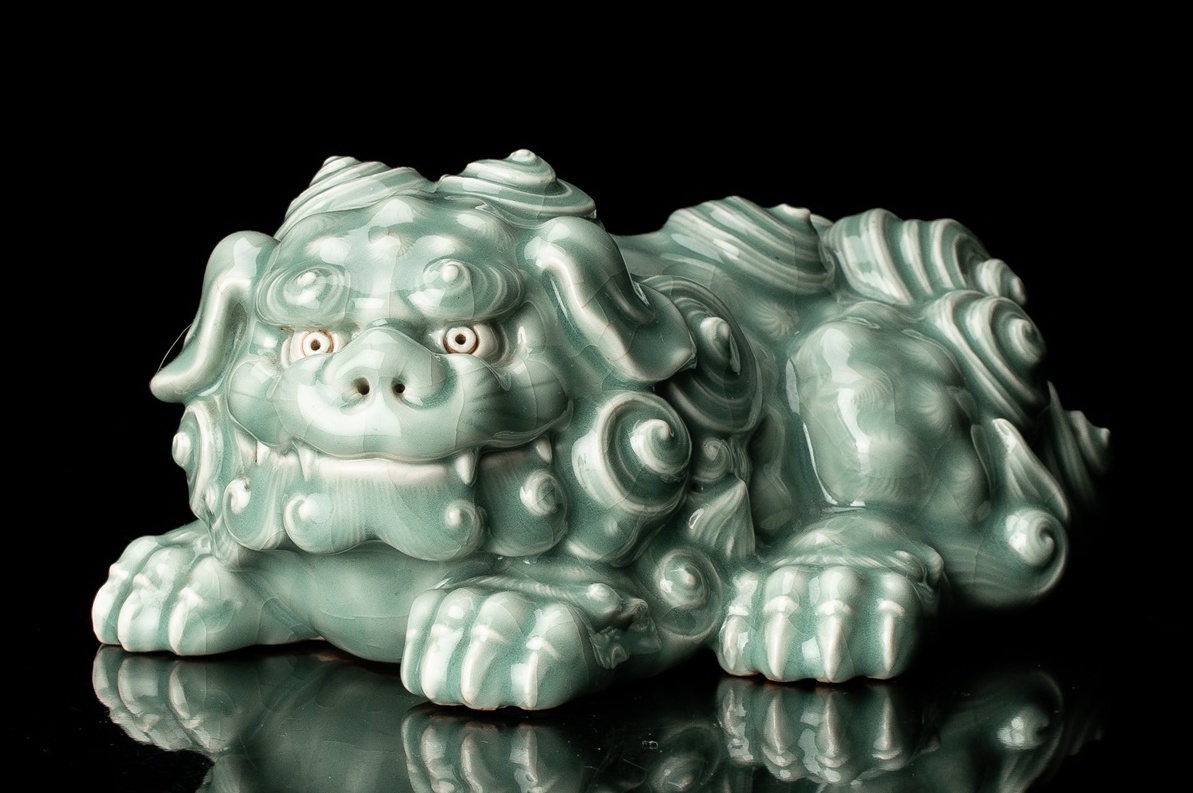
One of only five Imperial Court Artists of Meiji, ceramic pieces by Kōzan are highly prized by collectors and are ever more difficult to find on the market thes
SOLD
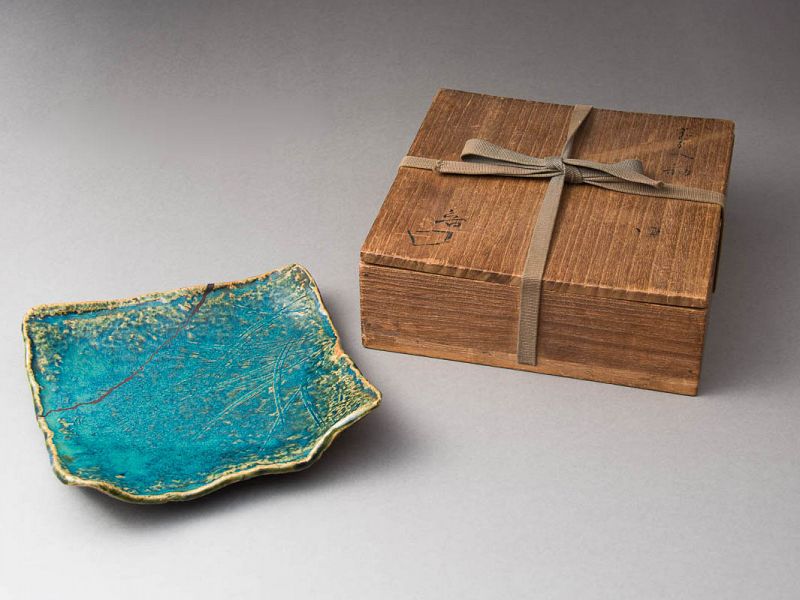
One of the most important Japanese potters of the 20th century, skilled in an impressive number of styles, today his pieces can be found in museum collections a
SOLD
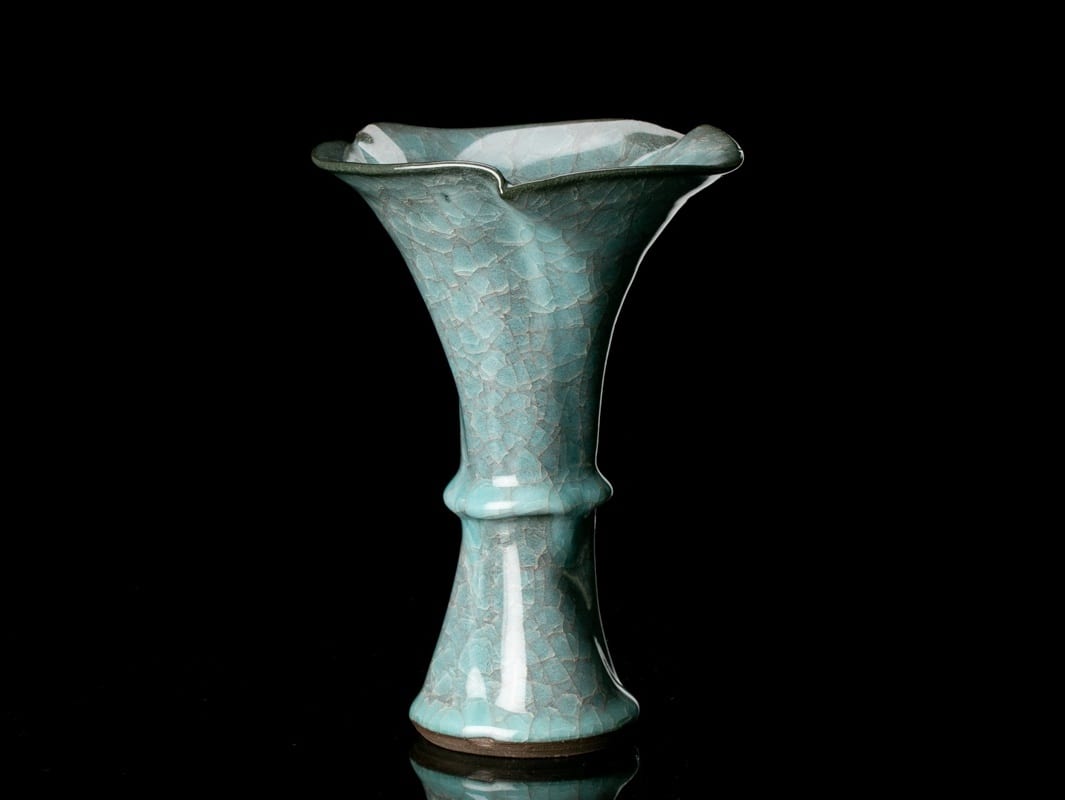
Wakao Kei continues to surprise and captivate with this turquoise blue porcelain vase from his recent offerings. Using deep, rich colors not often seen in this
SOLD
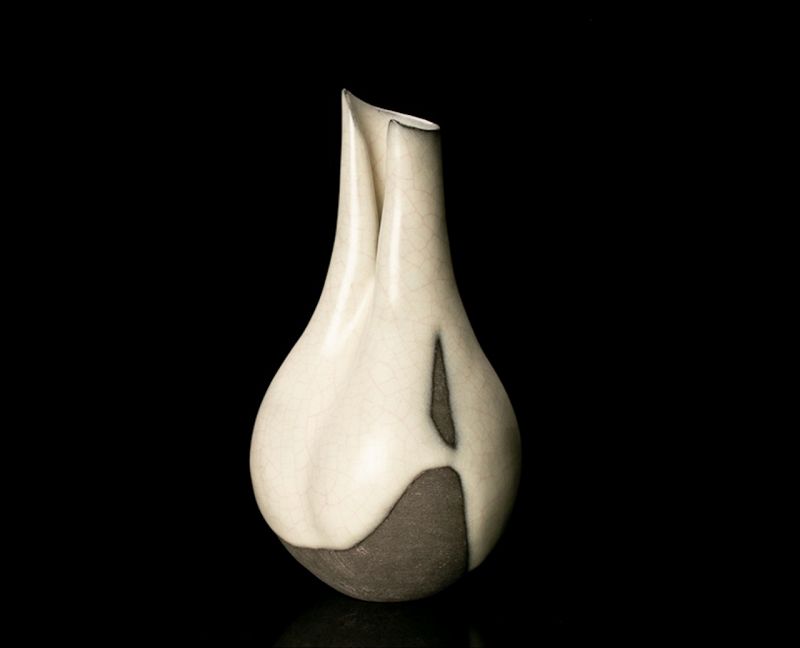
According to Kei Wakao, the artist who crafted this extraordinary work, it took him years of trial-and-error to perfect the unique rice-porcelain glaze covering
SOLD
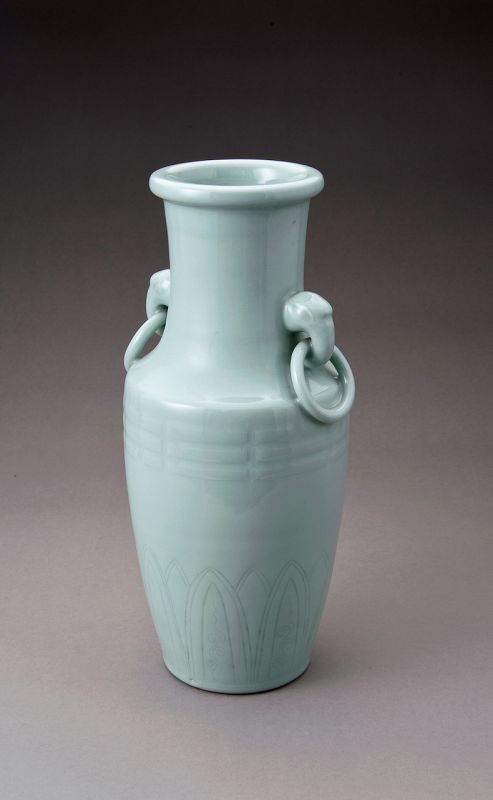
A Chinese style celadon vase by one of the 5 Imperial Court Artists of Meiji. Sozan spent his life perfecting techniques for celadon production first used in th
SOLD
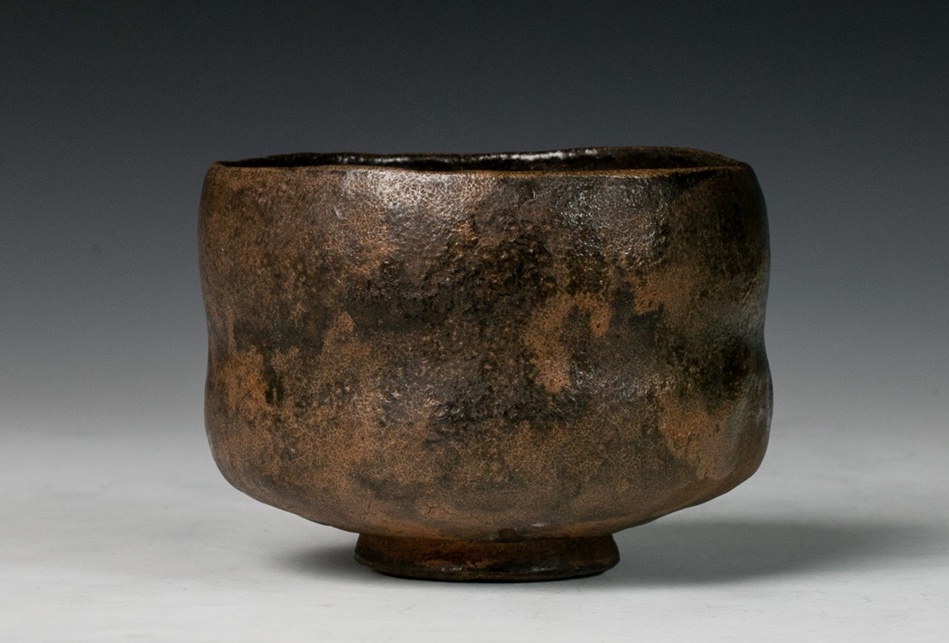
A master work by one of the top artisans of the late 20th century—the result of techniques perfected over centuries by dedicated craftsmen residing in districts
SOLD
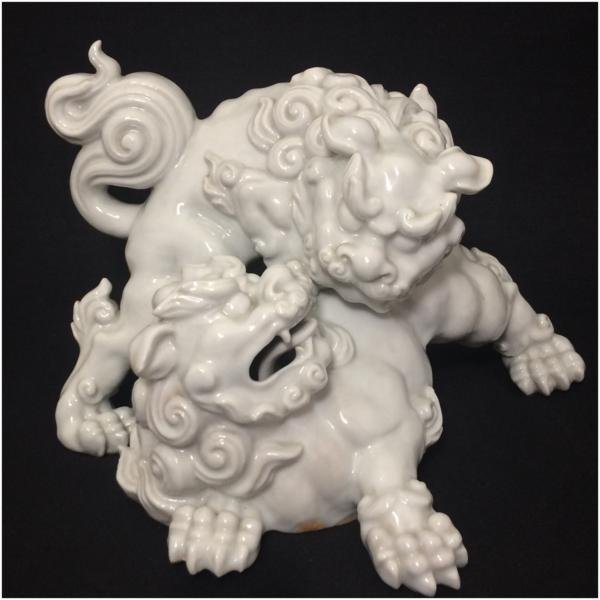
Guardian lions (alternately known as Shishi, Foo-dogs, or Koma-inu) were introduced to Japan in the 8th century and are often seen outside shrine gates or adorn
SOLD
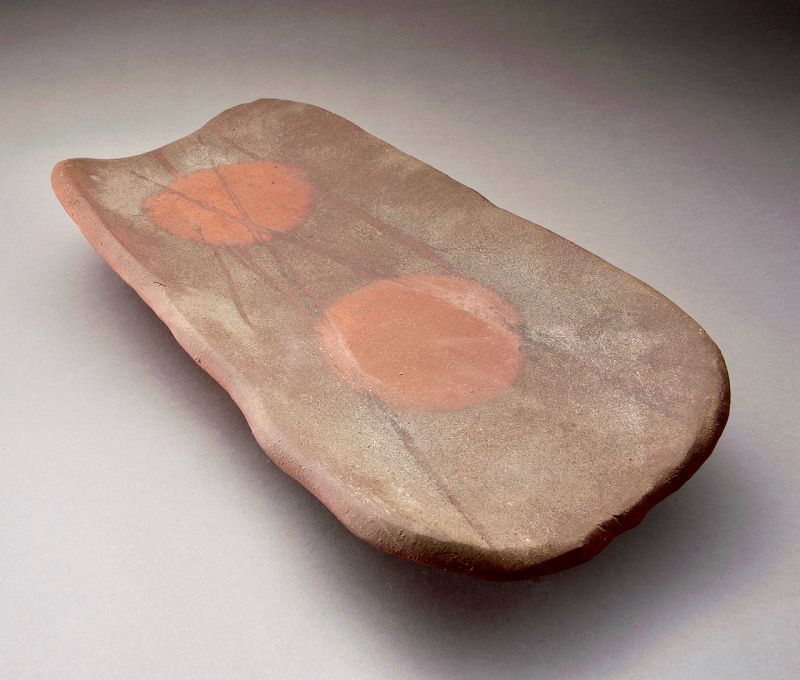
Created by Living National Treasure Isezaki Jun, Bizen pieces like the one seen here originated in Okayama (south-western Japan) and have a long history that is
SOLD
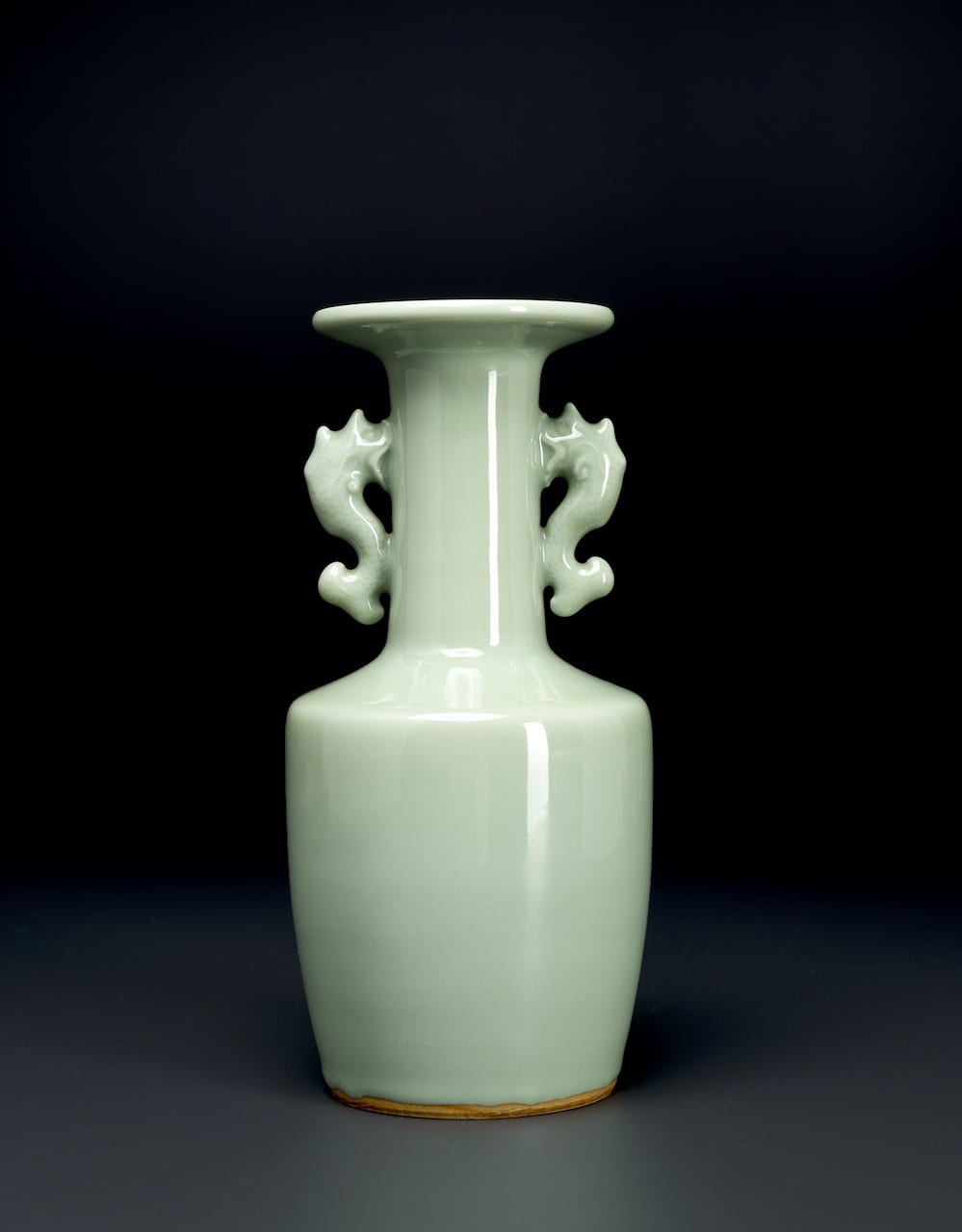
This extraordinary vase is a truly Japanese expression of a classical Chinese form. Fashioned after cylindrical Song Dynasty pieces that are thought to have bee
SOLD
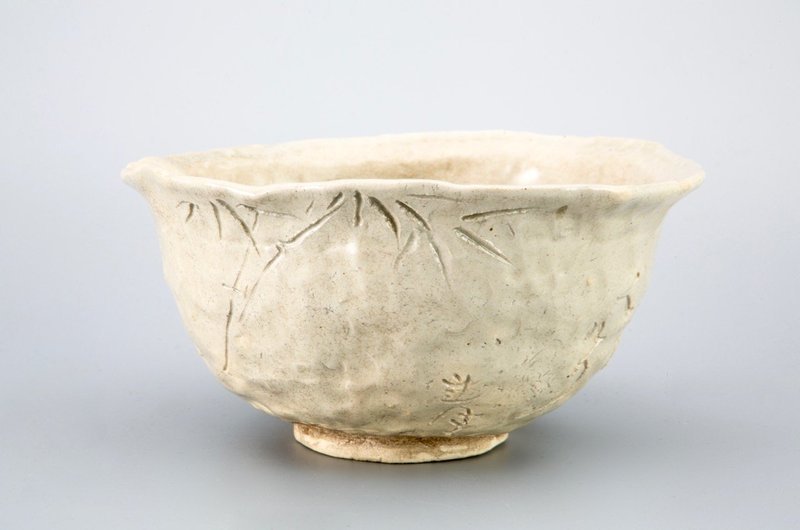
This rare and interesting ceramic work was done by one of the most renowned and loved waka poets of the 19th century, Ōtagaki Rengetsu (1791-1875). In fact, if
SOLD
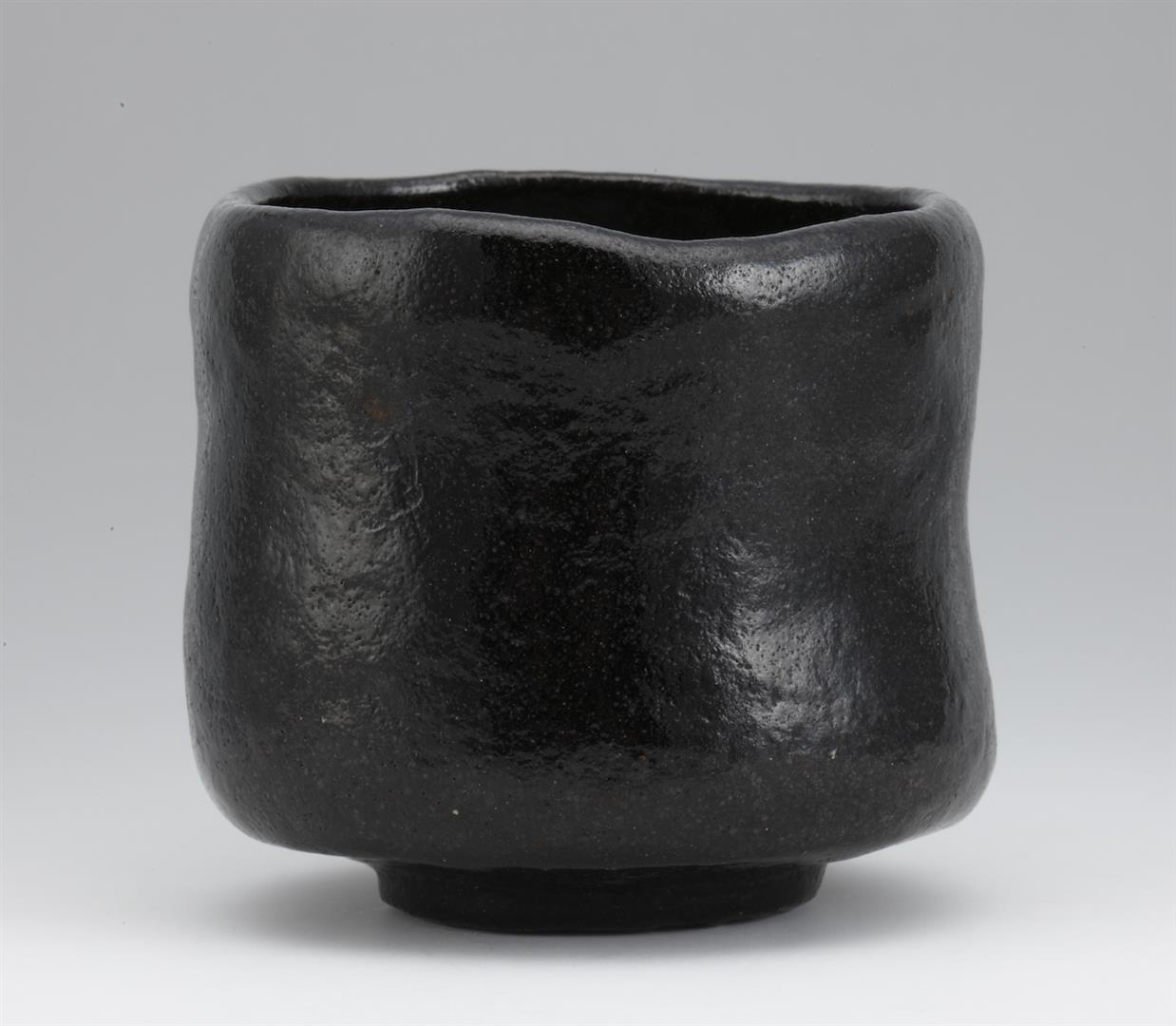
Raku glazed ceramic. This well-shaped and firmly grounded tea bowl is the work of Sanyū—Kichizaemon VI of the Raku line of potters. Highly regarded in the tea w
SOLD
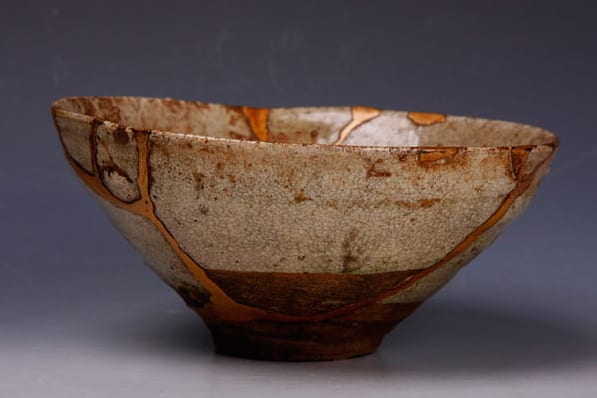
This lovely Ido-gata shaped chawan has very nice asymmetrical balance highlighted by extensive and skillfully applied kintsugi gold repairs. The inside bottom o
SOLD
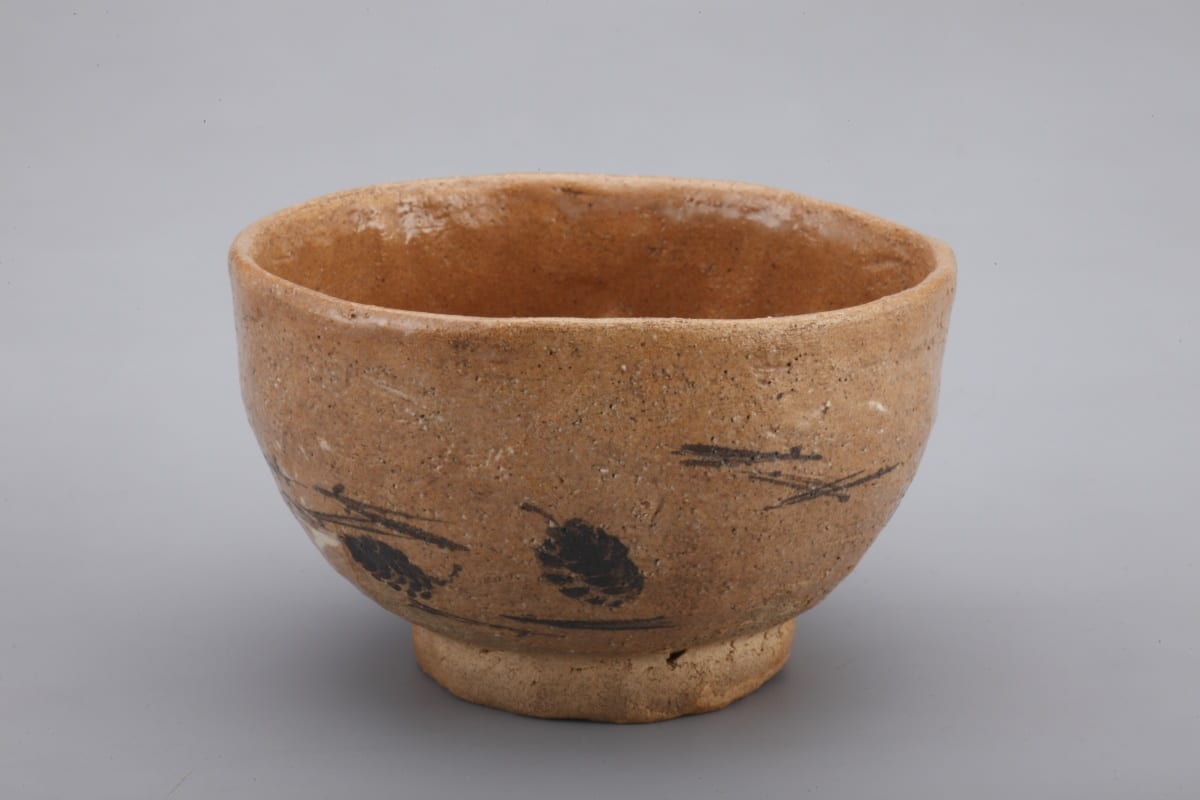
Sumi painting and calligraphy on ceramic. This chawan is light in the hand and contrasts beautifully with a dark rich bowl of matcha. While the poems of many of
SOLD
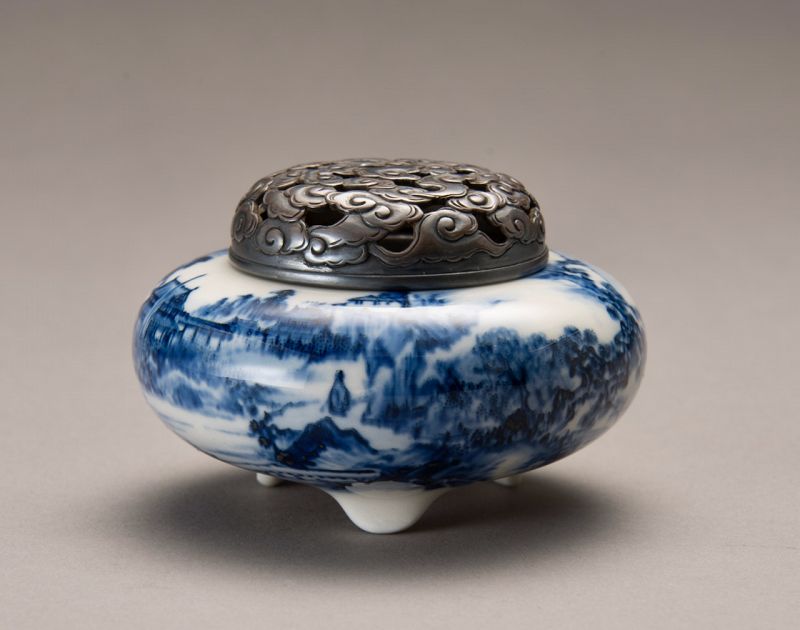
One of the most prominent potters of the Meiji period and one of only five to ever be appointed as Imperial Court Artist, the name Tozan is synonymous with fine
SOLD
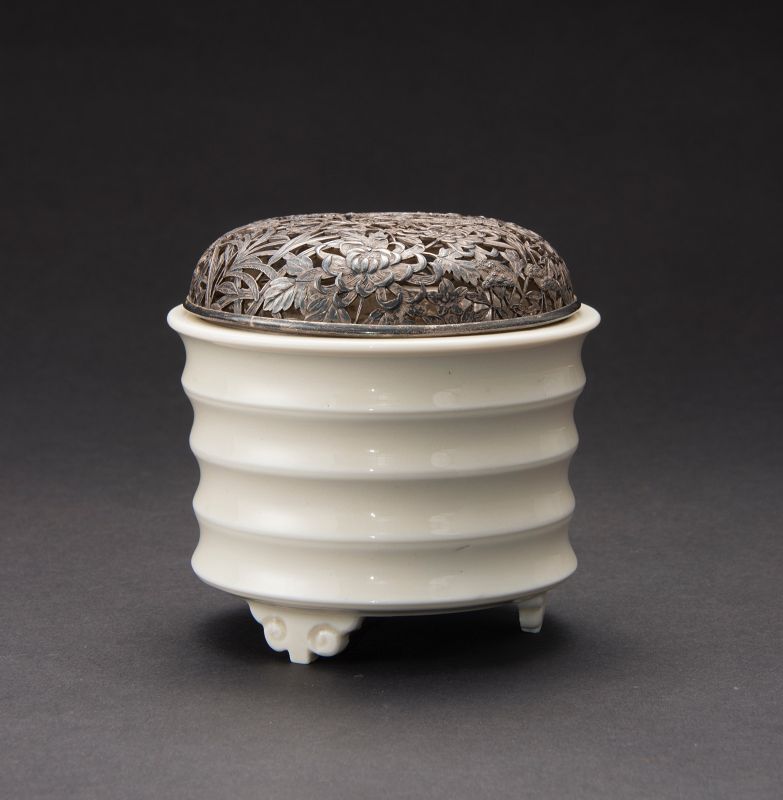
This Meiji period incense burner is made of fine white porcelain with a silver globe decorated with autumn foliage. As with much of Japanese pottery from this e
SOLD
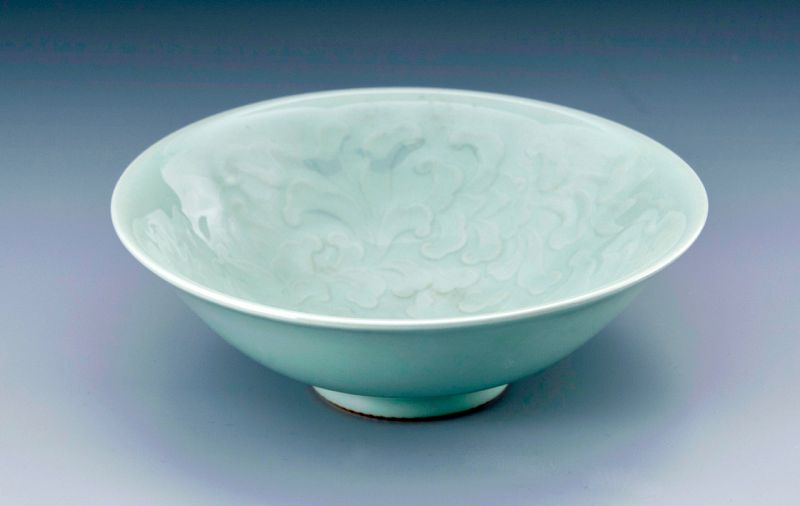
A wonderful translucent blue celadon dish decorated with a low-relief floral motif. This piece was made by one of the few great female Japanese potters of the 2
SOLD
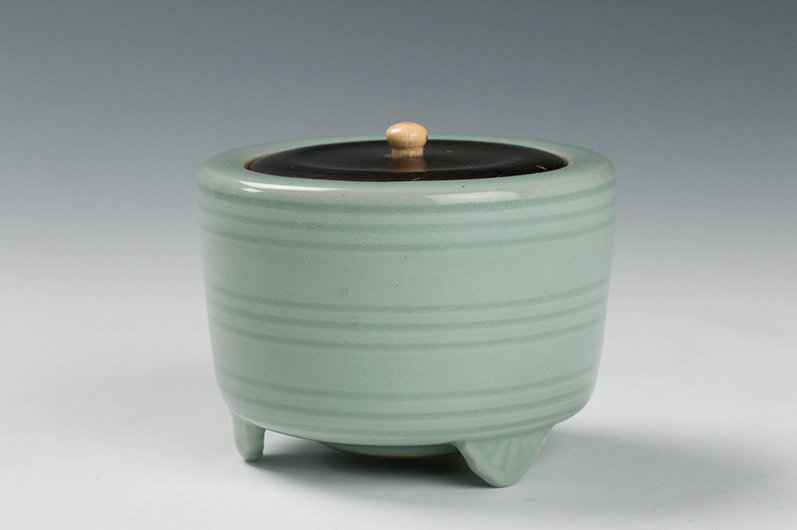
This finely crafted tripod incense burner is one of several often-employed motifs used by renowned Meiji/ Taisho ceramic artist Suwa Sozan I. With a design borr
SOLD
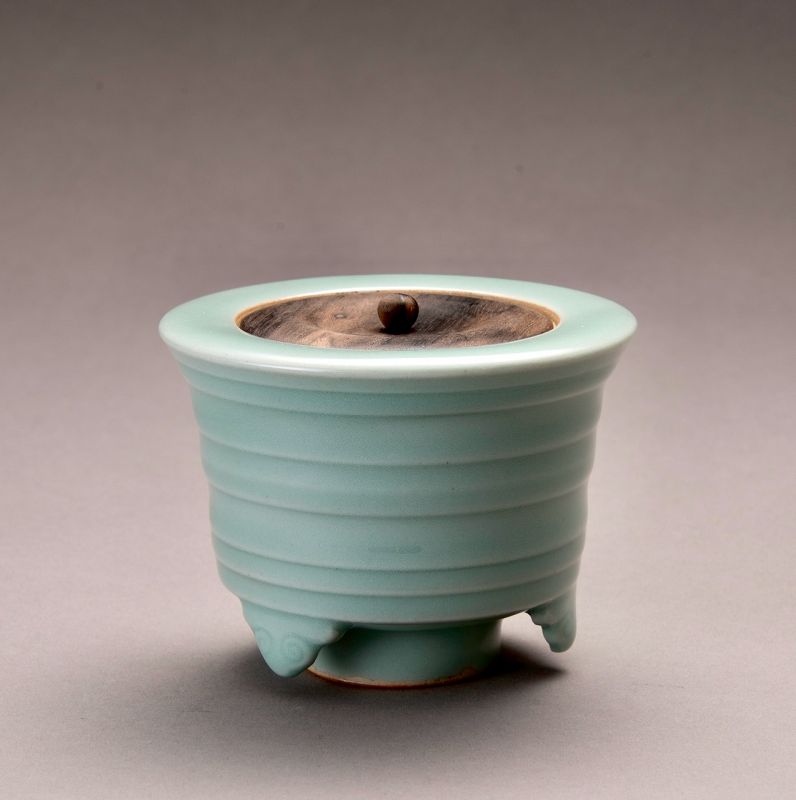
A Chinese style celadon incense burner by one of the 5 Imperial Court Artists of Meiji. Sozan spent his life perfecting techniques for celadon production first
SOLD
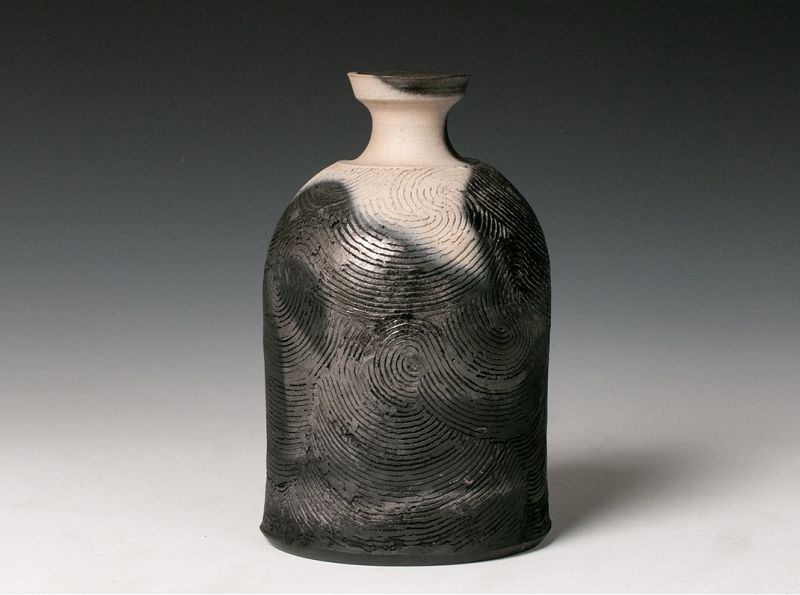
A very versatile and innovative artist, Sakata Jinnai produces pieces such as the vase seen here in his easily recognizable trademark style. Many of his pieces
SOLD
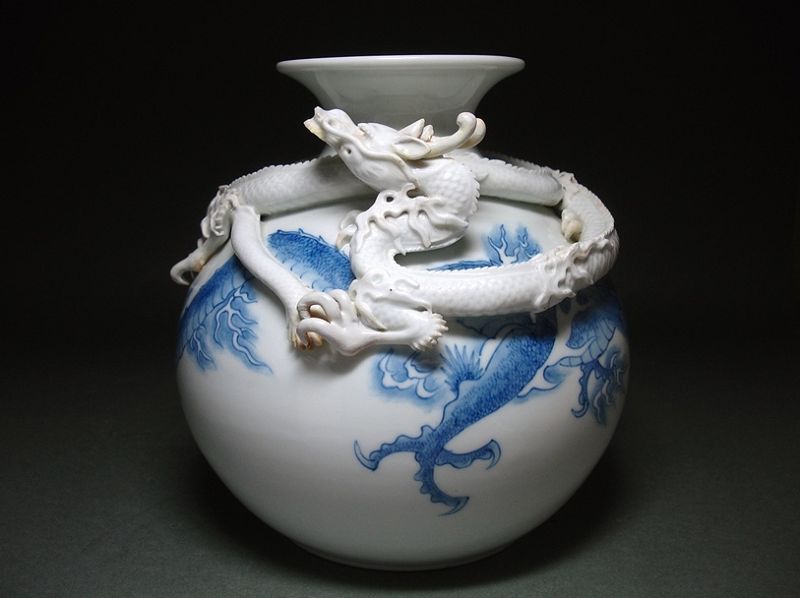
From a large collection of Edo period Nabeshima and Hirado-ware, this intricately crafted vase features two serpentine dragons intertwined across the face of th
SOLD
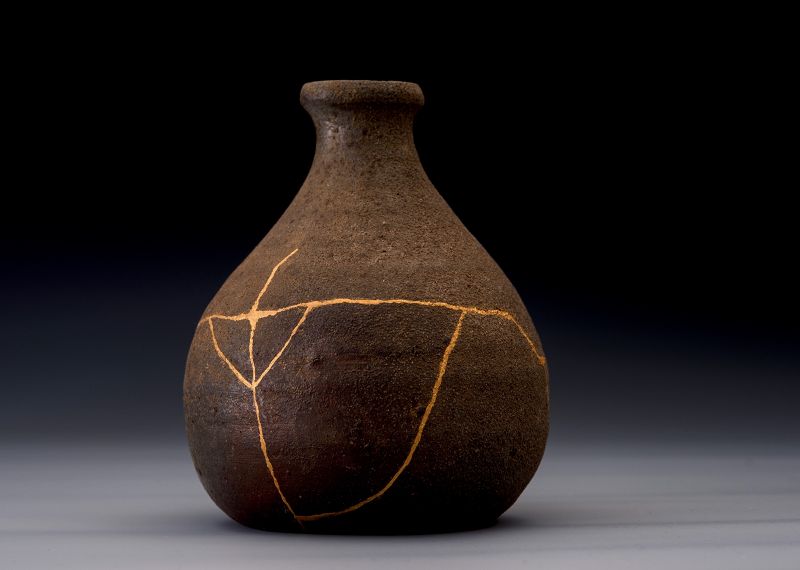
Takashi Nakazato is a celebrated Japanese ceramic artist whose family's mastery of pottery now spans 14 generations. Born in Karatsu, Saga Prefecture in 1937, N
SOLD
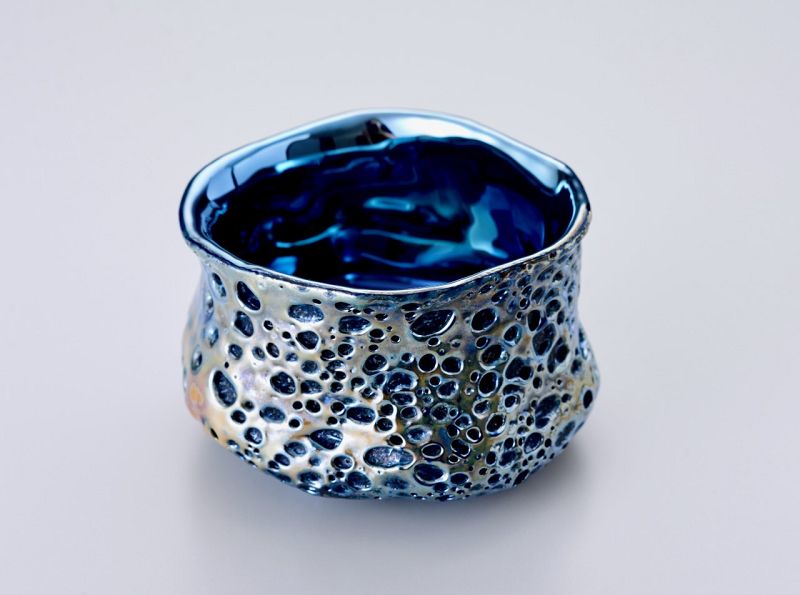
Described as a “Tsuki-no-Umi” (Ocean of the Moon) sake cup we can see immediately the inspiration for this recent work from Kurokawa Daisuke. Fashioned from gla
SOLD
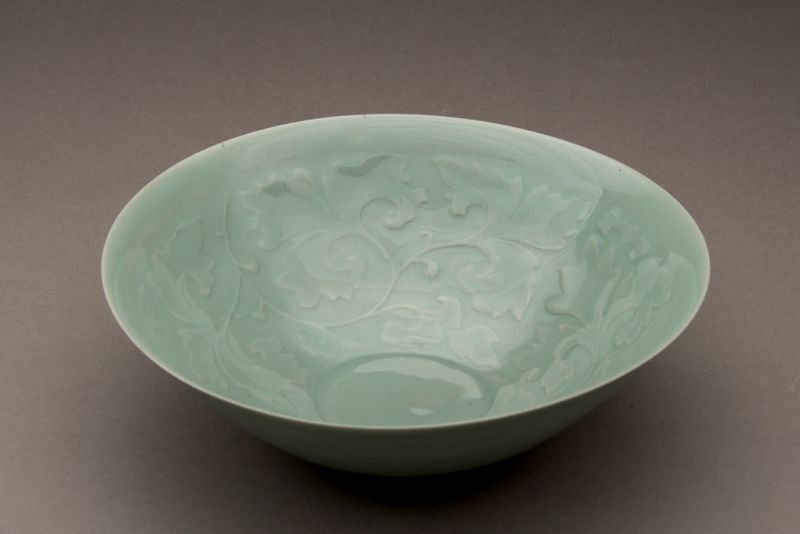
Here we see a Chinese style celadon floral bowl by one of the 5 Imperial Court Artists of Meiji. The potter, Sozan, spent his life perfecting techniques for cel
SOLD
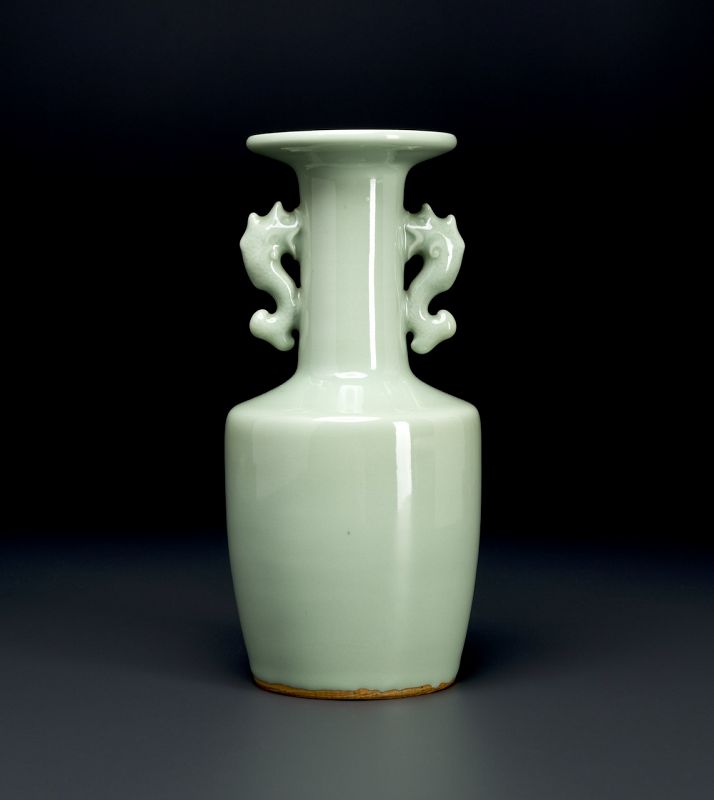
This extraordinary vase is a truly Japanese expression of a classical Chinese form. Fashioned after cylindrical Song Dynasty pieces that are thought to have bee
SOLD
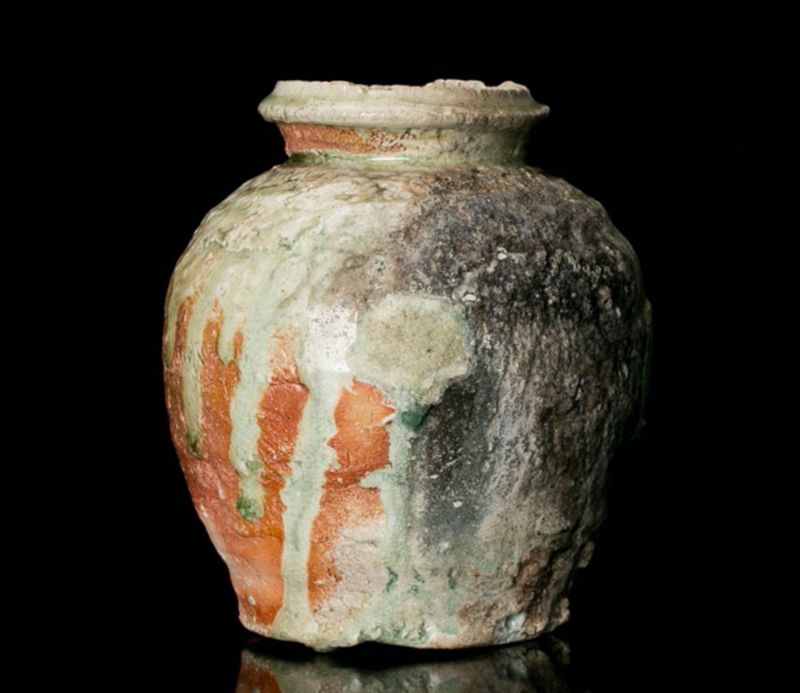
A beautiful example of Shigaraki pottery—the result of techniques perfected over centuries by dedicated artisans residing in the provinces east of Kyoto. This p
SOLD
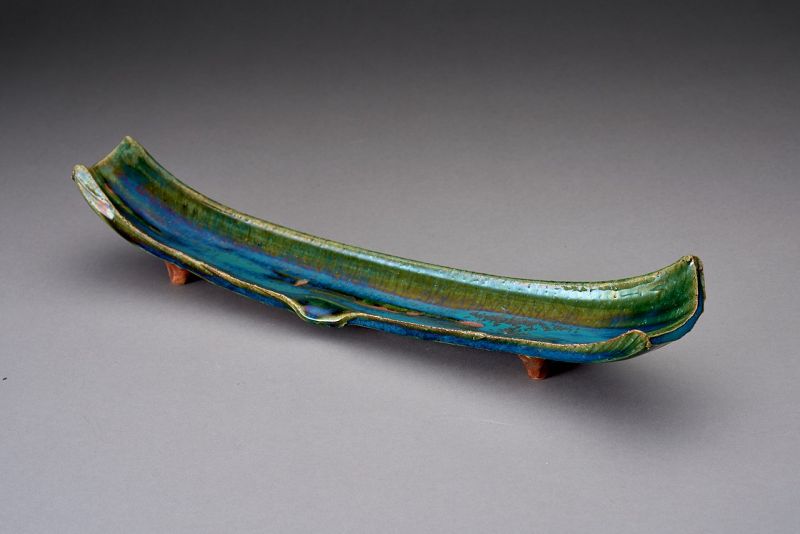
Oribe is a visual style named after the late-16th-century tea master Furuta Oribe (1544-1615). While most Oribe pieces are adorned with abstract, minimalistic,
SOLD
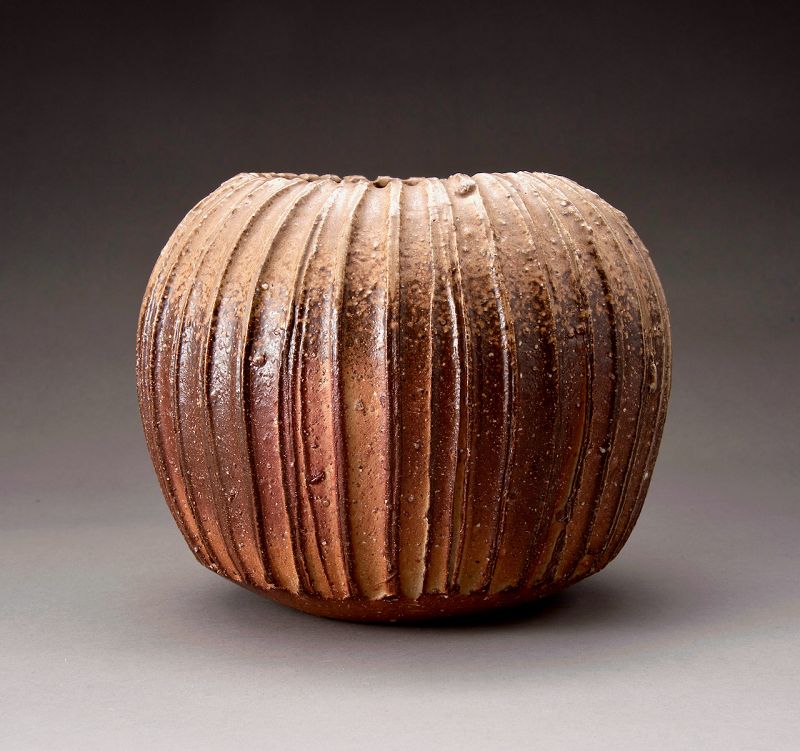
First born son to Living National Treasure Isezaki Jun, Koichiro (b. 1974) has quickly made a name for himself as an independent artist. Not content to rely sol
SOLD
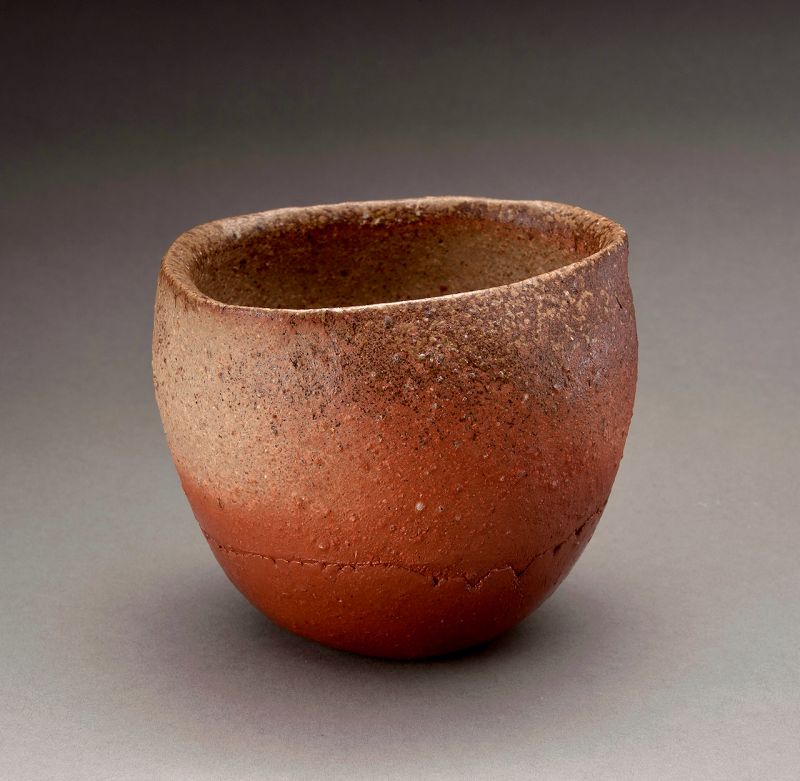
First born son to Living National Treasure Isezaki Jun, Koichiro (b. 1974) has quickly made a name for himself as an independent artist. Not content to rely sol
SOLD
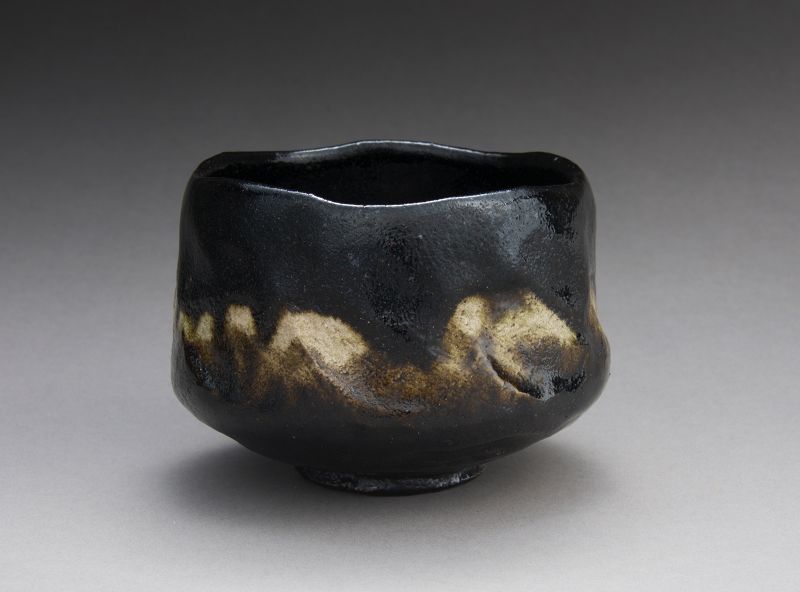
A black Raku ceremonial tea bowl displaying an excellent patina bestowed by time. The light colored clay peeks through in areas giving this piece a unique feel.
SOLD
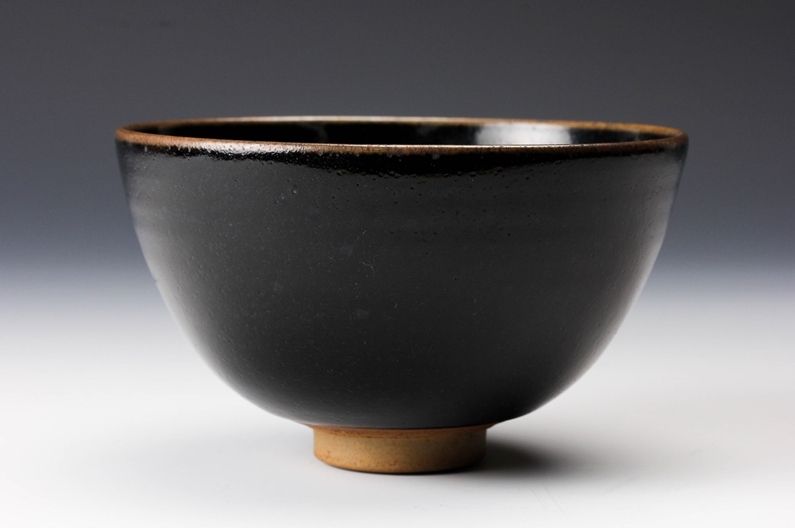
Before styles such as Raku, Hagi, Karatsu, etc came into fashion for use in the tearoom in early Edo, it was commonplace in cultured society to use tea-ware imp
SOLD
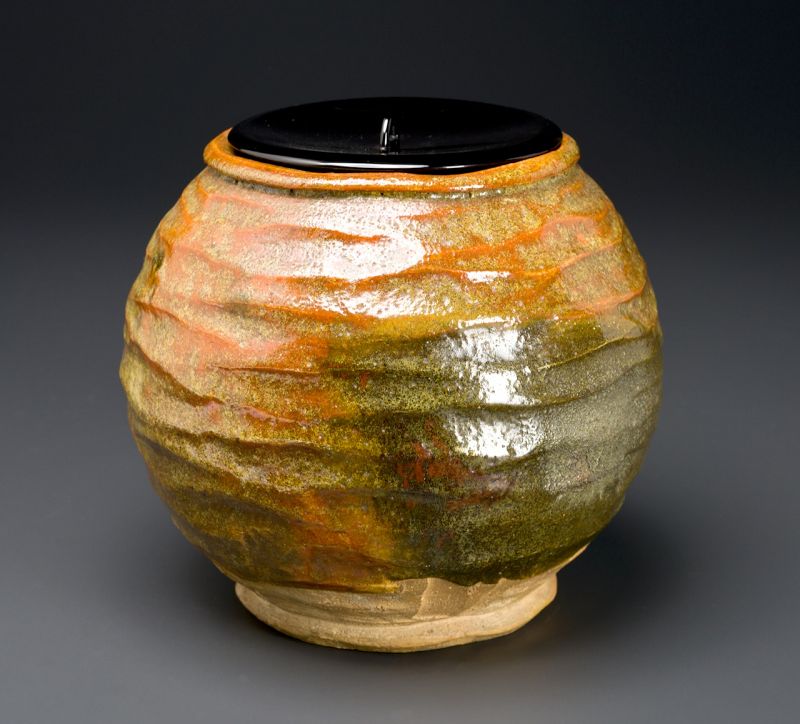
Raku-ware carries with it a very naturalistic aura; with its implements made of raw clay, its use of fire water and air to shape and harden these implements, an
SOLD
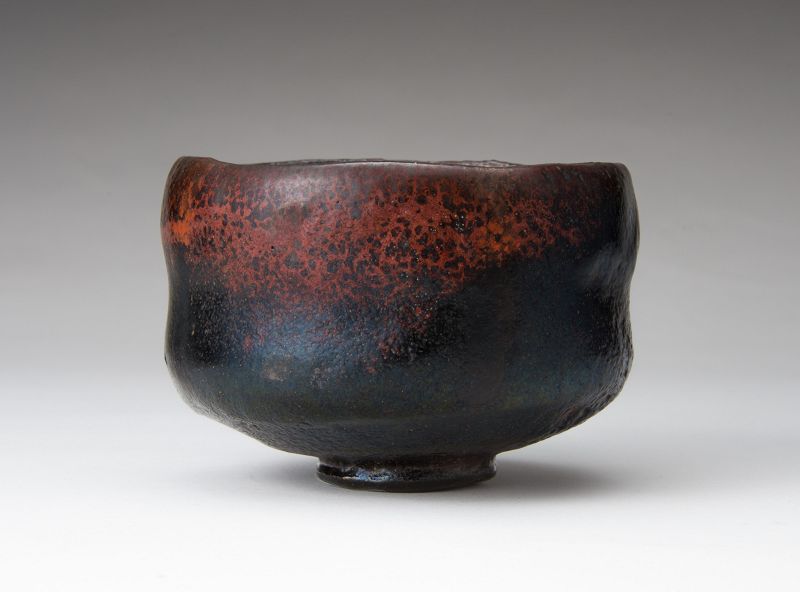
In the world of Japanese ceramics, Tamamizu-ware has an almost mythical standing. A branch of the main Raku line, at one time the two kilns held equal prominenc
SOLD
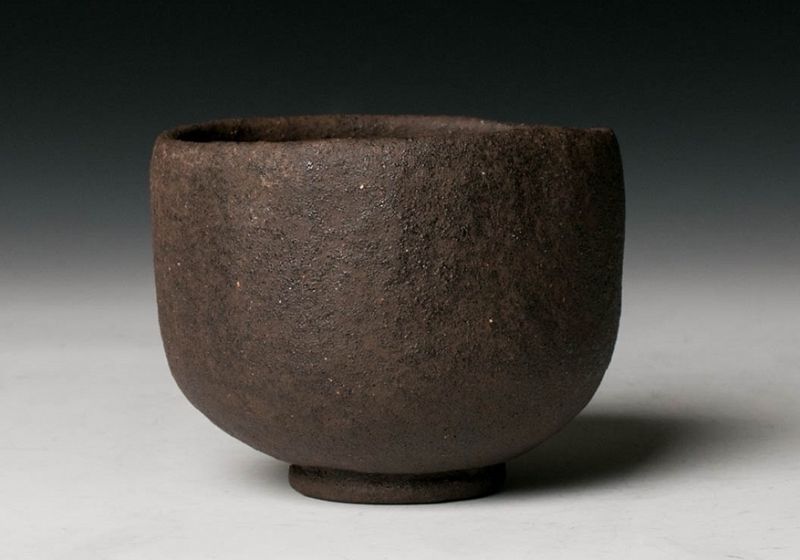
In the world of Japanese ceramics, Tamamizu-ware has an almost mythical standing. A branch of the main Raku line, at one time the two kilns held equal prominenc
SOLD
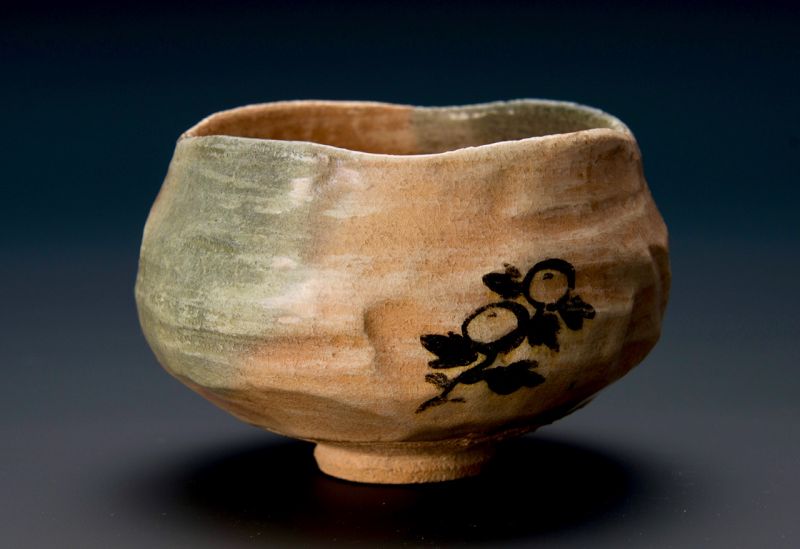
This iconic tea bowl was crafted by one of the great masters of Japanese pottery and given the poetic name "Dewdrop" by a famous tea master of the Omote-senke s
SOLD
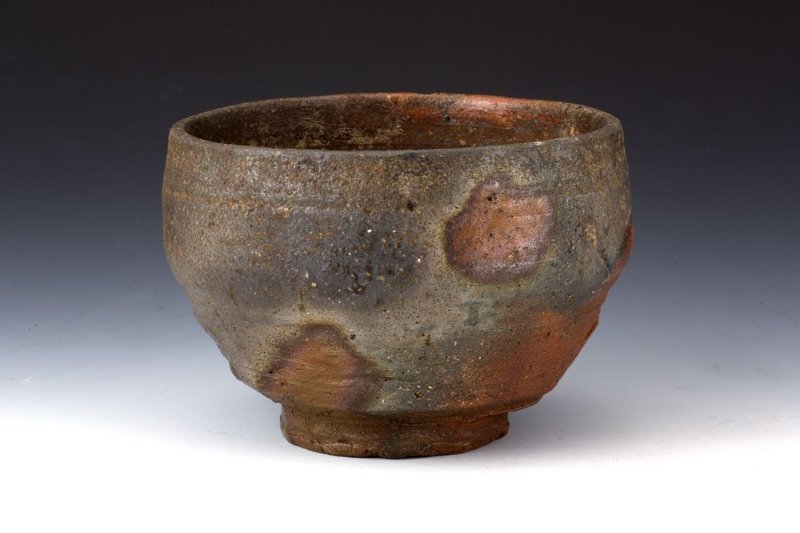
Signed by the 13th Iemoto (tea master) of Omotesenke, Sokuchusai (1901-1979) this exceptional tea bowl bears the poetic name Asahi or “Morning Sun.” Brilliant o
SOLD
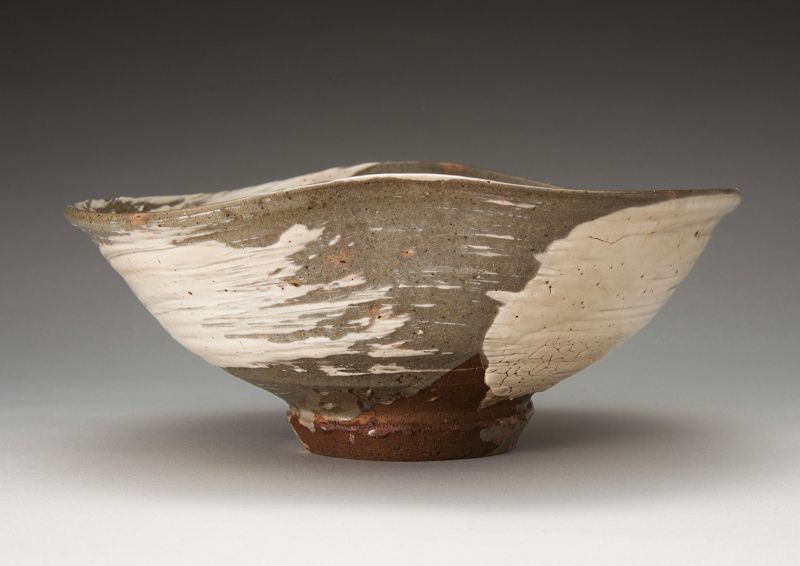
A beautiful example of a Hakeme style bowl, this one quite rare as it was made around 200 years ago by the son of the founder of the Dohachi line of potters. Tr
SOLD
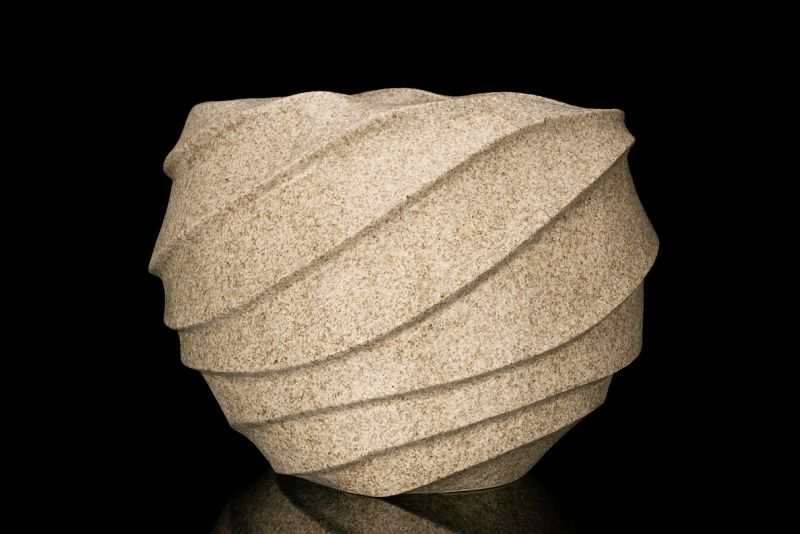
From a well-known series entitled “Chōtō” (Listening to the Waves) this large contoured vase features a sandy glaze that the sculptor claims is an expression of
SOLD
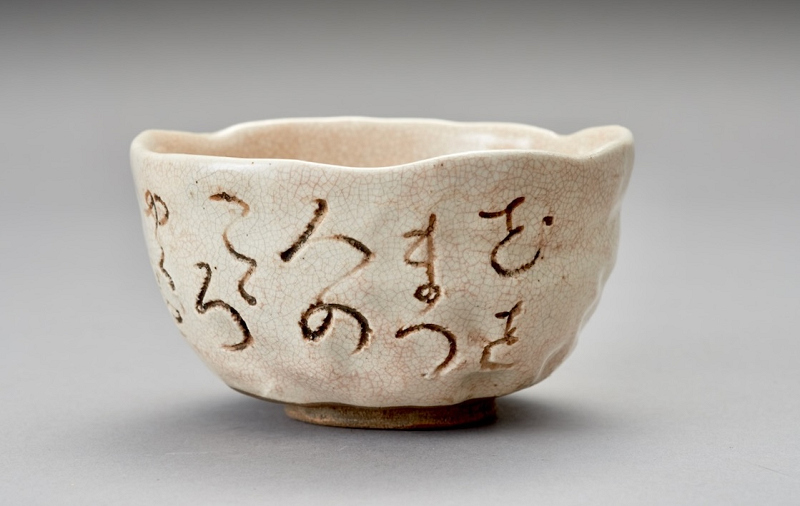
The poem etched on the side of this exceptional piece reads: 花を待つ人の心や雲となりて山の端ごとに立ちまよふらん The hearts of those waiting for flowers to blossom — have they turned in
SOLD
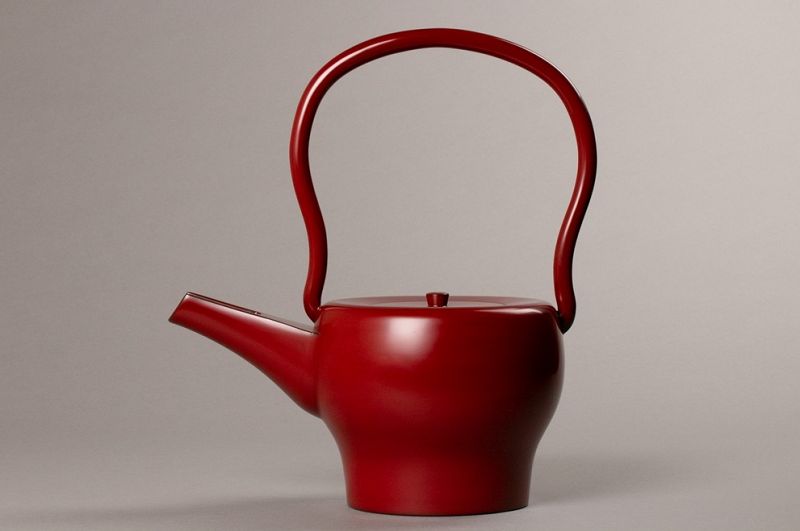
A very modern and sleek interpretation of the classic lacquer sake warmer otherwise known as a “chōshi” in Japanese. The author of this piece, Kado Isaburō, was
SOLD
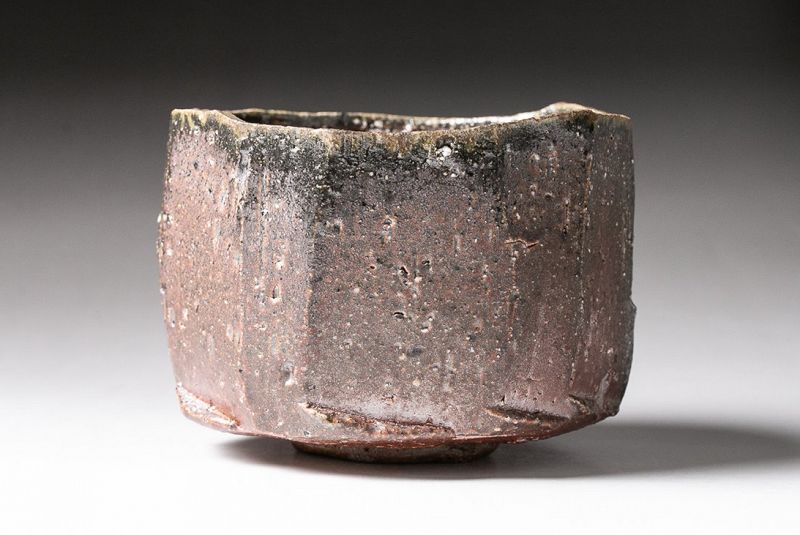
The distinctive and easily recognizable style of Bizen pieces, such as the one featured here, originated in Okayama (south-western Japan) and has a long history
SOLD
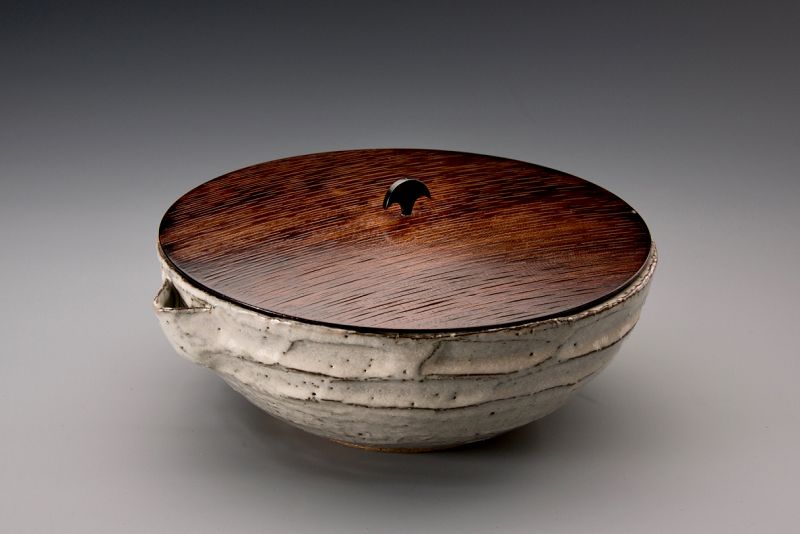
An excellent example of Japanese minimalist aesthetic that transcends its humble origins, this mizusashi, or fresh water pot used in tea ceremony, displays a cl
SOLD