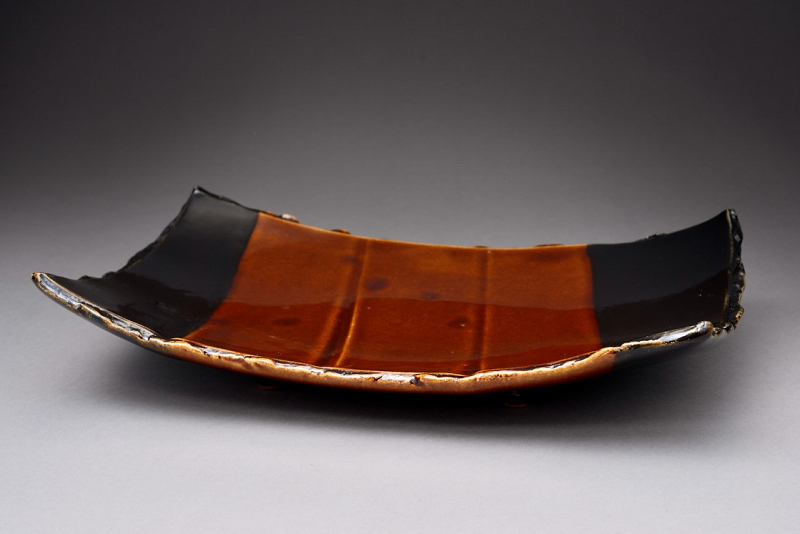
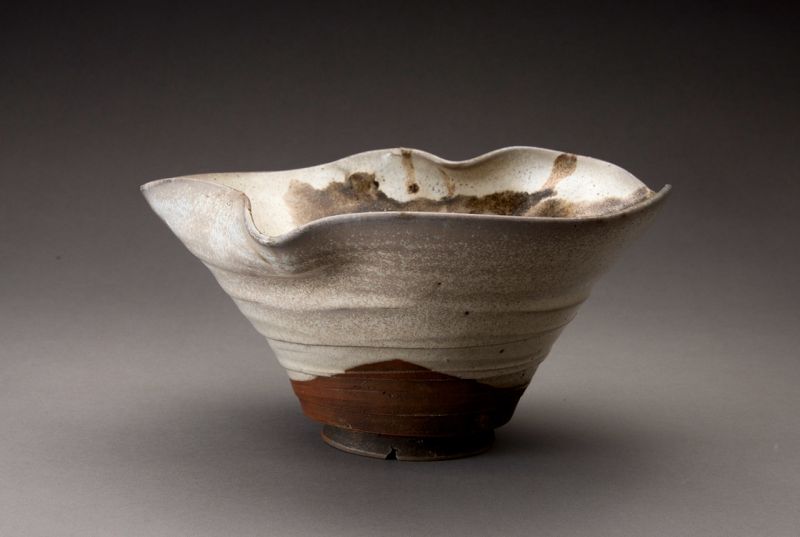
A Large Serving Tray by Ōhi Chōzaemon 11 (Toshio)
This large serving tray by Ōhi Chōzaemon XI (Toshio) brings together the rich glaze tradition of Ōhi ware and a distinctly contemporary sculptural form. Its bro
Selected by shared artwork type, categories, artist and era. Available works appear first.
Back to the artwork · Browse the full collection
This large serving tray by Ōhi Chōzaemon XI (Toshio) brings together the rich glaze tradition of Ōhi ware and a distinctly contemporary sculptural form. Its bro

A stunning example of blue/ green Oribe-ware by one of the veterans of Mino ceramics, this platter displays astounding variation in color and texture with deep

In Japan, famous for its generational potting families, only a handful have made it all the way through to the 14th generation—the Nakazato line being one of th
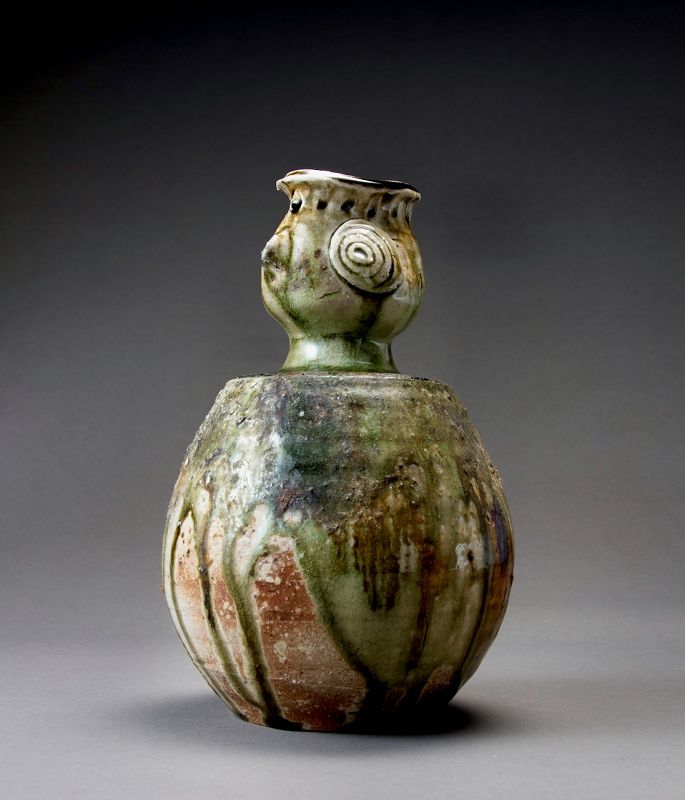
In excellent condition, this bird-shaped, or “torigata” vase is a beautiful example of Iga pottery from last century. A master of form, material, and technique,
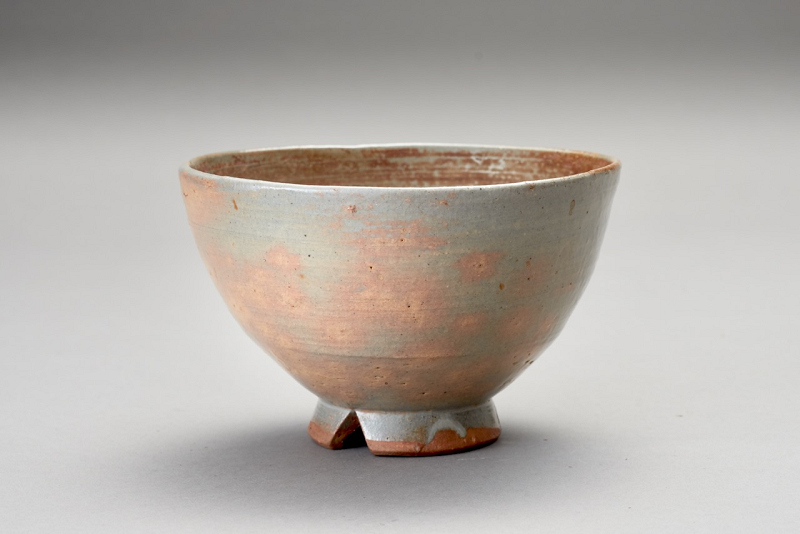
Here we see a quietly beautiful Korean tea bowl with a rounded, gently tapering form and a tall, dramatically notched foot. A translucent blue-grey glaze covers
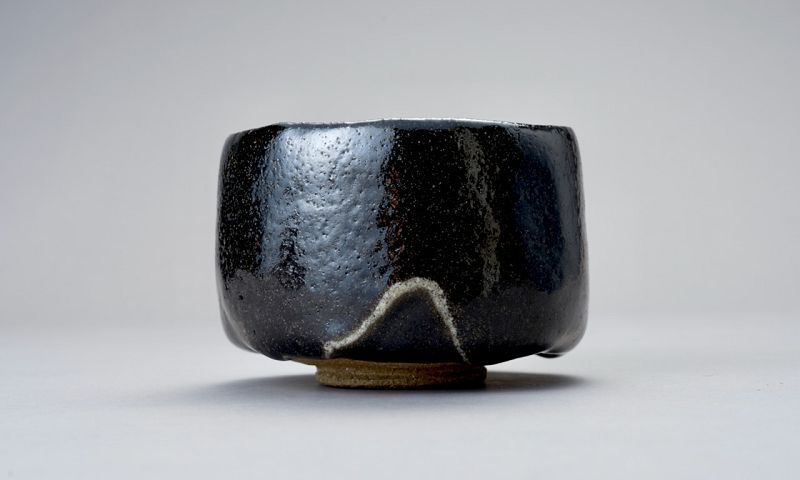
An austere masterpiece of functional art — the perfect accompaniment on the journey inward to stillness and contemplation. Crafted by the 9th Ōhi Chōzaimon (190
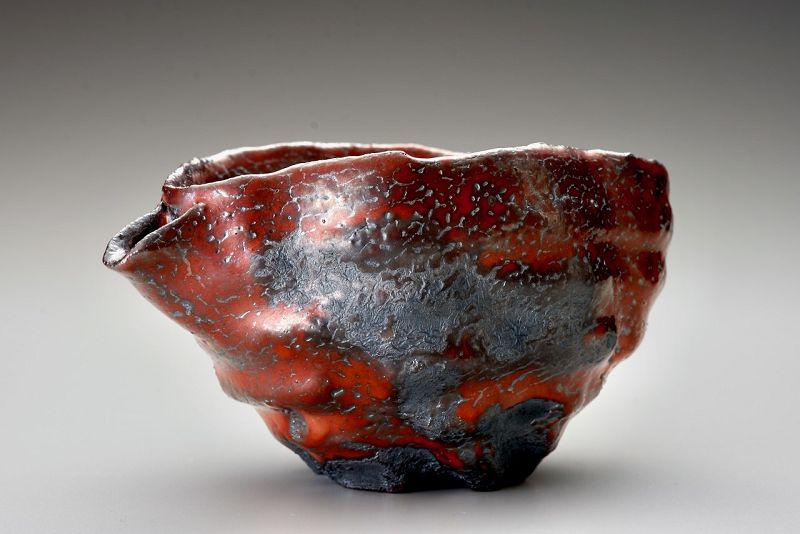
A decidedly modern and innovative take on the classic Shino trope, this “kataguchi” or one-sided pouring vessel lends an air of depth, contemplation, and brilli
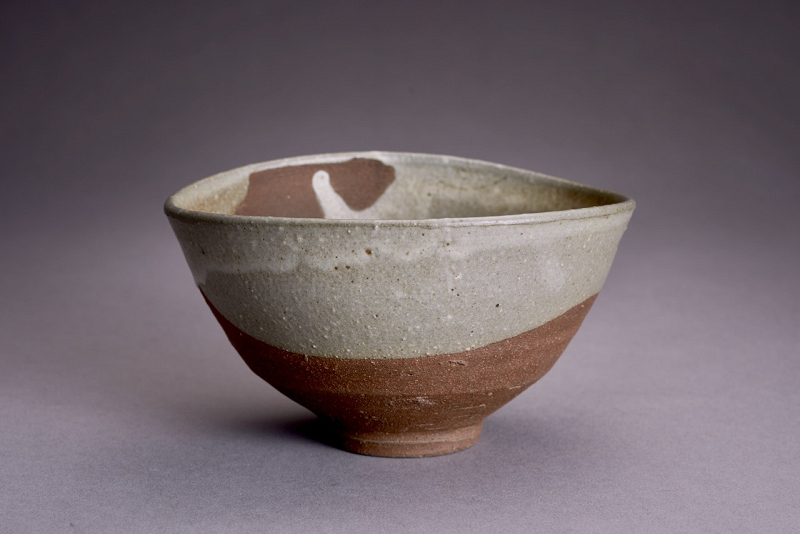
Minimalistic, elegant, and exceptionally light in the hand, this antique Karatsu tea bowl displays an impressive milky ash glaze that descends towards the foot,
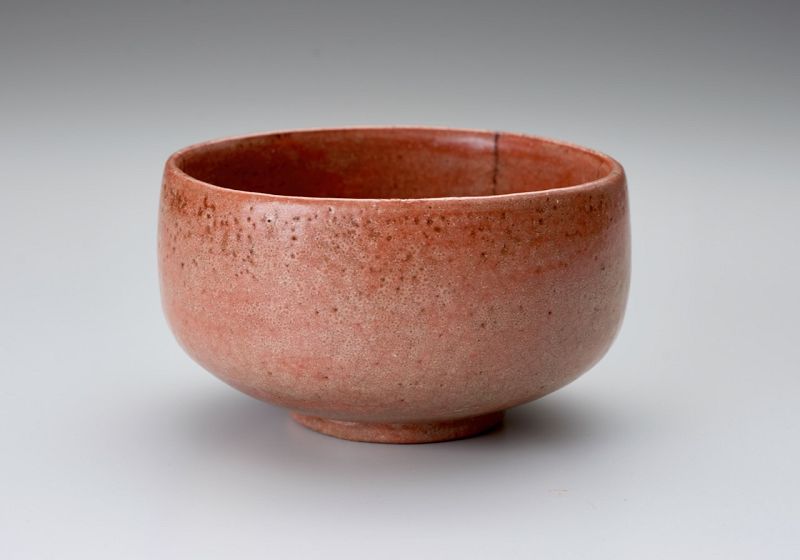
Price on Request Over the years we have taken a special interest in Raku-ware and especially in works produced by the Tamamizu kiln, such as the 275+ year old c
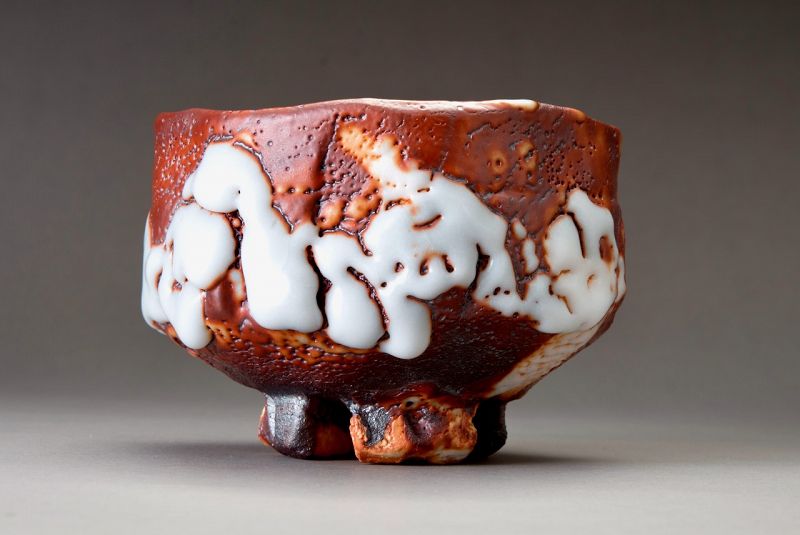
Price on Request A stunning work of Shino-ware by veteran potter Hayashi Shotaro—winner of numerous awards for his bold and innovative style and widely recogniz
Sometime around the year 1600 the first Takatori kiln was constructed at the foot of Mt Takatori in Fukuoka. This tradition was based on styles created by Korea