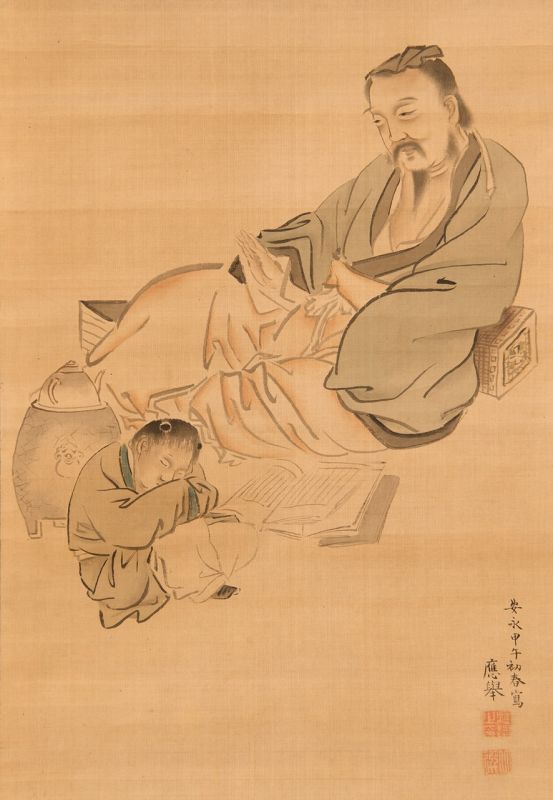
Chinese Scholar Lù Yǔ (733-804) painted by Maruyama Ōkyo (1733-1795)
Revered Chinese scholar and tea master, Lù Yǔ is known as the “Sage of Tea” and is credited with advancing the practice of tea through the writing of his life’s
SOLD
Selected by shared artwork type, categories, artist and era. Available works appear first.
Back to the artwork · Browse the full collection
Revered Chinese scholar and tea master, Lù Yǔ is known as the “Sage of Tea” and is credited with advancing the practice of tea through the writing of his life’s
SOLD
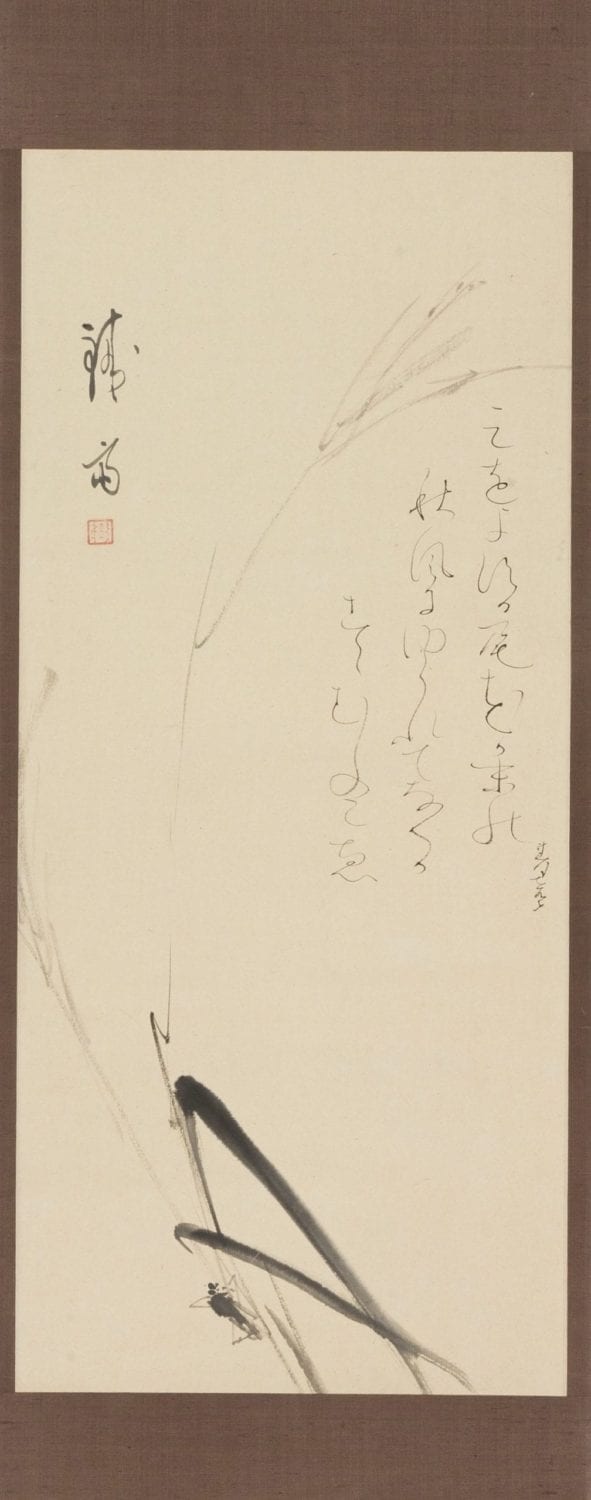
A collaboration piece between the famed poet/ nun of the late Edo period Rengetsu and her younger protege Tessai, this scroll depicts a frightened cricket makin
SOLD
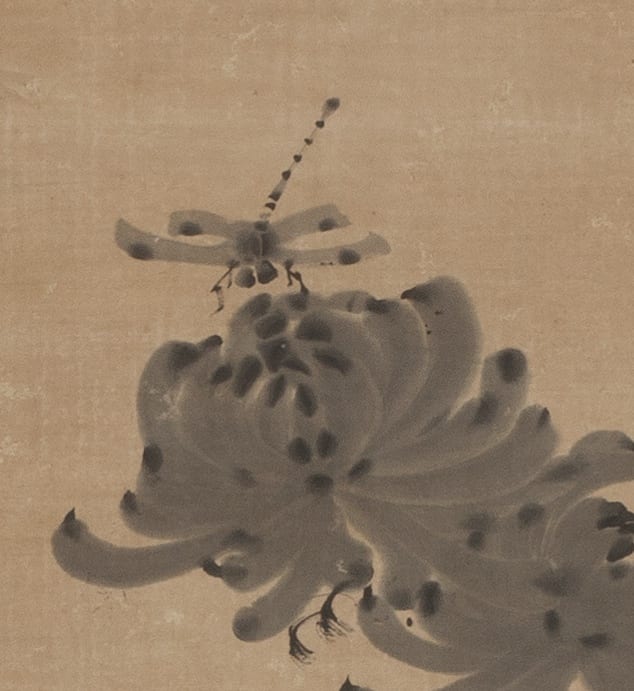
Sumi on silk. This delicate treatment of a dragonfly alighting on a chrysanthemum is the work of one of Japan’s most celebrated artists of the mid-Edo period. I
SOLD
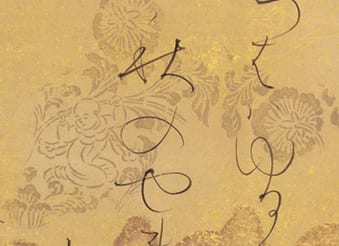
This piece by Ōtagaki Rengetsu contains a unique woodblock print technique that utilizes gofun, a ground oyster shell treatment. As a result, the forest sprites
SOLD
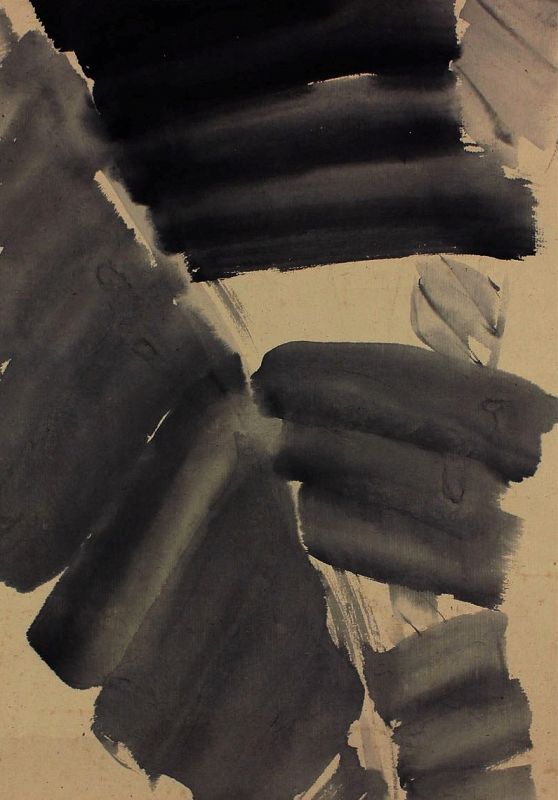
Japanese sumi on paper—this piece by well-known Meiji/ Taisho artist Tomita Keisen depicts a lone banana tree. Deceptively simple in style, each brush stroke ma
SOLD
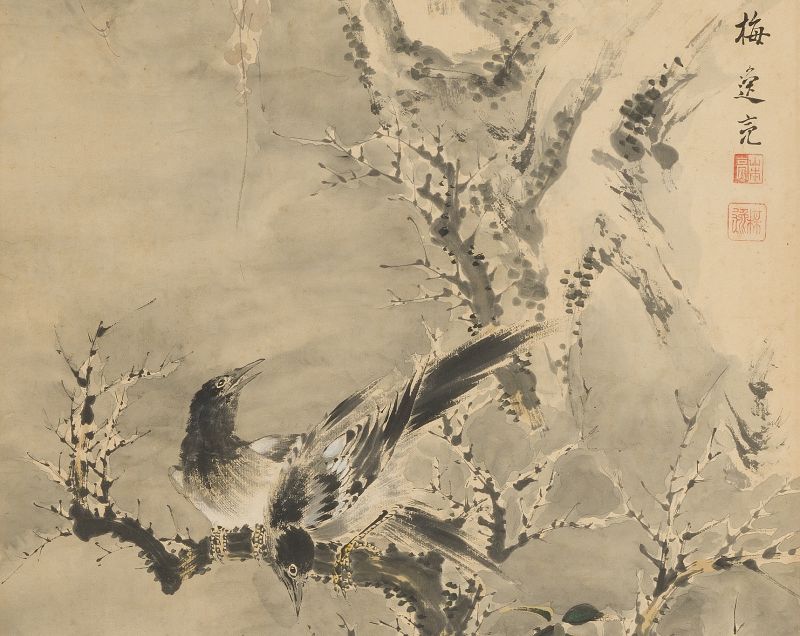
This tranquil winter scene showing a group of birds taking shelter in the snowy boughs of a tree was done by well-known Edo painter, poet, and tea ceremony devo
SOLD
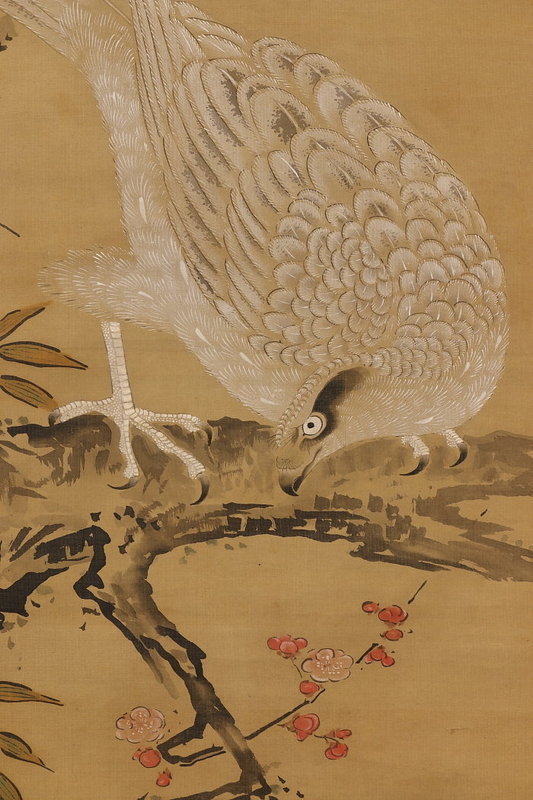
A late winter scene picturing a majestic white hawk alighting on a plum branch in full bloom. Hawks—which were used for hunting during the Momoyama and Edo pe
SOLD
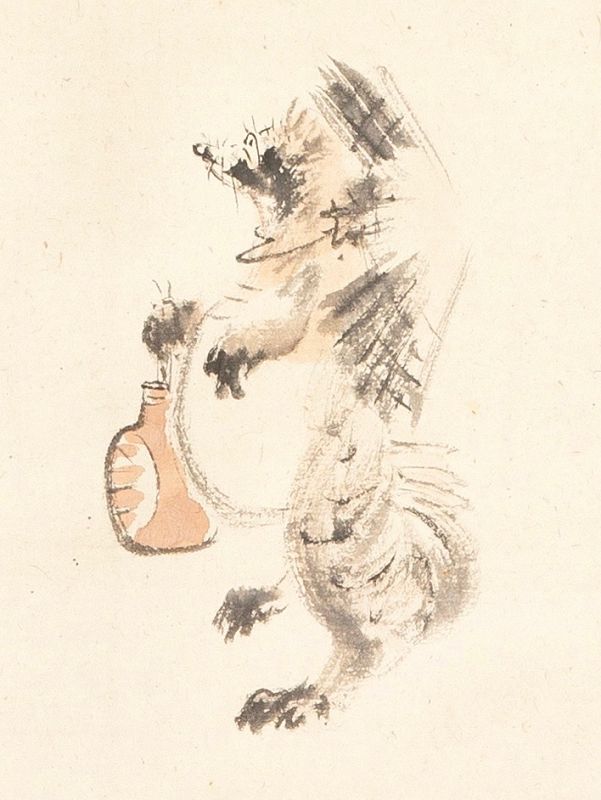
This playful image of a Japanese raccoon dog (tanuki) enjoying a flask of saké was done by one of the most renowned and loved waka poets of the 19th century, Ōt
SOLD
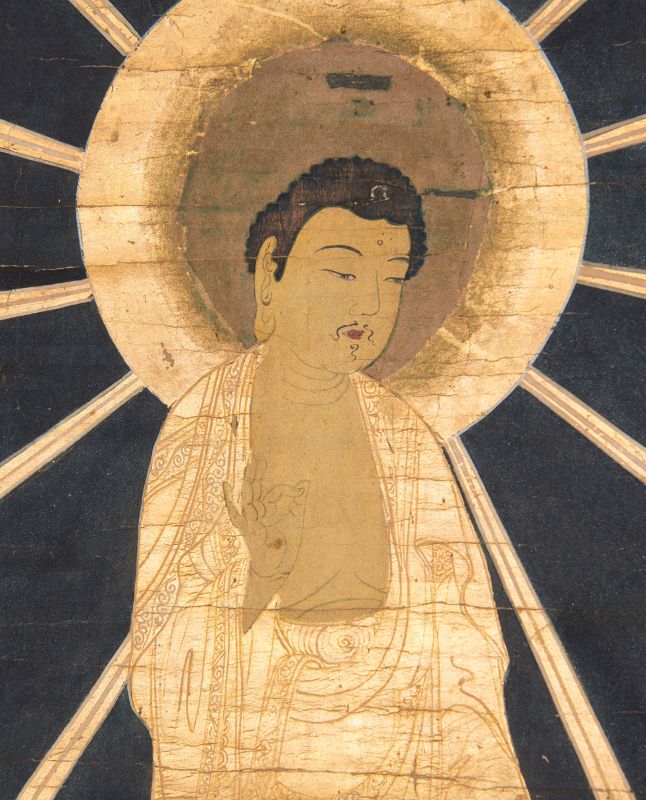
Also known as "The Buddha of Immeasurable Light and Life,” here in this pre-Edo Buddhist painting we see Amida and his two assistant bodhisattvas, Seishi on the
SOLD
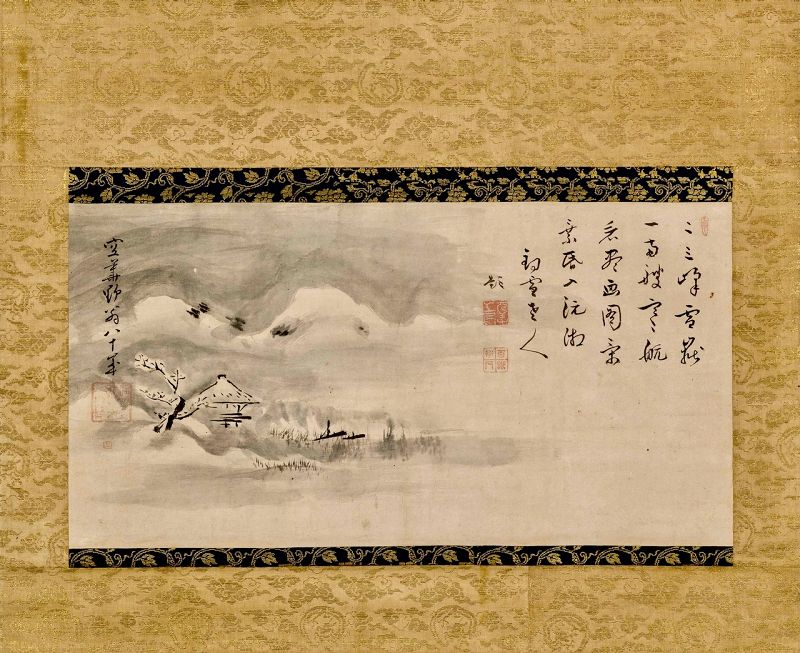
A small cottage perched on the edge of a tranquil lake, fishermen heading out in the morning chill to secure their daily catch. This pastoral scene from the Jap
SOLD
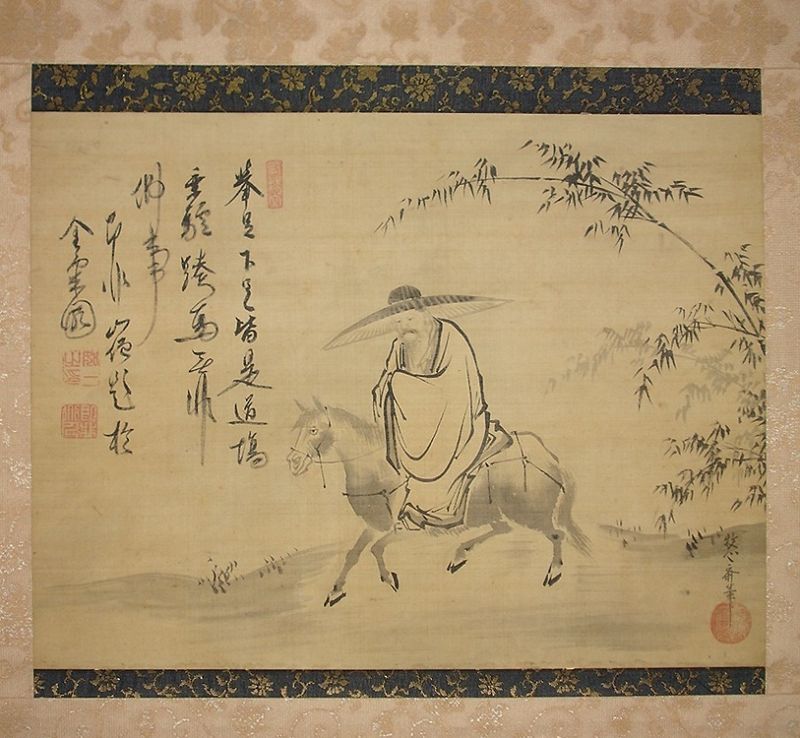
Third son of the director of the Kano School of painting, Yasunobu was appointed head of the Kyoto branch at a young age after his father’s death. Meanwhile, hi
SOLD
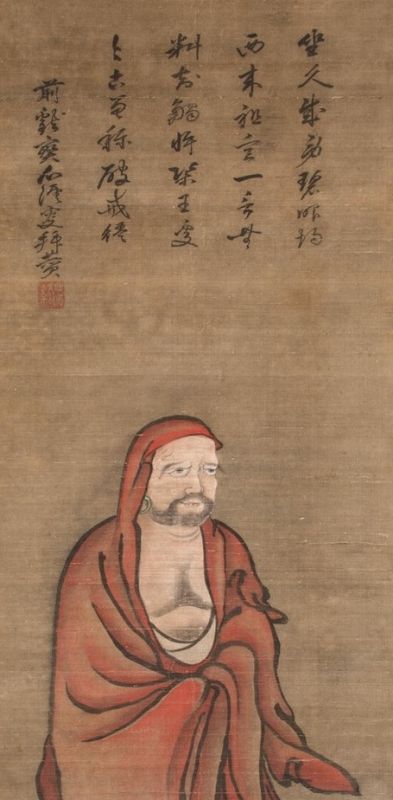
A classic renditions of the Bodhidharma (more commonly known as the Daruma in Japan), this scroll from the Muromachi period (1336-1573) depicts the legendary mo
SOLD
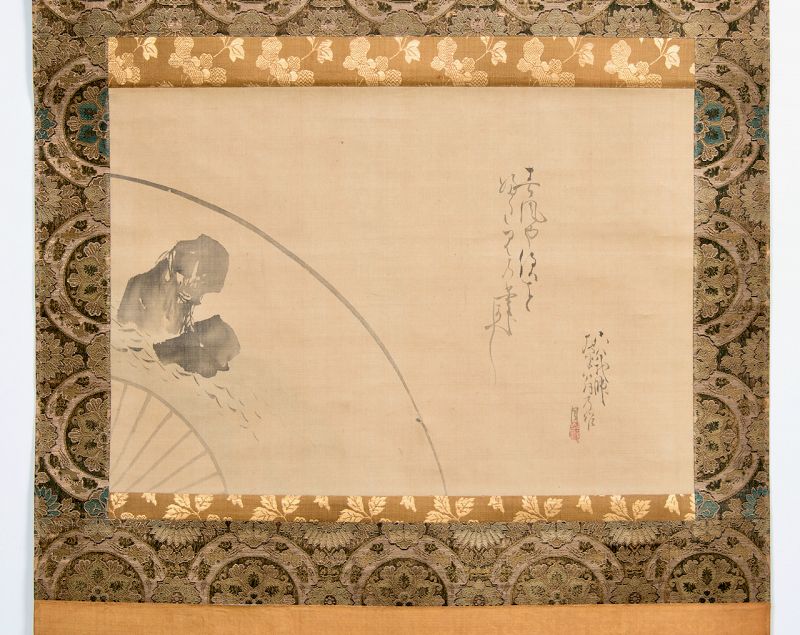
This Edo period scroll depicts Meota Iwa—a famous Japanese landmark in Mie. Symbolizing the union between two divine deities, Izanagi (said to be the larger roc
SOLD
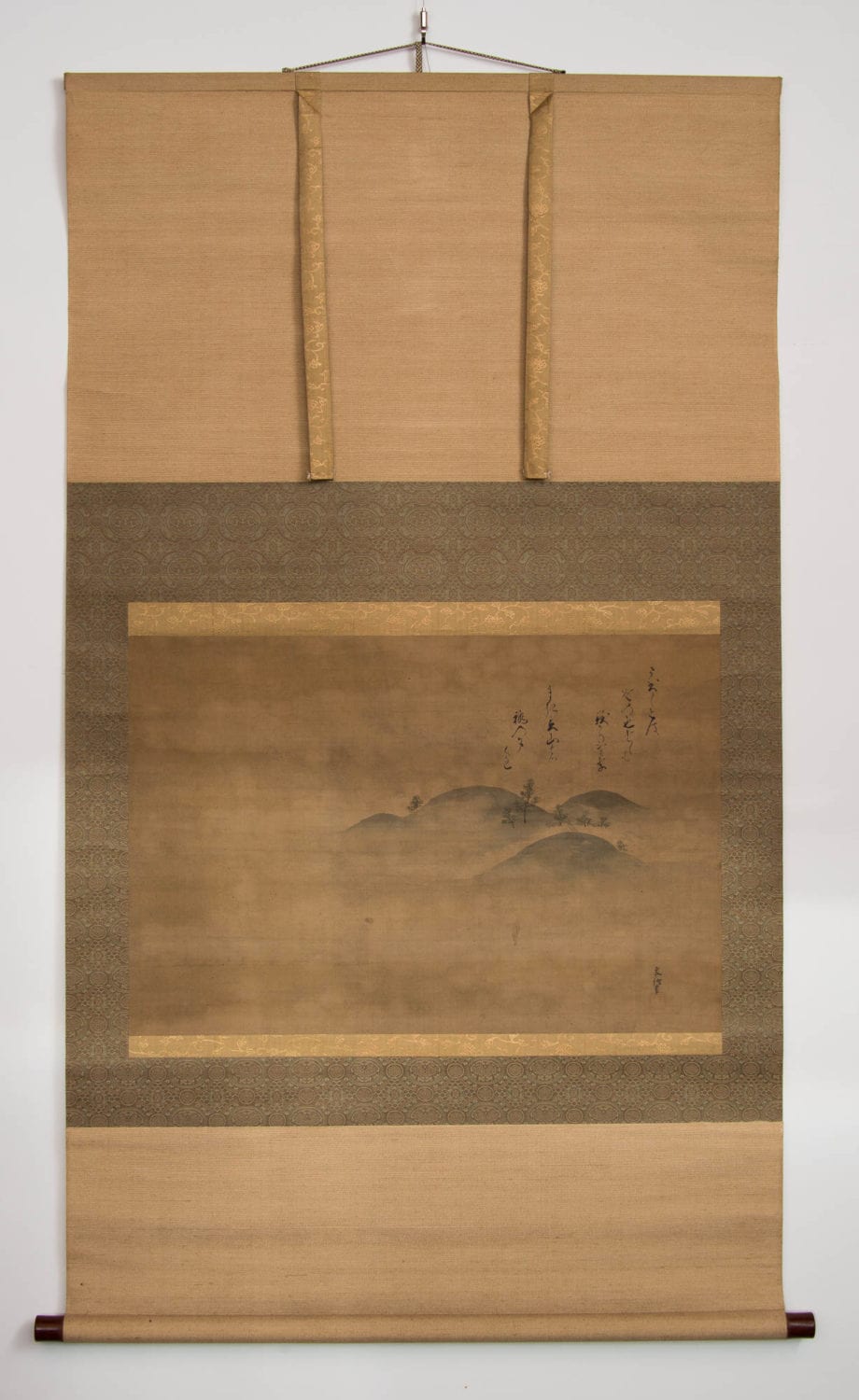
A fine example of Edo period Kano painting, this generously proportioned hanging scroll illustrates a late autumn scene from the Japanese countryside over 300 y
SOLD
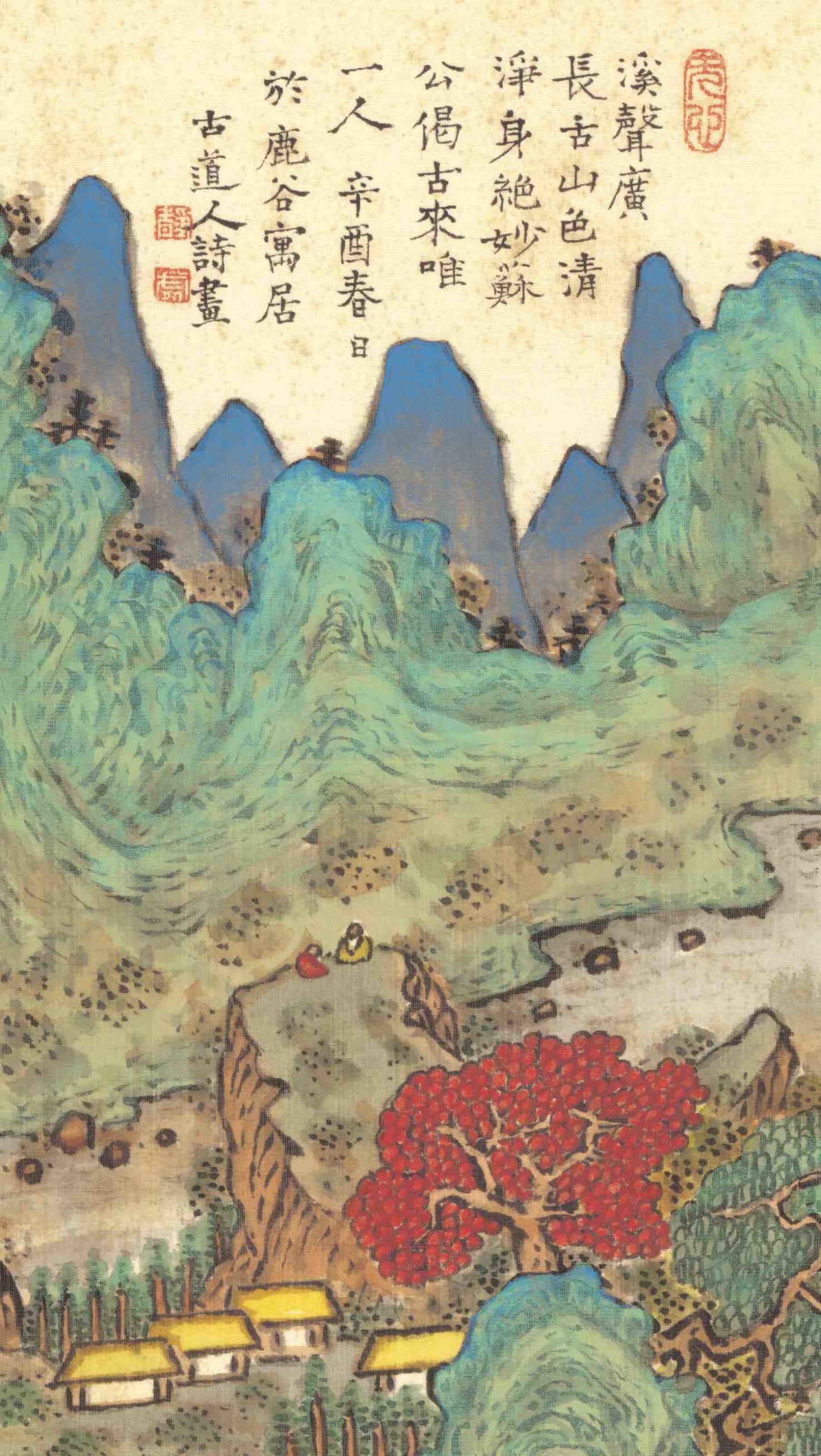
Sumi and color on paper. This hanging scroll by Fukuda Kodojin is a fine example of the Japanese nan-ga style of painting. Compared with other works by Kodojin,
SOLD
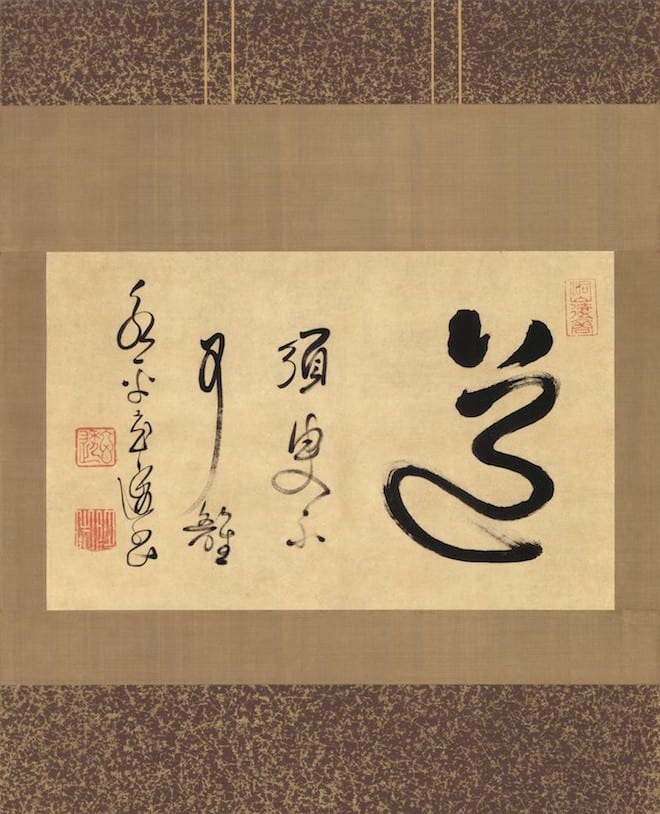
Sumi on paper. This impressive Zen painting by Gentō Sokuchū features the Chinese character michi (path) in masterfully rendered calligraphic strokes. As the 11
SOLD
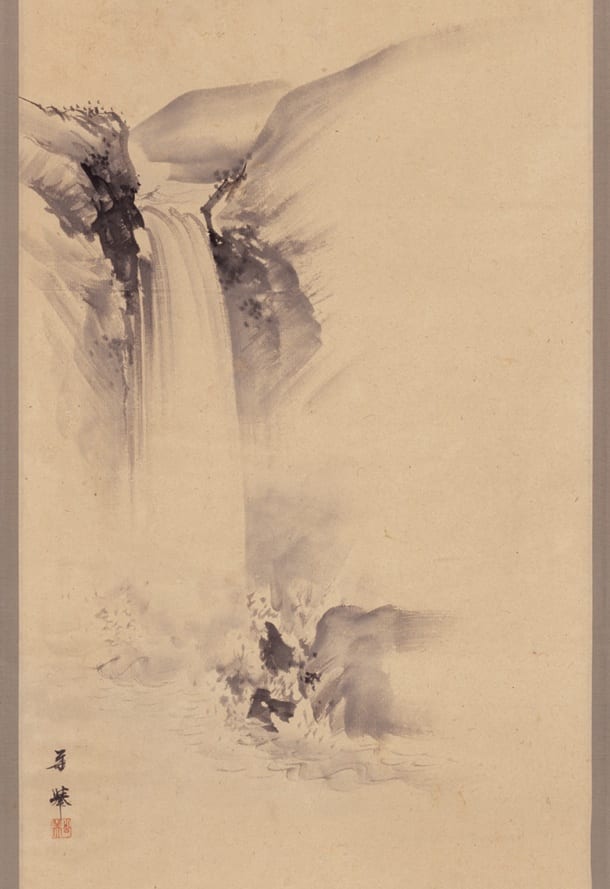
Sumi on paper. The artist Kakyo (1844-1928) was the son of the painter Chuuguuji. Kakyo studied both the Tosa and Kano styles and taught at the art school which
SOLD
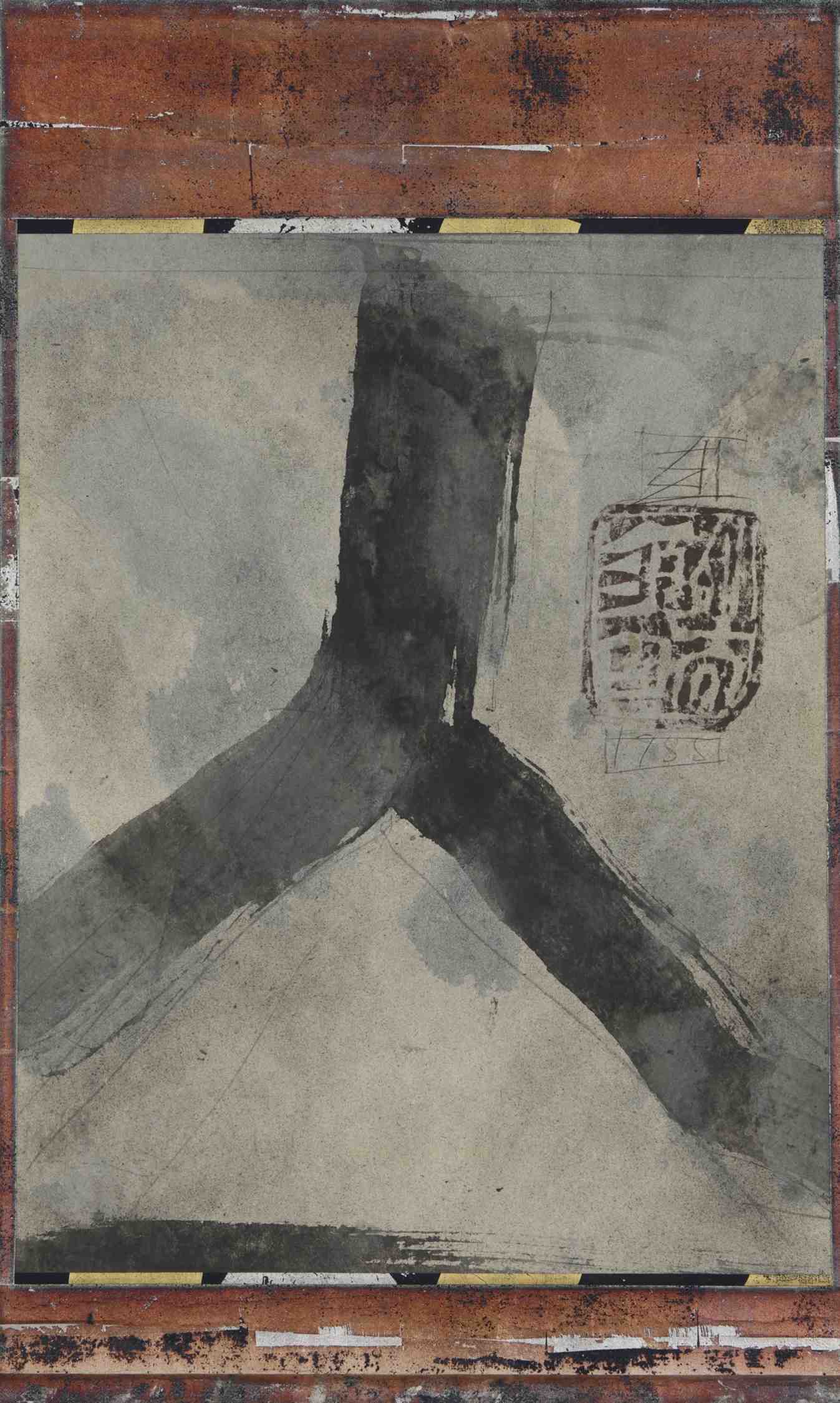
Sumi and color on paper. This piece depicts the single Chinese character hito (person or individual)in bold and distinctive calligraphic strokes. Signed and sea
SOLD
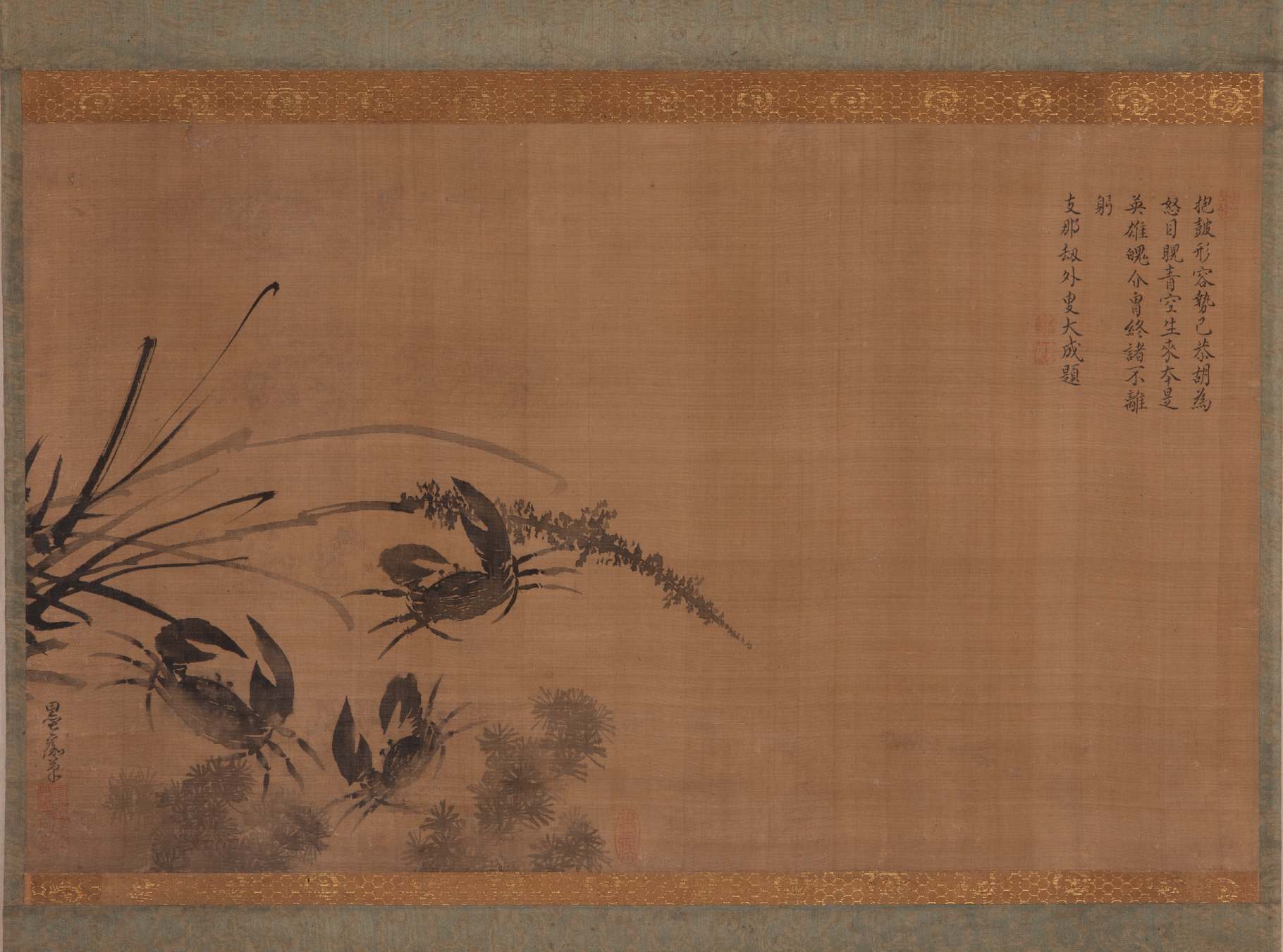
Sumi on silk. A fine example of painting from the Obaku sect of Zen which was brought to Japan in the 17th century from China. This naturalistic theme by Taijou
SOLD
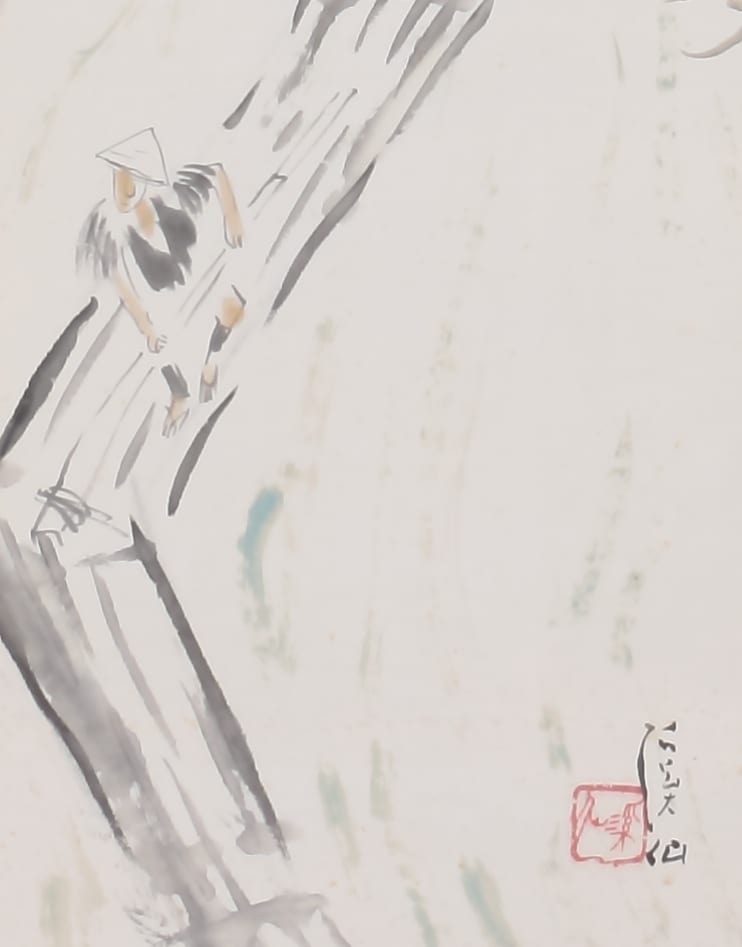
Sumi and color on paper. This piece by well-known Taisho period artist Tomita Keisen depicts foresters riding log rafts down the Uji-gawa. Keisen was trained in
SOLD
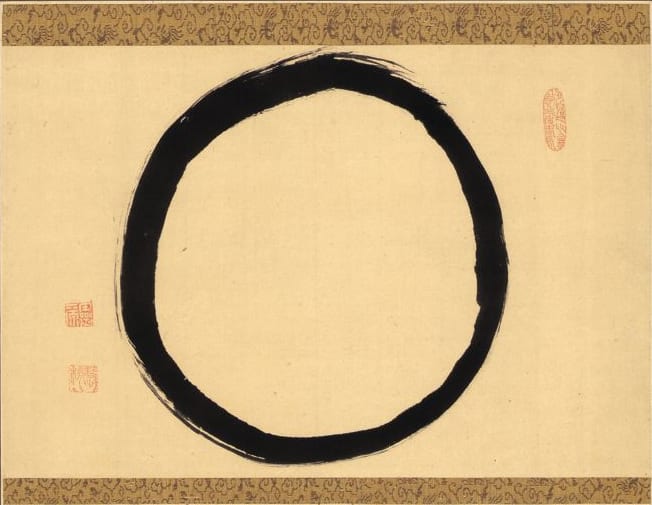
Sumi on paper. A fine ensō drawn by Reigen Eto, one of the most prominent disciples of Hakuin. It is said that Reigen was known for his delicate brush strokes a
SOLD
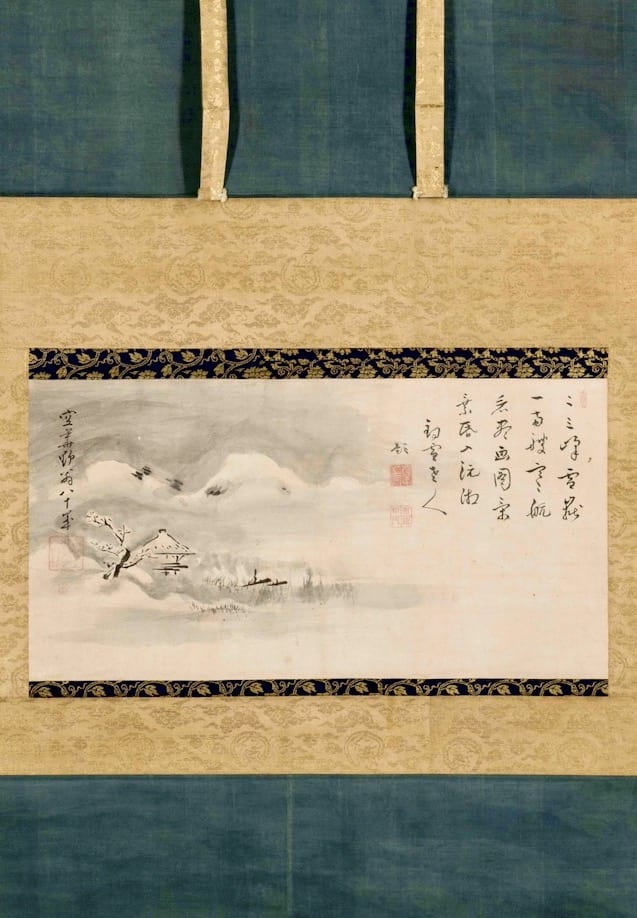
A small cottage perched on the edge of a tranquil lake, fishermen heading out in the morning chill to secure their daily catch. This tranquil scene from the Jap
SOLD
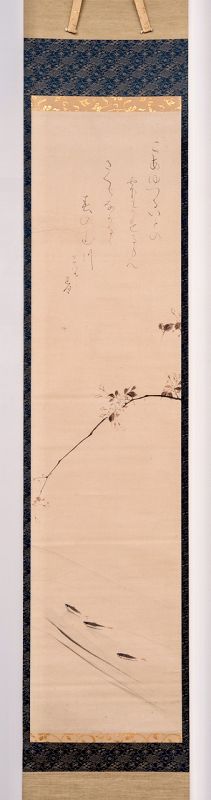
The poem accompanying the artwork on this antique scroll reads: Fishing little trout—Precious drops of dew glisten—Flowing with the blossoms—The mountains and r
SOLD
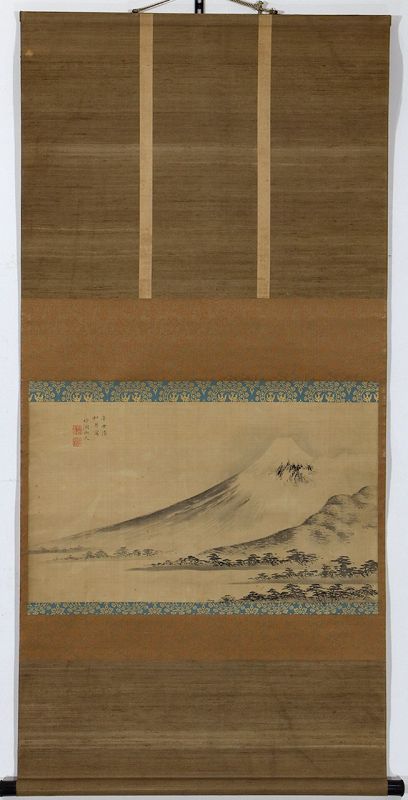
This beautiful painting from late Edo portrays Mount Fuji as a sublime centerpiece, overlooking a serene landscape below. A lush pine forest embraces the foot o
SOLD
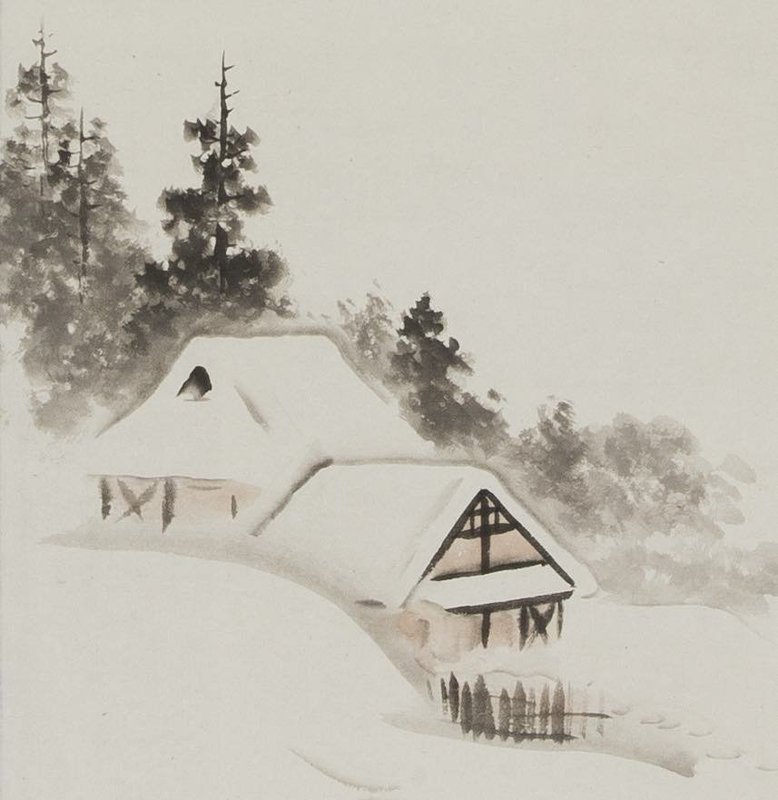
This soulful image of a Japanese hamlet in the depths of winter was done by one of the most renowned and loved waka poets of the 19th century, Ōtagaki Rengetsu
SOLD
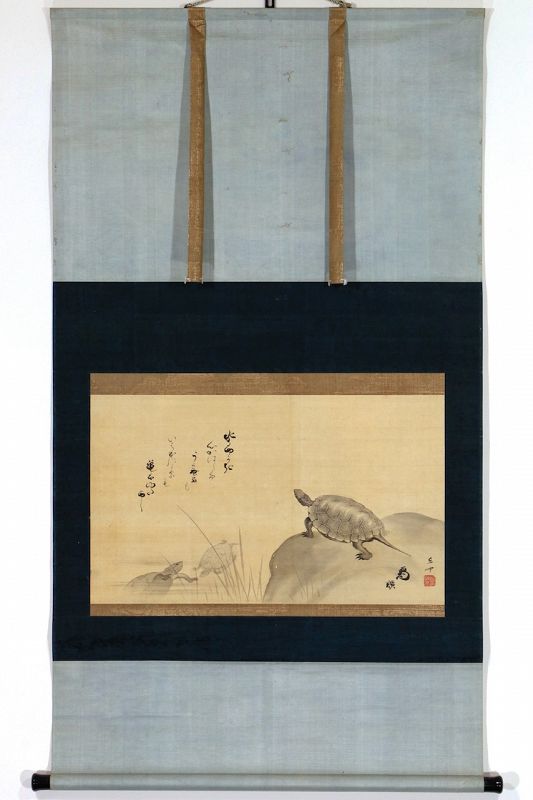
In the tranquil pond, a solitary turtle finds repose upon a weathered rock. With its ancient shell glistening under the gentle sunlight, it sits in serene conte
SOLD
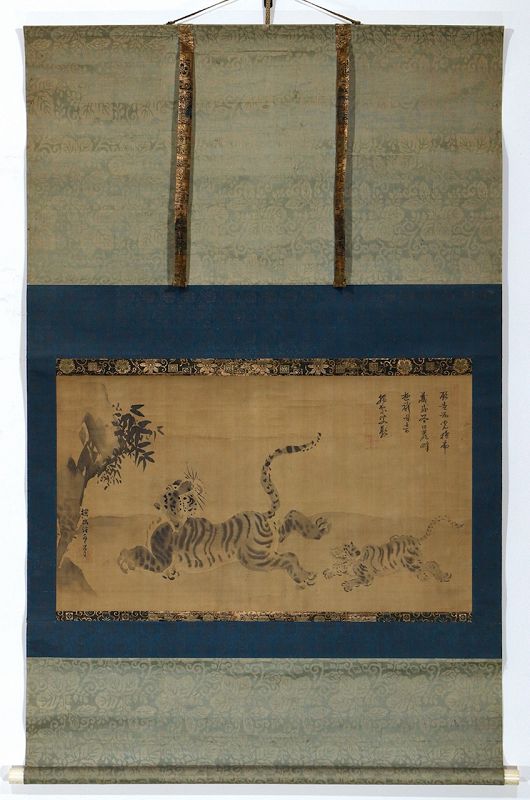
Composed by one of the most well-regarded and important figures within the Kanō tradition of painting, here we see a whimsical rendition of tiger and cub pranci
SOLD
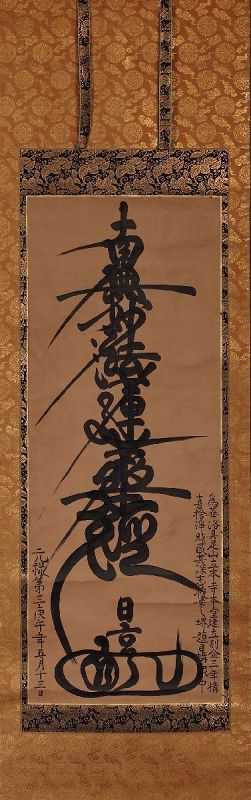
The large characters in the center of this scroll "南無妙法蓮華経" are pronounced as "Namu Myōho Renge Kyō” in English — a phrase associated with Nichiren Buddhism tha
SOLD
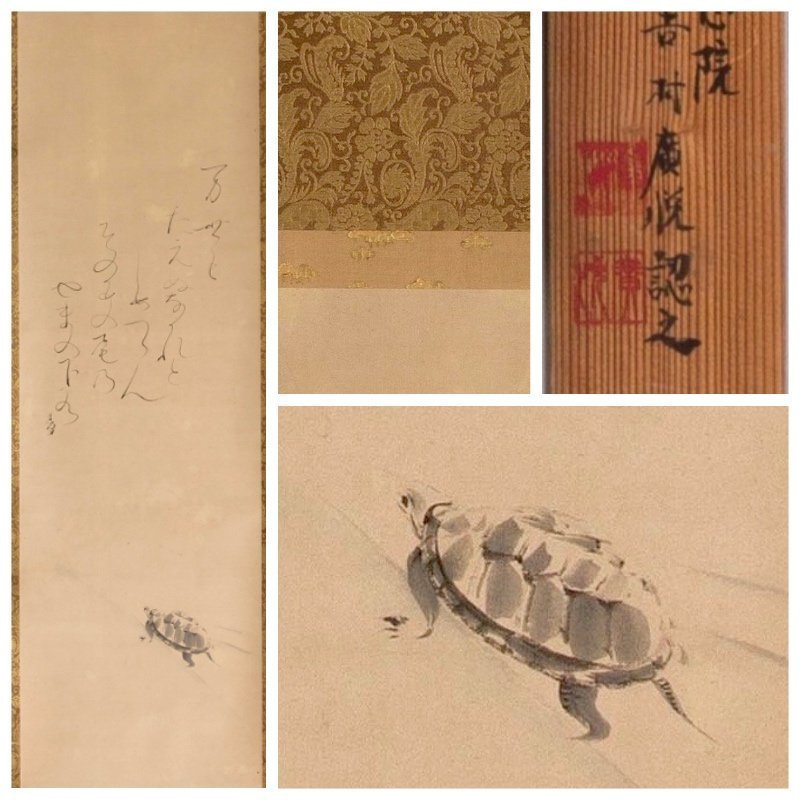
Long a symbol of longevity, good luck, and support in many parts of Asia; in Japan the turtle has the added symbolism of being one of the cardinal protectors of
SOLD
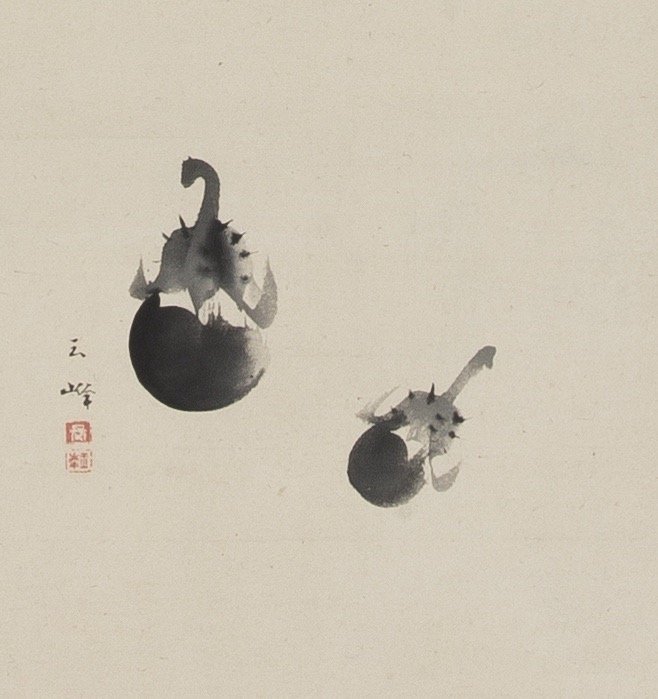
A symbol of health and prosperity, these ripe eggplants were painted by Hasegawa Gyokuhou (1822 - 1879), a disciple of one of Kyoto’s leading Shijo school artis
SOLD
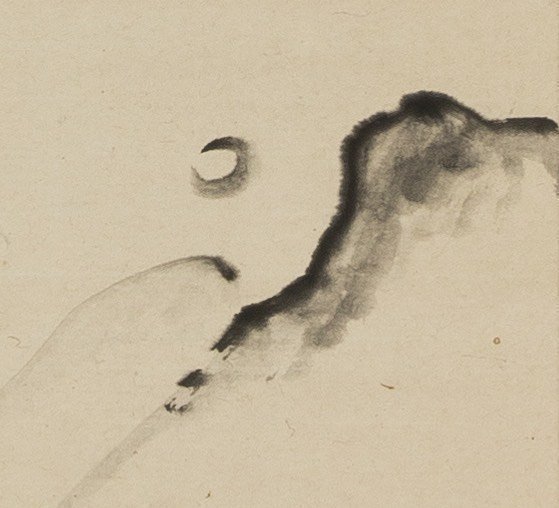
This poetry and artwork, done by one of the most renowned and loved waka poets of the 19th century—Ōtagaki Rengetsu (1791-1875), tells the story of a personal m
SOLD