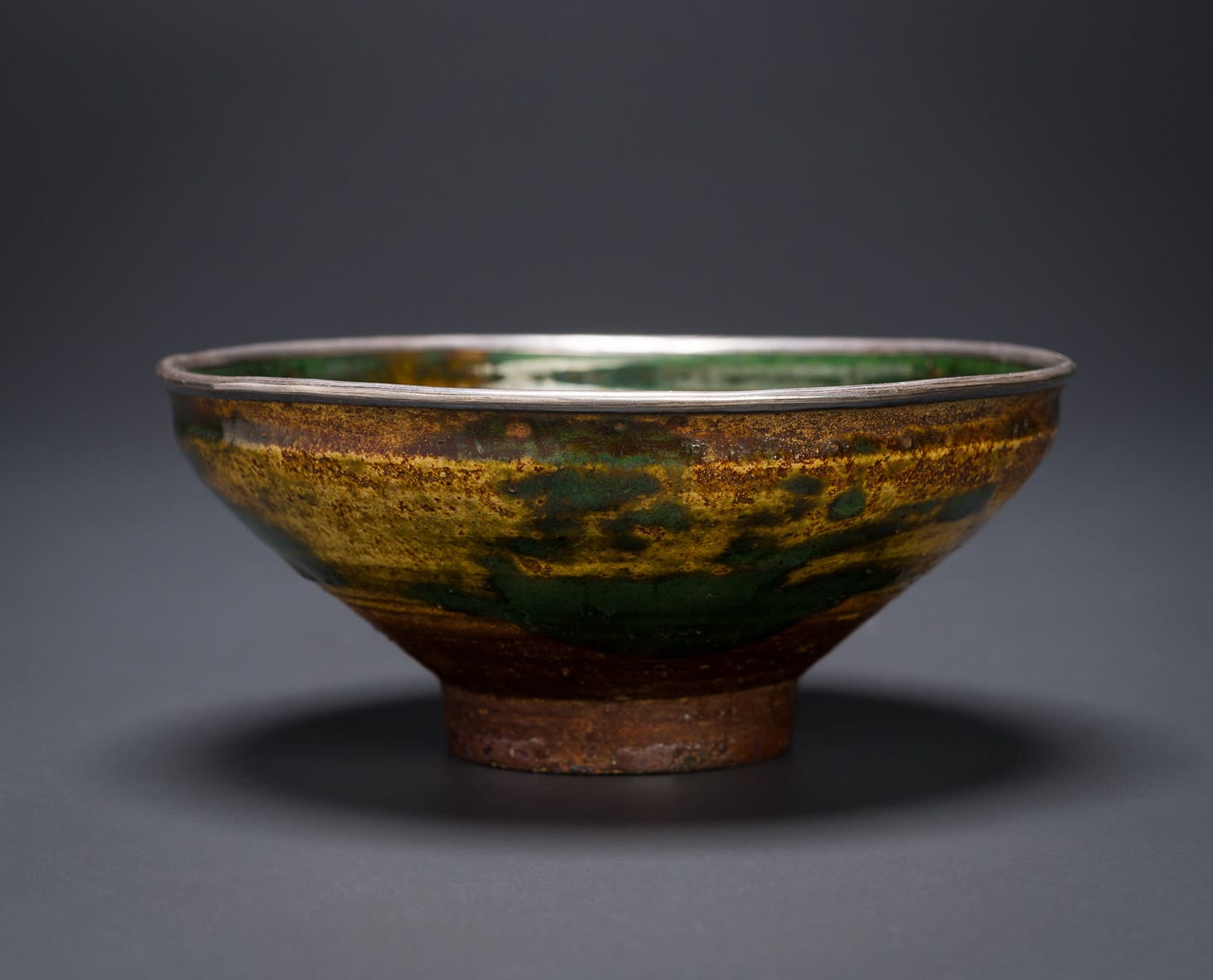
A 16th Century Tenmoku Tea Bowl
Before styles such as Raku, Hagi, Karatsu, etc came into fashion for use in the tearoom in early Edo, it was commonplace in cultured society to use tea-ware imp
SOLD
Selected by shared artwork type, categories, artist and era. Available works appear first.
Back to the artwork · Browse the full collection
Before styles such as Raku, Hagi, Karatsu, etc came into fashion for use in the tearoom in early Edo, it was commonplace in cultured society to use tea-ware imp
SOLD
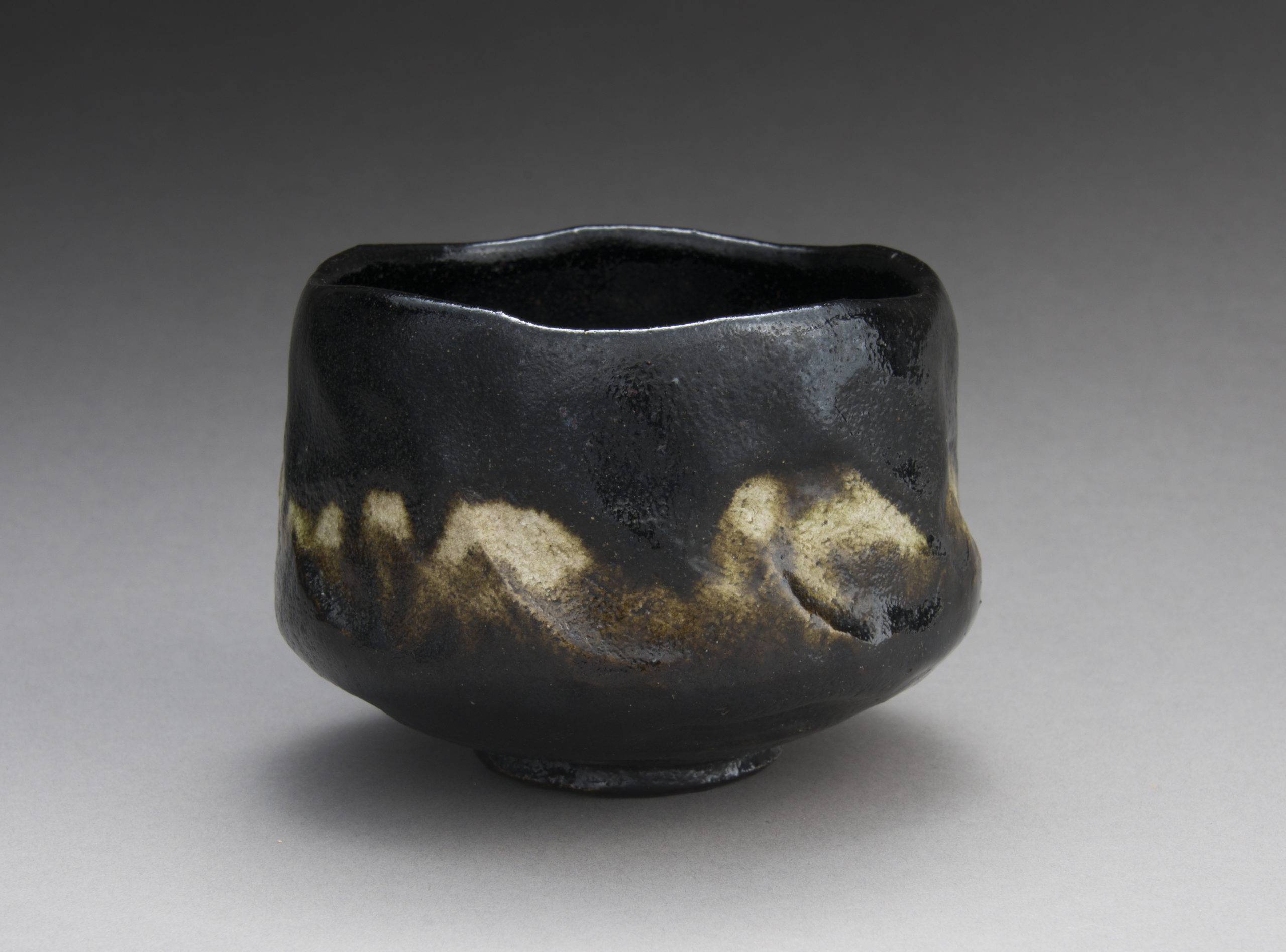
A black Raku ceremonial tea bowl displaying an excellent patina bestowed by time. The light colored clay peeks through in areas giving this piece a unique feel.
SOLD
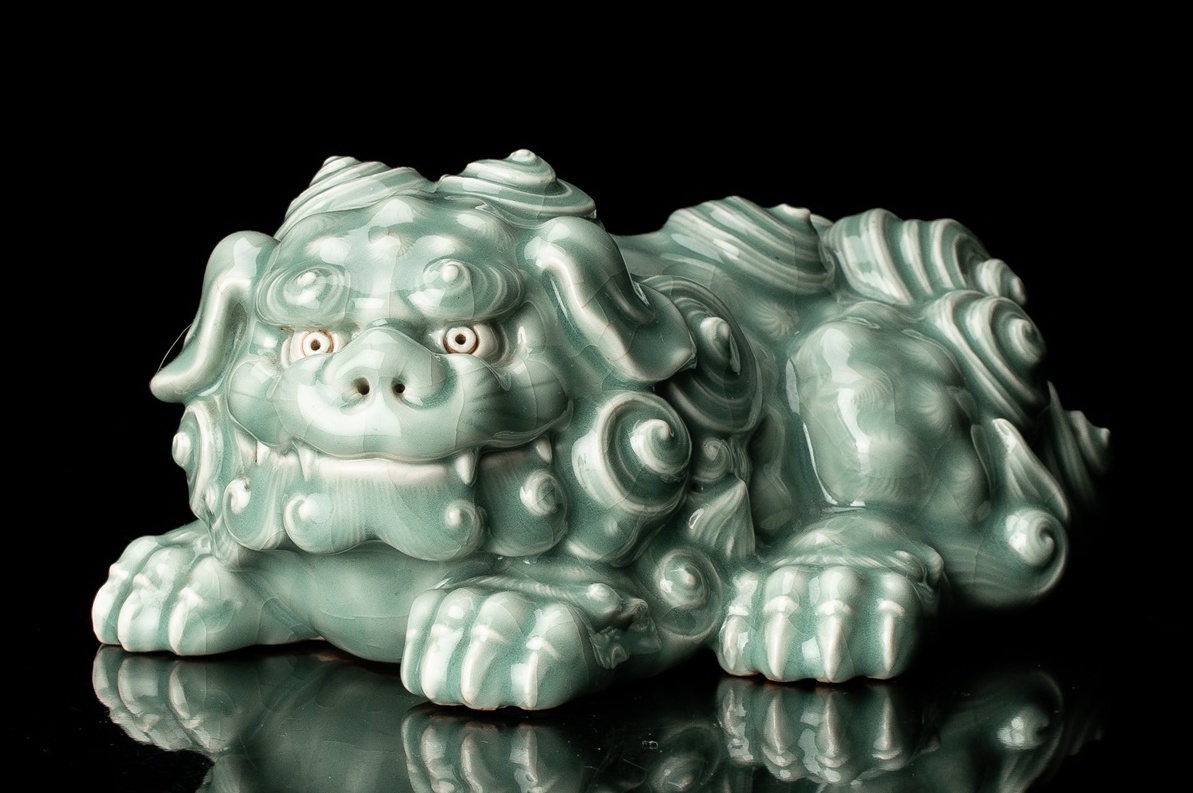
One of only five Imperial Court Artists of Meiji, ceramic pieces by Kōzan are highly prized by collectors and are ever more difficult to find on the market thes
SOLD
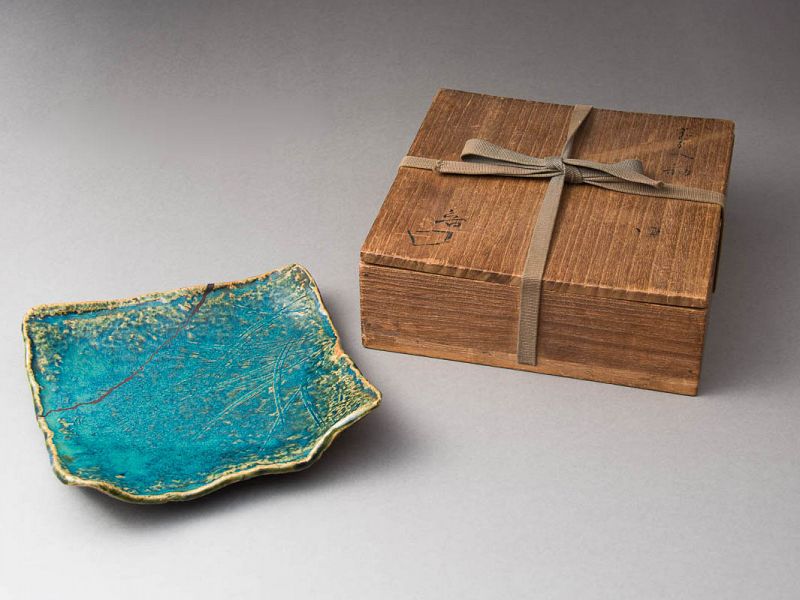
One of the most important Japanese potters of the 20th century, skilled in an impressive number of styles, today his pieces can be found in museum collections a
SOLD
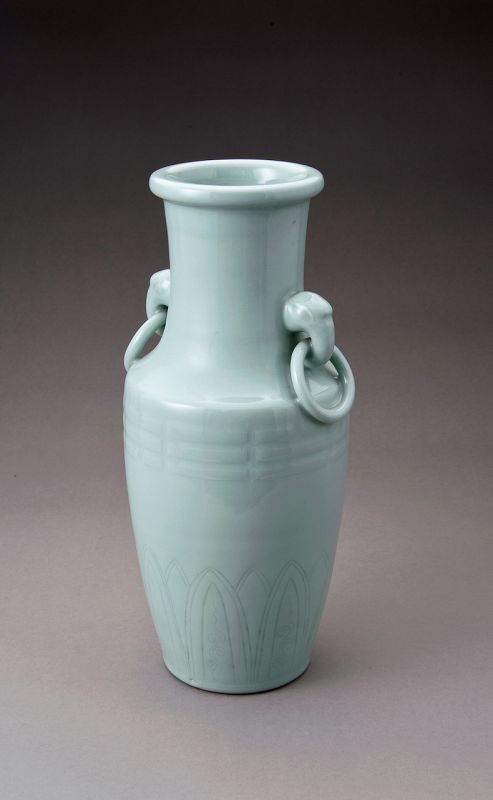
A Chinese style celadon vase by one of the 5 Imperial Court Artists of Meiji. Sozan spent his life perfecting techniques for celadon production first used in th
SOLD
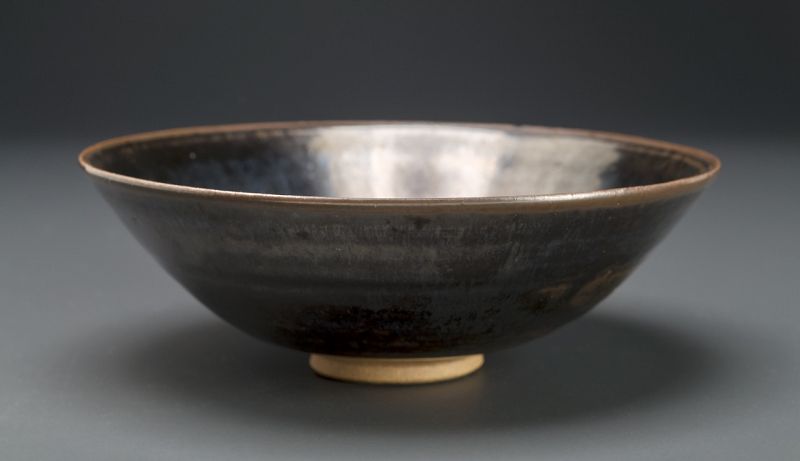
Yuzo Kondo is one of the more recognized names in the world of modern Japanese pottery of the 20th century. Though known mainly for his sometsuke creations (blu
SOLD
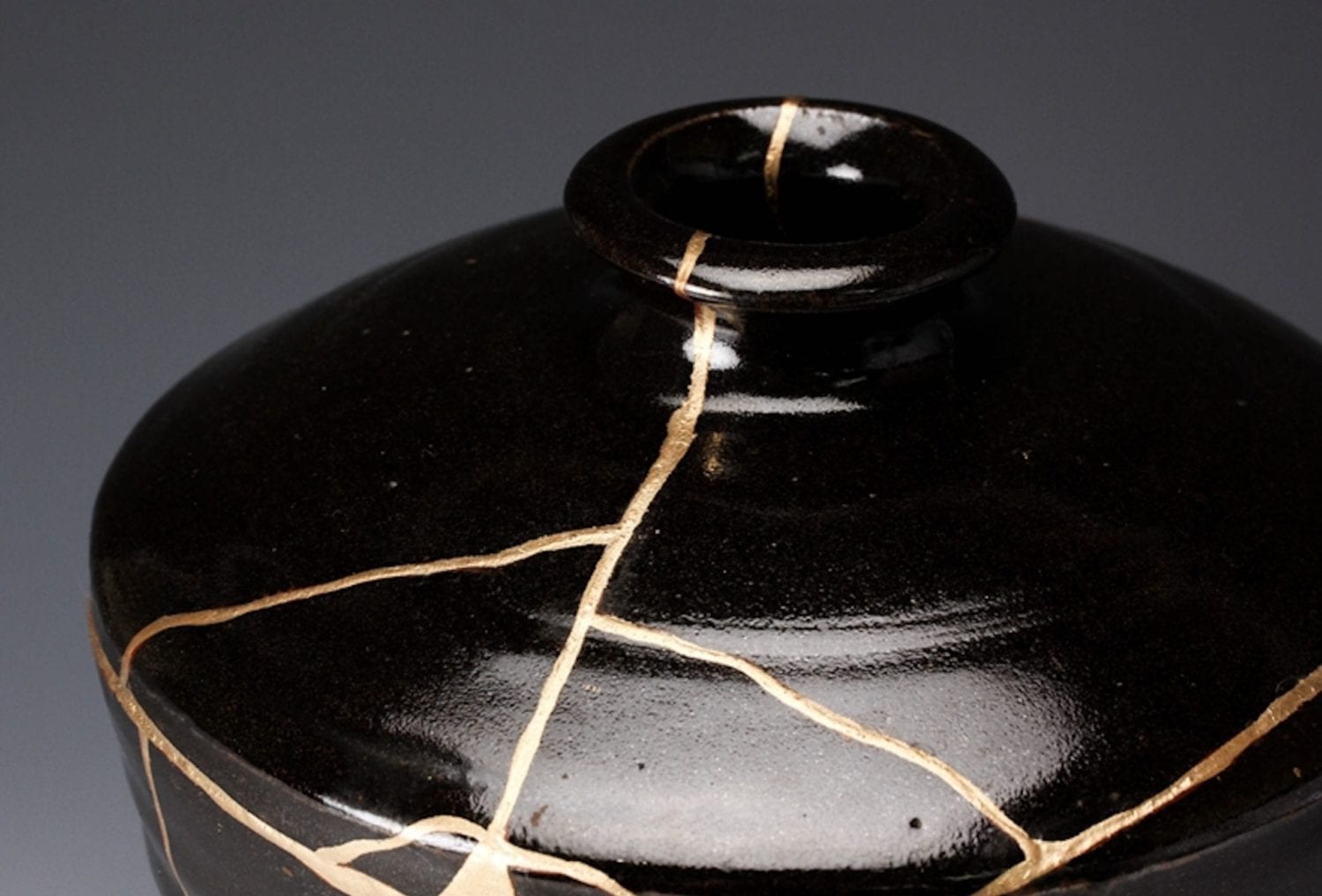
Yuzo Kondo is one of the more recognized names in the world of modern Japanese pottery of the 20th century. Though known mainly for his sometsuke creations (blu
SOLD
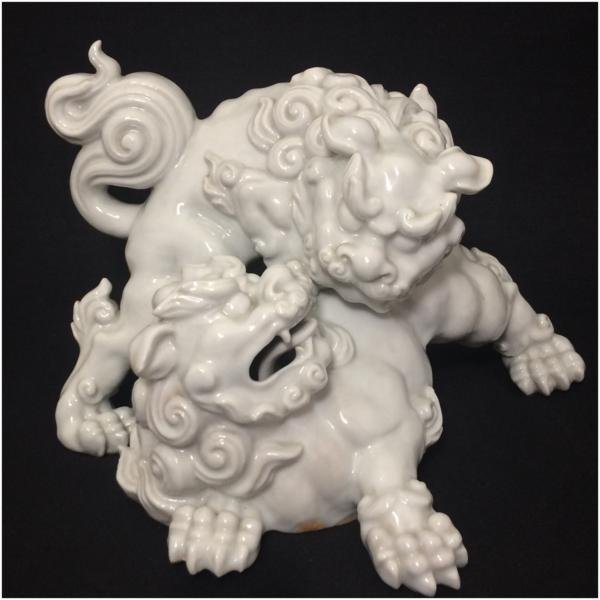
Guardian lions (alternately known as Shishi, Foo-dogs, or Koma-inu) were introduced to Japan in the 8th century and are often seen outside shrine gates or adorn
SOLD
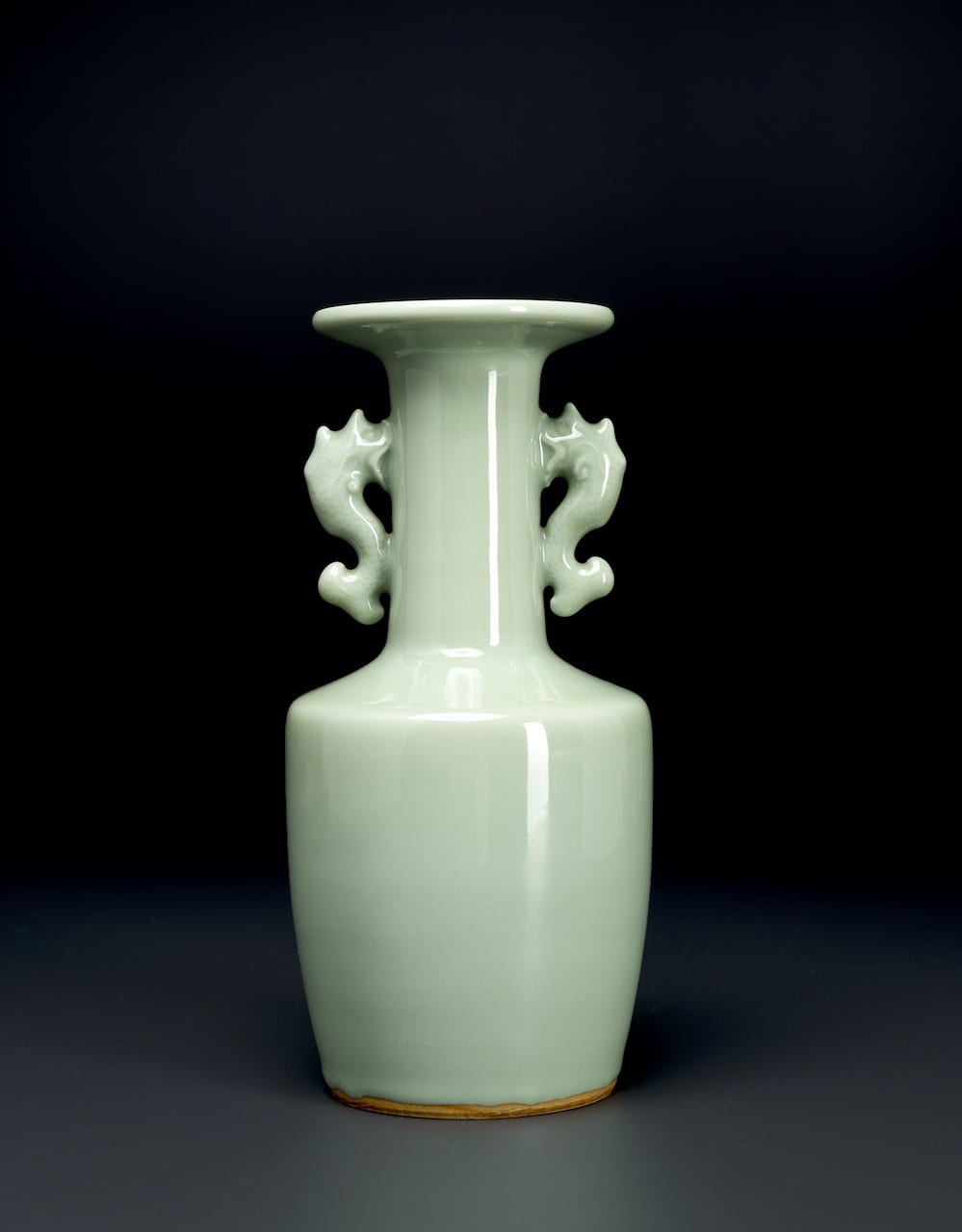
This extraordinary vase is a truly Japanese expression of a classical Chinese form. Fashioned after cylindrical Song Dynasty pieces that are thought to have bee
SOLD
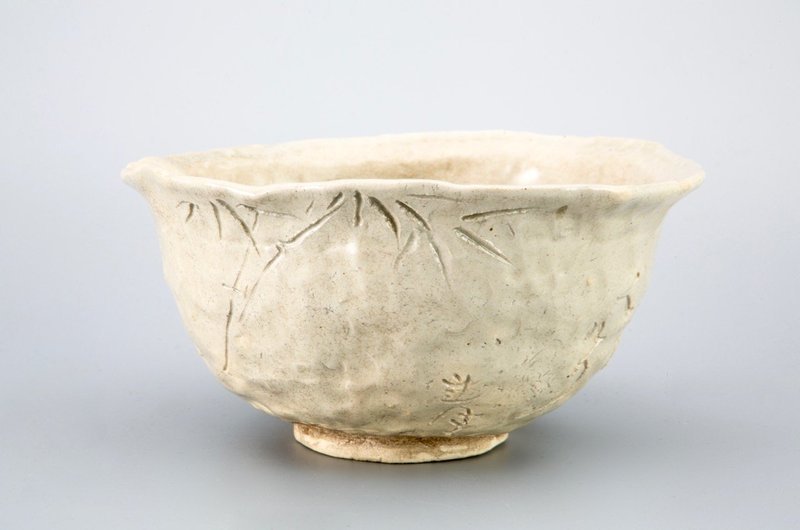
This rare and interesting ceramic work was done by one of the most renowned and loved waka poets of the 19th century, Ōtagaki Rengetsu (1791-1875). In fact, if
SOLD
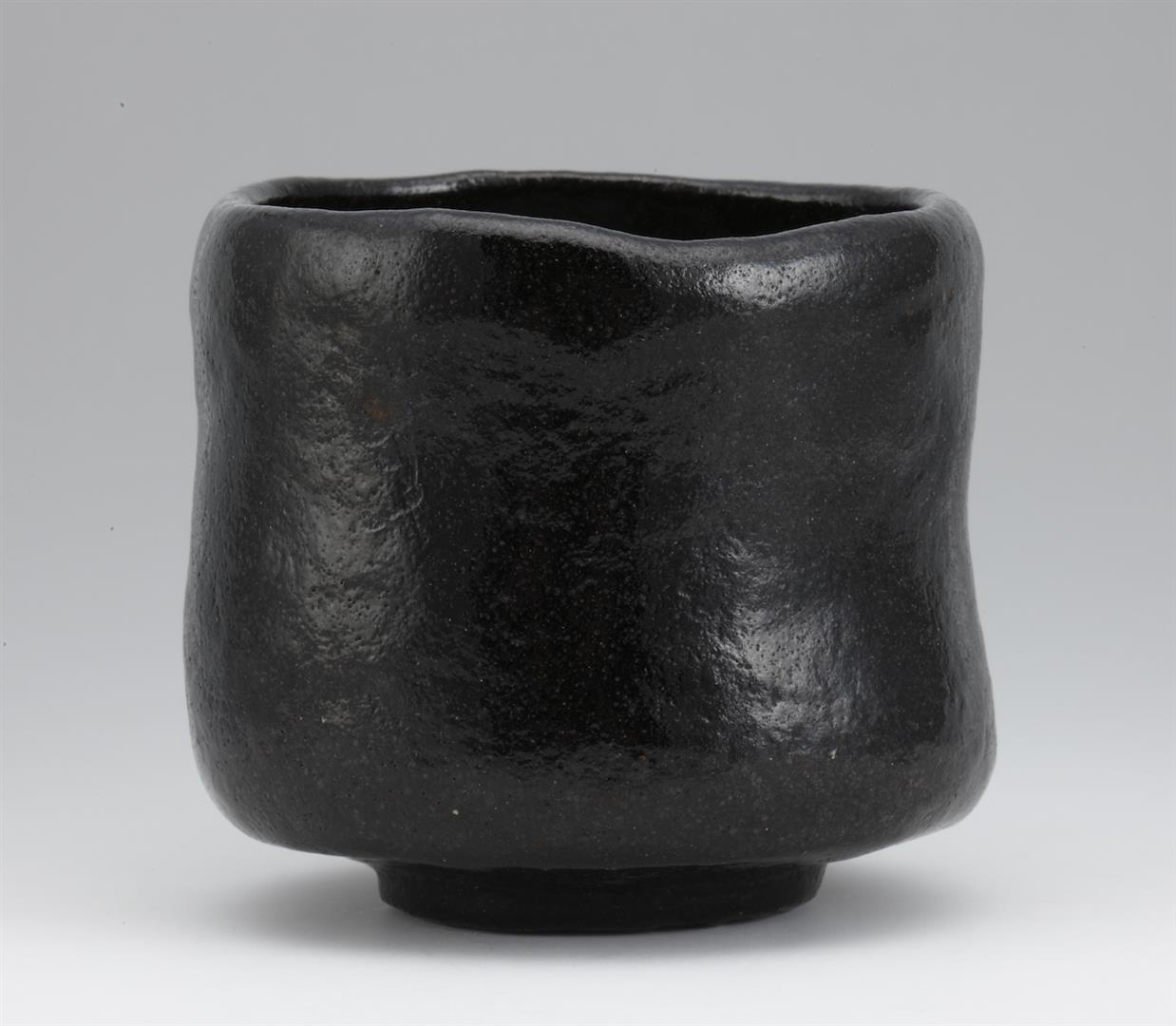
Raku glazed ceramic. This well-shaped and firmly grounded tea bowl is the work of Sanyū—Kichizaemon VI of the Raku line of potters. Highly regarded in the tea w
SOLD
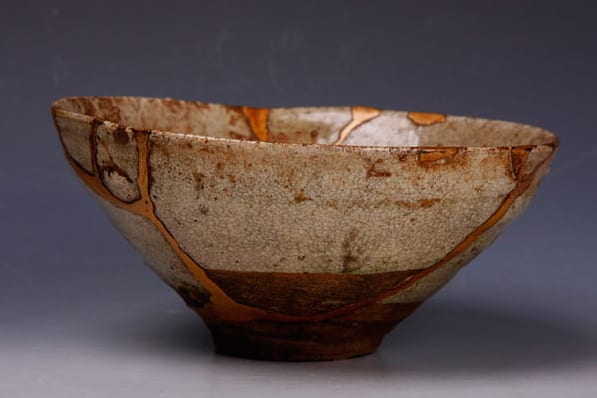
This lovely Ido-gata shaped chawan has very nice asymmetrical balance highlighted by extensive and skillfully applied kintsugi gold repairs. The inside bottom o
SOLD
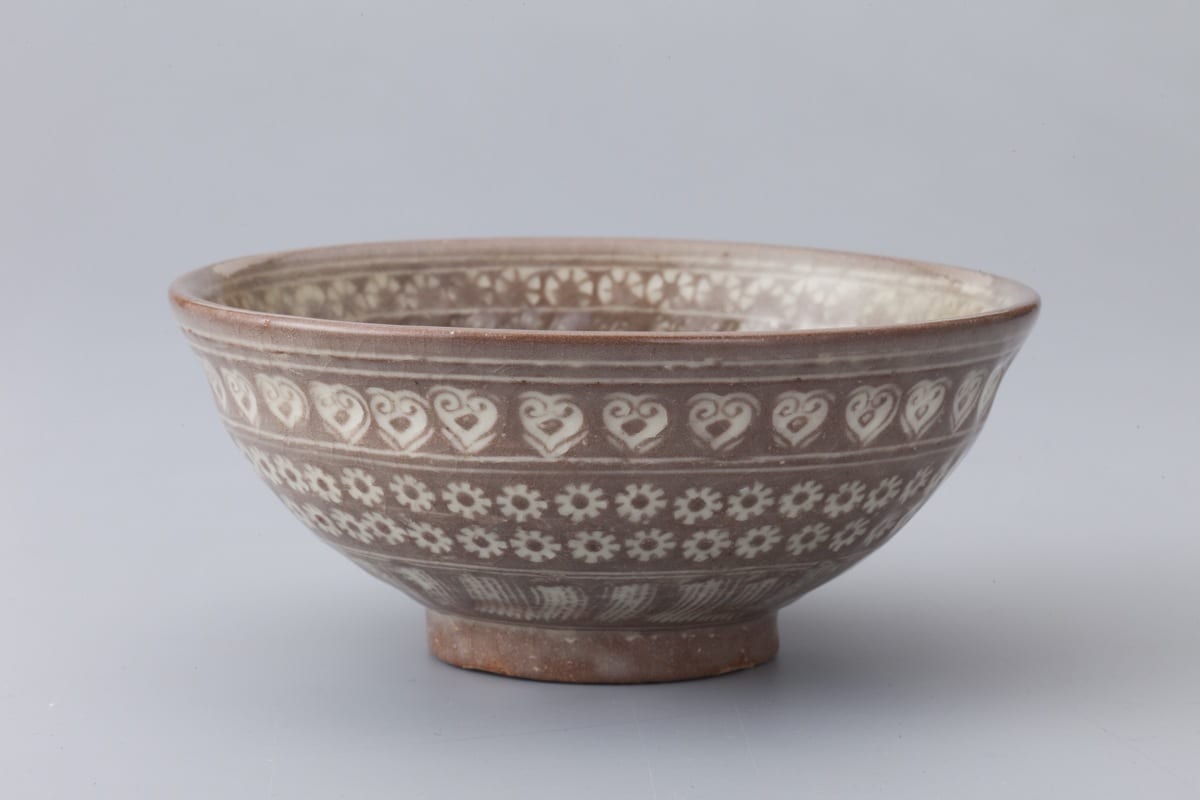
Glazed stoneware. This tea bowl features intricate design work rarely seen in the bulk of Kanjirō’s pieces—likely indicating his early period. The medallion-lik
SOLD
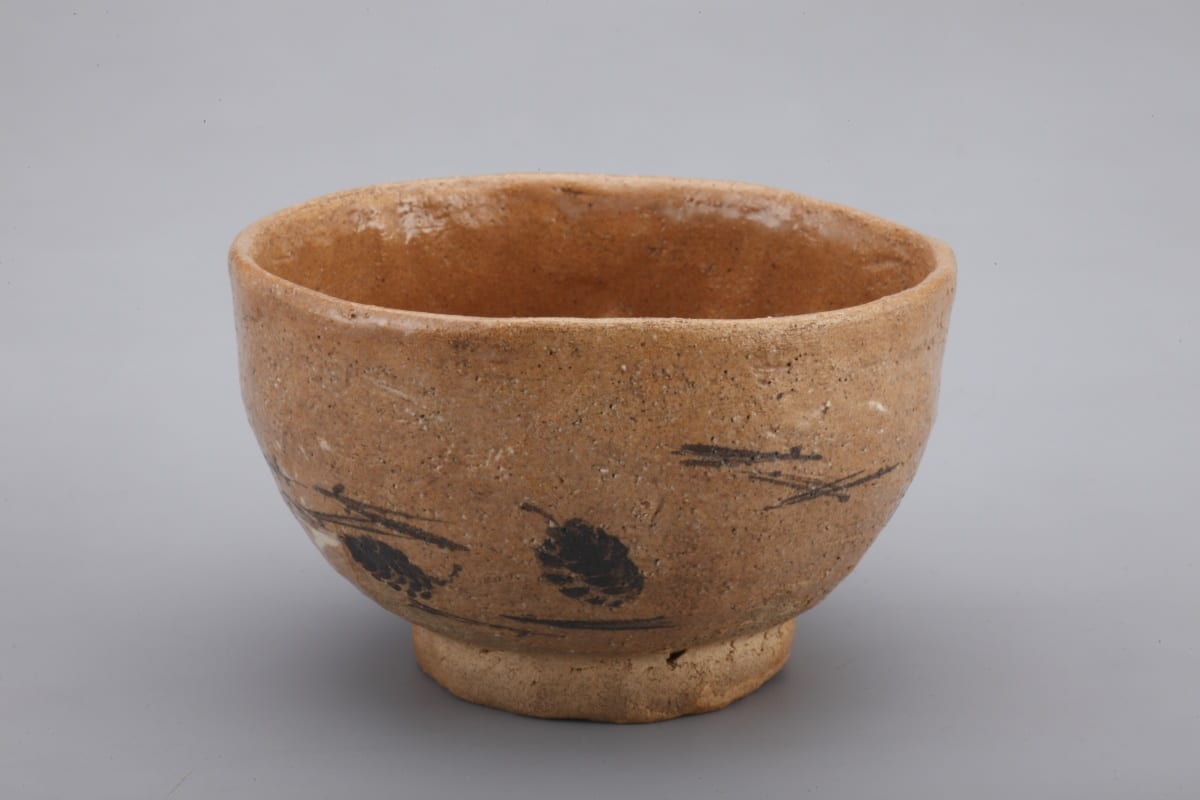
Sumi painting and calligraphy on ceramic. This chawan is light in the hand and contrasts beautifully with a dark rich bowl of matcha. While the poems of many of
SOLD
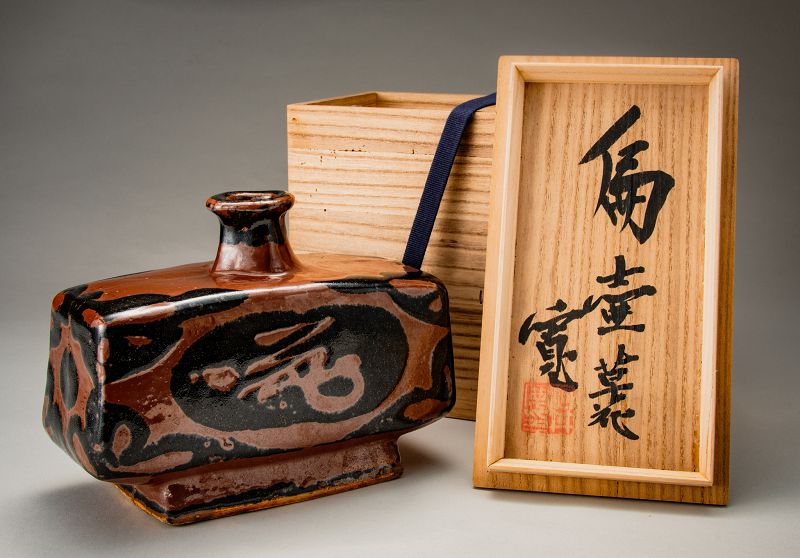
Conceived by 20th century master ceramicist Kawai Kanjiro—here an abstract depiction of flowers is used to adorn an exquisite “henko” shaped vase. The glaze use
SOLD
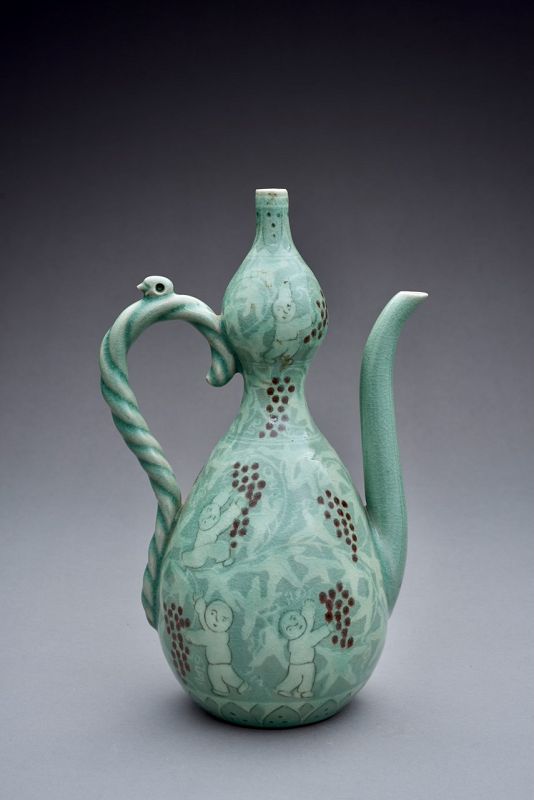
This unique and captivating celadon vase is the work of an early 20th century Korean artist who spent a number of years in Japan honing his craft. Gourd-shaped,
SOLD
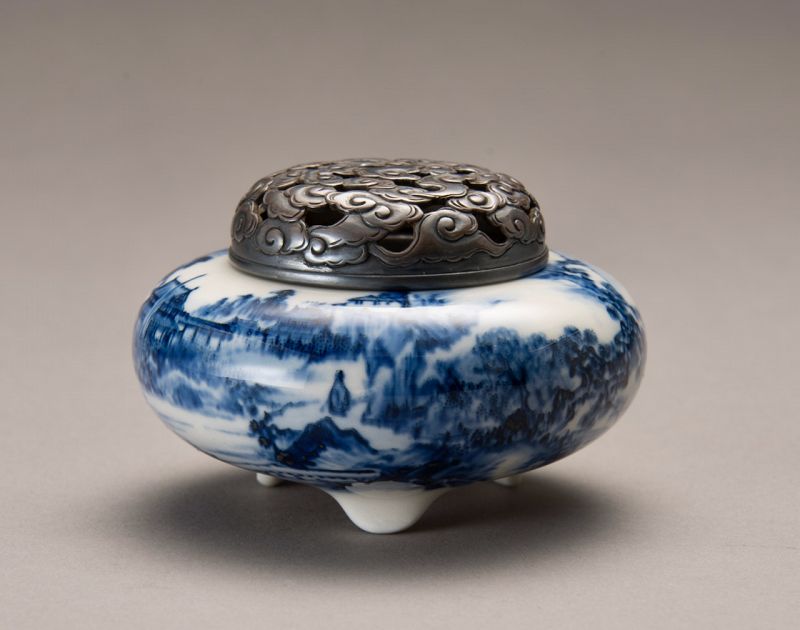
One of the most prominent potters of the Meiji period and one of only five to ever be appointed as Imperial Court Artist, the name Tozan is synonymous with fine
SOLD
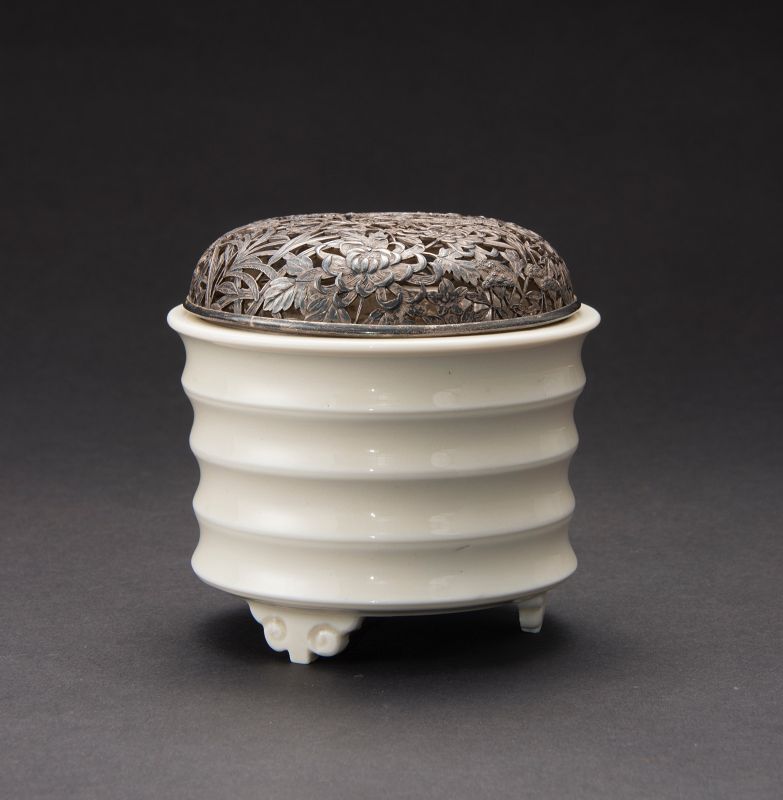
This Meiji period incense burner is made of fine white porcelain with a silver globe decorated with autumn foliage. As with much of Japanese pottery from this e
SOLD
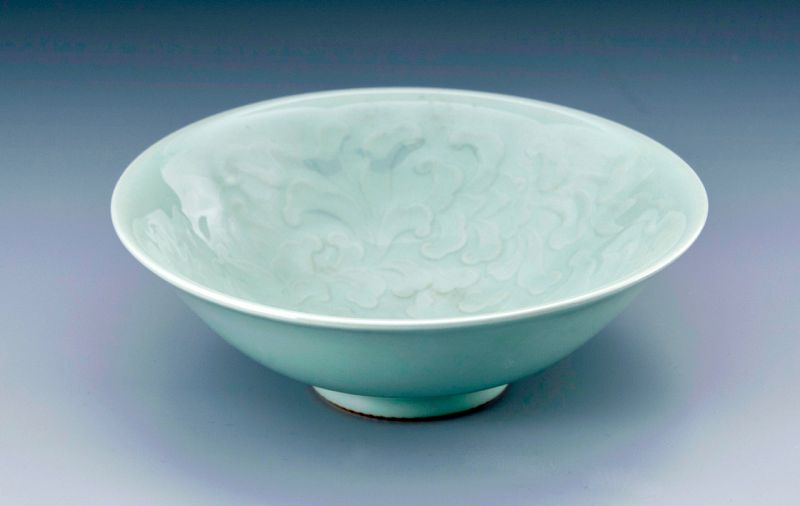
A wonderful translucent blue celadon dish decorated with a low-relief floral motif. This piece was made by one of the few great female Japanese potters of the 2
SOLD
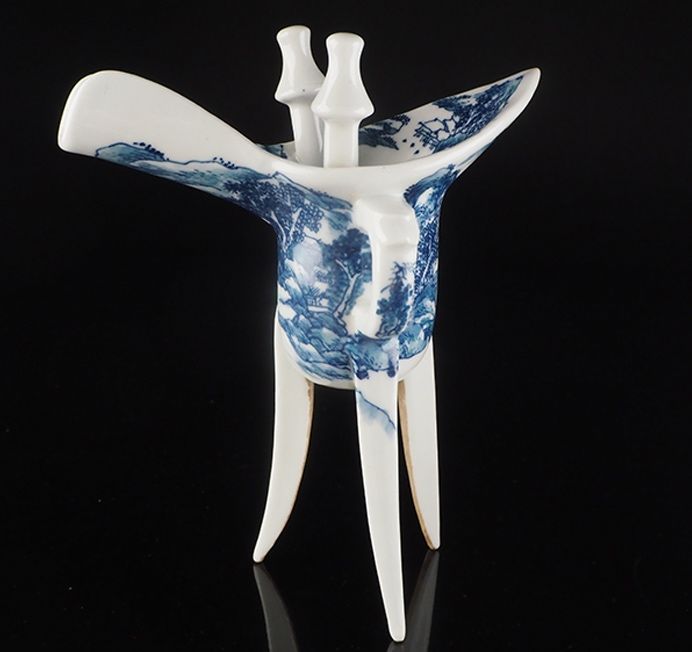
Used for ceremonial purposes by the Xia, Shang, and Zhou dynasties. Traditionally, the jue vessel was made of bronze with a pouring spout on either end and a pa
SOLD
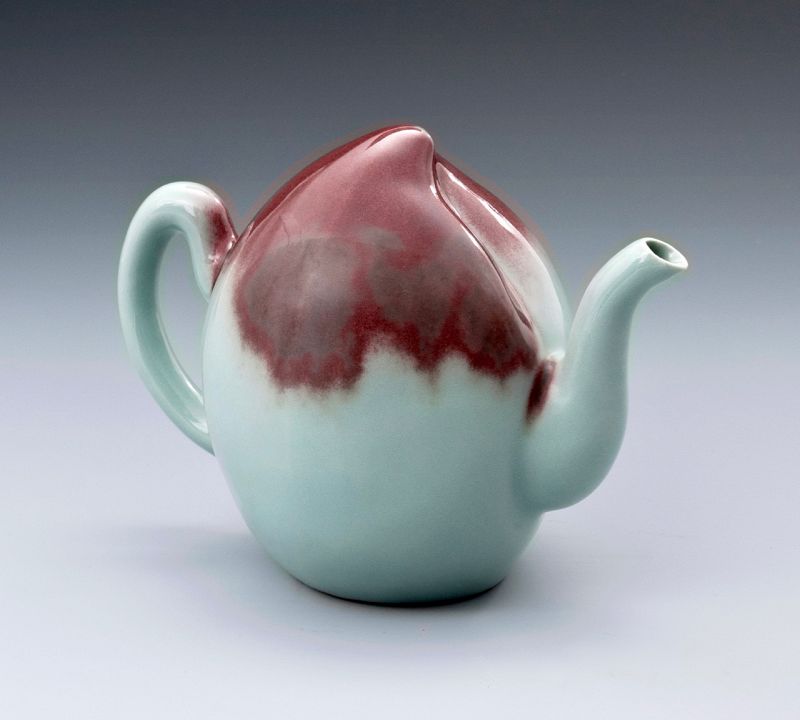
This peach-shaped suiteki (water dropper for calligraphy) is made of fine kinuta celadon from one of the great masters of the Meiji era—Suwa Sozan. A classic de
SOLD
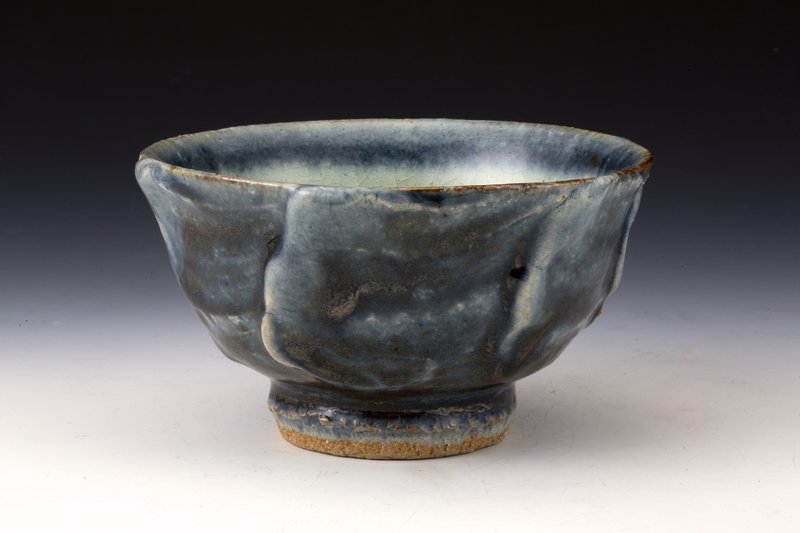
Raised, undulating ridges on a field of cobalt blue highlighted with white slip and bronze flecks around the rim, this piece conjures images of the deep and sto
SOLD
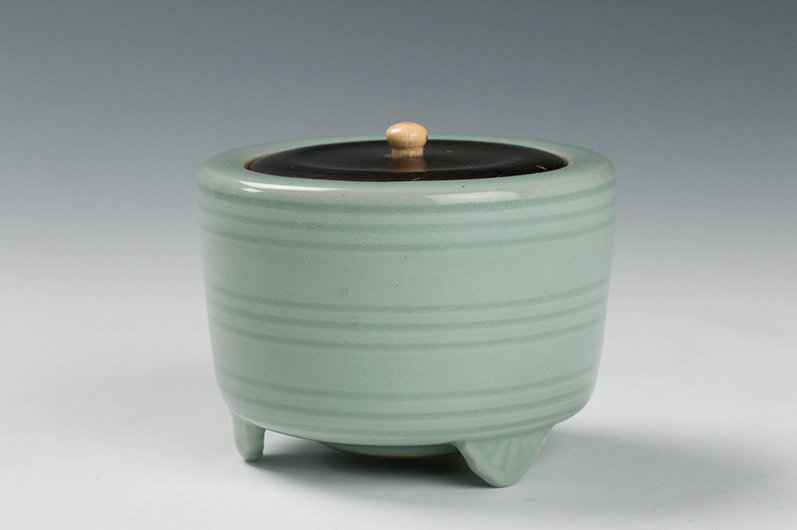
This finely crafted tripod incense burner is one of several often-employed motifs used by renowned Meiji/ Taisho ceramic artist Suwa Sozan I. With a design borr
SOLD
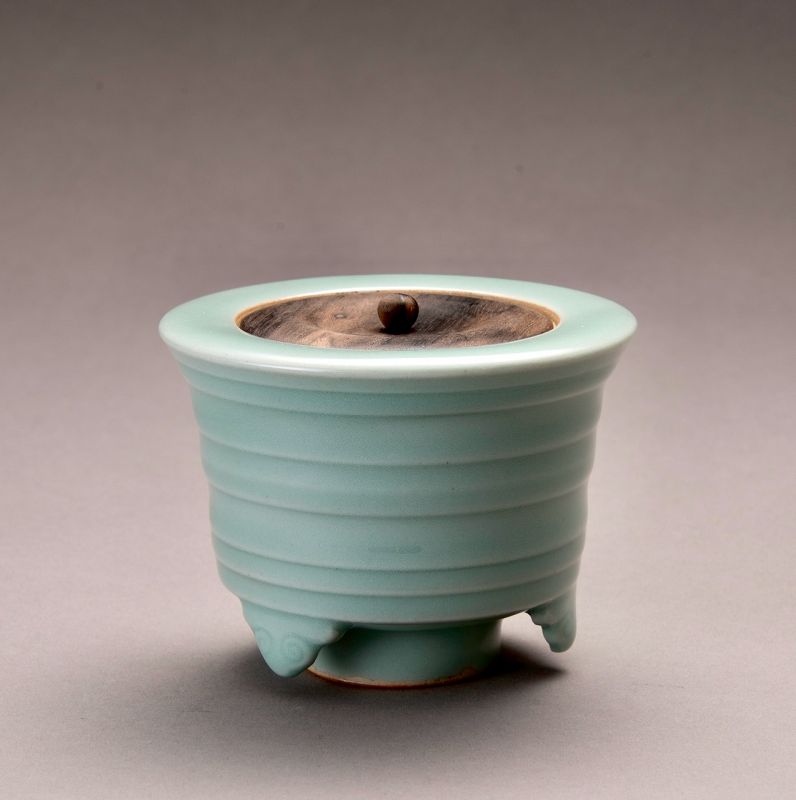
A Chinese style celadon incense burner by one of the 5 Imperial Court Artists of Meiji. Sozan spent his life perfecting techniques for celadon production first
SOLD
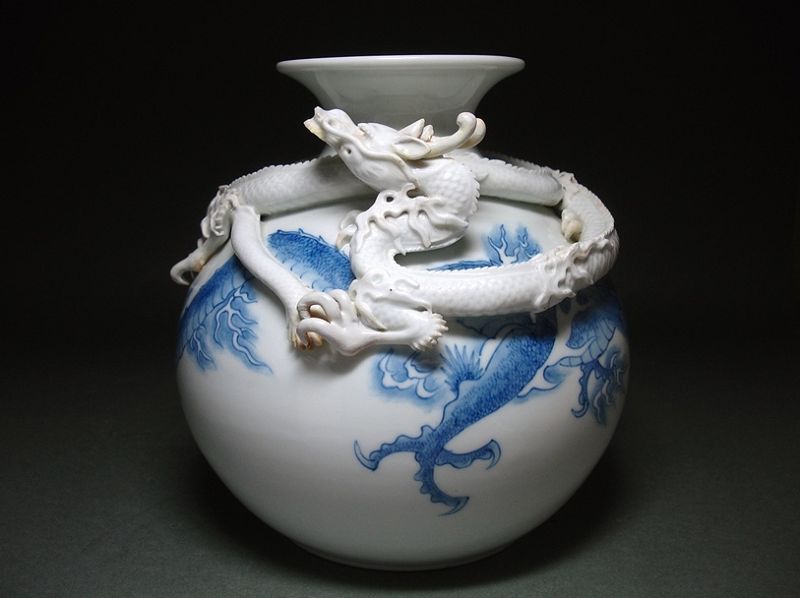
From a large collection of Edo period Nabeshima and Hirado-ware, this intricately crafted vase features two serpentine dragons intertwined across the face of th
SOLD
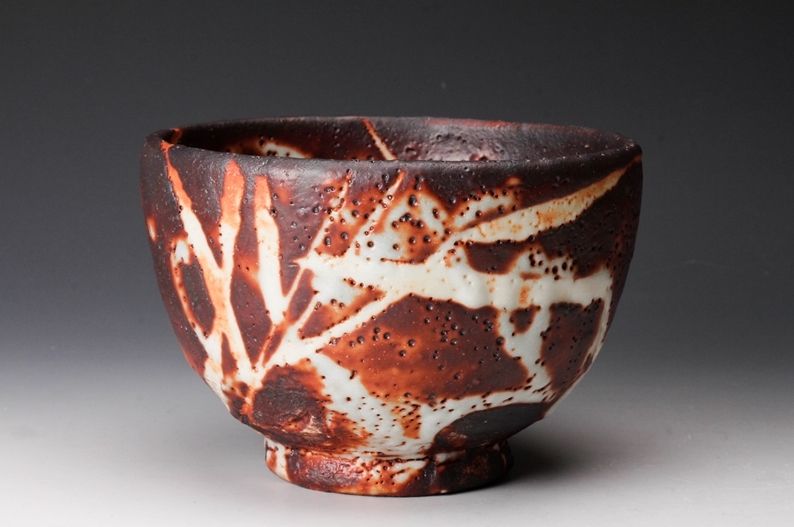
A powerful work of Shino pottery by one of the veterans of Mino ceramics. Vibrant lines of white feldspar contrast sharply with the iron rich clay and glaze to
SOLD
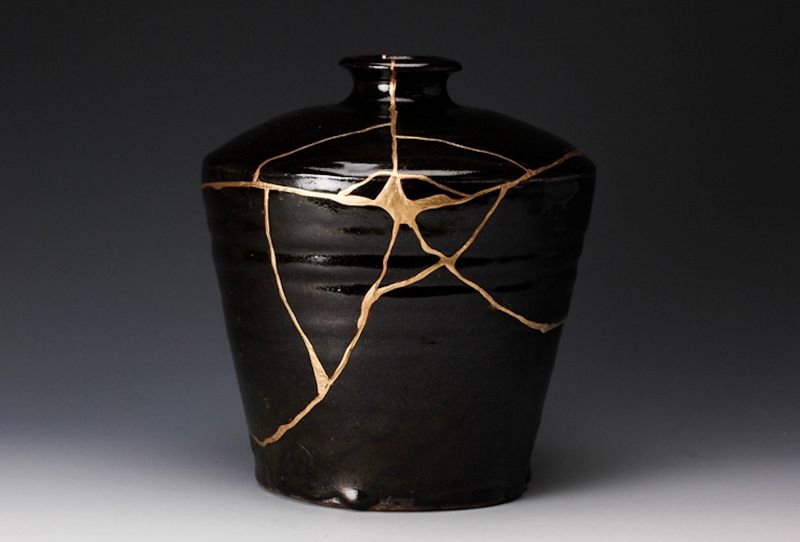
Yuzo Kondo is one of the more recognized names in the world of modern Japanese pottery of the 20th century. Though known mainly for his sometsuke creations (blu
SOLD
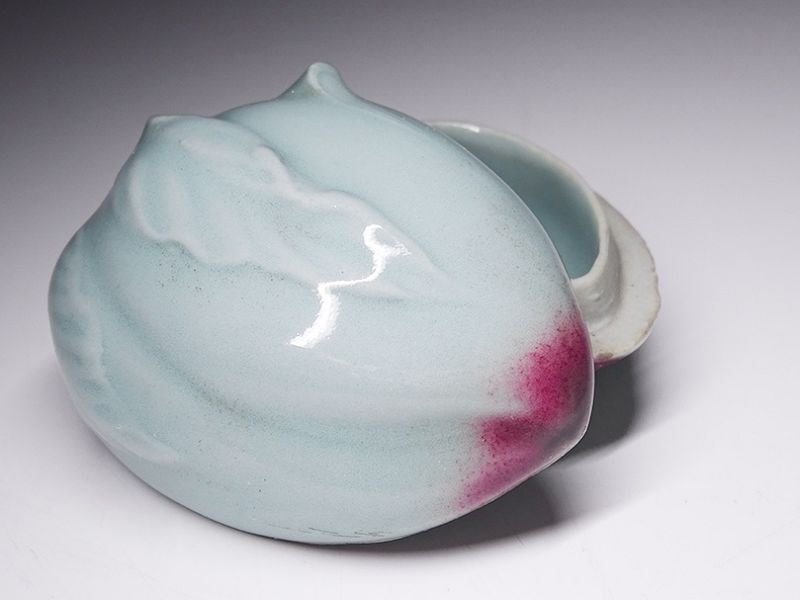
This peach-shaped kogo (incense box) is made of fine kinuta celadon from one of the great masters of the Meiji era—Suwa Sozan. A classic design, the peach is sa
SOLD
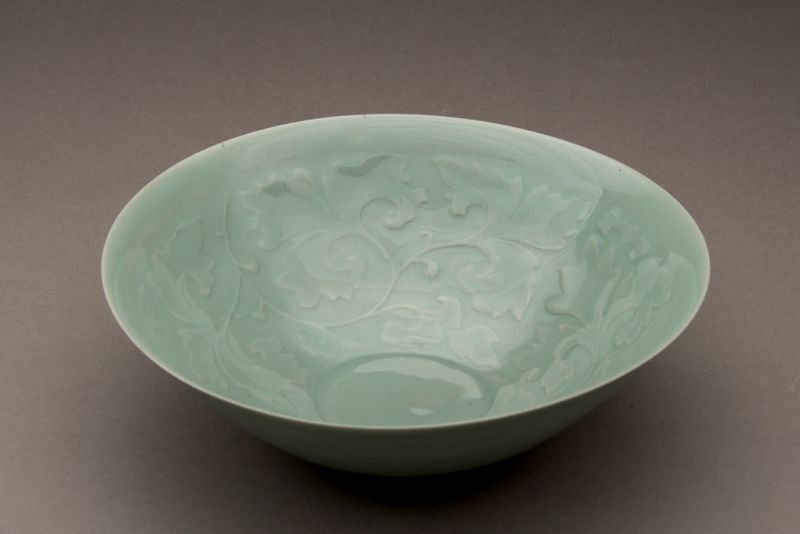
Here we see a Chinese style celadon floral bowl by one of the 5 Imperial Court Artists of Meiji. The potter, Sozan, spent his life perfecting techniques for cel
SOLD
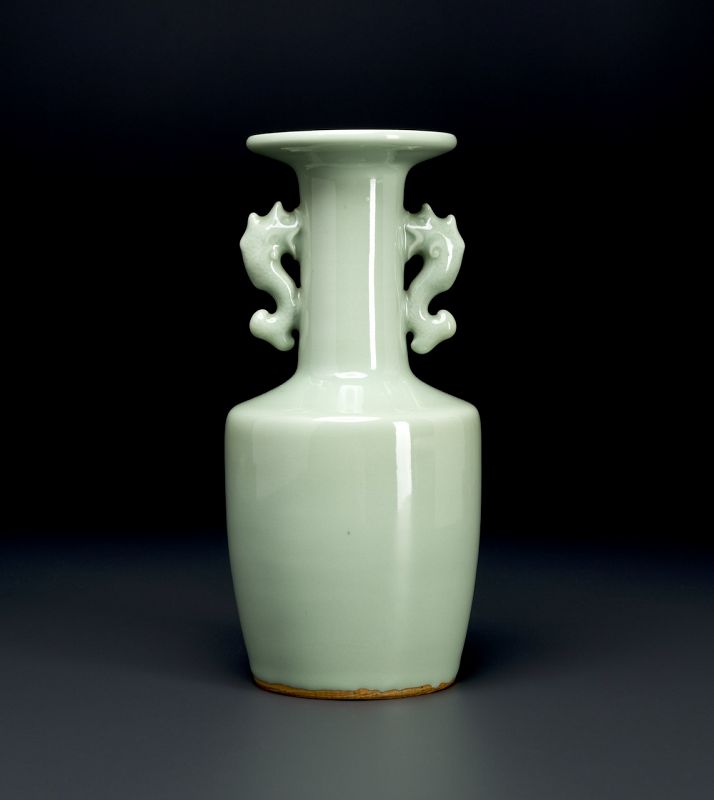
This extraordinary vase is a truly Japanese expression of a classical Chinese form. Fashioned after cylindrical Song Dynasty pieces that are thought to have bee
SOLD
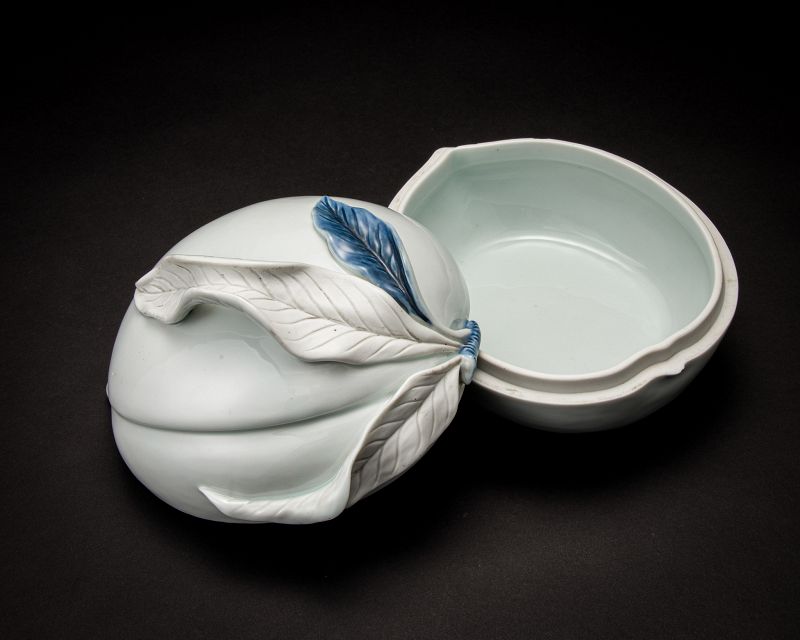
A classic design, the peach is said to represent long-life for mortals and immortality for the gods in Asian folklore. According to legend, the moon goddess—a p
SOLD
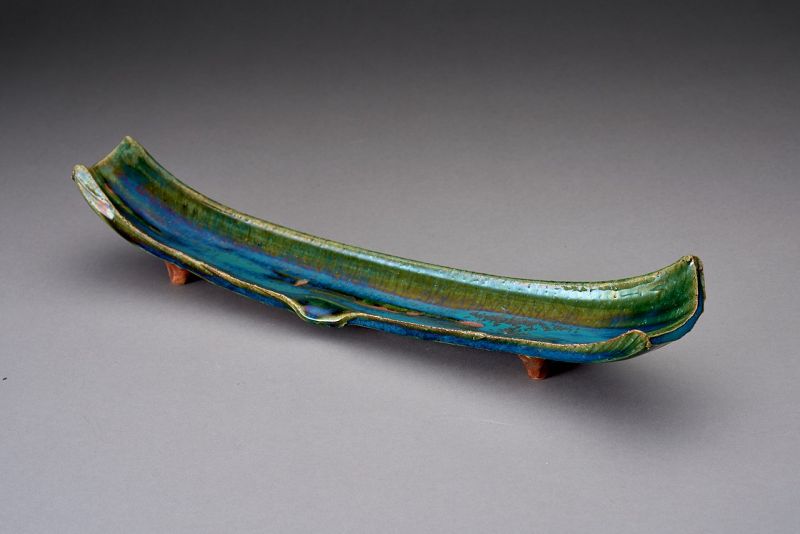
Oribe is a visual style named after the late-16th-century tea master Furuta Oribe (1544-1615). While most Oribe pieces are adorned with abstract, minimalistic,
SOLD
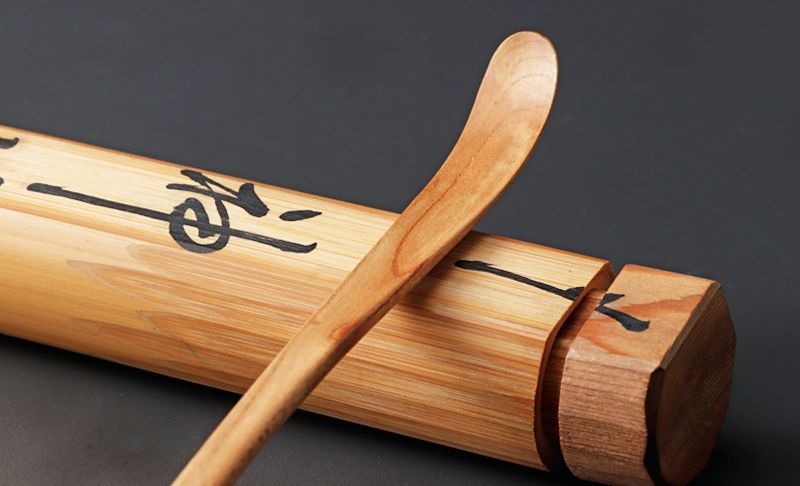
Here we have a very unique ceremonial tea implement made by one of the most important figures from Japanese tea culture in the past century. While most tea scoo
SOLD
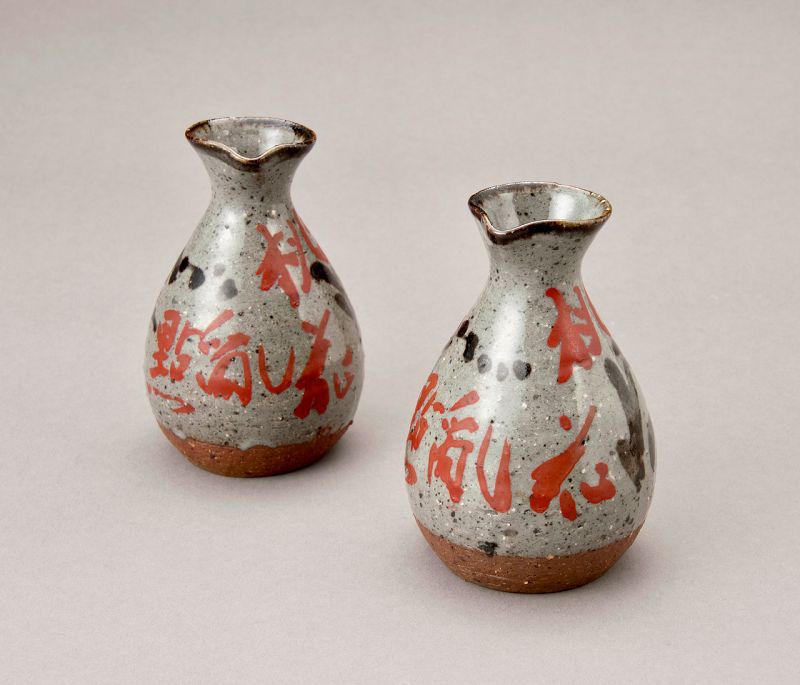
Yuzo Kondo is one of the more recognized names in the world of modern Japanese pottery of the 20th century. Though known mainly for his sometsuke creations (blu
SOLD
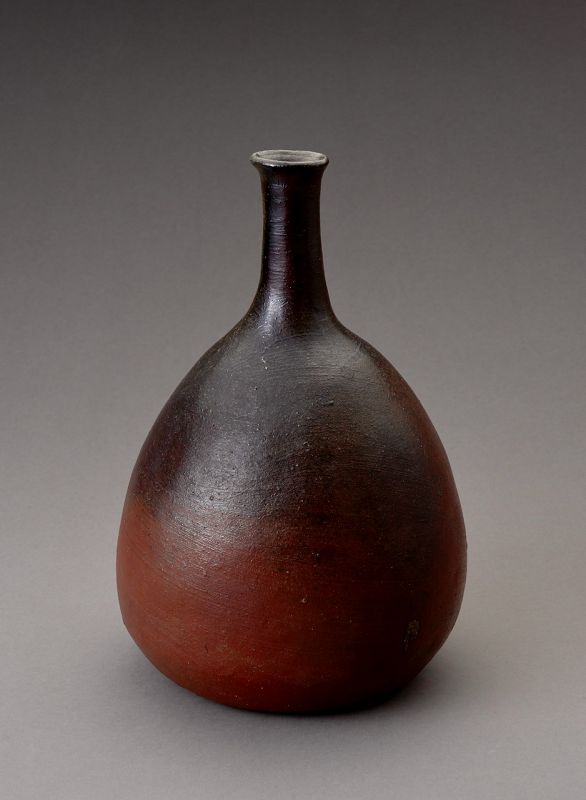
During Japan's Momoyama period, spanning from the late 16th to the early 17th century, Bizen pottery flourished, producing exquisite pieces such as this “shimok
SOLD
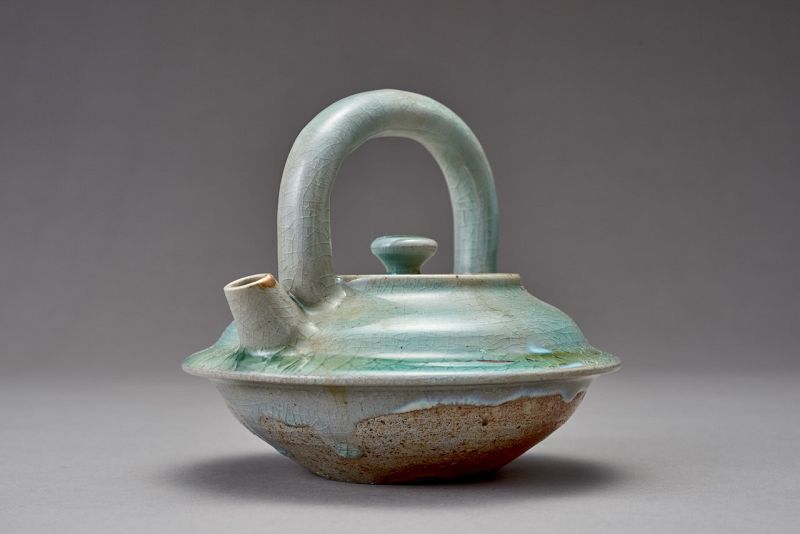
Chōshi are traditional Japanese sake pourers used in formal and ceremonial contexts, particularly in Shinto rituals and wedding ceremonies. They take the form o
SOLD
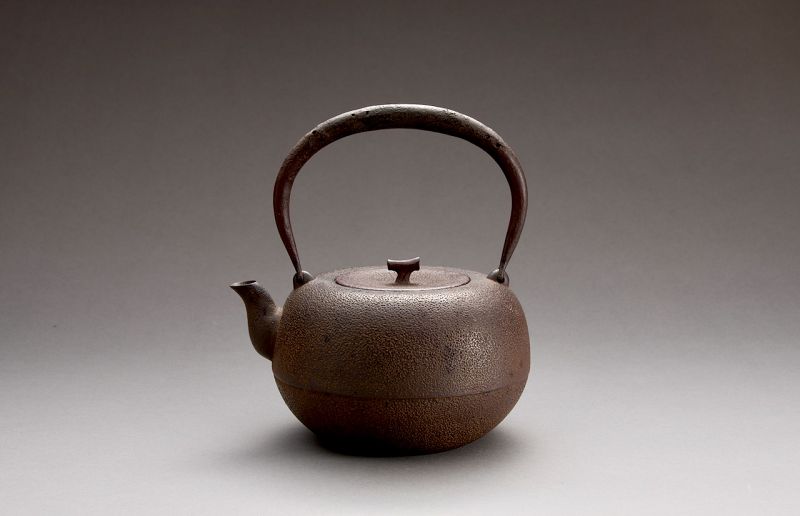
Beautifully encapsulating the Japanese aesthetic of wabi sabi, this cast iron tea kettle has an elegance that far outshines more ornate versions of this ceremon
SOLD
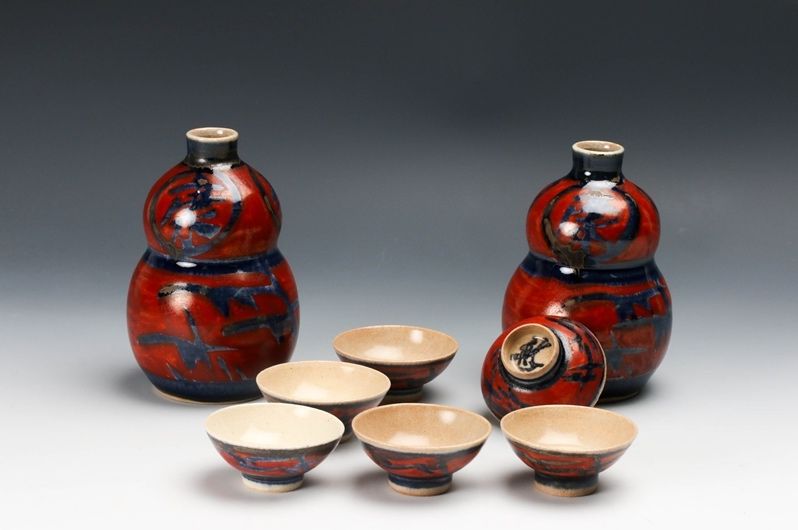
Kondō Yuzō is one of the more recognized names in the world of modern Japanese pottery of the 20th century. Though known mainly for his sometsuke creations (blu
SOLD
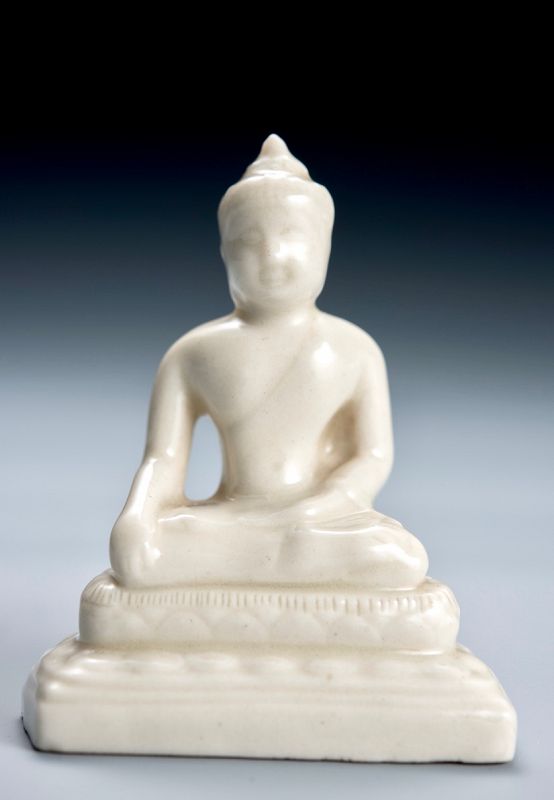
This white porcelain statue depicts a small seated Bodhisattva deep in meditation. Bodhisattva, otherwise known as bosatsu in Japan, are enlightened beings who
SOLD
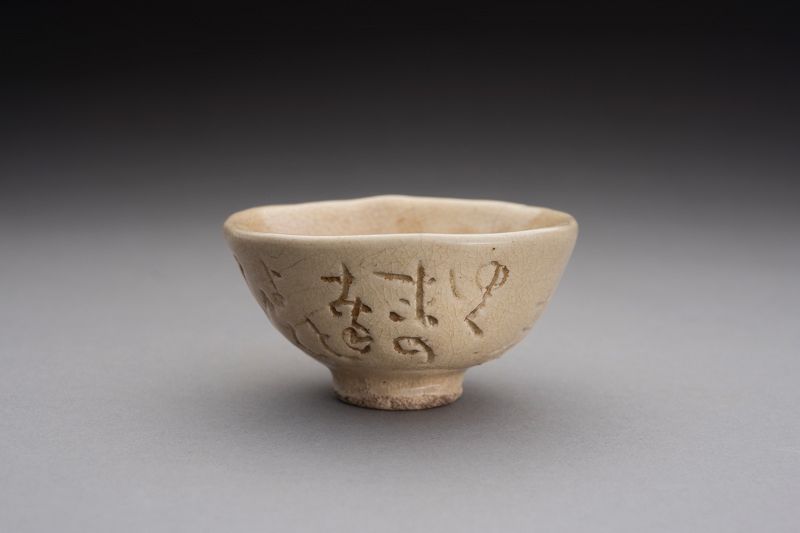
The poem etched on the side of this exceptional piece reads: In the future — happiness — and long life — two sprouting leaves —to grow a thousand years. Indeed
SOLD
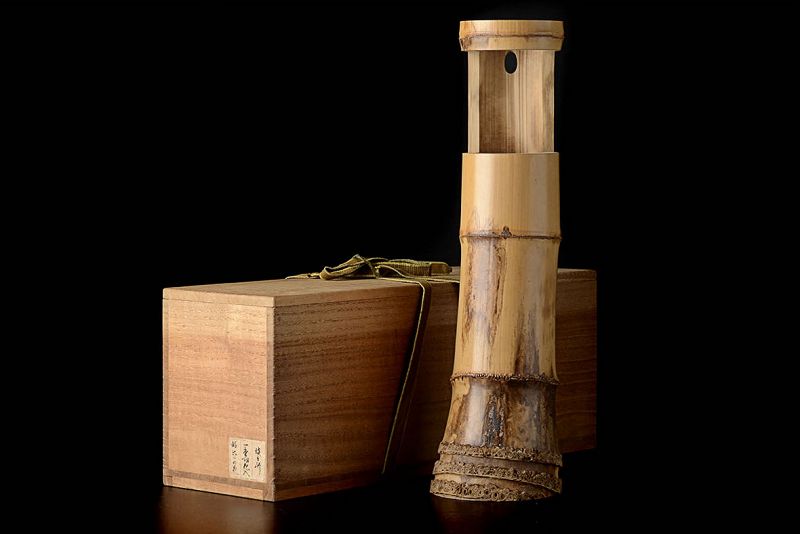
Flower arranging is one of the great arts that Japan has managed to take to ever greater heights of refinement over its long history. Here we have a classic exa
SOLD
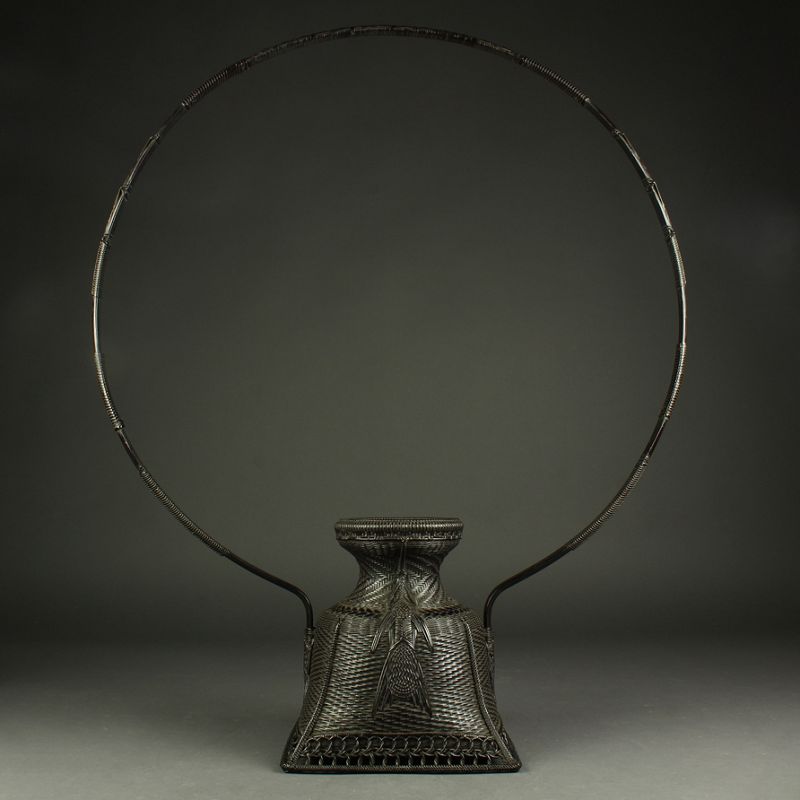
In Japan, woven baskets such as this are often referred to as “karamono” (Chinese style) to denote their stylistic origins tending towards symmetrical proportio
SOLD
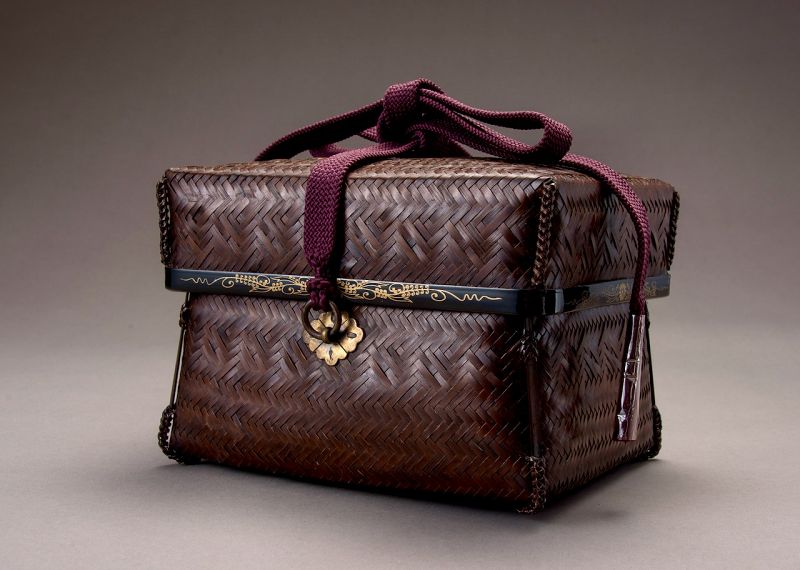
Meticulously crafted from carefully woven strips of bamboo, this traditional “chabako” would typically contain all of the basic utensils for conducting tea cere
SOLD