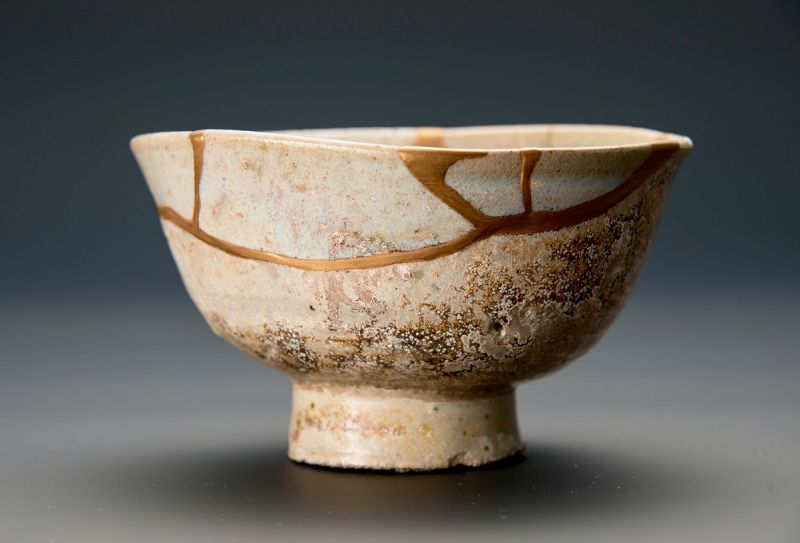
A Beautifully Repaired Edo Period Karatsu Kintsugi Chawan
Stemming from the philosophy of wabi-sabi—often described as the beauty found in the imperfection and transience of the world—cracks and repairs in a work of po
SOLD
Stemming from the philosophy of wabi-sabi—often described as the beauty found in the imperfection and transience of the world—cracks and repairs in a work of po
SOLD
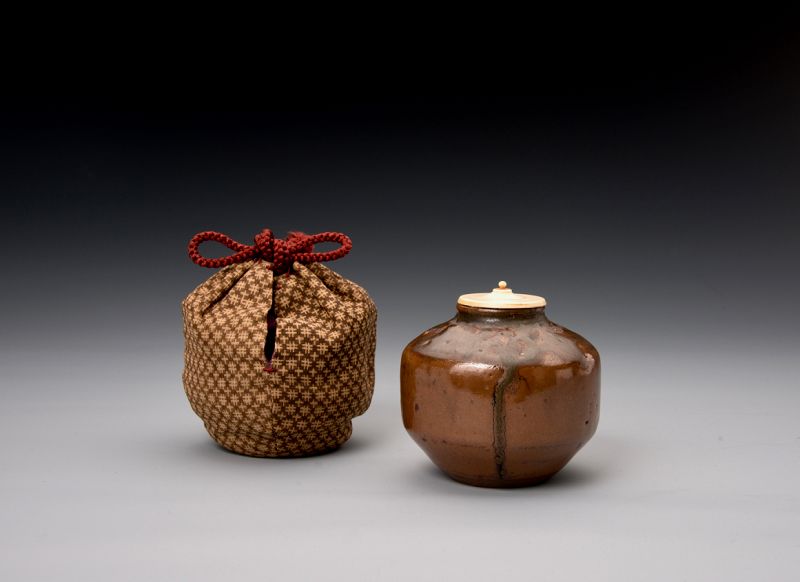
This extraordinary cha-ire (powdered tea container) displays an excellent glaze that appears to have only grown more intricate and rich with time. Contrasting a
SOLD
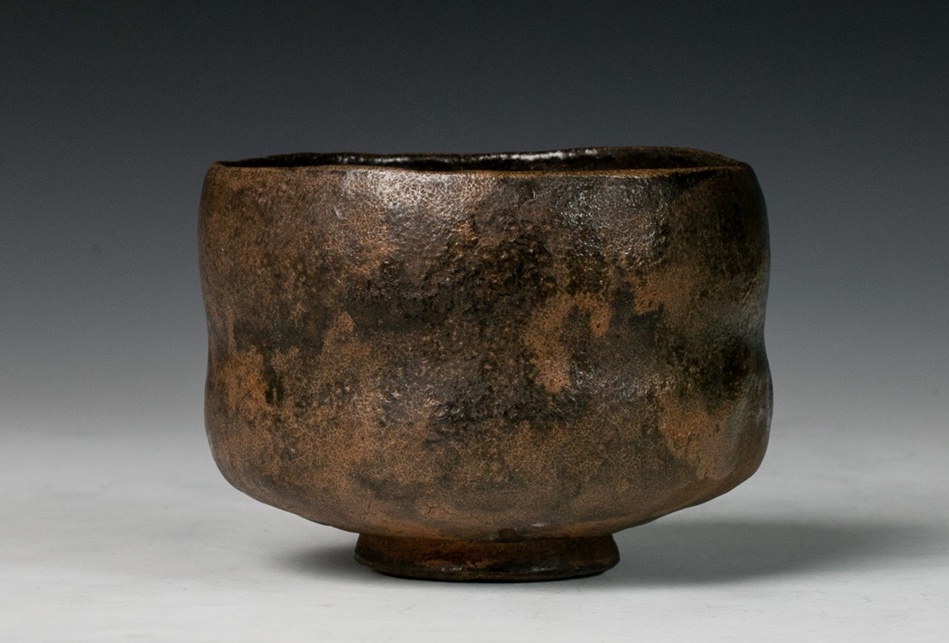
A master work by one of the top artisans of the late 20th century—the result of techniques perfected over centuries by dedicated craftsmen residing in districts
SOLD
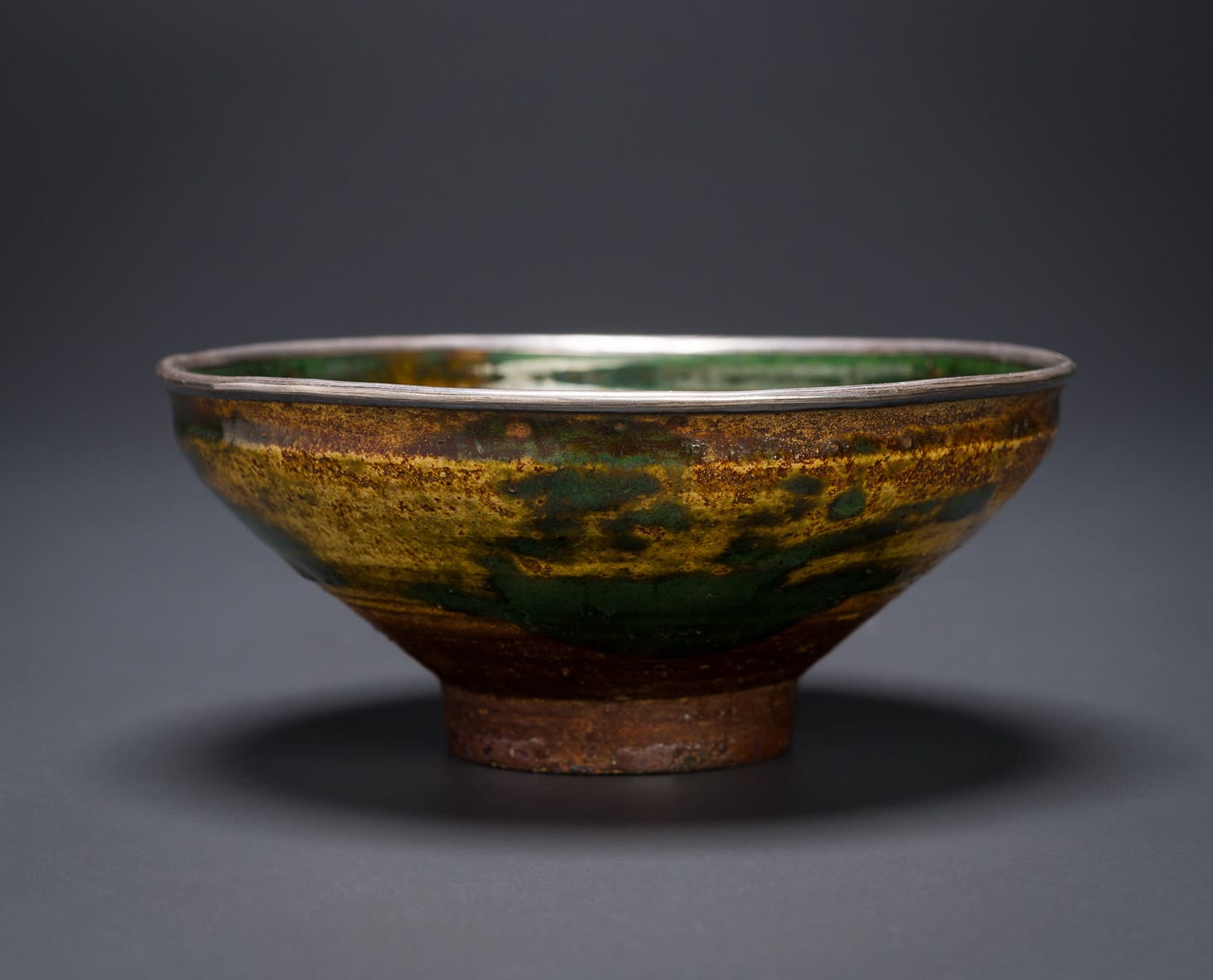
Before styles such as Raku, Hagi, Karatsu, etc came into fashion for use in the tearoom in early Edo, it was commonplace in cultured society to use tea-ware imp
SOLD
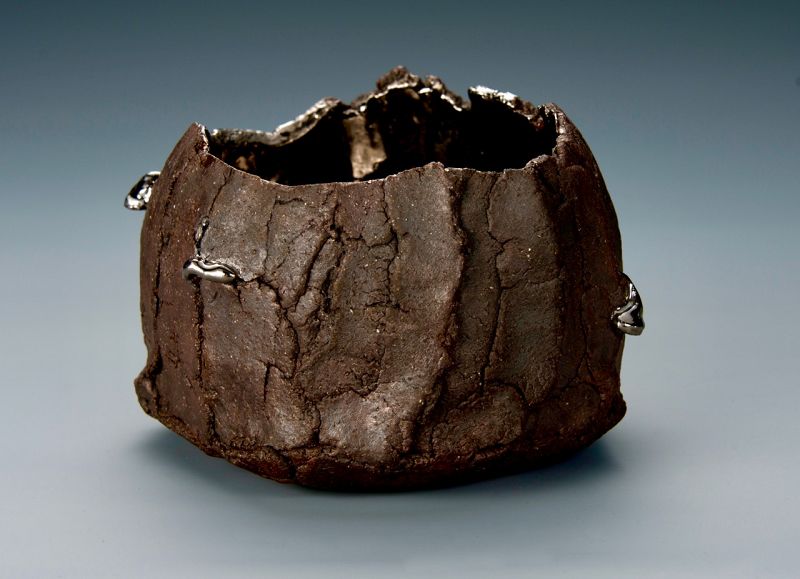
This experimental work by young artist Hiramatsu Ryoma demonstrates his creative imagination and challenges the traditional boundaries of what defines a tea bow
SOLD
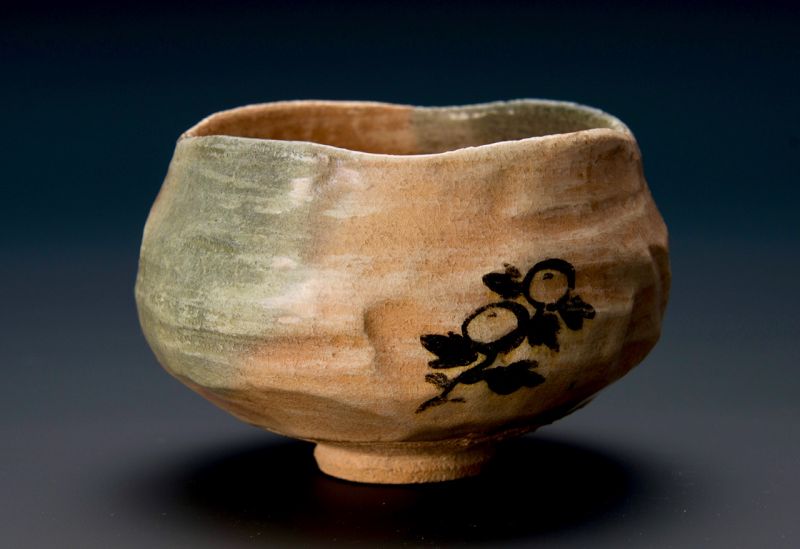
This iconic tea bowl was crafted by one of the great masters of Japanese pottery and given the poetic name "Dewdrop" by a famous tea master of the Omote-senke s
SOLD
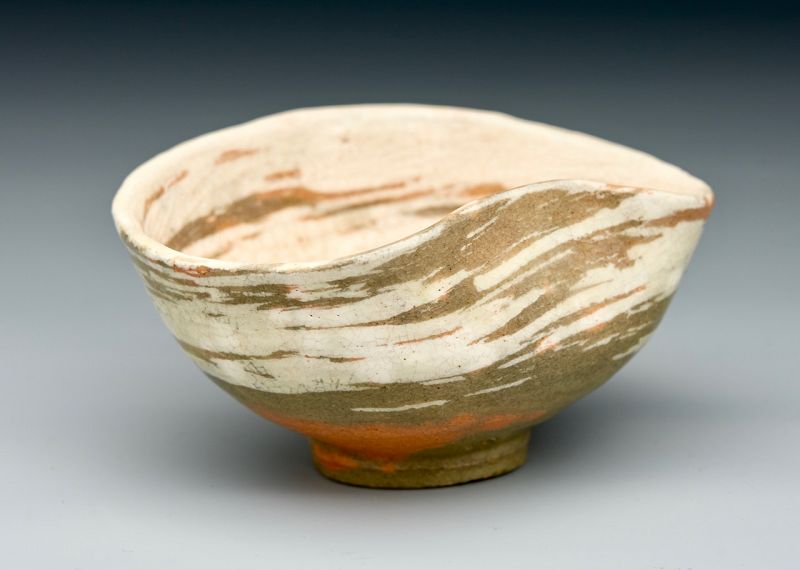
This exceptional tea bowl was crafted by one of the great masters of Japanese pottery and given the poetic name “Nami” (wave) by a famous tea master of the Ura-
SOLD
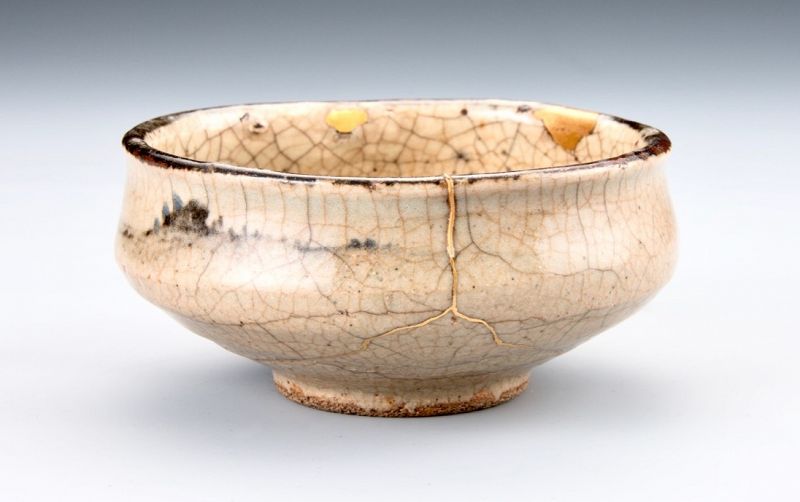
Like many pottery traditions in Japan, Karatsu takes its name from the city where it originated. As early as the 15th century, Korean potters heavily influenced
SOLD