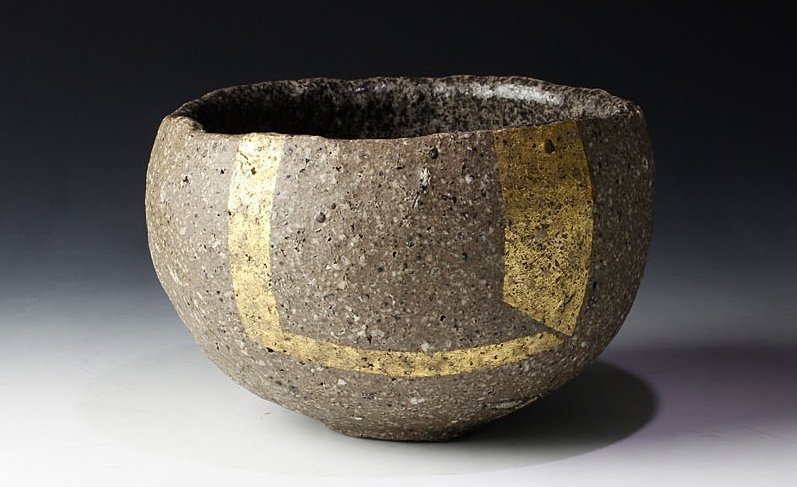
Haito Chawan with Gold Decoration by Sato Kazuhiko
An ancient technique known as “haito” in Japanese was used to give this piece its distinctive look. Thought to have originated in neolithic times and commonly u
SOLD
An ancient technique known as “haito” in Japanese was used to give this piece its distinctive look. Thought to have originated in neolithic times and commonly u
SOLD
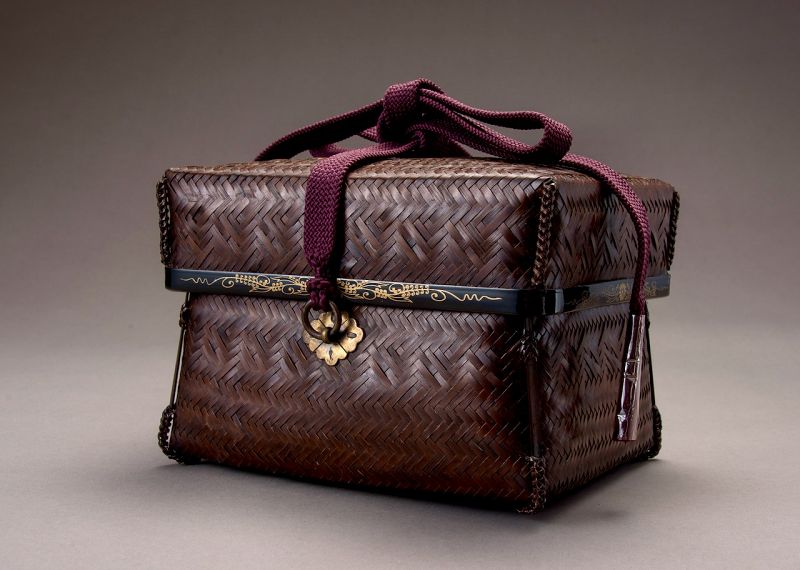
Meticulously crafted from carefully woven strips of bamboo, this traditional “chabako” would typically contain all of the basic utensils for conducting tea cere
SOLD
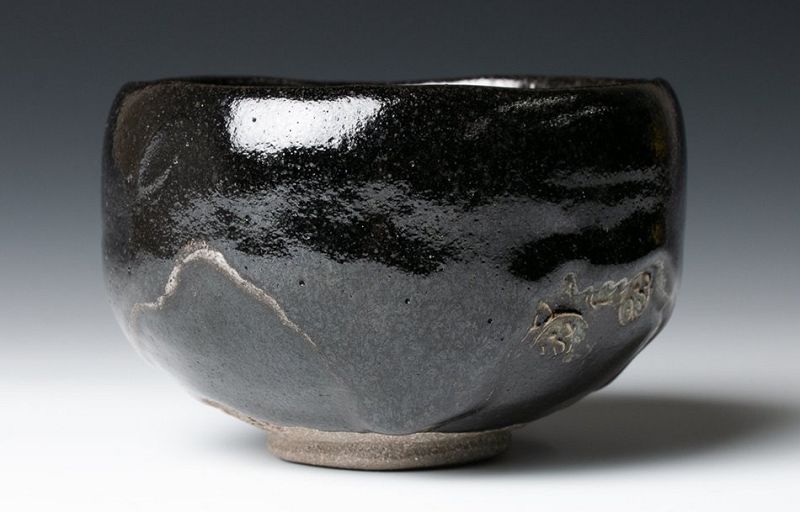
Imagine the vista of iconic Mount Fuji as you enjoy a cup of matcha from this very special tea bowl. Endorsed by the tea master of Urasenke as a master work, it
SOLD
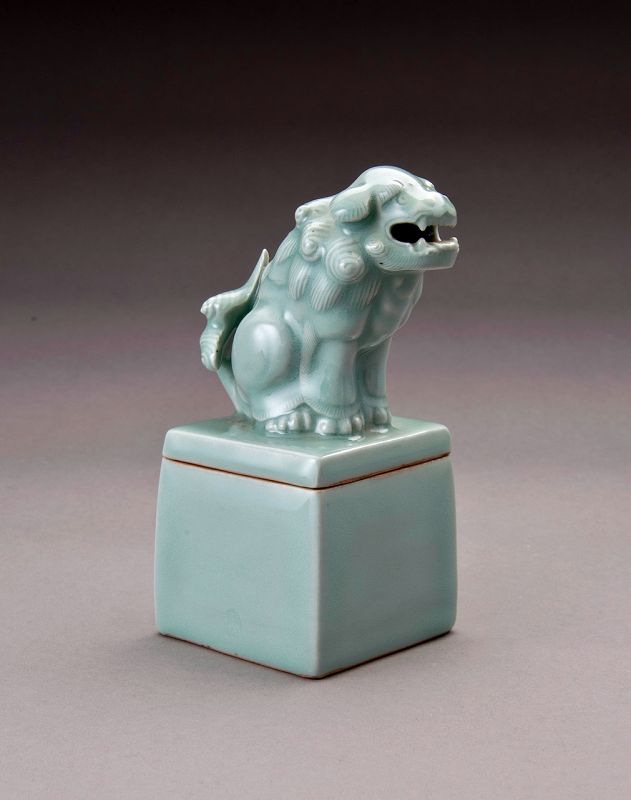
Considered auspicious symbols of wealth, status, and good fortune; foo dogs—commonly referred to as shishi or koma-inu in Japan—are often seen in pairs guarding
SOLD
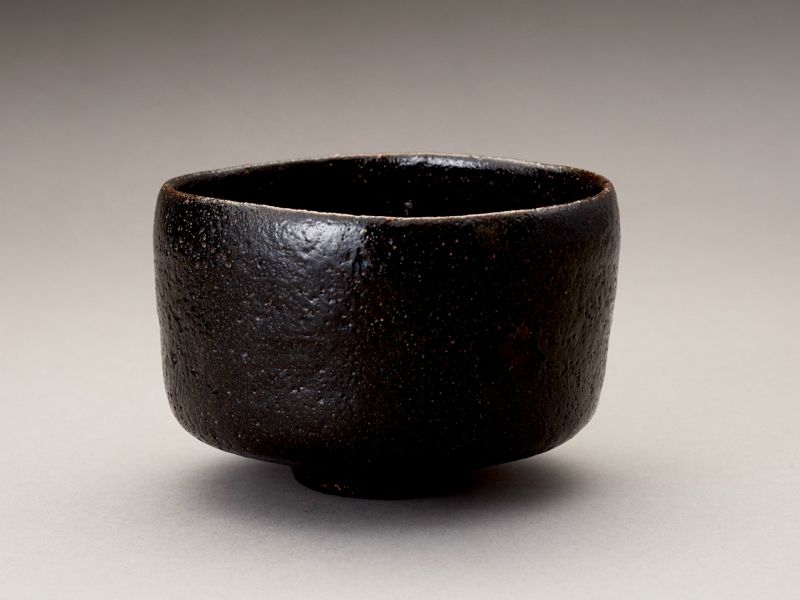
We have a particular interest in beautiful old Raku tea bowls and spend quite a bit of time searching for exceptional examples to include in our gallery. Here w
SOLD
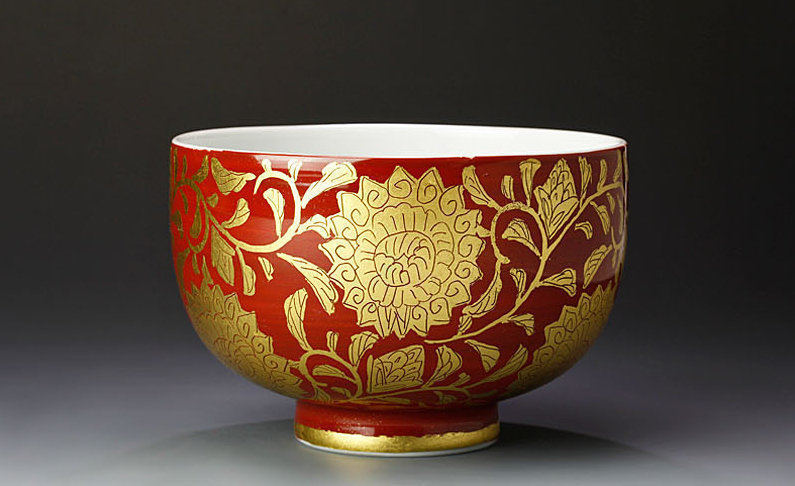
This eye-catching porcelain composition covered in red-glaze and highlighted with sensational gold-leaf inlay is an iconic design often employed by Ono Hakuko.
SOLD
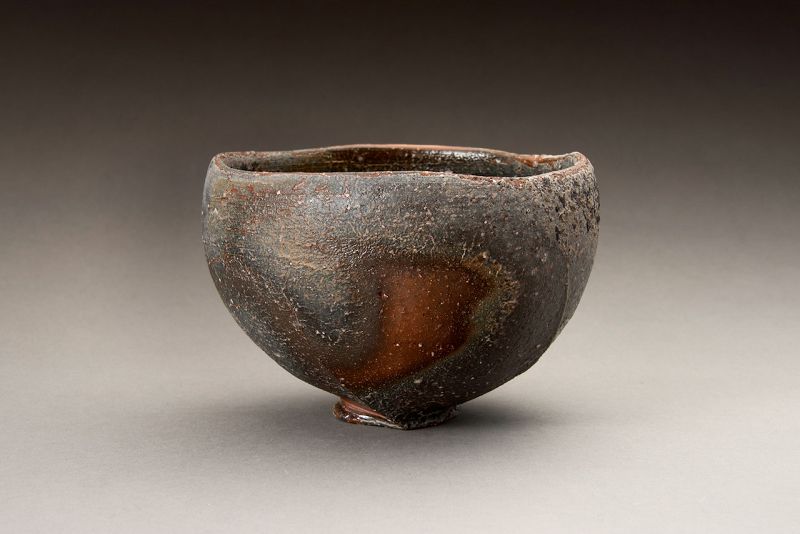
Elegantly balanced on a slenderly proportioned foot, this piece by Bizen native Kondo Masahiko displays a surprising level of skill for a potter still in the pr
SOLD
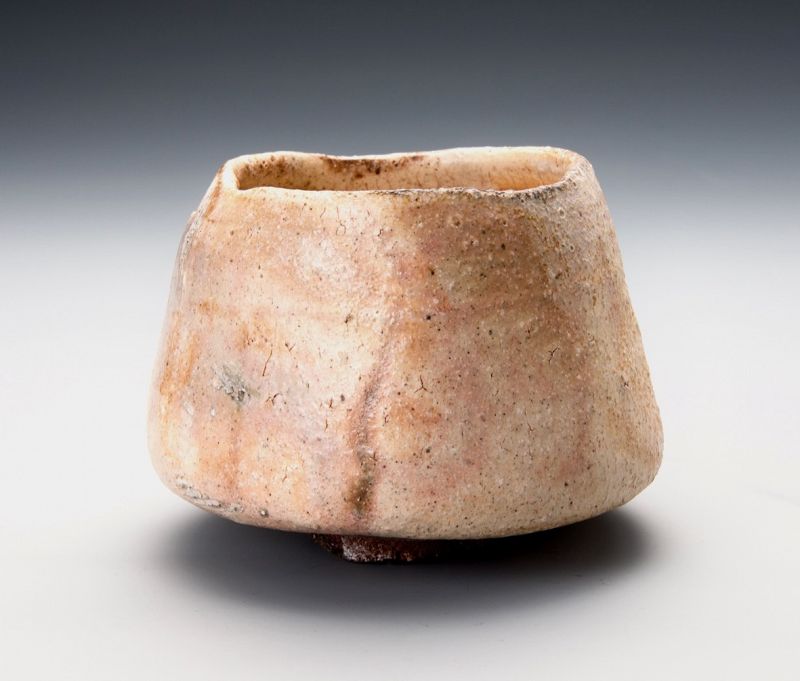
The artist who produced this piece, Wataru Motomura, prides himself in living a traditional life in the eastern hills of Kyoto—long known for its rich clay and
SOLD
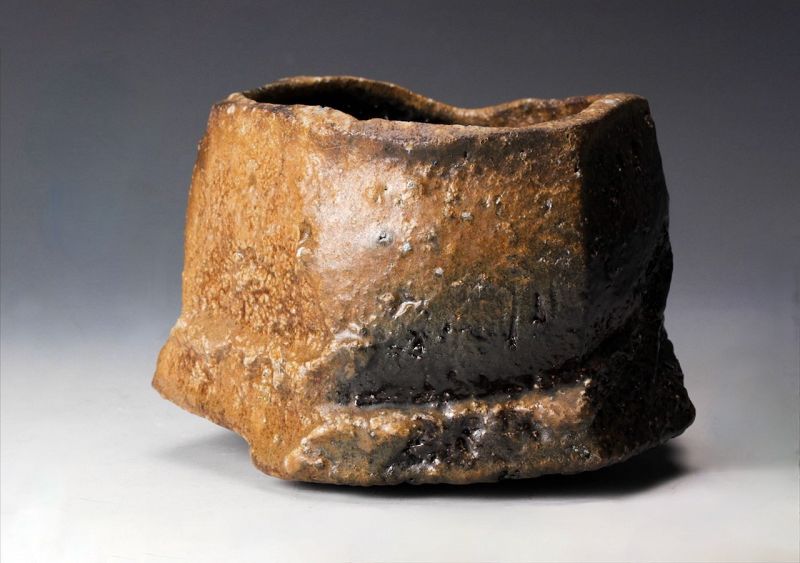
An awe-inspiring masterpiece, this tea bowl by Kakurezaki showcases his unparalleled skill and artistic vision. Crafted with meticulous precision, the bowl seam
SOLD
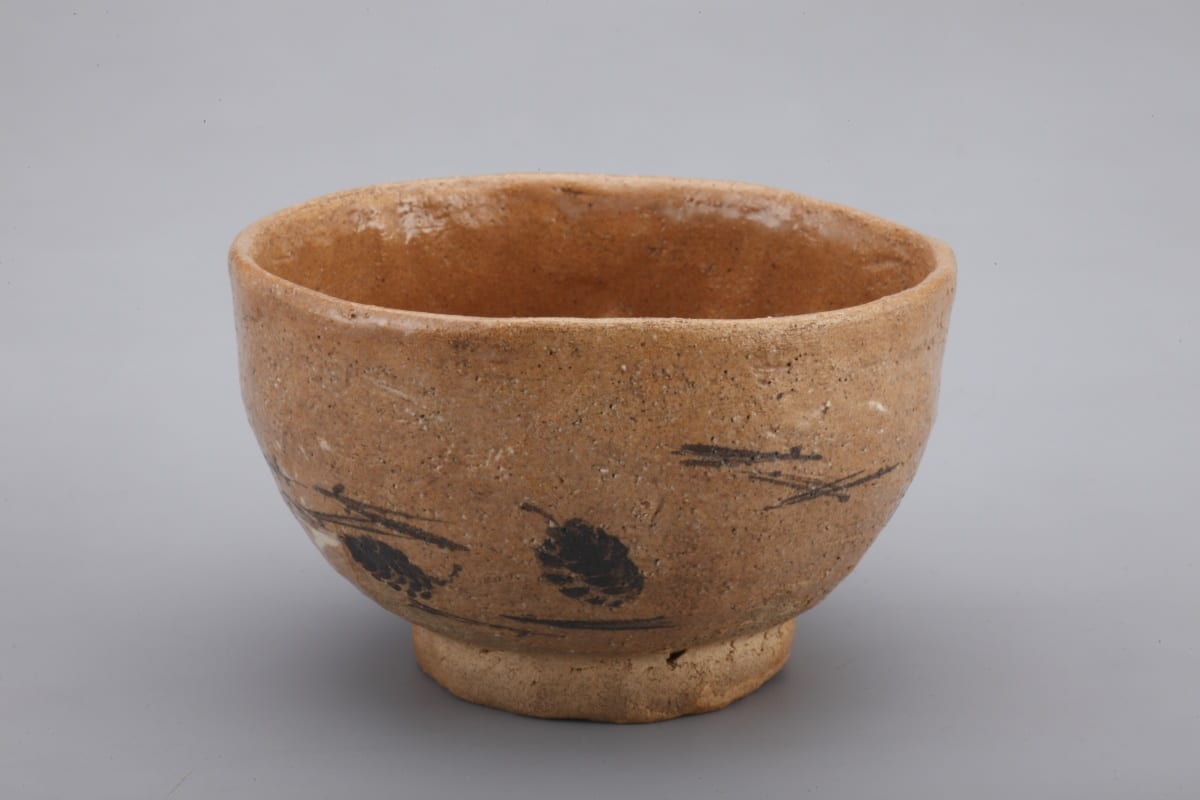
Sumi painting and calligraphy on ceramic. This chawan is light in the hand and contrasts beautifully with a dark rich bowl of matcha. While the poems of many of
SOLD
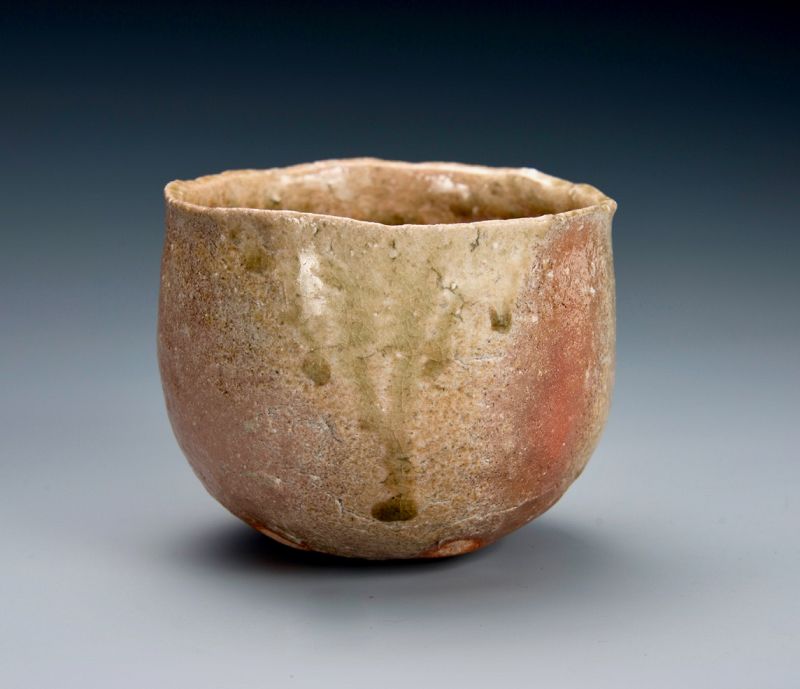
Sugimoto Sadamitsu (b. 1935) is one of the most important Shigaraki potters alive today and continues to create master works into his old age. Originally a resi
SOLD
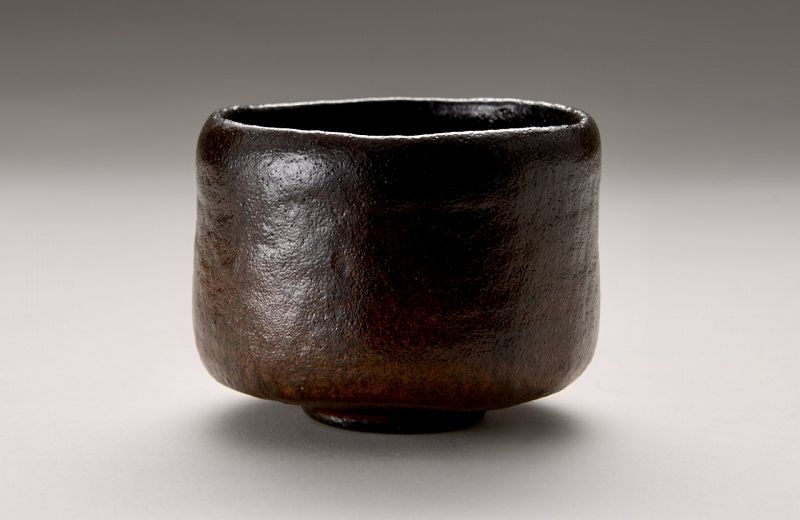
Closely resembling a historically important tea bowl made by one of the forebears of the art of tea and Raku pottery, Chojiro, this piece gives one a sense of t
SOLD
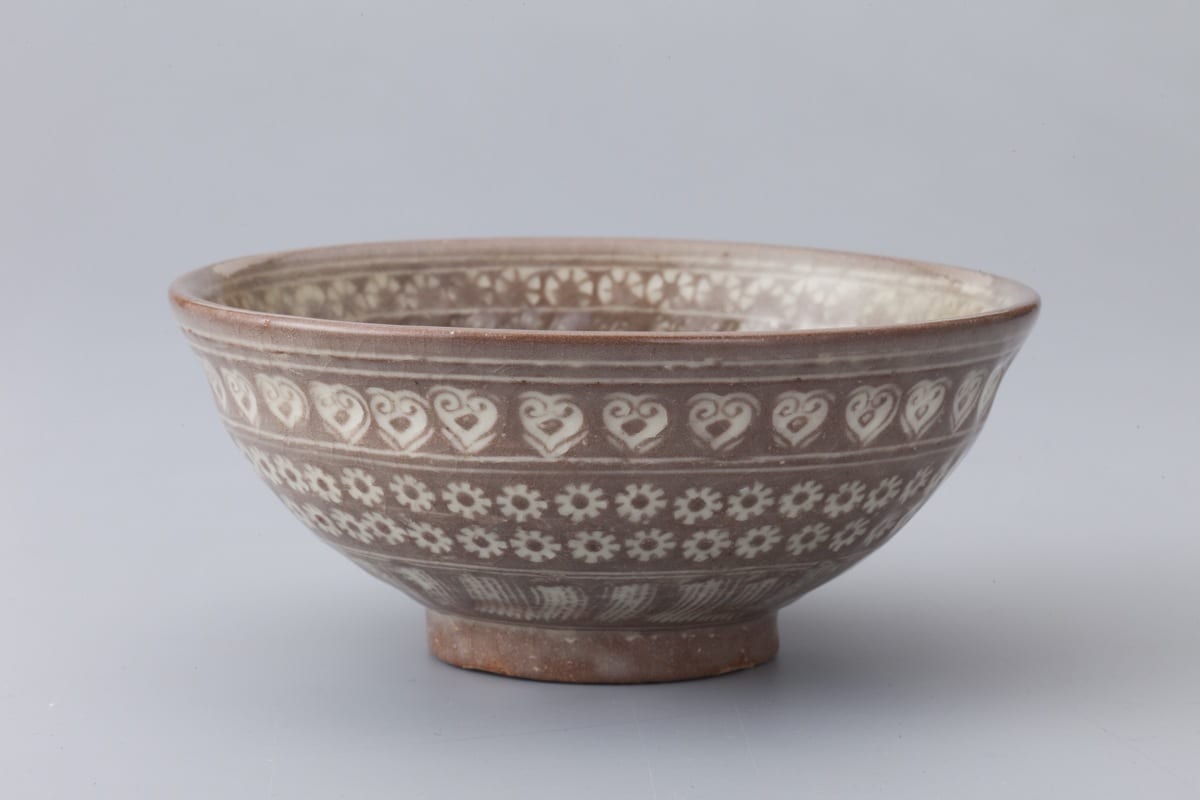
Glazed stoneware. This tea bowl features intricate design work rarely seen in the bulk of Kanjirō’s pieces—likely indicating his early period. The medallion-lik
SOLD
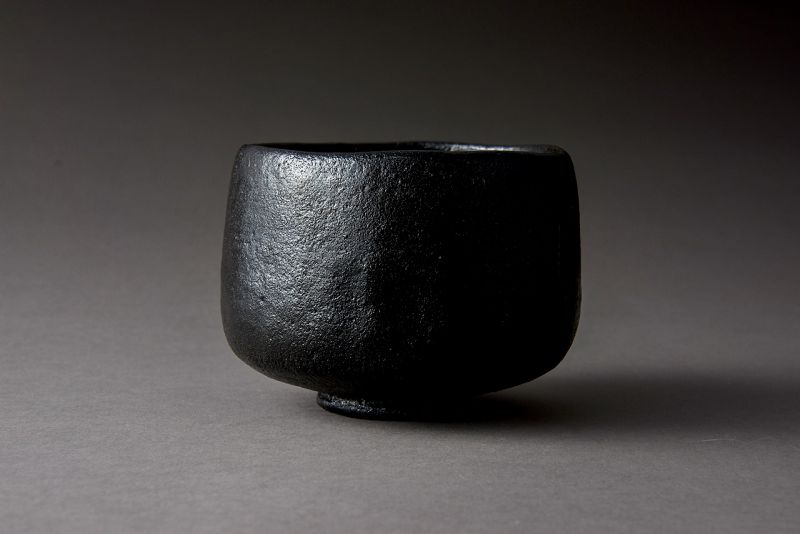
Endorsed by the recent Head Tea Master of Urasenke as an exceptional work, this black Raku tea bowl was granted the poetic name “Kokon” Ko, meaning “the distant
SOLD
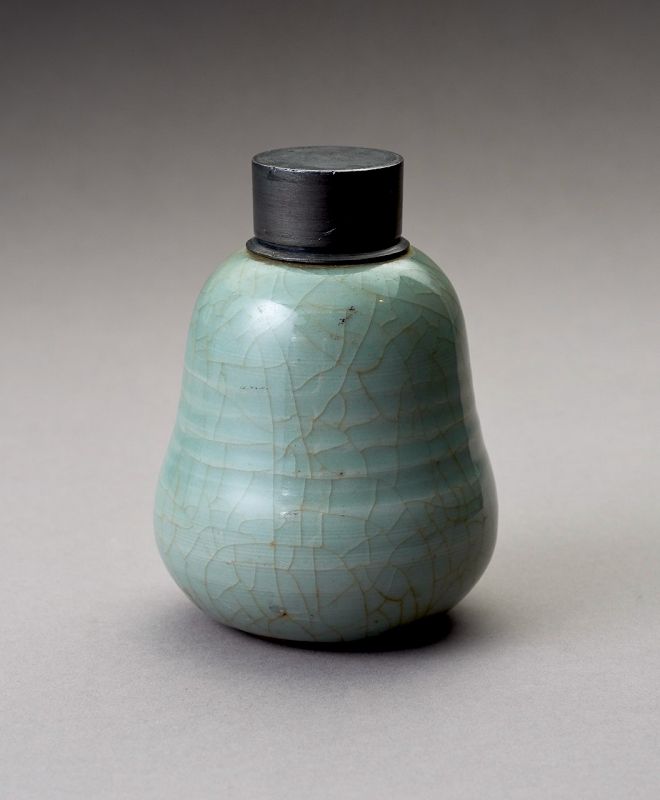
Most likely Chinese in origin, this antique celadon tea caddy is a mesmerizing piece of art that exudes elegance and sophistication. Crafted during a time when
SOLD
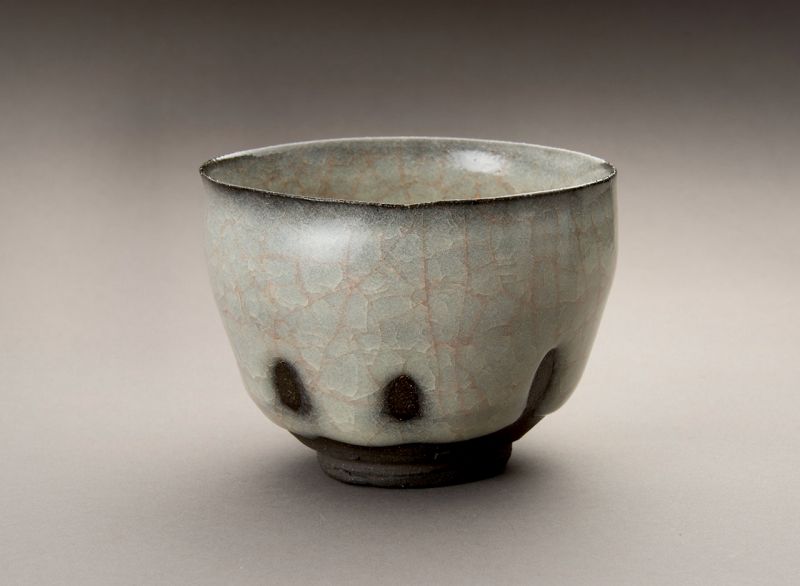
An example of some of the finest porcelain modern Japan has to offer. According to Wakao Kei, the artist who crafted this piece, it took him years of trial and
SOLD
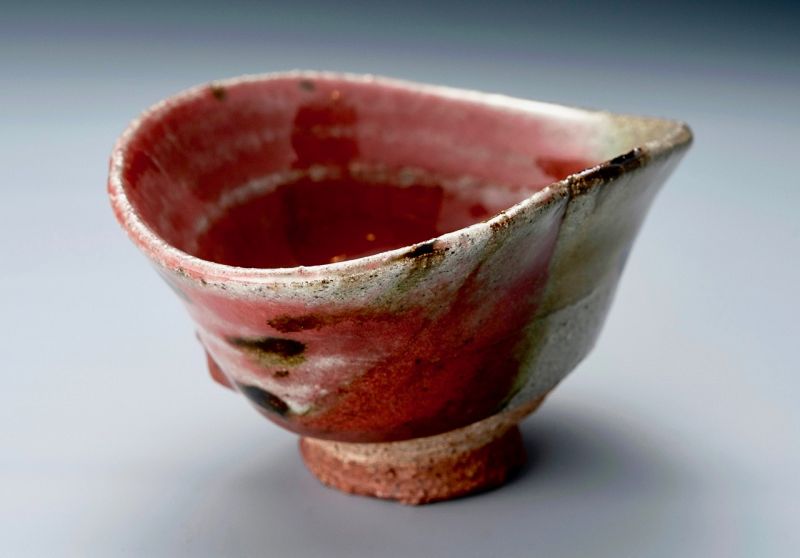
One of the more innovative and international minded ceramicists on the Japanese pottery scene, Ryoji Koie’s interests and expertise cannot be confined to one na
SOLD
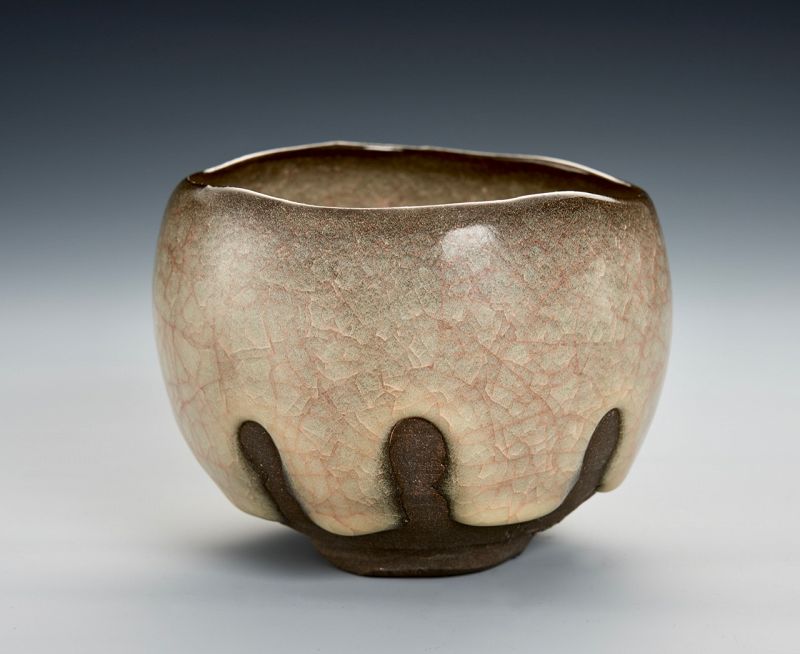
According to Kei Wakao, the artist who crafted this extraordinary work, it took him years of trial-and-error to perfect the unique rice-porcelain glaze covering
SOLD
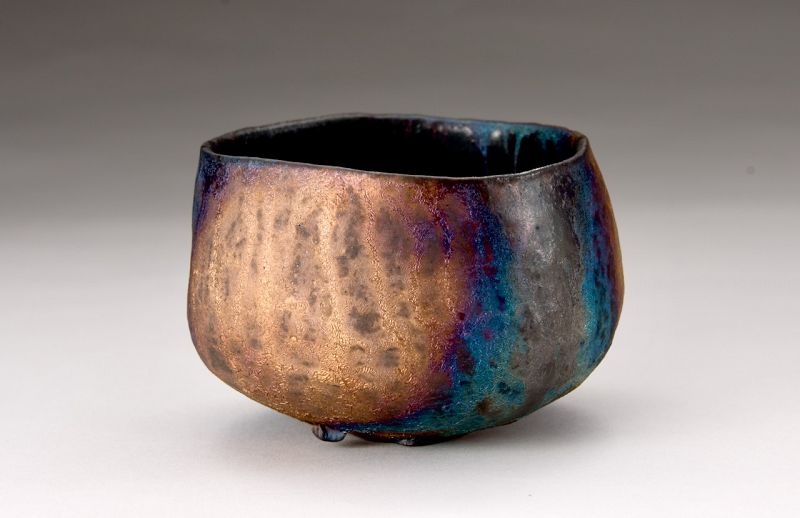
Not so often in the world of Japanese tea-ware do you come across something so exquisitely novel that it resists categorization in terms traditional styles. Thi
SOLD
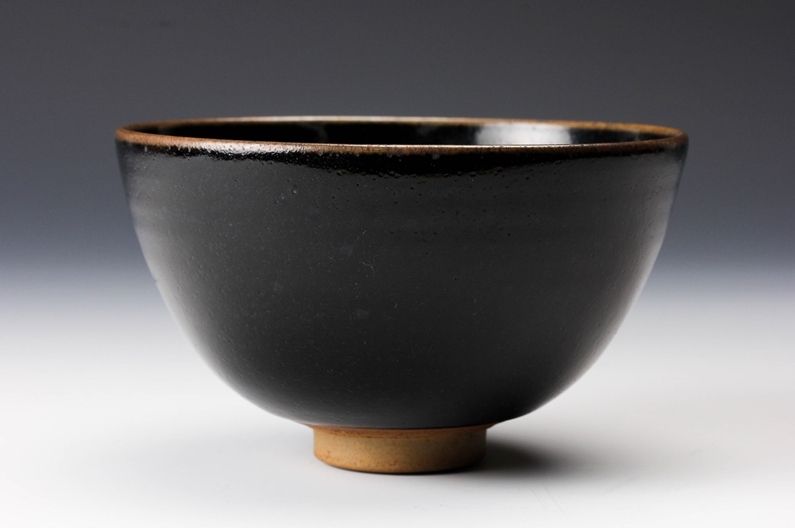
Before styles such as Raku, Hagi, Karatsu, etc came into fashion for use in the tearoom in early Edo, it was commonplace in cultured society to use tea-ware imp
SOLD
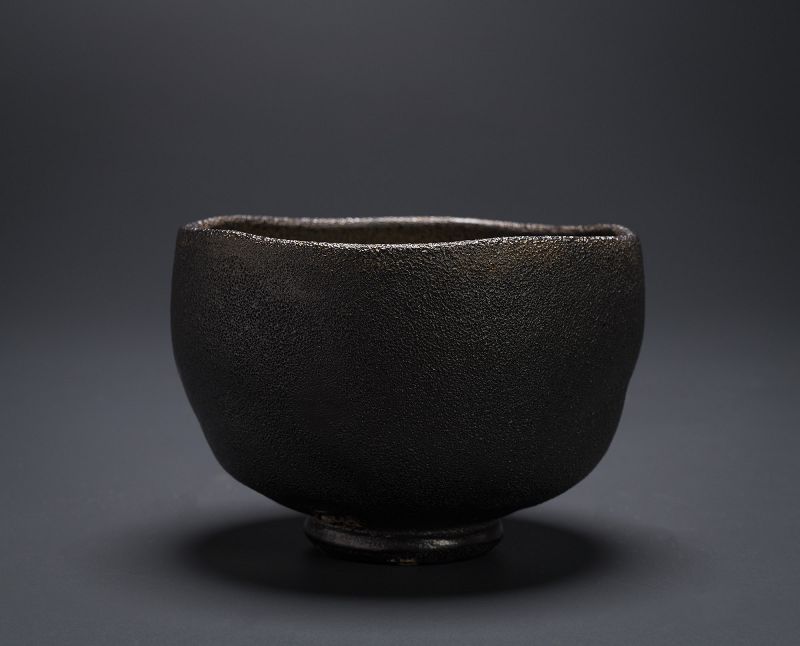
Comfortable in the hand and with a unique textured black Raku glaze, this tea bowl by 20th century potter Samukawa Seiho would make a fine addition for collecto
SOLD
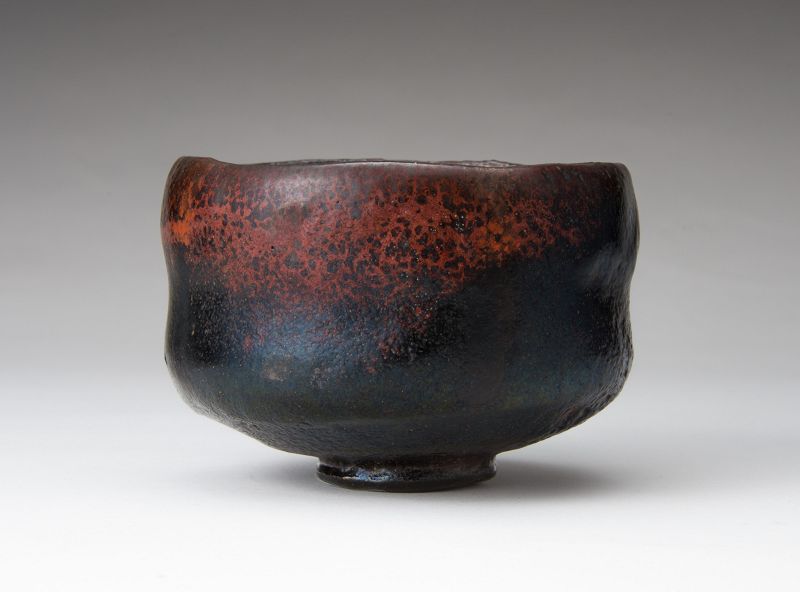
In the world of Japanese ceramics, Tamamizu-ware has an almost mythical standing. A branch of the main Raku line, at one time the two kilns held equal prominenc
SOLD
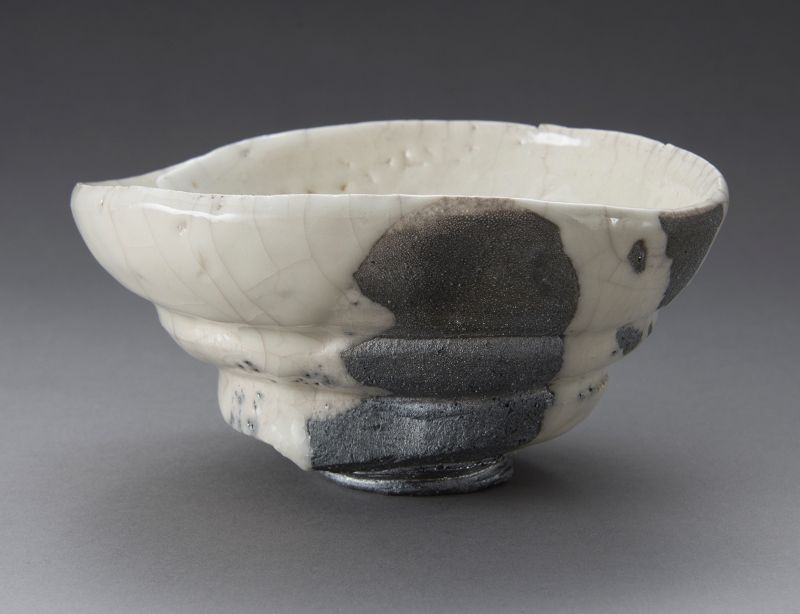
A beautiful example of modern Bizen-ware—with a thick feldspar glaze partially covering the clay body allowing the natural ash glaze underneath to show through
SOLD
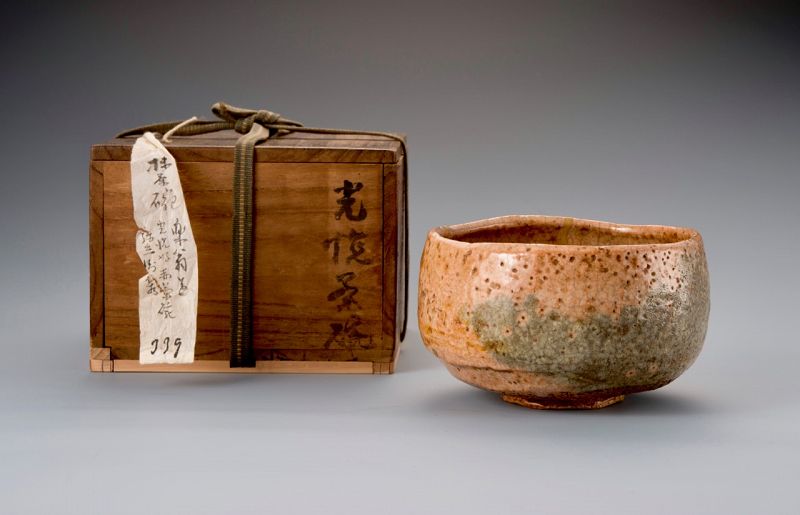
In the world of Japanese ceramics, Tamamizu-ware has almost a mythical standing. A branch of the main Raku line, at one time the two kilns held equal prominence
SOLD
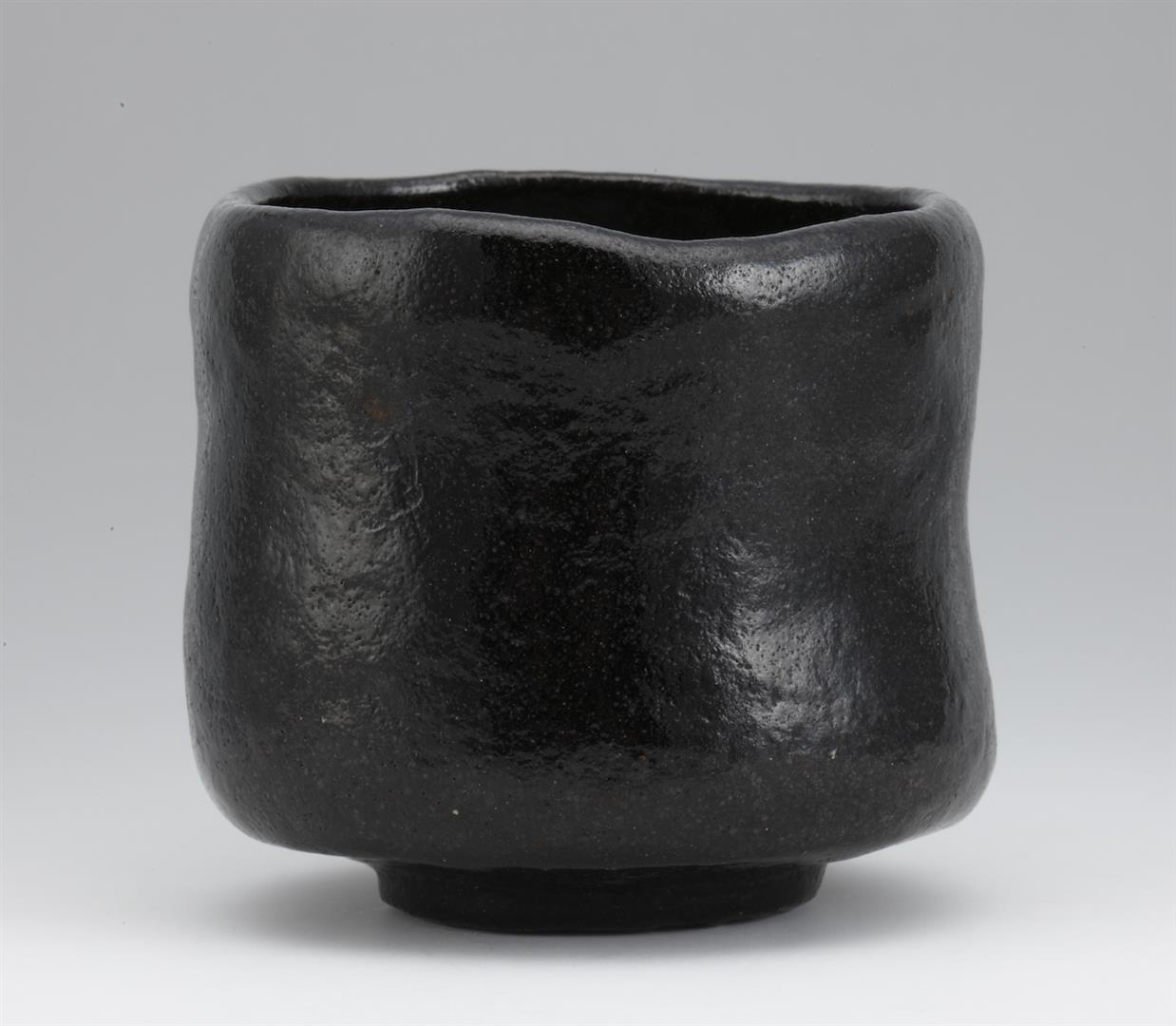
Raku glazed ceramic. This well-shaped and firmly grounded tea bowl is the work of Sanyū—Kichizaemon VI of the Raku line of potters. Highly regarded in the tea w
SOLD
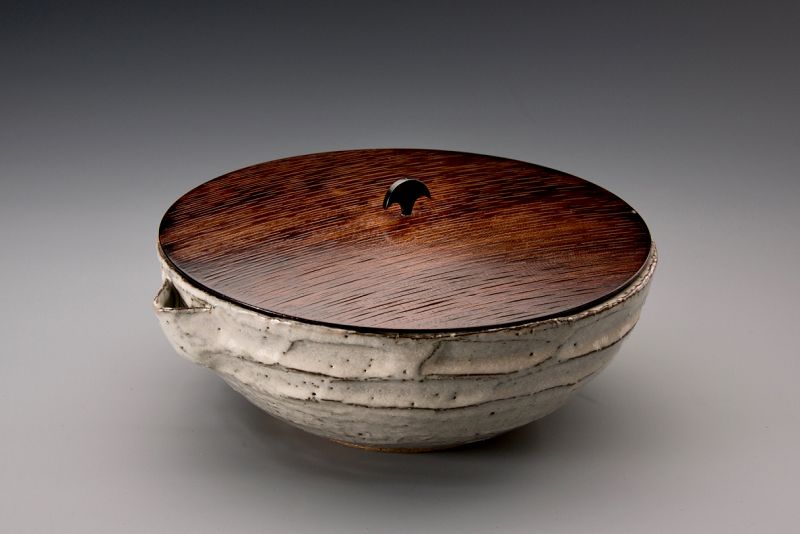
An excellent example of Japanese minimalist aesthetic that transcends its humble origins, this mizusashi, or fresh water pot used in tea ceremony, displays a cl
SOLD
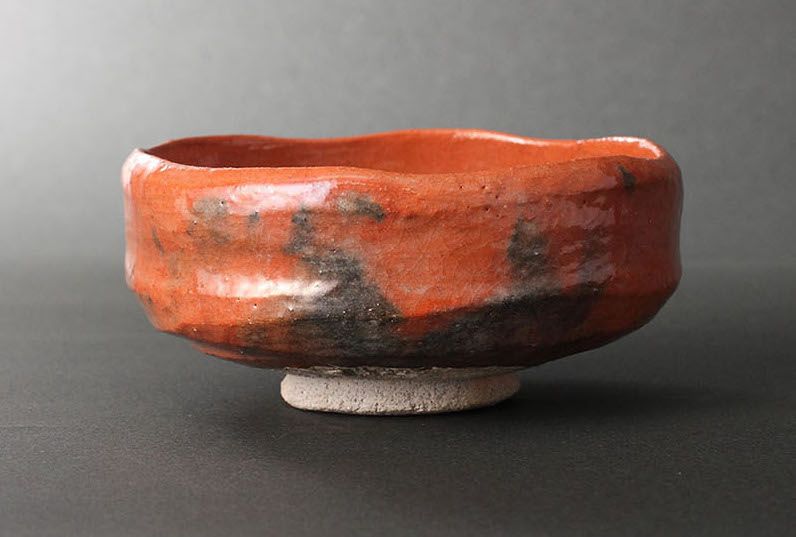
This beautiful Red Raku tea bowl is the work of Raku XI Keinyu (1817-1902), the 11th Raku potter in an unbroken line of artisans stretching back over 450 years.
SOLD
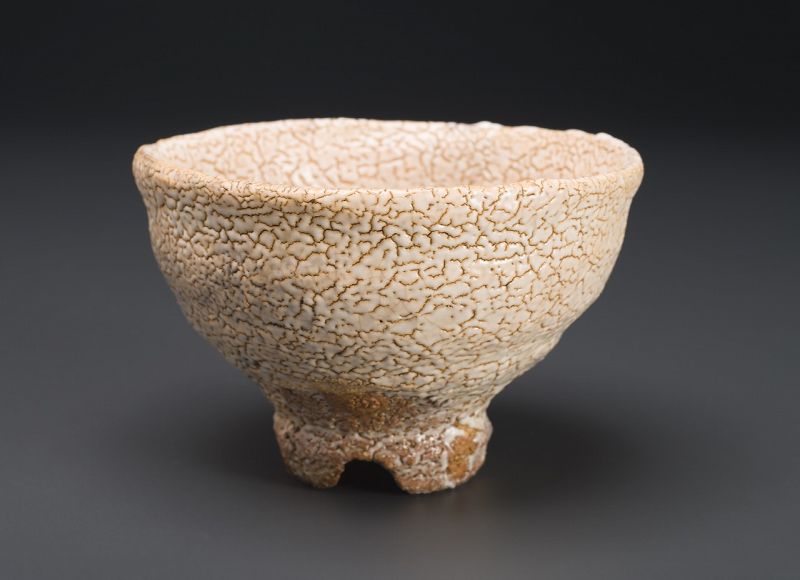
This remarkable tea bowl is from the kilns of Yoshida Shuen (1940-1987)—an apprentice of Miwa Kyusetsu (1910-2012) who was awarded the status of Living National
SOLD
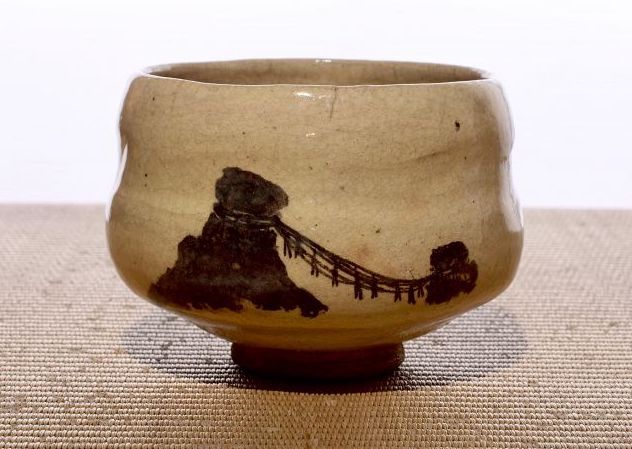
This tea bowl crafted by one of the great masters of Japanese pottery depicts Meota Iwa—a famous Japanese landmark in Mie. Symbolizing the union between two div
SOLD
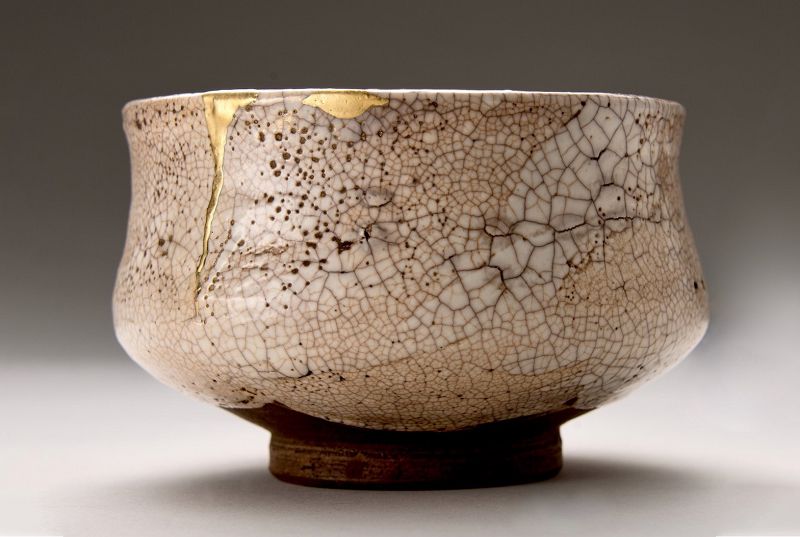
This lovely Shino tea bowl from the Edo period is fashioned from coarse Mino clay and is covered in feldspar glazing. As with many pieces of this period and sty
SOLD
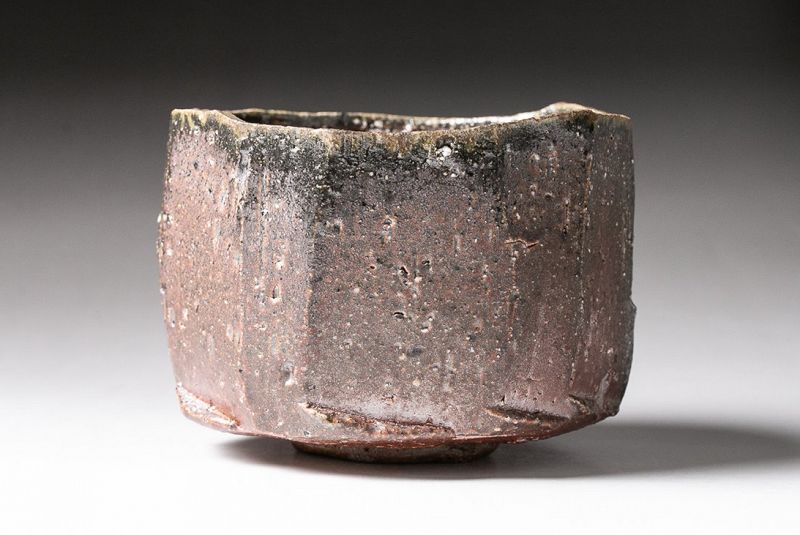
The distinctive and easily recognizable style of Bizen pieces, such as the one featured here, originated in Okayama (south-western Japan) and has a long history
SOLD
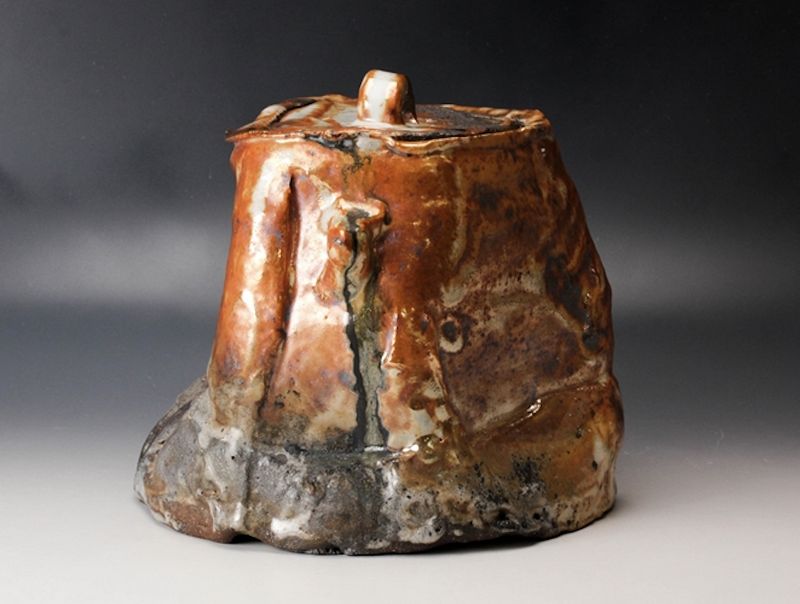
A truly unique work of Shino pottery developed among the company of some of Japan’s most respected and influential potters of the last century. Defying conventi
SOLD
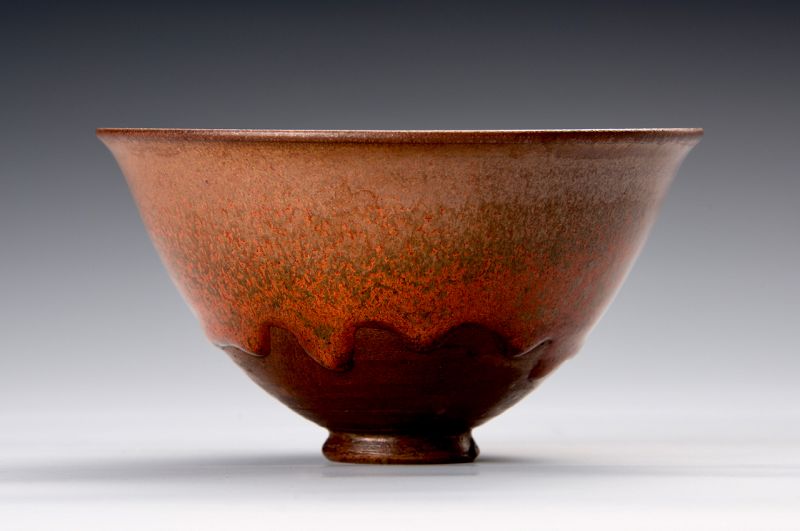
Occasionally while browsing through the temple markets of Kyoto or perusing backstreets tea-ware shops, an attractive piece will catch my eye for no particular
SOLD
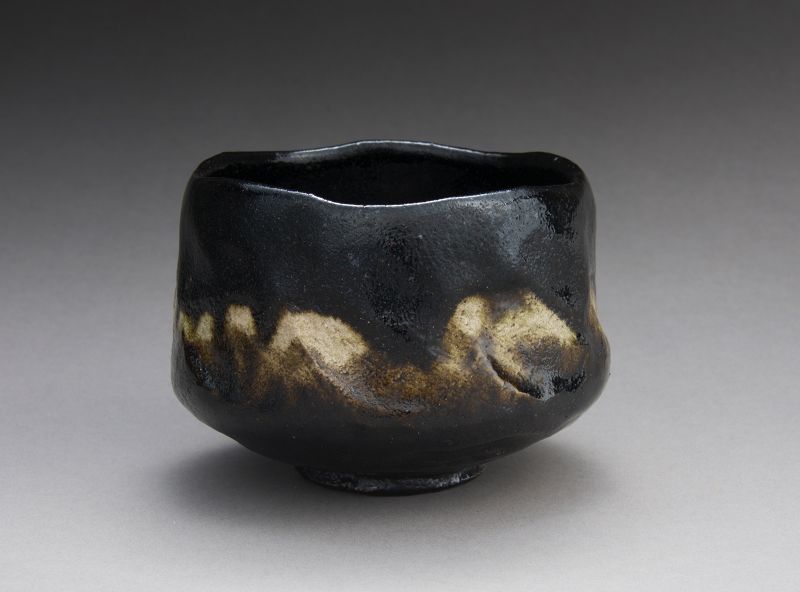
A black Raku ceremonial tea bowl displaying an excellent patina bestowed by time. The light colored clay peeks through in areas giving this piece a unique feel.
SOLD
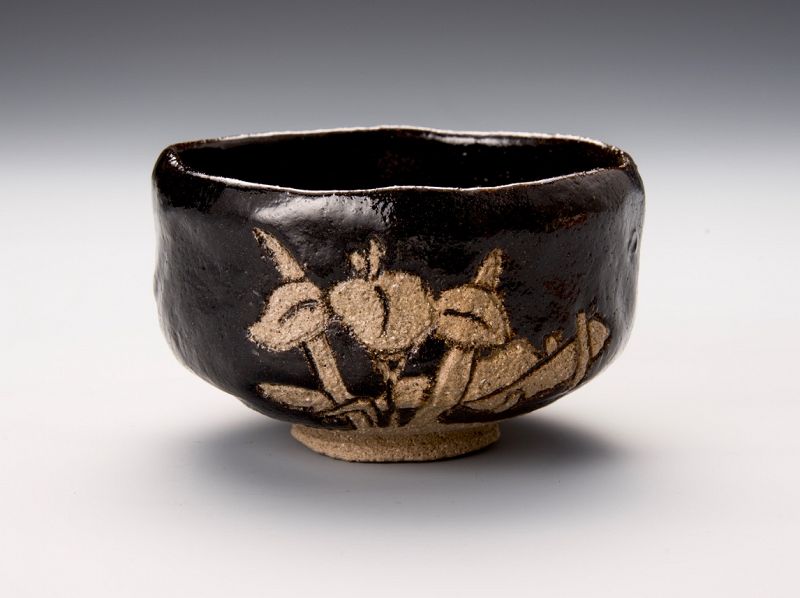
In Japan every season and every phase of the year is marked by the presence of a flower, the most noted of course being the cherry blossoms signifying the long-
SOLD
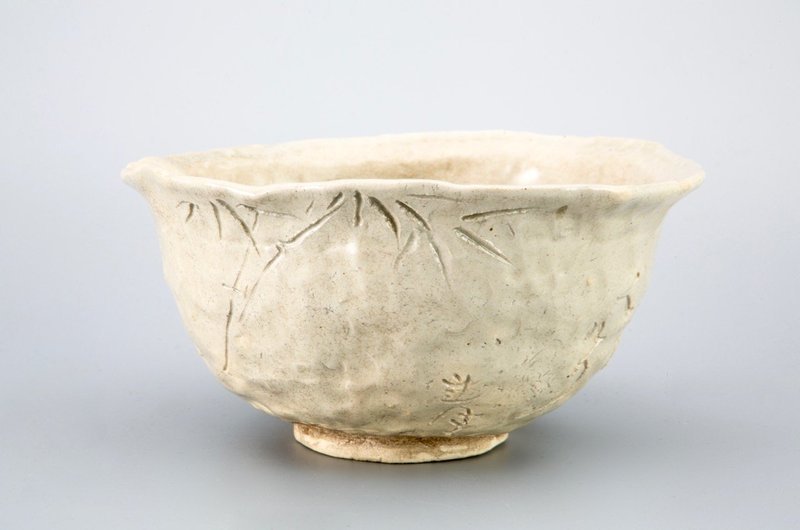
This rare and interesting ceramic work was done by one of the most renowned and loved waka poets of the 19th century, Ōtagaki Rengetsu (1791-1875). In fact, if
SOLD
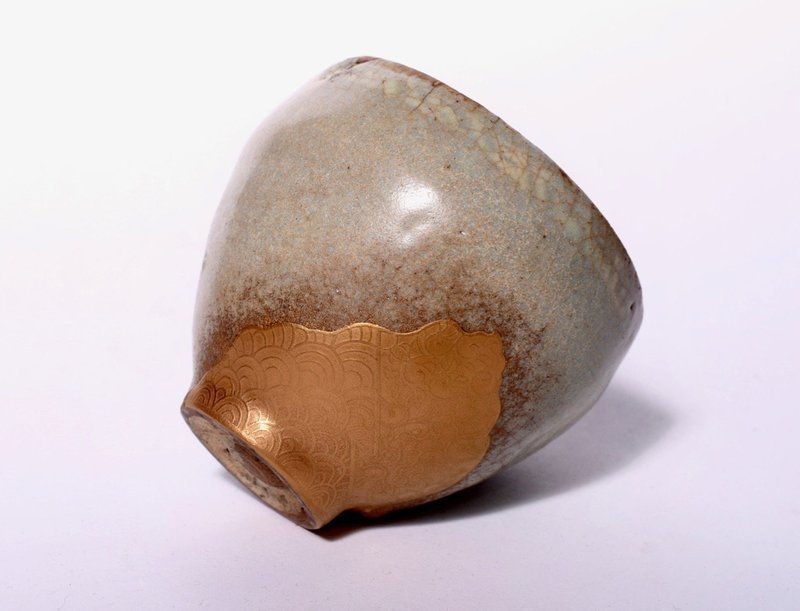
The gray-blue celadon displays finely crackled glazing with areas slightly darkened by time. A faint pattern made of white inlay can be seen along the upper rim
SOLD
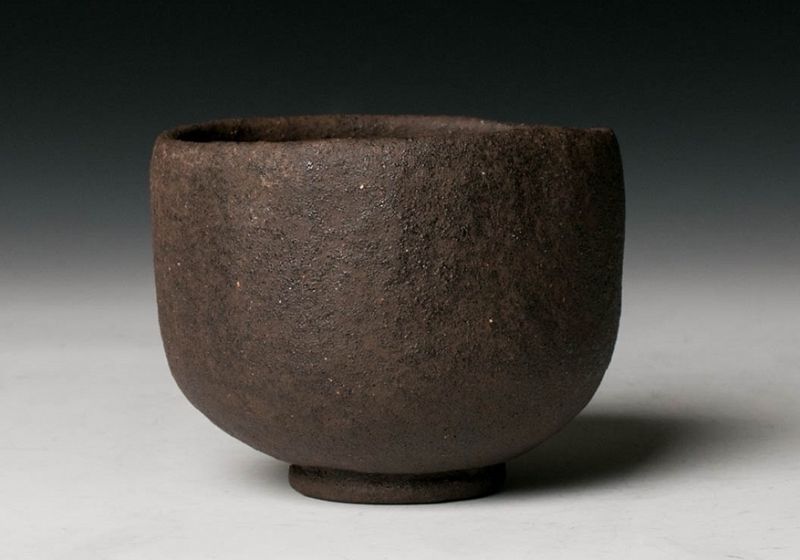
In the world of Japanese ceramics, Tamamizu-ware has an almost mythical standing. A branch of the main Raku line, at one time the two kilns held equal prominenc
SOLD
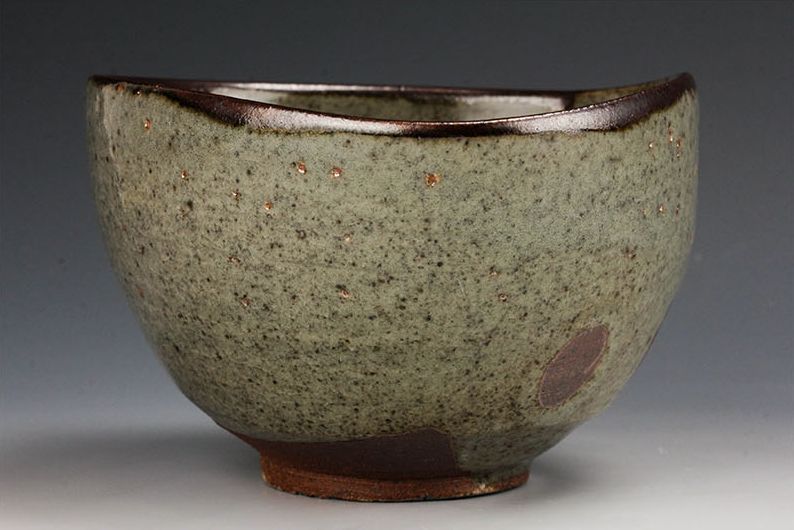
This elegant work of Karatsu pottery has an unglazed foot, showing the rich ferrous clay, and displays a beautiful ashen glaze with hues of blue, grey, green, a
SOLD
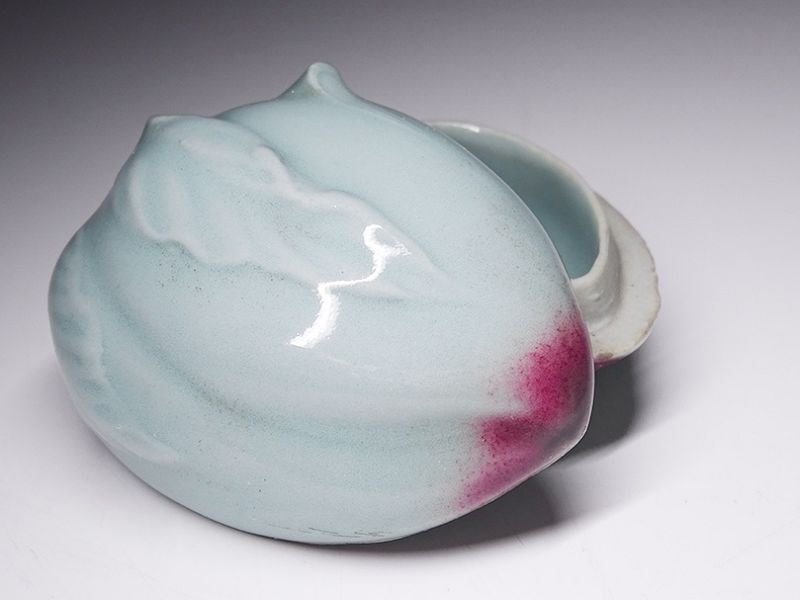
This peach-shaped kōgō (incense box) is made of fine kinuta celadon from one of the great masters of the Meiji era—Suwa Sozan. A classic design, the peach is sa
SOLD
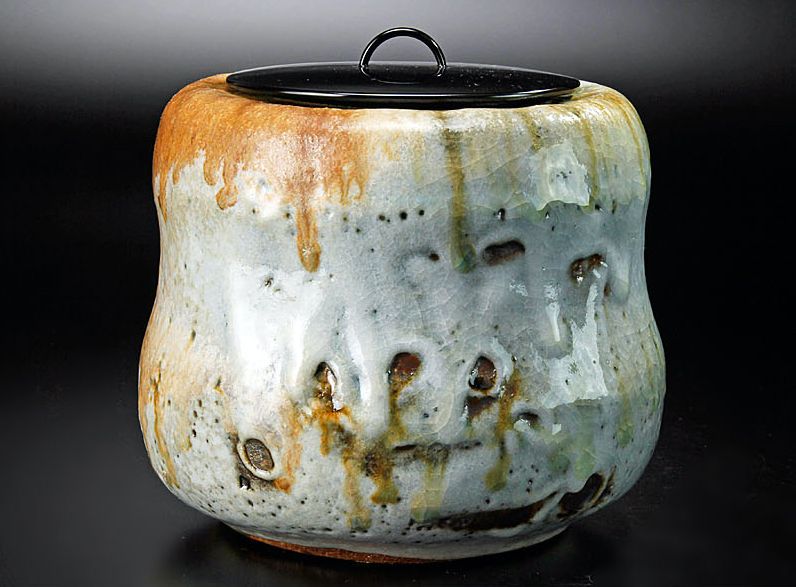
This extraordinary mizusashi is a fine example of Oni Shino (carbon trap and natural ash glazing) that Tsukigata is so well-known for. Coining the term in the m
SOLD
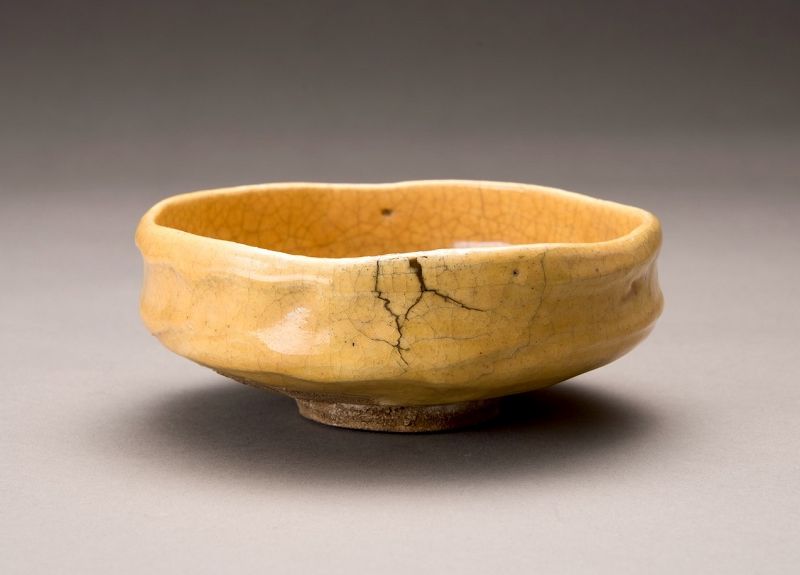
A rare and exquisite piece by the 12th Kichizaemon (1857-1932) of the Raku lineage, now in its 16th generation. Not only with excellent documentation including
SOLD
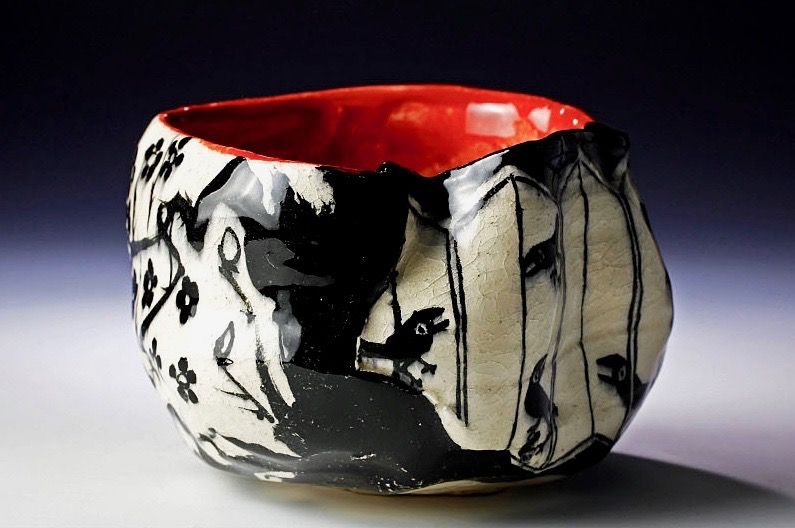
One of the finest, most daring, and well-crafted works I have seen by this legendary artist who is known for his non-conformist and bold style. Suzuki Goro has
SOLD
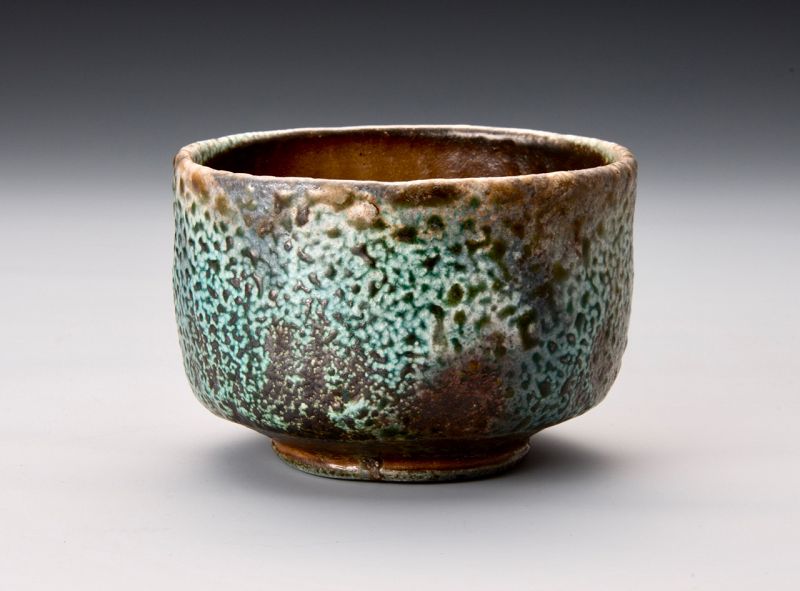
The colors seen in this ceramic piece are not often encountered in the world of Japanese tea-ware pottery—a field dominated mainly by styles such as Raku, Hagi,
SOLD
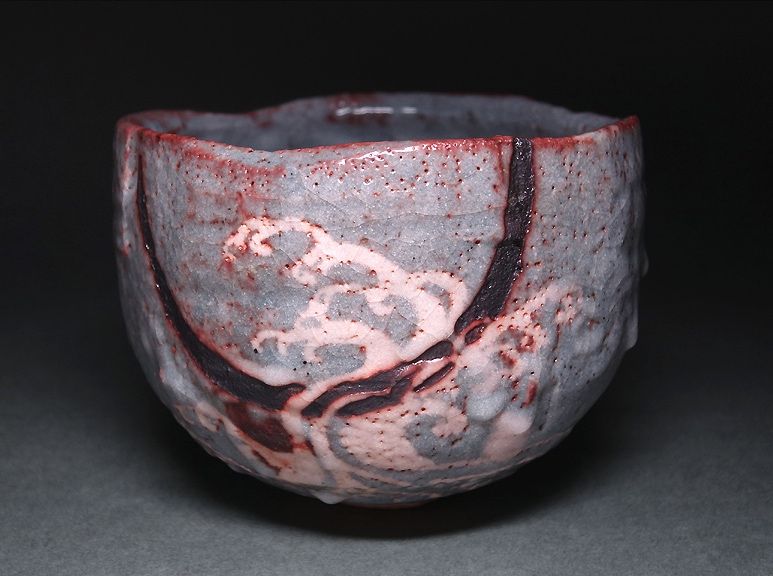
The lower half of a blackened enso dips from the rim on a backdrop of gray crackled glazing interspersed with auburn highlights. Rising up from below into the e
SOLD
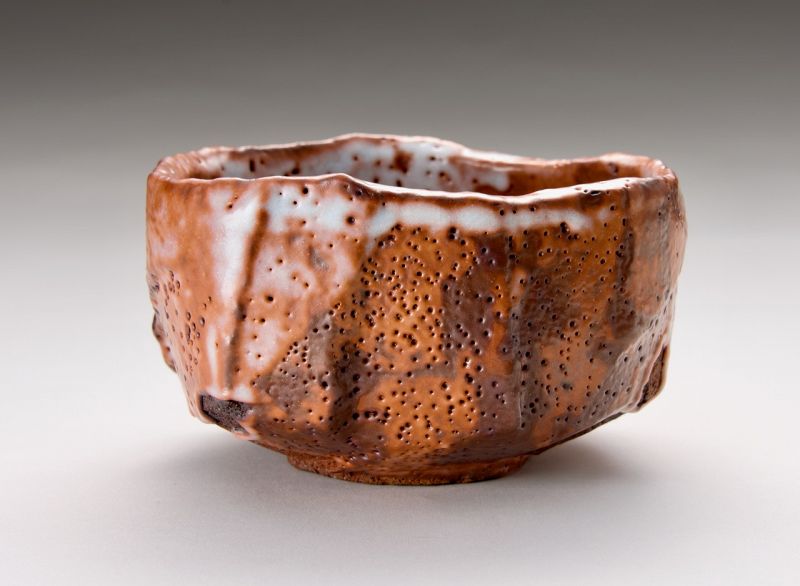
Decidedly masculine in character with straight sculpted edges, a rich palette of color, and a calm steadiness in the hand; this tea bowl was crafted by one of J
SOLD
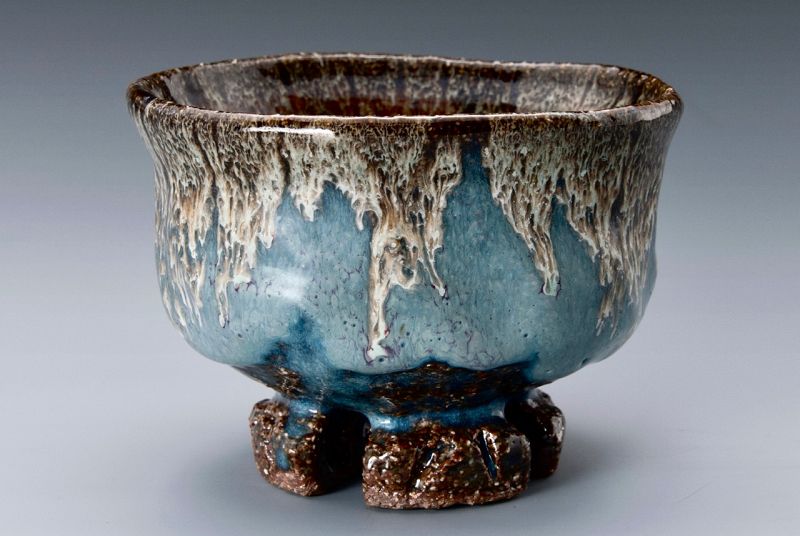
Ripples of light and dark pigmentation flowing on a background of sky-blue glaze—the description on the box reads 萩孔雀 (Hagi kujyaku) translating as “peacock Hag
SOLD
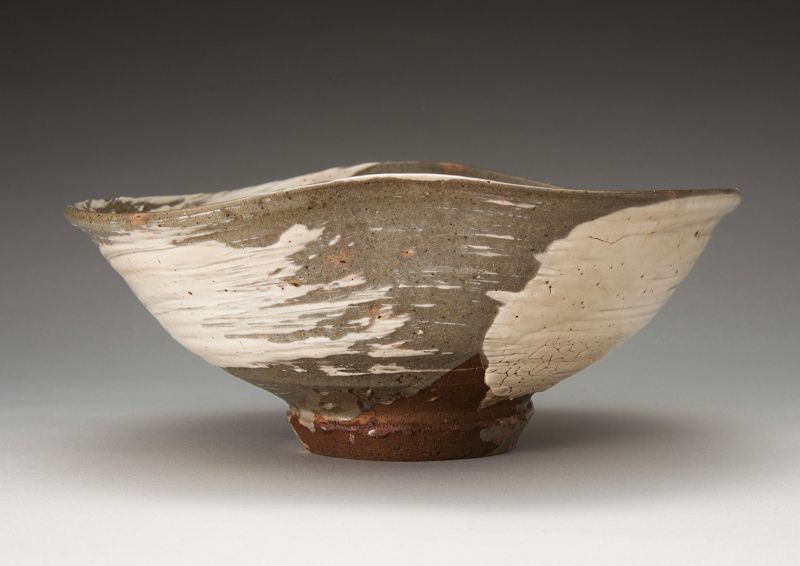
A beautiful example of a Hakeme style bowl, this one quite rare as it was made around 200 years ago by the son of the founder of the Dohachi line of potters. Tr
SOLD
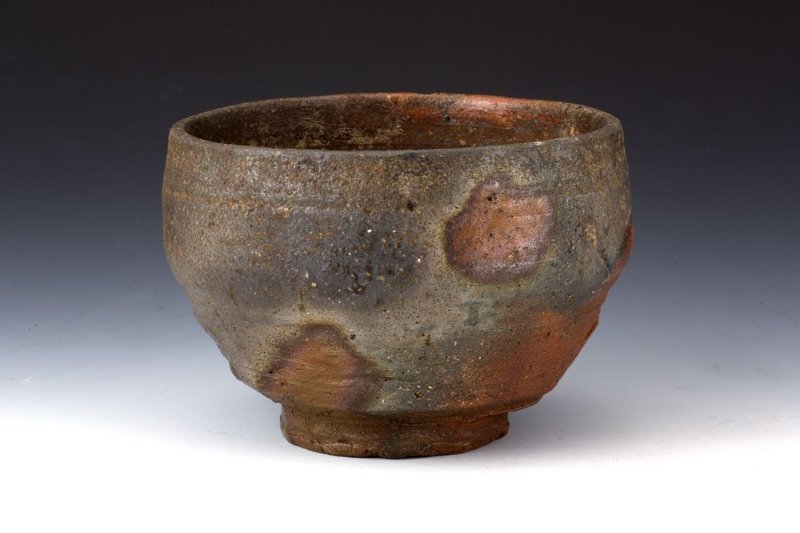
Signed by the 13th Iemoto (tea master) of Omotesenke, Sokuchusai (1901-1979) this exceptional tea bowl bears the poetic name Asahi or “Morning Sun.” Brilliant o
SOLD
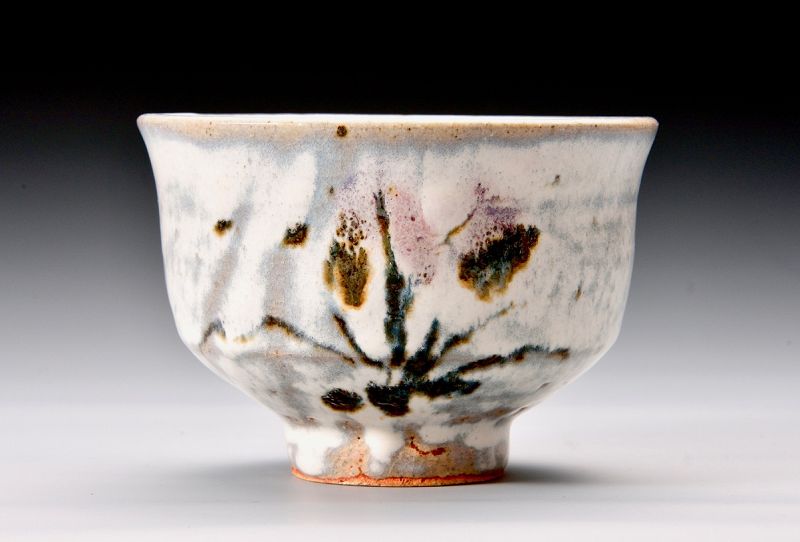
According to the potter who crafted this fine piece, “The clay from our area in the north is alive. We listen to it in order to divine the most suitable objects
SOLD