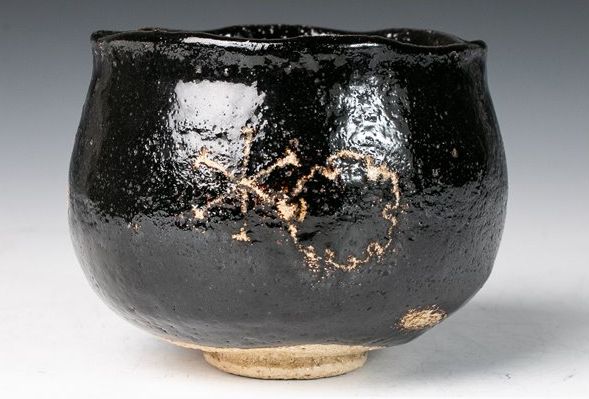
A Black Raku "December" Tea Bowl - Ōhi Chōzaemon IX (1901-1986)
When the founder of the Urasenke style of tea ceremony, Senso Soshitsu (1622 -1697) was invited to Kanazawa as the lord of the tea ceremony for the powerful Kag
When the founder of the Urasenke style of tea ceremony, Senso Soshitsu (1622 -1697) was invited to Kanazawa as the lord of the tea ceremony for the powerful Kag
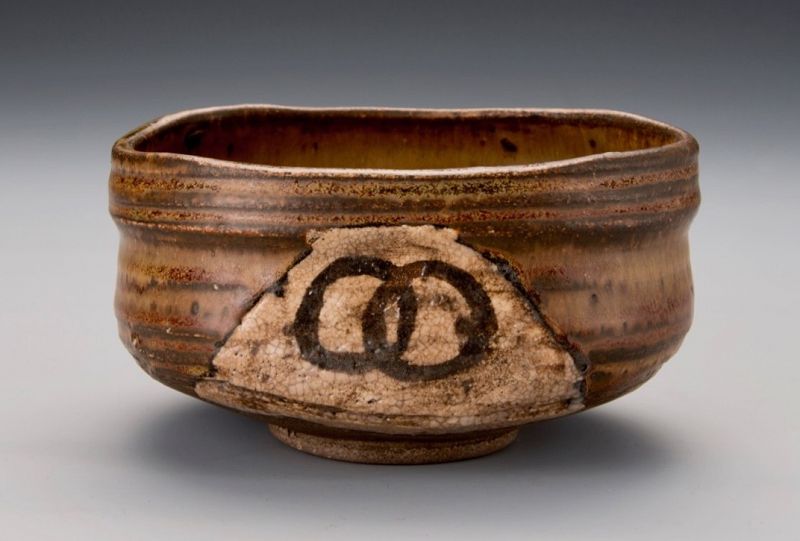
Oribe is a visual style named after the late-16th-century tea master Furuta Oribe (1544-1615). Typically, black or green glazes are applied to the bodies of the
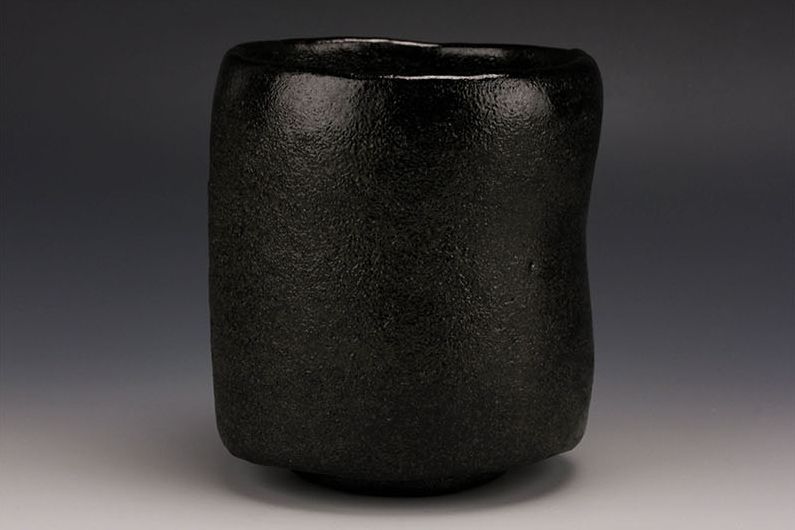
Tsutsu-shaped chawan have a unique and especially attractive shape. They are used mainly in the depths of winter to keep in the heat, and prevent the tea from c
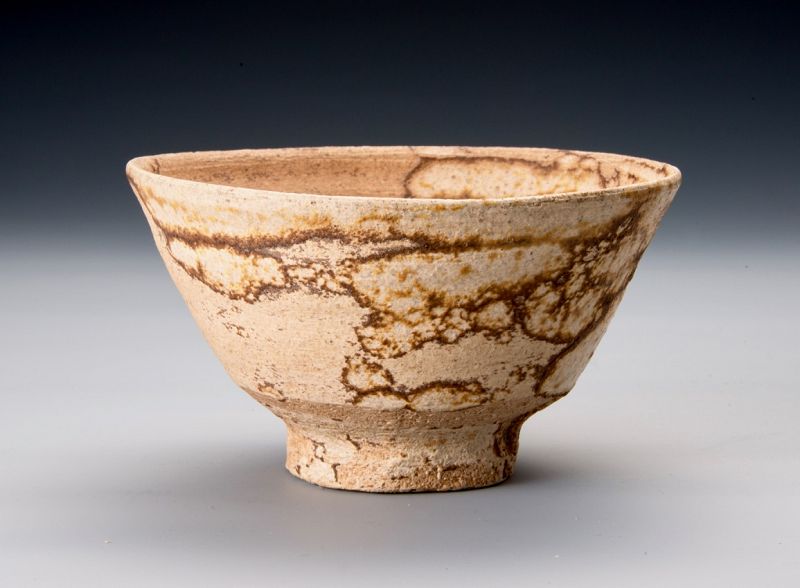
The distinctive and easily recognizable style of Bizen pieces, such as the one featured here, originated in Okayama (south-western Japan) and has a long history
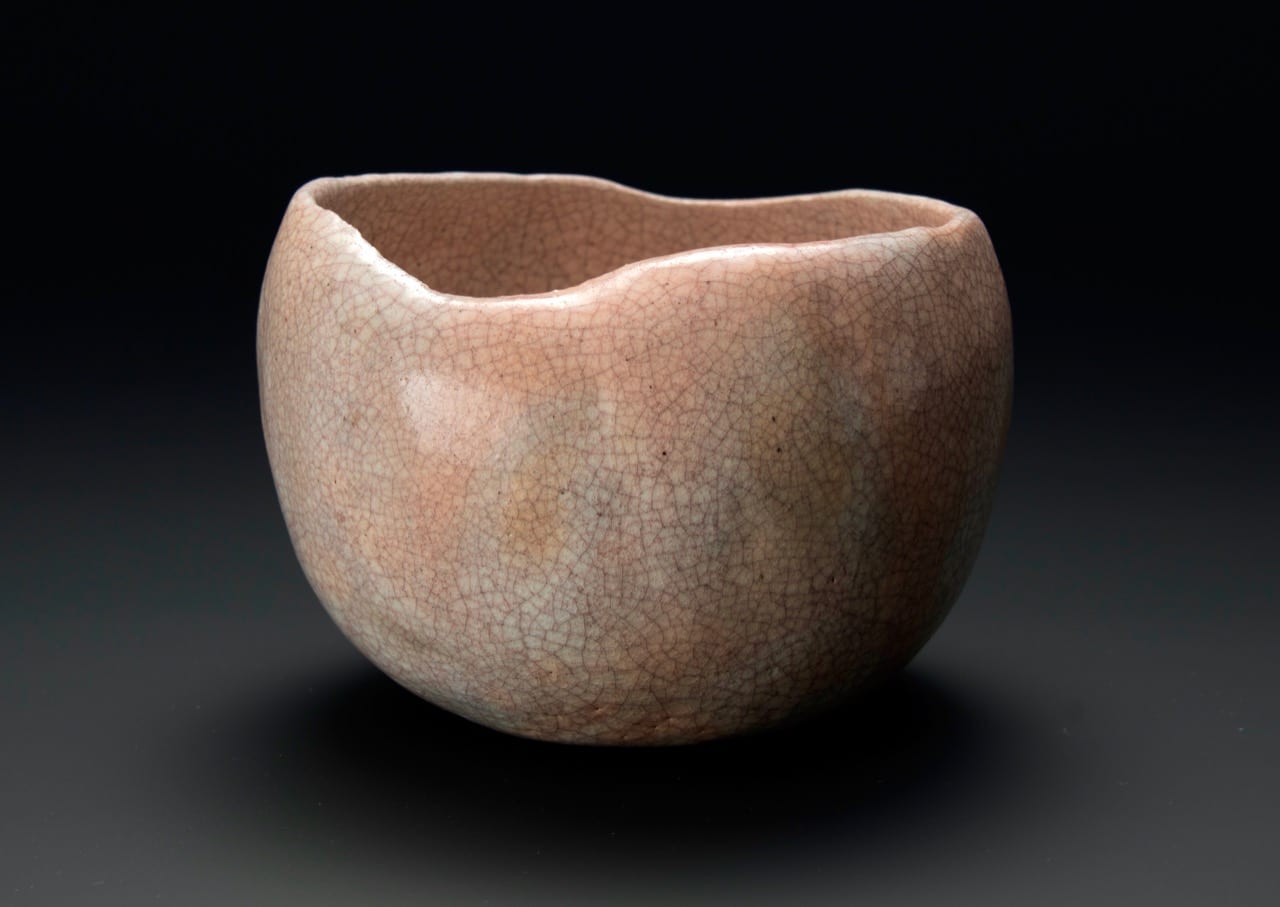
Raku tea bowls and other tea-ware implements are shaped by hand, using clay that was prepared often several generations before by a previous Kichizaemon (master
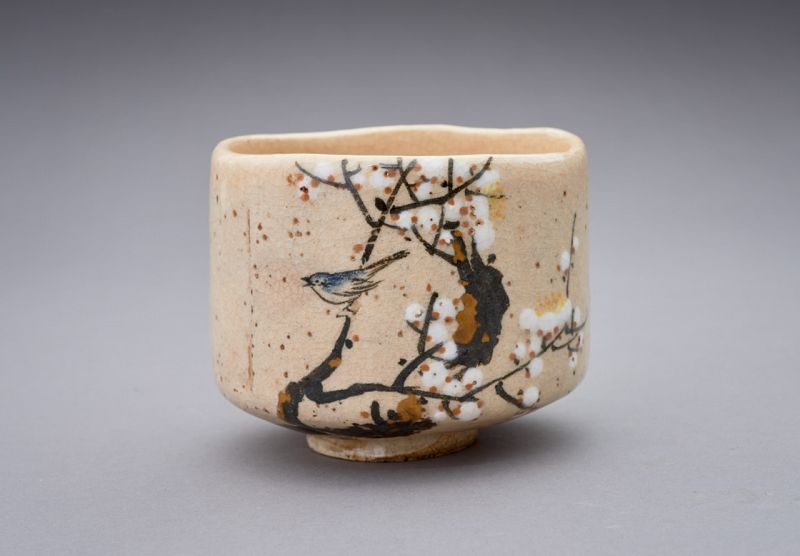
One of the most prominent potters of the Meiji period and one of only five to ever be appointed as Imperial Court Artist, the name Tozan is synonymous with fine
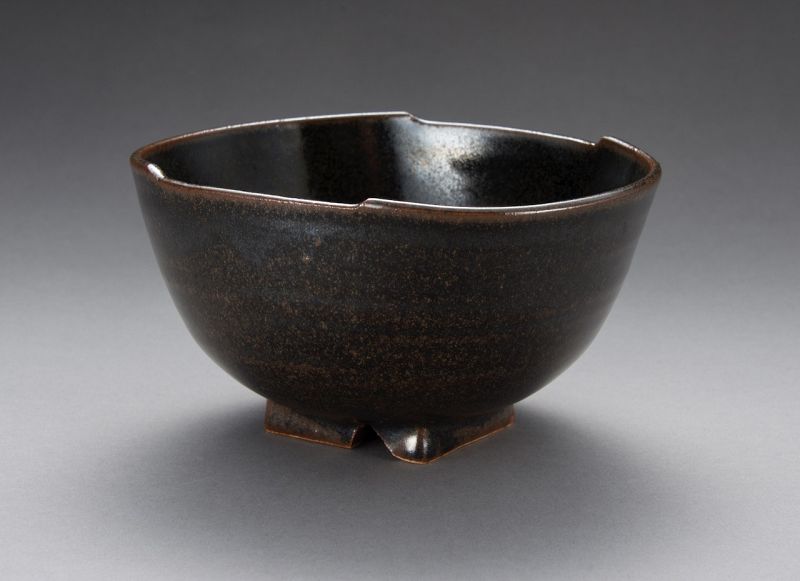
Although reports vary, it is generally thought that Zeze-yaki had its heyday in the late Momoyama to early Edo period under the influence and patronage of legen
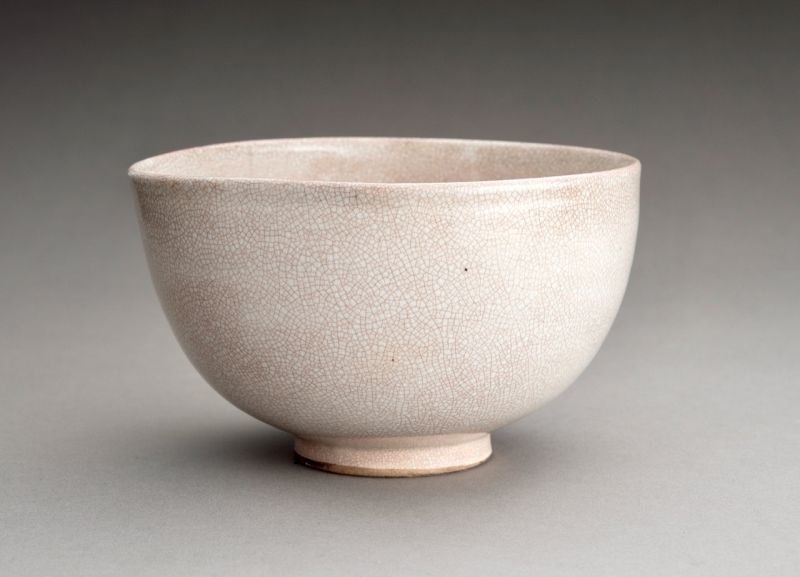
A beautiful old Kyo-ware tea bowl slightly elongated on one end producing an interesting and unique effect. The collector who furnished the box labeled it as be
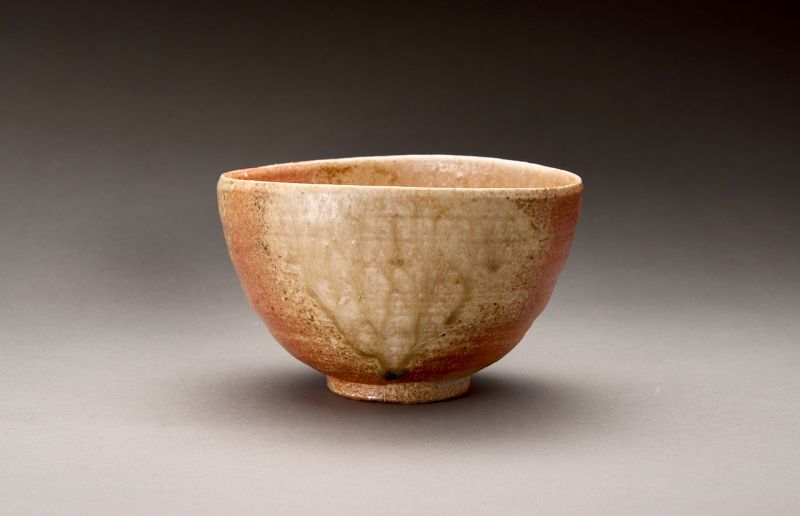
Sugimoto Sadamitsu (b. 1935) is one of the most important Shigaraki potters alive today and continues to create master works into his old age. Originally a resi
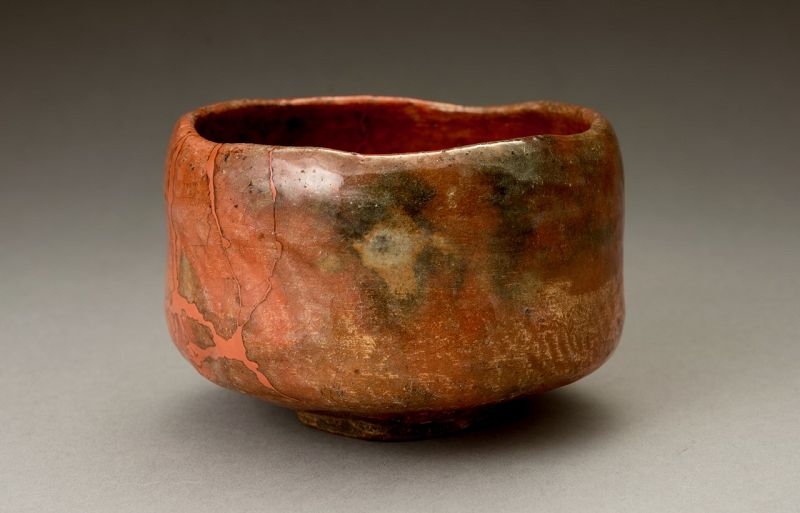
Raku-ware carries with it a very naturalistic aura; with its implements made of raw clay, its use of fire/ water/ and air to shape and harden these implements,
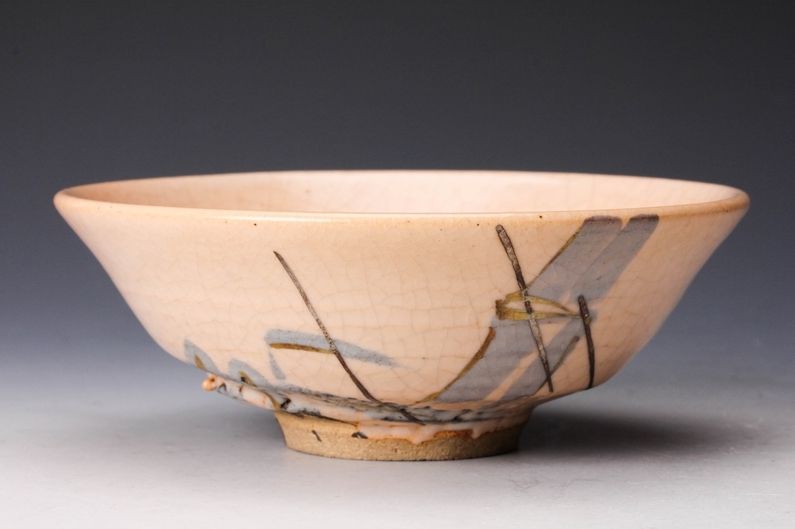
Currently in its 5th generation, the Miura Chikusen line of potters has continued to produce high-quality Kiyomizu-yaki and Kyo-yaki porcelains used in sencha f
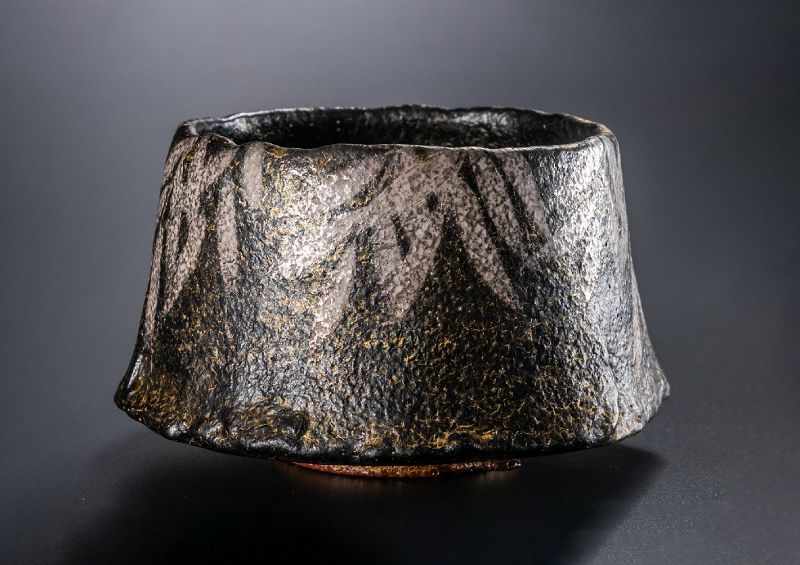
Splashed across a beautifully textured backdrop of shimmering black, the willow leaves painted in silver bring with them a sense of calm and contemplation. Gene
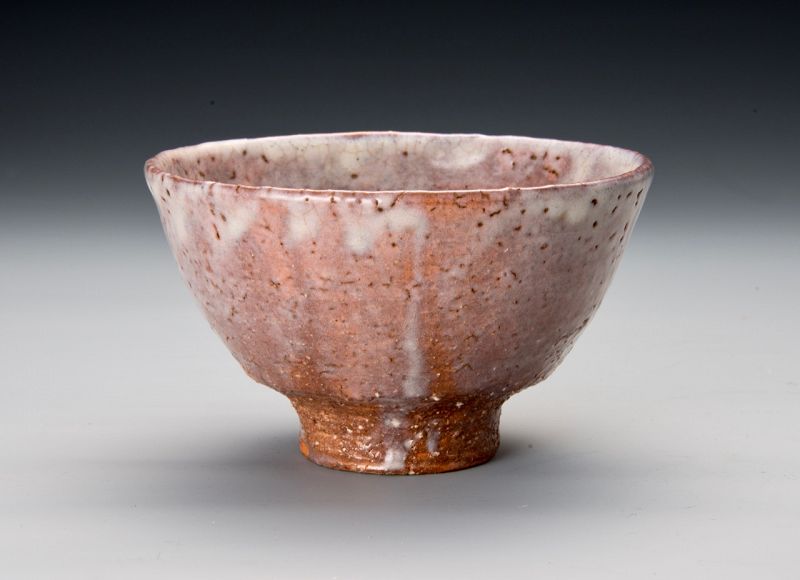
Simple yet classic styling—this tea bowl is perfect for anyone looking for the quintessential Ido-shaped chawan crafted by one of Japan’s master Hagi potters. B
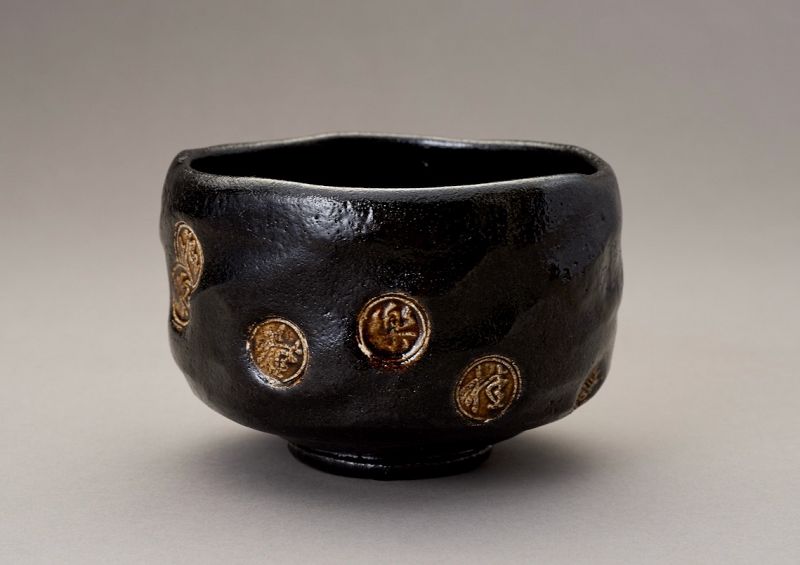
The term “Raku” was once reserved for a style of pottery produced by a specific household in Kyoto that began over 450 years ago. Over the years, as it gained p
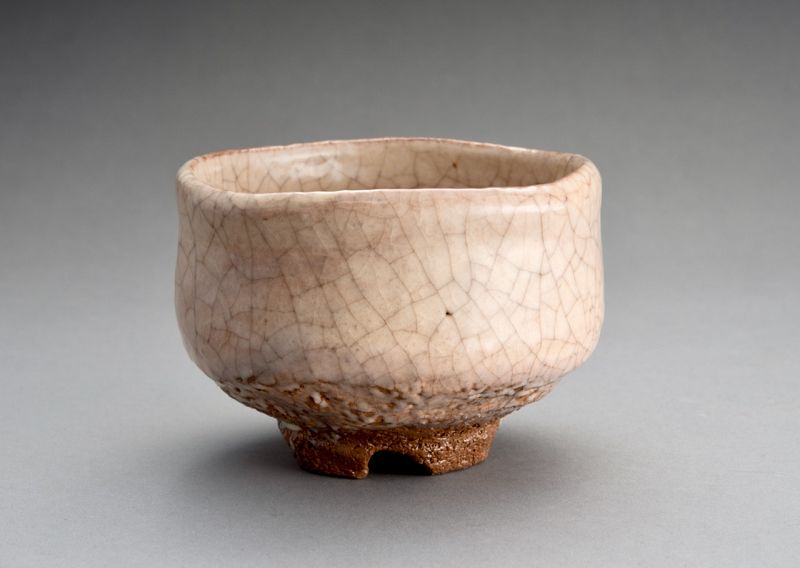
Father to internationally known Hagi potter Kaneta Masanao (the 8th generation Sanzaemon potter), though he never achieved the same level of notoriety as his so
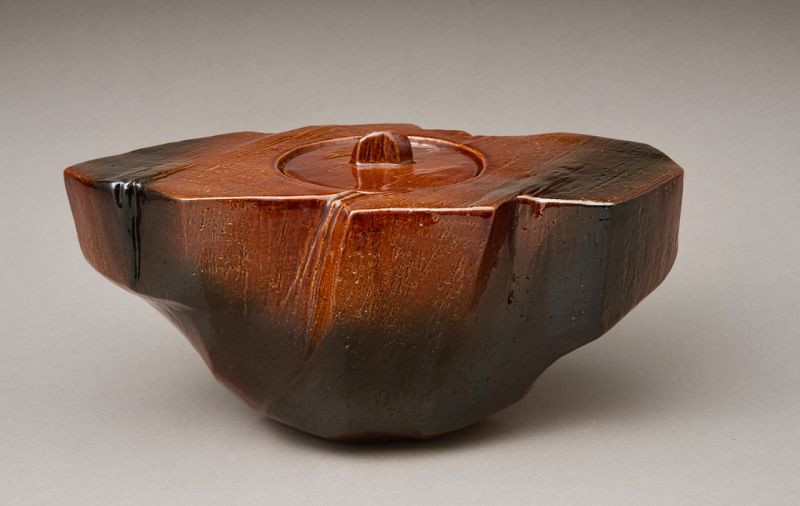
When the founder of the Urasenke style of tea ceremony, Sen-So Soshitsu (1622 -1697) was invited to Kanazawa as the master of tea ceremony for the powerful Kaga
SOLD
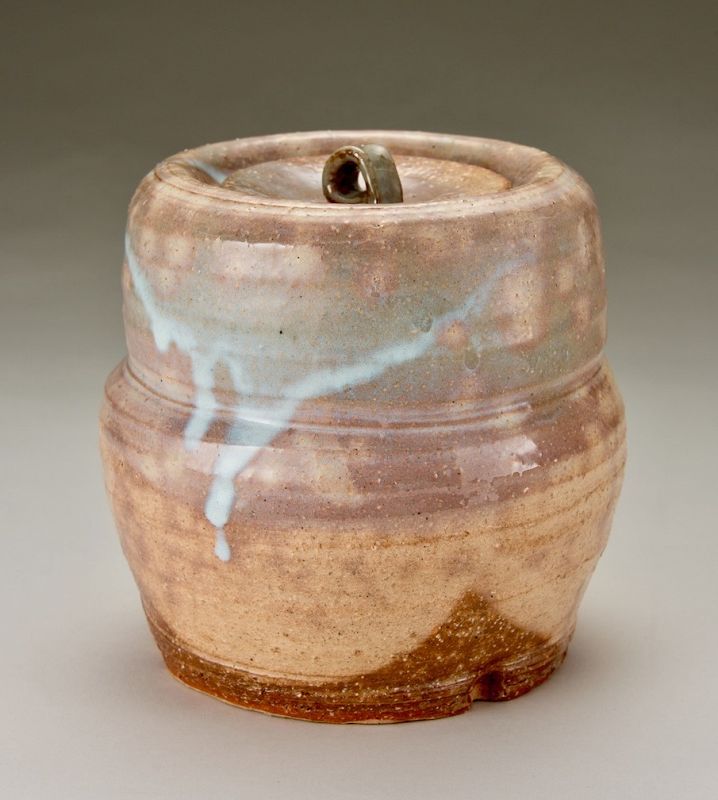
Heavily influenced by Koryo potting styles and techniques, the Tobei lineage has been crafting exceptional tea-ware implements for 13 generations. The piece sho
SOLD
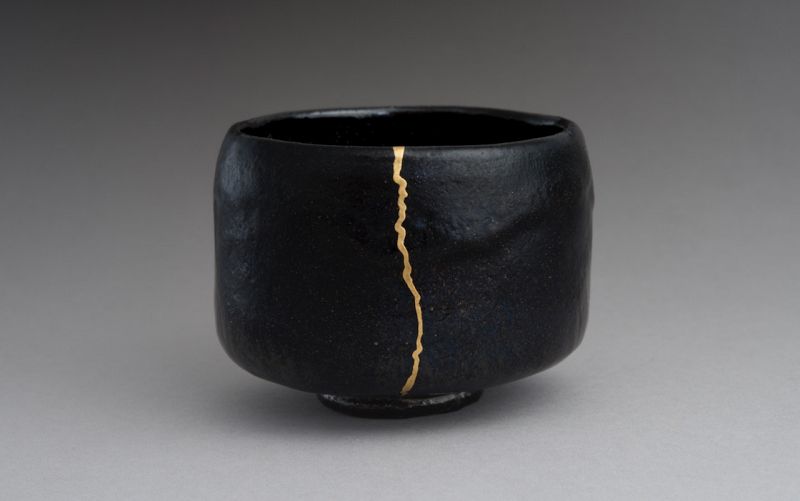
We have a particular interest in beautiful old Raku tea bowls and spend quite a bit of time searching for exceptional examples to include in our gallery. Here w
SOLD
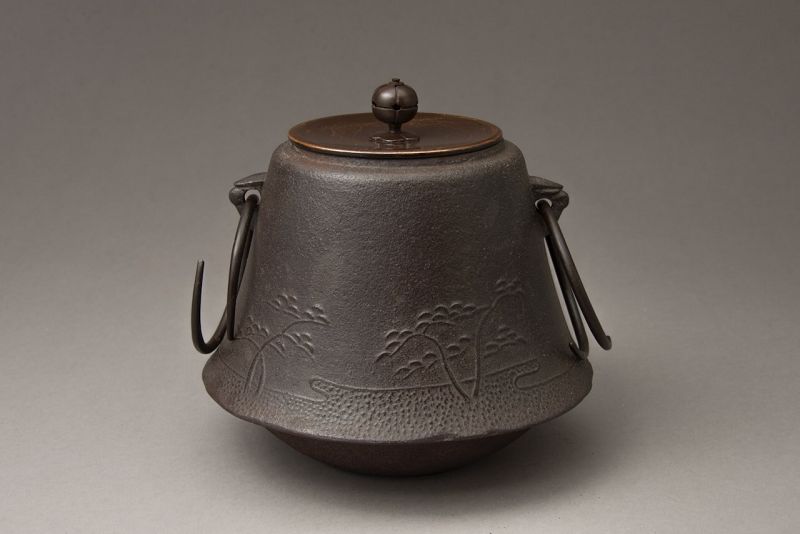
Chagama are traditional Japanese iron kettles used in tea ceremony (chanoyu) for boiling water. Their design tends to reflect the aesthetic principles of wabi-s
SOLD
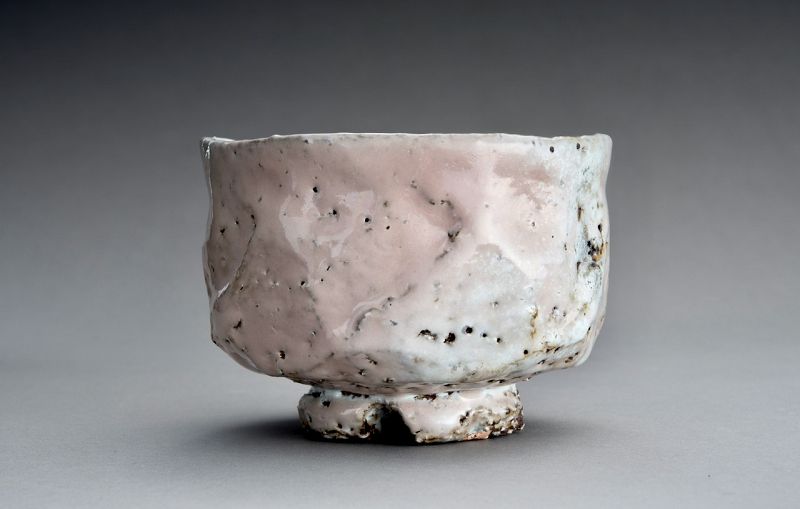
Found in a small antique shop in central Kyoto, this piece immediately caught my eye and I knew I had to buy it. With no original box and a potting mark that co
SOLD
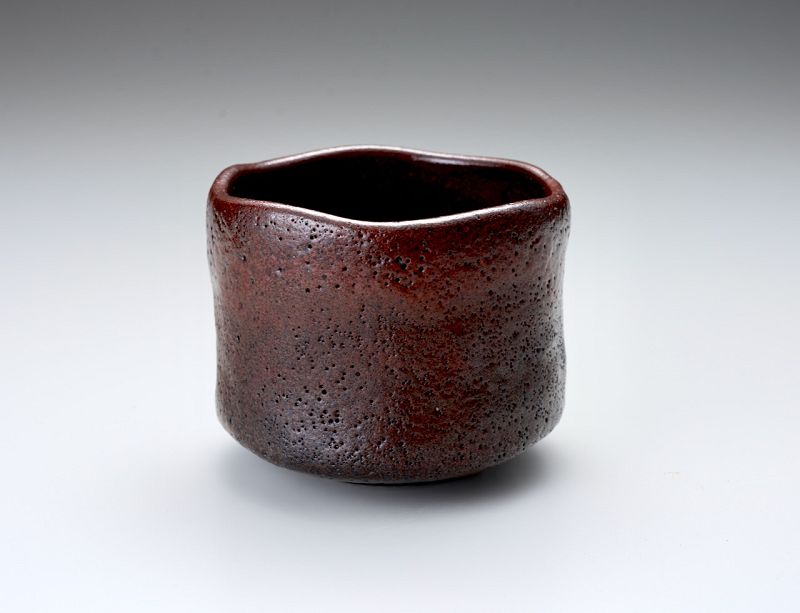
We have a particular interest in beautiful Raku tea bowls and spend quite a bit of time searching for exceptional examples to include in our gallery. Here we se
SOLD
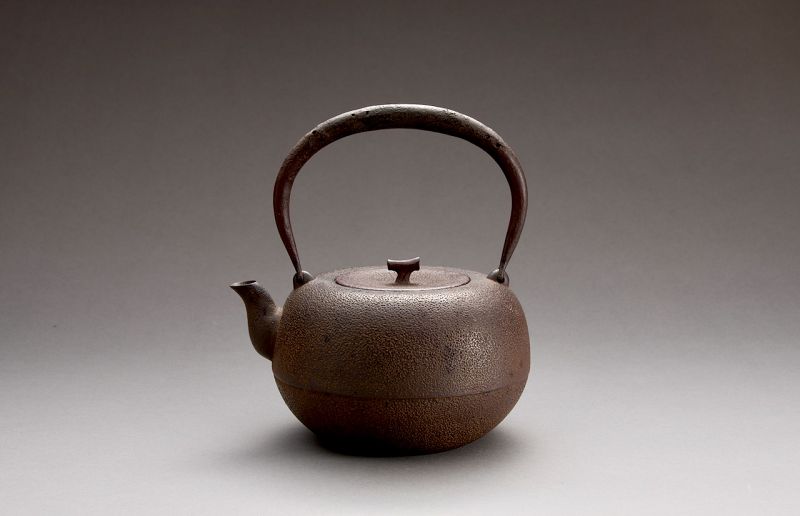
Beautifully encapsulating the Japanese aesthetic of wabi sabi, this cast iron tea kettle has an elegance that far outshines more ornate versions of this ceremon
SOLD
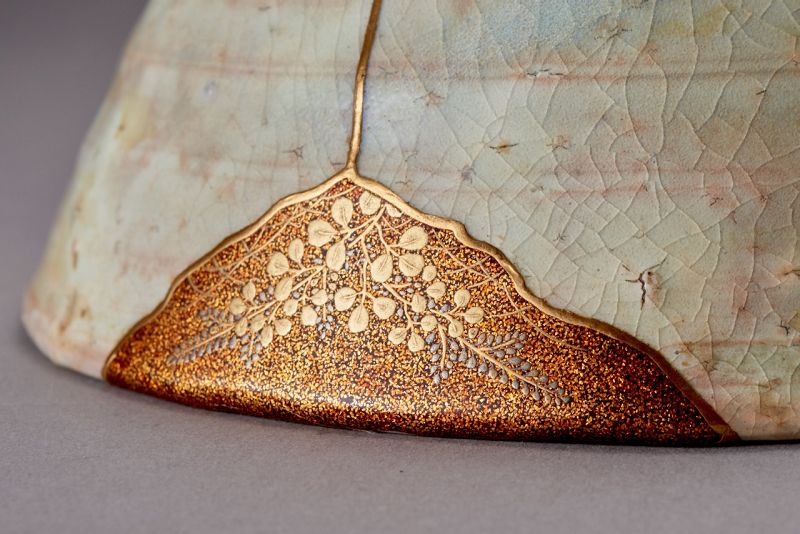
One of the most extraordinary gold repairs I have seen on a tea bowl in my nearly 30 years in Japan. If you search far and wide occasionally you can find maki-e
SOLD
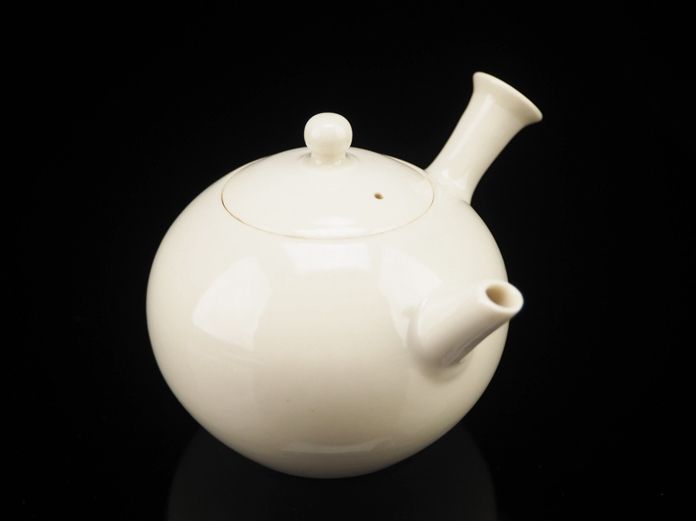
Simple, elegant, and functional, this Meiji period kyūsu (teapot) was crafted with precision and care by one of the periods most accomplished ceramicists. Showc
SOLD
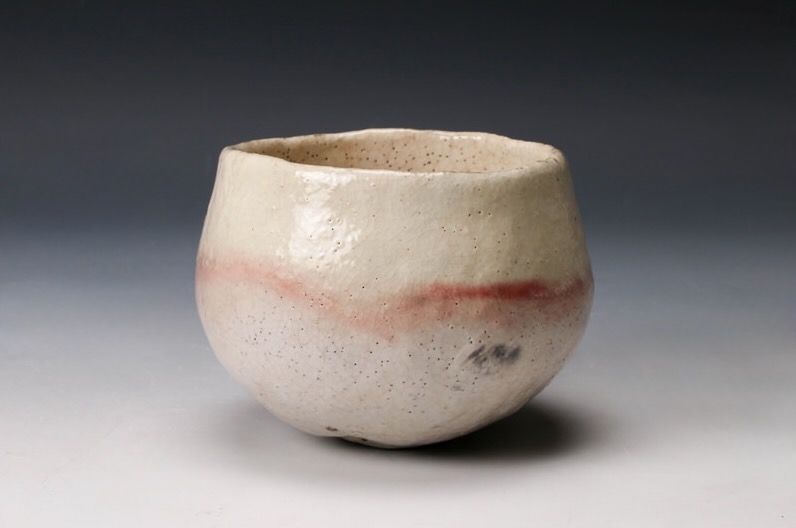
A rather rare motif by a master potter, delicate yet grounded, this white Raku tea bowl is truly one-of-a-kind. Crafted with meticulous attention to detail and
SOLD
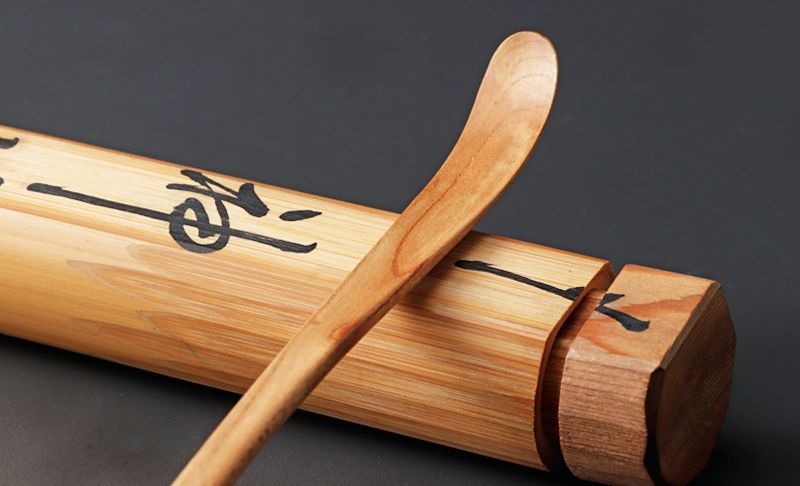
Here we have a very unique ceremonial tea implement made by one of the most important figures from Japanese tea culture in the past century. While most tea scoo
SOLD
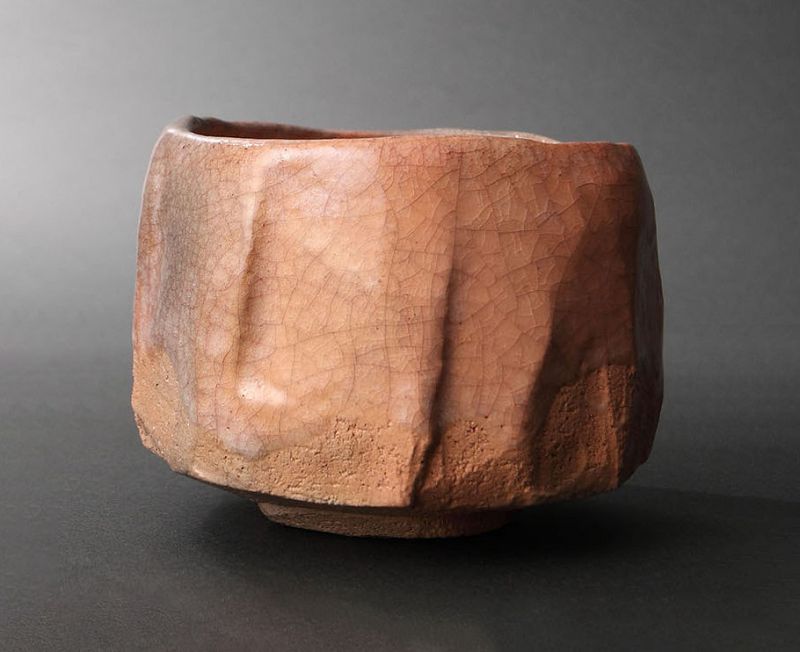
Here we have an exceptional Raku tea bowl given the poetic name "Setsu-gekka" (snow, moon, flower) — a phrase often used in Japanese art and literature to evoke
SOLD
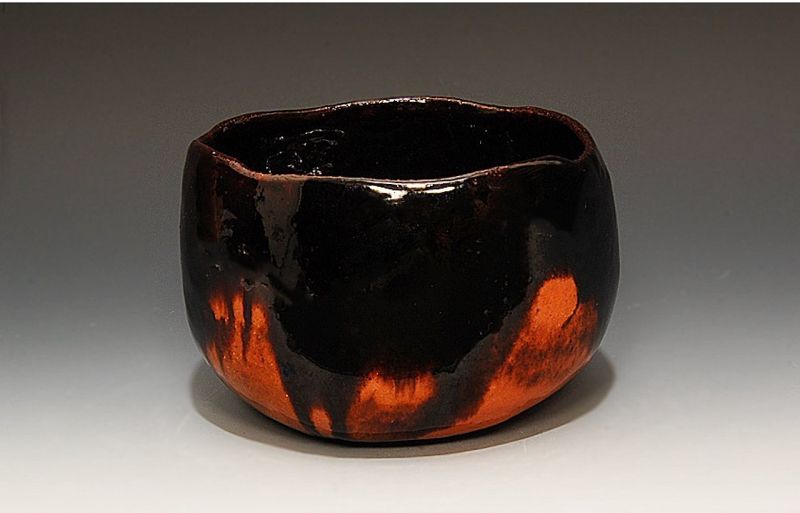
The craftsman who fashioned this piece, the 9th Ohi Chozaimon (1901-1986), is the most widely recognized and most accomplished of the now 11 generations of Ohi
SOLD
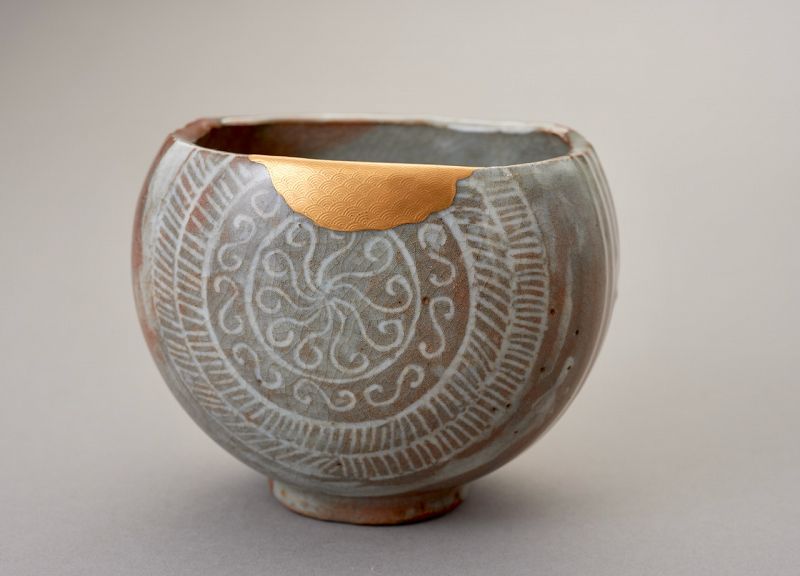
From a 2006 excavation site in Tokyo known to be occupied by the Owari Tokugawa clan—the most senior contingent of the Tokugawa clan that united Japan under one
SOLD
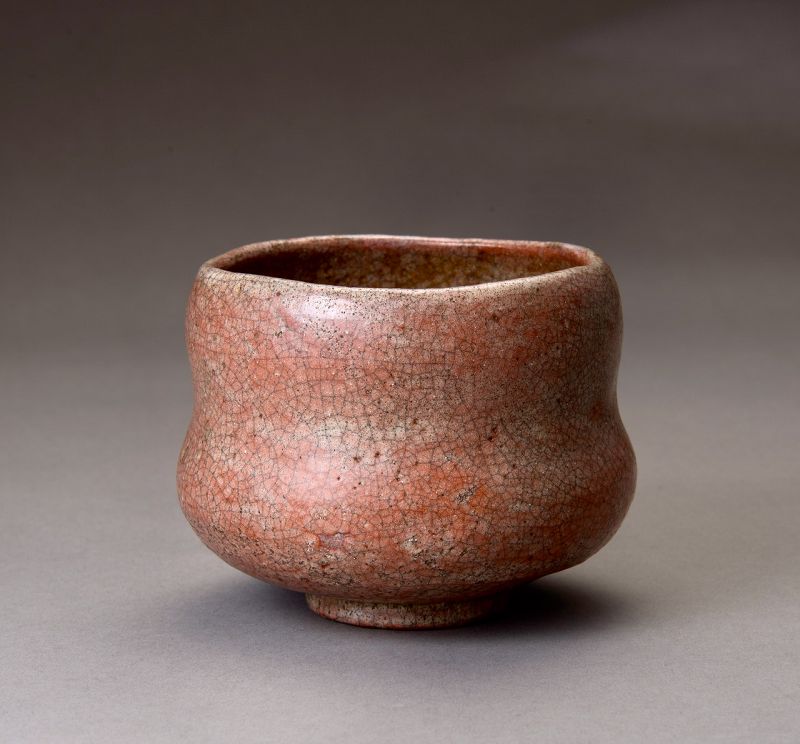
Over the years we have taken a special interest in Raku-ware and especially in works produced by the Tamamizu kiln, such as the 300+ year old ceremonial tea bow
SOLD
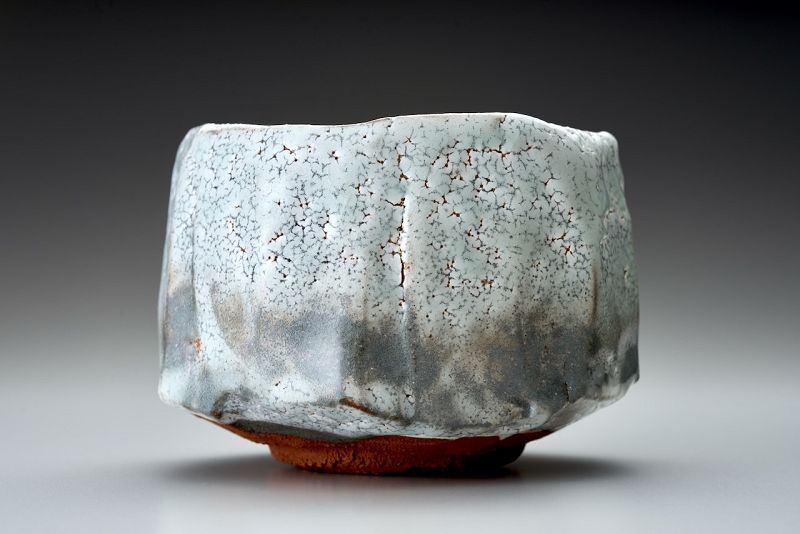
A stunning work of Shino-ware by veteran potter Hayashi Shotaro—winner of numerous awards for his bold and innovative style and widely recognized as one of the
SOLD
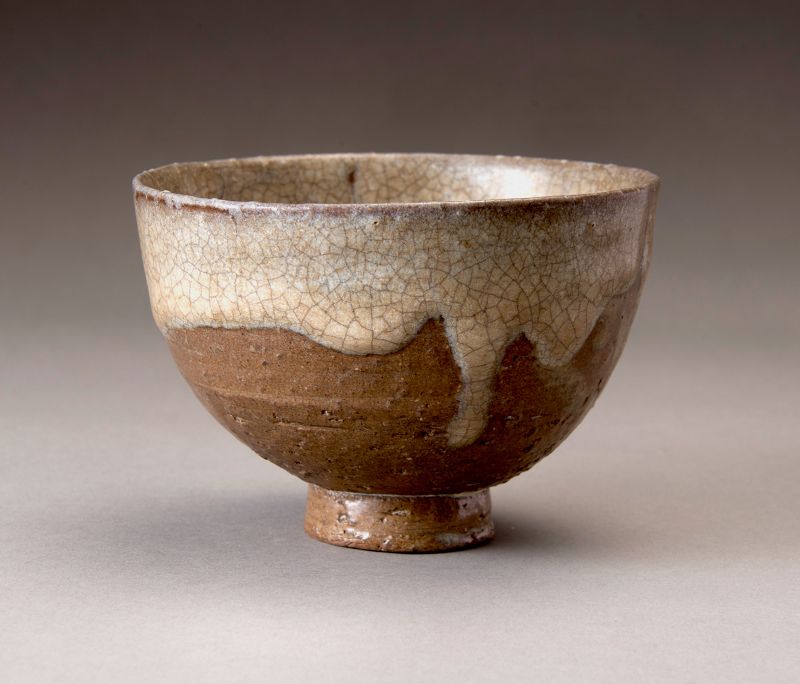
Currently awaiting an uncertain succession to the 14th generation, this preeminent line of craftsmen has been a cornerstone of Hagi pottery for over 400 years.
SOLD
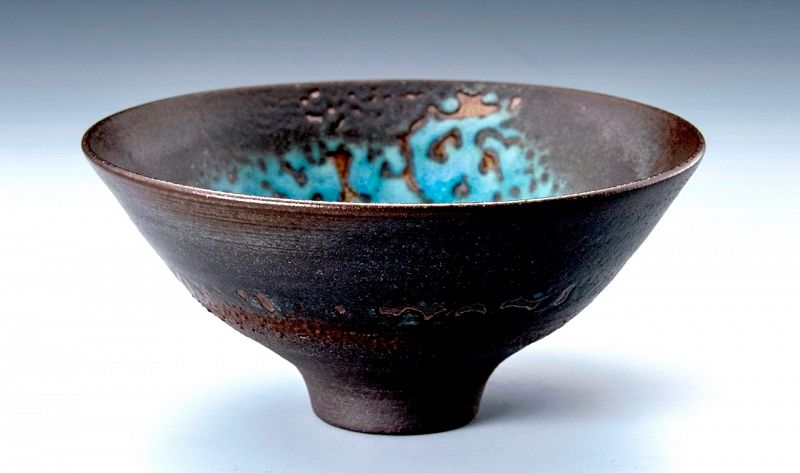
Appearing to capture an ocean inside a tea bowl, this particular work has been given the very fitting poetic name “Nami” or wave. Masterfully crafted by veteran
SOLD
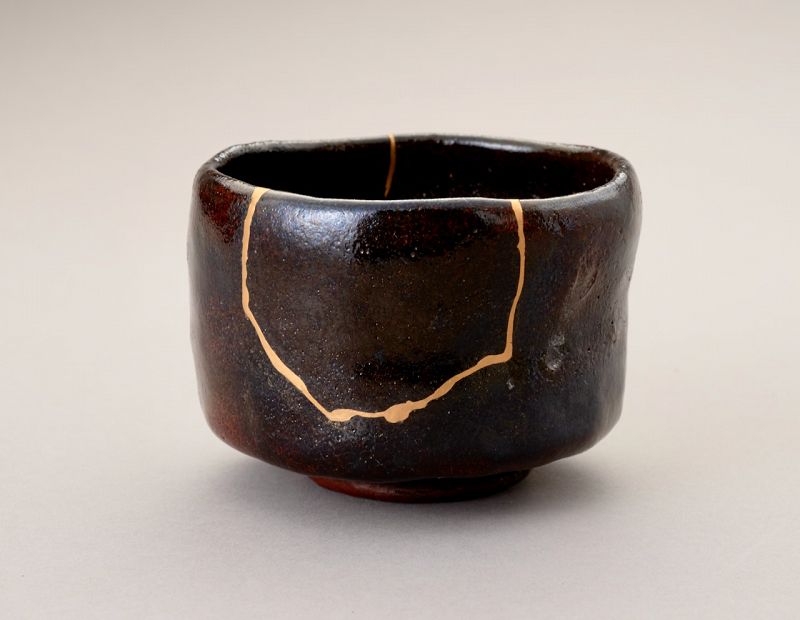
Based on telltale signs, this extraordinary Raku tea bowl likely dates to the late Edo period (200+ years old). Crafted with meticulous care, its smooth, ebony
SOLD
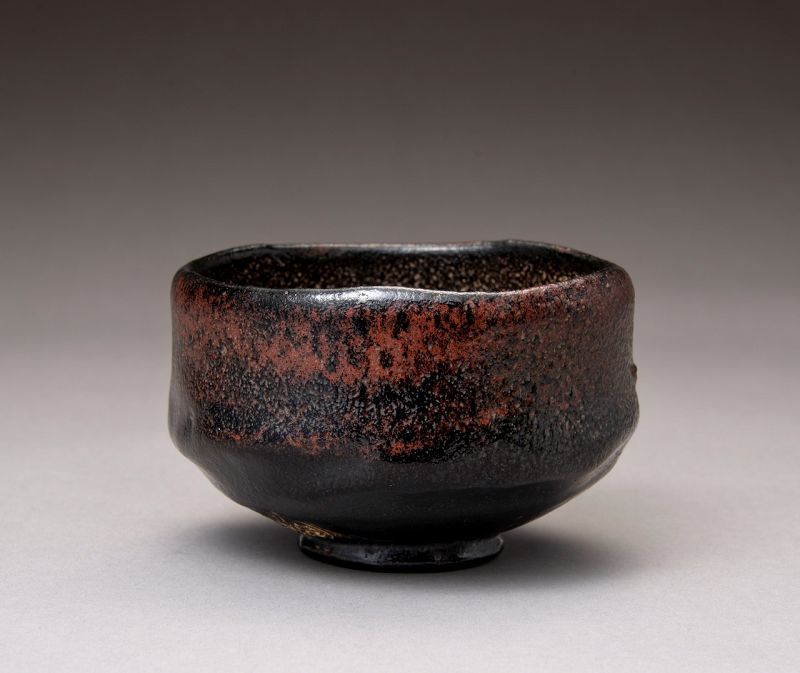
Born the second son of Ryônyû, the 10th Raku Kichizaemon Tannyû took over the family kiln in 1811 at the age of 16 and served until his retirement and subsequen
SOLD
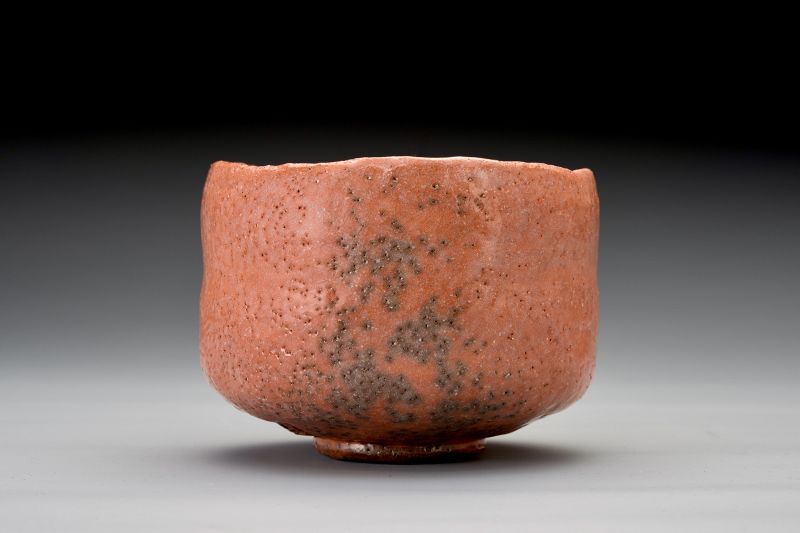
Crafted with meticulous attention to detail and showcasing a soft and gracefully executed red glaze, this Raku tea bowl exudes a sense of ease, tenderness, and
SOLD
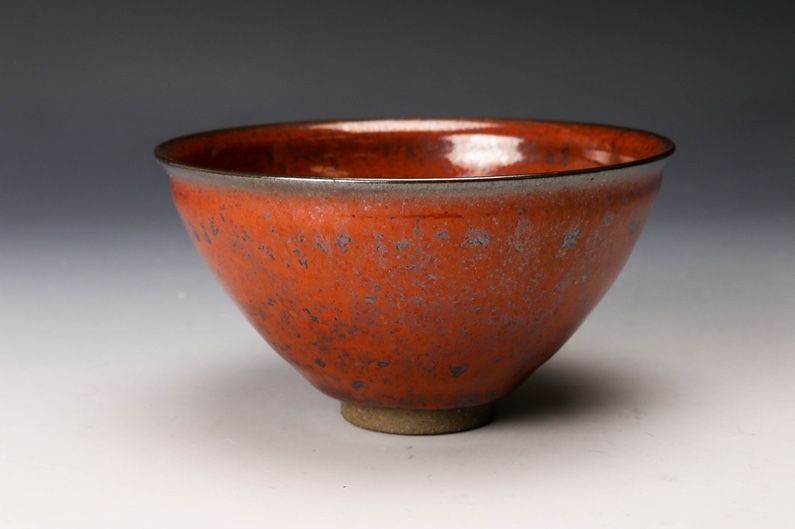
A mesmerizing piece of ceramic art, this exquisite tenmoku tea bowl embodies the rich traditions of Japanese craftsmanship that are inspired by over a millennia
SOLD
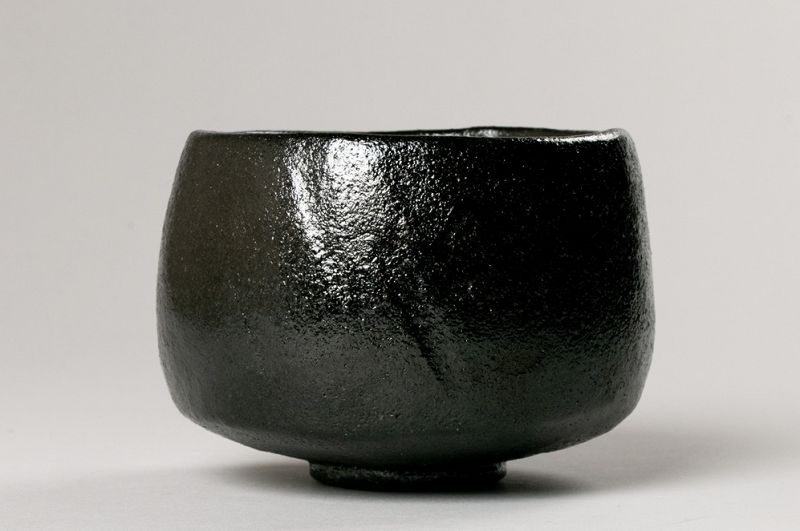
When the founder of the Urasenke style of tea ceremony, Sen-So Soshitsu (1622 -1697) was invited to Kanazawa as the master of tea ceremony for the powerful Kaga
SOLD
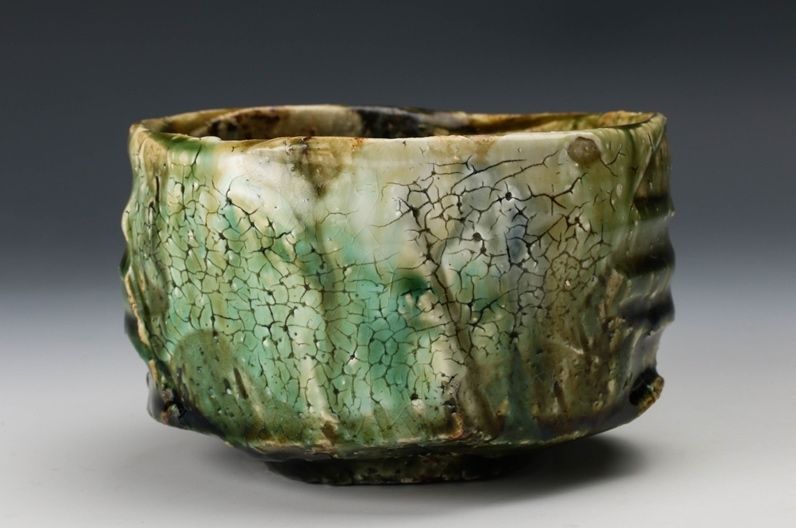
Intricately carved clay adorned with a complex and multi-layer Oribe glaze, this piece is one of the best I have encountered by this talented and multifaceted a
SOLD
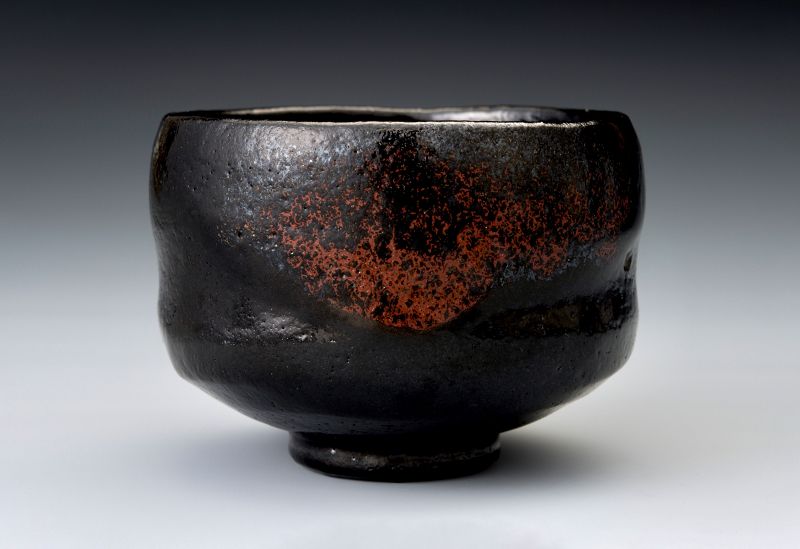
This piece was fired in the kilns of one of Kyoto’s most prolific Raku-yaki workshops by an artist known as Heian Shoraku. In 1905, the first generation Shoraku
SOLD
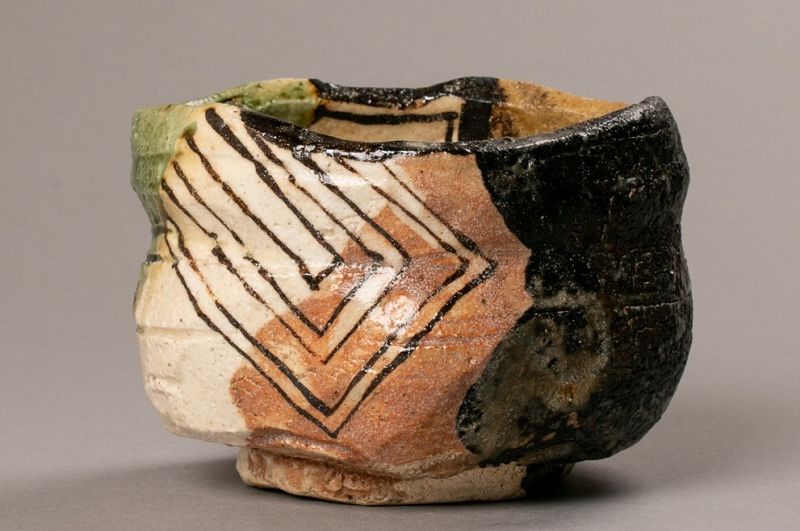
A captivating blend of traditional aesthetics and contemporary flair; with exquisite attention to detail, Goro masterfully combines the vibrant green Oribe glaz
SOLD
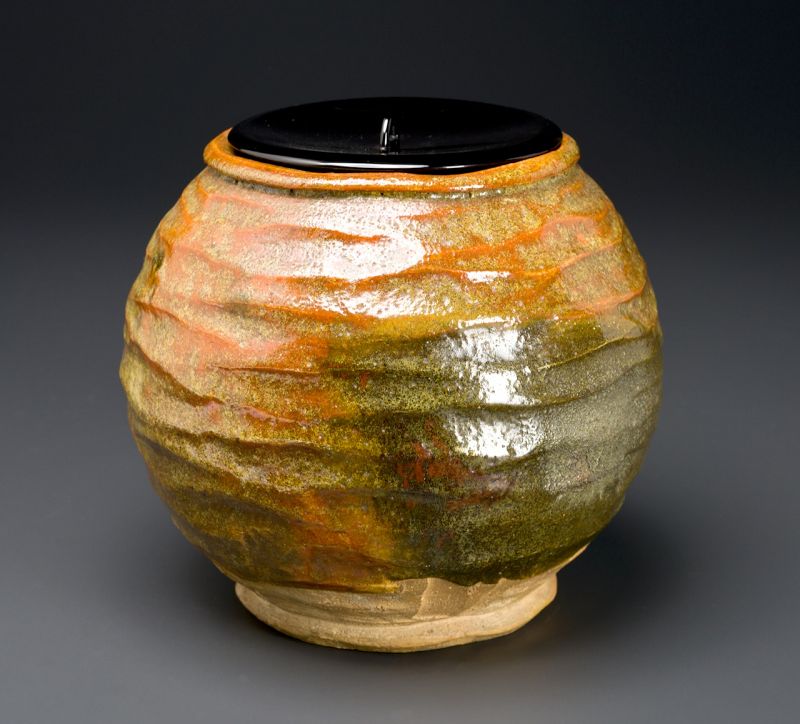
Raku-ware carries with it a very naturalistic aura; with its implements made of raw clay, its use of fire water and air to shape and harden these implements, an
SOLD
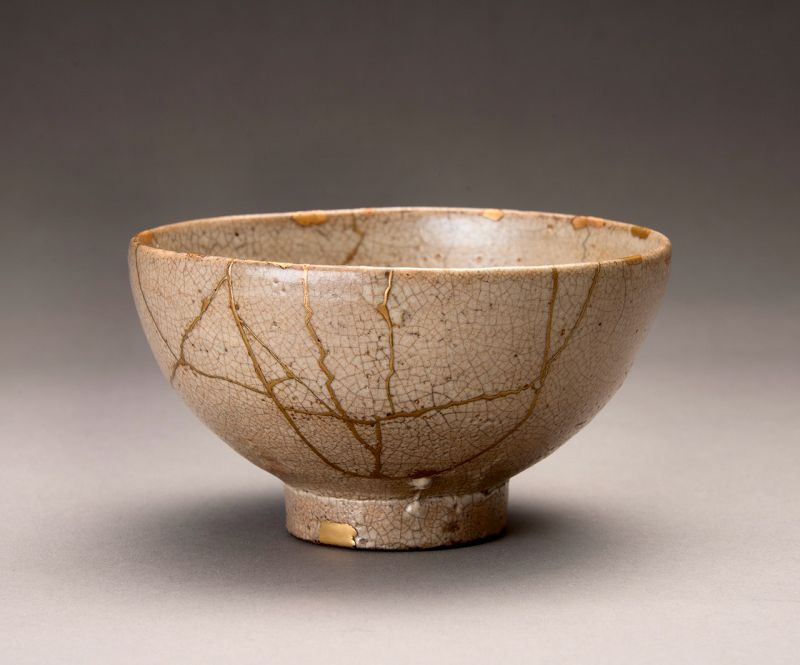
At various times over the long history of tea practice in Japan, Korean-ware has come into high fashion and ships full of the finest ceramics from the neighbori
SOLD
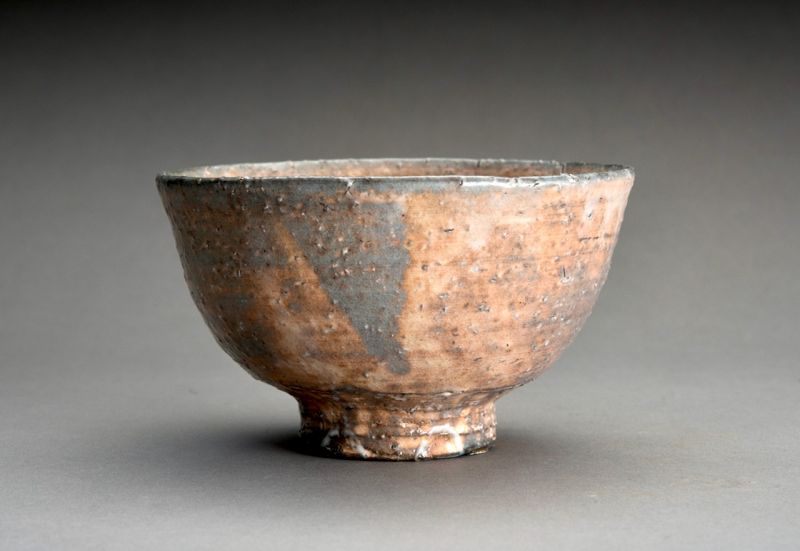
A delightful Hagi tea bowl from the Jōzan Kiln in Yamaguchi Prefecture. Very representative of the genre with its milky glaze and ido-shape. This piece is a ste
SOLD
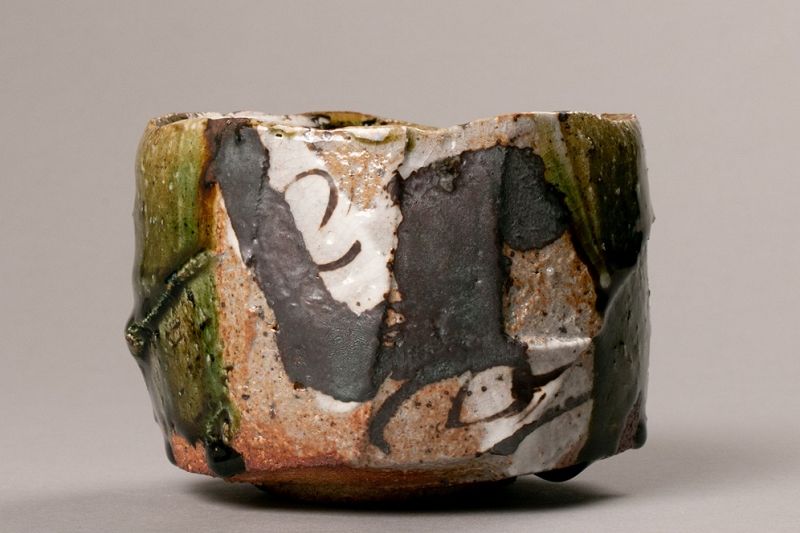
A harmonious blend of traditional craftsmanship and contemporary artistic expression, this extraordinary tea bowl encapsulates the essence of Oribe pottery whil
SOLD
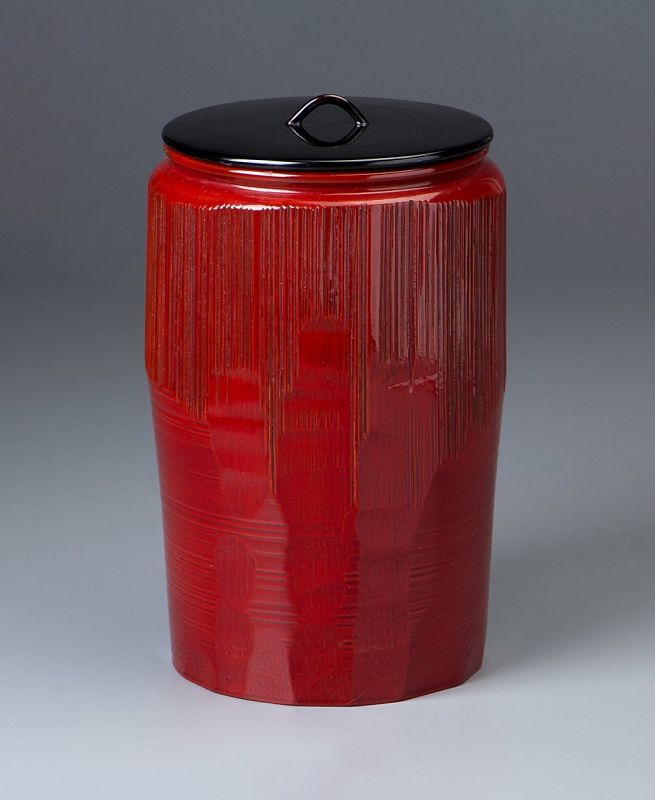
A testament to the brilliance of traditional Japanese craftsmanship, this lacquered mizusashi—skillfully handcrafted from bamboo—showcases a deep crimson hue th
SOLD
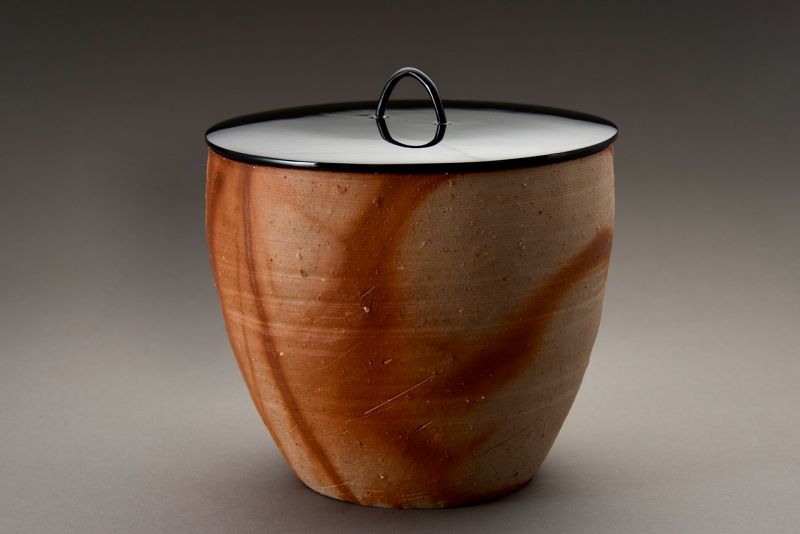
A veteran of Bizen pottery, Mori Tōgaku has been perfecting his style for close to seven decades now with most of his important work having been done in the las
SOLD
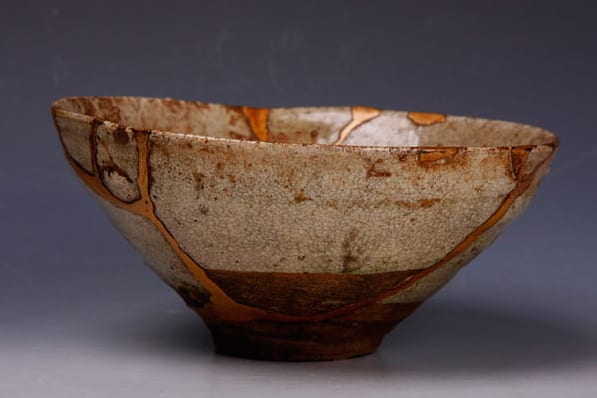
This lovely Ido-gata shaped chawan has very nice asymmetrical balance highlighted by extensive and skillfully applied kintsugi gold repairs. The inside bottom o
SOLD
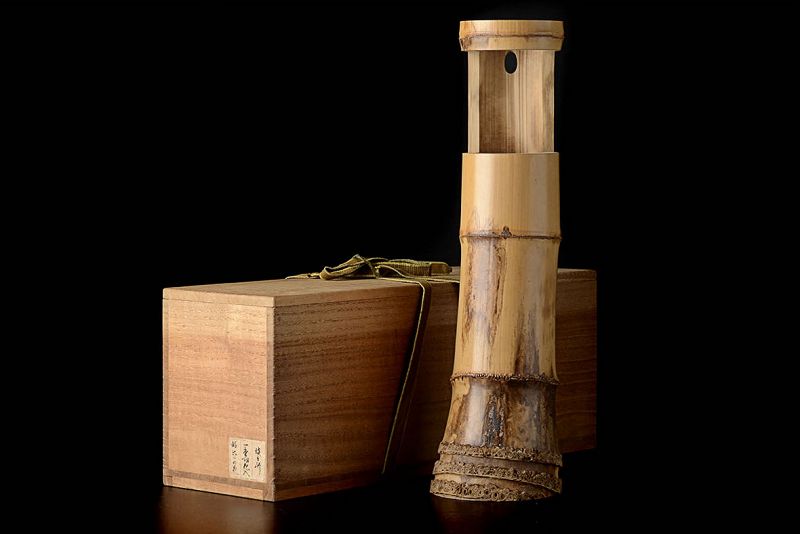
Flower arranging is one of the great arts that Japan has managed to take to ever greater heights of refinement over its long history. Here we have a classic exa
SOLD
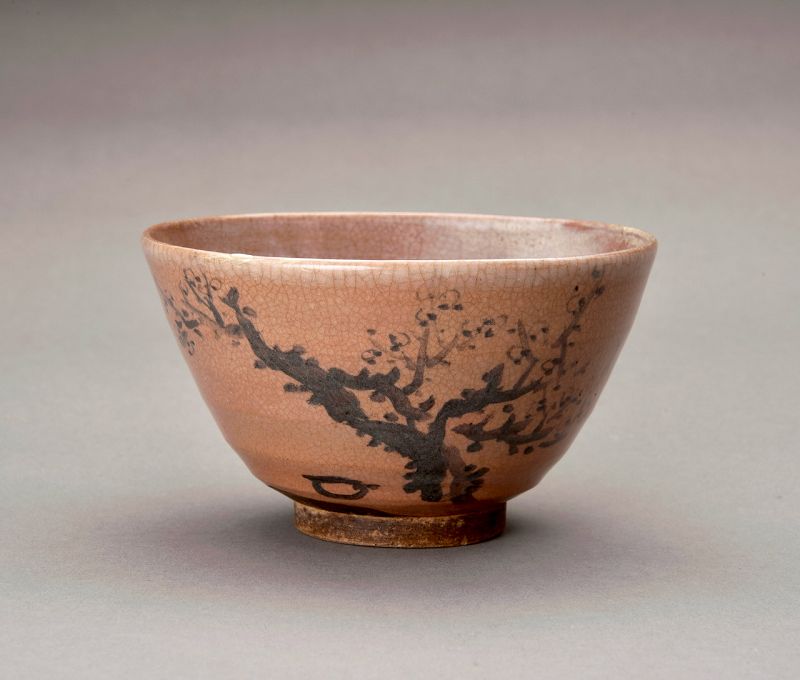
A very interesting ceremonial tea bowl produced by one of the oldest generational potting families in Kyoto. In excellent condition with one fine gold repair al
SOLD