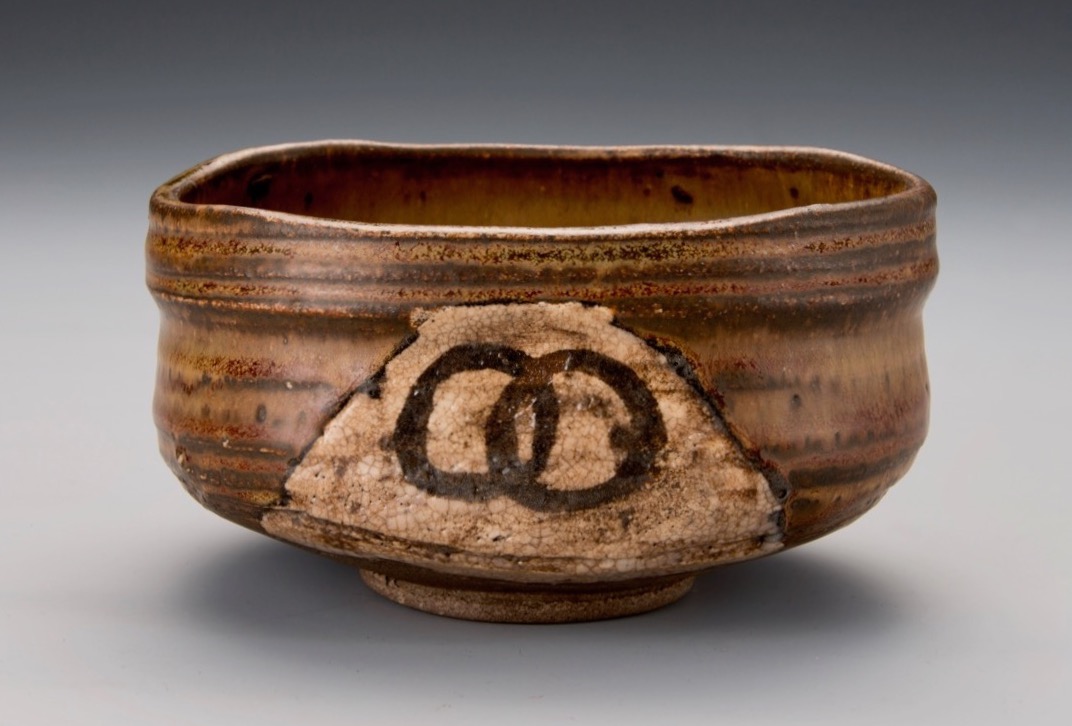
An Excellent Edo Period Oribe Tea Bowl with Poetic Name ‘Toma-bune’
Oribe is a visual style named after the late-16th-century tea master Furuta Oribe (1544-1615). Typically, black or green glazes are applied to the bodies of the
Selected by shared artwork type, categories, artist and era. Available works appear first.
Back to the artwork · Browse the full collection
Oribe is a visual style named after the late-16th-century tea master Furuta Oribe (1544-1615). Typically, black or green glazes are applied to the bodies of the
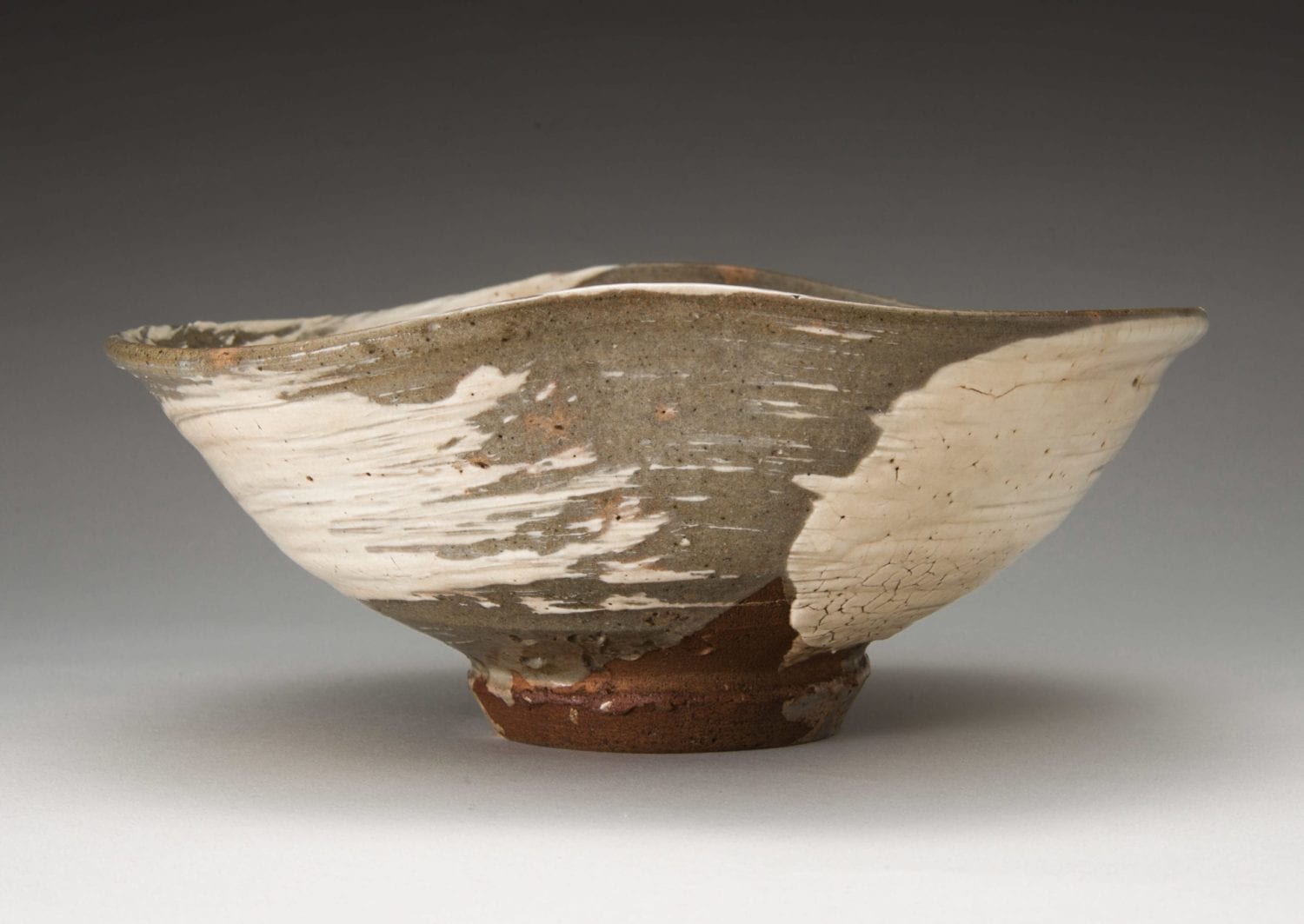
A beautiful example of a Hakeme style bowl, this one quite rare as it was made around 200 years ago by the son of the founder of the Dohachi line of potters. Tr
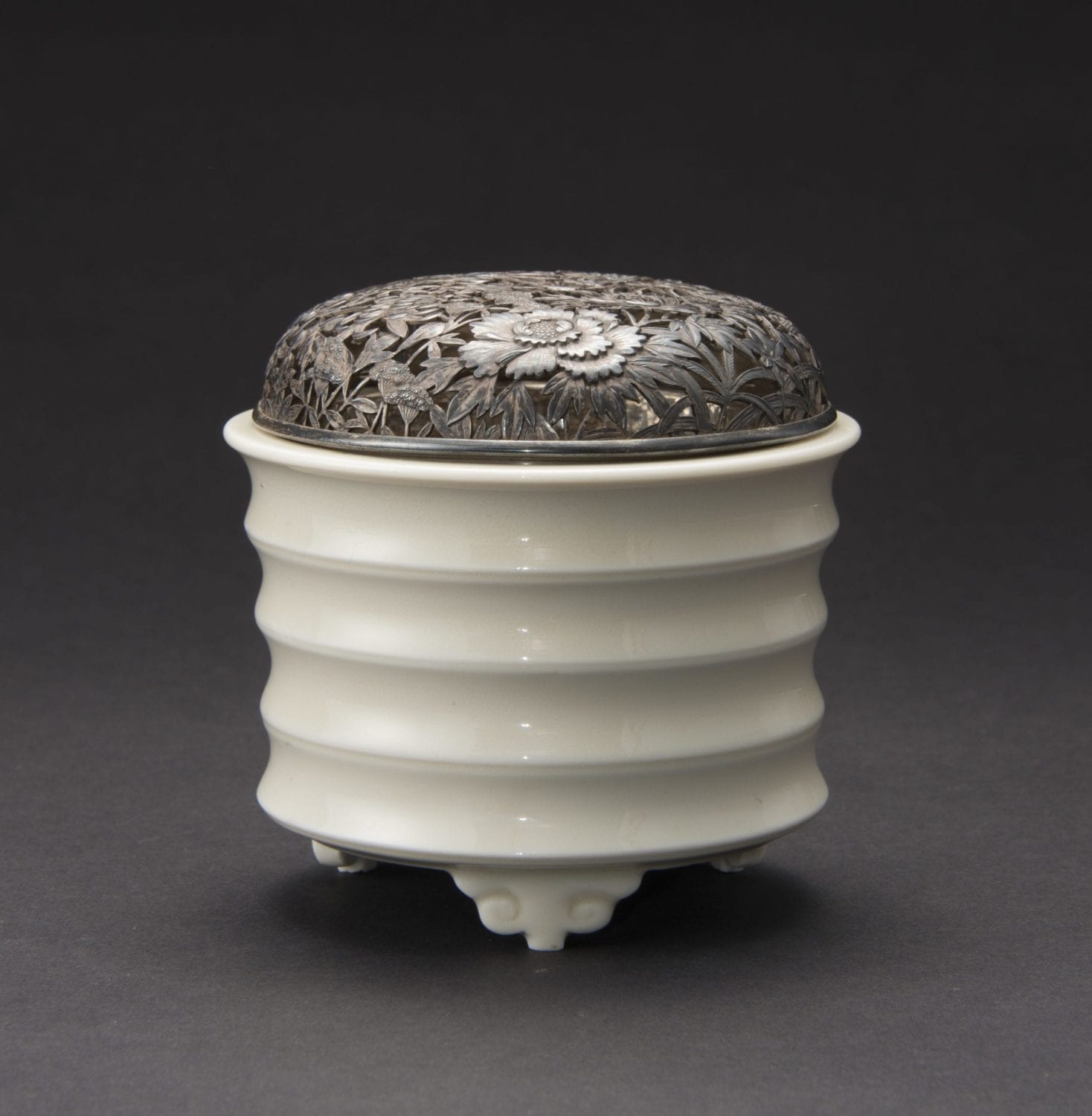
This Meiji period incense burner is made of fine white porcelain with a silver globe decorated with autumn foliage. As with much of Japanese pottery from this e
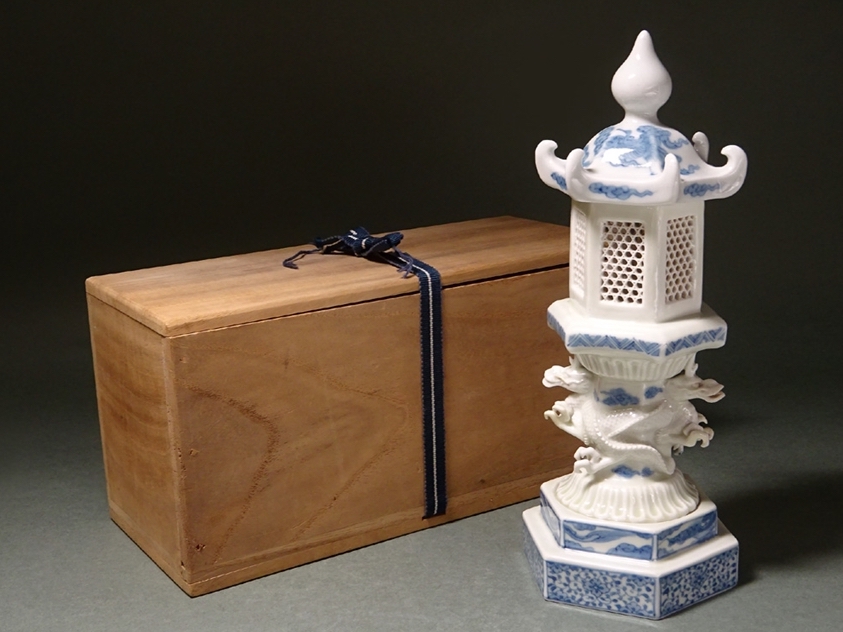
Hirado-ware, this intricately crafted incense burner in the shape of a lantern features two intertwined dragons dancing around the base. Various parts of the la
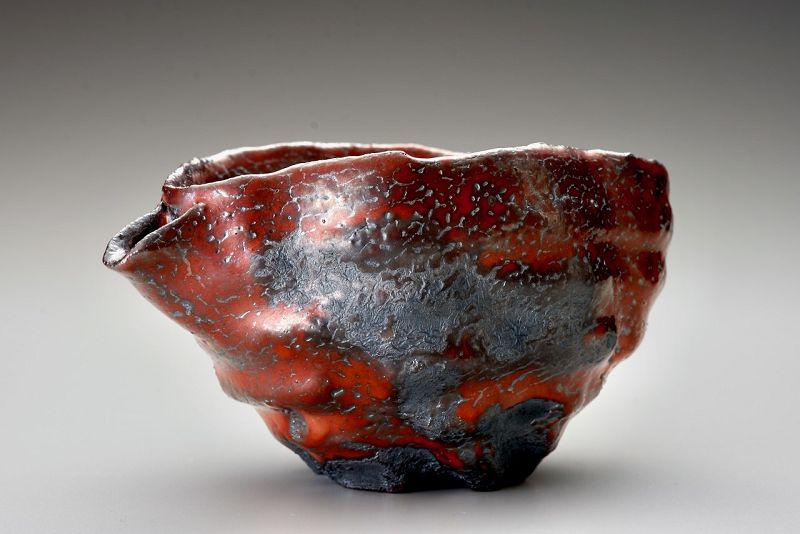
A decidedly modern and innovative take on the classic Shino trope, this “kataguchi” or one-sided pouring vessel lends an air of depth, contemplation, and brilli
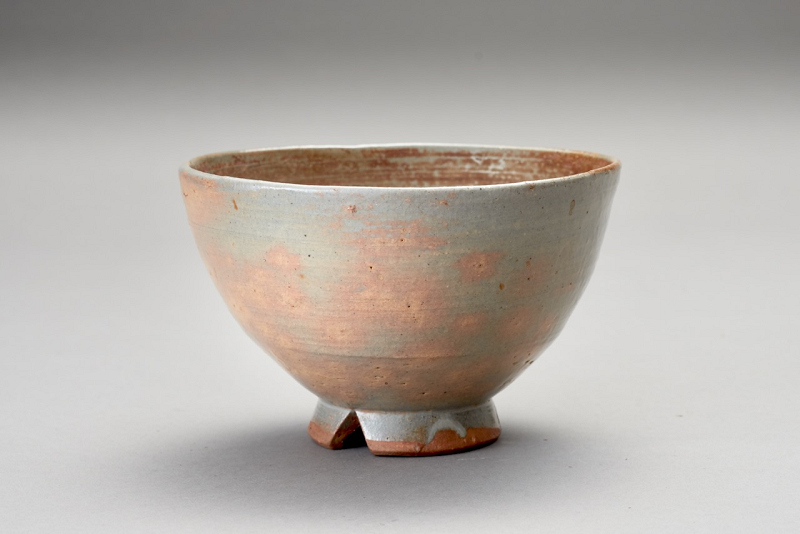
Here we see a quietly beautiful Korean tea bowl with a rounded, gently tapering form and a tall, dramatically notched foot. A translucent blue-grey glaze covers
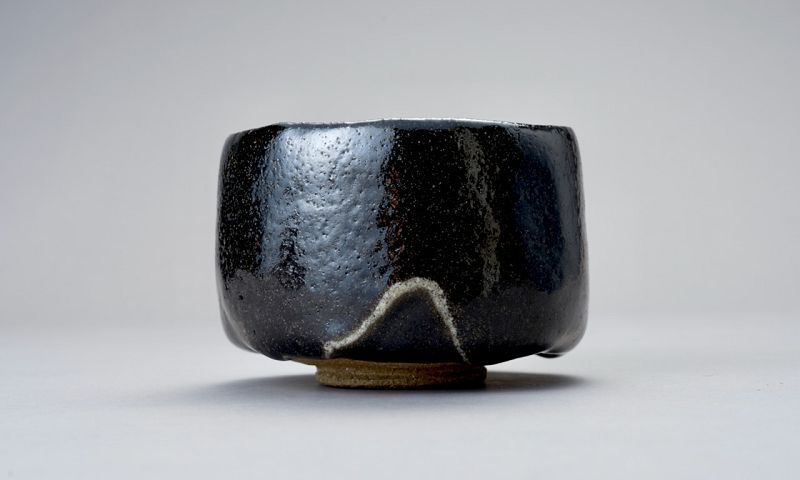
An austere masterpiece of functional art — the perfect accompaniment on the journey inward to stillness and contemplation. Crafted by the 9th Ōhi Chōzaimon (190