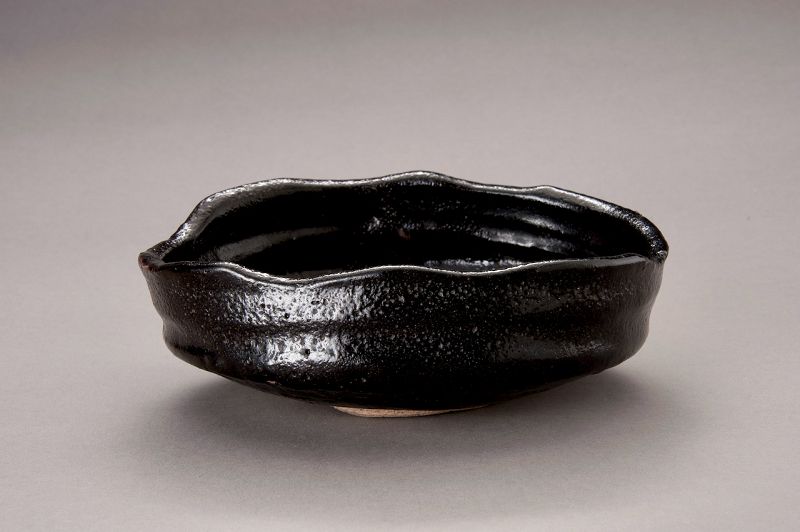
An Edo Period Seto-guro Mino Tea Bowl
Living in Kyoto it is not uncommon to come across beautiful antique tea bowls, however, finding pieces that are in good condition, aesthetically compelling, and
Selected by shared artwork type, categories, artist and era. Available works appear first.
Back to the artwork · Browse the full collection
Living in Kyoto it is not uncommon to come across beautiful antique tea bowls, however, finding pieces that are in good condition, aesthetically compelling, and
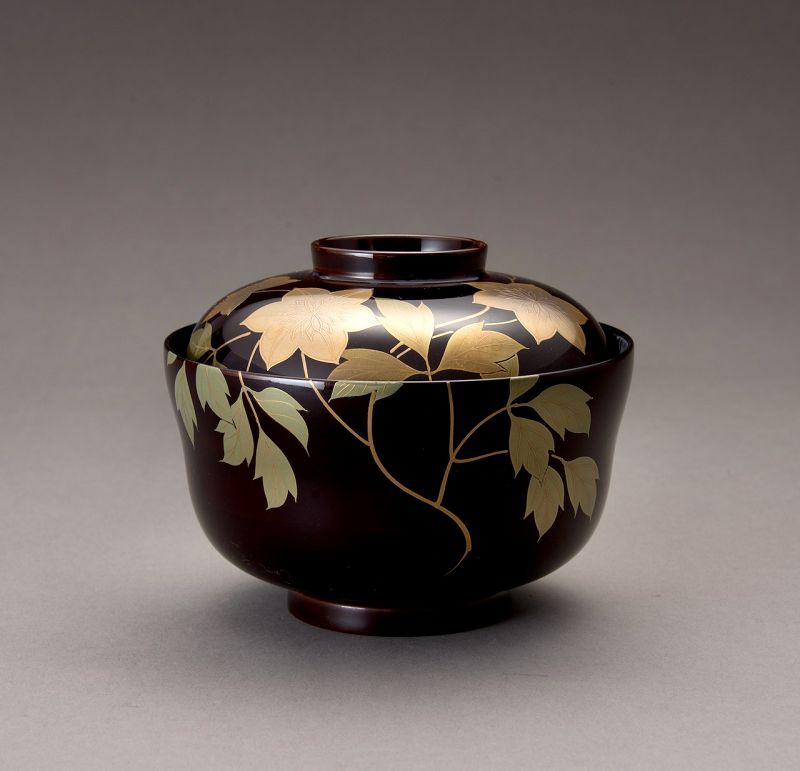
Painted lacquerware in Asia is thought to have more than 3,000 years of history; originating in China and then later spreading to South East Asia, Korea, and Ja
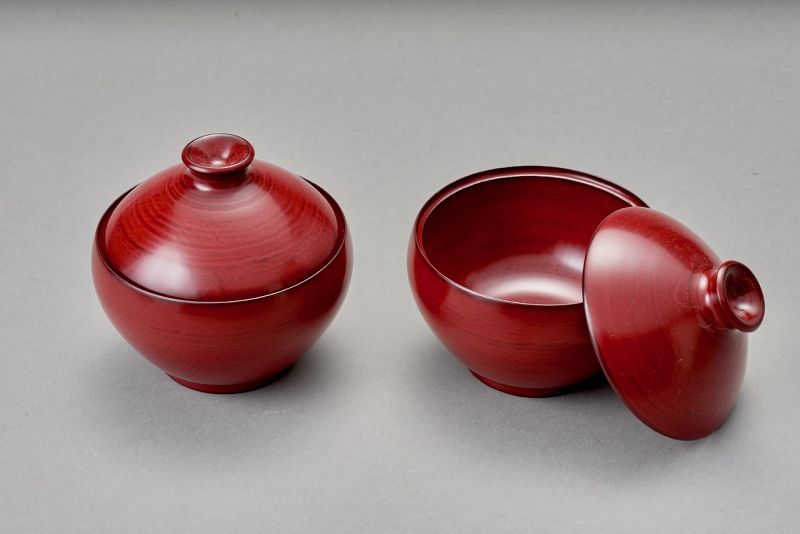
A stunning pair of Wajima-nuri lacquer lidded bowls; each formed with a compact rounded body and fitted cover and with a surface finished in a deep, contemplati
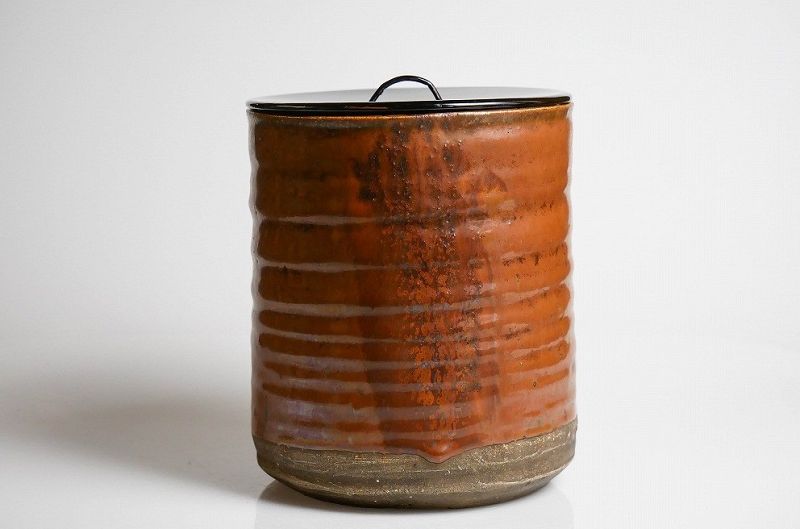
Seto is a pottery tradition established in the 12th century with the aim of reproducing fine Chinese porcelain and tenmoku-style tea bowls—which were hard to co
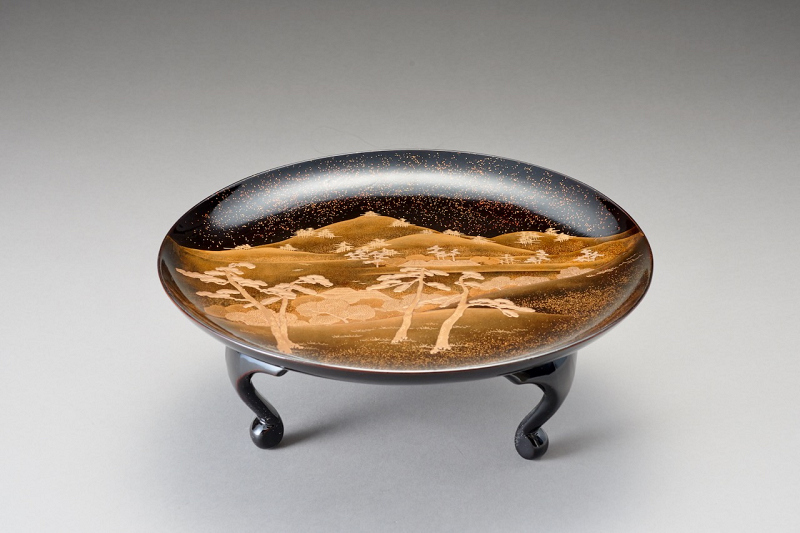
An especially elegant late Edo-period lacquer takatsuki, or raised serving stand, supported upon three dramatically curved feet. Against the deep, highly polish
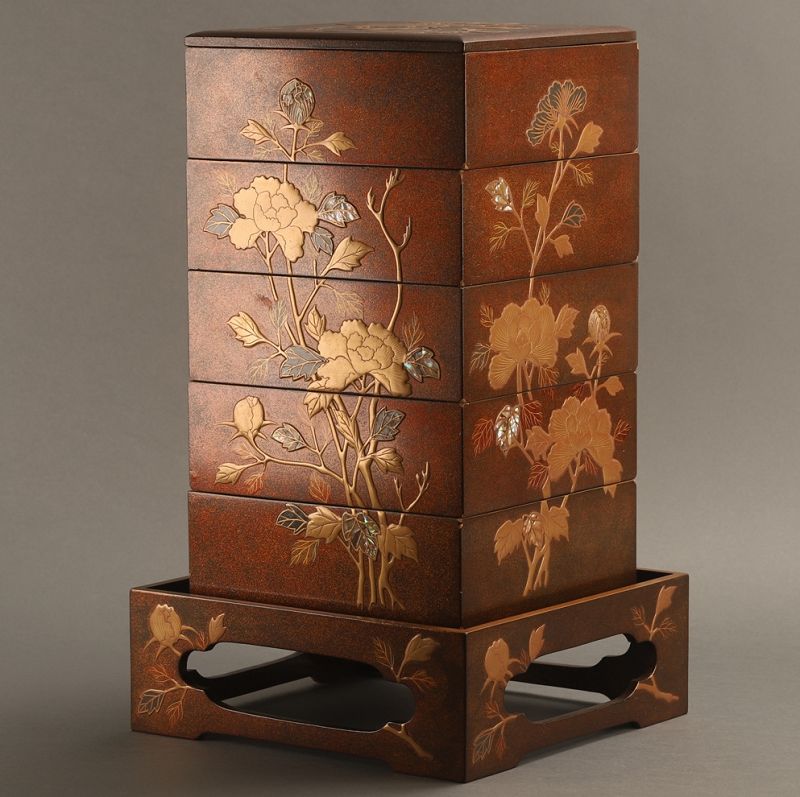
Japanese Jubako—traditional stacked lacquerware food boxes—represent not only a high level of culinary refinement, but also demonstrate the importance the Japan
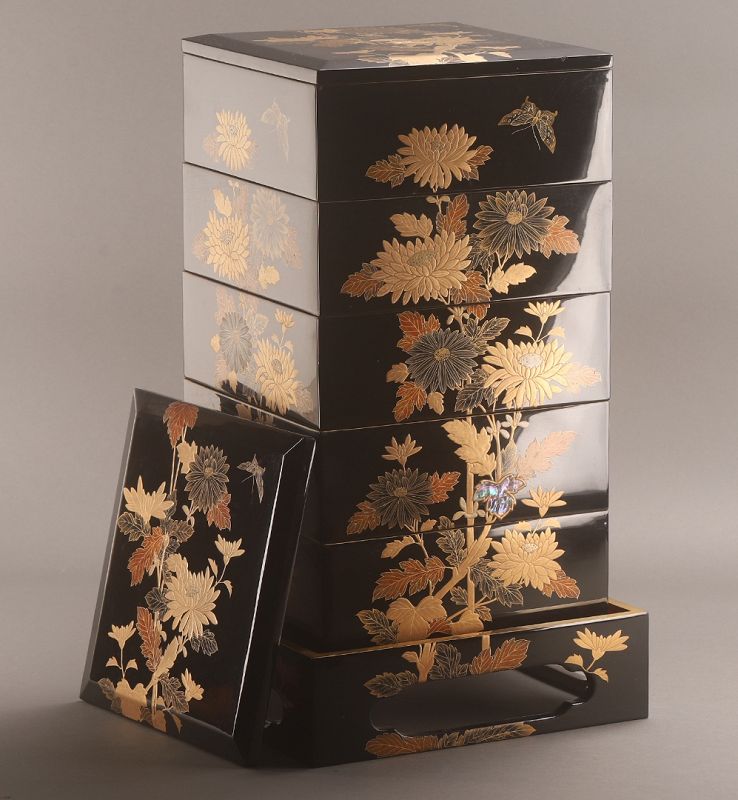
Japanese Jubako—traditional stacked lacquerware food boxes—represent not only a high level of culinary refinement, but also demonstrate the importance the Japan
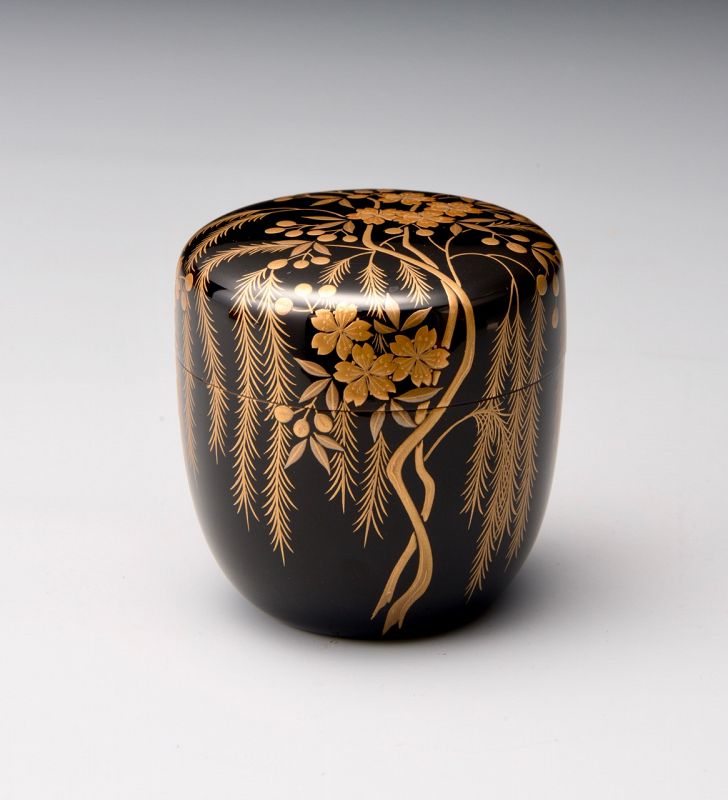
Exquisitely painted cherry blossoms (sakura) and willow branches (yanagi) on a background of jet-black traditional lacquer. The craftsman, Wakashima Takao (b. 1

Exquisitely painted willow branches (yanagi) on a background of jet-black traditional lacquer; this exquisite functional art object appeals not only to practiti