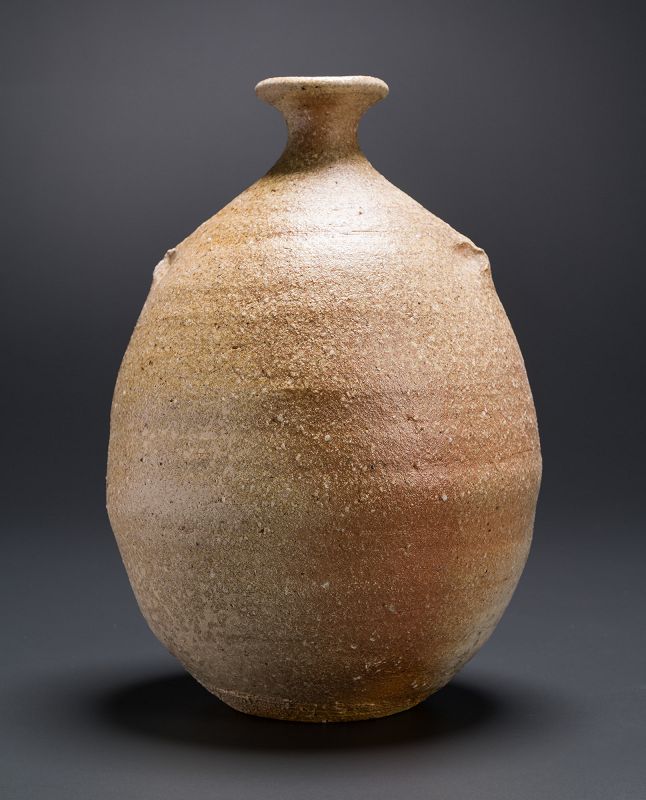
An Iga-yaki Vase by Nagatani Yasuhiro
A beautifully crafted vase from a studio potter in the hills of Iga, a few hours drive east of Kyoto. Iga-ware has quite a long history—by some accounts dating
Selected by shared artwork type, categories, artist and era. Available works appear first.
Back to the artwork · Browse the full collection
A beautifully crafted vase from a studio potter in the hills of Iga, a few hours drive east of Kyoto. Iga-ware has quite a long history—by some accounts dating

In Japan, famous for its generational potting families, only a handful have made it all the way through to the 14th generation—the Nakazato line being one of th
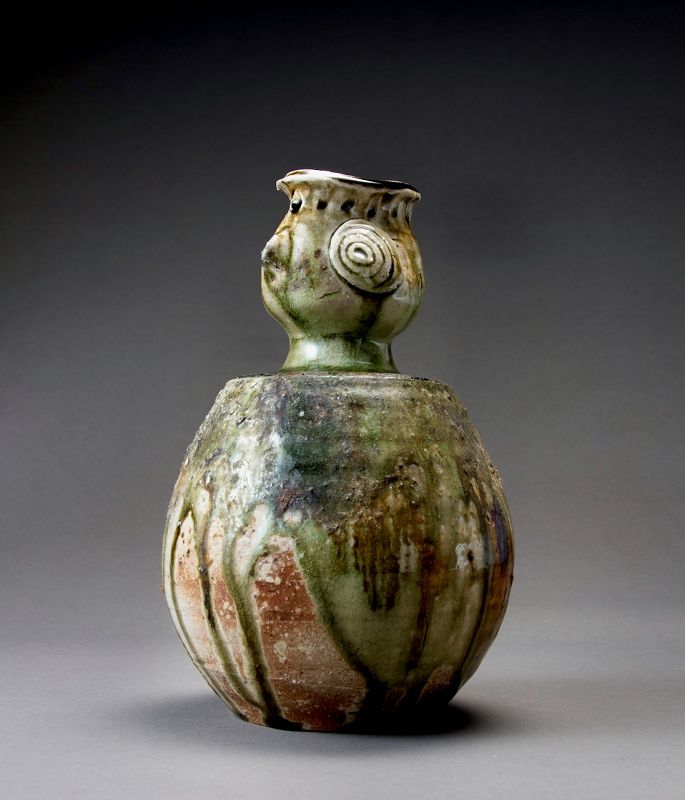
In excellent condition, this bird-shaped, or “torigata” vase is a beautiful example of Iga pottery from last century. A master of form, material, and technique,
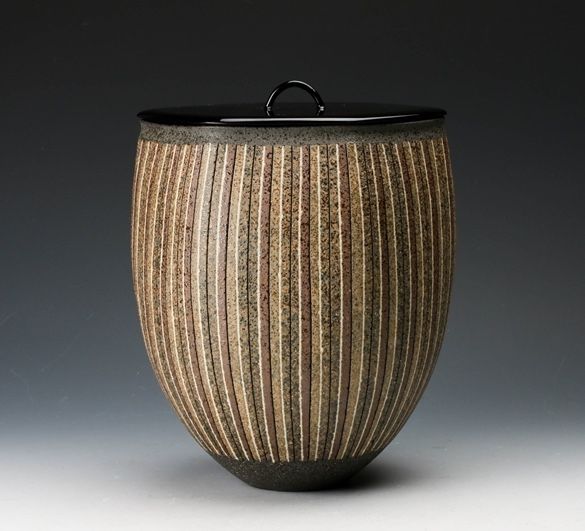
Japanese inlay ceramics (zōgan) are created by making incisions on the surface of a clay body which are then filled with various colored clays, creating a patte
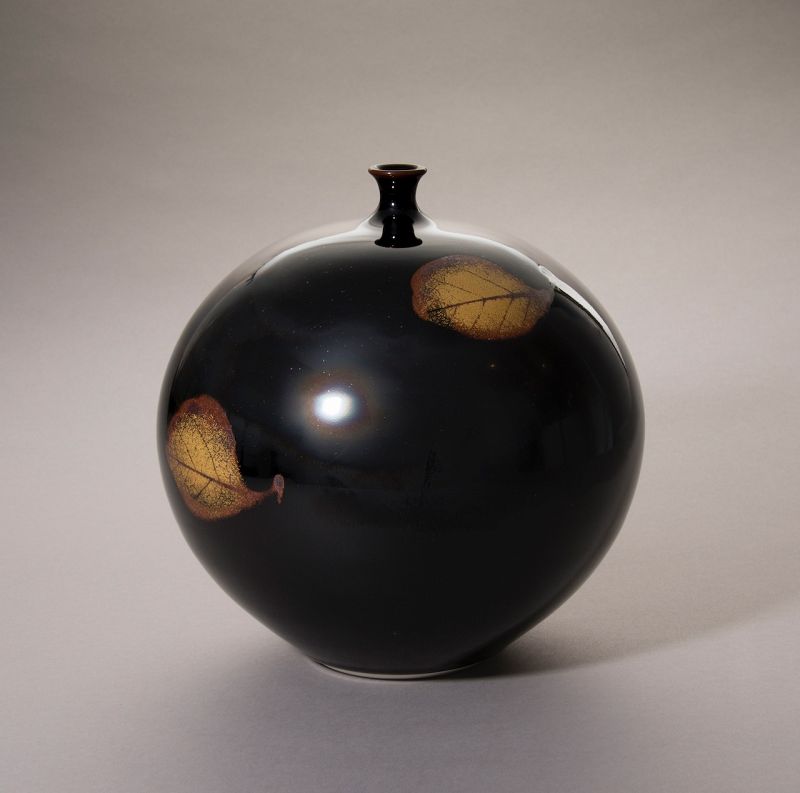
A technique most commonly seen in Tenmoku tea bowls, “konoha” is accomplished by applying a coating to an actual leaf and then attaching the leaf to the surface
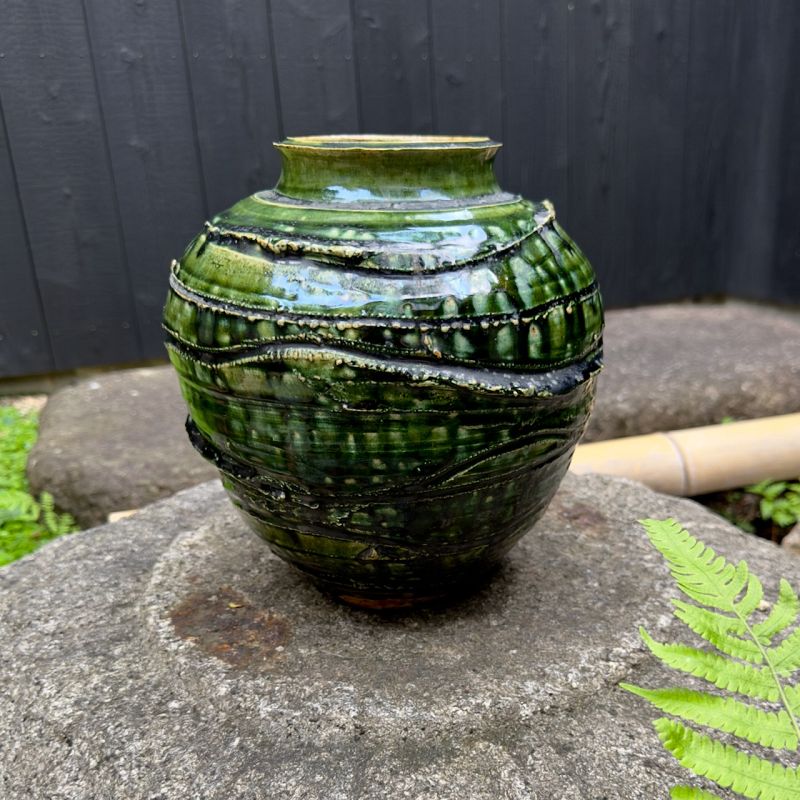
As can be seen from the attached images, especially beautiful in natural light; this charming vase features contoured ridges encircling the exterior while rivul
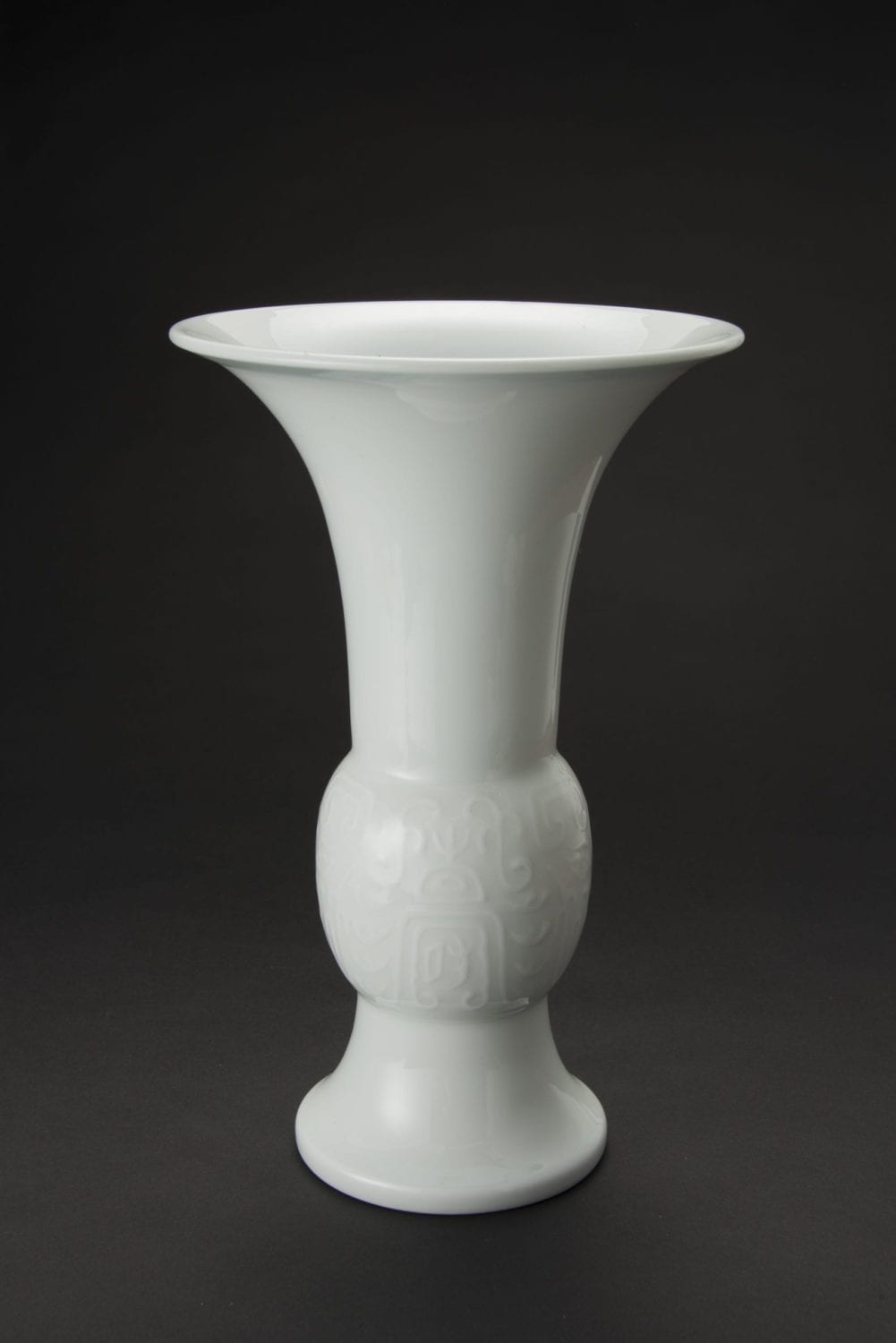
This Meiji period vase is made of fine white porcelain fashioned after classic Chinese pieces from the Song Dynasty. The potter, first generation Miura Chikusen
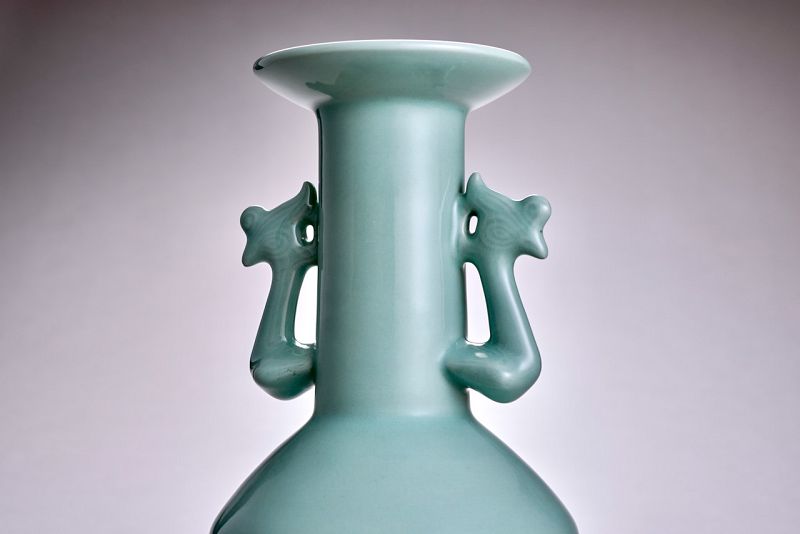
A rare and interesting offering, here we have an exquisite celadon phoenix vase with Chinese form and patterning. First generation Sozan gained wide acclaim in
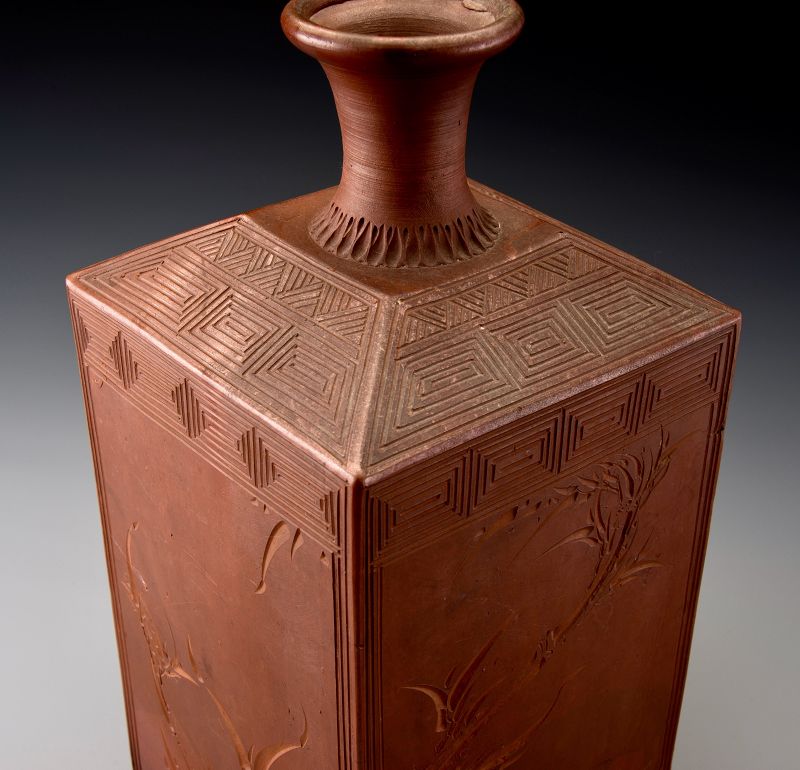
Crafted from locally sourced Bizen clay, this mid-Edo period vase embodies simplicity, beauty, and understated elegance. Originally crafted as a tokkuri, or sak
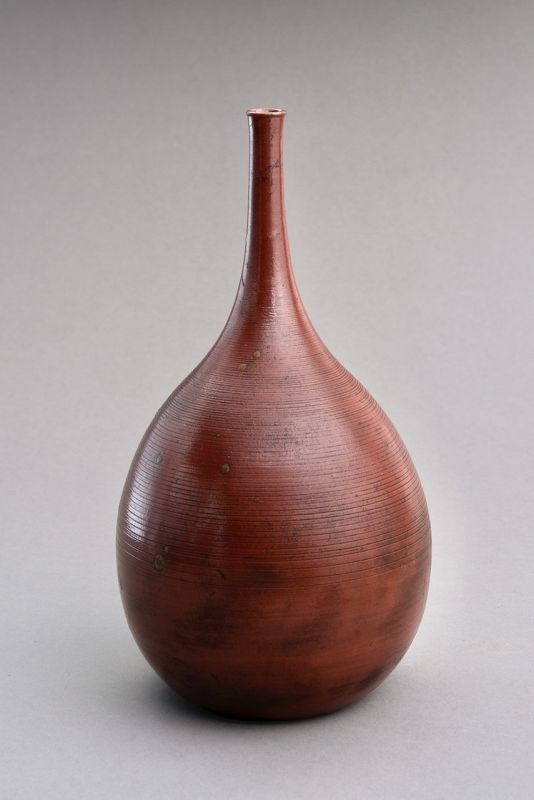
Crafted from locally sourced Bizen clay, this mid-Edo period vase embodies simplicity, beauty, and understated elegance. Its unassuming form showcases the natur
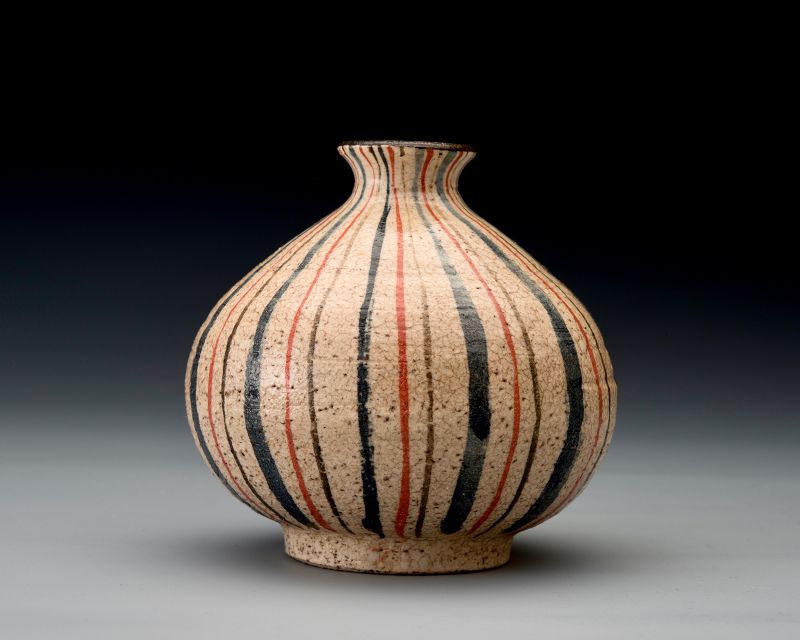
Japanese Mugiwara pottery emerged in the Mino region of Japan during the Momoyama period in the late 16th century. It is renowned for its distinctive straw-rope
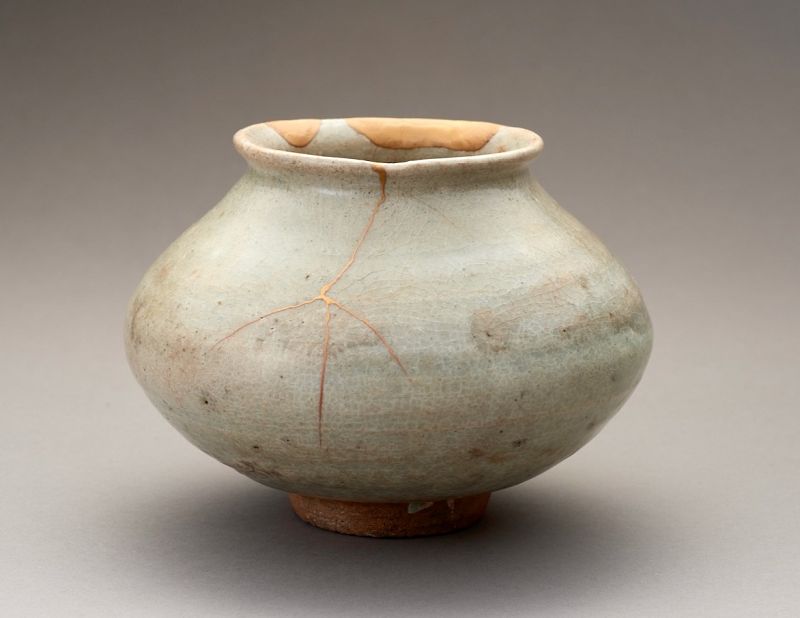
Several years ago we were invited by our very talented kintsugi craftsman to what is known as a “kura-ake” or storehouse opening. Many reading this may be famil
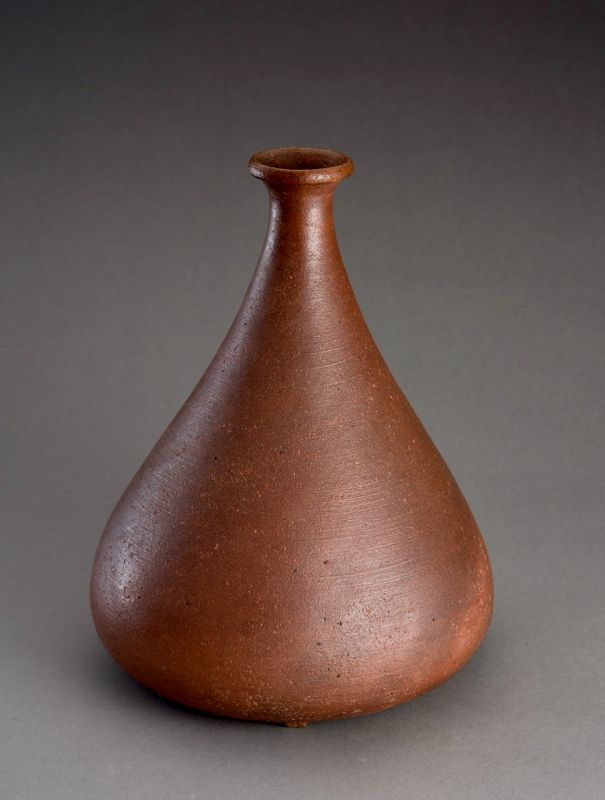
During Japan's Momoyama period, spanning from the late 16th to the early 17th century, Bizen pottery flourished, producing exquisite pieces such as this symmetr
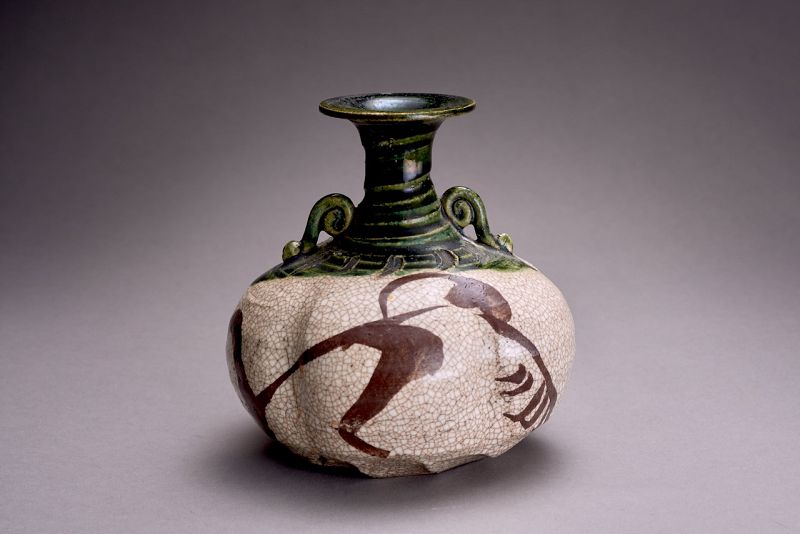
Oribe is a visual style named after the late-16th-century tea master Furuta Oribe (1544-1615). Typically, black or green glazes are applied to the bodies of the
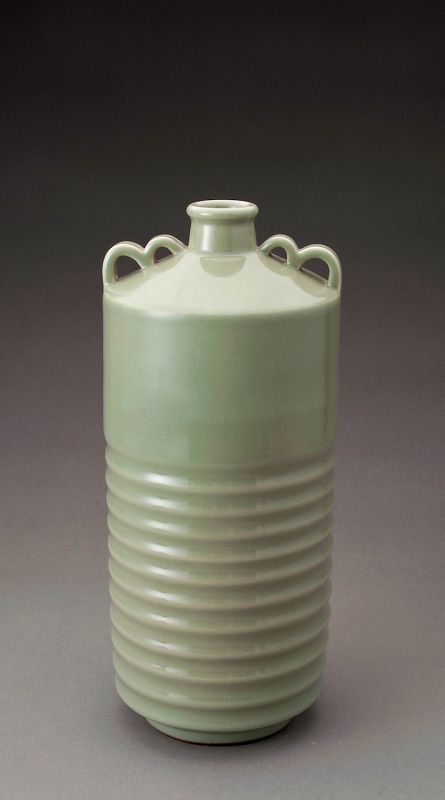
A student of Itaya Hazan, one of the most sought after potters in the world of Japanese art, the ceramicist who crafted this fine vase displays here a high degr