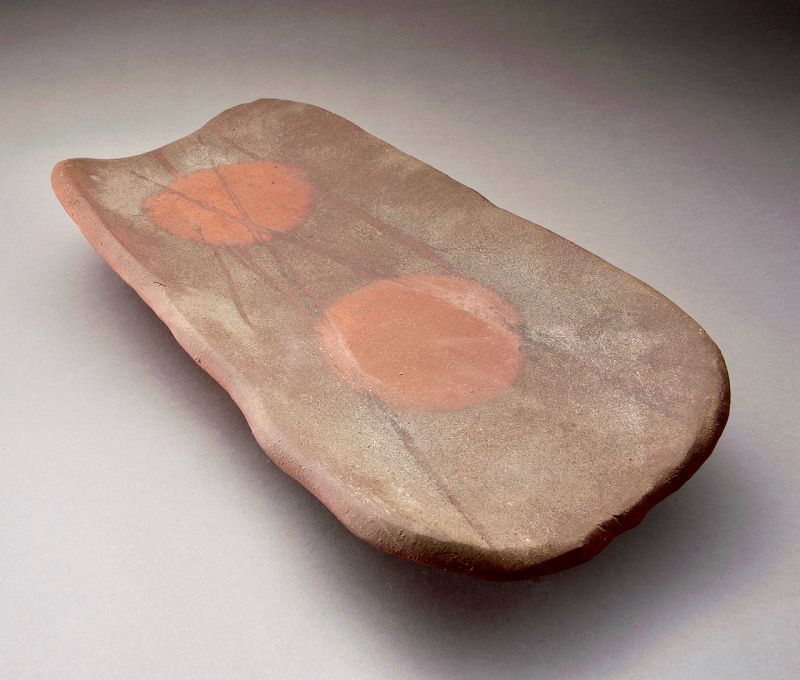
A Large Bizen Plate by Living National Treasure Isezaki Jun
Created by Living National Treasure Isezaki Jun, Bizen pieces like the one seen here originated in Okayama (south-western Japan) and have a long history that is
SOLD
Selected by shared artwork type, categories, artist and era. Available works appear first.
Back to the artwork · Browse the full collection
Created by Living National Treasure Isezaki Jun, Bizen pieces like the one seen here originated in Okayama (south-western Japan) and have a long history that is
SOLD
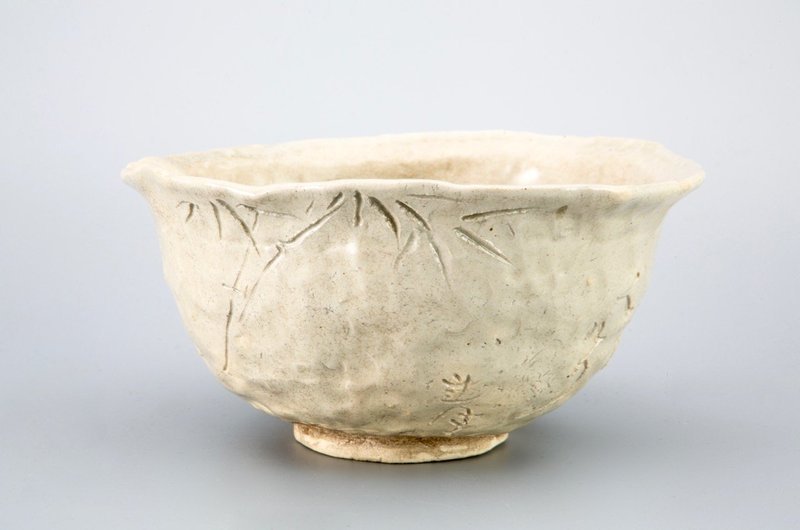
This rare and interesting ceramic work was done by one of the most renowned and loved waka poets of the 19th century, Ōtagaki Rengetsu (1791-1875). In fact, if
SOLD
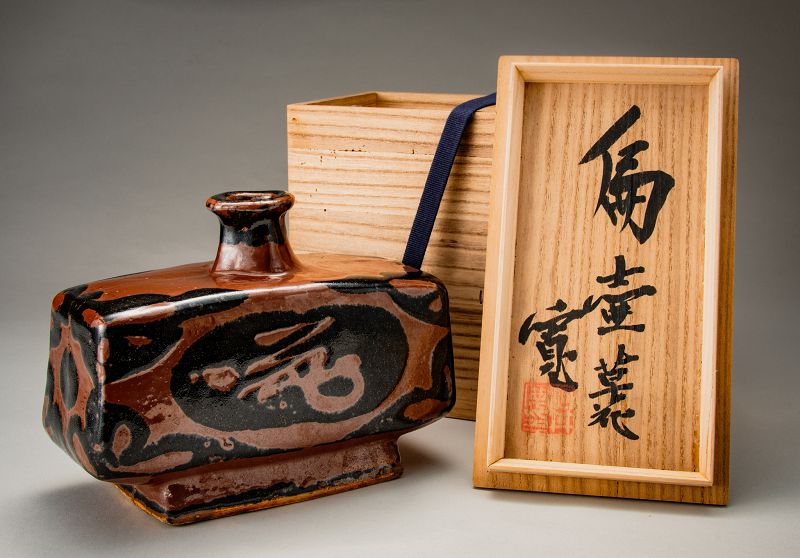
Conceived by 20th century master ceramicist Kawai Kanjiro—here an abstract depiction of flowers is used to adorn an exquisite “henko” shaped vase. The glaze use
SOLD
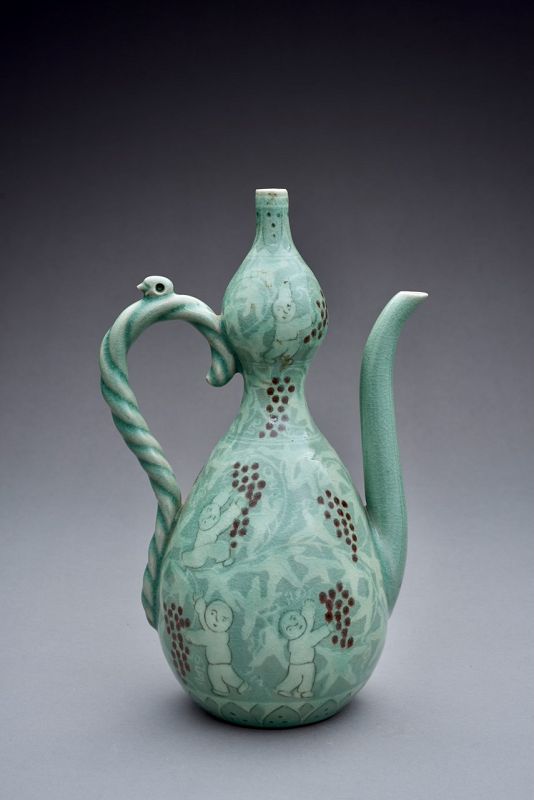
This unique and captivating celadon vase is the work of an early 20th century Korean artist who spent a number of years in Japan honing his craft. Gourd-shaped,
SOLD
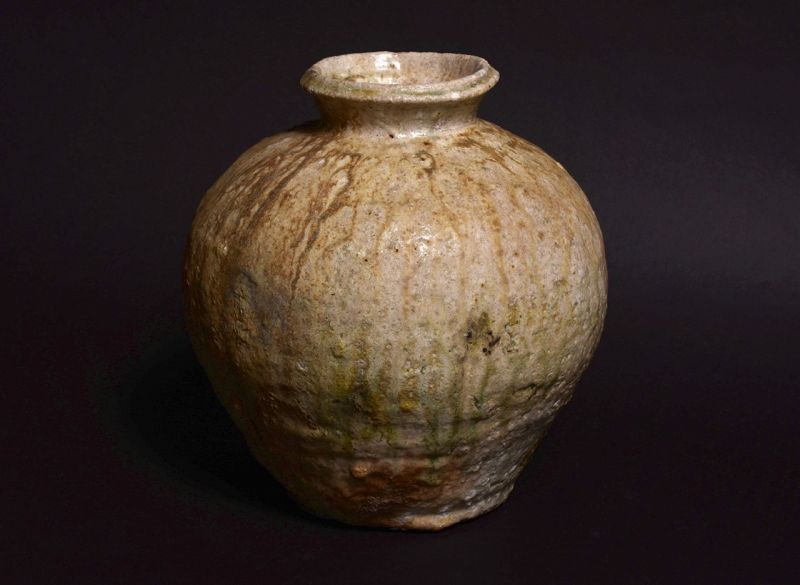
Fired for days at over 1,400C degrees, this primordial-looking wonder of ancient potting technology displays a number of beautiful natural effects from the inte
SOLD
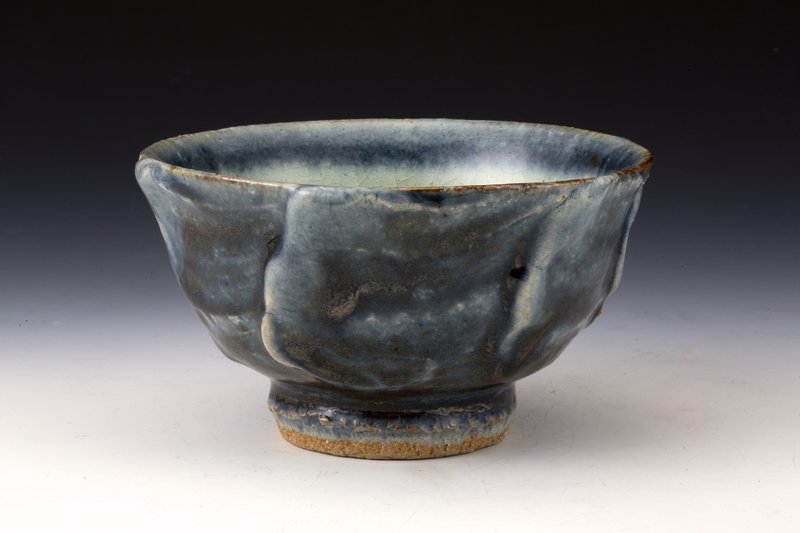
Raised, undulating ridges on a field of cobalt blue highlighted with white slip and bronze flecks around the rim, this piece conjures images of the deep and sto
SOLD
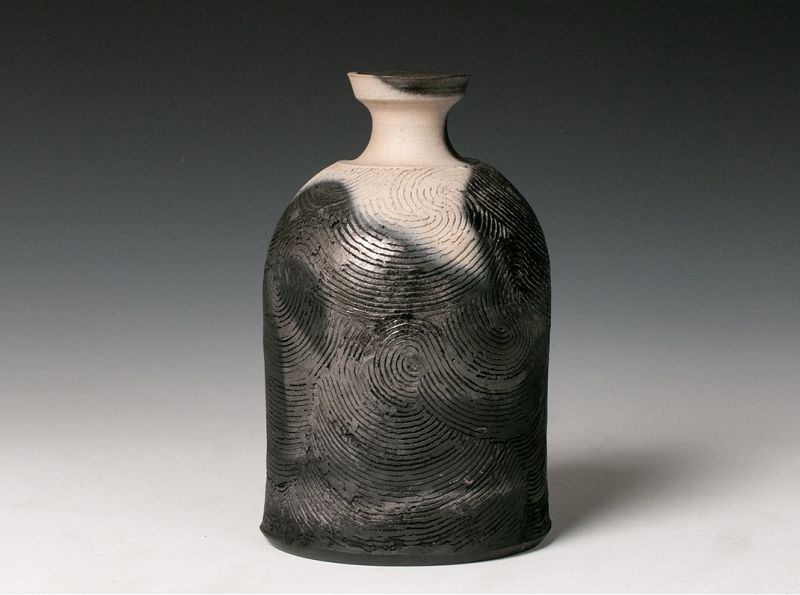
A very versatile and innovative artist, Sakata Jinnai produces pieces such as the vase seen here in his easily recognizable trademark style. Many of his pieces
SOLD
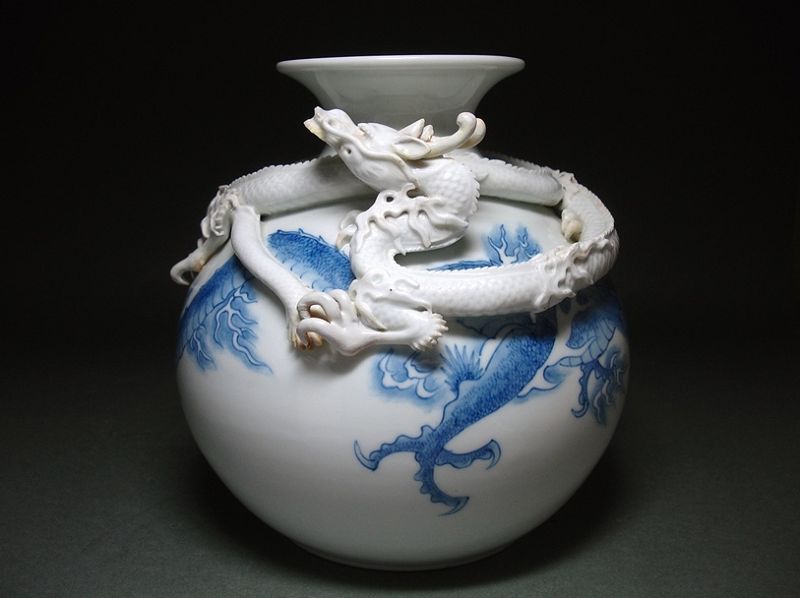
From a large collection of Edo period Nabeshima and Hirado-ware, this intricately crafted vase features two serpentine dragons intertwined across the face of th
SOLD
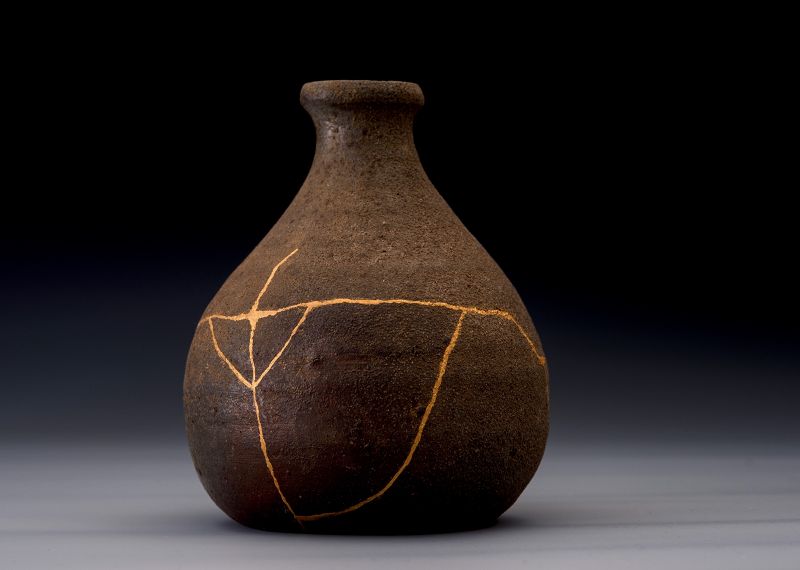
Takashi Nakazato is a celebrated Japanese ceramic artist whose family's mastery of pottery now spans 14 generations. Born in Karatsu, Saga Prefecture in 1937, N
SOLD
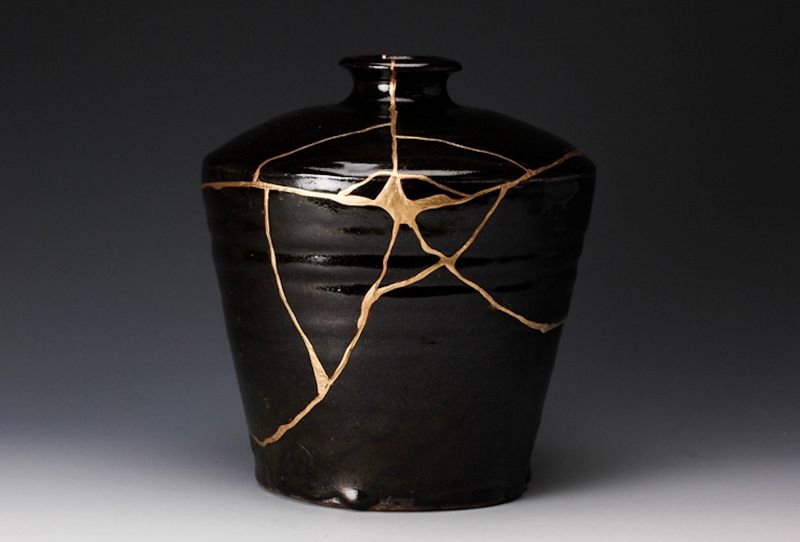
Yuzo Kondo is one of the more recognized names in the world of modern Japanese pottery of the 20th century. Though known mainly for his sometsuke creations (blu
SOLD
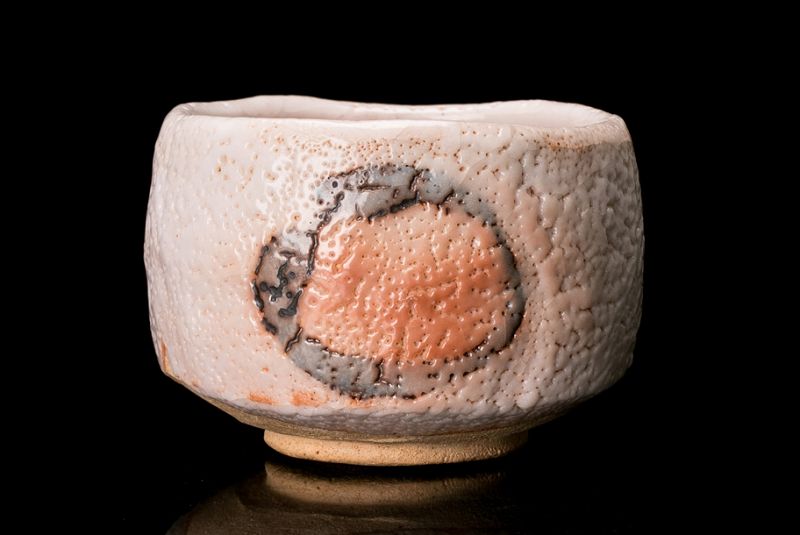
This depiction of the eternal “ensō” on a backdrop of pearly white feldspar signifies enlightenment, the eternal, the nothingness, and the freedom of the mind t
SOLD
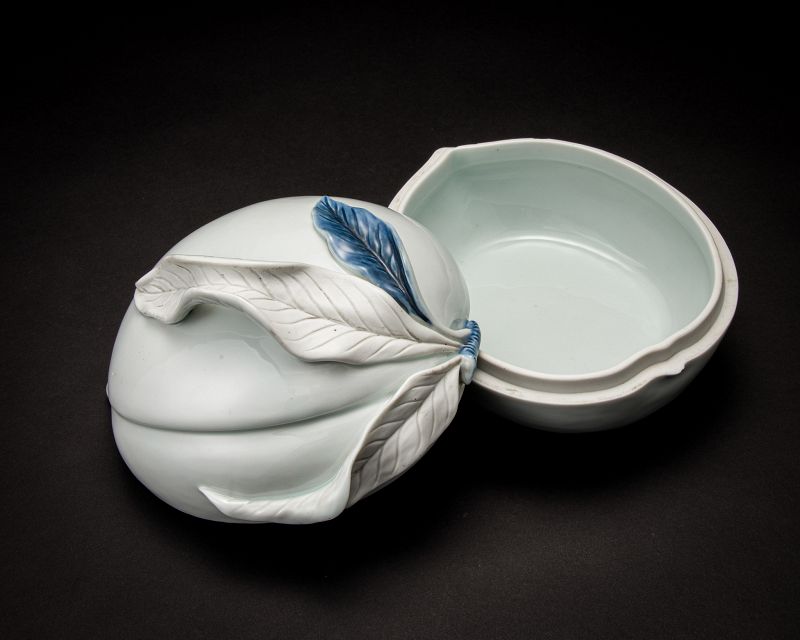
A classic design, the peach is said to represent long-life for mortals and immortality for the gods in Asian folklore. According to legend, the moon goddess—a p
SOLD
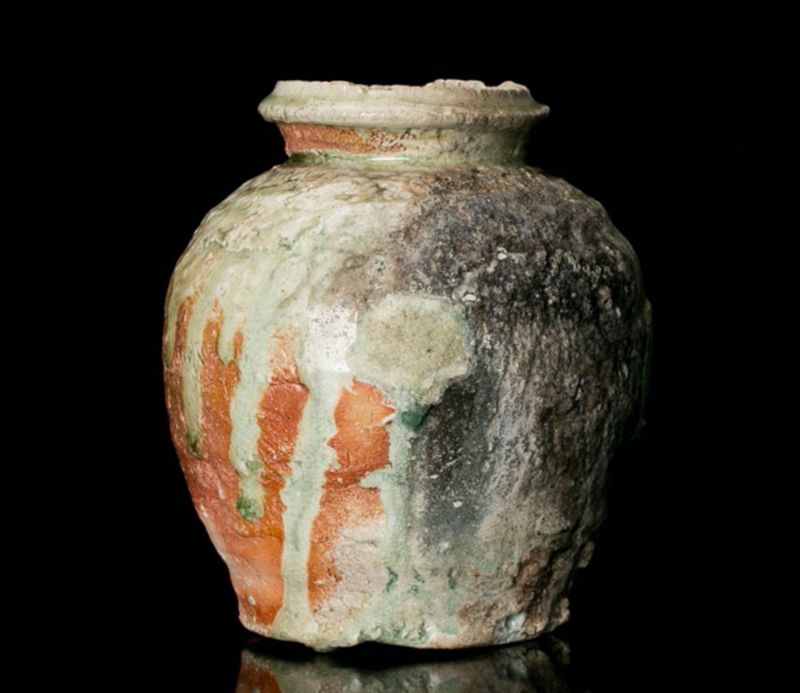
A beautiful example of Shigaraki pottery—the result of techniques perfected over centuries by dedicated artisans residing in the provinces east of Kyoto. This p
SOLD
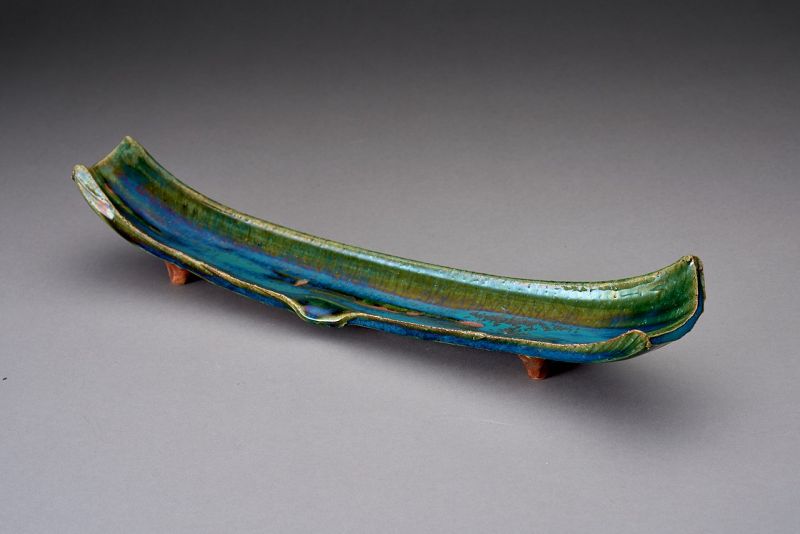
Oribe is a visual style named after the late-16th-century tea master Furuta Oribe (1544-1615). While most Oribe pieces are adorned with abstract, minimalistic,
SOLD
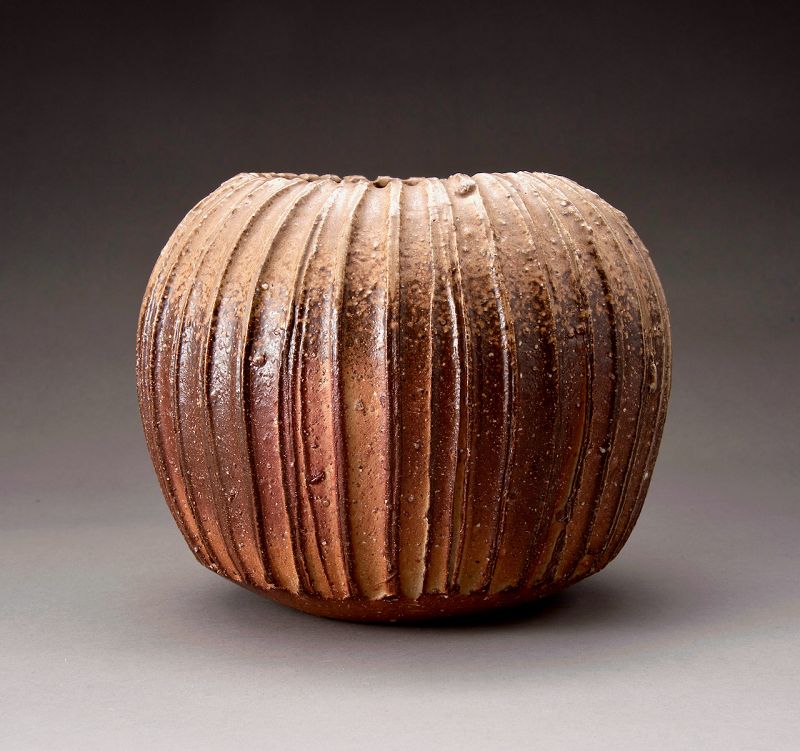
First born son to Living National Treasure Isezaki Jun, Koichiro (b. 1974) has quickly made a name for himself as an independent artist. Not content to rely sol
SOLD
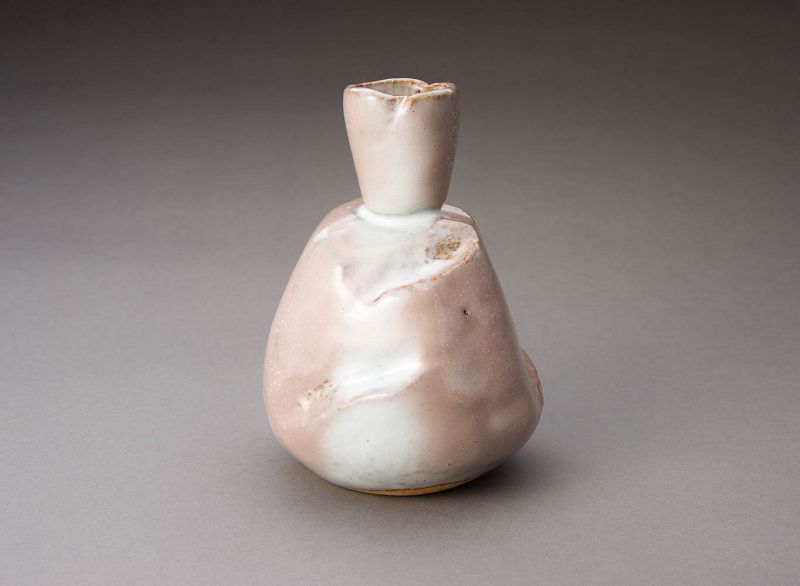
The trademark glaze on this delightful sake flask (tokkuri) is by none other than 8th generation Hagi potter Masanao Kaneta. Close inspection reveals flecks of
SOLD
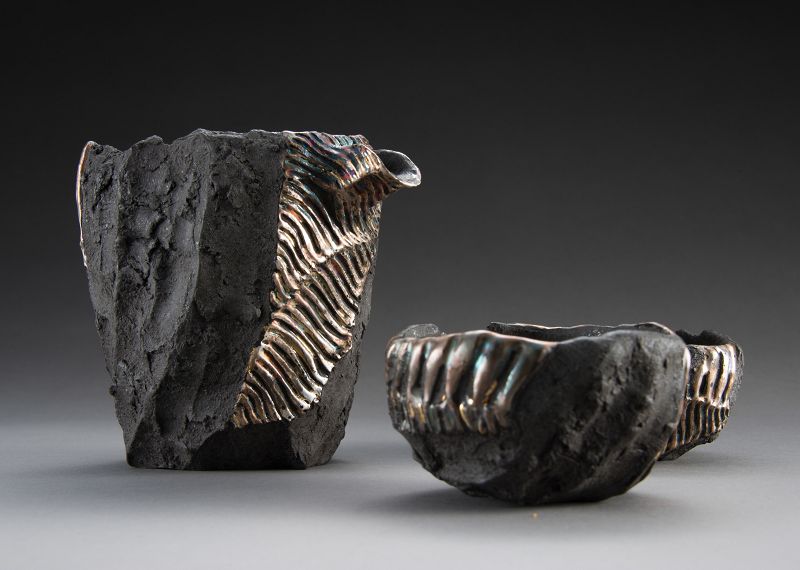
If you are familiar with the work of Hiramatsu Ryoma you know that he creates very unconventional ceramics inspired by forms found in nature. Here we have a sak
SOLD
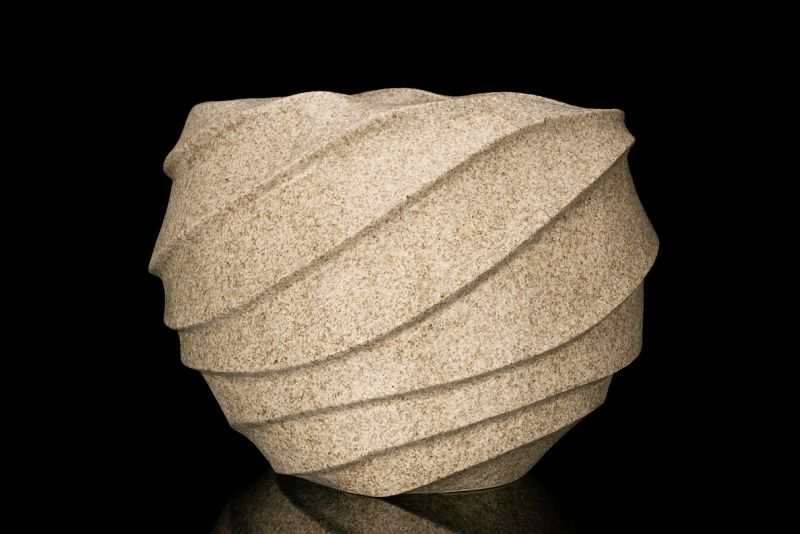
From a well-known series entitled “Chōtō” (Listening to the Waves) this large contoured vase features a sandy glaze that the sculptor claims is an expression of
SOLD
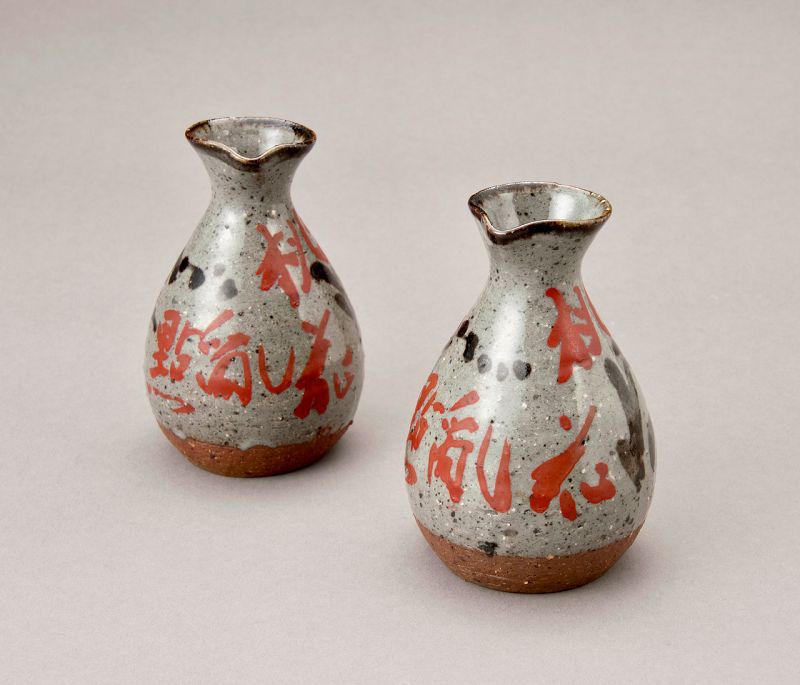
Yuzo Kondo is one of the more recognized names in the world of modern Japanese pottery of the 20th century. Though known mainly for his sometsuke creations (blu
SOLD
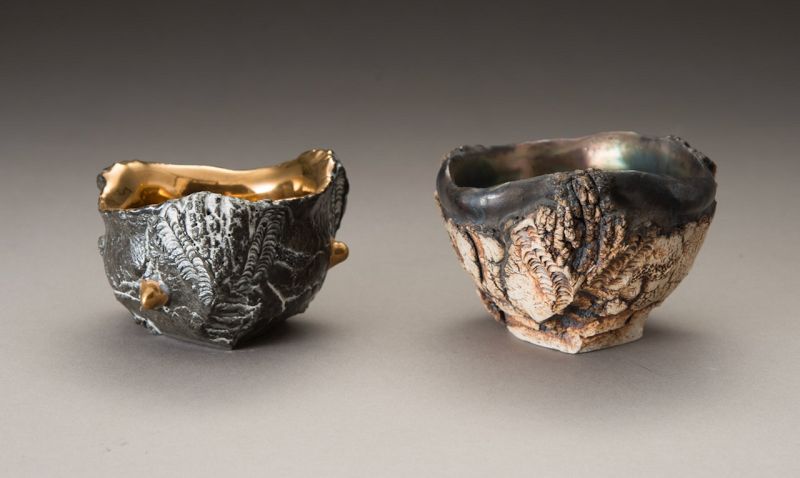
If you are familiar with the work of Hiramatsu Ryoma you know that he creates very unconventional ceramics inspired by forms found in nature. Here we have a set
SOLD
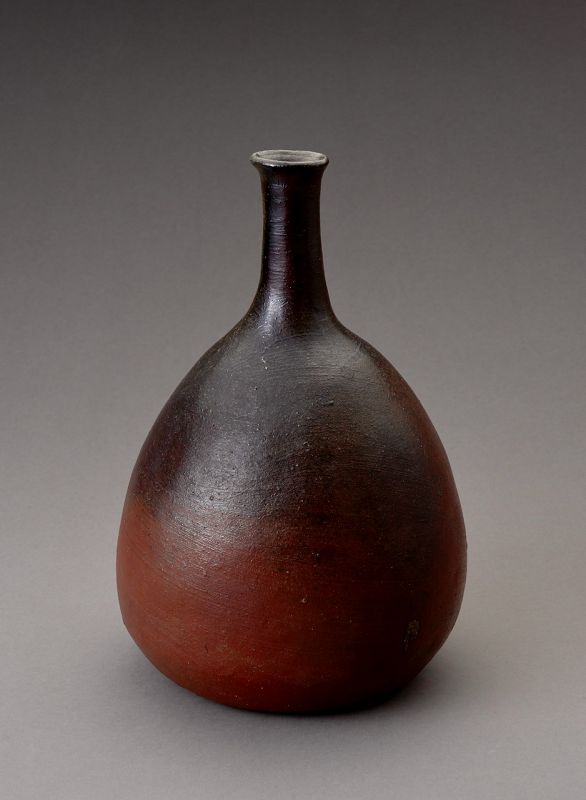
During Japan's Momoyama period, spanning from the late 16th to the early 17th century, Bizen pottery flourished, producing exquisite pieces such as this “shimok
SOLD
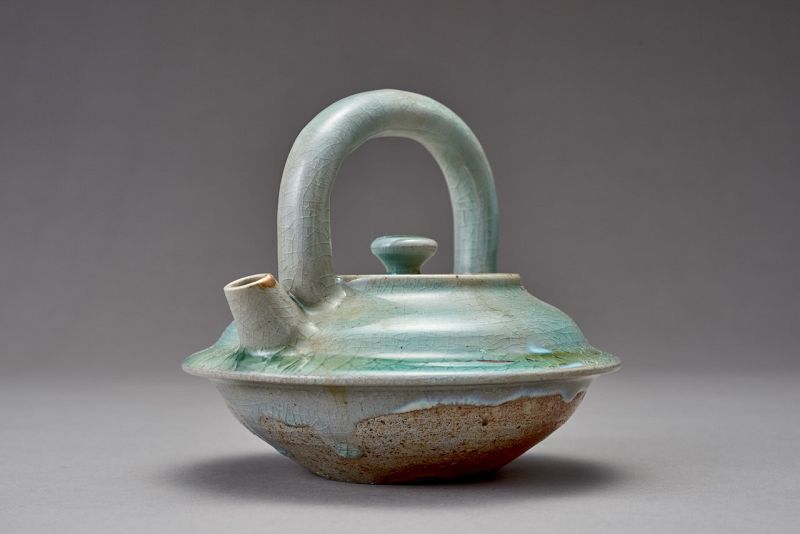
Chōshi are traditional Japanese sake pourers used in formal and ceremonial contexts, particularly in Shinto rituals and wedding ceremonies. They take the form o
SOLD
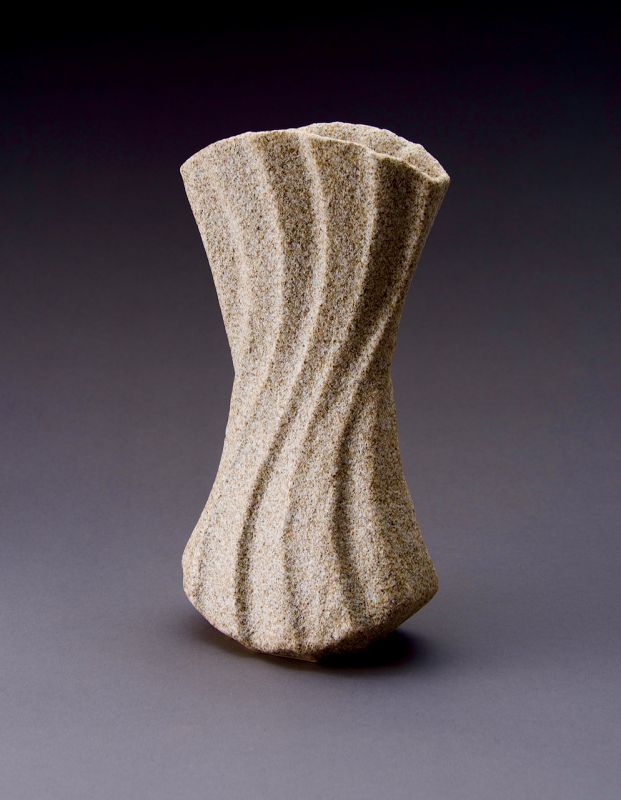
From a well-known series entitled “Chōtō” (Listening to the Waves) this contoured vase features a sandy glaze that the sculptor claims is an expression of the f
SOLD
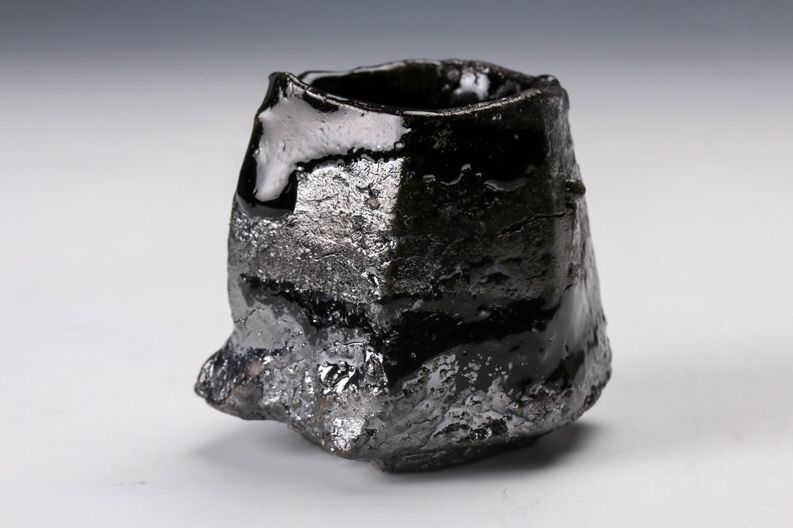
Scrawled across one face of the hand-crafted wood box housing this exquisite sake cup is the word “Prism,” perfectly encapsulating the inspiration for this angu
SOLD
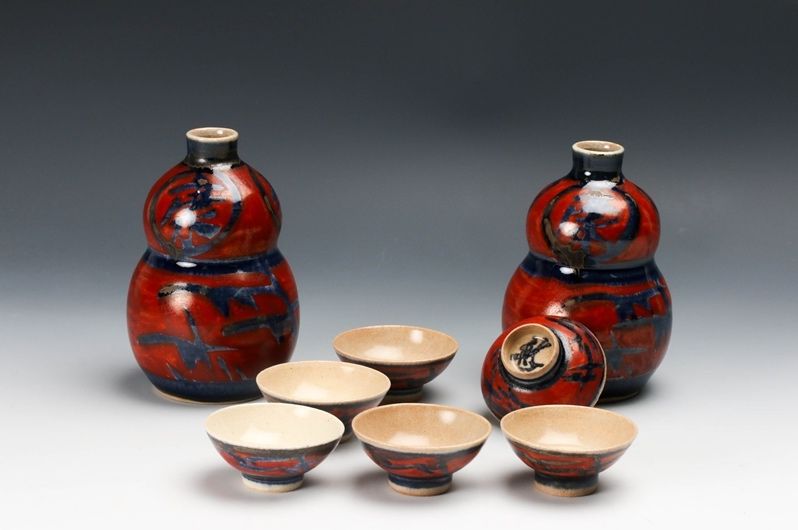
Kondō Yuzō is one of the more recognized names in the world of modern Japanese pottery of the 20th century. Though known mainly for his sometsuke creations (blu
SOLD
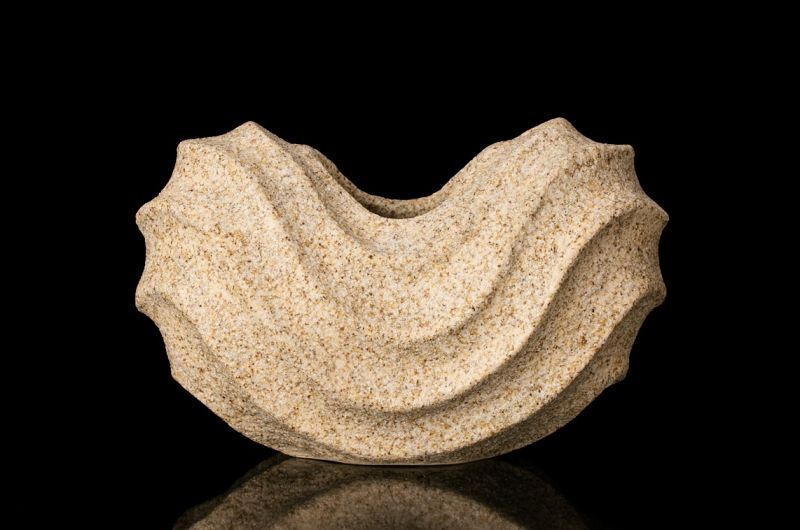
From a well-known series entitled “Chōtō” (Listening to the Waves) this contoured vase features a sandy glaze that the sculptor claims is an expression of the f
SOLD
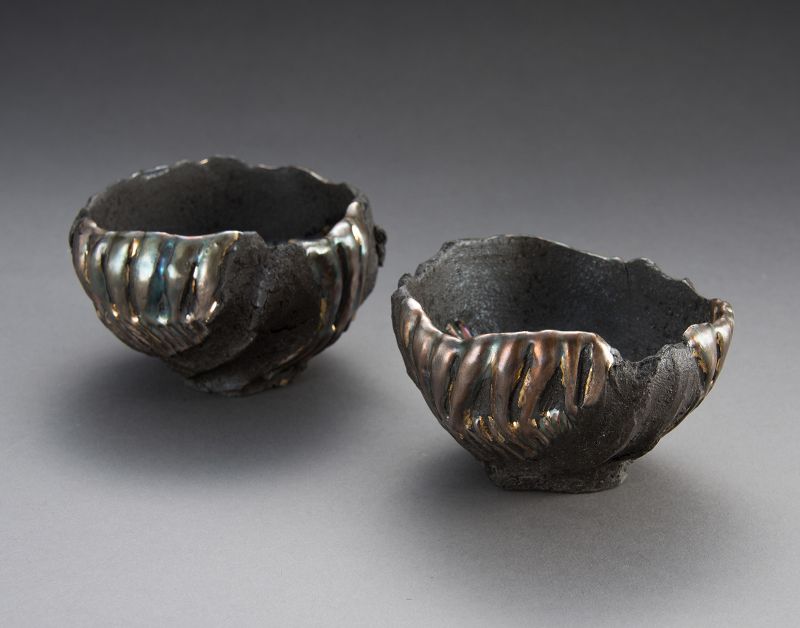
If you are familiar with the work of Hiramatsu Ryoma you know that he creates very unconventional ceramics inspired by forms found in nature. Here we have a set
SOLD
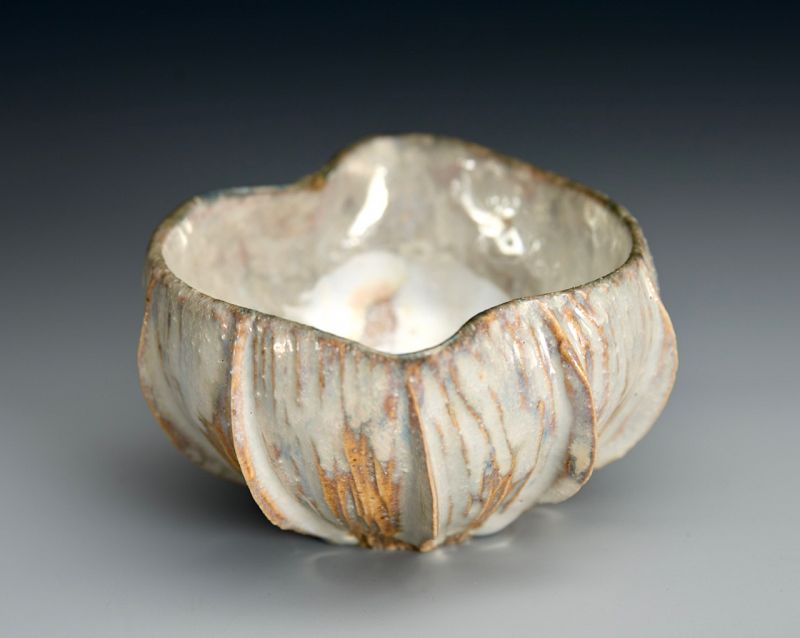
Reminiscent of a perfectly formed oyster shell or the shell of a hermit crab, this recent creation by young artist Hiramatsu Ryoma demonstrates his creative ima
SOLD
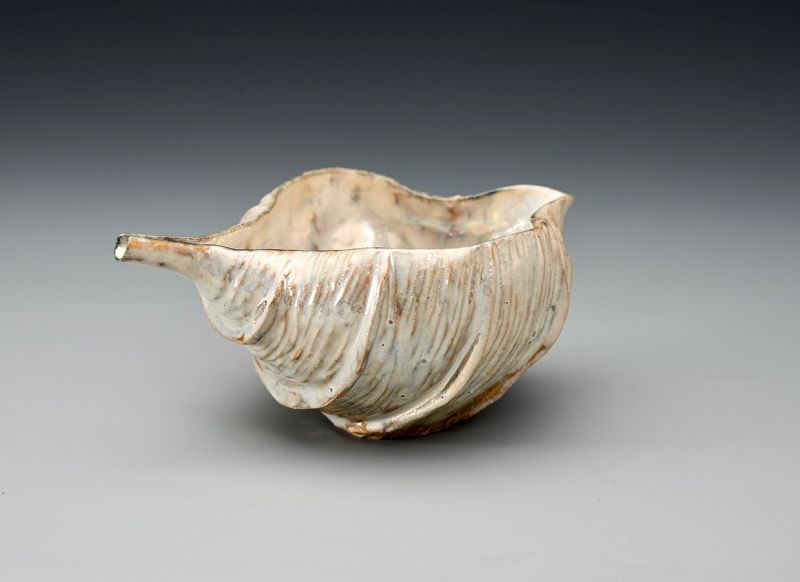
Reminiscent of a perfectly formed oyster shell or the shell of a hermit crab, this recent creation by young artist Hiramatsu Ryoma demonstrates his creative ima
SOLD
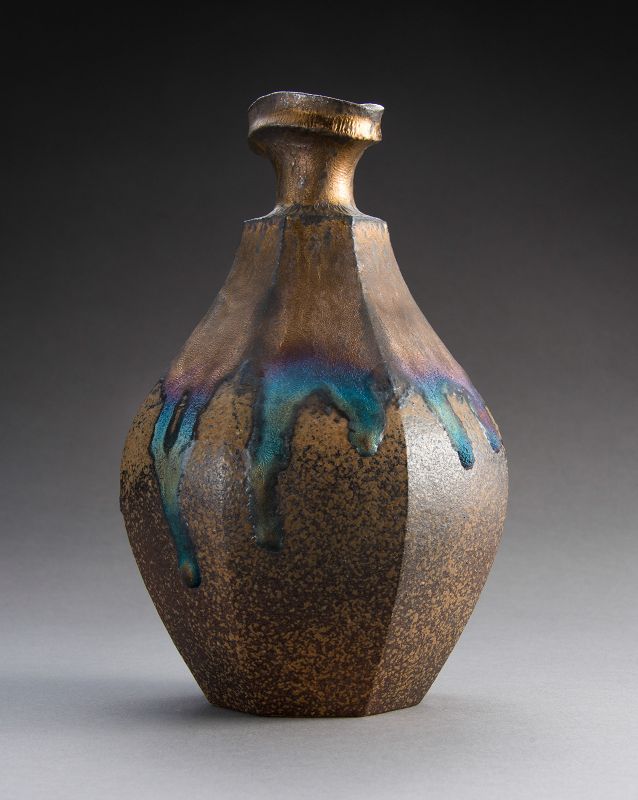
Described on the wood box as a tokkuri (sake flask) with kin-kousai (metallic Iris) glaze, the size and form would allow this piece to function just as well as
SOLD
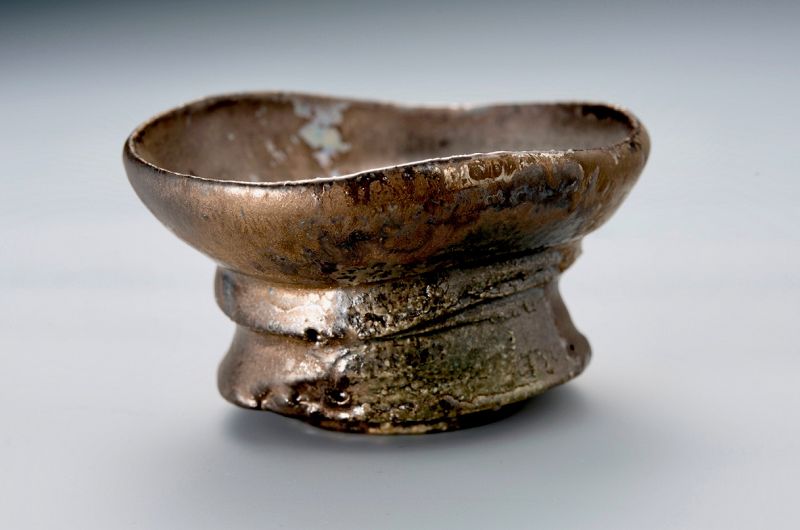
A traditionally crafted Bizen sake cup shaped in the tradition of Oribe. The rich mineral glaze gives this guinomi an almost a metallic look. The craftsman who
SOLD
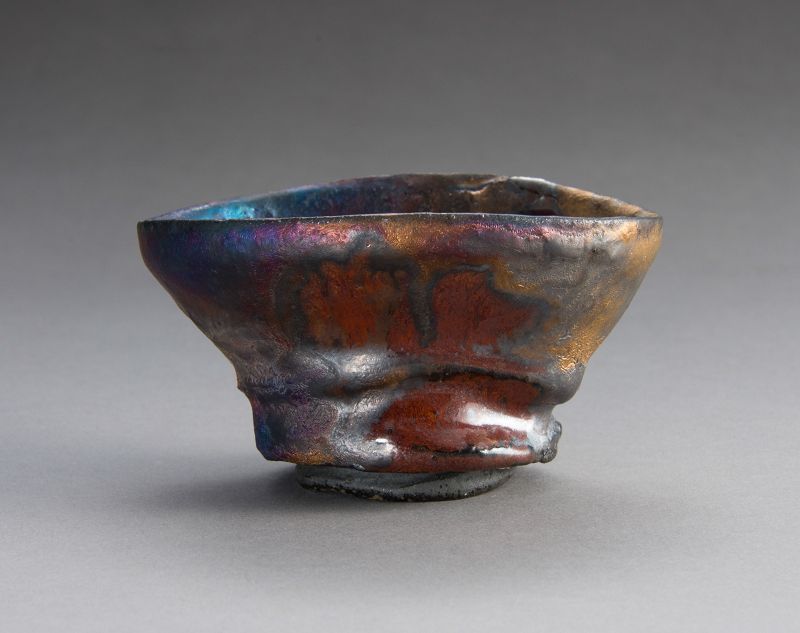
A traditionally crafted Bizen sake cup with a rich mineral glaze giving this guinomi a metallic look. The craftsman who made this piece, Takahiro Ishii, was bor
SOLD
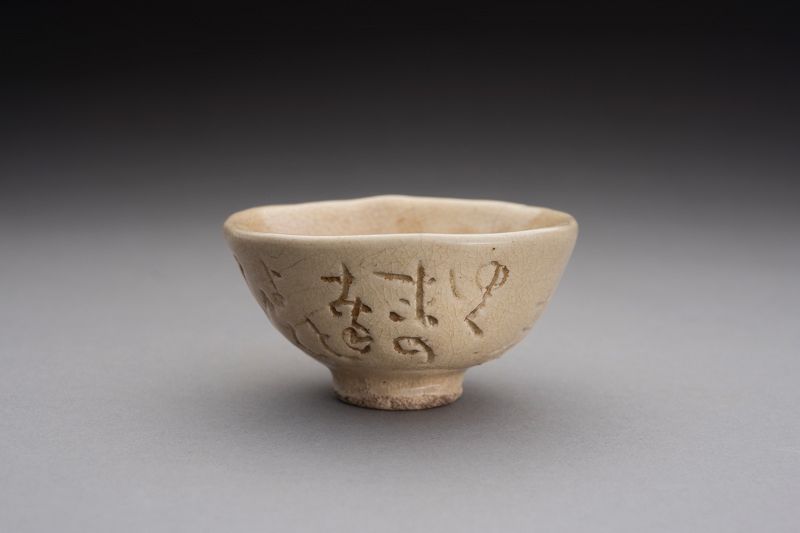
The poem etched on the side of this exceptional piece reads: In the future — happiness — and long life — two sprouting leaves —to grow a thousand years. Indeed
SOLD
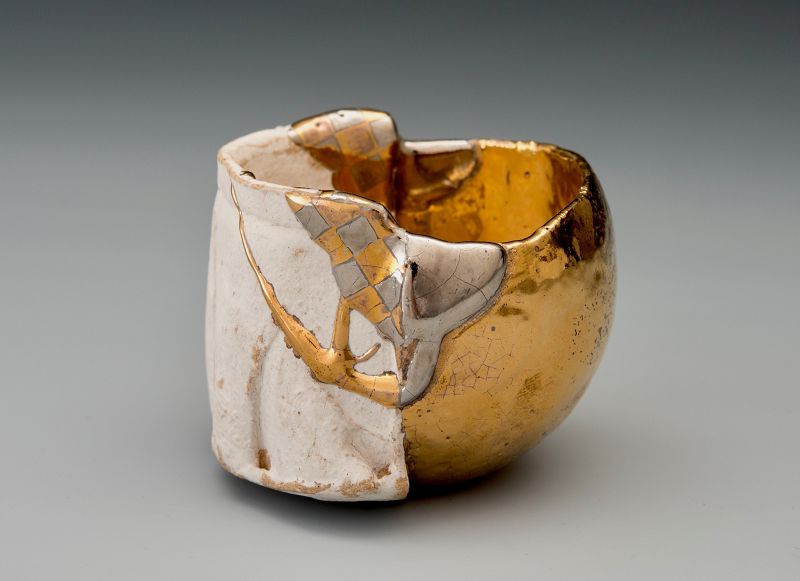
Not to be confused with the Olympic medalist, this Tomita Hiroyuki (b. 1977) is a talented potter pushing the bounds of an otherwise conservative field where ma
SOLD
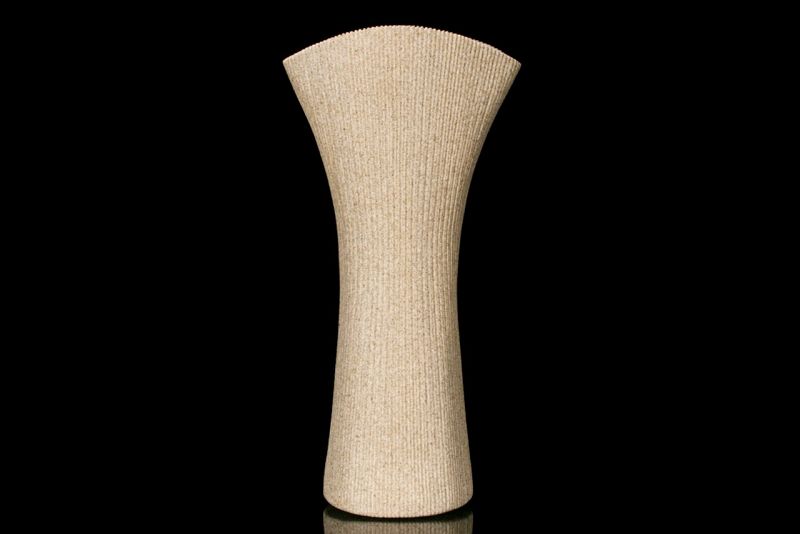
From a well-known series entitled “Chōtō” (Listening to the Waves) this large contoured vase features a sandy glaze that the sculptor claims is an expression of
SOLD
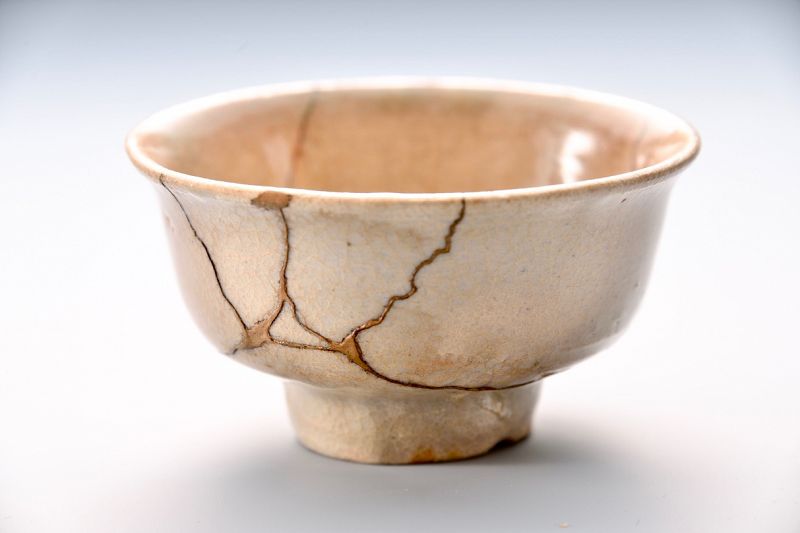
Stemming from the philosophy of wabi-sabi—often described as the beauty found in the imperfection and transience of the world—cracks and repairs in a work of po
SOLD