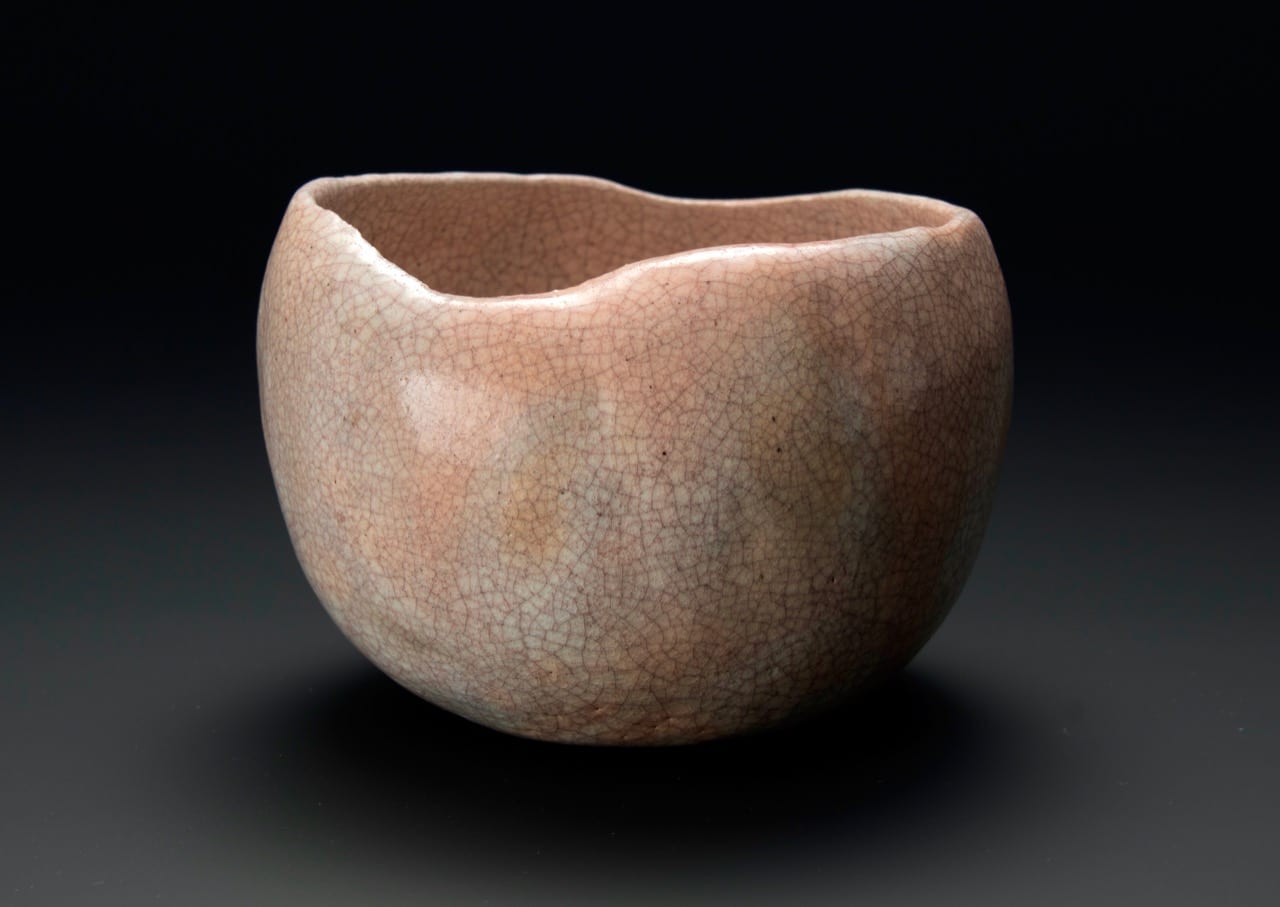
“Reki-yu” Tea Bowl - Raku Jikinyū XV (b. 1949)
Raku tea bowls and other tea-ware implements are shaped by hand, using clay that was prepared often several generations before by a previous Kichizaemon (master
Raku tea bowls and other tea-ware implements are shaped by hand, using clay that was prepared often several generations before by a previous Kichizaemon (master
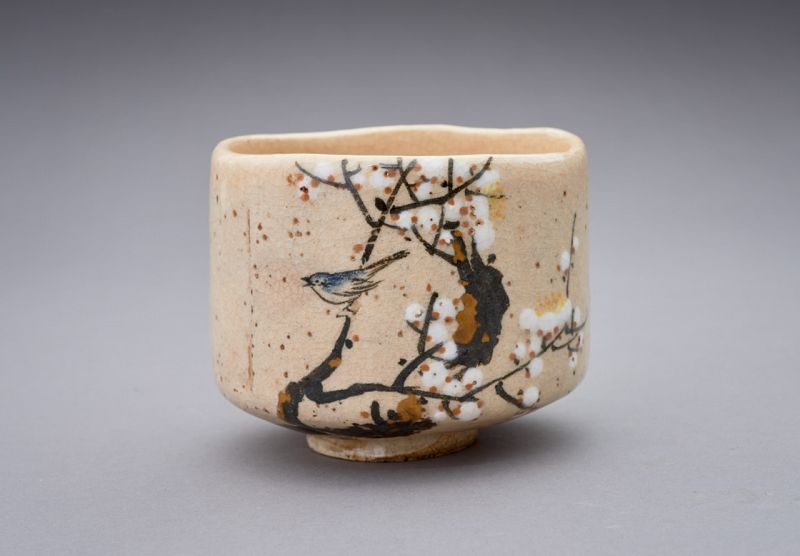
One of the most prominent potters of the Meiji period and one of only five to ever be appointed as Imperial Court Artist, the name Tozan is synonymous with fine
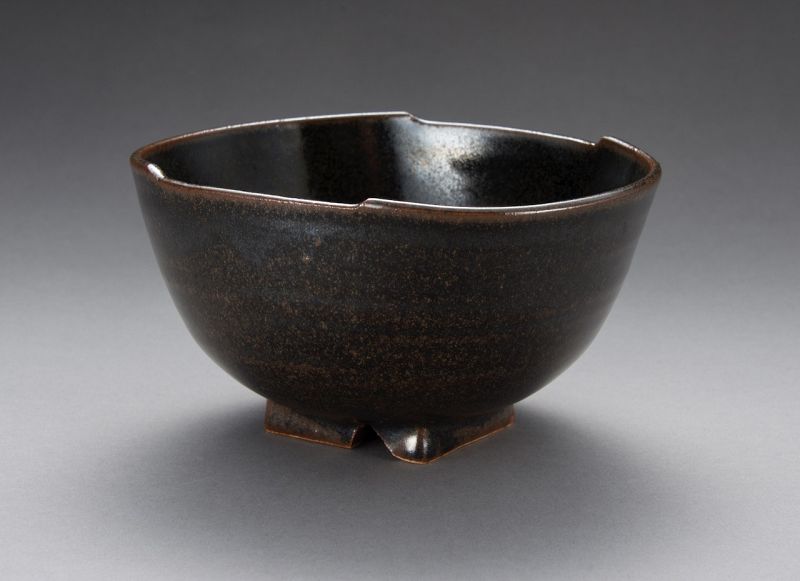
Although reports vary, it is generally thought that Zeze-yaki had its heyday in the late Momoyama to early Edo period under the influence and patronage of legen
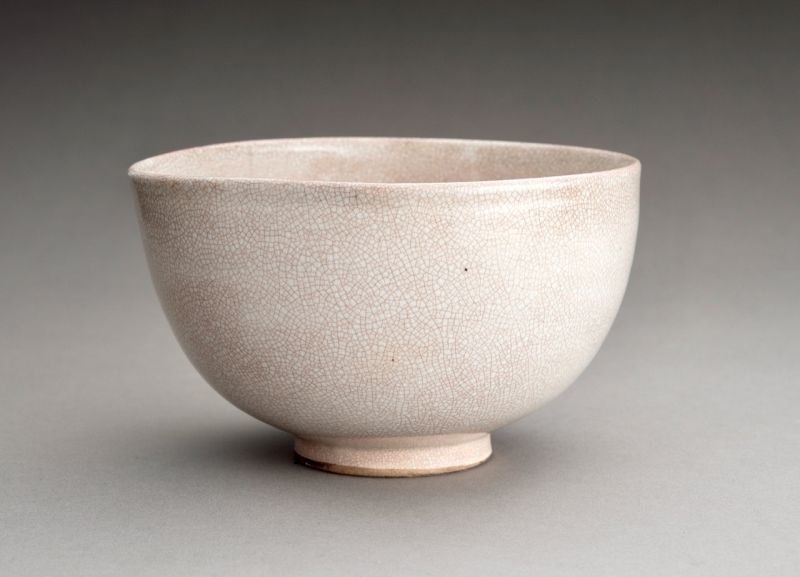
A beautiful old Kyo-ware tea bowl slightly elongated on one end producing an interesting and unique effect. The collector who furnished the box labeled it as be
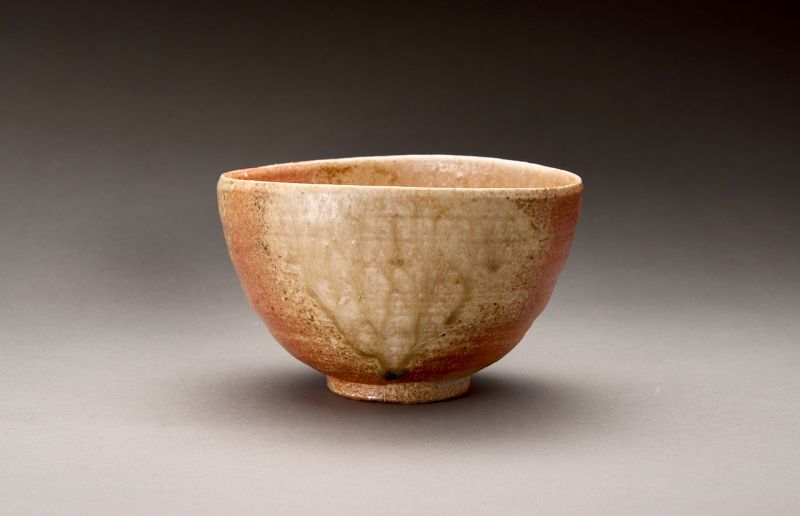
Sugimoto Sadamitsu (b. 1935) is one of the most important Shigaraki potters alive today and continues to create master works into his old age. Originally a resi
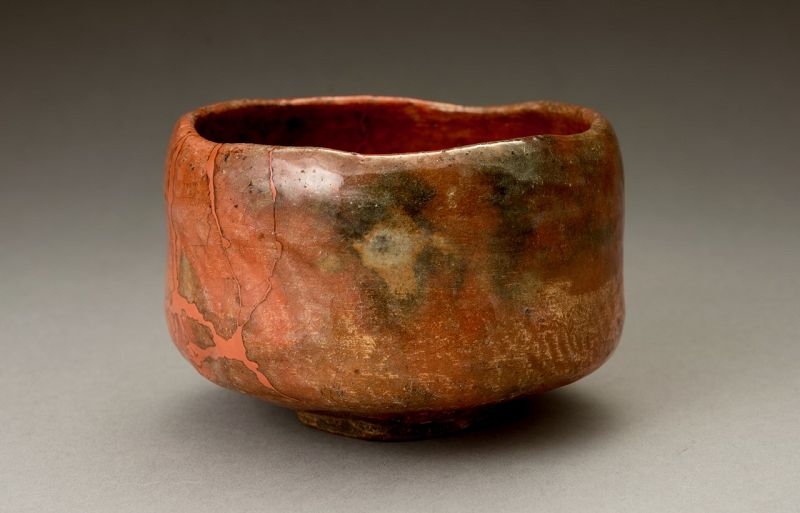
Raku-ware carries with it a very naturalistic aura; with its implements made of raw clay, its use of fire/ water/ and air to shape and harden these implements,
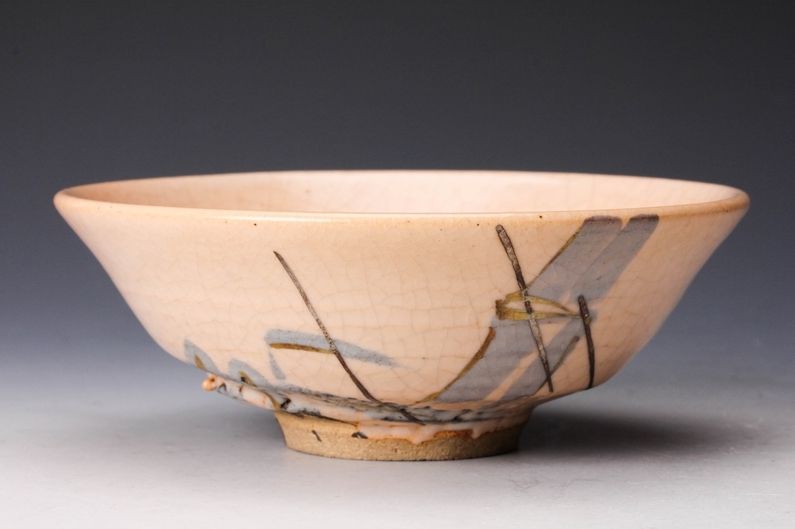
Currently in its 5th generation, the Miura Chikusen line of potters has continued to produce high-quality Kiyomizu-yaki and Kyo-yaki porcelains used in sencha f
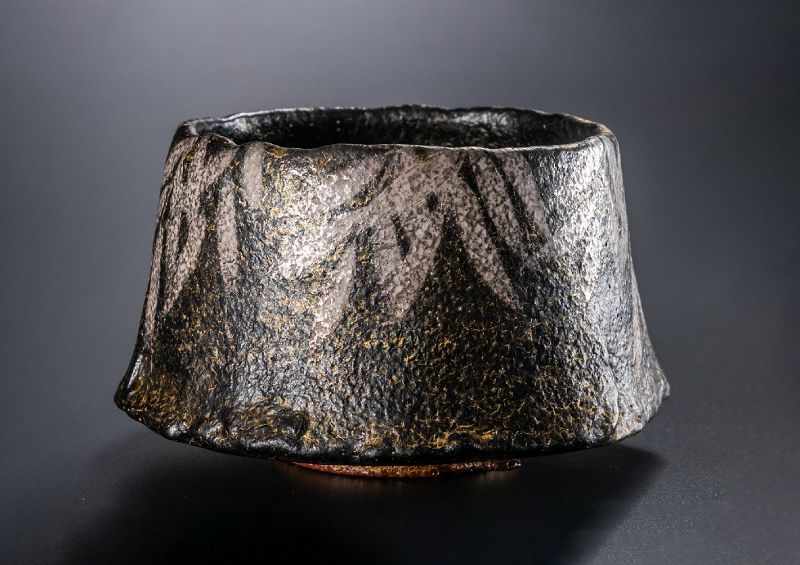
Splashed across a beautifully textured backdrop of shimmering black, the willow leaves painted in silver bring with them a sense of calm and contemplation. Gene
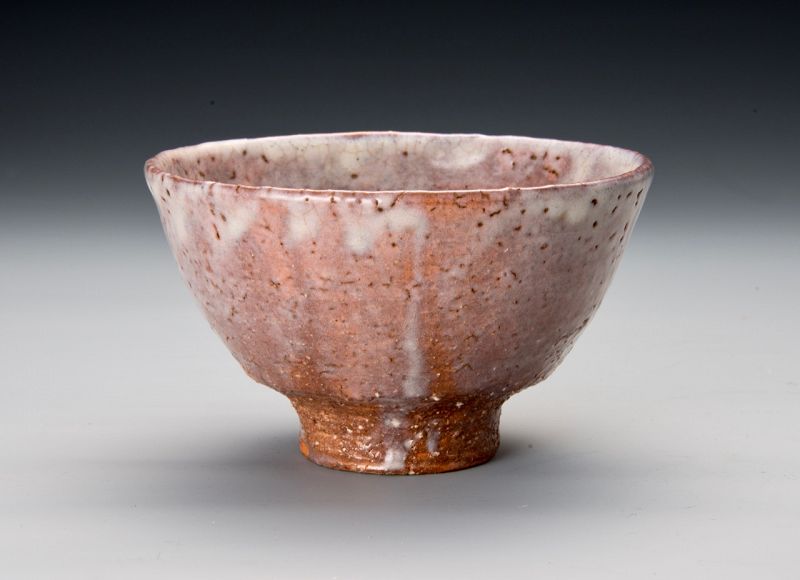
Simple yet classic styling—this tea bowl is perfect for anyone looking for the quintessential Ido-shaped chawan crafted by one of Japan’s master Hagi potters. B
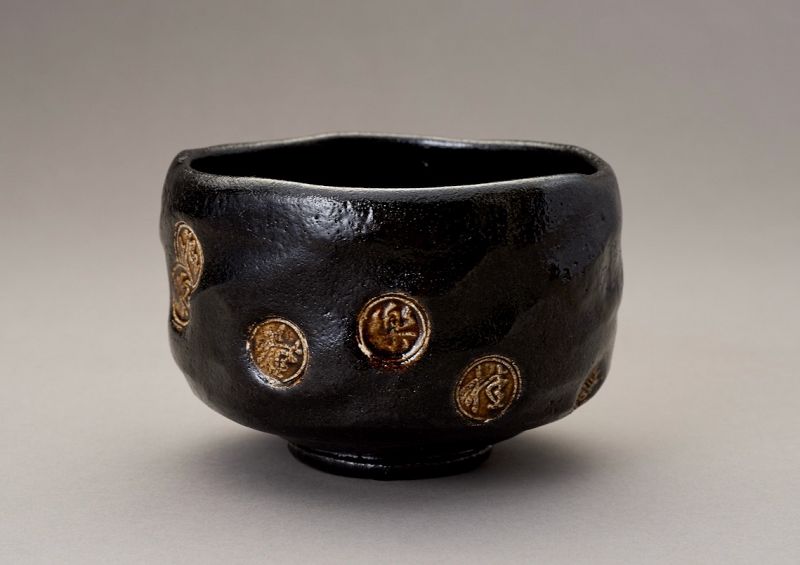
The term “Raku” was once reserved for a style of pottery produced by a specific household in Kyoto that began over 450 years ago. Over the years, as it gained p
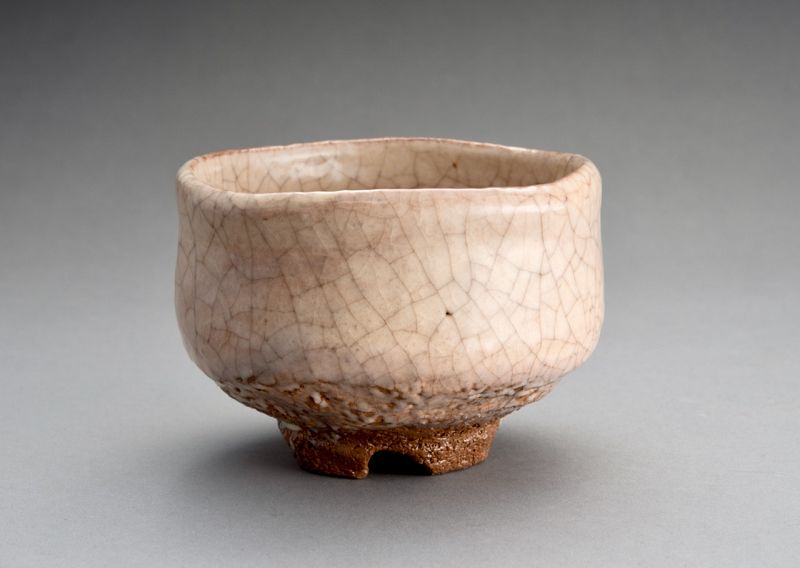
Father to internationally known Hagi potter Kaneta Masanao (the 8th generation Sanzaemon potter), though he never achieved the same level of notoriety as his so