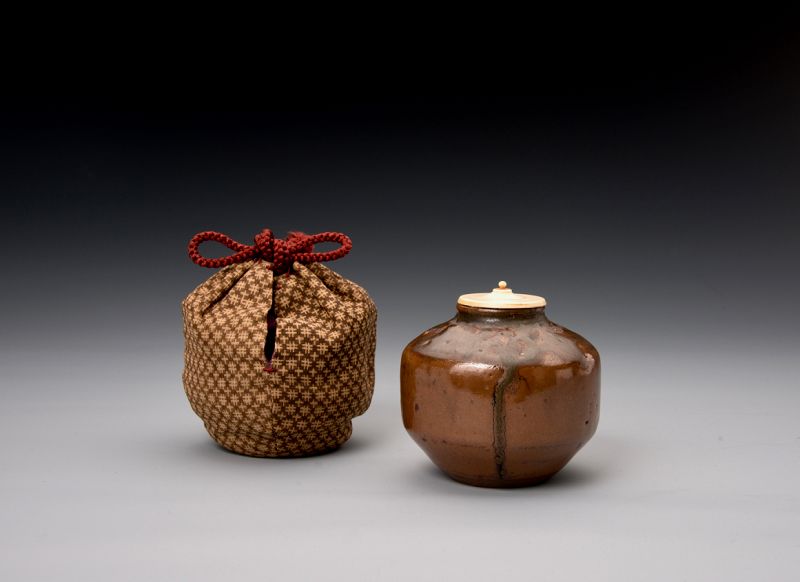
An antique cha-ire with unique glazing
This extraordinary cha-ire (powdered tea container) displays an excellent glaze that appears to have only grown more intricate and rich with time. Contrasting a
SOLD
Selected by shared artwork type, categories, artist and era. Available works appear first.
Back to the artwork · Browse the full collection
This extraordinary cha-ire (powdered tea container) displays an excellent glaze that appears to have only grown more intricate and rich with time. Contrasting a
SOLD
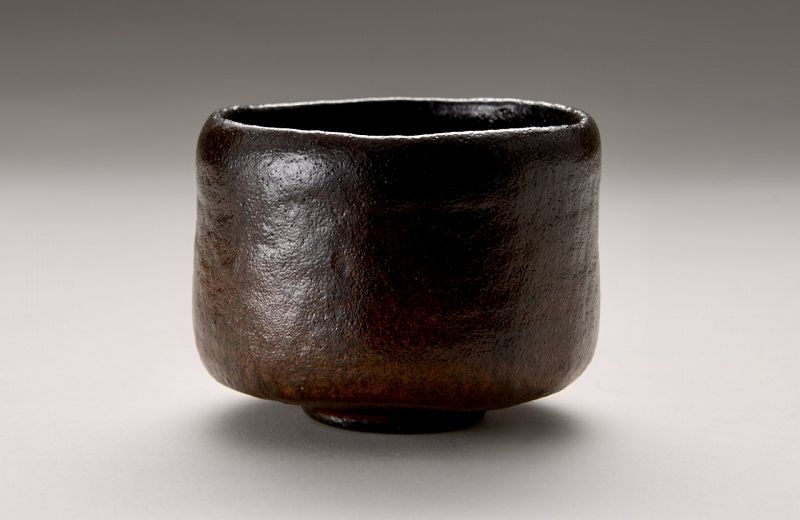
Closely resembling a historically important tea bowl made by one of the forebears of the art of tea and Raku pottery, Chojiro, this piece gives one a sense of t
SOLD
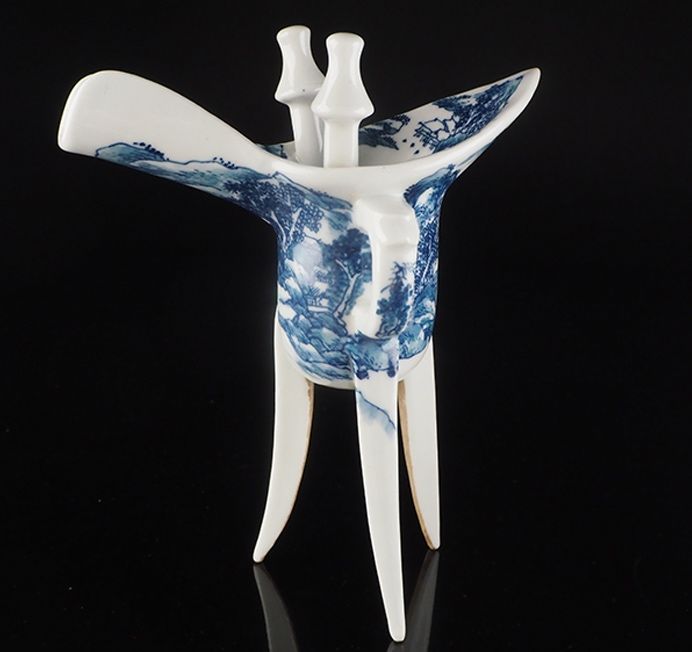
Used for ceremonial purposes by the Xia, Shang, and Zhou dynasties. Traditionally, the jue vessel was made of bronze with a pouring spout on either end and a pa
SOLD
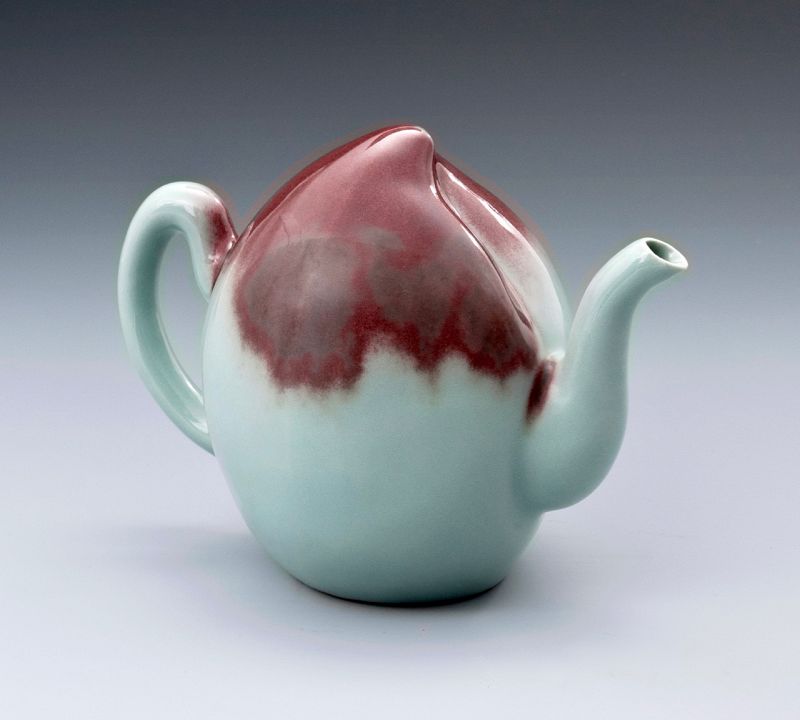
This peach-shaped suiteki (water dropper for calligraphy) is made of fine kinuta celadon from one of the great masters of the Meiji era—Suwa Sozan. A classic de
SOLD
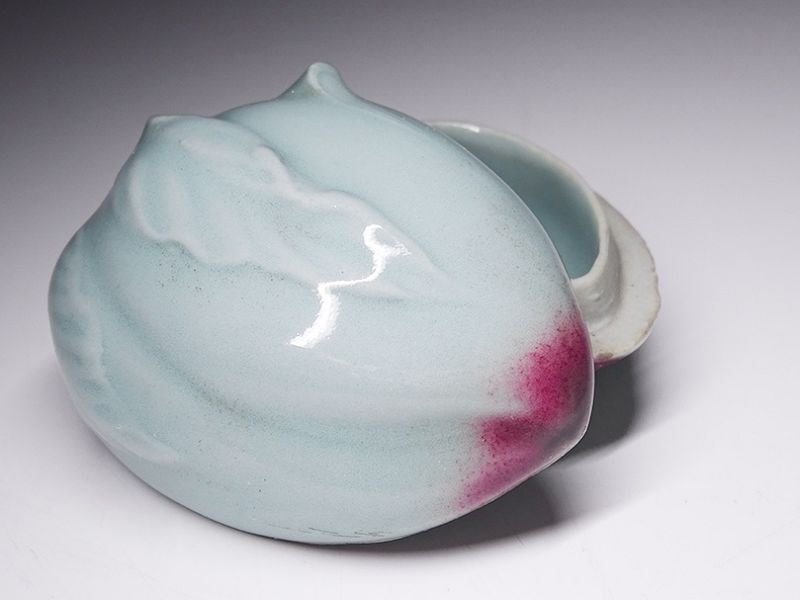
This peach-shaped kogo (incense box) is made of fine kinuta celadon from one of the great masters of the Meiji era—Suwa Sozan. A classic design, the peach is sa
SOLD
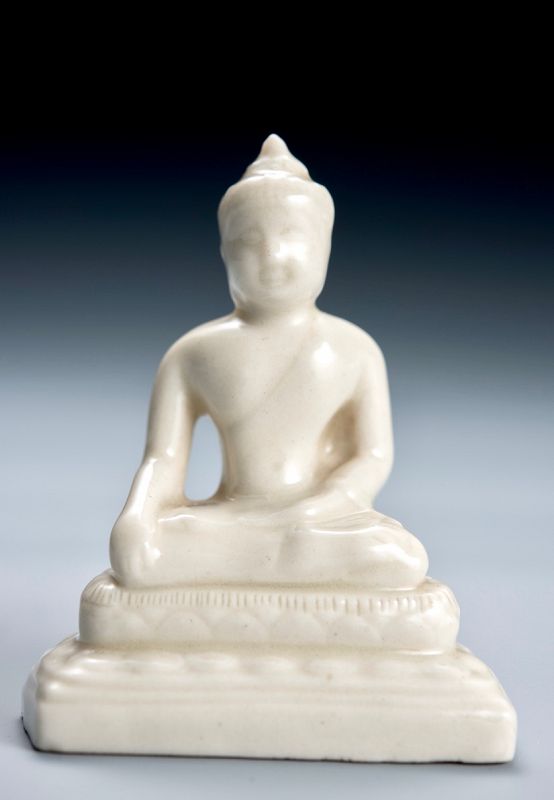
This white porcelain statue depicts a small seated Bodhisattva deep in meditation. Bodhisattva, otherwise known as bosatsu in Japan, are enlightened beings who
SOLD
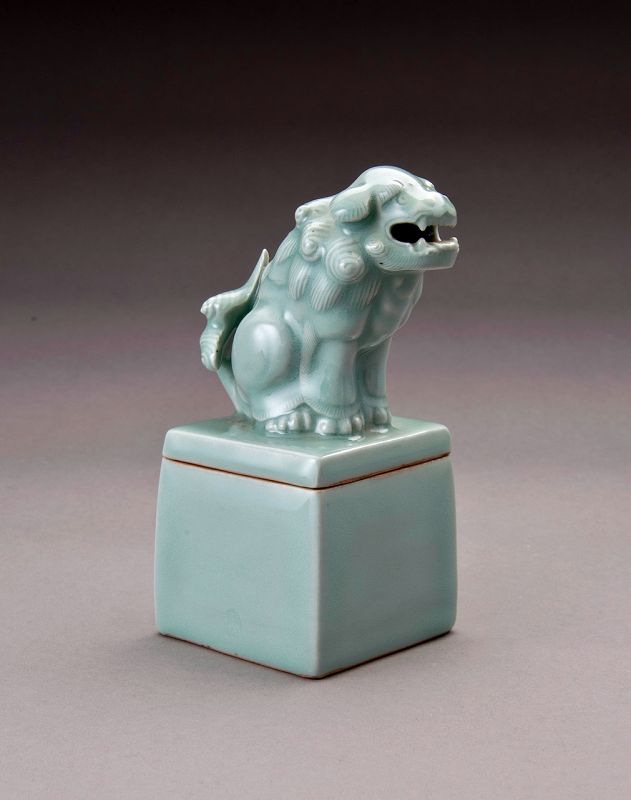
Considered auspicious symbols of wealth, status, and good fortune; foo dogs—commonly referred to as shishi or koma-inu in Japan—are often seen in pairs guarding
SOLD
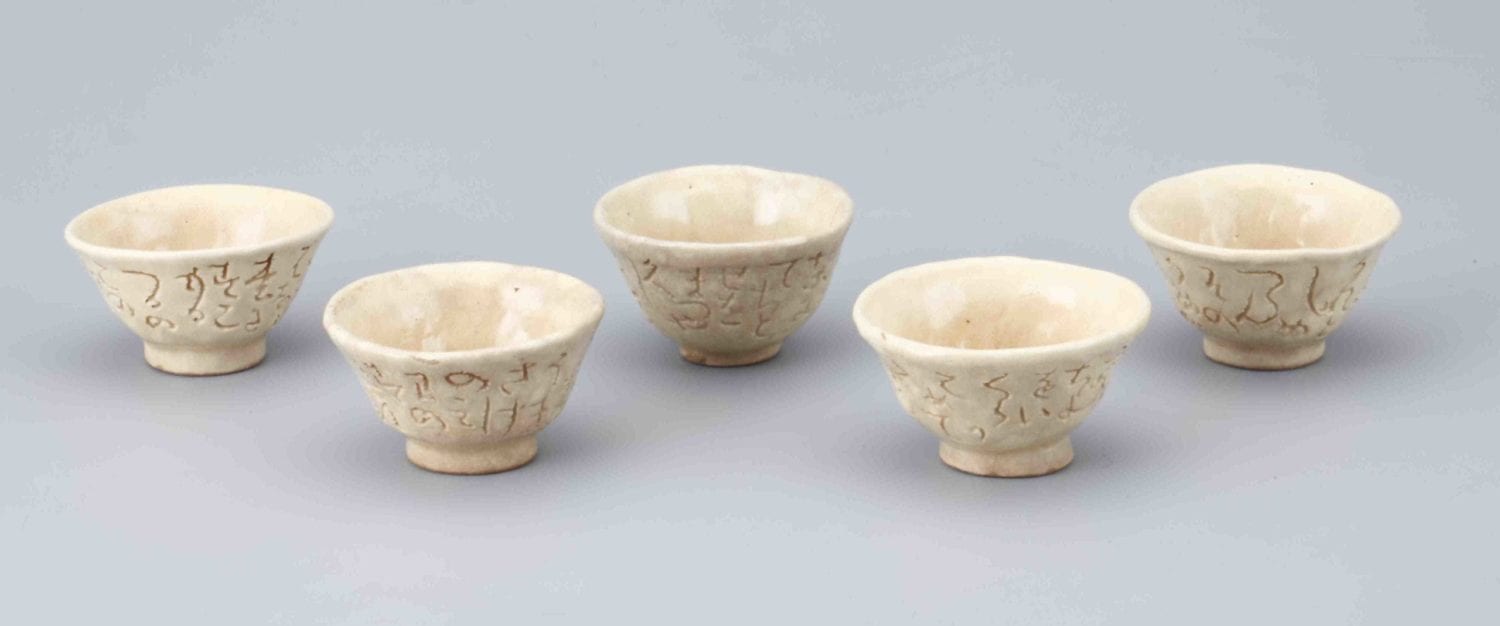
Rengetsu is a unique and celebrated figure from Japanese 19th century history. Despite her reported great beauty and talent for the arts, she faced many persona
SOLD
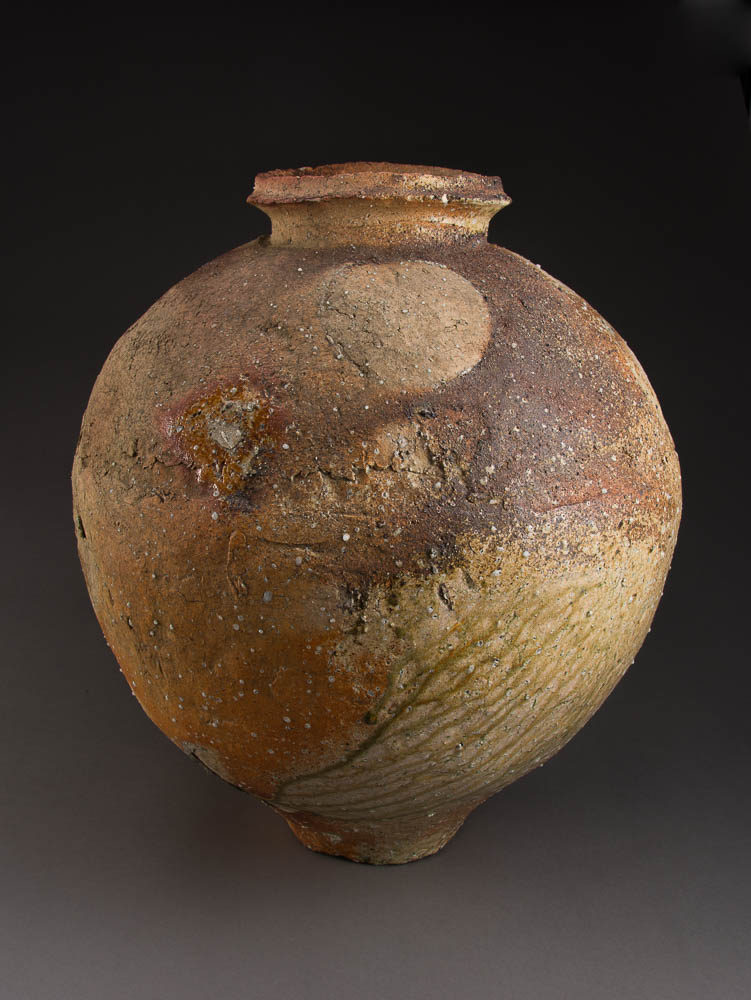
An exceptionally large work by one of the most important contemporary ceramic artists in Japan. Collected widely both here and abroad, a favorite of Daitoku tem
SOLD
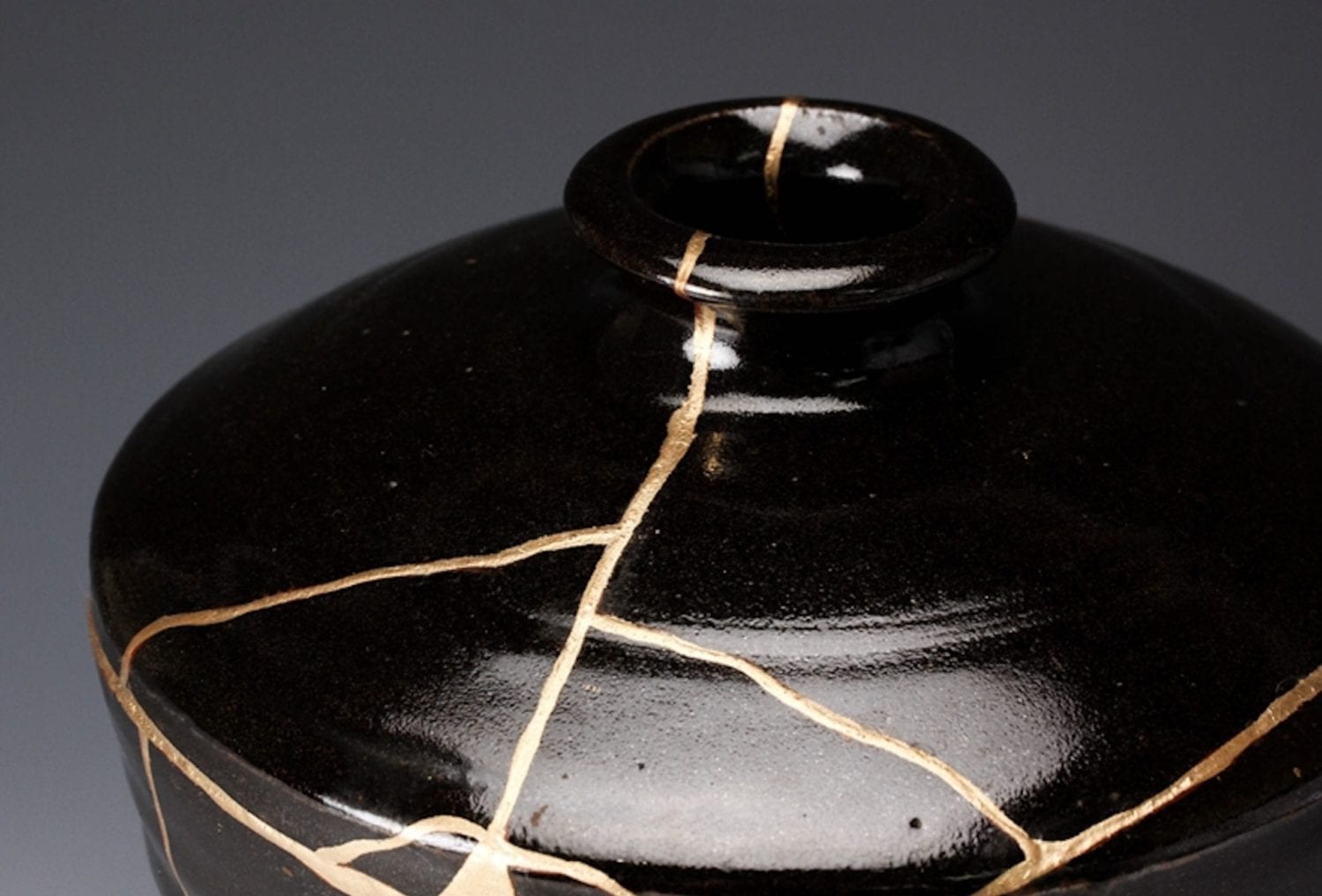
Yuzo Kondo is one of the more recognized names in the world of modern Japanese pottery of the 20th century. Though known mainly for his sometsuke creations (blu
SOLD
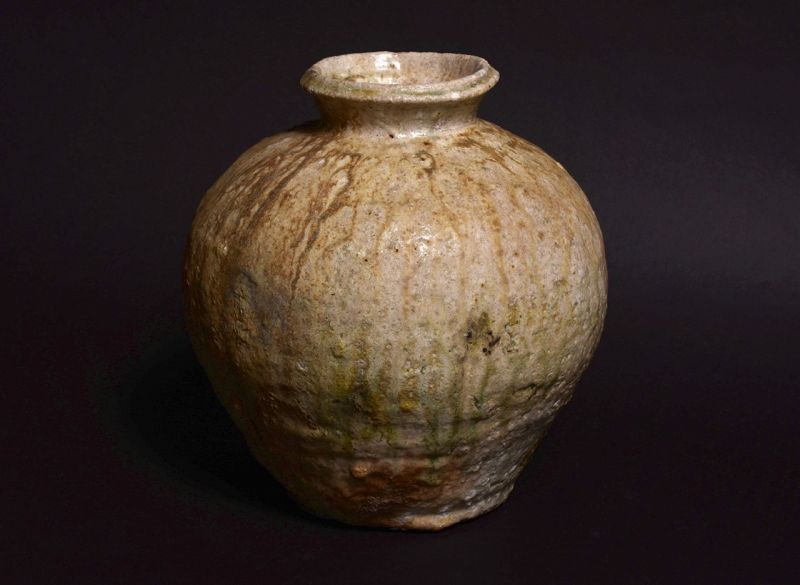
Fired for days at over 1,400C degrees, this primordial-looking wonder of ancient potting technology displays a number of beautiful natural effects from the inte
SOLD
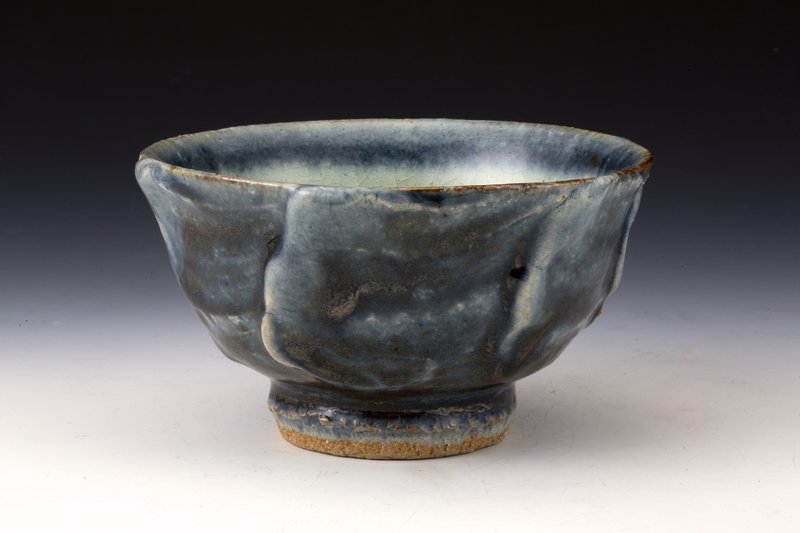
Raised, undulating ridges on a field of cobalt blue highlighted with white slip and bronze flecks around the rim, this piece conjures images of the deep and sto
SOLD
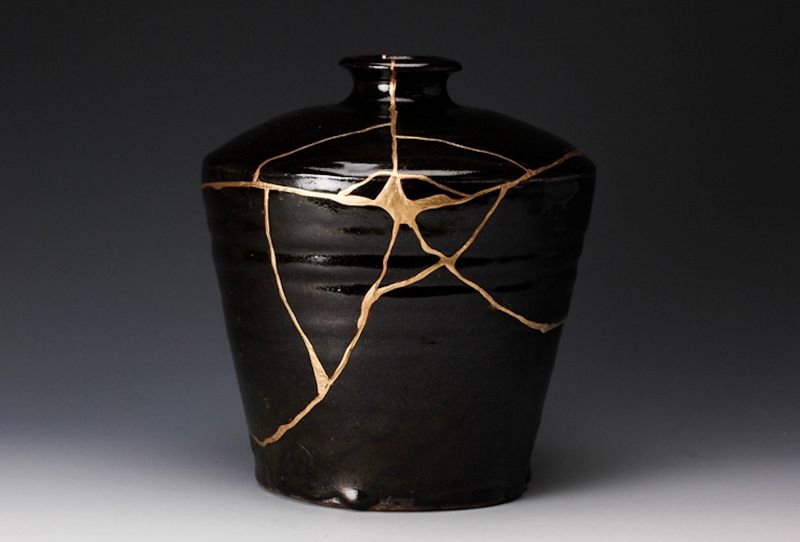
Yuzo Kondo is one of the more recognized names in the world of modern Japanese pottery of the 20th century. Though known mainly for his sometsuke creations (blu
SOLD
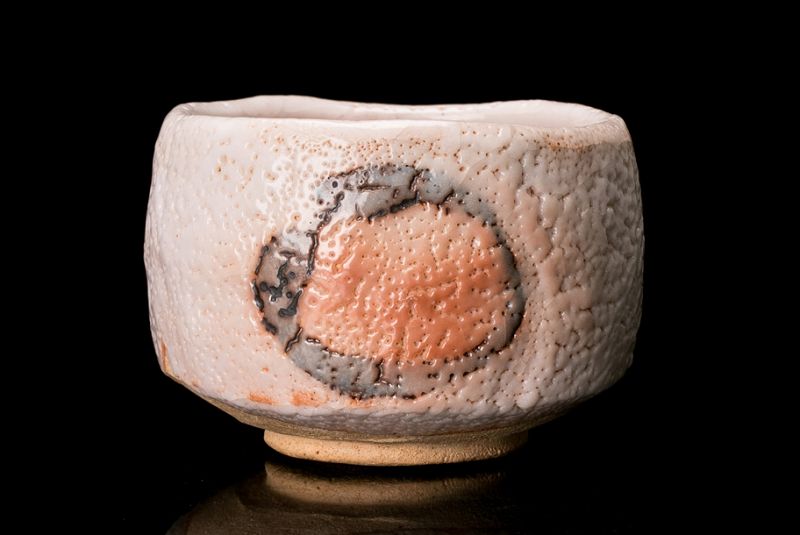
This depiction of the eternal “ensō” on a backdrop of pearly white feldspar signifies enlightenment, the eternal, the nothingness, and the freedom of the mind t
SOLD
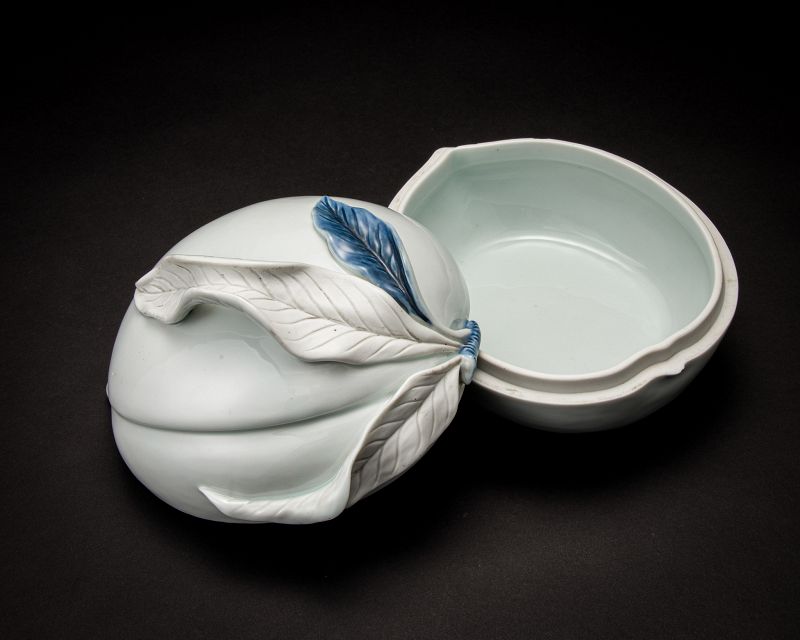
A classic design, the peach is said to represent long-life for mortals and immortality for the gods in Asian folklore. According to legend, the moon goddess—a p
SOLD
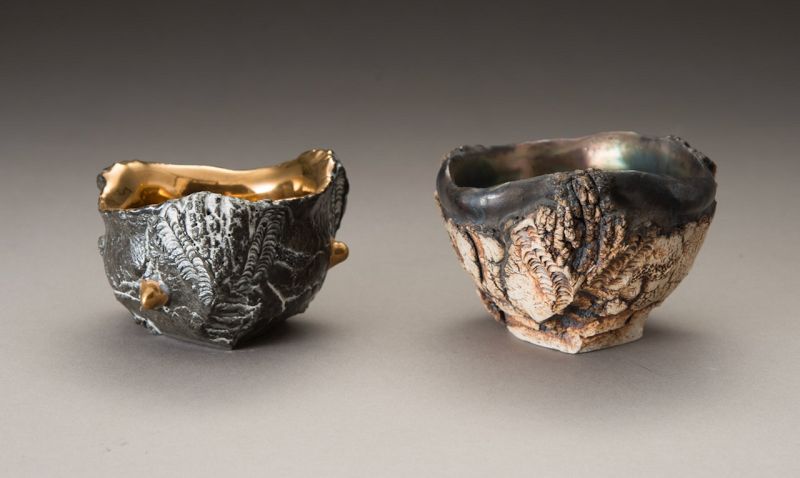
If you are familiar with the work of Hiramatsu Ryoma you know that he creates very unconventional ceramics inspired by forms found in nature. Here we have a set
SOLD
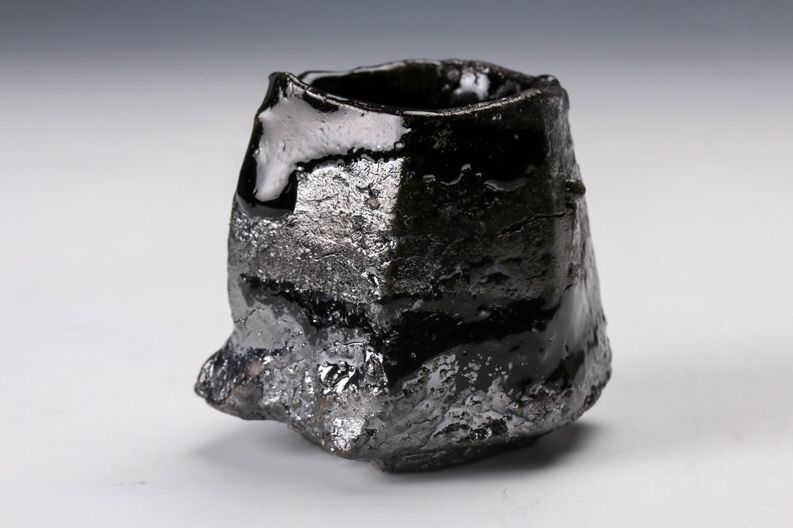
Scrawled across one face of the hand-crafted wood box housing this exquisite sake cup is the word “Prism,” perfectly encapsulating the inspiration for this angu
SOLD
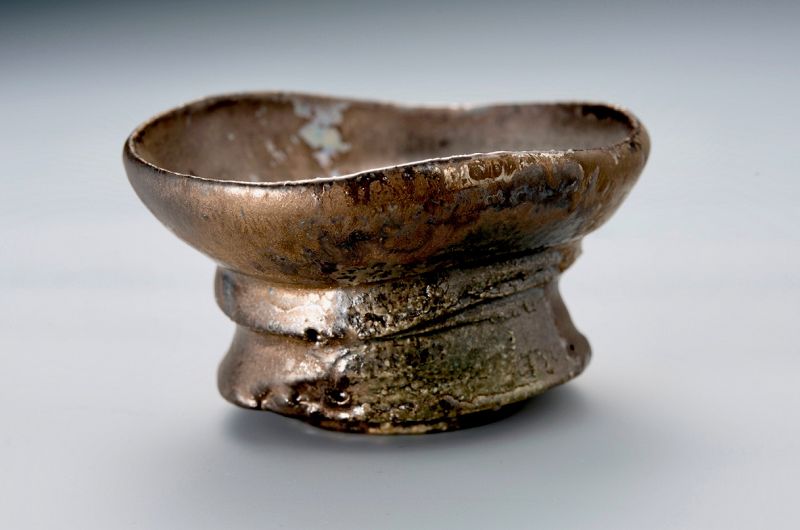
A traditionally crafted Bizen sake cup shaped in the tradition of Oribe. The rich mineral glaze gives this guinomi an almost a metallic look. The craftsman who
SOLD
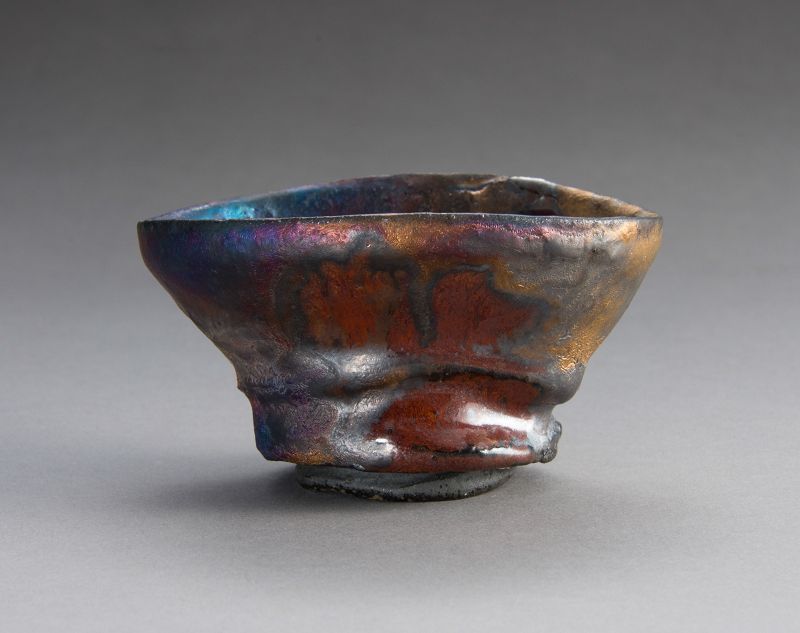
A traditionally crafted Bizen sake cup with a rich mineral glaze giving this guinomi a metallic look. The craftsman who made this piece, Takahiro Ishii, was bor
SOLD
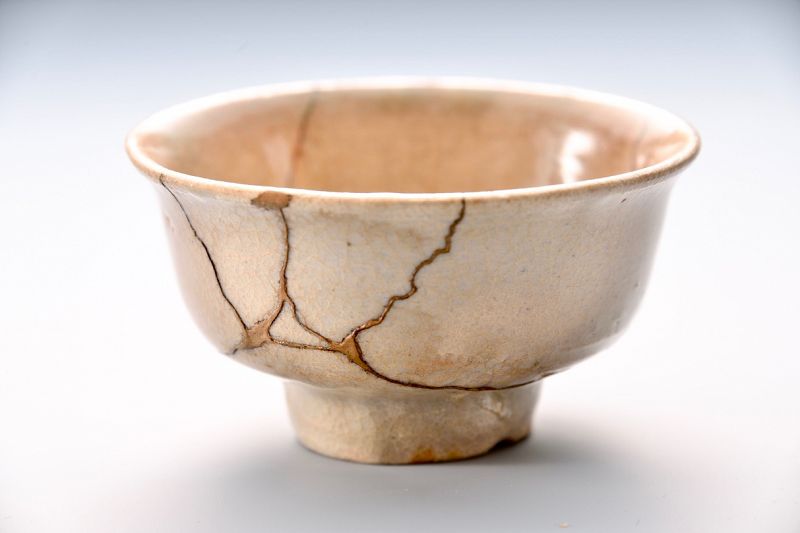
Stemming from the philosophy of wabi-sabi—often described as the beauty found in the imperfection and transience of the world—cracks and repairs in a work of po
SOLD
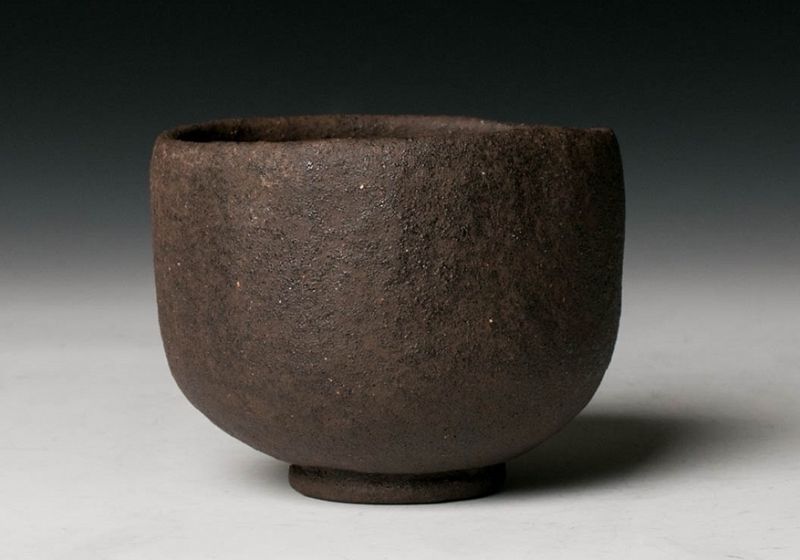
In the world of Japanese ceramics, Tamamizu-ware has an almost mythical standing. A branch of the main Raku line, at one time the two kilns held equal prominenc
SOLD
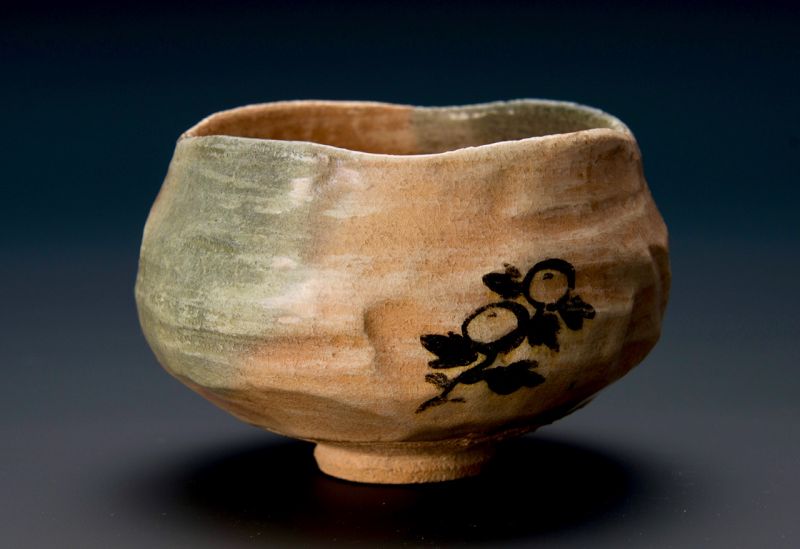
This iconic tea bowl was crafted by one of the great masters of Japanese pottery and given the poetic name "Dewdrop" by a famous tea master of the Omote-senke s
SOLD
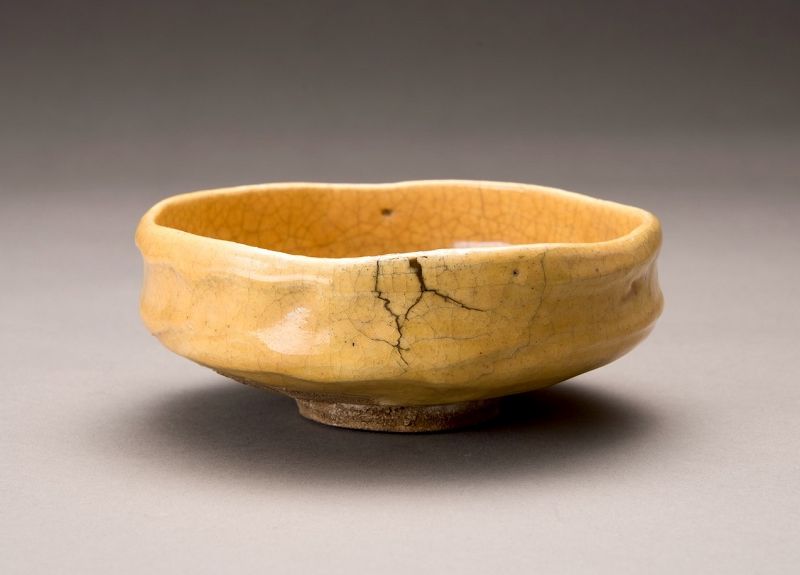
A rare and exquisite piece by the 12th Kichizaemon (1857-1932) of the Raku lineage, now in its 16th generation. Not only with excellent documentation including
SOLD
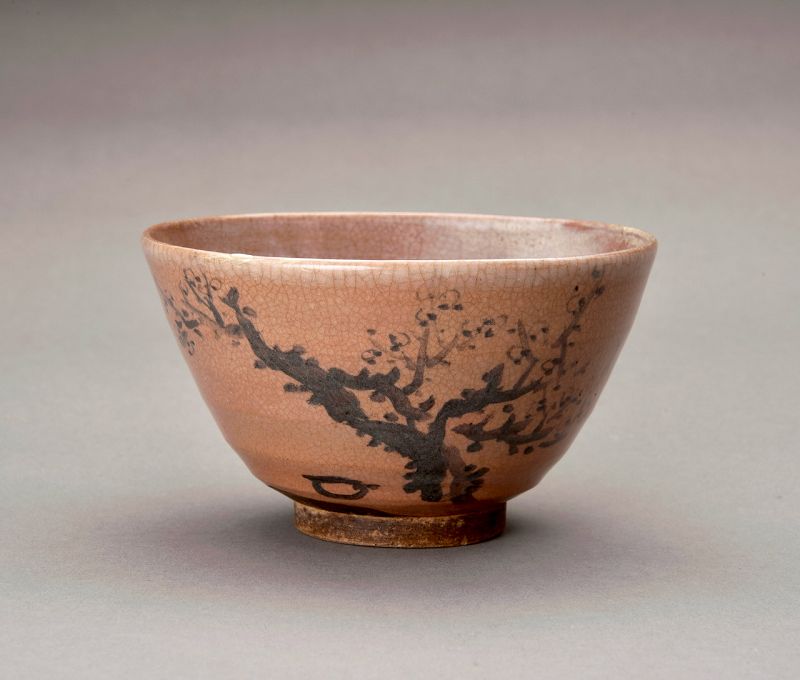
A very interesting ceremonial tea bowl produced by one of the oldest generational potting families in Kyoto. In excellent condition with one fine gold repair al
SOLD
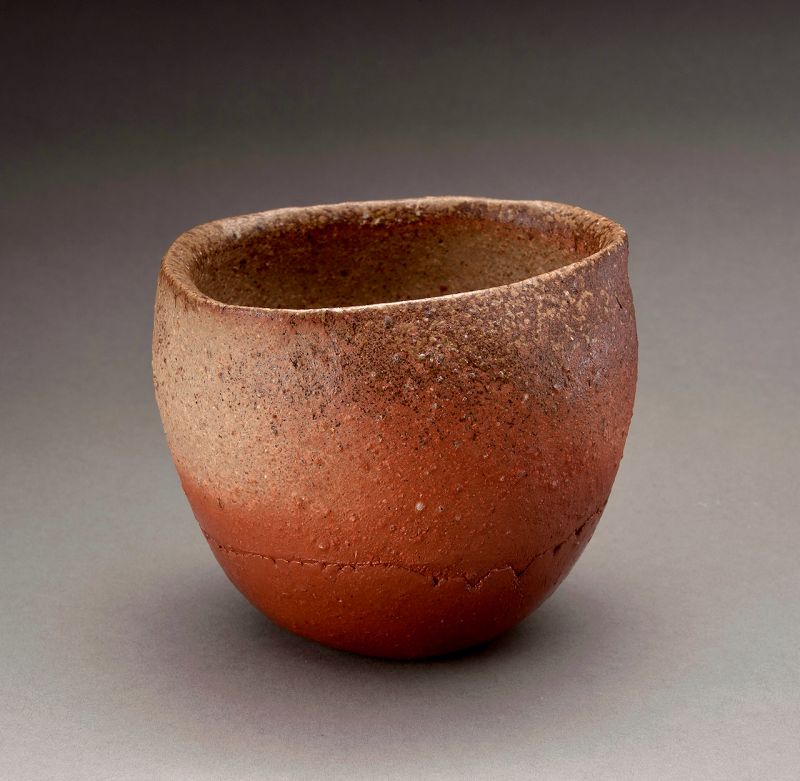
First born son to Living National Treasure Isezaki Jun, Koichiro (b. 1974) has quickly made a name for himself as an independent artist. Not content to rely sol
SOLD
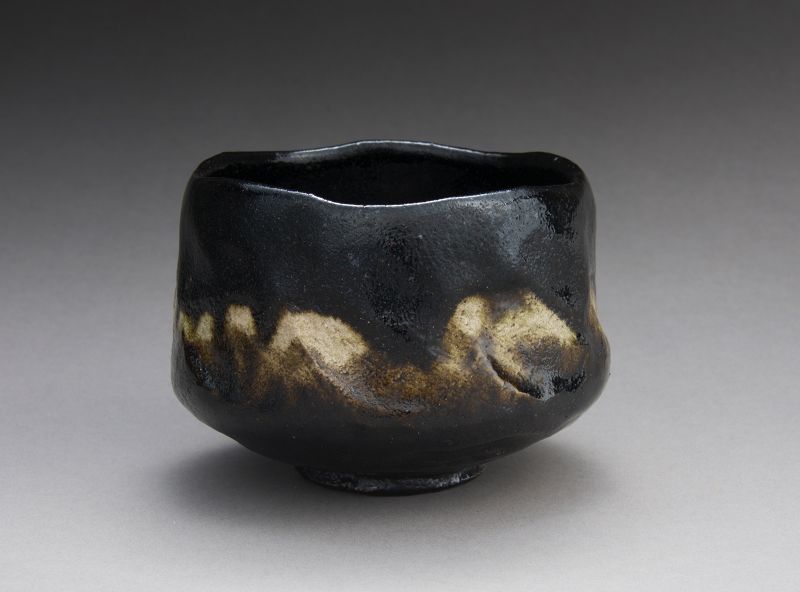
A black Raku ceremonial tea bowl displaying an excellent patina bestowed by time. The light colored clay peeks through in areas giving this piece a unique feel.
SOLD
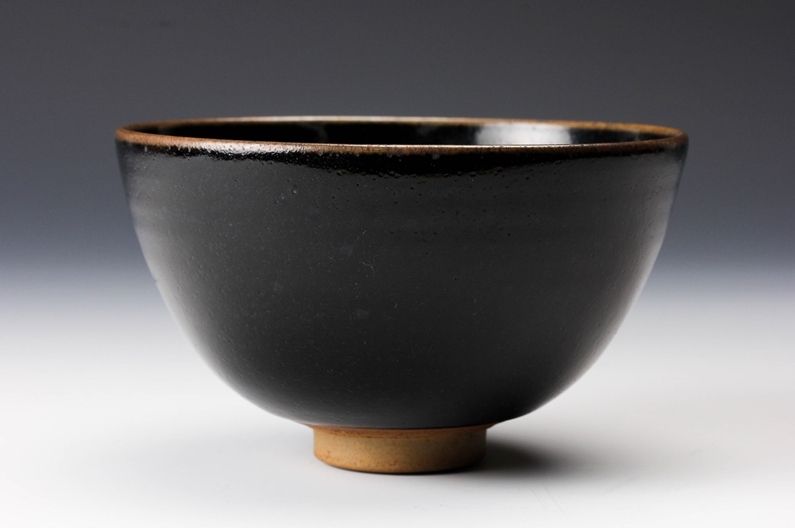
Before styles such as Raku, Hagi, Karatsu, etc came into fashion for use in the tearoom in early Edo, it was commonplace in cultured society to use tea-ware imp
SOLD
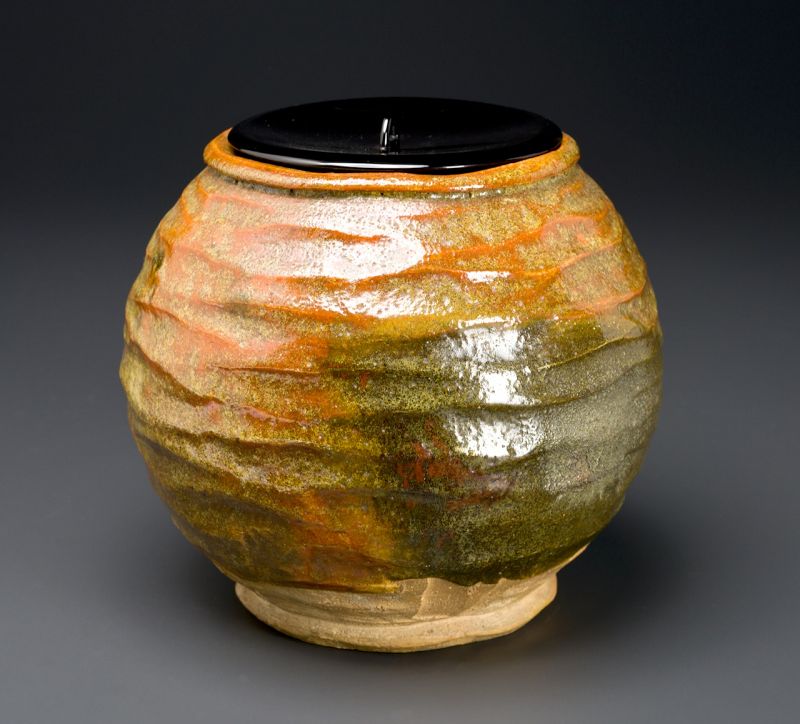
Raku-ware carries with it a very naturalistic aura; with its implements made of raw clay, its use of fire water and air to shape and harden these implements, an
SOLD
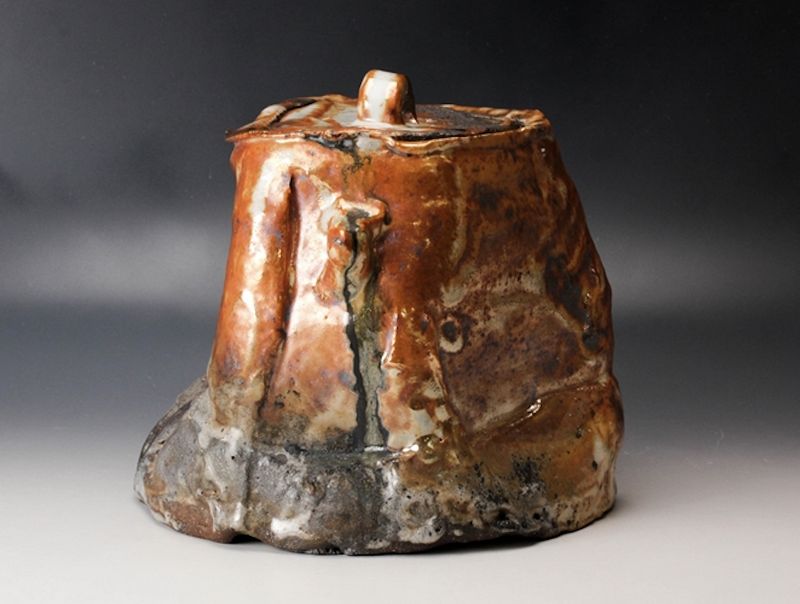
A truly unique work of Shino pottery developed among the company of some of Japan’s most respected and influential potters of the last century. Defying conventi
SOLD
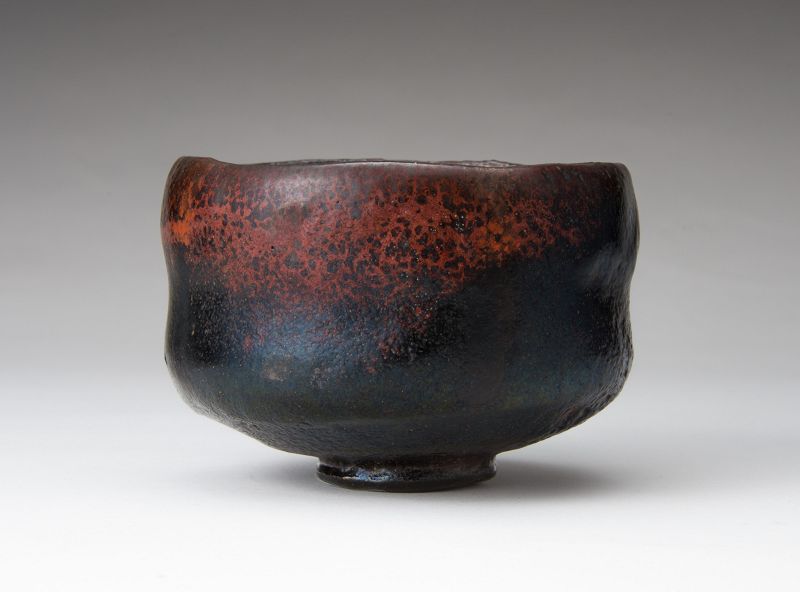
In the world of Japanese ceramics, Tamamizu-ware has an almost mythical standing. A branch of the main Raku line, at one time the two kilns held equal prominenc
SOLD
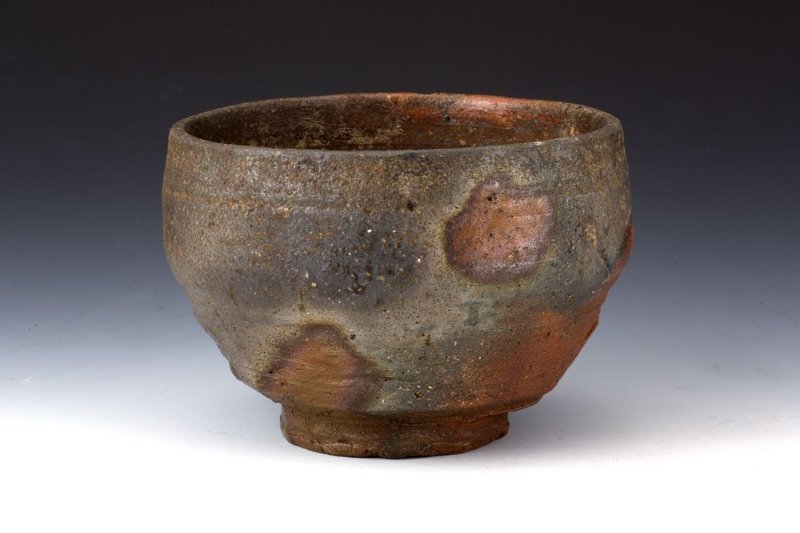
Signed by the 13th Iemoto (tea master) of Omotesenke, Sokuchusai (1901-1979) this exceptional tea bowl bears the poetic name Asahi or “Morning Sun.” Brilliant o
SOLD
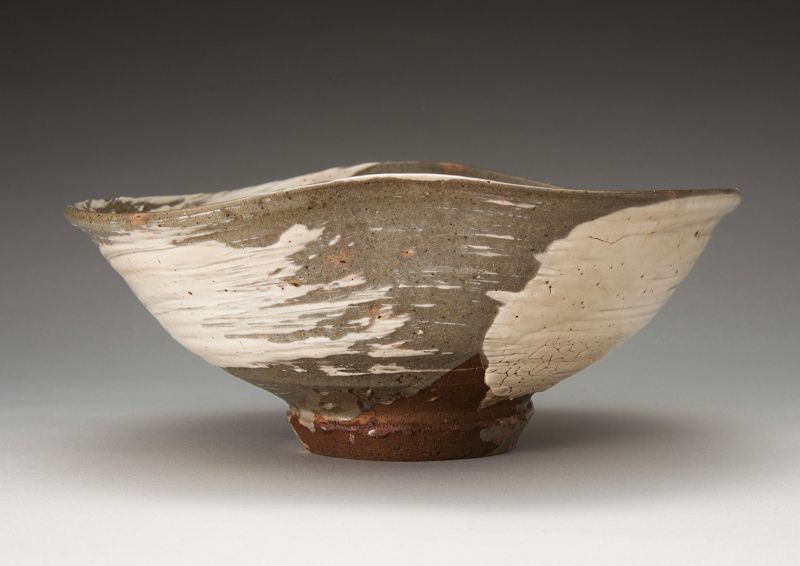
A beautiful example of a Hakeme style bowl, this one quite rare as it was made around 200 years ago by the son of the founder of the Dohachi line of potters. Tr
SOLD
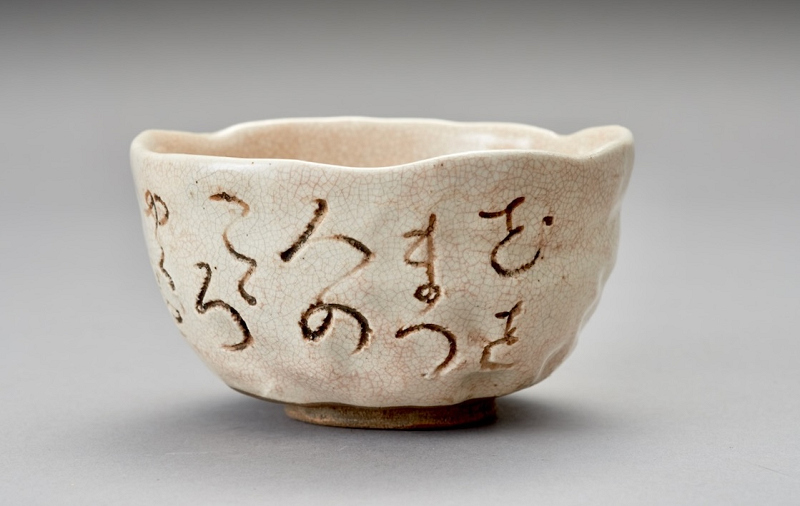
The poem etched on the side of this exceptional piece reads: 花を待つ人の心や雲となりて山の端ごとに立ちまよふらん The hearts of those waiting for flowers to blossom — have they turned in
SOLD
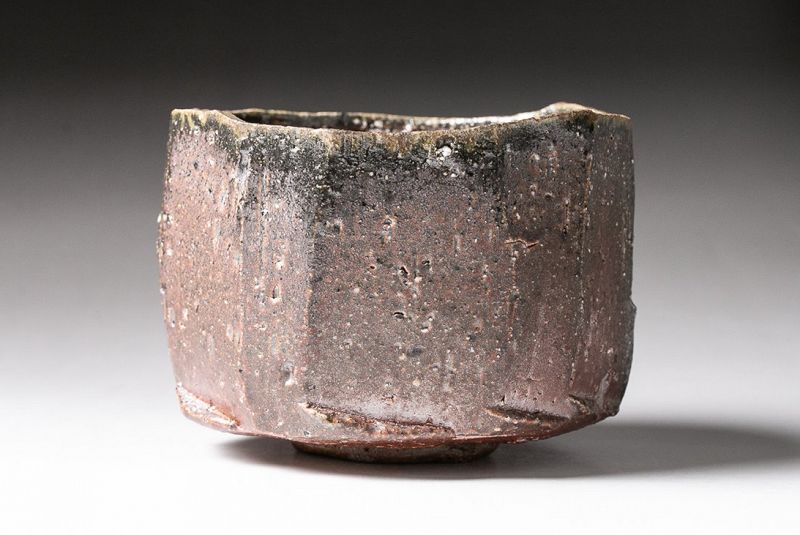
The distinctive and easily recognizable style of Bizen pieces, such as the one featured here, originated in Okayama (south-western Japan) and has a long history
SOLD
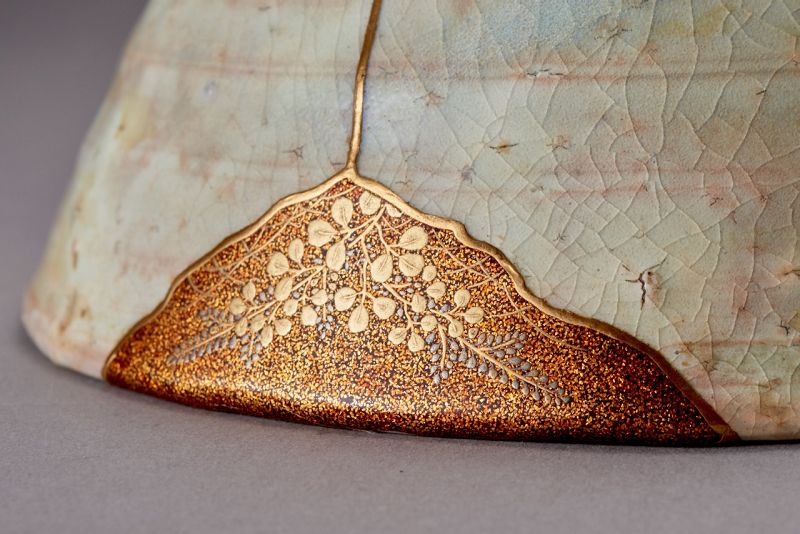
One of the most extraordinary gold repairs I have seen on a tea bowl in my nearly 30 years in Japan. If you search far and wide occasionally you can find maki-e
SOLD
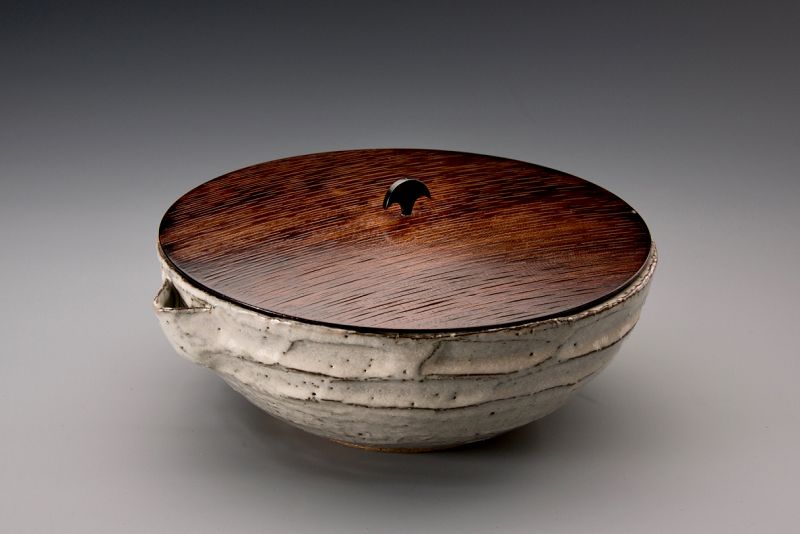
An excellent example of Japanese minimalist aesthetic that transcends its humble origins, this mizusashi, or fresh water pot used in tea ceremony, displays a cl
SOLD
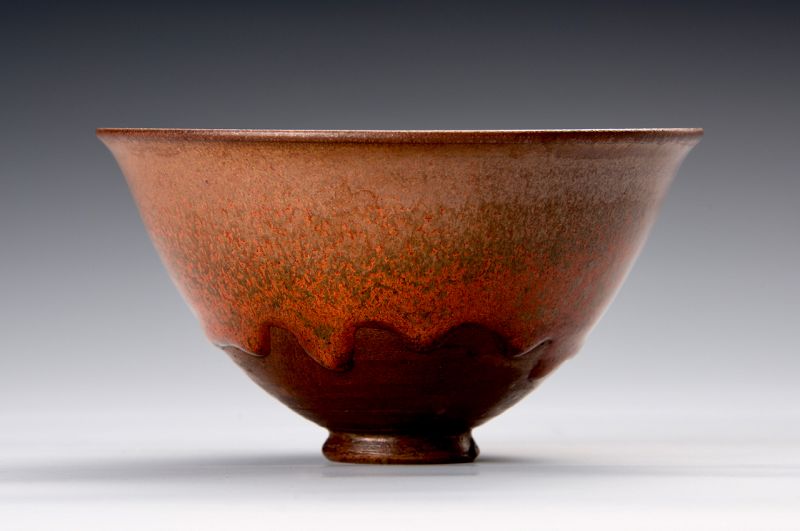
Occasionally while browsing through the temple markets of Kyoto or perusing backstreets tea-ware shops, an attractive piece will catch my eye for no particular
SOLD
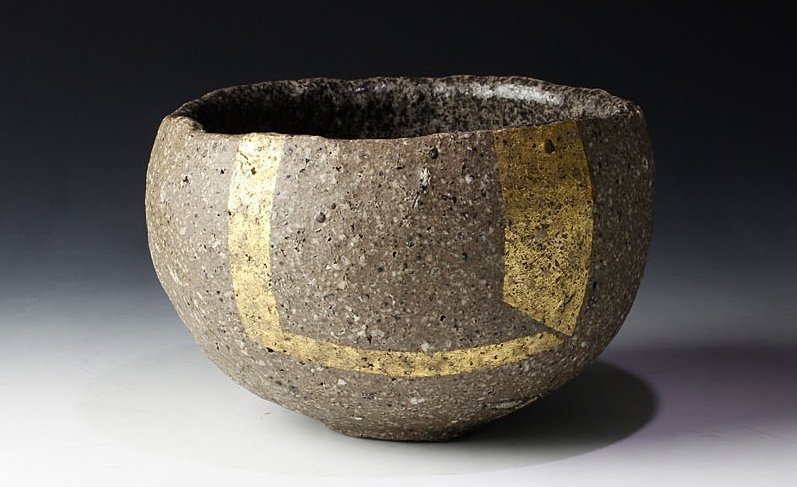
An ancient technique known as “haito” in Japanese was used to give this piece its distinctive look. Thought to have originated in neolithic times and commonly u
SOLD
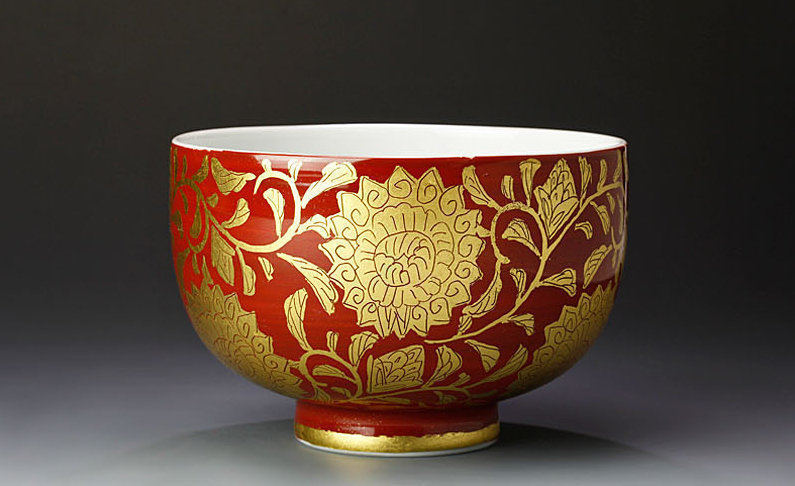
This eye-catching porcelain composition covered in red-glaze and highlighted with sensational gold-leaf inlay is an iconic design often employed by Ono Hakuko.
SOLD
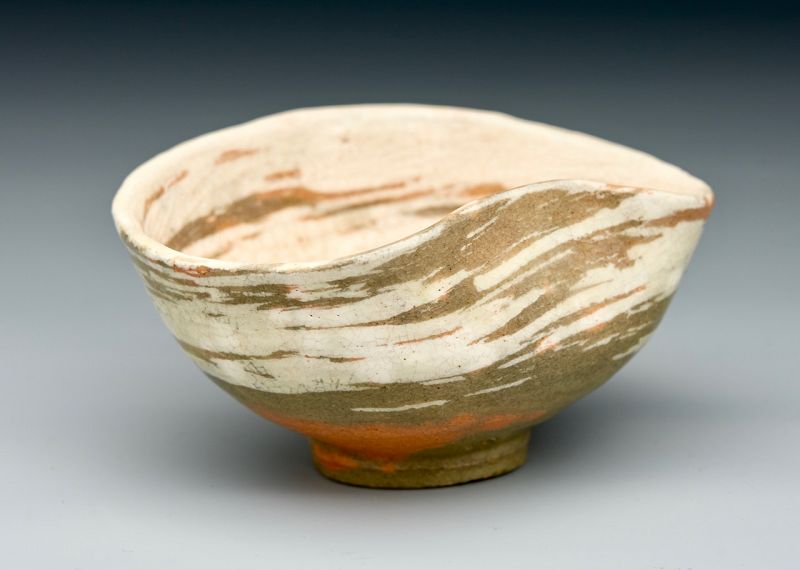
This exceptional tea bowl was crafted by one of the great masters of Japanese pottery and given the poetic name “Nami” (wave) by a famous tea master of the Ura-
SOLD
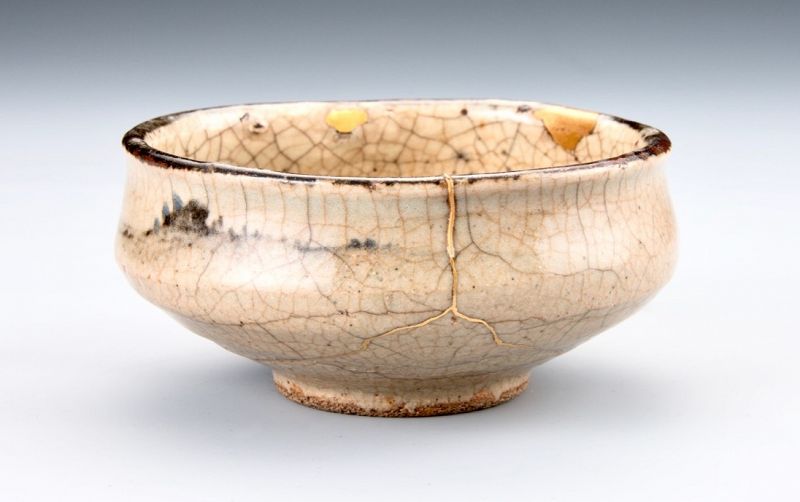
Like many pottery traditions in Japan, Karatsu takes its name from the city where it originated. As early as the 15th century, Korean potters heavily influenced
SOLD
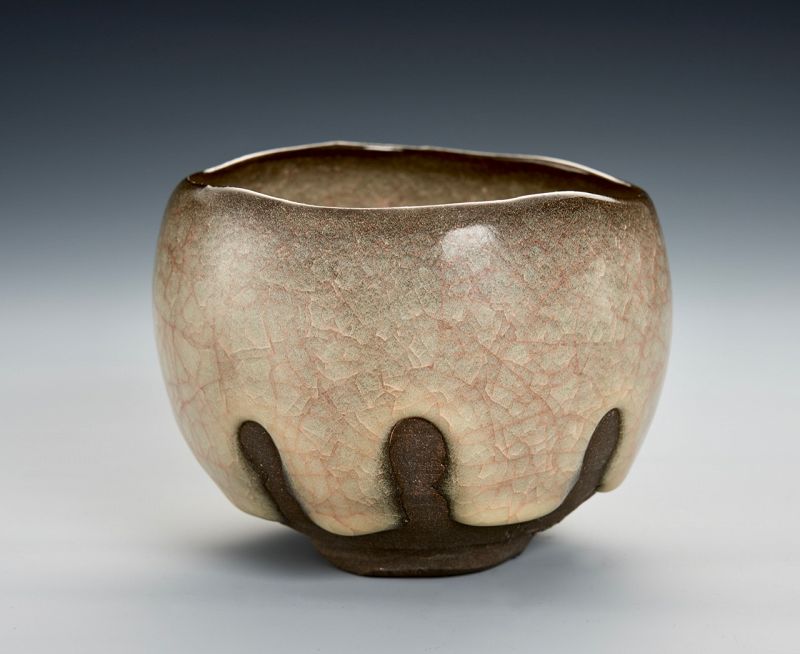
According to Kei Wakao, the artist who crafted this extraordinary work, it took him years of trial-and-error to perfect the unique rice-porcelain glaze covering
SOLD
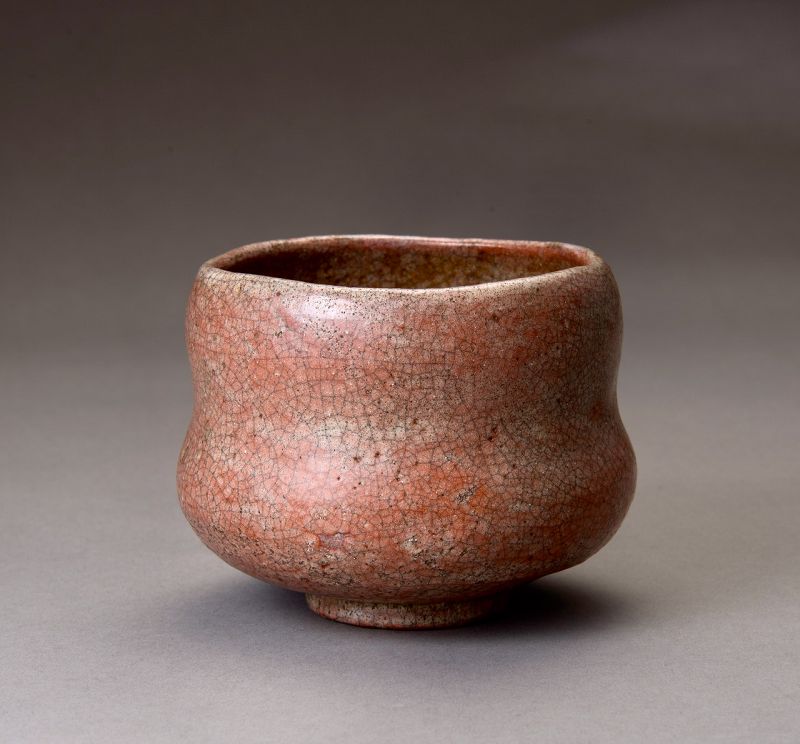
Over the years we have taken a special interest in Raku-ware and especially in works produced by the Tamamizu kiln, such as the 300+ year old ceremonial tea bow
SOLD
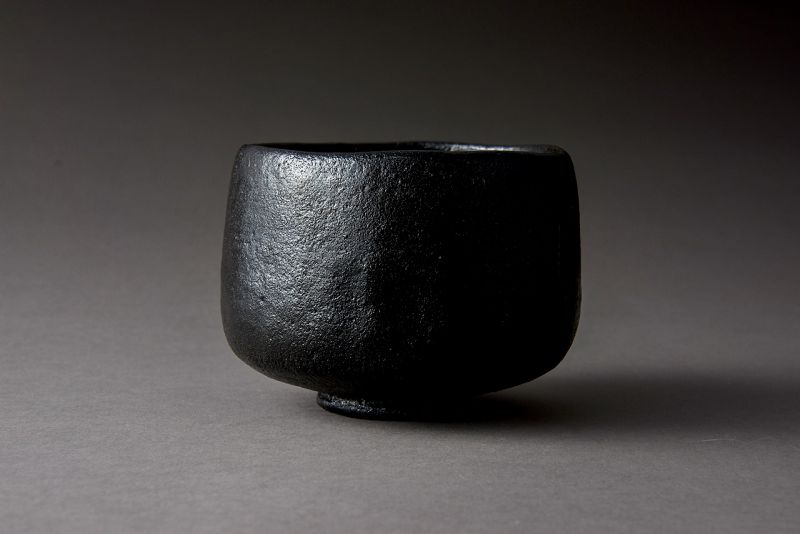
Endorsed by the recent Head Tea Master of Urasenke as an exceptional work, this black Raku tea bowl was granted the poetic name “Kokon” Ko, meaning “the distant
SOLD
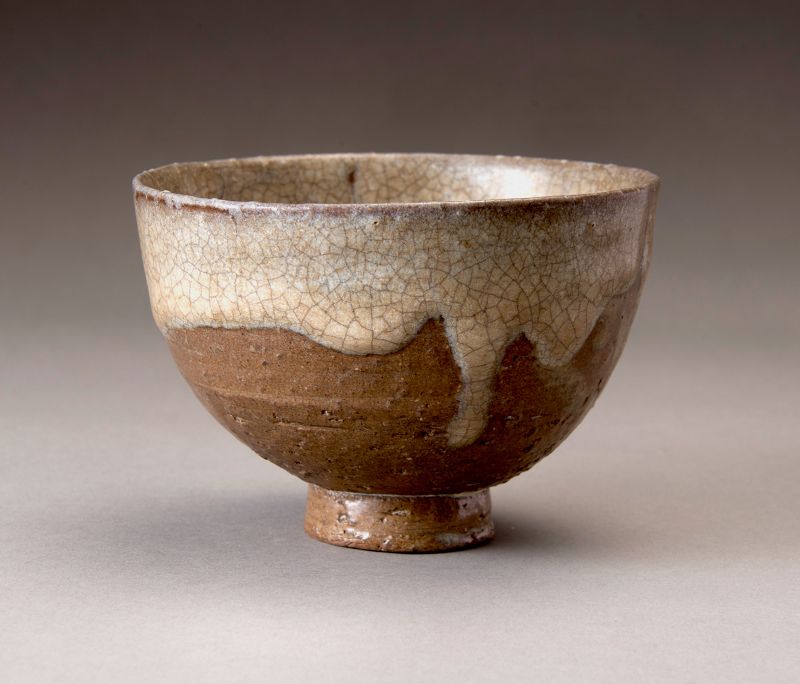
Currently awaiting an uncertain succession to the 14th generation, this preeminent line of craftsmen has been a cornerstone of Hagi pottery for over 400 years.
SOLD
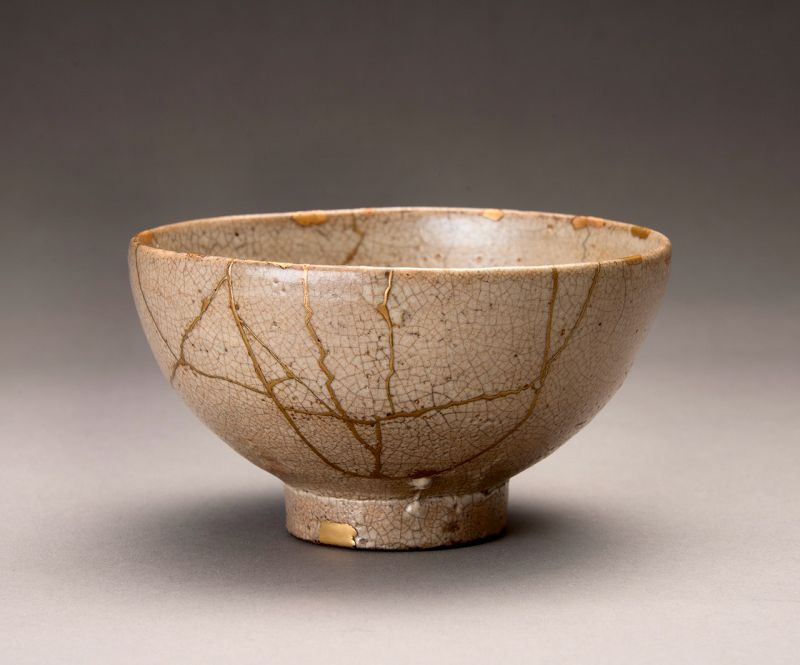
At various times over the long history of tea practice in Japan, Korean-ware has come into high fashion and ships full of the finest ceramics from the neighbori
SOLD
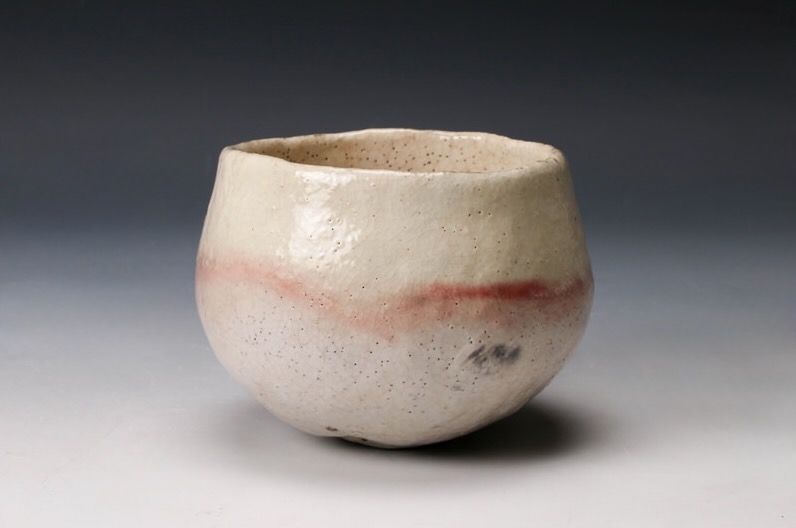
A rather rare motif by a master potter, delicate yet grounded, this white Raku tea bowl is truly one-of-a-kind. Crafted with meticulous attention to detail and
SOLD
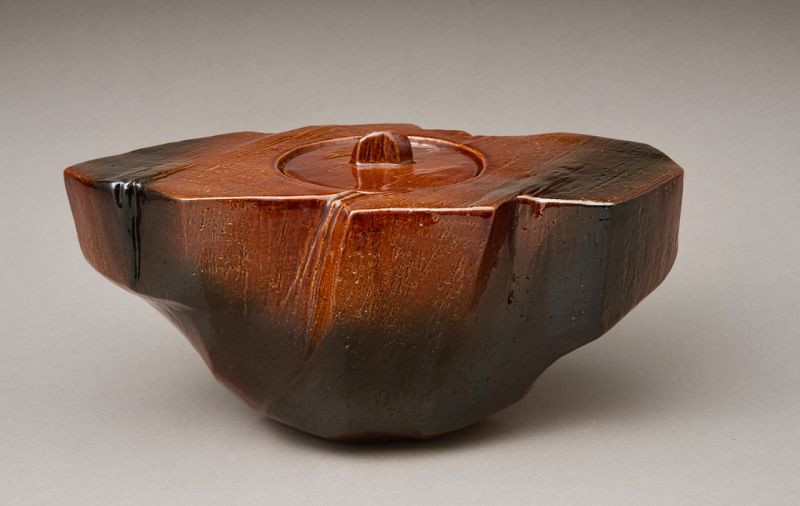
When the founder of the Urasenke style of tea ceremony, Sen-So Soshitsu (1622 -1697) was invited to Kanazawa as the master of tea ceremony for the powerful Kaga
SOLD
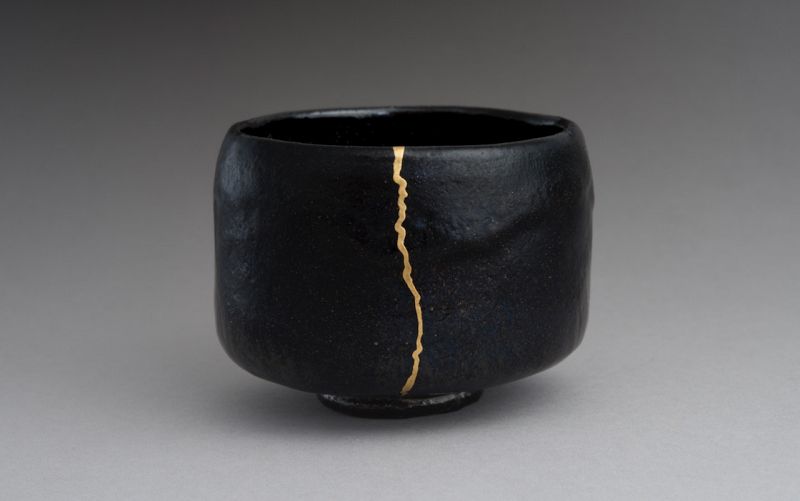
We have a particular interest in beautiful old Raku tea bowls and spend quite a bit of time searching for exceptional examples to include in our gallery. Here w
SOLD
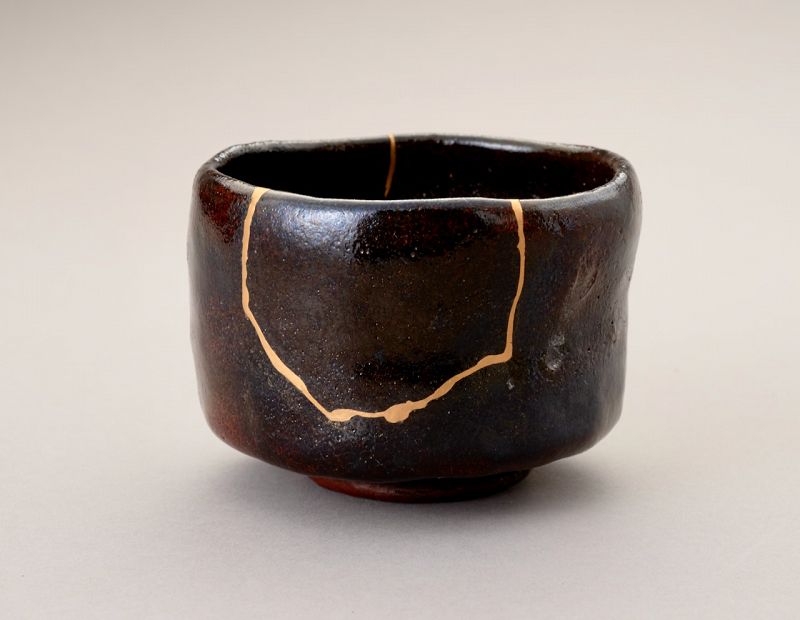
Based on telltale signs, this extraordinary Raku tea bowl likely dates to the late Edo period (200+ years old). Crafted with meticulous care, its smooth, ebony
SOLD