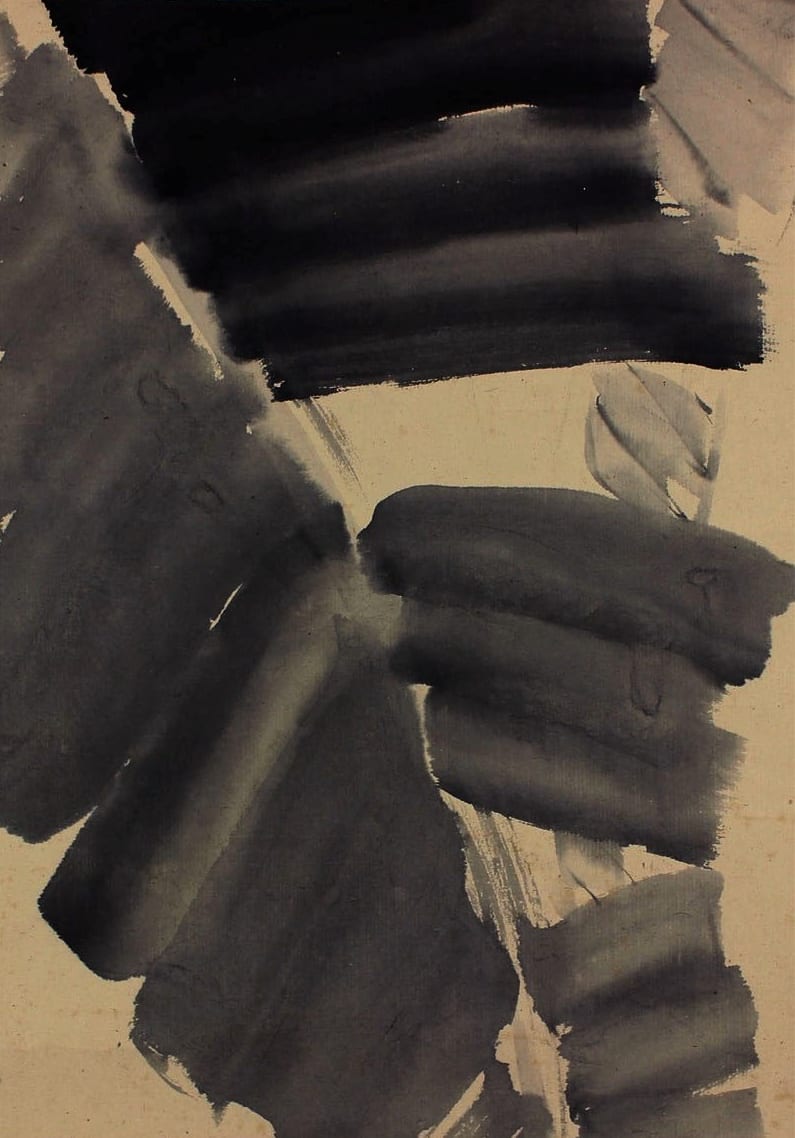
[Banana Tree] by Tomita Keisen (1879 – 1936)
Japanese sumi on paper—this piece by well-known Meiji/ Taisho artist Tomita Keisen depicts a lone banana tree. Deceptively simple in style, each brush stroke ma
Japanese sumi on paper—this piece by well-known Meiji/ Taisho artist Tomita Keisen depicts a lone banana tree. Deceptively simple in style, each brush stroke ma
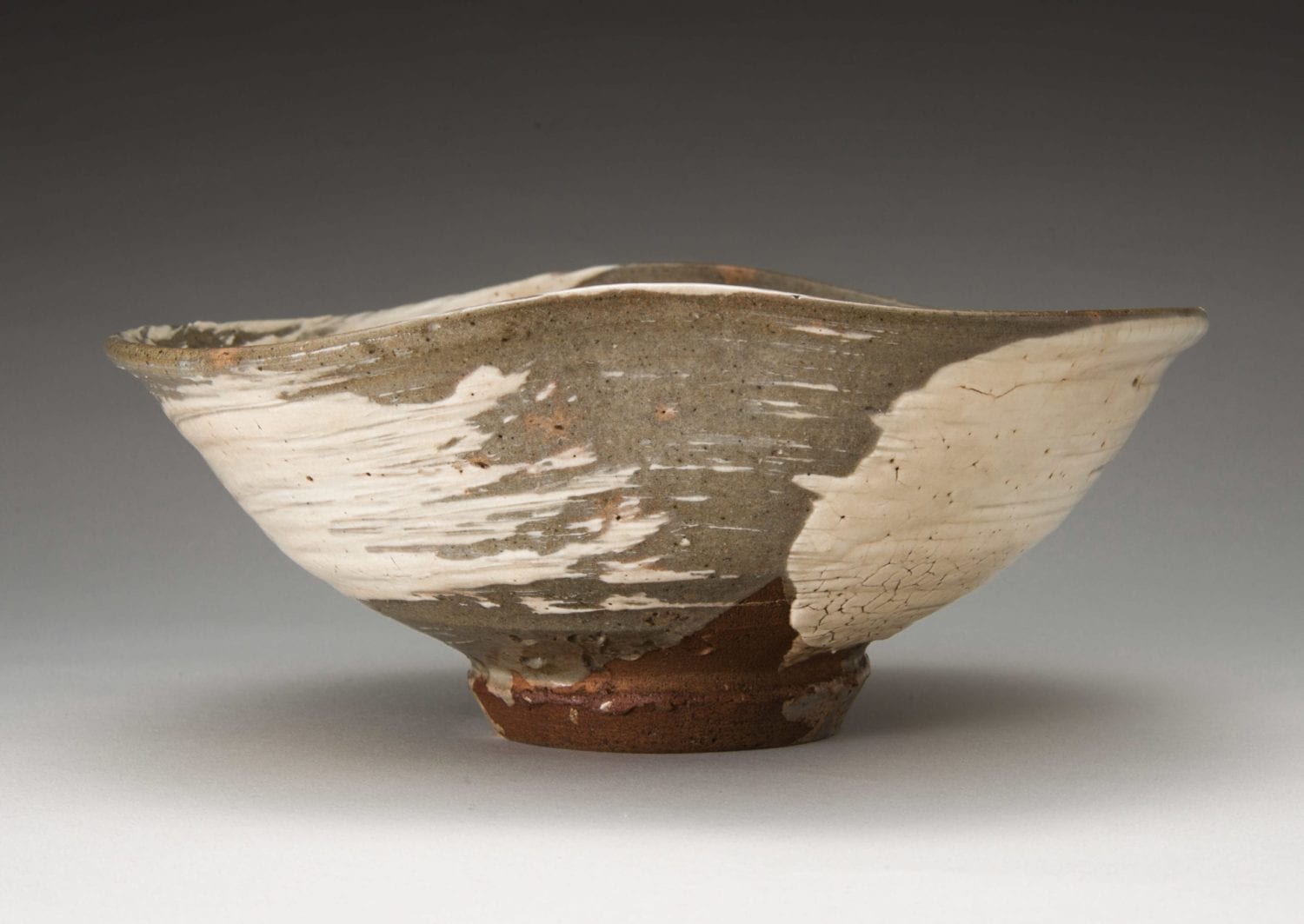
A beautiful example of a Hakeme style bowl, this one quite rare as it was made around 200 years ago by the son of the founder of the Dohachi line of potters. Tr
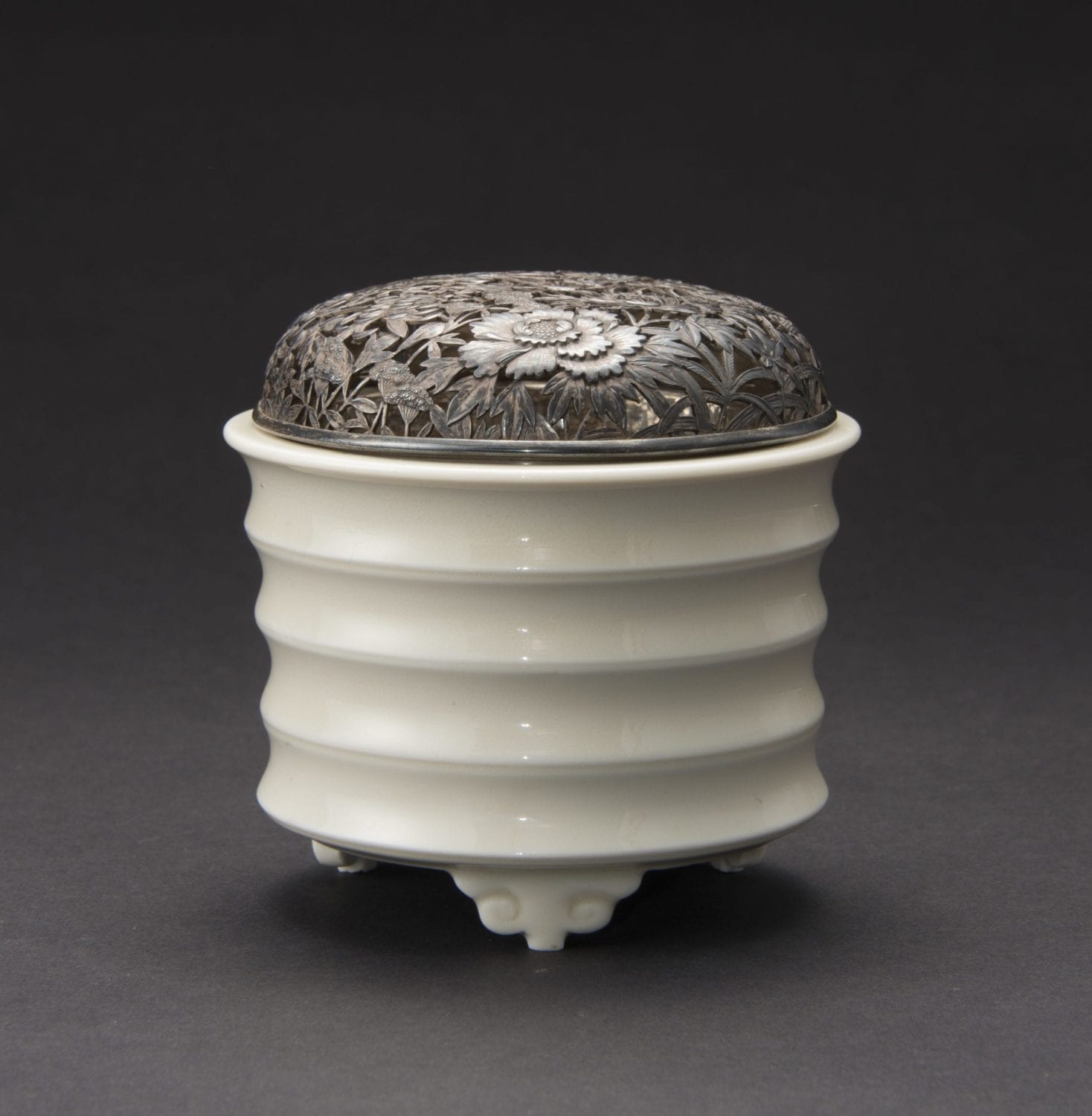
This Meiji period incense burner is made of fine white porcelain with a silver globe decorated with autumn foliage. As with much of Japanese pottery from this e
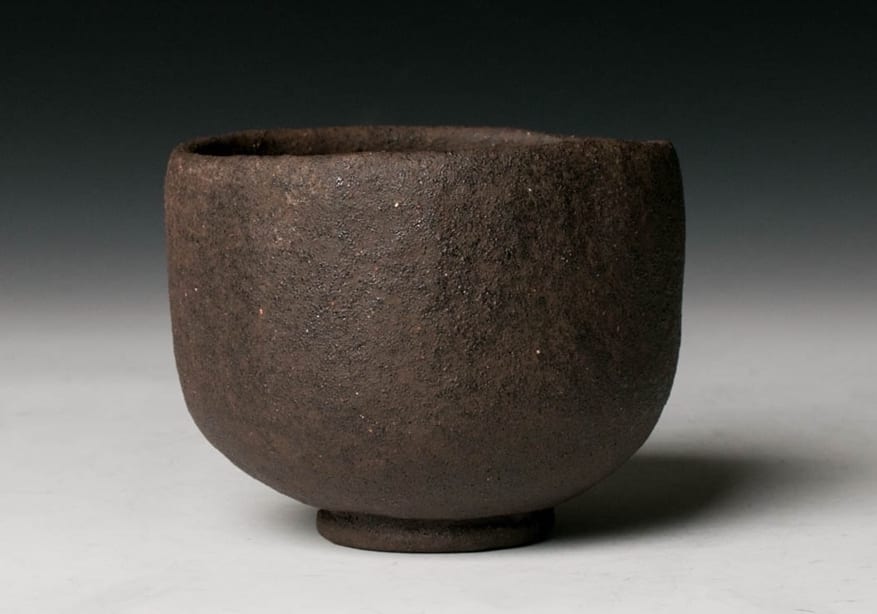
In the world of Japanese ceramics, Tamamizu-ware has an almost mythical standing. A branch of the main Raku line, at one time the two kilns held equal prominenc
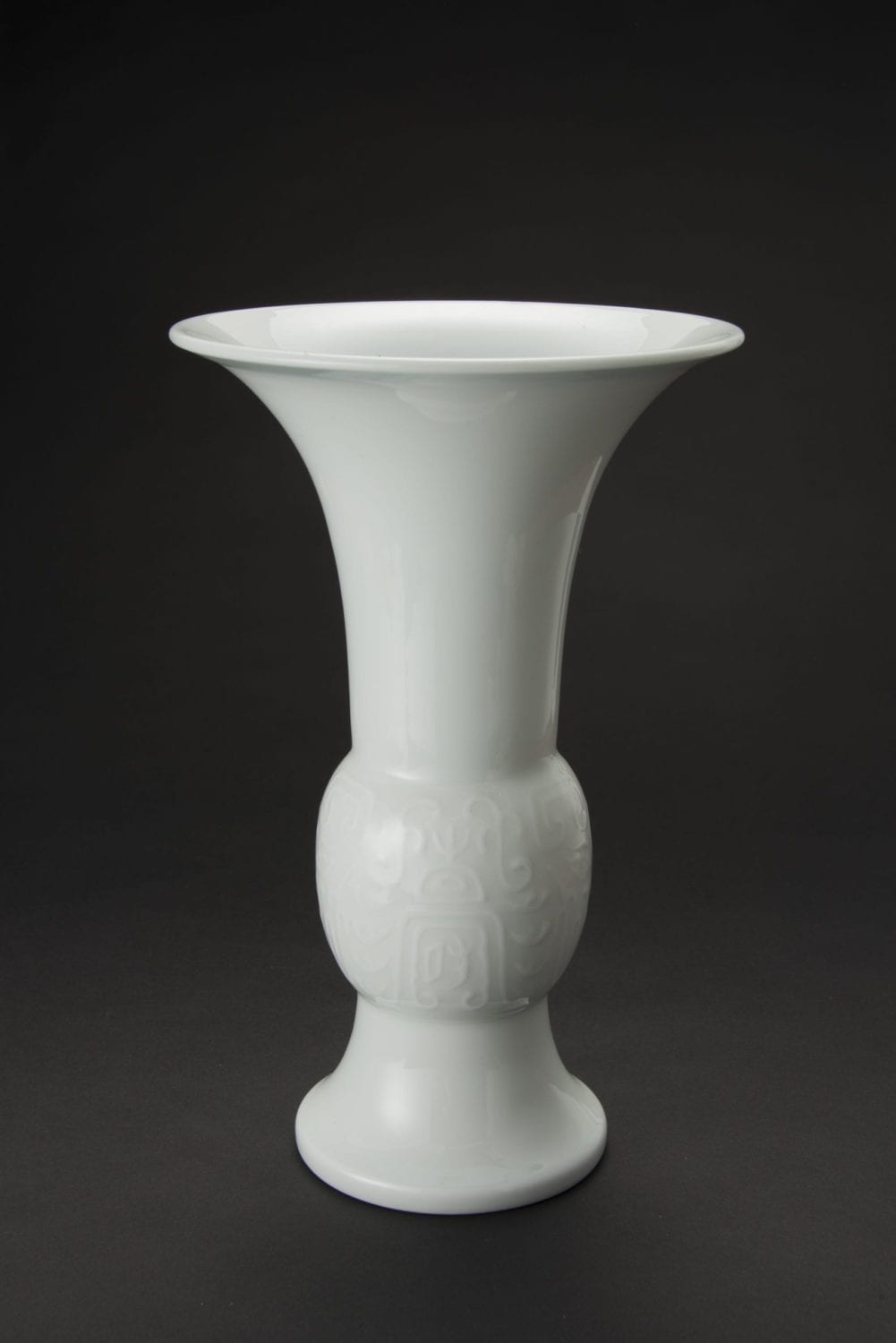
This Meiji period vase is made of fine white porcelain fashioned after classic Chinese pieces from the Song Dynasty. The potter, first generation Miura Chikusen
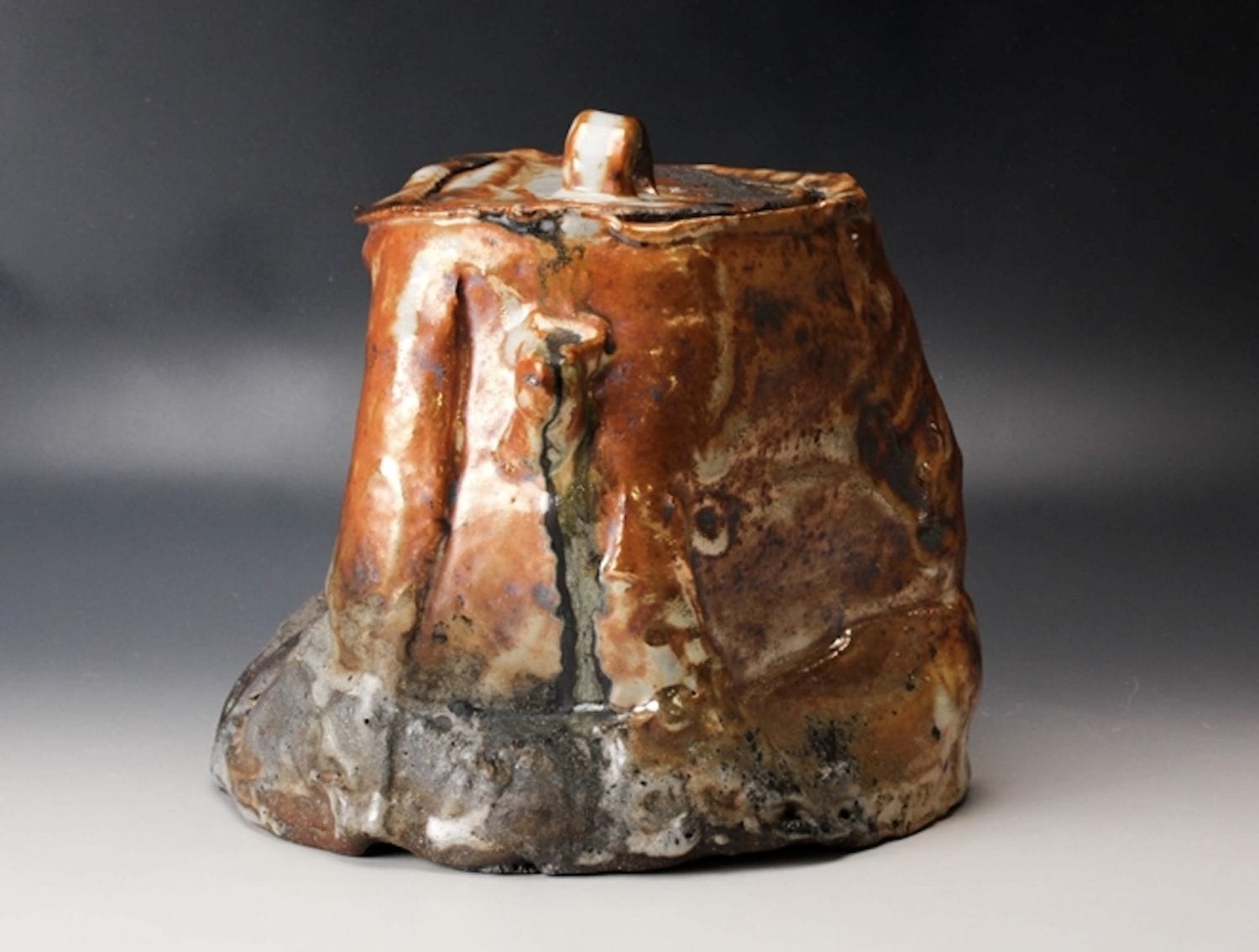
A truly unique work of Shino pottery developed among the company of some of Japan’s most respected and influential potters of the last century. Defying conventi
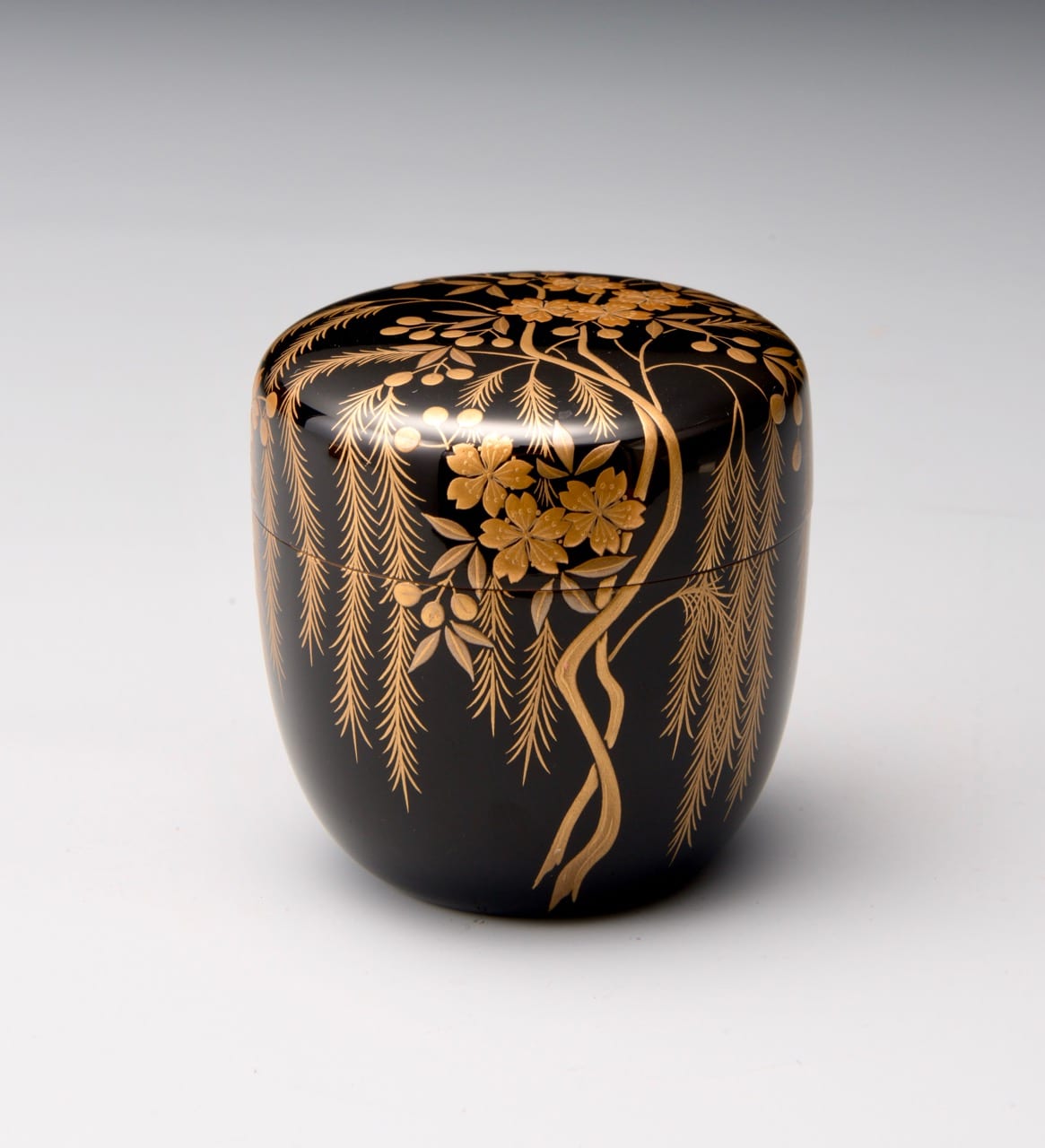
Exquisitely painted cherry blossoms (sakura) and willow branches (yanagi) on a background of jet-black traditional lacquer. The craftsman who fashioned this fin
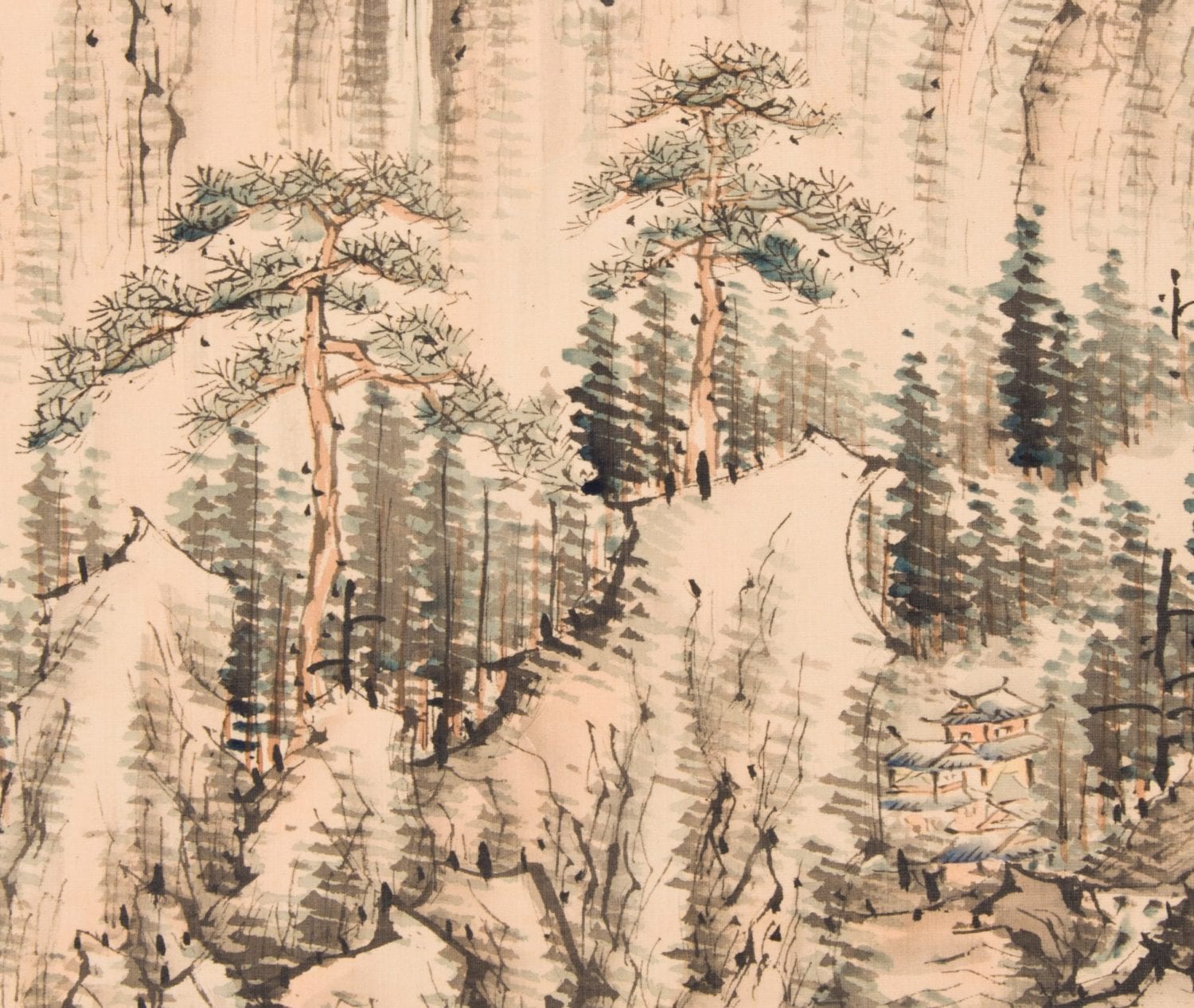
Japanese Nihonga painting on paper—this piece by well-known Edo painter, poet, and tea ceremony devotee Yamamoto Baiitsu depicts an idealized mountain scene in
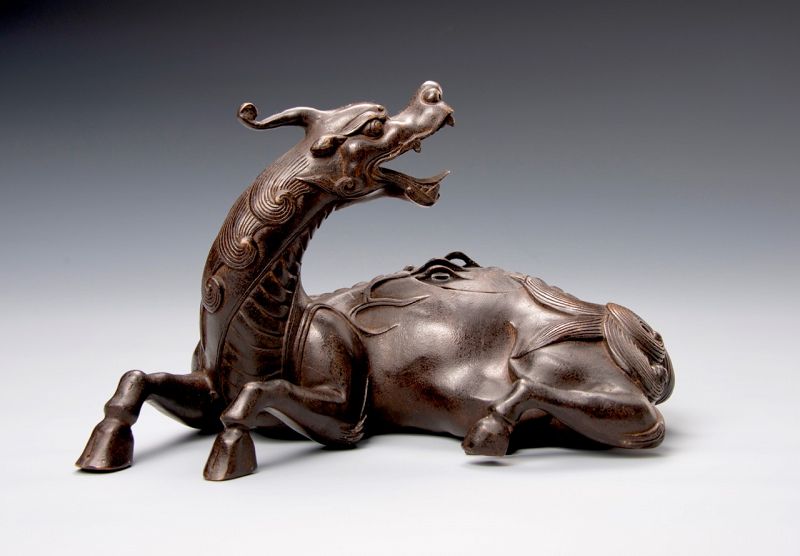
The Kirin is a hooved mythical chimera-type deity venerated throughout central and east Asia. Most resembling a giraffe, though often depicted with dragon-like
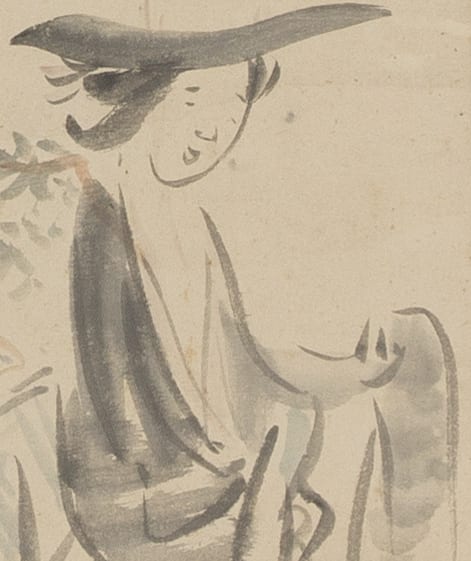
Rengetsu is widely regarded as one of the greatest waka poets of the 19th century. A skilled Shijo School painter, she was also an accomplished calligrapher and
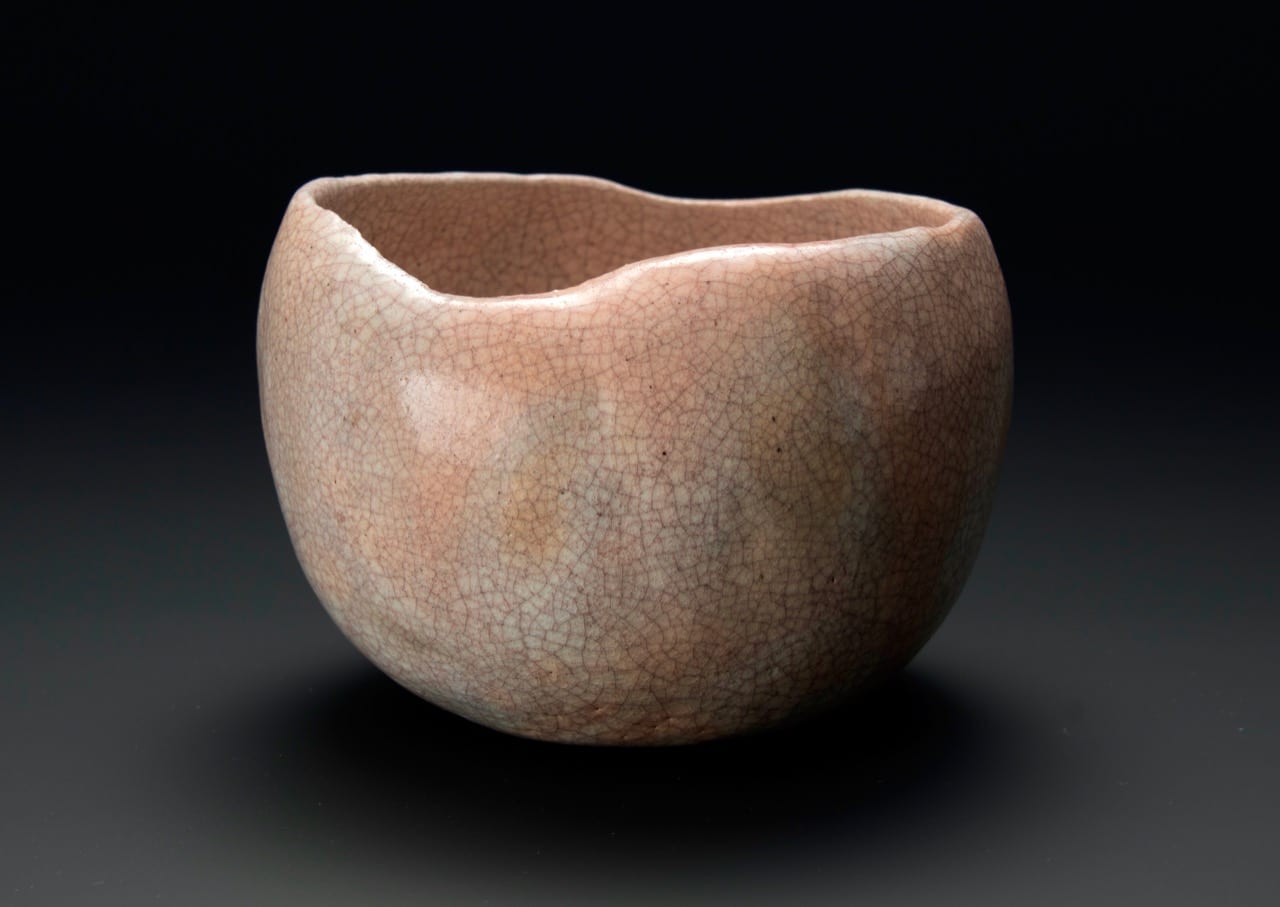
Raku tea bowls and other tea-ware implements are shaped by hand, using clay that was prepared often several generations before by a previous Kichizaemon (master