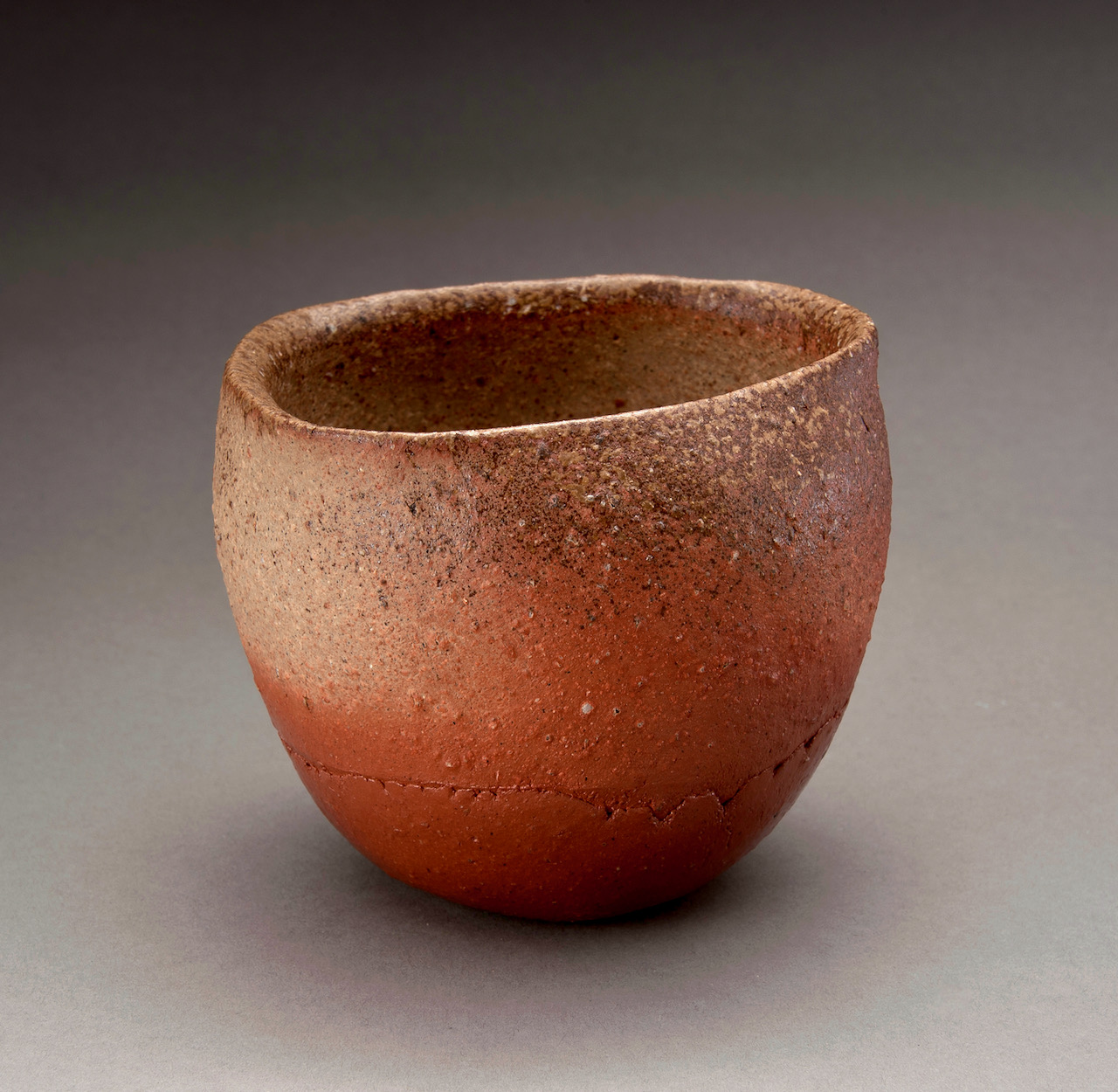
A Bizen Tea Bowl by Isezaki Koichiro
First born son to Living National Treasure Isezaki Jun, Koichiro (b. 1974) has quickly made a name for himself as an independent artist. Not content to rely sol
Selected by shared artwork type, categories, artist and era. Available works appear first.
Back to the artwork · Browse the full collection
First born son to Living National Treasure Isezaki Jun, Koichiro (b. 1974) has quickly made a name for himself as an independent artist. Not content to rely sol
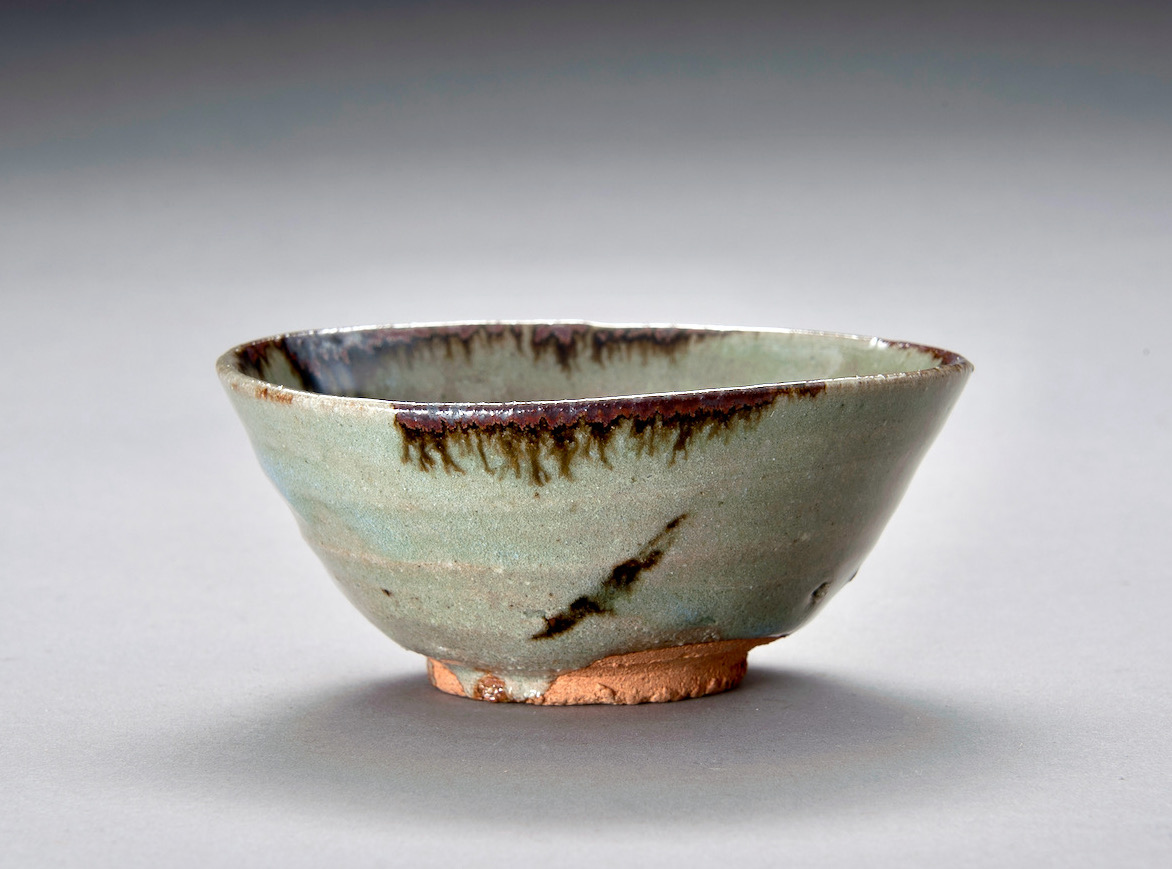
Accents formed using iron pigment stand out across a backdrop of blue-green glaze. The base and a portion of the inside of this ceremonial tea bowl are unglazed
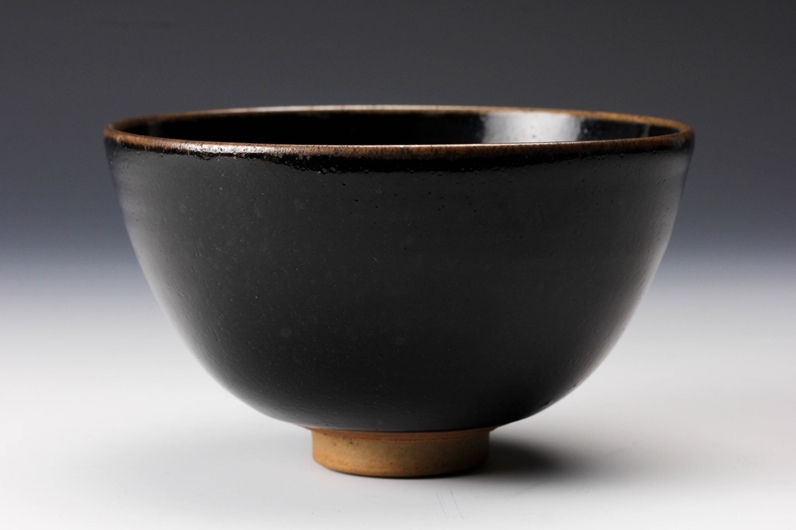
Before styles such as Raku, Hagi, Karatsu, etc came into fashion for use in the tearoom in early Edo, it was commonplace in cultured society to use tea-ware imp
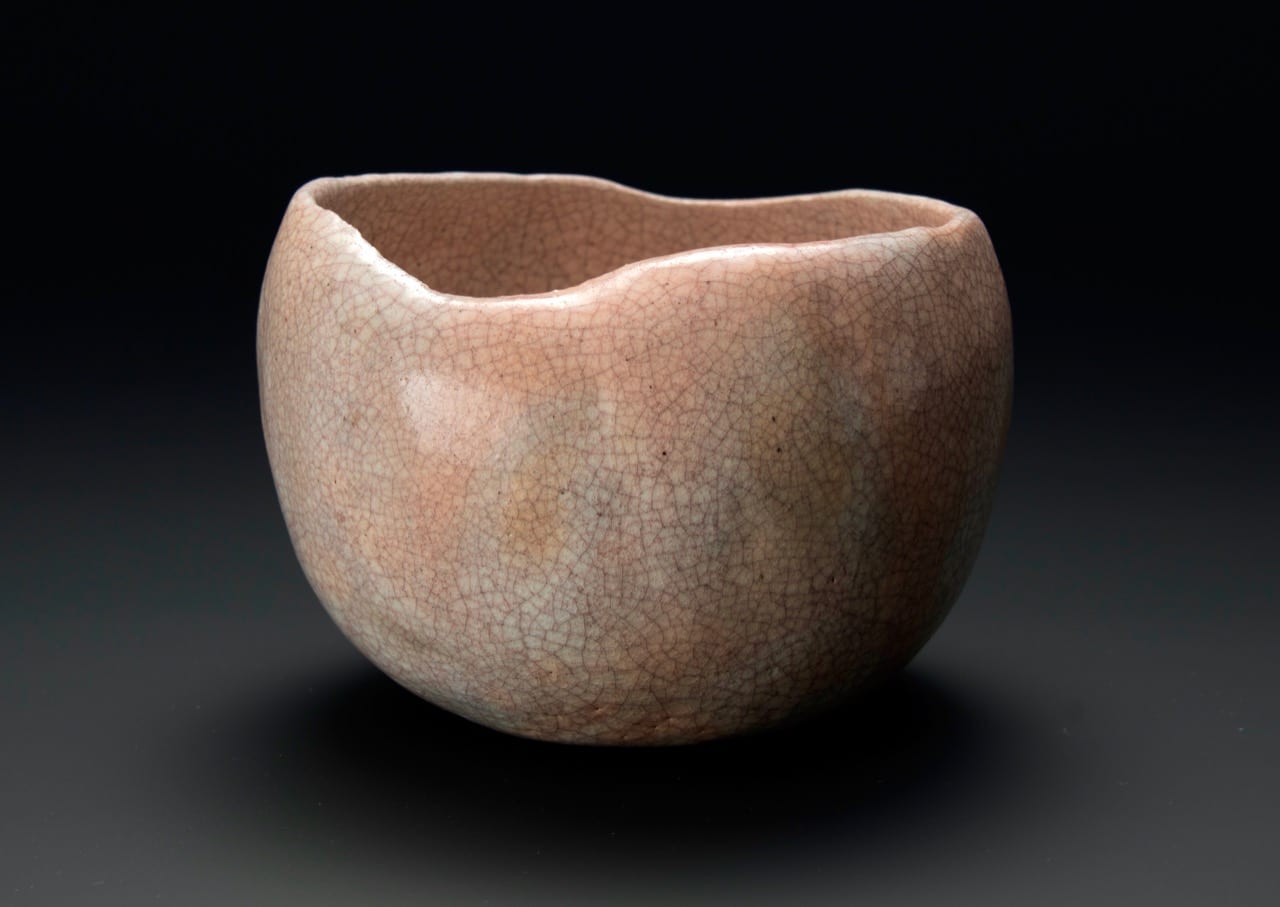
Raku tea bowls and other tea-ware implements are shaped by hand, using clay that was prepared often several generations before by a previous Kichizaemon (master
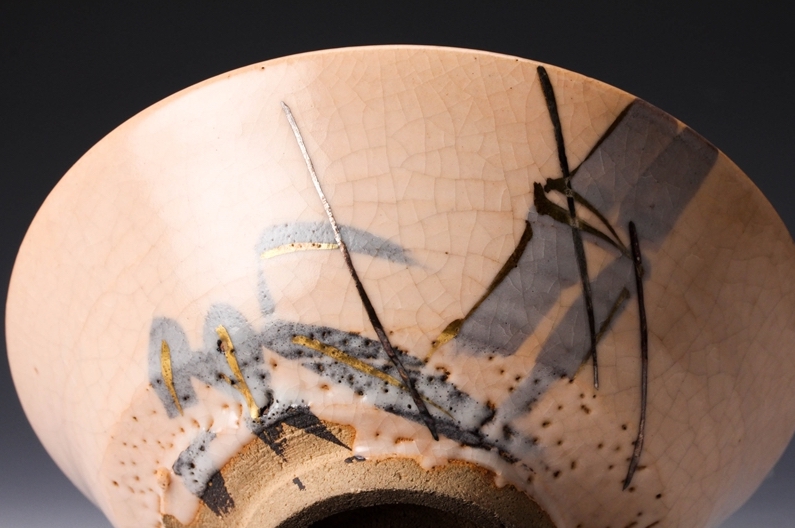
Currently in its 5th generation, the Miura Chikusen line of potters has continued to produce high-quality Kiyomizu-yaki and Kyo-yaki porcelains used in sencha f
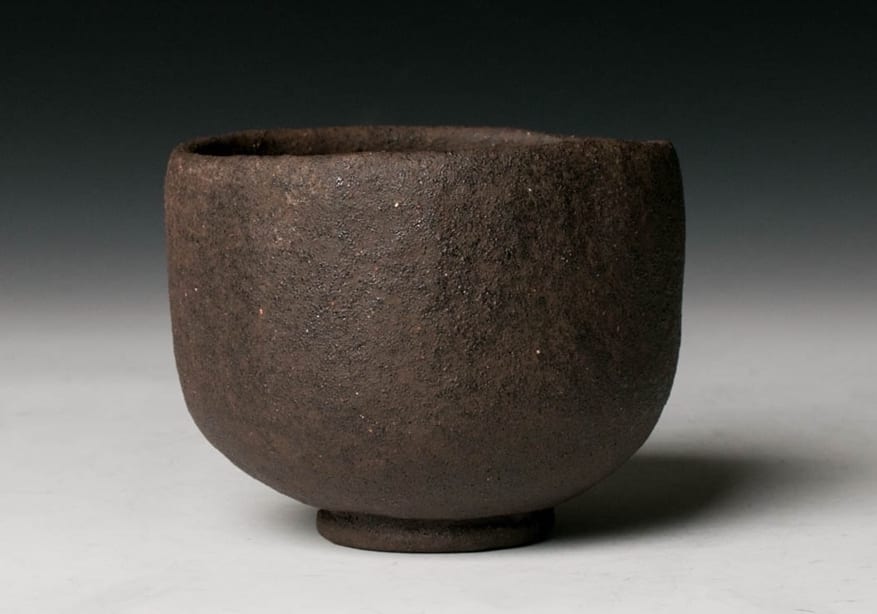
In the world of Japanese ceramics, Tamamizu-ware has an almost mythical standing. A branch of the main Raku line, at one time the two kilns held equal prominenc
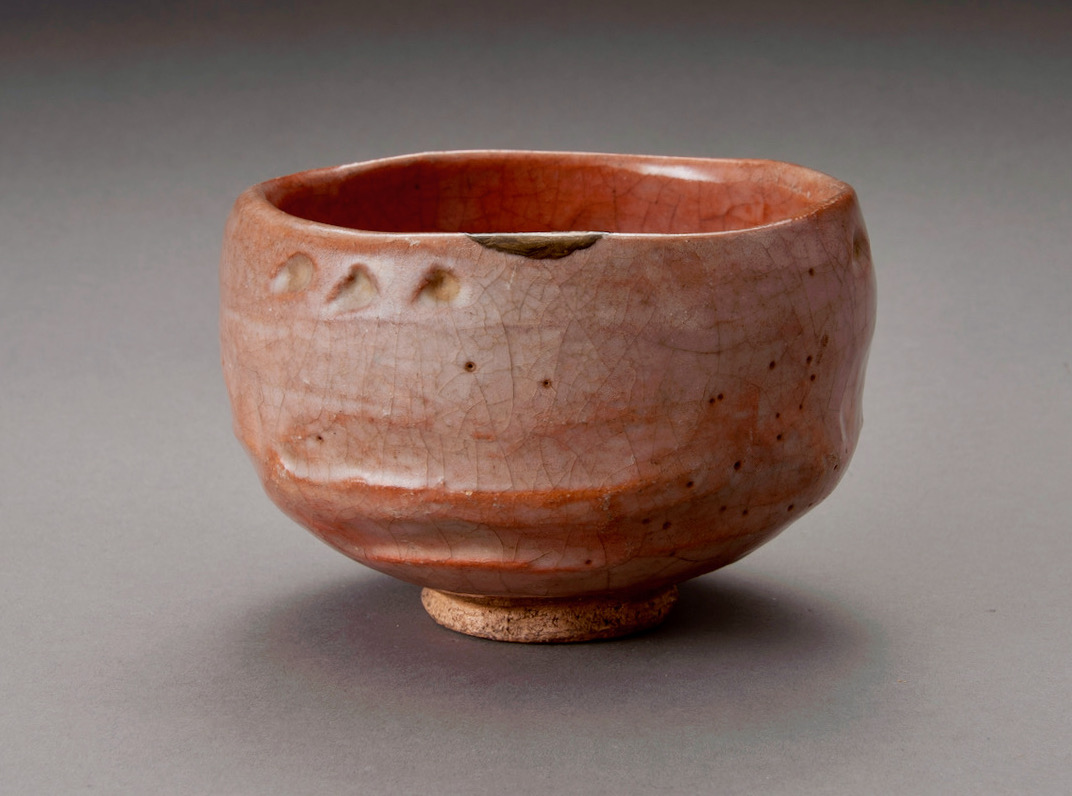
Over the years we have taken a special interest in Raku-ware and especially in works produced by the Tamamizu kiln, such as the 300+ year old ceremonial tea bow
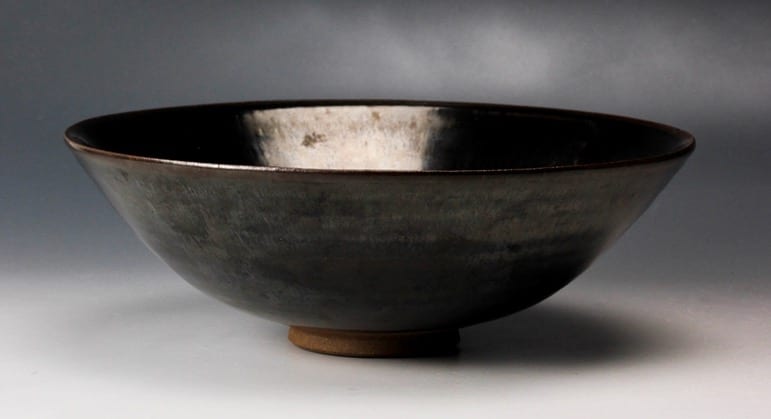
Yuzo Kondo is one of the more recognized names in the world of modern Japanese pottery of the 20th century. Though known mainly for his sometsuke creations (blu
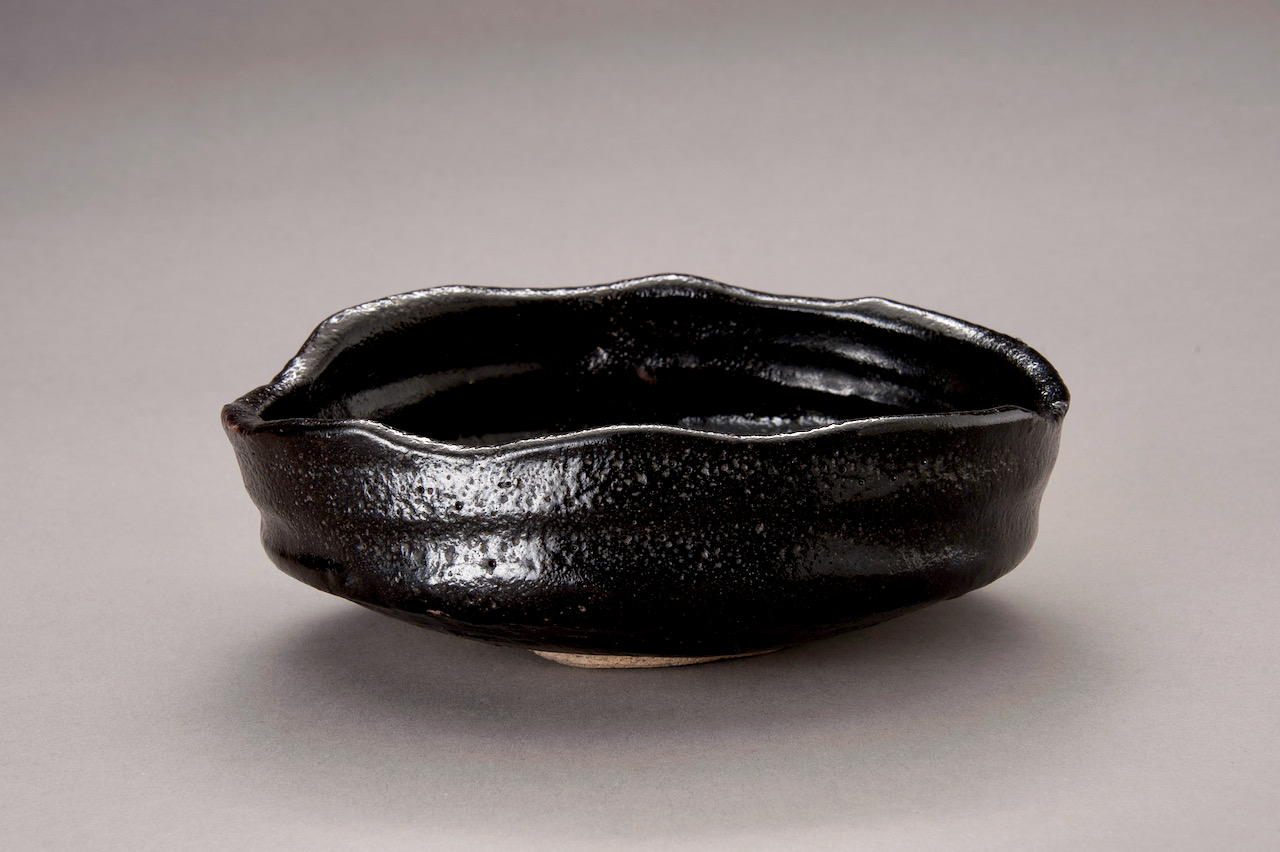
Living in Kyoto it is not uncommon to come across beautiful antique tea bowls, however, finding pieces that are in good condition, aesthetically compelling, and
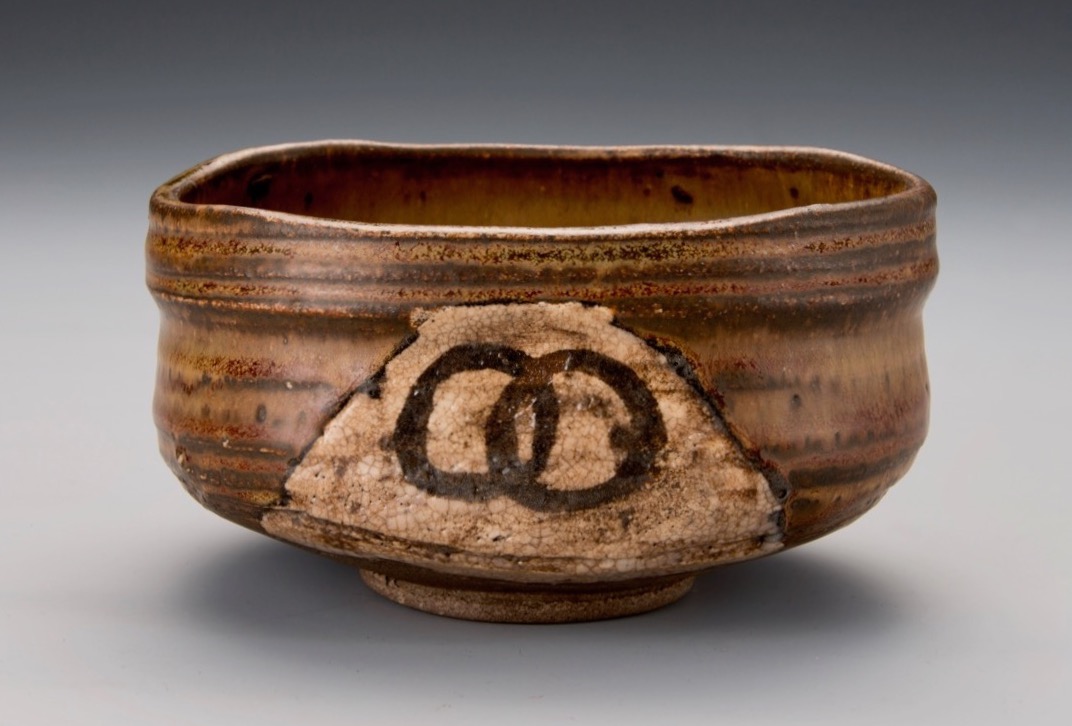
Oribe is a visual style named after the late-16th-century tea master Furuta Oribe (1544-1615). Typically, black or green glazes are applied to the bodies of the
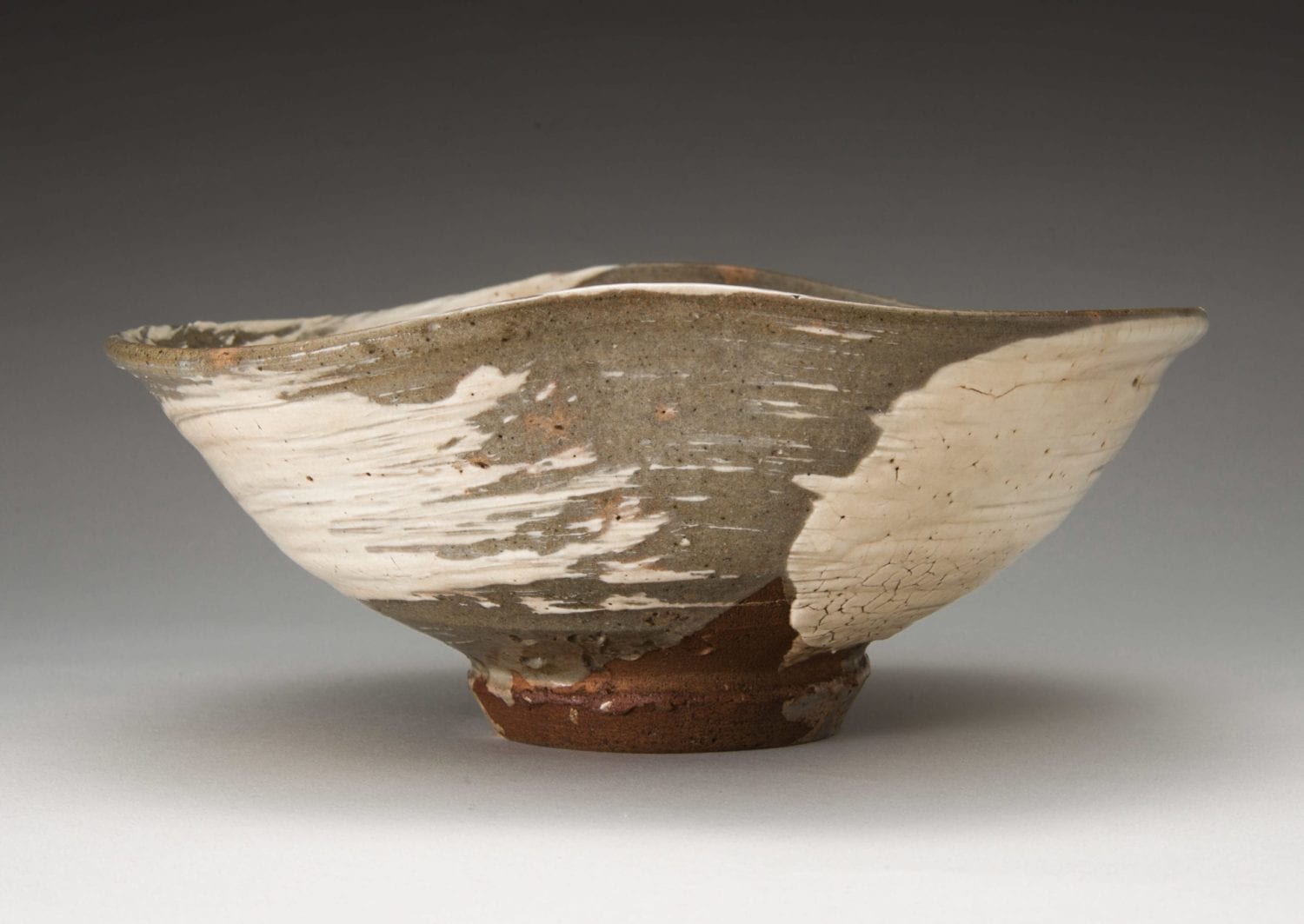
A beautiful example of a Hakeme style bowl, this one quite rare as it was made around 200 years ago by the son of the founder of the Dohachi line of potters. Tr
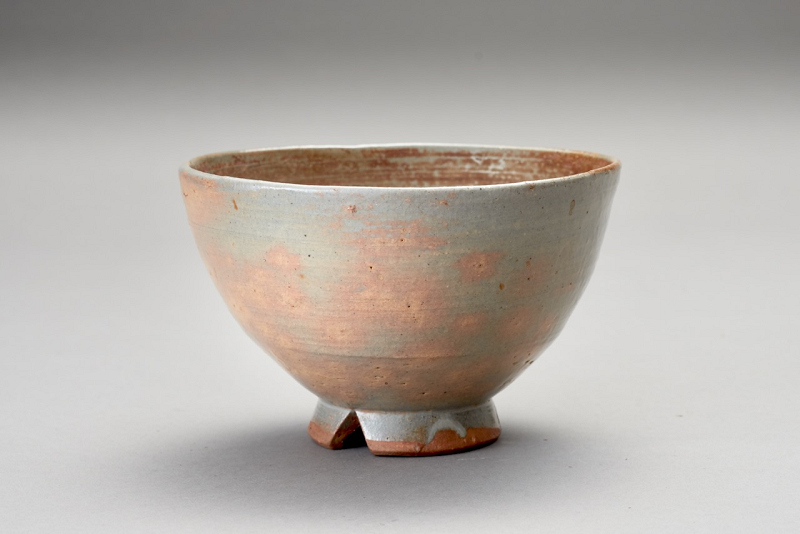
Here we see a quietly beautiful Korean tea bowl with a rounded, gently tapering form and a tall, dramatically notched foot. A translucent blue-grey glaze covers
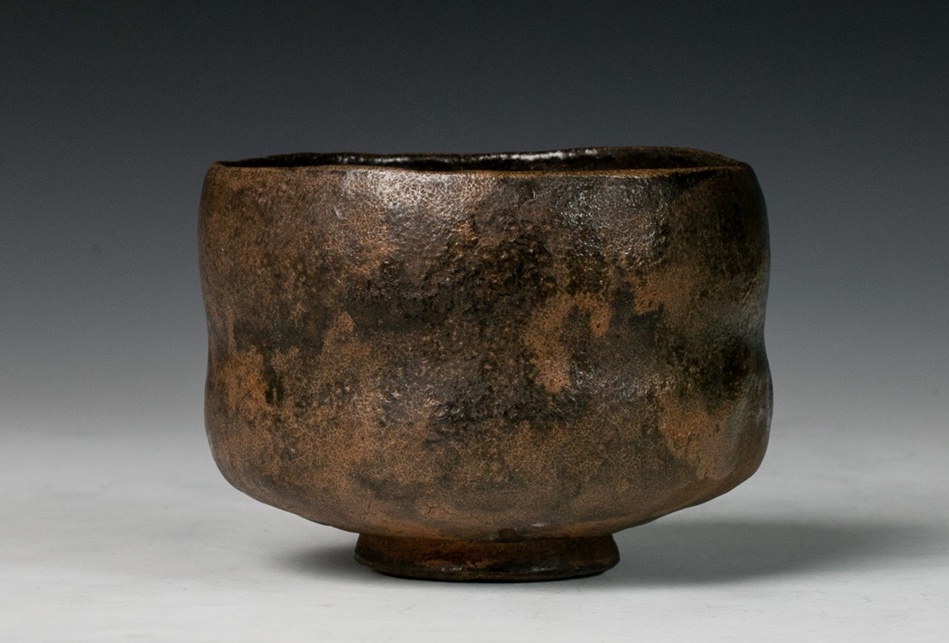
A master work by one of the top artisans of the late 20th century—the result of techniques perfected over centuries by dedicated craftsmen residing in districts
SOLD
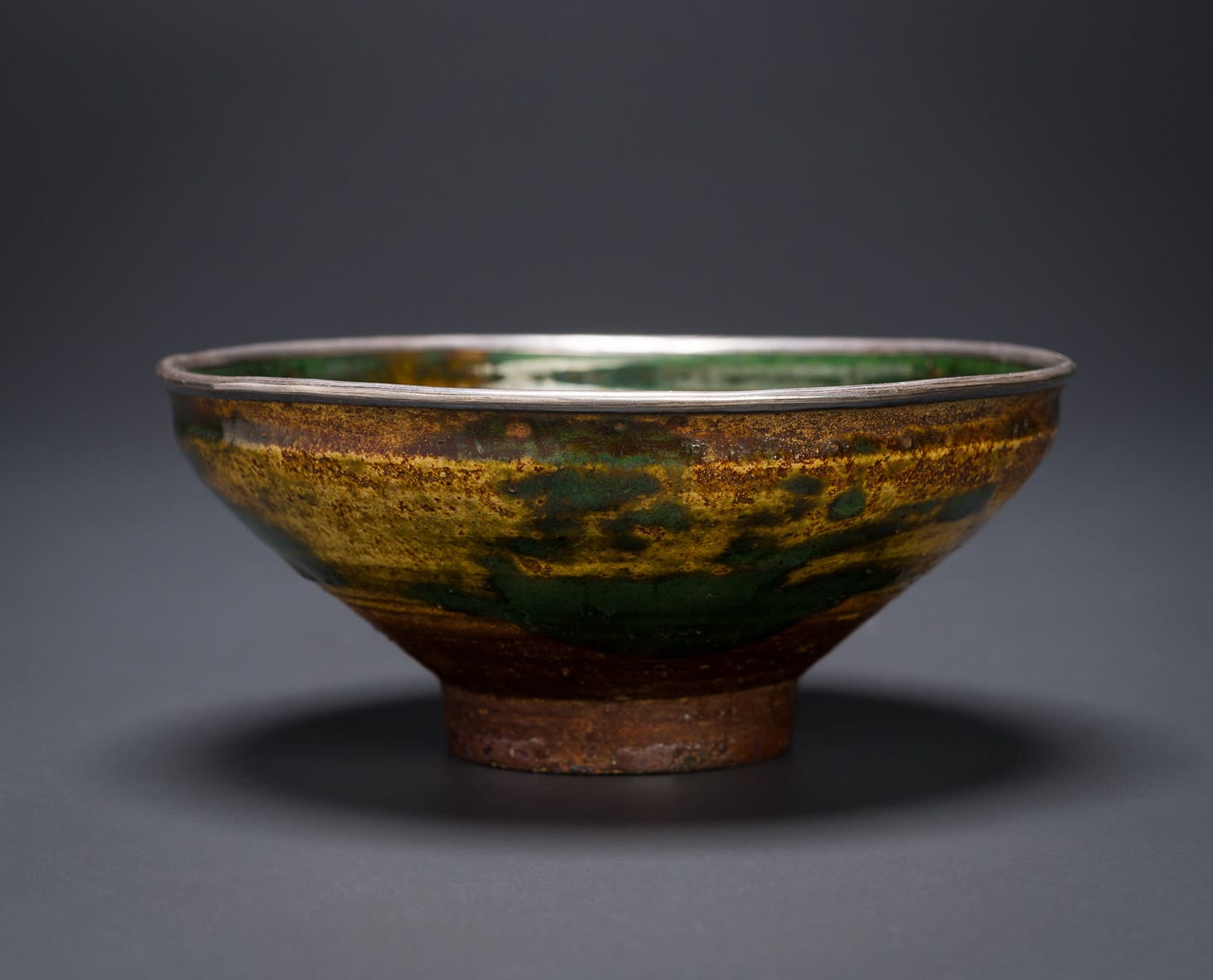
Before styles such as Raku, Hagi, Karatsu, etc came into fashion for use in the tearoom in early Edo, it was commonplace in cultured society to use tea-ware imp
SOLD
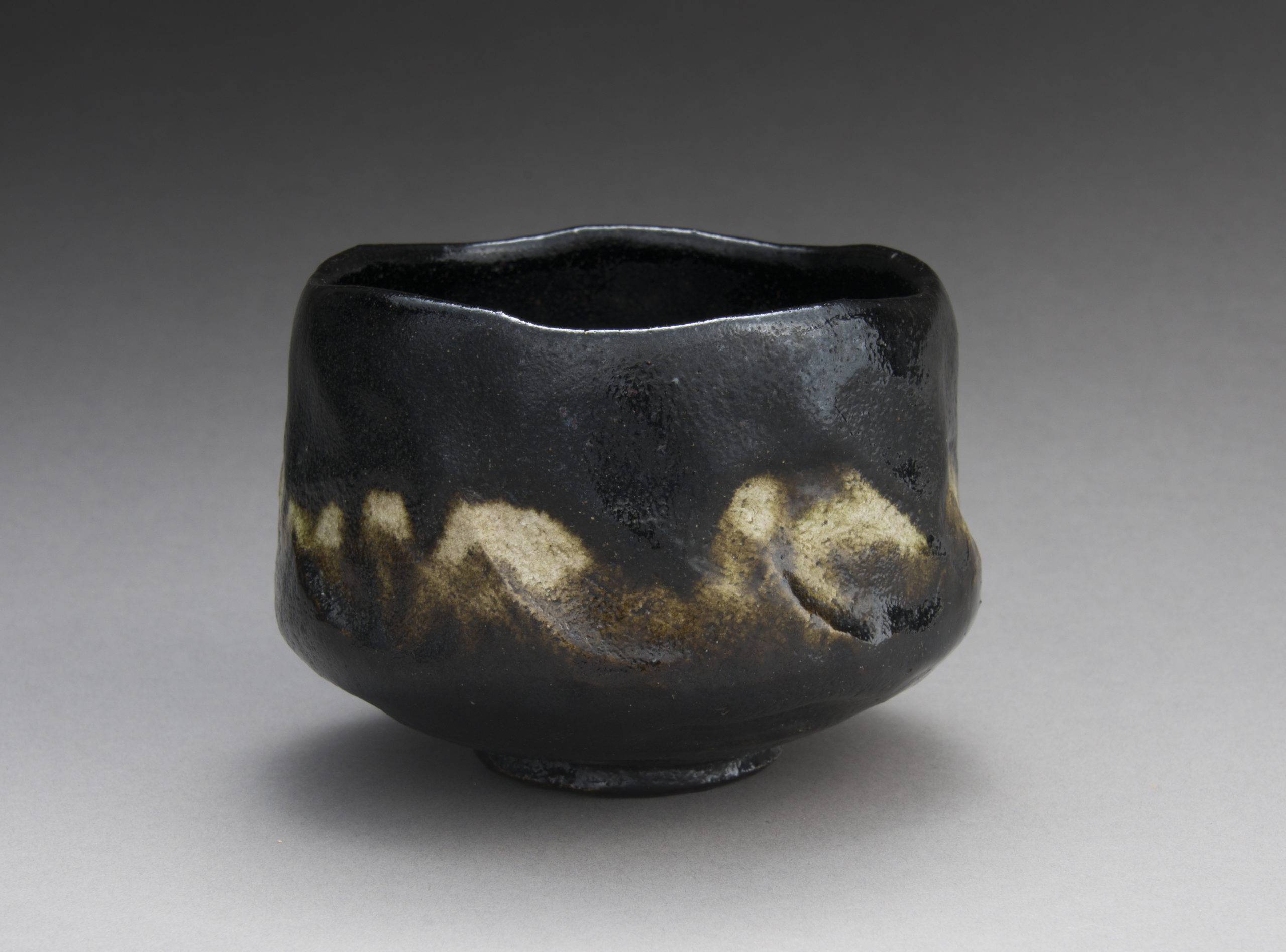
A black Raku ceremonial tea bowl displaying an excellent patina bestowed by time. The light colored clay peeks through in areas giving this piece a unique feel.
SOLD
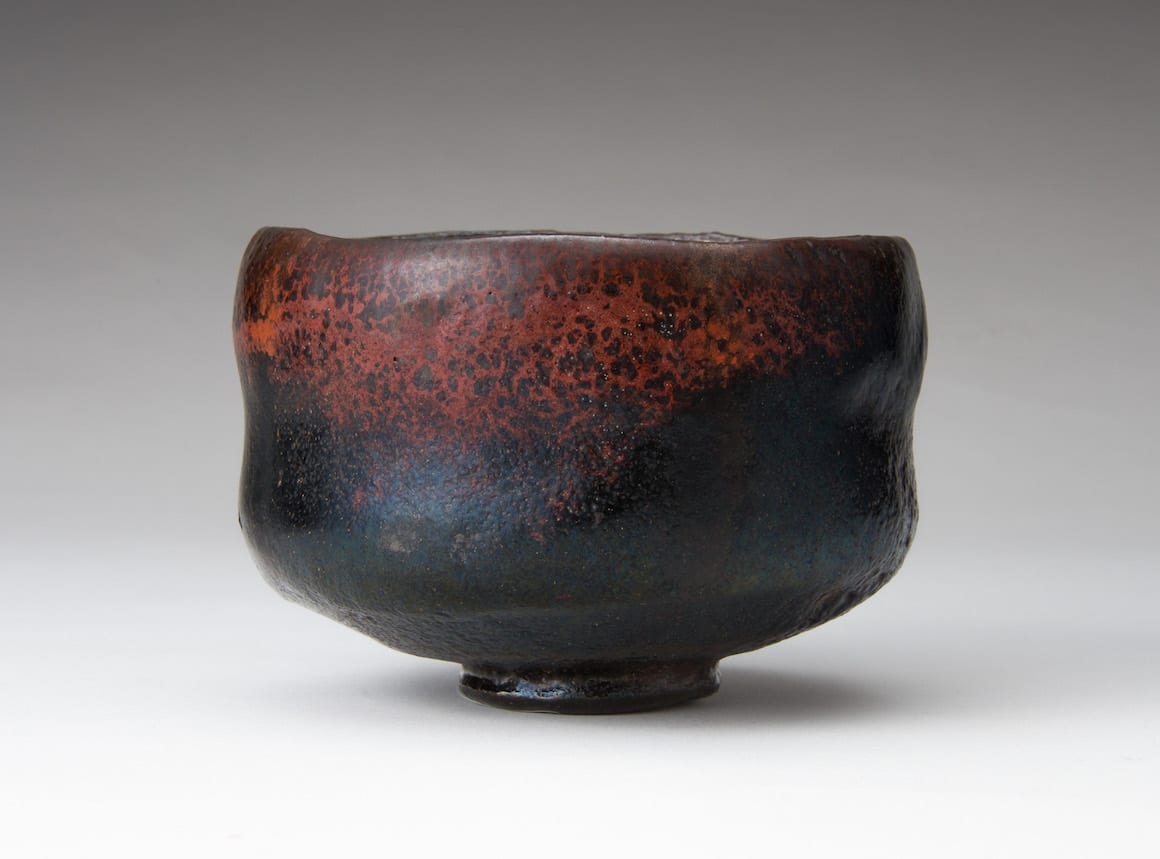
In the world of Japanese ceramics, Tamamizu-ware has an almost mythical standing. A branch of the main Raku line, at one time the two kilns held equal prominenc
SOLD
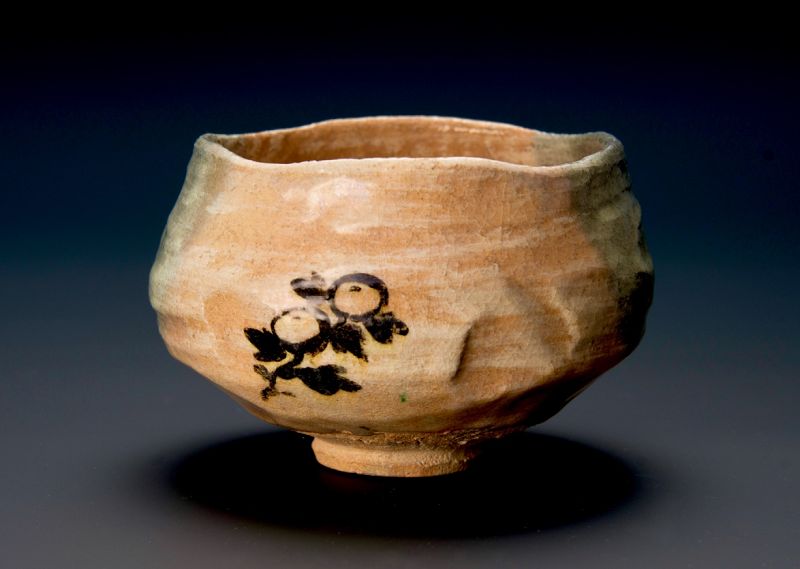
This iconic tea bowl was crafted by one of the great masters of Japanese pottery and given the poetic name “Dewdrop” by a famous tea master of the Omote-senke s
SOLD
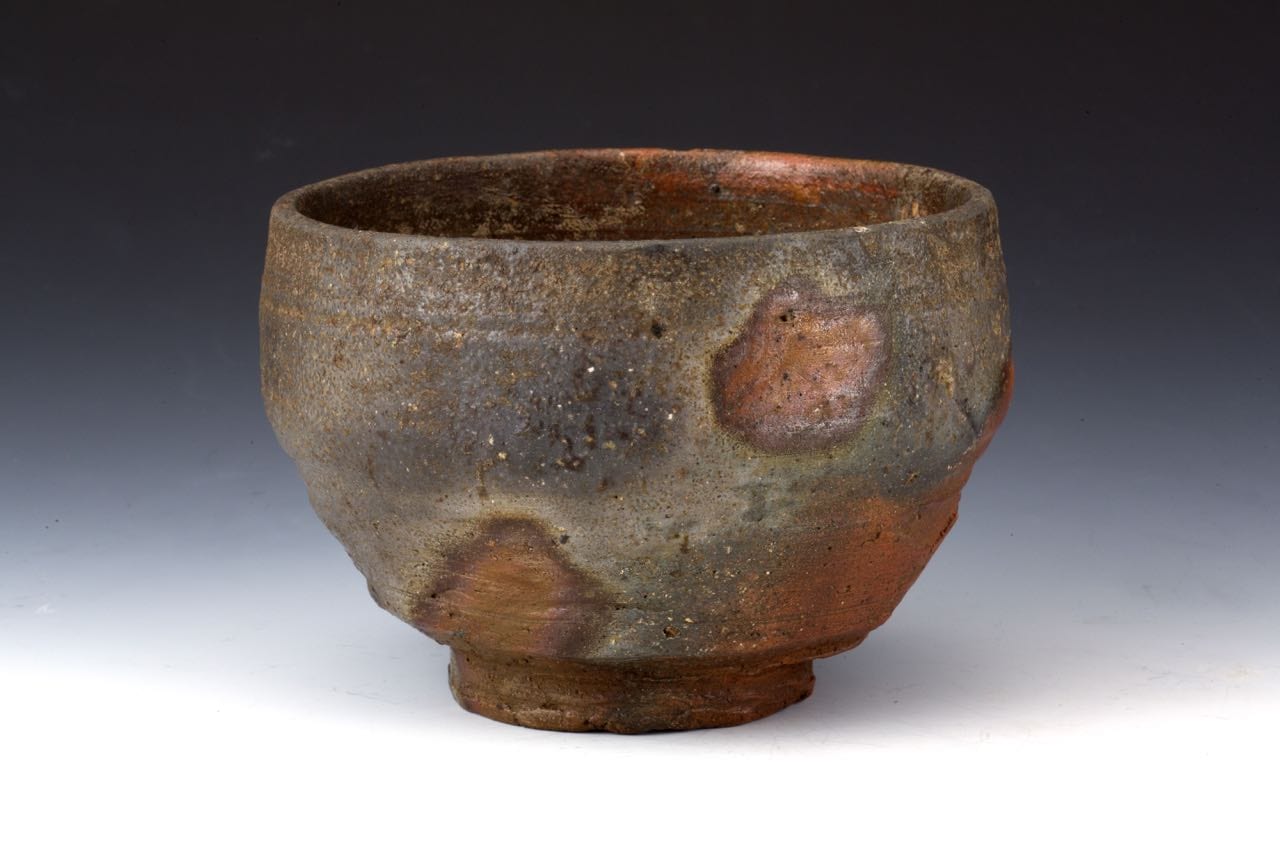
Signed by the 13th Iemoto (tea master) of Omotesenke, Sokuchusai (1901-1979) this exceptional tea bowl bears the poetic name Asahi or “Morning Sun.” Brilliant o
SOLD
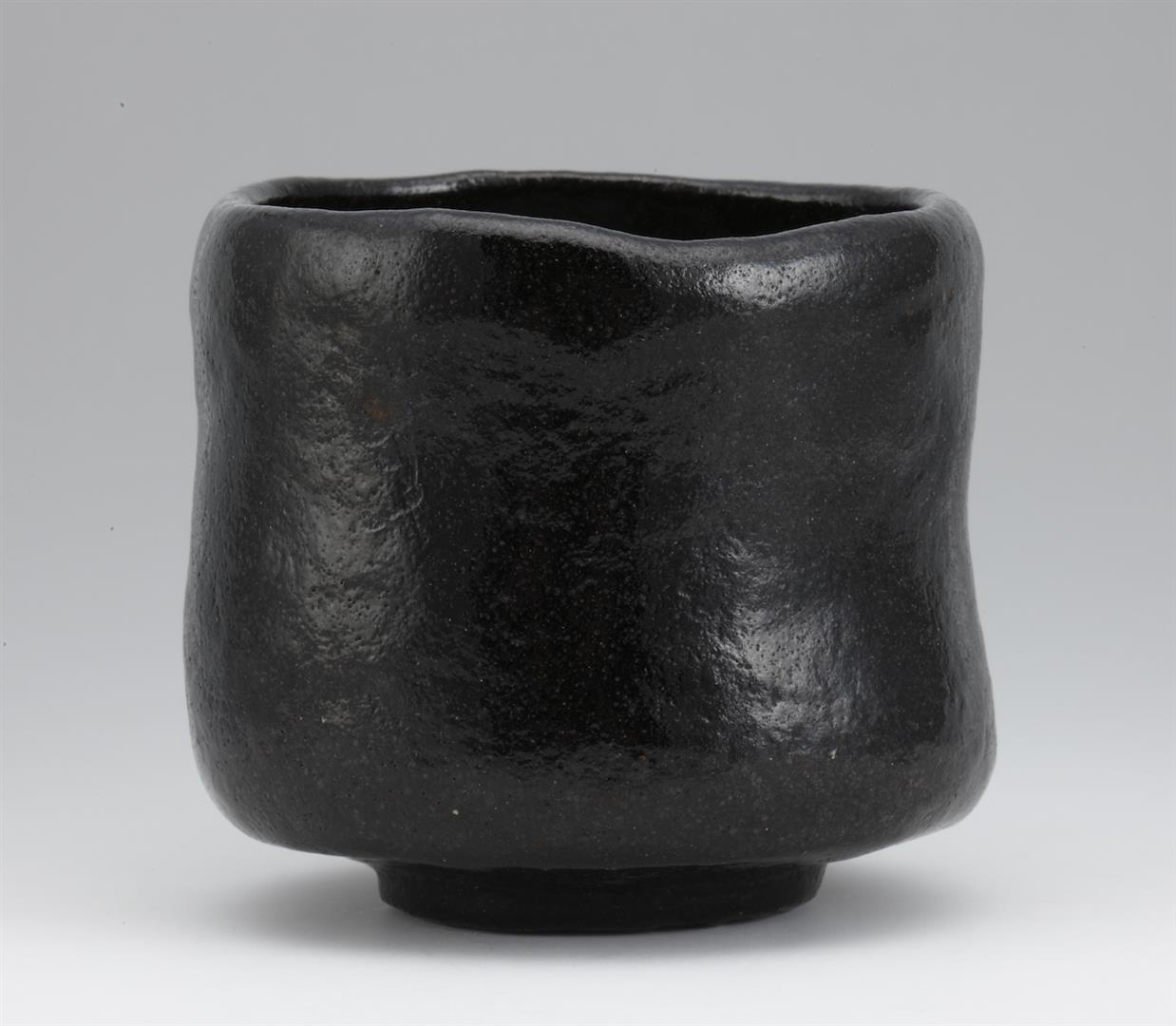
Raku glazed ceramic. This well-shaped and firmly grounded tea bowl is the work of Sanyū—Kichizaemon VI of the Raku line of potters. Highly regarded in the tea w
SOLD
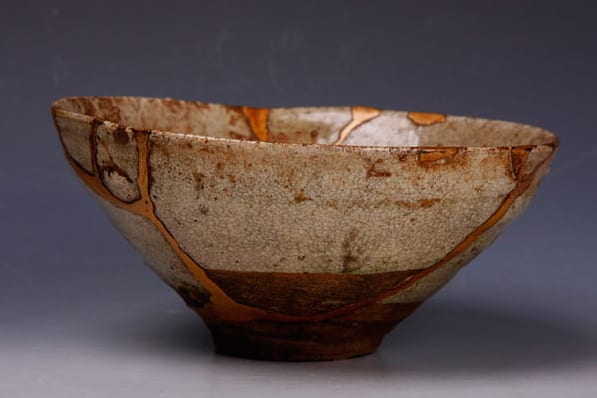
This lovely Ido-gata shaped chawan has very nice asymmetrical balance highlighted by extensive and skillfully applied kintsugi gold repairs. The inside bottom o
SOLD
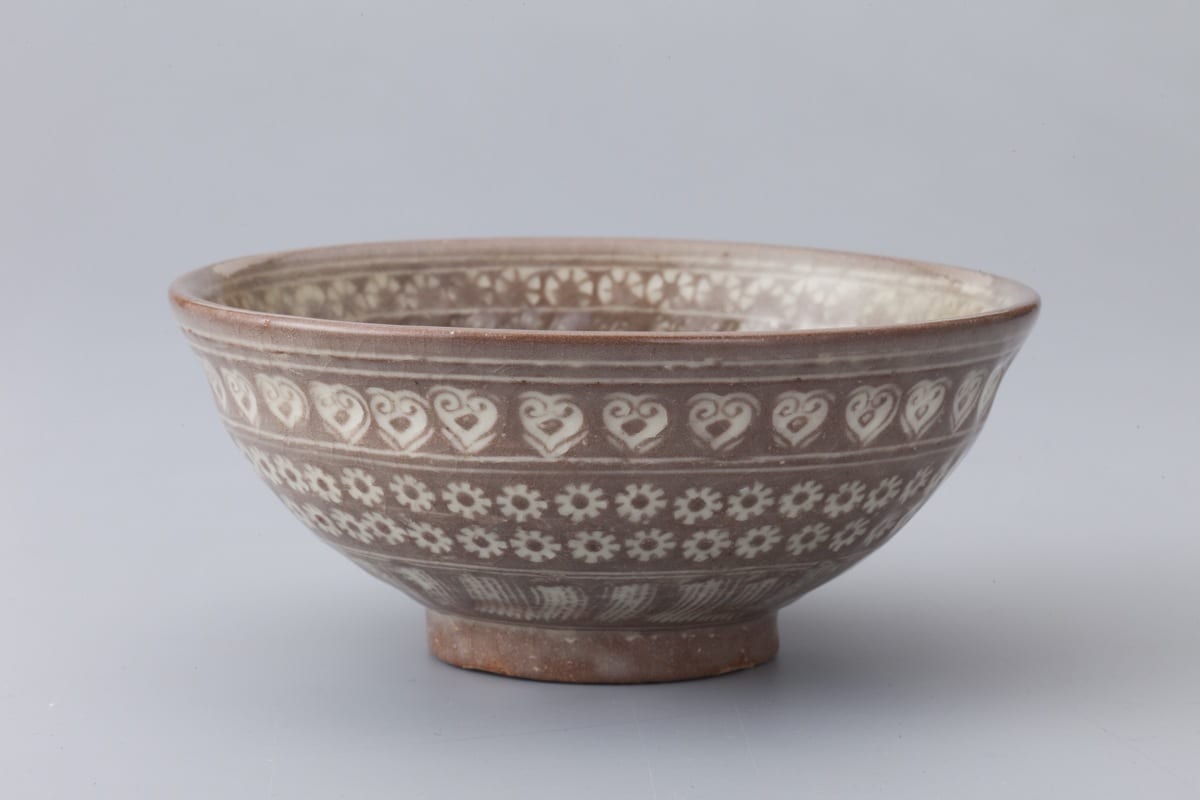
Glazed stoneware. This tea bowl features intricate design work rarely seen in the bulk of Kanjirō’s pieces—likely indicating his early period. The medallion-lik
SOLD
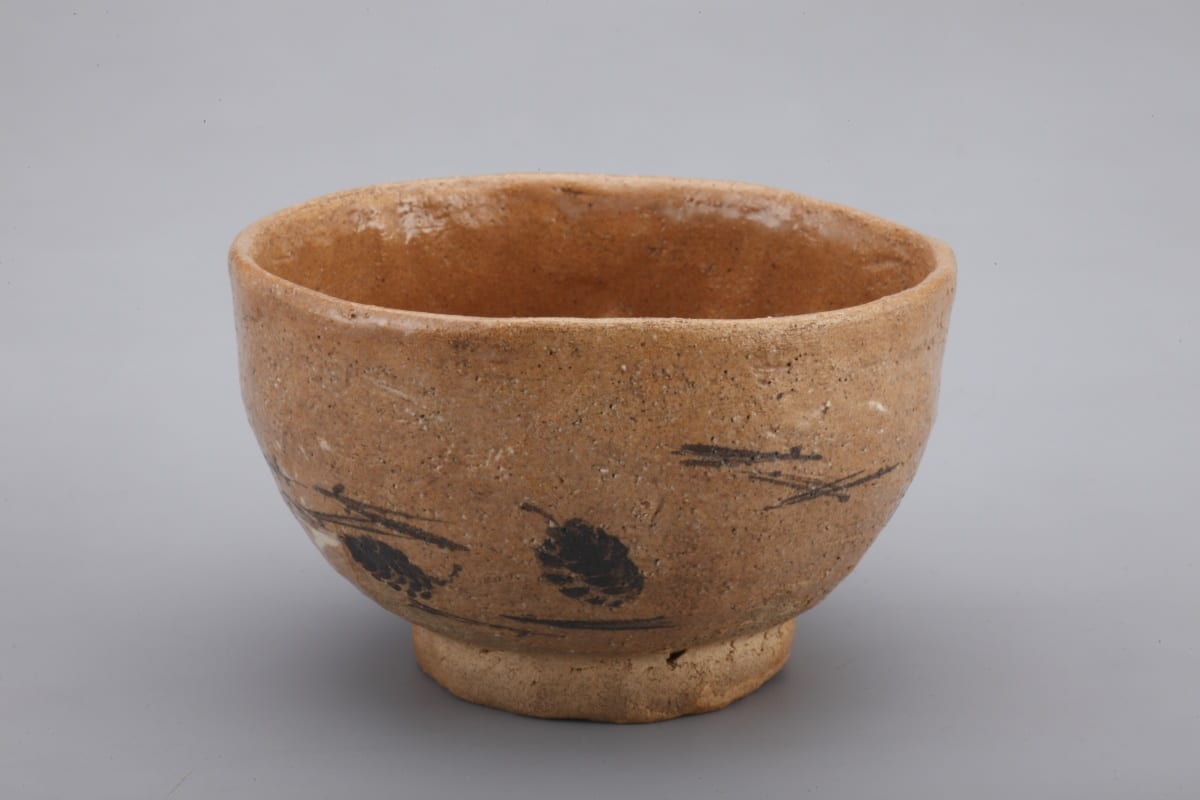
Sumi painting and calligraphy on ceramic. This chawan is light in the hand and contrasts beautifully with a dark rich bowl of matcha. While the poems of many of
SOLD
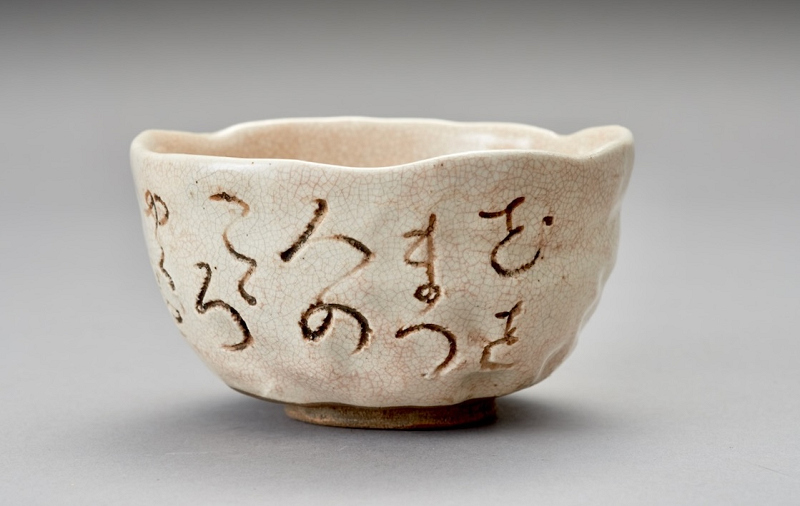
Sold, Thank You! The poem etched on the side of this exceptional piece reads: 花を待つ人の心や雲となりて山の端ごとに立ちまよふらん The hearts of those waiting for flowers to blossom — ha
SOLD