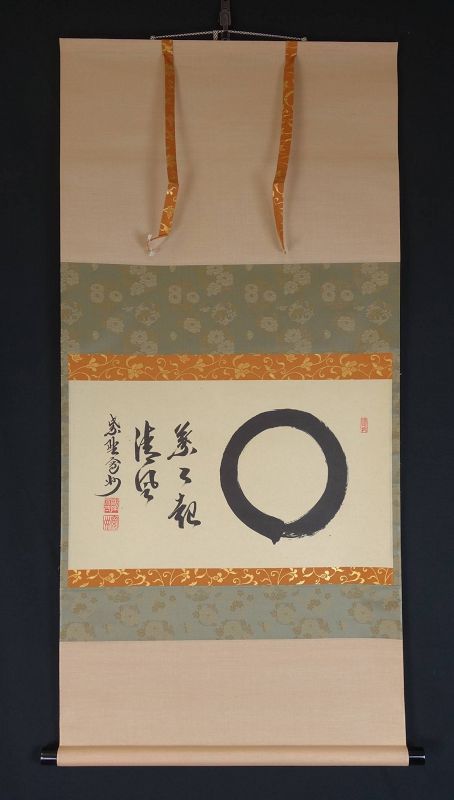
Painting of Enso by Priest of Kyoto’s Sangen-in, Hasegawa Kanshu
Deceptively simple and notoriously difficult to apply with the calligrapher’s brush in one fluid, arching stroke; the symbol of the ensō has long been associate
Selected by shared artwork type, categories, artist and era. Available works appear first.
Back to the artwork · Browse the full collection
Deceptively simple and notoriously difficult to apply with the calligrapher’s brush in one fluid, arching stroke; the symbol of the ensō has long been associate
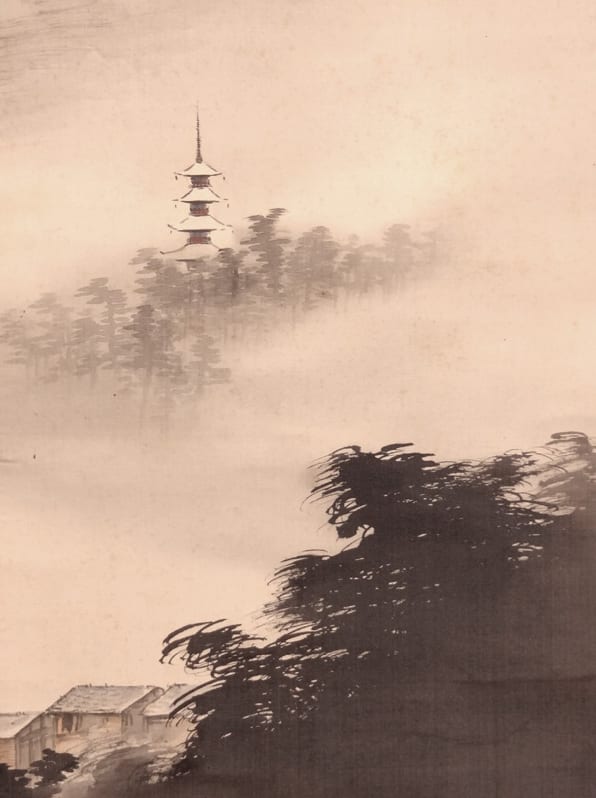
This masterful rendition of an idilic landscape done in the Nanga style of Chinese painting is spread across three canvases titled 1) “Arashiyama” (A district n
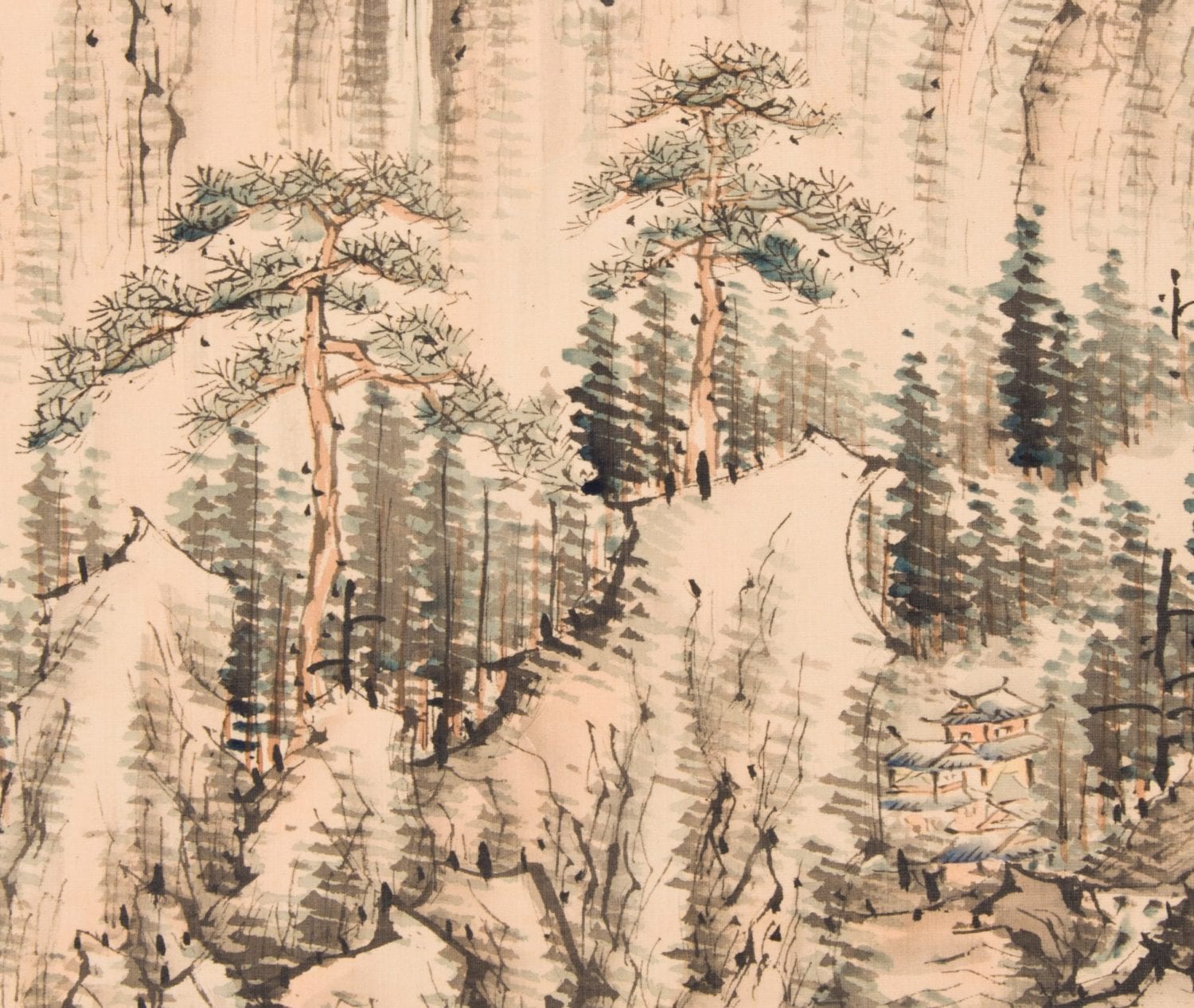
Japanese Nihonga painting on paper—this piece by well-known Edo painter, poet, and tea ceremony devotee Yamamoto Baiitsu depicts an idealized mountain scene in
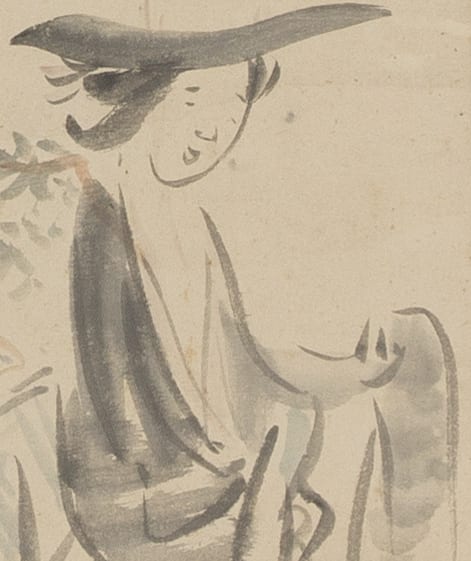
Rengetsu is widely regarded as one of the greatest waka poets of the 19th century. A skilled Shijo School painter, she was also an accomplished calligrapher and
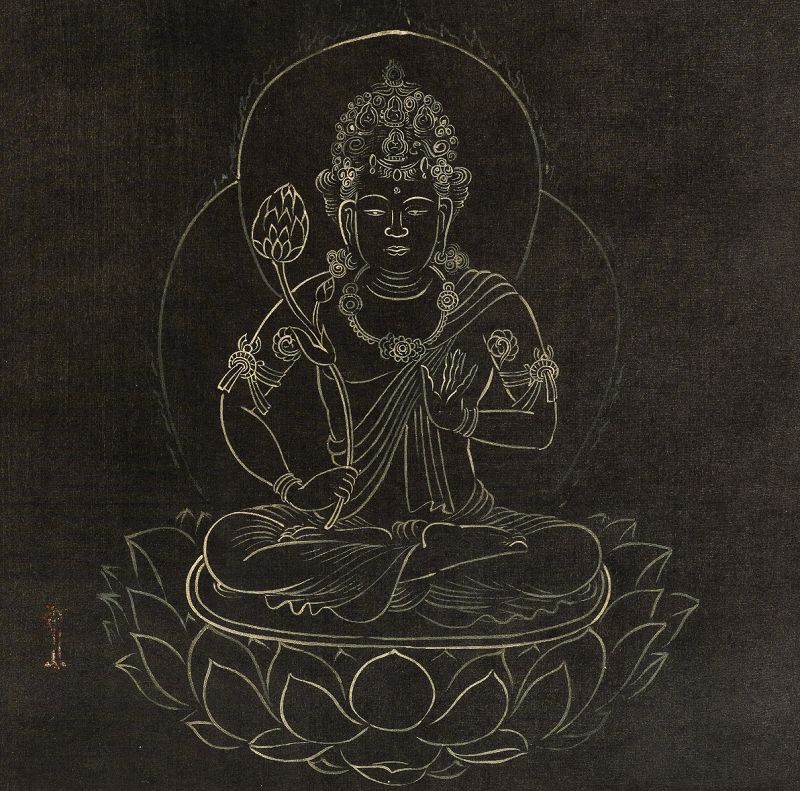
Seated in meditation with open and compassionate heart, this bodhisattva is on a spiritual journey, postponing his own salvation in order to remain on earth to
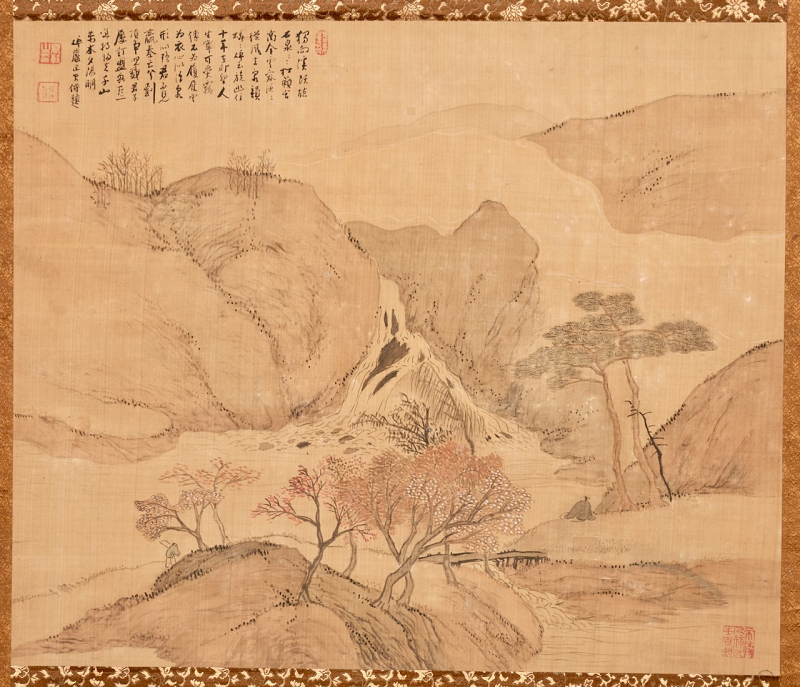
This atmospheric autumn landscape by Takamori Saigan (1847–1917), unfolds through delicate ink work and restrained colour. Russet trees occupy the foreground, w
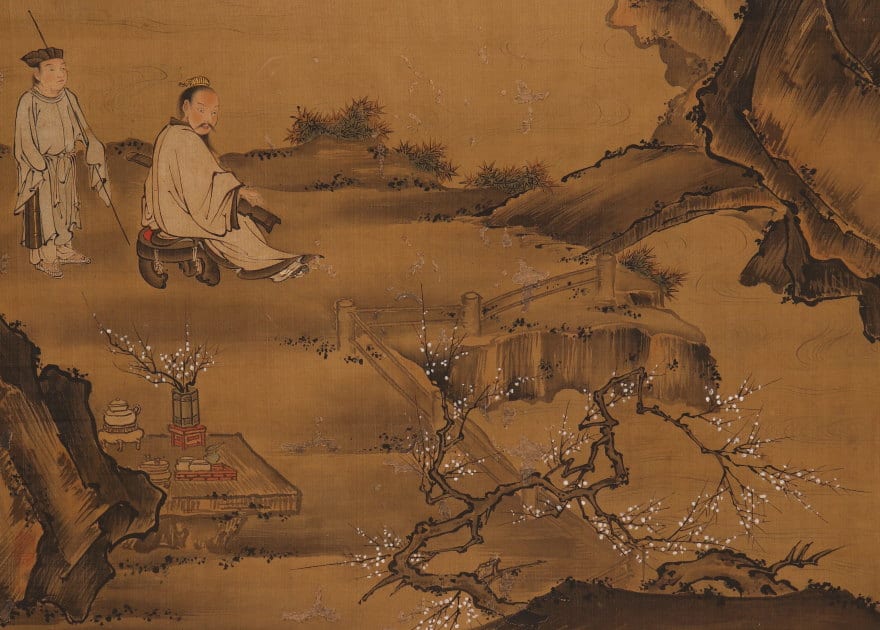
A masterpiece by one of the premier Literati painters from the Edo period. Born into a wealthy samurai family, At a young age, Bunchō was given a stipend that e
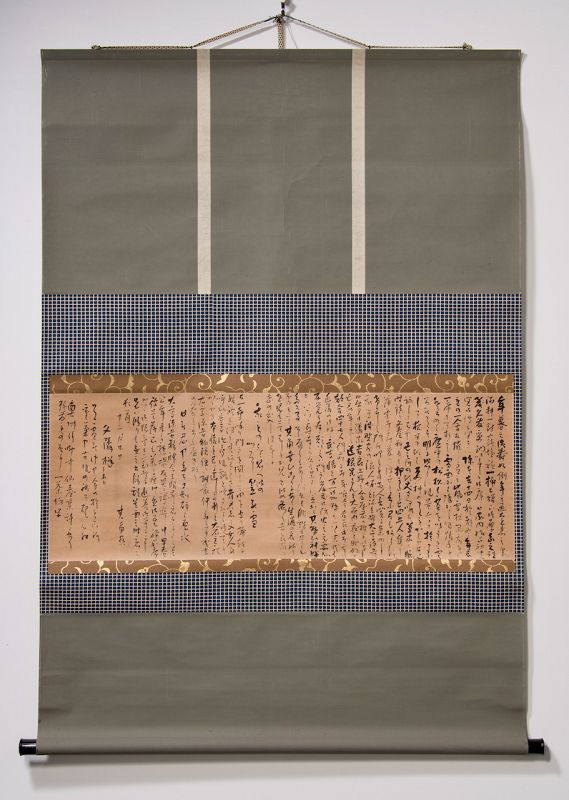
Here we have a scroll-mounted letter in a copy signed by the famed Japanese poet Kobayashi Issa (1763-1828), who is counted with Bashō and Buson among the three
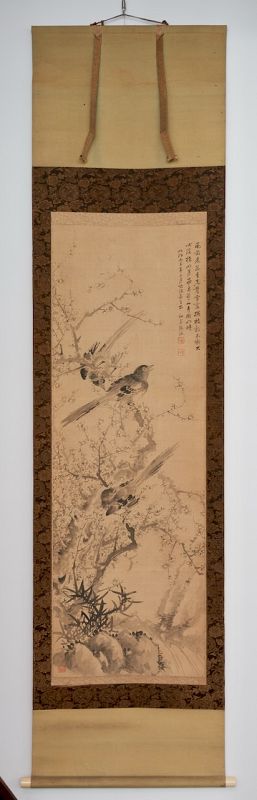
This Meiji-period hanging scroll has that lovely quiet confidence you see in literati-style kachōga (seasonal nature motifs) of the era: elegant, unforced, and
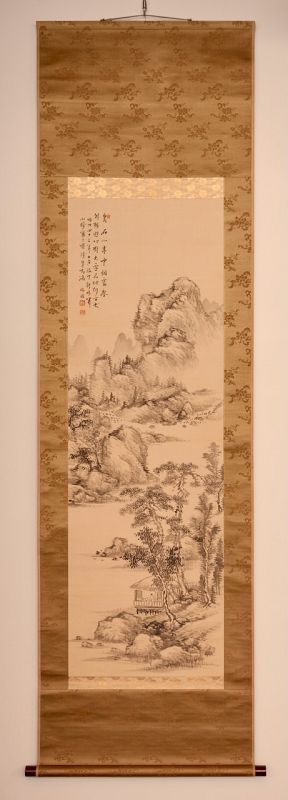
An elegant antique Japanese hanging scroll from Meiji depicting a serene landscape in ink on silk, composed in the literati manner with softly layered mountain
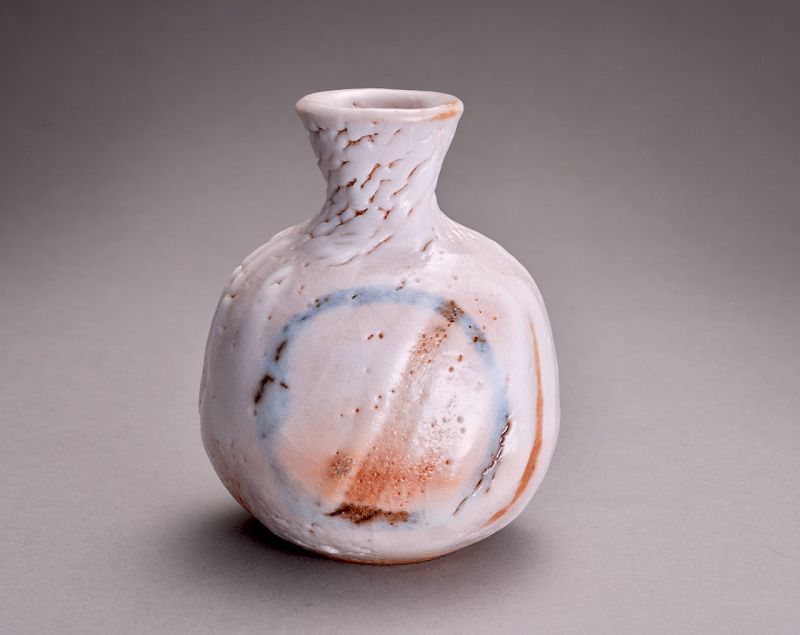
This depiction of the eternal “ensō” on a backdrop of pearly white feldspar over red clay signifies enlightenment, the eternal, the nothingness, and the freedom