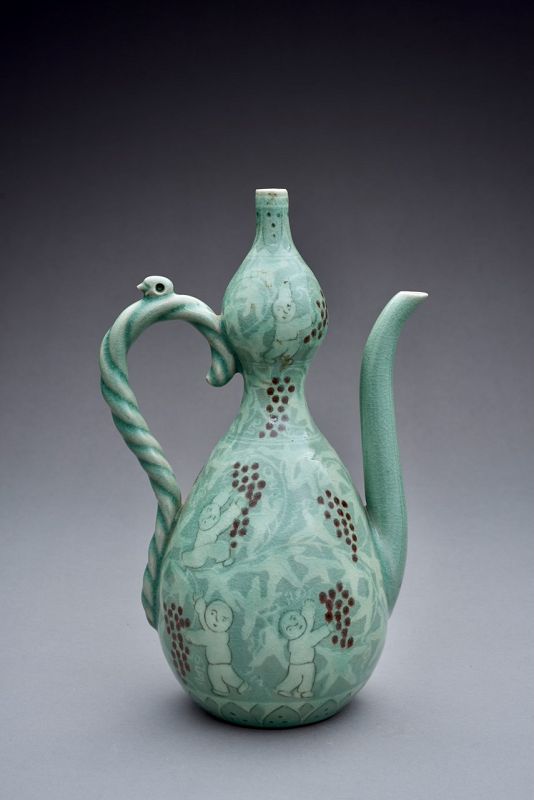
A Korean Celadon Goryeo Vase by LNT Yu Geun-Hyeong
This unique and captivating celadon vase is the work of an early 20th century Korean artist who spent a number of years in Japan honing his craft. Gourd-shaped,
SOLD
Selected by shared artwork type, categories, artist and era. Available works appear first.
Back to the artwork · Browse the full collection
This unique and captivating celadon vase is the work of an early 20th century Korean artist who spent a number of years in Japan honing his craft. Gourd-shaped,
SOLD
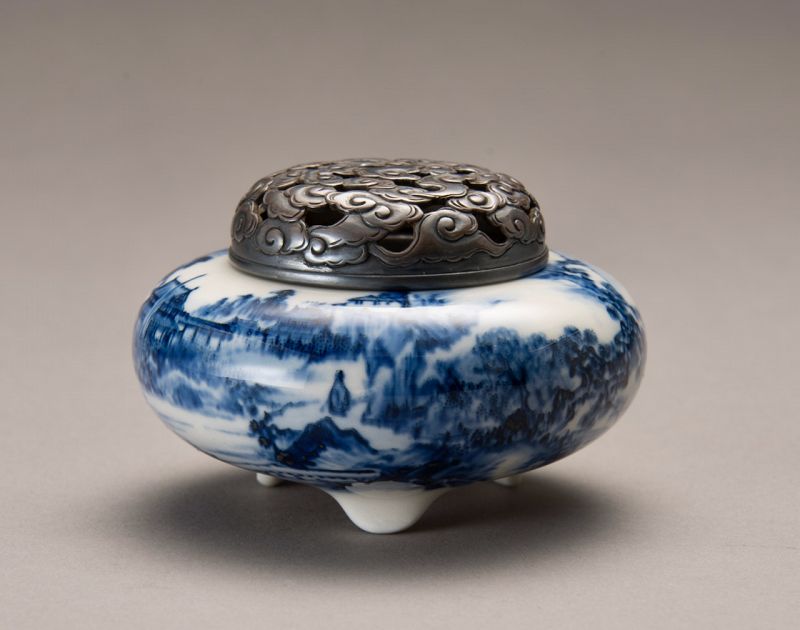
One of the most prominent potters of the Meiji period and one of only five to ever be appointed as Imperial Court Artist, the name Tozan is synonymous with fine
SOLD
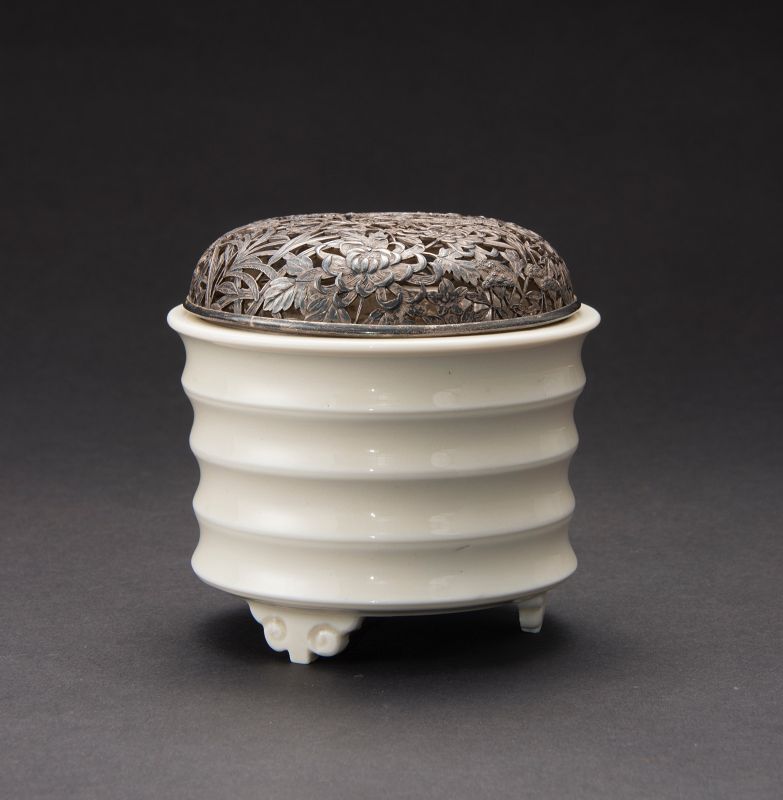
This Meiji period incense burner is made of fine white porcelain with a silver globe decorated with autumn foliage. As with much of Japanese pottery from this e
SOLD
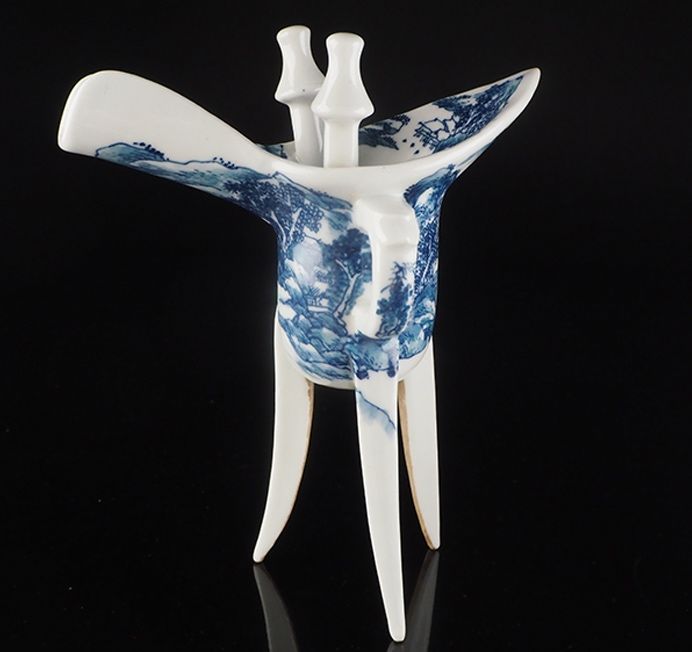
Used for ceremonial purposes by the Xia, Shang, and Zhou dynasties. Traditionally, the jue vessel was made of bronze with a pouring spout on either end and a pa
SOLD
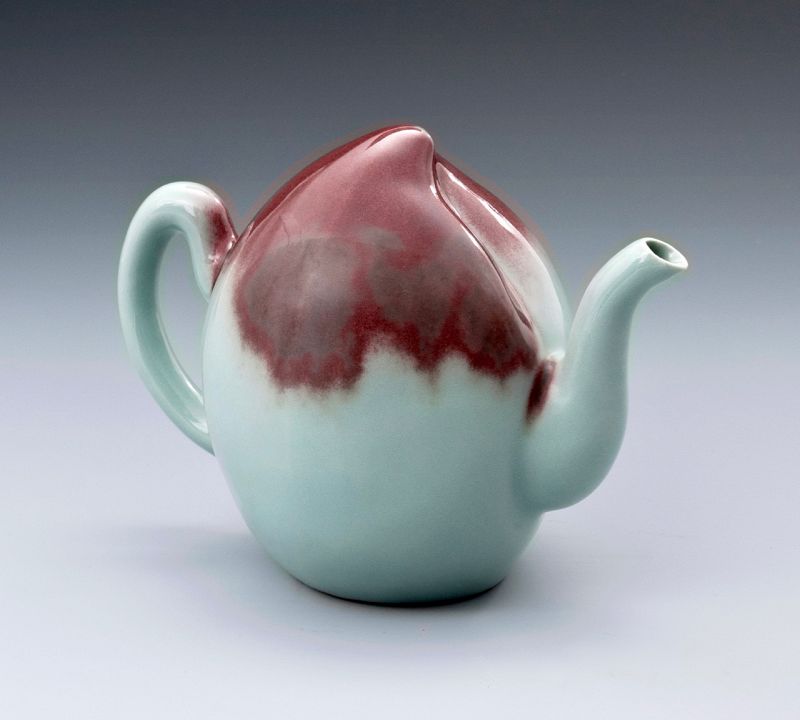
This peach-shaped suiteki (water dropper for calligraphy) is made of fine kinuta celadon from one of the great masters of the Meiji era—Suwa Sozan. A classic de
SOLD
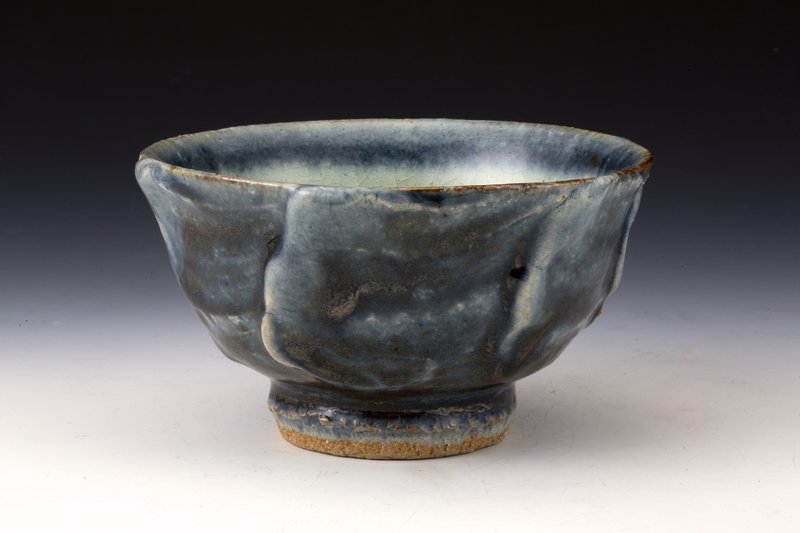
Raised, undulating ridges on a field of cobalt blue highlighted with white slip and bronze flecks around the rim, this piece conjures images of the deep and sto
SOLD
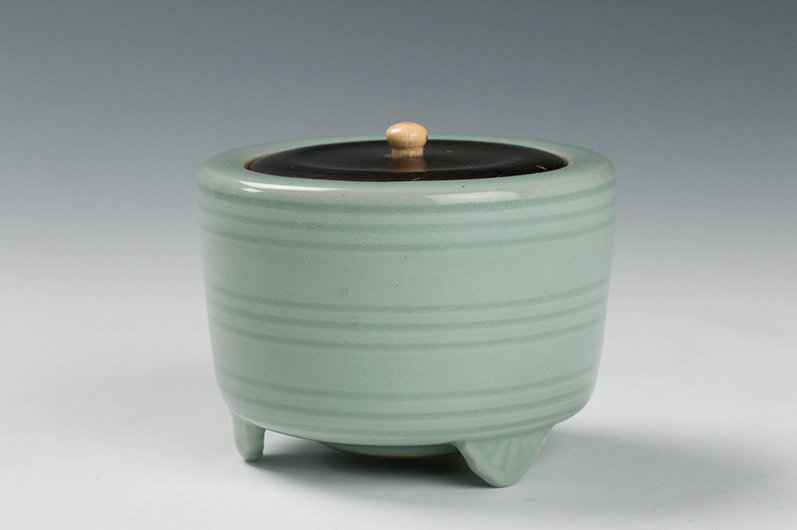
This finely crafted tripod incense burner is one of several often-employed motifs used by renowned Meiji/ Taisho ceramic artist Suwa Sozan I. With a design borr
SOLD
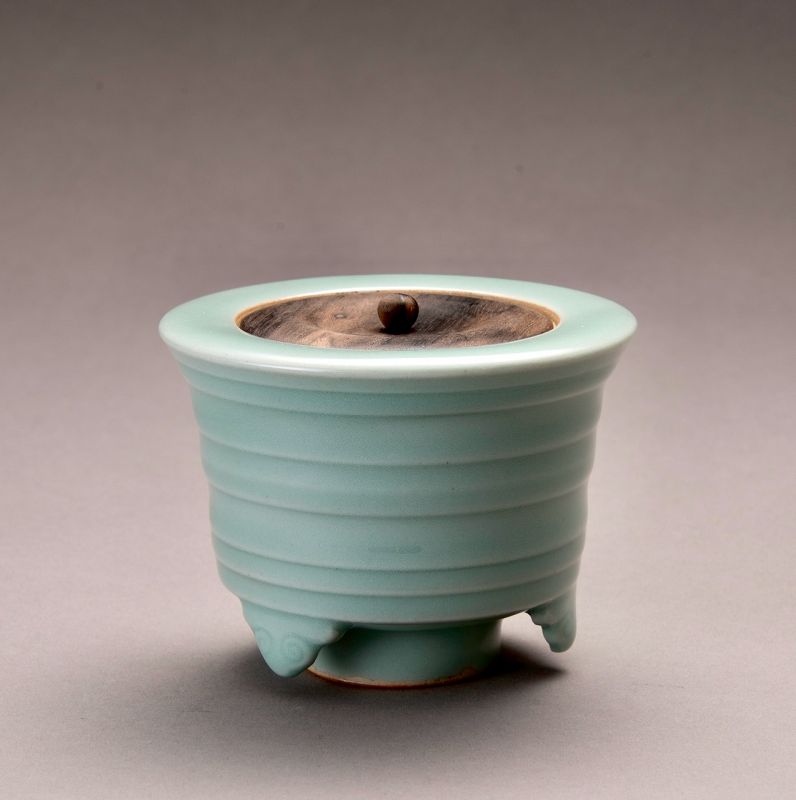
A Chinese style celadon incense burner by one of the 5 Imperial Court Artists of Meiji. Sozan spent his life perfecting techniques for celadon production first
SOLD
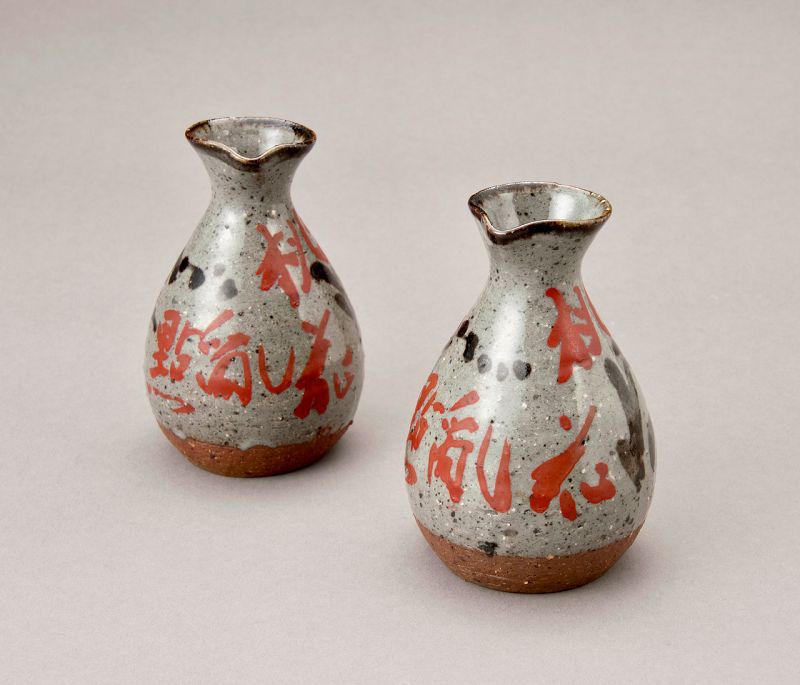
Yuzo Kondo is one of the more recognized names in the world of modern Japanese pottery of the 20th century. Though known mainly for his sometsuke creations (blu
SOLD
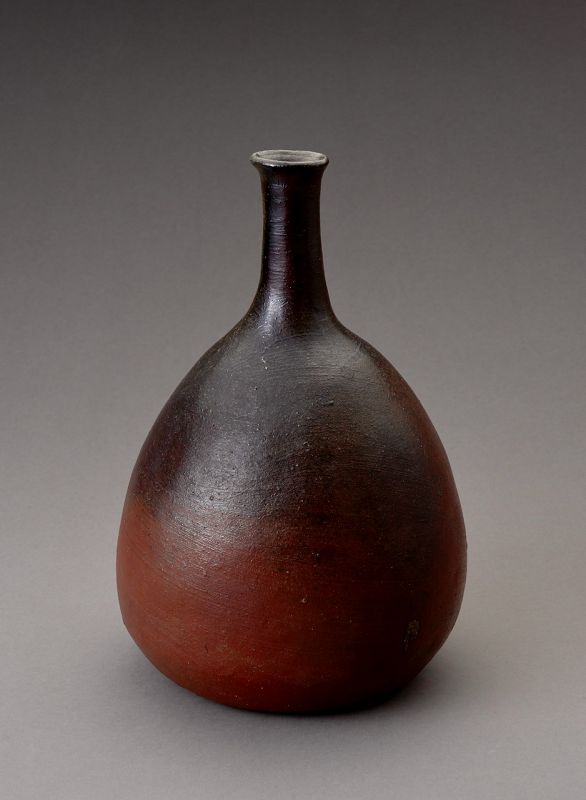
During Japan's Momoyama period, spanning from the late 16th to the early 17th century, Bizen pottery flourished, producing exquisite pieces such as this “shimok
SOLD
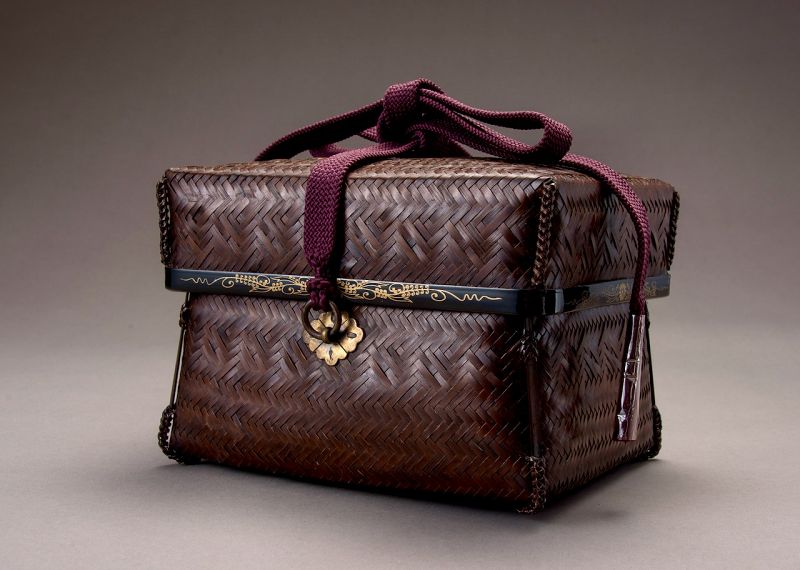
Meticulously crafted from carefully woven strips of bamboo, this traditional “chabako” would typically contain all of the basic utensils for conducting tea cere
SOLD