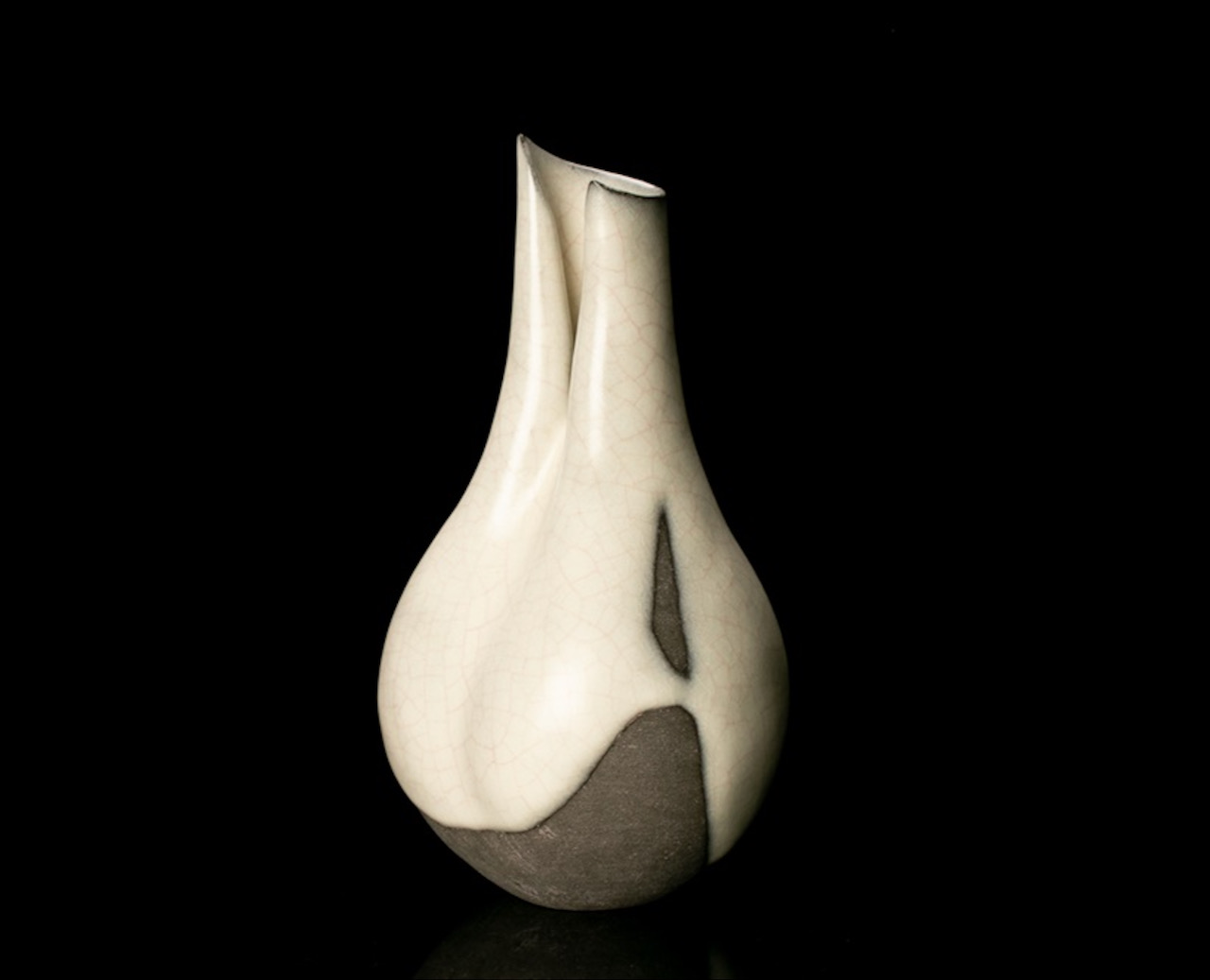
A Rice Porcelain Vase by Wakao Kei
According to Kei Wakao, the artist who crafted this extraordinary work, it took him years of trial-and-error to perfect the unique rice-porcelain glaze covering
SOLD
Selected by shared artwork type, categories, artist and era. Available works appear first.
Back to the artwork · Browse the full collection
According to Kei Wakao, the artist who crafted this extraordinary work, it took him years of trial-and-error to perfect the unique rice-porcelain glaze covering
SOLD
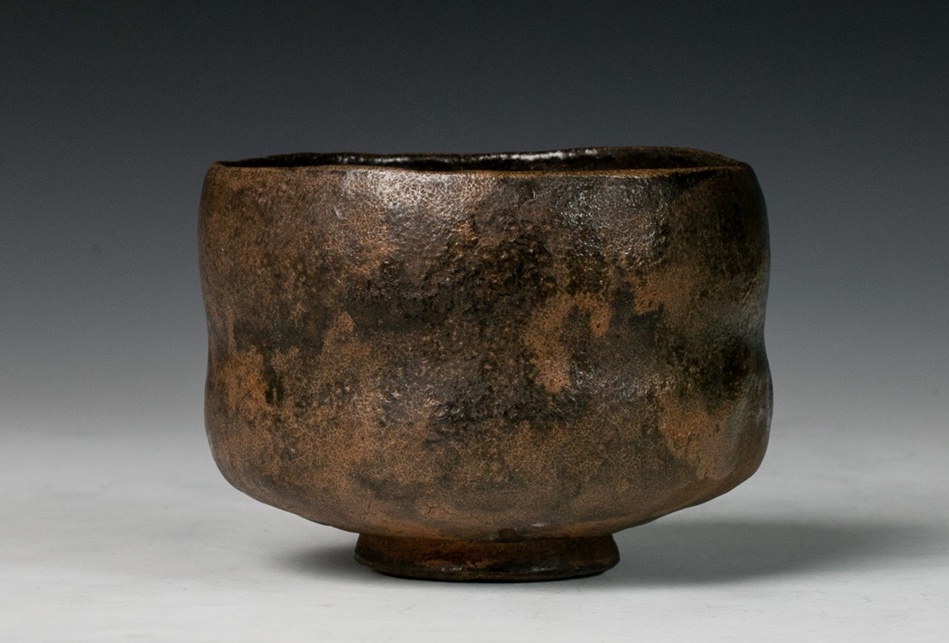
A master work by one of the top artisans of the late 20th century—the result of techniques perfected over centuries by dedicated craftsmen residing in districts
SOLD
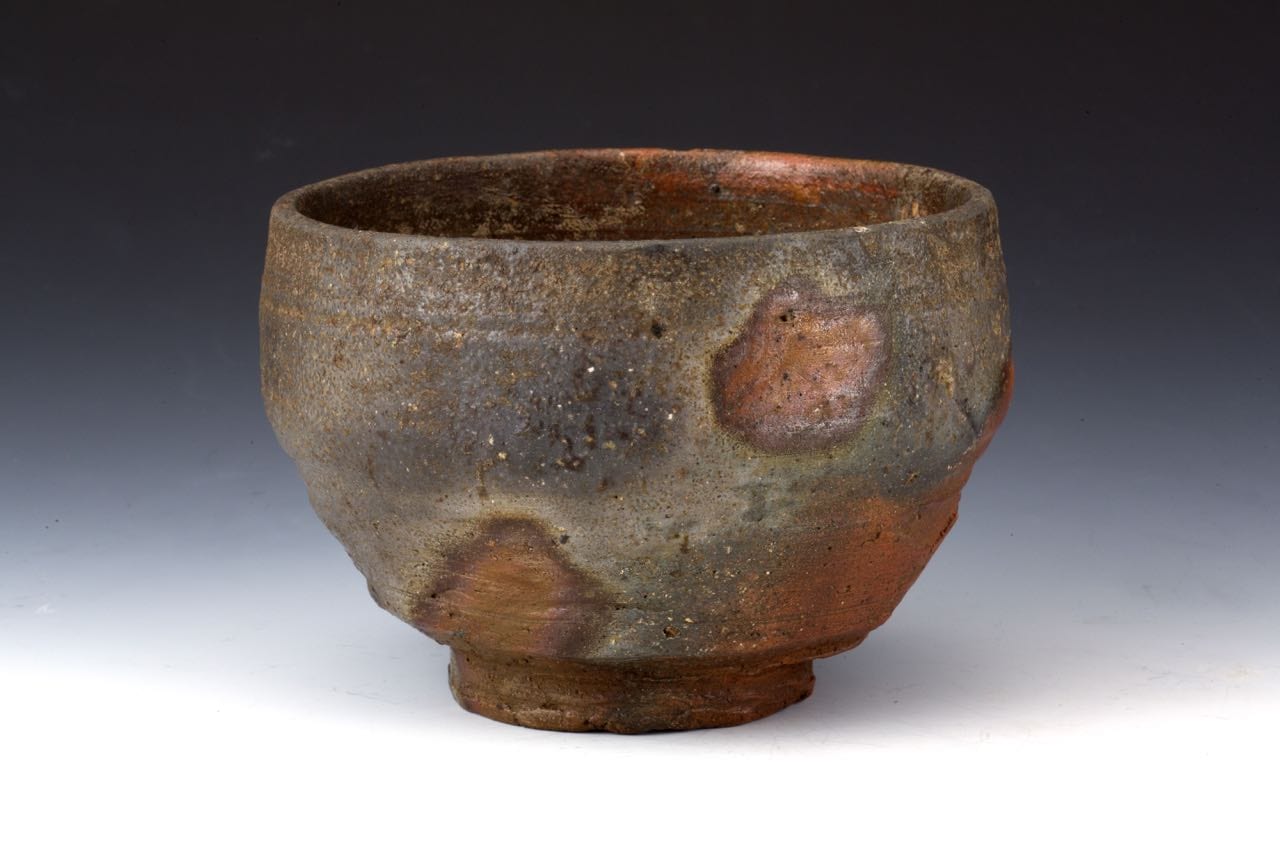
Signed by the 13th Iemoto (tea master) of Omotesenke, Sokuchusai (1901-1979) this exceptional tea bowl bears the poetic name Asahi or “Morning Sun.” Brilliant o
SOLD
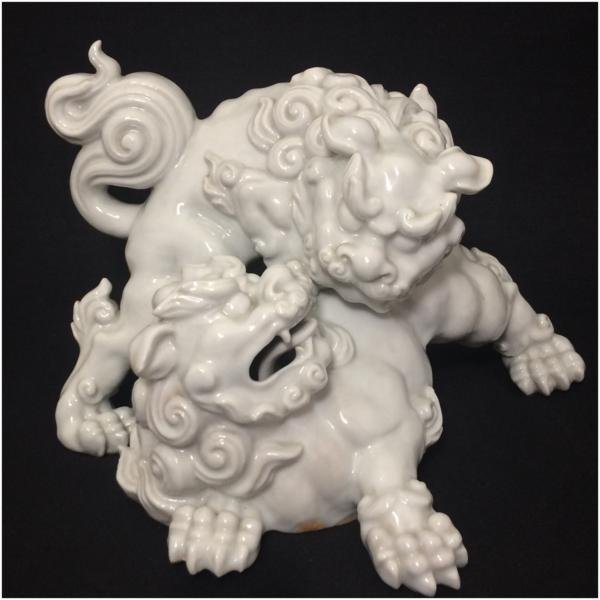
Guardian lions (alternately known as Shishi, Foo-dogs, or Koma-inu) were introduced to Japan in the 8th century and are often seen outside shrine gates or adorn
SOLD
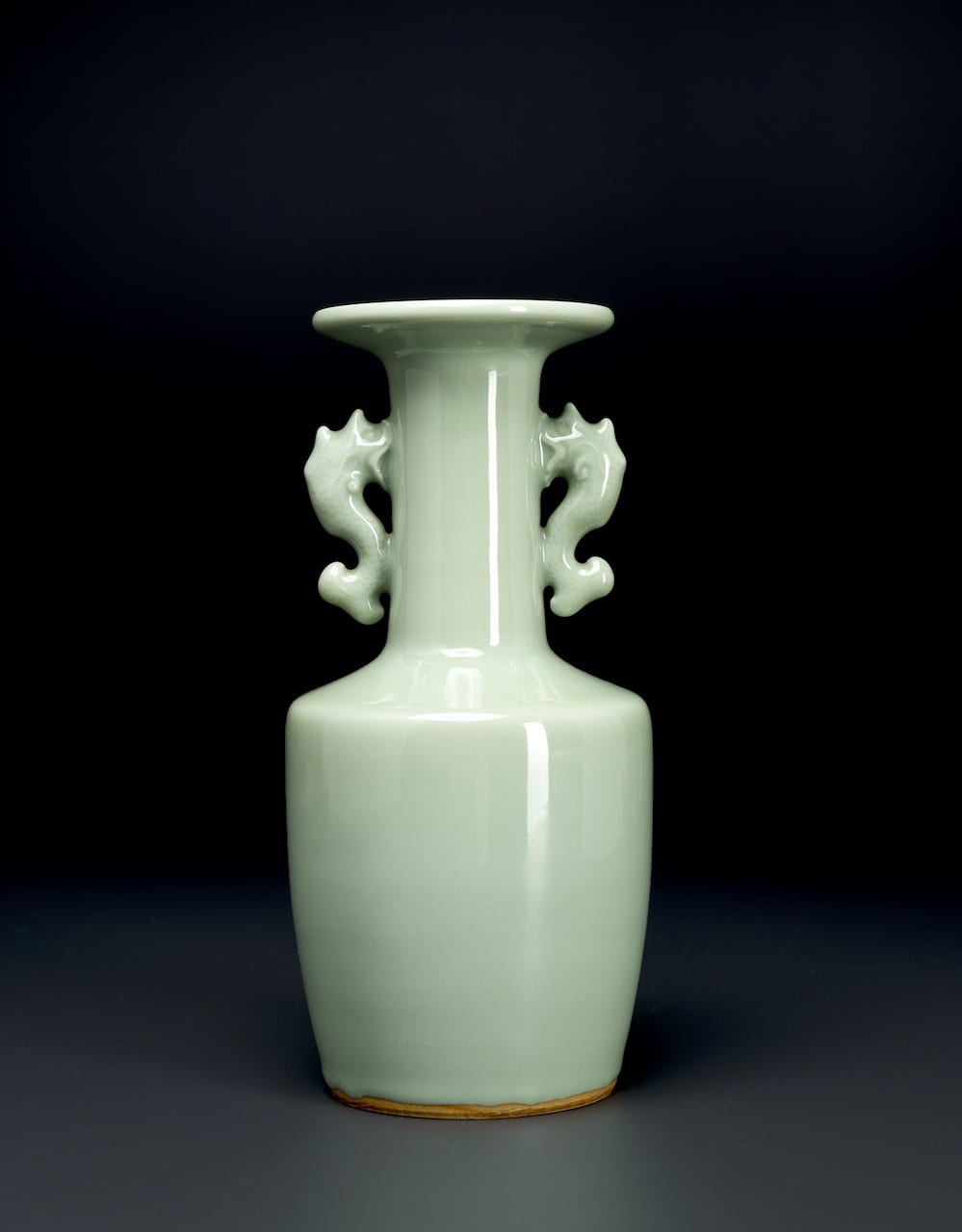
This extraordinary vase is a truly Japanese expression of a classical Chinese form. Fashioned after cylindrical Song Dynasty pieces that are thought to have bee
SOLD
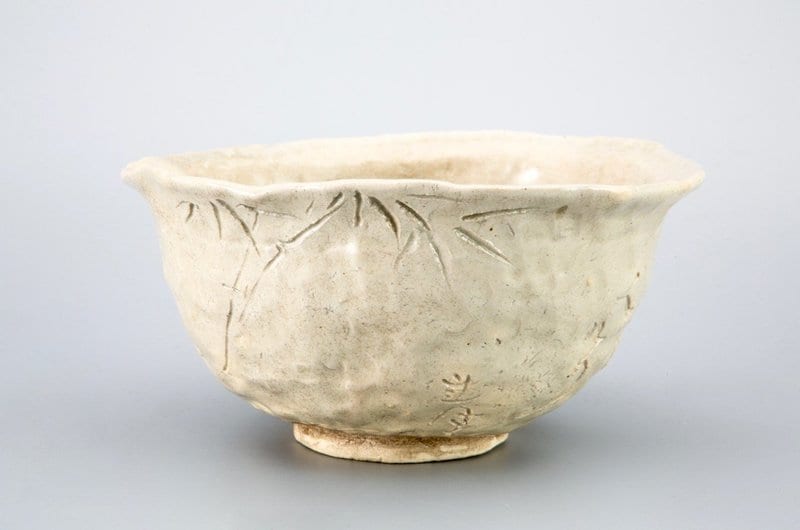
This rare and interesting ceramic work was done by one of the most renowned and loved waka poets of the 19th century, Ōtagaki Rengetsu (1791-1875). In fact, if
SOLD
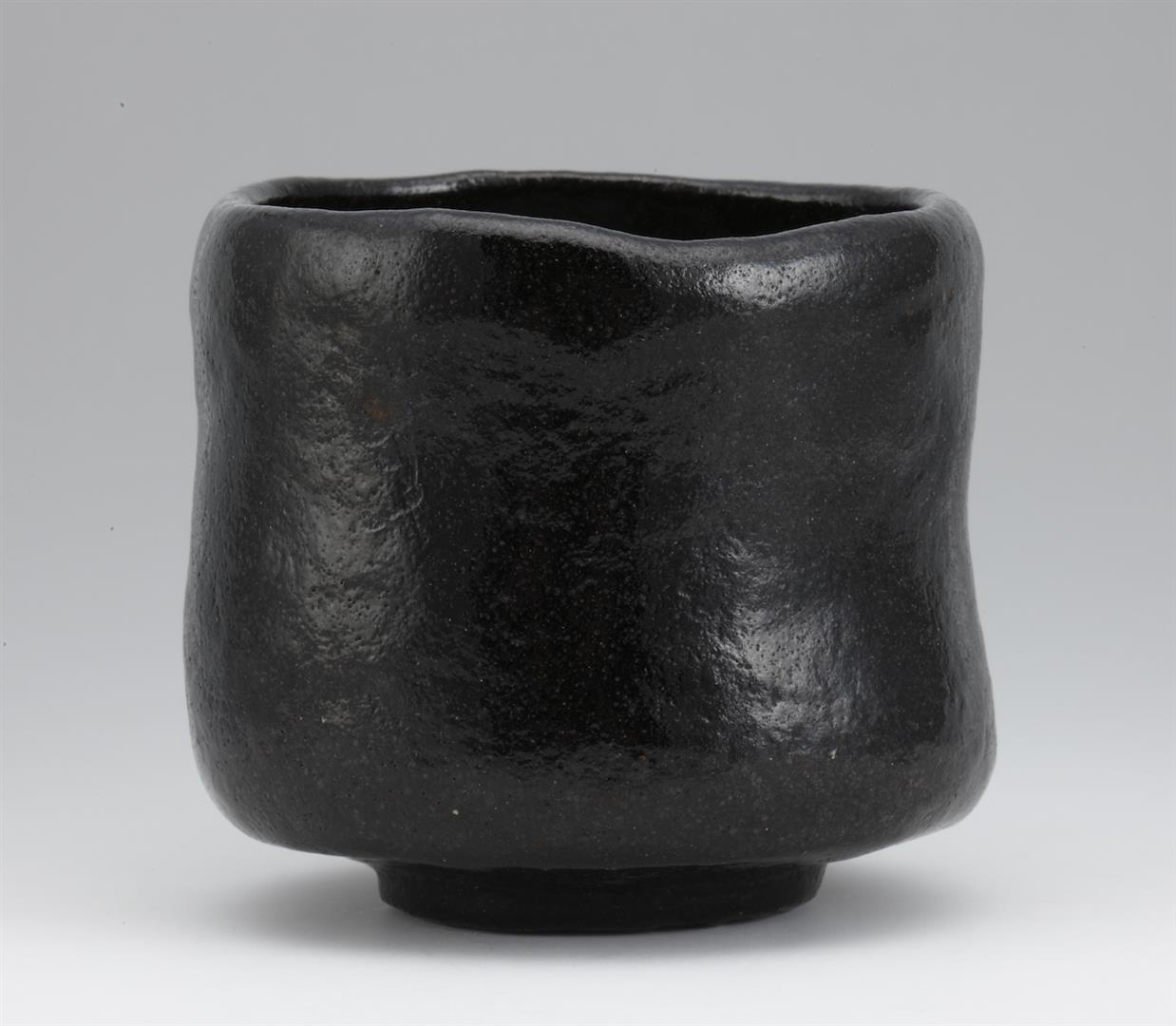
Raku glazed ceramic. This well-shaped and firmly grounded tea bowl is the work of Sanyū—Kichizaemon VI of the Raku line of potters. Highly regarded in the tea w
SOLD
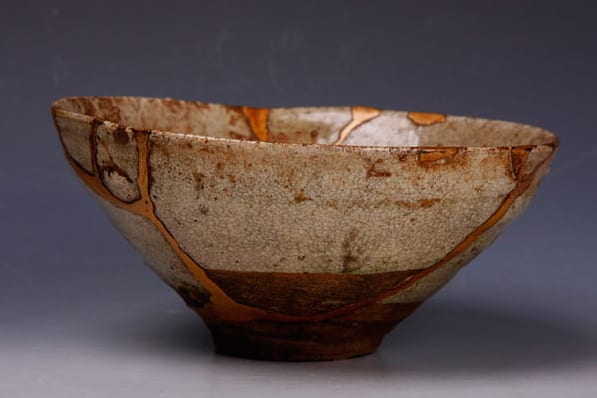
This lovely Ido-gata shaped chawan has very nice asymmetrical balance highlighted by extensive and skillfully applied kintsugi gold repairs. The inside bottom o
SOLD
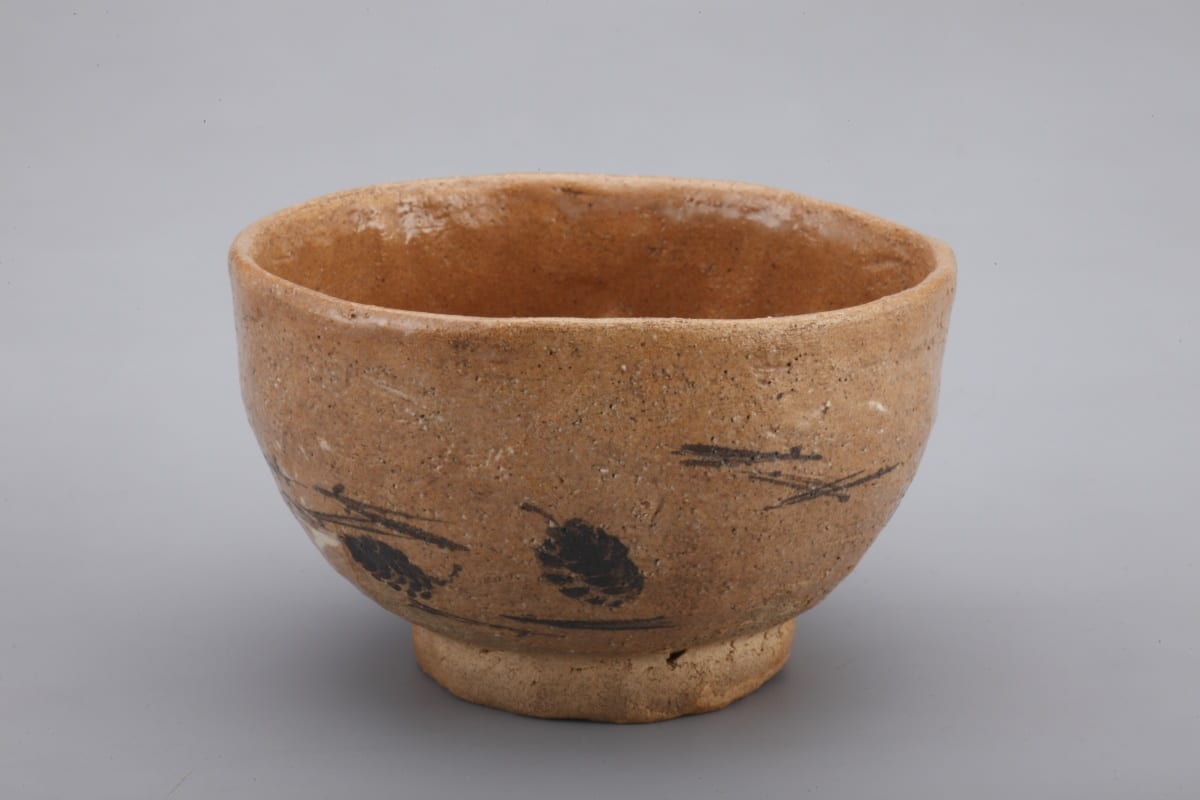
Sumi painting and calligraphy on ceramic. This chawan is light in the hand and contrasts beautifully with a dark rich bowl of matcha. While the poems of many of
SOLD
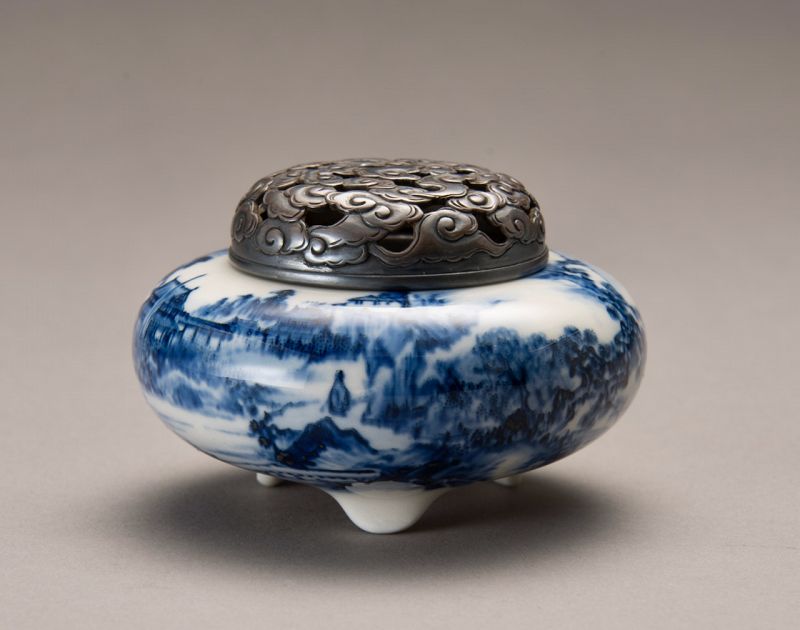
One of the most prominent potters of the Meiji period and one of only five to ever be appointed as Imperial Court Artist, the name Tozan is synonymous with fine
SOLD
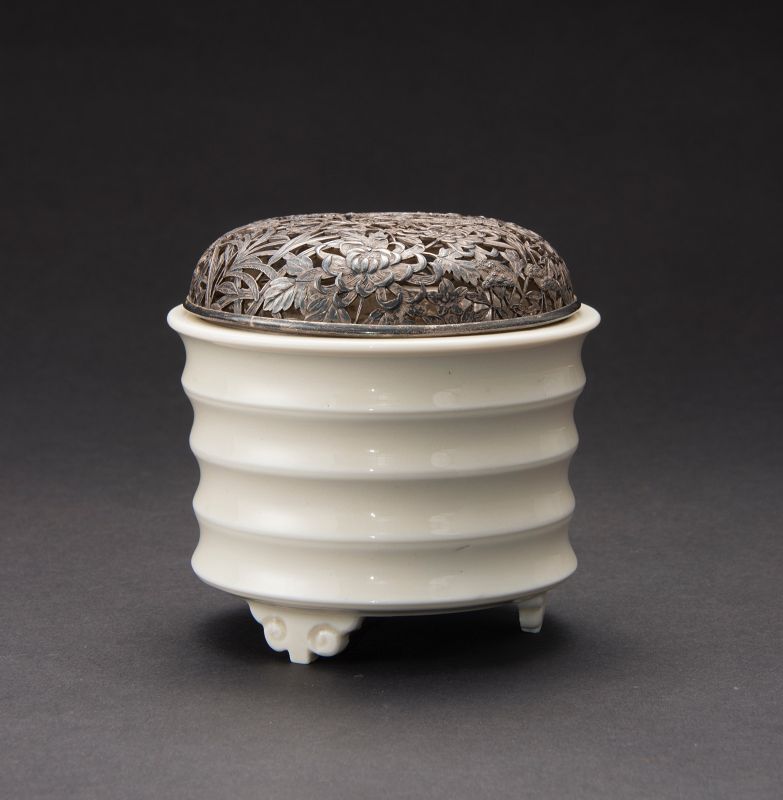
This Meiji period incense burner is made of fine white porcelain with a silver globe decorated with autumn foliage. As with much of Japanese pottery from this e
SOLD
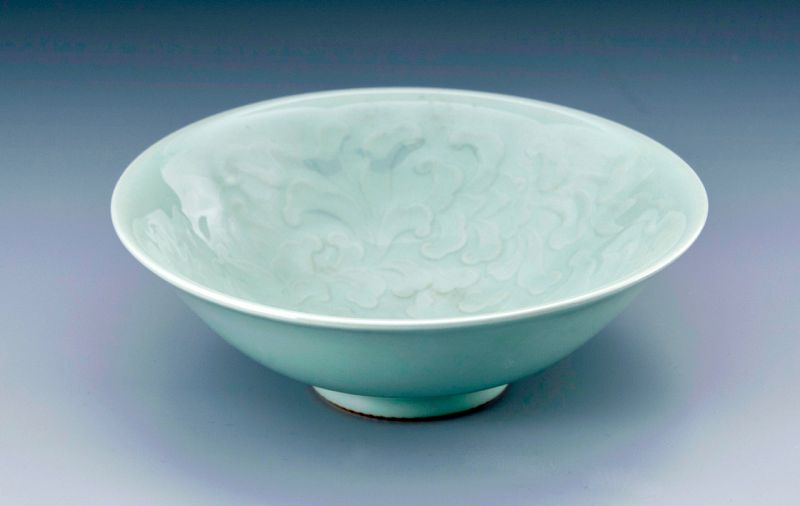
A wonderful translucent blue celadon dish decorated with a low-relief floral motif. This piece was made by one of the few great female Japanese potters of the 2
SOLD
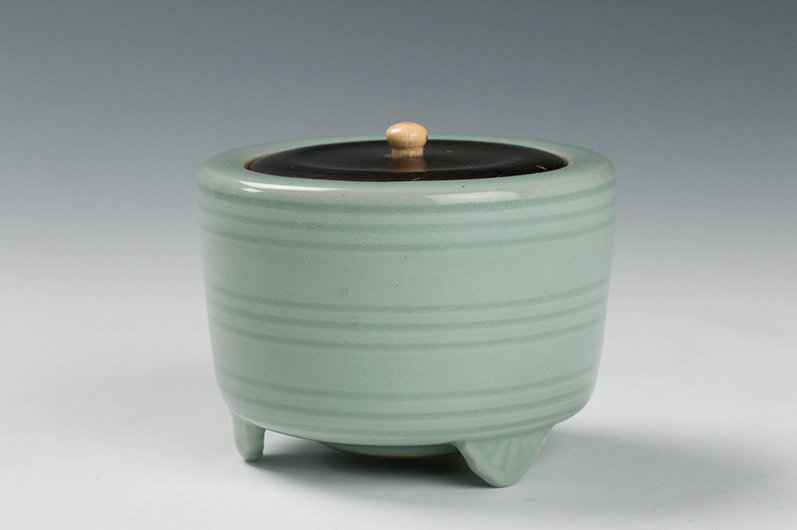
This finely crafted tripod incense burner is one of several often-employed motifs used by renowned Meiji/ Taisho ceramic artist Suwa Sozan I. With a design borr
SOLD
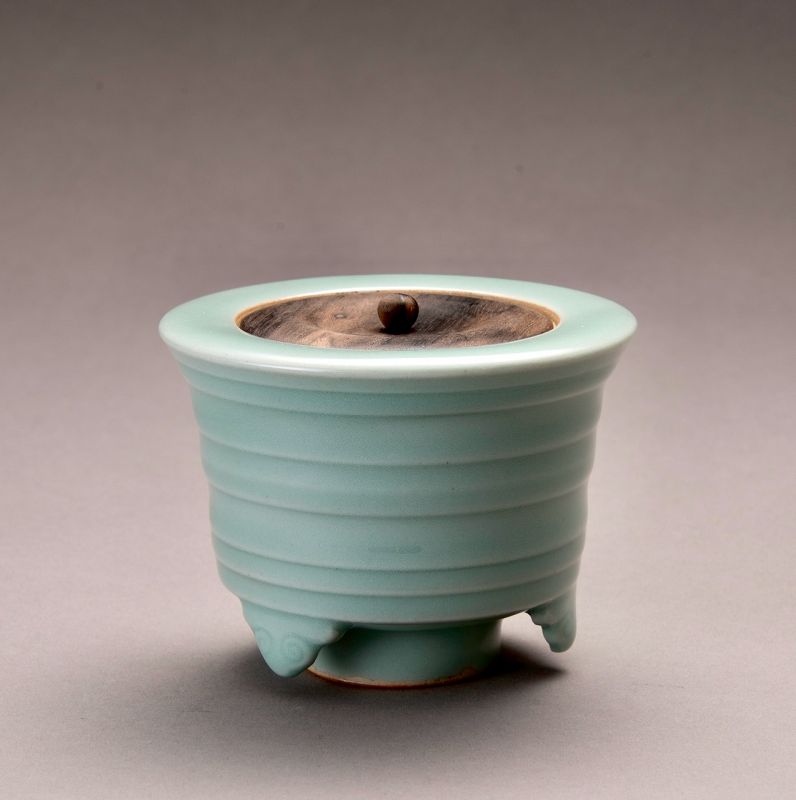
A Chinese style celadon incense burner by one of the 5 Imperial Court Artists of Meiji. Sozan spent his life perfecting techniques for celadon production first
SOLD
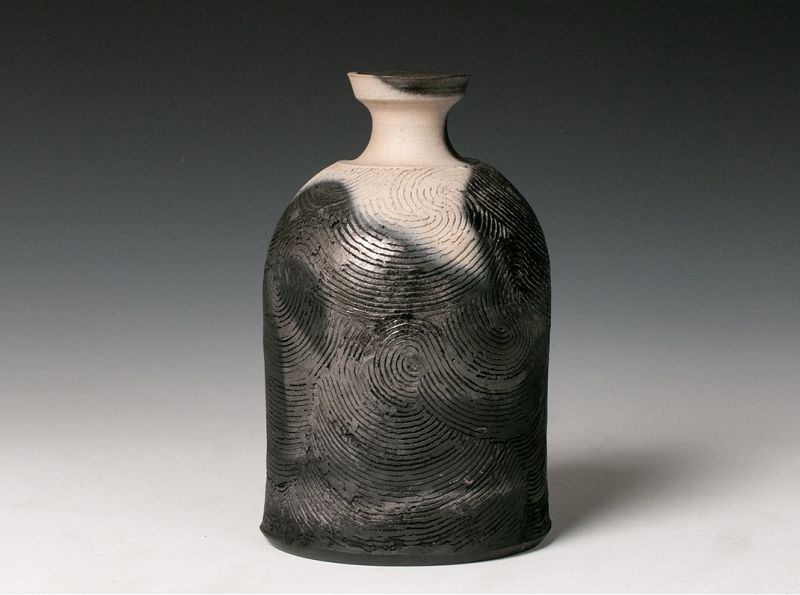
A very versatile and innovative artist, Sakata Jinnai produces pieces such as the vase seen here in his easily recognizable trademark style. Many of his pieces
SOLD
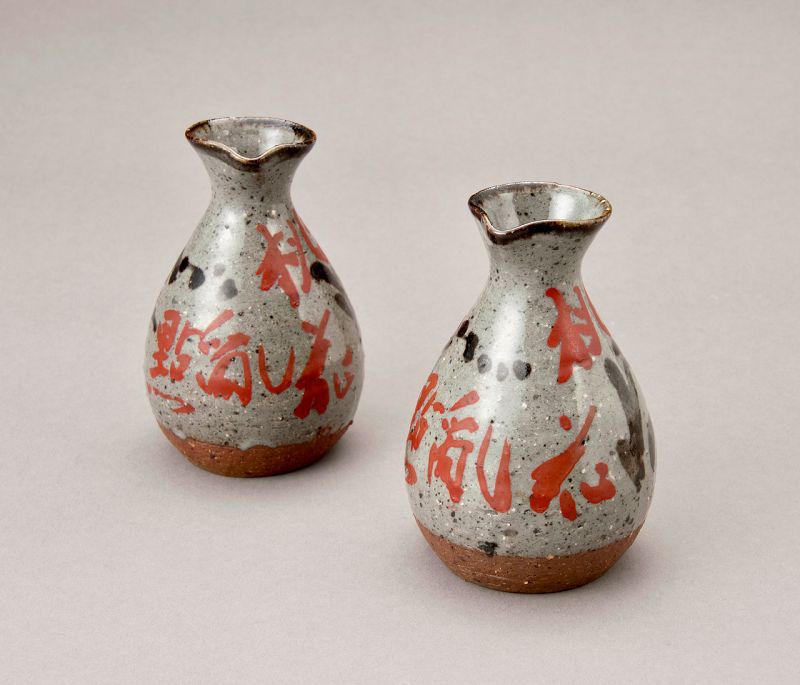
Yuzo Kondo is one of the more recognized names in the world of modern Japanese pottery of the 20th century. Though known mainly for his sometsuke creations (blu
SOLD
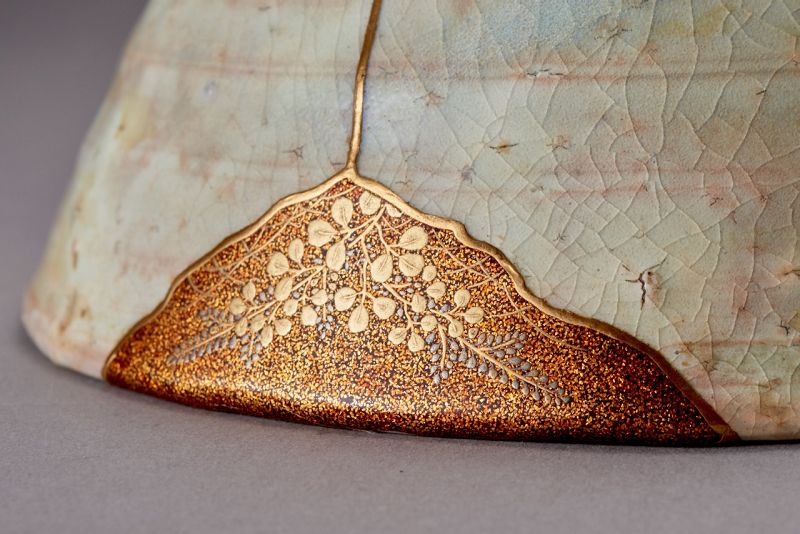
One of the most extraordinary gold repairs I have seen on a tea bowl in my nearly 30 years in Japan. If you search far and wide occasionally you can find maki-e
SOLD
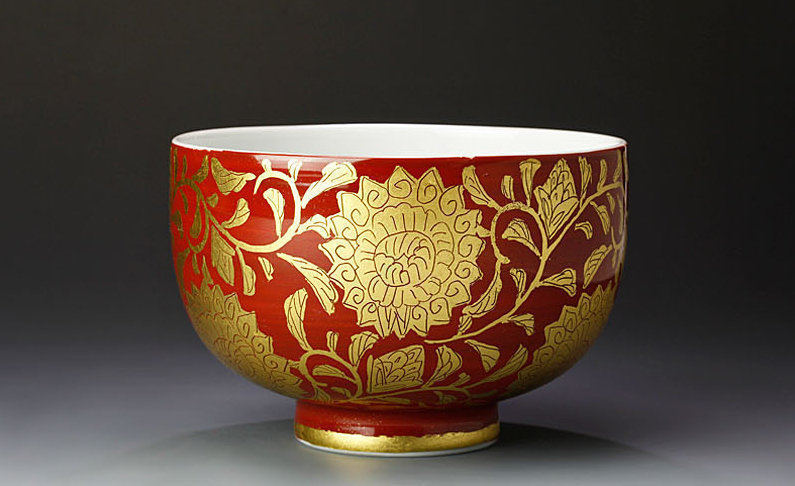
This eye-catching porcelain composition covered in red-glaze and highlighted with sensational gold-leaf inlay is an iconic design often employed by Ono Hakuko.
SOLD
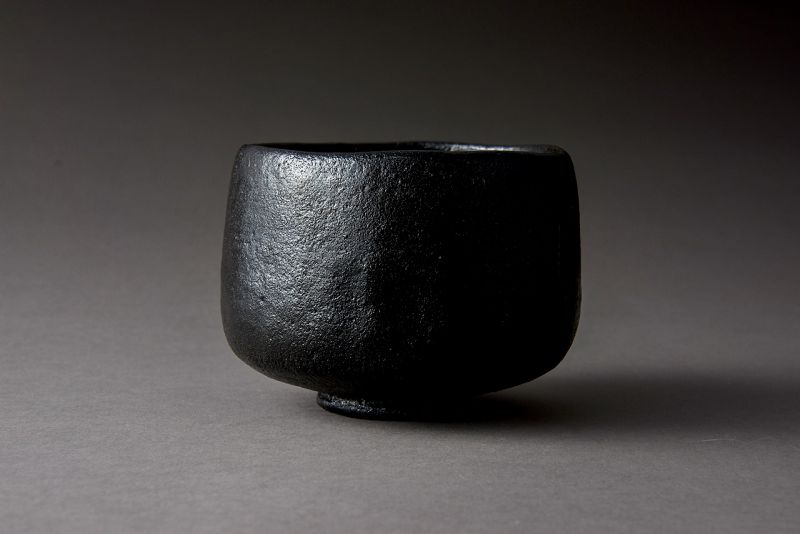
Endorsed by the recent Head Tea Master of Urasenke as an exceptional work, this black Raku tea bowl was granted the poetic name “Kokon” Ko, meaning “the distant
SOLD
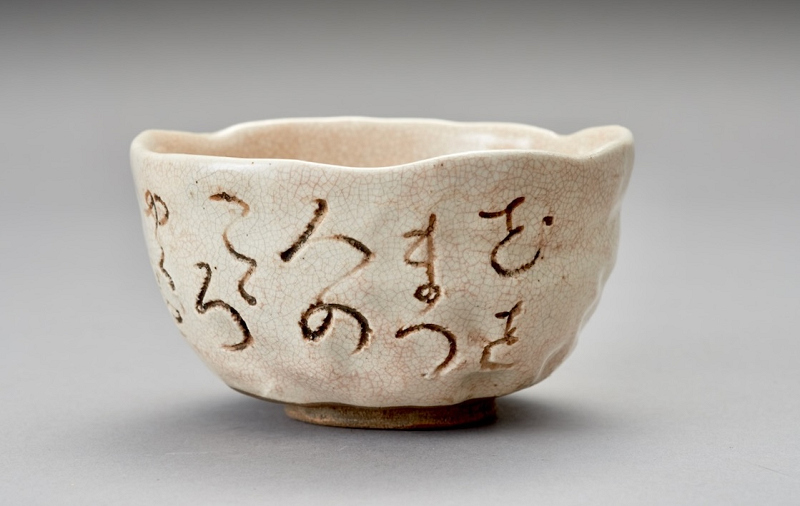
The poem etched on the side of this exceptional piece reads: 花を待つ人の心や雲となりて山の端ごとに立ちまよふらん The hearts of those waiting for flowers to blossom — have they turned in
SOLD
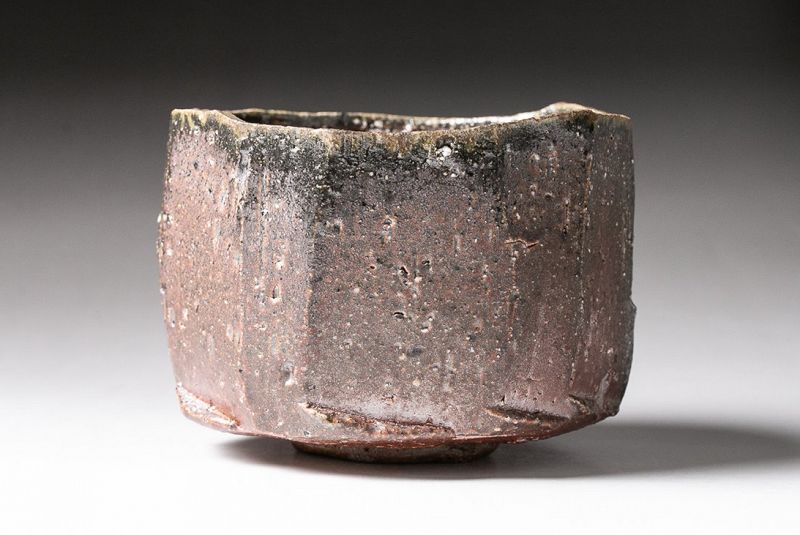
The distinctive and easily recognizable style of Bizen pieces, such as the one featured here, originated in Okayama (south-western Japan) and has a long history
SOLD
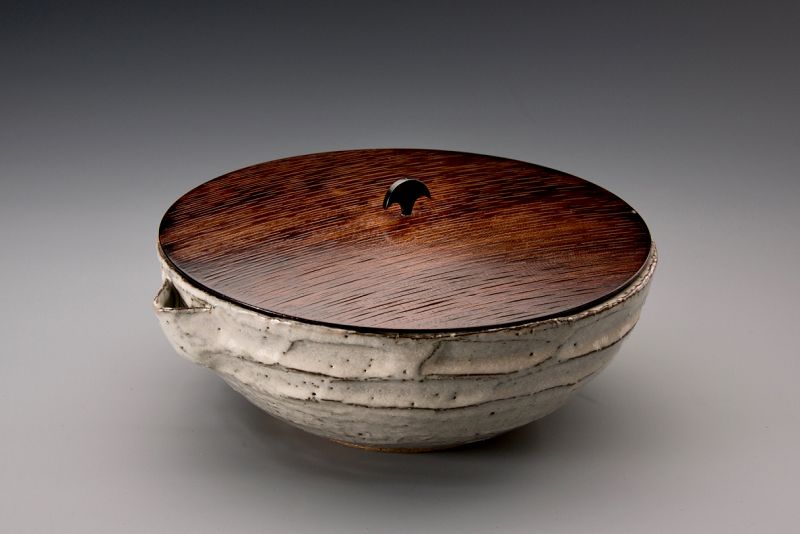
An excellent example of Japanese minimalist aesthetic that transcends its humble origins, this mizusashi, or fresh water pot used in tea ceremony, displays a cl
SOLD
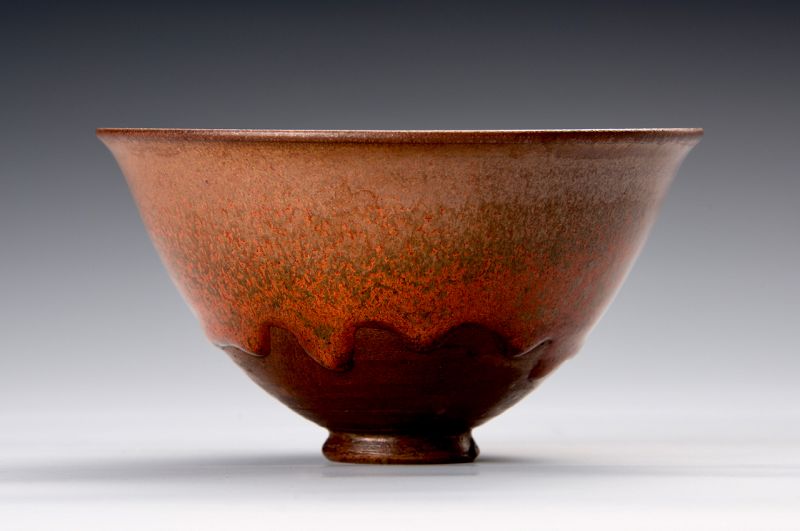
Occasionally while browsing through the temple markets of Kyoto or perusing backstreets tea-ware shops, an attractive piece will catch my eye for no particular
SOLD
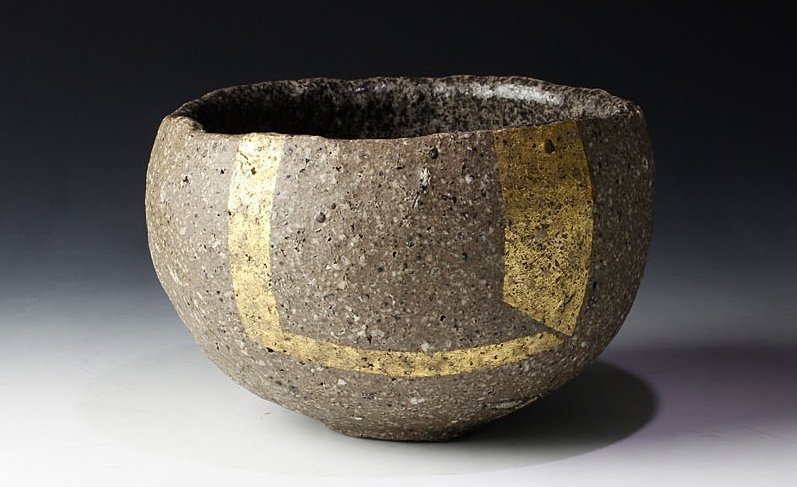
An ancient technique known as “haito” in Japanese was used to give this piece its distinctive look. Thought to have originated in neolithic times and commonly u
SOLD