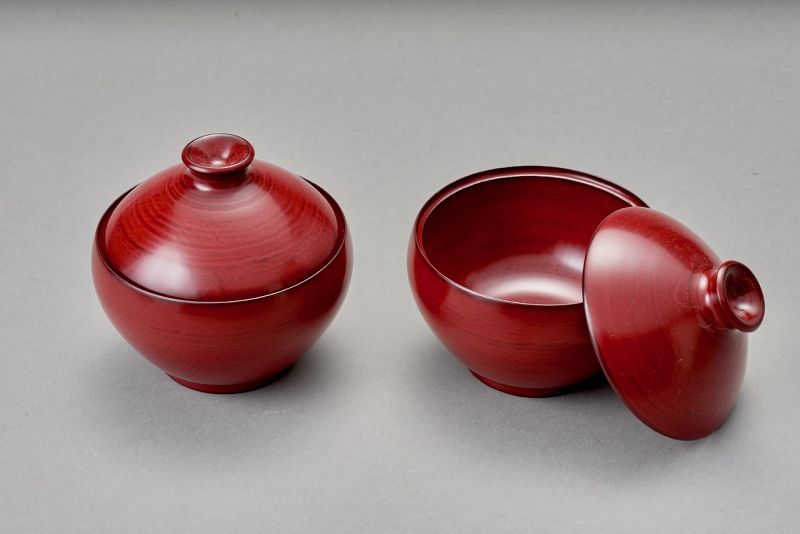
A Wajima-nuri Red Lacquer Bowl Set by Kado Yui
A stunning pair of Wajima-nuri lacquer lidded bowls; each formed with a compact rounded body and fitted cover and with a surface finished in a deep, contemplati
Selected by shared artwork type, categories, artist and era. Available works appear first.
Back to the artwork · Browse the full collection
A stunning pair of Wajima-nuri lacquer lidded bowls; each formed with a compact rounded body and fitted cover and with a surface finished in a deep, contemplati
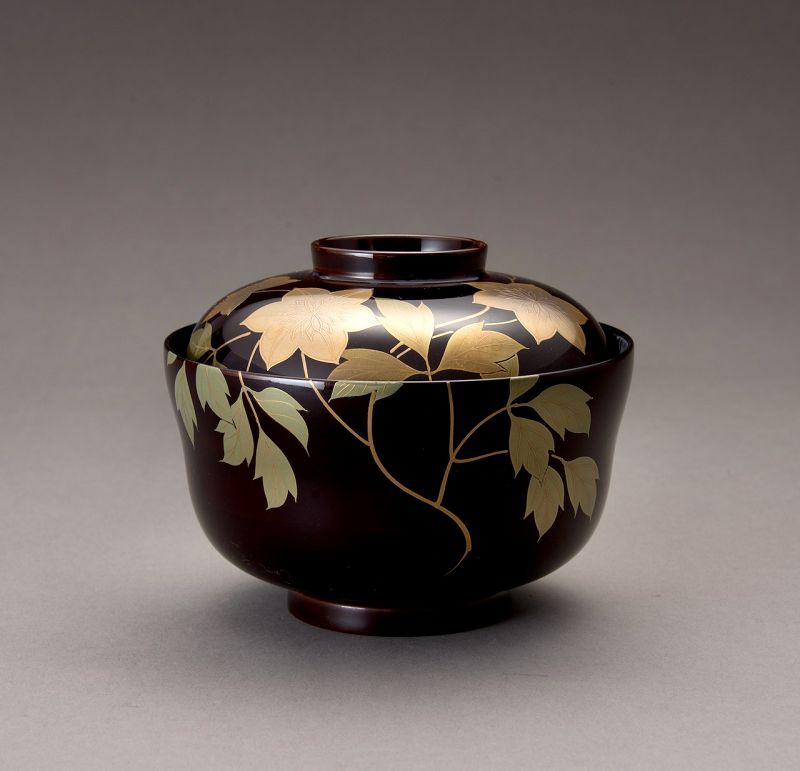
Painted lacquerware in Asia is thought to have more than 3,000 years of history; originating in China and then later spreading to South East Asia, Korea, and Ja
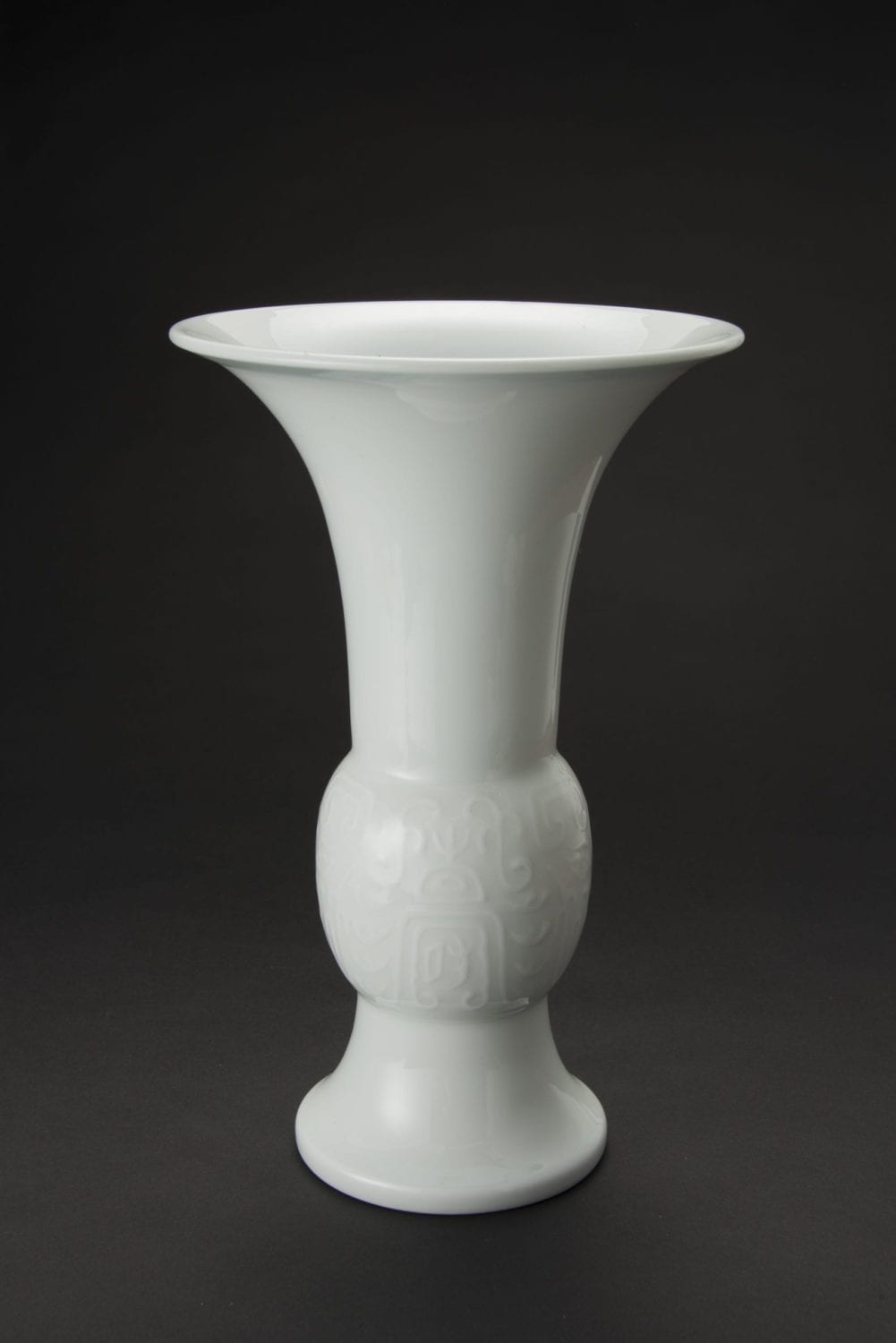
This Meiji period vase is made of fine white porcelain fashioned after classic Chinese pieces from the Song Dynasty. The potter, first generation Miura Chikusen
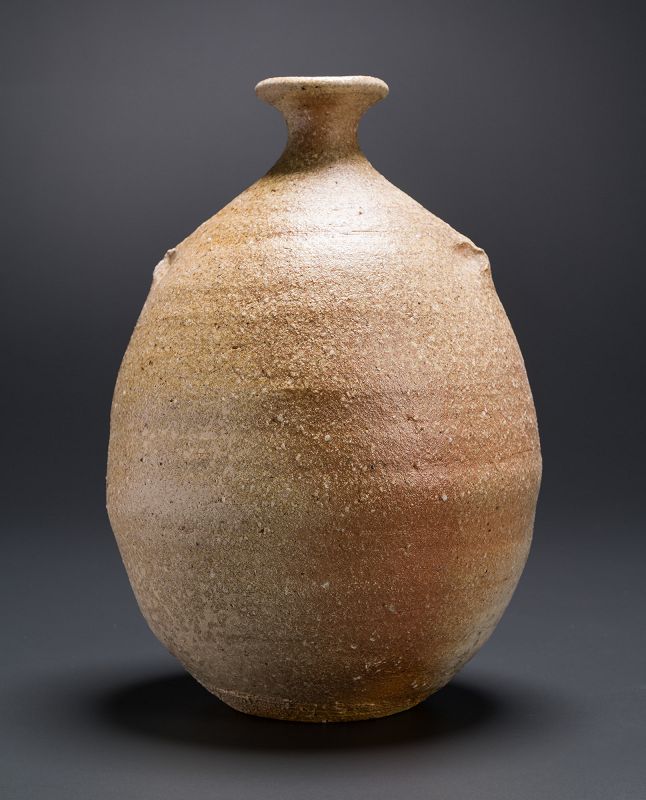
A beautifully crafted vase from a studio potter in the hills of Iga, a few hours drive east of Kyoto. Iga-ware has quite a long history—by some accounts dating
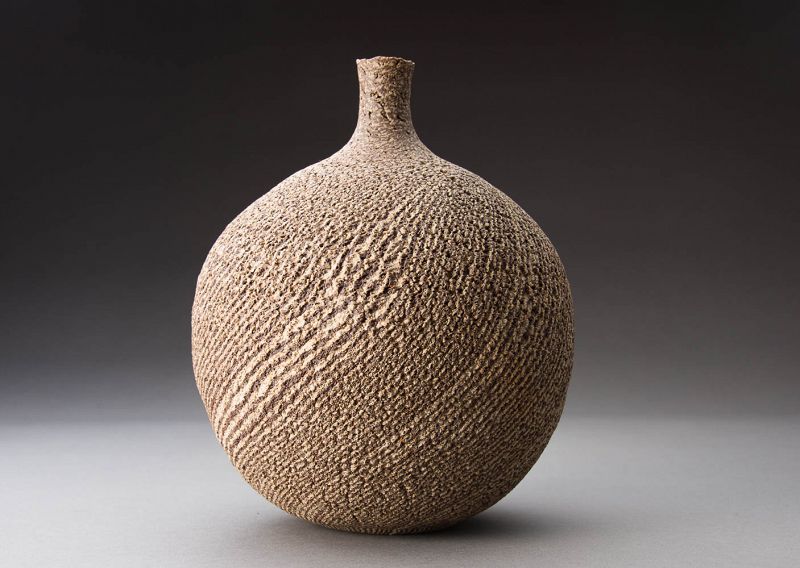
Master of a very difficult technique from the Chinese Tang Dynasty (618 - 907) known in Japanese as Neriage, the potter who created this elegant vase uses extre
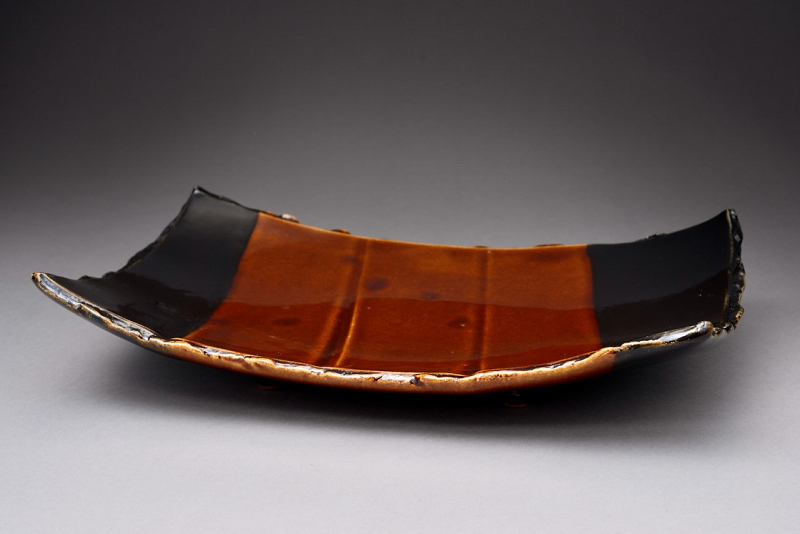
This large serving tray by Ōhi Chōzaemon XI (Toshio) brings together the rich glaze tradition of Ōhi ware and a distinctly contemporary sculptural form. Its bro

A stunning example of blue/ green Oribe-ware by one of the veterans of Mino ceramics, this platter displays astounding variation in color and texture with deep

In Japan, famous for its generational potting families, only a handful have made it all the way through to the 14th generation—the Nakazato line being one of th
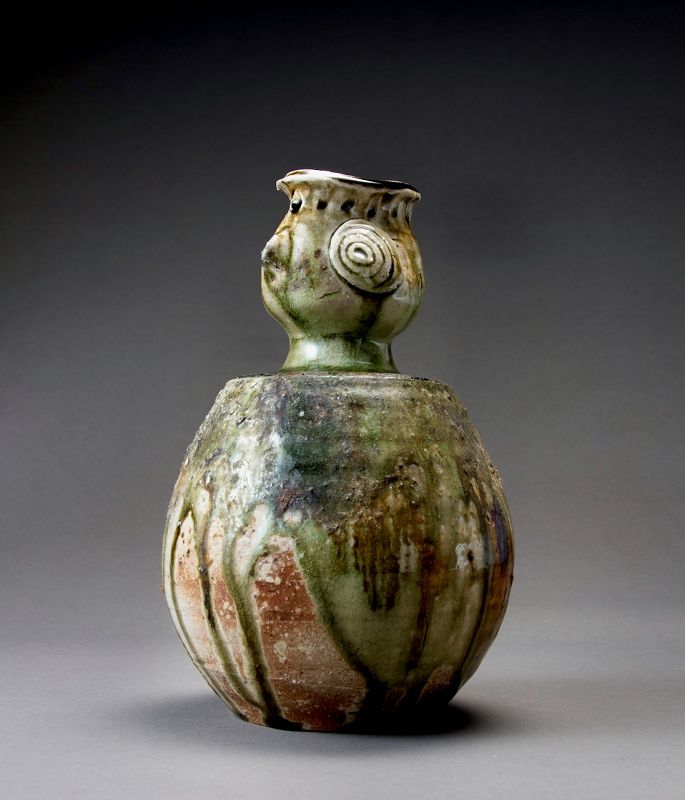
In excellent condition, this bird-shaped, or “torigata” vase is a beautiful example of Iga pottery from last century. A master of form, material, and technique,
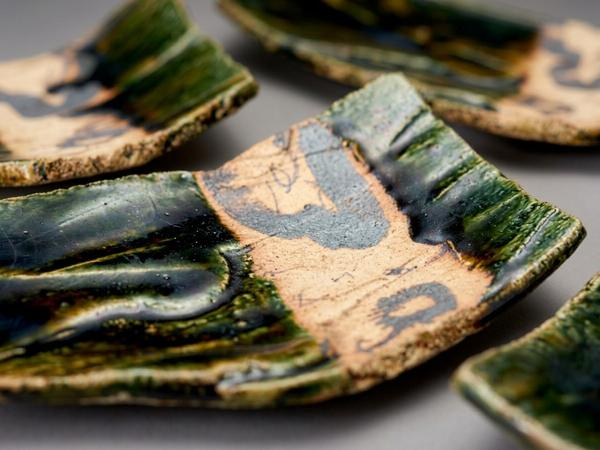
Few contemporary potters have explored Oribe with the originality and energy of Takauchi Shugo. His pieces tend to embody an unmistakable sense of movement and
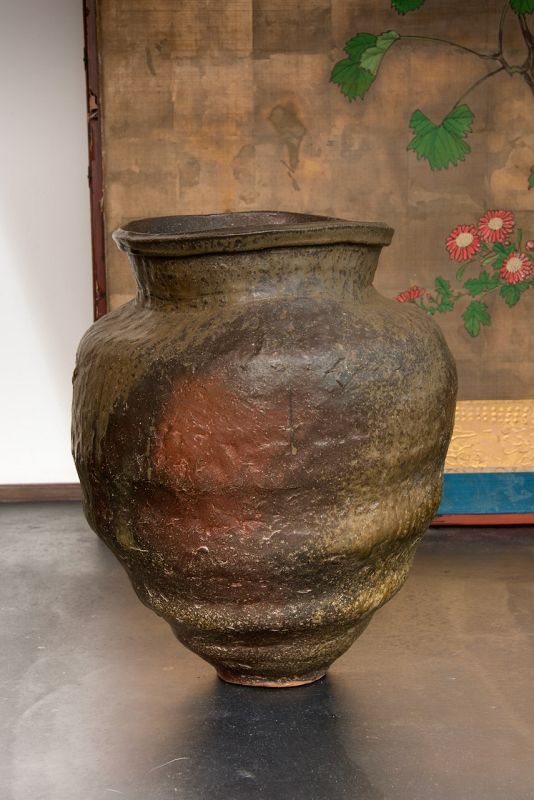
Estimated to be 500-600 years old, this extraordinary work of Bizen pottery would have been fashioned in an “ana-gama” or a rudimentary dugout kiln often placed
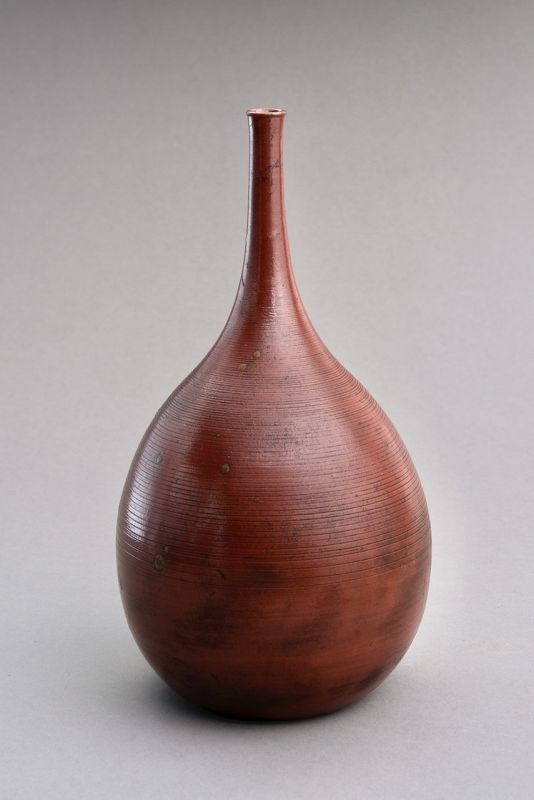
Crafted from locally sourced Bizen clay, this mid-Edo period vase embodies simplicity, beauty, and understated elegance. Its unassuming form showcases the natur
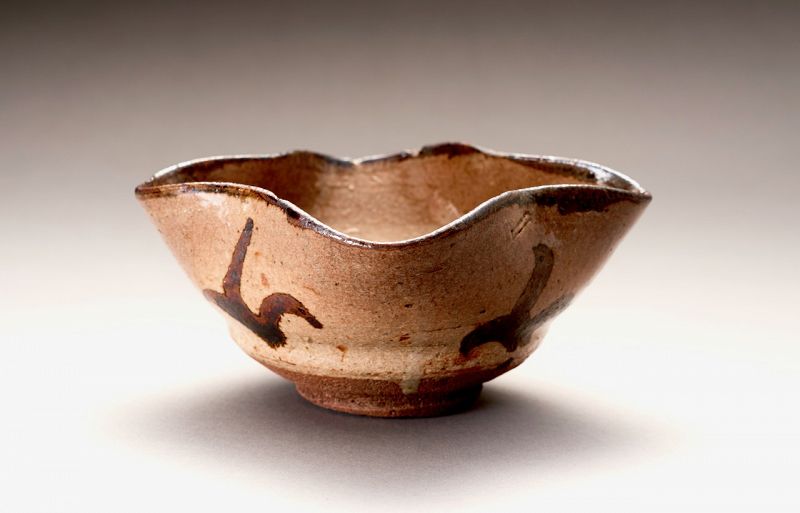
A stylized grass motif painted in ferrous pigment across each side and on the inside of this mukozuke serving dish marks it as being more likely produced in Kar
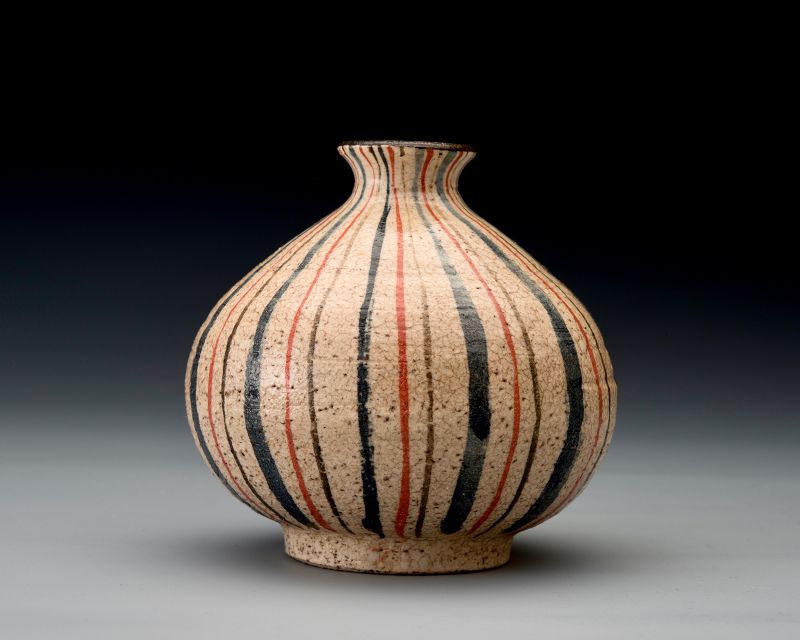
Japanese Mugiwara pottery emerged in the Mino region of Japan during the Momoyama period in the late 16th century. It is renowned for its distinctive straw-rope
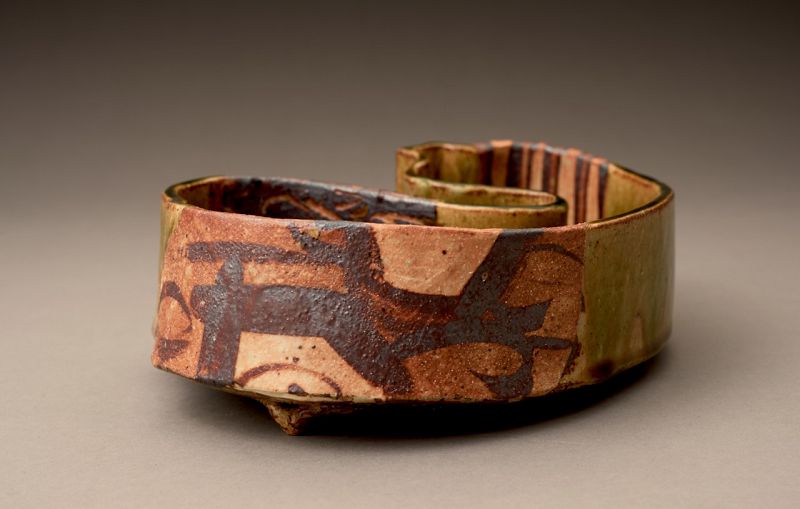
A harmonious blend of traditional craftsmanship and contemporary artistic expression, this extraordinary serving dish encapsulates the essence of Oribe pottery
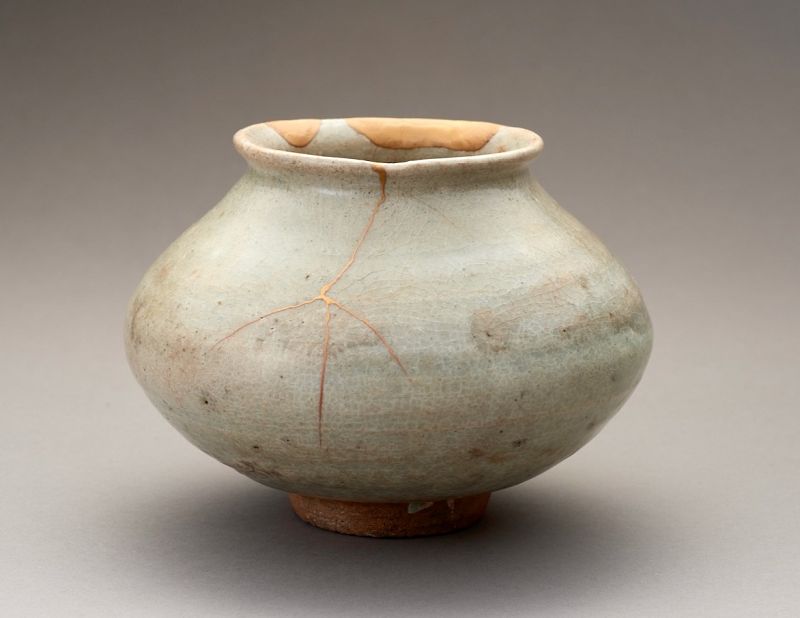
Several years ago we were invited by our very talented kintsugi craftsman to what is known as a “kura-ake” or storehouse opening. Many reading this may be famil
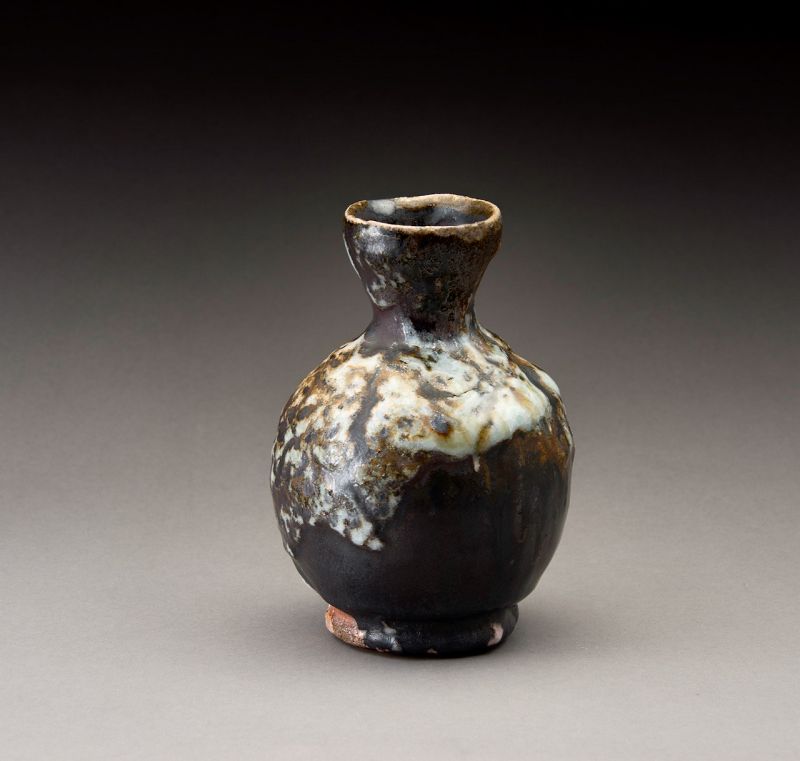
This small vessel, similar in a shape to a tokkuri, is a fine example of Oni Shino (carbon trap and natural ash glazing) that Tsukigata is so well-known for. Co
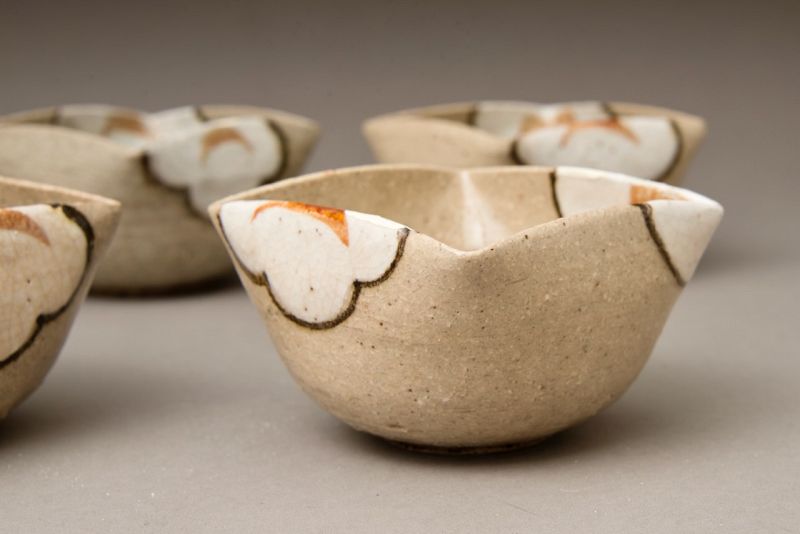
One family of artists that has left a lasting mark on not just Kyoto but on the world at large has been the Ōgata family. Prominent among this line - Ōgata Kenz
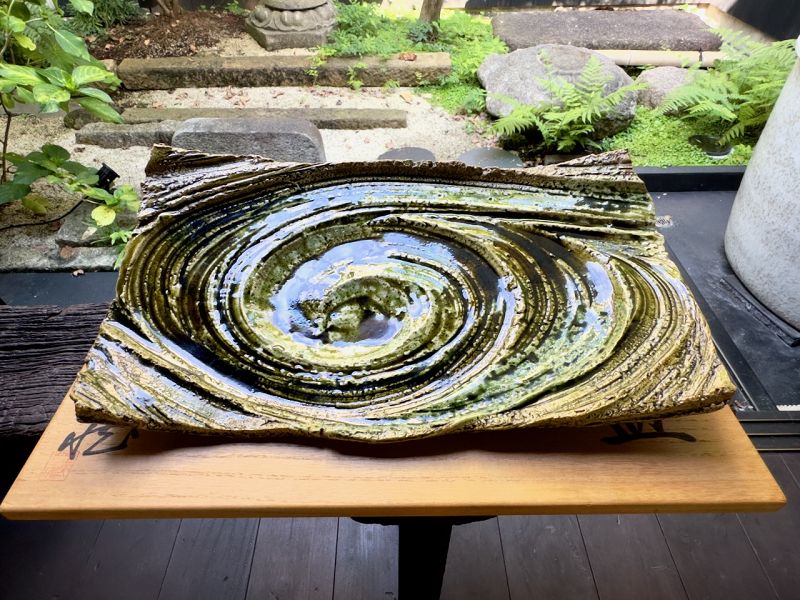
Displaying a bold Oribe glaze and sweeping comb pattern culminating in a dynamic vortex, this wonderful platter is the result of years of trial and error by one
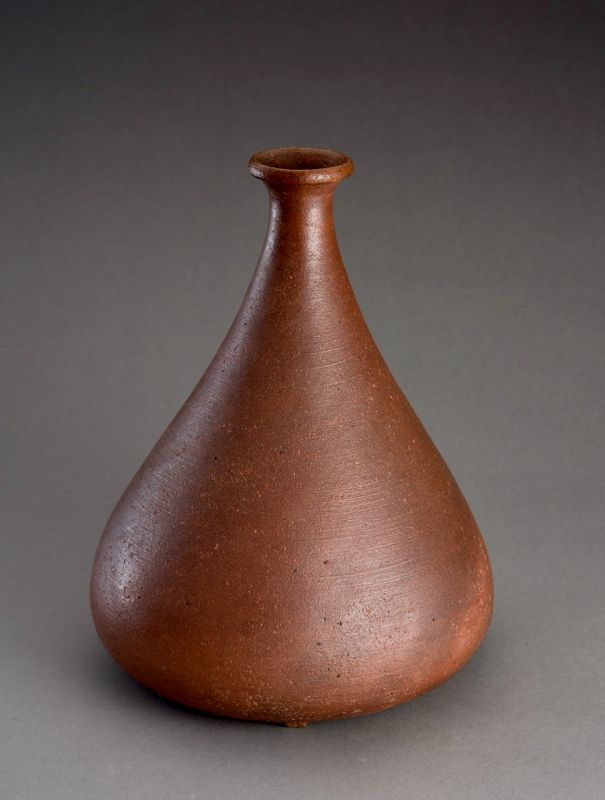
During Japan's Momoyama period, spanning from the late 16th to the early 17th century, Bizen pottery flourished, producing exquisite pieces such as this symmetr
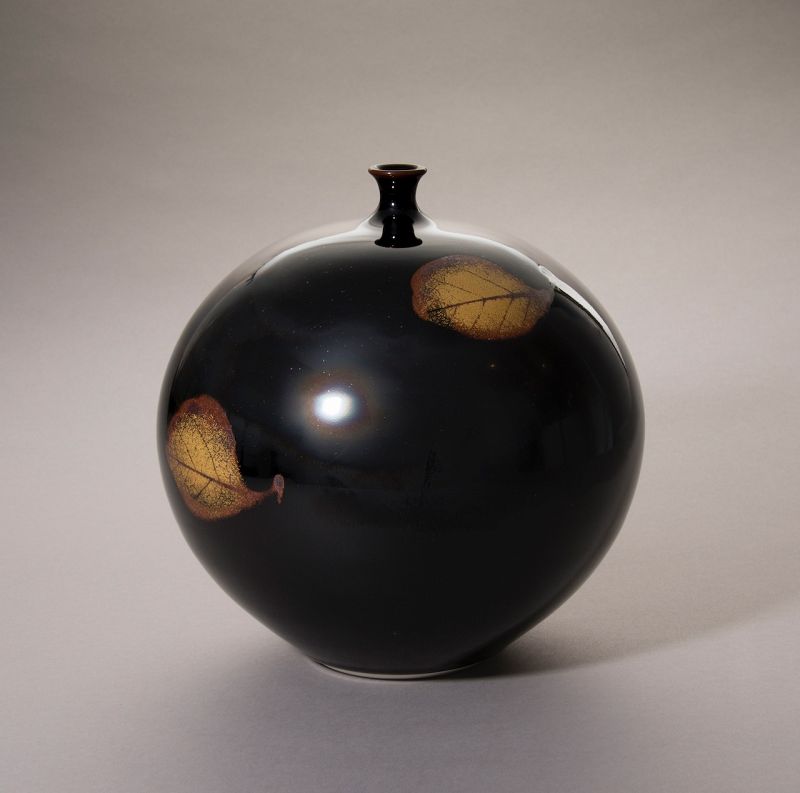
A technique most commonly seen in Tenmoku tea bowls, “konoha” is accomplished by applying a coating to an actual leaf and then attaching the leaf to the surface
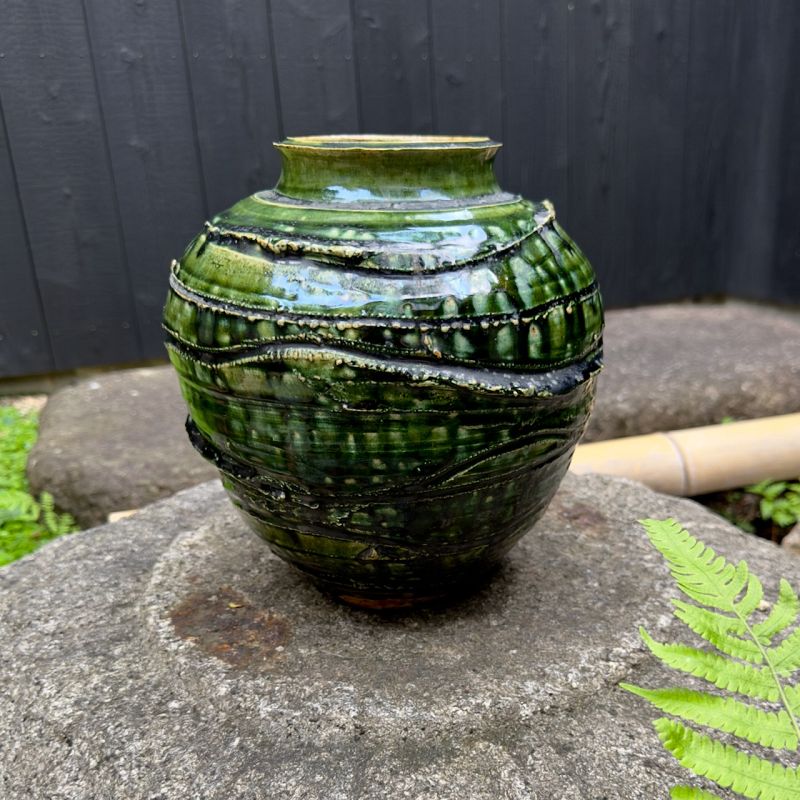
As can be seen from the attached images, especially beautiful in natural light; this charming vase features contoured ridges encircling the exterior while rivul
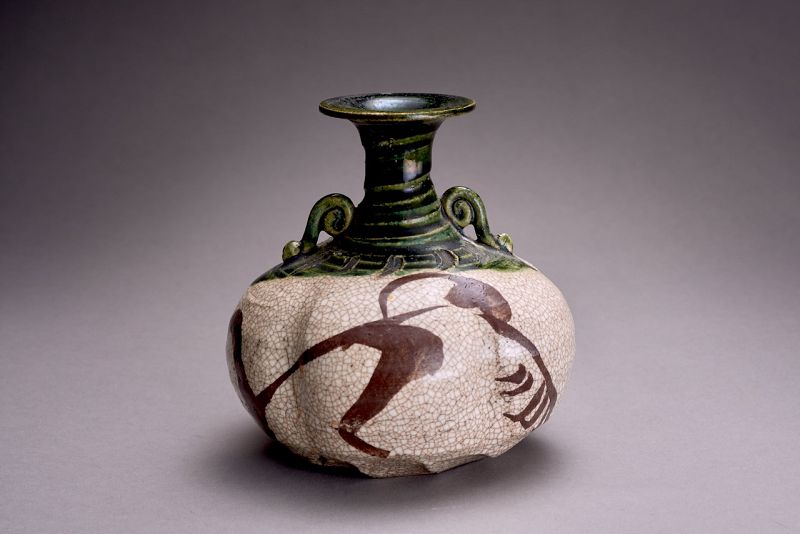
Oribe is a visual style named after the late-16th-century tea master Furuta Oribe (1544-1615). Typically, black or green glazes are applied to the bodies of the
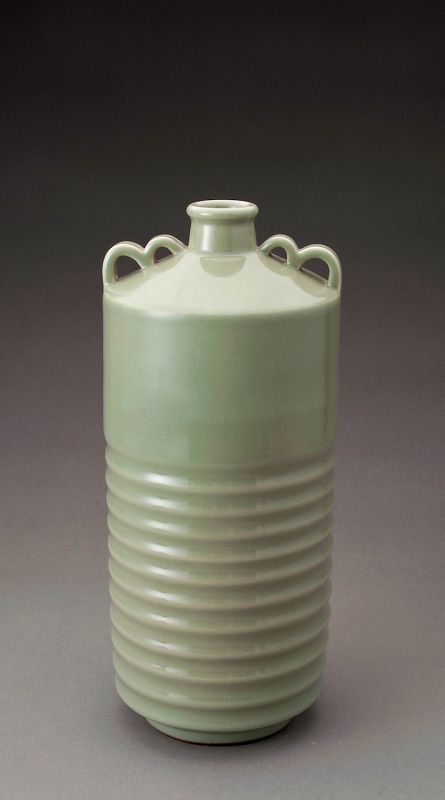
A student of Itaya Hazan, one of the most sought after potters in the world of Japanese art, the ceramicist who crafted this fine vase displays here a high degr
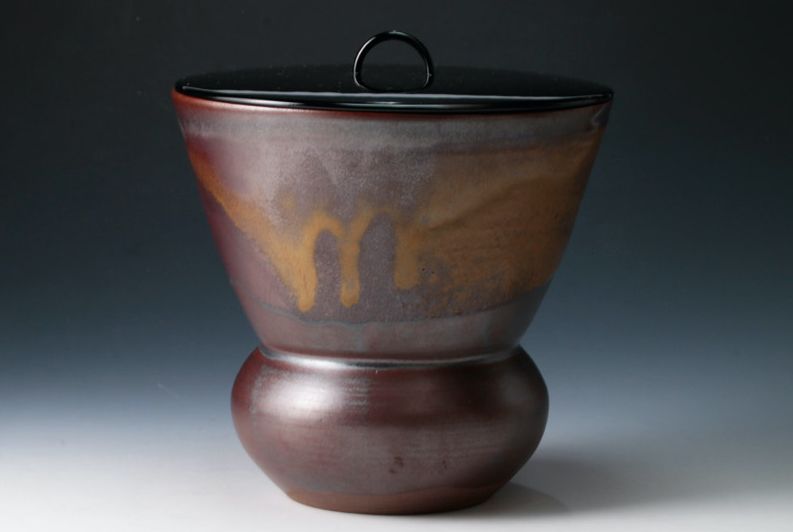
Over 400 years ago the first Takatori potter known as “Hachizan” was brought to Japan by the powerful Kuroda clan and was tasked with establishing a kiln in the
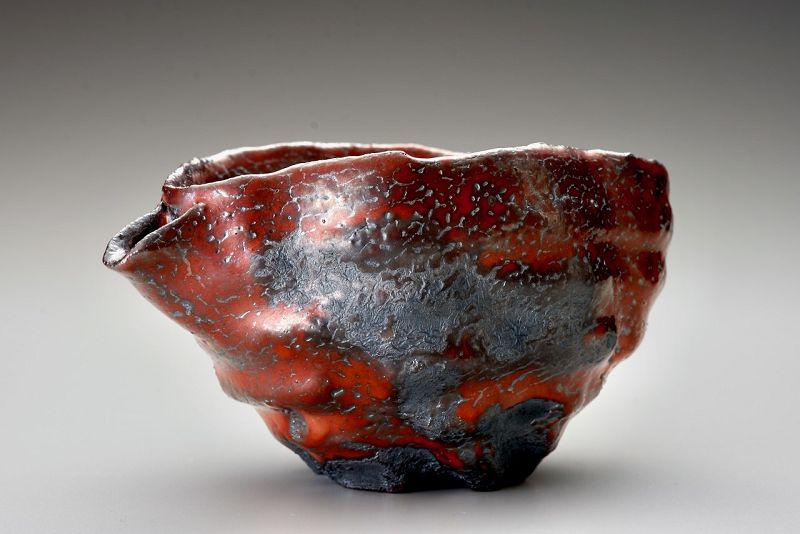
A decidedly modern and innovative take on the classic Shino trope, this “kataguchi” or one-sided pouring vessel lends an air of depth, contemplation, and brilli
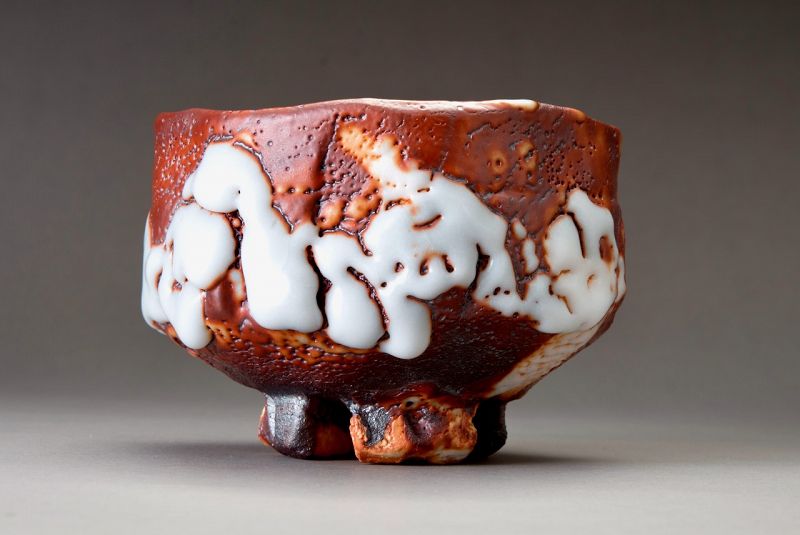
A stunning work of Shino-ware by veteran potter Hayashi Shotaro—winner of numerous awards for his bold and innovative style and widely recognized as one of the
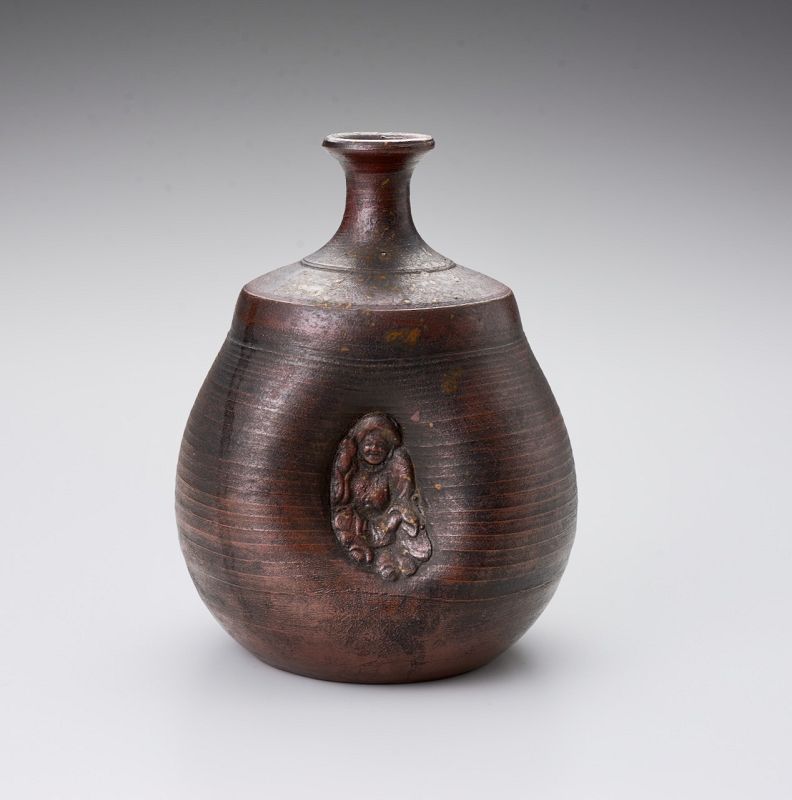
Crafted from locally sourced Bizen clay, this Edo period vase features an engraving of the jolly gift-giver, Hotei. Said to be based on a historical Chinese Zen
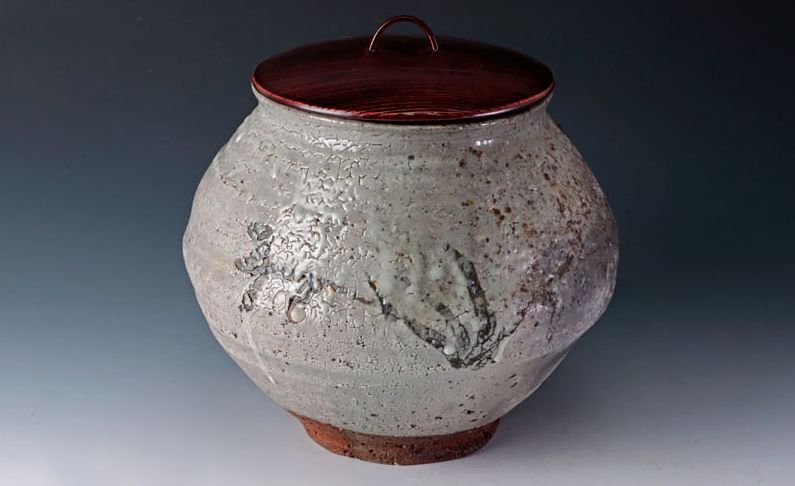
Like many pottery traditions in Japan, Karatsu takes its name from the city where it originated. As early as the 15th century, Korean potters heavily influenced
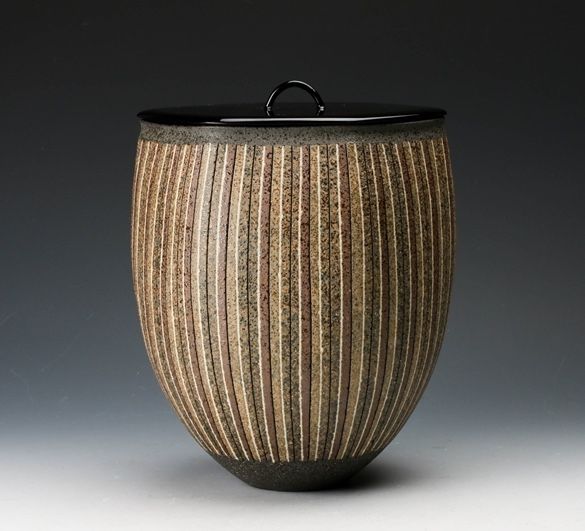
Japanese inlay ceramics (zōgan) are created by making incisions on the surface of a clay body which are then filled with various colored clays, creating a patte
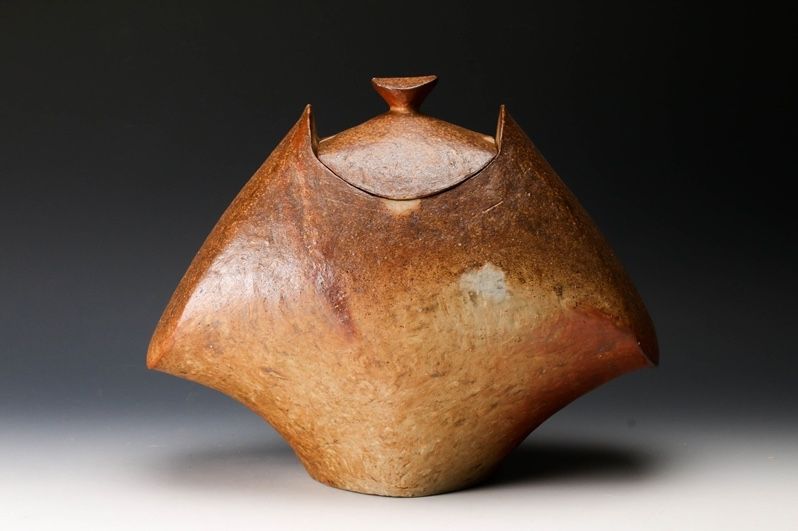
Traditional Japanese art tends to be timeless and inspiring in form, however, occasionally lacking in diversity and innovation. That is why artists who can inco
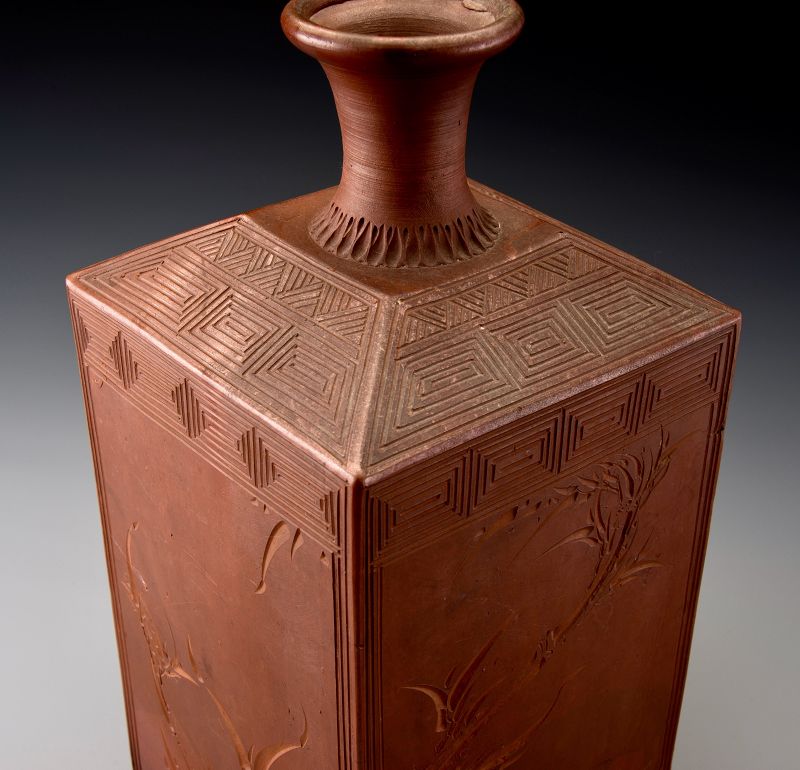
Crafted from locally sourced Bizen clay, this mid-Edo period vase embodies simplicity, beauty, and understated elegance. Originally crafted as a tokkuri, or sak
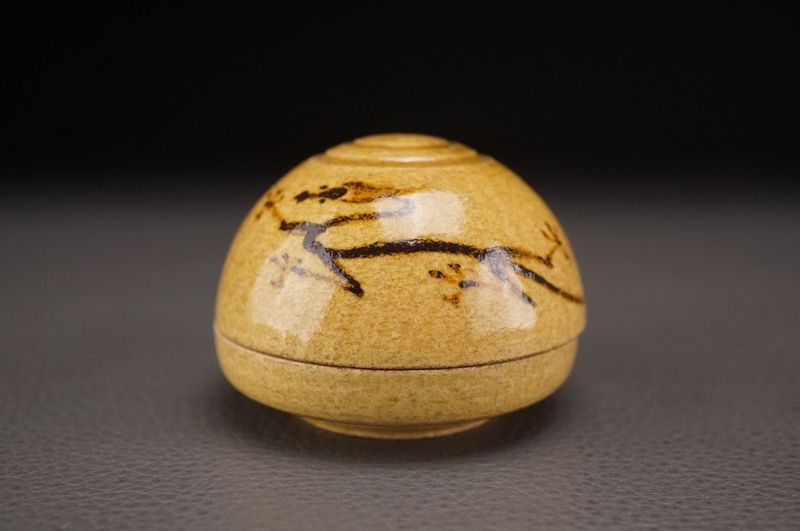
An often overlooked implement in tea ceremony, here we have the humble kogo (incense box) with an image of a sleek and flowing dragon. Commonly thought to repre
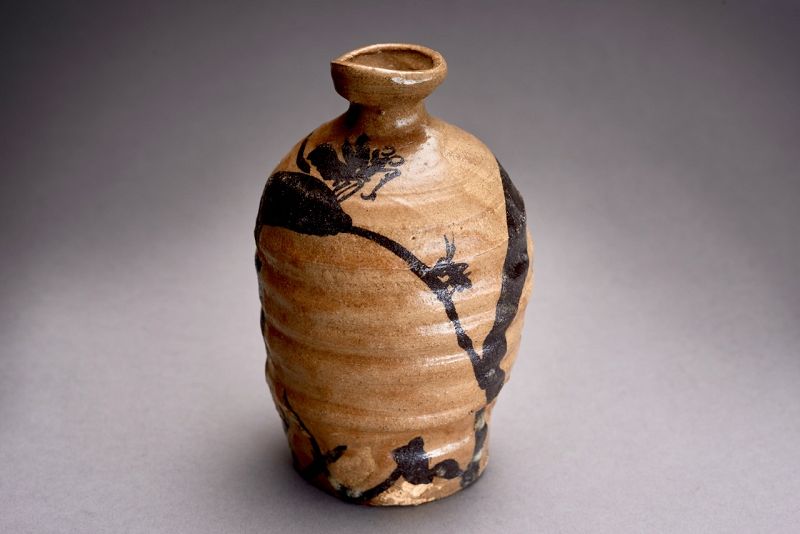
Known for his non-conformist and bold style, Suzuki Goro has outdone himself with this stylized Oribe sake flask (tokkuri). Oribe is a visual style named after
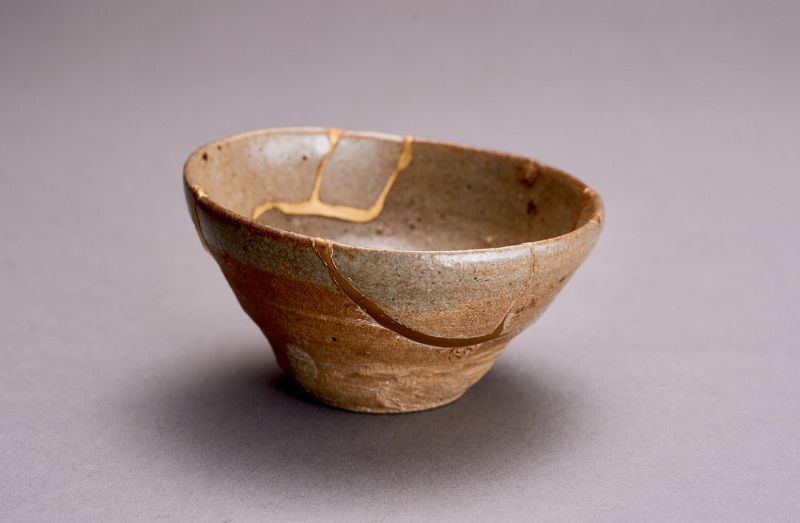
The perfect vessel for enjoying fine Japanese sake or whatever spirit fits the mood. Over 425 years old, this excavated and wonderfully restored sake cup is one
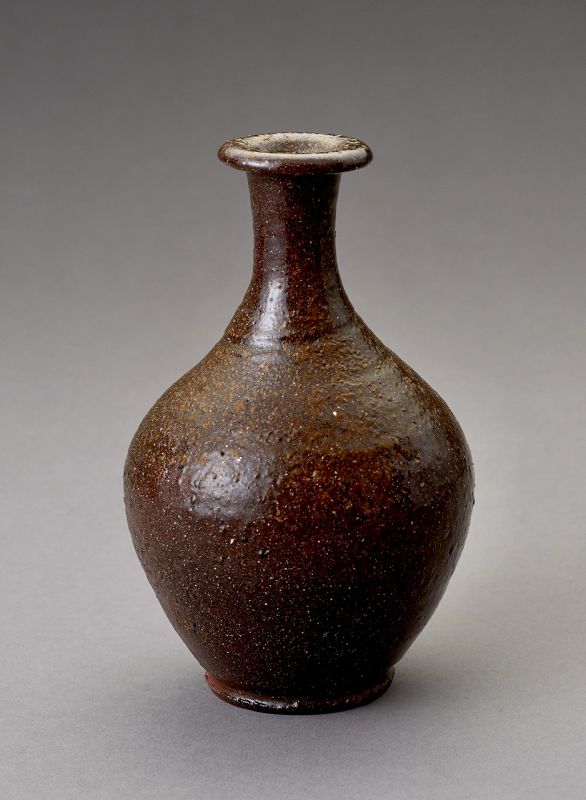
Tokoname pottery has a rich history that dates back over a thousand years. Originating in the town of Tokoname in Aichi Prefecture, Japan, this pottery traditio
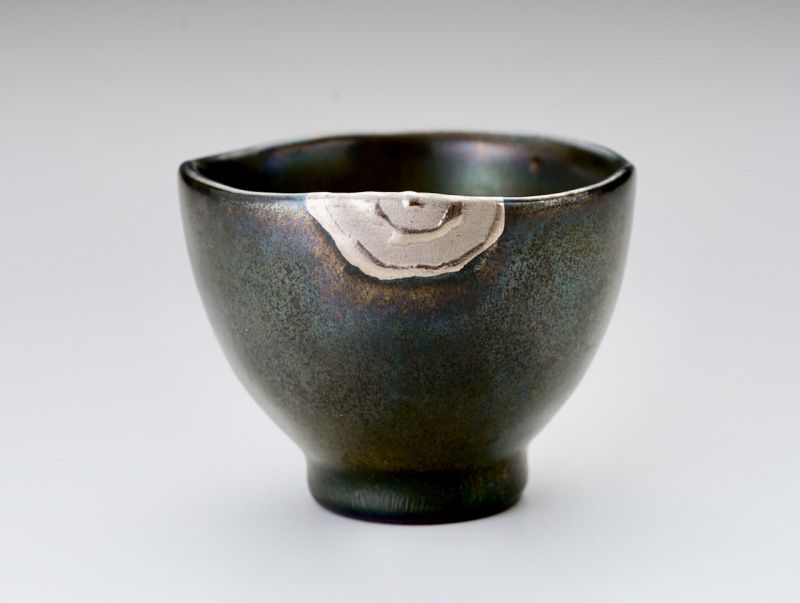
With awards too numerous to mention, Yanagihara (b. 1934) is still producing masterpieces into his 9th decade. The piece seen here is from a series he did in th
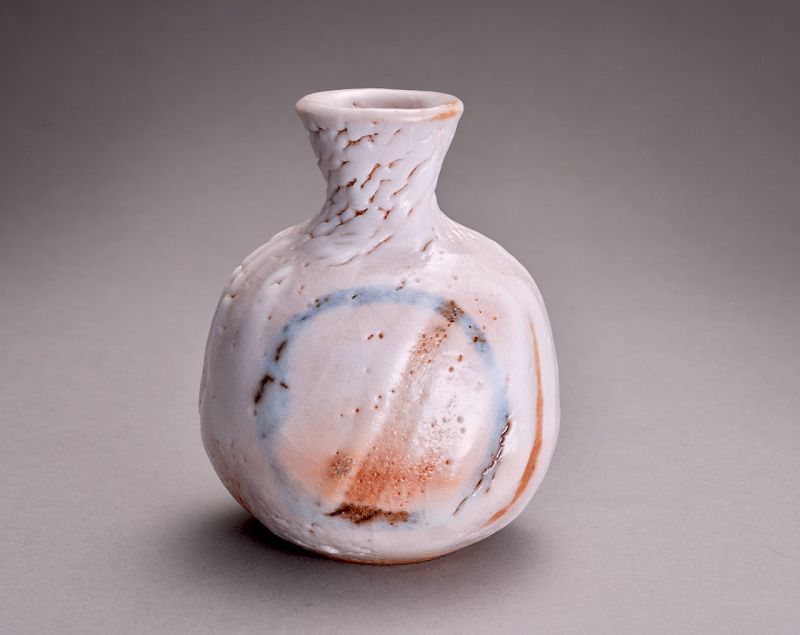
This depiction of the eternal “ensō” on a backdrop of pearly white feldspar over red clay signifies enlightenment, the eternal, the nothingness, and the freedom
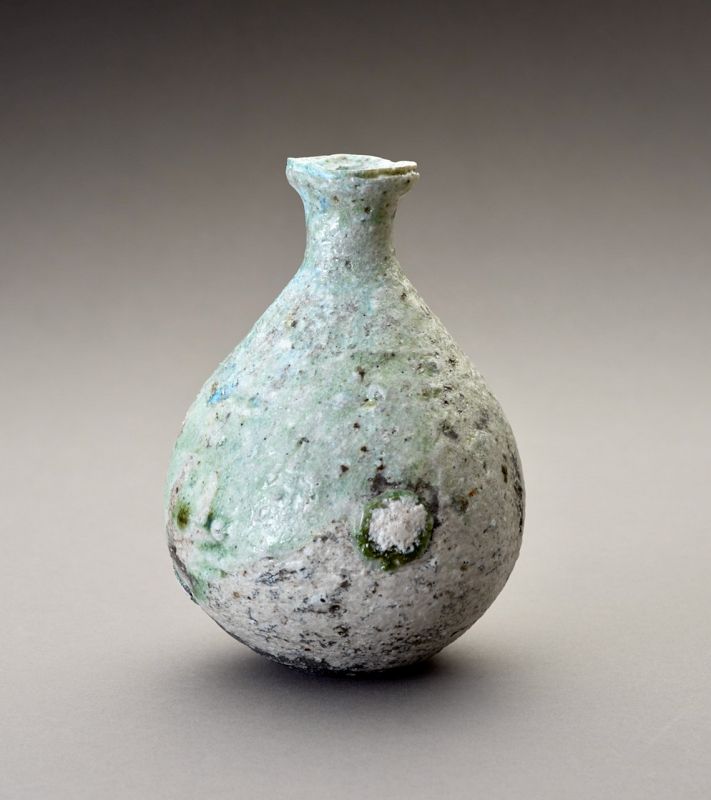
With an uncanny ability to emulate features of the natural environment, the creator of this sake vessel,Tsujimura Yui, is one of Japan’s most skilled potters wo
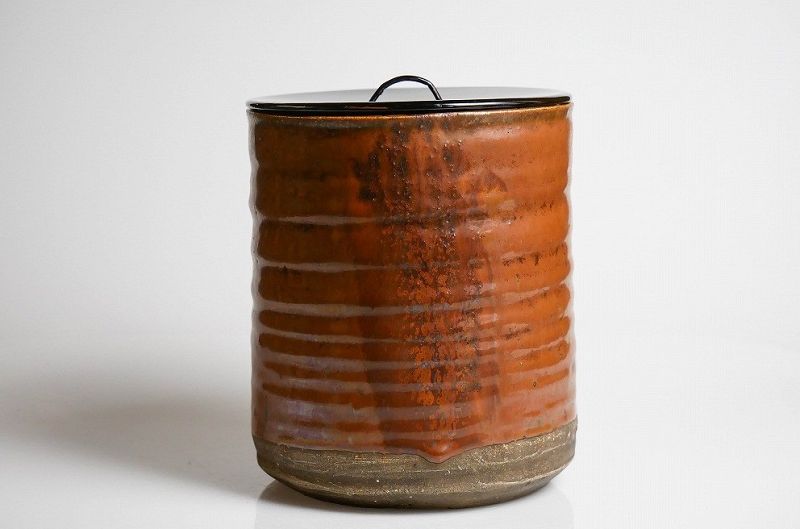
Seto is a pottery tradition established in the 12th century with the aim of reproducing fine Chinese porcelain and tenmoku-style tea bowls—which were hard to co
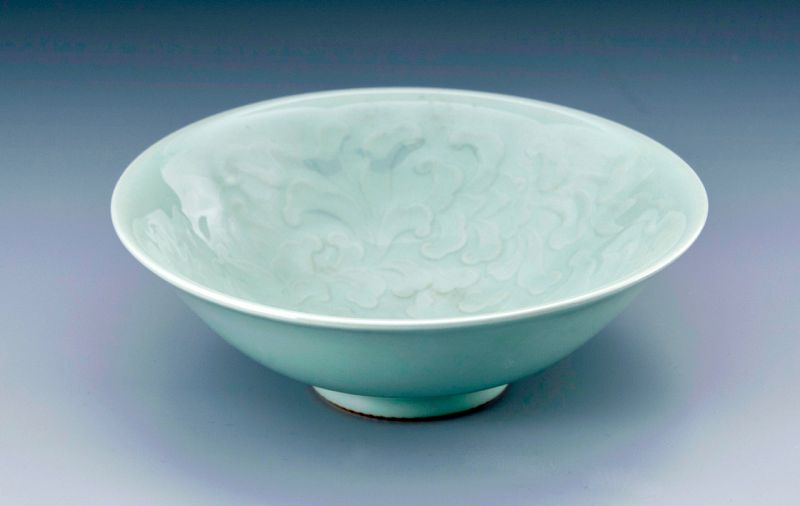
A wonderful translucent blue celadon dish decorated with a low-relief floral motif. This piece was made by one of the few great female Japanese potters of the 2
SOLD
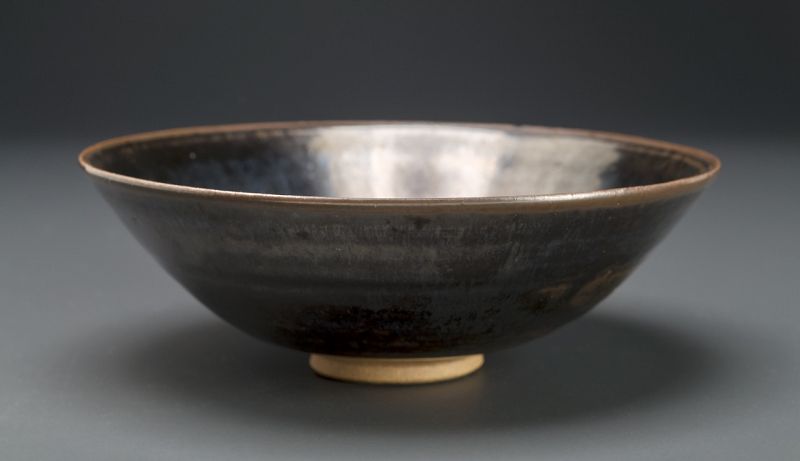
Yuzo Kondo is one of the more recognized names in the world of modern Japanese pottery of the 20th century. Though known mainly for his sometsuke creations (blu
SOLD
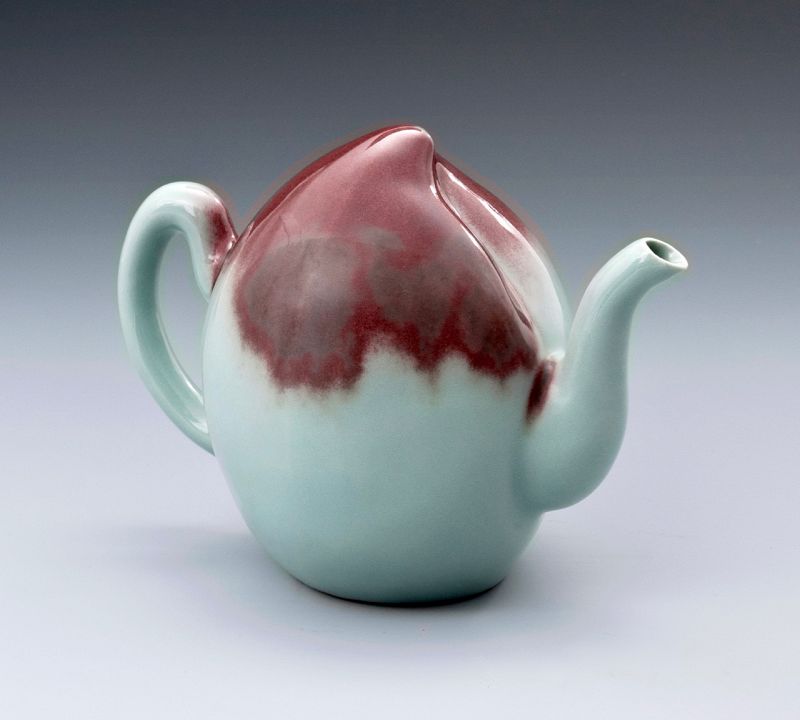
This peach-shaped suiteki (water dropper for calligraphy) is made of fine kinuta celadon from one of the great masters of the Meiji era—Suwa Sozan. A classic de
SOLD
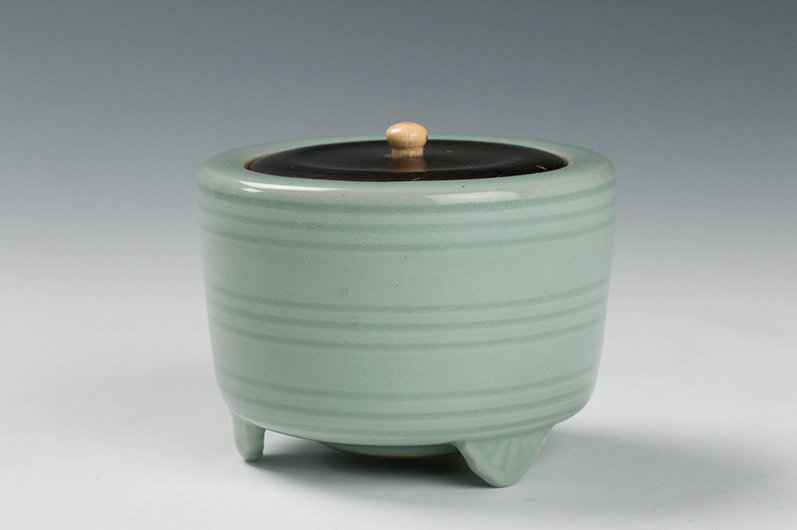
This finely crafted tripod incense burner is one of several often-employed motifs used by renowned Meiji/ Taishō ceramic artist Suwa Sozan I. With a design borr
SOLD
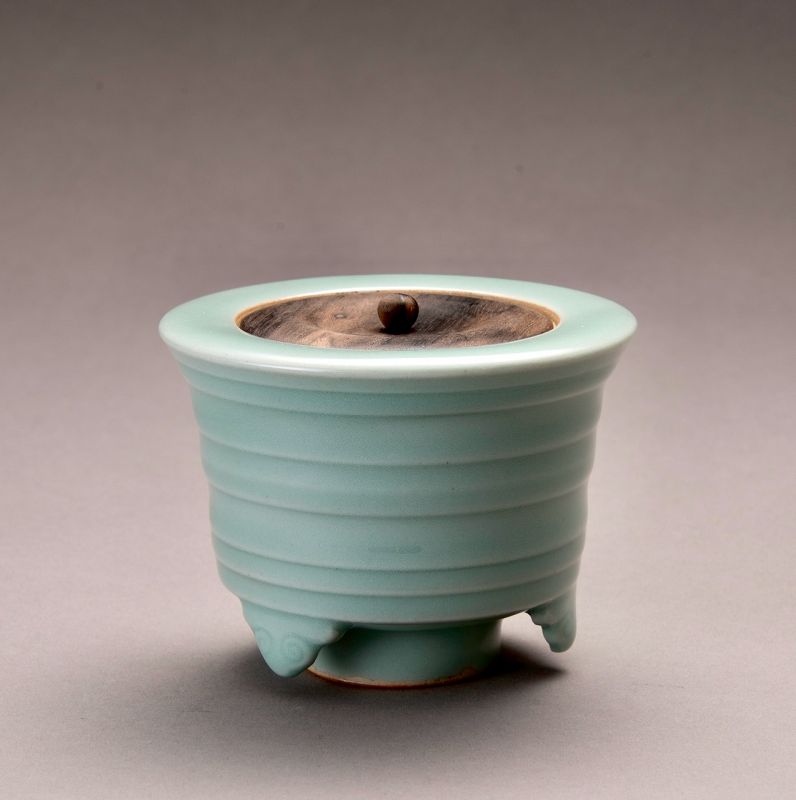
A Chinese style celadon incense burner by one of the 5 Imperial Court Artists of Meiji. Sozan spent his life perfecting techniques for celadon production first
SOLD
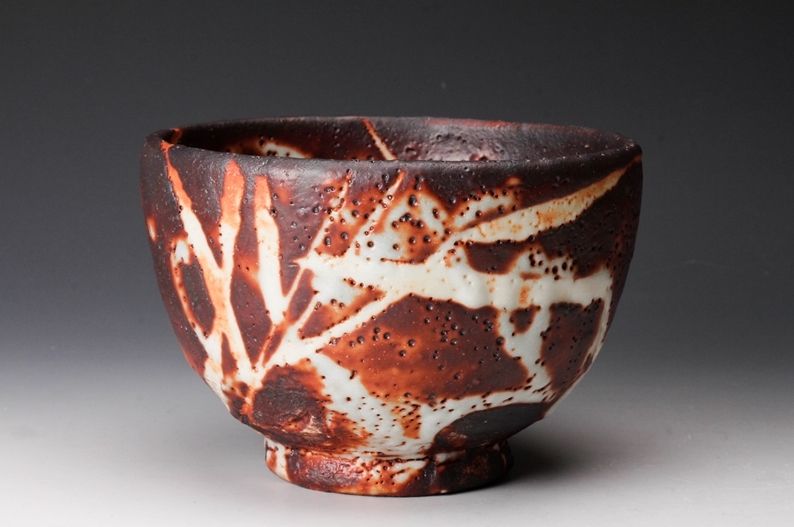
A powerful work of Shino pottery by one of the veterans of Mino ceramics. Vibrant lines of white feldspar contrast sharply with the iron rich clay and glaze to
SOLD
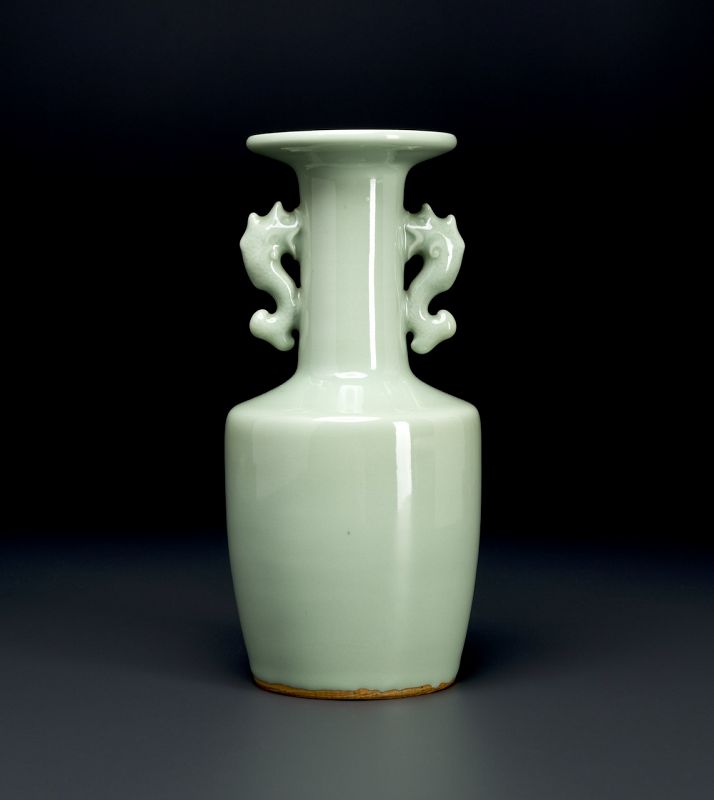
This extraordinary vase is a truly Japanese expression of a classical Chinese form. Fashioned after cylindrical Song Dynasty pieces that are thought to have bee
SOLD
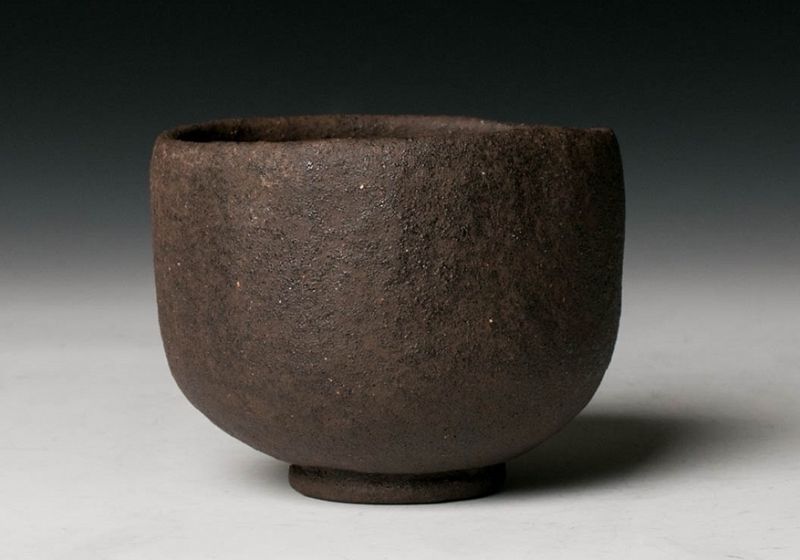
In the world of Japanese ceramics, Tamamizu-ware has an almost mythical standing. A branch of the main Raku line, at one time the two kilns held equal prominenc
SOLD
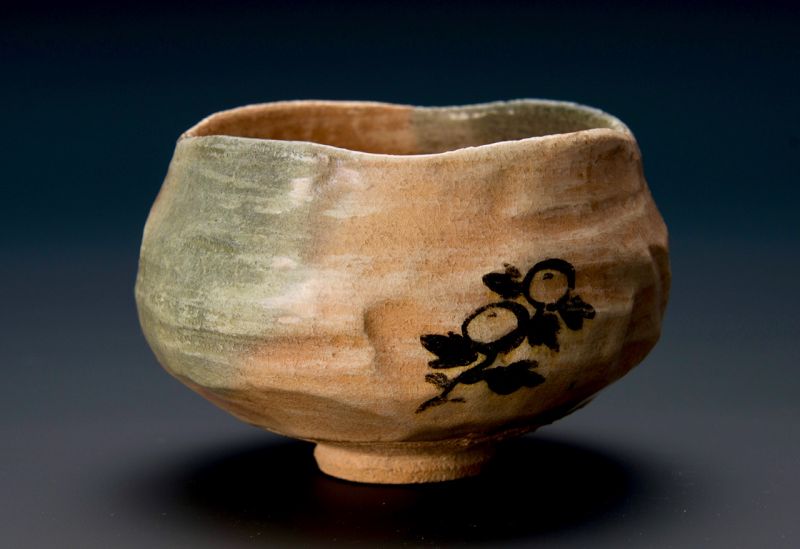
This iconic tea bowl was crafted by one of the great masters of Japanese pottery and given the poetic name "Dewdrop" by a famous tea master of the Omote-senke s
SOLD
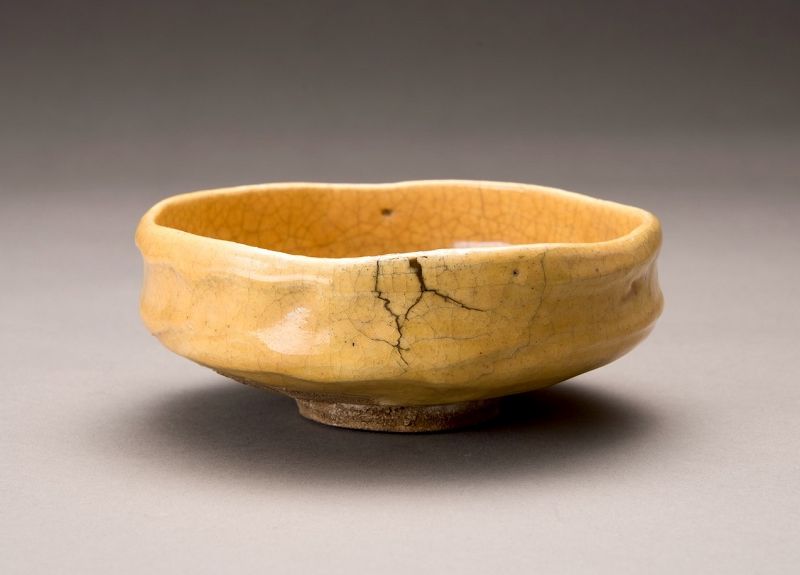
A rare and exquisite piece by the 12th Kichizaemon (1857-1932) of the Raku lineage, now in its 16th generation. Not only with excellent documentation including
SOLD