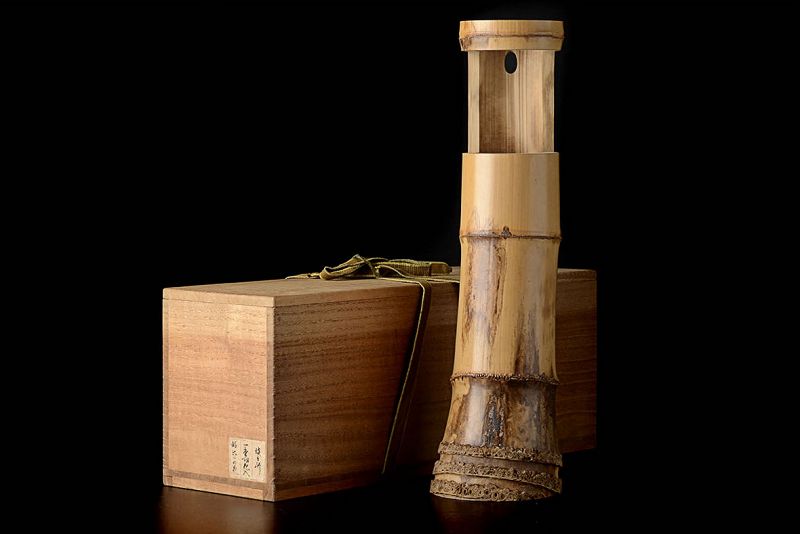
A Bamboo Kakehana Vase by Kuroda Shogen (Tea Master Item)
Flower arranging is one of the great arts that Japan has managed to take to ever greater heights of refinement over its long history. Here we have a classic exa
SOLD
Selected by shared artwork type, categories, artist and era. Available works appear first.
Back to the artwork · Browse the full collection
Flower arranging is one of the great arts that Japan has managed to take to ever greater heights of refinement over its long history. Here we have a classic exa
SOLD
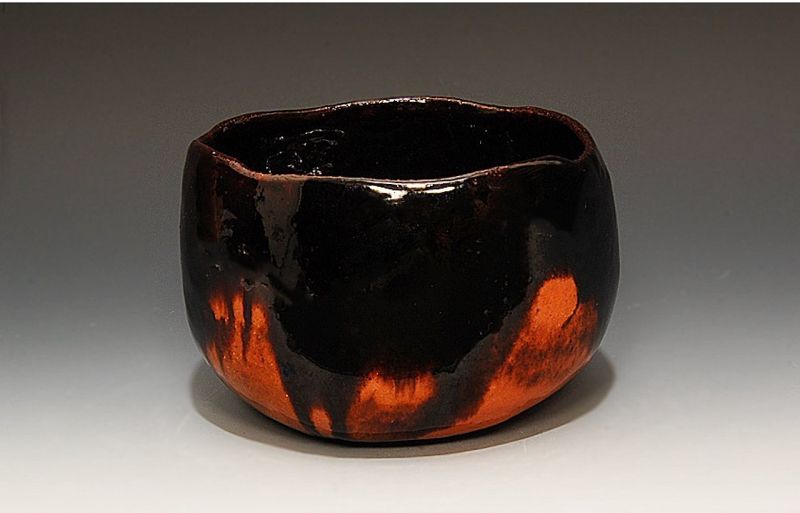
The craftsman who fashioned this piece, the 9th Ohi Chozaimon (1901-1986), is the most widely recognized and most accomplished of the now 11 generations of Ohi
SOLD
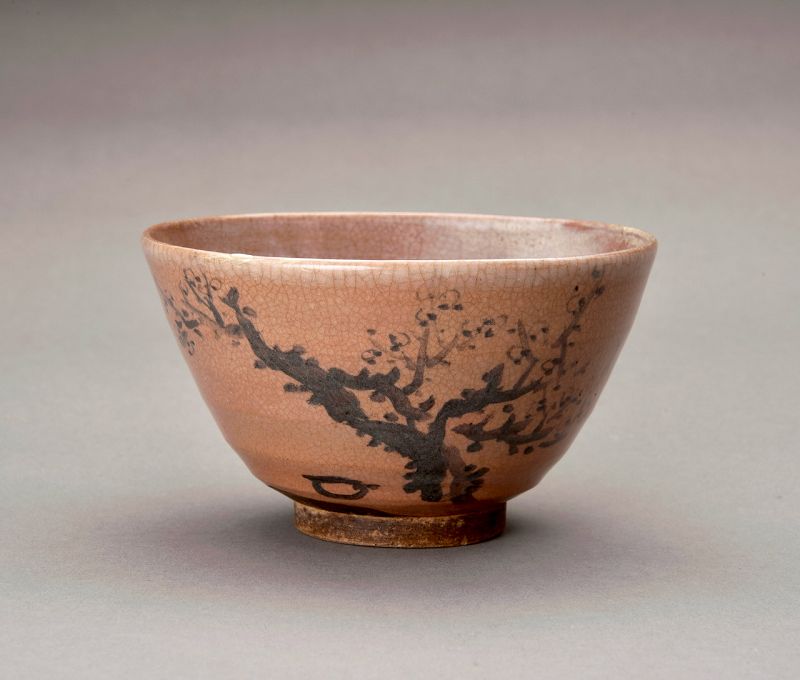
A very interesting ceremonial tea bowl produced by one of the oldest generational potting families in Kyoto. In excellent condition with one fine gold repair al
SOLD
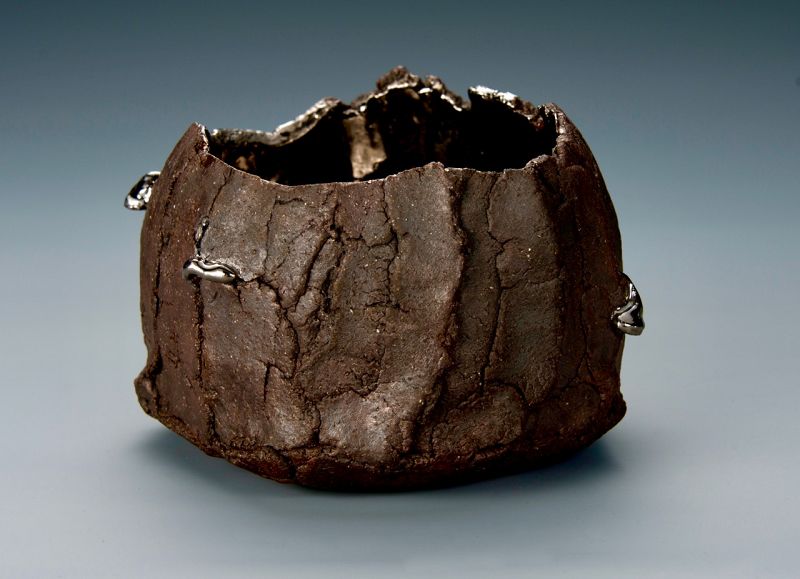
This experimental work by young artist Hiramatsu Ryoma demonstrates his creative imagination and challenges the traditional boundaries of what defines a tea bow
SOLD
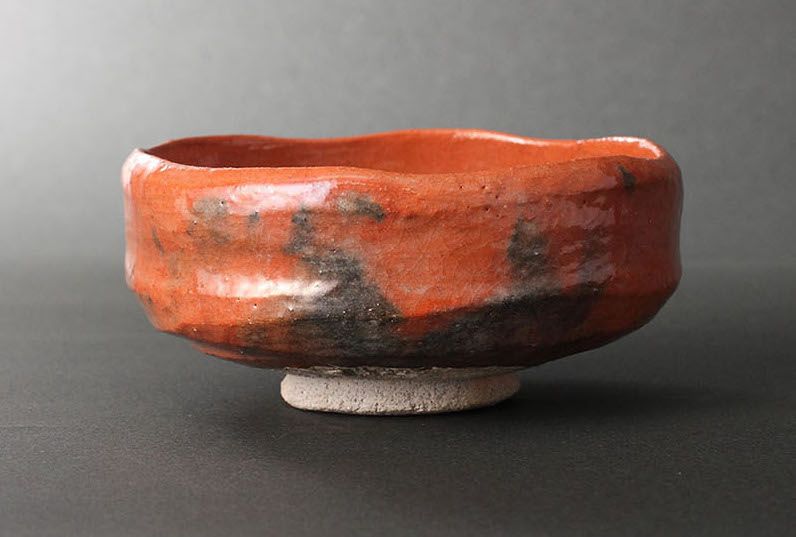
This beautiful Red Raku tea bowl is the work of Raku XI Keinyu (1817-1902), the 11th Raku potter in an unbroken line of artisans stretching back over 450 years.
SOLD
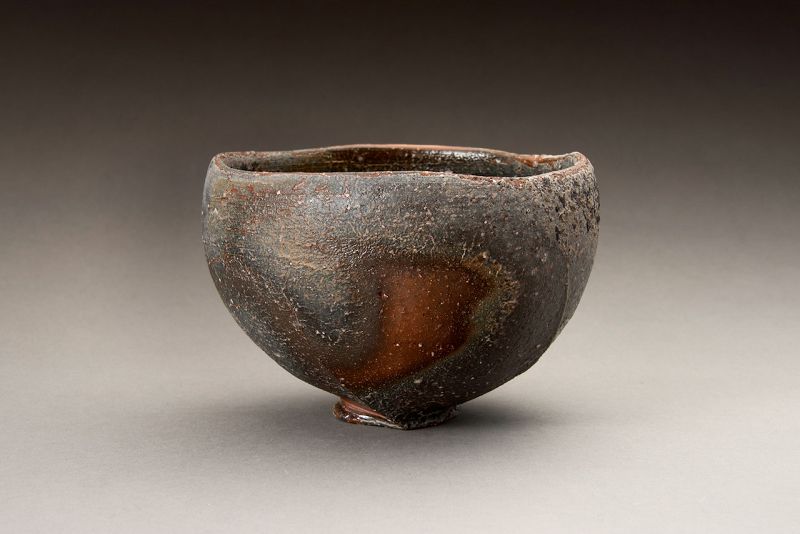
Elegantly balanced on a slenderly proportioned foot, this piece by Bizen native Kondo Masahiko displays a surprising level of skill for a potter still in the pr
SOLD
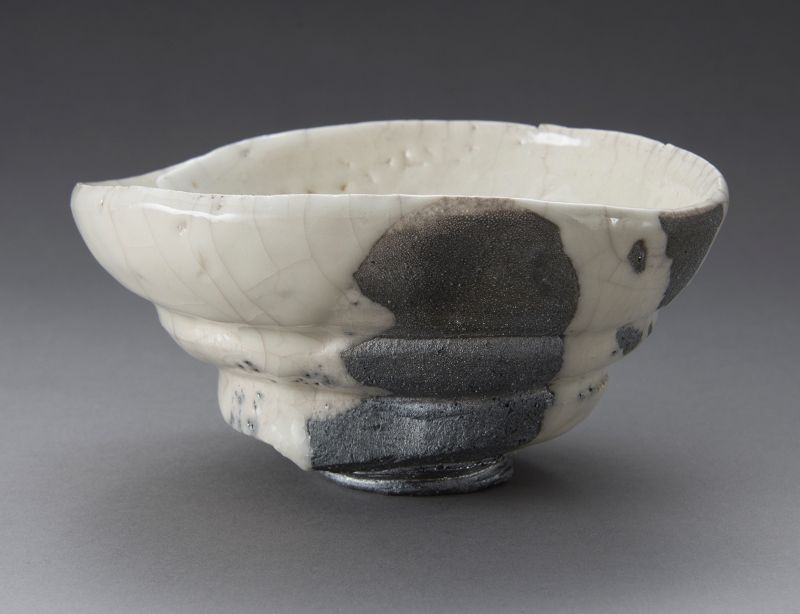
A beautiful example of modern Bizen-ware—with a thick feldspar glaze partially covering the clay body allowing the natural ash glaze underneath to show through
SOLD
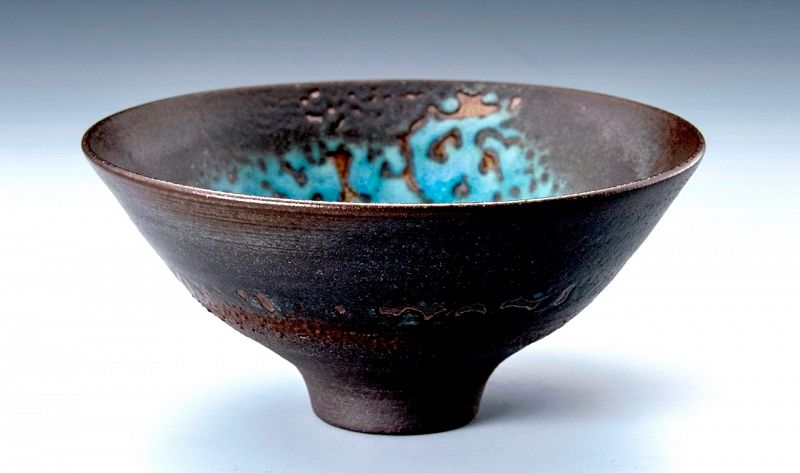
Appearing to capture an ocean inside a tea bowl, this particular work has been given the very fitting poetic name “Nami” or wave. Masterfully crafted by veteran
SOLD
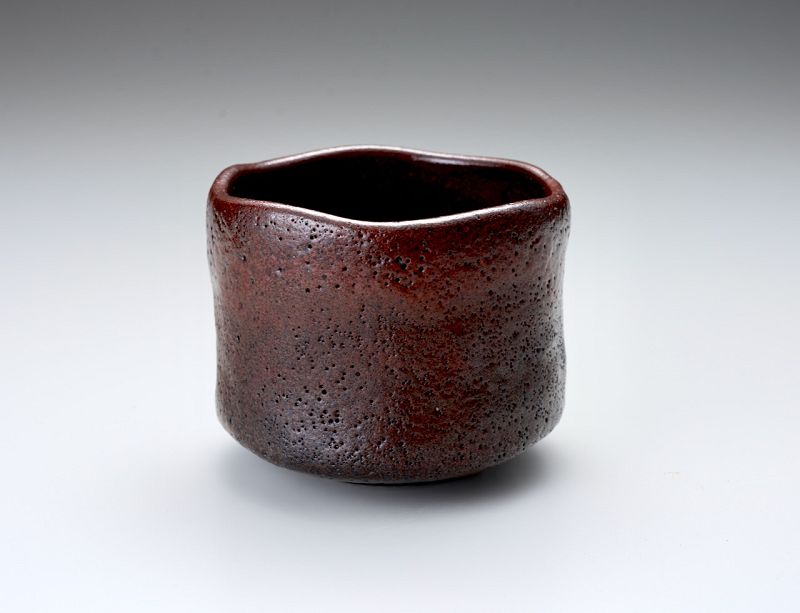
We have a particular interest in beautiful Raku tea bowls and spend quite a bit of time searching for exceptional examples to include in our gallery. Here we se
SOLD
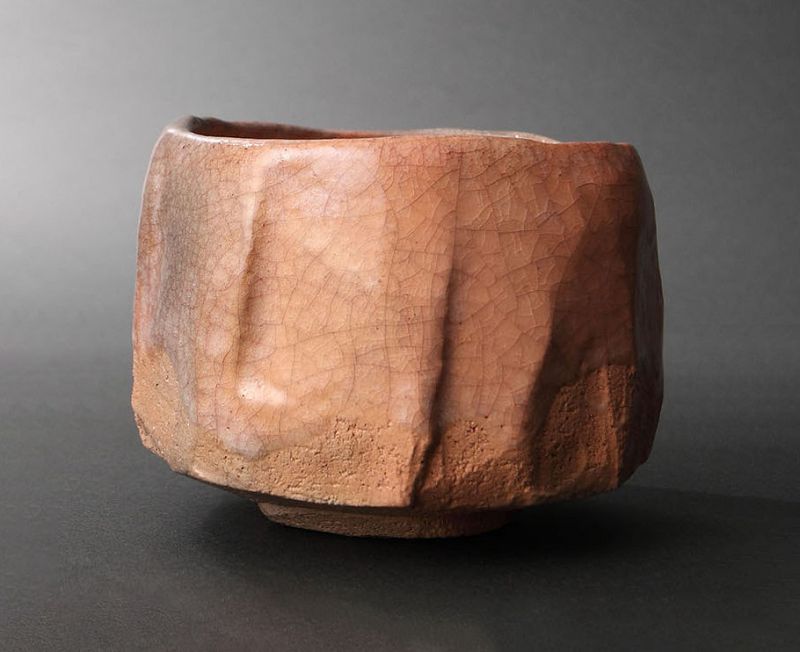
Here we have an exceptional Raku tea bowl given the poetic name "Setsu-gekka" (snow, moon, flower) — a phrase often used in Japanese art and literature to evoke
SOLD
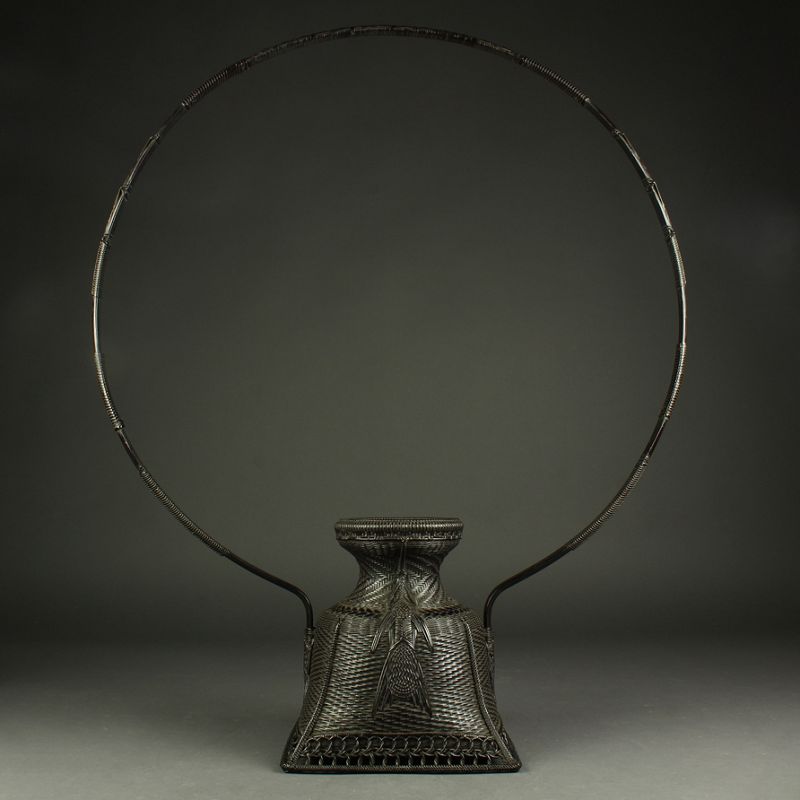
In Japan, woven baskets such as this are often referred to as “karamono” (Chinese style) to denote their stylistic origins tending towards symmetrical proportio
SOLD
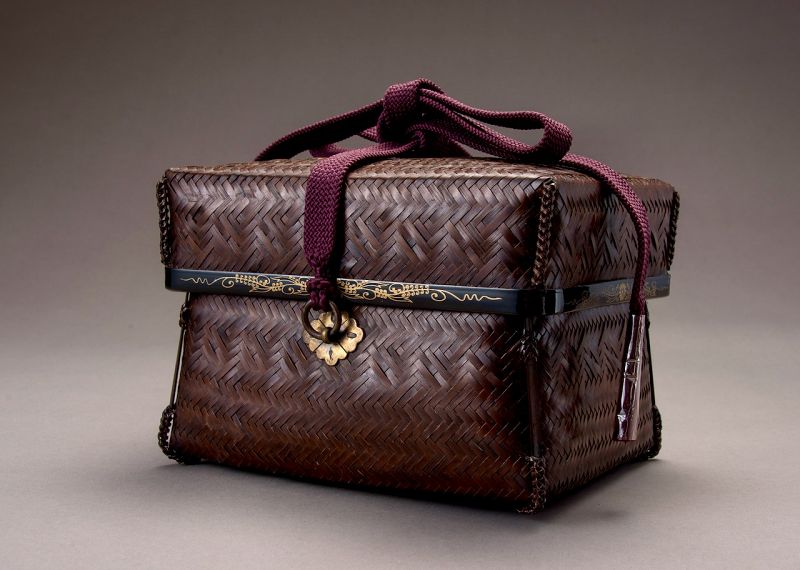
Meticulously crafted from carefully woven strips of bamboo, this traditional “chabako” would typically contain all of the basic utensils for conducting tea cere
SOLD
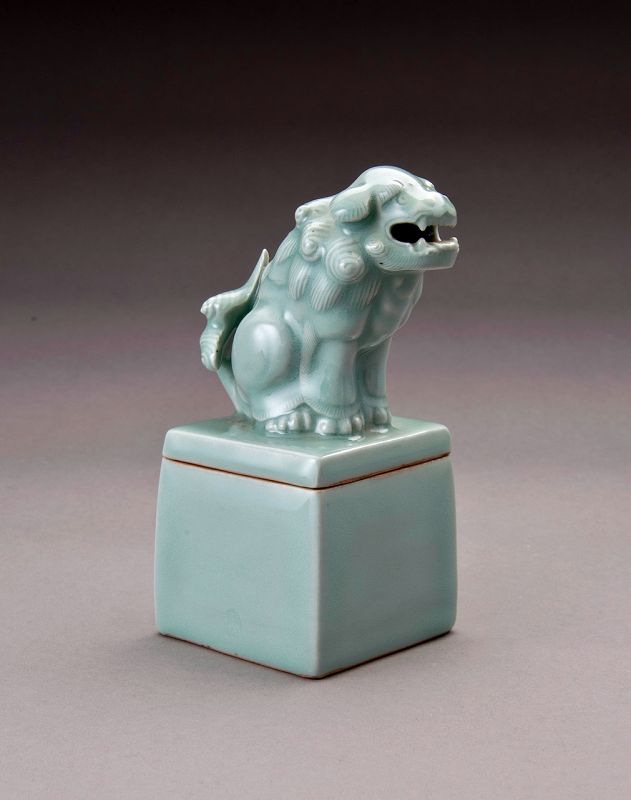
Considered auspicious symbols of wealth, status, and good fortune; foo dogs—commonly referred to as shishi or koma-inu in Japan—are often seen in pairs guarding
SOLD