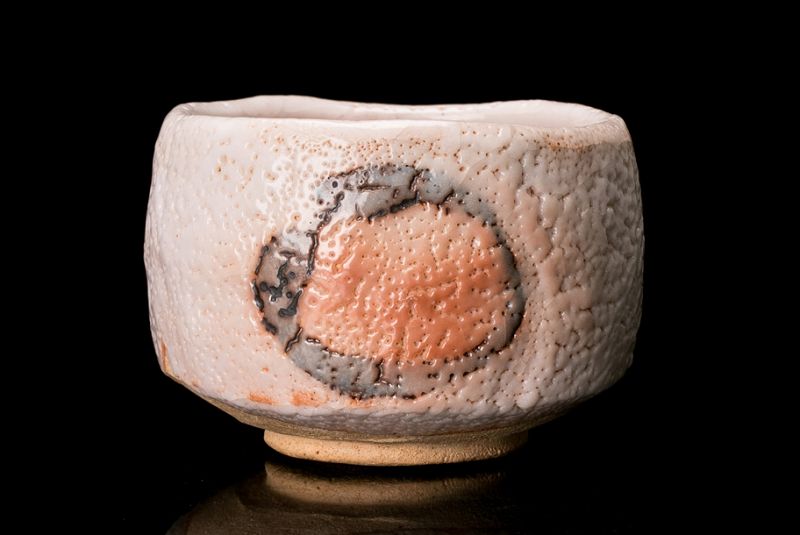
A Shino Masterpiece - Katō Kōzō (1935-2023)
This depiction of the eternal “ensō” on a backdrop of pearly white feldspar signifies enlightenment, the eternal, the nothingness, and the freedom of the mind t
SOLD
Selected by shared artwork type, categories, artist and era. Available works appear first.
Back to the artwork · Browse the full collection
This depiction of the eternal “ensō” on a backdrop of pearly white feldspar signifies enlightenment, the eternal, the nothingness, and the freedom of the mind t
SOLD
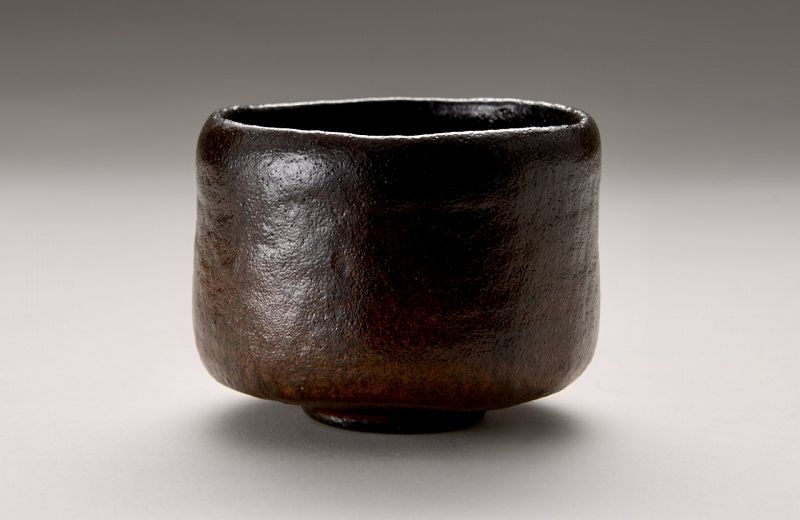
Closely resembling a historically important tea bowl made by one of the forebears of the art of tea and Raku pottery, Chojiro, this piece gives one a sense of t
SOLD
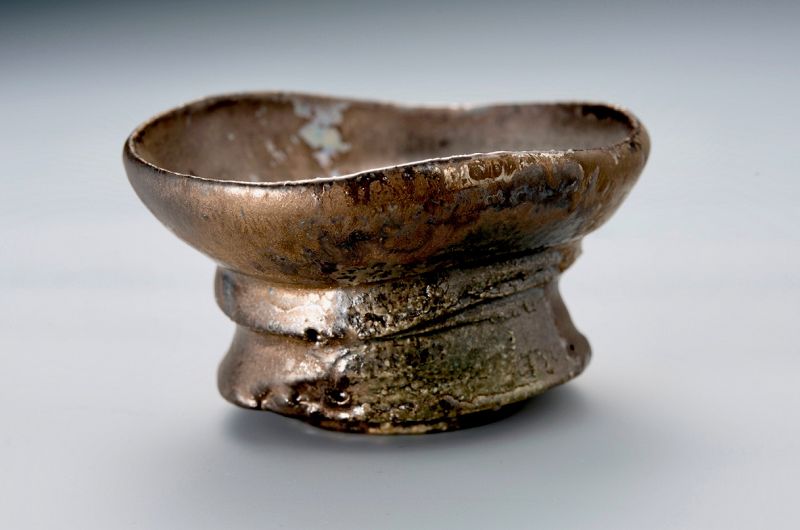
A traditionally crafted Bizen sake cup shaped in the tradition of Oribe. The rich mineral glaze gives this guinomi an almost a metallic look. The craftsman who
SOLD
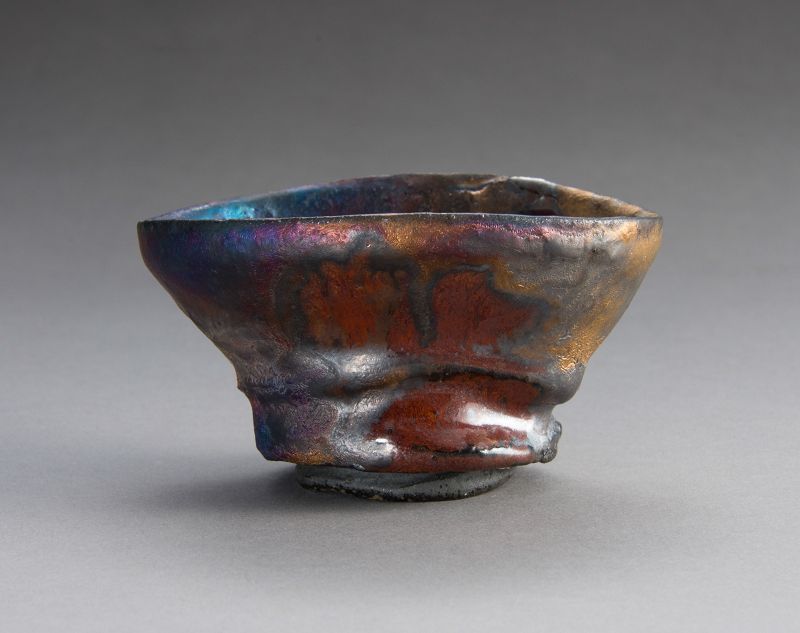
A traditionally crafted Bizen sake cup with a rich mineral glaze giving this guinomi a metallic look. The craftsman who made this piece, Takahiro Ishii, was bor
SOLD
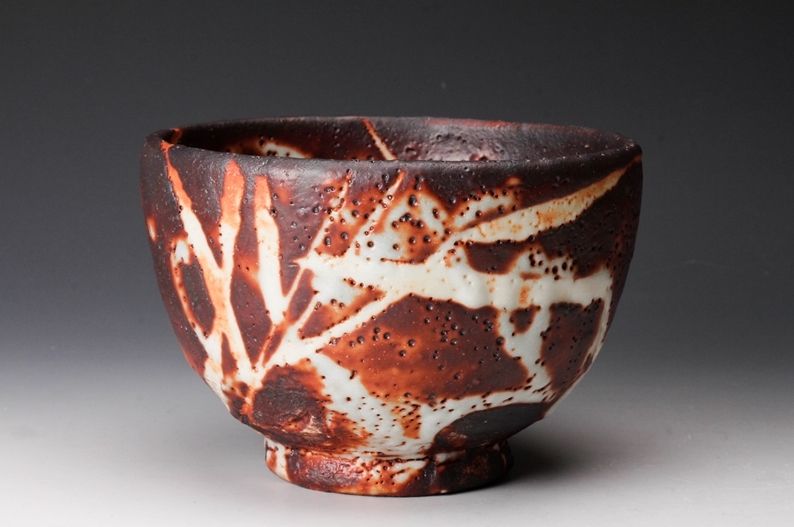
A powerful work of Shino pottery by one of the veterans of Mino ceramics. Vibrant lines of white feldspar contrast sharply with the iron rich clay and glaze to
SOLD
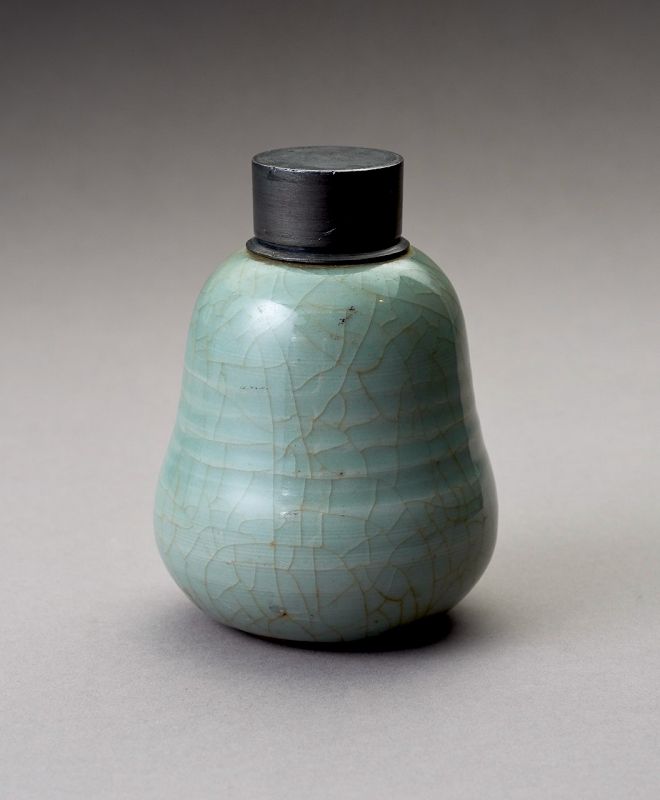
Most likely Chinese in origin, this antique celadon tea caddy is a mesmerizing piece of art that exudes elegance and sophistication. Crafted during a time when
SOLD
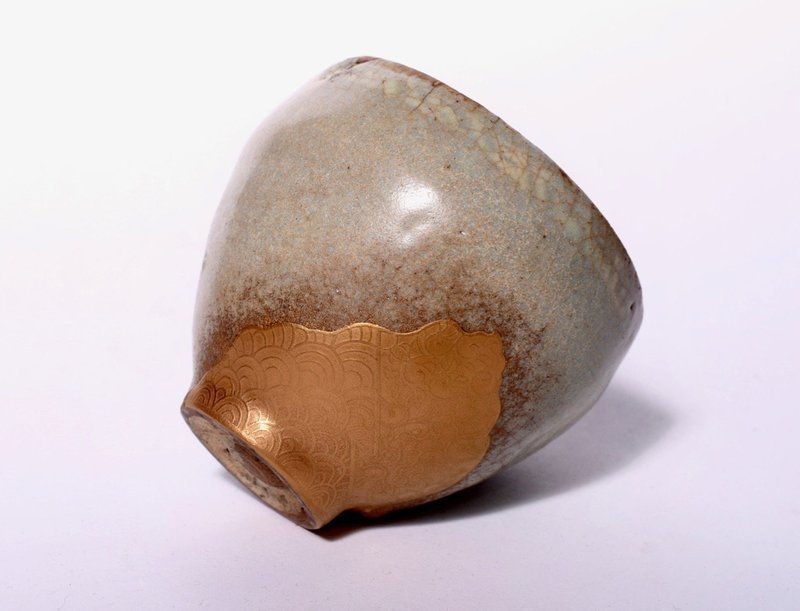
The gray-blue celadon displays finely crackled glazing with areas slightly darkened by time. A faint pattern made of white inlay can be seen along the upper rim
SOLD
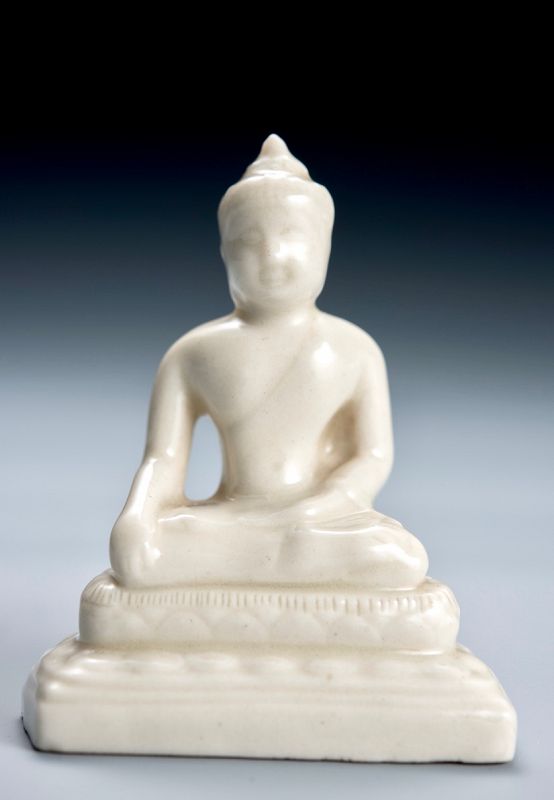
This white porcelain statue depicts a small seated Bodhisattva deep in meditation. Bodhisattva, otherwise known as bosatsu in Japan, are enlightened beings who
SOLD
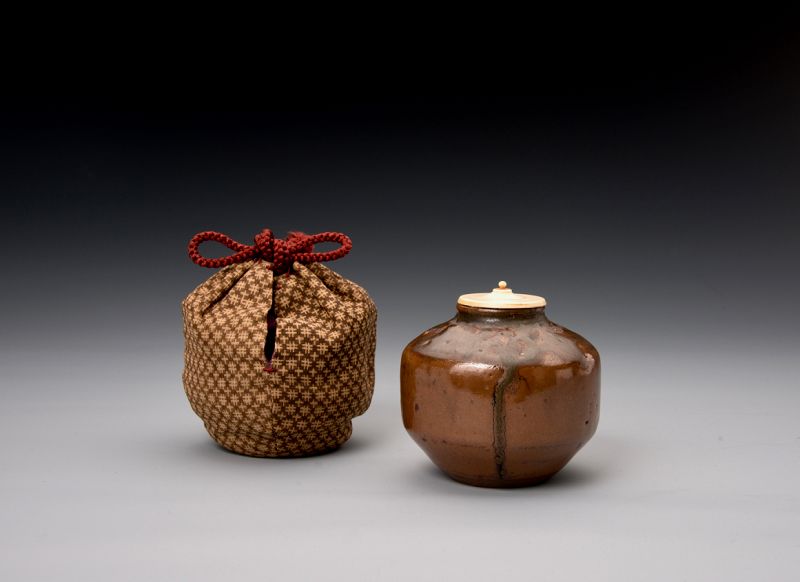
This extraordinary cha-ire (powdered tea container) displays an excellent glaze that appears to have only grown more intricate and rich with time. Contrasting a
SOLD
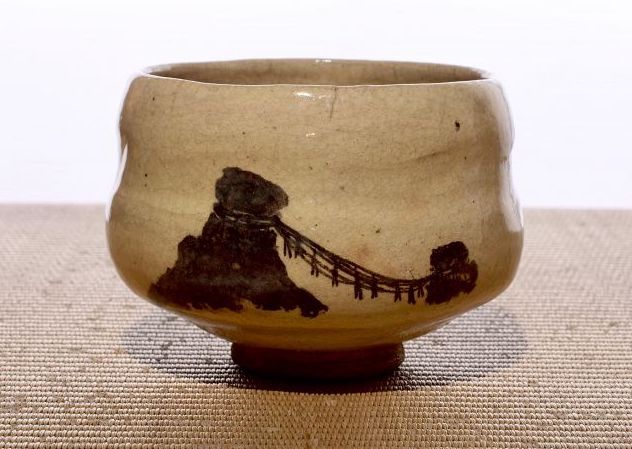
This tea bowl crafted by one of the great masters of Japanese pottery depicts Meota Iwa—a famous Japanese landmark in Mie. Symbolizing the union between two div
SOLD
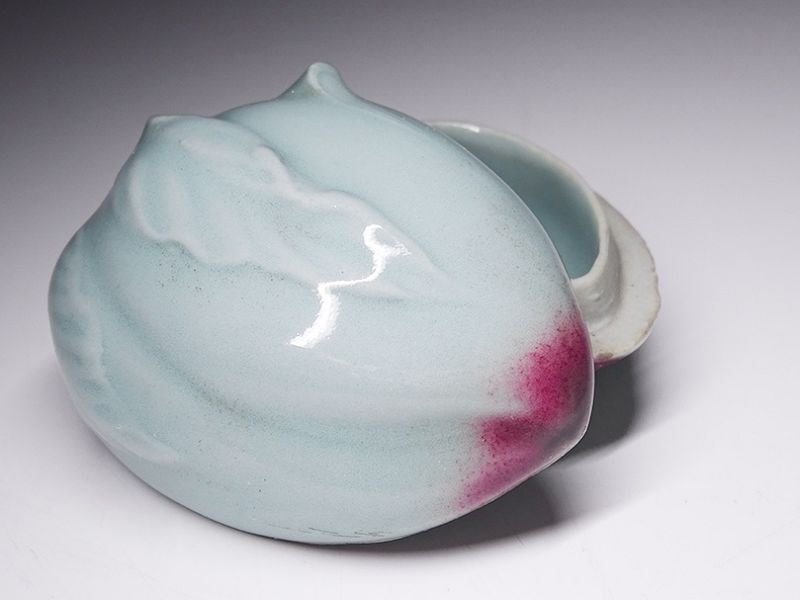
This peach-shaped kōgō (incense box) is made of fine kinuta celadon from one of the great masters of the Meiji era—Suwa Sozan. A classic design, the peach is sa
SOLD
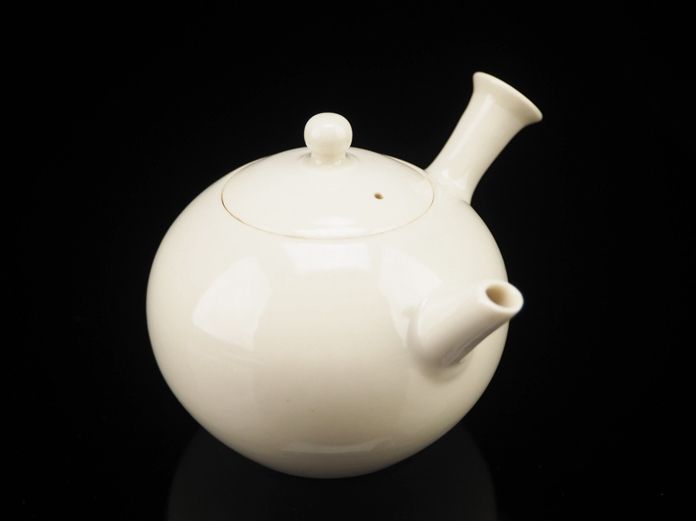
Simple, elegant, and functional, this Meiji period kyūsu (teapot) was crafted with precision and care by one of the periods most accomplished ceramicists. Showc
SOLD
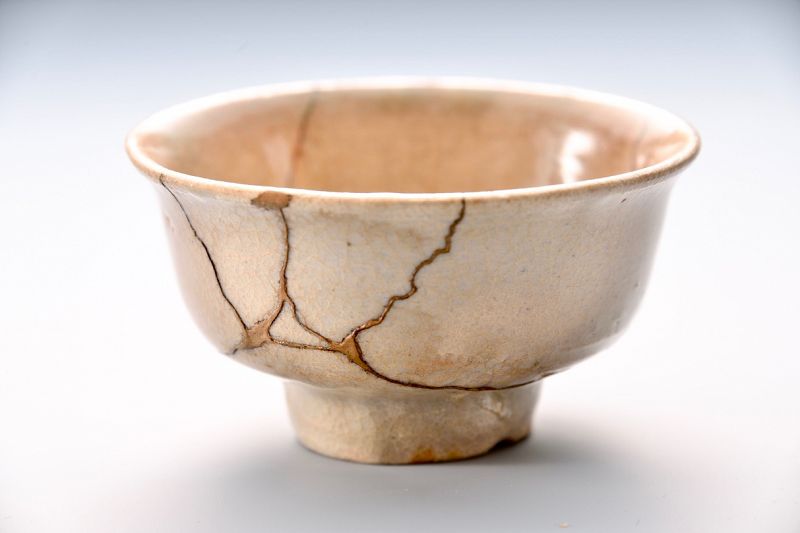
Stemming from the philosophy of wabi-sabi—often described as the beauty found in the imperfection and transience of the world—cracks and repairs in a work of po
SOLD
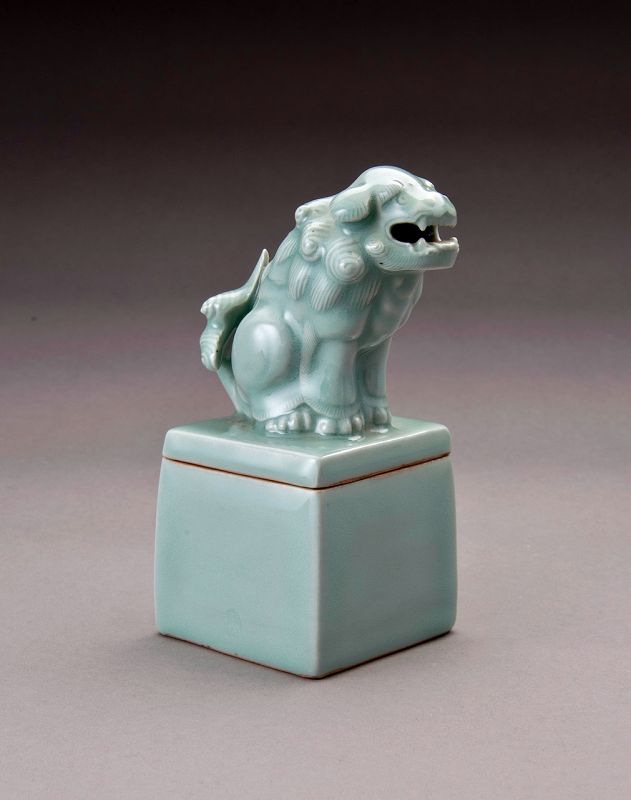
Considered auspicious symbols of wealth, status, and good fortune; foo dogs—commonly referred to as shishi or koma-inu in Japan—are often seen in pairs guarding
SOLD
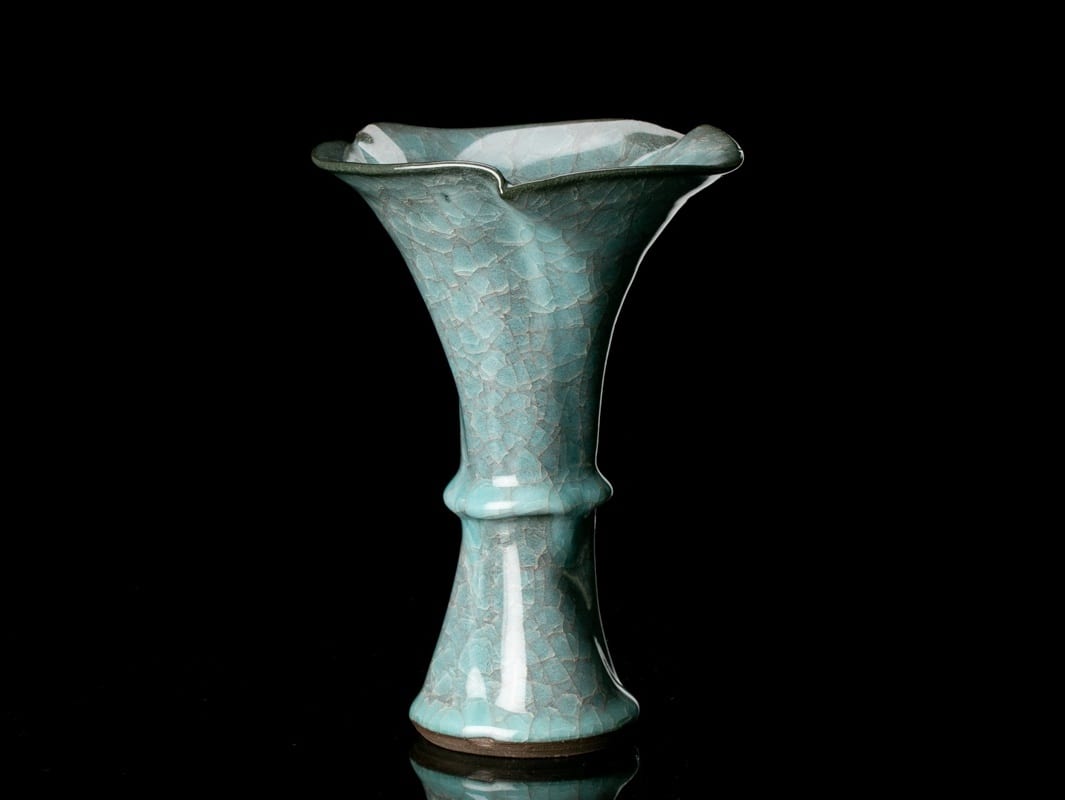
Wakao Kei continues to surprise and captivate with this turquoise blue porcelain vase from his recent offerings. Using deep, rich colors not often seen in this
SOLD
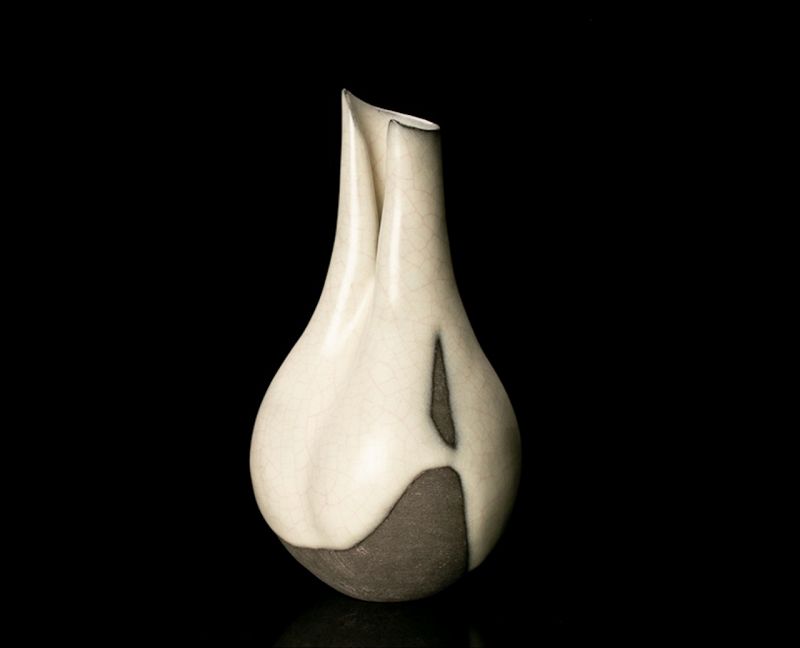
According to Kei Wakao, the artist who crafted this extraordinary work, it took him years of trial-and-error to perfect the unique rice-porcelain glaze covering
SOLD
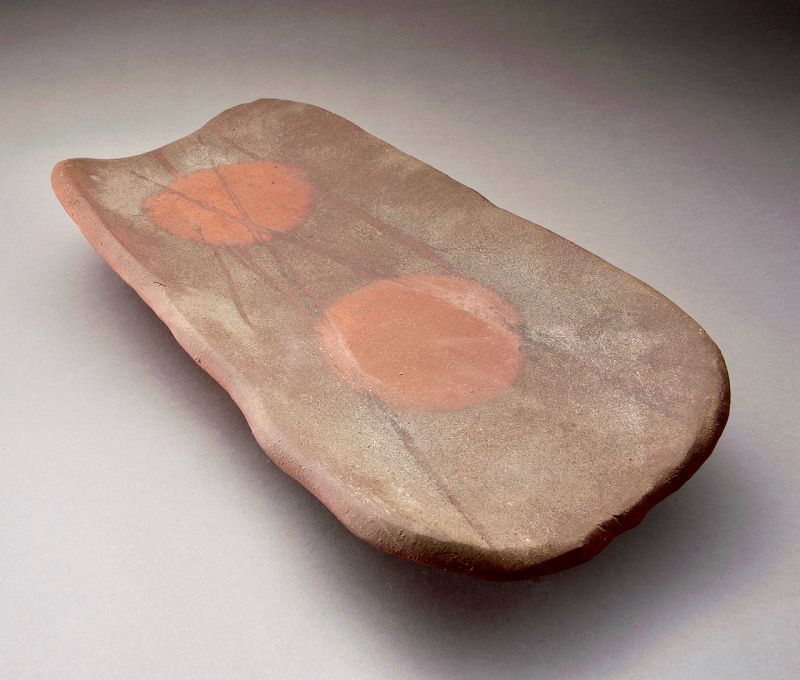
Created by Living National Treasure Isezaki Jun, Bizen pieces like the one seen here originated in Okayama (south-western Japan) and have a long history that is
SOLD
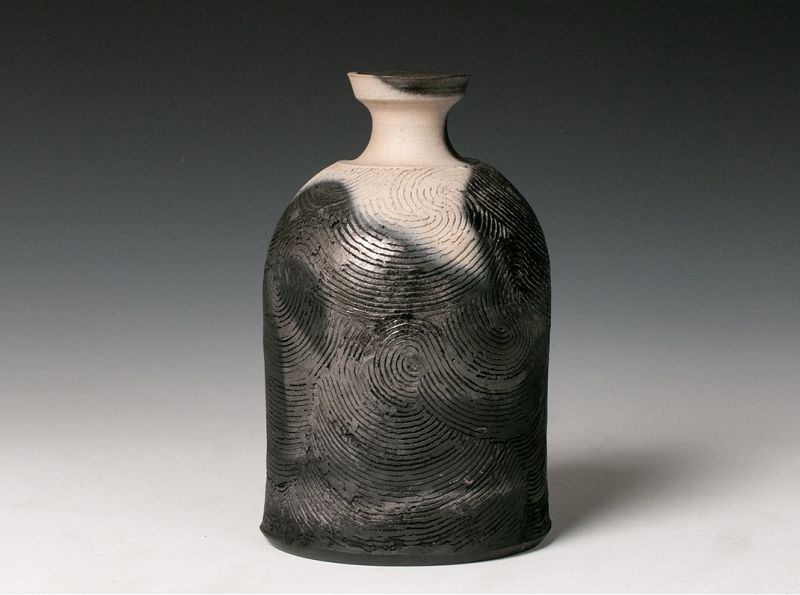
A very versatile and innovative artist, Sakata Jinnai produces pieces such as the vase seen here in his easily recognizable trademark style. Many of his pieces
SOLD
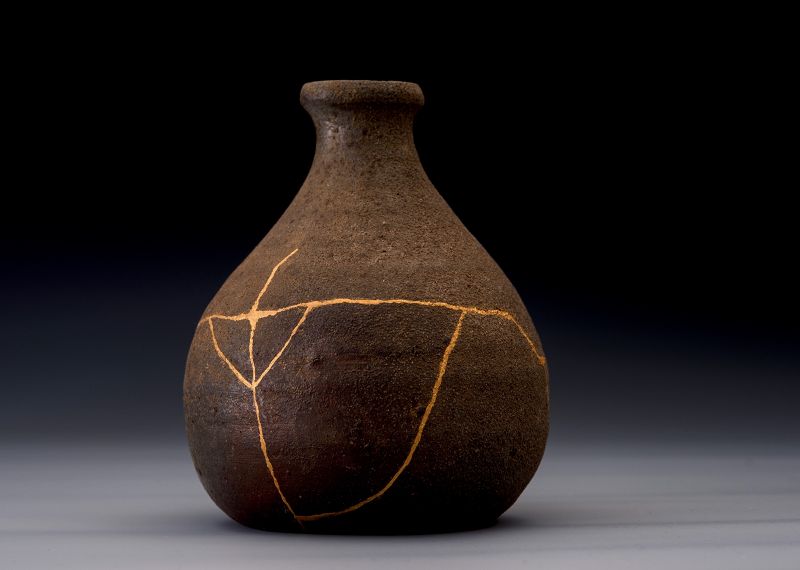
Takashi Nakazato is a celebrated Japanese ceramic artist whose family's mastery of pottery now spans 14 generations. Born in Karatsu, Saga Prefecture in 1937, N
SOLD
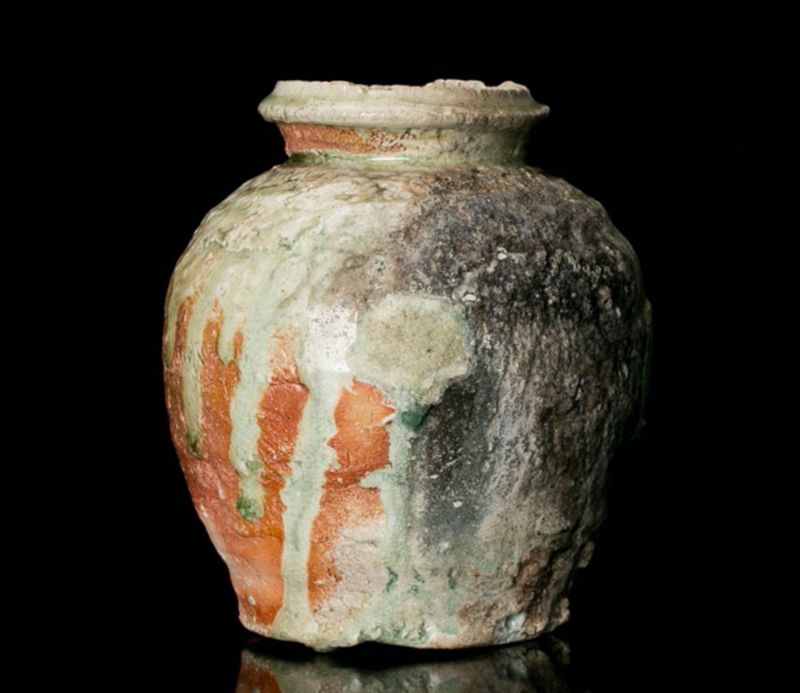
A beautiful example of Shigaraki pottery—the result of techniques perfected over centuries by dedicated artisans residing in the provinces east of Kyoto. This p
SOLD
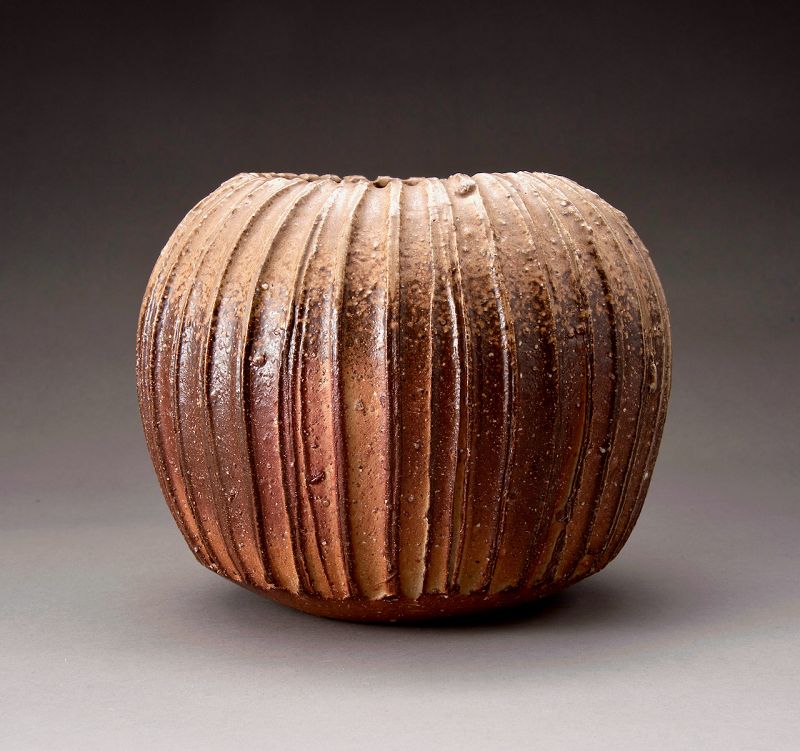
First born son to Living National Treasure Isezaki Jun, Koichiro (b. 1974) has quickly made a name for himself as an independent artist. Not content to rely sol
SOLD
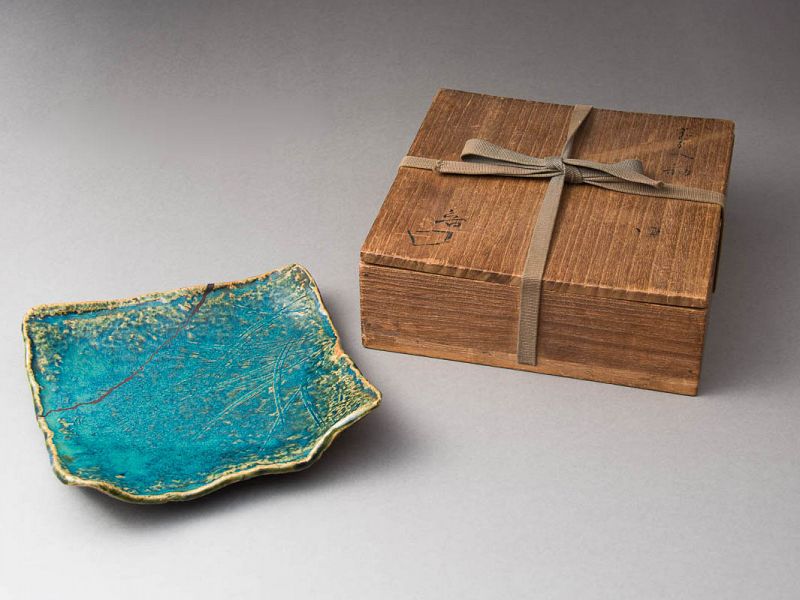
One of the most important Japanese potters of the 20th century, skilled in an impressive number of styles, today his pieces can be found in museum collections a
SOLD
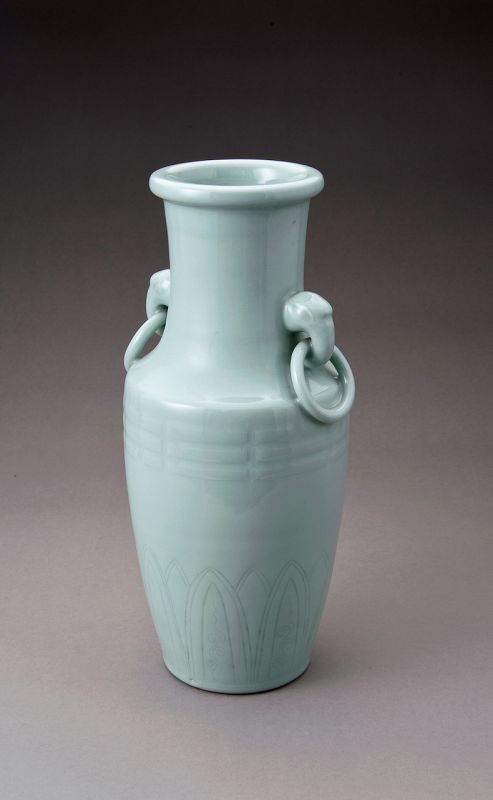
A Chinese style celadon vase by one of the 5 Imperial Court Artists of Meiji. Sozan spent his life perfecting techniques for celadon production first used in th
SOLD
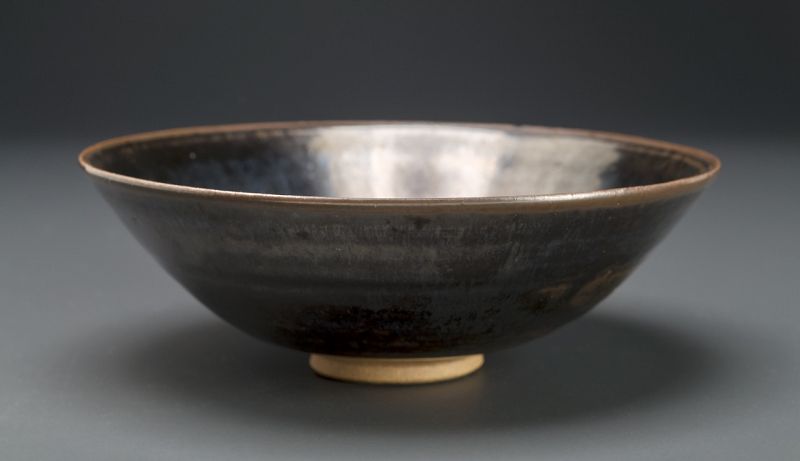
Yuzo Kondo is one of the more recognized names in the world of modern Japanese pottery of the 20th century. Though known mainly for his sometsuke creations (blu
SOLD
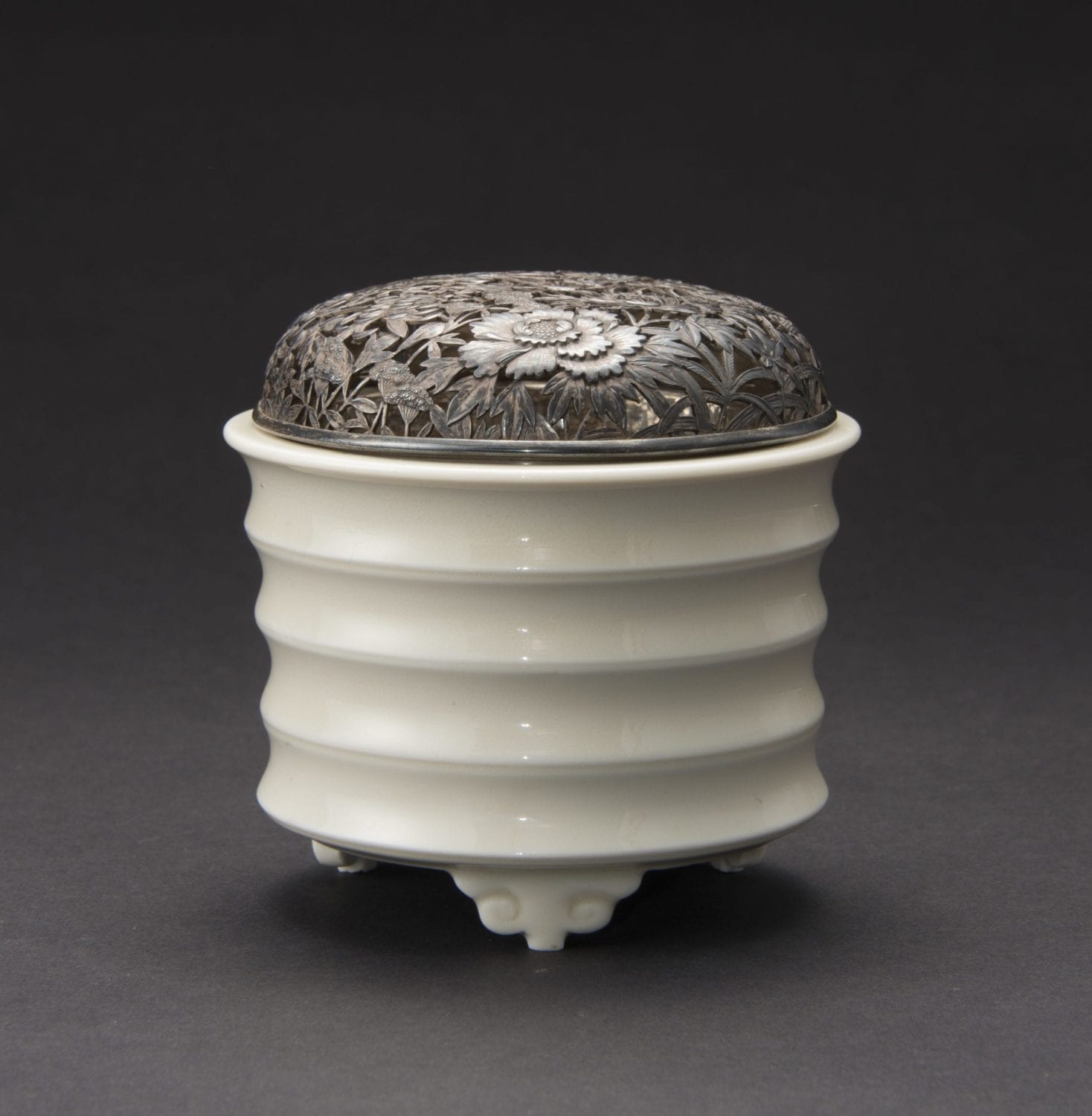
This Meiji period incense burner is made of fine white porcelain with a silver globe decorated with autumn foliage. As with much of Japanese pottery from this e
SOLD
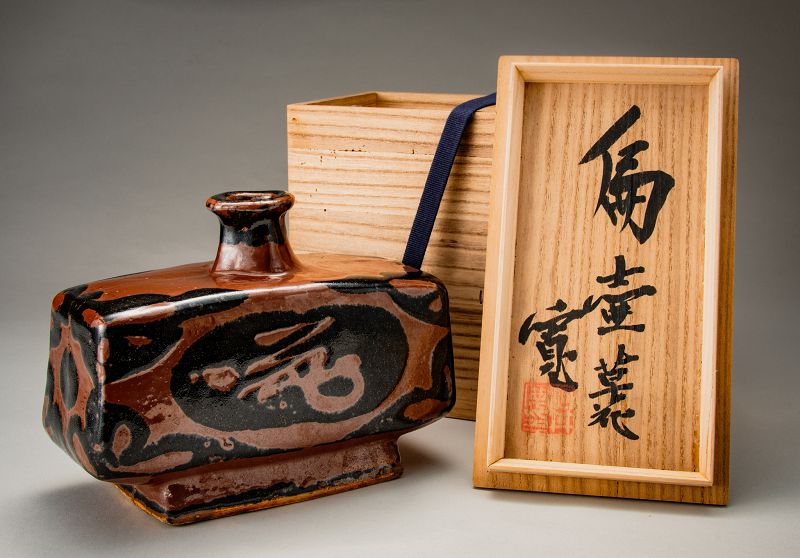
Conceived by 20th century master ceramicist Kawai Kanjiro—here an abstract depiction of flowers is used to adorn an exquisite “henko” shaped vase. The glaze use
SOLD
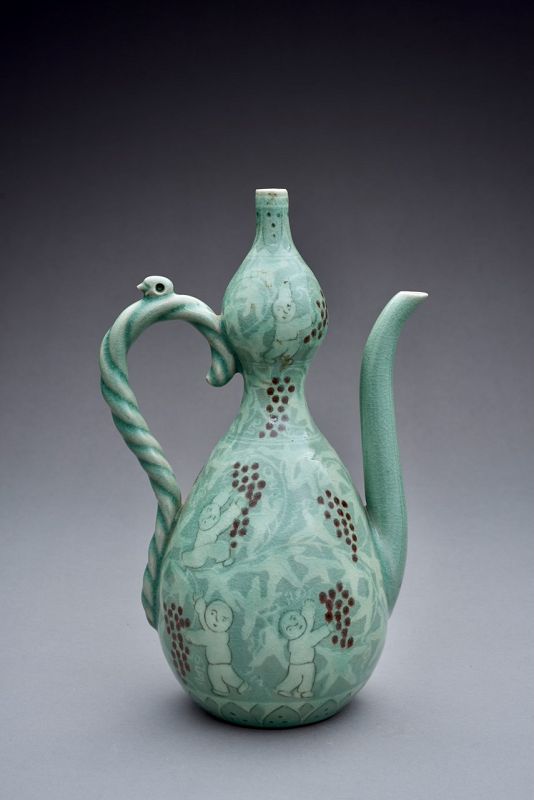
This unique and captivating celadon vase is the work of an early 20th century Korean artist who spent a number of years in Japan honing his craft. Gourd-shaped,
SOLD
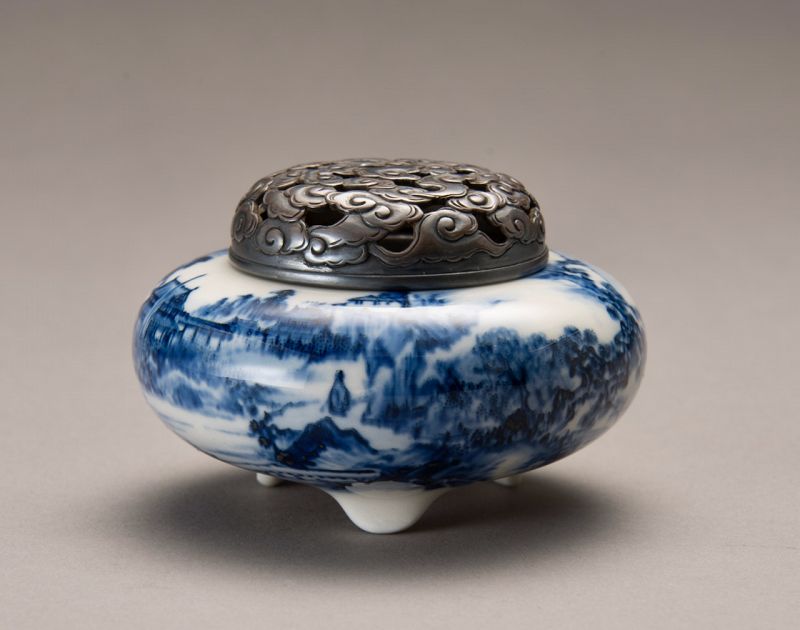
One of the most prominent potters of the Meiji period and one of only five to ever be appointed as Imperial Court Artist, the name Tozan is synonymous with fine
SOLD
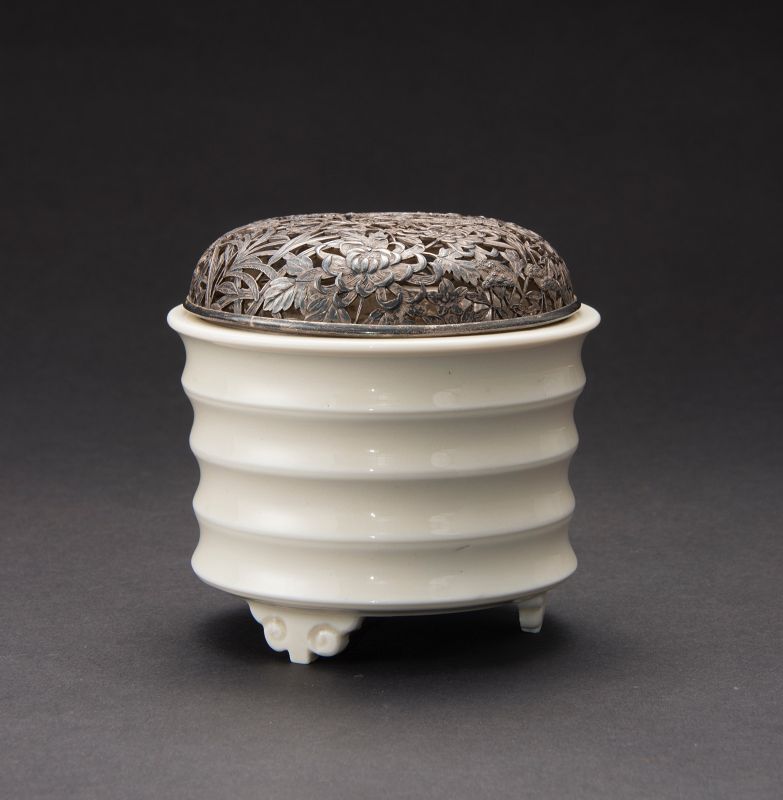
This Meiji period incense burner is made of fine white porcelain with a silver globe decorated with autumn foliage. As with much of Japanese pottery from this e
SOLD
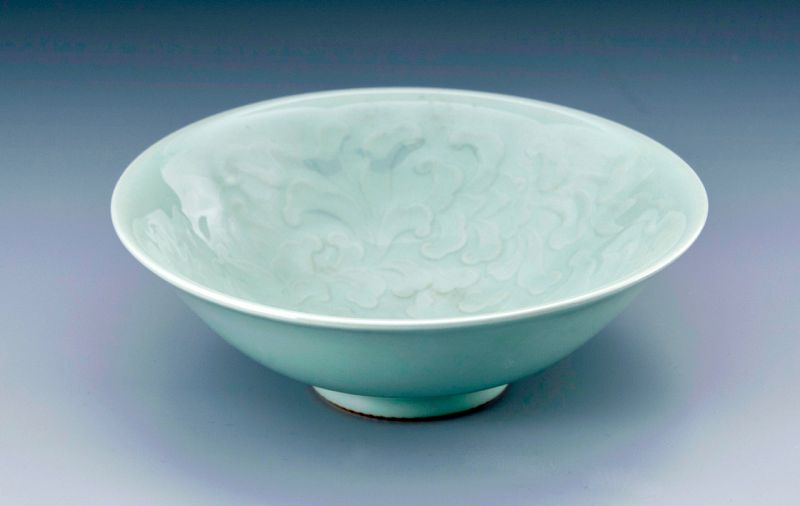
A wonderful translucent blue celadon dish decorated with a low-relief floral motif. This piece was made by one of the few great female Japanese potters of the 2
SOLD
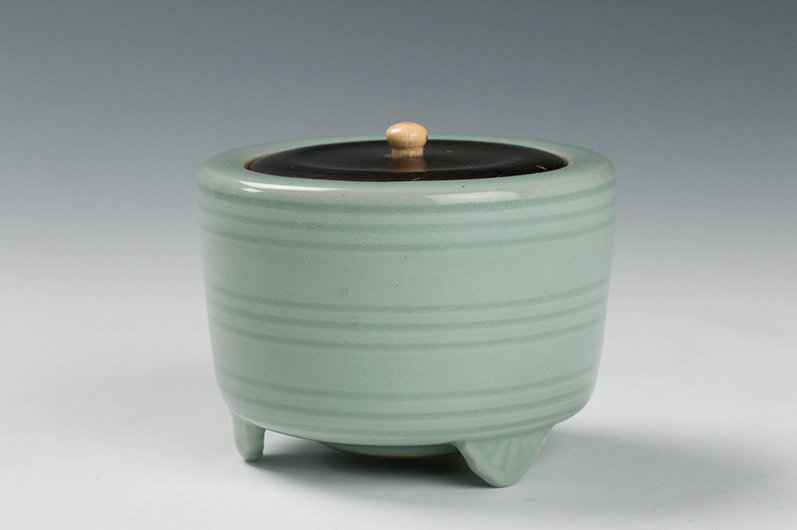
This finely crafted tripod incense burner is one of several often-employed motifs used by renowned Meiji/ Taishō ceramic artist Suwa Sozan I. With a design borr
SOLD
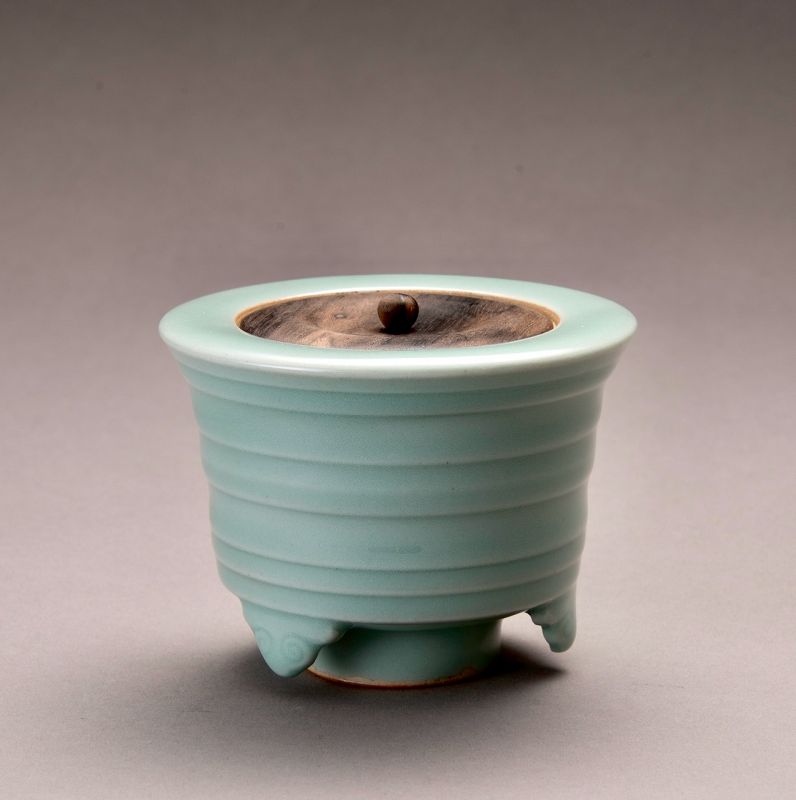
A Chinese style celadon incense burner by one of the 5 Imperial Court Artists of Meiji. Sozan spent his life perfecting techniques for celadon production first
SOLD
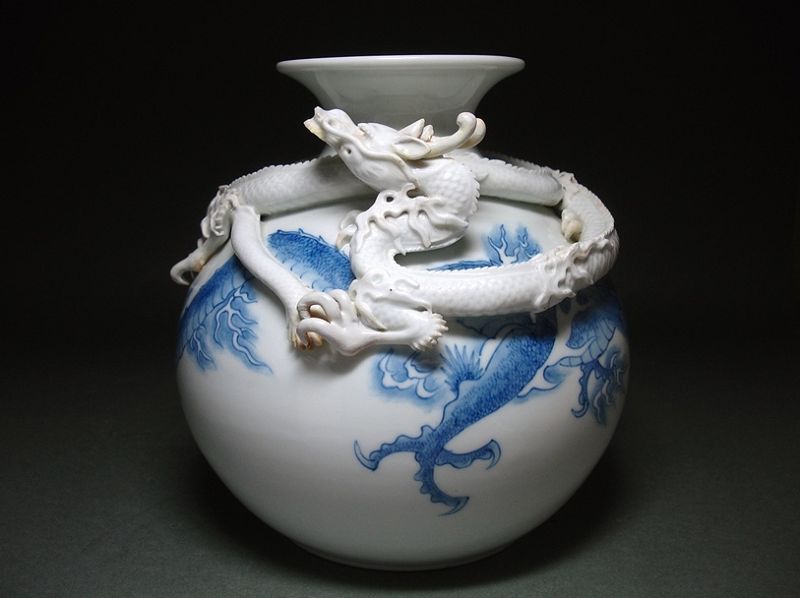
From a large collection of Edo period Nabeshima and Hirado-ware, this intricately crafted vase features two serpentine dragons intertwined across the face of th
SOLD
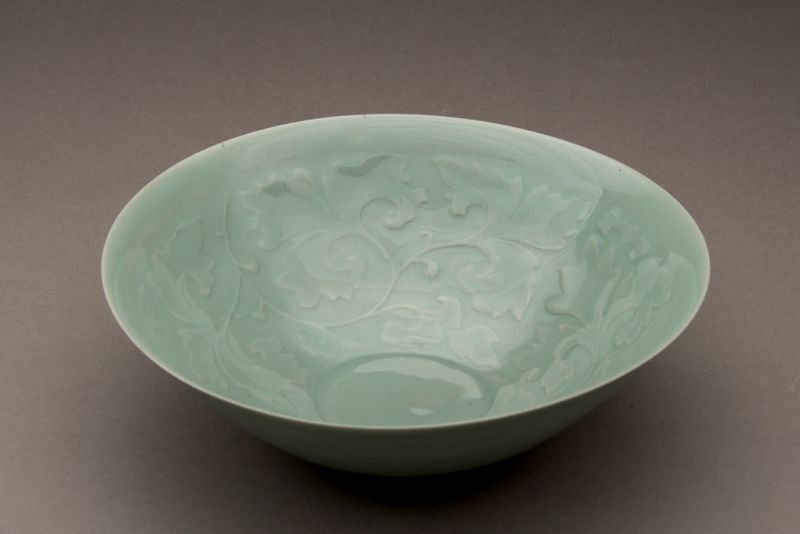
Here we see a Chinese style celadon floral bowl by one of the 5 Imperial Court Artists of Meiji. The potter, Sozan, spent his life perfecting techniques for cel
SOLD
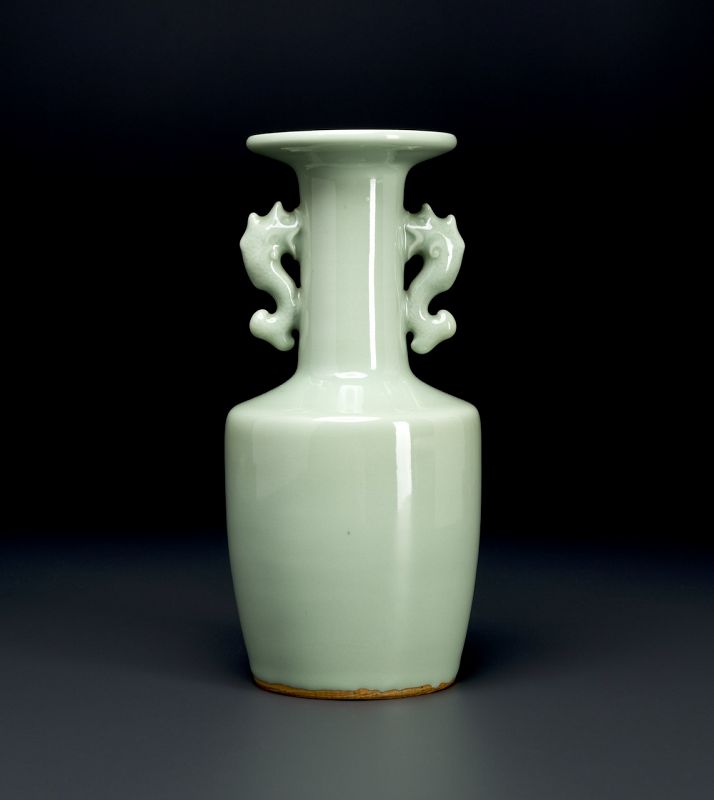
This extraordinary vase is a truly Japanese expression of a classical Chinese form. Fashioned after cylindrical Song Dynasty pieces that are thought to have bee
SOLD
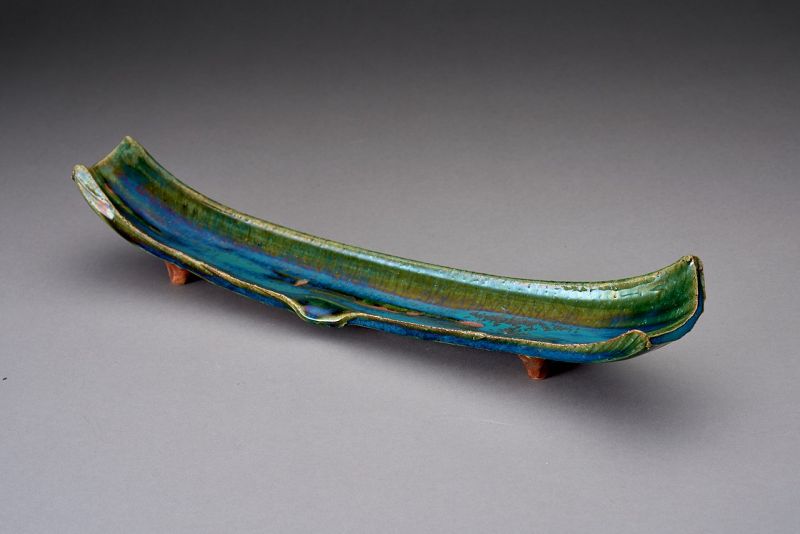
Oribe is a visual style named after the late-16th-century tea master Furuta Oribe (1544-1615). While most Oribe pieces are adorned with abstract, minimalistic,
SOLD
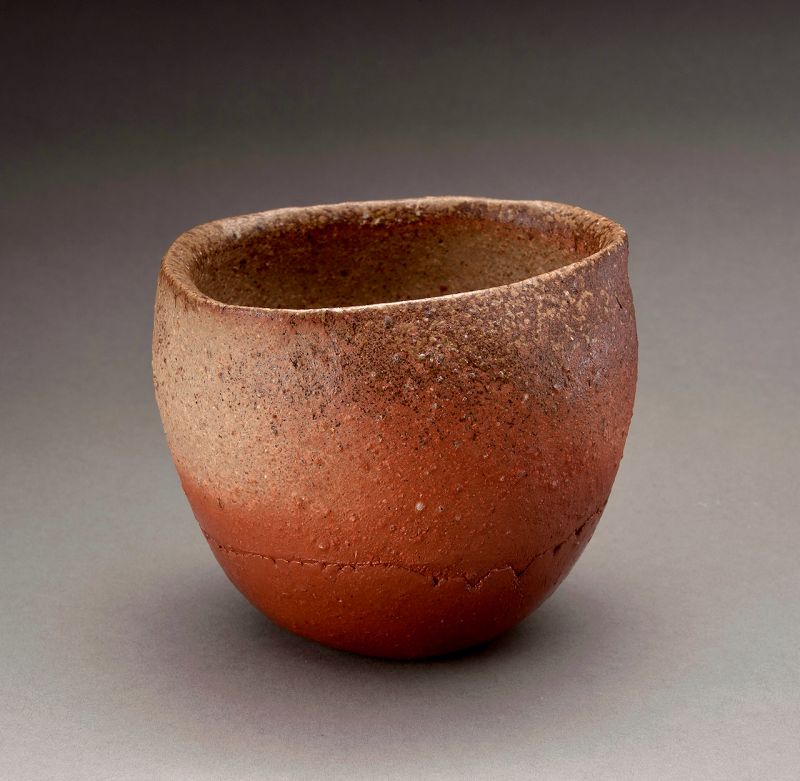
First born son to Living National Treasure Isezaki Jun, Koichiro (b. 1974) has quickly made a name for himself as an independent artist. Not content to rely sol
SOLD
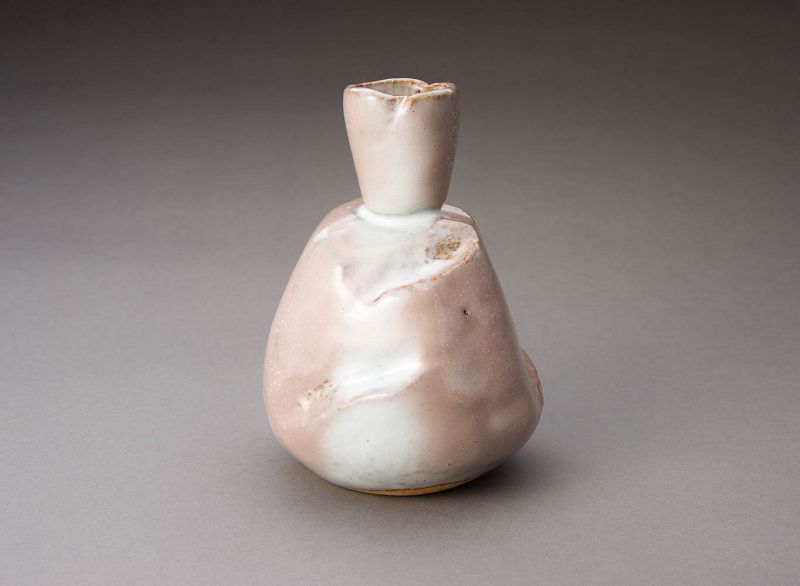
The trademark glaze on this delightful sake flask (tokkuri) is by none other than 8th generation Hagi potter Masanao Kaneta. Close inspection reveals flecks of
SOLD
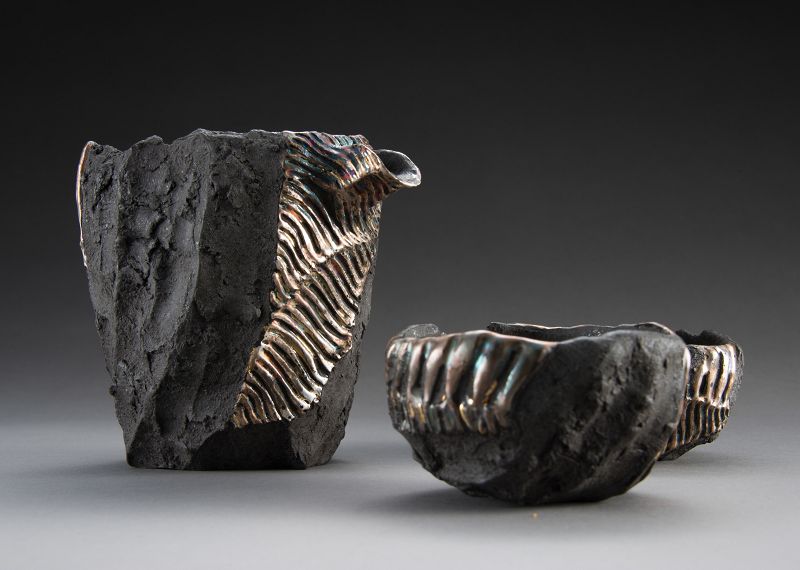
If you are familiar with the work of Hiramatsu Ryoma you know that he creates very unconventional ceramics inspired by forms found in nature. Here we have a sak
SOLD
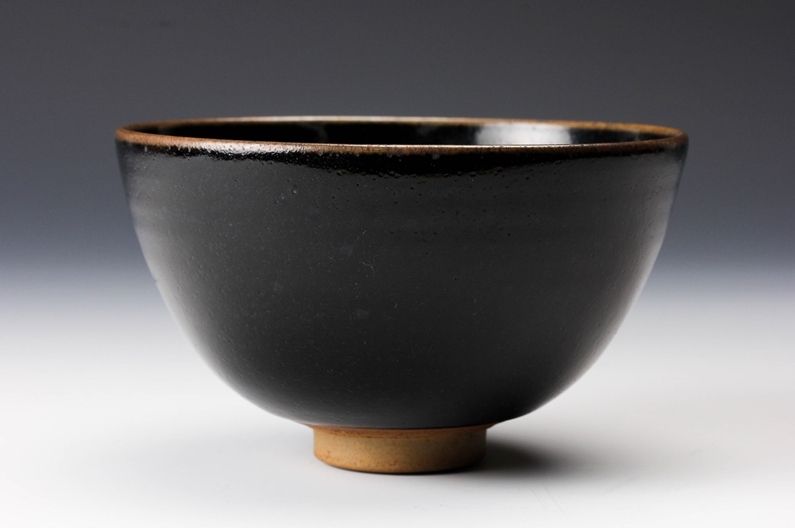
Before styles such as Raku, Hagi, Karatsu, etc came into fashion for use in the tearoom in early Edo, it was commonplace in cultured society to use tea-ware imp
SOLD
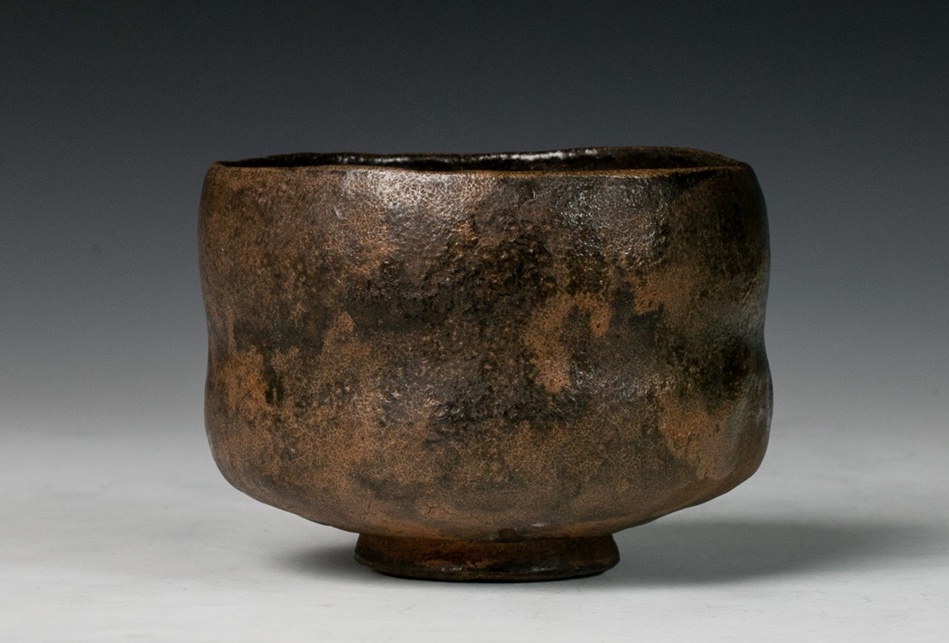
A master work by one of the top artisans of the late 20th century—the result of techniques perfected over centuries by dedicated craftsmen residing in districts
SOLD
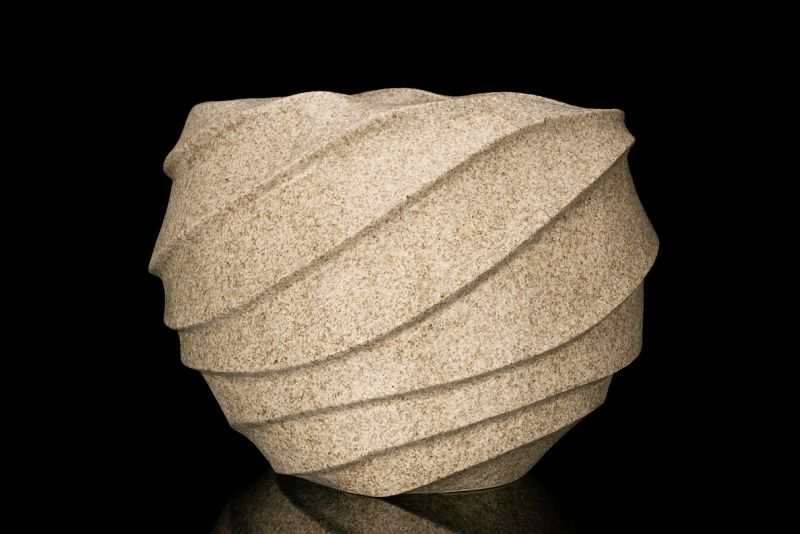
From a well-known series entitled “Chōtō” (Listening to the Waves) this large contoured vase features a sandy glaze that the sculptor claims is an expression of
SOLD
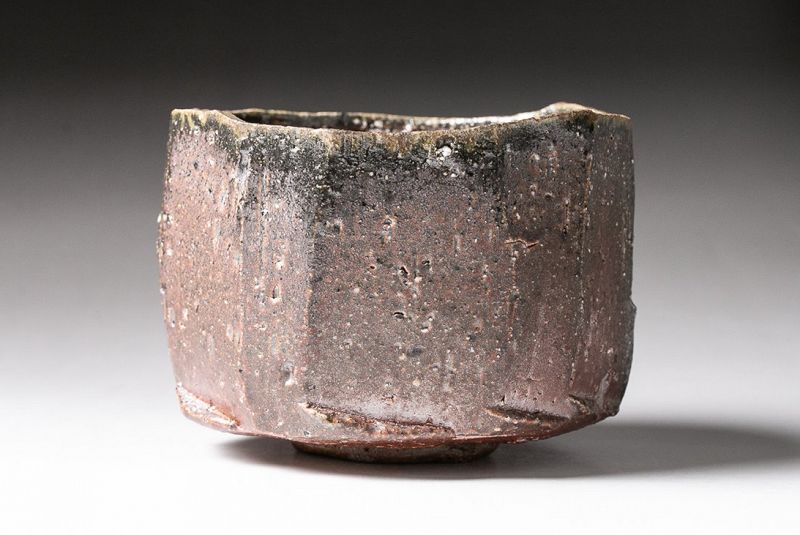
The distinctive and easily recognizable style of Bizen pieces, such as the one featured here, originated in Okayama (south-western Japan) and has a long history
SOLD
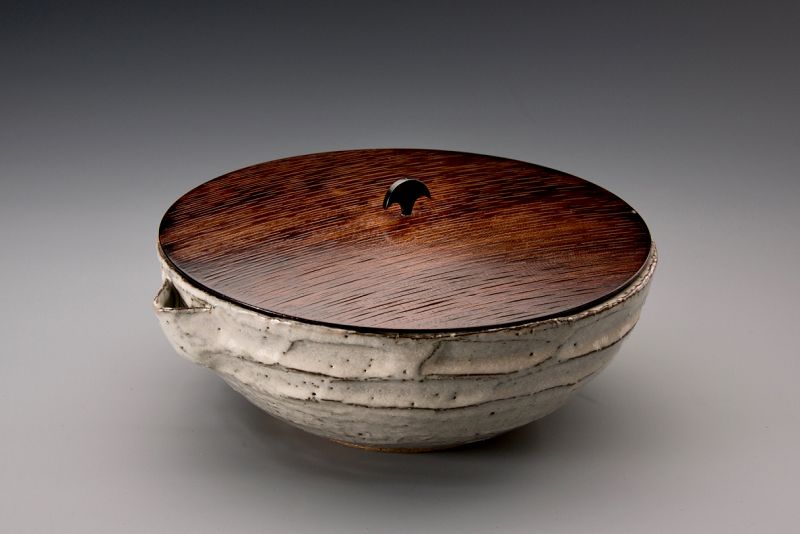
An excellent example of Japanese minimalist aesthetic that transcends its humble origins, this mizusashi, or fresh water pot used in tea ceremony, displays a cl
SOLD
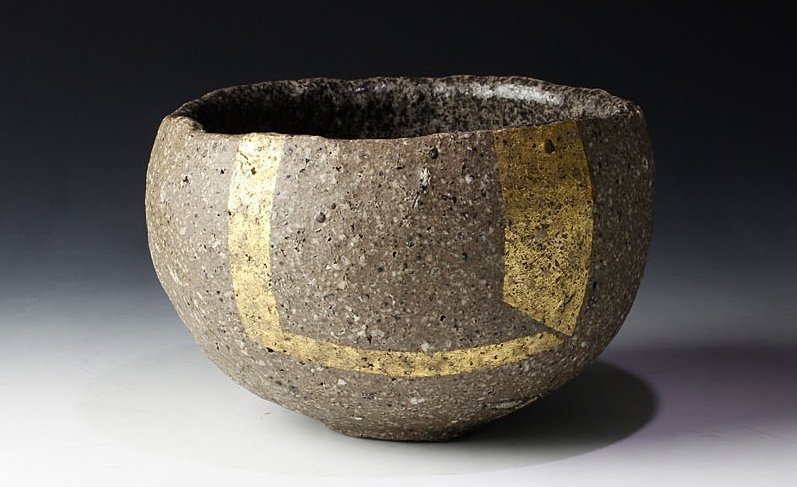
An ancient technique known as “haito” in Japanese was used to give this piece its distinctive look. Thought to have originated in neolithic times and commonly u
SOLD
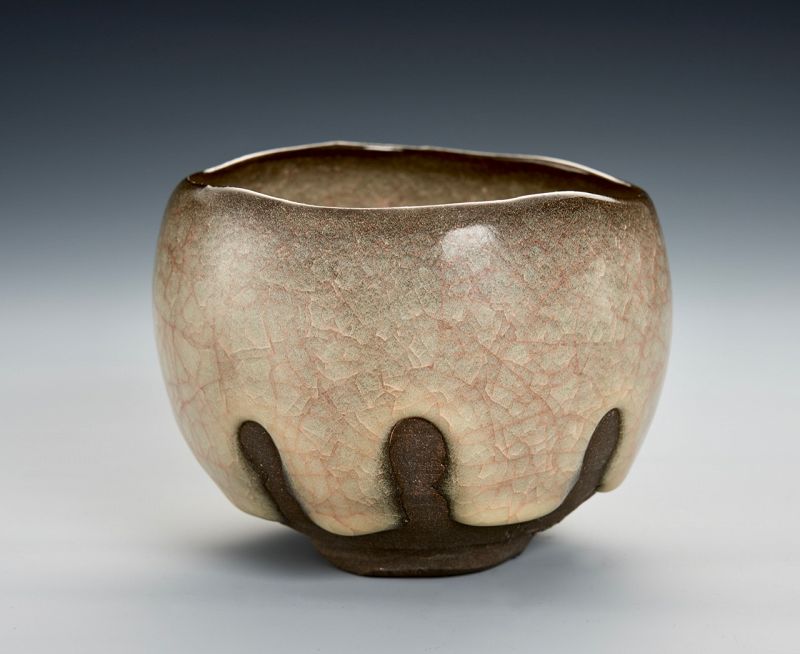
According to Kei Wakao, the artist who crafted this extraordinary work, it took him years of trial-and-error to perfect the unique rice-porcelain glaze covering
SOLD
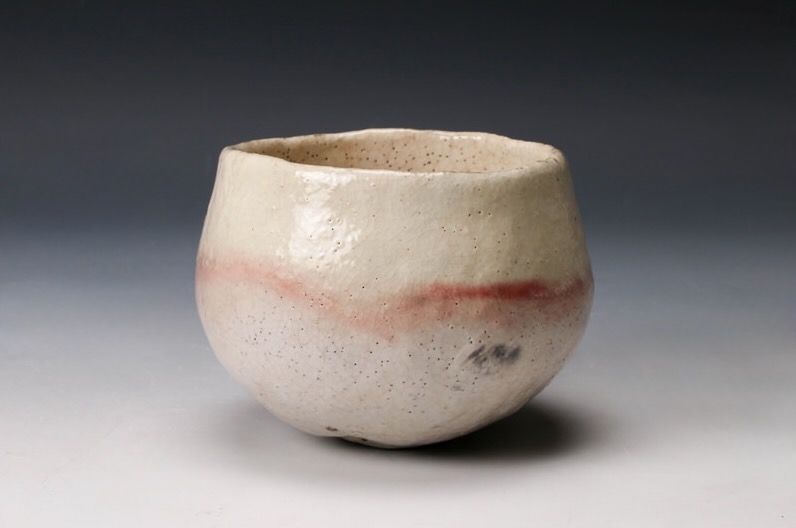
A rather rare motif by a master potter, delicate yet grounded, this white Raku tea bowl is truly one-of-a-kind. Crafted with meticulous attention to detail and
SOLD
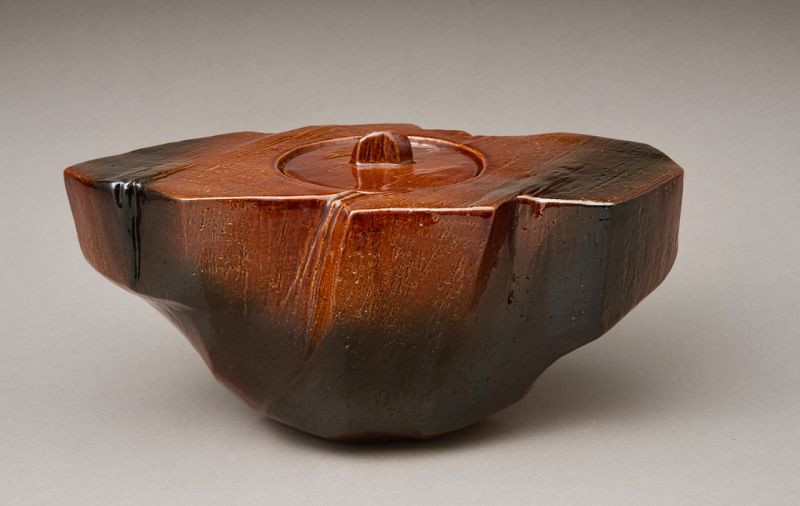
When the founder of the Urasenke style of tea ceremony, Sen-So Soshitsu (1622 -1697) was invited to Kanazawa as the master of tea ceremony for the powerful Kaga
SOLD
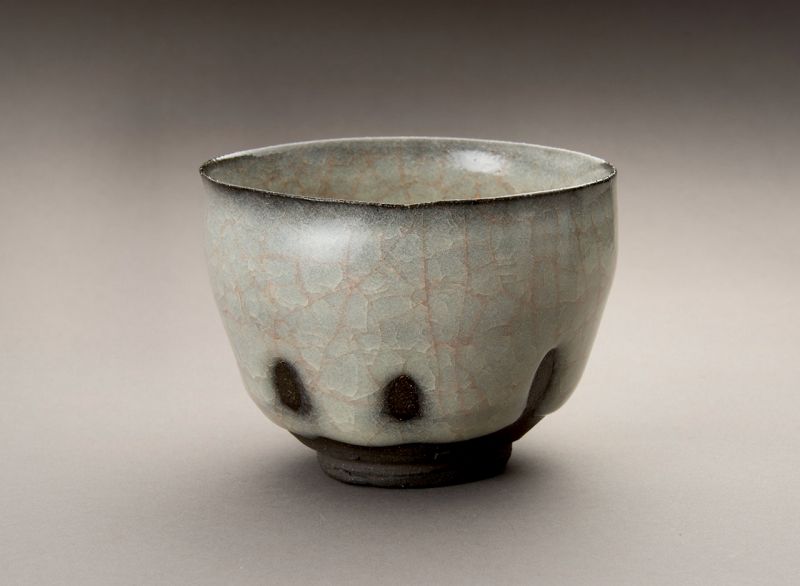
An example of some of the finest porcelain modern Japan has to offer. According to Wakao Kei, the artist who crafted this piece, it took him years of trial and
SOLD
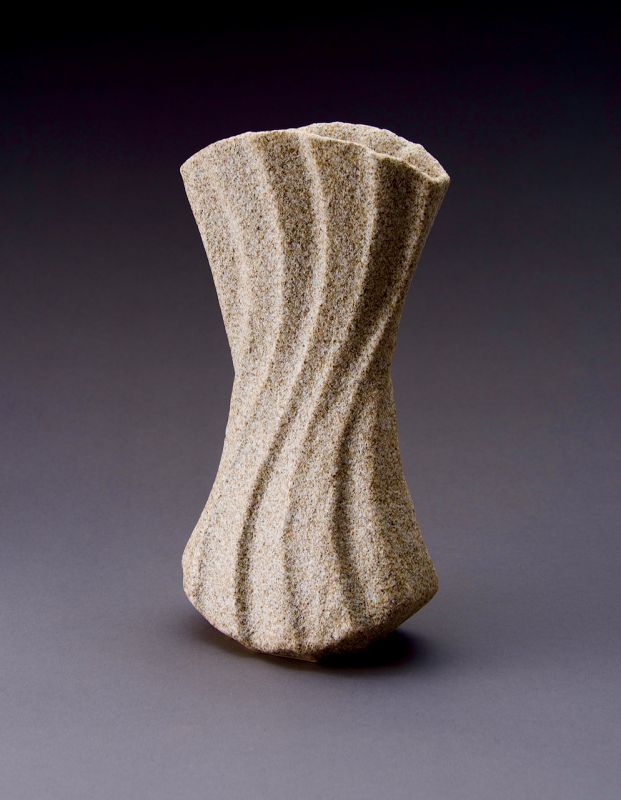
From a well-known series entitled “Chōtō” (Listening to the Waves) this contoured vase features a sandy glaze that the sculptor claims is an expression of the f
SOLD