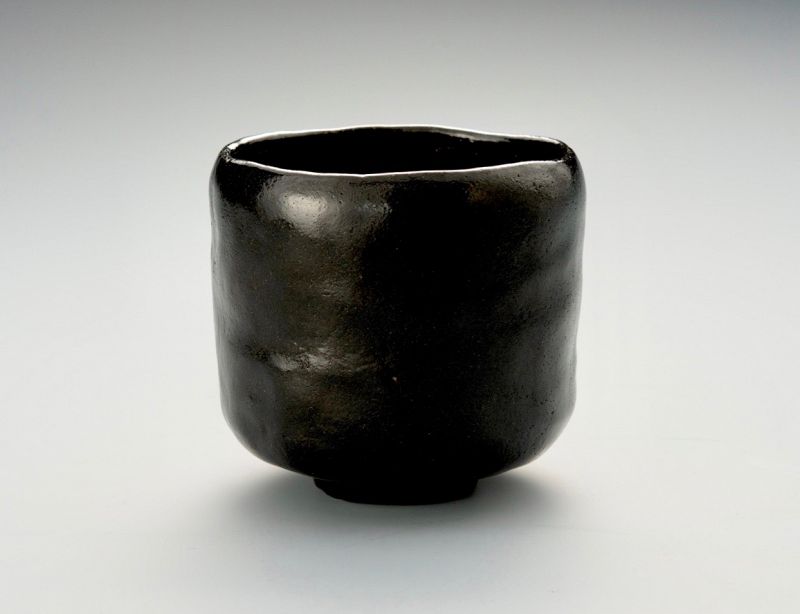
A Black Raku Tea Bowl by Ito Tozan
Crafted by one of the most well-known potting families from the Meiji period (Ito Tozan), this black Raku tea bowl displays a glossy sheen and gentle swells rip
Selected by shared artwork type, categories, artist and era. Available works appear first.
Back to the artwork · Browse the full collection
Crafted by one of the most well-known potting families from the Meiji period (Ito Tozan), this black Raku tea bowl displays a glossy sheen and gentle swells rip
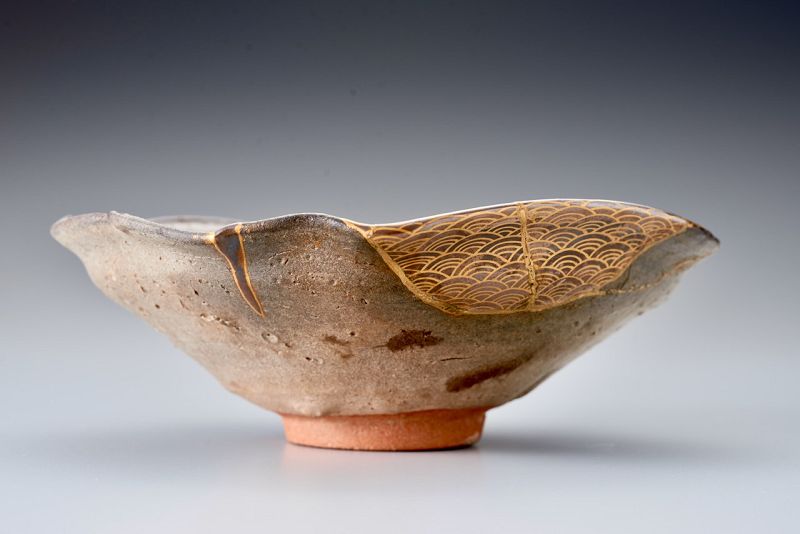
Like many pottery traditions in Japan, Karatsu takes its name from the city where it originated. As early as the 15th century, Korean potters heavily influenced
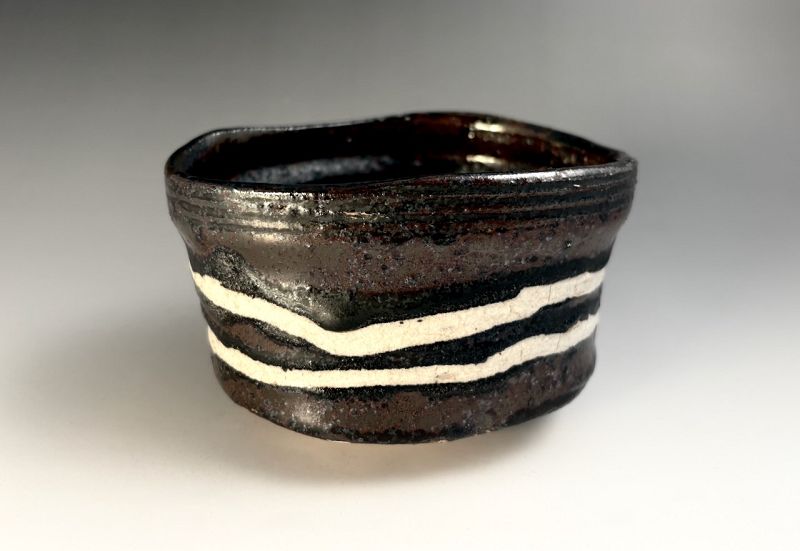
Oribe is a visual style named after the late-16th-century tea master Furuta Oribe (1544-1615). Typically, black or green glazes are applied to the bodies of the
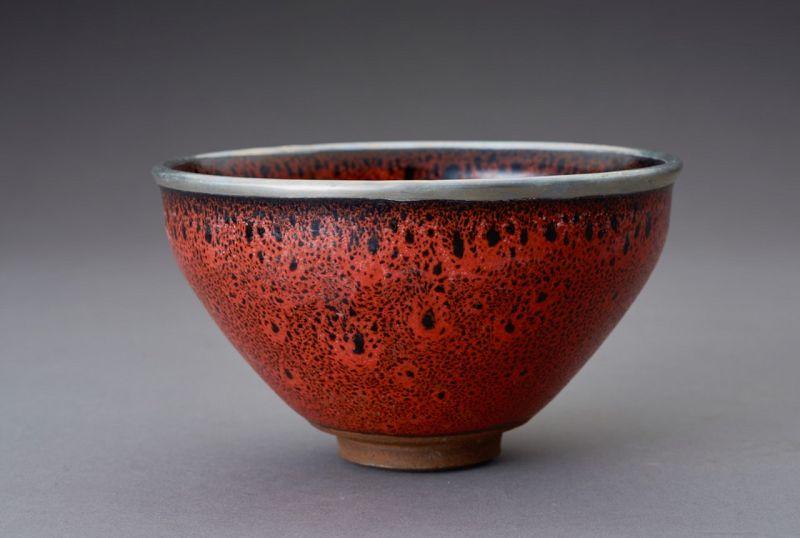
On the base of this tea bowl are the characters “供御” pronounced “Ku-go” in Japanese but “Gong-yu” in the original Chinese—translating in English to something li
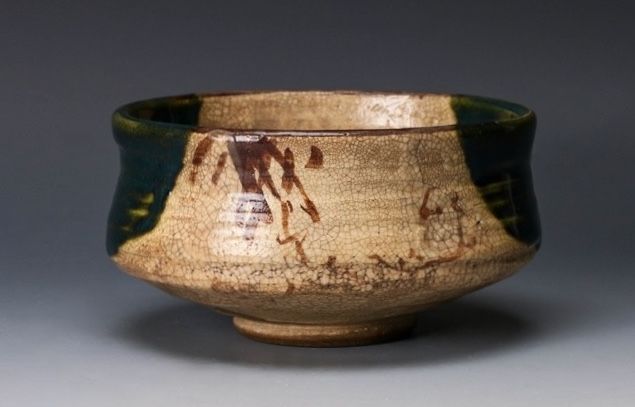
Oribe is a visual style named after the late-16th-century tea master Furuta Oribe (1544-1615). Typically, black or green glazes are applied to the bodies of the
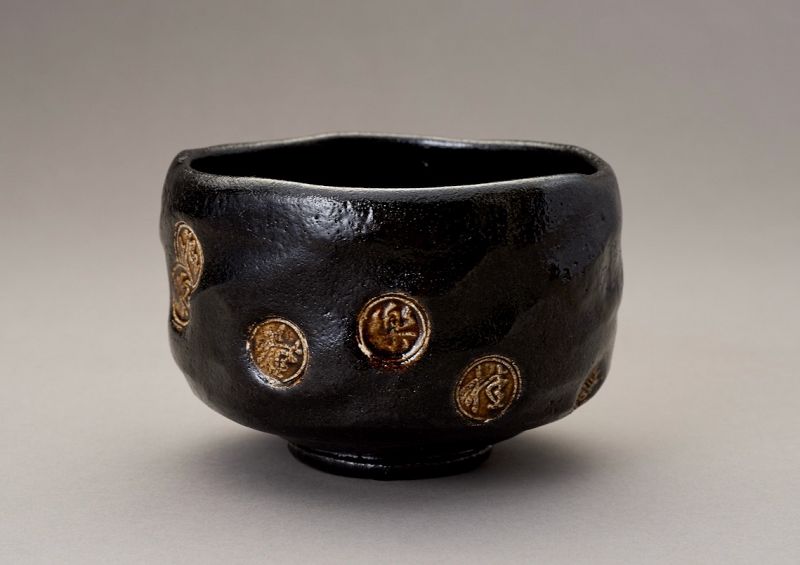
The term “Raku” was once reserved for a style of pottery produced by a specific household in Kyoto that began over 450 years ago. Over the years, as it gained p
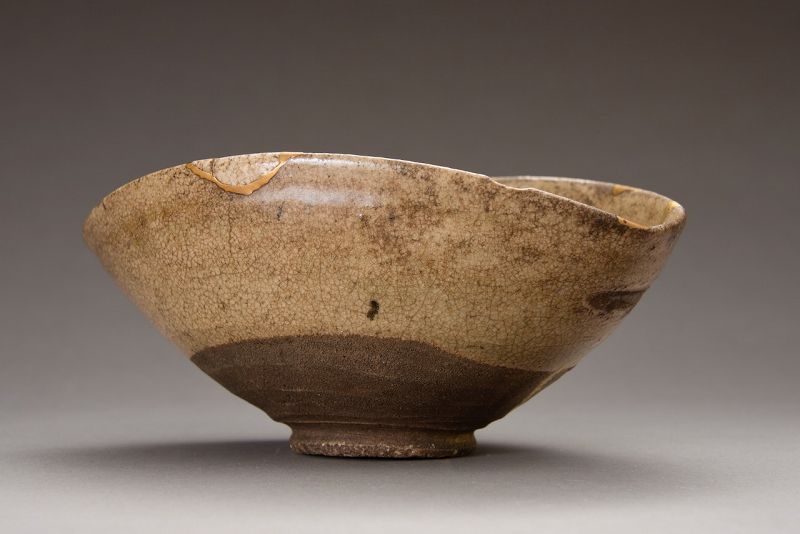
At various times over the long history of tea practice in Japan, Korean-ware has come into high fashion and ships full of the finest ceramics from the neighbori
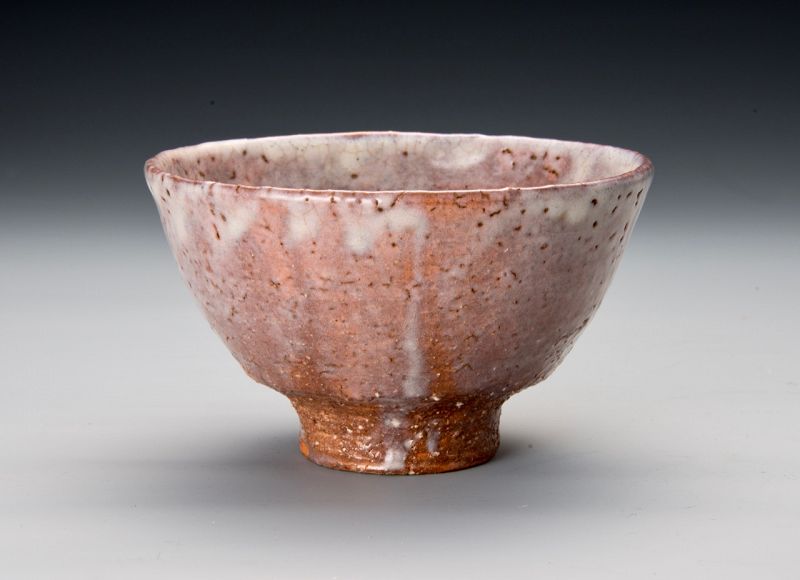
Simple yet classic styling—this tea bowl is perfect for anyone looking for the quintessential Ido-shaped chawan crafted by one of Japan’s master Hagi potters. B
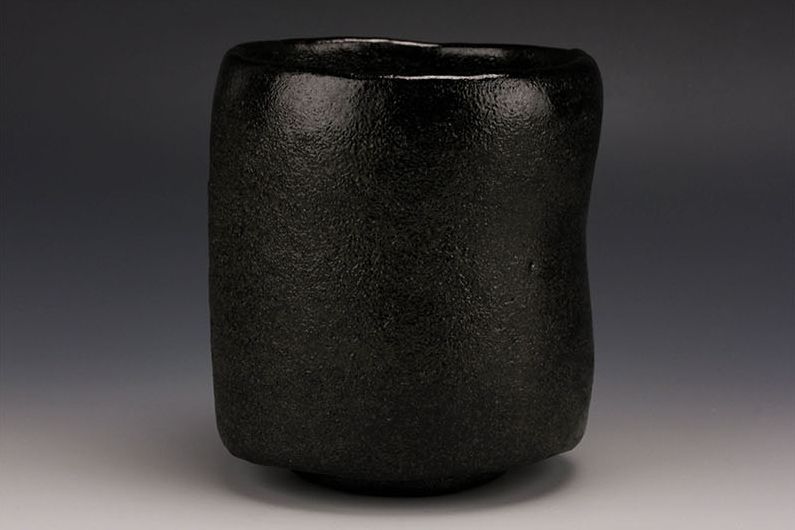
Tsutsu-shaped chawan have a unique and especially attractive shape. They are used mainly in the depths of winter to keep in the heat, and prevent the tea from c
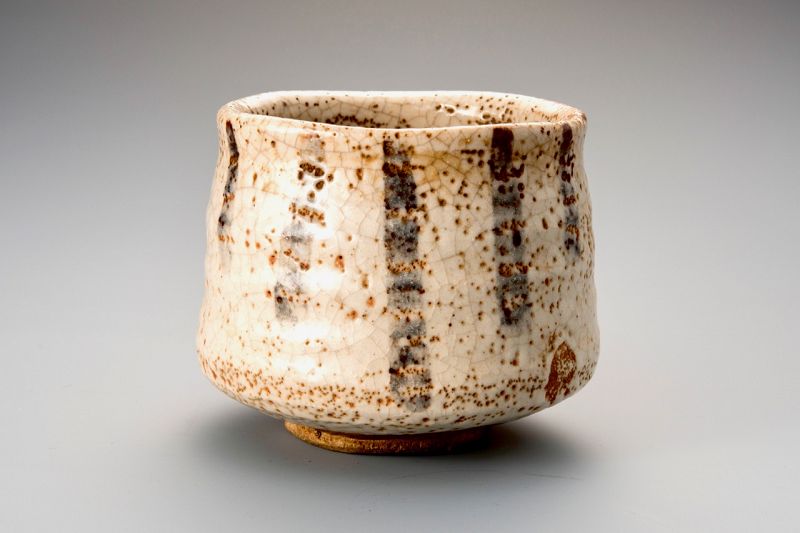
This lovely Shino tea bowl fashioned from coarse Mino clay is covered in feldspar glazing, has a classic ferrous abstract painting across the front, and shows n
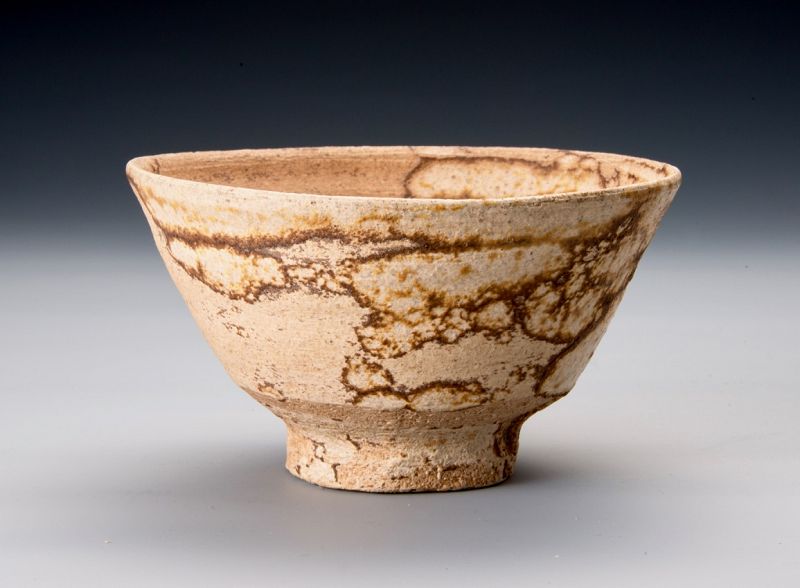
The distinctive and easily recognizable style of Bizen pieces, such as the one featured here, originated in Okayama (south-western Japan) and has a long history
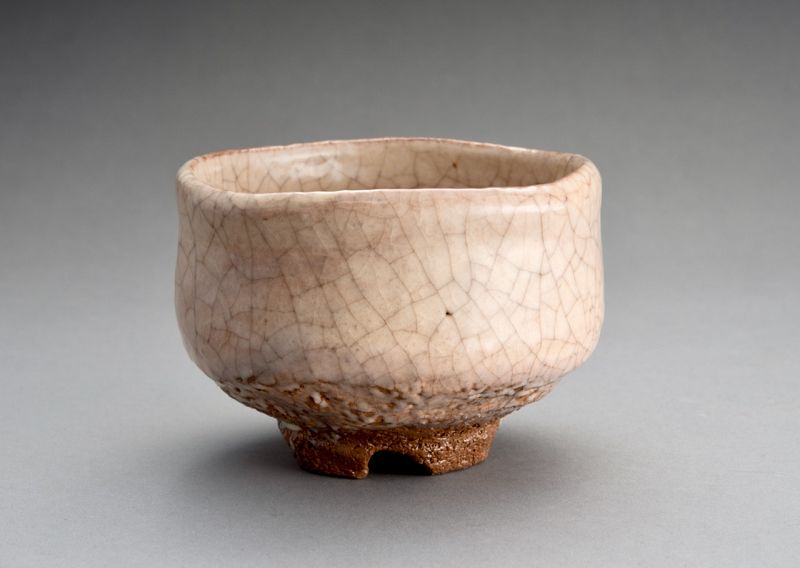
Father to internationally known Hagi potter Kaneta Masanao (the 8th generation Sanzaemon potter), though he never achieved the same level of notoriety as his so
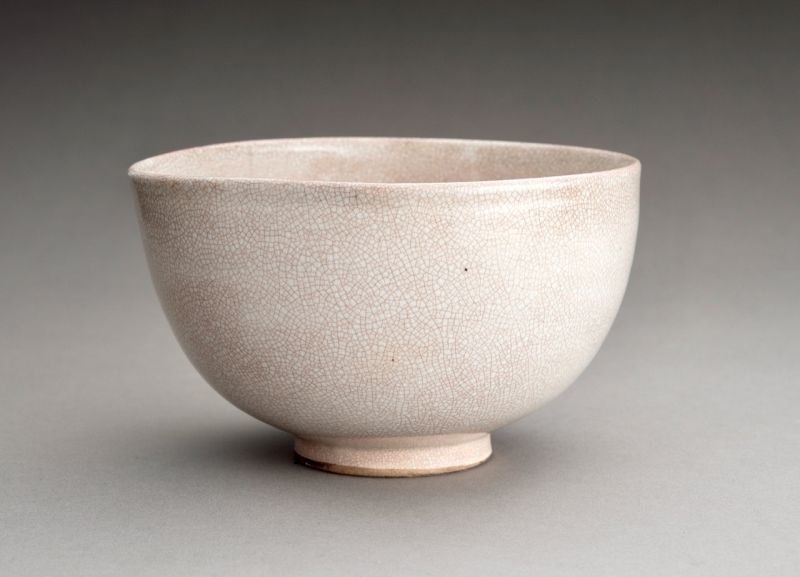
A beautiful old Kyo-ware tea bowl slightly elongated on one end producing an interesting and unique effect. The collector who furnished the box labeled it as be
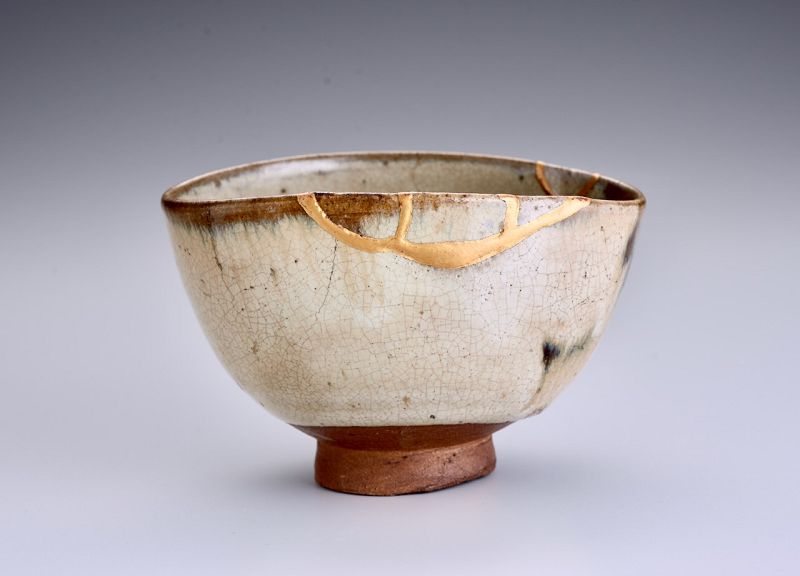
This kutsu-shaped (shoe-shaped) Karatsu tea bow, having stood quietly through the passage of ages is a superb example embodying both the serene beauty and power
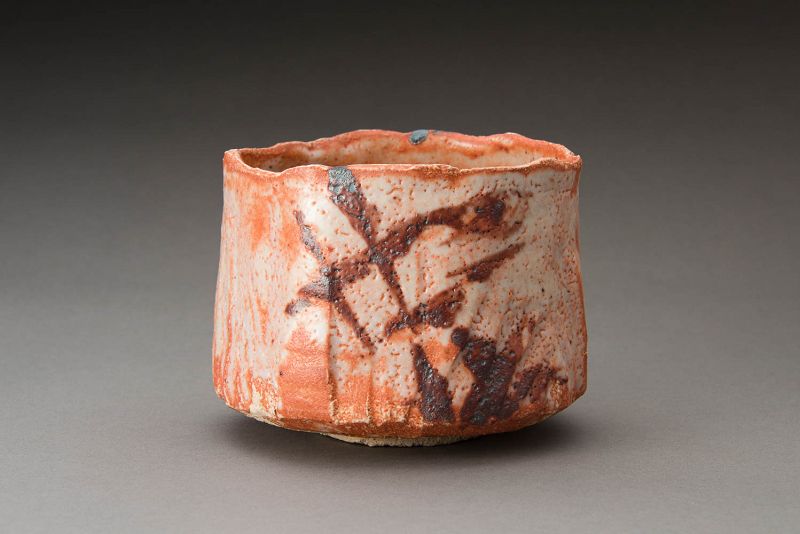
Occasionally while browsing through the temple markets of Kyoto or perusing backstreets tea-ware shops, an attractive piece will catch my eye for no particular
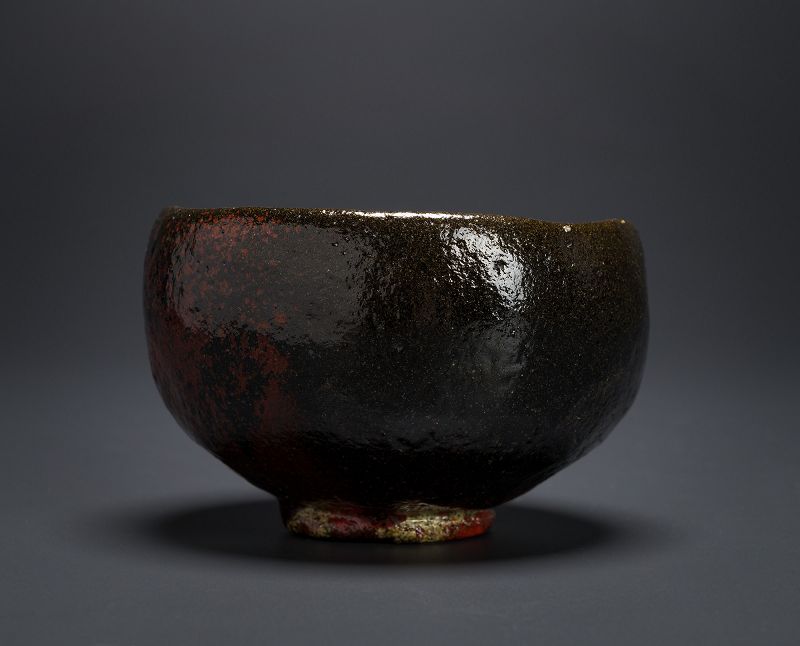
A beautiful example of Ohi inspired Raku-ware; the body of this stylish tea vessel is a mix of a dark black gradating to charcoal grey with undertones of reddis
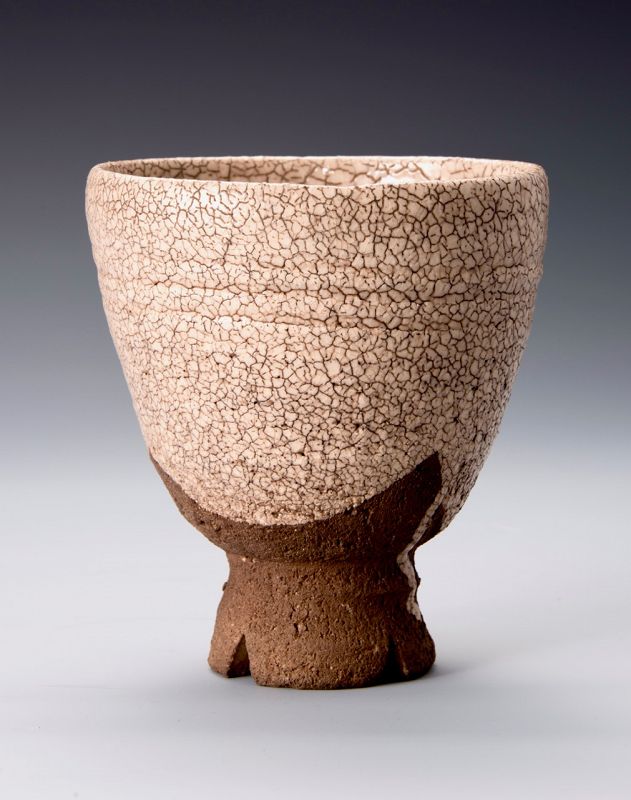
This tall and lovely Hagi chawan rests firmly on a wari kodai or “split foot” pedestal that is unglazed—displaying the coarse rich clay. The crackled milky glaz