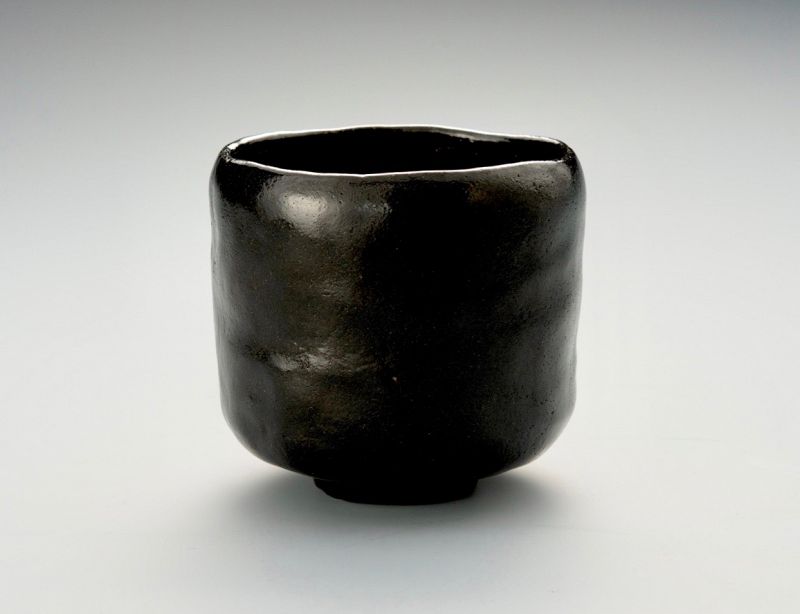
A Black Raku Tea Bowl by Ito Tozan
Crafted by one of the most well-known potting families from the Meiji period (Ito Tozan), this black Raku tea bowl displays a glossy sheen and gentle swells rip
Selected by shared artwork type, categories, artist and era. Available works appear first.
Back to the artwork · Browse the full collection
Crafted by one of the most well-known potting families from the Meiji period (Ito Tozan), this black Raku tea bowl displays a glossy sheen and gentle swells rip
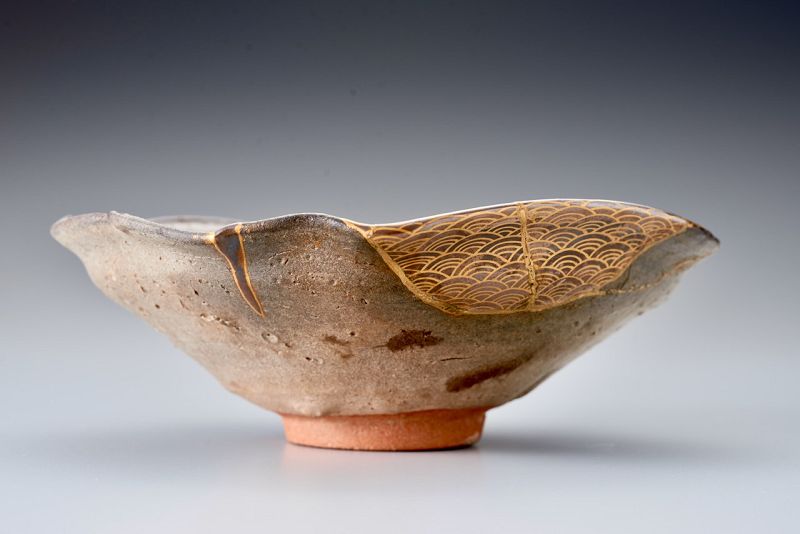
Like many pottery traditions in Japan, Karatsu takes its name from the city where it originated. As early as the 15th century, Korean potters heavily influenced
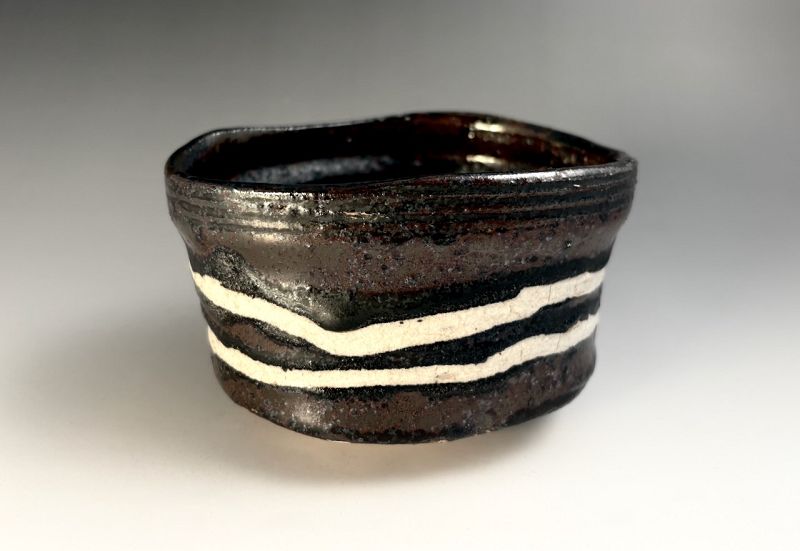
Oribe is a visual style named after the late-16th-century tea master Furuta Oribe (1544-1615). Typically, black or green glazes are applied to the bodies of the
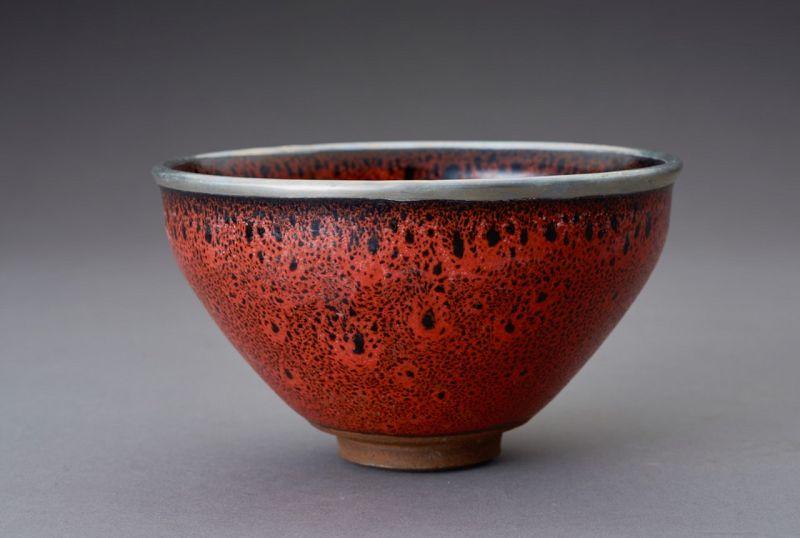
On the base of this tea bowl are the characters “供御” pronounced “Ku-go” in Japanese but “Gong-yu” in the original Chinese—translating in English to something li
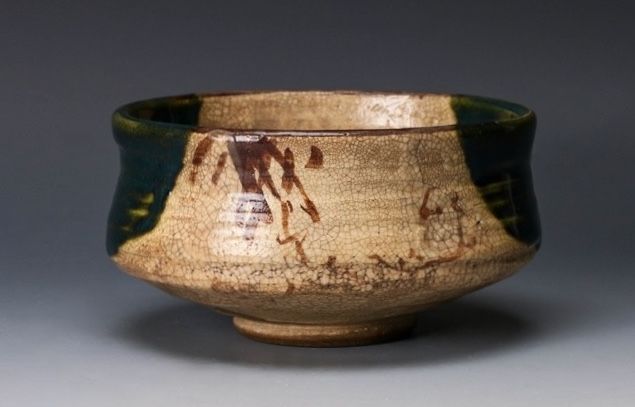
Oribe is a visual style named after the late-16th-century tea master Furuta Oribe (1544-1615). Typically, black or green glazes are applied to the bodies of the
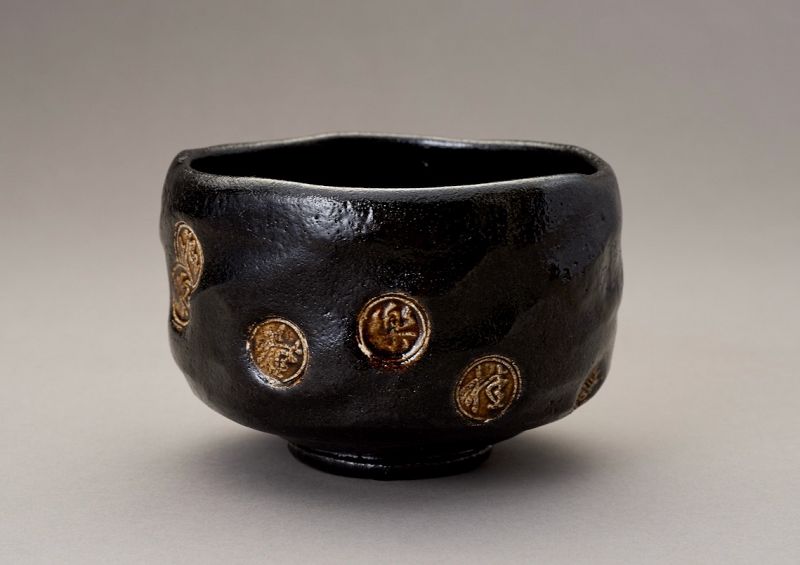
The term “Raku” was once reserved for a style of pottery produced by a specific household in Kyoto that began over 450 years ago. Over the years, as it gained p
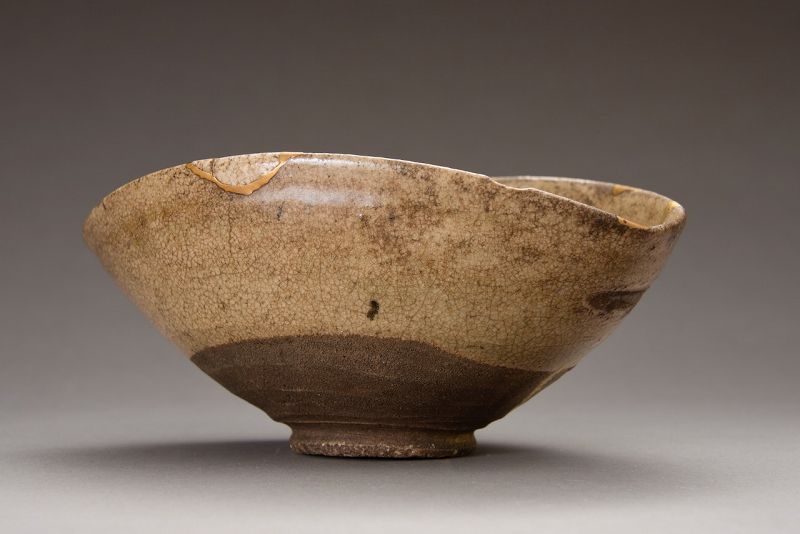
At various times over the long history of tea practice in Japan, Korean-ware has come into high fashion and ships full of the finest ceramics from the neighbori
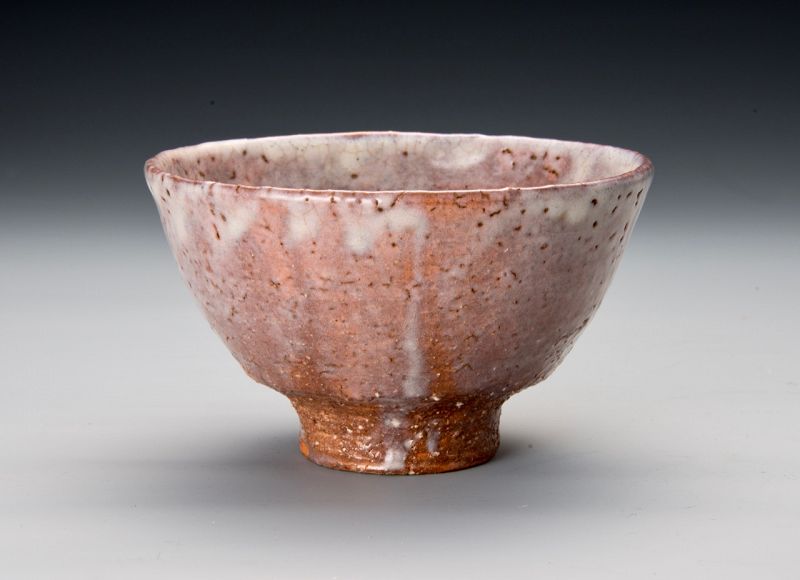
Simple yet classic styling—this tea bowl is perfect for anyone looking for the quintessential Ido-shaped chawan crafted by one of Japan’s master Hagi potters. B
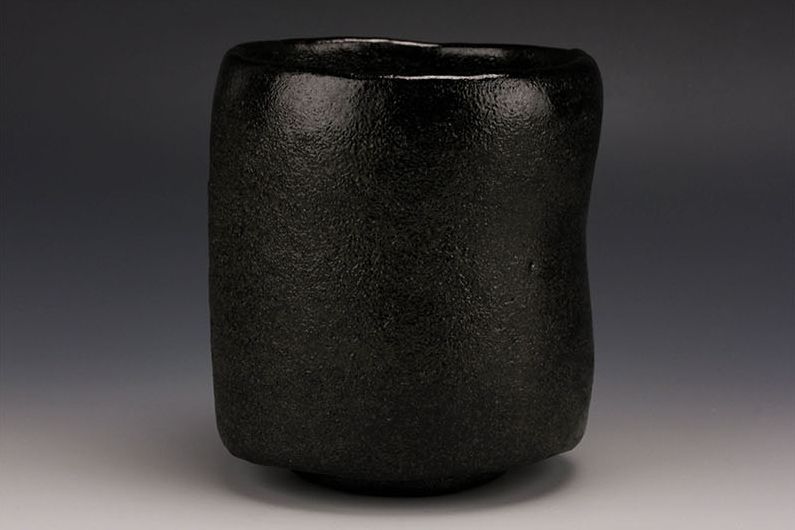
Tsutsu-shaped chawan have a unique and especially attractive shape. They are used mainly in the depths of winter to keep in the heat, and prevent the tea from c
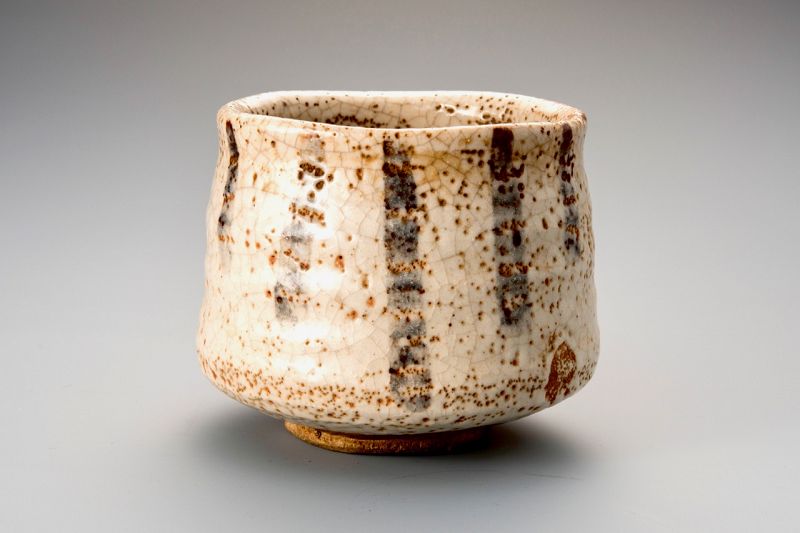
This lovely Shino tea bowl fashioned from coarse Mino clay is covered in feldspar glazing, has a classic ferrous abstract painting across the front, and shows n
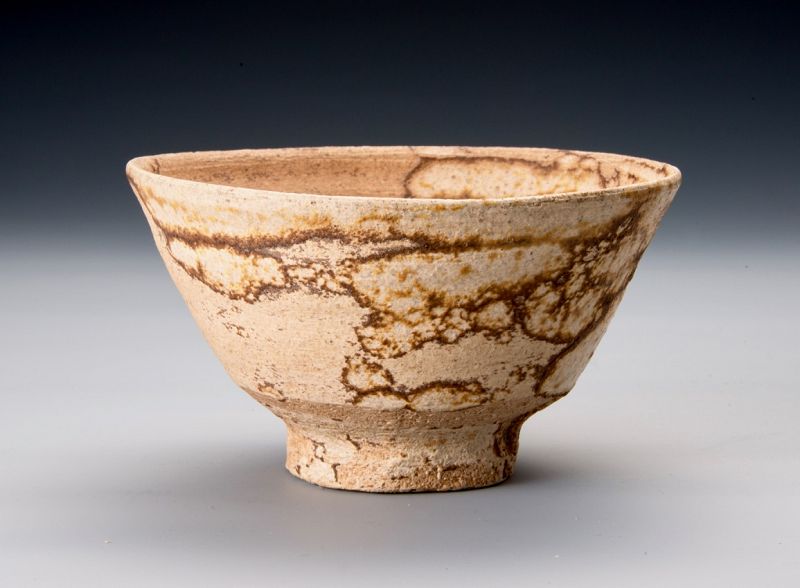
The distinctive and easily recognizable style of Bizen pieces, such as the one featured here, originated in Okayama (south-western Japan) and has a long history
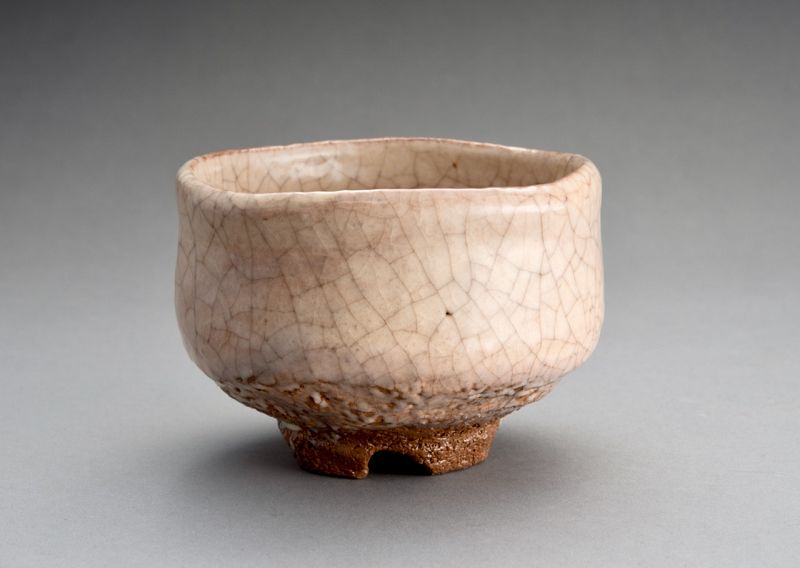
Father to internationally known Hagi potter Kaneta Masanao (the 8th generation Sanzaemon potter), though he never achieved the same level of notoriety as his so
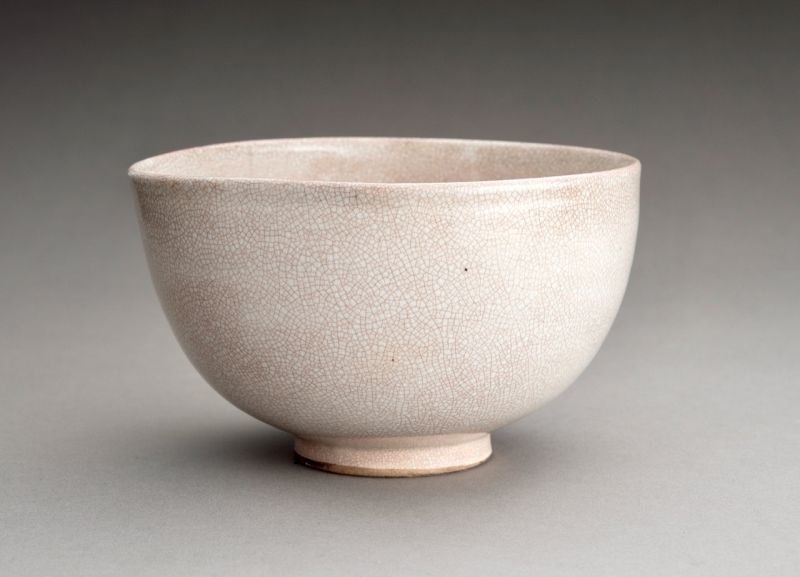
A beautiful old Kyo-ware tea bowl slightly elongated on one end producing an interesting and unique effect. The collector who furnished the box labeled it as be
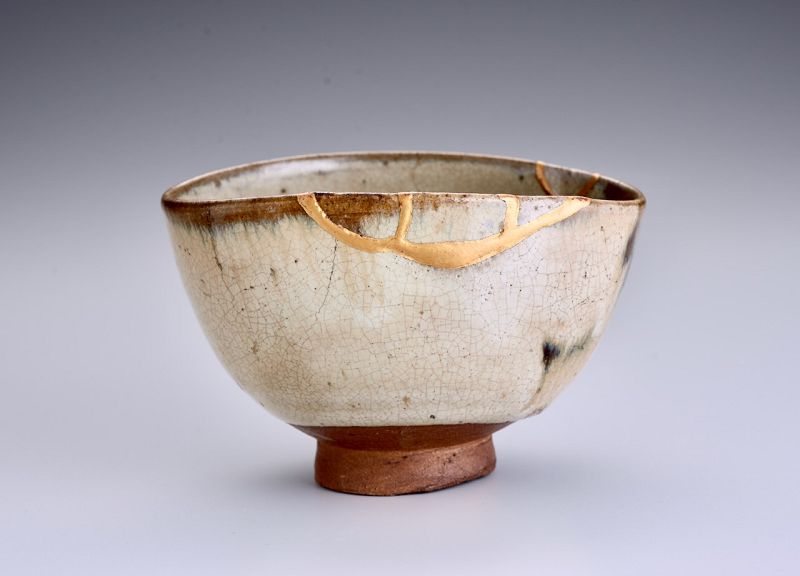
This kutsu-shaped (shoe-shaped) Karatsu tea bow, having stood quietly through the passage of ages is a superb example embodying both the serene beauty and power
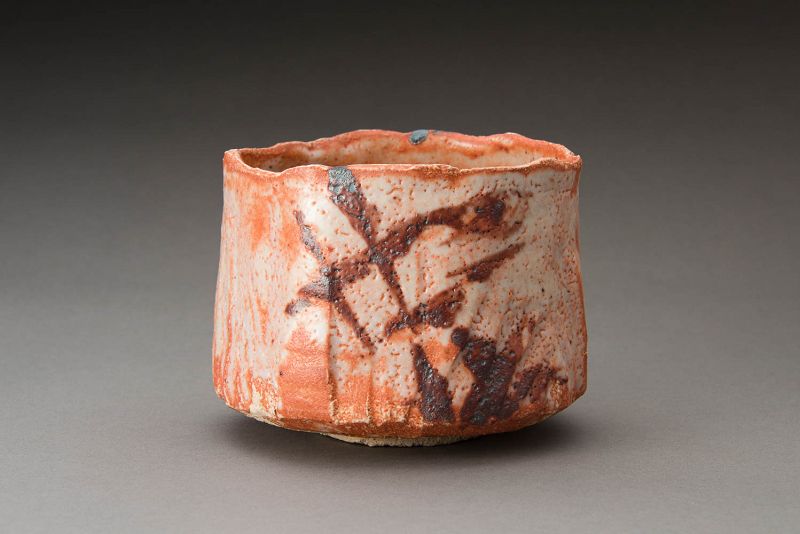
Occasionally while browsing through the temple markets of Kyoto or perusing backstreets tea-ware shops, an attractive piece will catch my eye for no particular
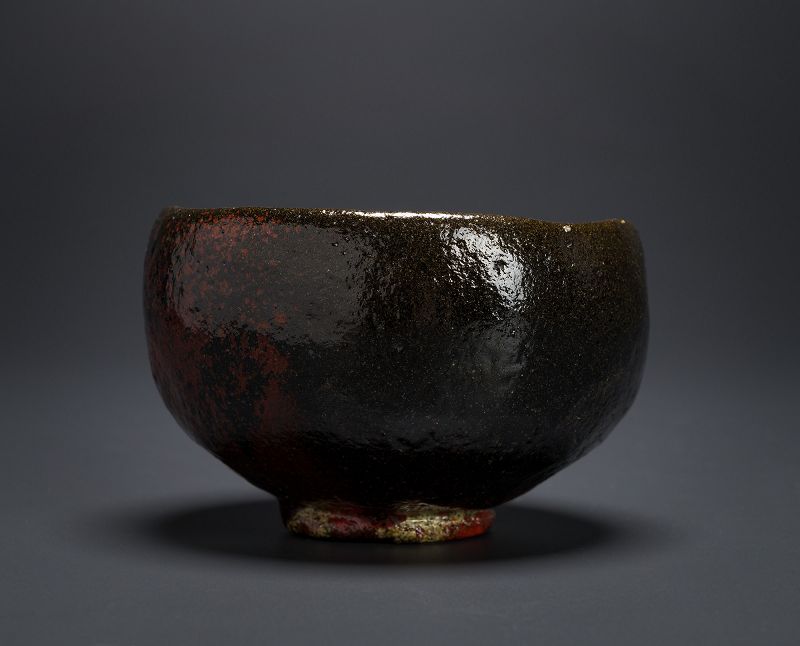
A beautiful example of Ohi inspired Raku-ware; the body of this stylish tea vessel is a mix of a dark black gradating to charcoal grey with undertones of reddis
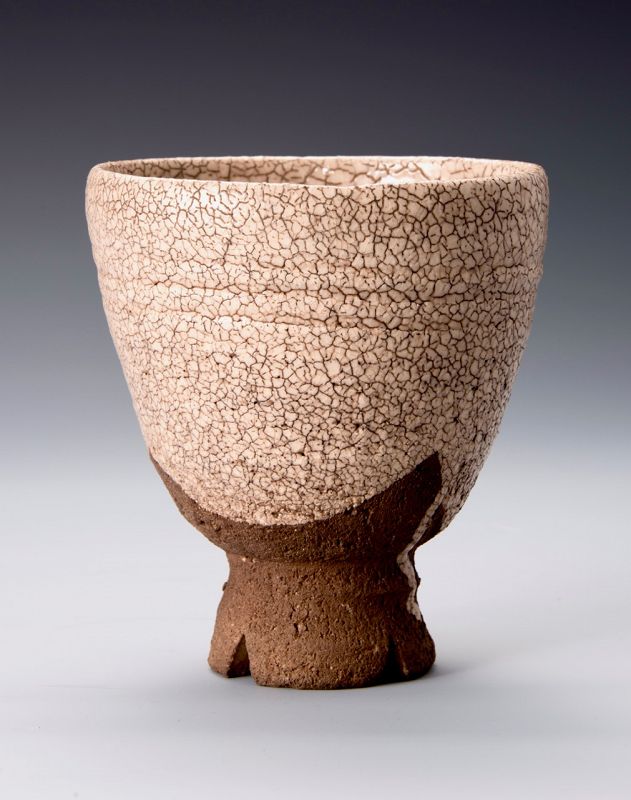
This tall and lovely Hagi chawan rests firmly on a wari kodai or “split foot” pedestal that is unglazed—displaying the coarse rich clay. The crackled milky glaz
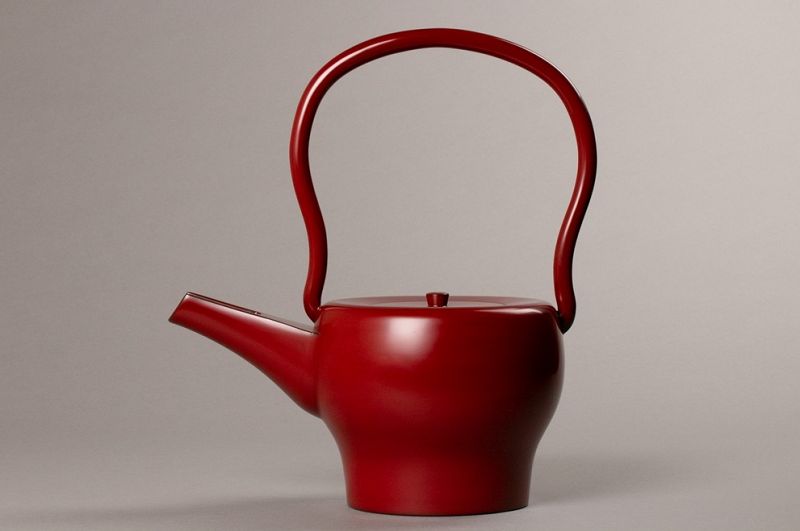
A very modern and sleek interpretation of the classic lacquer sake warmer otherwise known as a “chōshi” in Japanese. The author of this piece, Kado Isaburō, was
SOLD
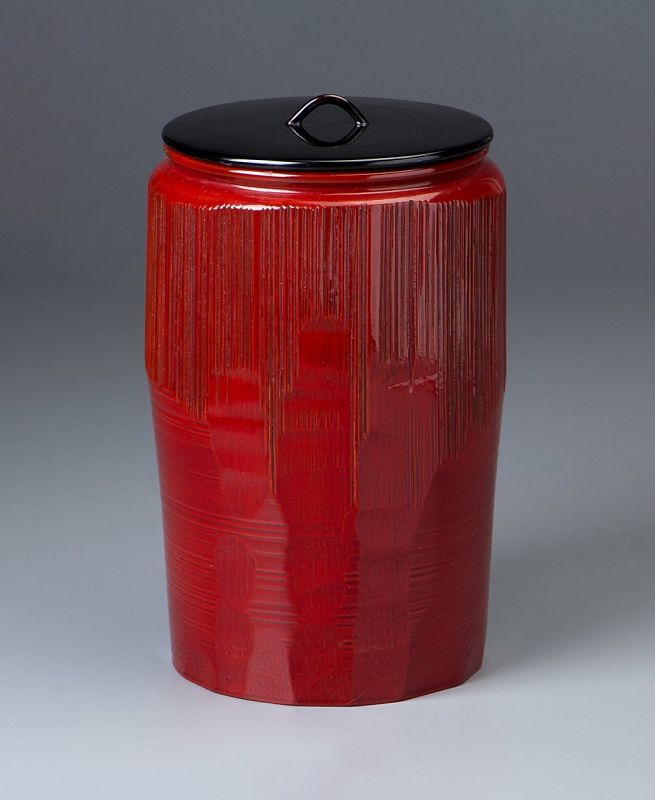
A testament to the brilliance of traditional Japanese craftsmanship, this lacquered mizusashi—skillfully handcrafted from bamboo—showcases a deep crimson hue th
SOLD
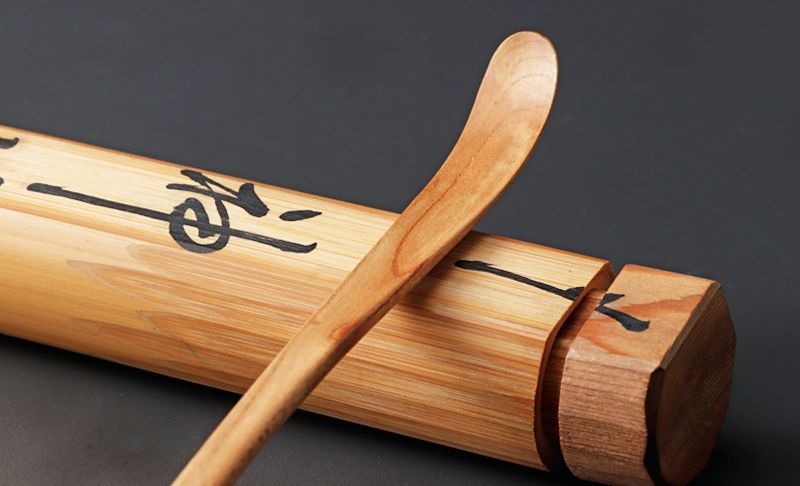
Here we have a very unique ceremonial tea implement made by one of the most important figures from Japanese tea culture in the past century. While most tea scoo
SOLD
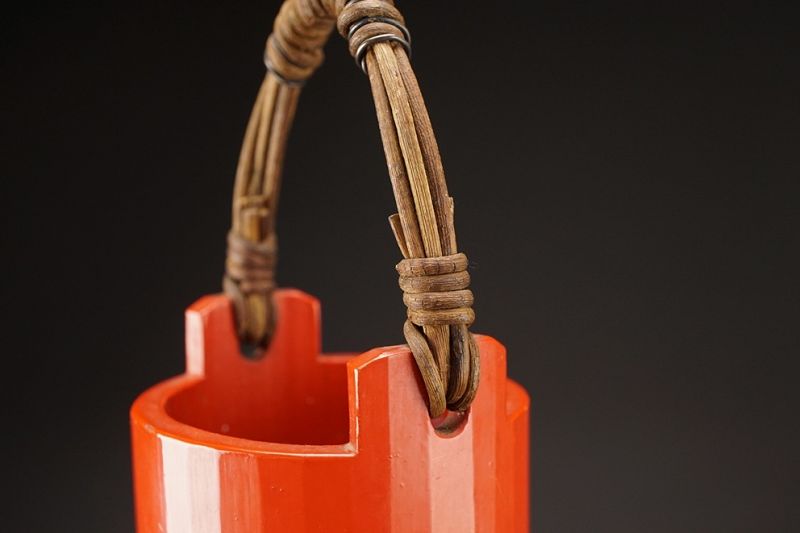
Done in a style reminiscent of Japanese Mingei art, this striking yet functional folk-craft piece is the creation of Chikuunsai Tanabe III. Made entirely of tra
SOLD
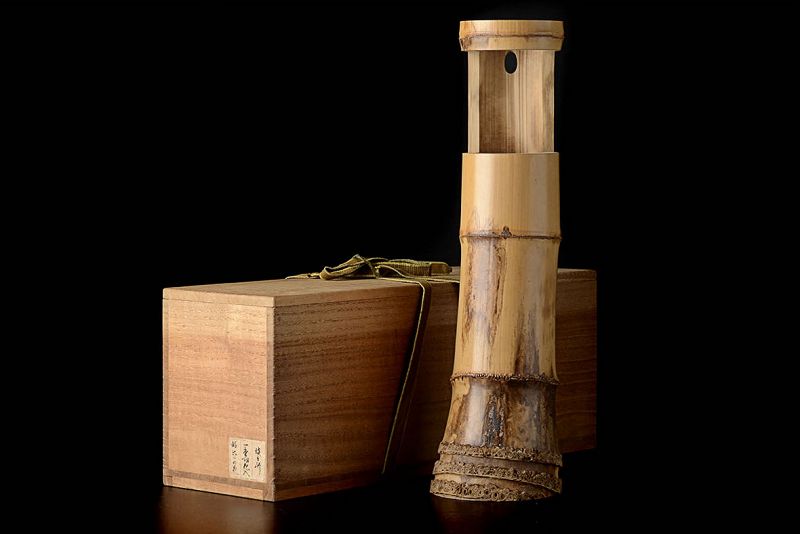
Flower arranging is one of the great arts that Japan has managed to take to ever greater heights of refinement over its long history. Here we have a classic exa
SOLD
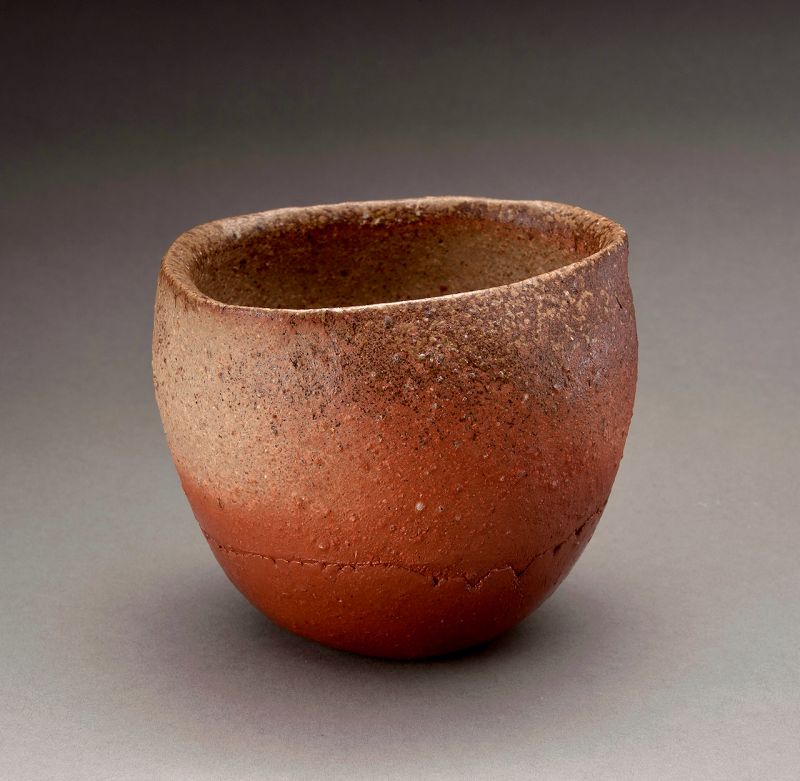
First born son to Living National Treasure Isezaki Jun, Koichiro (b. 1974) has quickly made a name for himself as an independent artist. Not content to rely sol
SOLD
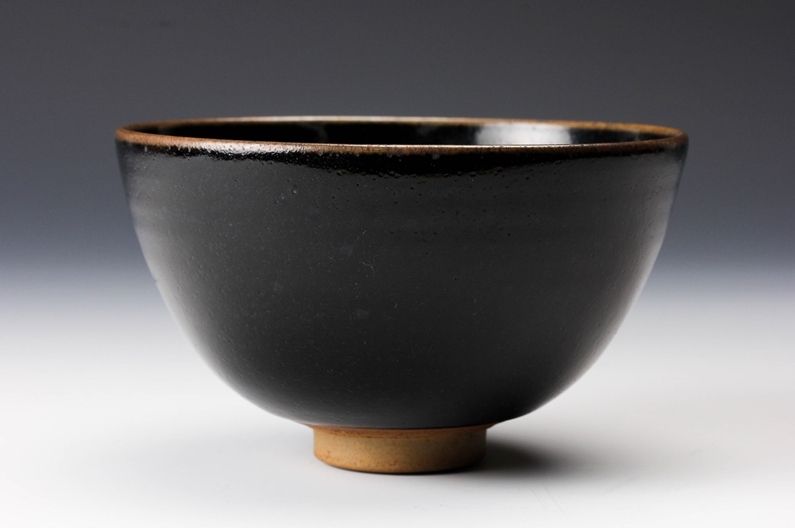
Before styles such as Raku, Hagi, Karatsu, etc came into fashion for use in the tearoom in early Edo, it was commonplace in cultured society to use tea-ware imp
SOLD
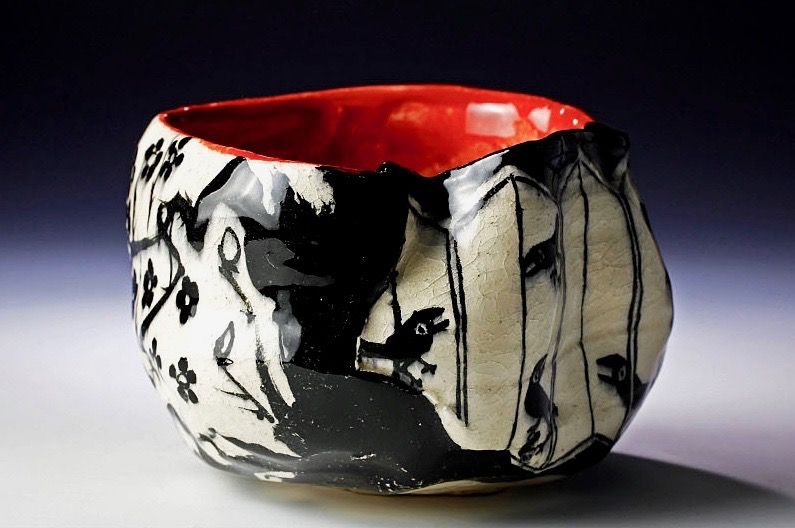
One of the finest, most daring, and well-crafted works I have seen by this legendary artist who is known for his non-conformist and bold style. Suzuki Goro has
SOLD
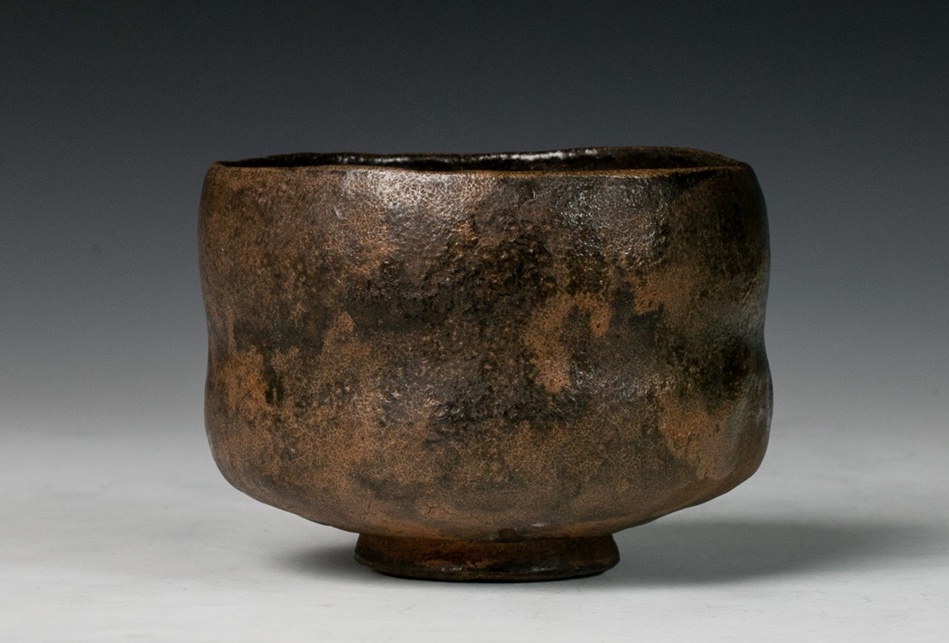
A master work by one of the top artisans of the late 20th century—the result of techniques perfected over centuries by dedicated craftsmen residing in districts
SOLD
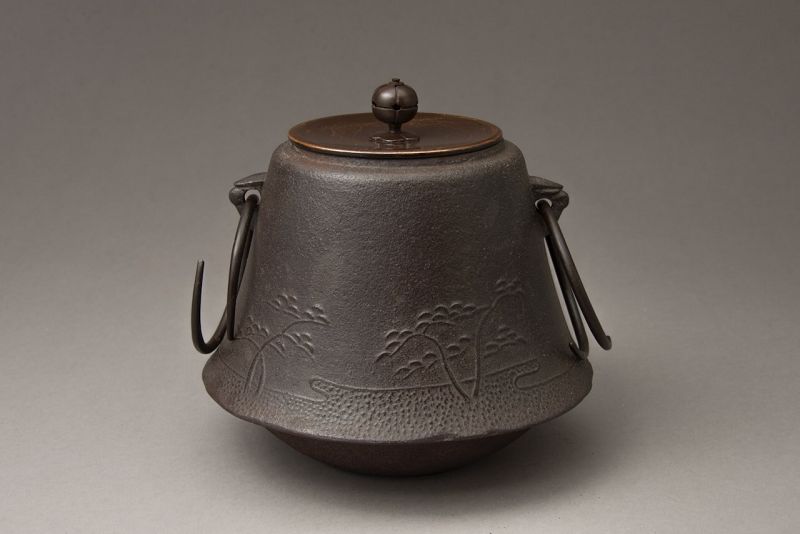
Chagama are traditional Japanese iron kettles used in tea ceremony (chanoyu) for boiling water. Their design tends to reflect the aesthetic principles of wabi-s
SOLD
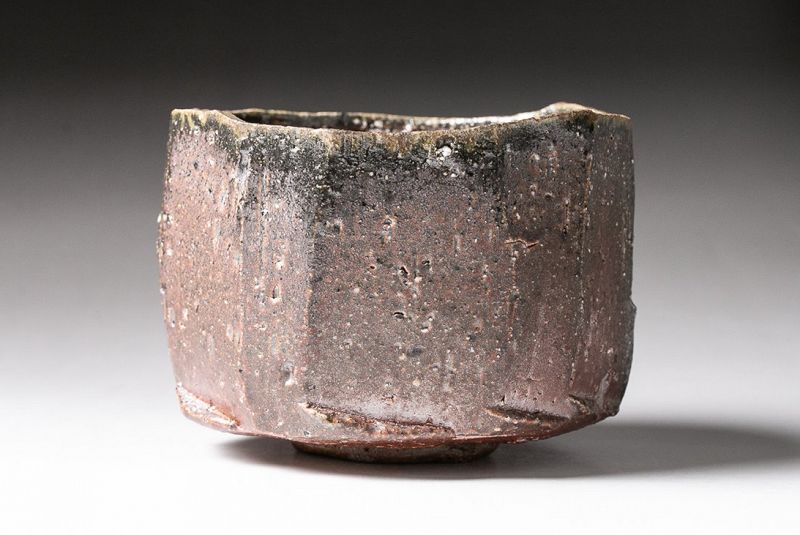
The distinctive and easily recognizable style of Bizen pieces, such as the one featured here, originated in Okayama (south-western Japan) and has a long history
SOLD
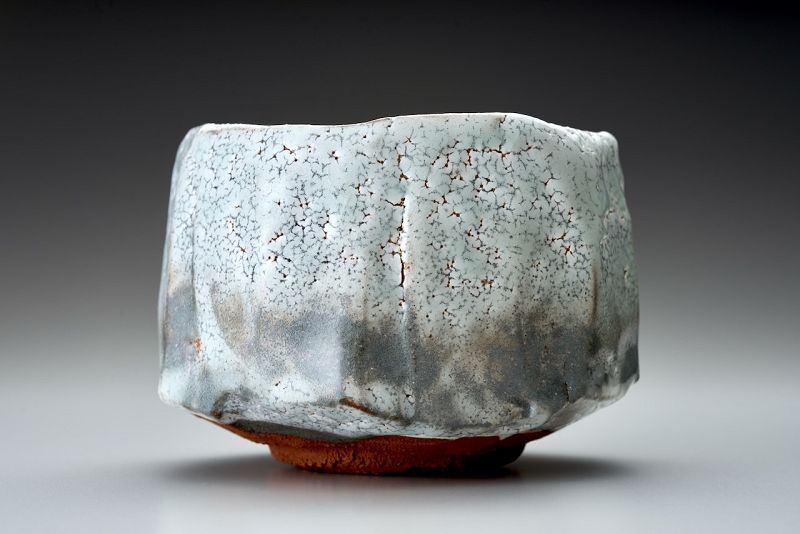
A stunning work of Shino-ware by veteran potter Hayashi Shotaro—winner of numerous awards for his bold and innovative style and widely recognized as one of the
SOLD
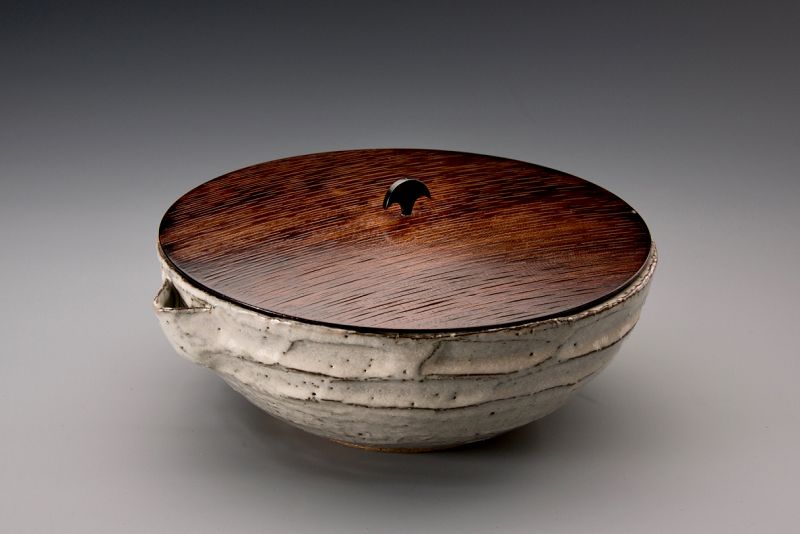
An excellent example of Japanese minimalist aesthetic that transcends its humble origins, this mizusashi, or fresh water pot used in tea ceremony, displays a cl
SOLD
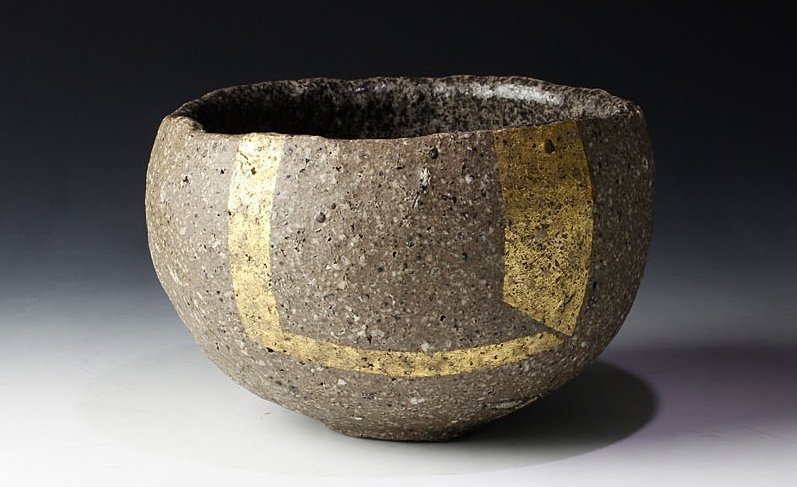
An ancient technique known as “haito” in Japanese was used to give this piece its distinctive look. Thought to have originated in neolithic times and commonly u
SOLD
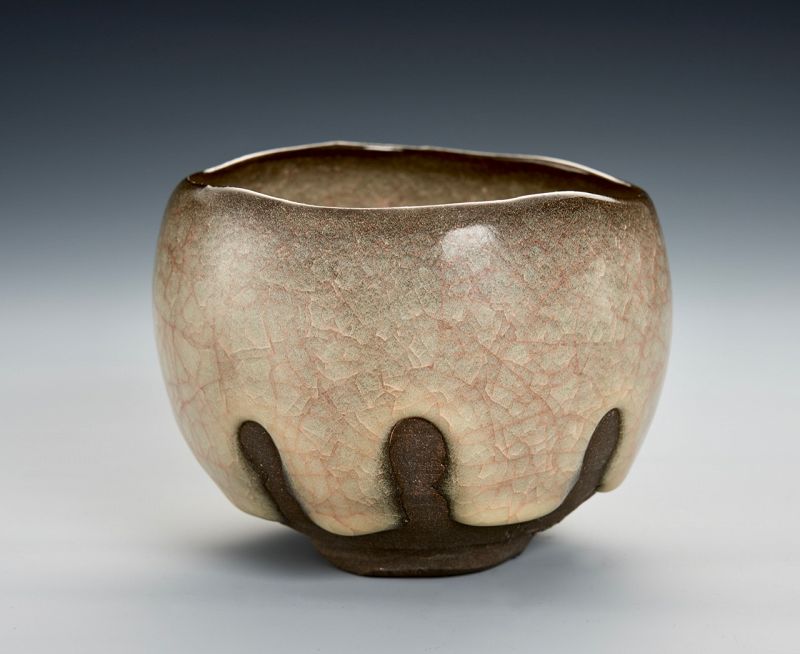
According to Kei Wakao, the artist who crafted this extraordinary work, it took him years of trial-and-error to perfect the unique rice-porcelain glaze covering
SOLD
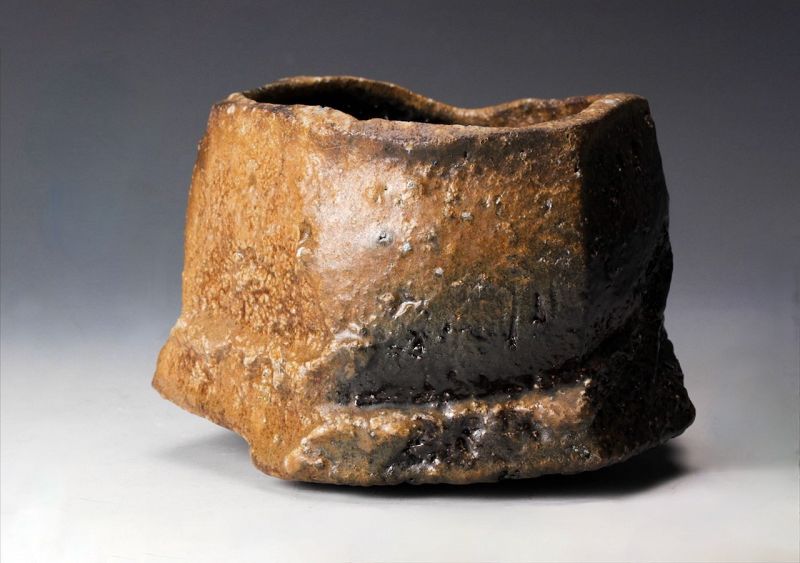
An awe-inspiring masterpiece, this tea bowl by Kakurezaki showcases his unparalleled skill and artistic vision. Crafted with meticulous precision, the bowl seam
SOLD
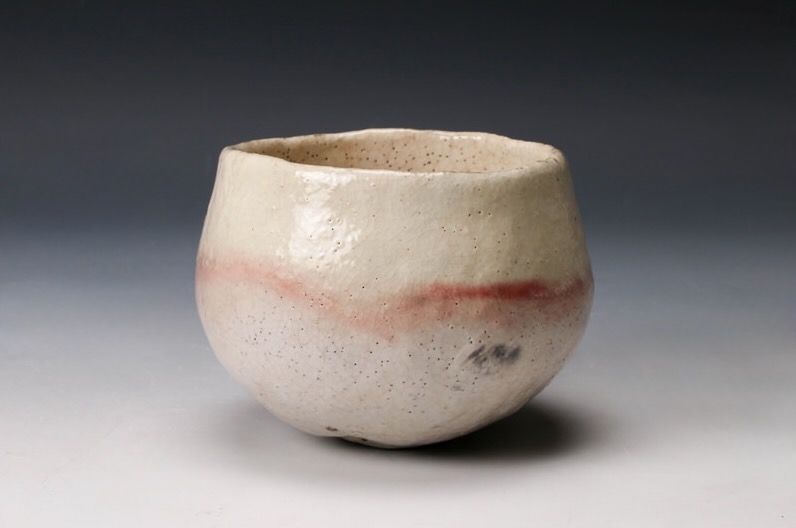
A rather rare motif by a master potter, delicate yet grounded, this white Raku tea bowl is truly one-of-a-kind. Crafted with meticulous attention to detail and
SOLD
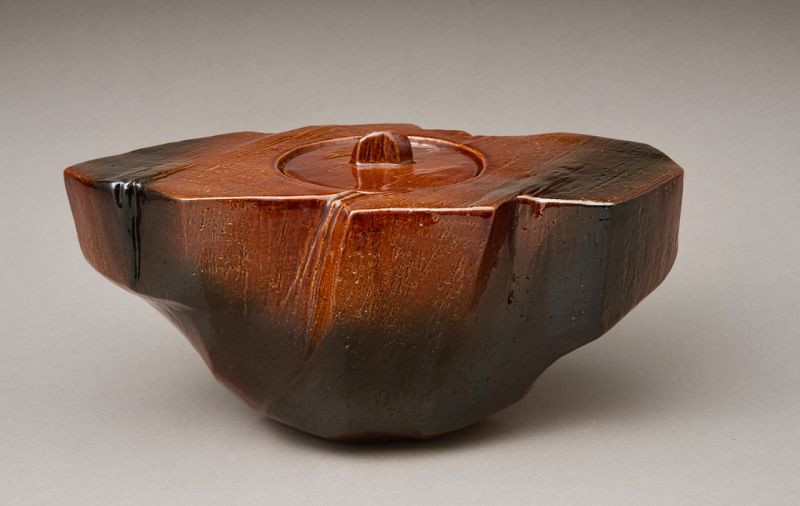
When the founder of the Urasenke style of tea ceremony, Sen-So Soshitsu (1622 -1697) was invited to Kanazawa as the master of tea ceremony for the powerful Kaga
SOLD
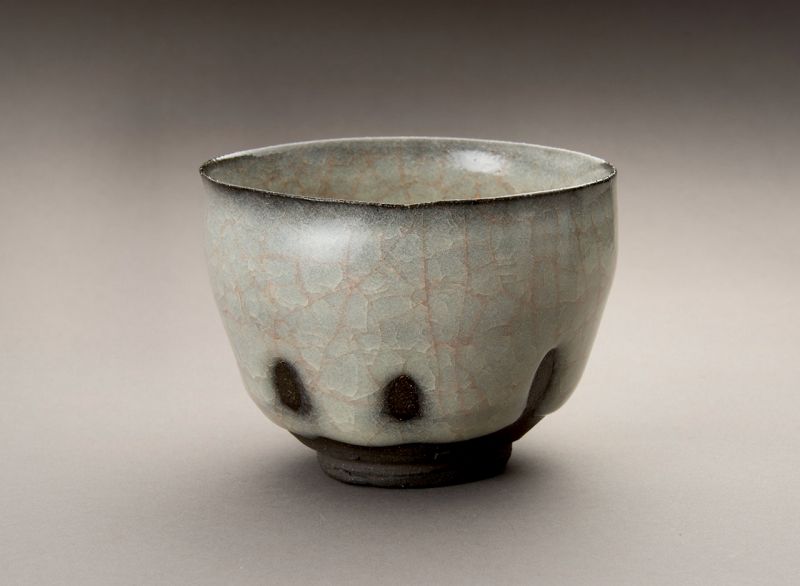
An example of some of the finest porcelain modern Japan has to offer. According to Wakao Kei, the artist who crafted this piece, it took him years of trial and
SOLD
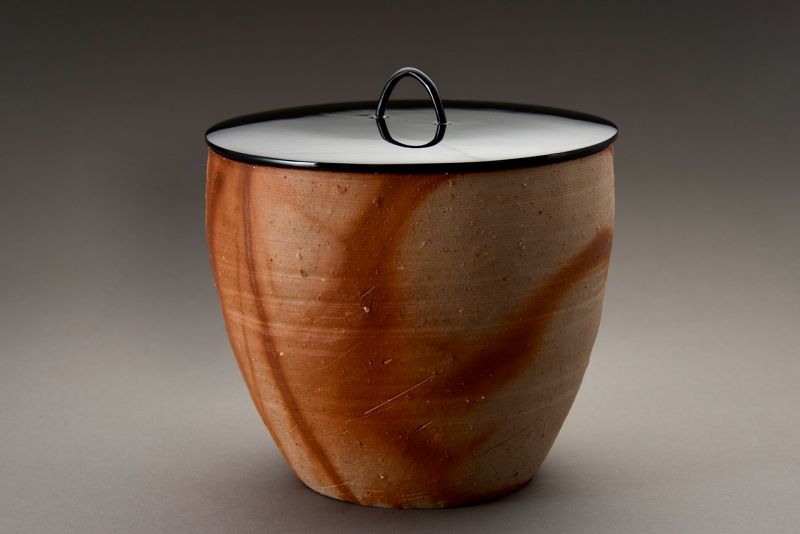
A veteran of Bizen pottery, Mori Tōgaku has been perfecting his style for close to seven decades now with most of his important work having been done in the las
SOLD
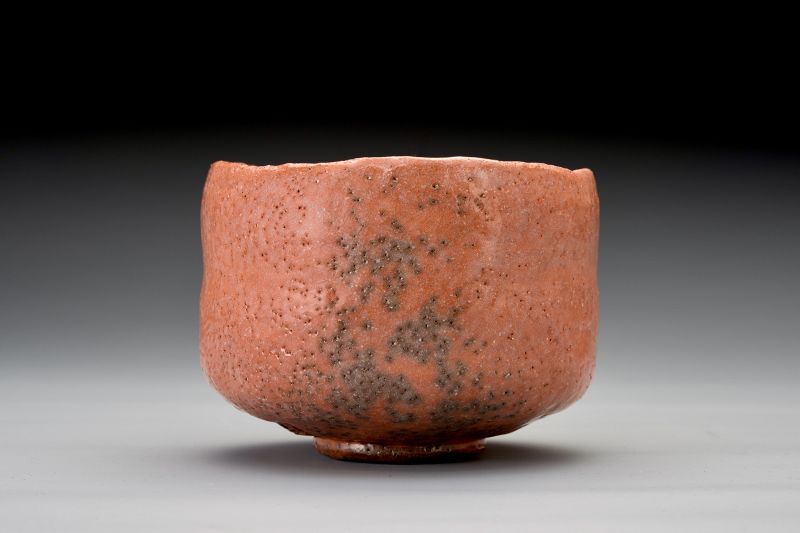
Crafted with meticulous attention to detail and showcasing a soft and gracefully executed red glaze, this Raku tea bowl exudes a sense of ease, tenderness, and
SOLD
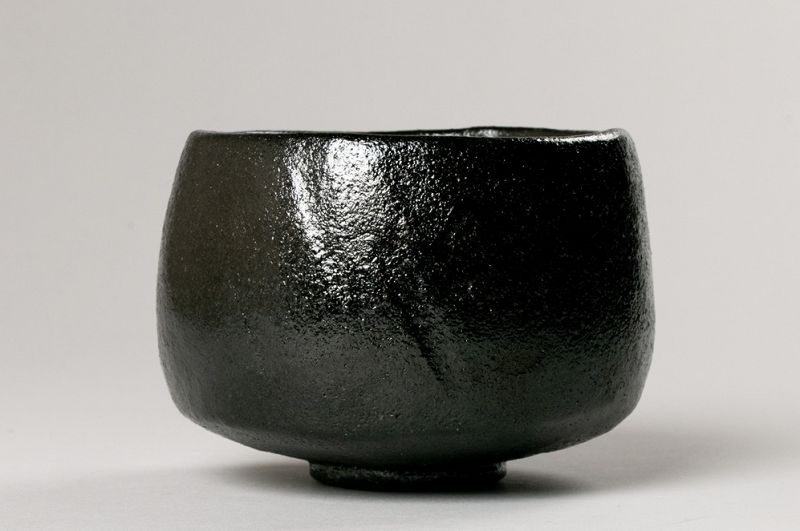
When the founder of the Urasenke style of tea ceremony, Sen-So Soshitsu (1622 -1697) was invited to Kanazawa as the master of tea ceremony for the powerful Kaga
SOLD
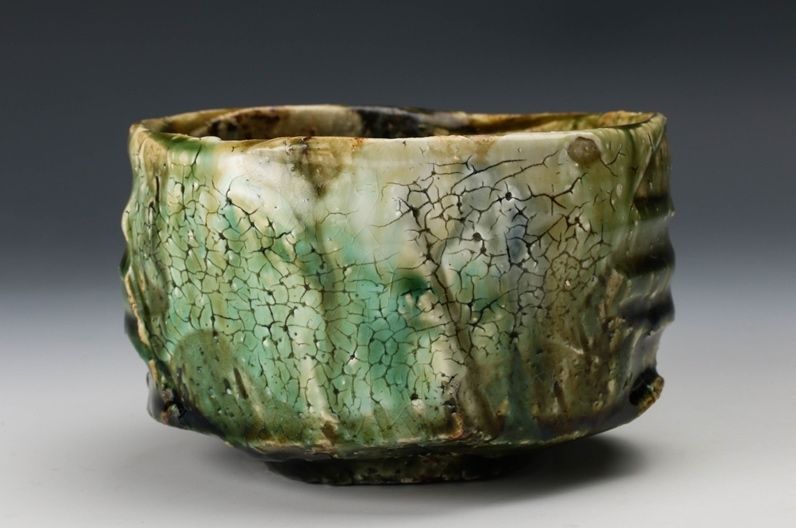
Intricately carved clay adorned with a complex and multi-layer Oribe glaze, this piece is one of the best I have encountered by this talented and multifaceted a
SOLD
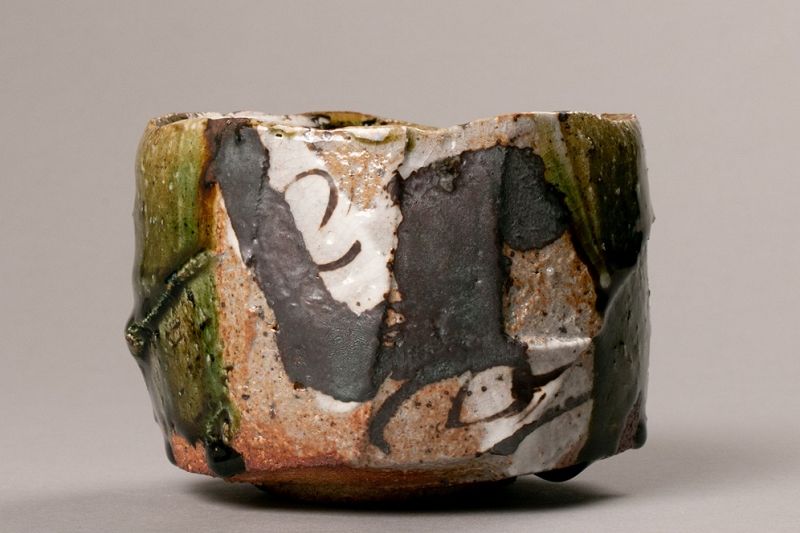
A harmonious blend of traditional craftsmanship and contemporary artistic expression, this extraordinary tea bowl encapsulates the essence of Oribe pottery whil
SOLD
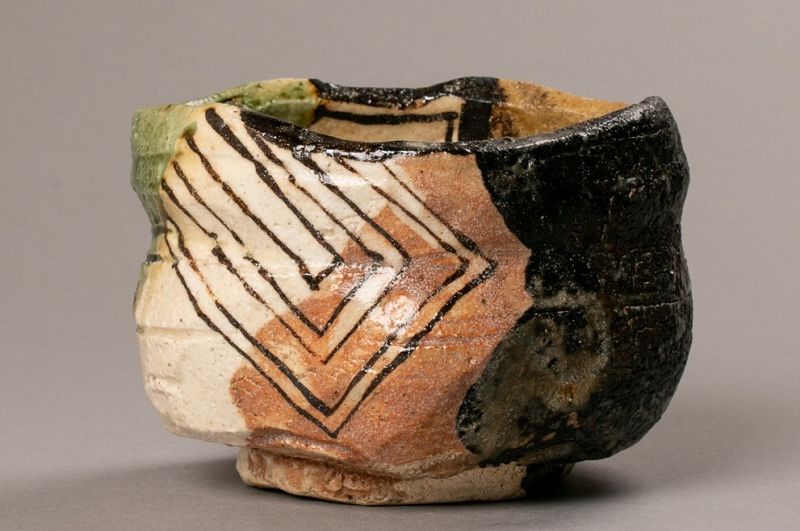
A captivating blend of traditional aesthetics and contemporary flair; with exquisite attention to detail, Goro masterfully combines the vibrant green Oribe glaz
SOLD
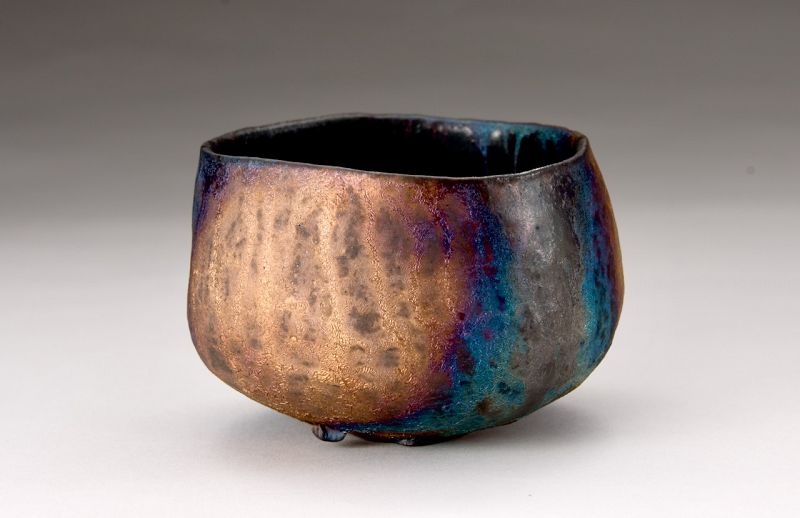
Not so often in the world of Japanese tea-ware do you come across something so exquisitely novel that it resists categorization in terms traditional styles. Thi
SOLD
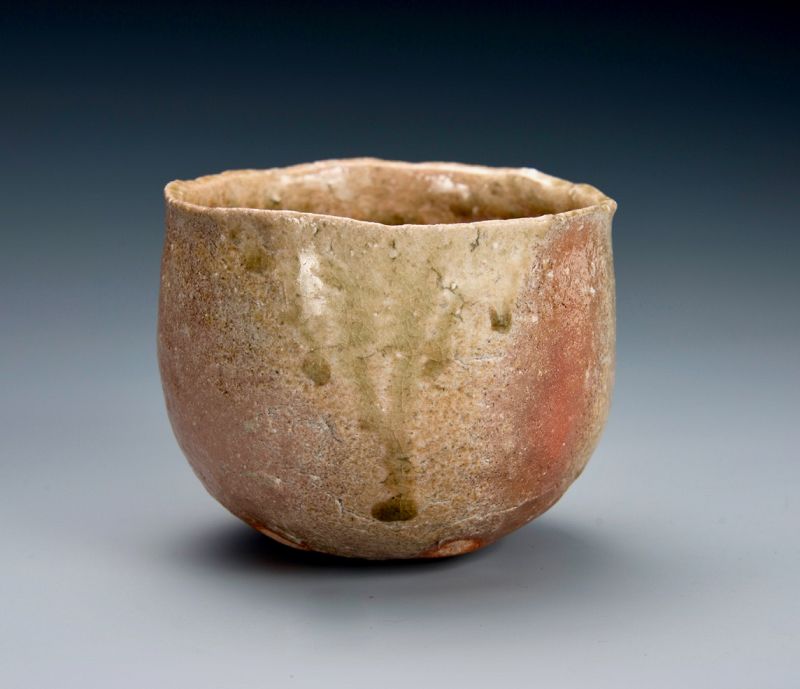
Sugimoto Sadamitsu (b. 1935) is one of the most important Shigaraki potters alive today and continues to create master works into his old age. Originally a resi
SOLD
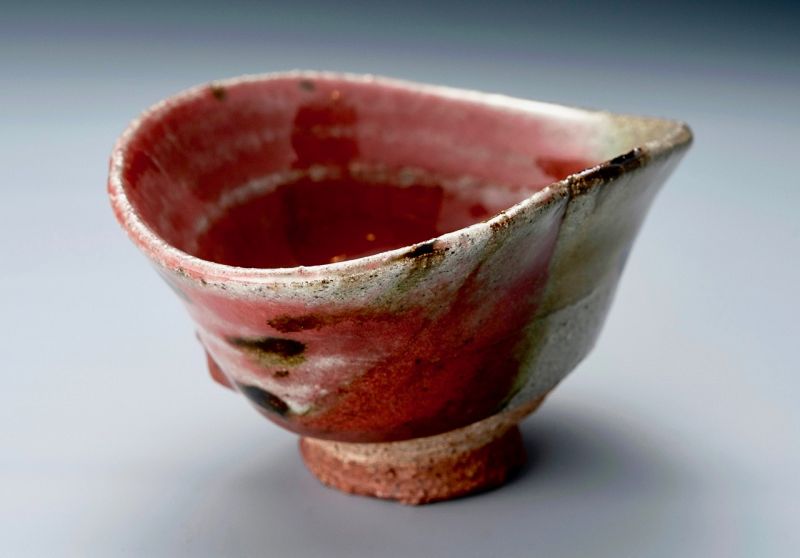
One of the more innovative and international minded ceramicists on the Japanese pottery scene, Ryoji Koie’s interests and expertise cannot be confined to one na
SOLD
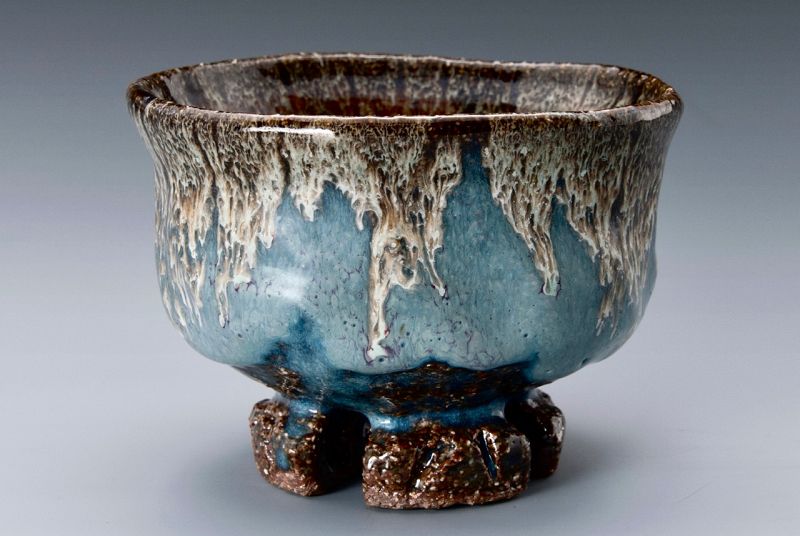
Ripples of light and dark pigmentation flowing on a background of sky-blue glaze—the description on the box reads 萩孔雀 (Hagi kujyaku) translating as “peacock Hag
SOLD
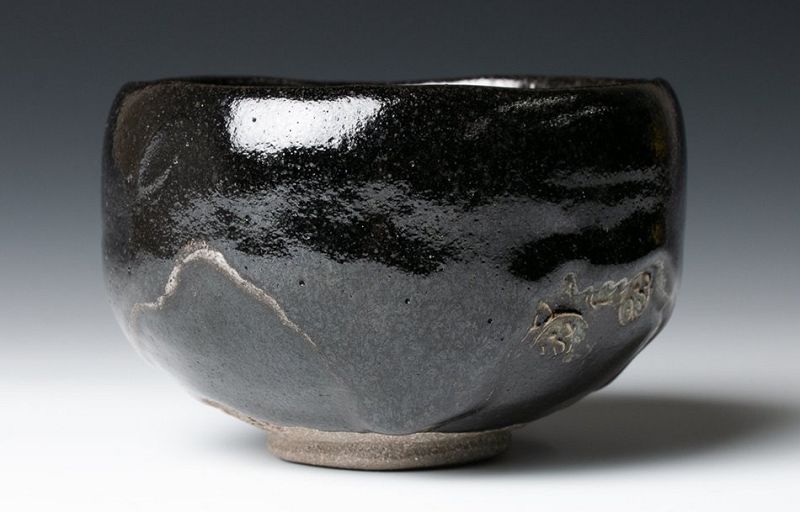
Imagine the vista of iconic Mount Fuji as you enjoy a cup of matcha from this very special tea bowl. Endorsed by the tea master of Urasenke as a master work, it
SOLD
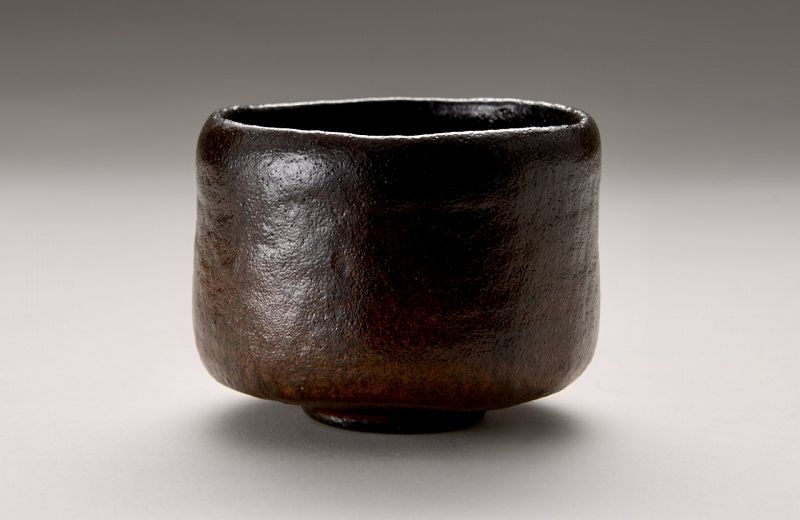
Closely resembling a historically important tea bowl made by one of the forebears of the art of tea and Raku pottery, Chojiro, this piece gives one a sense of t
SOLD
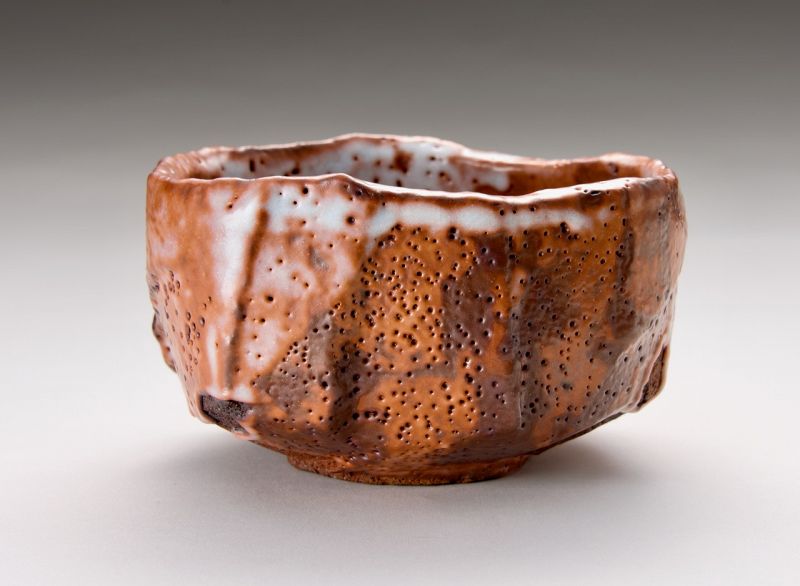
Decidedly masculine in character with straight sculpted edges, a rich palette of color, and a calm steadiness in the hand; this tea bowl was crafted by one of J
SOLD
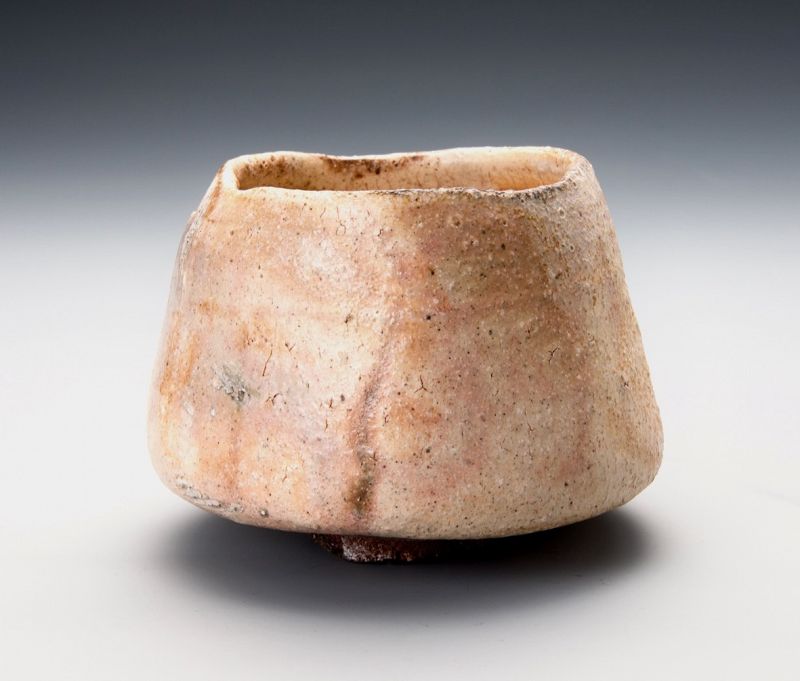
The artist who produced this piece, Wataru Motomura, prides himself in living a traditional life in the eastern hills of Kyoto—long known for its rich clay and
SOLD