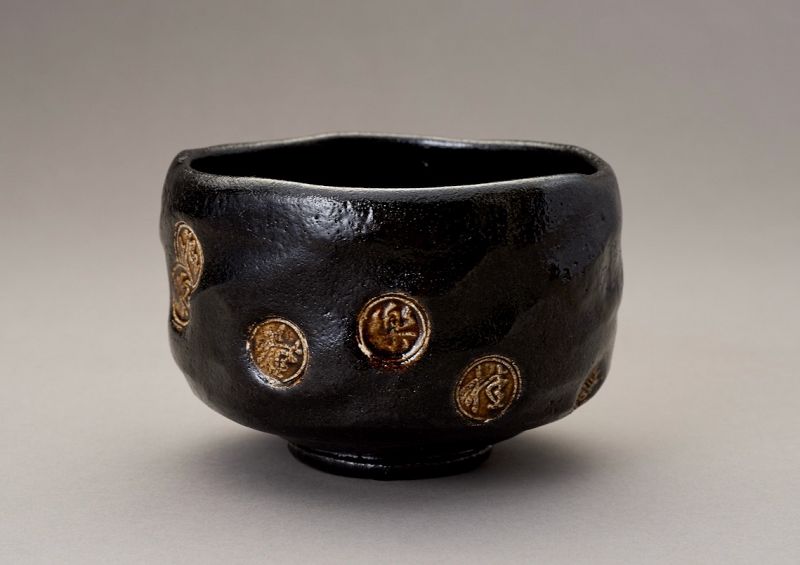
A Black Raku “Kazuin” Tea Bowl by Higaki Soroku
The term “Raku” was once reserved for a style of pottery produced by a specific household in Kyoto that began over 450 years ago. Over the years, as it gained p
Selected by shared artwork type, categories, artist and era. Available works appear first.
Back to the artwork · Browse the full collection
The term “Raku” was once reserved for a style of pottery produced by a specific household in Kyoto that began over 450 years ago. Over the years, as it gained p
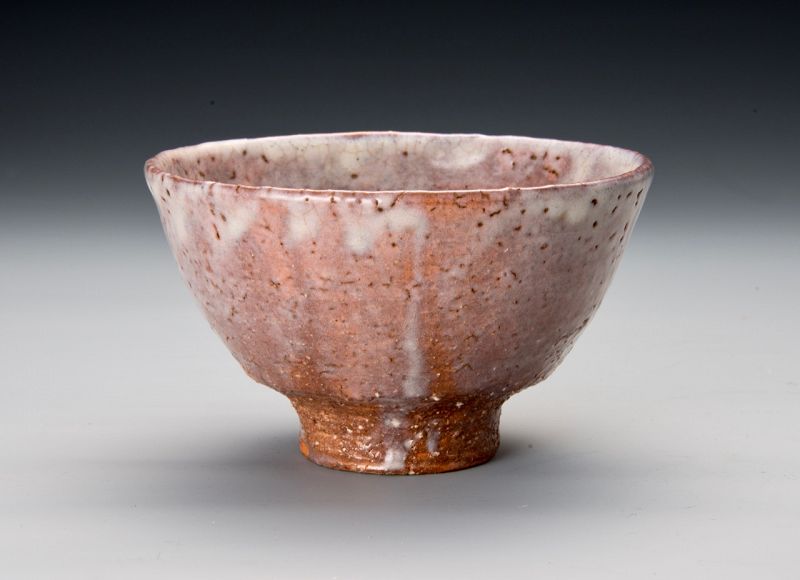
Simple yet classic styling—this tea bowl is perfect for anyone looking for the quintessential Ido-shaped chawan crafted by one of Japan’s master Hagi potters. B
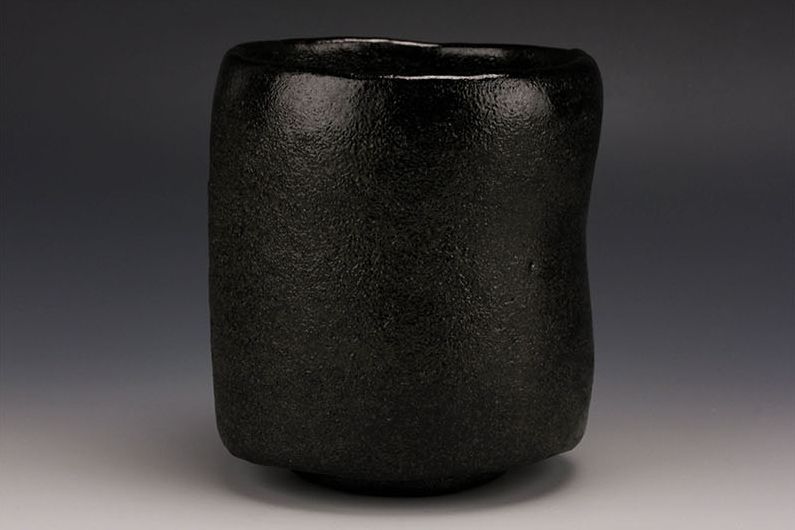
Tsutsu-shaped chawan have a unique and especially attractive shape. They are used mainly in the depths of winter to keep in the heat, and prevent the tea from c
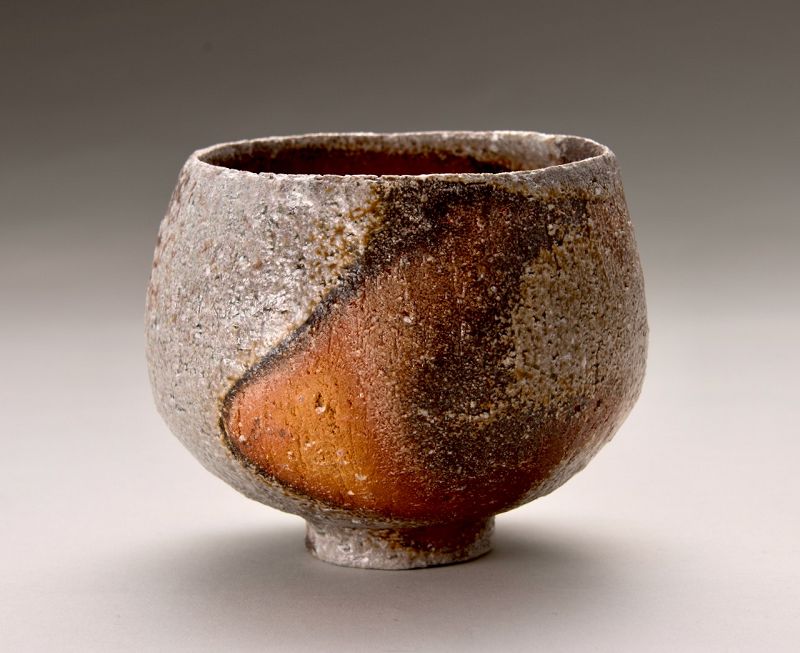
The artist who produced this piece, Wataru Motomura, prides himself in living a traditional life in the eastern hills of Kyoto—long known for its rich clay and
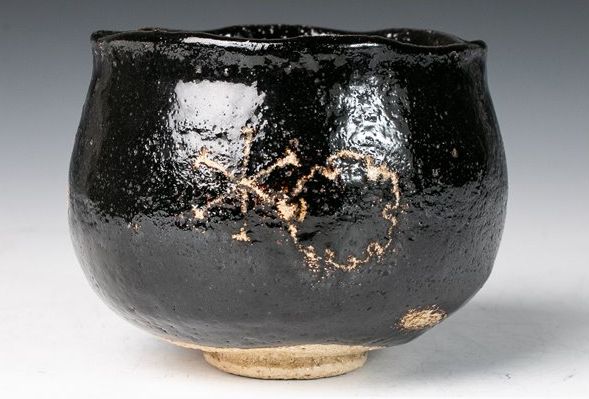
When the founder of the Urasenke style of tea ceremony, Senso Soshitsu (1622 -1697) was invited to Kanazawa as the lord of the tea ceremony for the powerful Kag
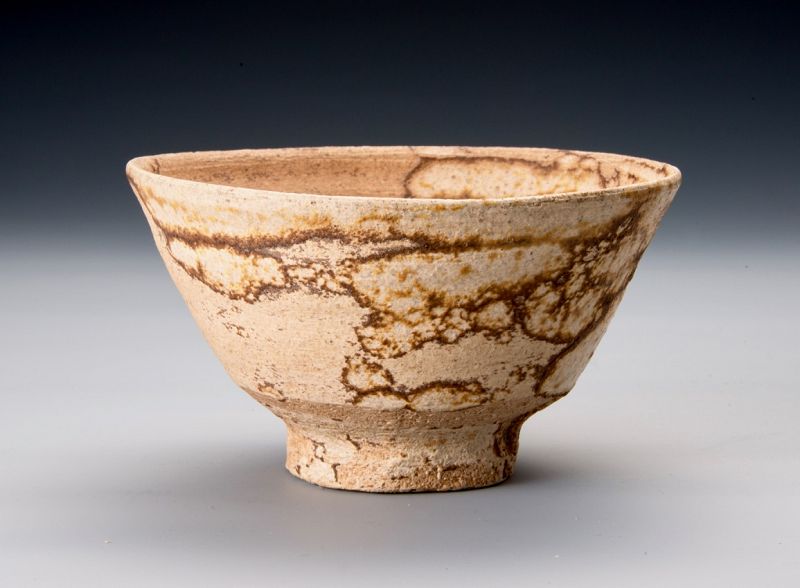
The distinctive and easily recognizable style of Bizen pieces, such as the one featured here, originated in Okayama (south-western Japan) and has a long history
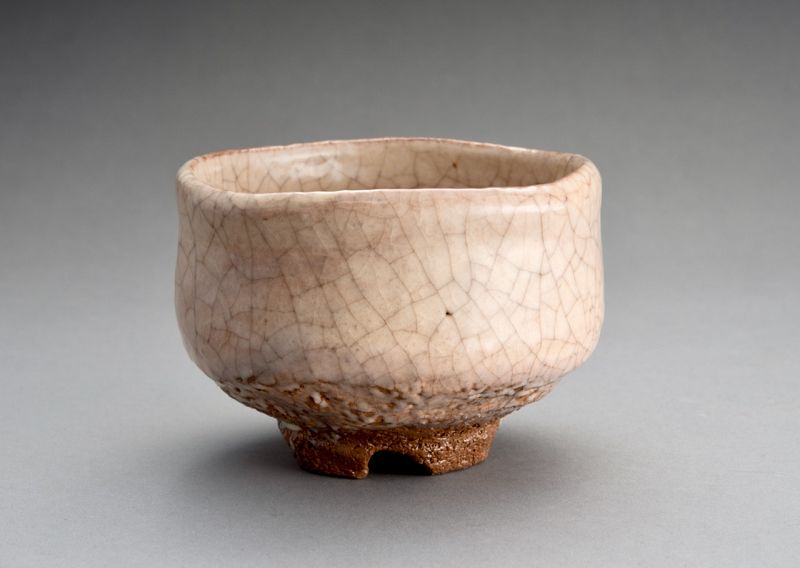
Father to internationally known Hagi potter Kaneta Masanao (the 8th generation Sanzaemon potter), though he never achieved the same level of notoriety as his so
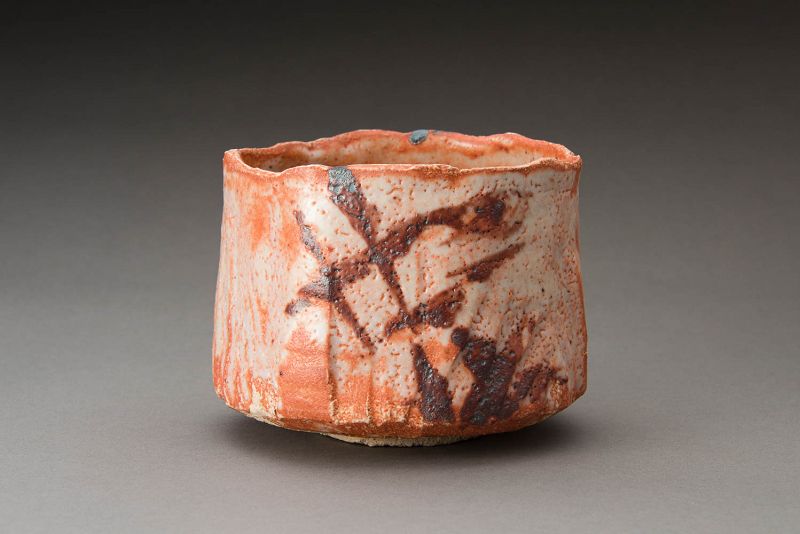
Occasionally while browsing through the temple markets of Kyoto or perusing backstreets tea-ware shops, an attractive piece will catch my eye for no particular
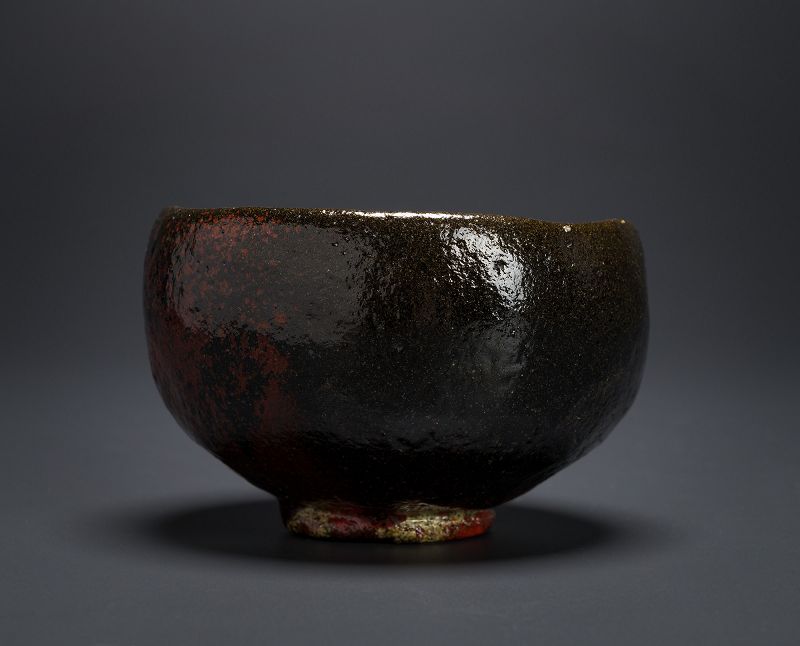
A beautiful example of Ohi inspired Raku-ware; the body of this stylish tea vessel is a mix of a dark black gradating to charcoal grey with undertones of reddis
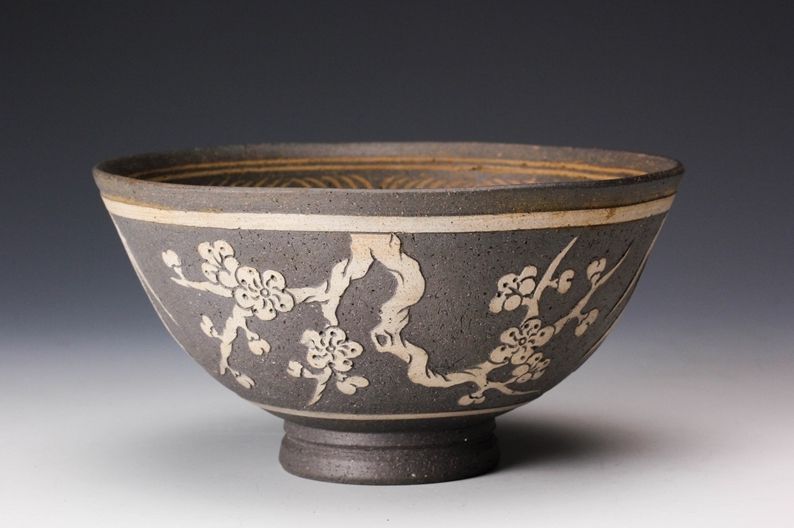
Being based in Kyoto we occasionally come across fine Chinese and Korean tea-ware to mix in with our Japanese offerings. Here we have an example of a ceremonial
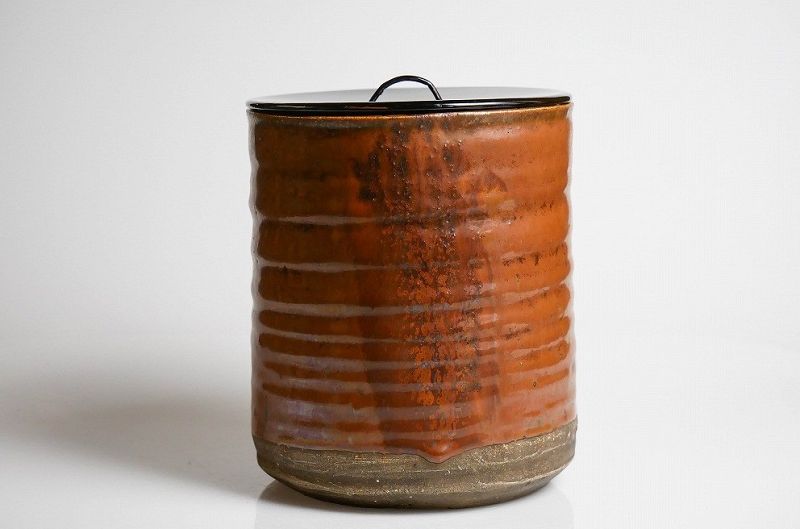
Seto is a pottery tradition established in the 12th century with the aim of reproducing fine Chinese porcelain and tenmoku-style tea bowls—which were hard to co