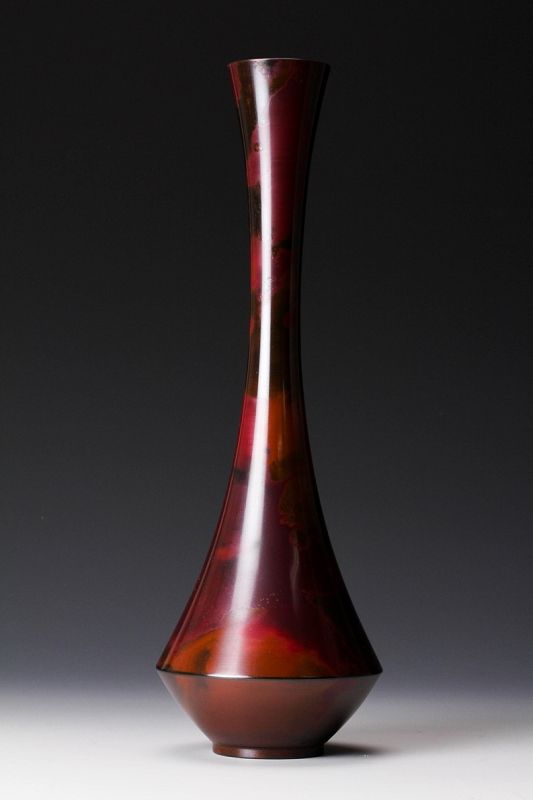
A Bronze Flower Vase - Living National Treasure Takahashi Keiten (1920-2009)
The style of this vase, known in Japanese as karakane (“kara” meaning Chinese and “kane” meaning copper), has been carried on by Japanese craftsmen since its th
Selected by shared artwork type, categories, artist and era. Available works appear first.
Back to the artwork · Browse the full collection
The style of this vase, known in Japanese as karakane (“kara” meaning Chinese and “kane” meaning copper), has been carried on by Japanese craftsmen since its th
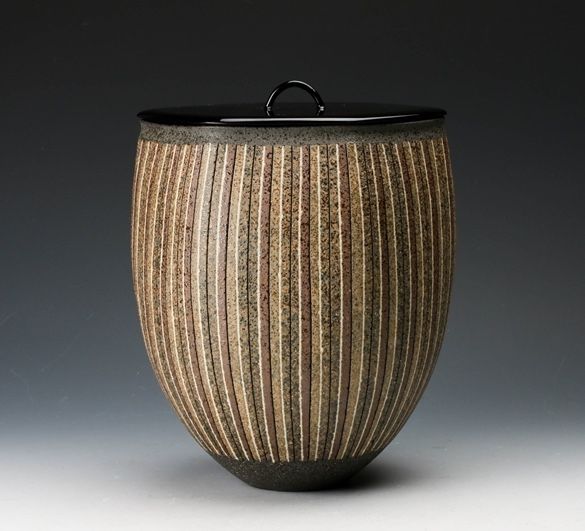
Japanese inlay ceramics (zōgan) are created by making incisions on the surface of a clay body which are then filled with various colored clays, creating a patte

Exquisitely painted willow branches (yanagi) on a background of jet-black traditional lacquer; this exquisite functional art object appeals not only to practiti
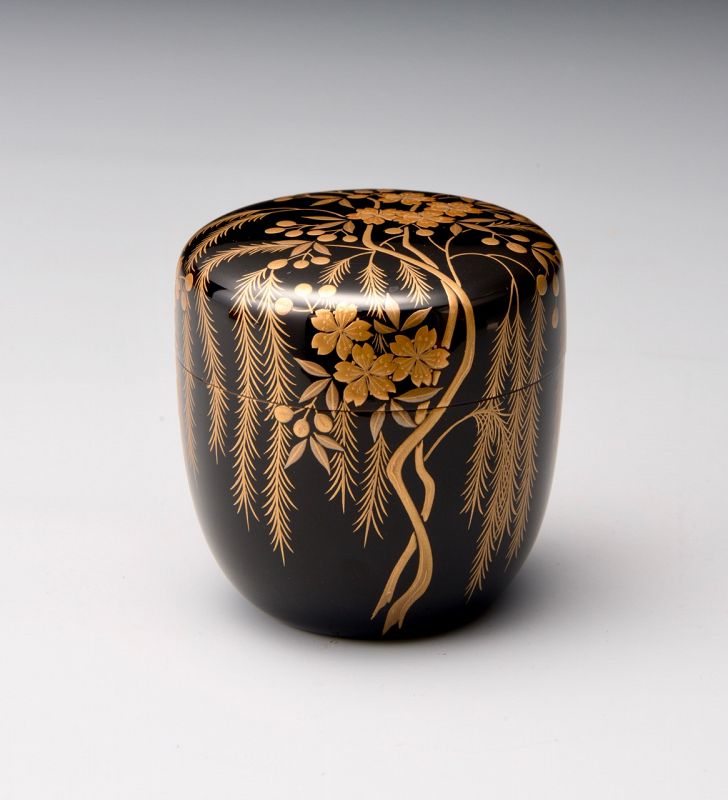
Exquisitely painted cherry blossoms (sakura) and willow branches (yanagi) on a background of jet-black traditional lacquer. The craftsman, Wakashima Takao (b. 1
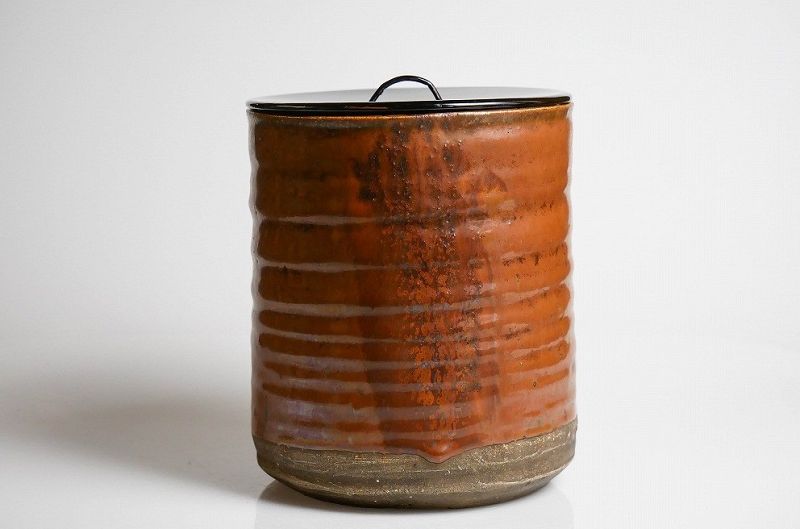
Seto is a pottery tradition established in the 12th century with the aim of reproducing fine Chinese porcelain and tenmoku-style tea bowls—which were hard to co
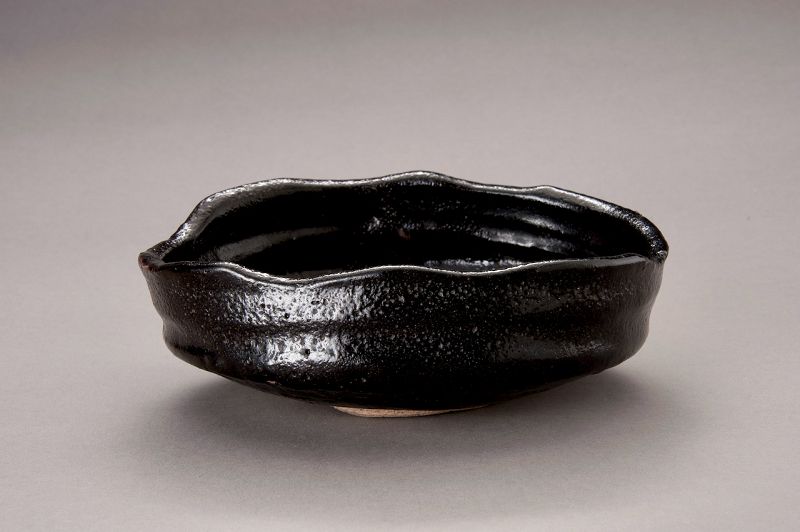
Living in Kyoto it is not uncommon to come across beautiful antique tea bowls, however, finding pieces that are in good condition, aesthetically compelling, and
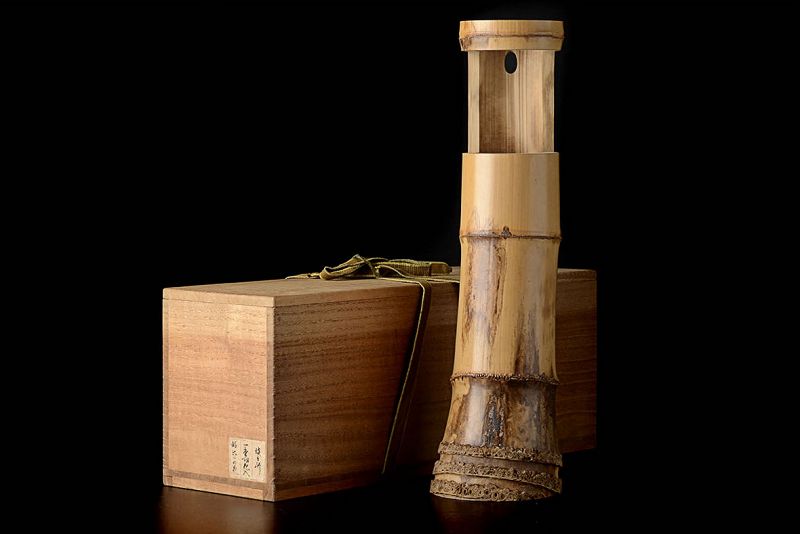
Flower arranging is one of the great arts that Japan has managed to take to ever greater heights of refinement over its long history. Here we have a classic exa
SOLD
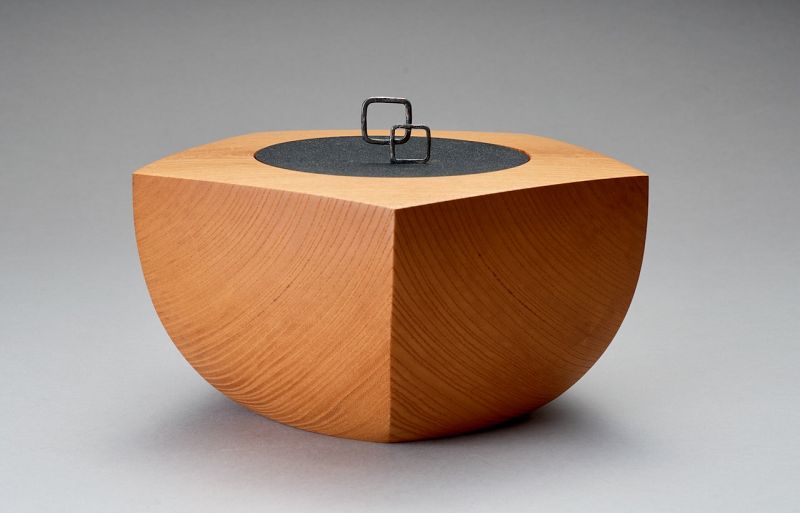
Carved from the trunk of a 400 year old zelcova tree, this lovely mizusashi for tea ceremony perfectly encapsulates the traditional craftsmanship surrounding Ja
SOLD
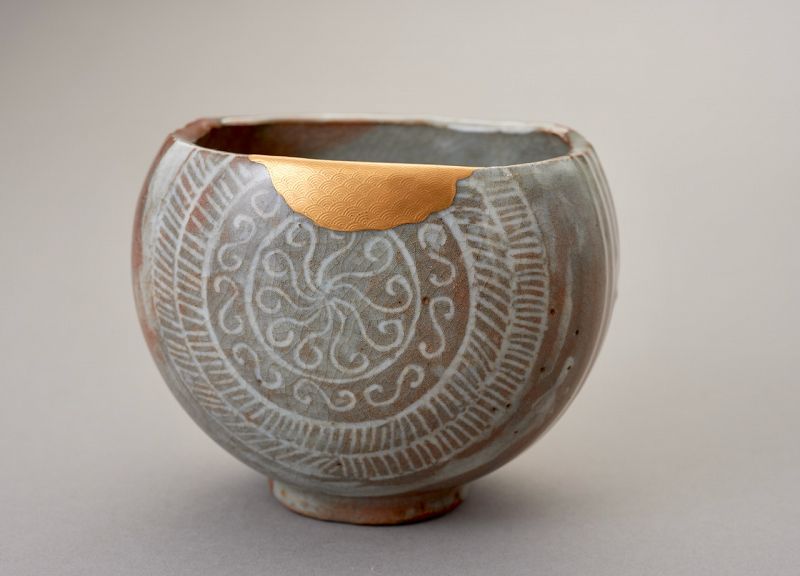
From a 2006 excavation site in Tokyo known to be occupied by the Owari Tokugawa clan—the most senior contingent of the Tokugawa clan that united Japan under one
SOLD
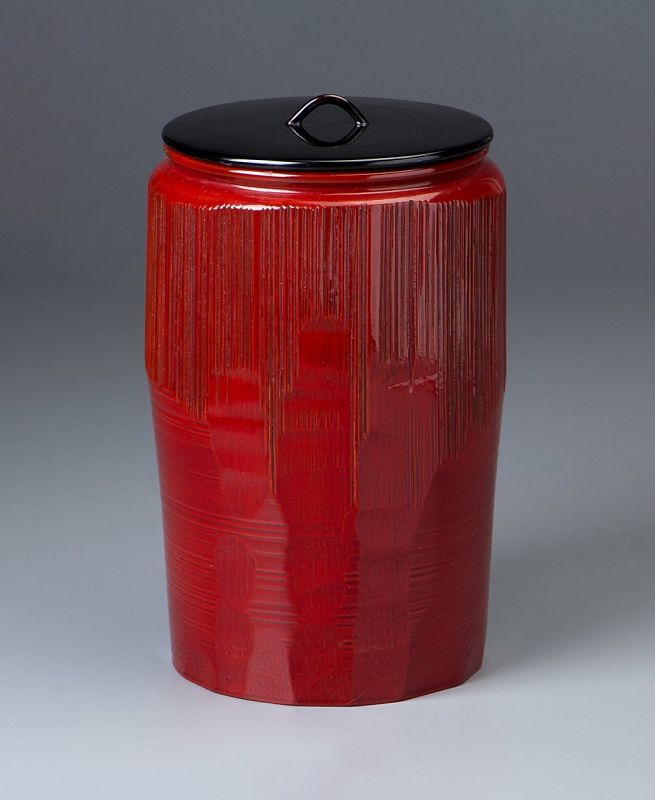
A testament to the brilliance of traditional Japanese craftsmanship, this lacquered mizusashi—skillfully handcrafted from bamboo—showcases a deep crimson hue th
SOLD