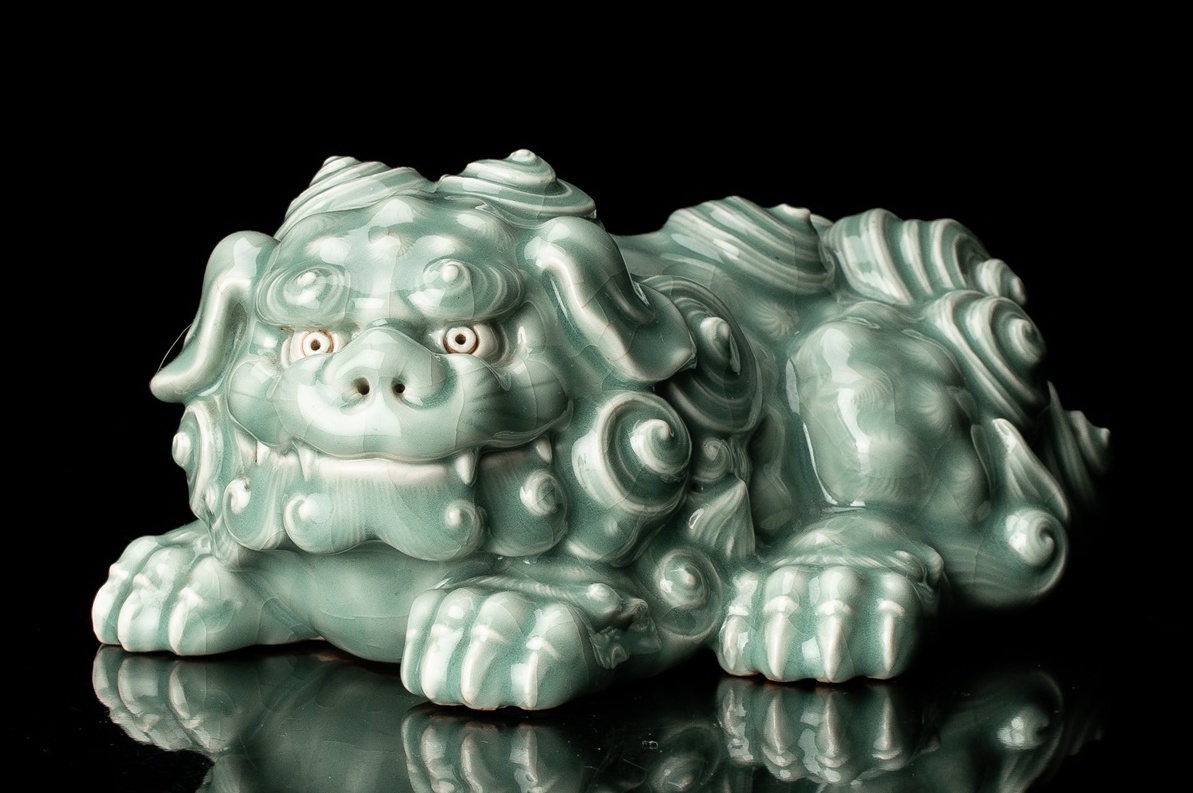
A Celadon Shishi Statue - Miyagawa Kōzan I (1842-1916)
One of only five Imperial Court Artists of Meiji, ceramic pieces by Kōzan are highly prized by collectors and are ever more difficult to find on the market thes
SOLD
Selected by shared artwork type, categories, artist and era. Available works appear first.
Back to the artwork · Browse the full collection
One of only five Imperial Court Artists of Meiji, ceramic pieces by Kōzan are highly prized by collectors and are ever more difficult to find on the market thes
SOLD
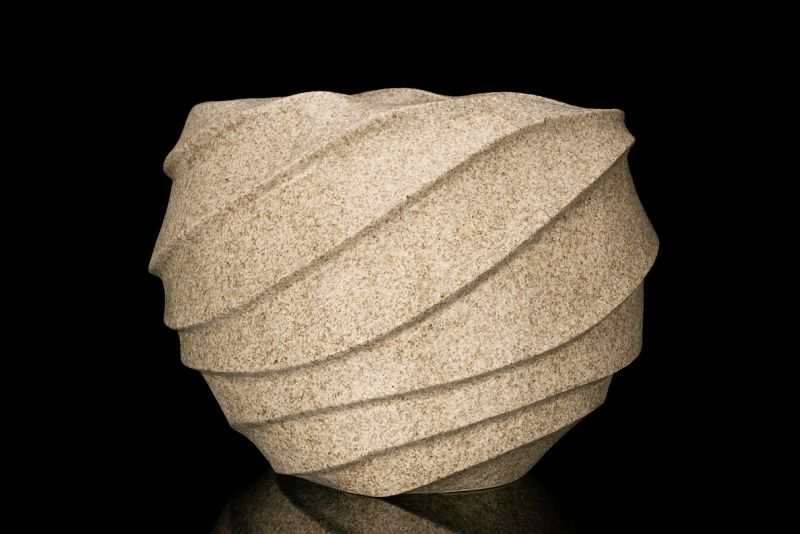
From a well-known series entitled “Chōtō” (Listening to the Waves) this large contoured vase features a sandy glaze that the sculptor claims is an expression of
SOLD
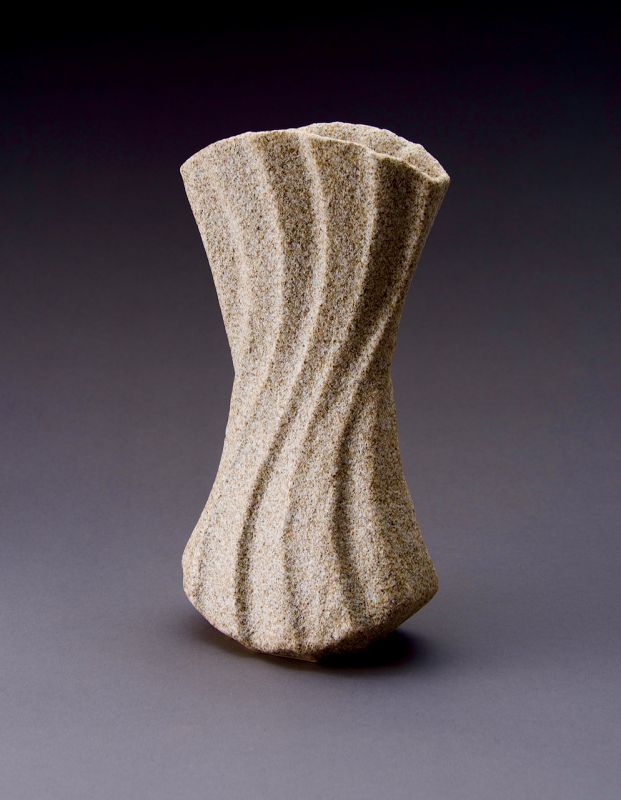
From a well-known series entitled “Chōtō” (Listening to the Waves) this contoured vase features a sandy glaze that the sculptor claims is an expression of the f
SOLD
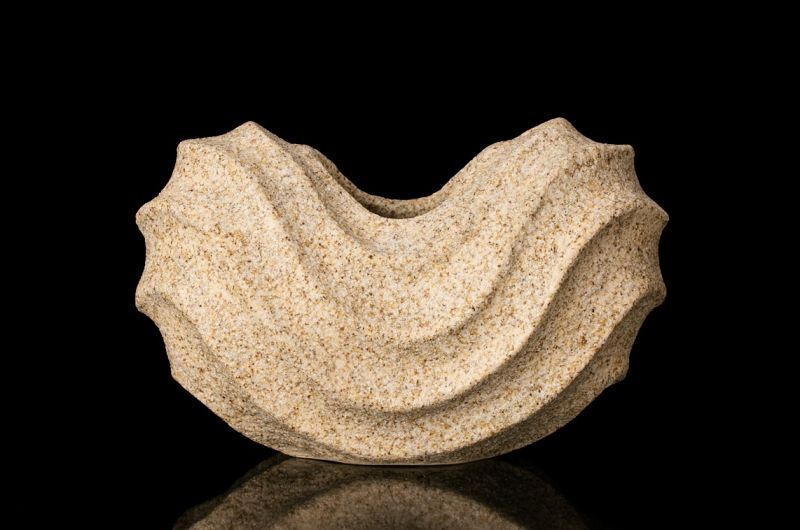
From a well-known series entitled “Chōtō” (Listening to the Waves) this contoured vase features a sandy glaze that the sculptor claims is an expression of the f
SOLD
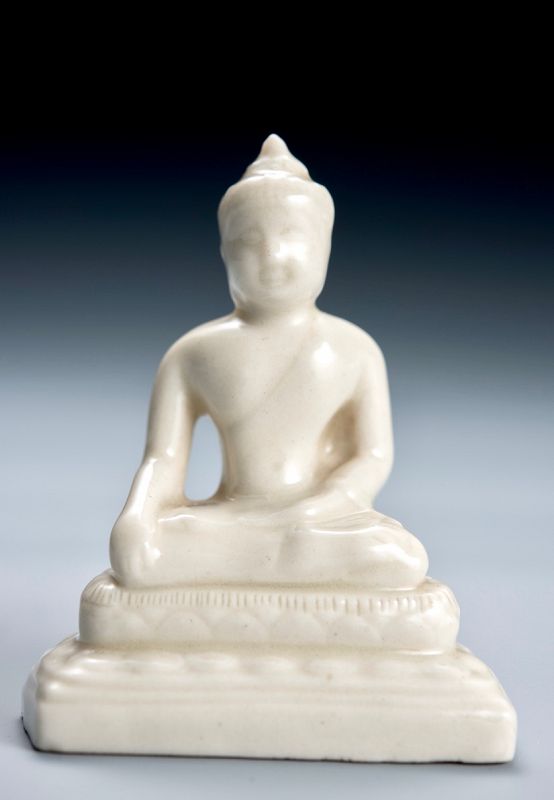
This white porcelain statue depicts a small seated Bodhisattva deep in meditation. Bodhisattva, otherwise known as bosatsu in Japan, are enlightened beings who
SOLD
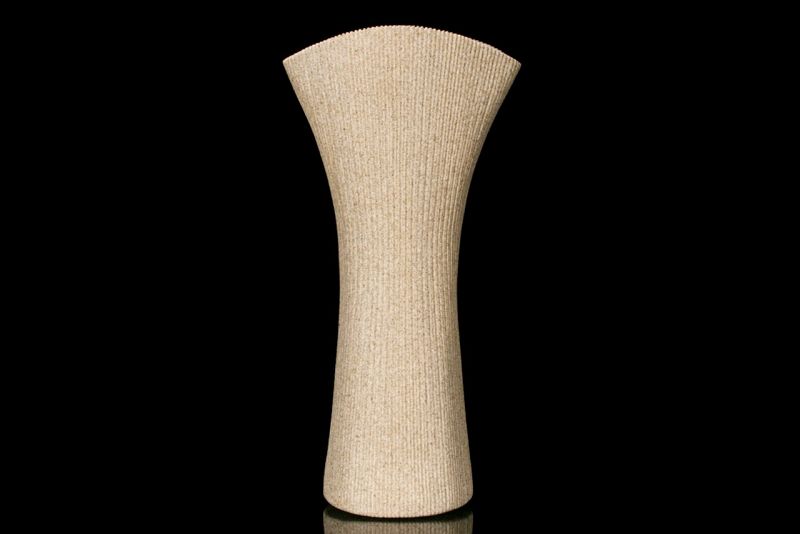
From a well-known series entitled “Chōtō” (Listening to the Waves) this large contoured vase features a sandy glaze that the sculptor claims is an expression of
SOLD
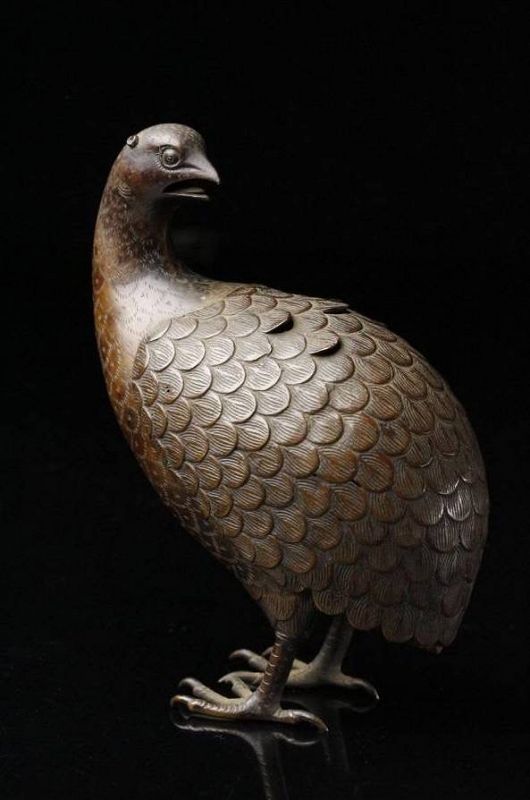
This Edo-period bronze quail incense burner is a stunning piece of Japanese craftsmanship. The lifelike form of the quail, intricately detailed and gracefully c
SOLD
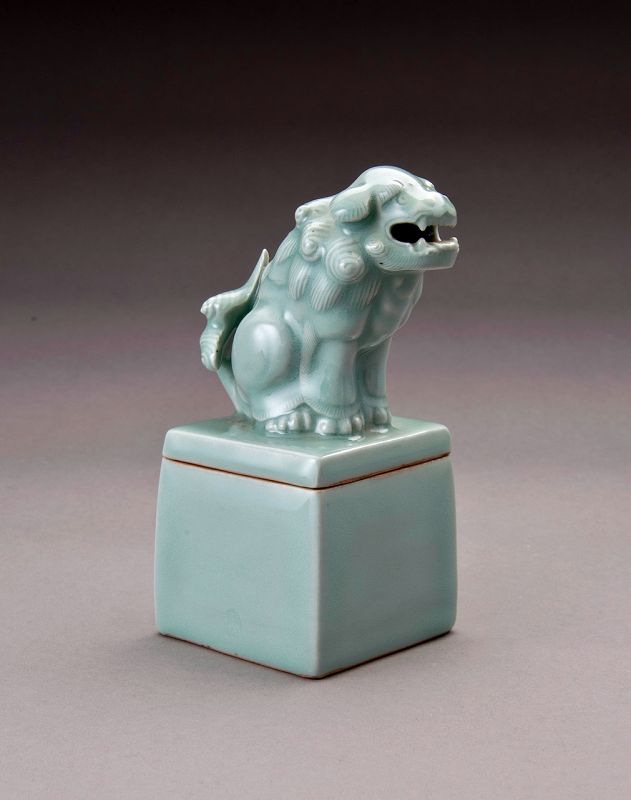
Considered auspicious symbols of wealth, status, and good fortune; foo dogs—commonly referred to as shishi or koma-inu in Japan—are often seen in pairs guarding
SOLD
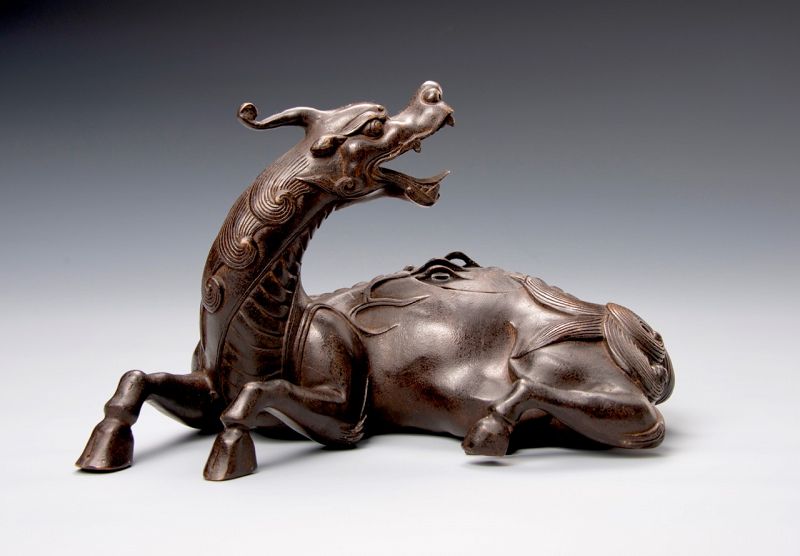
The Kirin is a hooved mythical chimera-type deity venerated throughout central and east Asia. Most resembling a giraffe, though often depicted with dragon-like
SOLD
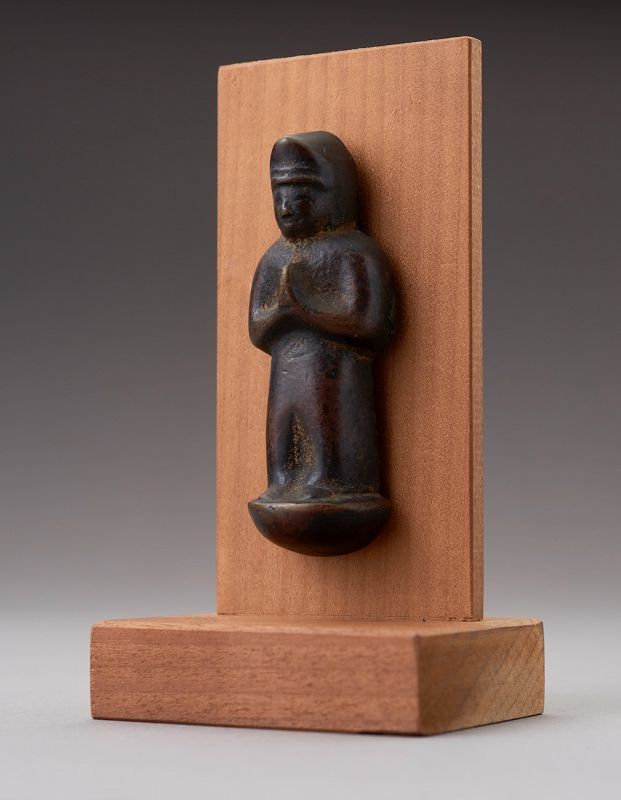
During the Kamakura period in Japan (1185-1333), a remarkable form of Buddhist sculpture known as the votive Buddha emerged. Commonly referred to as kakebotoke
SOLD